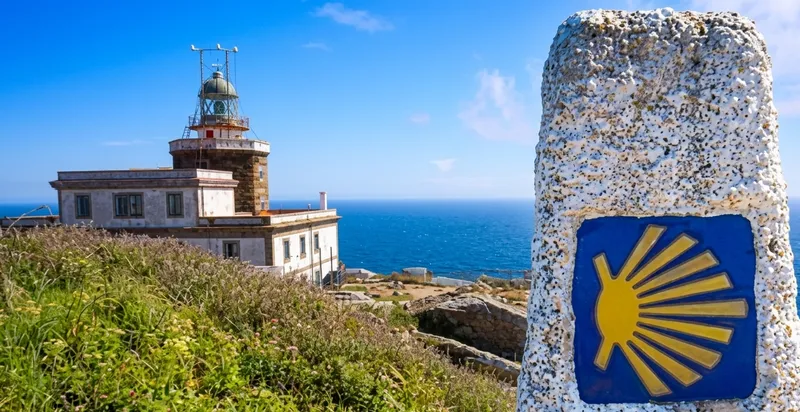
Stage of the Camino
Stage Augapesada to Santiago de Compostela
From Augapesada To Santiago de Compostela
Plan your CaminoOrigin
Destination
Distance
12.40 km
Duration
3.50 h
Difficulty
Moderate
Stage of the Camino
Stage Description
The final day begins in Augapesada, beside its sturdy medieval bridge over the Rego dos Pasos, and immediately faces the day's challenge: a steady, demanding climb up to the Alto do Vento, which crests near 295 metres. Once the ascent is behind, the route eases and undulates through the hamlets of Ventosa, Roxos, Quintáns and Carballal, alternating tracks, corredoiras and stretches of asphalt across a rural landscape of eucalyptus, meadows and hórreos. Reaching the Sarela district, the city announces itself among houses and gardens until the walker crosses the threshold of Santiago de Compostela. The path climbs gently through the streets of the old town before opening onto the Praza do Obradoiro, at the foot of the cathedral: the journey's end and the fulfilment of the Jacobean goal.
The stage begins in Augapesada, in the municipality of Ames, where the medieval bridge over the Rego dos Pasos marks the start of the day at around fifty metres of altitude. From this low point the trail takes on the hardest section of the day head-on: a long, sustained climb that gains height continuously up to the Alto do Vento, near 295 metres. The effort is rewarded by the views opening back over the valley and by the certainty that, once the pass is crested, the way to Santiago will be far gentler.
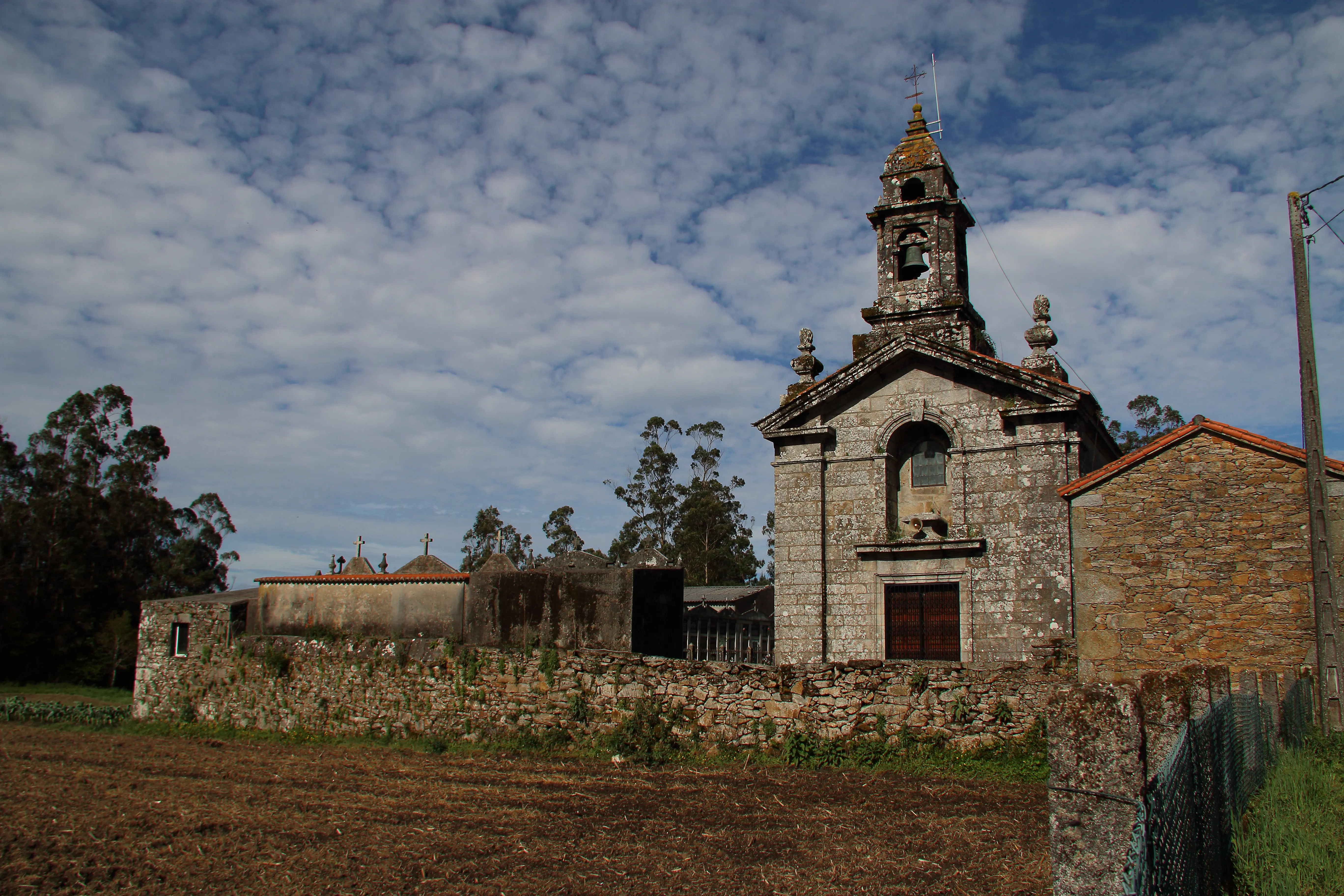
Beyond the Alto do Vento the route changes character and begins to undulate in a soft, broken descent. The walker passes through a string of small Galician hamlets —Ventosa, Roxos, Quintáns, Carballal— where dirt tracks, shaded corredoiras and stretches of asphalt alternate. The landscape is thoroughly rural: eucalyptus and oak woods, fenced meadows, stone hórreos and scattered clusters of houses that quietly hint at the nearness of the city.
The intimate mood of the walk holds until the Sarela district, on the outskirts of Santiago, where the stream of the same name and the last vegetable gardens offer a green farewell before the urban asphalt. From here the path links up with the first Compostelan streets and the atmosphere is transformed: the silence of the countryside gives way to the bustle of a city that lives from the Camino and for the Camino, with pilgrims converging from every route.
The entrance into Santiago de Compostela climbs gently along the historic layout until it reaches the two hundred and sixty metres of the old town. Threading between stone arcades, the walker finally emerges into the Praza do Obradoiro, broad and solemn, with the baroque façade of the cathedral rising before them. It is the journey's end: the place where the stages close, the pack is set down, and the arrival, awaited over so many kilometres, becomes a calm and quiet emotion.
Beyond the Alto do Vento the route changes character and begins to undulate in a soft, broken descent. The walker passes through a string of small Galician hamlets —Ventosa, Roxos, Quintáns, Carballal— where dirt tracks, shaded corredoiras and stretches of asphalt alternate. The landscape is thoroughly rural: eucalyptus and oak woods, fenced meadows, stone hórreos and scattered clusters of houses that quietly hint at the nearness of the city.
The intimate mood of the walk holds until the Sarela district, on the outskirts of Santiago, where the stream of the same name and the last vegetable gardens offer a green farewell before the urban asphalt. From here the path links up with the first Compostelan streets and the atmosphere is transformed: the silence of the countryside gives way to the bustle of a city that lives from the Camino and for the Camino, with pilgrims converging from every route.
The entrance into Santiago de Compostela climbs gently along the historic layout until it reaches the two hundred and sixty metres of the old town. Threading between stone arcades, the walker finally emerges into the Praza do Obradoiro, broad and solemn, with the baroque façade of the cathedral rising before them. It is the journey's end: the place where the stages close, the pack is set down, and the arrival, awaited over so many kilometres, becomes a calm and quiet emotion.
Last updated: 07/07/2026
Where to Sleep
Accommodations in this Stage
Find the perfect place for your rest in Augapesada o Santiago de Compostela.
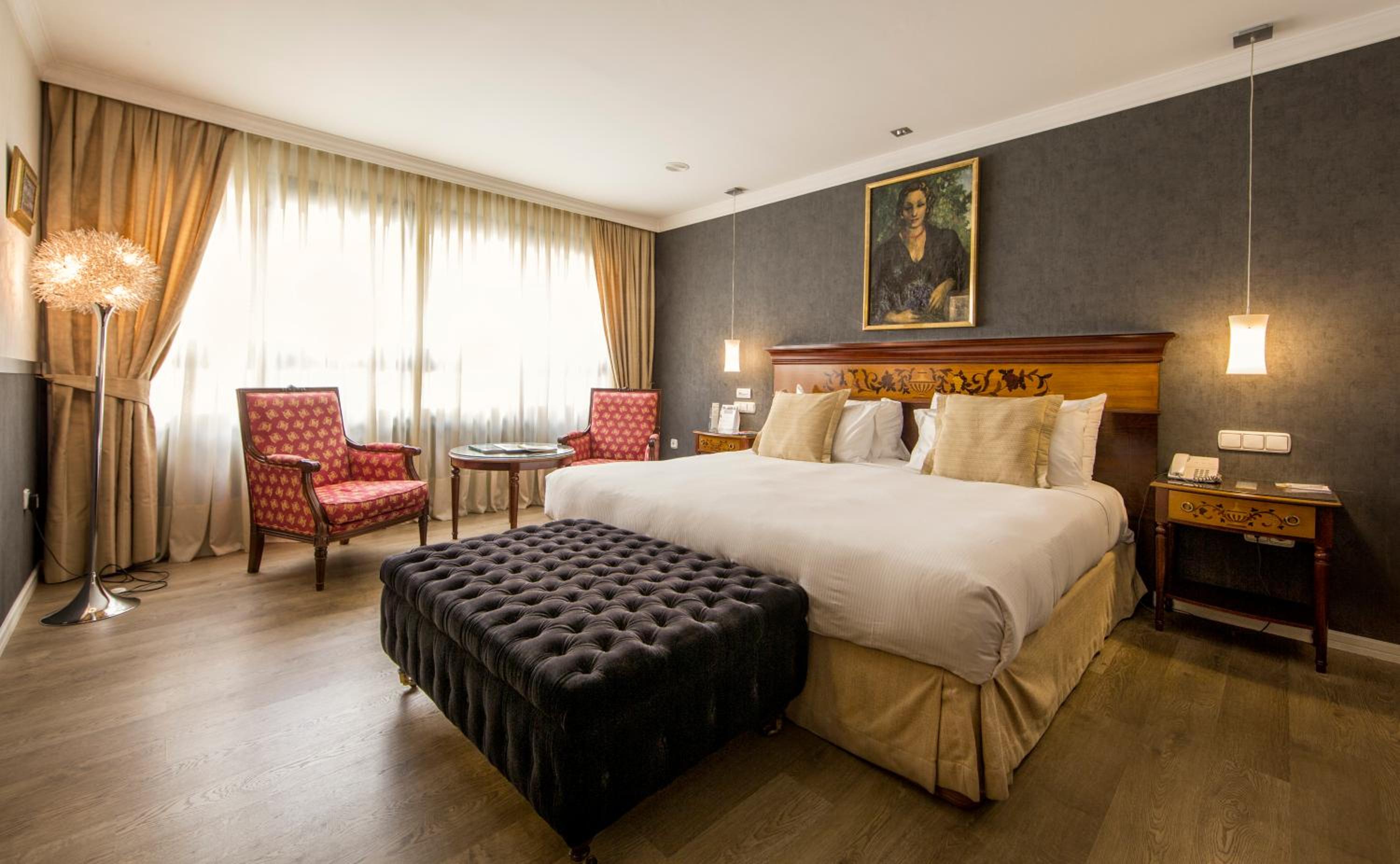
Eurostars Araguaney
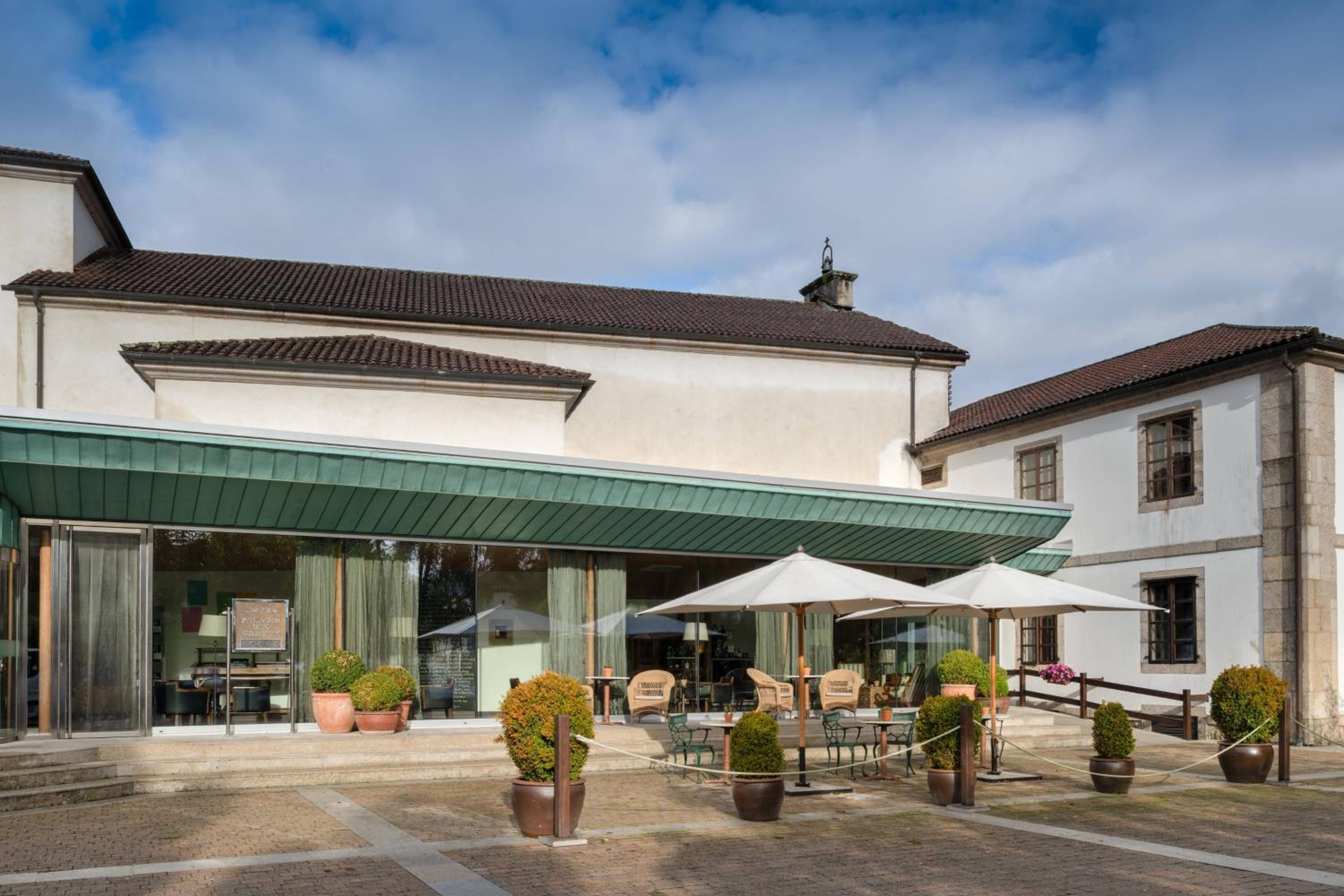
Hotel Palacio del Carmen, Autograph Collection
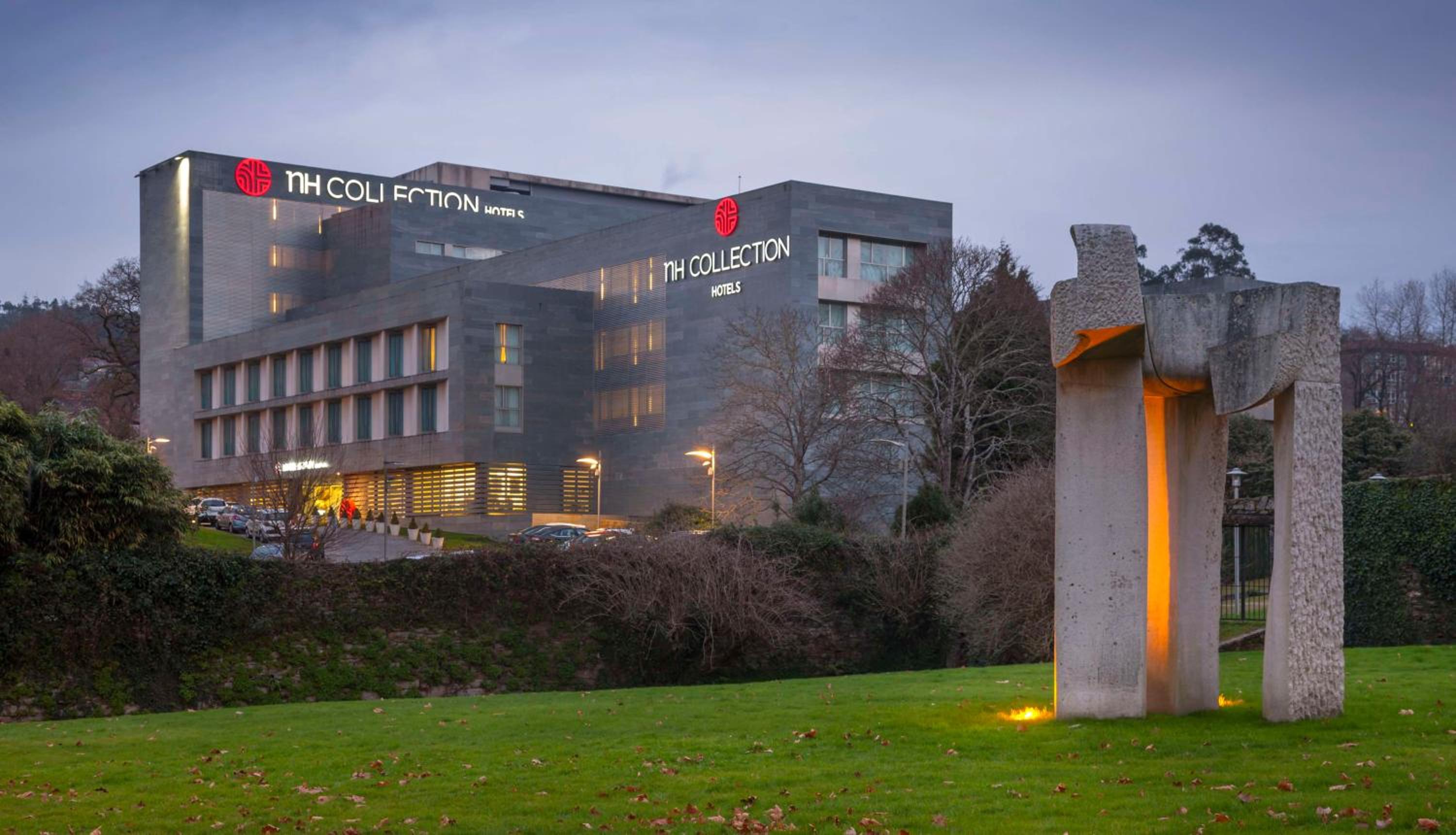
NH Collection Santiago de Compostela
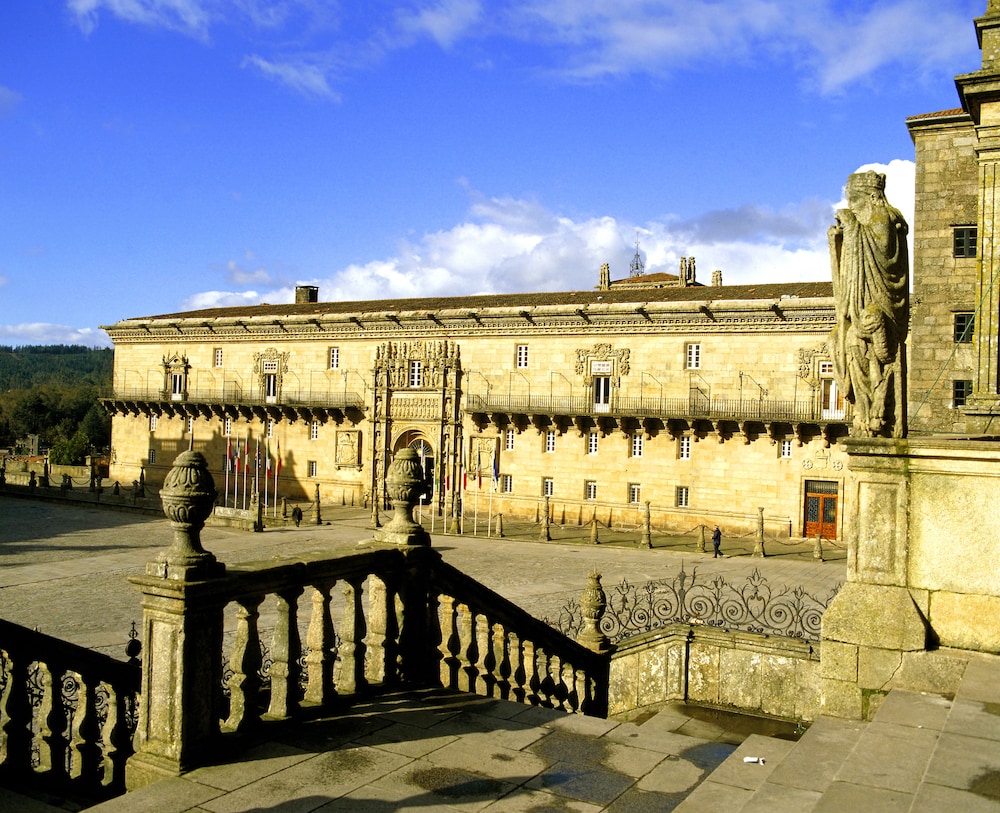
Parador de Santiago de Compostela

A Quinta Da Auga Hotel Spa Relais & Chateaux
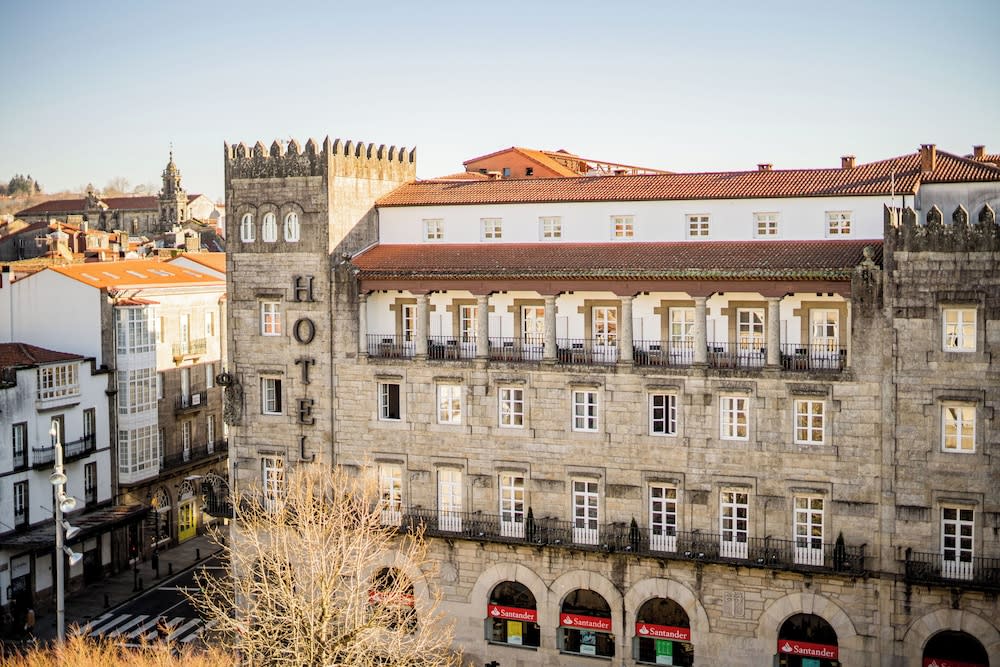
Compostela Hotel

Eurostars Gran Hotel Santiago
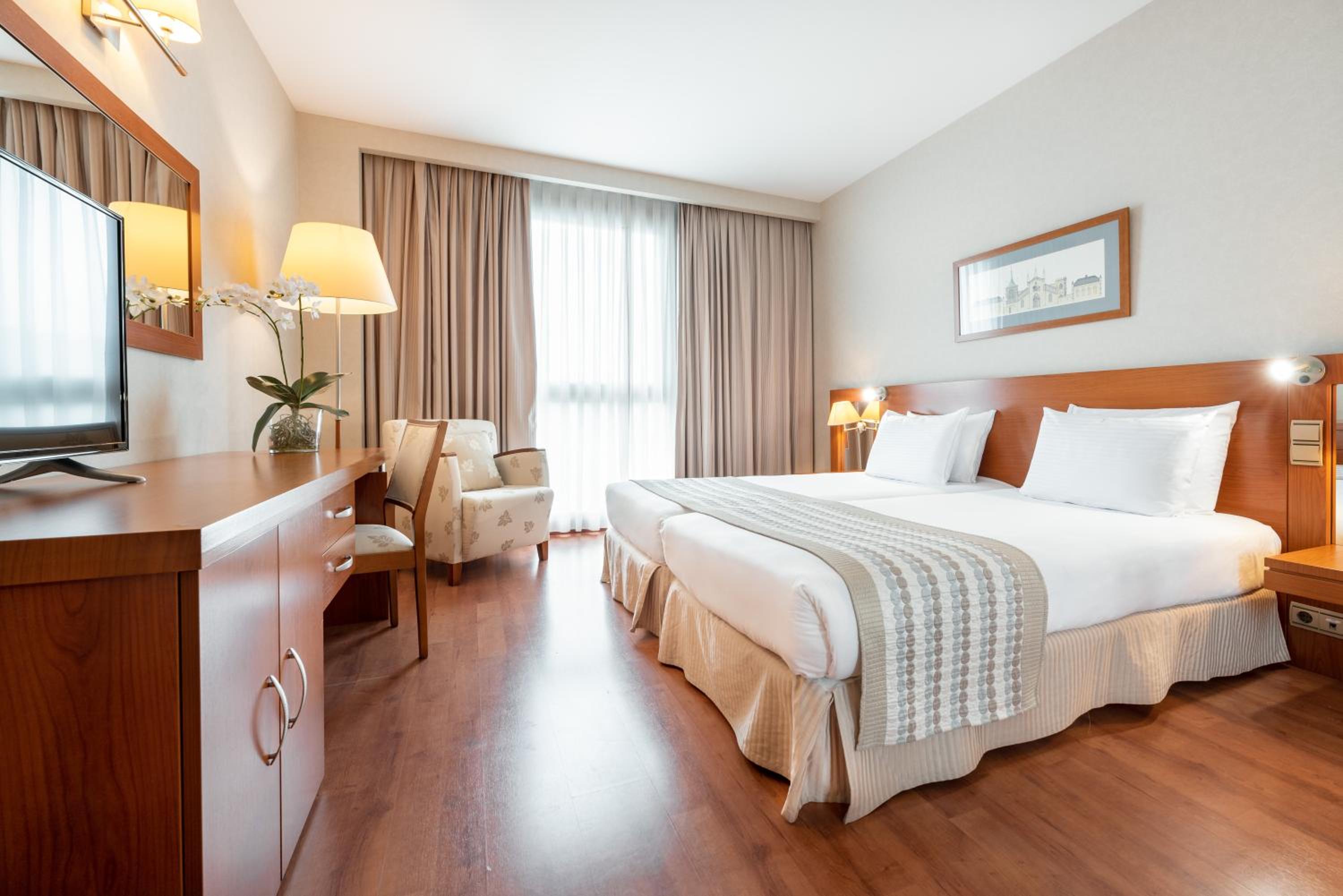
Eurostars San Lazaro
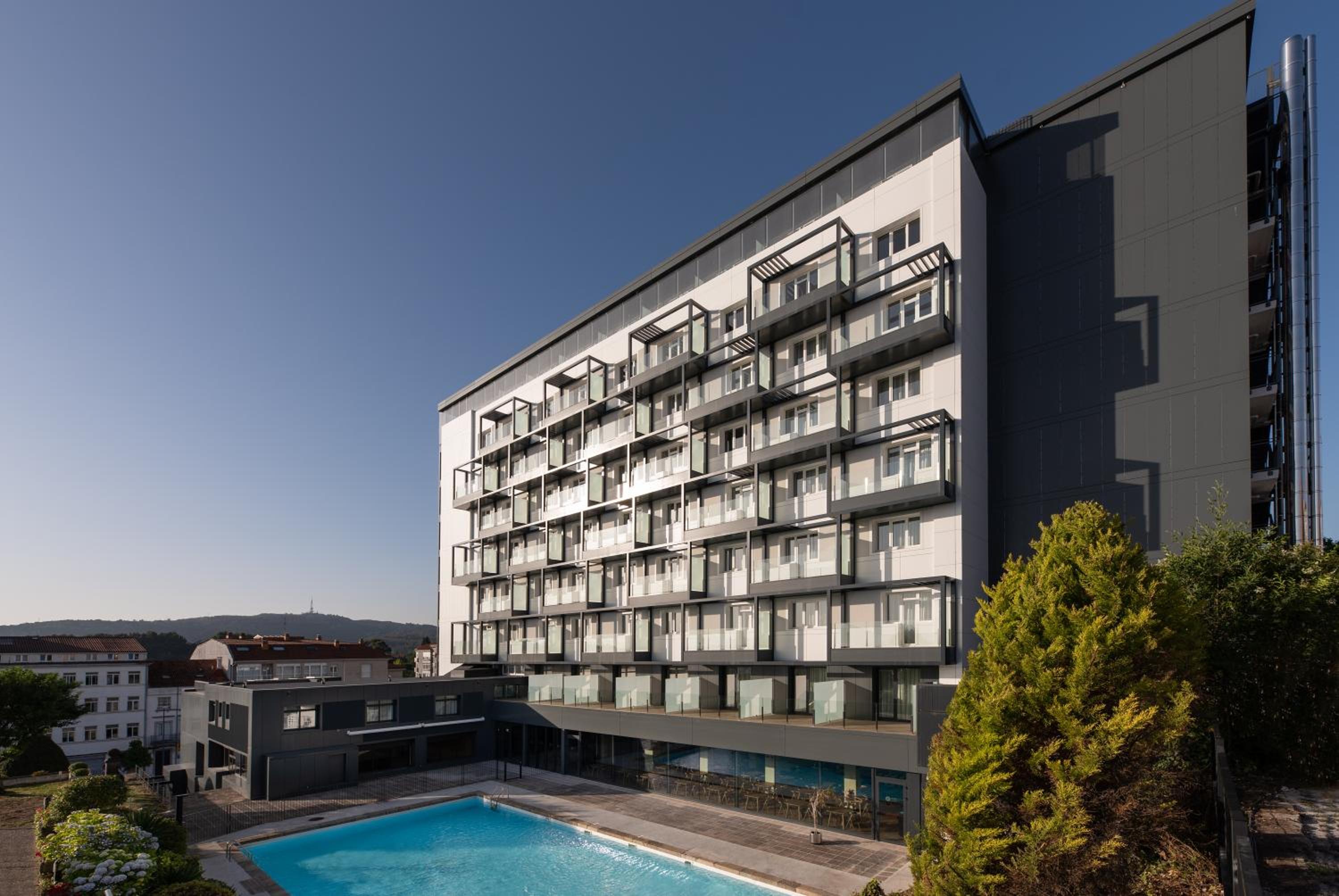
Exe Peregrino
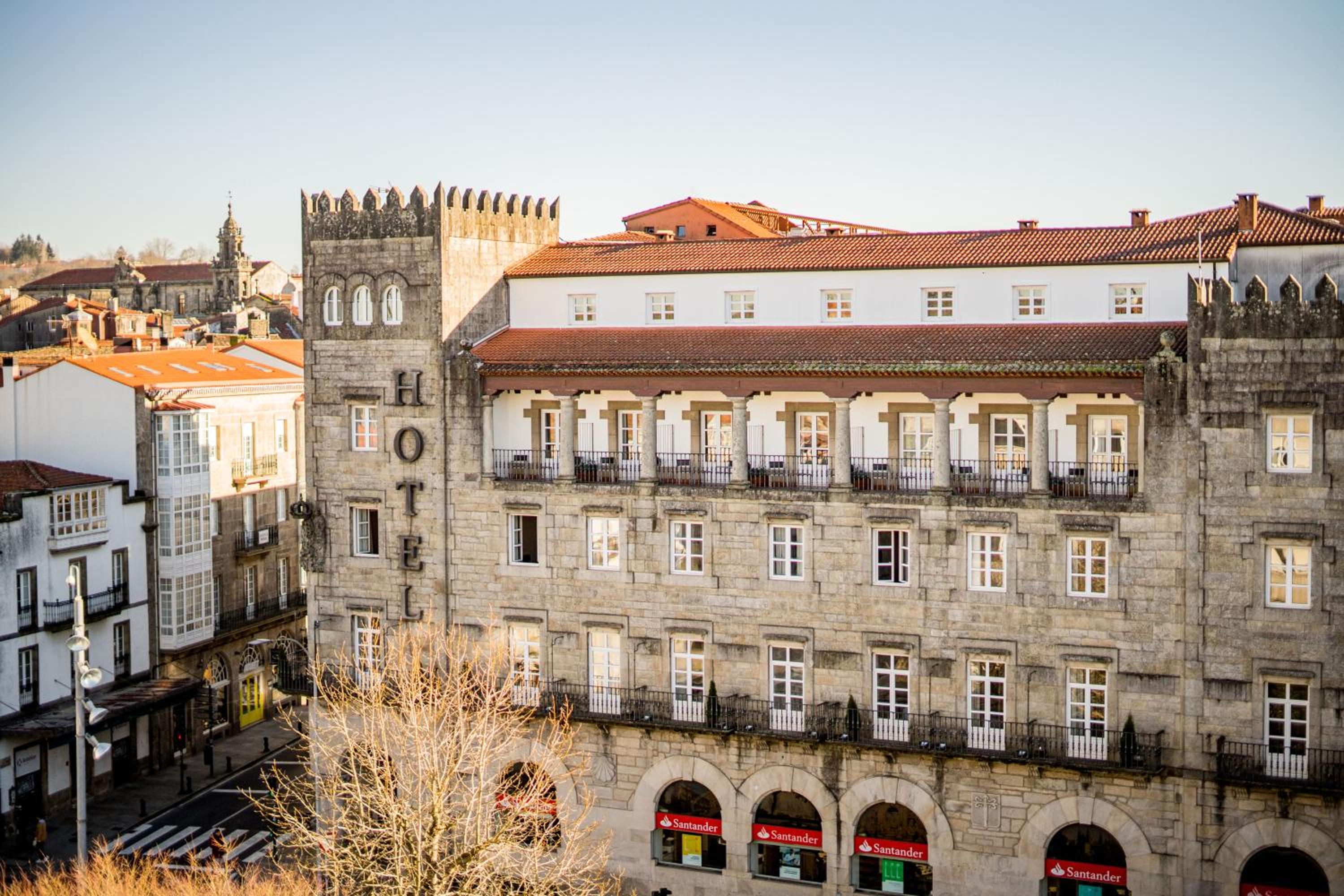
Hotel Compostela
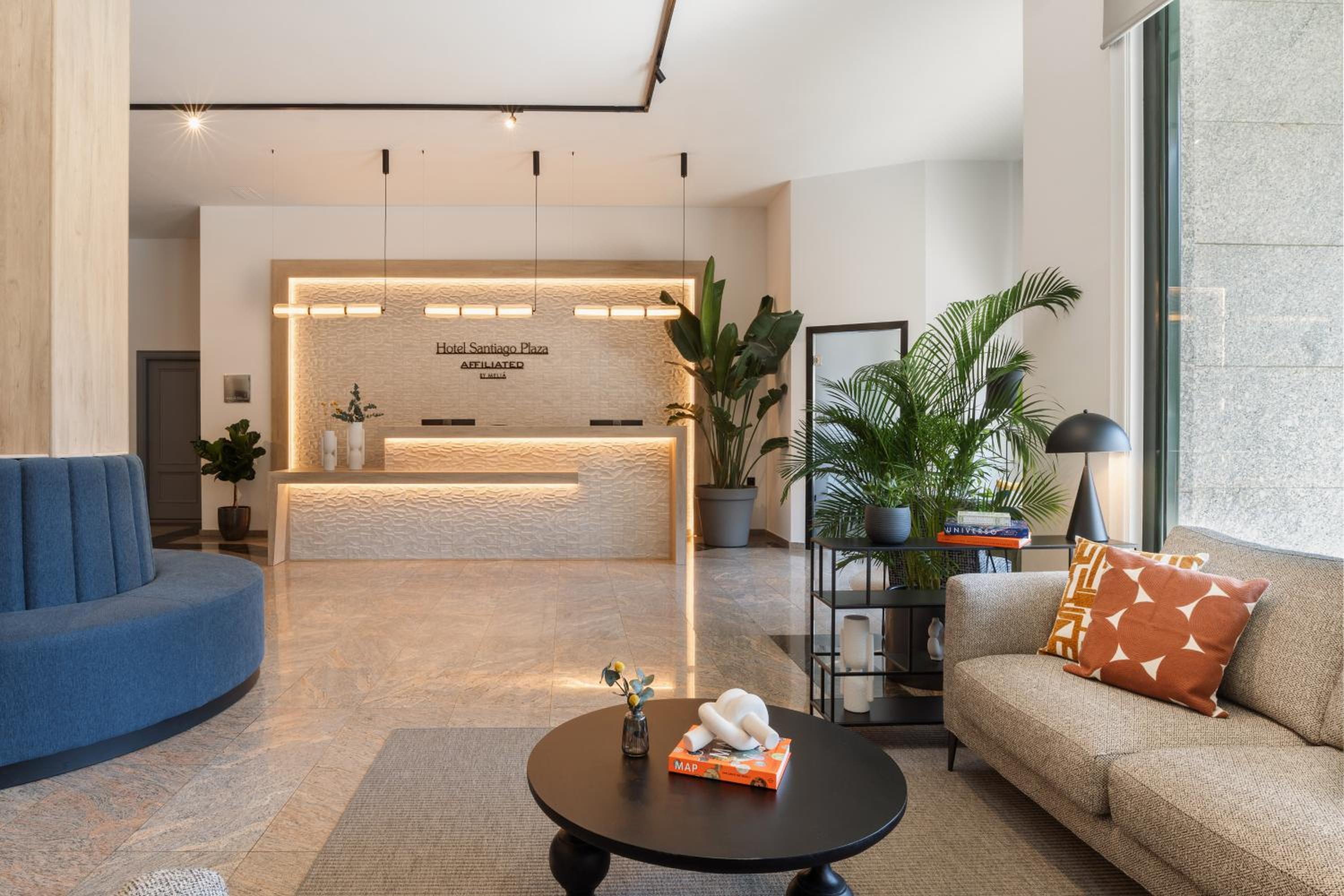
Hotel Santiago Plaza Affiliated by Meliá
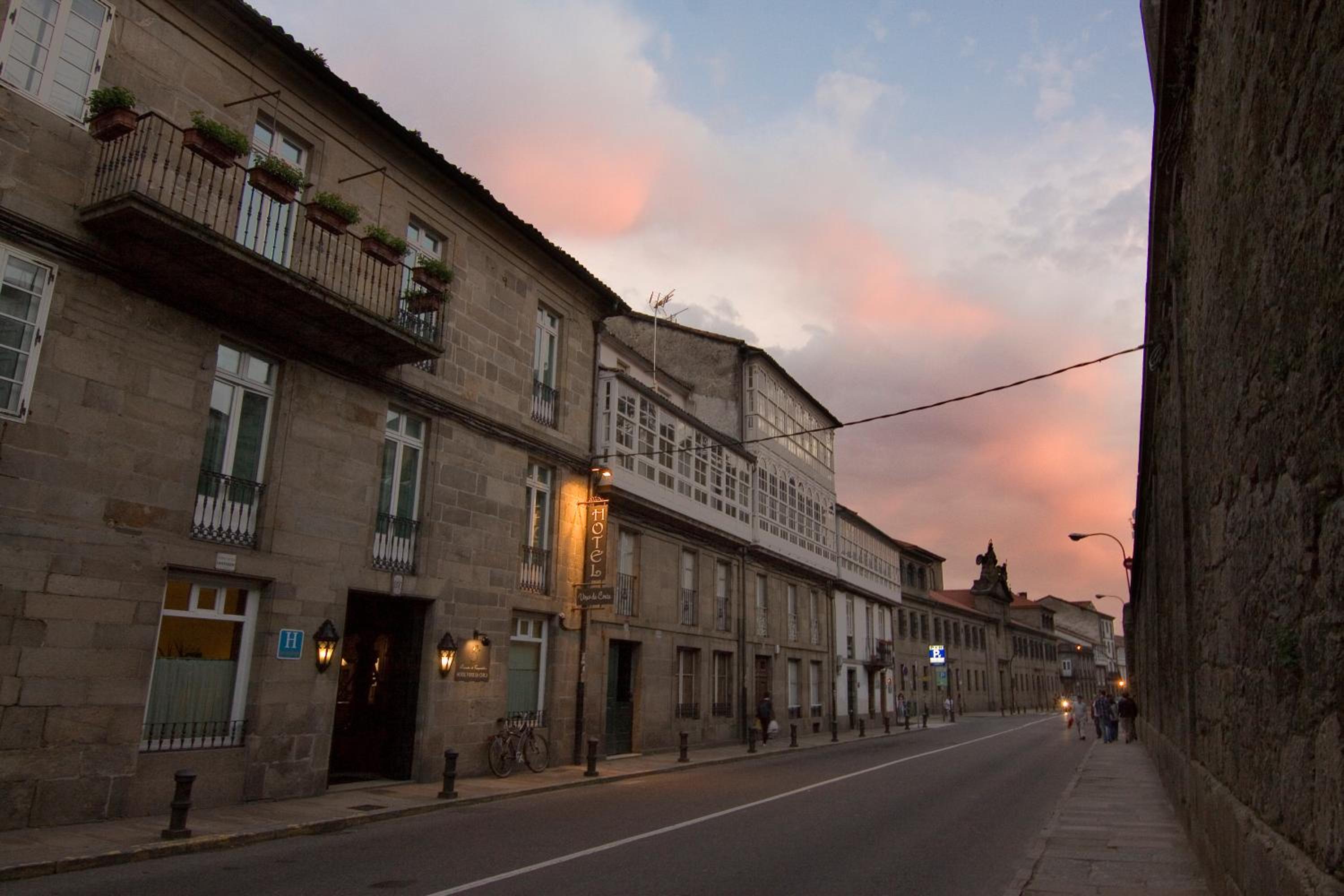
Hotel Virxe da Cerca by Pousadas de Compostela
Start your adventure
Ready to walk this stage?
We design your personalised Camino de Santiago experience.
Plan your CaminoWalk this route with us
We take care of every detail
Accommodation booked stage by stage, your backpack waiting when you arrive and someone on the phone if anything goes wrong.