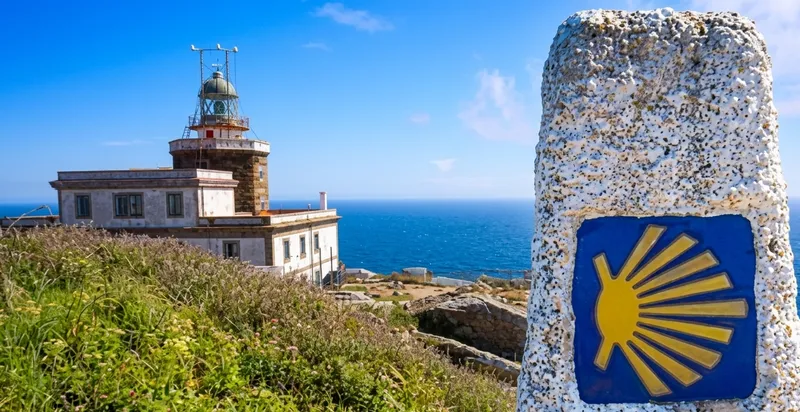
Stage of the Camino
Stage Description
The stage sets off in Finisterre, right by the sea, and heads inland along the Corcubion estuary in the opposite direction to the official route. The pilgrim skirts the broad Praia de Langosteira, leaves behind the sands of As Escaselas and reaches Sardineiro de Abaixo, where the path alternates asphalt with short trails beside the Atlantic. After the beaches of Estorde and the hamlet of A Amarela, the Camino climbs a short but demanding rise through pine woods that crests at the heights of San Roque, before descending towards Corcubion. There the fishing town preserves its historic quarter and the igrexa de San Marcos, a patron saint linking this coast to Jacobean symbolism. A final level stretch beside the estuary leads to Cee, the largest town on the Costa da Morte. It is a short day, gentle in profile apart from the mid-way high point, with the murmur of the sea as constant company.
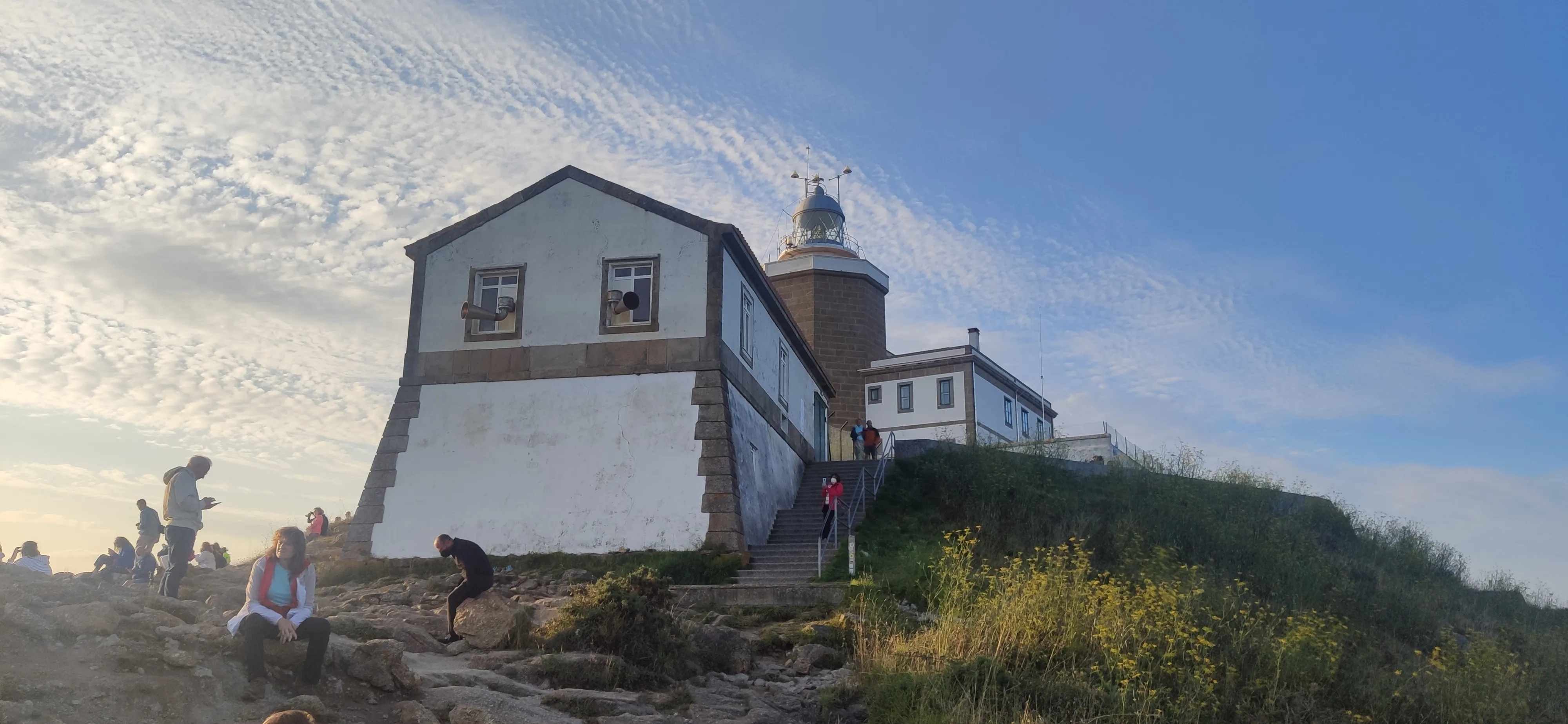
The Camino de Fisterra, walked in reverse, begins in the town of Finisterre itself, the place long held to be the edge of the known world. The pilgrim turns away from the lighthouse and the cape to head eastward, following the line of the Corcubion estuary. The first steps run alongside Praia de Langosteira, a broad beach of more than two kilometres that opens between dunes and the murmur of the Atlantic, one of the brightest stretches of the entire Jacobean route.
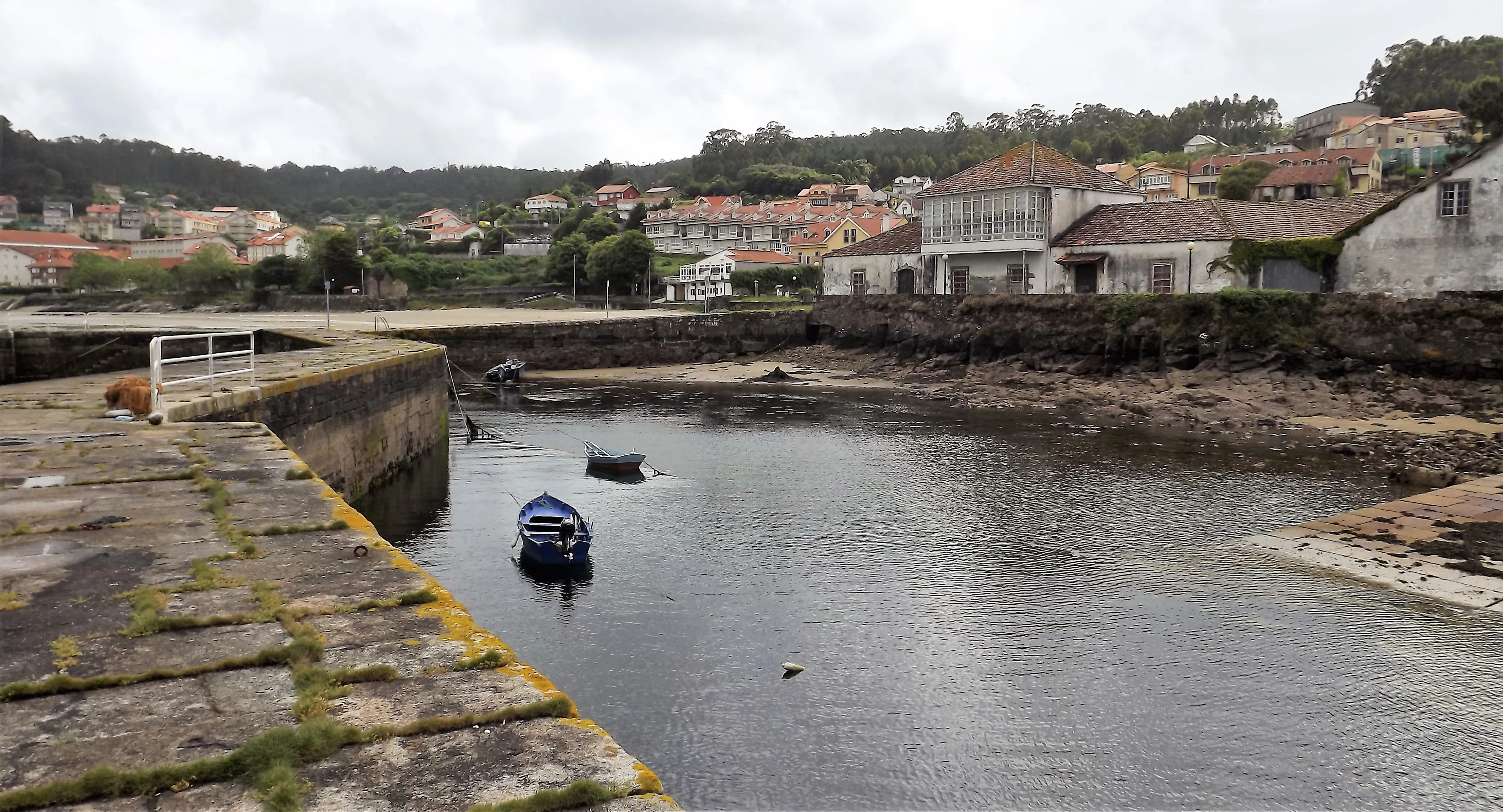
Beyond the sands of As Escaselas, the route reaches Sardineiro de Abaixo, a small fishing settlement where the pilgrim briefly leaves the asphalt for paths close to the shore. The Camino then links the coves and beaches of Estorde, with their sheltered waters, and the hamlet of A Amarela. Here the landscape combines coastal pine woods with constant views of the estuary, while the track stays near sea level before tackling the only notable climb of the day.
At A Amarela the Camino climbs a short but demanding rise that pushes in among pines and eucalyptus towards the heights of San Roque, the highest point of the stage. From the col it descends, with privileged views over the estuary, to Corcubion, a town of seafaring tradition and a protected historic quarter. Among its cobbled streets stands the igrexa de San Marcos, a Gothic church dedicated to the town's patron saint, whose presence ties this Atlantic coast to the devotion of the Camino.
From Corcubion the route continues almost level, skirting the inlet that joins the two towns, until it enters Cee, the largest settlement on the Costa da Morte and the district's main hub. The stage, short and gentle in profile apart from the mid-way rise, allows the pilgrim to enjoy without fatigue the contrast between the open beaches of Finisterre and the urban, harbour atmosphere of Cee, where this reverse-walked section of the Camino comes to an end.
Beyond the sands of As Escaselas, the route reaches Sardineiro de Abaixo, a small fishing settlement where the pilgrim briefly leaves the asphalt for paths close to the shore. The Camino then links the coves and beaches of Estorde, with their sheltered waters, and the hamlet of A Amarela. Here the landscape combines coastal pine woods with constant views of the estuary, while the track stays near sea level before tackling the only notable climb of the day.
At A Amarela the Camino climbs a short but demanding rise that pushes in among pines and eucalyptus towards the heights of San Roque, the highest point of the stage. From the col it descends, with privileged views over the estuary, to Corcubion, a town of seafaring tradition and a protected historic quarter. Among its cobbled streets stands the igrexa de San Marcos, a Gothic church dedicated to the town's patron saint, whose presence ties this Atlantic coast to the devotion of the Camino.
From Corcubion the route continues almost level, skirting the inlet that joins the two towns, until it enters Cee, the largest settlement on the Costa da Morte and the district's main hub. The stage, short and gentle in profile apart from the mid-way rise, allows the pilgrim to enjoy without fatigue the contrast between the open beaches of Finisterre and the urban, harbour atmosphere of Cee, where this reverse-walked section of the Camino comes to an end.
Last updated: 07/07/2026
Where to Sleep
Accommodations in this Stage
Find the perfect place for your rest in Finisterre o Cee.
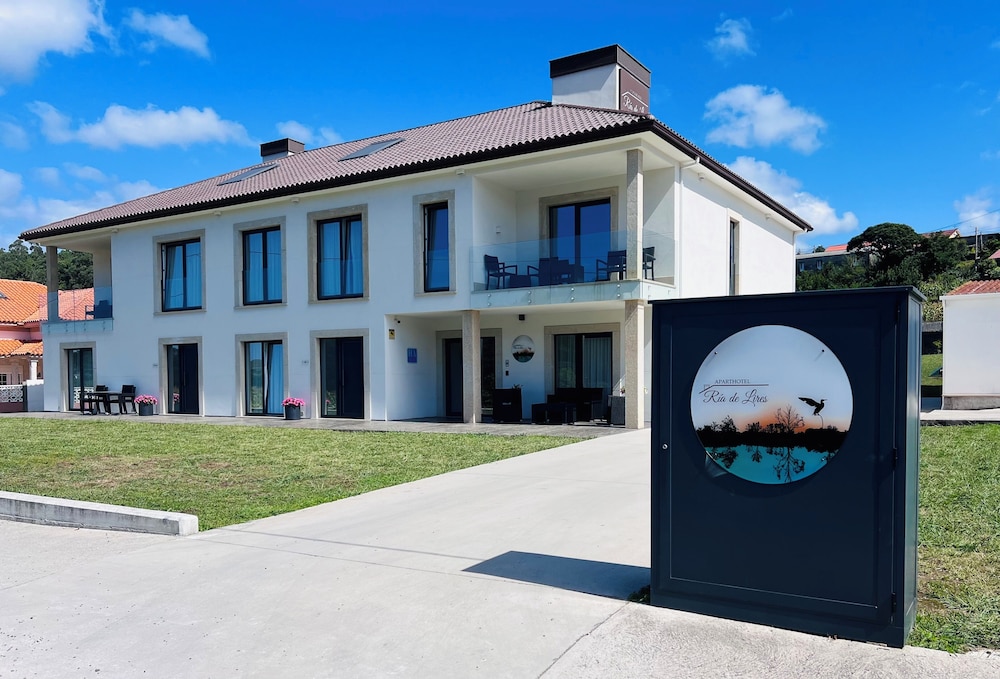
Aparthotel Ría de Lires
104490 - House in Cee
Apartment With 3 Bedrooms in Cee, With Balcony and Wifi - 2 km From the Beach
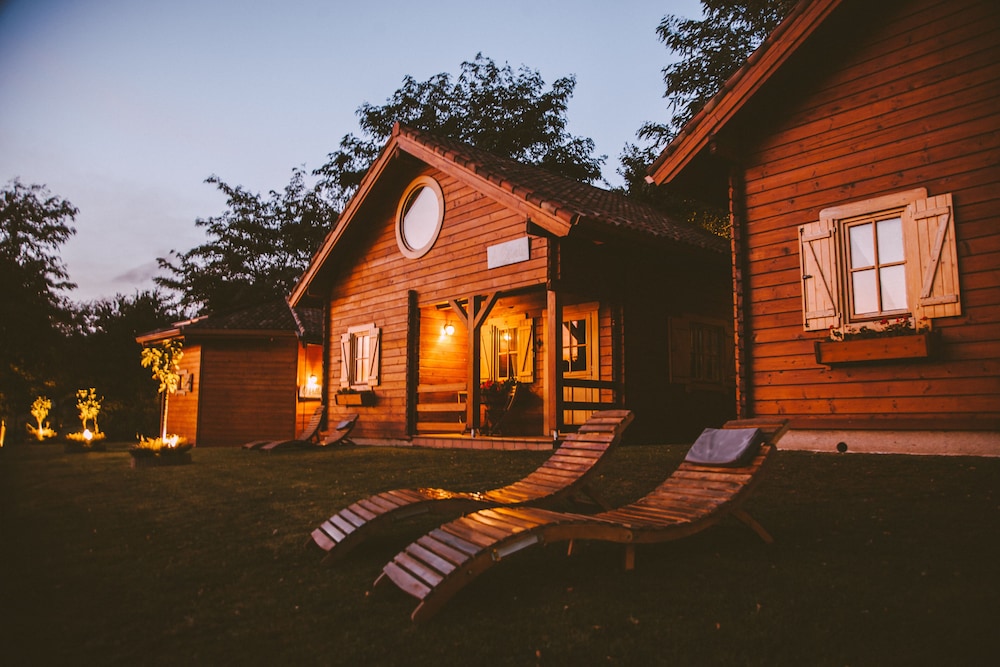
Cabanas da Ria
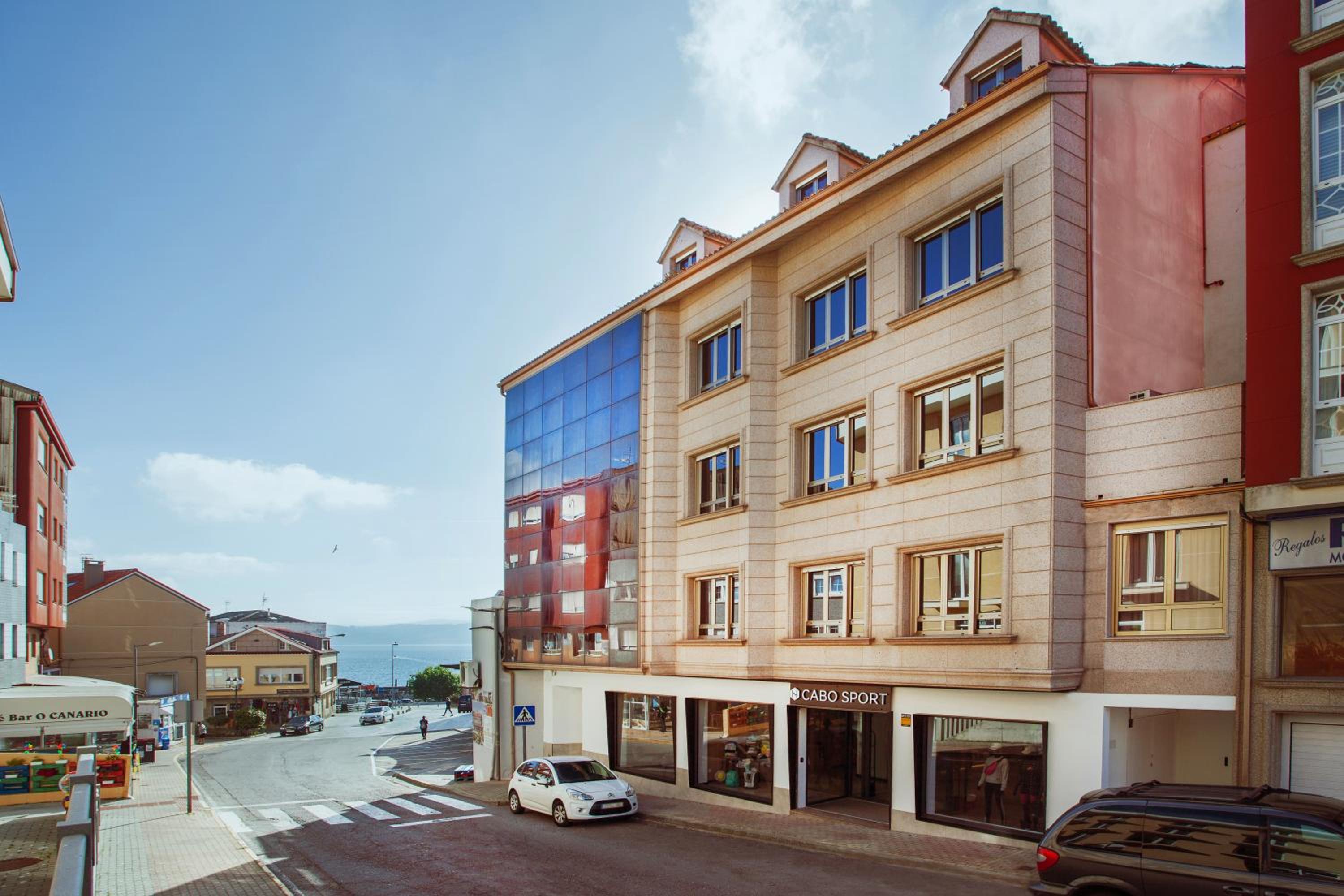
Hospedium H Cabo Sport
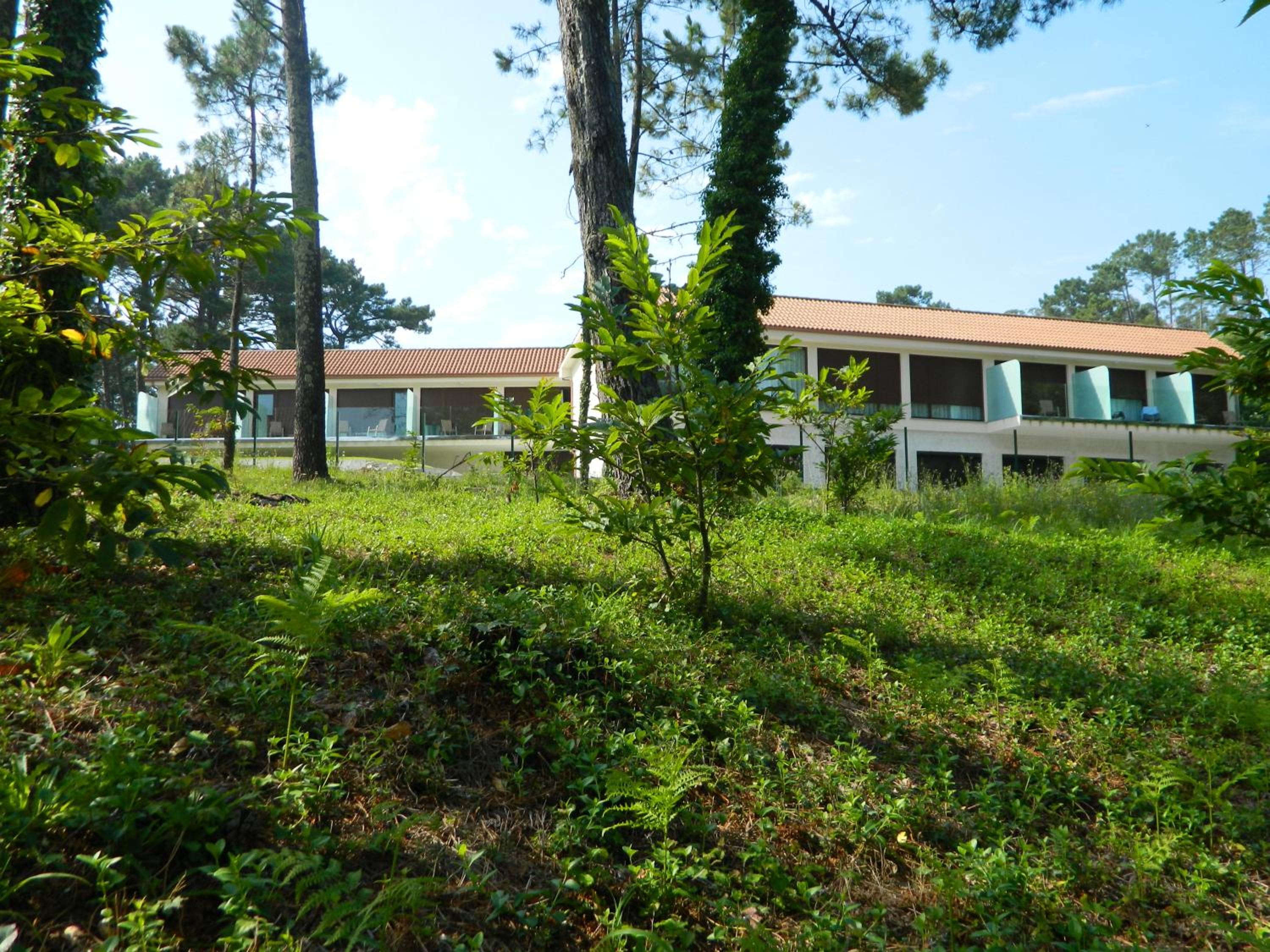
Hotel Alén do Mar

Hotel Bela Fisterra
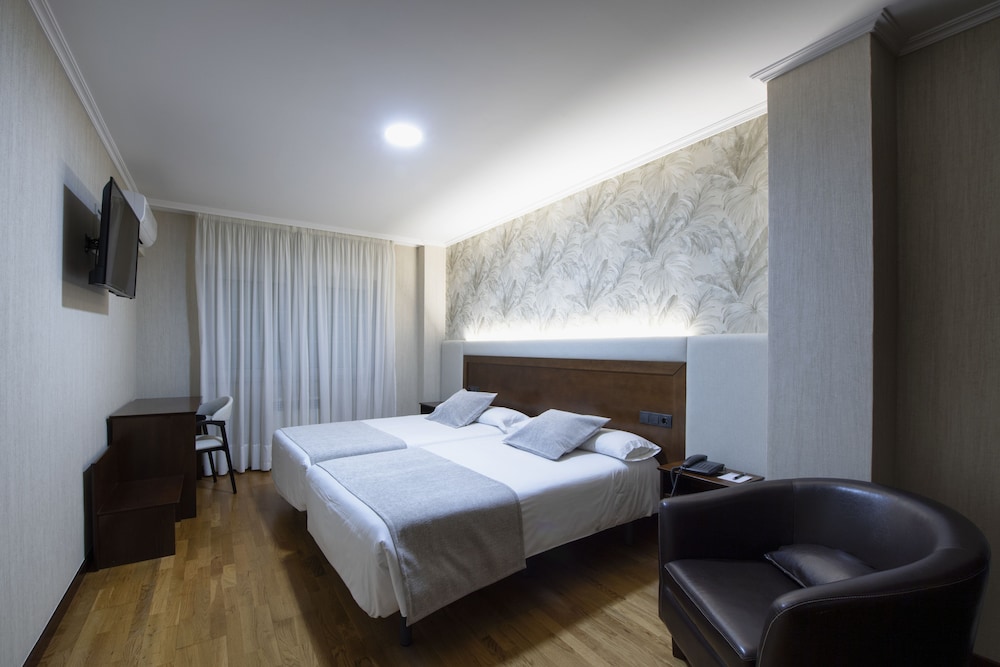
Hotel Oca Insua
House in Ameixenda Cee A Coruna 102059 by MO Rentals
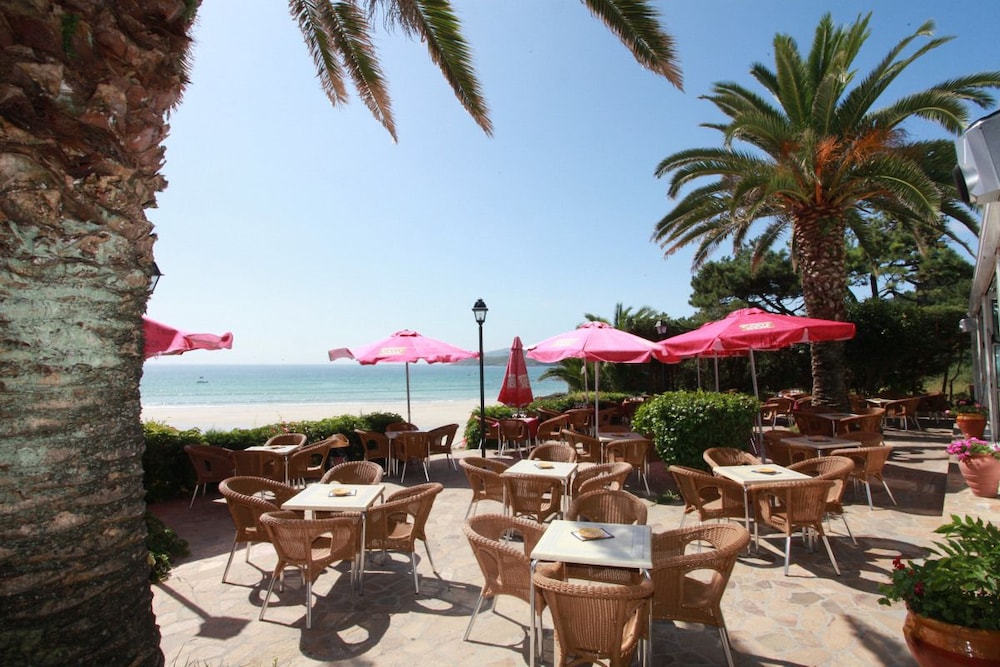
Playa de Estorde
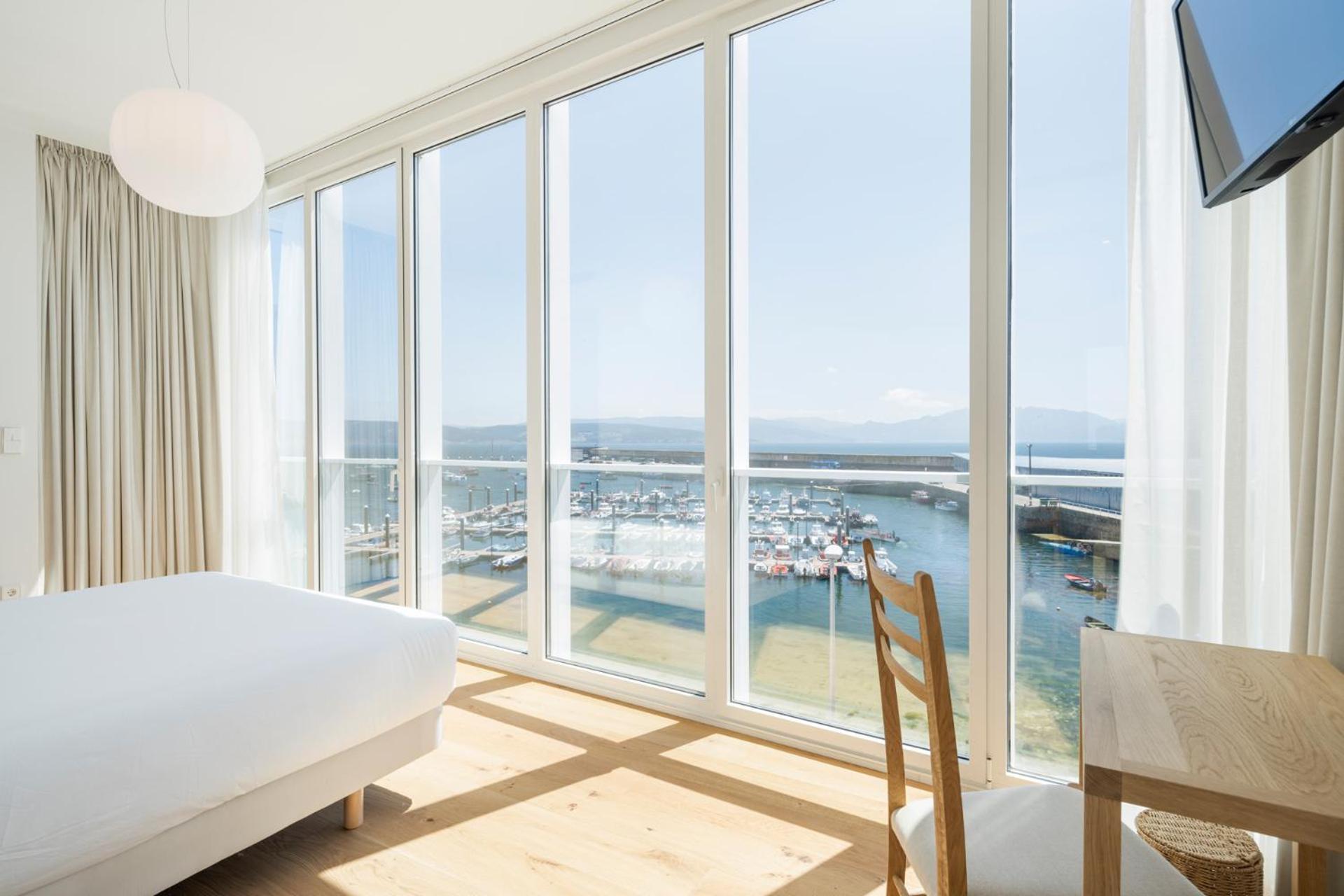
Porto Real Hotel
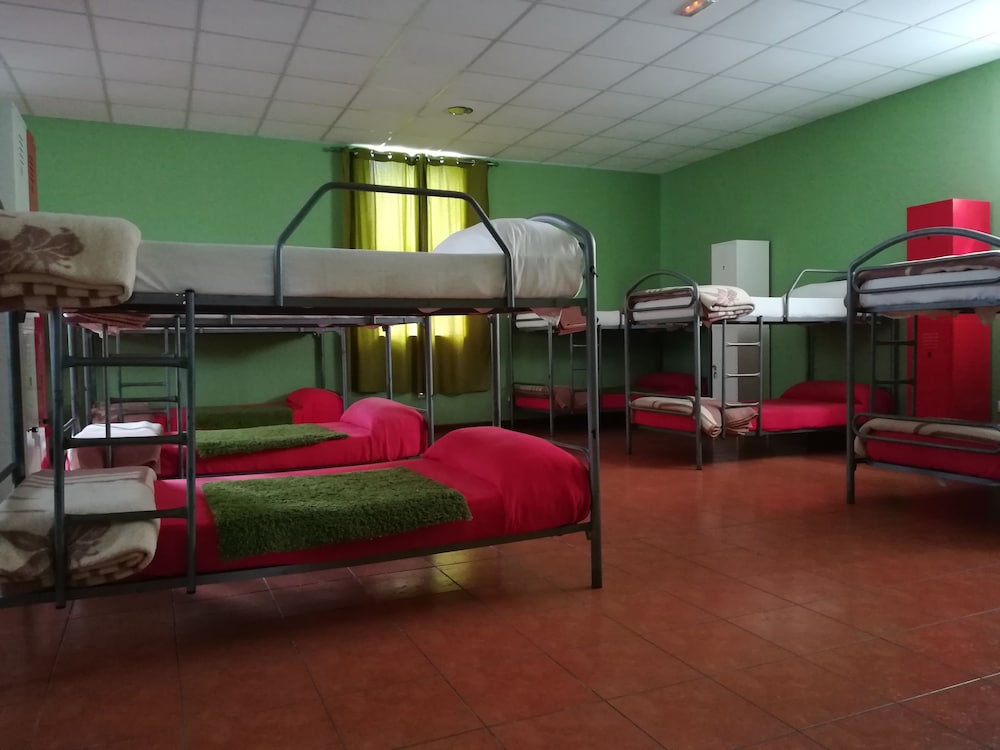
Albergue O Bordon - Hostel
Start your adventure
Ready to walk this stage?
We design your personalised Camino de Santiago experience.
Plan your CaminoWalk this route with us
We take care of every detail
Accommodation booked stage by stage, your backpack waiting when you arrive and someone on the phone if anything goes wrong.