
Stage of the Camino
Stage Description
This long stage ends with the arrival at another of the great monumental cities on the route: Cáceres. The road runs through a landscape of dehesas and fields of cultivation, partly following the route of the ancient Roman road. It is a journey of great scenic beauty, although demanding due to its length. As one approaches Cáceres, the terrain becomes more undulating. The entry into the city and the discovery of its old town, declared World Heritage, with its medieval and Renaissance palaces, towers, and churches, is an unbeatable reward for the pilgrim's effort.
The Alcuéscar to Cáceres stage is another of the great journeys on the Via de la Plata, not so much for its technical difficulty as for its considerable length. The prize at the end of the day is arriving at one of Europe's best-preserved medieval and Renaissance cities.
The route starts in Alcuéscar and ventures back into the landscape of Extremadura's dehesa country. It passes through several small towns such as Casas de Don Antonio along the way, where pilgrims will find various Roman milestones that attest to them following the ancient road.
The landscape is undulating and open, with a terrain alternating between dirt tracks and local road sections. The approach to Cáceres is made through its outskirts, but once inside the old town, the pilgrim immerses themselves in a journey through time.
Cáceres' Monumental City, declared a World Heritage Site by UNESCO, is a labyrinth of cobblestone streets, squares, palaces, houses-fortresses, churches and convents, all surrounded by an Almohad origin wall. There are no cables or traffic signals, creating an unique atmosphere. It's essential to spend time wandering through its corners, visit the Cathedral of Santa María, the Palace of las Veletas (with its Almohade well) and enjoy the lively life of its Plaza Mayor. Cáceres is undoubtedly one of the Via de la Plata's climax points.
The route starts in Alcuéscar and ventures back into the landscape of Extremadura's dehesa country. It passes through several small towns such as Casas de Don Antonio along the way, where pilgrims will find various Roman milestones that attest to them following the ancient road.
The landscape is undulating and open, with a terrain alternating between dirt tracks and local road sections. The approach to Cáceres is made through its outskirts, but once inside the old town, the pilgrim immerses themselves in a journey through time.
Cáceres' Monumental City, declared a World Heritage Site by UNESCO, is a labyrinth of cobblestone streets, squares, palaces, houses-fortresses, churches and convents, all surrounded by an Almohad origin wall. There are no cables or traffic signals, creating an unique atmosphere. It's essential to spend time wandering through its corners, visit the Cathedral of Santa María, the Palace of las Veletas (with its Almohade well) and enjoy the lively life of its Plaza Mayor. Cáceres is undoubtedly one of the Via de la Plata's climax points.
Last updated: 12/08/2025
Where to Sleep
Accommodations in this Stage
Find the perfect place for your rest in Alcuescar o Cáceres.
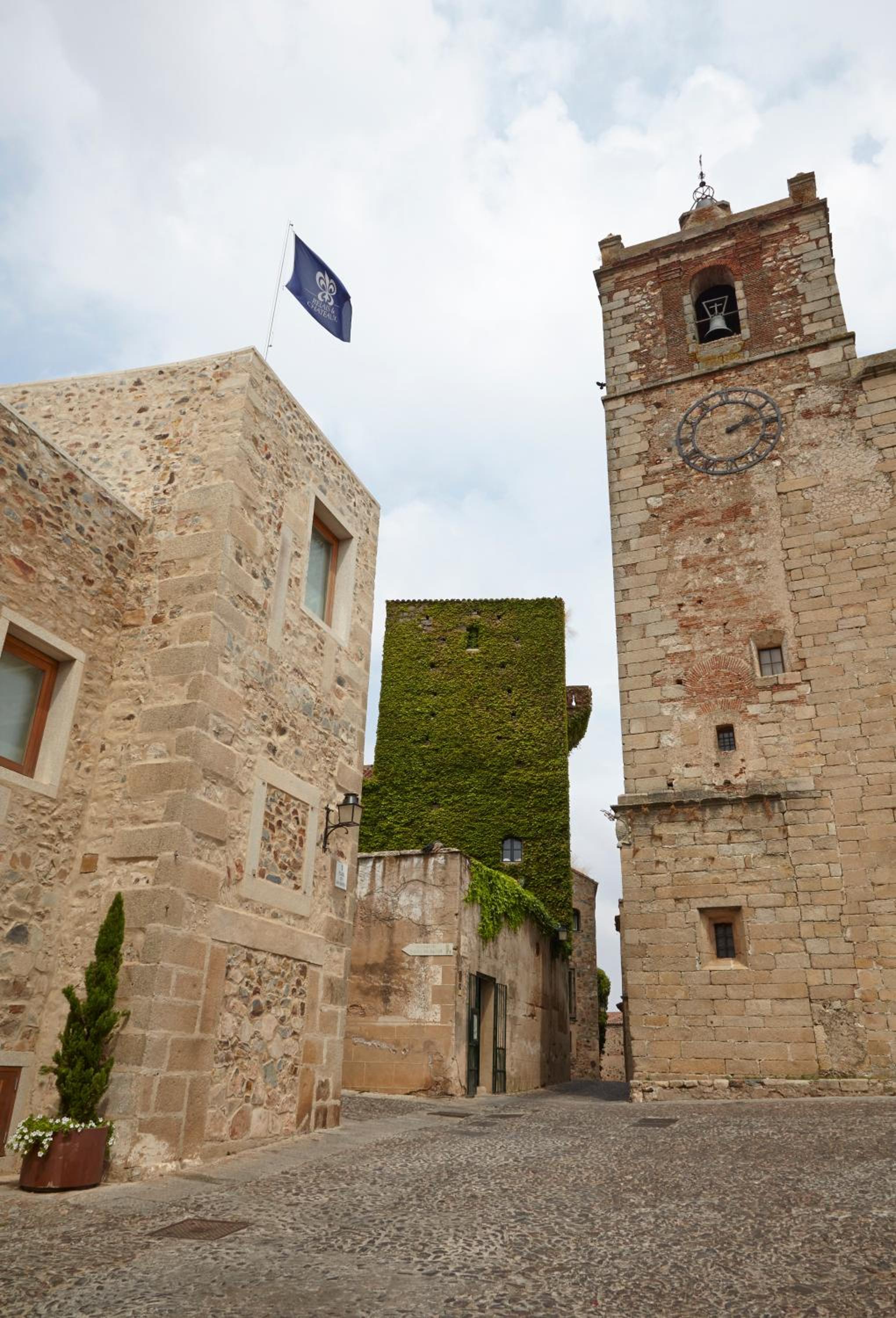
Atrio

Hospes Palacio de Arenales & Spa
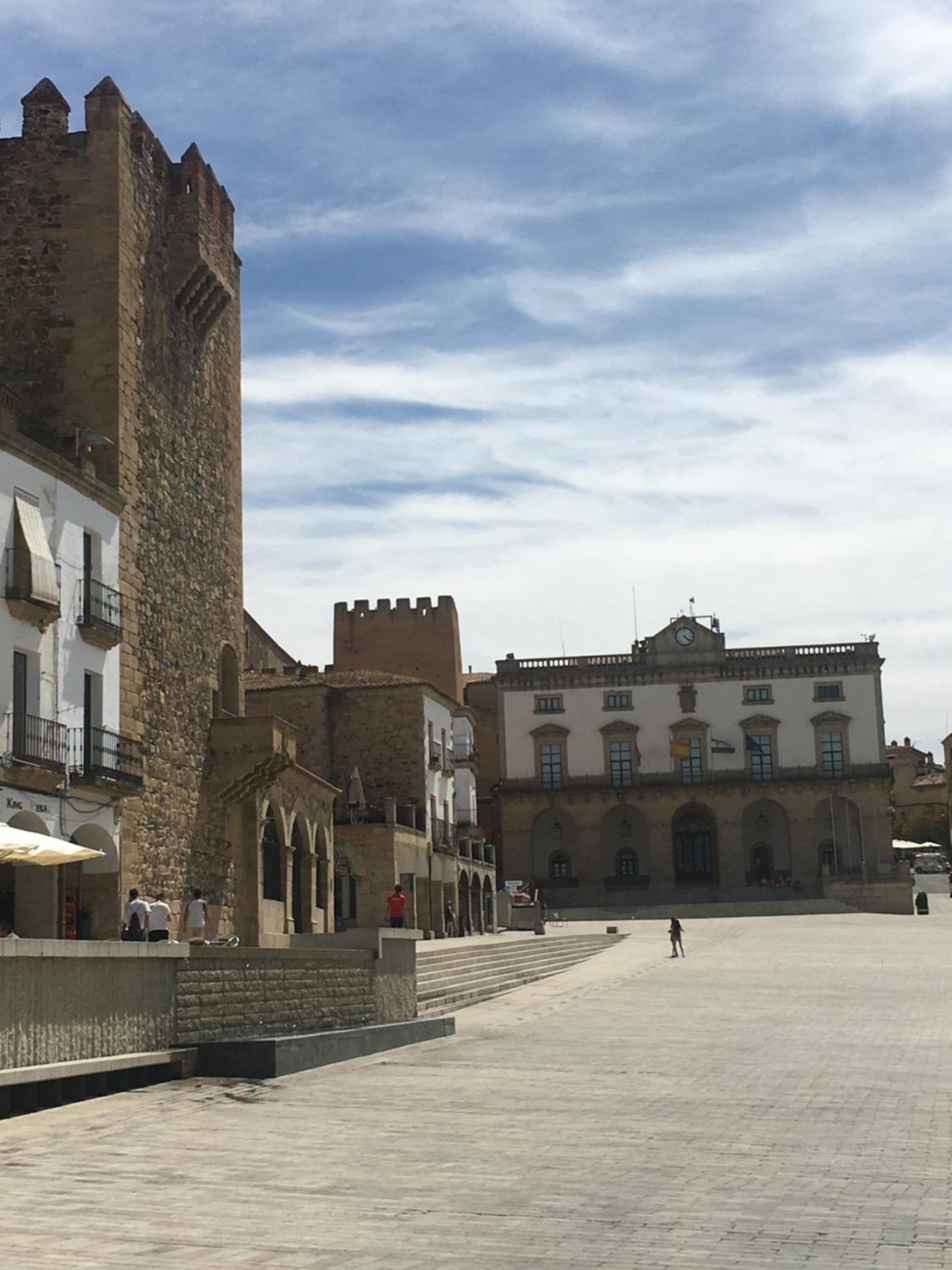
Apartamentos Turísticos Domus Seleqtia Plaza Mayor

Barceló Cáceres V Centenario

Casa Pizarro Hotel
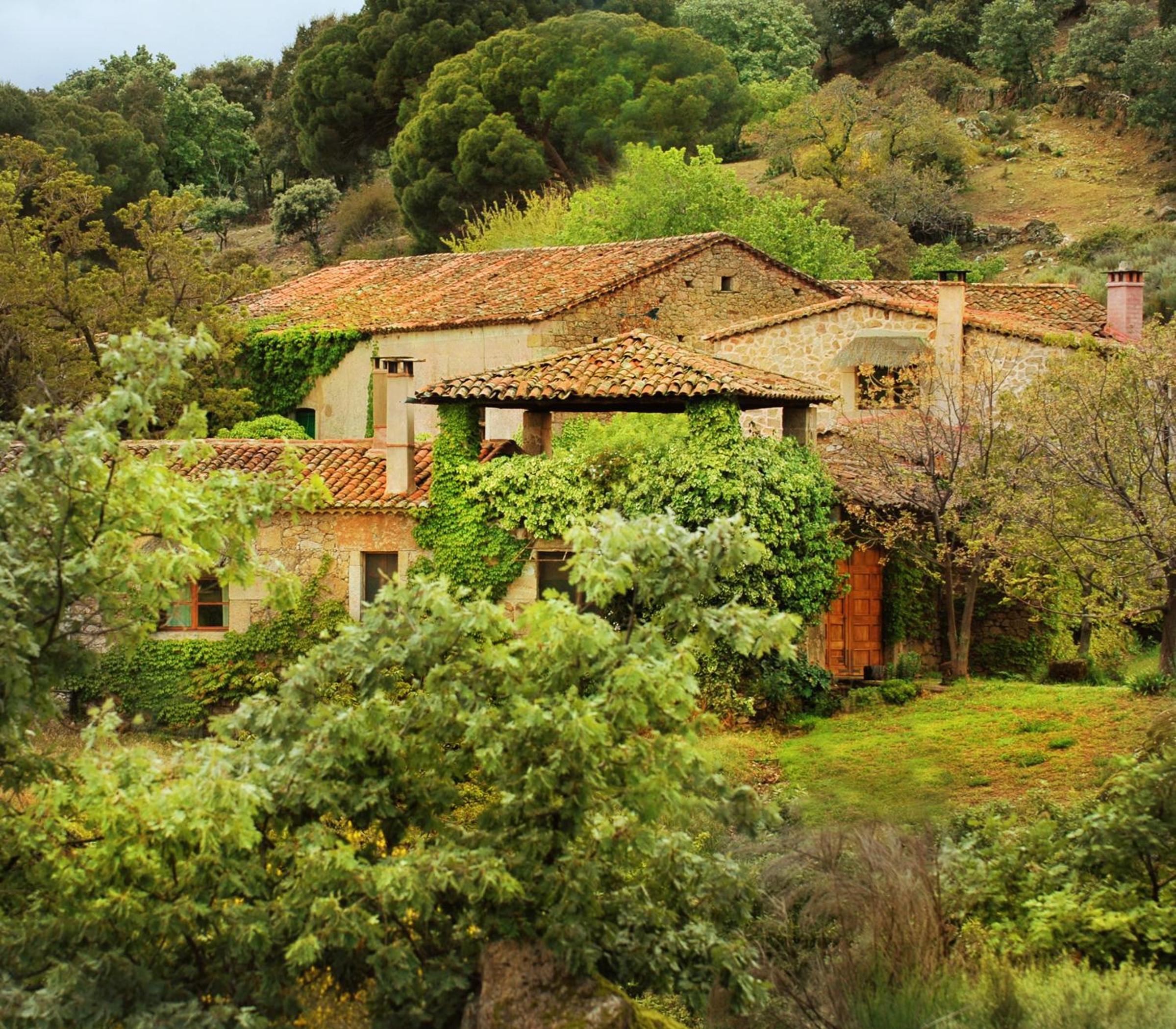
Casa Rural El Cabezo de Sierra de Gata
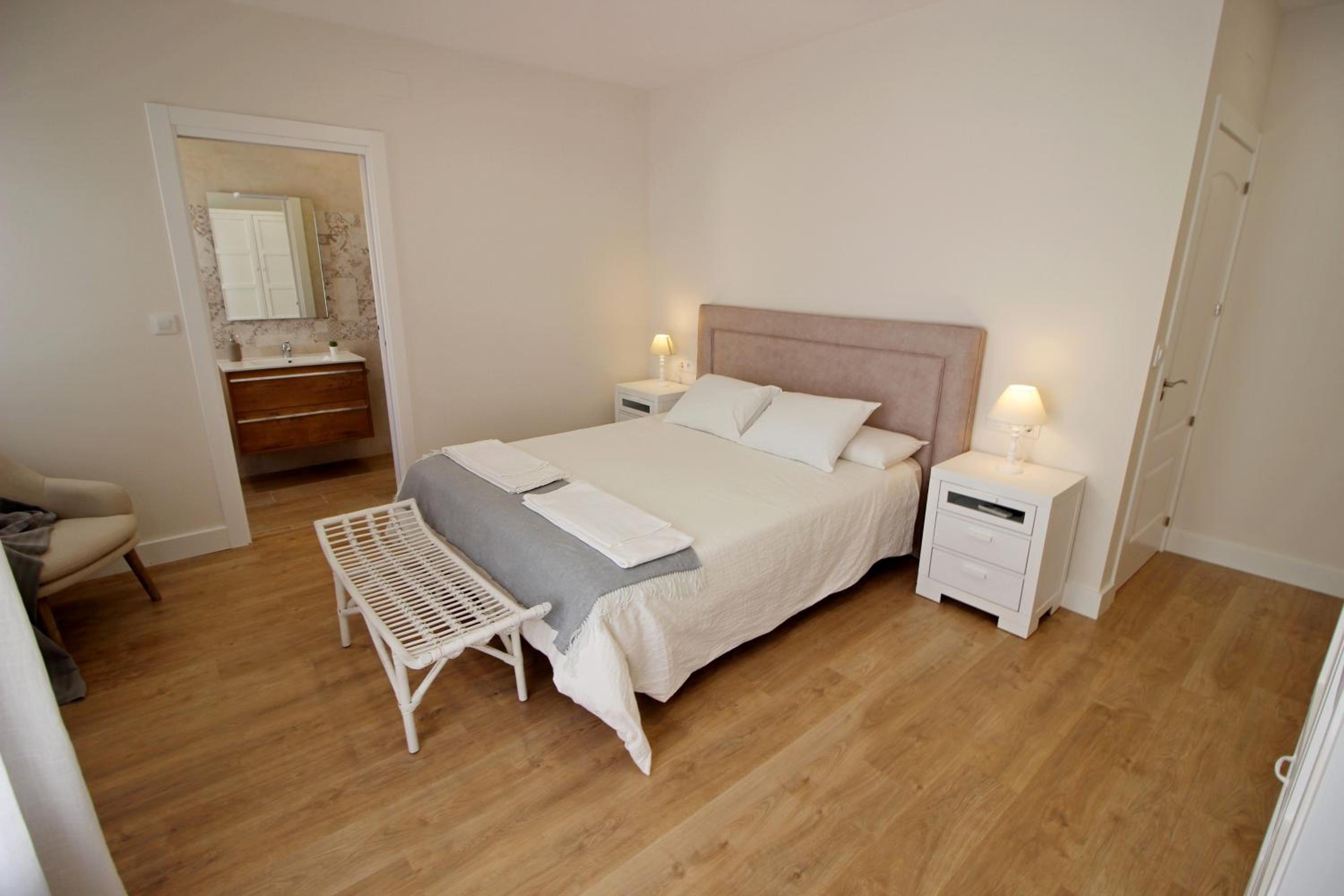
Casa Verata
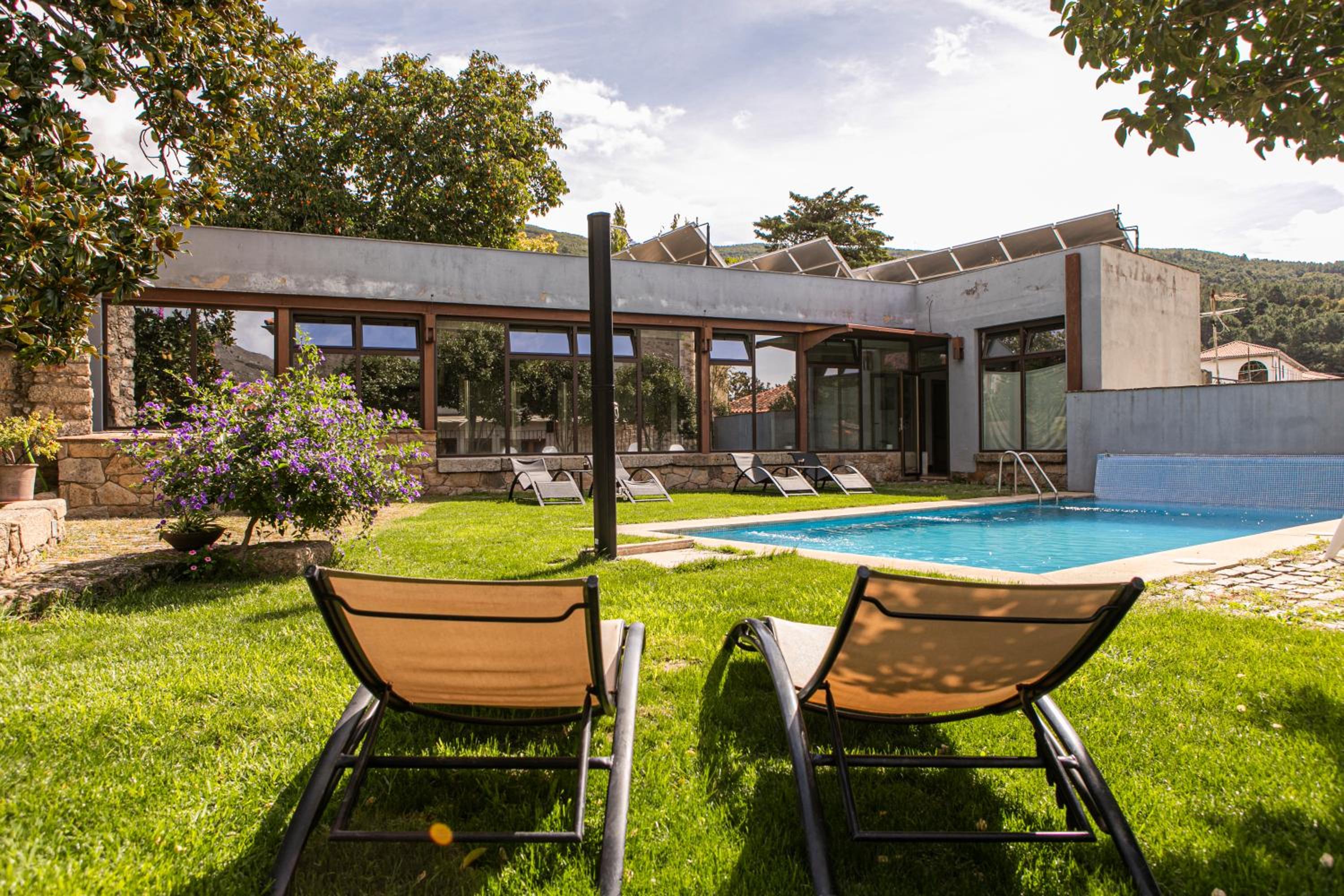
EL DUENDE DEL CHAFARIL

Exe Agora Caceres
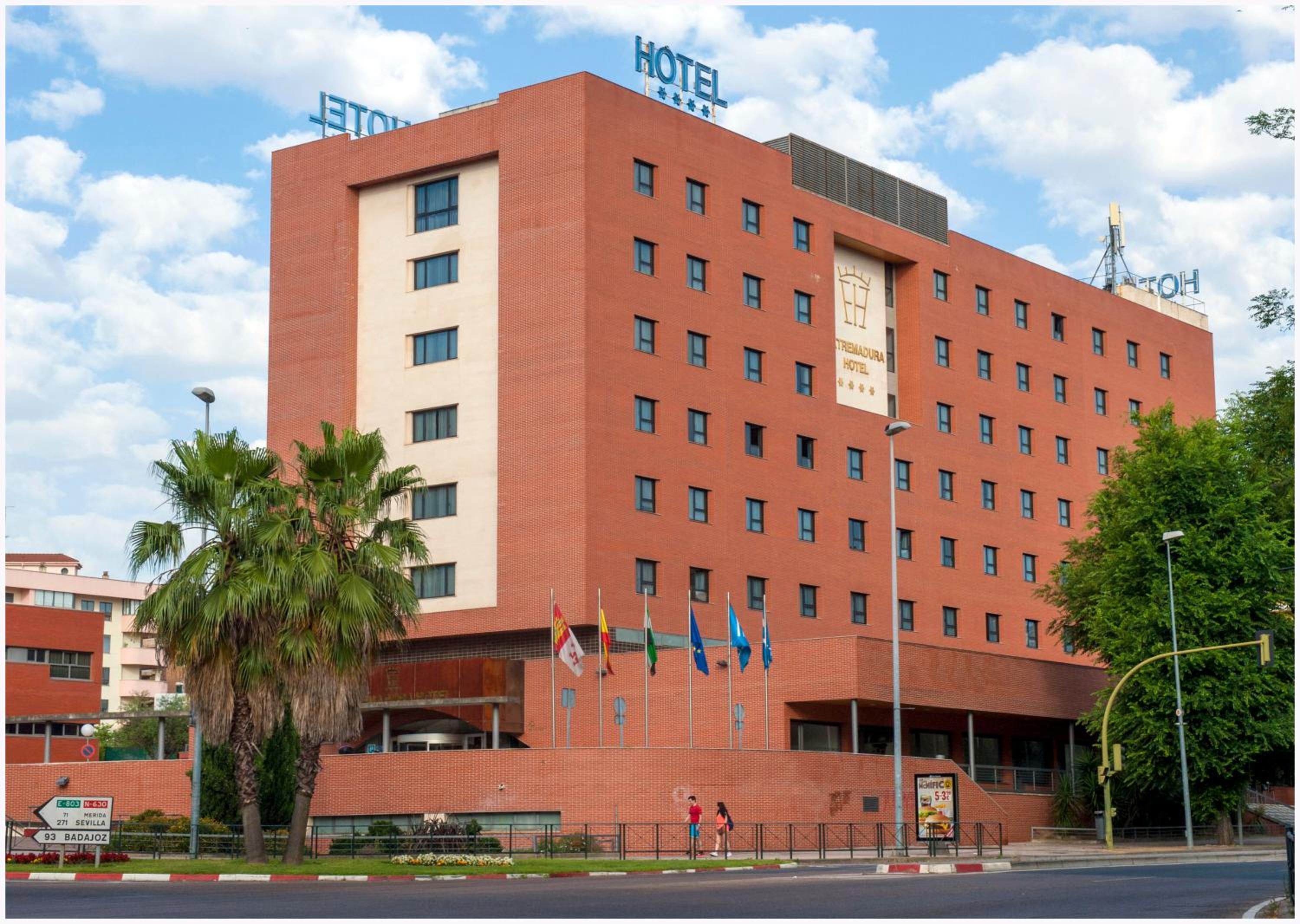
Extremadura Hotel

Gran Hotel Don Manuel
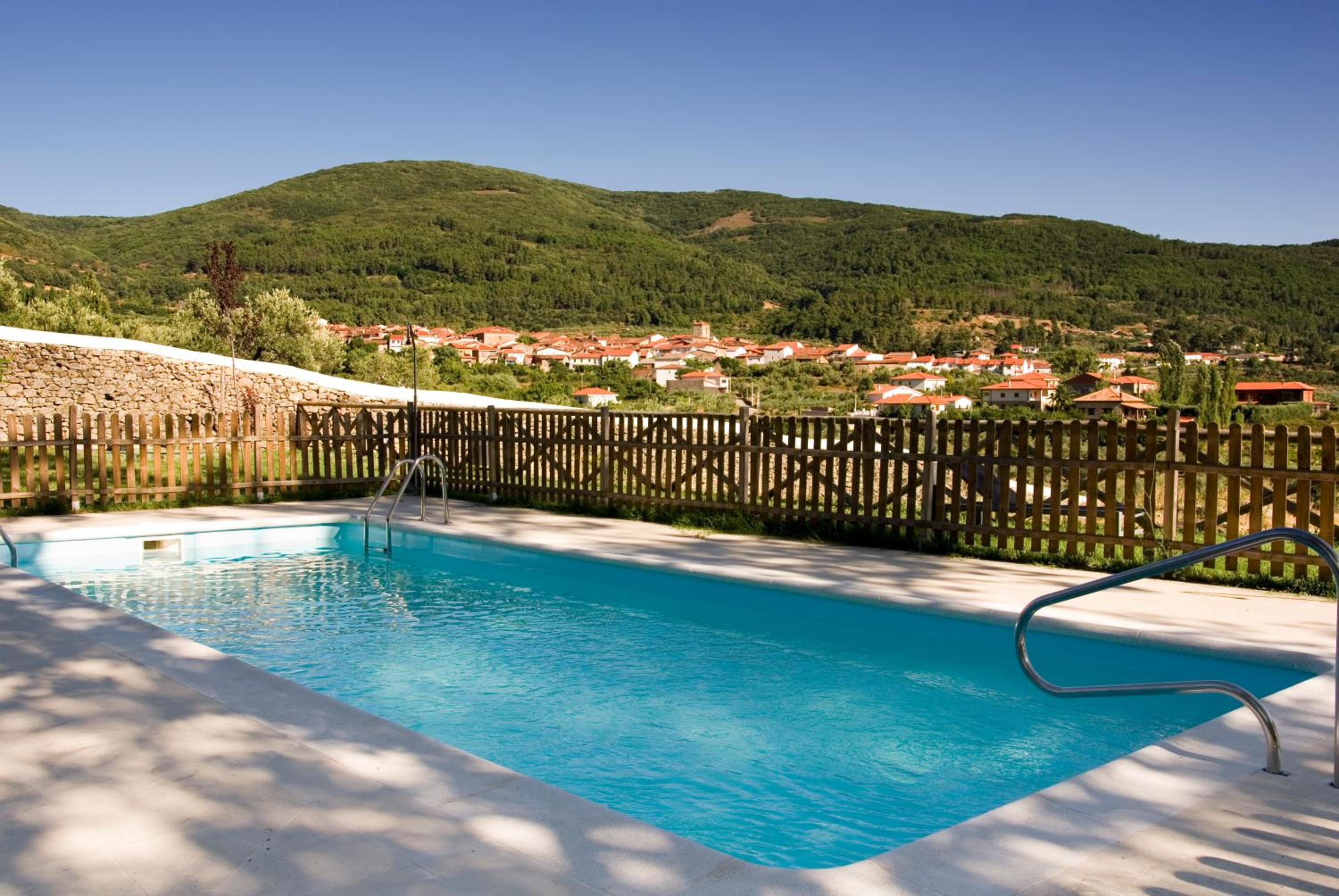
Hotel Conventual Sierra de Gata

Start your adventure
Ready to walk this stage?
We design your personalised Camino de Santiago experience.
Plan your CaminoWalk this route with us
Fancy walking this route?
We don't have a ready-made package for this route yet, but we'll organise it around you. Tell us how you'd like to experience it and a specialist will reply within 24 h.
Request your proposal