
Stage of the Camino
Stage Description
A flat, free-rolling stage that leaves the city of León to enter the Maragatería region. After leaving behind the Gothic cathedral and the monastery of San Marcos, the Camino crosses the Órbigo plain to Hospital de Órbigo, where one of the longest and most beautiful medieval bridges of the whole route is preserved, scene of the legendary Passo Honroso. The route continues through Villares de Órbigo and Santibáñez de Valdeiglesias to the Santo Toribio cross, from where Astorga is seen against the plain. Arrival in the ancient Asturica Augusta — with its cathedral, the Episcopal Palace designed by Gaudí and its tasty Maragato tradition — ends a comfortable day of about 49 kilometres.
At about 49 kilometres with a flat, free-rolling profile, this stage links the city of León with Astorga, already on the threshold of the Maragatería. It is a comfortable day that crosses the Órbigo plain and the León moorlands before tackling the gentle final climb.
Leaving León behind the cathedral and the Plateresque façade of San Marcos, it crosses the Alto de La Virgen del Camino with its modern sanctuary. From there the Camino opens onto the páramos, among cereal fields and small villages.
The great landmark of the day is Hospital de Órbigo, where an imposing medieval bridge of more than twenty arches crosses the río Órbigo. It was here in 1434 that the Passo Honroso took place, the famous chivalric challenge of Suero de Quiñones, one of the most celebrated episodes of medieval chivalry.
After Villares and Santibáñez, the Camino climbs to the Santo Toribio cross, a balcony from which Astorga is seen on the plain. The ancient Roman Asturica Augusta welcomes the pilgrim with its cathedral, the colourful Episcopal Palace by Antoni Gaudí and the Maragato cuisine, crowned by the famous cocido.
Leaving León behind the cathedral and the Plateresque façade of San Marcos, it crosses the Alto de La Virgen del Camino with its modern sanctuary. From there the Camino opens onto the páramos, among cereal fields and small villages.
The great landmark of the day is Hospital de Órbigo, where an imposing medieval bridge of more than twenty arches crosses the río Órbigo. It was here in 1434 that the Passo Honroso took place, the famous chivalric challenge of Suero de Quiñones, one of the most celebrated episodes of medieval chivalry.
After Villares and Santibáñez, the Camino climbs to the Santo Toribio cross, a balcony from which Astorga is seen on the plain. The ancient Roman Asturica Augusta welcomes the pilgrim with its cathedral, the colourful Episcopal Palace by Antoni Gaudí and the Maragato cuisine, crowned by the famous cocido.
Last updated: 28/08/2026
Where to Sleep
Accommodations in this Stage
Find the perfect place for your rest in León o Astorga.

AC Hotel León San Antonio by Marriott
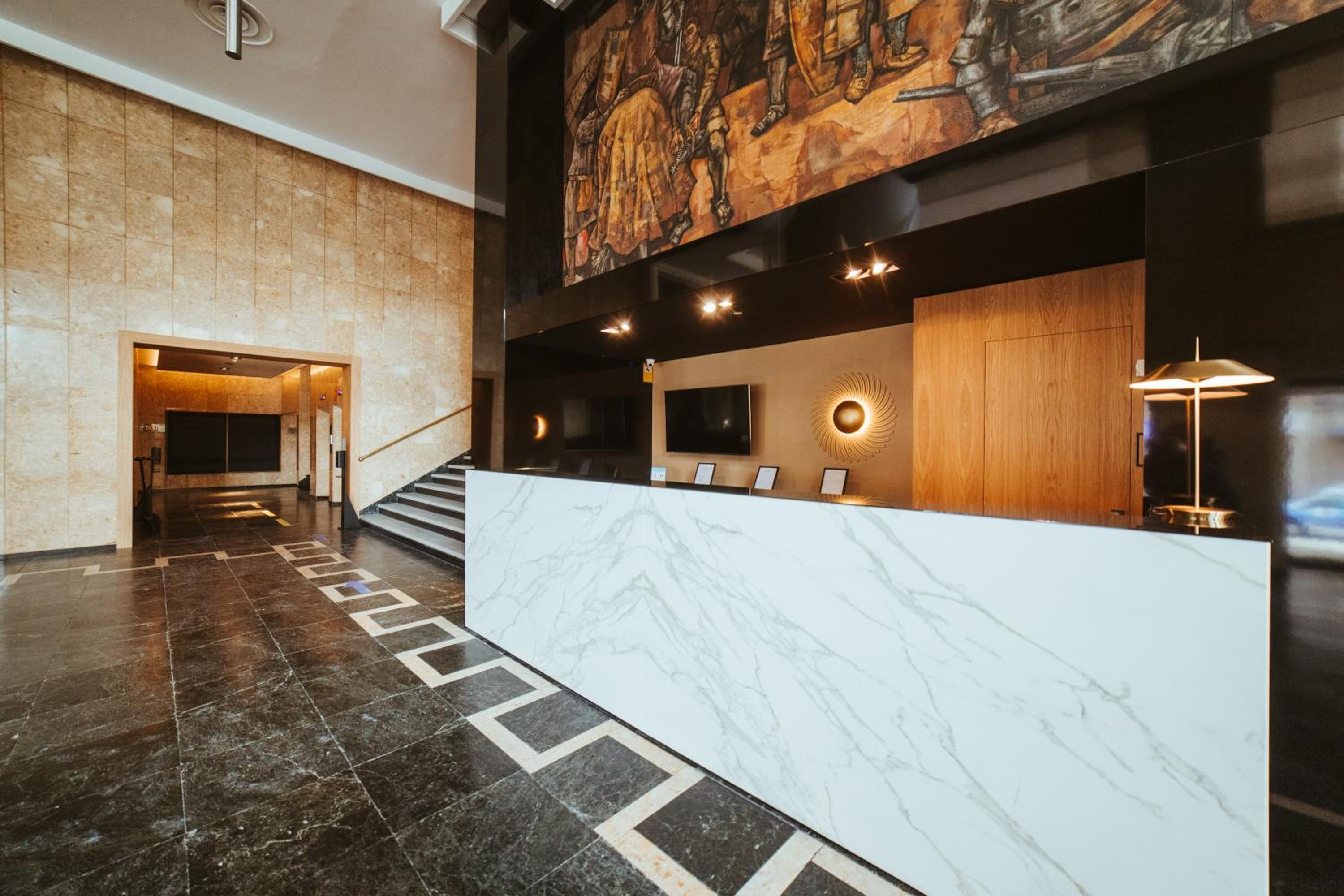
Barceló León Conde Luna
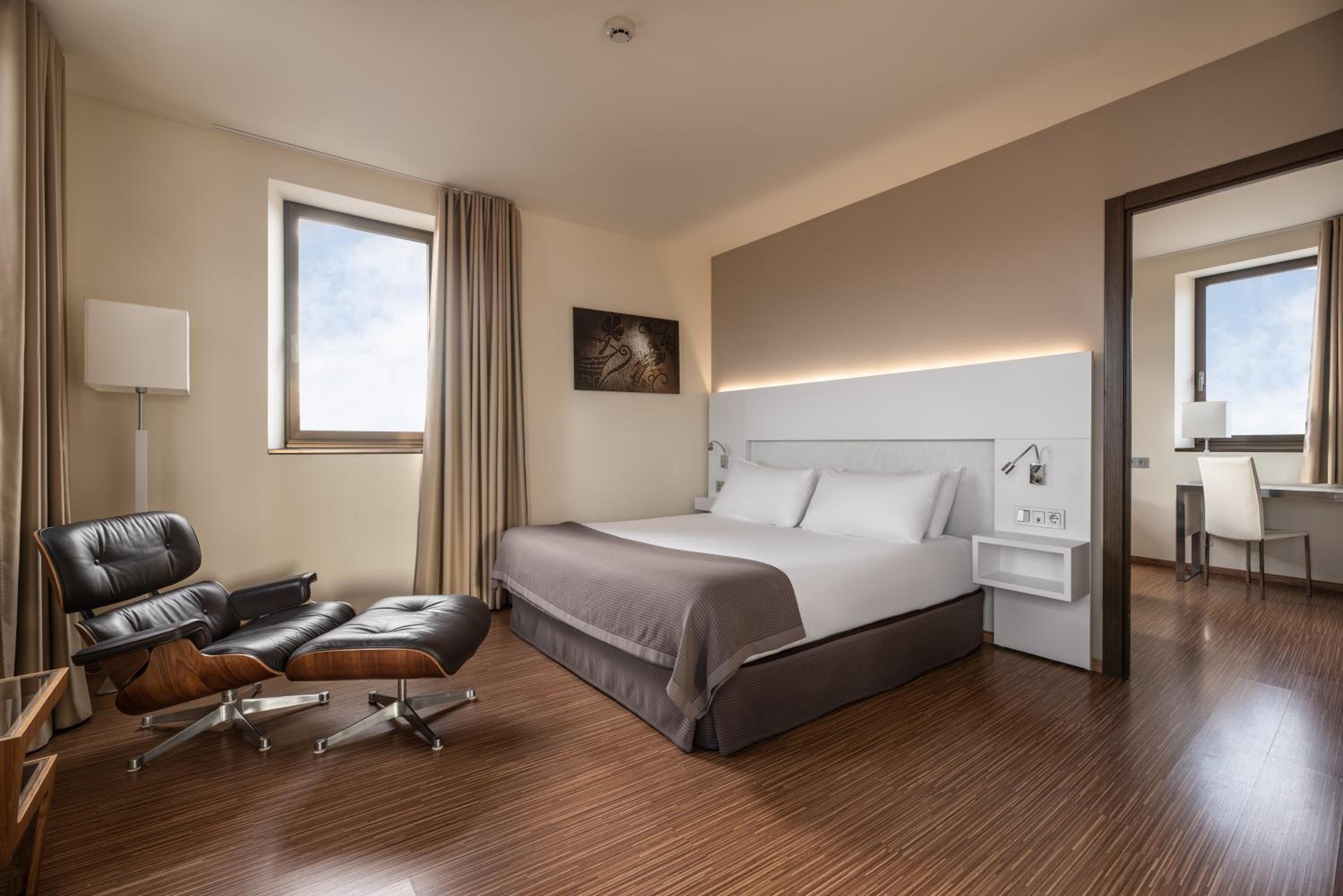
Eurostars Vía de la Plata
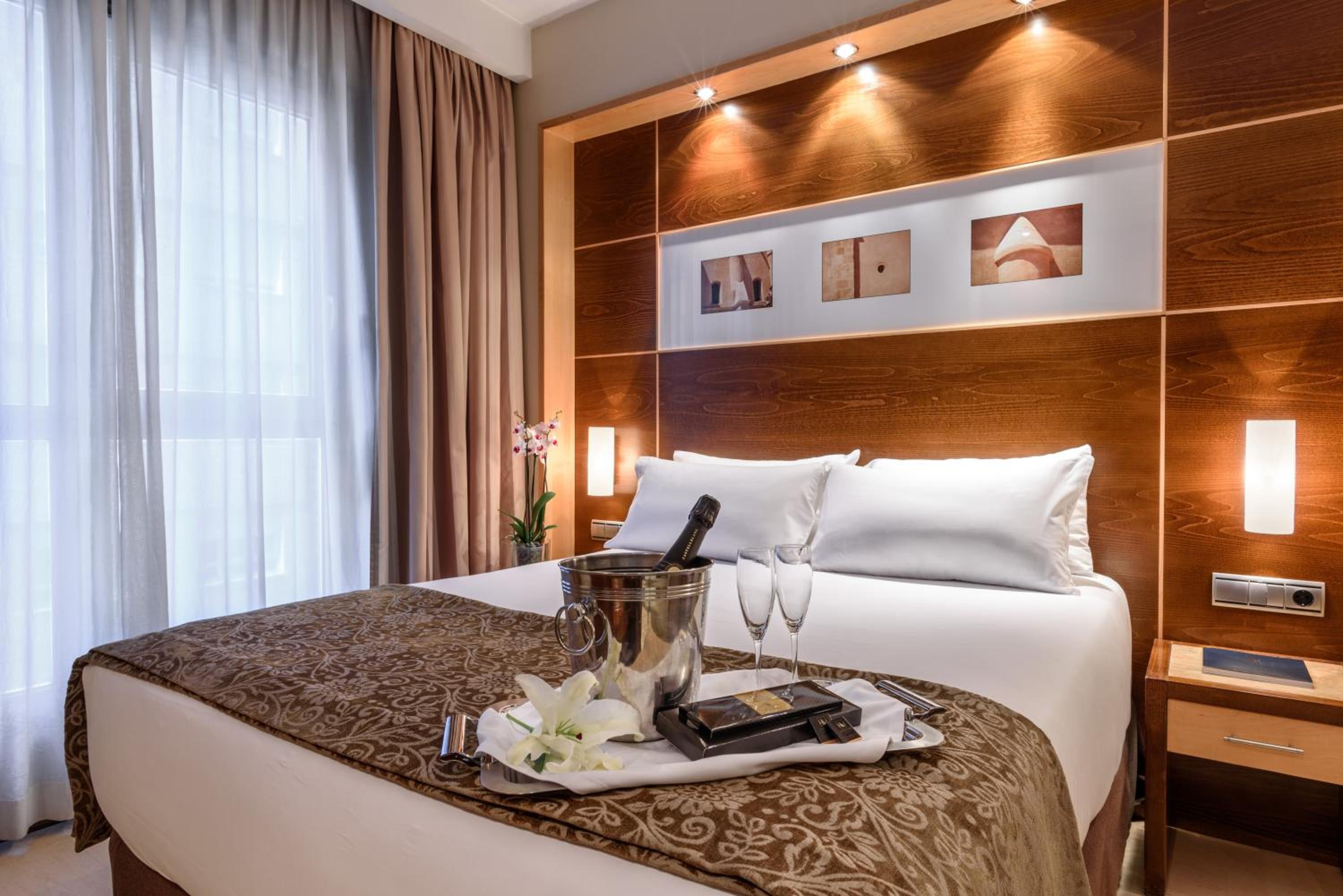
Exe León
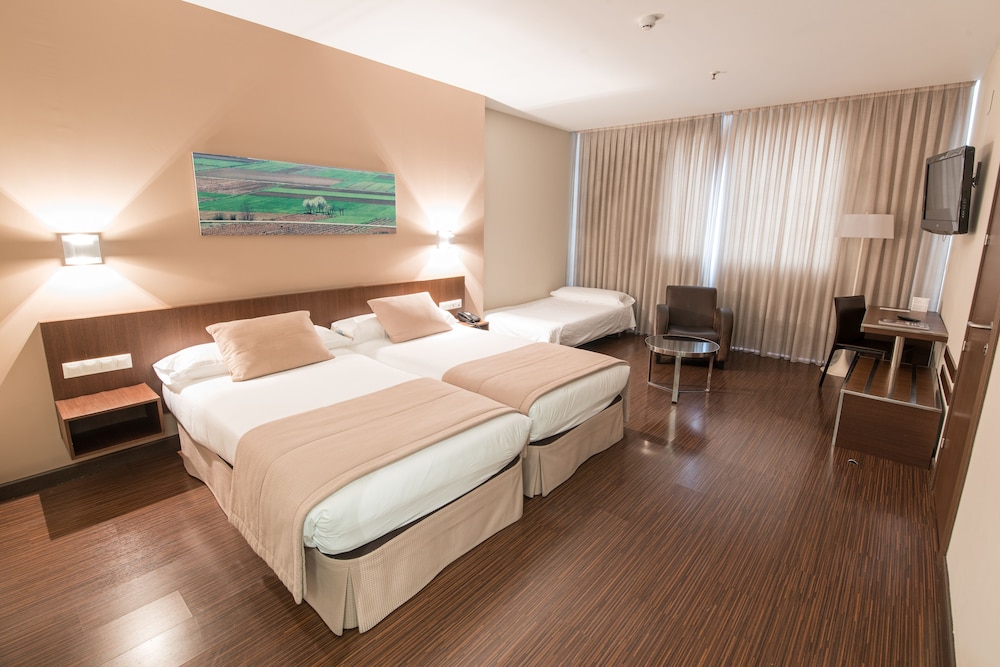
Hotel Abad San Antonio
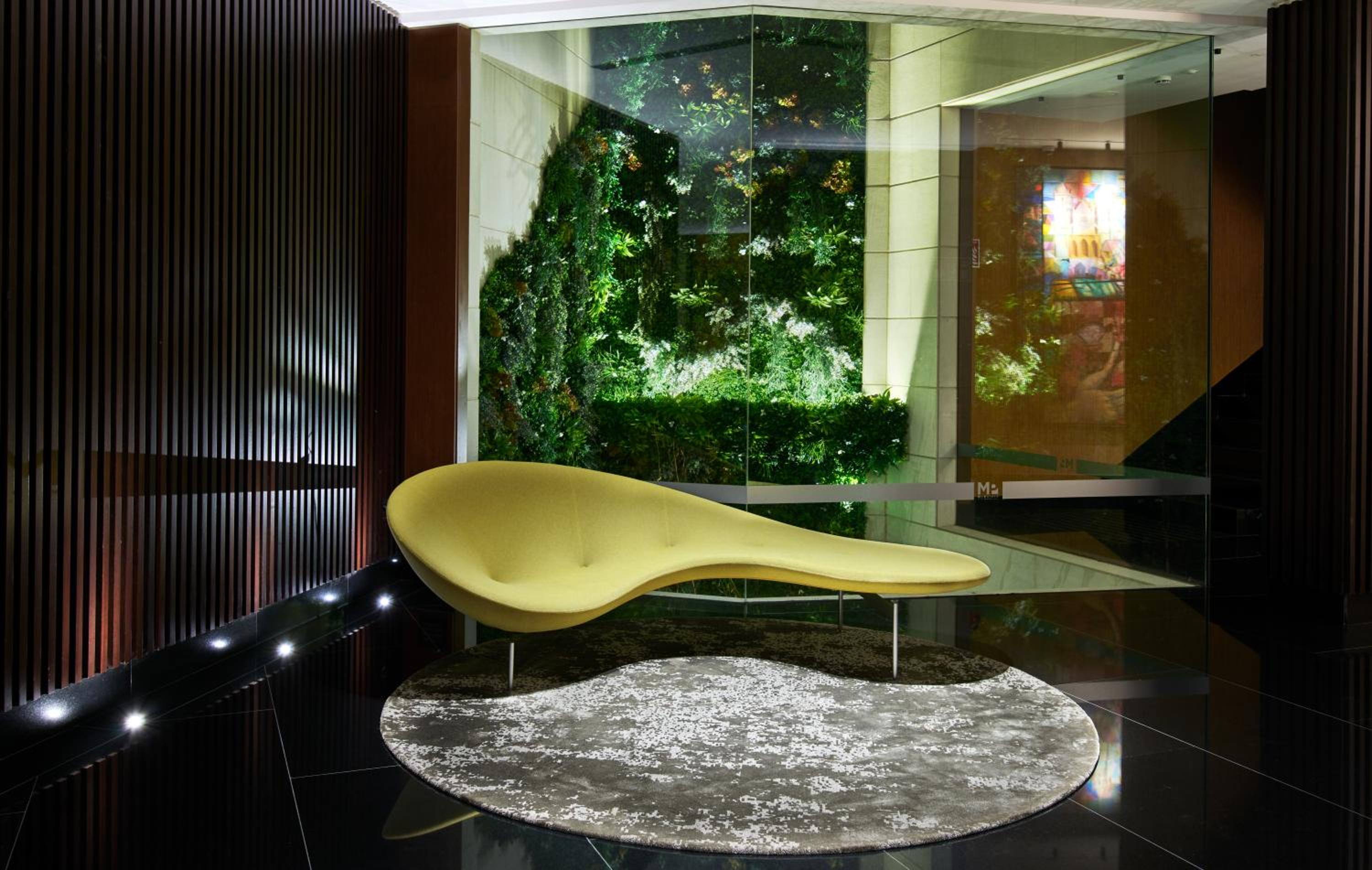
Hotel MyPalace León
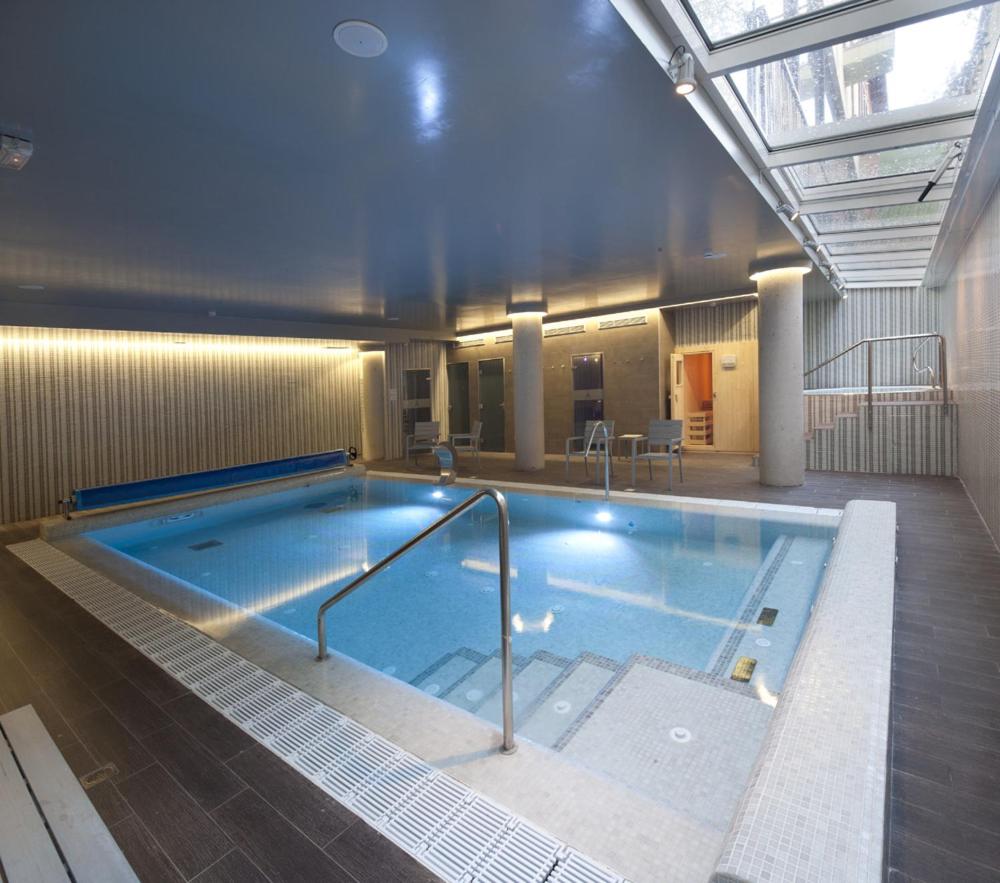
Hotel Spa Ciudad de Astorga by Portblue Boutique
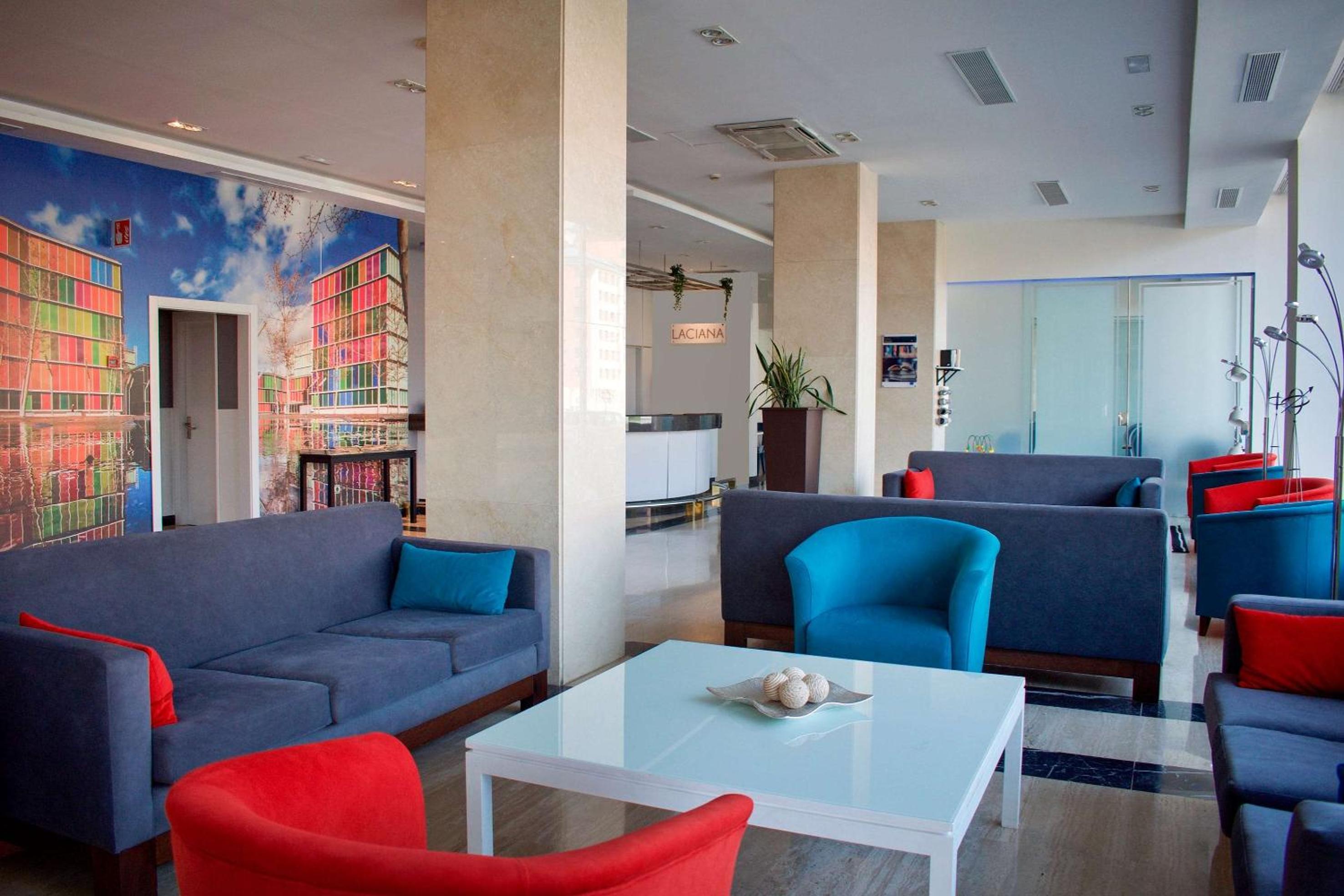
Hotel Zentral León
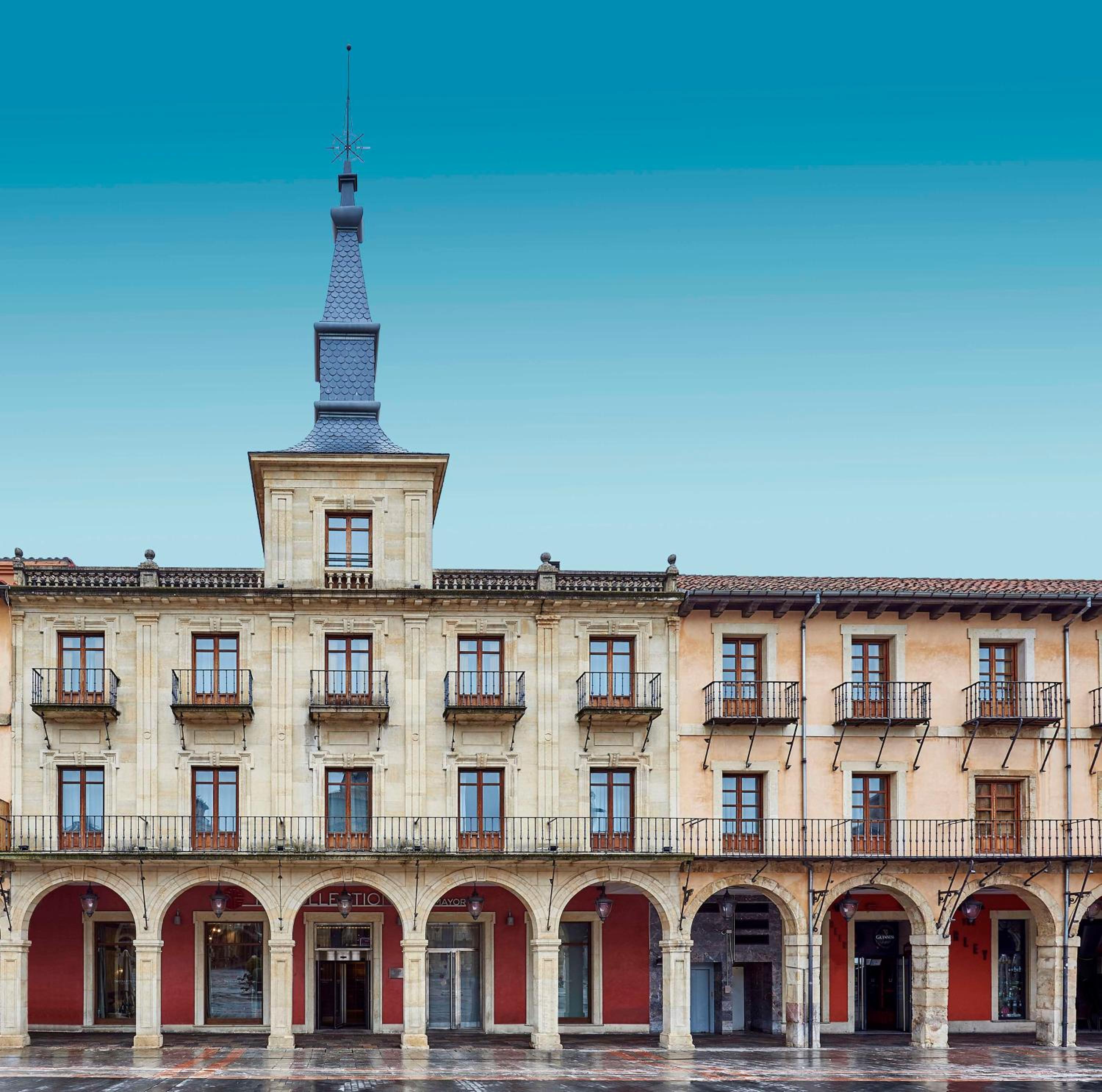
NH Collection León Plaza Mayor
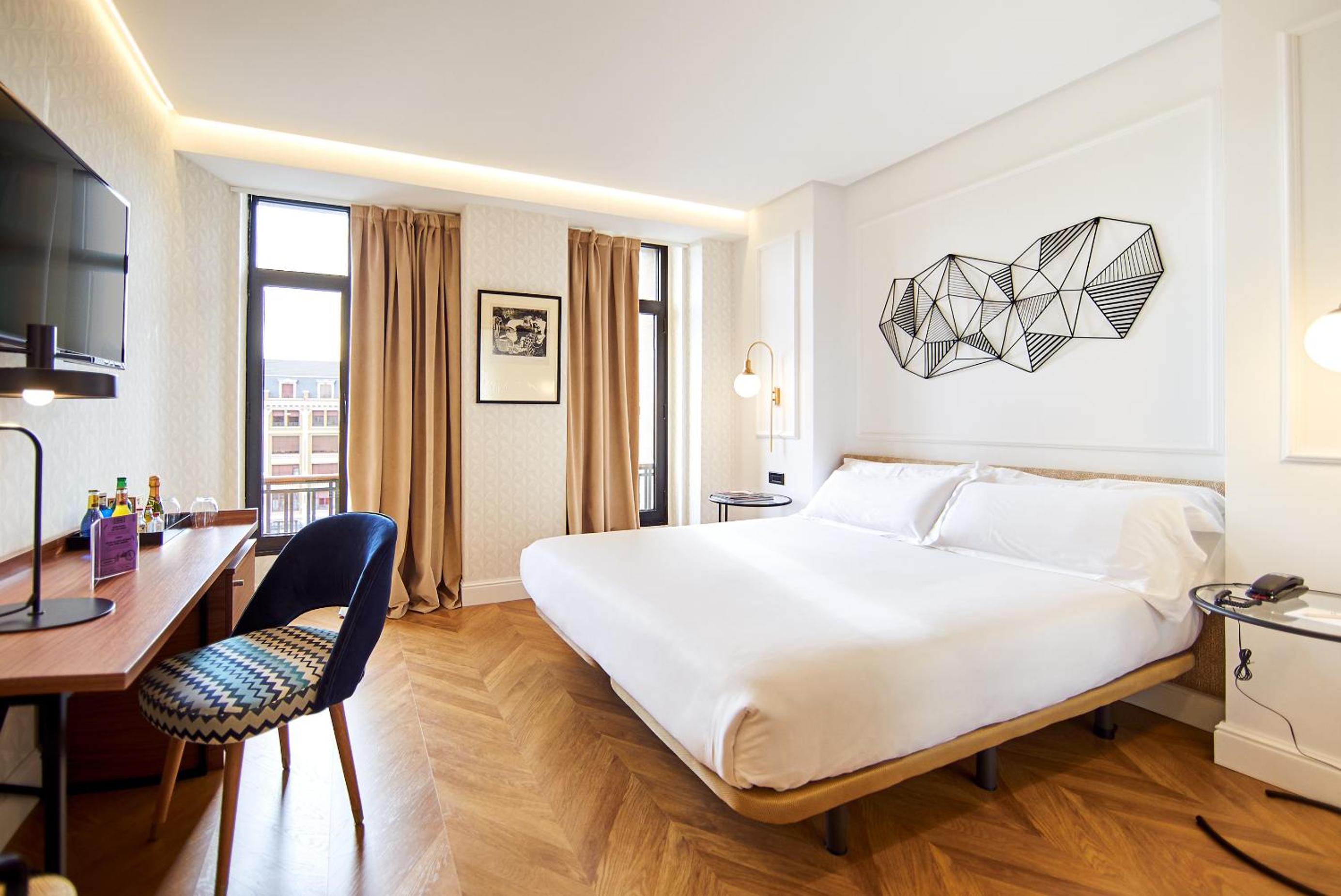
Occidental León Alfonso V
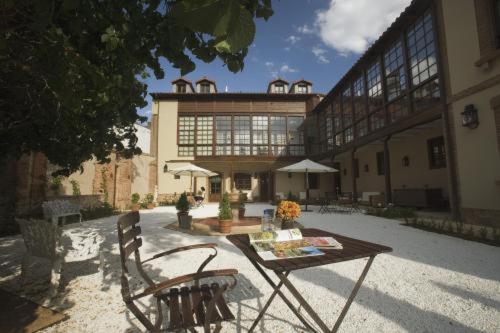
Posada Real Casa de Tepa
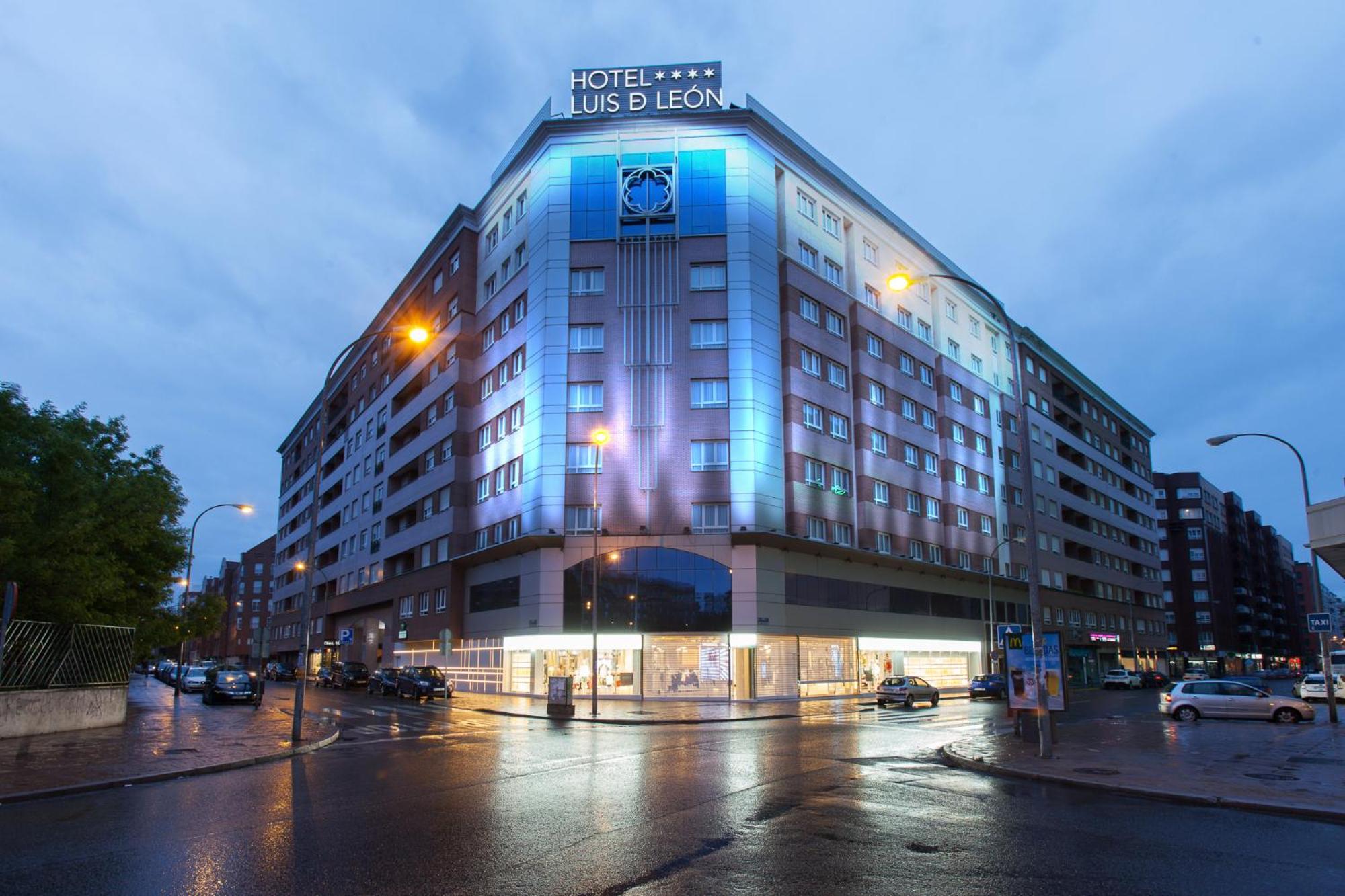
Silken Luis de León
Start your adventure
Ready to walk this stage?
We design your personalised Camino de Santiago experience.
Plan your CaminoWalk this route with us
Fancy walking this route?
We don't have a ready-made package for this route yet, but we'll organise it around you. Tell us how you'd like to experience it and a specialist will reply within 24 h.
Request your proposal