
Camino de Santiago
The Camino by Bike
Follow the most iconic Jacobean route on two wheels. The French Way by bike allows you to live this 779km adventure in a more rapid and adapted way for cycling tourism.
Organize your The Camino by BikeLast updated: 15/07/2025
The Route
General Description of The Camino by Bike
Related Routes
Connections of The Camino by Bike
The French Way
779 km
33
Media
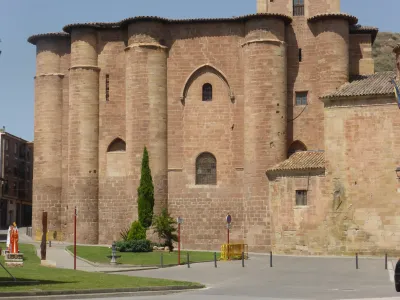
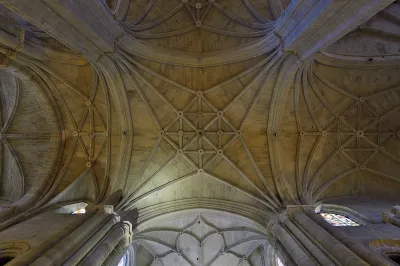
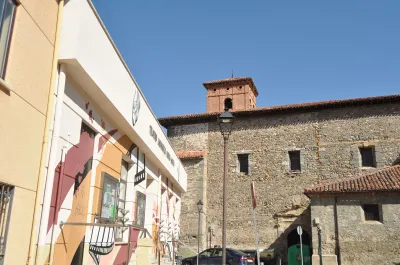
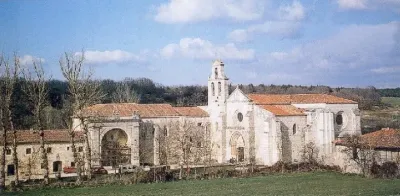
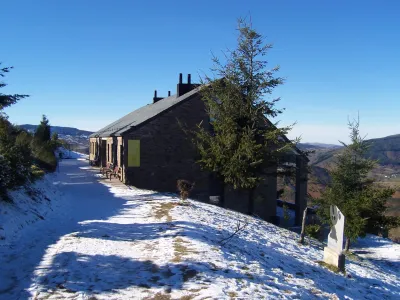
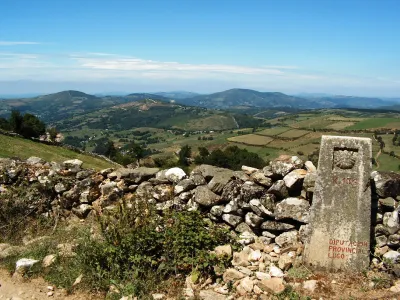
The Camino Francés is the pilgrimage route to Santiago de Compostela of excellence, chosen by thousands of pilgrims every year. With a journey of approximately 780 km from Saint-Jean-Pied-de-Port or less from Roncesvalles, it traverses northern Spain. This path, declared a World Heritage Site by UNESCO, offers exceptional infrastructure for services and hostels.
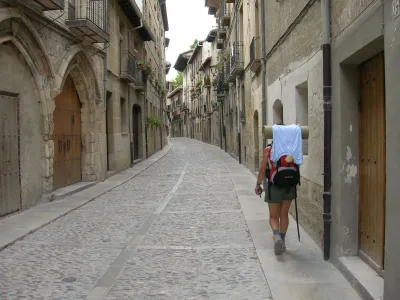
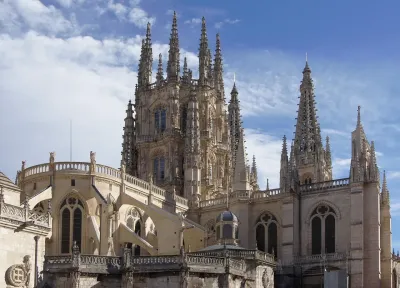
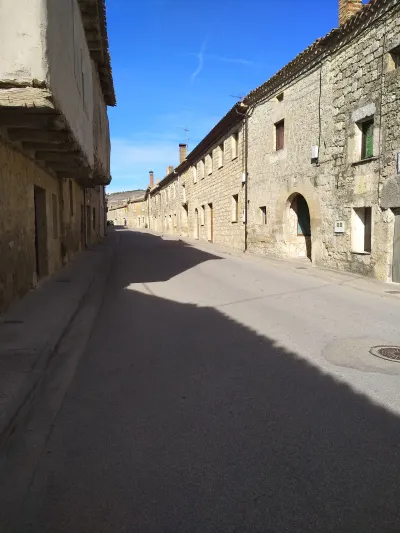
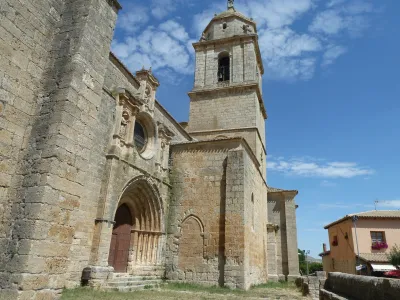
Pilgrims traverse Navarra, La Rioja, Castile and León, and finally Galicia, marveling at monumental cities such as Pamplona, Burgos, and León, and charming villages. The diversity of its landscapes is one of its greatest attractions, from the Pyrenees and the Castilian plains to the green forests of Galicia. It's a physical and spiritual journey that leaves an indelible mark, ideal for both experienced pilgrims and those starting out on the Camino de Santiago.
Stages of this variant:
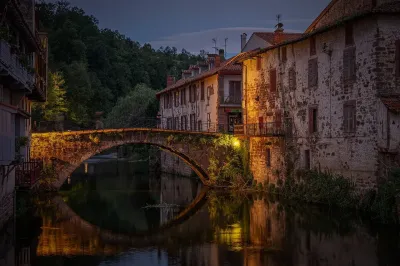
Stage 1: Saint-Jean-Pied-de-Port to Roncesvalles
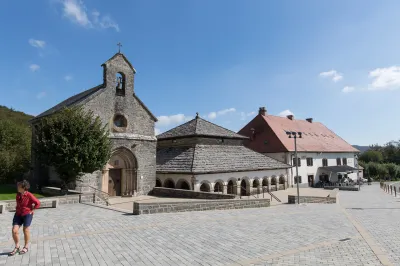
Stage 2: Roncesvalles to Zubiri
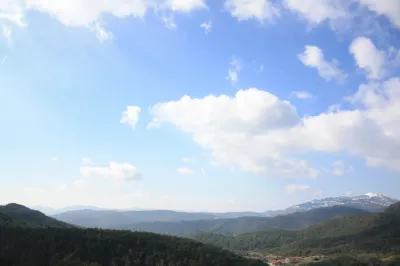
Stage 3: Zubiri to Pamplona
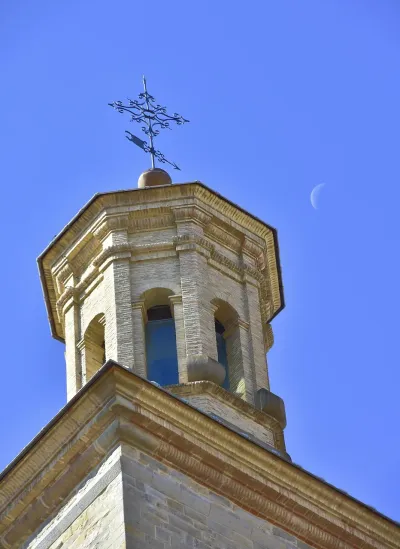
Stage 4: Pamplona to Puente la Reina
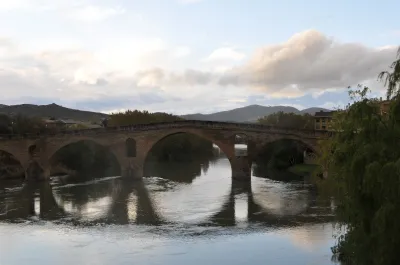
Stage 5: Puente la Reina to Estella
Way of the Asturias
465 km
22
High
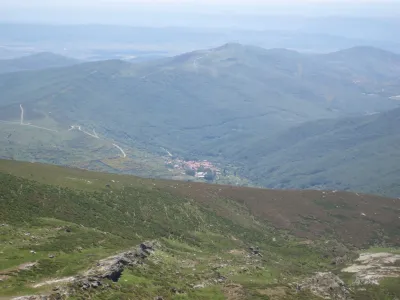
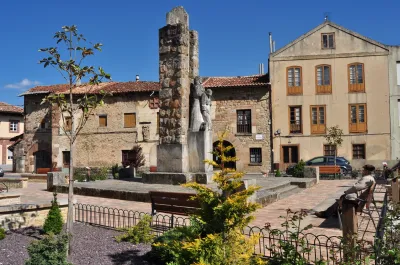
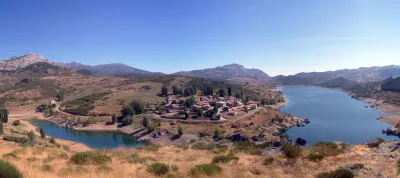
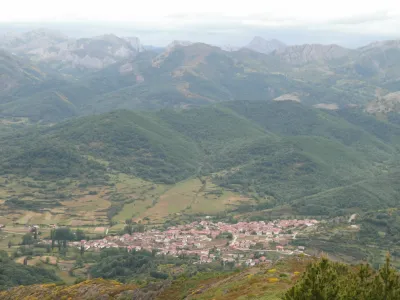
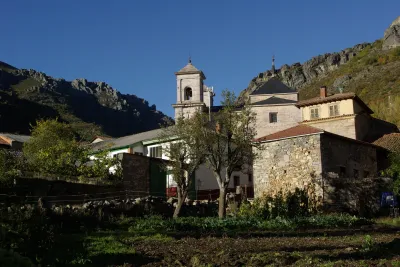
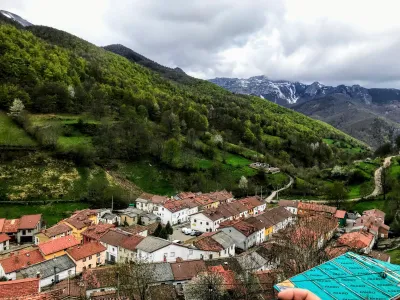
The Camino of Asturias is a historical itinerary that connects the French Way in Pamplona with the Primitive Way in Oviedo. This route, of great scenic beauty and notable physical demand, traverses the mountains of Navarre, Álava, Cantabria, and Asturias. It offers a deep immersion in nature and the heritage of interior Spain, with mountain landscapes, valleys, and villages with history.
Stages of this variant:
Stage 1: Pamplona to Irurzun
Stage 2: Irurzun to Alsasua
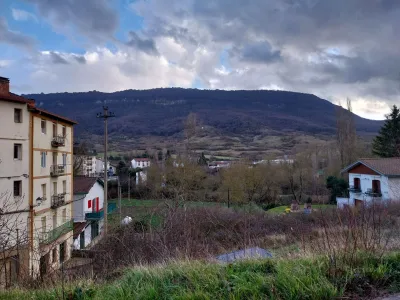
Stage 3: Alsasua to Salvatierra
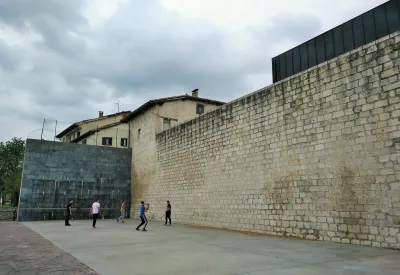
Stage 4: Salvatierra to Vitoria
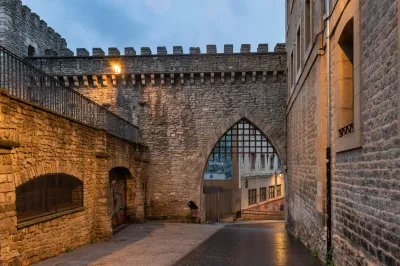
Stage 5: Vitoria to La Puebla de Arganzón
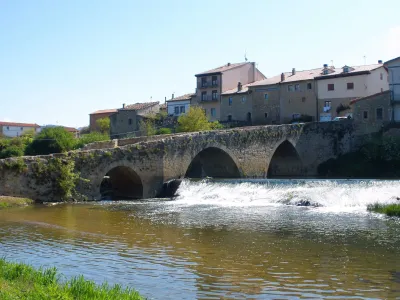
Winter Path
267 km
10
Media
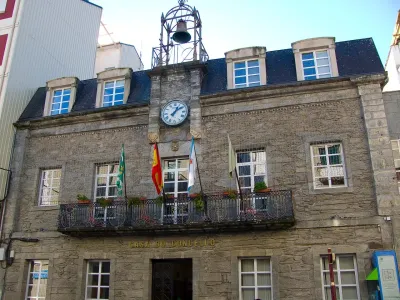
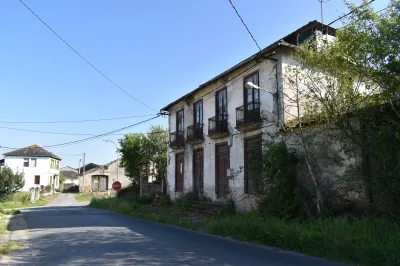
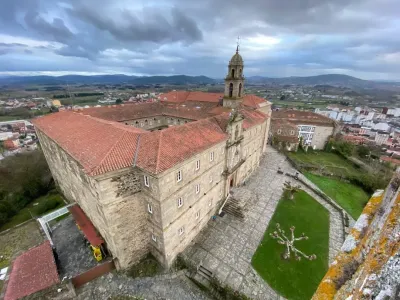
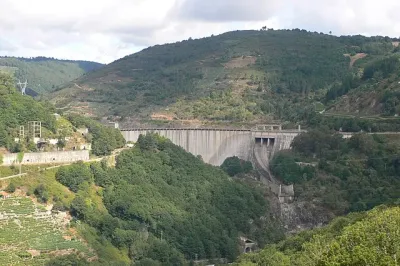
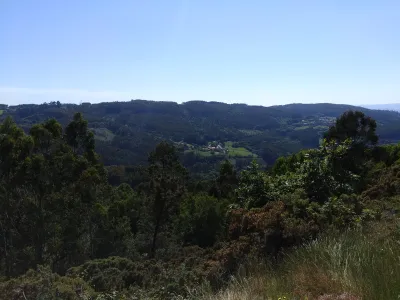
The Winter Way emerges as a historical variant for pilgrims on the Camino Francés who sought to avoid the difficult snows of O Cebreiro. The route diverges in Ponferrada and follows the course of the Sil River, crossing the Valdeorras region, the Ribeira Sacra, and the Deza region before joining the Vía de la Plata/Camino Sanabrés near Lalín.
With a 267 km journey, it is the only Camino that traverses all four Galician provinces (Ourense, Lugo, Pontevedra, and A Coruña). It offers spectacular landscapes like the Sil Canyons and its heroic viticulture, allowing you to discover a natural and cultural heritage of great value, less known but equally fascinating.
Stages of this variant:
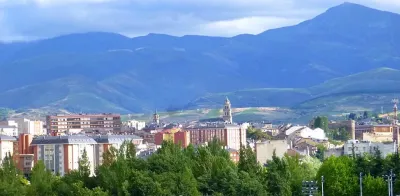
Stage 1: Ponferrada to Las Médulas
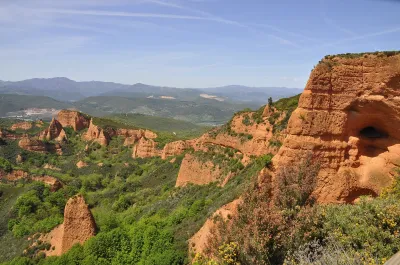
Stage 2: Las Médulas to O Barco de Valdeorras
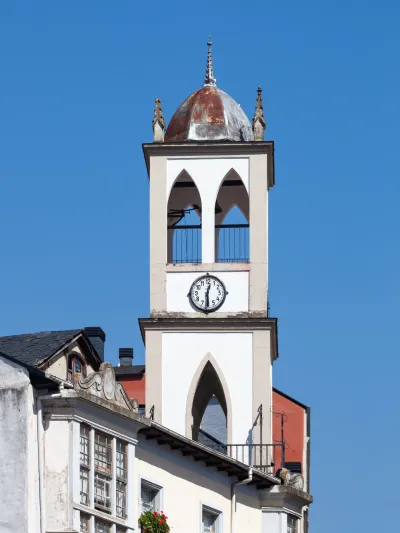
Stage 3: O Barco de Valdeorras to A Rúa de Valdeorras
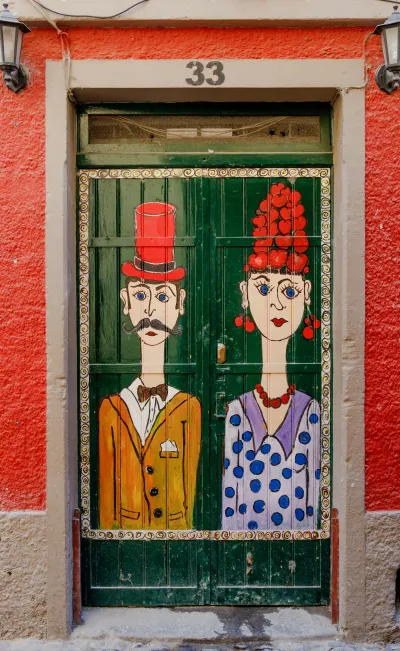
Stage 4: A Rúa de Valdeorras to Quiroga
Stage 5: Quiroga to Pobra do Brollón
Aragonese Way
165.6 km
6
Media
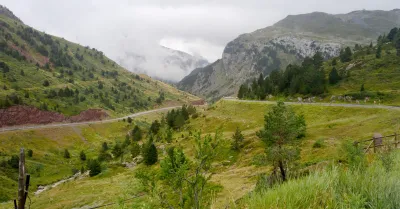
The Aragonese Way is one of the historical entry routes to the French Way on the Iberian Peninsula. From the Somport Pass, it covers 166 km through beautiful Pirenne landscapes, passing by landmarks such as Jaca and its Romanesque cathedral, the Monastery of San Juan de la Peña or the hermitage of Santa María de Eunate. In Puente la Reina (Navarra), it joins the Way that comes from Roncesvalles.
It is a route with an immense Romanesque patrimony and less pilgrim traffic, which offers a more intimate and authentic experience.
Stages of this variant:
Stage 1: Somport to Jaca
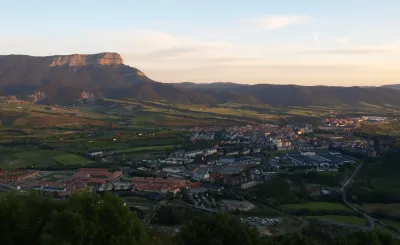
Stage 2: Jaca to Arrés
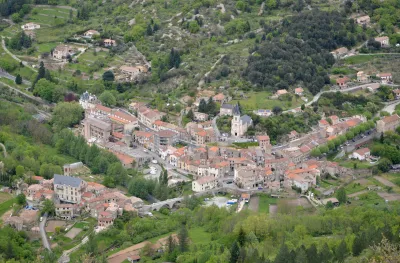
Stage 3: Arrés to Ruesta
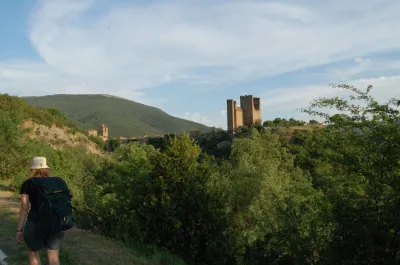
Stage 4: Ruesta to Sangüesa
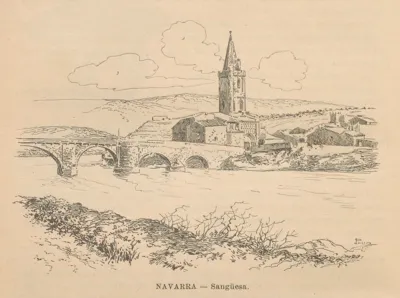
Stage 5: Sangüesa to Monreal
Way of Salvador
119.4 km
6
High
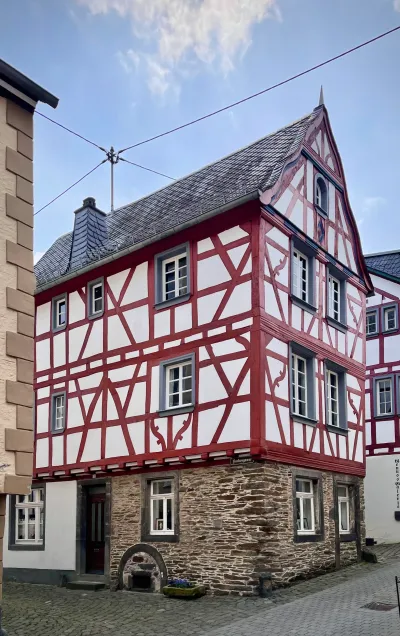
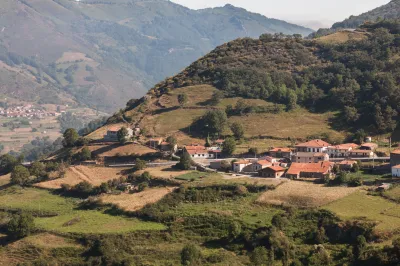
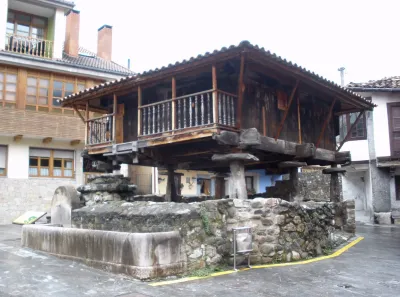
The Way of Salvador, or the Way of St. Salvador, is a historic 120 km route that connects León to Oviedo, allowing pilgrims on the French Way to connect with the start of the Primitive Way. It crosses the Cantabrian Mountains, which implies considerable physical challenge but offers spectacular mountain landscapes.
Its motto "Who goes to Santiago and does not go to Salvador, visits the servant and not the Lord" reflects the historical importance of Oviedo Cathedral and its relics. It is a short but intense route, ideal for pilgrims with good physical preparation who seek to add a mountain component and deep historical connection to their pilgrimage.
Stages of this variant:
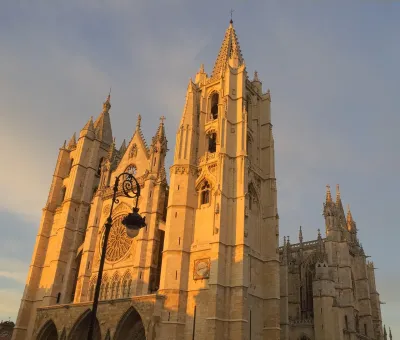
Stage 1: León to La Robla
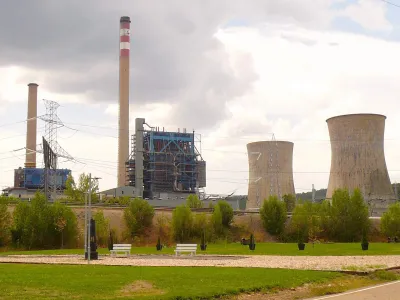
Stage 2: La Robla to Poladura de la Tercia
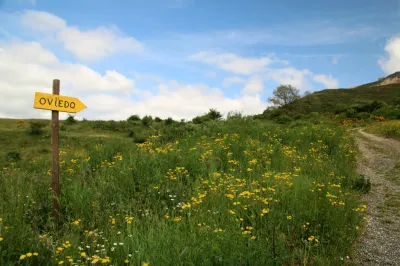
Stage 3: Poladura de la Tercia to Pajares
Stage 4: Pajares to Pola de Lena
Stage 5: Pola de Lena to Mieres
Elevation Profile of
Elevation Profile of The Camino by Bike
Visualize the ups and downs of the route.
Loading elevation profile...
Error loading elevation profile or altitude data not available.
Your trip with Ourway
Everything you need for your Camino
No hassle. Your perfect route, from start to finish.
Accommodation
Selected hotels and hostels at every stage
Luggage transfer
Your backpack travels from stage to stage
Camino Guide
Detailed map with directions and services
24h Support
Team available for any unforeseen event
Pilgrim credential
Official documentation included
No commitment
Free personalized consultation
Stages
Stages of The Camino by Bike
Saint-Jean-Pied-de-Port → Zubiri
First cycling stage of the French Way, a demanding day crossing the Pyrenees from Saint-Jean-Pied-de-Port (France) to Zubiri (Navarra). The 45 km combine the ascent along the Valcarlos route (more acc...
Zubiri → Puente la Reina
Leaving behind the monumental Córdoba, this stage enters Sierra Morena. The route is a continuous ascent through a landscape of dehesas and forests. It's a day of great beauty and physical demand. Arr...
Puente la Reina → Torres del Río
This stage continues through Sierra Morena, on a route of great beauty and solitude. The path traverses a landscape of meadows and forests, with spectacular views. It's a day to enjoy nature in its pu...
Logroño → Santo Domingo de la Calzada
The first stage in La Rioja by bike, a pleasant rolling day through the wine-growing heart of the region. From Logroño the route skirts La Grajera park and climbs gently among vineyards to Navarrete, ...
Santo Domingo de la Calzada → Burgos
A transition stage between La Rioja and the Castilian meseta, the longest of this section by bike. From Santo Domingo de la Calzada you soon cross into the province of Burgos via Grañón and Redecilla ...
Burgos → Boadilla del Camino
Cycle touring stage through the Castilian plateau. The 60 km link Burgos (Gothic cathedral World Heritage) with Boadilla del Camino through the region of Paramo and Tierra de Campos in Palencia. The p...
Towns
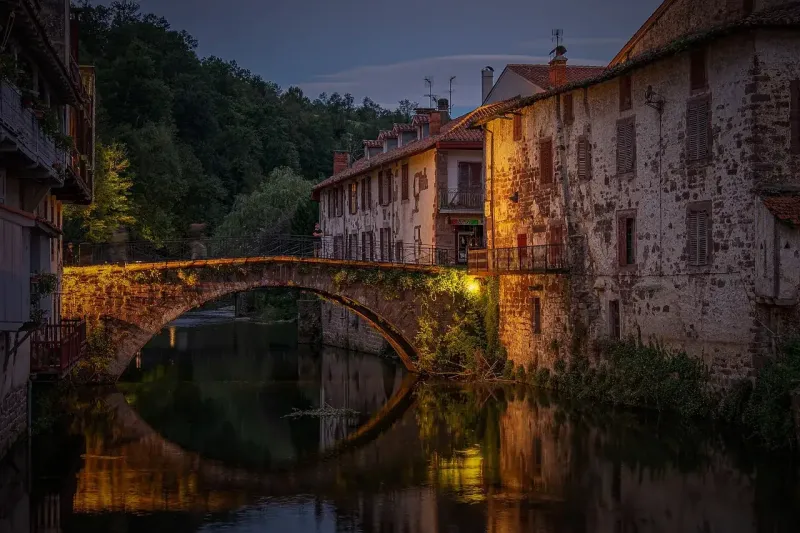
Featured Towns of The Camino by Bike
Explore the key towns and cities of this route.
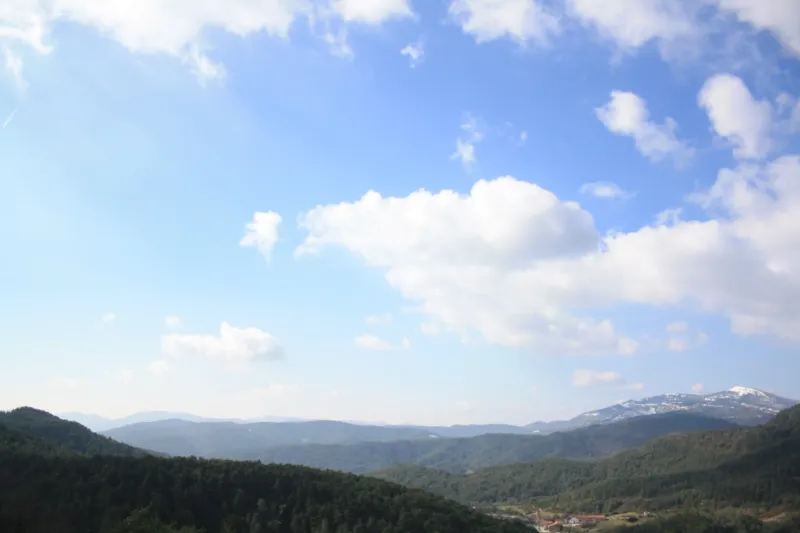
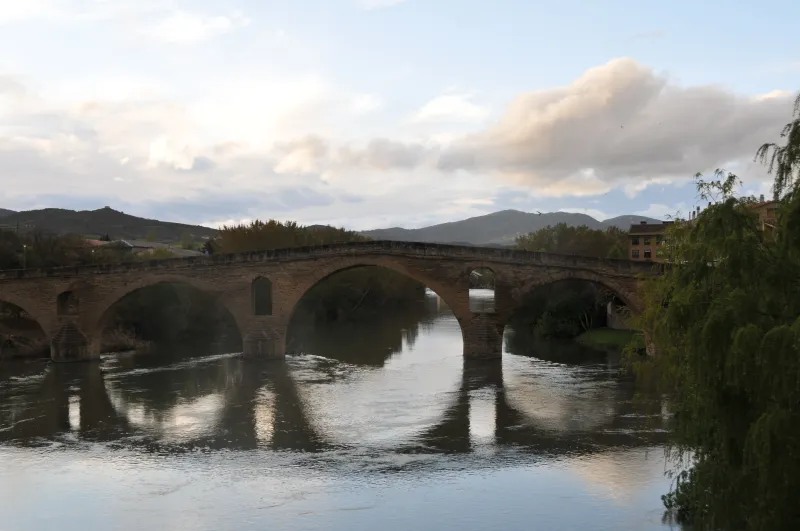
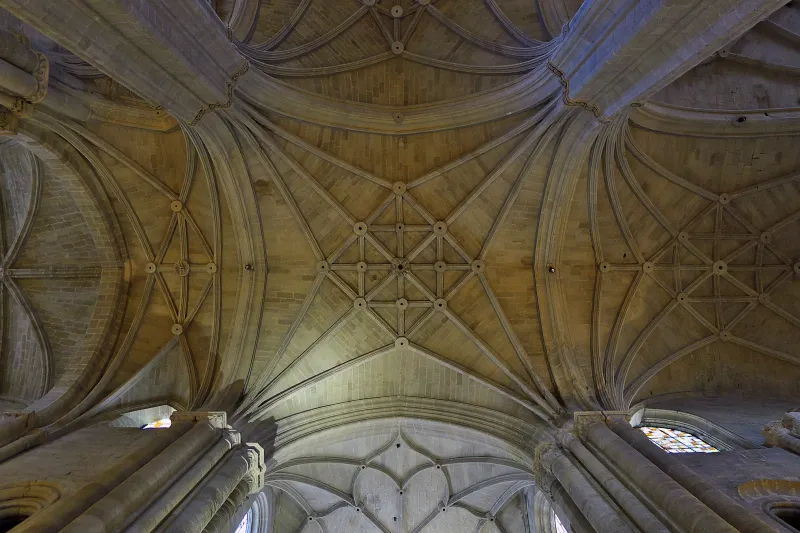
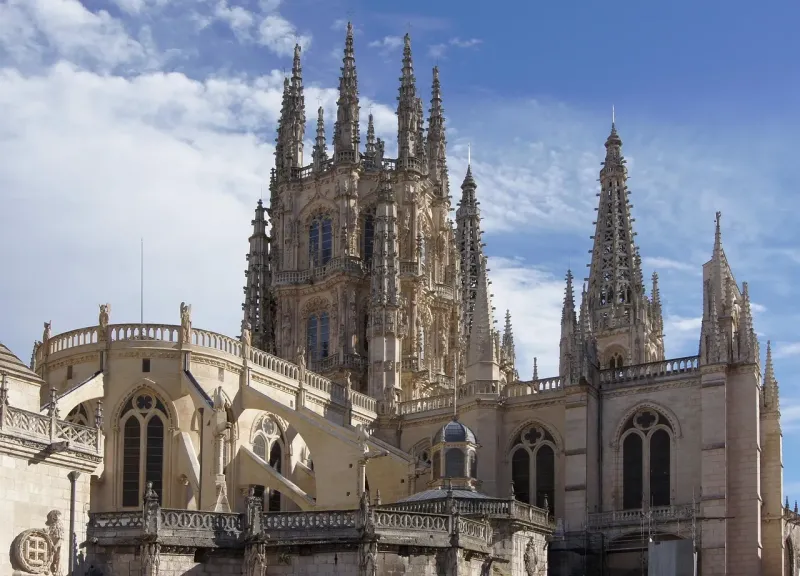
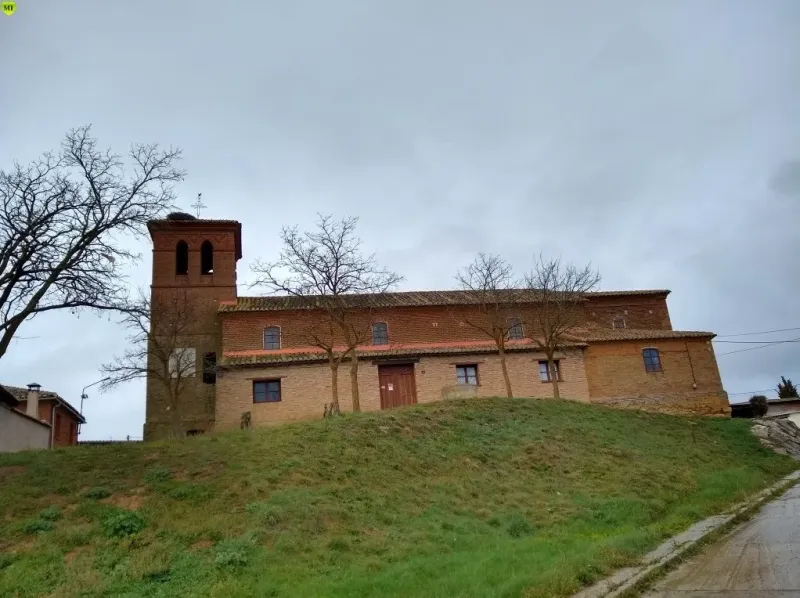
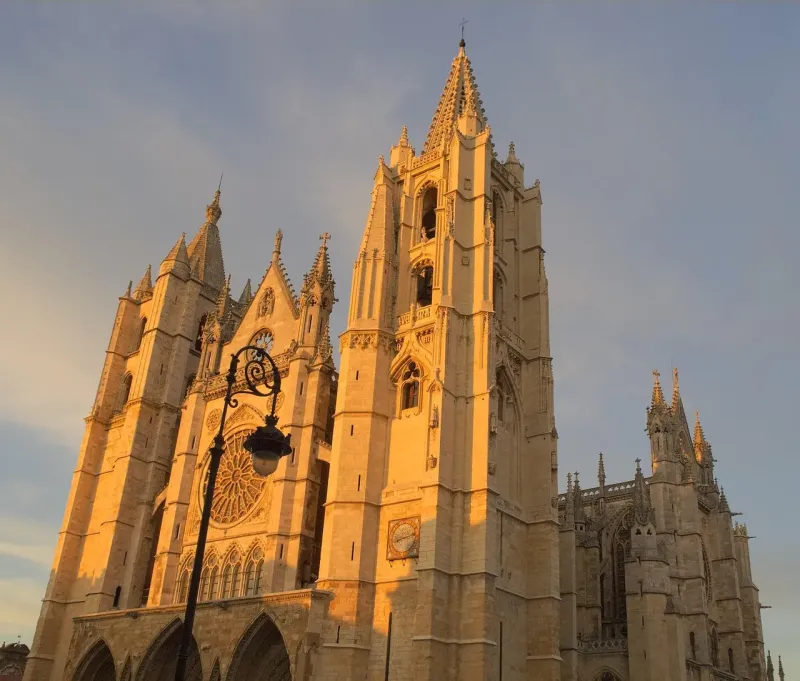
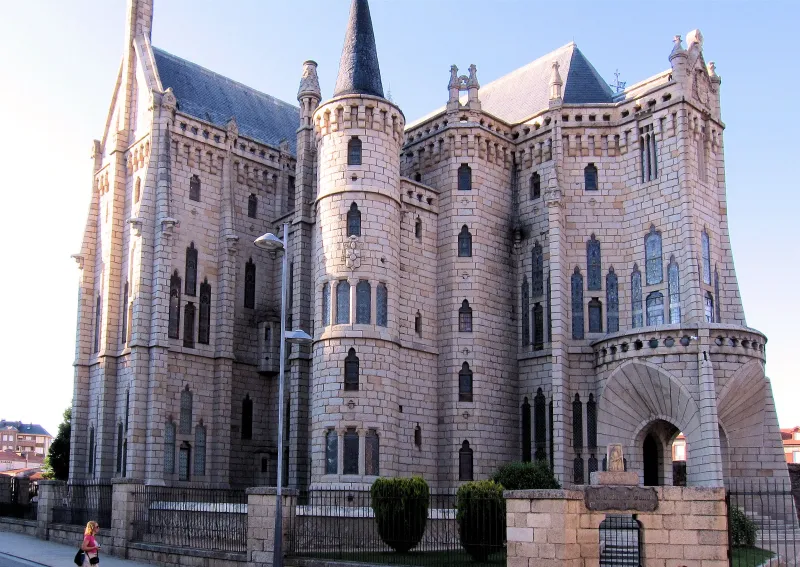
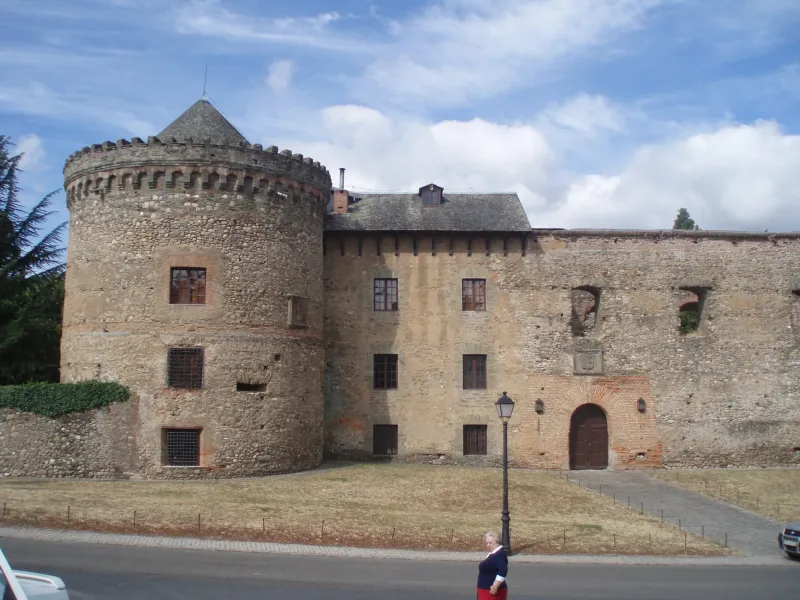
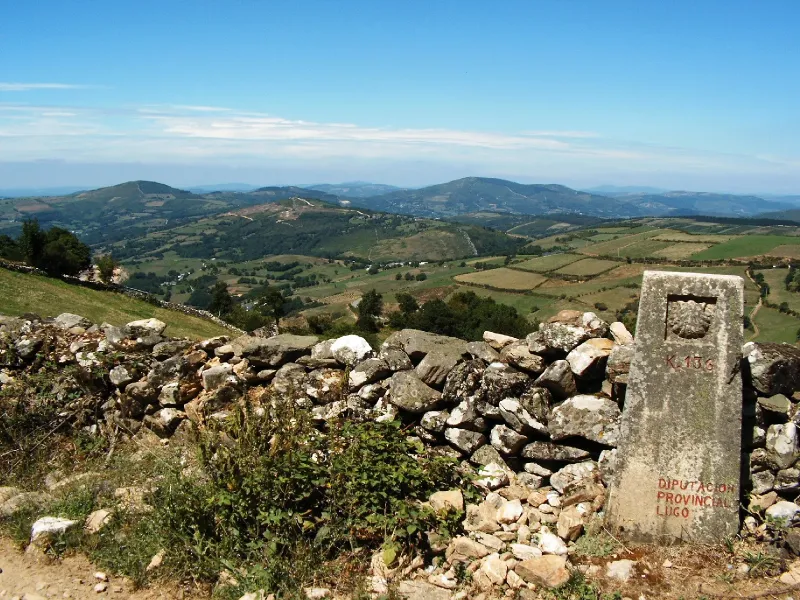
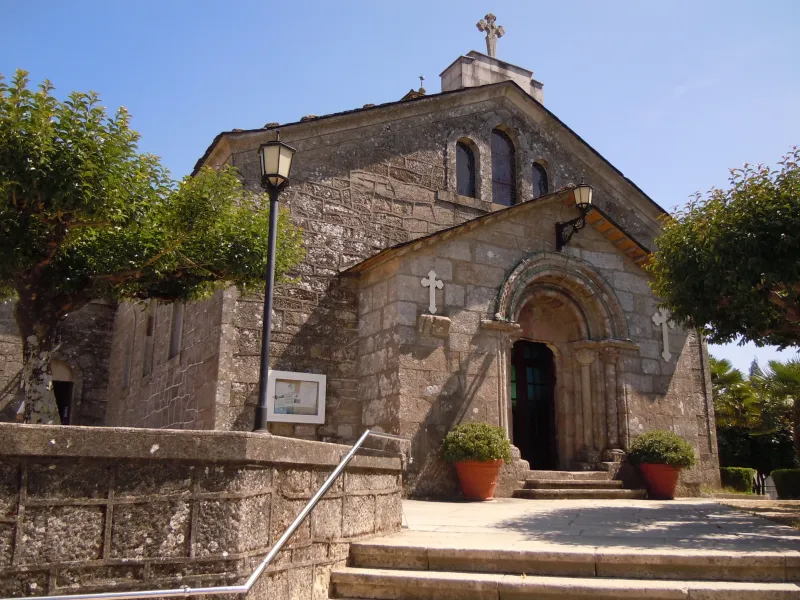
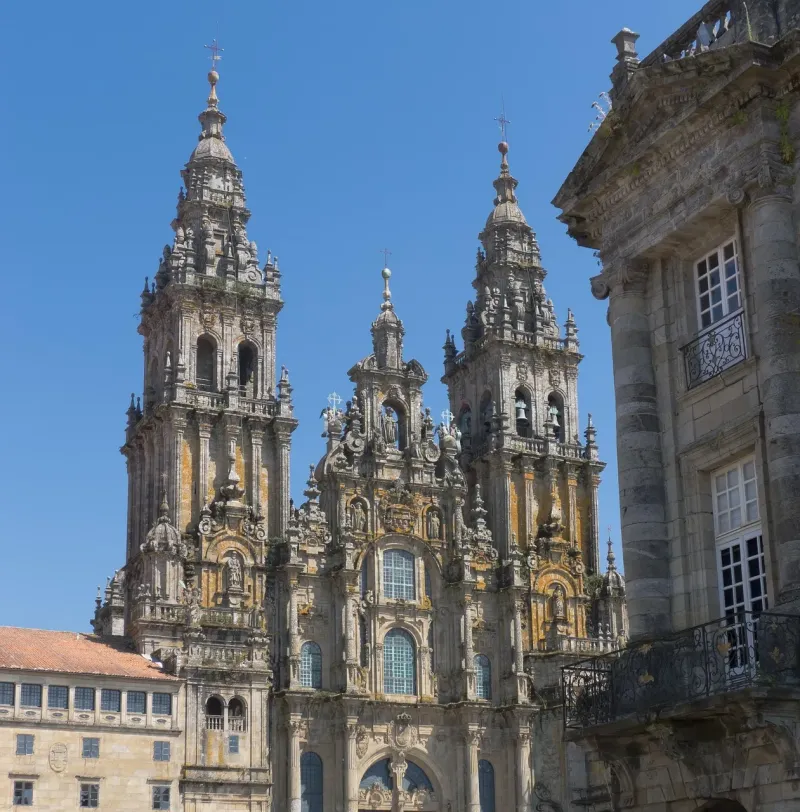
History
Millenary History of the Camino de Santiago: Origins and Evolution The Camino by Bike
Discover the origins and evolution of The Camino by Bike
Bicycle pilgrimage to Santiago began taking shape significantly in the second half of the 20th century, as cycling tourism became popular as a form of leisure and adventure. The first bicigrinos were pioneers, often following the same trails as walkers with sturdy bicycles, facing technical difficulties in certain sections. With the spectacular resurgence of the Camino from the 80s and 90s, demand grew and the route began to adapt.
One key factor in this history is the creation of a specific route. It became clear that the medieval original path was not always cycleable: excessively rocky trails, stairs in towns, narrow paths or impassable muddy tracks. Therefore, associations of friends of the Camino, guidebook editors, and even bicigrinos themselves were creating and documenting variants that, without straying from the spirit of the original itinerary, flow through agricultural roads or secondary roads with low traffic that parallel the pedestrian path. This guarantees safety and smoothness for the journey, although sometimes sacrificing a brief stop at some small landmark on the original route.
The Church also recognized this new form of pilgrimage, establishing its own rules for obtaining the "Compostela". If the foot pilgrim is required to cover the last 100 kilometers, the bicigringo is asked to cover the last 200. This rule has made cities like Ponferrada, with its imposing Templar castle, into the most popular starting point for cyclists, as it is about 200 km from Santiago.
The infrastructure of the Camino has also evolved to accommodate this new group. Many hostels, both public and private, have set aside safe spaces for bicycles, washing areas and basic tools for repairs. Specialized companies have emerged in bike rentals and luggage transport, making logistics much easier for the journey. The bicigringo is no longer a rarity but an integral part of the Camino's ecosystem.
Cycling the Camino Francés is an experience of great visual and physical intensity. It allows crossing the peninsula's complete diversity in two weeks, from the Pyrenees Navarre to the Galician woods, passing through La Rioja's vineyards and the vastness of the Meseta. It is a different form of pilgrimage that, although changes the pace, maintains intact the essence of the journey: personal challenge, meeting other pilgrims, and the incomparable emotion of arriving at the Plaza del Obradoiro.
We answer your questions
Frequently Asked Questions about The Camino by Bike
How long is the French Way by bicycle and how many days does it take to complete?
The French Way on bicycle covers a total distance of 779 km, which typically takes around 14 days to complete. Ourway Travel provides you with detailed routes and planned stages for each day.
What is the difficulty level of the French Way by bicycle?
The difficulty of cycling the French Way is considered moderate, as it includes sections with steep inclines and long daily distances. Ourway Travel will provide you with all necessary recommendations to face this challenge.
What is the best time of year to do the Camino Francés by bicycle?
The best time to do the Camino Francés by bicycle is between April and June, or September and October. During these seasons, you can enjoy pleasant weather with little rain and a moderate number of pilgrims, providing a more relaxed experience.
What does Ourway Travel's package for the French Way by bicycle include?
Ourway Travel's package for the French Way by bicycle includes full itinerary management, guaranteed accommodation in specialized hostels and hotels, as well as secure luggage transportation between stages. We also provide expert advice before and during your trip.
How much does it cost to do the French Way by bike with Ourway Travel?
The package cost for the French Way by bike with Ourway Travel varies depending on travel dates and additional options you choose. We commit to offering you a fair price that includes all necessary comforts for a worry-free experience.
What is the difference between doing the French Way by bicycle and on foot?
The main difference between cycling and walking the French Way lies in the pace and speed of travel. Cycling allows you to cover greater distances each day, offering a more dynamic view of the landscapes. In contrast, walking provides closer contact with nature and a more meditative spirit.
How to choose between the French Way by bicycle and other routes like the Primitive or Portuguese?
The choice of route depends on your personal preferences, time availability, and travel style. The French Way is longer but offers a wide variety of landscapes, while the Portuguese and Primitive routes are shorter with unique features in their natural beauty and local culture.
How do I obtain the pilgrim's credential for the French Way by bicycle?
To get the pilgrim's credential, you need to visit any tourist office or accredited hostel in Santiago de Compostela. Ourway Travel will guide you through this process and provide a complete list of places where you can collect your credential.
Organize Your Camino
Ready for this adventure?
The Camino by Bike
Walk this route with us
Fancy walking this route?
We don't have a ready-made package for this route yet, but we'll organise it around you. Tell us how you'd like to experience it and a specialist will reply within 24 h.
Request your proposal