
Stage of the Camino
Stage Description
This stage connects Nigrán with the city of Vigo along a medium-difficulty route with constant ascents and descents through the coastal hills. The profile is demanding in some sections, but offers extraordinary panoramic views of the Vigo estuary, the Rande bridge, and the Cíes Islands as a reward. The path alternates between forest trails and more urban stretches as it approaches Vigo. The entrance into the city is long but gratifying, leading into the vibrant urban centre of Galicia's largest city, with its lively port and famous Rúa da Pescadería.
The stage between Nigrán and Vigo is the natural continuation of the coastal journey from Baiona. The path leaves behind the tranquillity of Nigrán to enter the mountain ranges bordering the Vigo estuary, an undulating route that puts the pilgrim's legs to the test.
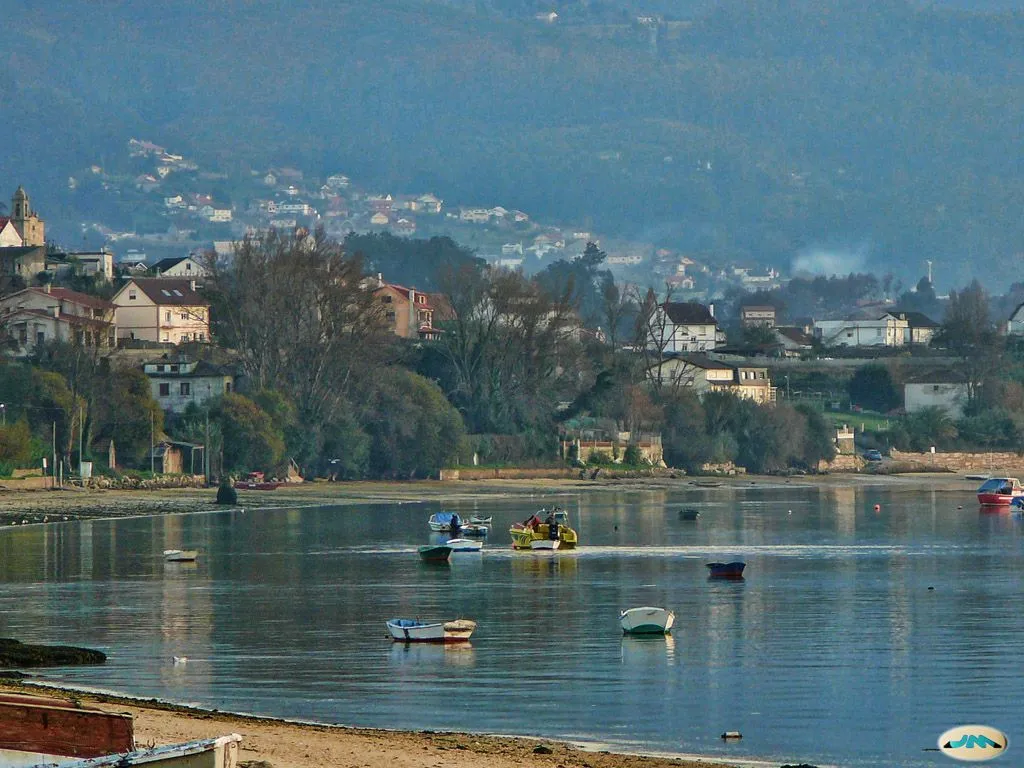
From the very first kilometres, the path climbs along forest tracks through eucalyptus and pine trees, gaining altitude quickly. The ascents are rewarded with natural viewpoints offering spectacular panoramas: the Vigo estuary in its full extent, the imposing Rande bridge crossing the waters, and in the background the silhouettes of the Cíes Islands.
The central section runs through small rural settlements and lush forests, offering shade and coolness even on the hottest days. Villages where time seems to have stood still are crossed, with stone hórreos and cruceiros at the crossroads.
The second half of the stage marks the transition towards Vigo's urban environment. The landscape becomes progressively more urbanised, with residential areas and parks heralding the arrival at the big city. The entrance to Vigo is long but interesting, passing through neighbourhoods with their own distinct character.
Vigo welcomes the pilgrim with its cosmopolitan energy. The Casco Vello old town, the port with its fishing boats, the fresh oysters on Rúa da Pescadería, and the view from Monte do Castro are essential experiences. The city offers every imaginable service and a lively nightlife.
From the very first kilometres, the path climbs along forest tracks through eucalyptus and pine trees, gaining altitude quickly. The ascents are rewarded with natural viewpoints offering spectacular panoramas: the Vigo estuary in its full extent, the imposing Rande bridge crossing the waters, and in the background the silhouettes of the Cíes Islands.
The central section runs through small rural settlements and lush forests, offering shade and coolness even on the hottest days. Villages where time seems to have stood still are crossed, with stone hórreos and cruceiros at the crossroads.
The second half of the stage marks the transition towards Vigo's urban environment. The landscape becomes progressively more urbanised, with residential areas and parks heralding the arrival at the big city. The entrance to Vigo is long but interesting, passing through neighbourhoods with their own distinct character.
Vigo welcomes the pilgrim with its cosmopolitan energy. The Casco Vello old town, the port with its fishing boats, the fresh oysters on Rúa da Pescadería, and the view from Monte do Castro are essential experiences. The city offers every imaginable service and a lively nightlife.
Last updated: 17/03/2026
Where to Sleep
Accommodations in this Stage
Find the perfect place for your rest in Nigrán o Vigo.
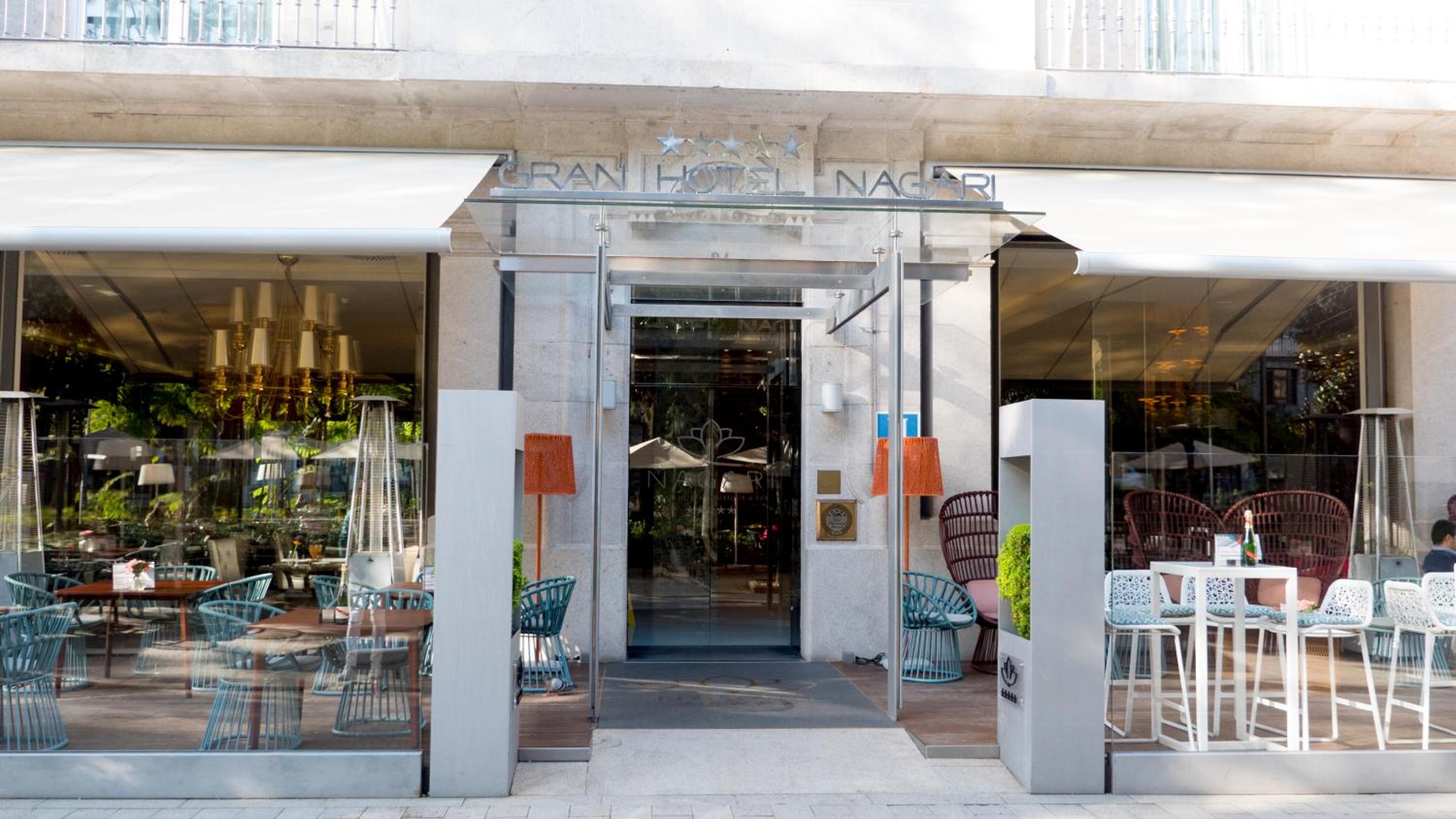
Gran Hotel Nagari Boutique & Spa
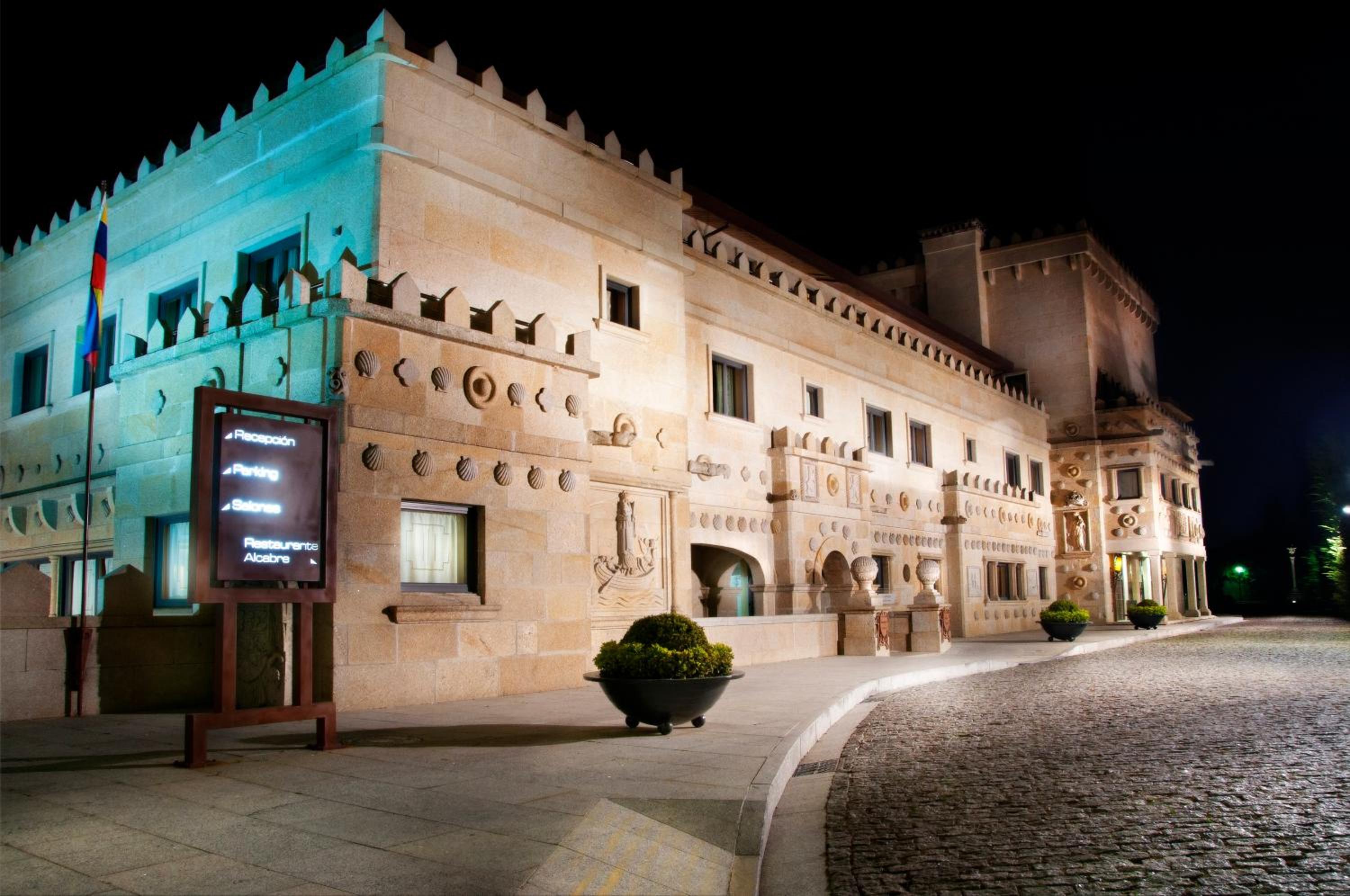
Pazo Los Escudos Hotel Spa & Resort
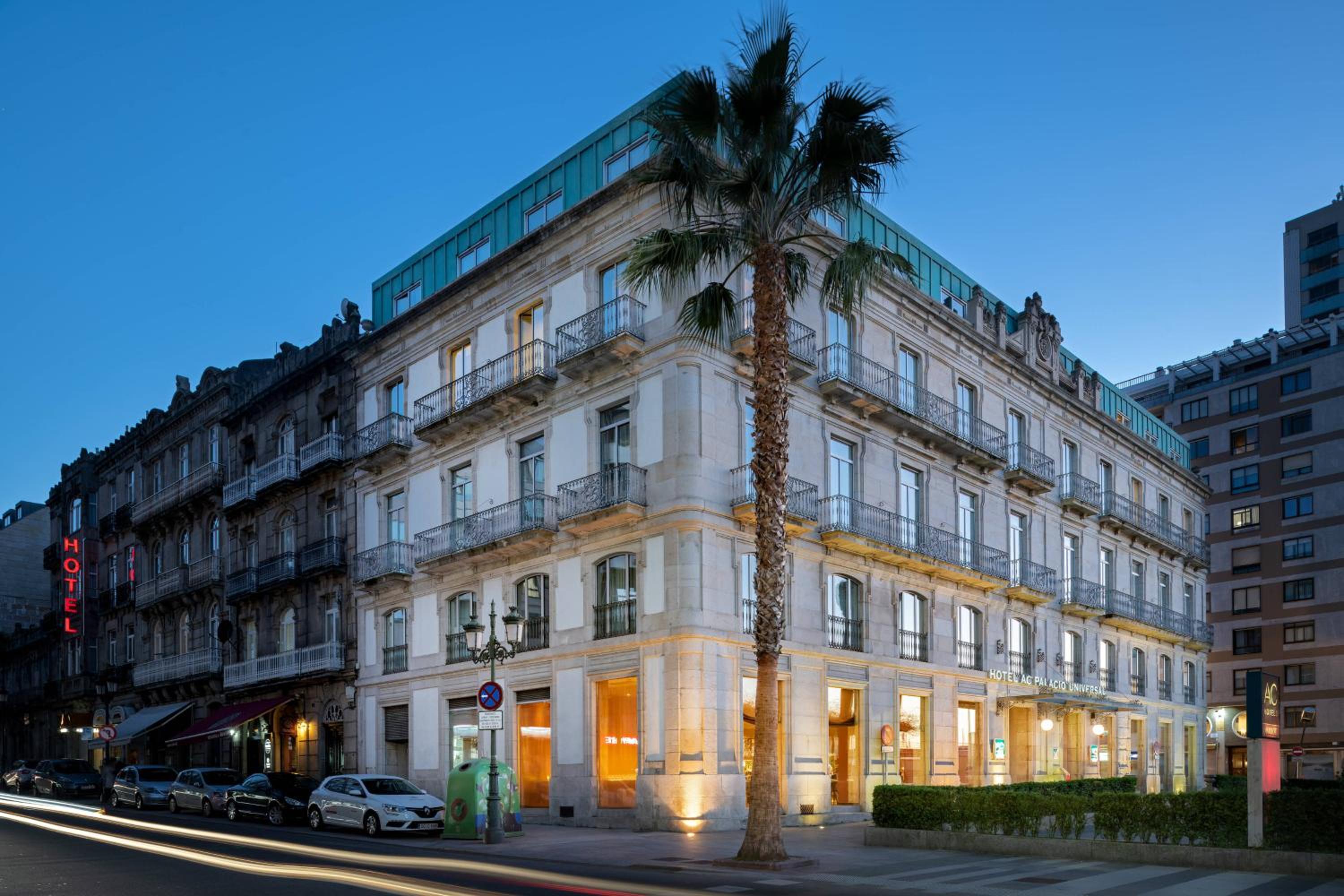
AC Hotel Palacio Universal by Marriott
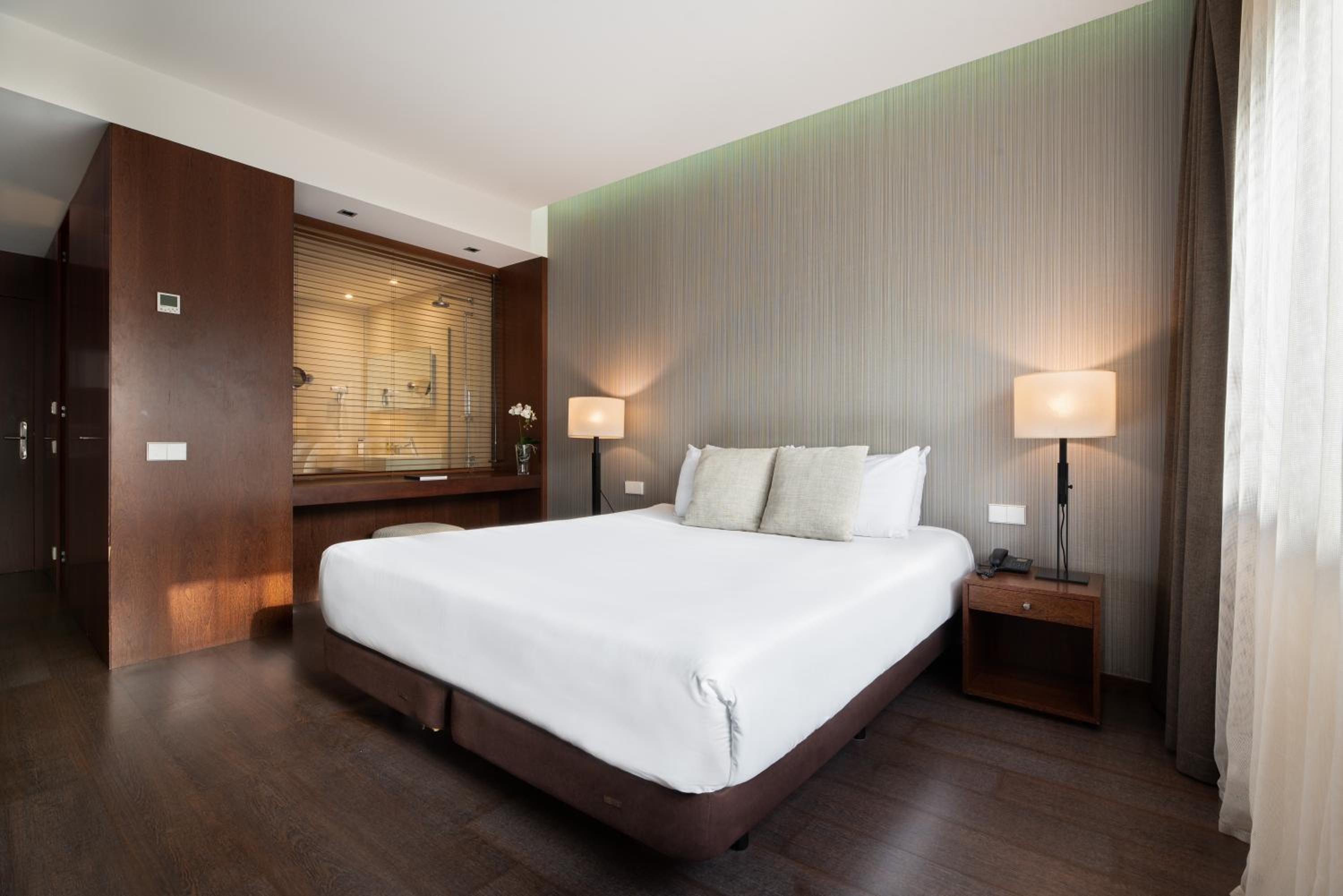
Eurostars Mar de Vigo
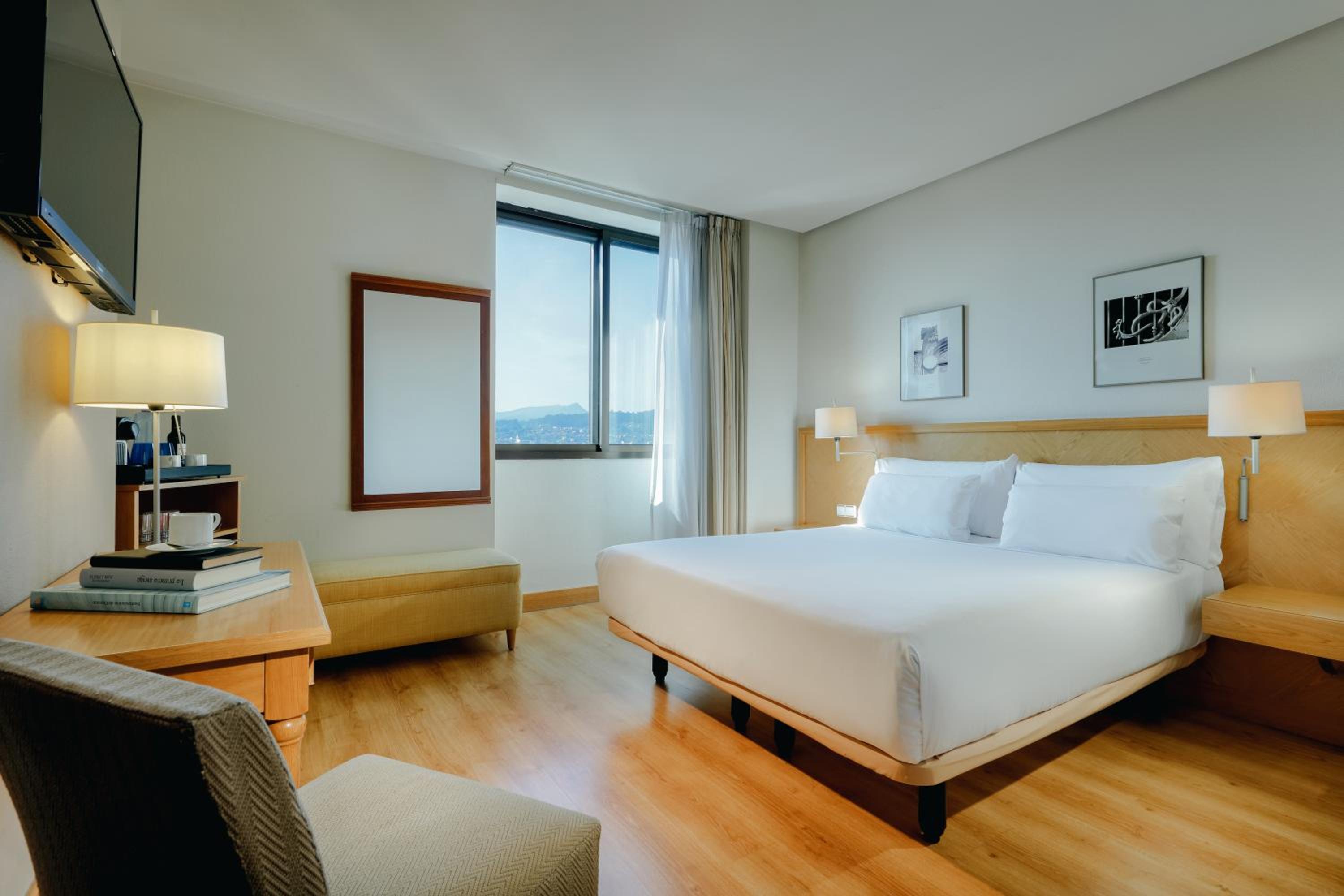
Hesperia Vigo
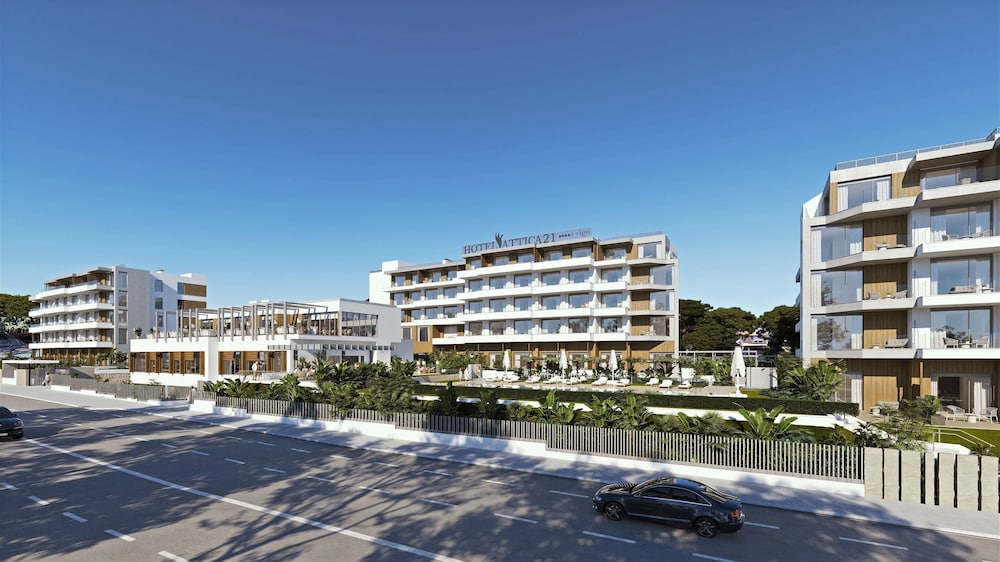
Hotel Attica21 Vigo Business & Wellness
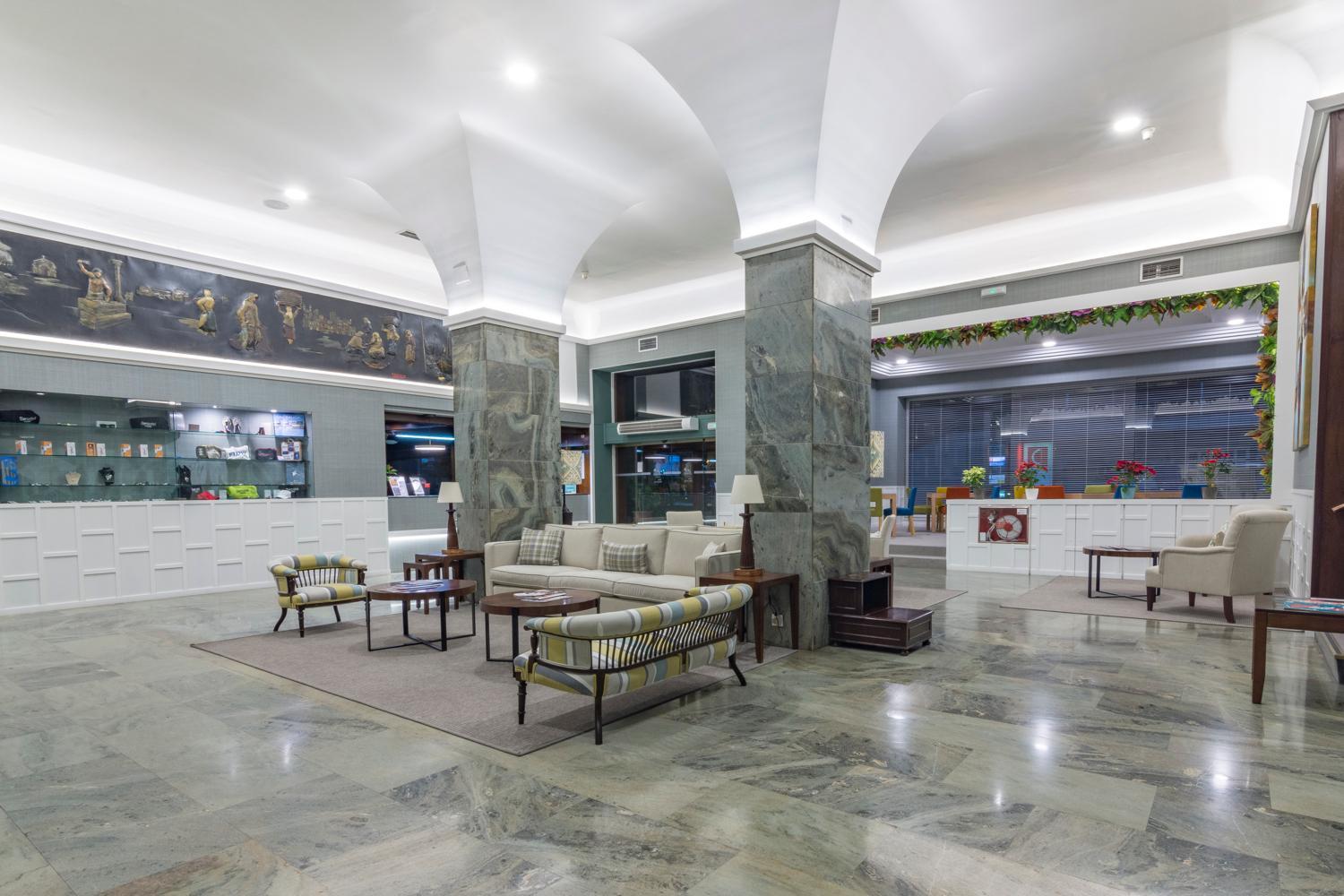
Hotel Bahía de Vigo
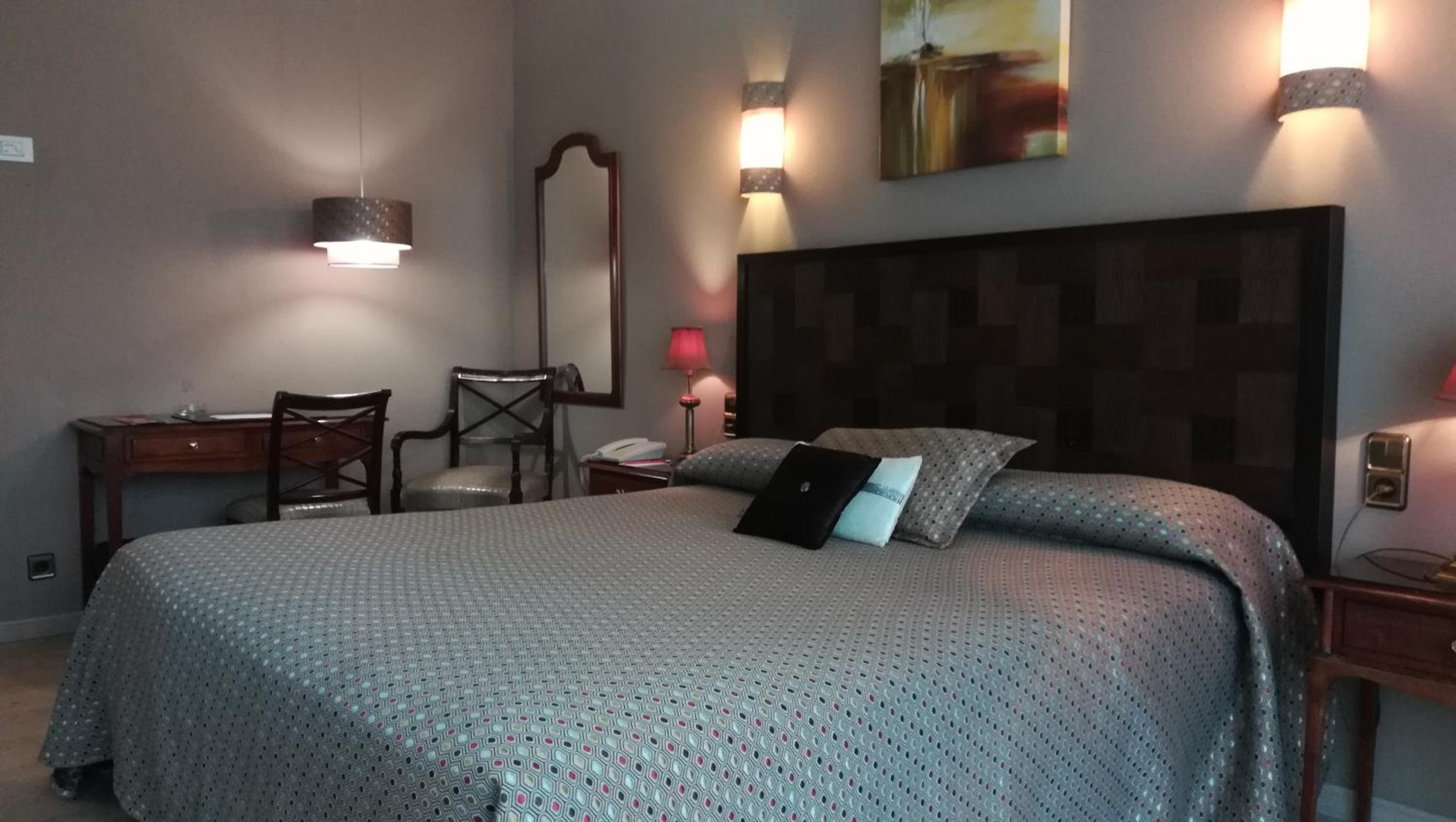
Hotel Ciudad de Vigo
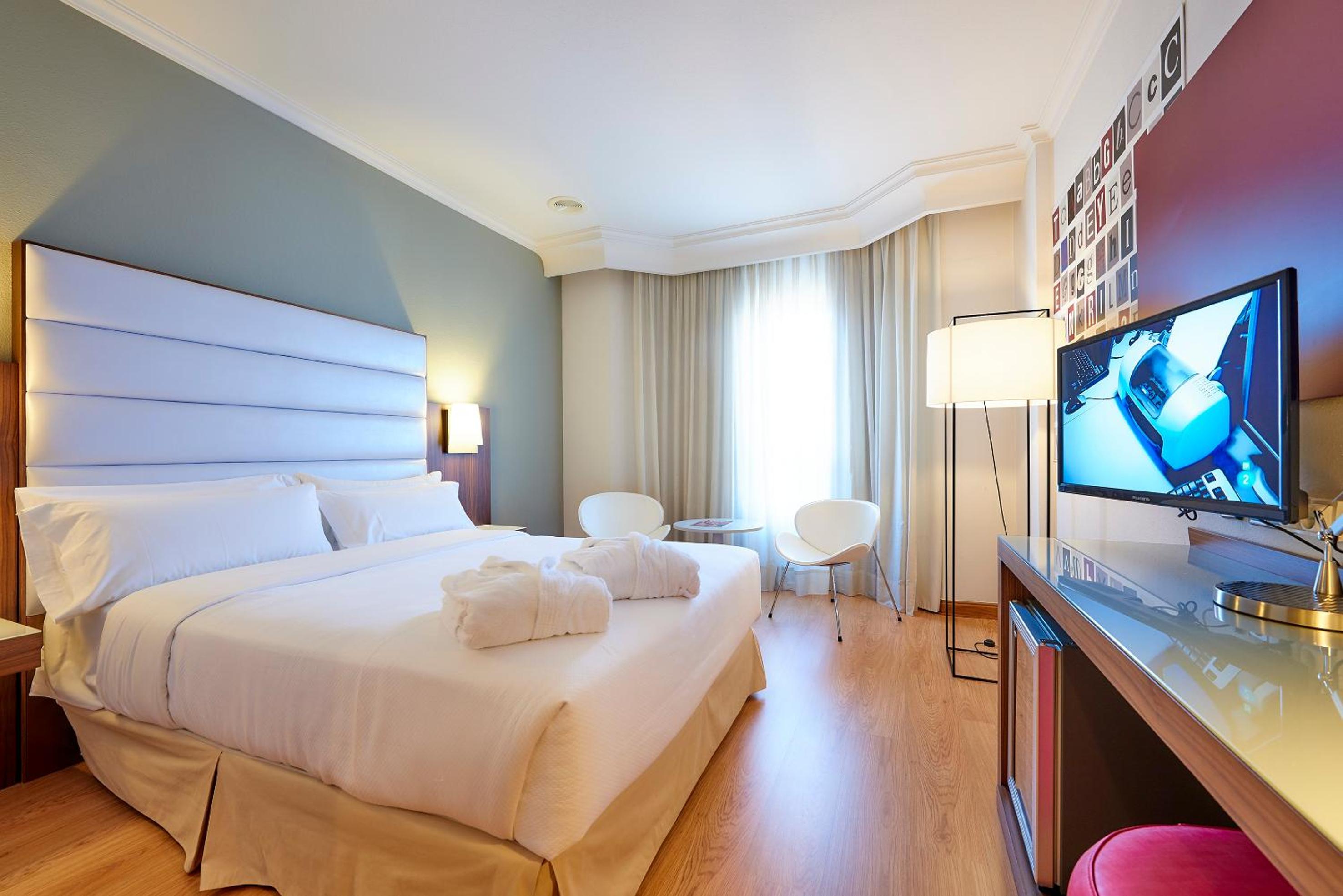
Hotel Vigo Los Galeones Affiliated by Meliá
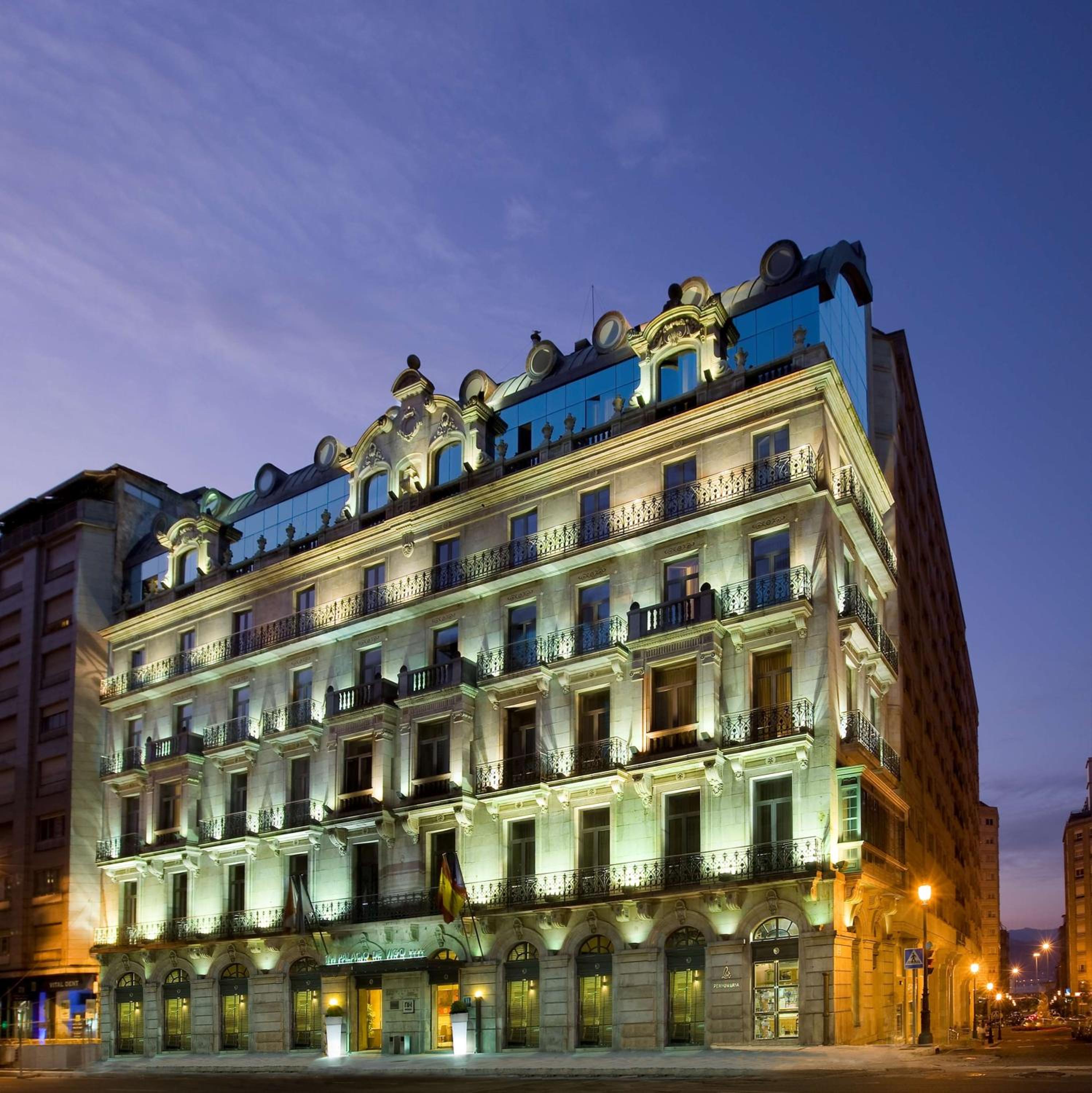
NH Collection Vigo
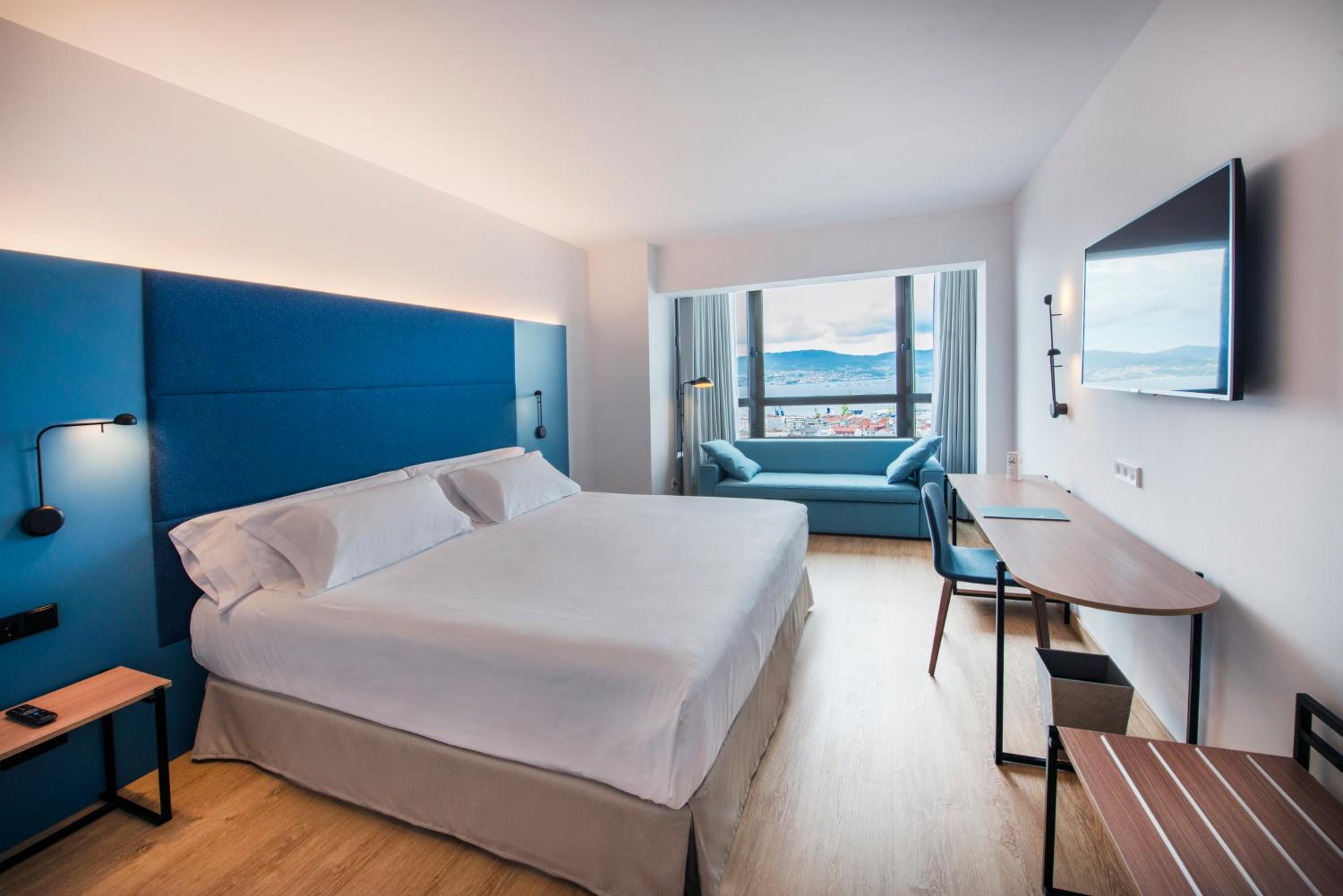
Occidental Vigo
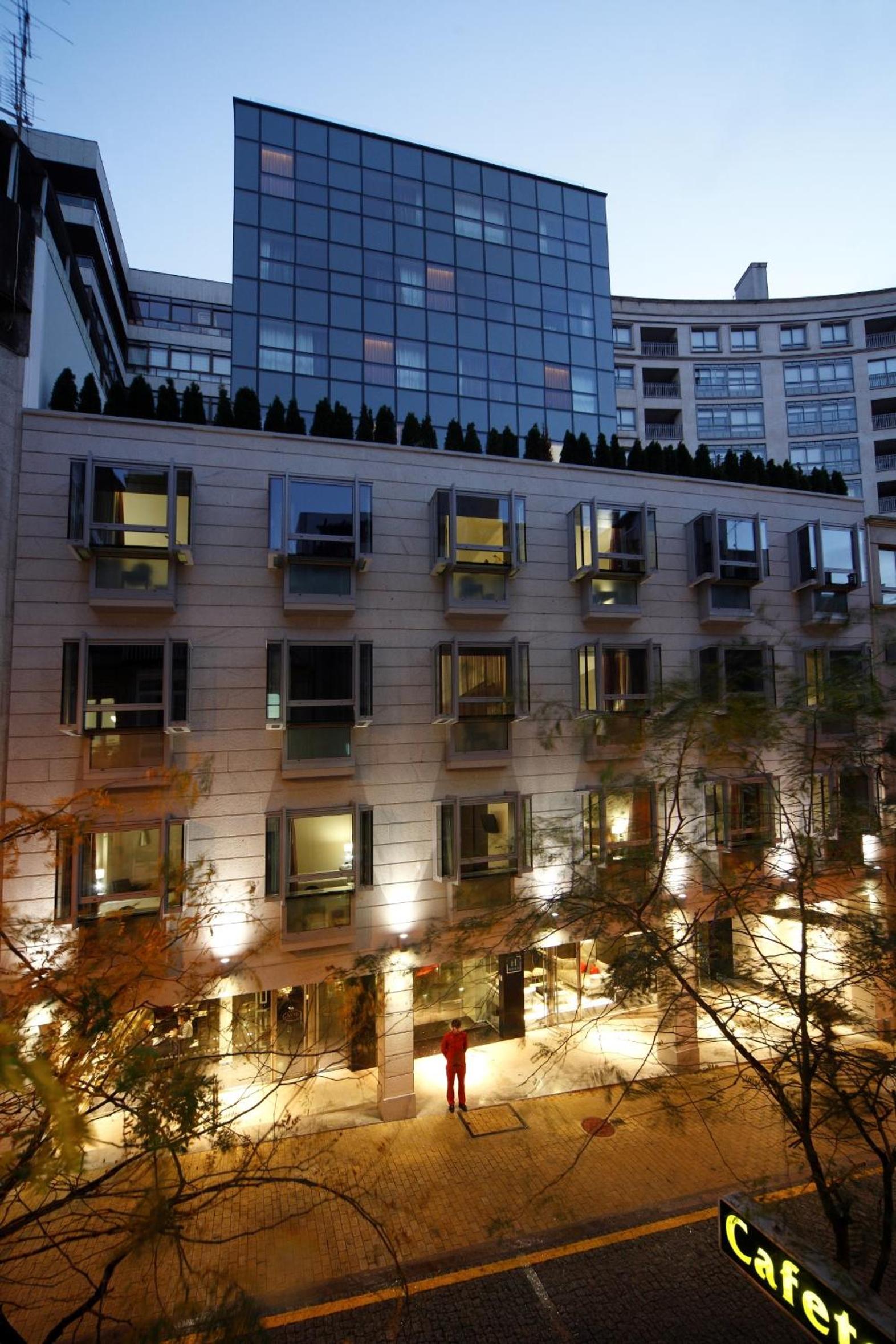
Silken Axis Vigo
Previous Stage
This is the start of the path
Next Stage
Vigo a Redondela
Start your adventure
Ready to walk this stage?
We design your personalised Camino de Santiago experience.
Plan your CaminoWalk this route with us
Fancy walking this route?
We don't have a ready-made package for this route yet, but we'll organise it around you. Tell us how you'd like to experience it and a specialist will reply within 24 h.
Request your proposal