
Stage of the Camino
Viana do Castelo to Porto Mougás
From Viana do Castelo To Porto Mougás
Plan your CaminoStage of the Camino
Stage Description
This long stage of the Coastal Portuguese Way links Viana do Castelo with Porto Mougás, covering the final Portuguese stretch of the Atlantic coast before crossing into Galicia. The route runs beside the ocean through Vila Praia de Âncora and Moledo to Caminha, where the pilgrim boards the ferry across the Minho estuary and disembarks in A Guarda, now on Galician soil. From there the coastal path continues north along cliffs and coves, with the Monastery of Santa María de Oia, perched on the seafront, as the great landmark of the route. The profile is mostly flat but demanding for its distance, with seafront promenades, dirt tracks and the odd climb above the cliffs. It is a stage of transition between two countries, marked by the Atlantic breeze, the lighthouses and the constant murmur of the waves all the way to Porto Mougás.
At close to 50 kilometres between leaving Viana do Castelo and reaching Porto Mougás, this is one of the longest and most memorable days on the Coastal Portuguese Way, usually split by pilgrims according to their pace and the timetable of the Caminha ferry. The route runs almost always within sight of the Atlantic, with a gentle profile in altitude —barely rising above 200 metres— but demanding because of the distance and the exposure to the coastal wind and sun.
Leaving Viana do Castelo, the path crosses the river Lima and heads north along the coastal route, alternating wooden boardwalks, sandy beaches and coastal pine groves. The Way passes through Vila Praia de Âncora and Moledo, seaside resorts where the ocean is a constant companion, before reaching Caminha, at the mouth of the river Minho. Here Portuguese soil ends: the pilgrim takes the ferry across the wide estuary and, within a few minutes, lands in A Guarda, now in the province of Pontevedra.
A Guarda welcomes the walker with its fishing harbour and the nearby bulk of Monte de Santa Trega, crowned by one of the most famous Galician hill forts. From the town, the route hugs the coast heading north, along a path of cliffs, coves and old fishermen's trails. The great landmark of this stretch is the Royal Monastery of Santa María de Oia, a Cistercian foundation with a Baroque façade that rises literally at the edge of the sea, battered by the waves, in one of the most photographed scenes of the entire Coastal Way.
After Oia, the path continues close to the shore, climbing small rises above the cliffs and dropping down to sheltered coves, until it reaches the spot of Porto Mougás. This small fishing village, open to the ocean and sheltered by the A Groba mountains, offers the pilgrim a well-earned rest after a long day of borders, lighthouses and waves, with the satisfaction of having left Portugal behind and set firm foot in Galicia.
Leaving Viana do Castelo, the path crosses the river Lima and heads north along the coastal route, alternating wooden boardwalks, sandy beaches and coastal pine groves. The Way passes through Vila Praia de Âncora and Moledo, seaside resorts where the ocean is a constant companion, before reaching Caminha, at the mouth of the river Minho. Here Portuguese soil ends: the pilgrim takes the ferry across the wide estuary and, within a few minutes, lands in A Guarda, now in the province of Pontevedra.
A Guarda welcomes the walker with its fishing harbour and the nearby bulk of Monte de Santa Trega, crowned by one of the most famous Galician hill forts. From the town, the route hugs the coast heading north, along a path of cliffs, coves and old fishermen's trails. The great landmark of this stretch is the Royal Monastery of Santa María de Oia, a Cistercian foundation with a Baroque façade that rises literally at the edge of the sea, battered by the waves, in one of the most photographed scenes of the entire Coastal Way.
After Oia, the path continues close to the shore, climbing small rises above the cliffs and dropping down to sheltered coves, until it reaches the spot of Porto Mougás. This small fishing village, open to the ocean and sheltered by the A Groba mountains, offers the pilgrim a well-earned rest after a long day of borders, lighthouses and waves, with the satisfaction of having left Portugal behind and set firm foot in Galicia.
Last updated: 08/06/2026
Where to Sleep
Accommodations in this Stage
Find the perfect place for your rest in Viana do Castelo o Porto Mougás.
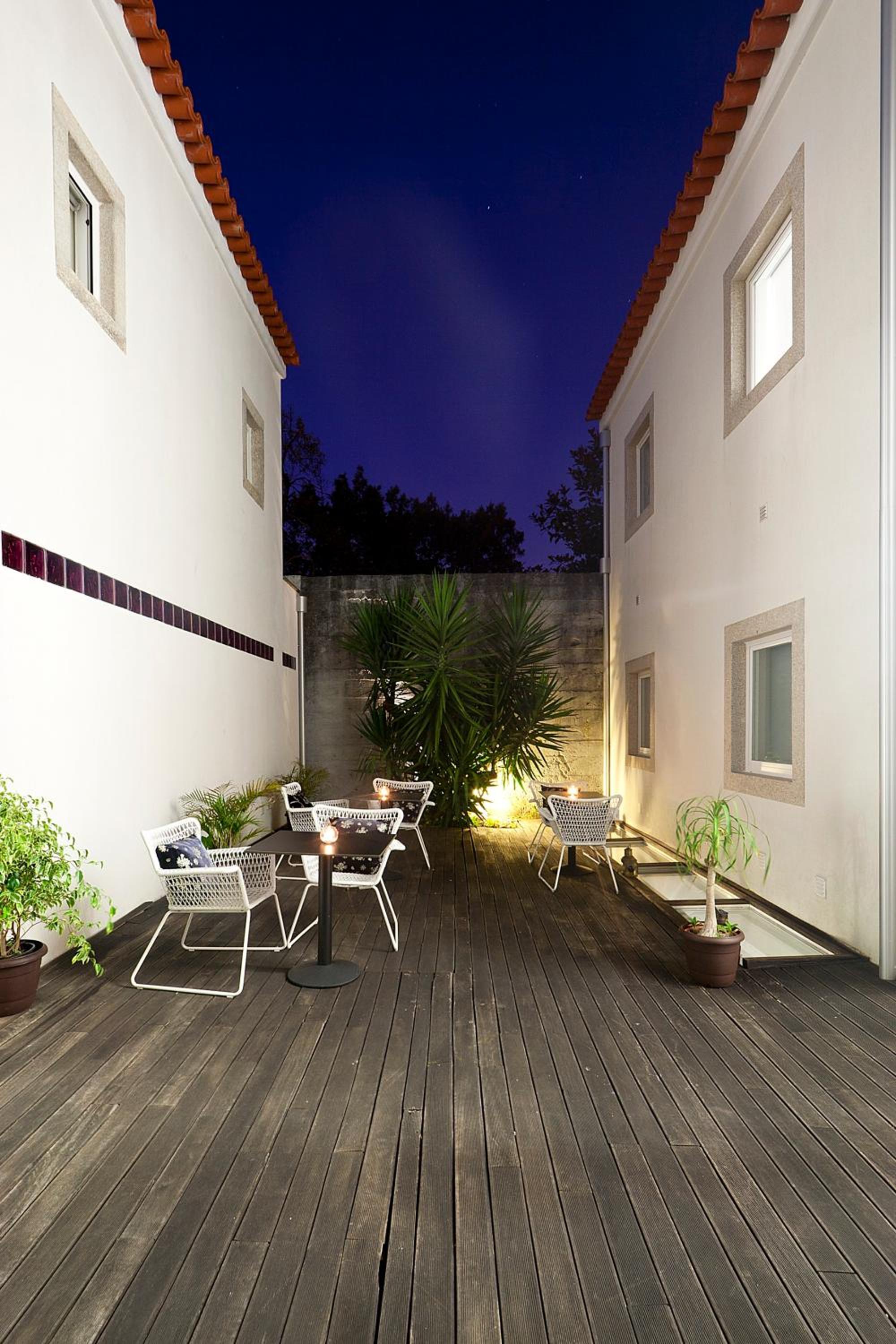
Absoluto Design Hotel
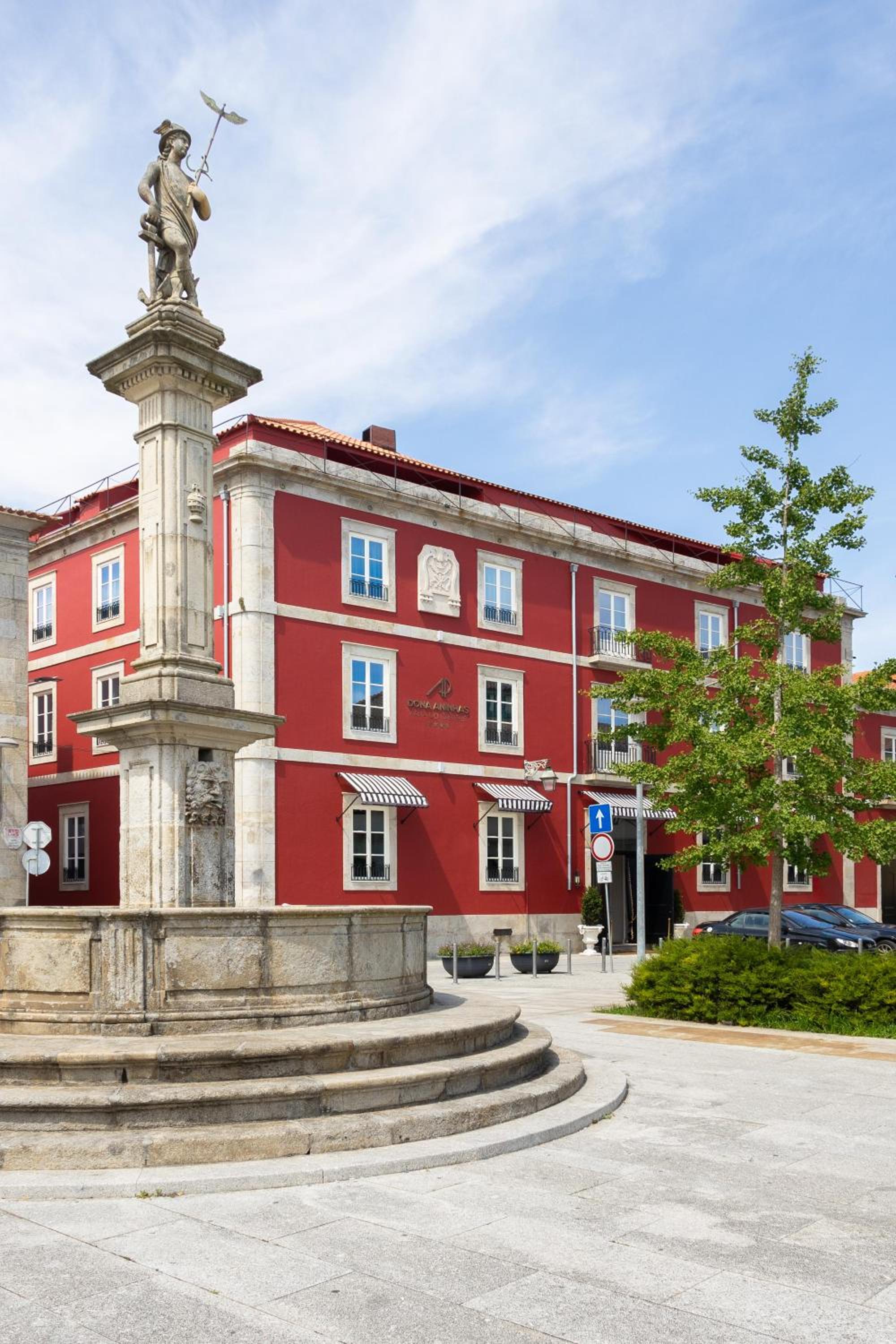
AP Dona Aninhas
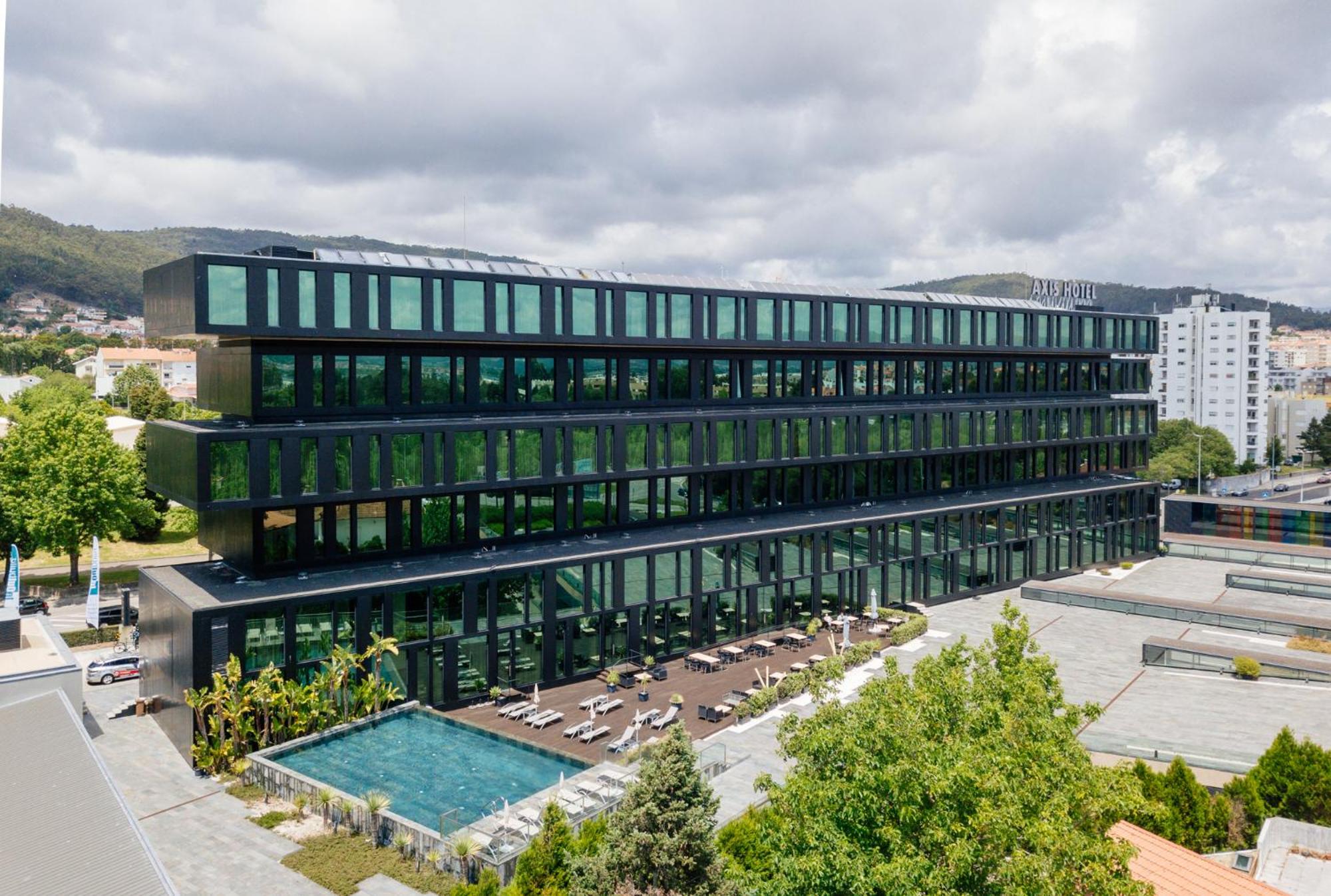
Axis Viana Business & SPA Hotel
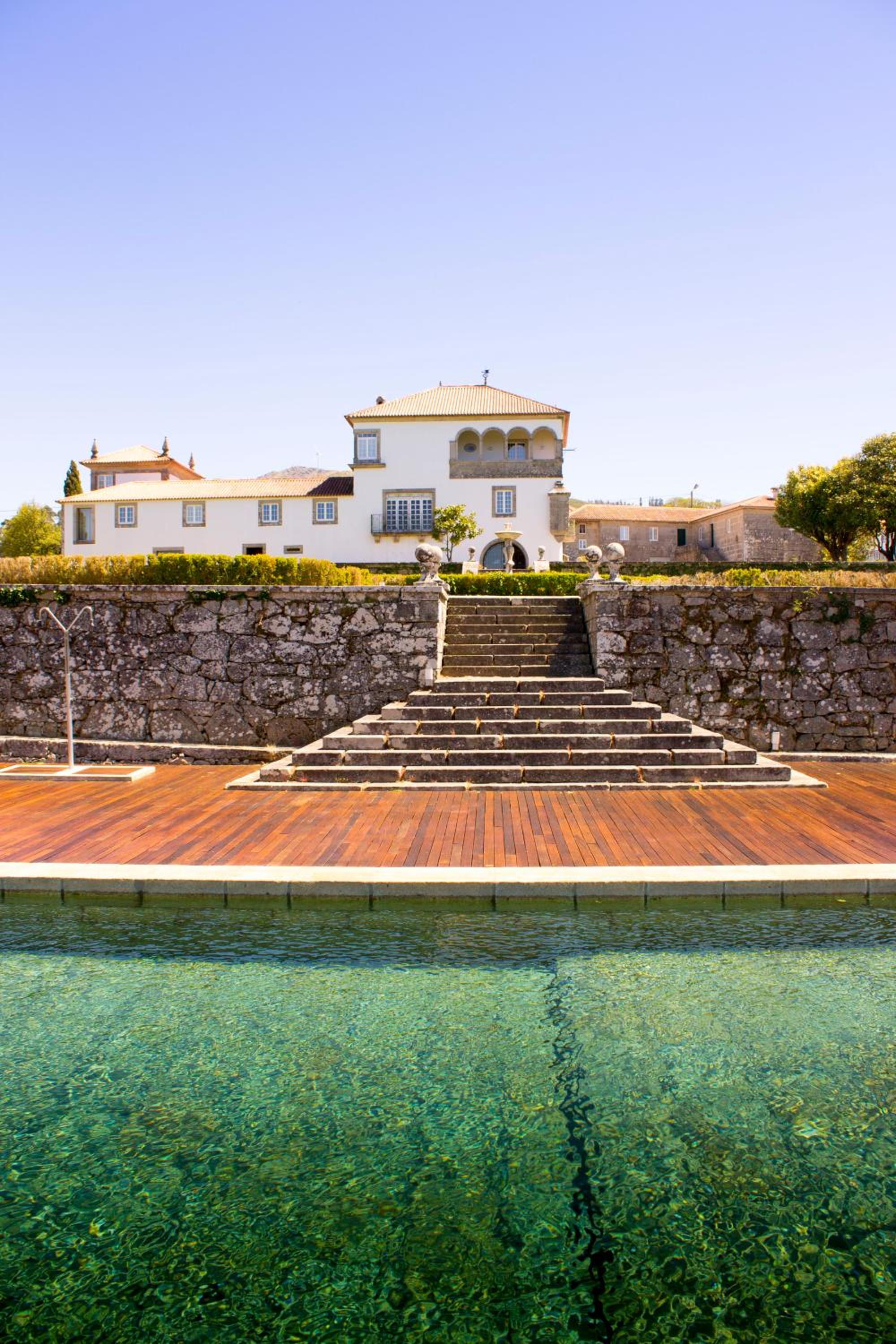
Boega Hotel
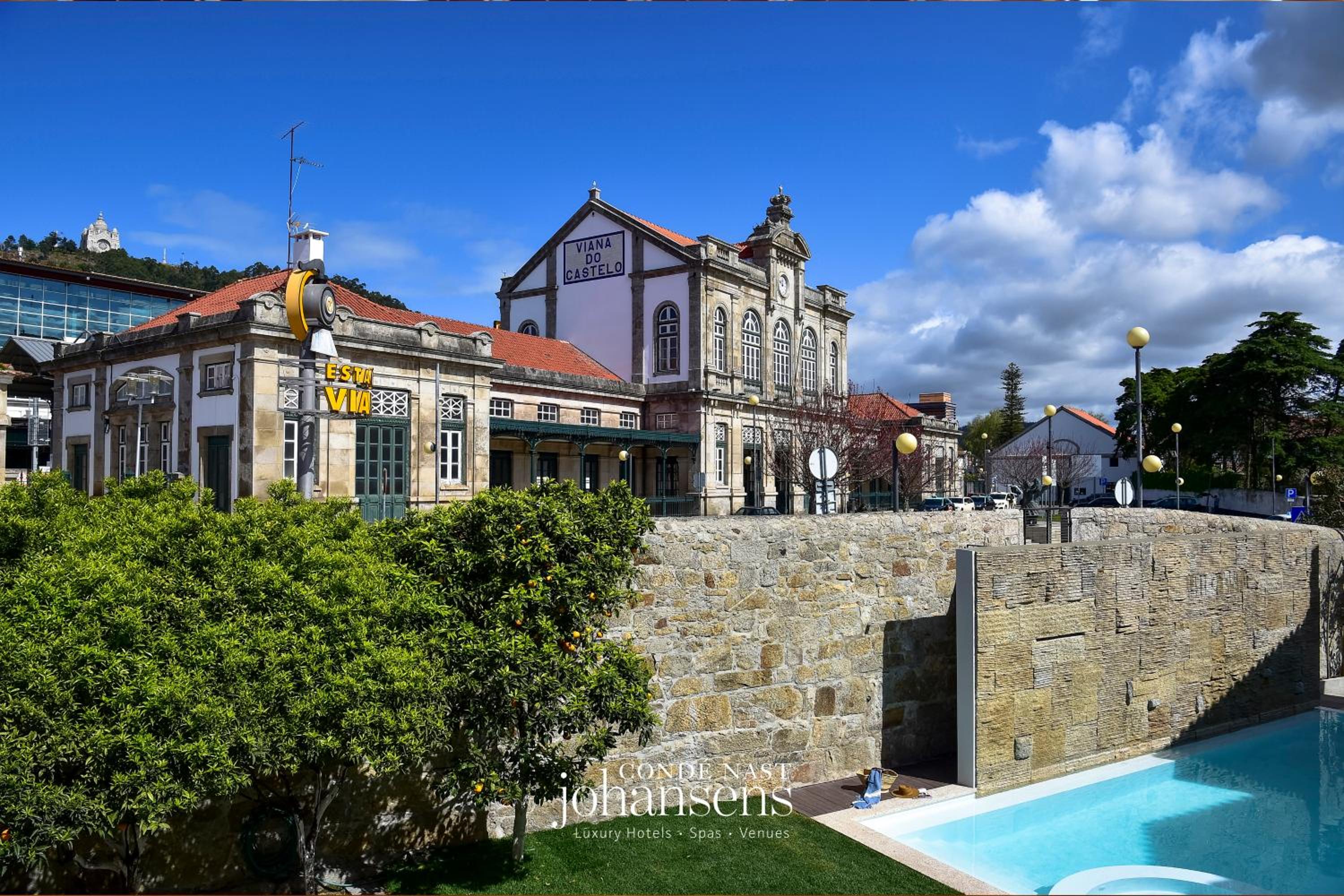
Casa Melo Alvim - by Unlock Hotels
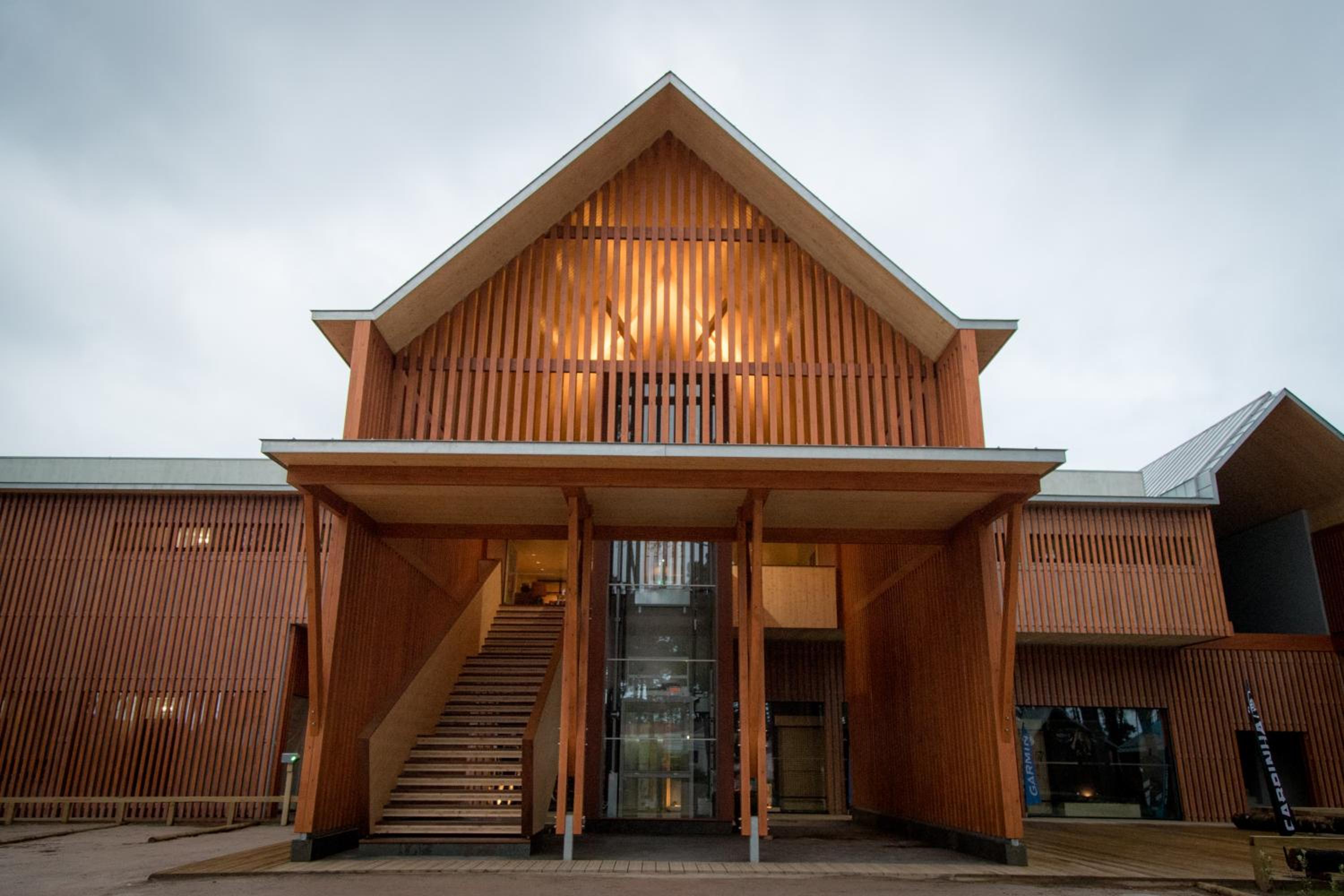
FeelViana Sport Hotel
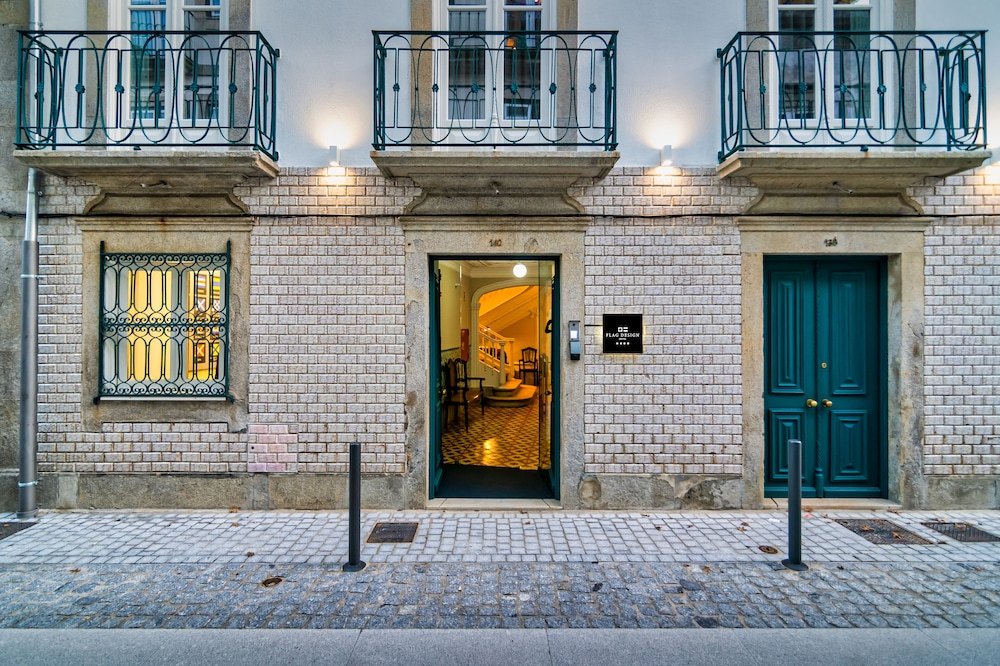
Flag Design Hotel
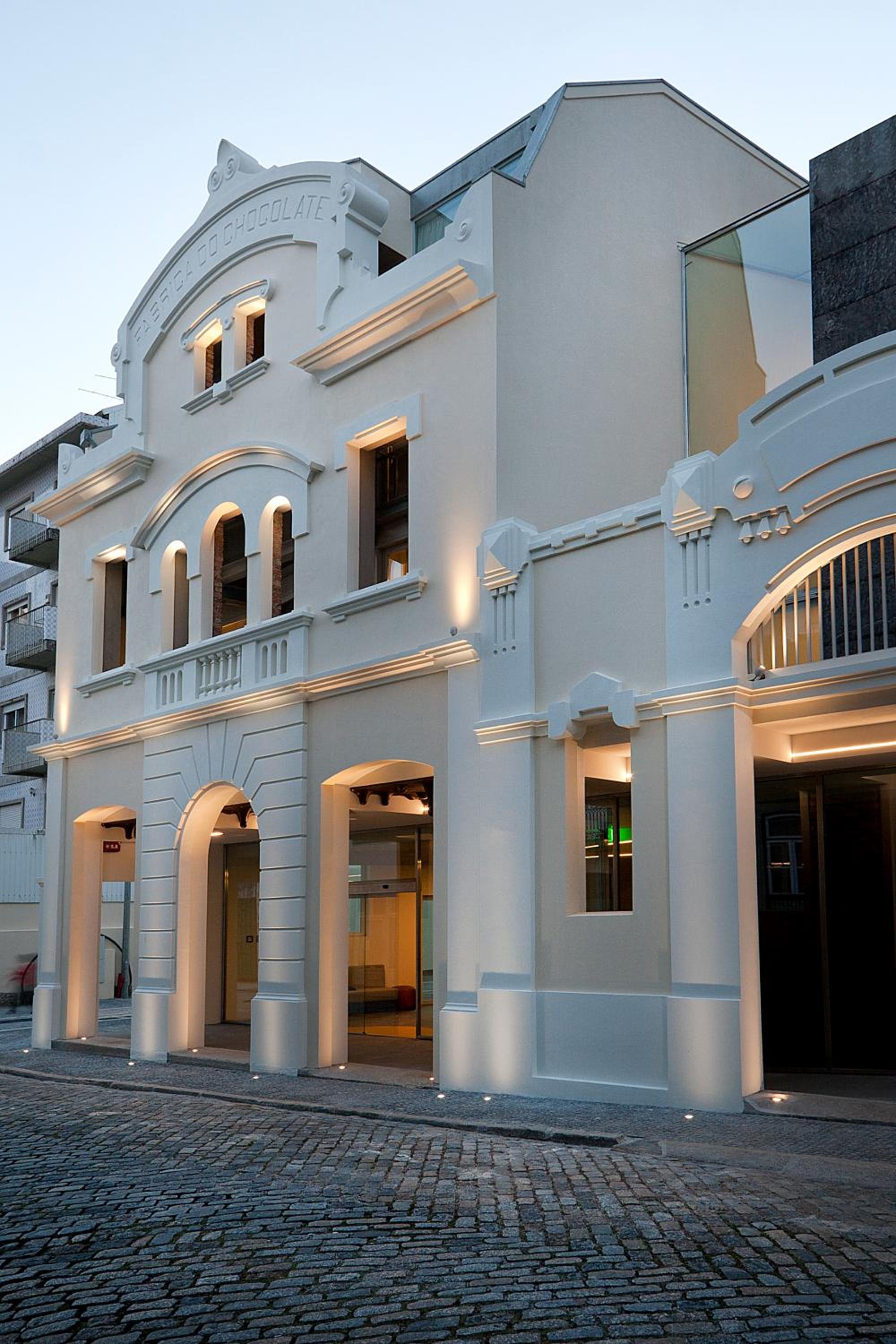
Hotel Fabrica do Chocolate
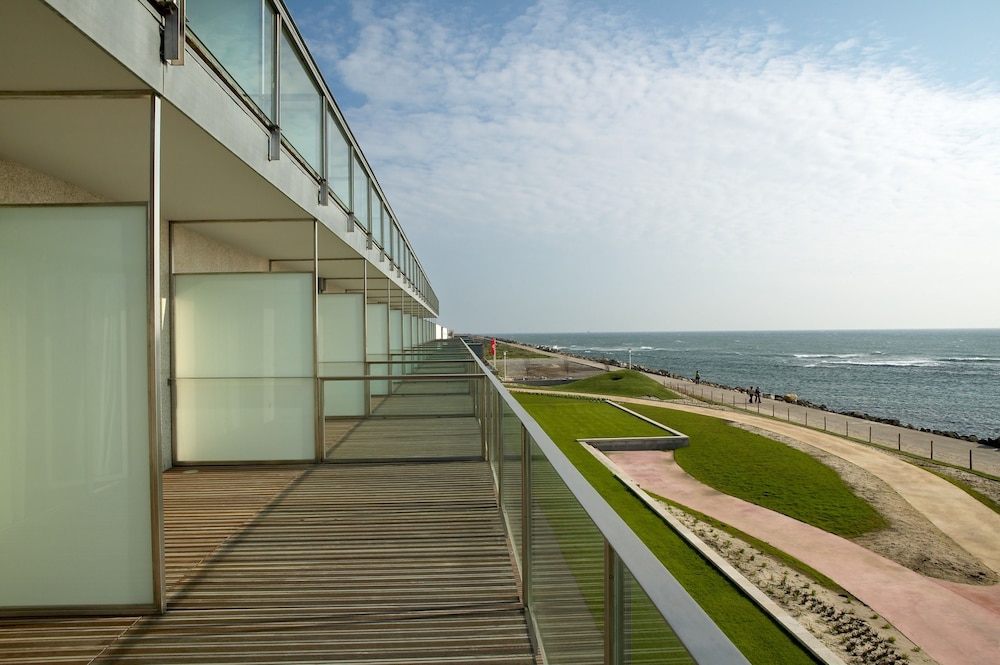
Hotel Flôr de Sal by The Editory
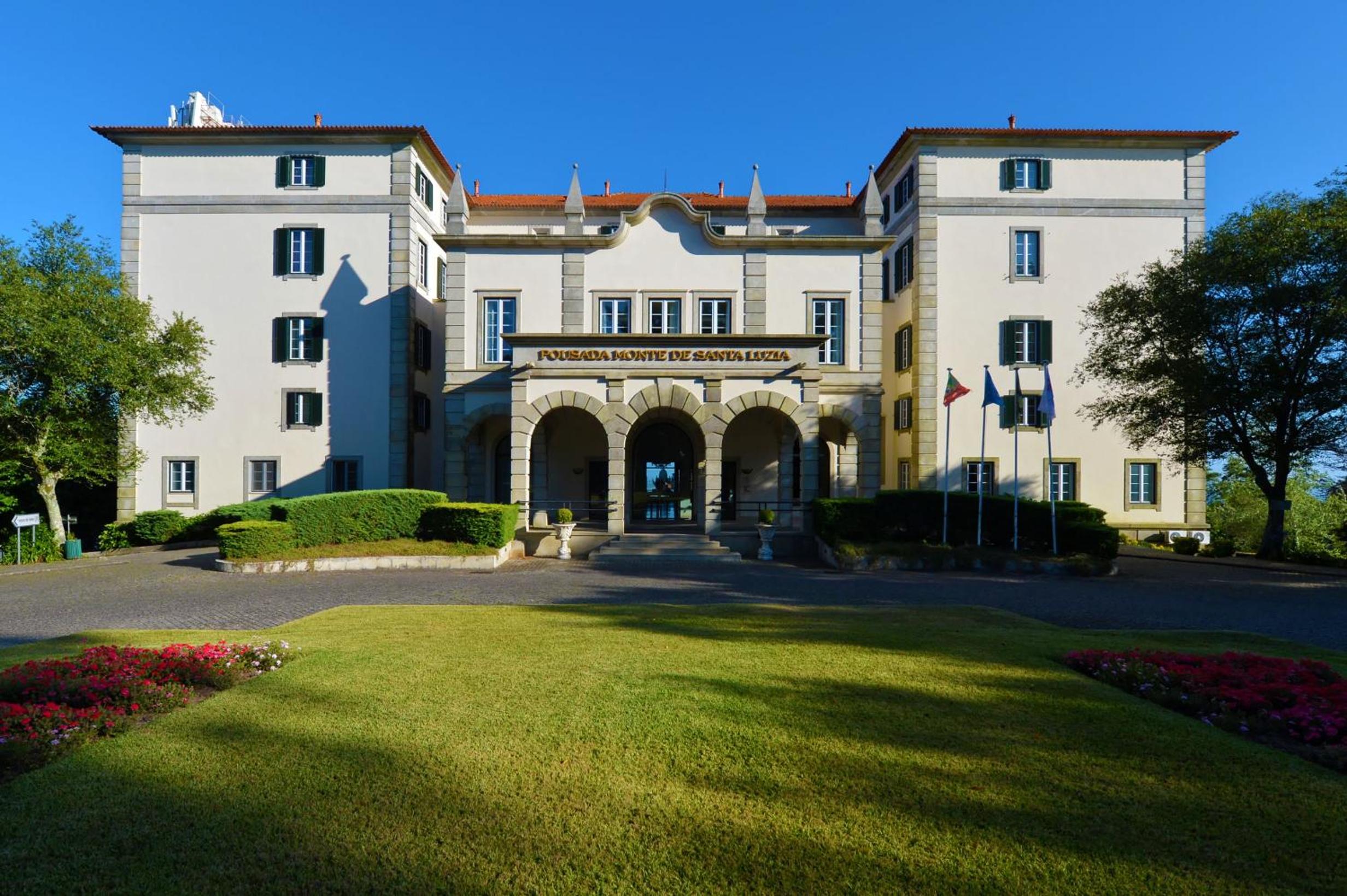
Pousada de Viana do Castelo
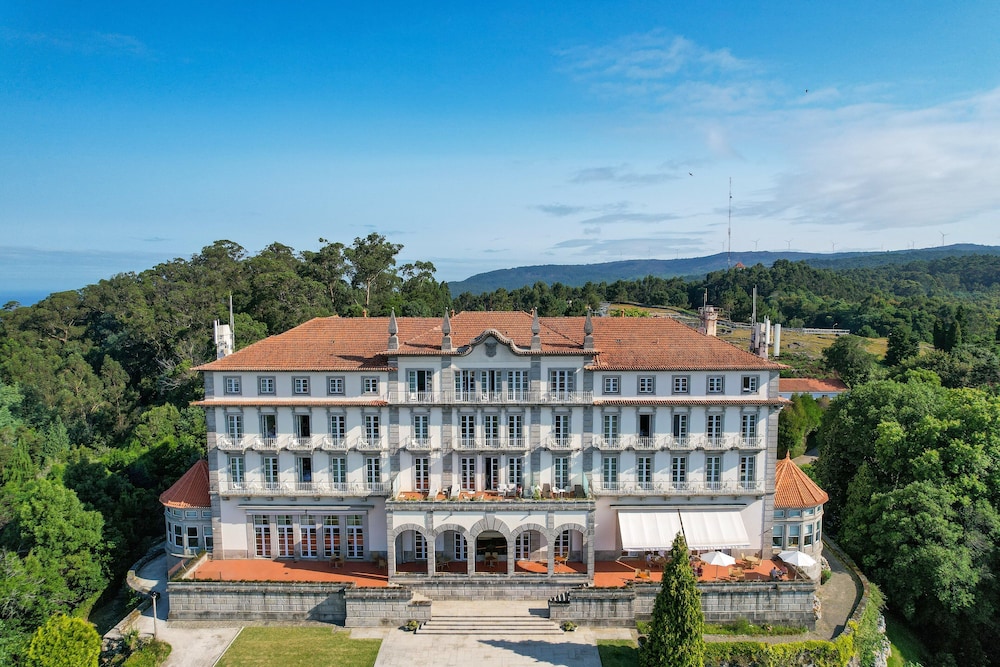
Pousada de Viana do Castelo - Historic Hotel

B&B HOTEL Viana do Castelo
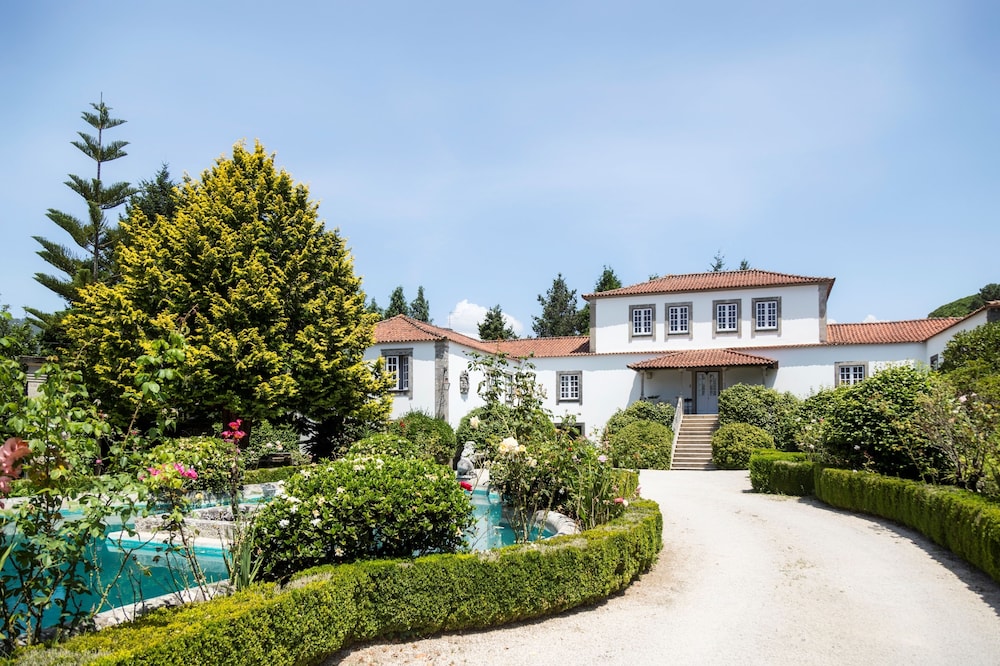
Casa do Ameal
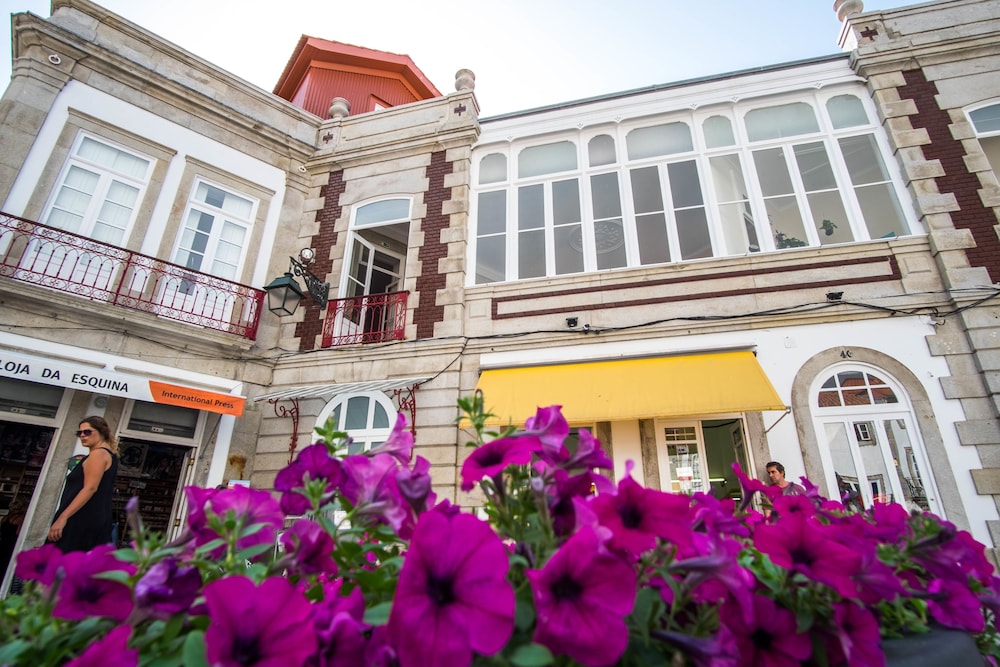
Dona Emília Guesthouse
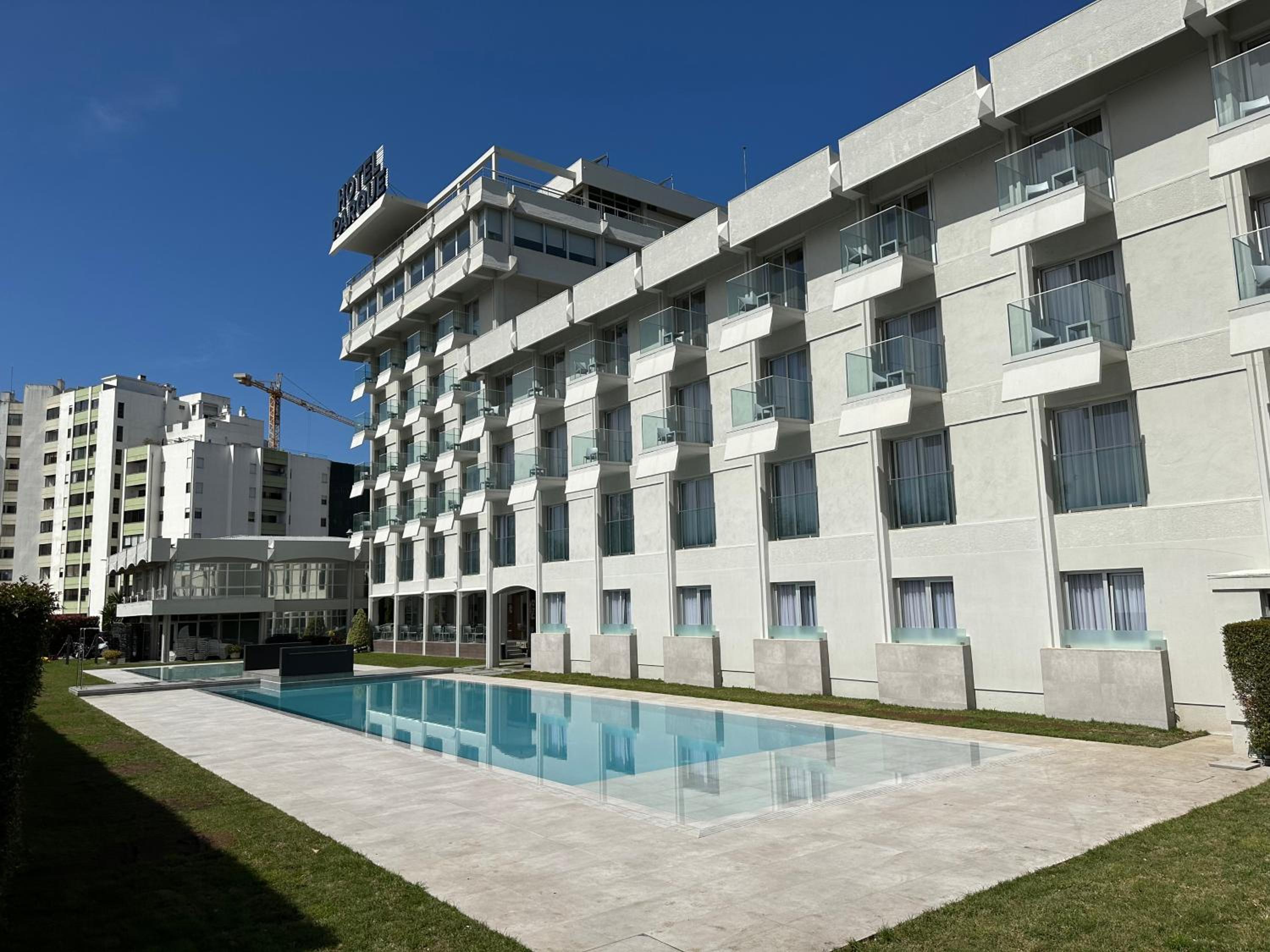
Hotel do Parque
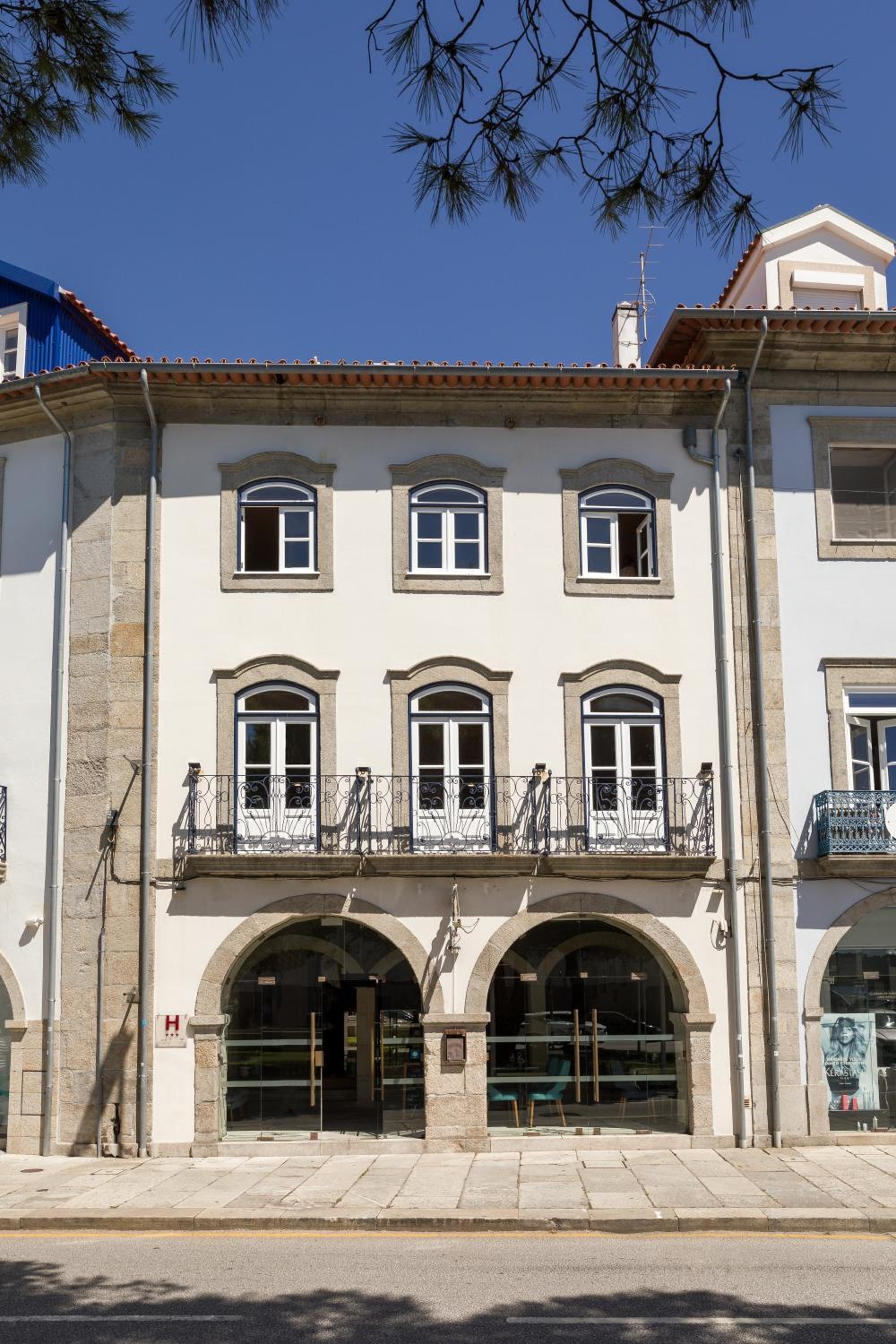
Hotel Margarida Da Praça

Hotel Rali Viana
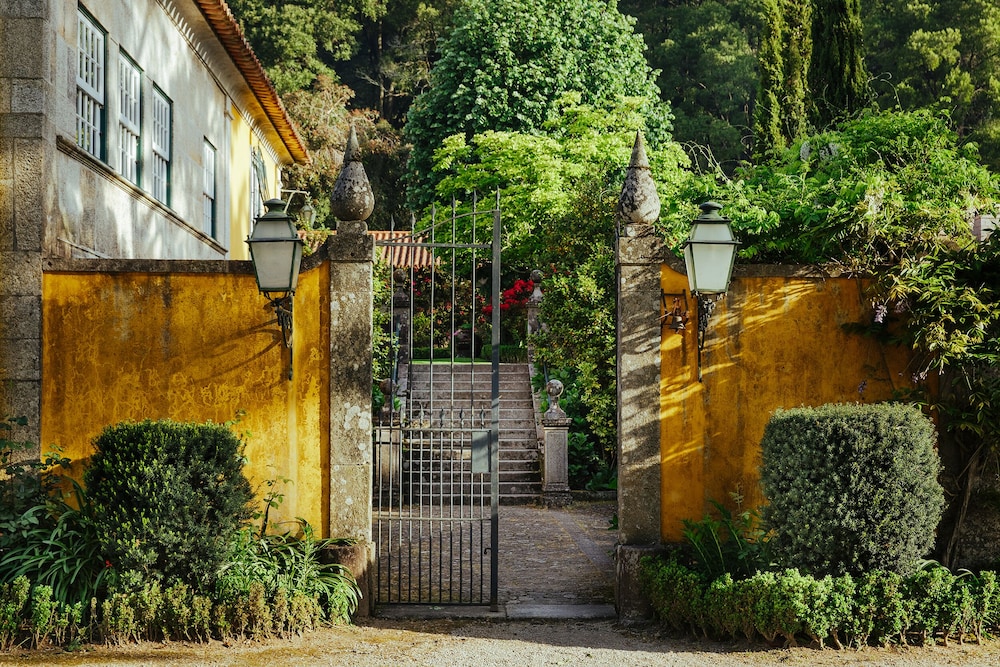
Quinta da Bouça d'Arques
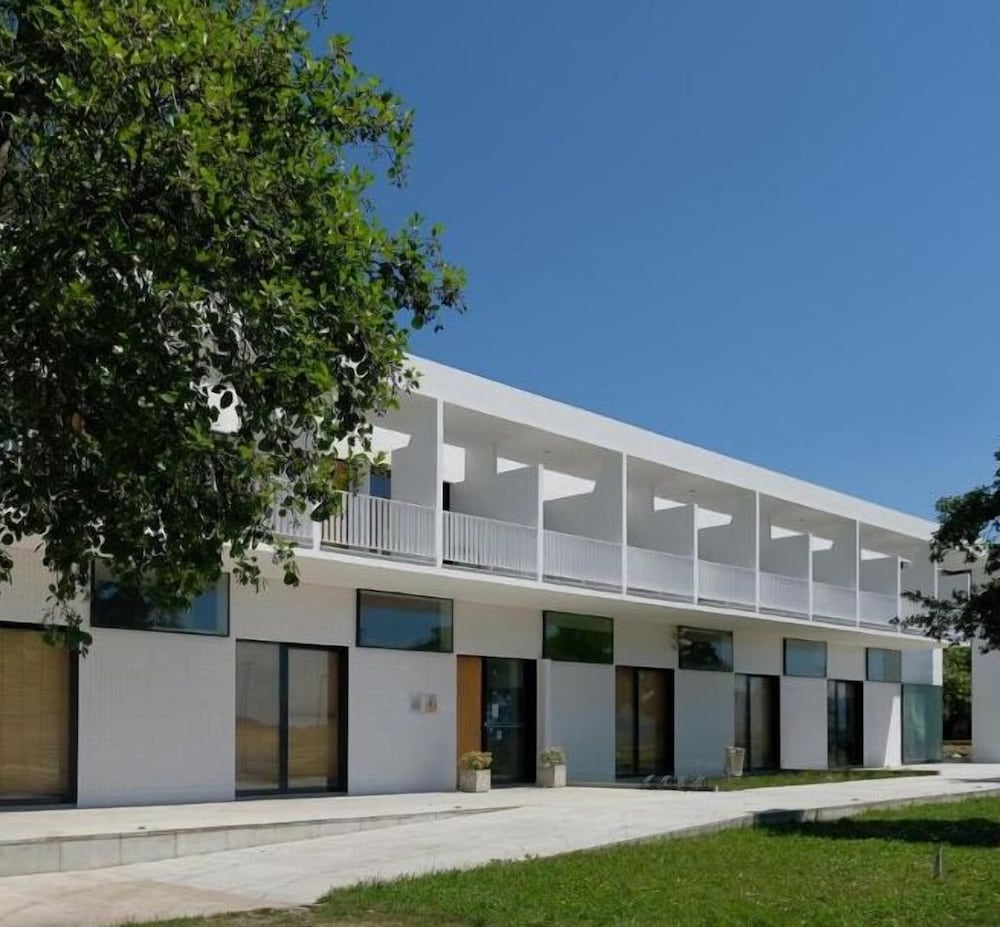
HI Viana Castelo - Pousada de Juventude - Hostel
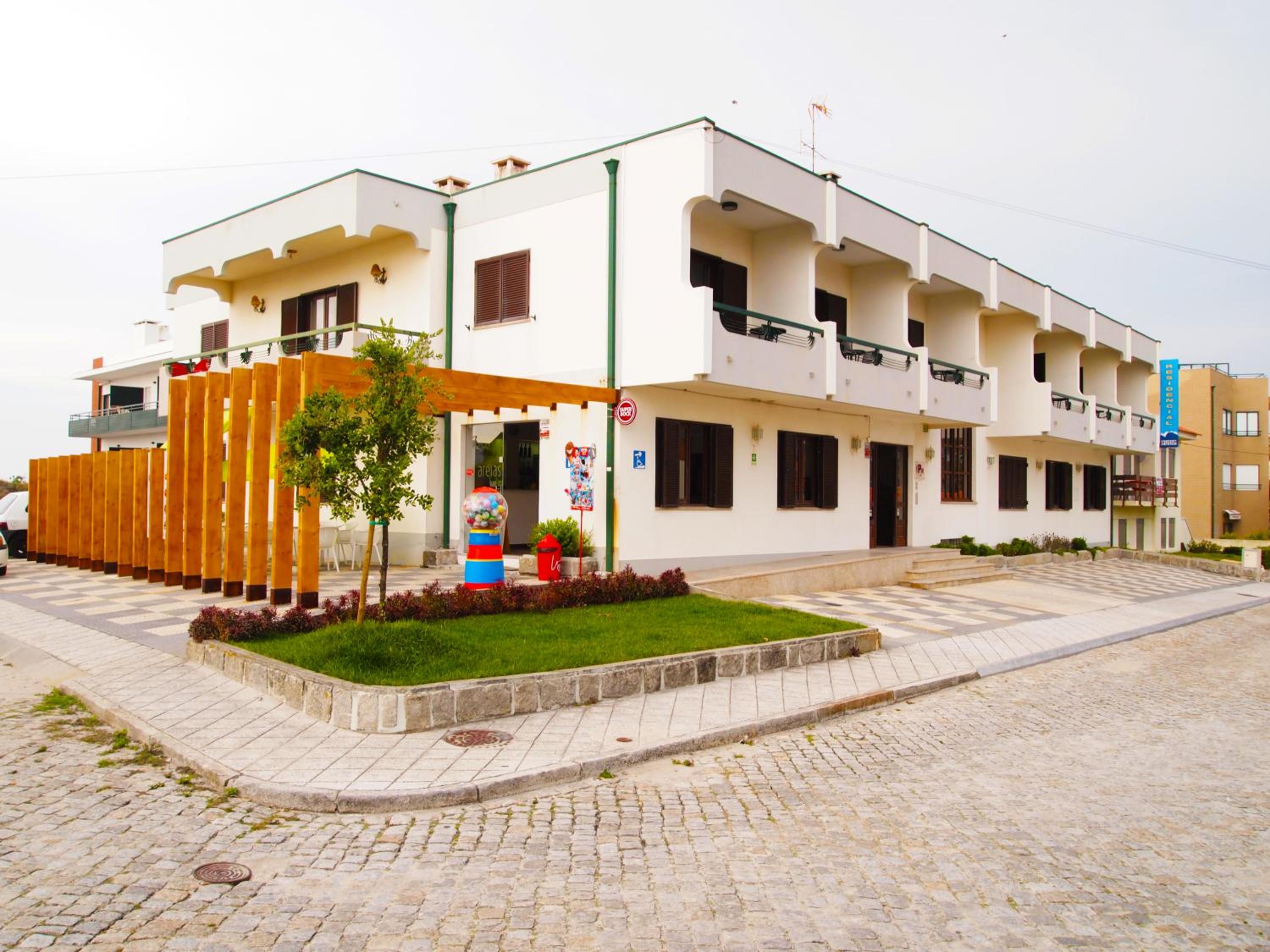
Hotel Areias Claras
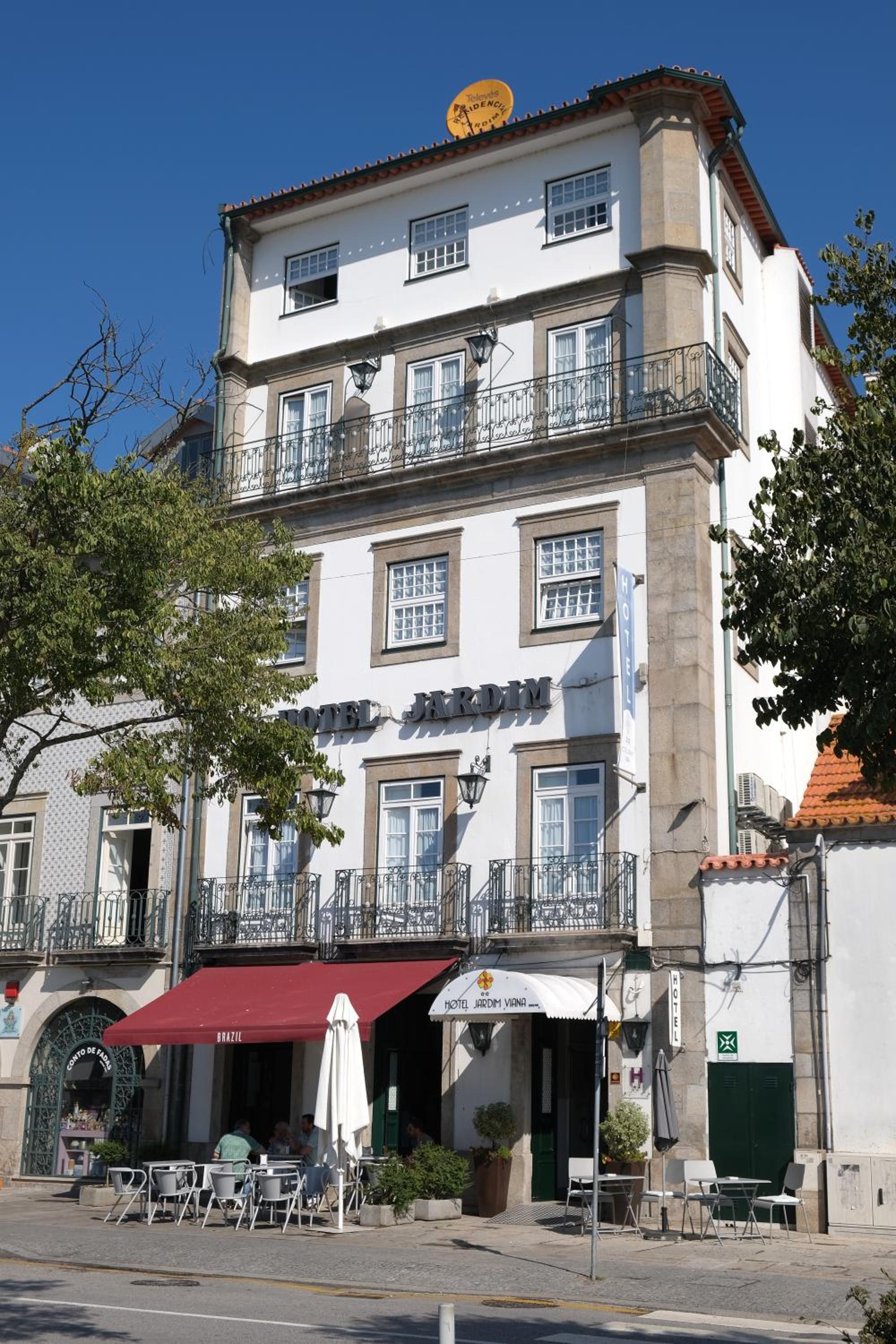
Hotel Jardim Viana do Castelo
Hotel Laranjeira
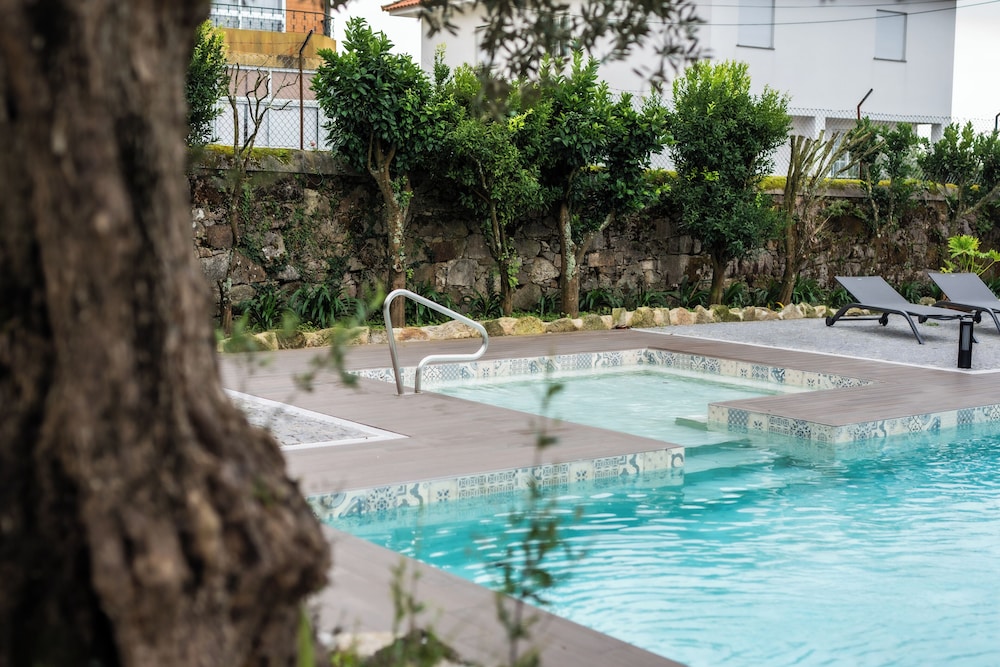
Quinta da Victória by venimar
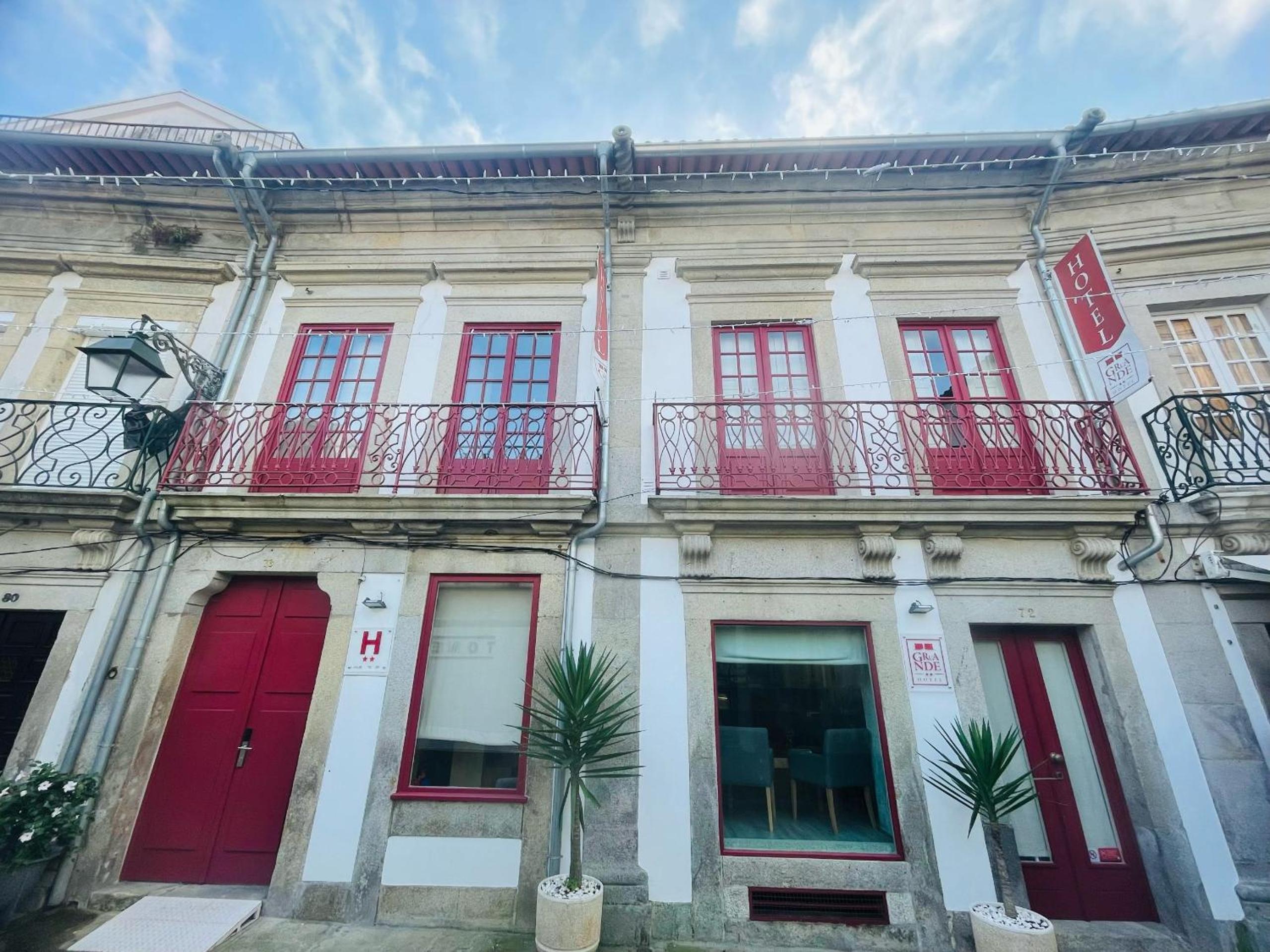
Rua Grande Hotel
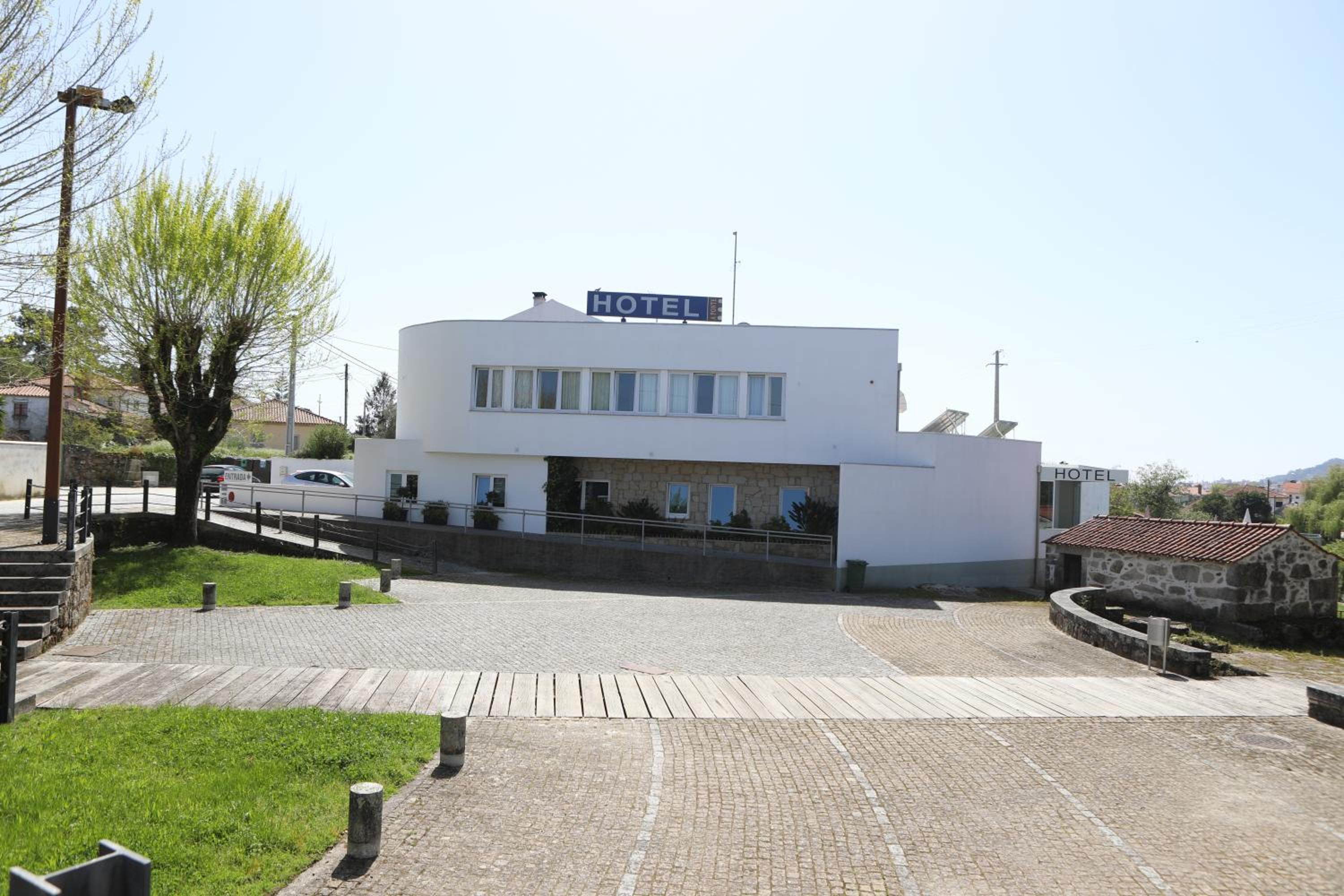
Hotel A Ponte
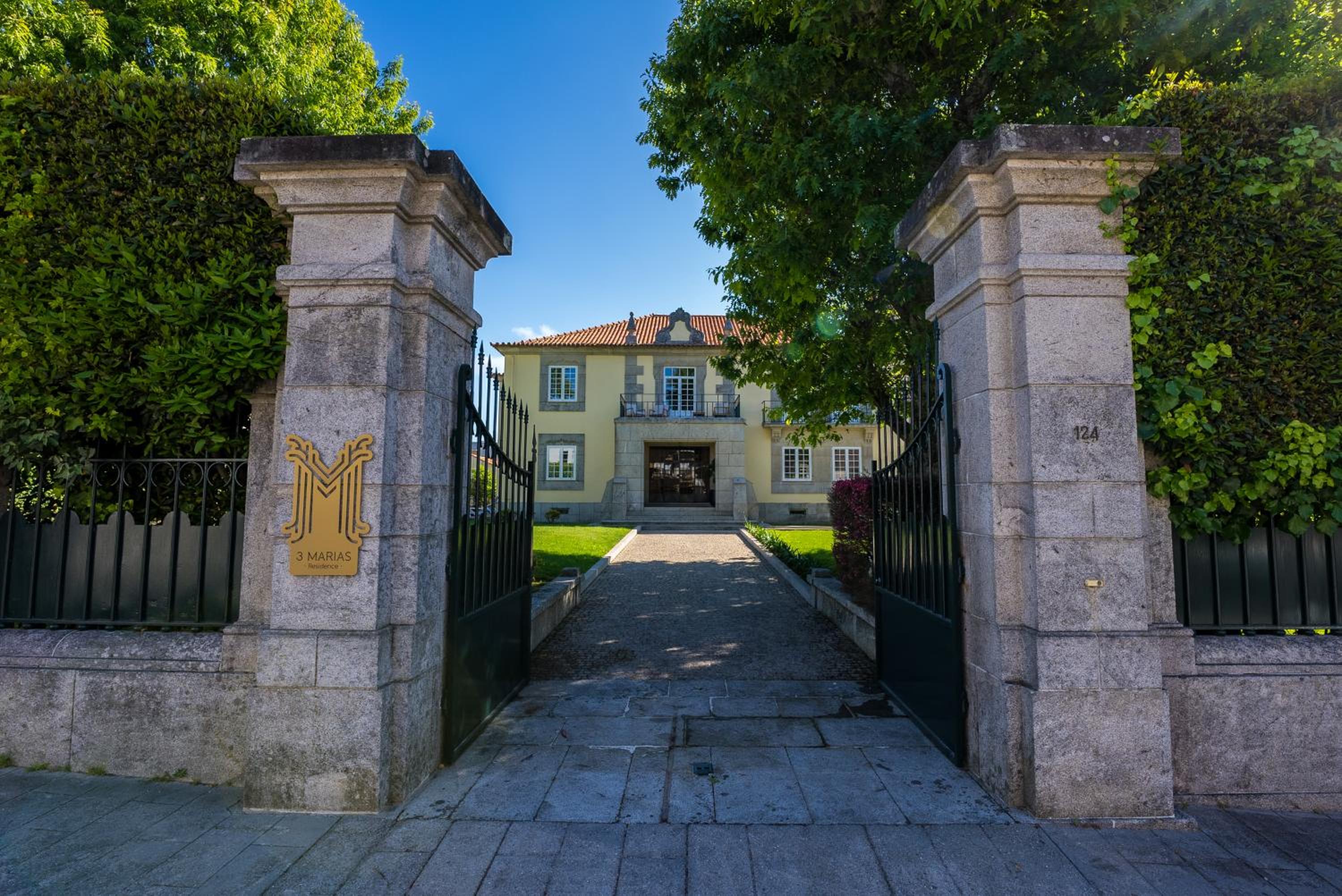
3 Marias Residence
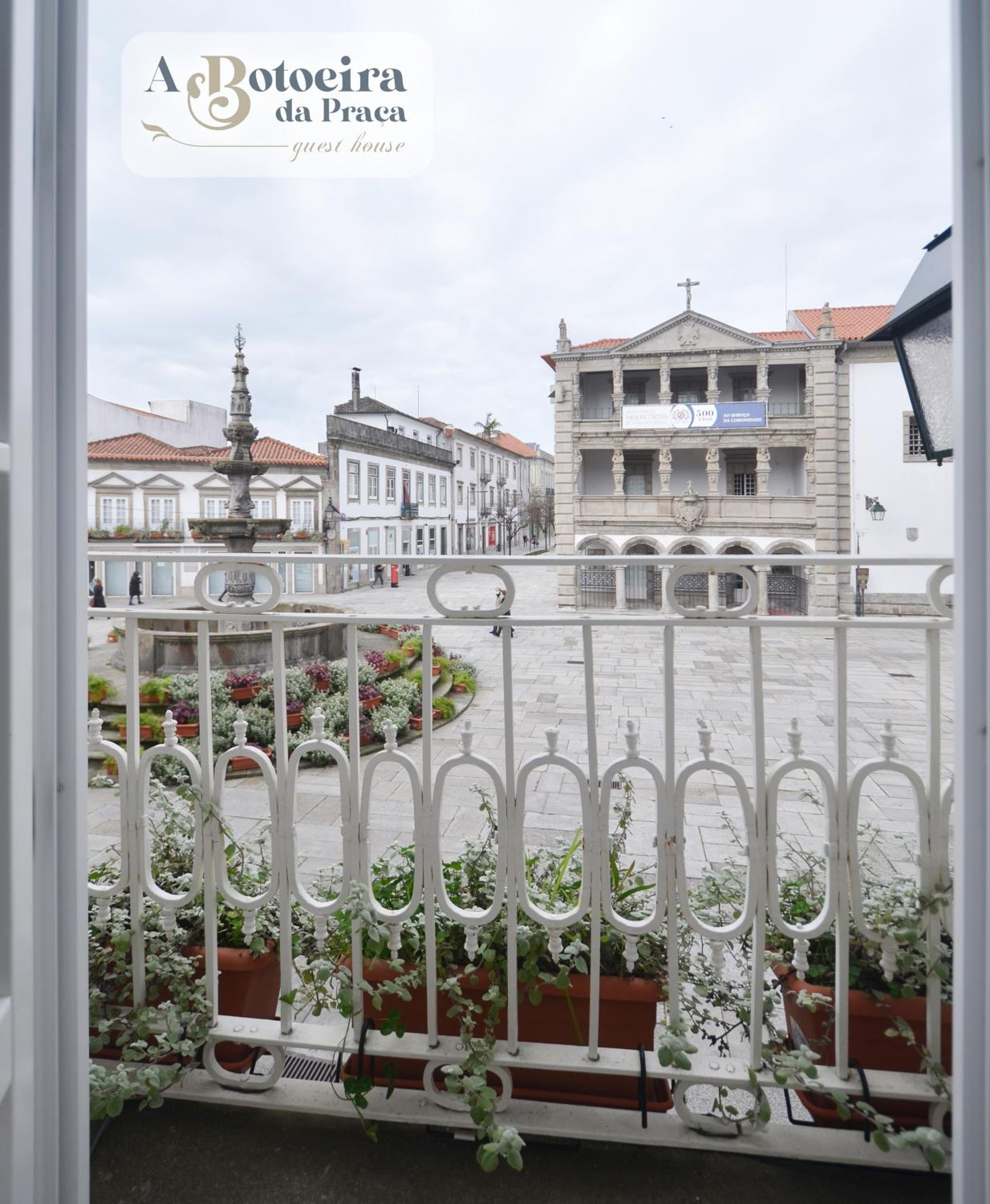
A Botoeira da Praça guest house
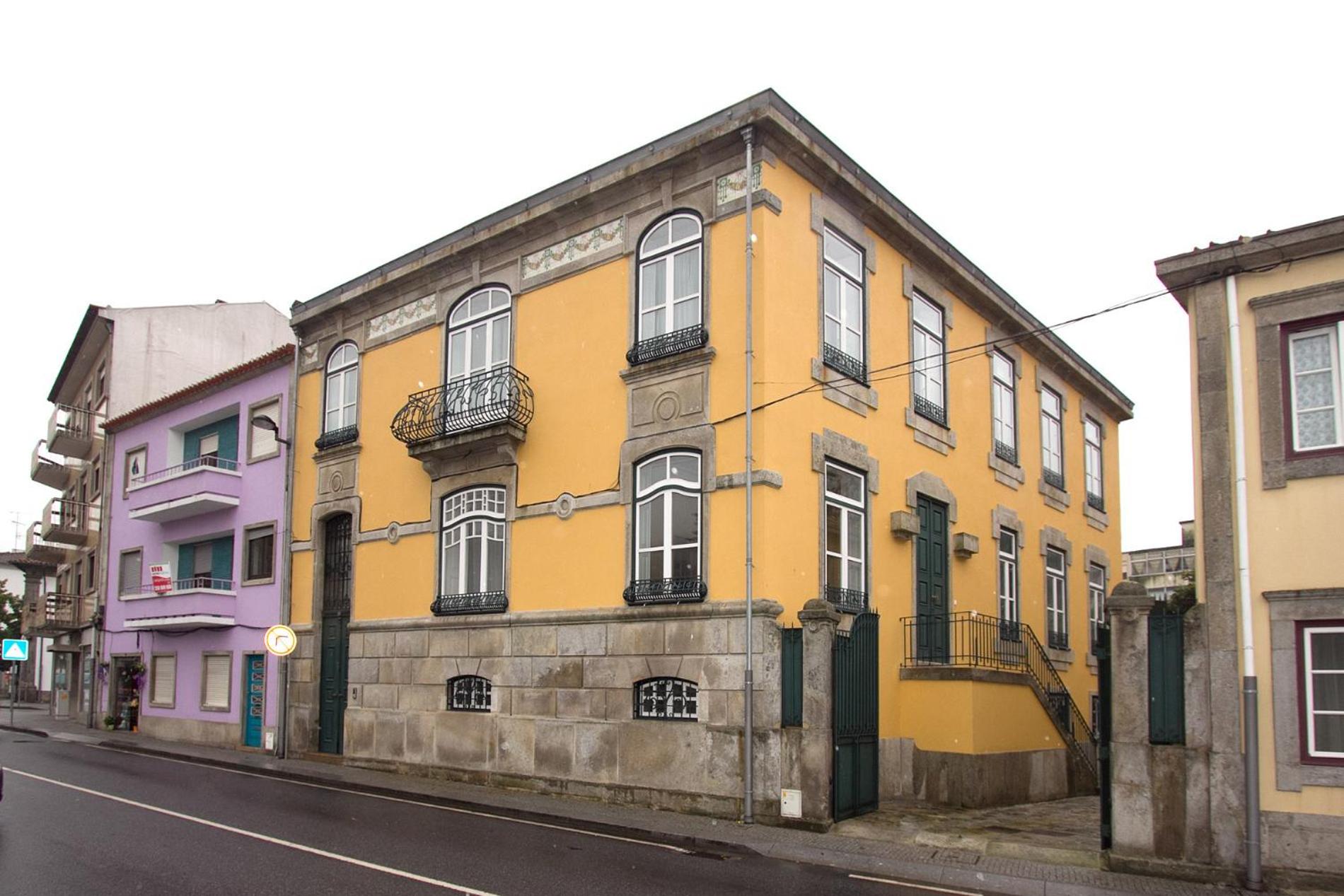
A Vianesa - Guest House
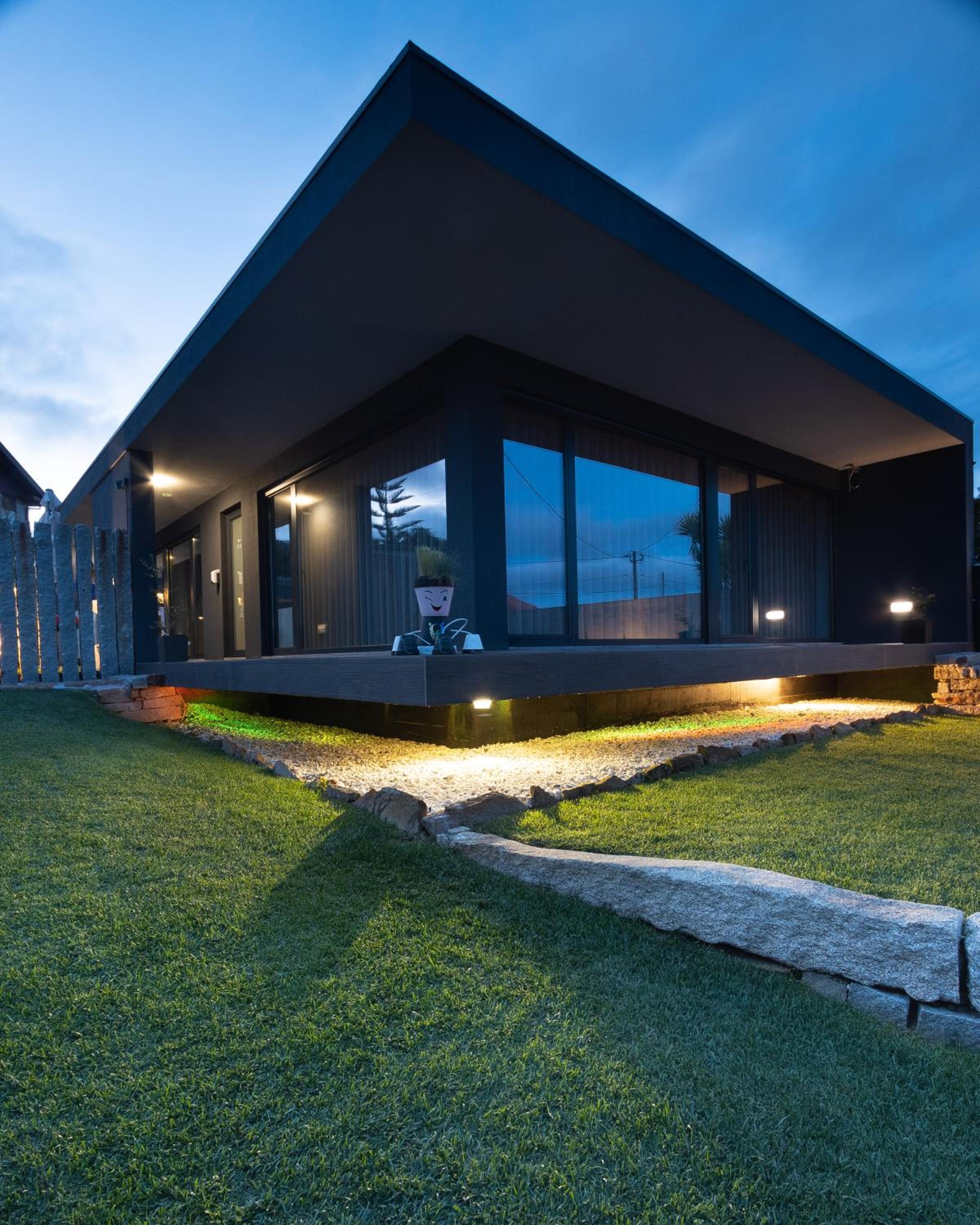
Abraços dos Avós - Casas de aldeia
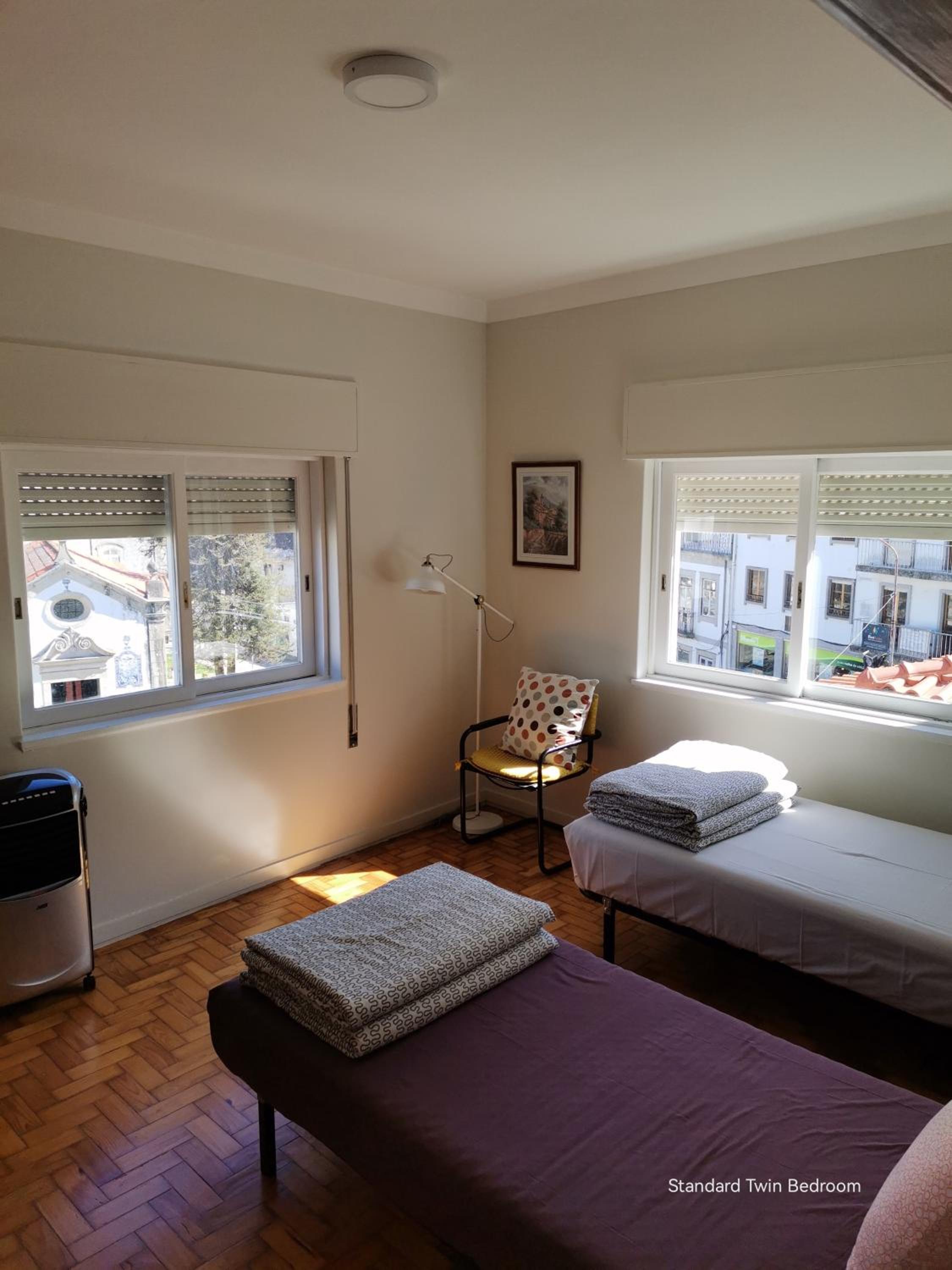
Alex Point - Guest House
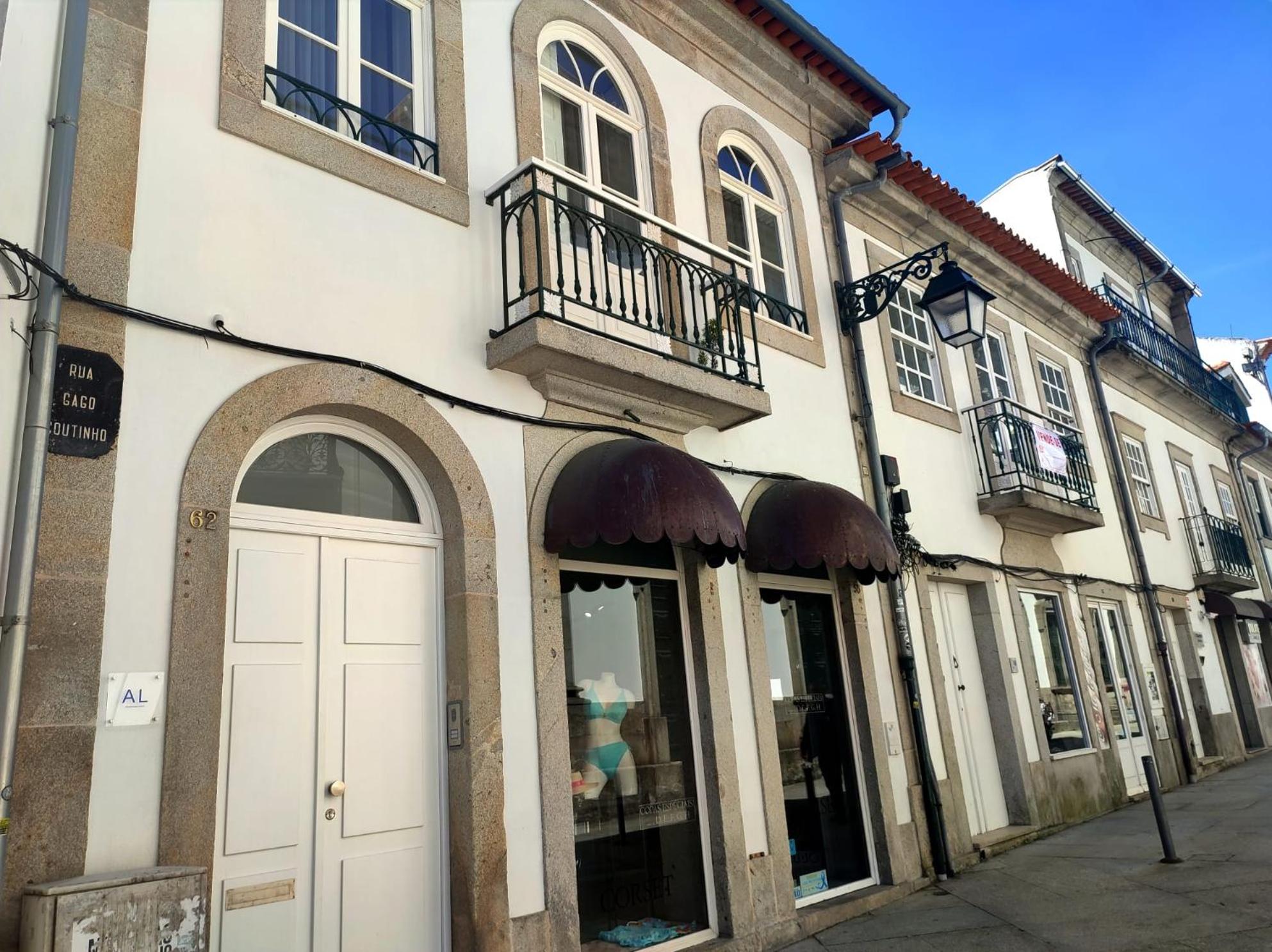
Almeida's House
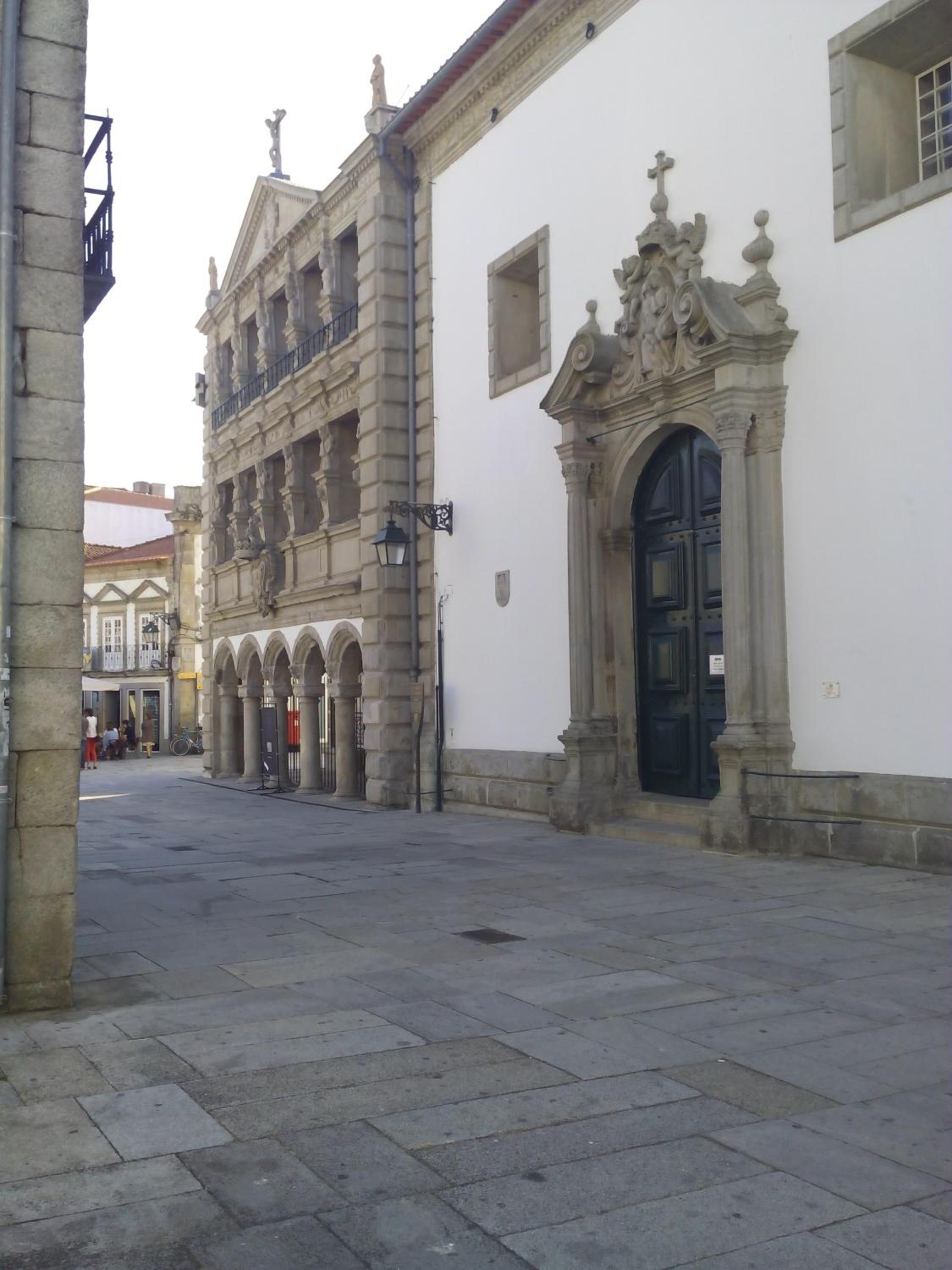
Alojamento Local Ferros - Duplex
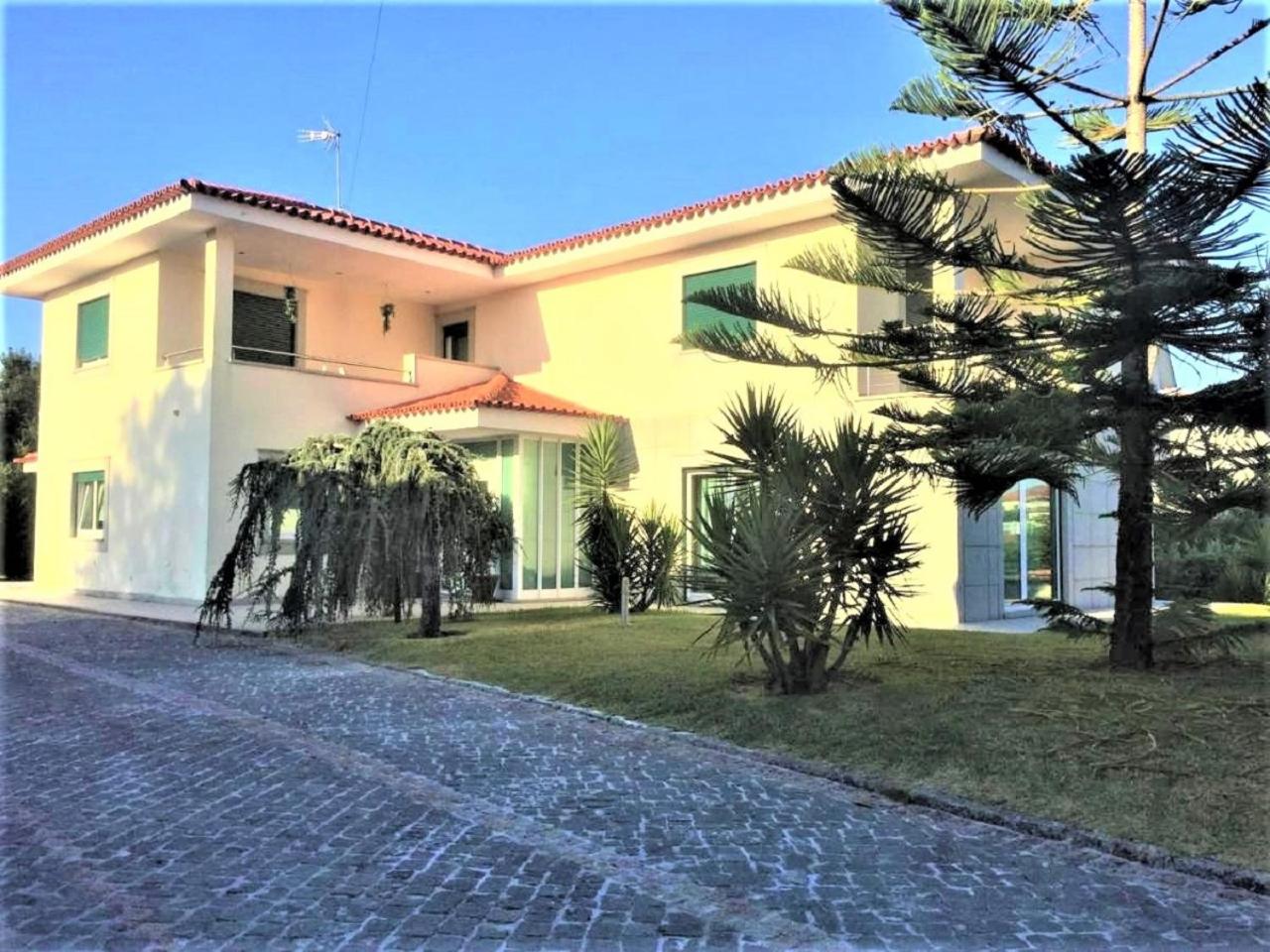
Anjos’home
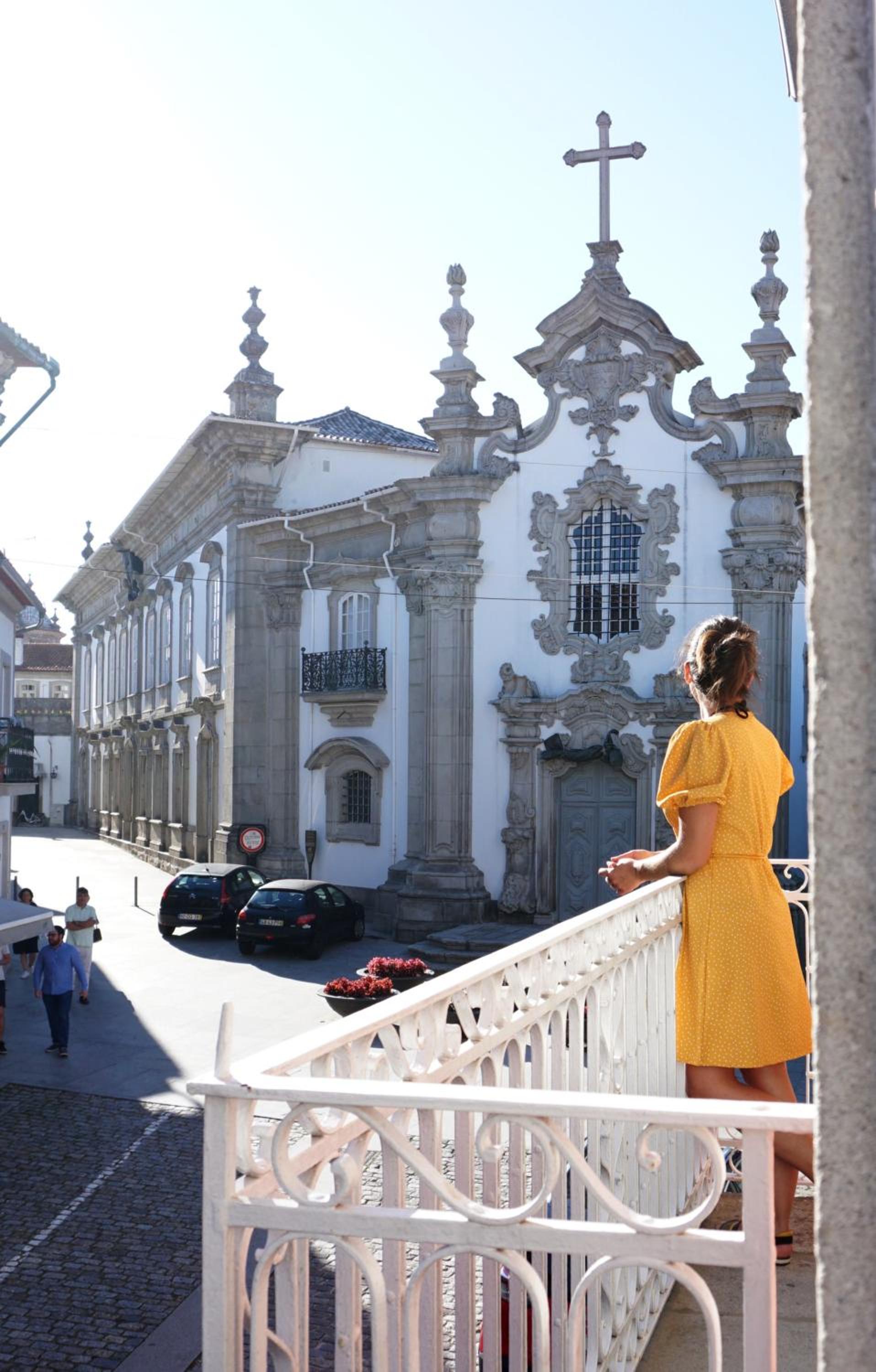
Apartamento das Malheiras
Atrium Areias
Avenida Viana Boutique Suites
B Apartamentos Castelo
Bright Sao Domingos Apartments
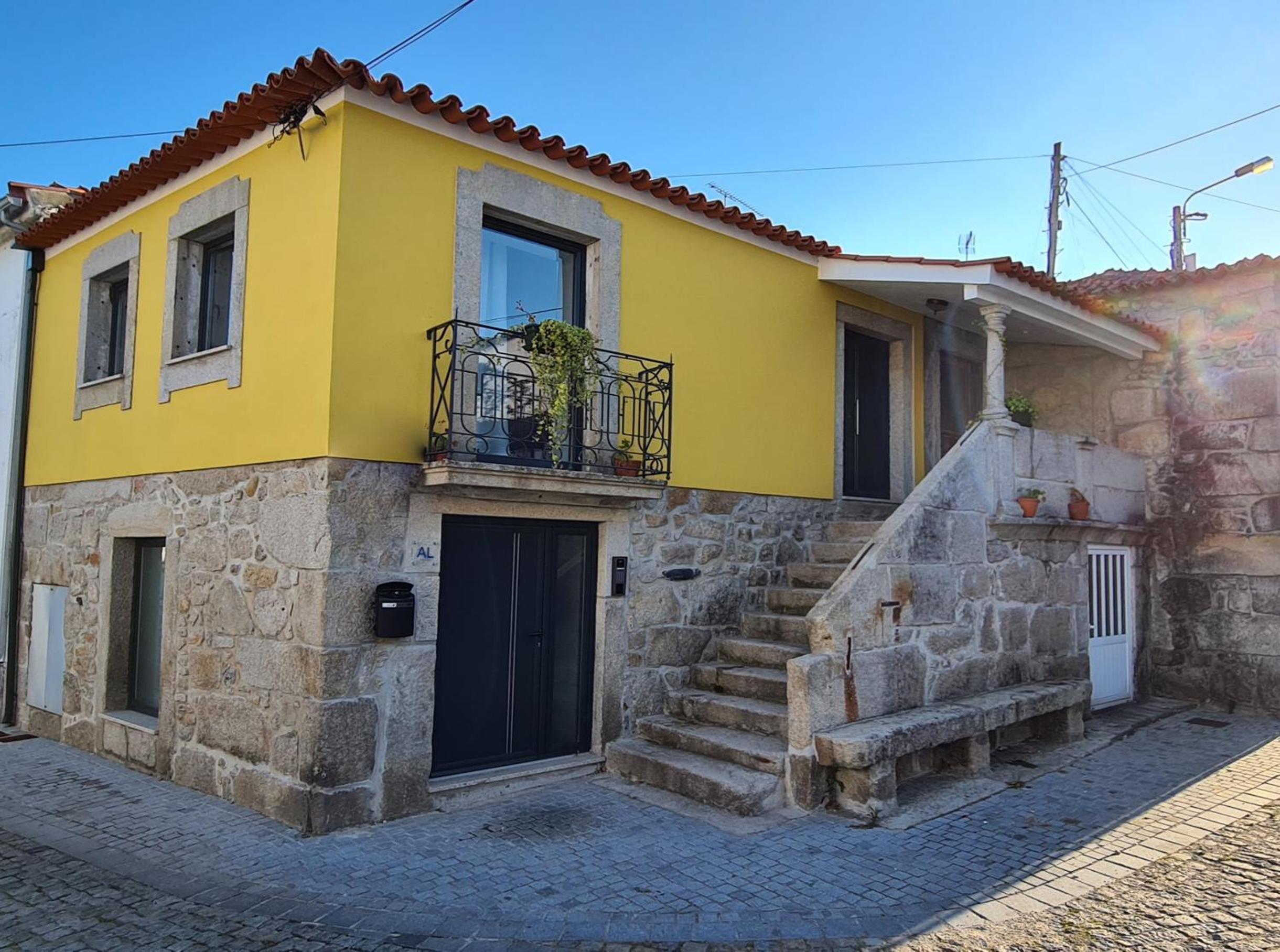
Casa Beira Rio
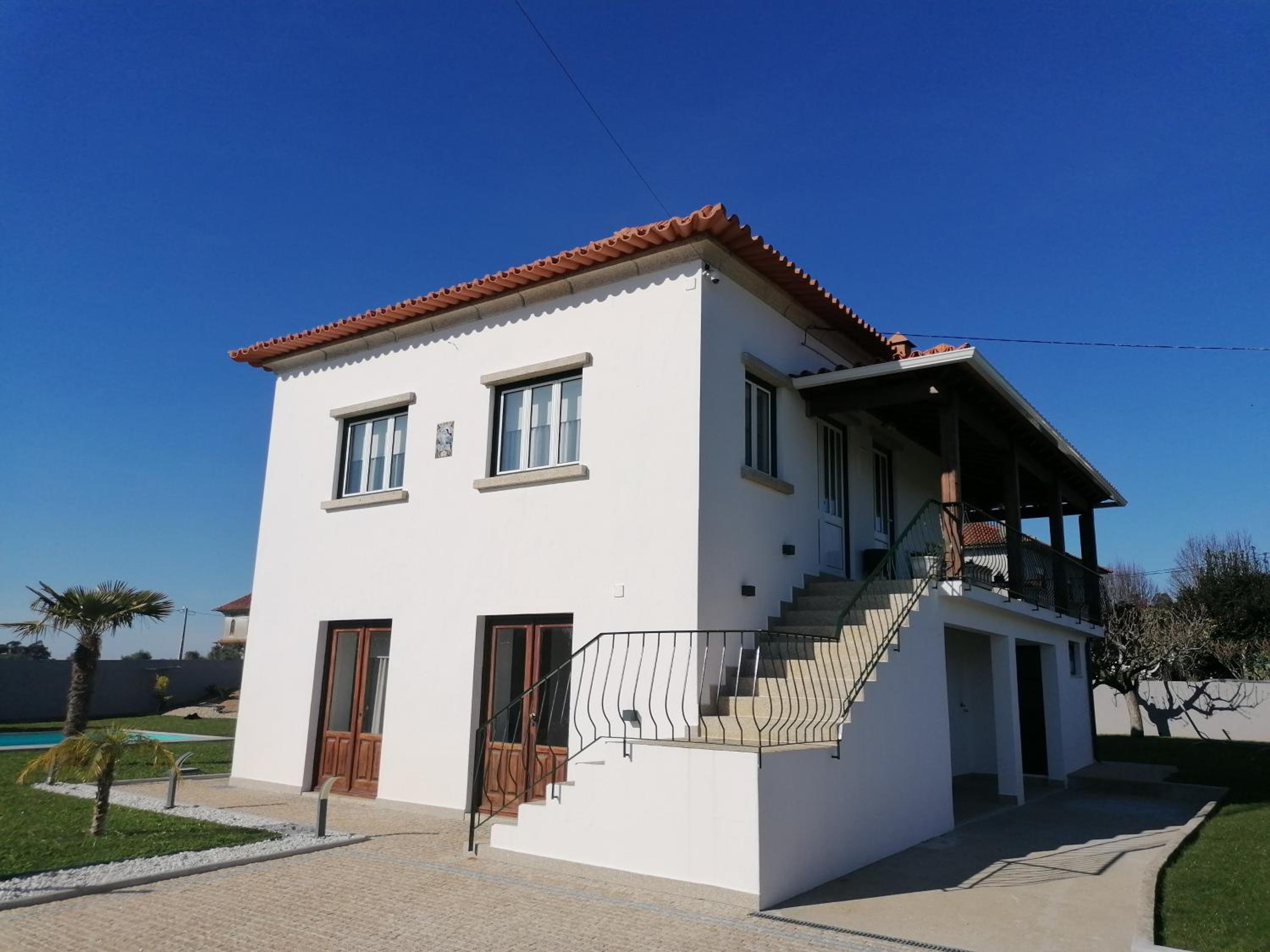
Casa D'Avó Bina Alojamento Local
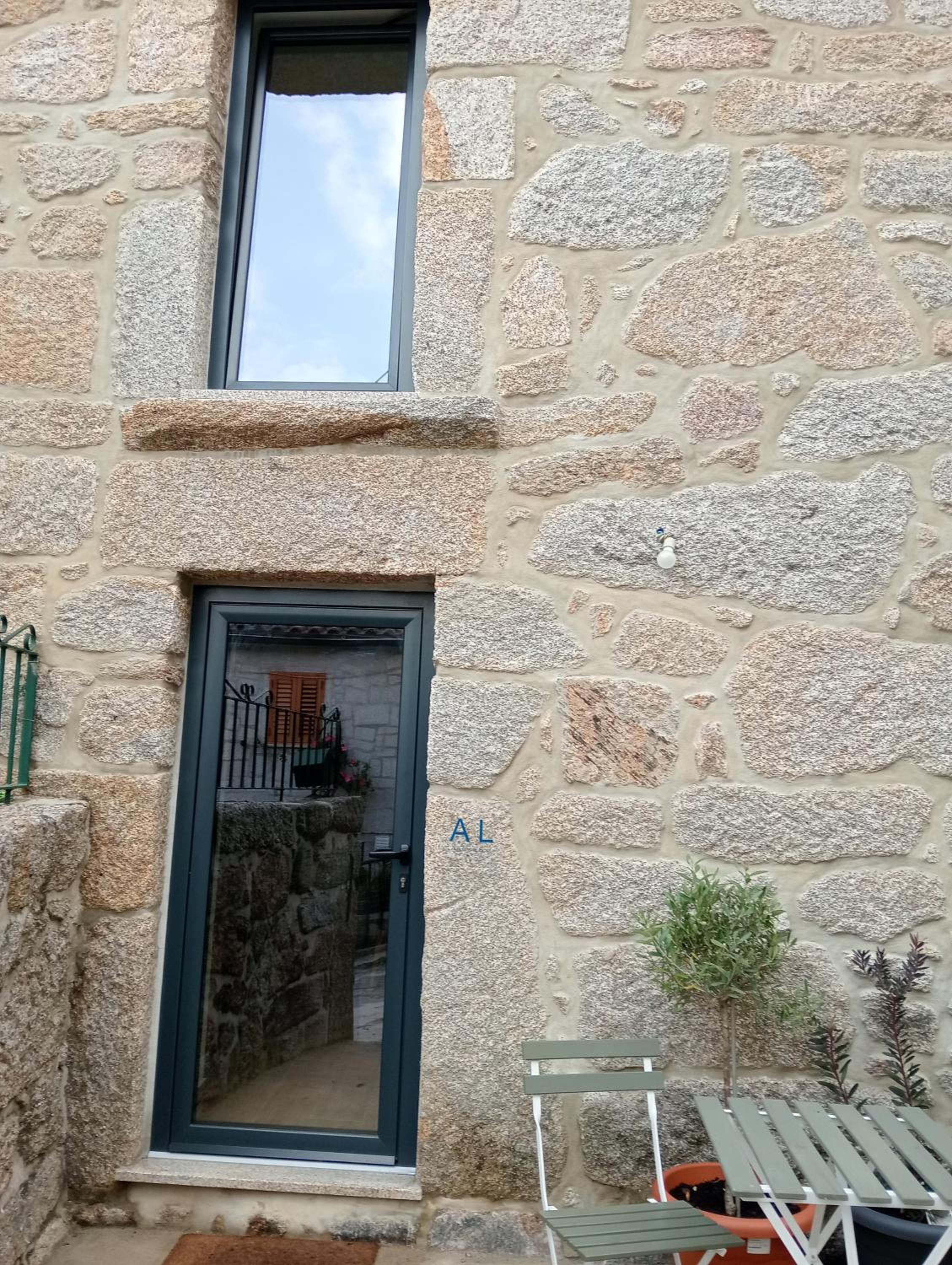
Casa da Fraga
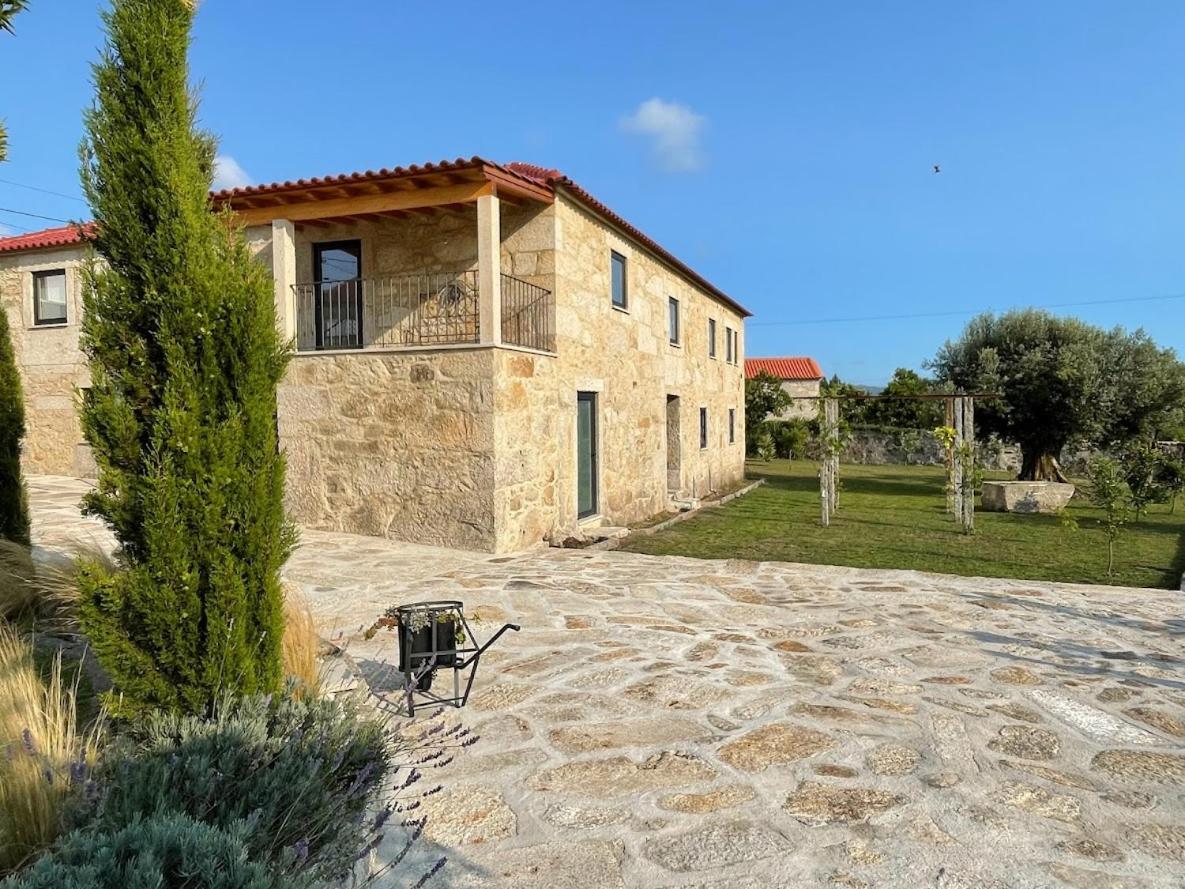
Casa da Maravilhas
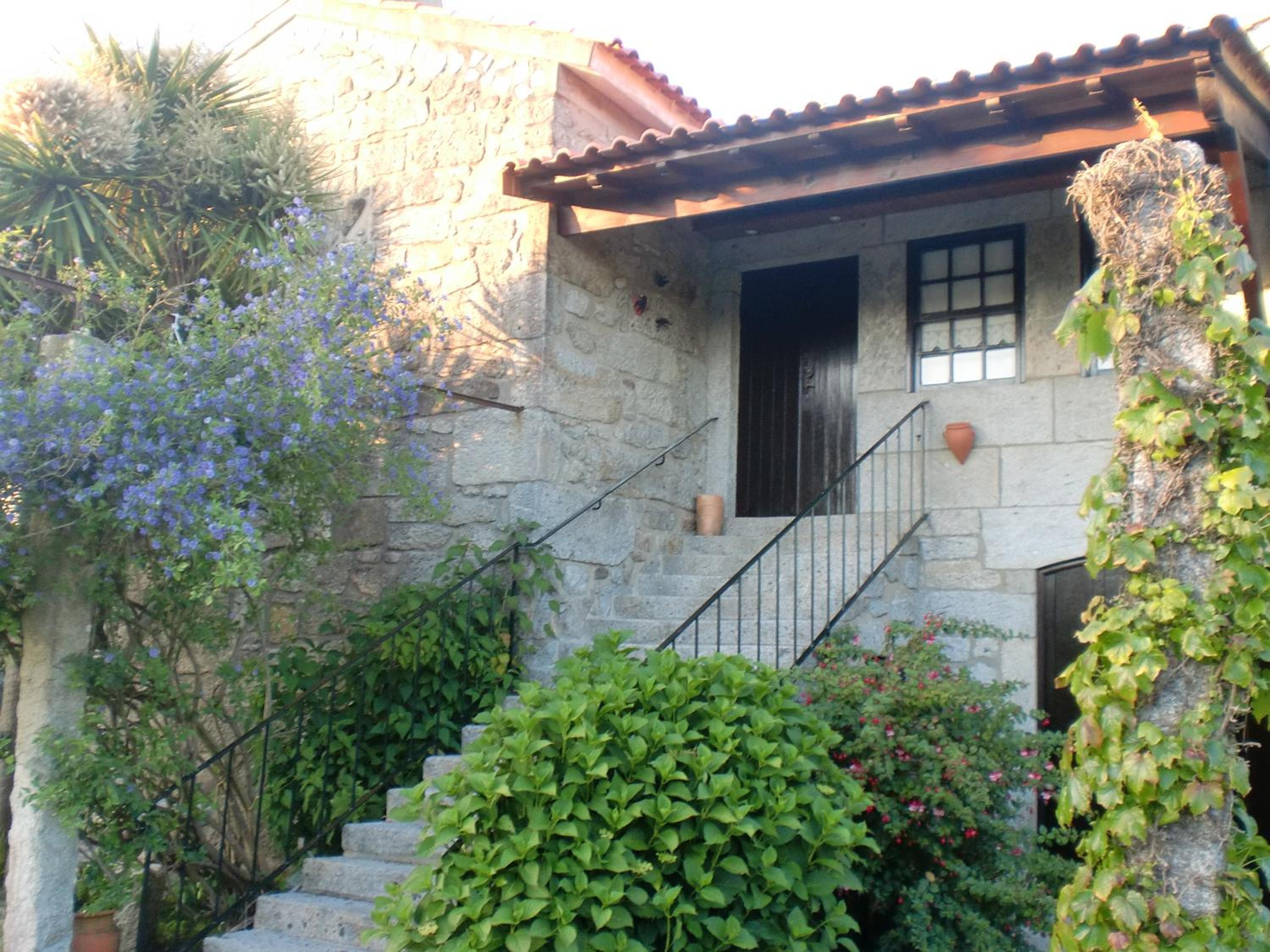
Casa da Reina
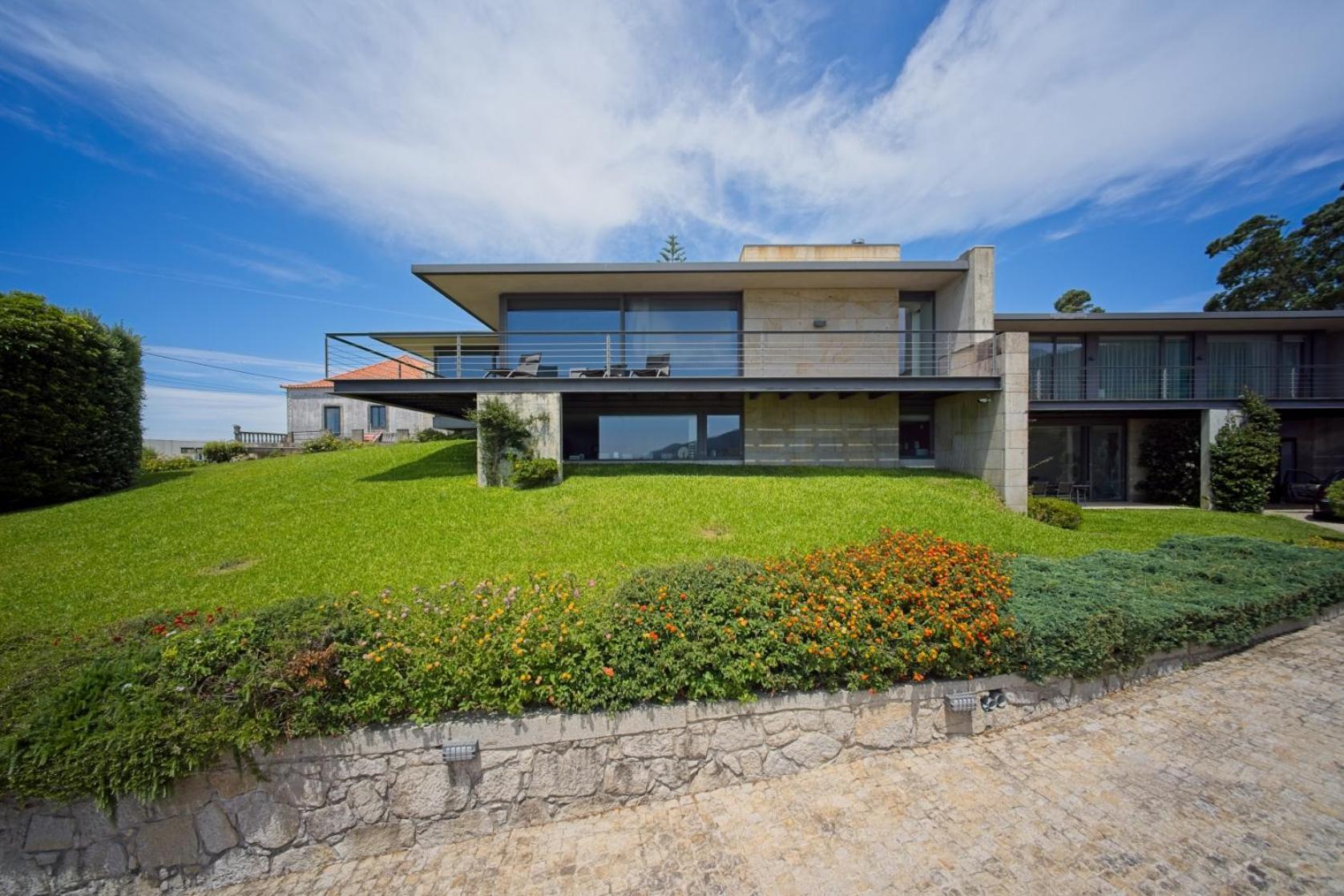
Casa de Montedor
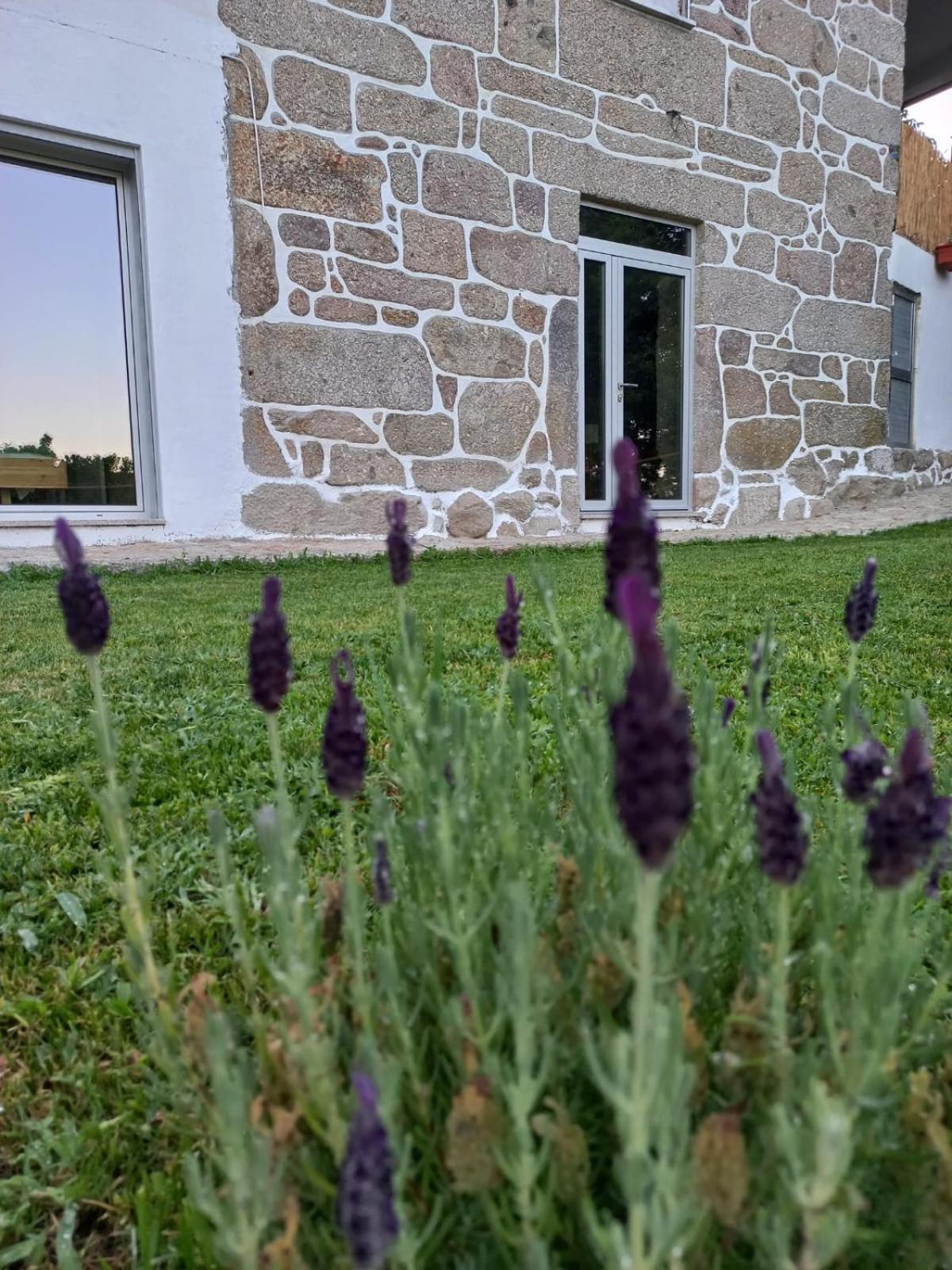
Casa de Suelas
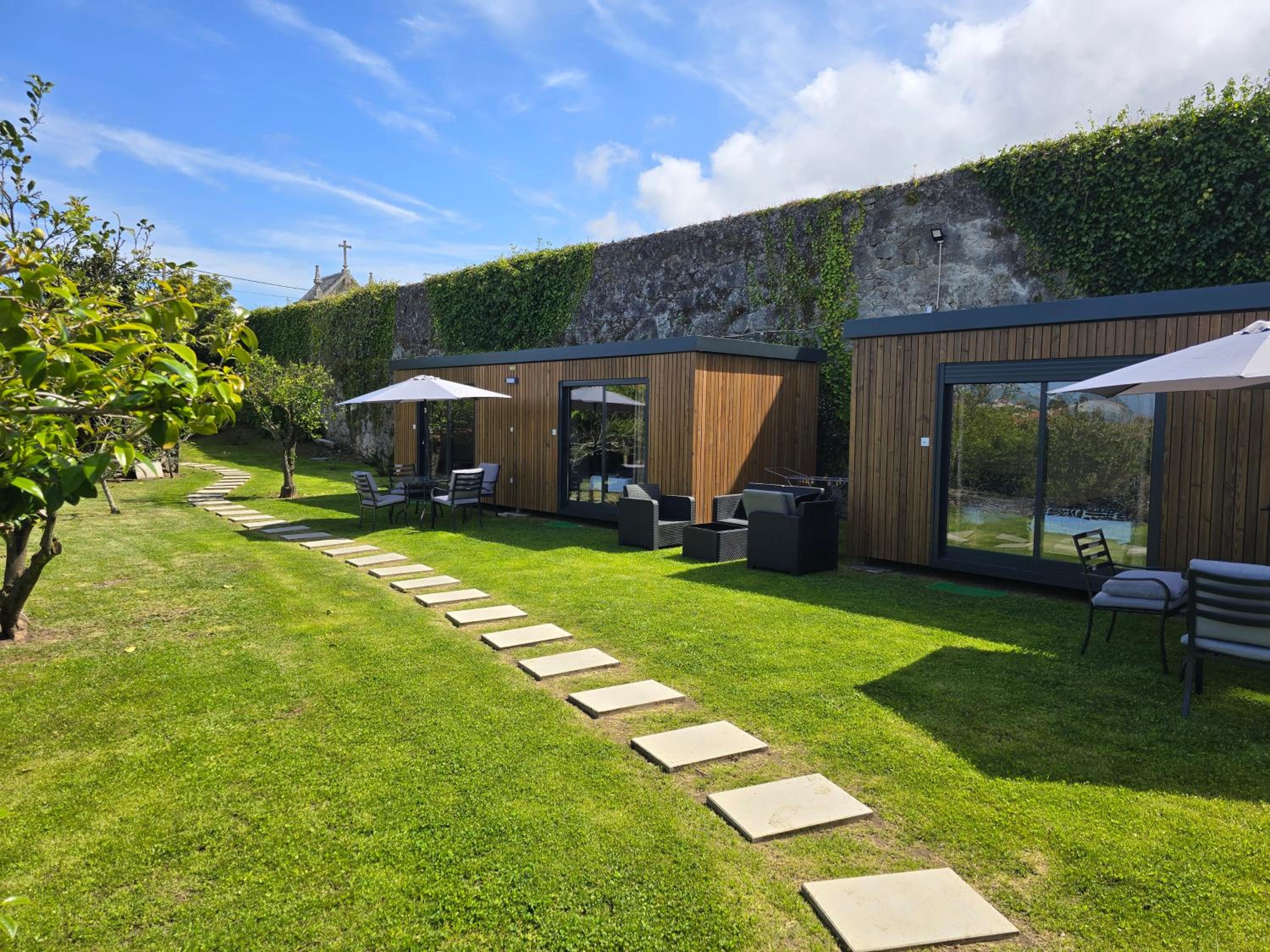
Casa do Adro
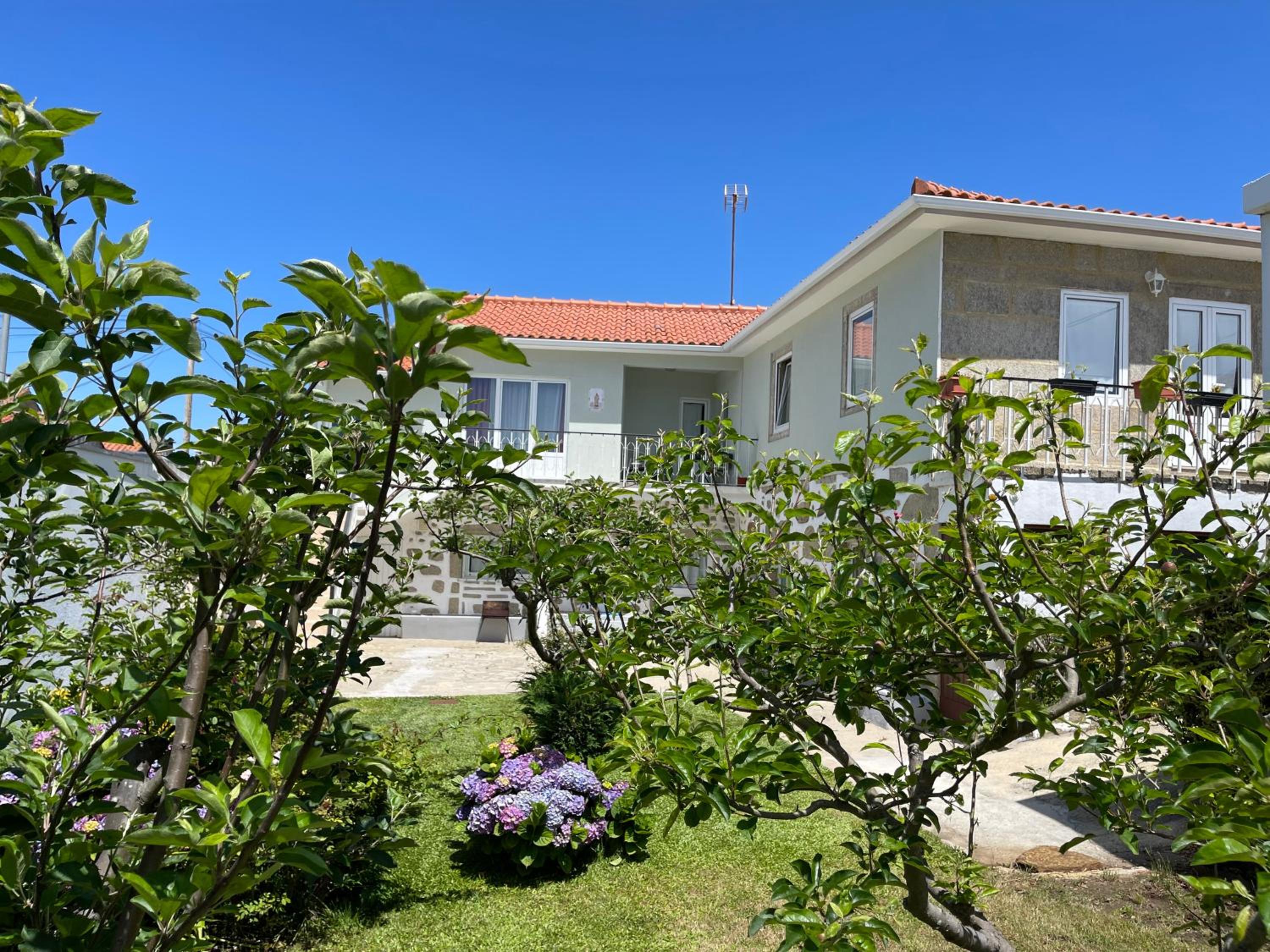
Casa do Albano
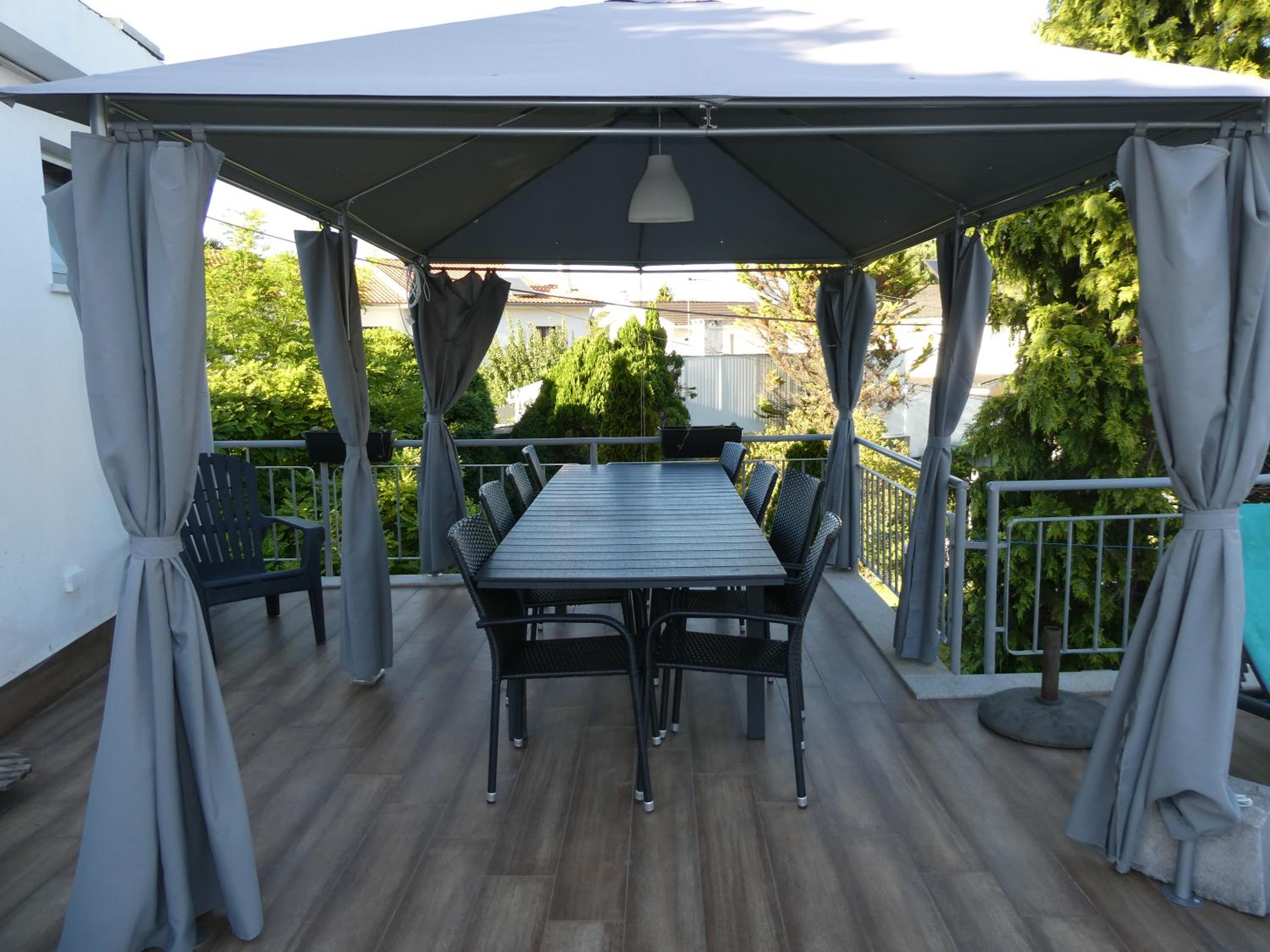
Casa do Cabedelo
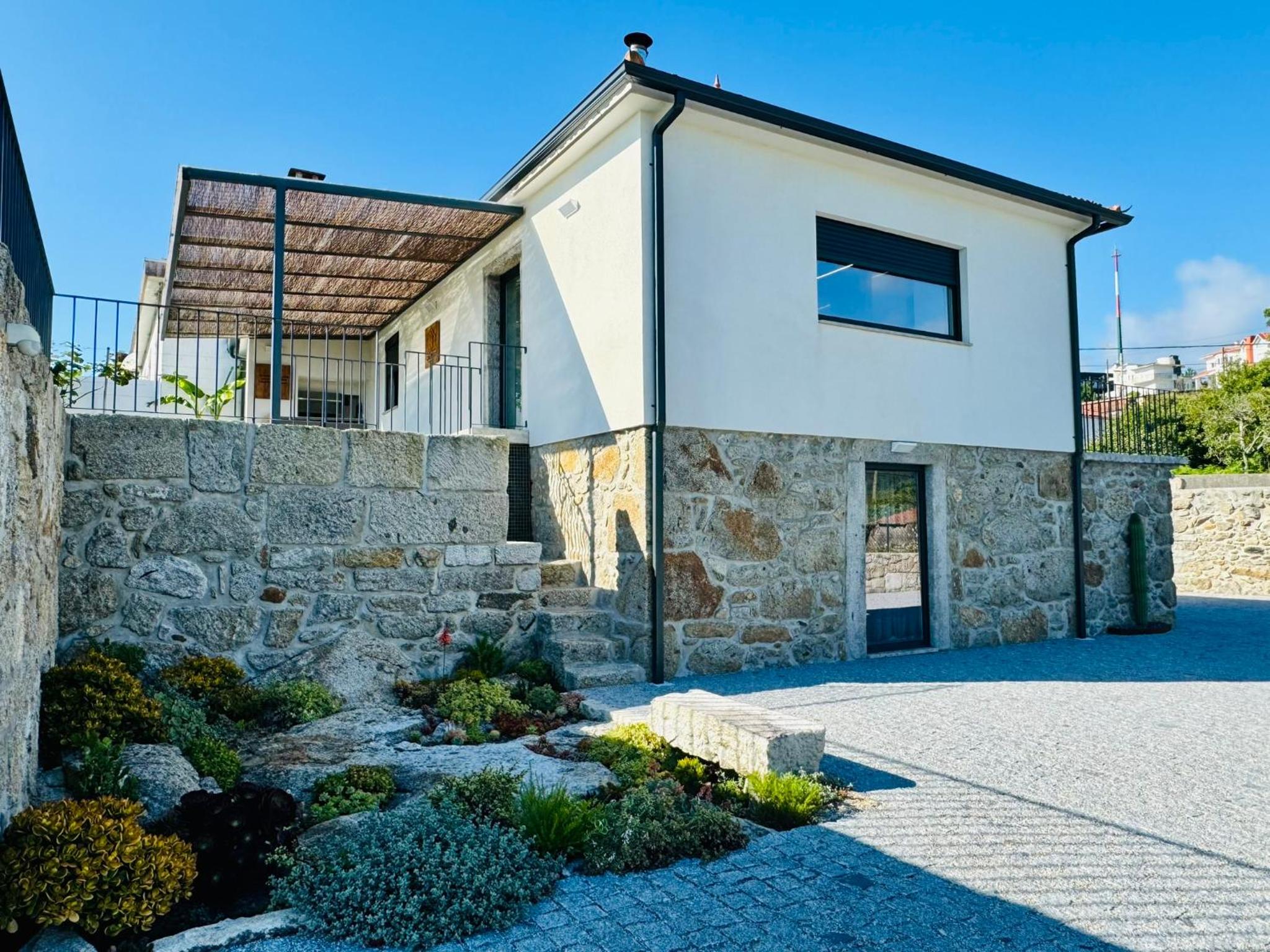
Casa do Cato
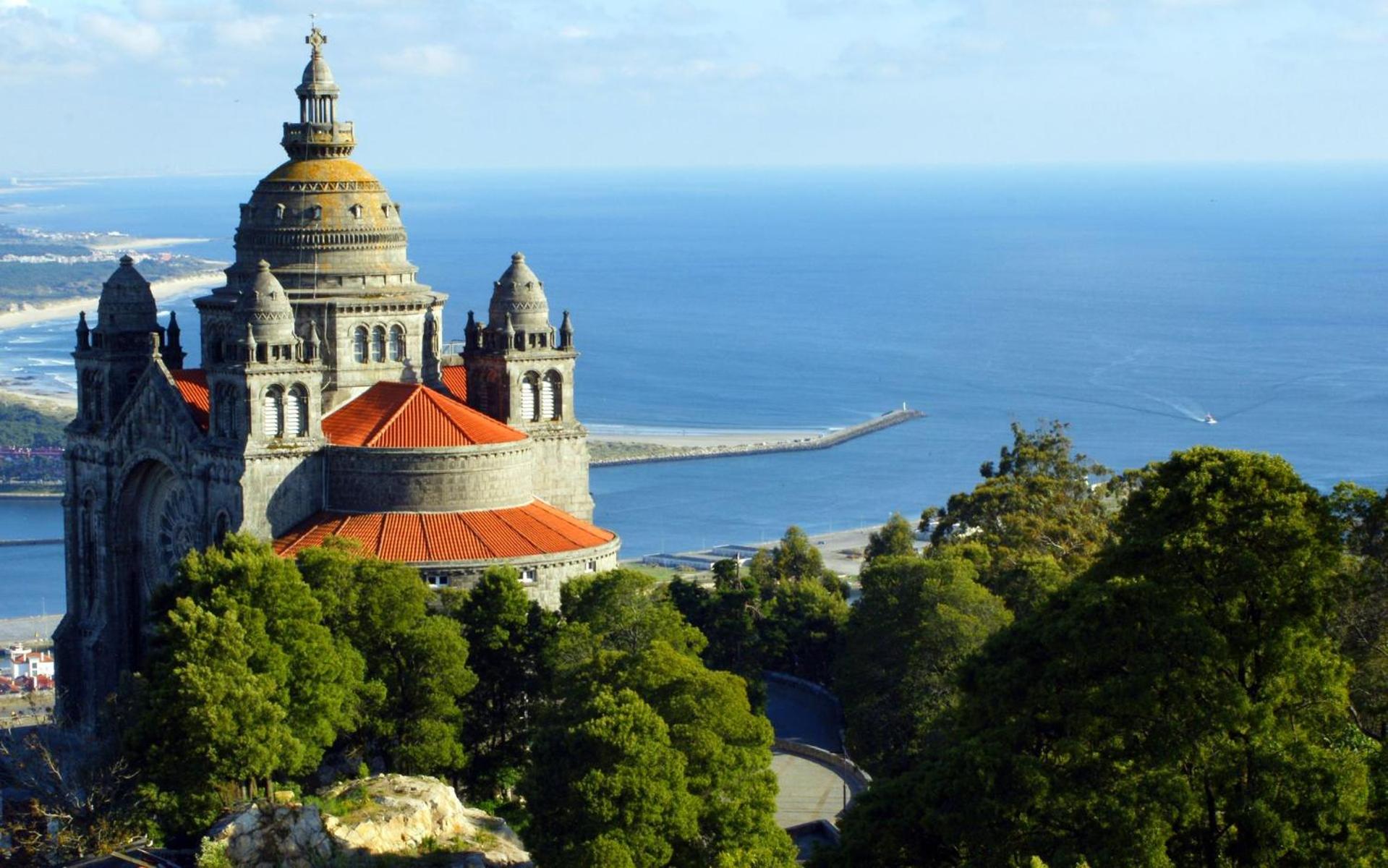
Casa do Chafariz
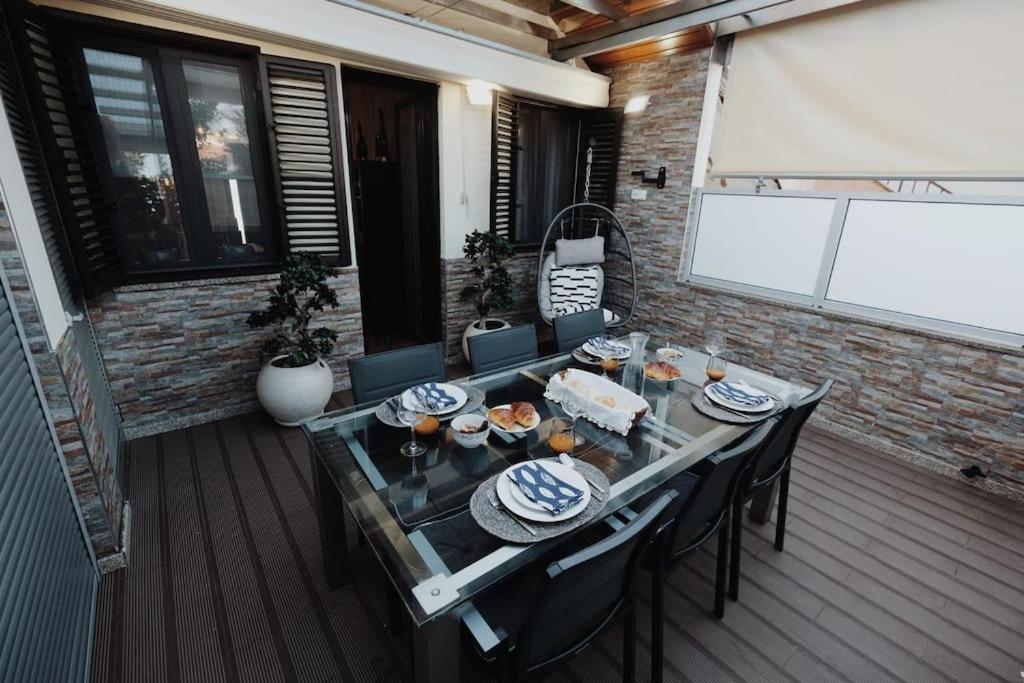
Casa do Fontanario em Viana do Castelo
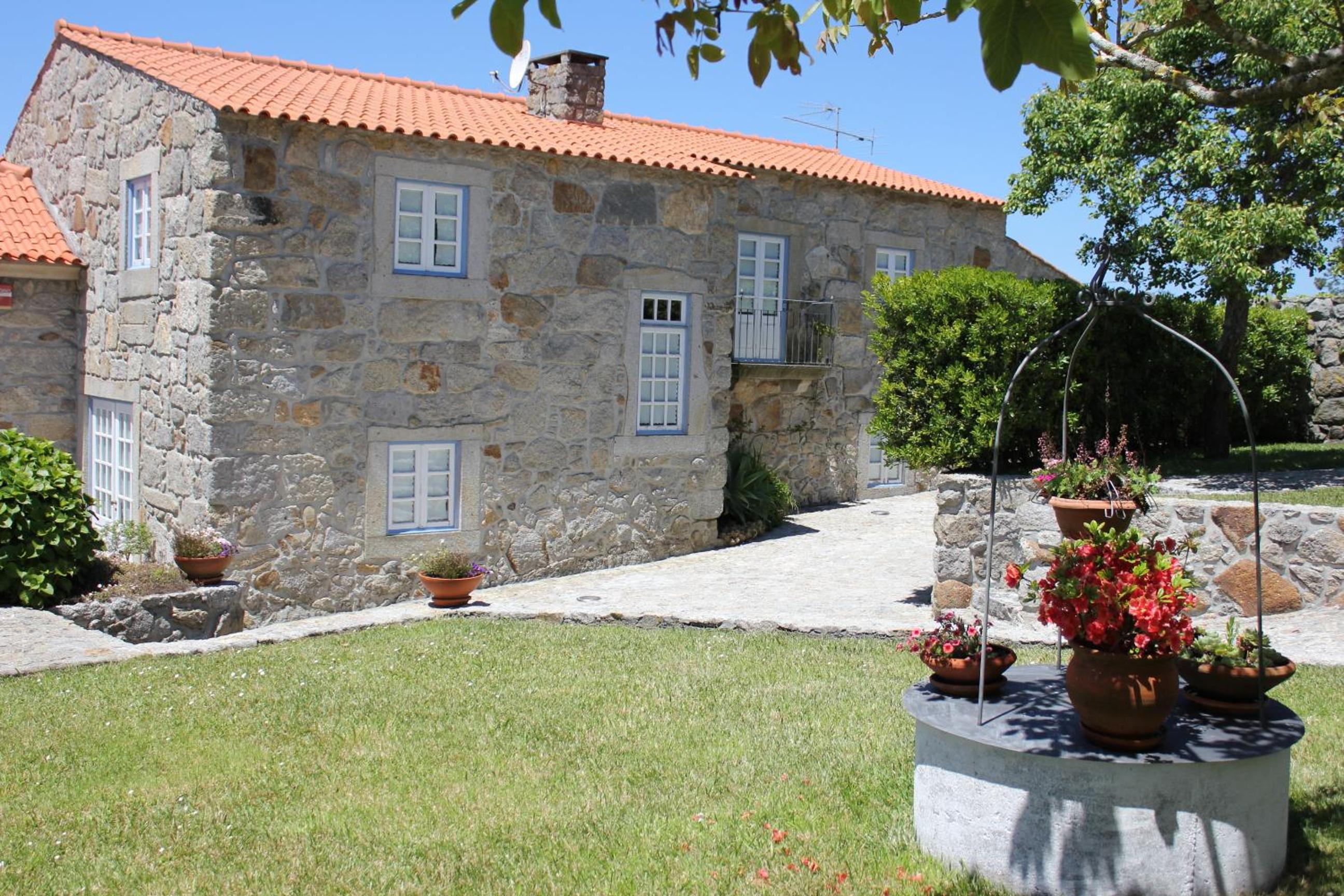
Casa do Nato -Turismo Rural
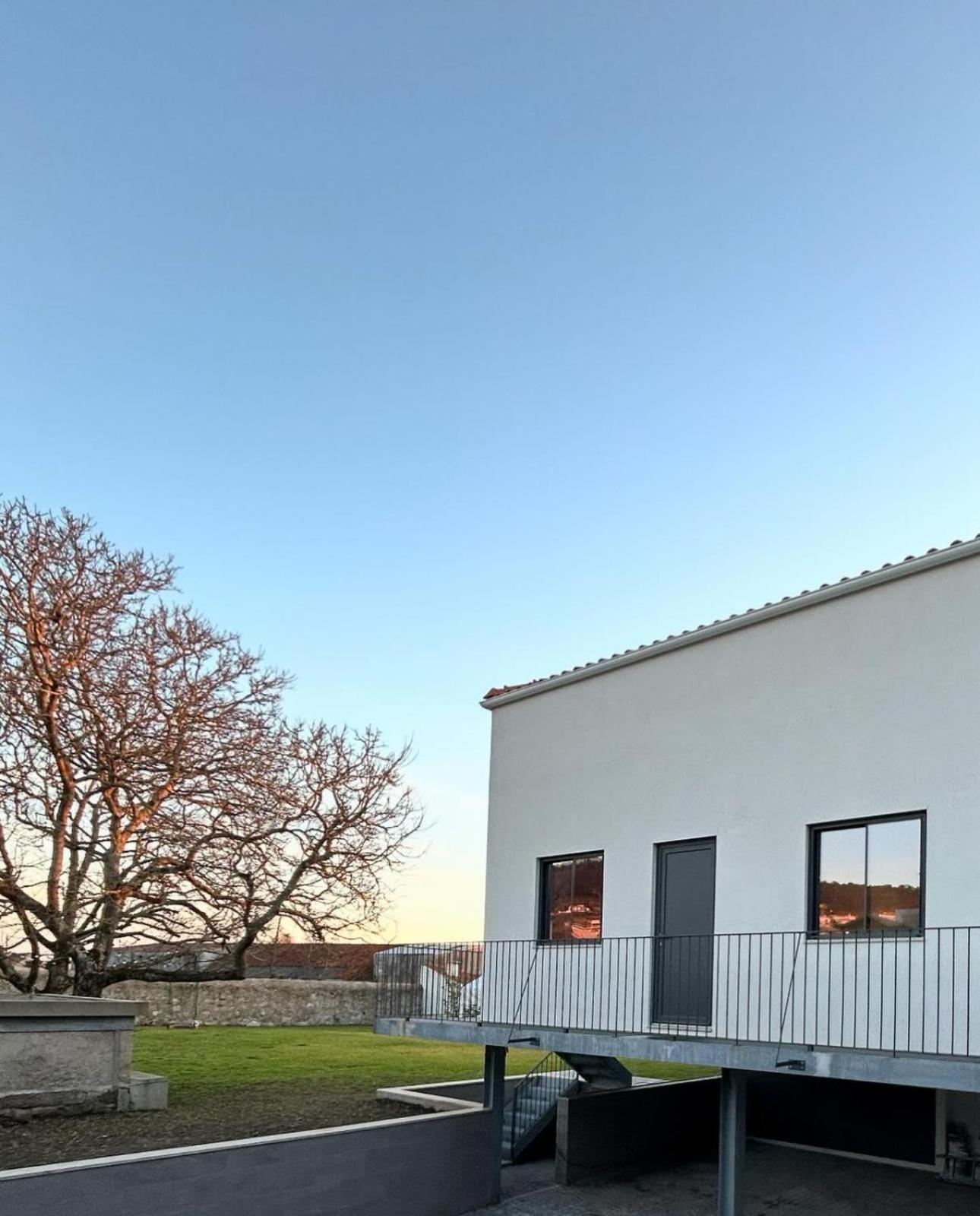
Casa do Sorrio
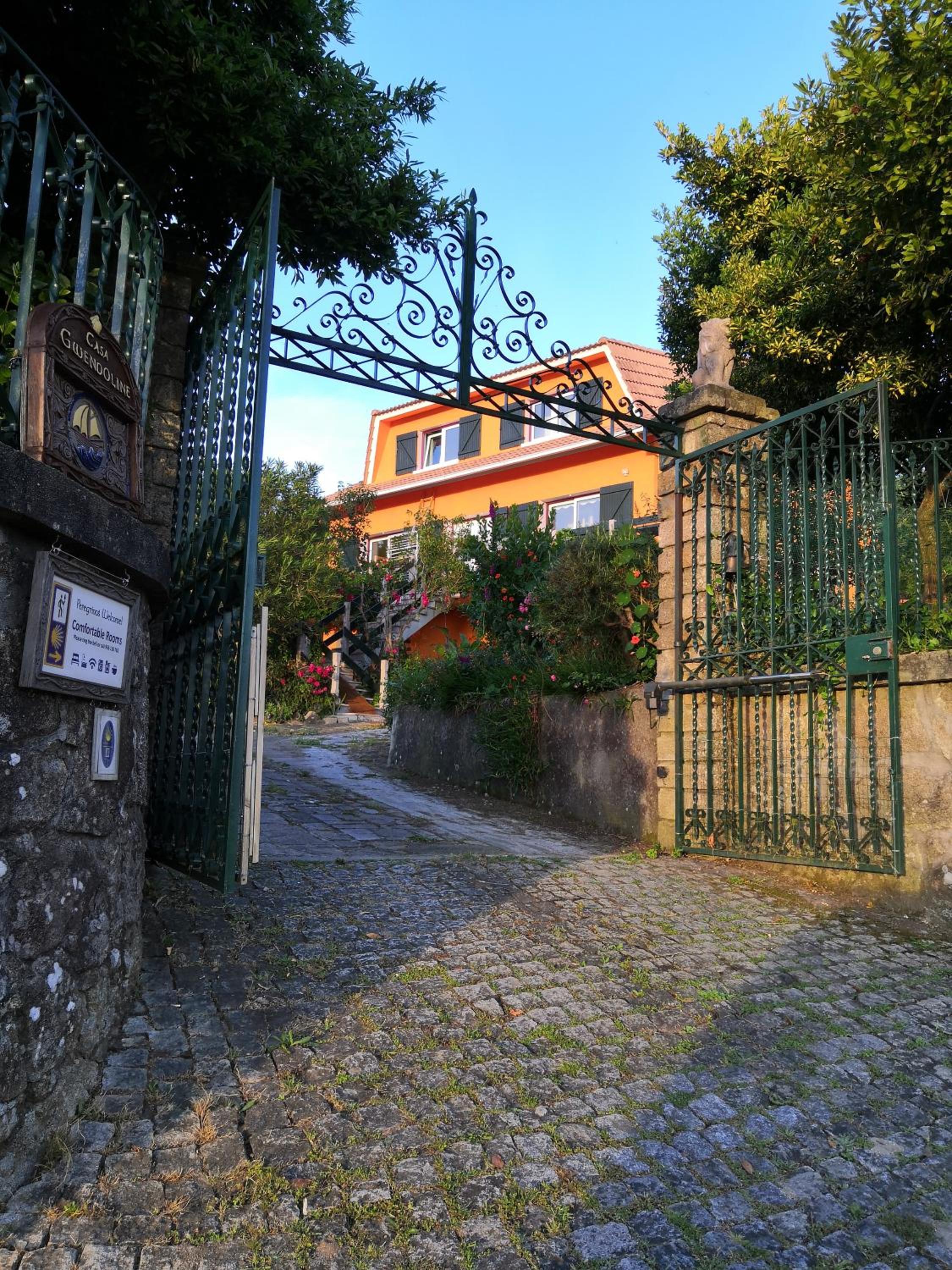
Casa Gwendoline - Albergue / Hostel / AL - Caminho da Costa
Casa Manuel Espregueira e Oliveira
Crato Apartments
Dias House
Dona Emília Guest House & Studio Apartment Building
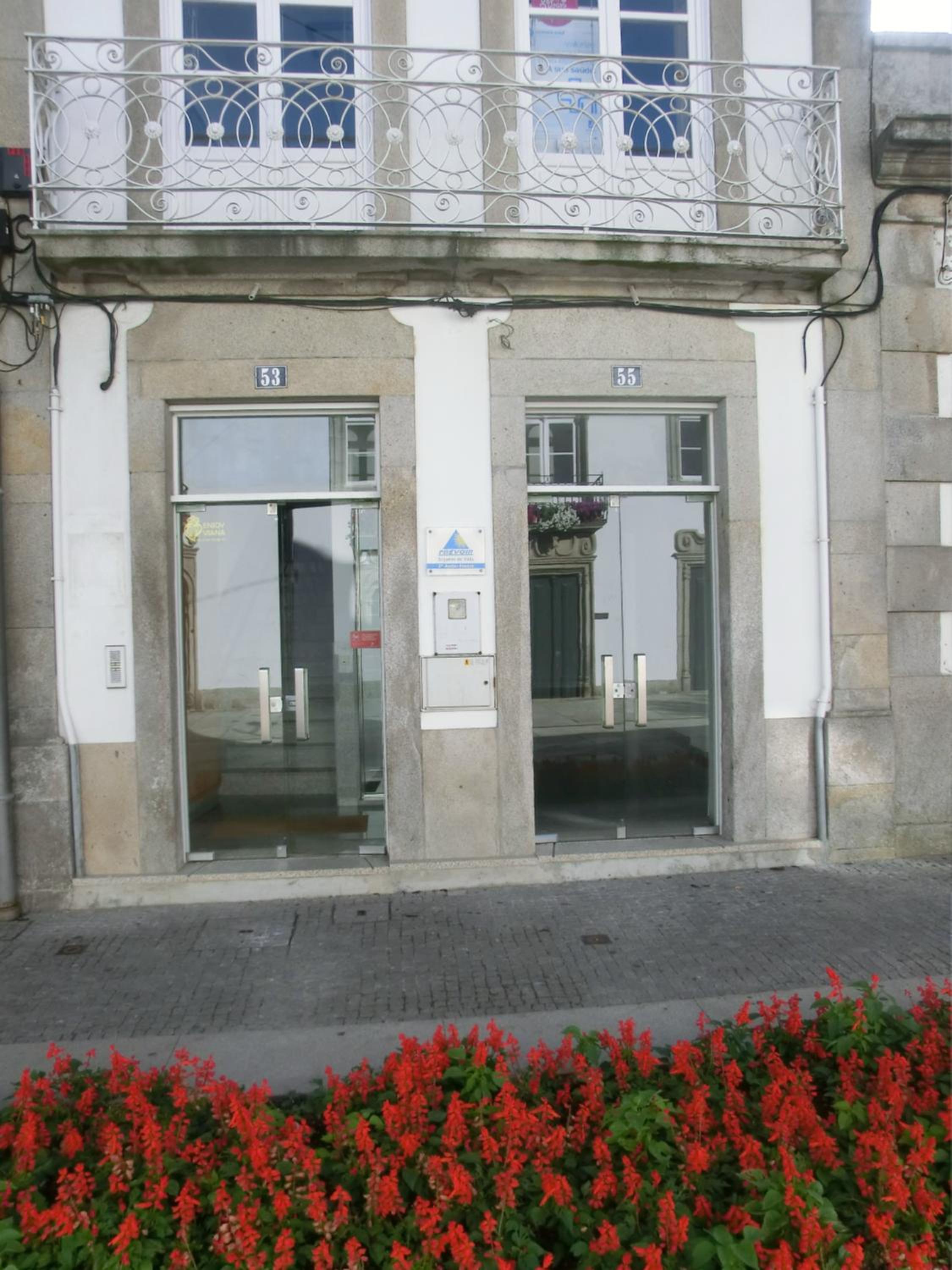
Enjoy Viana - Guest House
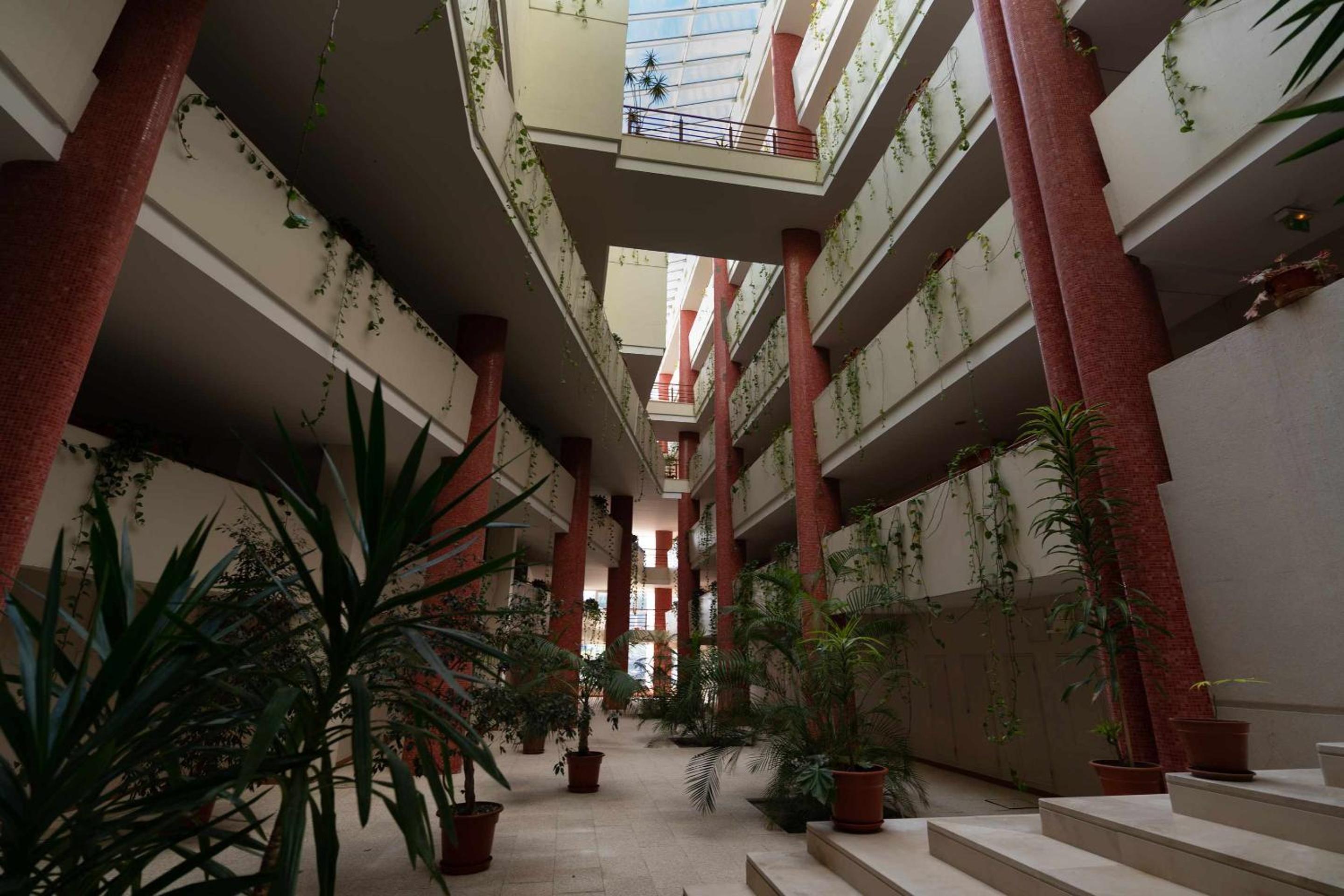
Feel The Ocean Apartment - Praia do Cabedelo
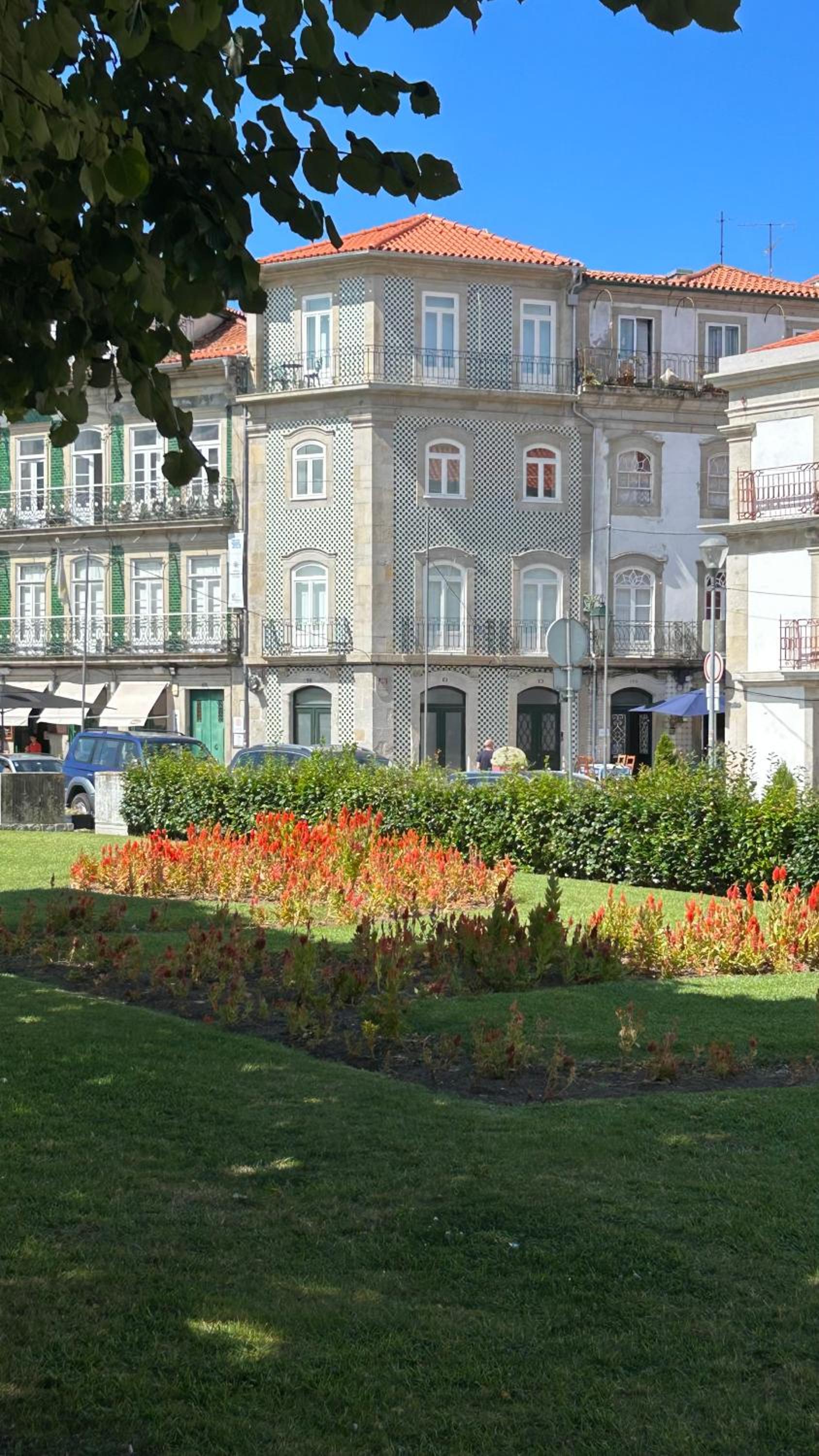
FERREIRA'S HOUSE Viana do Castelo
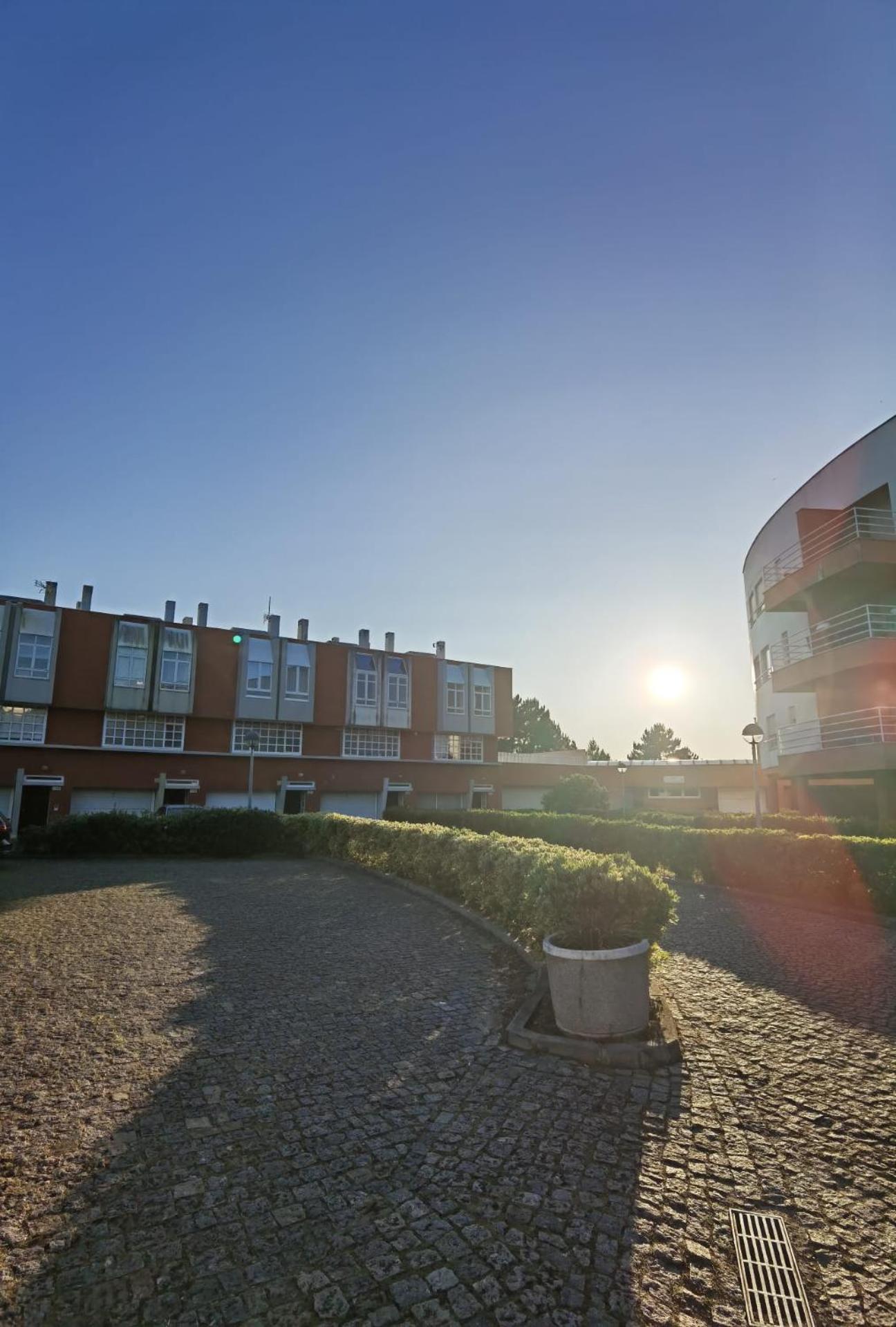
Front Beach Villa Cabedelo
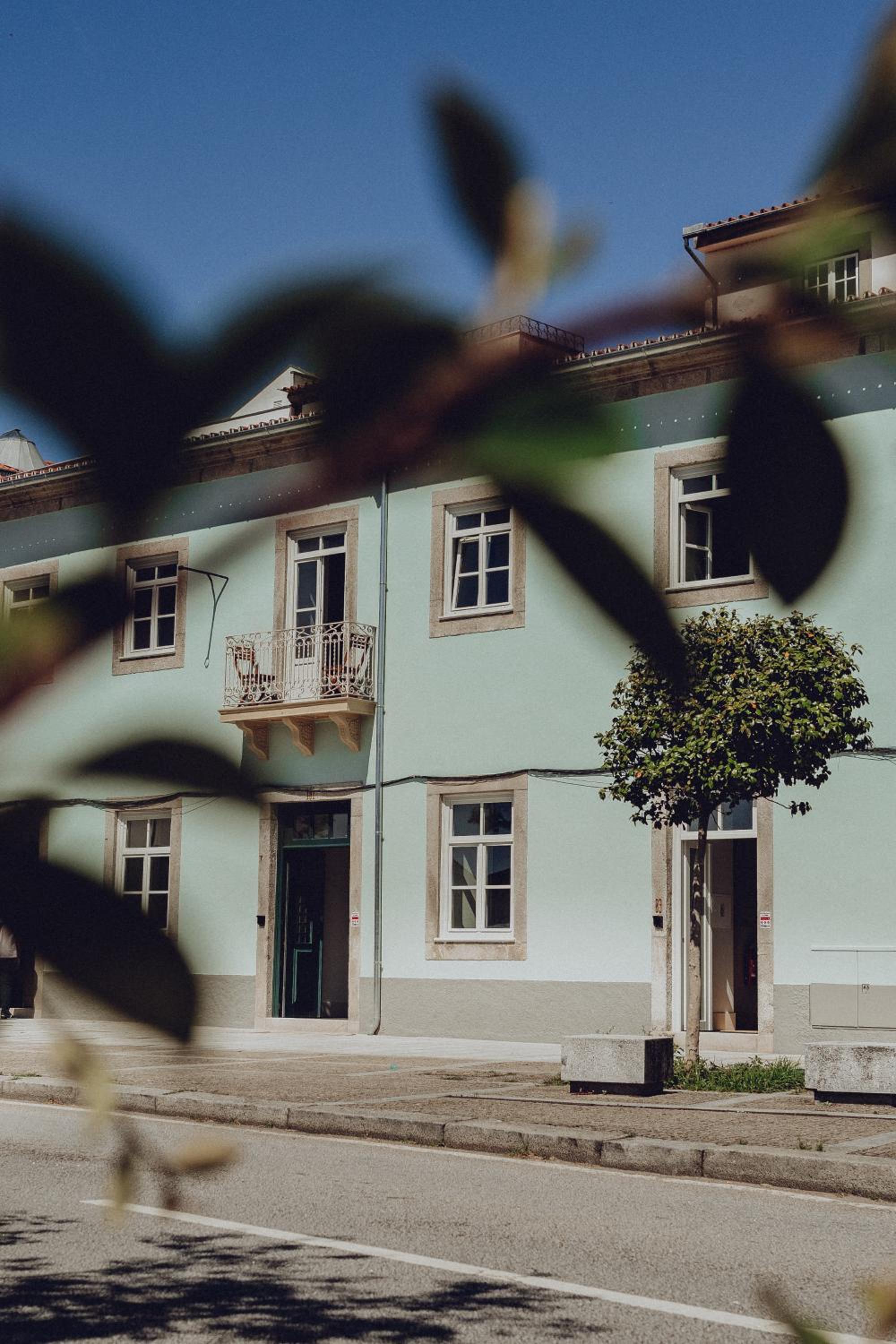
Gigantones GuestHouse
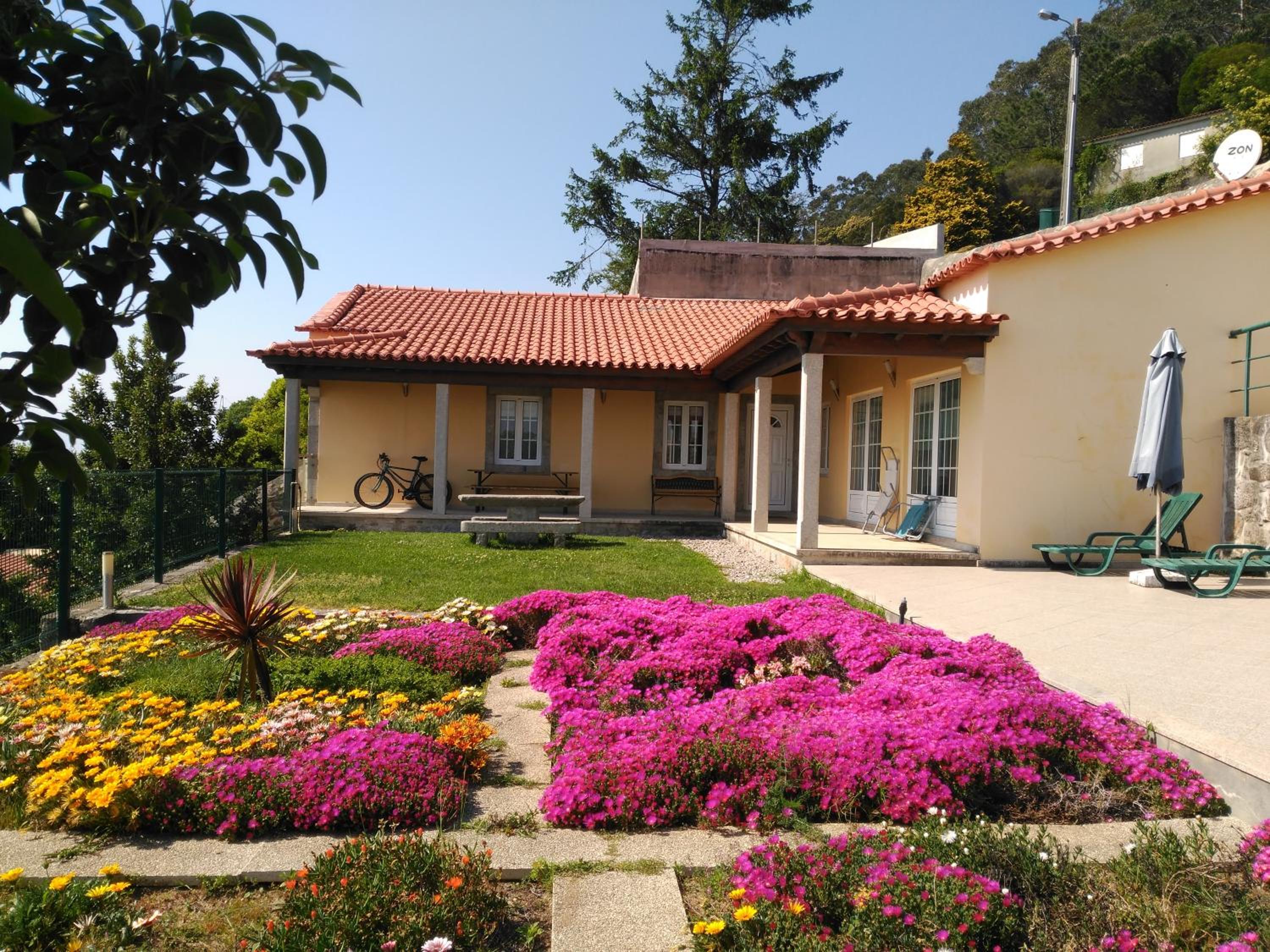
Lovely Sunny-House
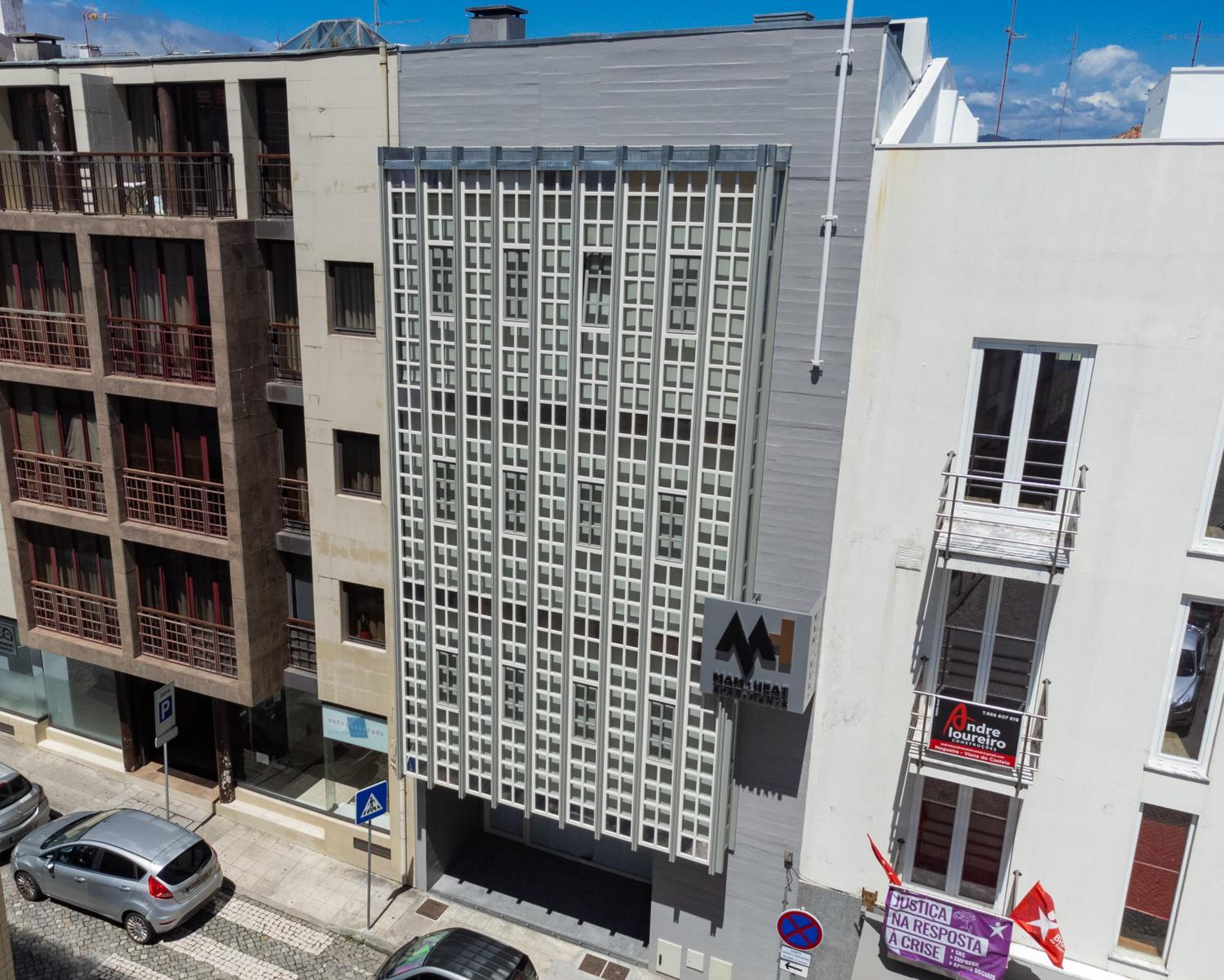
MAM HEAT Apartments - Viana City Centre
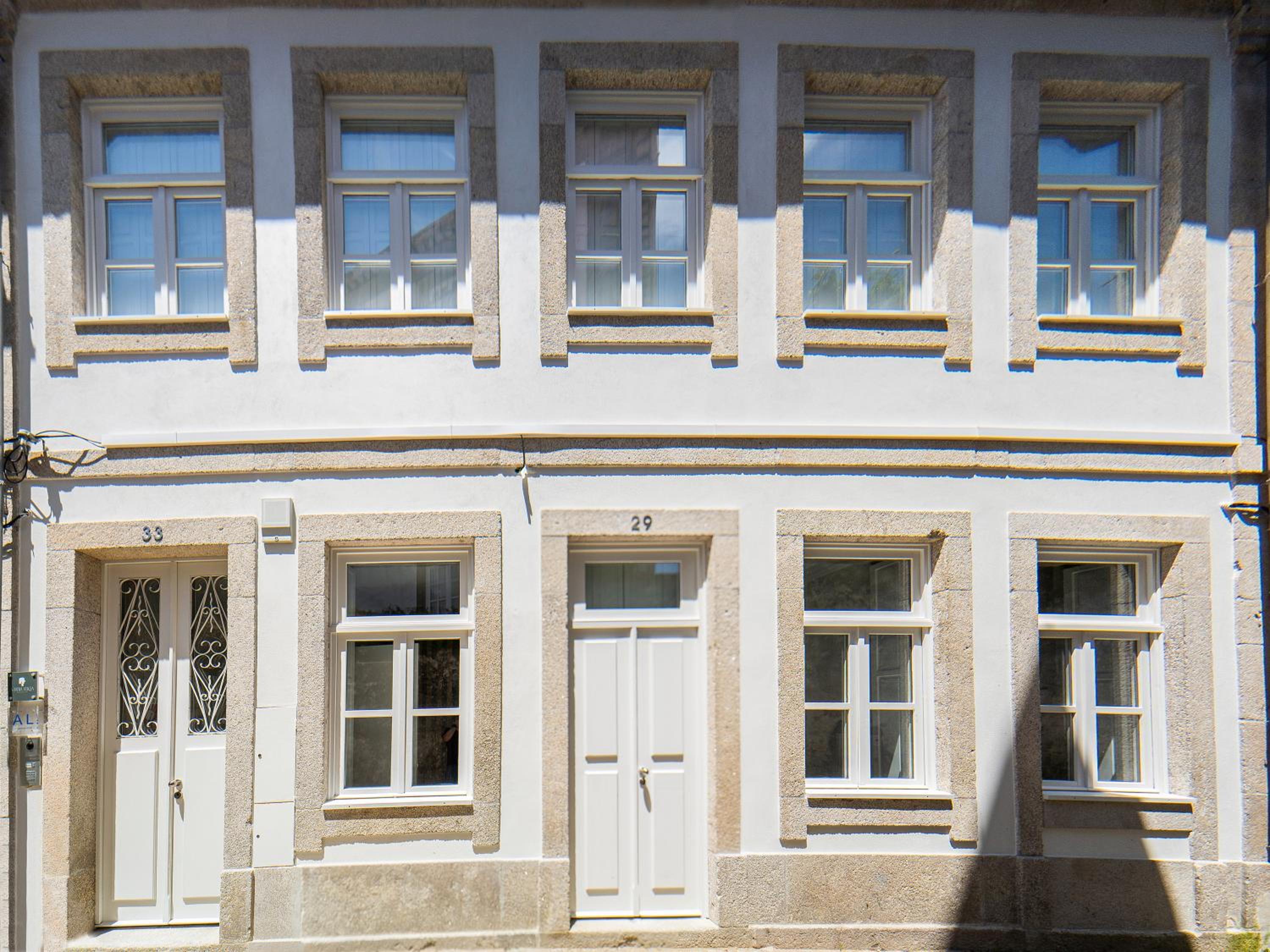
Maria Veiga Guest House
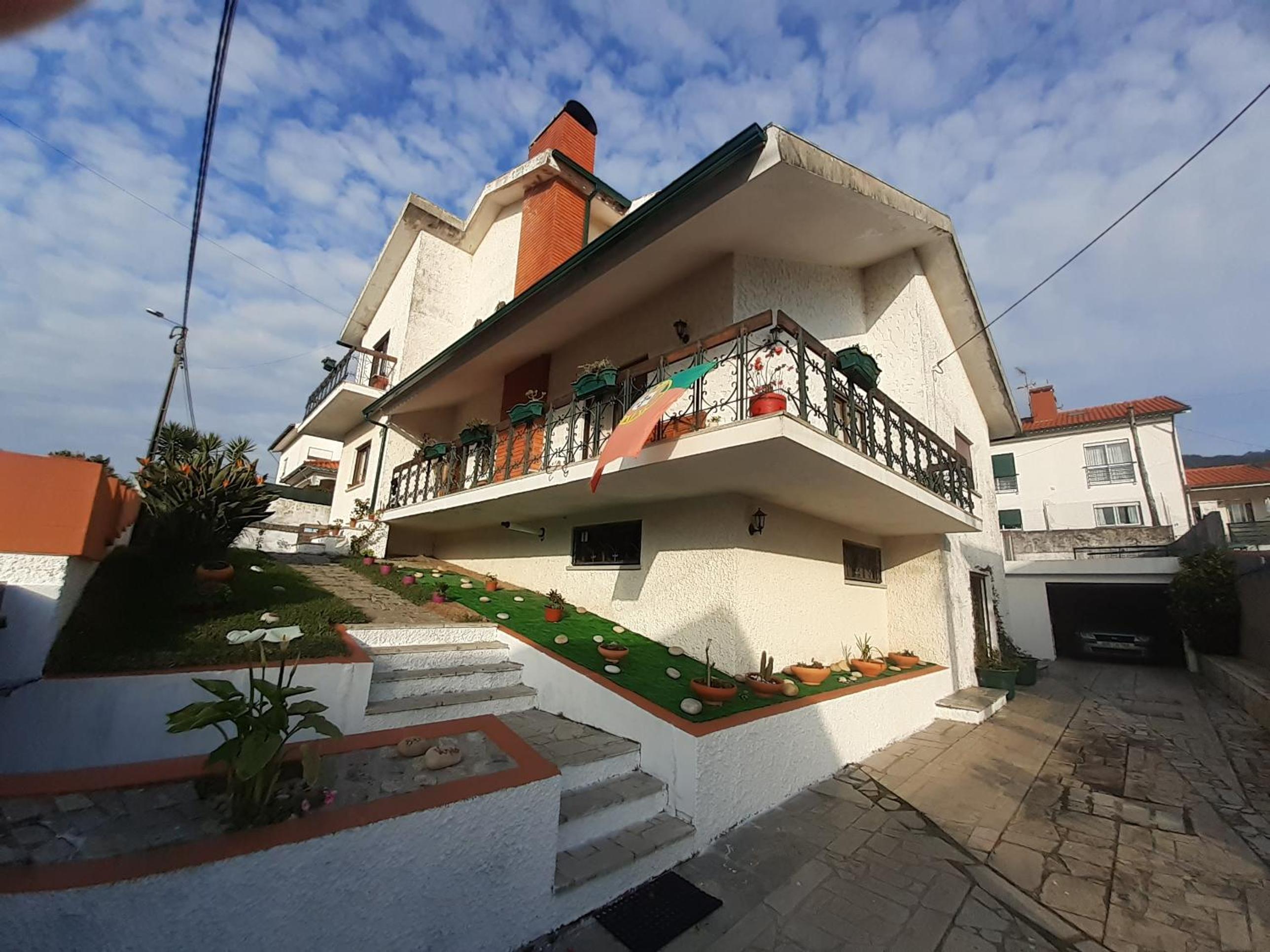
Morada do Ultramar
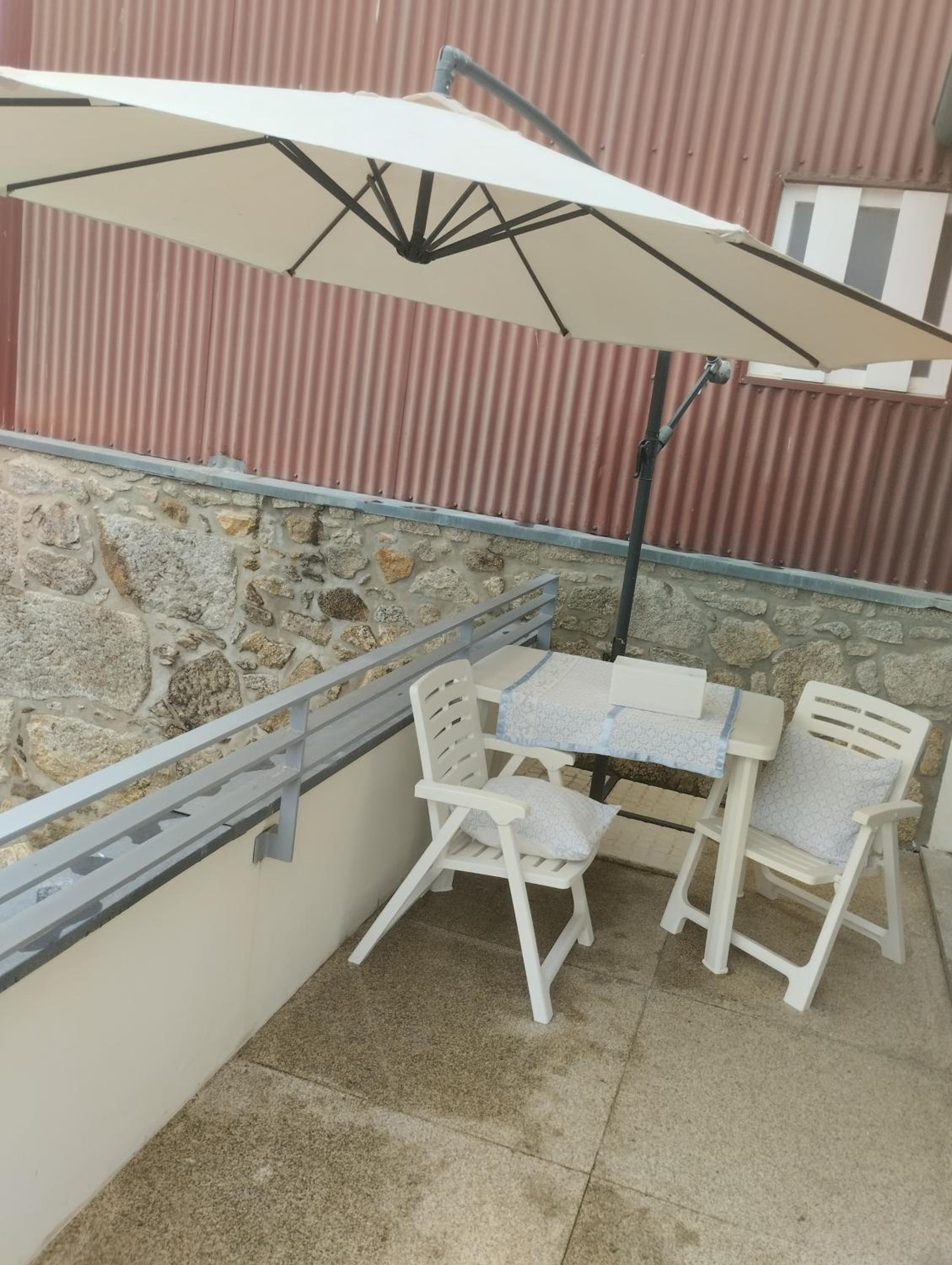
O Cantinho do Arnaldo
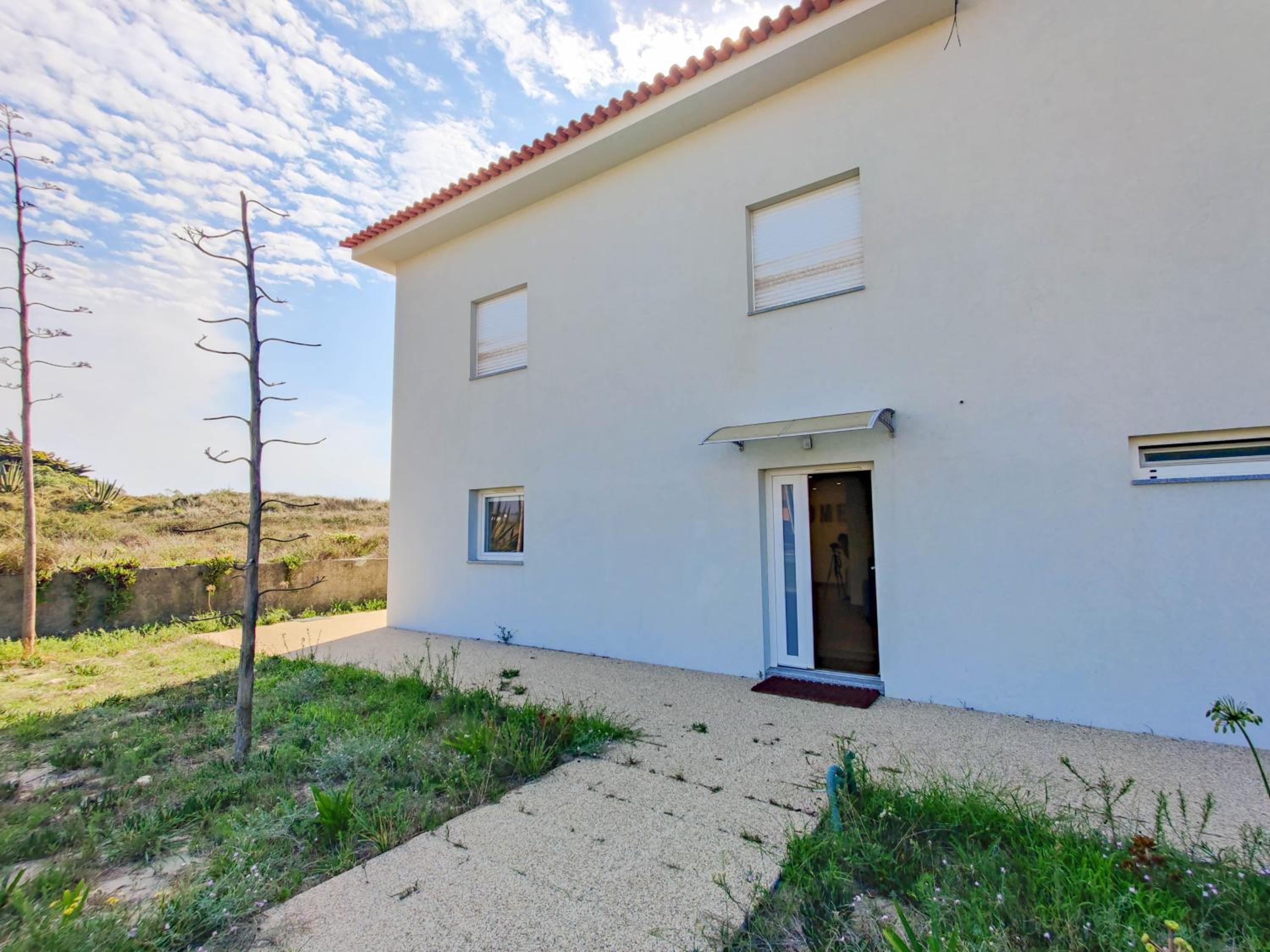
Pé Na Duna - beachfront apartment
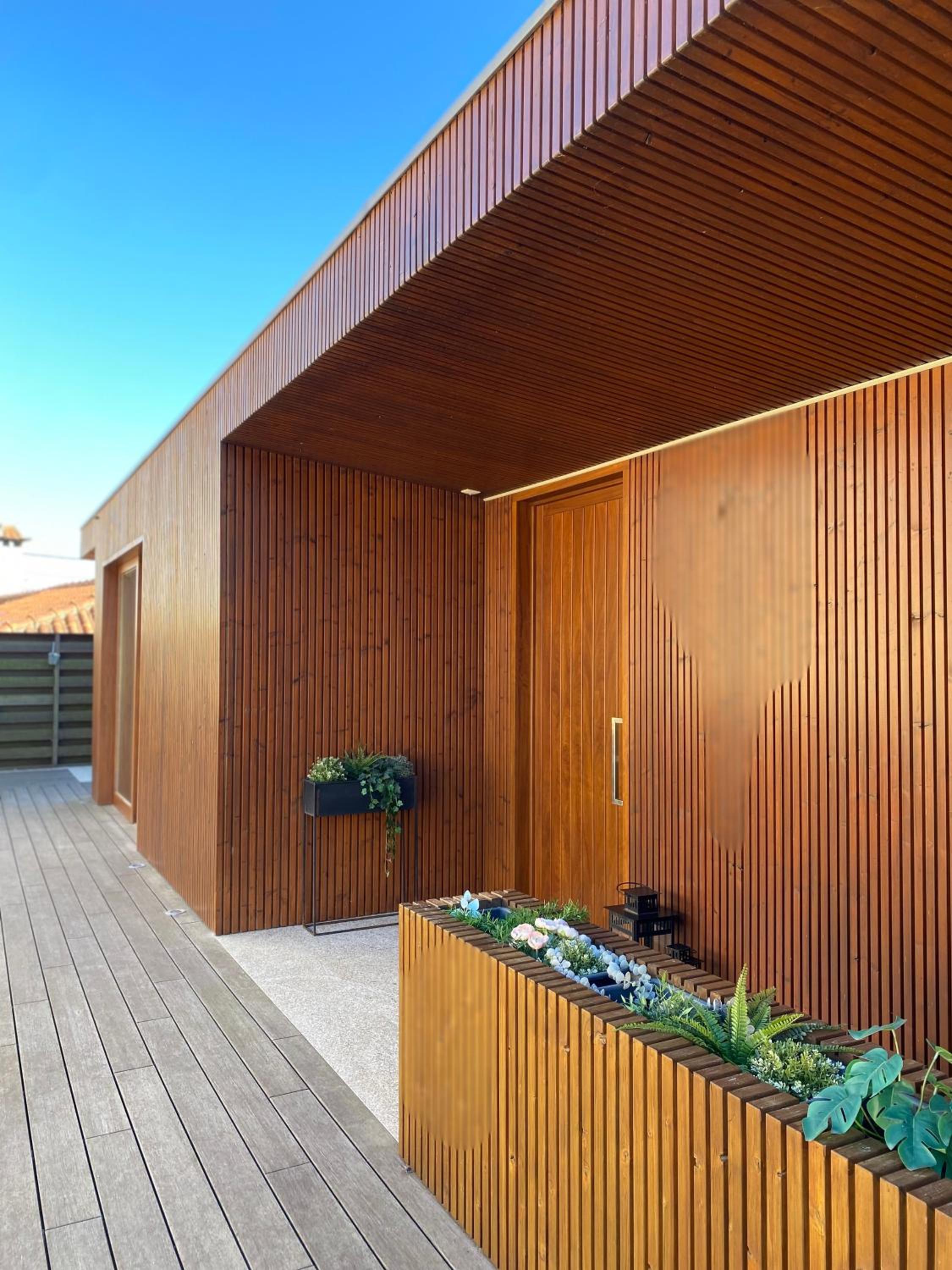
PEARL by Balgrid
Pensao O Laranjeira
Penthouse at Cabedelo Beach with Ocean View
Private Villas & Boutique Hotel - Casa Da Brêa
Quarto em Viana do Castelo
Quarto/Suite de Charme
Quercia Houses in Viana do Castelo
Quinta da Boa Viagem
Quinta da Ponte
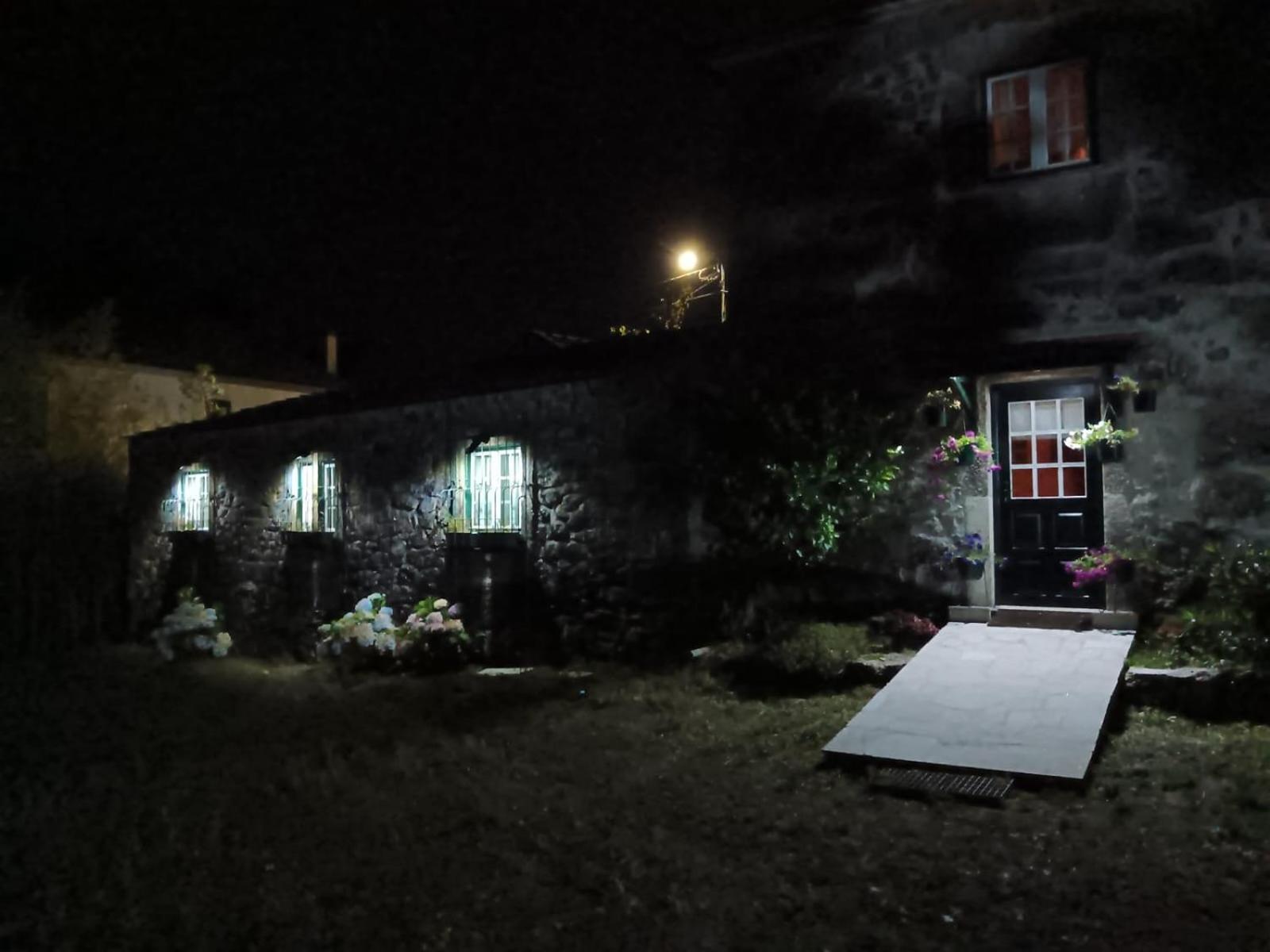
QUINTA DO CAMBEIRO
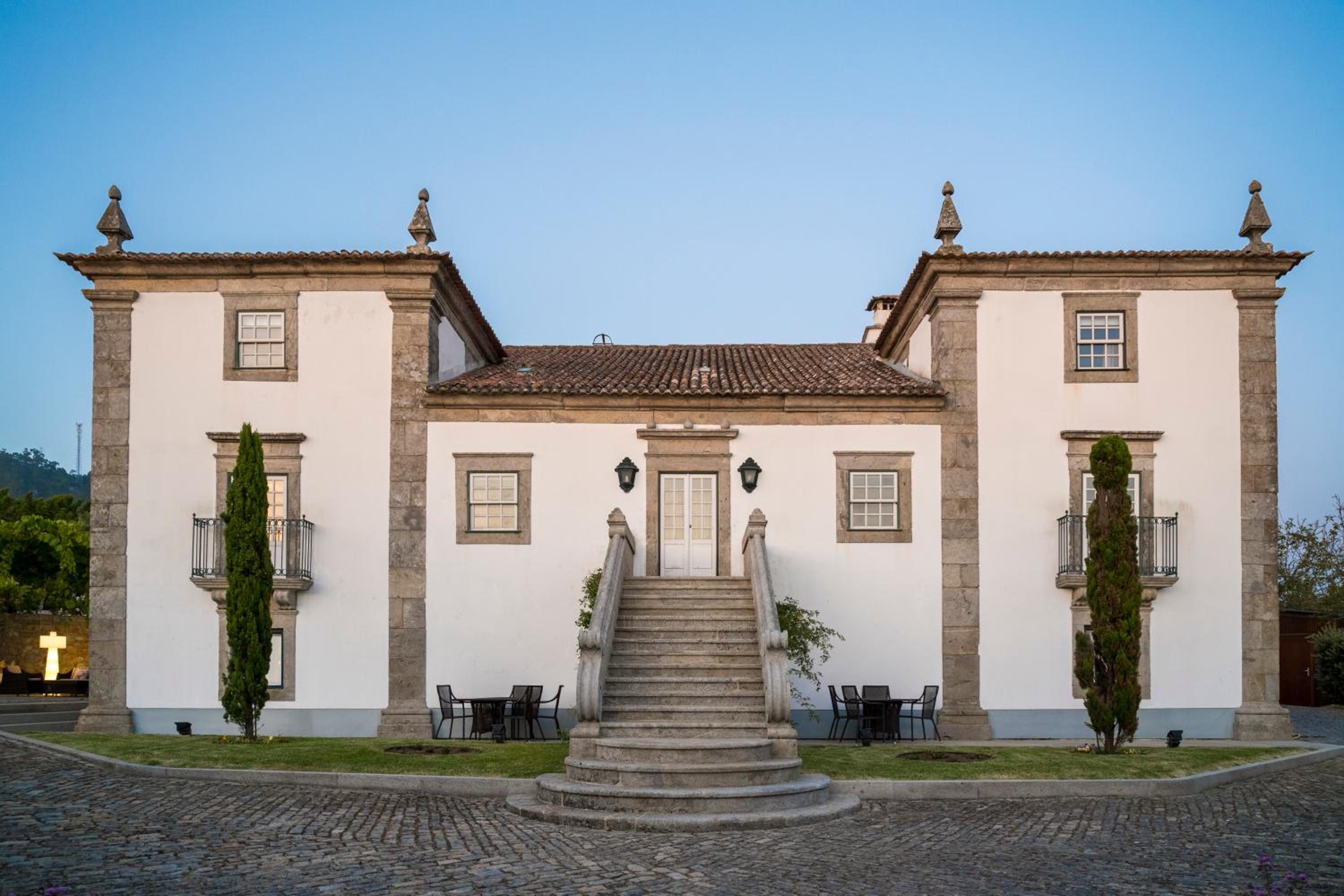
Quinta do Monteverde
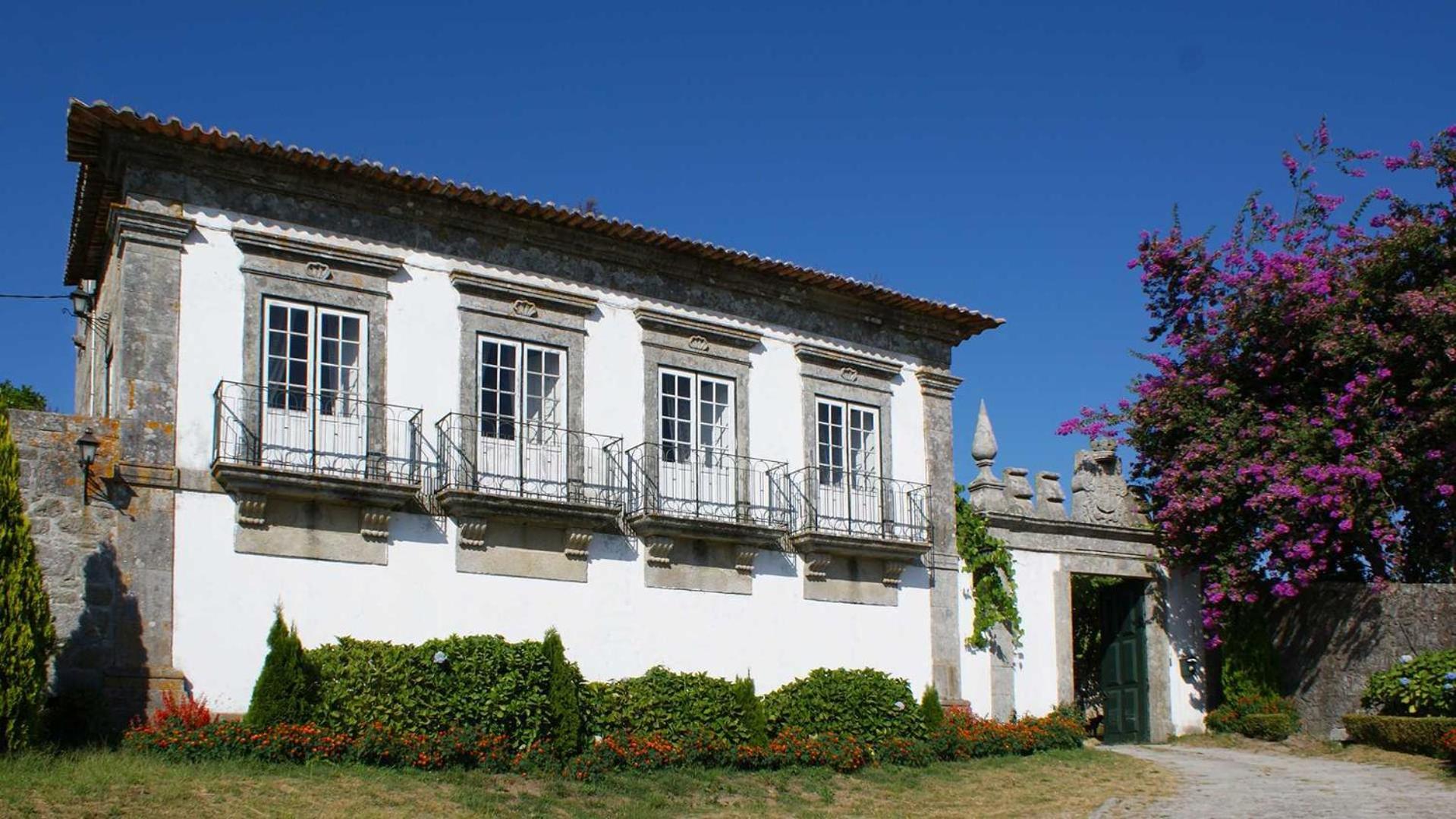
Quinta do Paco d'Anha
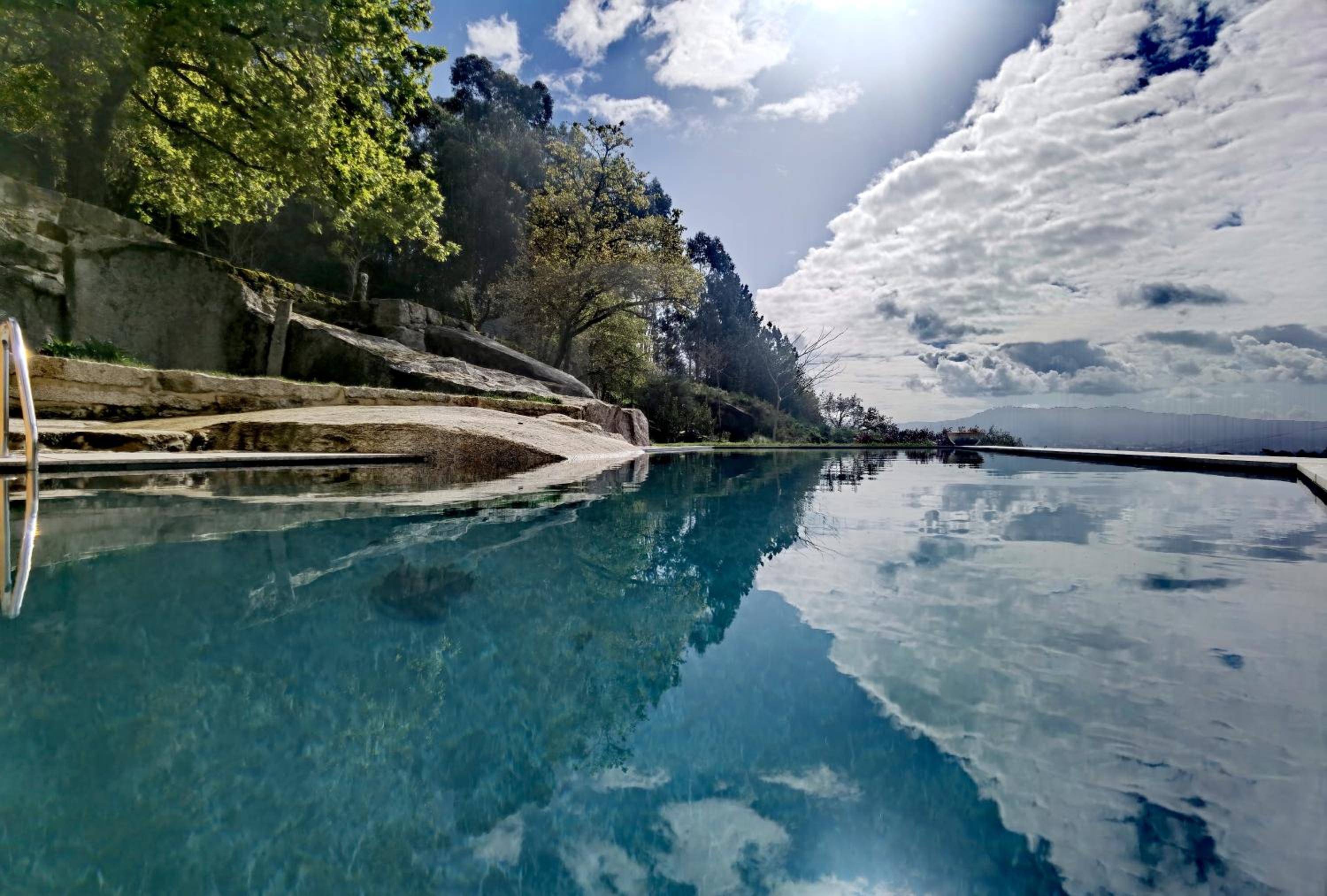
Quinta do Penedo Real
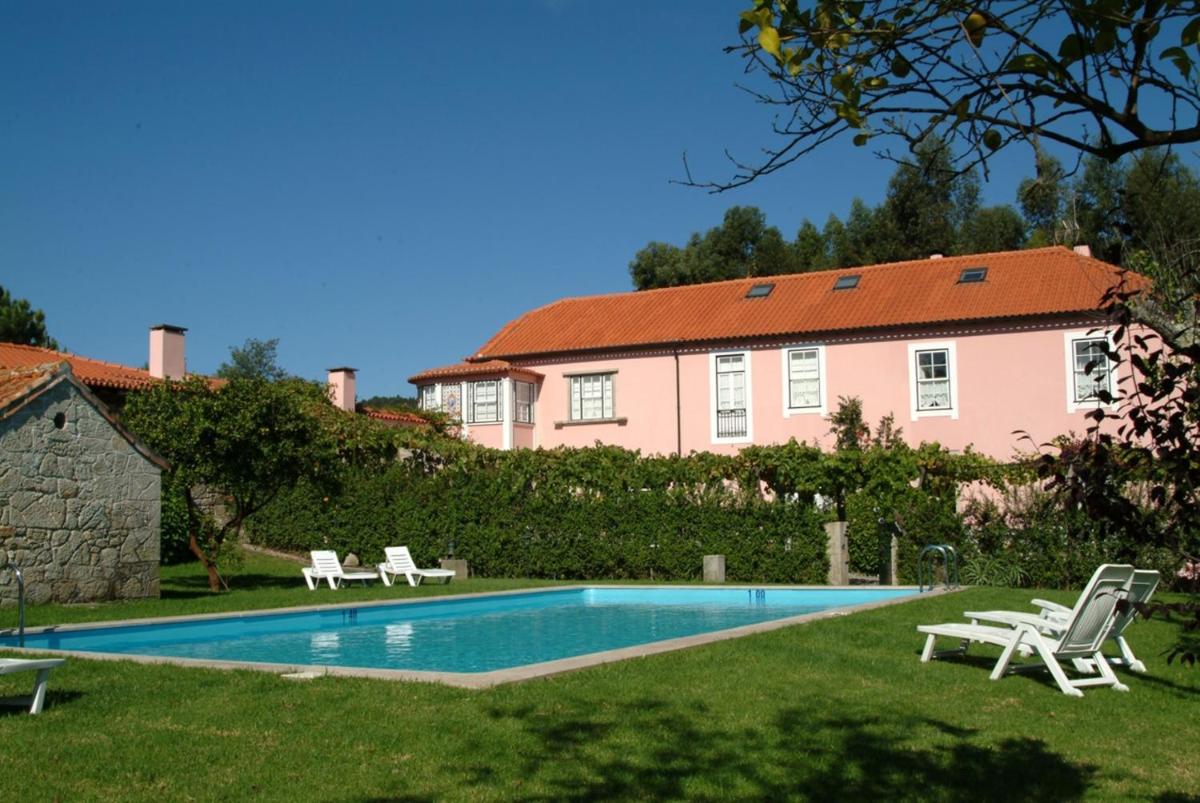
Quinta do Vale do Monte
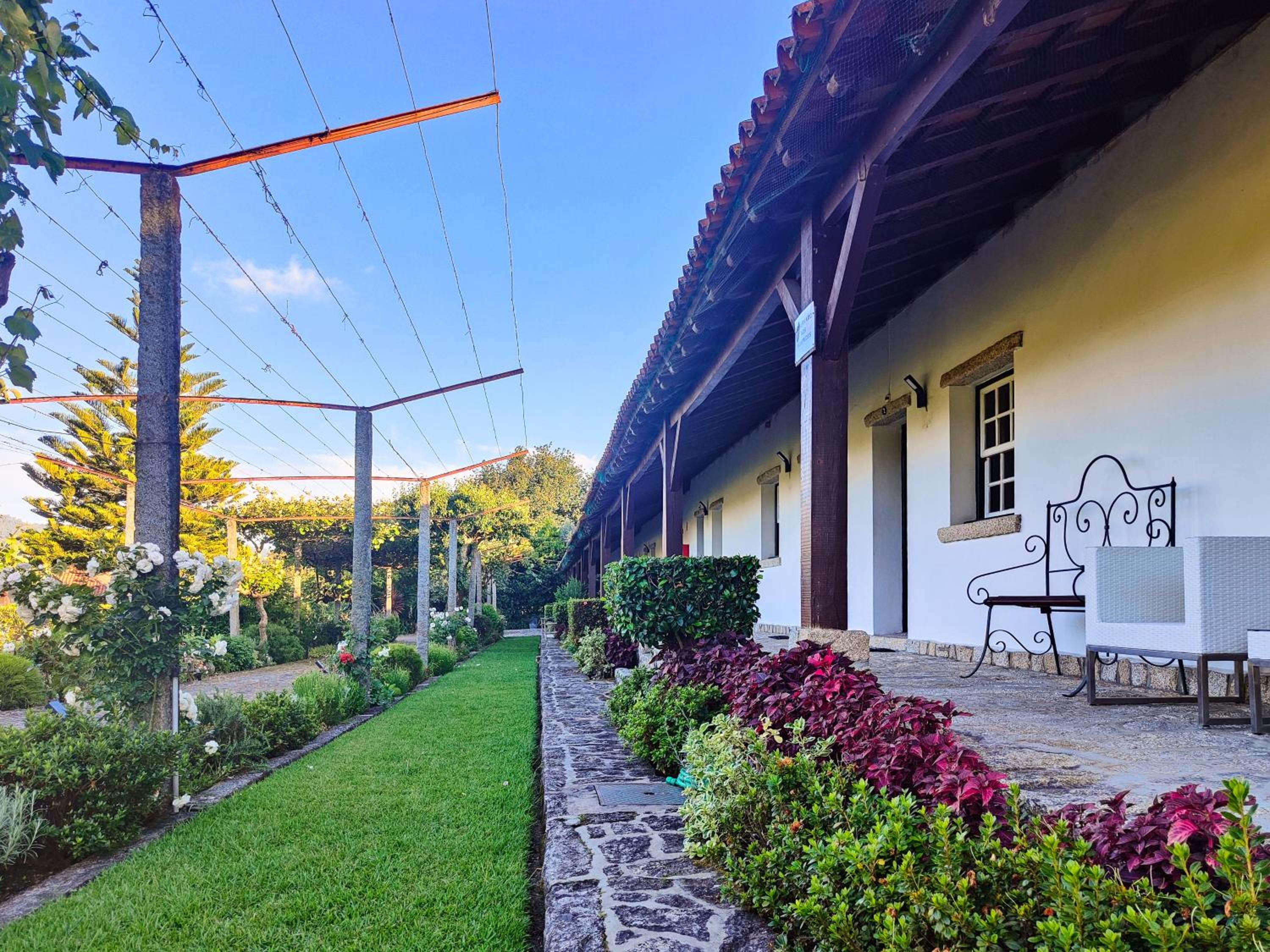
Quinta Dom Sapo - Agroturismo
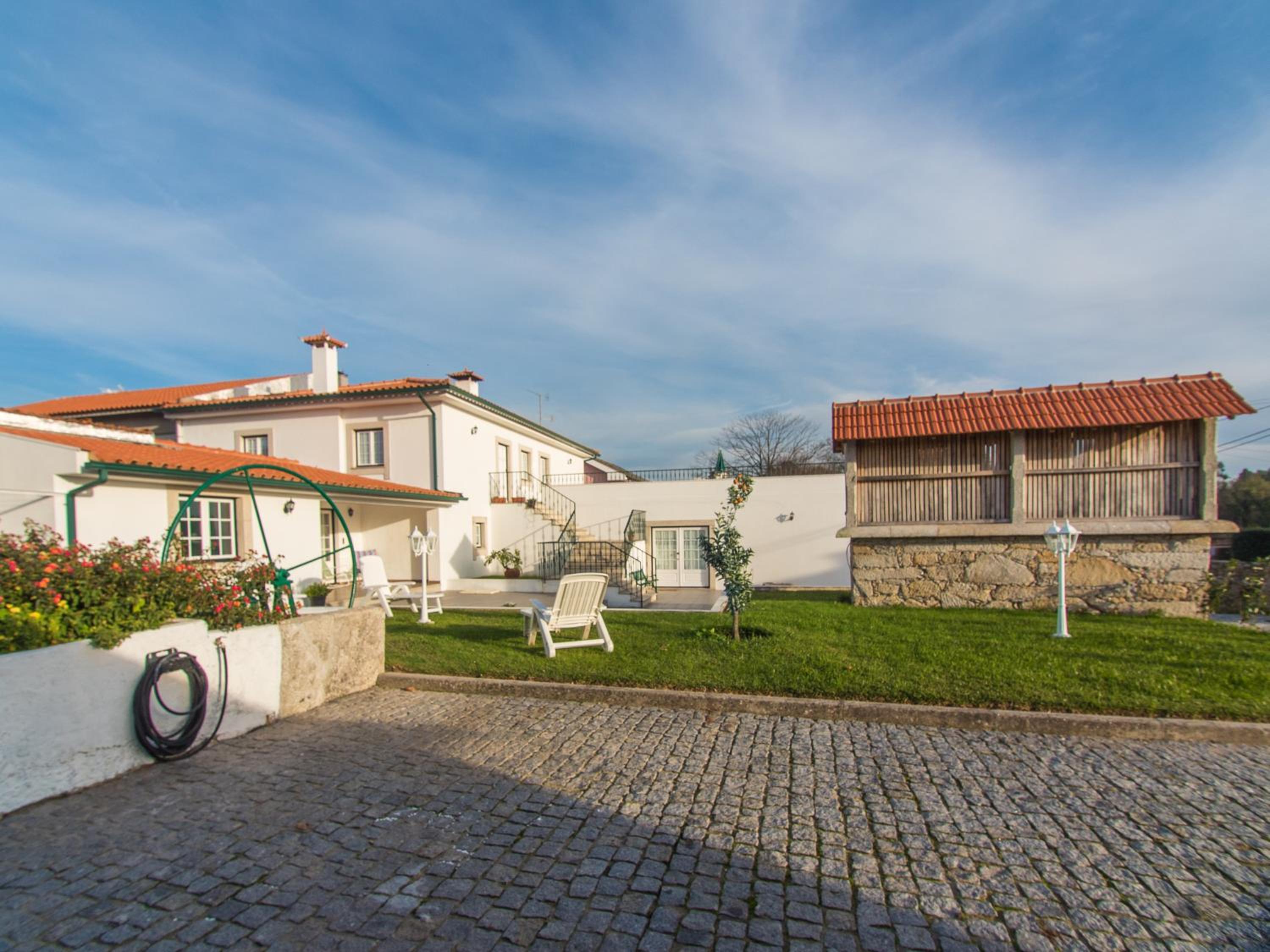
Quinta dos Avós
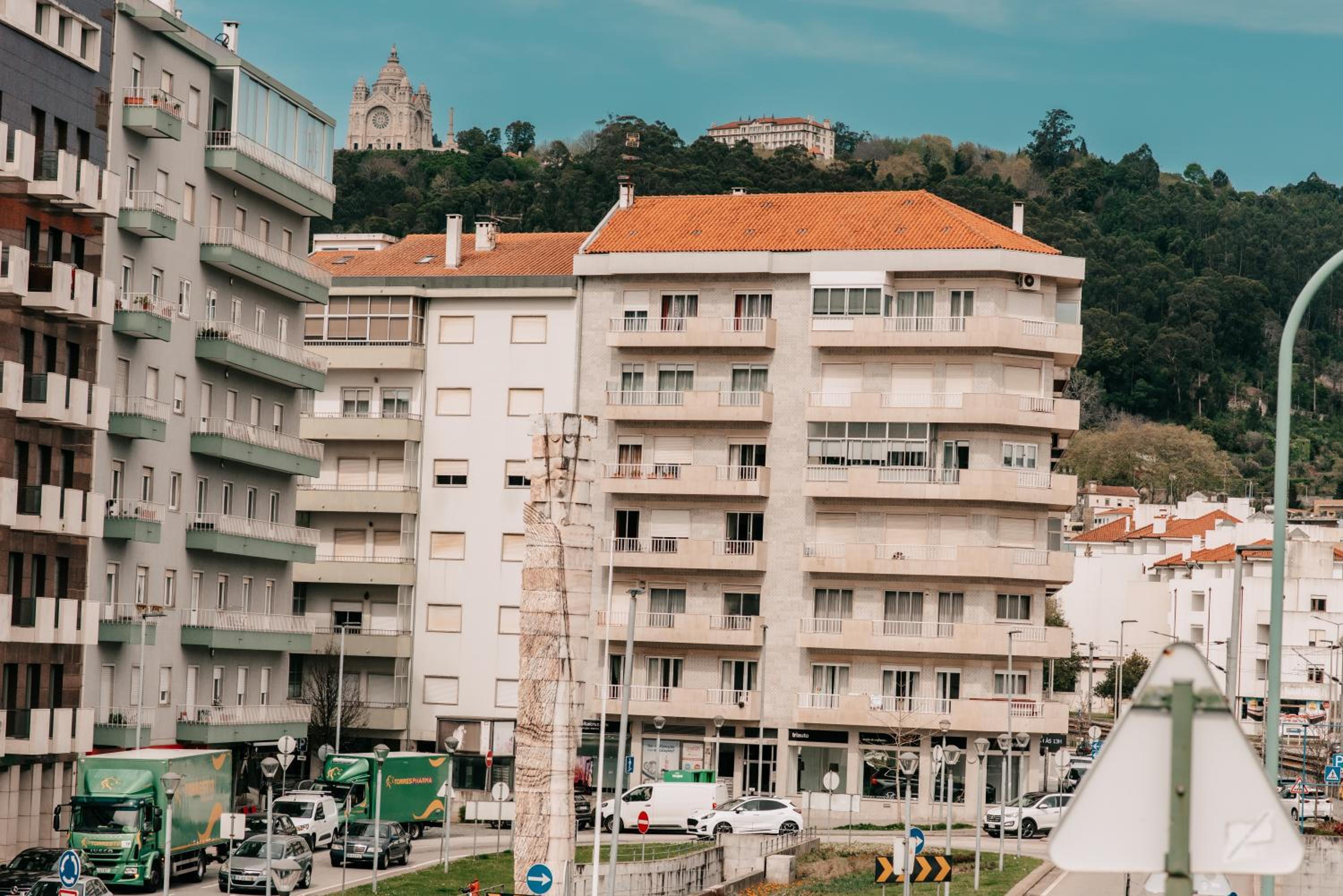
RACIA Lodges - Apartment
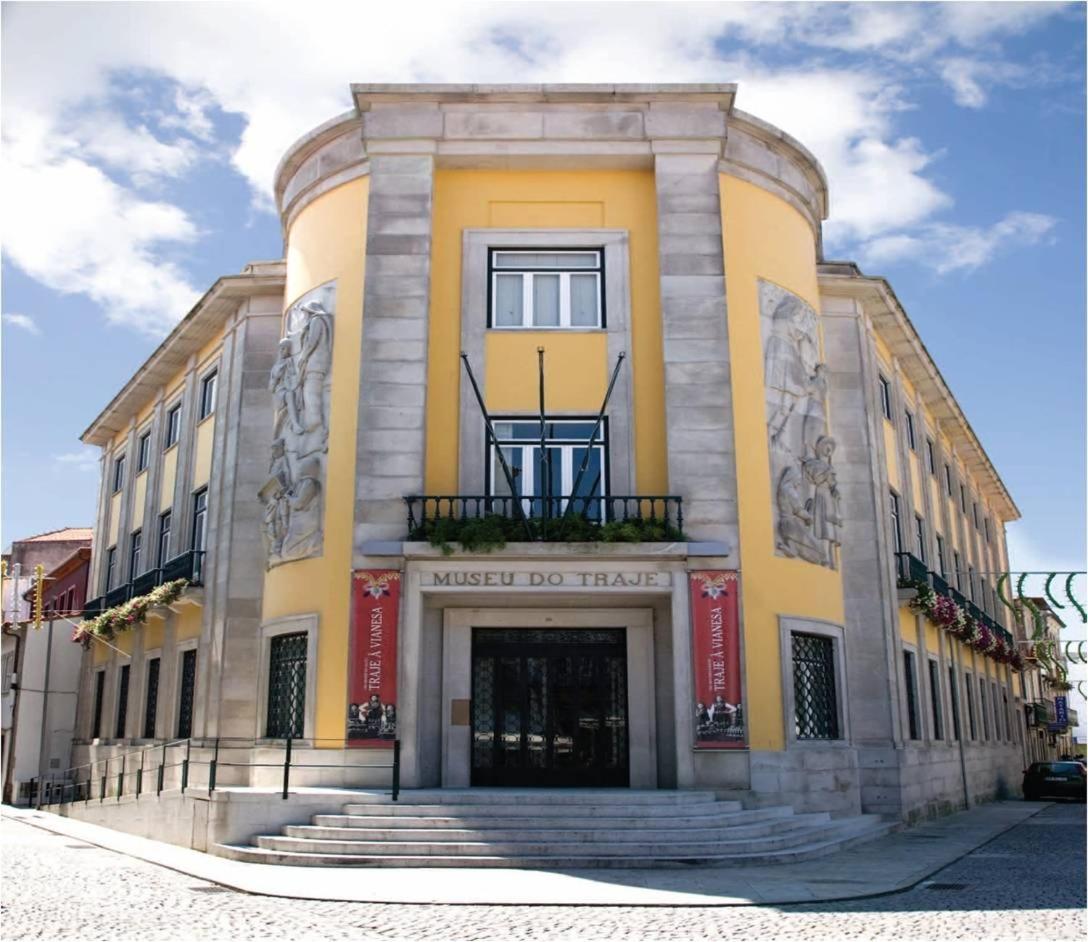
RR Residence
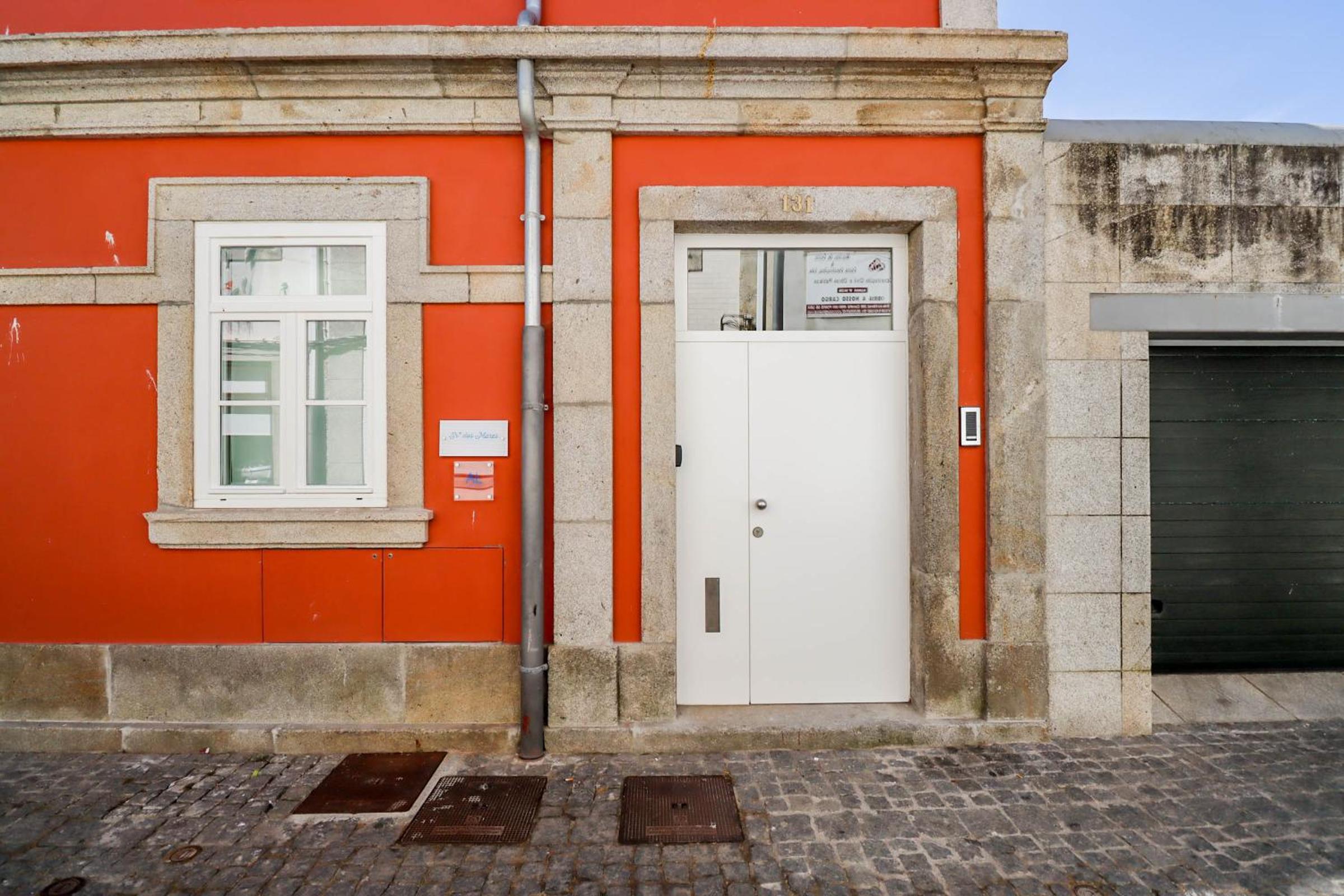
Senhora dos Mares - Apartment in Ribeira
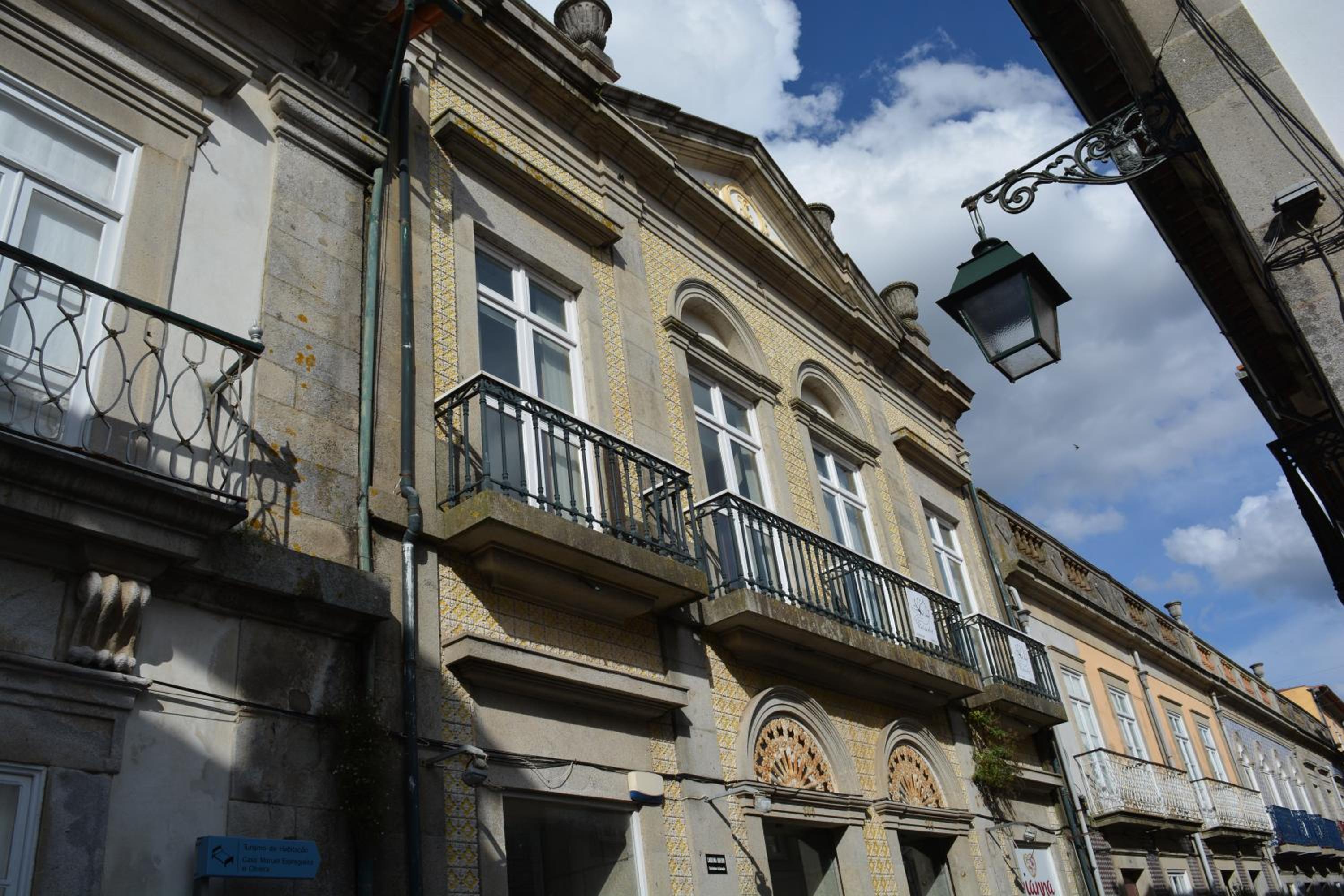
Spacious Apt. at Viana's Top Location
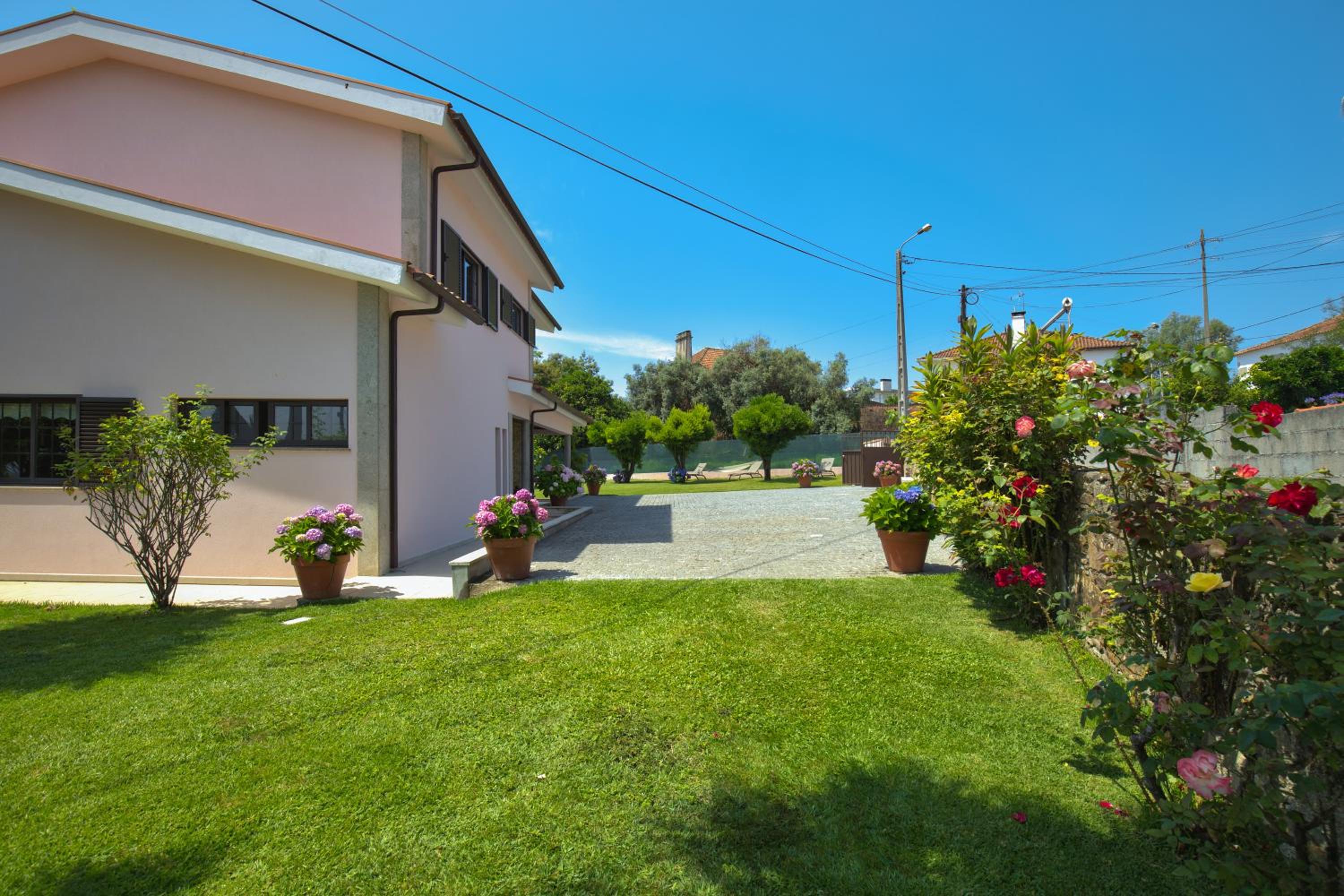
Suite em Viana do Castelo
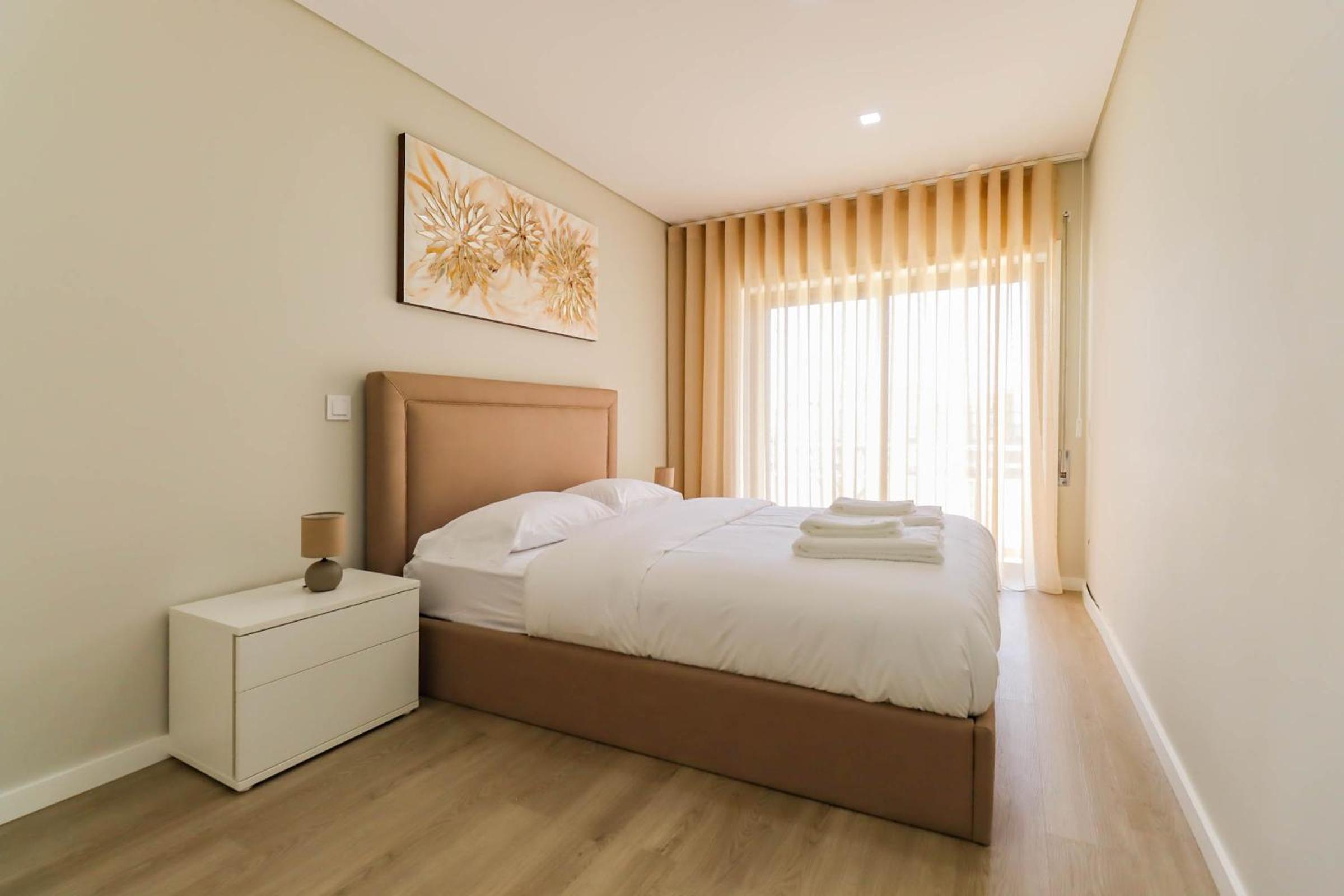
Sunshine Apartment - Modern Ap Near the Beach
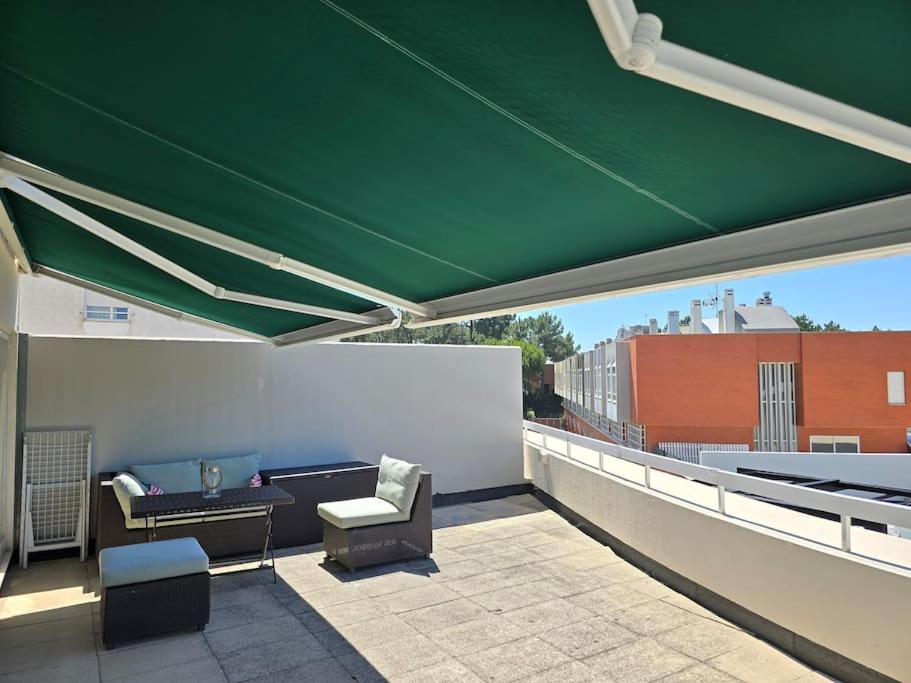
Viana beach apartment
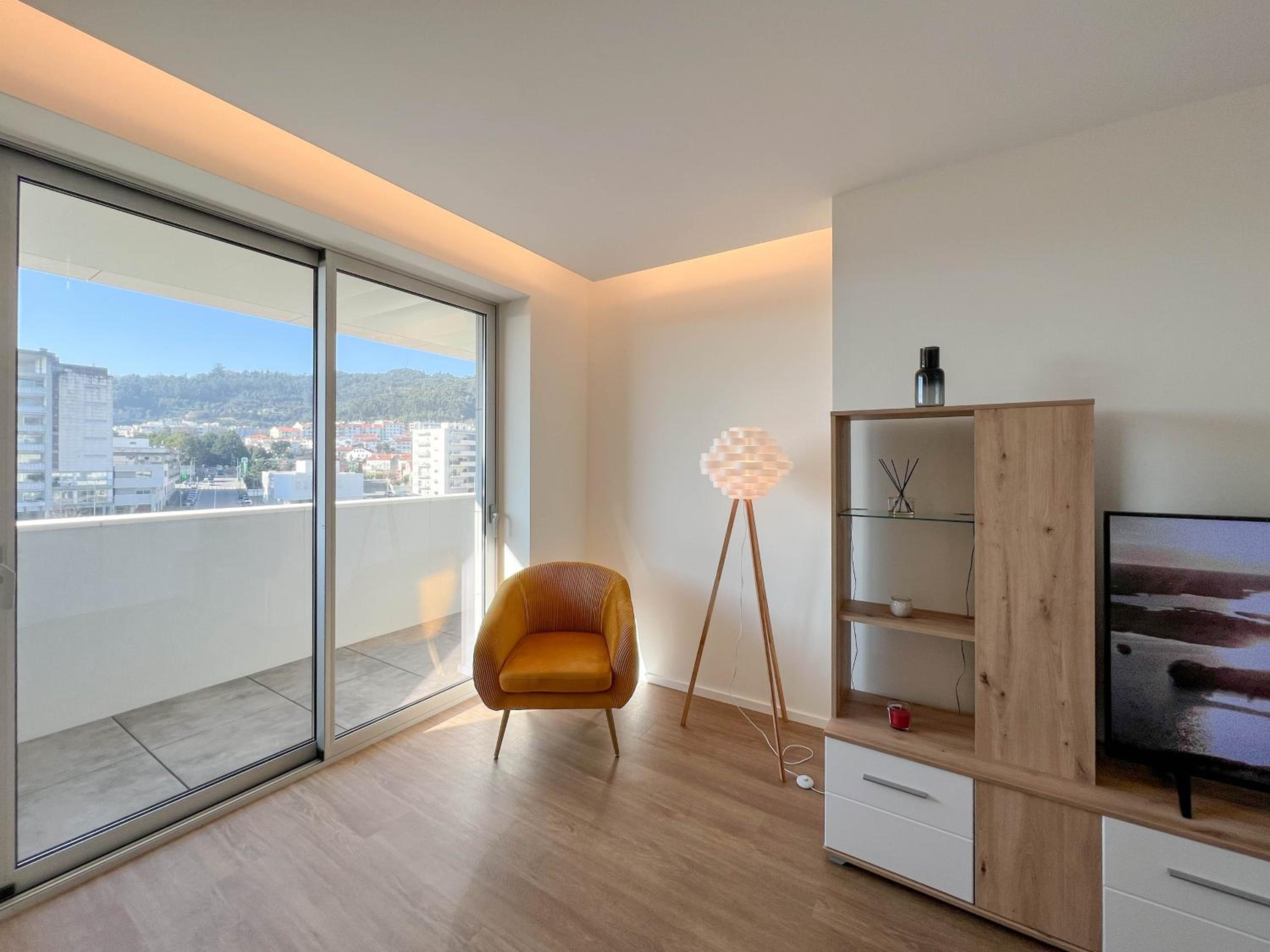
Viana Urban Glamour
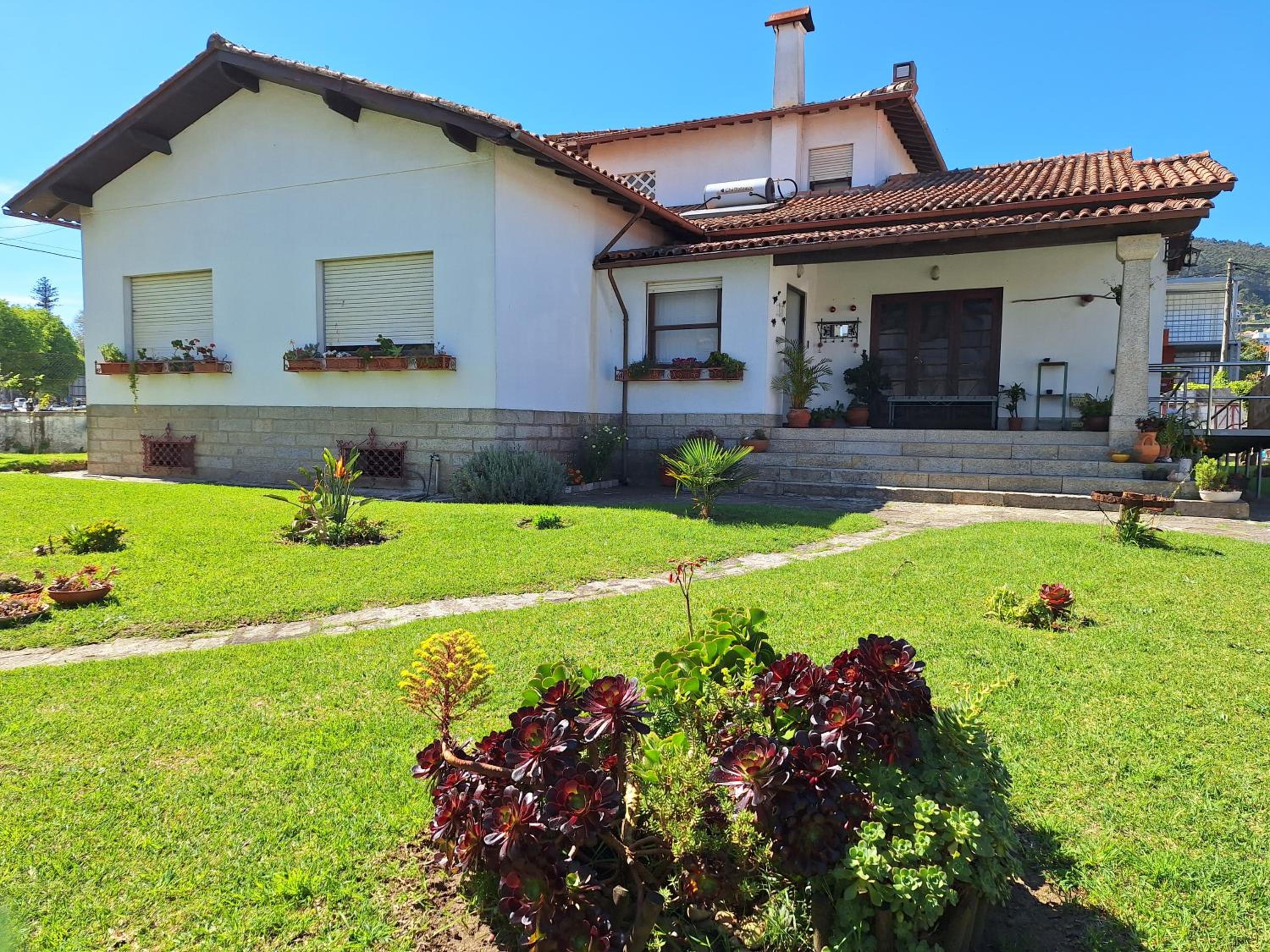
Villa Margarida
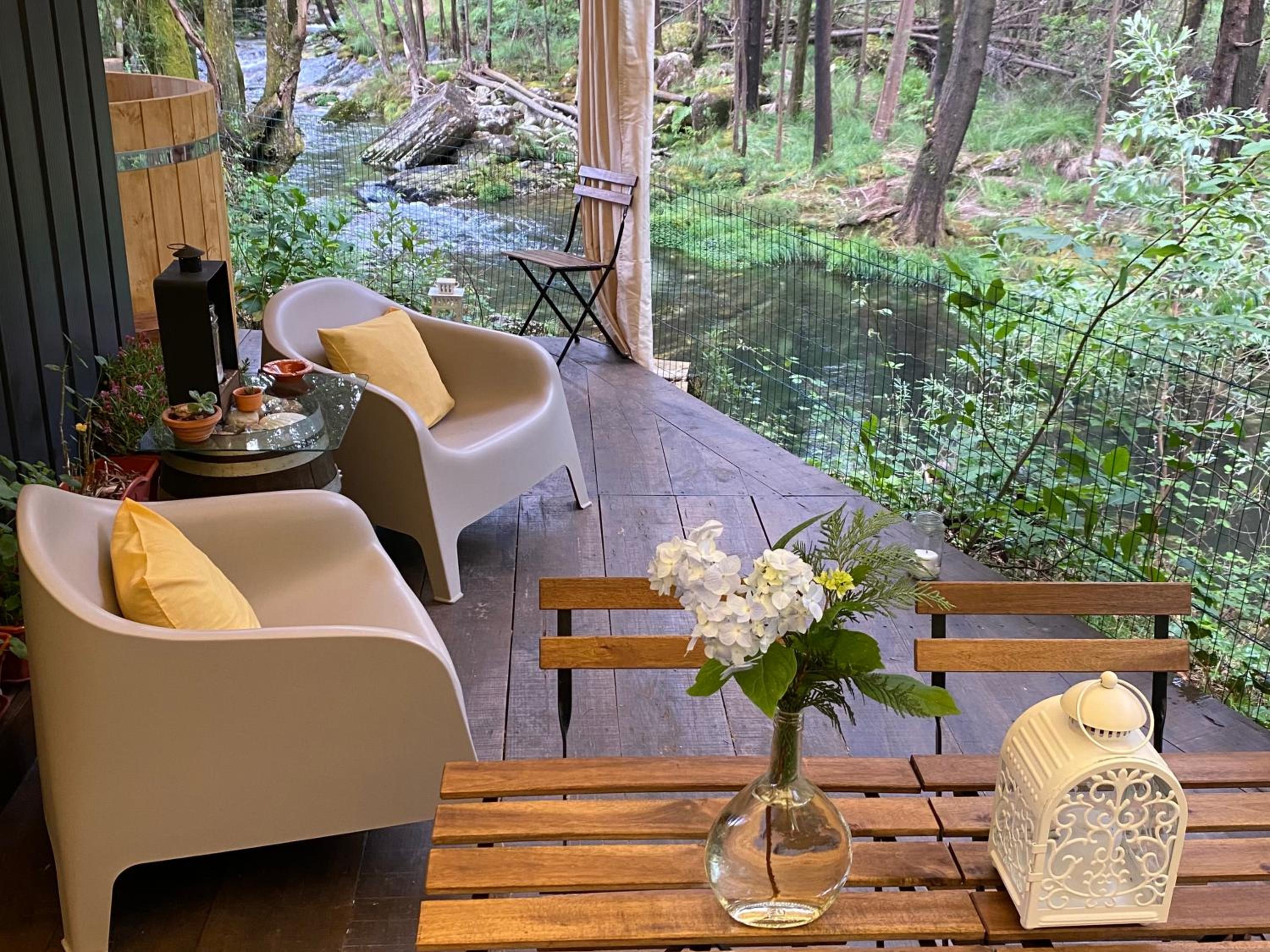
Wild Glamping Portugal com jacuzzi privado relax by Serra de Arga waterfalls, Viana do Castelo
Start your adventure
Ready to walk this stage?
We design your personalised Camino de Santiago experience.
Plan your Camino