
Complete Guide to Way to Finisterre and Muxía
Lives the epilogue of the Camino: the route to Fisterra and Muxía from Santiago. Discover the Costa da Morte, the "end of the world" pagan, and spirituality by the Atlantic Ocean.
Last updated: 28/03/2026
Table of Contents
Technical Summary of Way to Finisterre and Muxía
89 km
Distance
3
days
4
Stages
Media
Difficulty
94 accommodations available on the route
Introduction to Way to Finisterre and Muxía
All Stages of Way to Finisterre and Muxía
Complete route divided into 4 stages
Santiago de Compostela to Negreira
This 21-kilometer stage marks the beginning of the epilogue of the Camino for many pilgrims. Leaving the Praza do Obradoiro, the route moves away from Santiago and enters rural Galicia. The profile is...
Negreira to Olveiroa
This is one of the longest and most solitary stages of the Way to Finisterre, covering 33 kilometers that traverse an interior Galicia, a deserted and beautiful region. The route is demanding, with a ...
Olivera in Cee
This 19-kilometer stage marks the exciting encounter of the pilgrim with the Atlantic Ocean. The journey begins with a gentle ride across the plateau, but soon starts a long and spectacular descent to...
See the End of the World
The last stage to "The End of the Earth". This 16 km short walk is a spectacular coastal stroll that borders Corcubión Bay. The path passes through the beautiful Langosteira beach, a two-kilometer lon...
Key Towns of Way to Finisterre and Muxía
The most important towns and cities on this route.
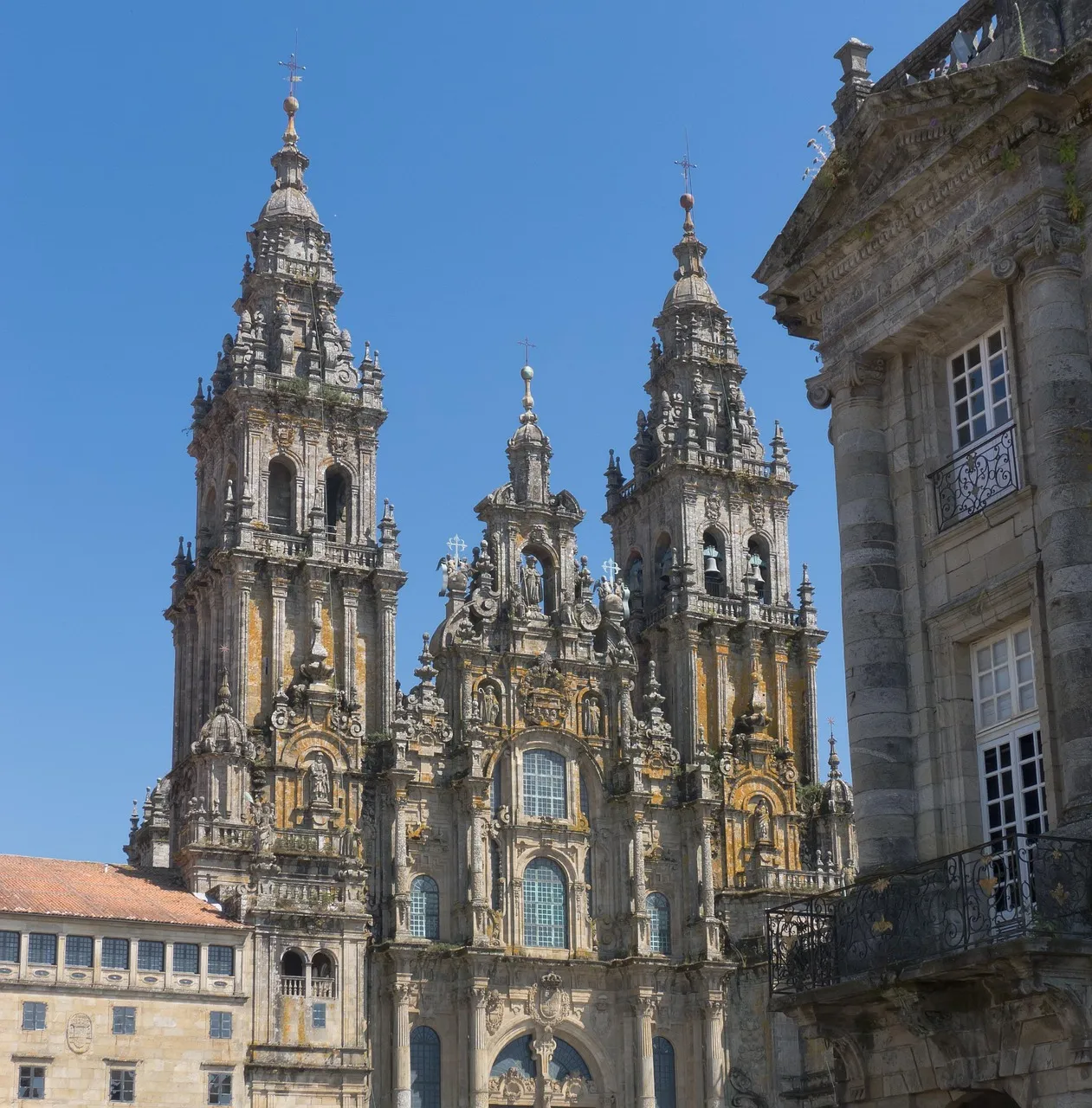
Santiago de Compostela
The Final and Spiritual Heart of the Way of St. James. Its majestic Cathedral and Plaza del Obradoiro welcome pilgrims from all over the world in a full of emotion finale.
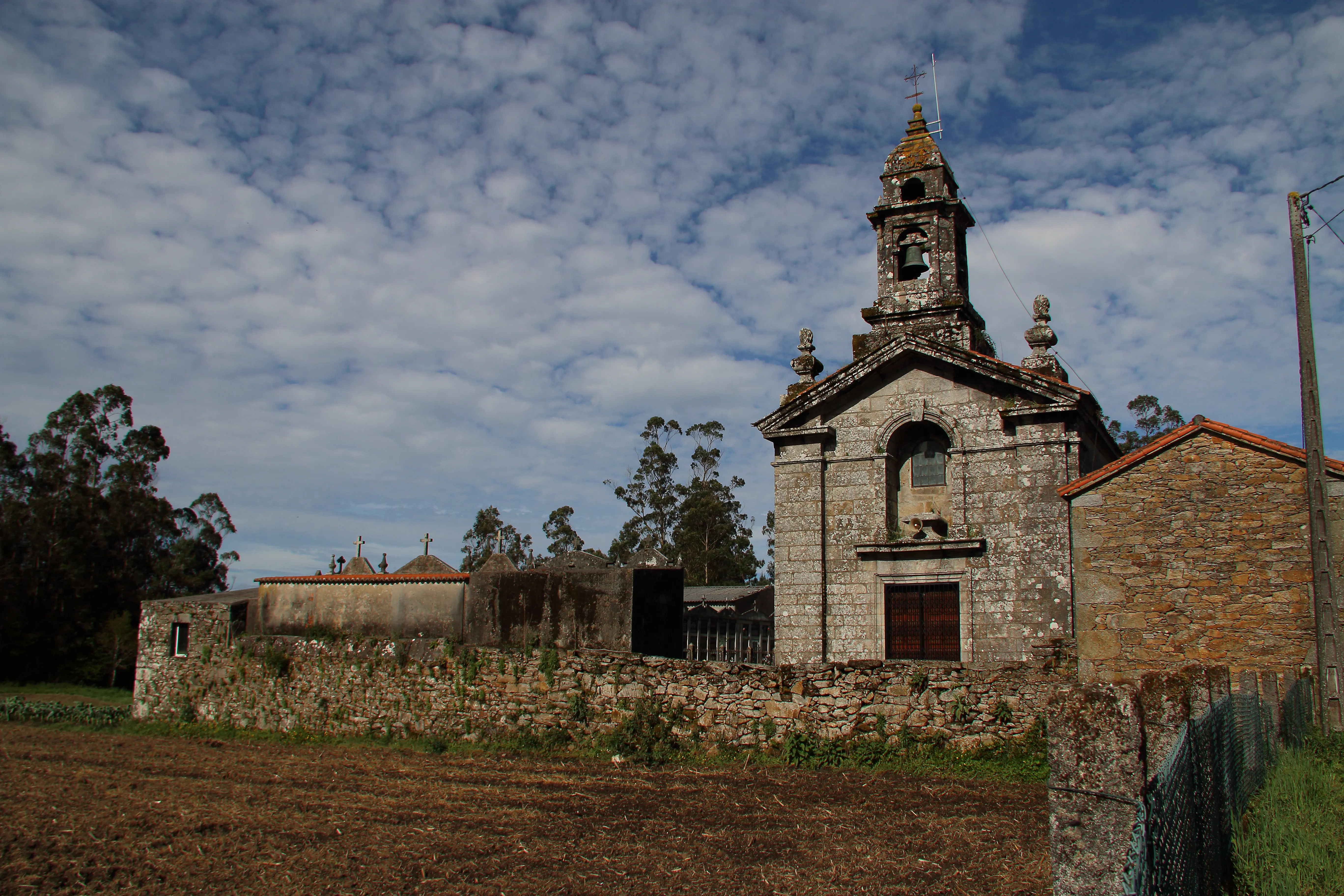
Negreira
The Coruña villa and the end of traditional route to Fisterra. Negreira, with its Pazo do Cotón and medieval bridge, is the most magical and legendary entrance to Galicia.
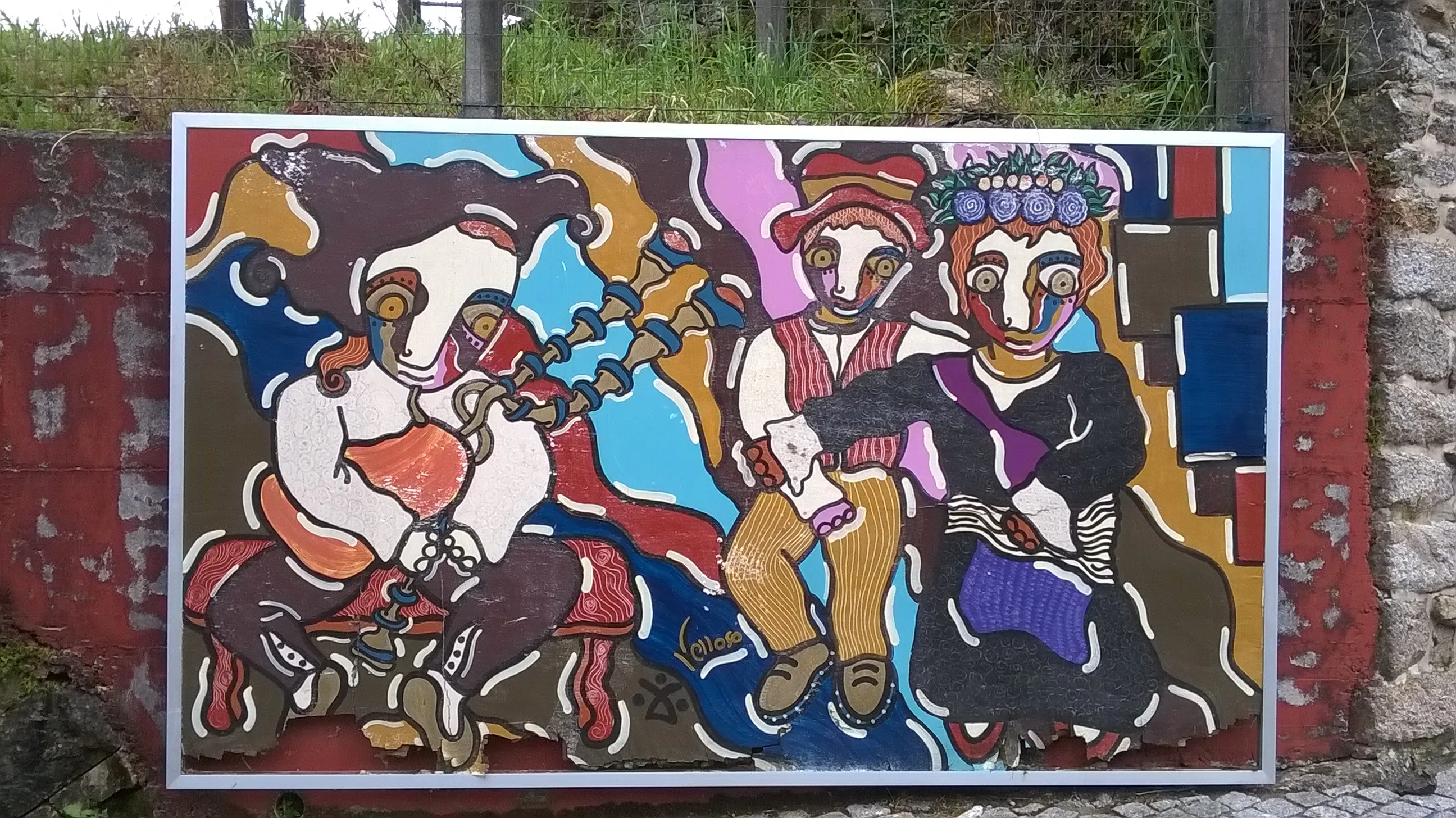
Olveiroa
Stone village with exceptional rural charm on the Way to Fisterra. Olveiroa is an example of recovery and hospitality, an oasis of peace before seeing the sea.
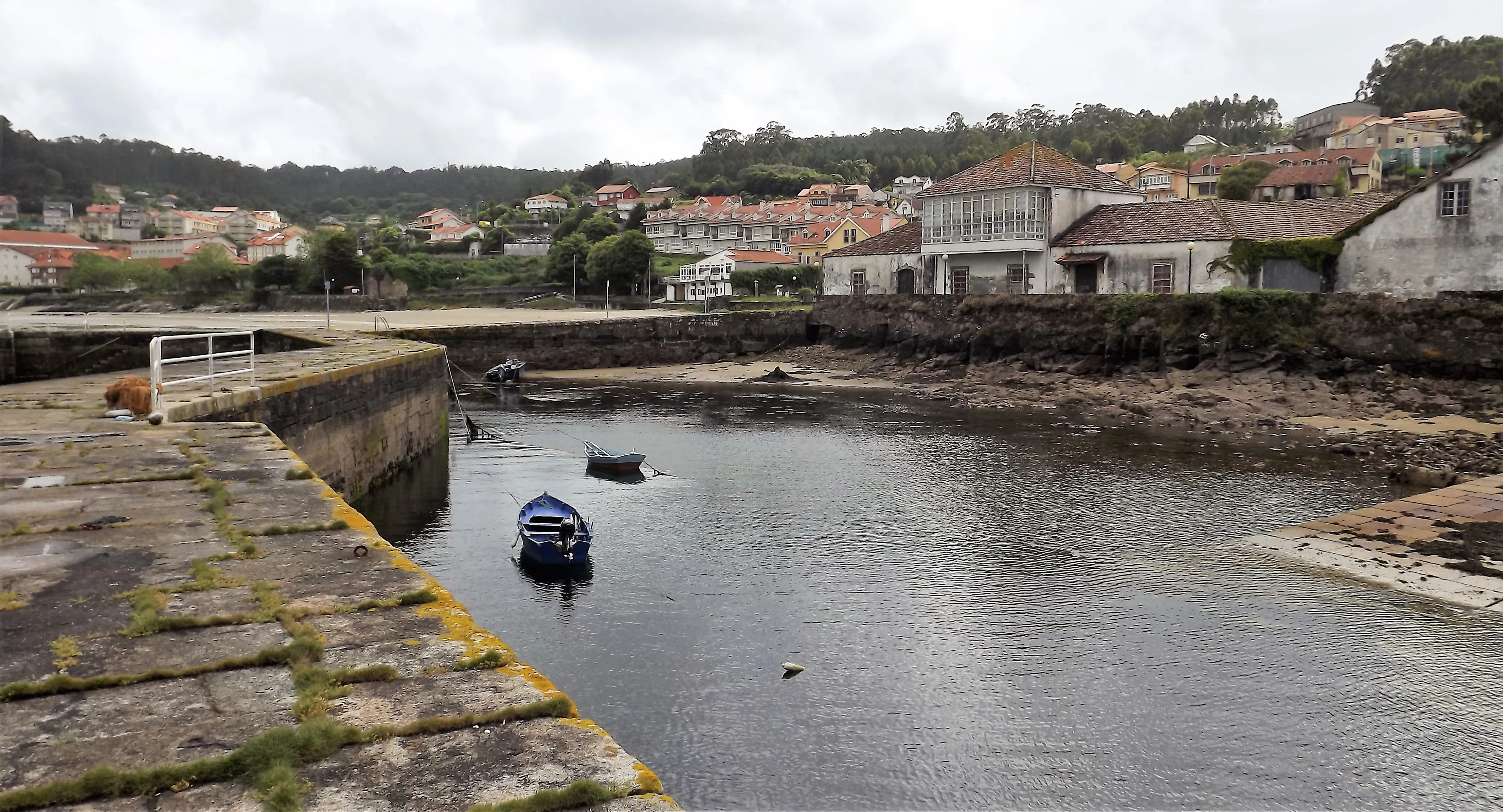
Cee
Important marina and service center on the Costa da Morte. Cee is a strategic stop on the Way to Fisterra, offering pilgrims an lively atmosphere and views of the estuary.
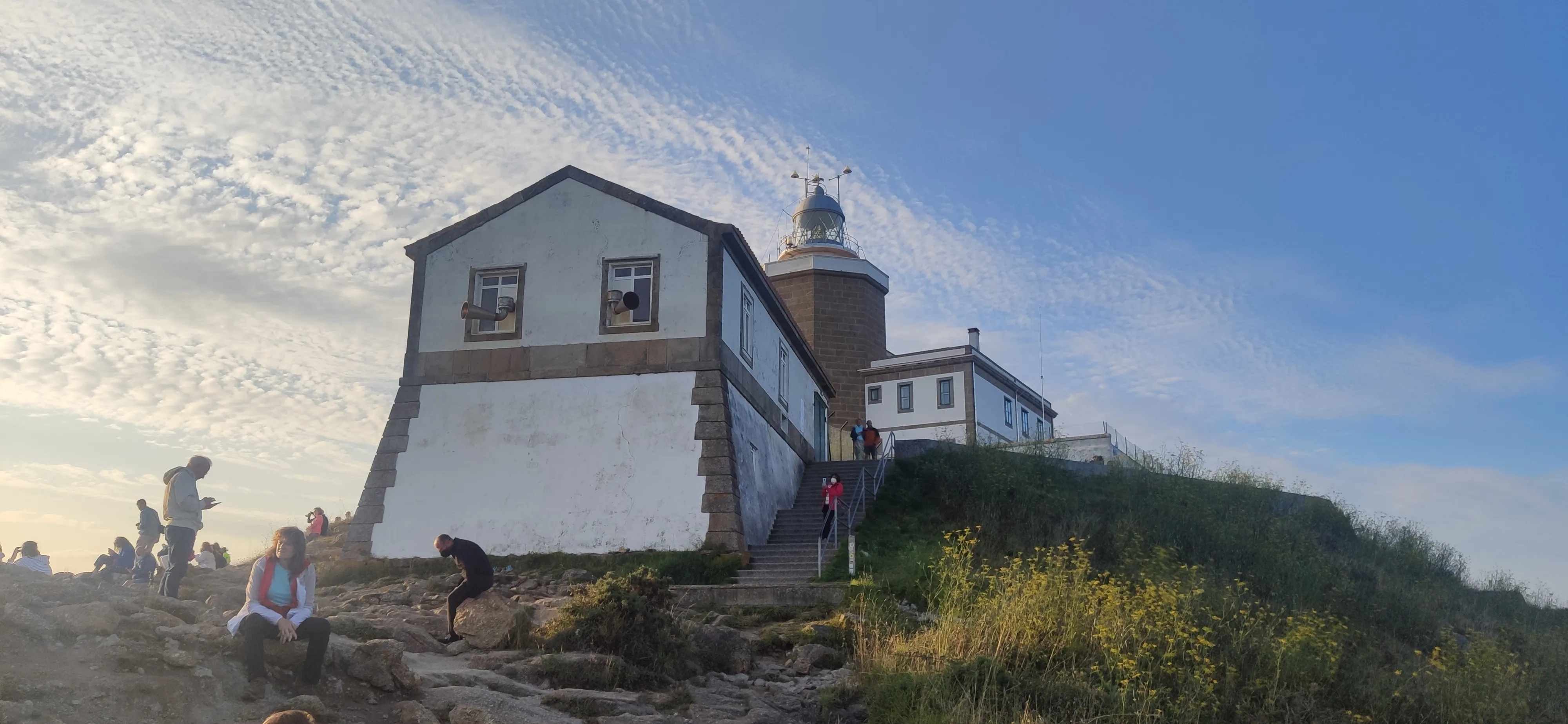
Finisterre
The "End of the World" for the ancient ones and the Epilogue of the Journey for many pilgrims. His lighthouse and sunset over the Atlantic is the final ritual of the journey.
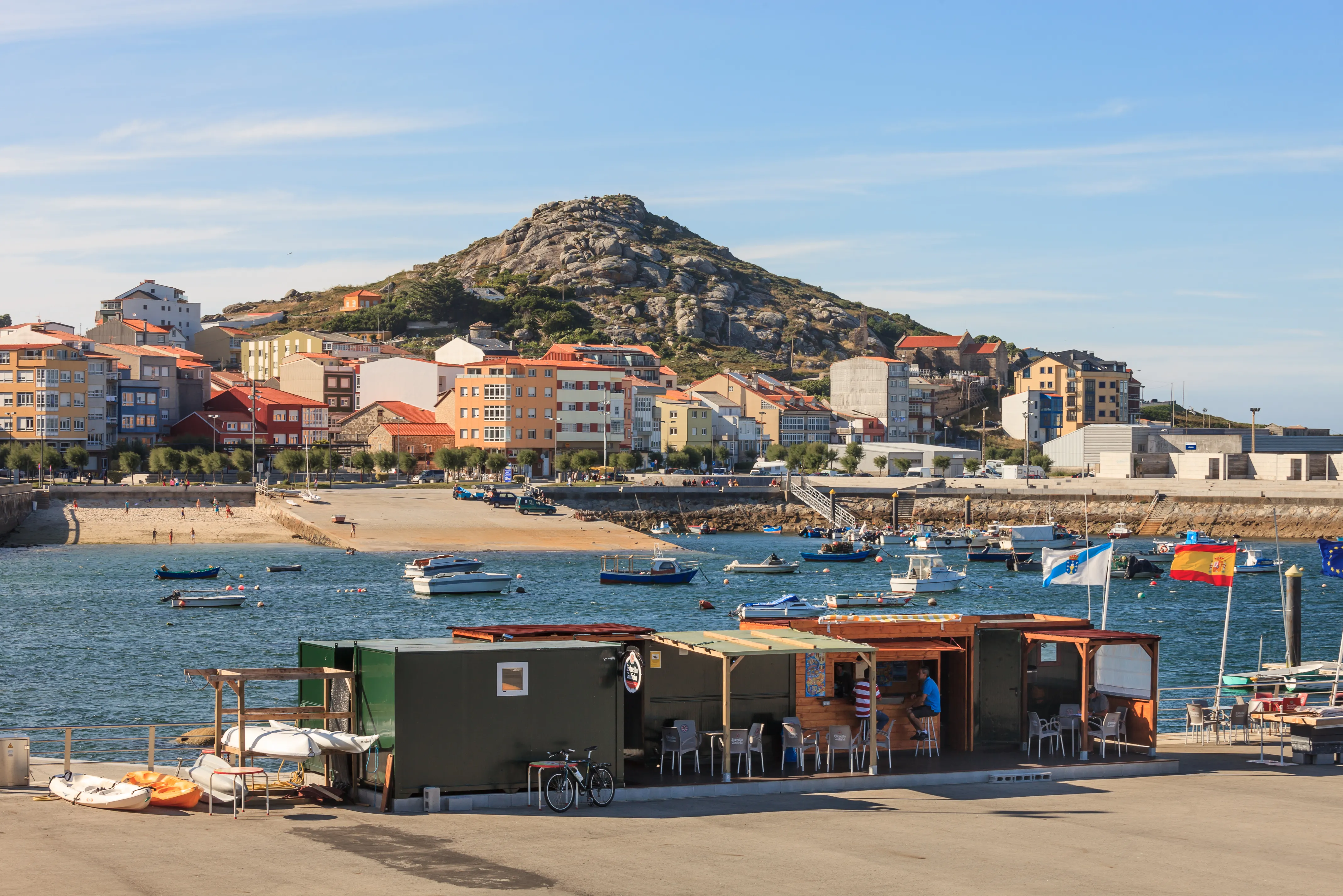
Muxía
Maritime village of Costa da Morte and the end of the Way. Its Sanctuary of Our Lady of the Boat, alongside rocks and sea, is a place of legends and spirituality.
History of Way to Finisterre and Muxía
Before the arrival of Christianity and the cult of St. James, the promontory that is now known as Fisterra (meaning "End of the Earth" in Latin) was considered by Celtic and Roman peoples to be the end of the known world. It was a magical and sacred place where every evening the sun would dramatically sink into the ocean's waters, symbolizing the transition between the world of the living and the afterlife. It is believed that there existed an "Ara Solis" (Solar Altar) in this location, where ancient tribes celebrated rituals of fertility and divination. This earthy and spiritual magnetism infused the region with a mystical aura that Christianism could not ignore.
With the rise of pilgrimages to Santiago from the 9th century onwards, many pilgrims felt that their journey was incomplete after embracing St. James in Compostela. The need to continue towards the ocean, to reach the true physical and symbolic end of their journey, became a powerful call. This additional journey was loaded with new Christian symbolism: it was an act of final purification, a stripping away of the "old man" to be reborn as a new person after the transformative experience of the Way. Seeing the sun set over the sea was reinterpreted as a metaphor for Christ's death and resurrection, and that of the pilgrim themselves. The Calixtine Codex, in the 12th century, echoes these distant lands, demonstrating that extending the pilgrimage was a known and widespread practice in the Middle Ages.
The route to "the end of the world" was enriched with the inclusion of a second destination: Muxía. If Fisterra represented the pagan and solar end of the world, Muxía brought a purely Christian and marine legend. Tradition tells that the Virgin Mary arrived at this coast on a stone boat to give encouragement to St. James during his preaching in Hispania. The rocks surrounding the current Sanctuary of Virxe da Barca (the Virgin's Boat) are considered the remains of this miraculous vessel, and are objects of healing rituals that likely also Christianized ancient pagan traditions.
The existence of these two poles of attraction, Fisterra and Muxía, consolidated a double-ended epilogue, allowing pilgrims to draw a circular itinerary from Santiago. For centuries, this extension was an spontaneous route, followed by intuition and oral tradition. It wasn't until the late 20th century that it was signposted and recognized officially, providing it with a network of hostels and services.
Today, The Way of Fisterra and Muxía is one of the most profound experiences offered by pilgrimage. Ancestral rituals continue in the actions of modern pilgrims: burning clothes or worn-out shoes, collecting shells on Langosteira beach, taking a purifying bath in the ocean, and above all, sitting in silence over the rocks to contemplate the majestic sunset. It is the true end point, a moment of introspection and communion with nature that closes the circle of a journey that begins inside and ends in the vastness of the Atlantic.
Accommodations on the Route
The Way to Finisterre and Muxía has 94 verified accommodations along the entire route.
View Stages & AccommodationsPractical Tips for Way to Finisterre and Muxía
Best Season
Spring (April-June) and autumn (September-October) are the best seasons. Pleasant temperatures and fewer crowds than summer.
Physical Preparation
Train by walking progressively in the months before. Start with short distances and increase. Your body will adapt to the rhythm of the Camino.
What to Pack
Light backpack (max 10% of your weight), worn trekking shoes, breathable technical clothing, raincoat, sunscreen and basic first aid kit.
General Tips
Carry the pilgrim credential, stay hydrated, respect your pace, book accommodation in high season and enjoy the journey without rushing.
FAQ about Way to Finisterre and Muxía
No, la Compostela solo se otorga por llegar a Santiago. Sin embargo, al completar el Camino a Finisterre se puede obtener la "Fisterrana" y al llegar a Muxía la "Muxiana", certificados oficiales expedidos en cada localidad.
Lo habitual es hacer este camino después de llegar a Santiago de Compostela, como extensión del peregrinaje. Los peregrinos medievales continuaban hasta el "fin del mundo" (Finisterre) donde creían que acababa la tierra conocida.
El Camino desde Santiago a Finisterre son unos 87 km que se recorren en 3-4 etapas. Si se continúa hasta Muxía son unos 30 km más (1-2 etapas adicionales). También se puede hacer la ruta circular Finisterre-Muxía o viceversa.
Finisterre es el fin del mundo para los peregrinos medievales. Hay que visitar el Cabo Fisterra con su faro, el kilómetro 0 del Camino, la Iglesia de Santa María das Areas y la playa de Langosteira. Muchos peregrinos queman su ropa o botas como ritual de paso.
Sí, hay autobuses regulares de la empresa Monbus entre Santiago de Compostela y Finisterre (y Muxía) varias veces al día. El trayecto dura aproximadamente 2 horas. Esta opción es útil para volver desde Finisterre o Muxía a Santiago tras completar el camino.
La Fisterrana es el certificado oficial que se entrega en la Oficina del Peregrino de Finisterre al completar los 87 km desde Santiago hasta Fisterra. La Muxiana se obtiene en la Oficina de Muxía al llegar a ese pueblo. Ambos son gratuitos y complementan la Compostela.
Sí, el Camino a Finisterre es apto para bicicleta. El terreno es suave con alguna subida en la zona de la Costa da Morte. En bici se puede completar en 1-2 días desde Santiago. La señalización es buena y el tráfico en los tramos de asfalto es moderado.
Muxía es un pueblo marinero con un santuario mítico. Destaca el Santuario de la Virgen de la Barca sobre las rocas del mar, las piedras sagradas (pedra de Abalar y pedra dos Cadrís), el faro y el Cementerio de los Ingleses. El paisaje de la Costa da Morte es salvaje y espectacular.
Related Routes
Ready for this adventure?
Let us organize your pilgrimage. We take care of accommodations, transfers and everything you need.