
Complete Guide to Lebanon Way
Discover the Lebaniego Way, a pilgrimage route to the Monastery of Santo Toribio in Cantabria, home of the Holy Cross. A spiritual journey through the Picos de Europa mountains.
Last updated: 28/03/2026
Table of Contents
Technical Summary of Lebanon Way
72 km
Distance
3
days
3
Stages
Media
Difficulty
52 accommodations available on the route
Introduction to Lebanon Way
Although it does not lead directly to Santiago, many pilgrims undertake it as a pilgrimage in itself or as a precursor, connecting afterwards with the French Way through the Vadiniense Route. It is a moderately difficult path with great spirituality.
All Stages of Lebanon Way
Complete route divided into 3 stages
St. Vincent of the Harbour to Cades
This is the first stage of the Ruta Vadiniense, which connects the North Way with the Lebaniego and French ways. Leaving behind the beautiful maritime scene of San Vicente de la Barquera, the path ent...
Cades to Cabanes
This stage of the Lebaniego Way is a mountain day that ventures into the Hermida Gorge, one of the longest ravines in the Peninsula. The route is spectacular, with sections that run along suspended pa...
Cabanes near Santo Toribio de Liébana
The last stage of the Lebaniego Way is a short and exciting journey that culminates at a holy place. The journey is an enjoyable stroll through Liébana Valley, with the Picos de Europa as the backdrop...
Key Towns of Lebanon Way
The most important towns and cities on this route.
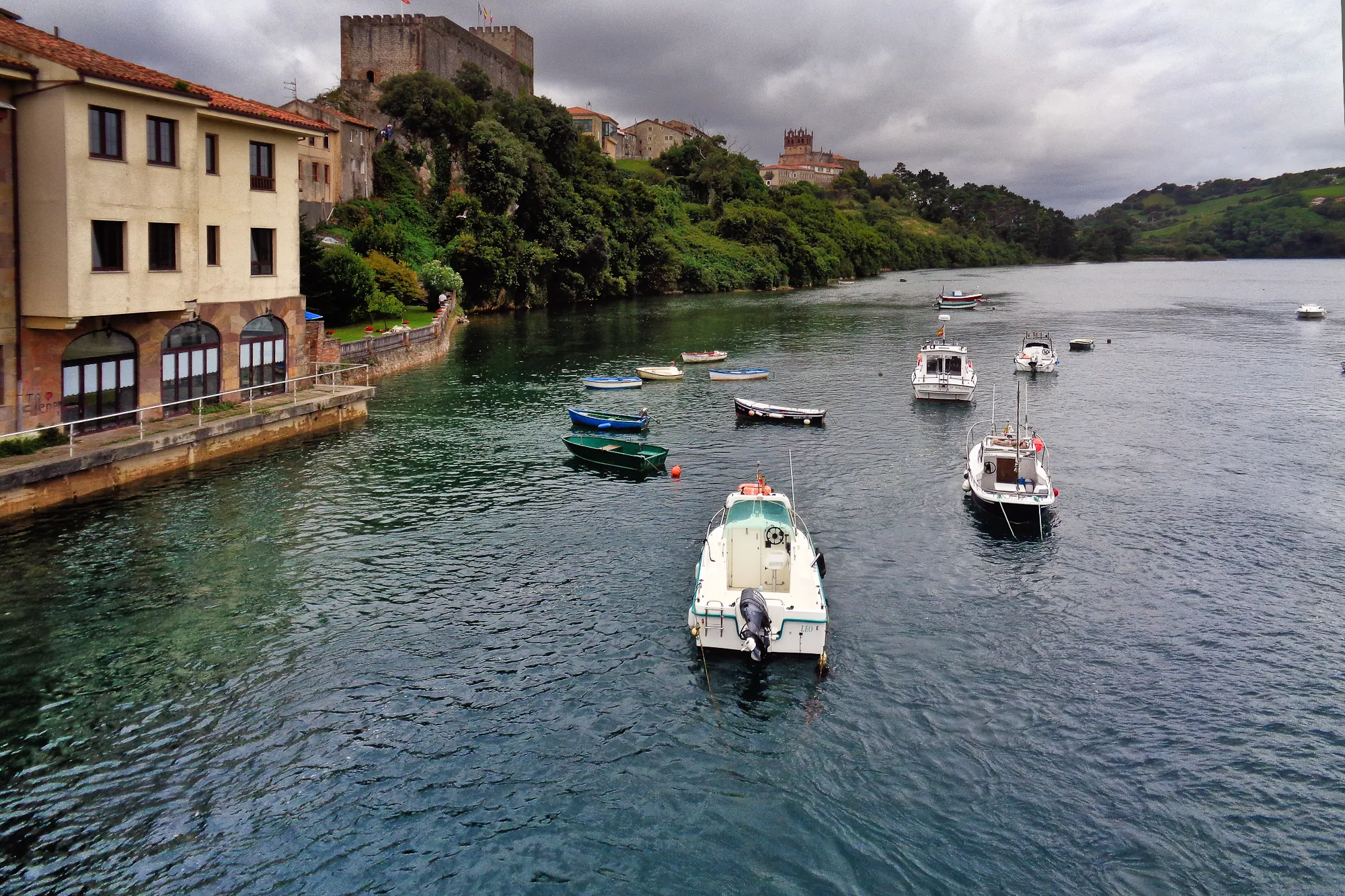
San Vicente de la Barquera
Maritime villa of excellence and gateway to the Lebaniego Way. Its bridges, castle and Picos de Europa in the background form one of the most beautiful postcards of Cantabria.
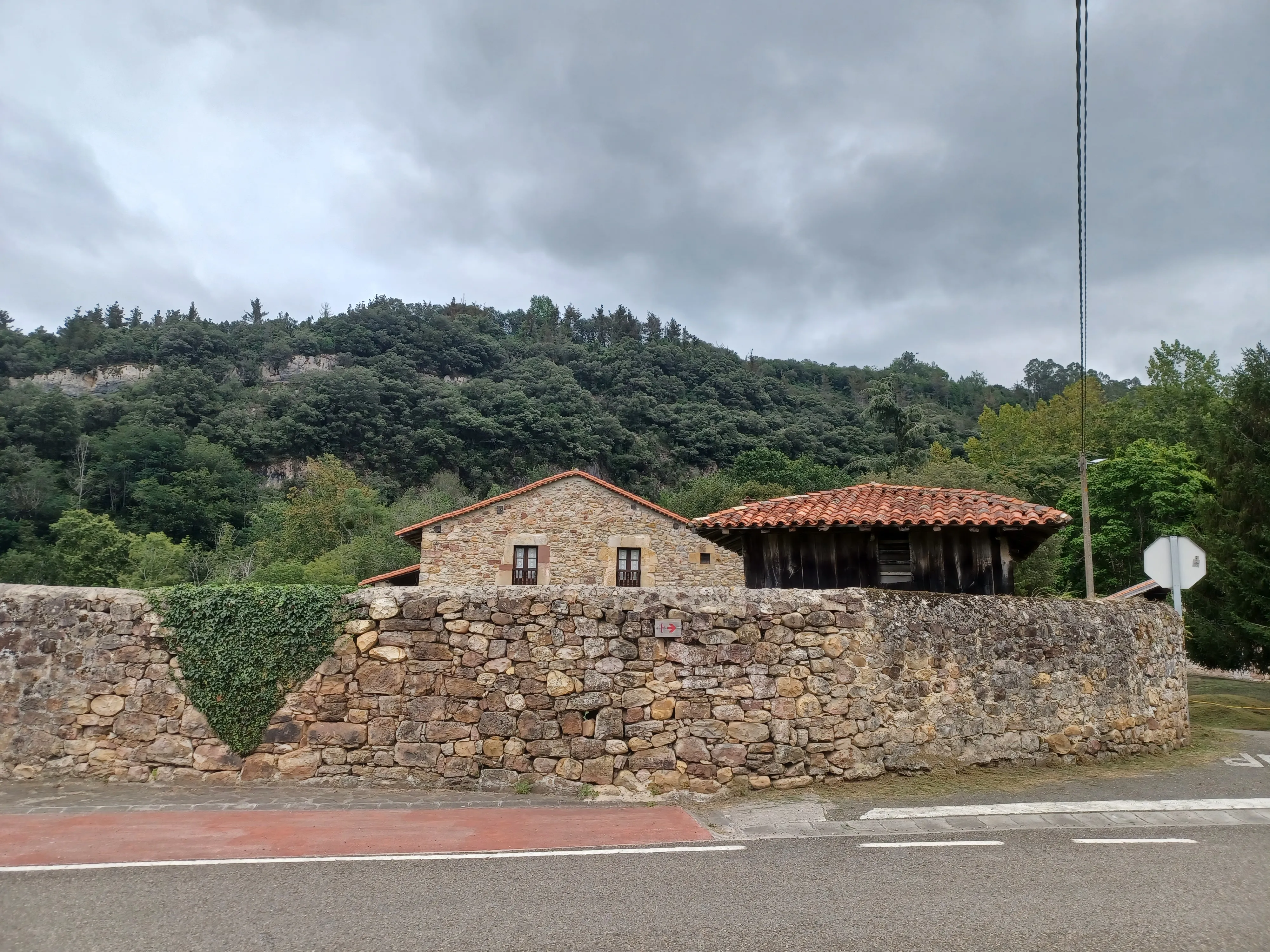
Cades
Small village in the valley of the Nansa, a quiet and rural stop on the Lebaniego Way. Its 18th-century forge is an interesting relic of traditional Cantabrian industry.
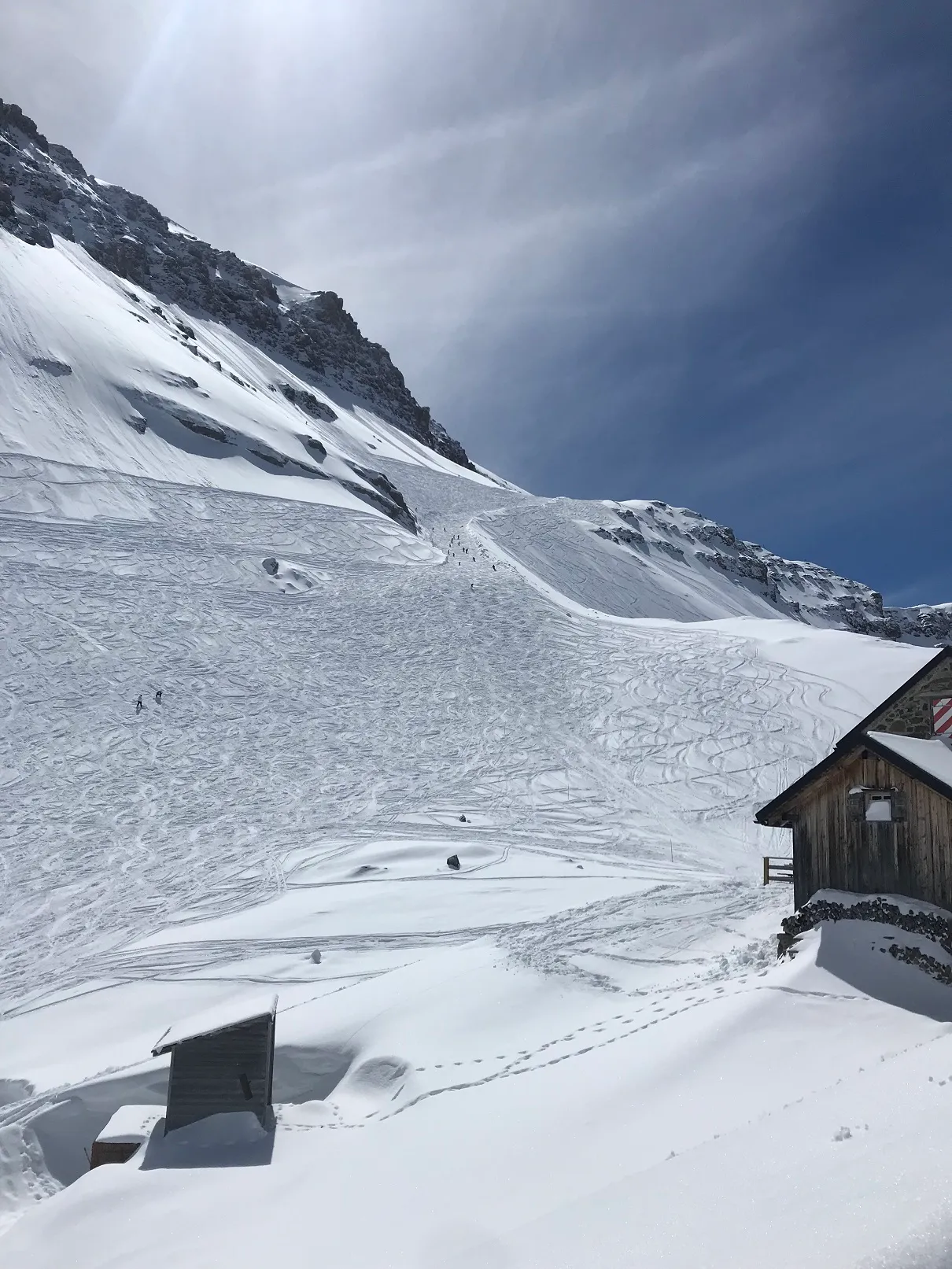
Cabañes
Small village on the Lebaniego Way. Cabañes offers a haven of peace and stunning views of the Eastern Massif of the Picos de Europa, a natural balcony for the pilgrim.
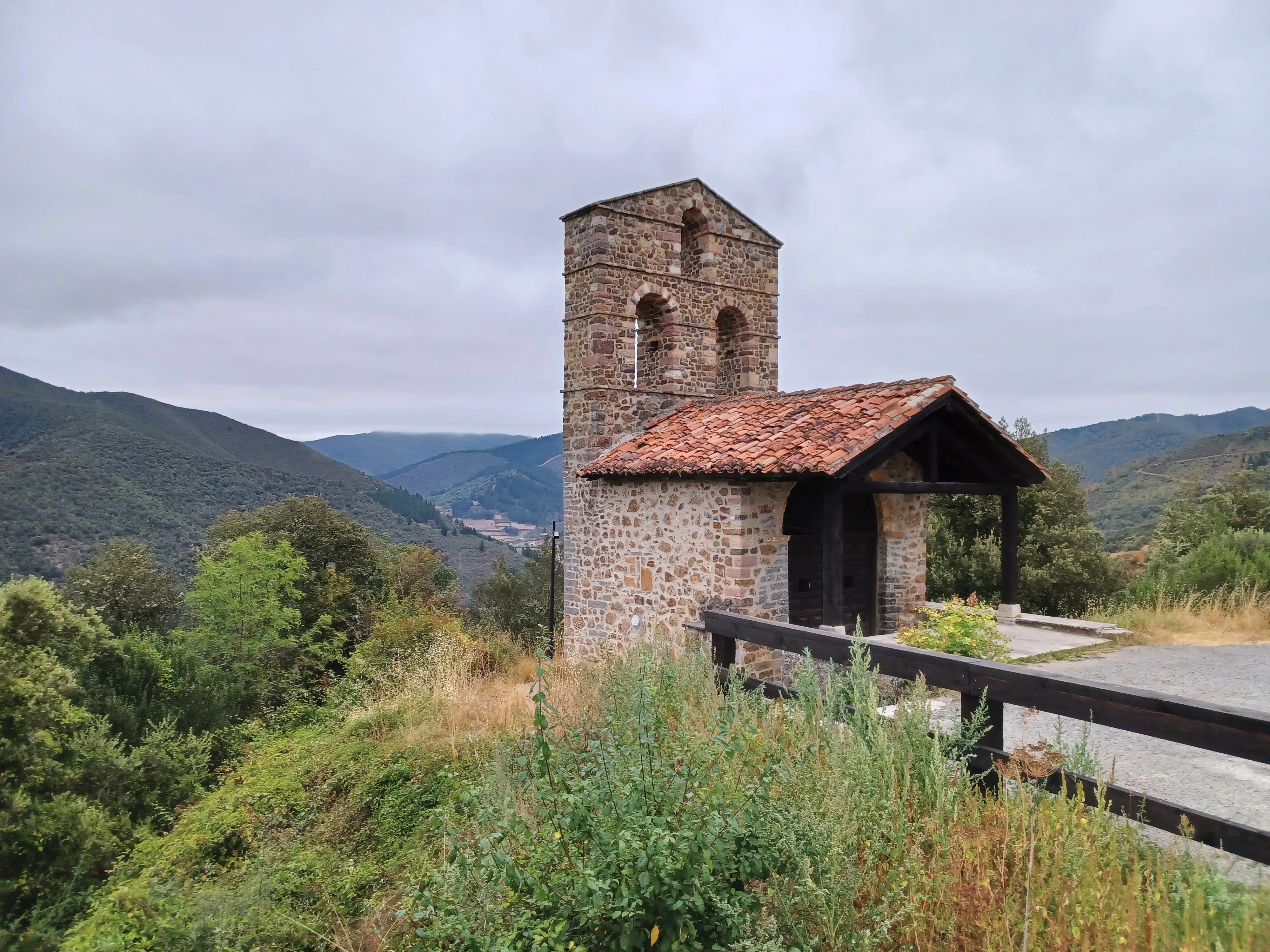
Monasterio de Santo Toribio de Liébana
The Way of St James and one of the five places of Christian pilgrimage. It houses the Holy Cross, the largest piece of Christ's cross. A universal place of pilgrimage.
History of Lebanon Way
The history of the monastery and the path leading to it dates back to the 8th century. During a period of great turmoil caused by the Muslim invasion of the peninsula, the monk Toribio (later Santo Toribio de Astorga) would have brought the valuable relic from Jerusalem to safely place it in the remote and protected mountains of Liébana. This act transformed a modest monastery originally dedicated to Saint Martin of Turin into a center of pilgrimage of first order. The presence of the Lignum Crucis attracted faithful from all over Europe, who deviated from their routes to bow down before such a direct testimony of Christ's Passion.
The importance of Santo Toribio was reaffirmed in 1512 when Pope Julius II granted it the privilege of celebrating the Jubilee Year forever. This jubilee takes place every time the feast day of Santo Toribio (April 16th) coincides on a Sunday. During that year, the "Gate of Forgiveness" of the monastery opens, and pilgrims who cross it can obtain full indulgence. This privilege places Santo Toribio at the same level as the other four major pilgrimage centers in the world: Jerusalem, Rome, Santiago de Compostela, and Caravaca de la Cruz.
The main Lebaniego Way, known as the Cantabrian branch, solidified itself as the most traveled route. Part of the seaside village of San Vicente de la Barquera, a key point on the Camino de la Costa or the North. From there, pilgrims deviated towards the interior, on a 72-kilometer journey that ascends the valleys of the Nansa and Deva rivers. This route is of exceptional beauty, with the imposing Picos de Europa as a constant backdrop. It passes through charming villages like Cades, Cicera, and the capital of the region, Potes, before the final ascent to the monastery.
The purpose of the Lebaniego Way was therefore double. On one hand, it was the destination for "cruceno" pilgrims, devoted to the Lignum Crucis. On the other hand, it acted as a fundamental stage for many Jacobean pilgrims. Those who traveled the Camino del Norte often made this detour as part of their itinerary. After visiting Santo Toribio, they had two options: either return to the coastal route or continue south through the demanding Ruta Vadiniense to link up with the Camino Francés in the Leonesa plateau. The latter option was the most logical for those who wanted to unite both sacred places.
Today, the Lebaniego Way is experiencing continuous renewal, especially during Jubilee Years, which attract hundreds of thousands of visitors. It offers a deep pilgrimage experience that combines religious devotion, the richness of ethnographic and cultural heritage in Cantabria, and the enjoyment of an absolutely privileged mountain environment.
Accommodations on the Route
The Lebanon Way has 52 verified accommodations along the entire route.
View Stages & AccommodationsPractical Tips for Lebanon Way
Best Season
Spring (April-June) and autumn (September-October) are the best seasons. Pleasant temperatures and fewer crowds than summer.
Physical Preparation
Train by walking progressively in the months before. Start with short distances and increase. Your body will adapt to the rhythm of the Camino.
What to Pack
Light backpack (max 10% of your weight), worn trekking shoes, breathable technical clothing, raincoat, sunscreen and basic first aid kit.
General Tips
Carry the pilgrim credential, stay hydrated, respect your pace, book accommodation in high season and enjoy the journey without rushing.
FAQ about Lebanon Way
El Camino Lebaniego, con una distancia total de 72 km, generalmente se completa en aproximadamente 3 días. Ourway Travel te ofrece un itinerario detallado y personalizado para este camino espiritual.
La mejor época para recorrer el Camino Lebaniego es durante los meses de abril a junio o septiembre a octubre. Durante esta temporada, disfrutarás de un clima agradable y una menor cantidad de peregrinos en comparación con las épocas más transitadas del verano.
El Camino Lebaniego tiene una dificultad media. Este recorrido a través de los Picos de Europa ofrece un terreno variado con subidas y bajadas pronunciadas, lo que hace que sea desafiante pero manejable para peregrinos medianamente físicamente preparados.
Los precios de nuestros tours completos para el Camino Lebaniego varían según las fechas y la duración específica. En Ourway Travel, gestionamos cada reserva personalizada para garantizar que obtengas el mejor precio y experiencia posible. Te recomendamos contactar directamente con nosotros para obtener una cotización precisa.
Un tour completo del Camino Lebaniego con Ourway Travel incluye alojamiento en albergues o pensiones seleccionadas, traslado de equipaje, mapas detallados y una credencial peregrina. Además, nuestros guías expertos te acompañarán durante el viaje para proporcionarte información histórica y espiritual.
El Camino Lebaniego ofrece una experiencia única que se centra en la visita al Monasterio de Santo Toribio, hogar del Lignum Crucis. A diferencia del Camino Francés, este camino es menos transitado y te permite explorar bellos paisajes montañosos con un fuerte valor histórico y religioso.
El Camino Lebaniego destaca por su rica historia asociada al Lignum Crucis y sus impresionantes paisajes montañosos. A diferencia del Camino Portugués o el Camino Primitivo, que llevan directamente a Santiago de Compostela, este camino es una peregrinación en sí misma hacia un destino sagrado con una gran importancia histórica y cultural.
Para obtener tu credencial de peregrino para el Camino Lebaniego, es recomendable visitar un albergue oficial o una oficina religiosa en tu área. Ourway Travel también puede ayudarte a gestionar este proceso como parte de nuestro servicio completo.

Ready for this adventure?
Let us organize your pilgrimage. We take care of accommodations, transfers and everything you need.