
Camino de Santiago
Camino Lebaniego
Discover the Lebaniego Way, a pilgrimage route to the Monastery of Santo Toribio in Cantabria, home of the Holy Cross. A spiritual journey through the Picos de Europa mountains.
Organize your Camino LebaniegoLast updated: 21/05/2024
The Route
General Description of Camino Lebaniego
Although it does not lead directly to Santiago, many pilgrims undertake it as a pilgrimage in itself or as a precursor, connecting afterwards with the French Way through the Vadiniense Route. It is a moderately difficult path with great spirituality.
Related Routes
Connections of Camino Lebaniego
North Coast Path
855.4 km
38
High
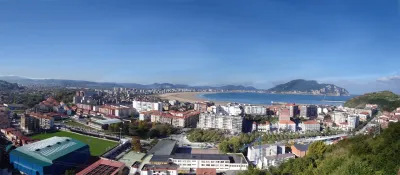
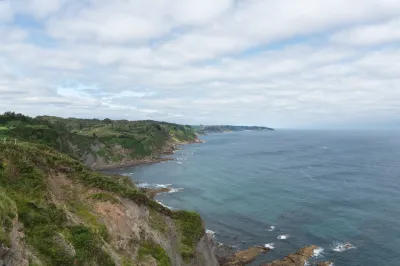
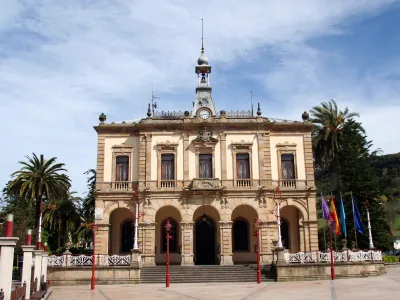
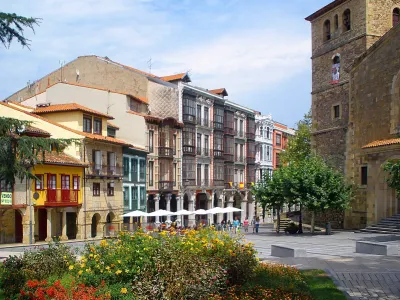
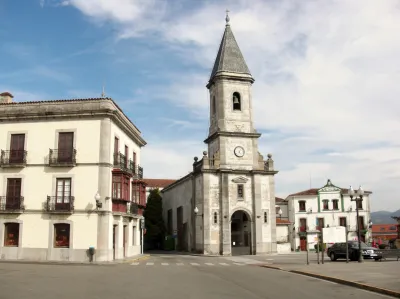
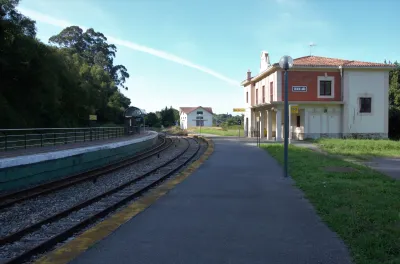
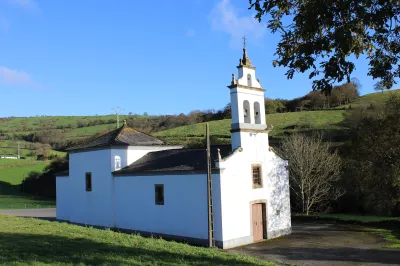
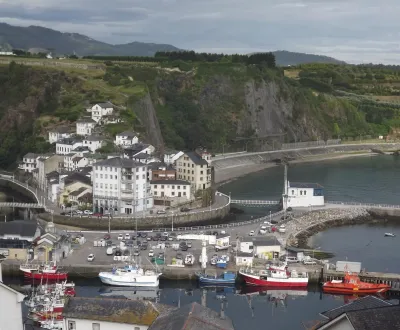
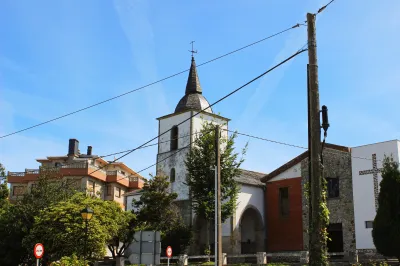
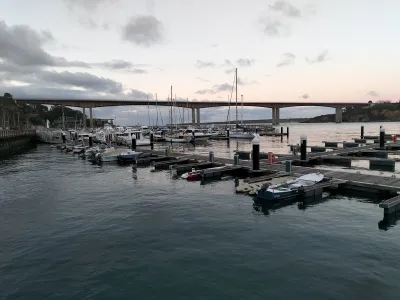
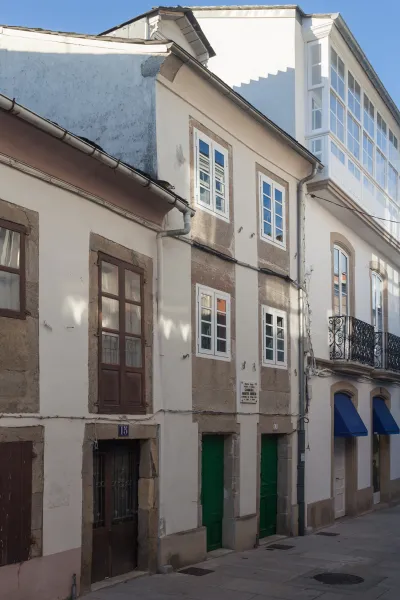
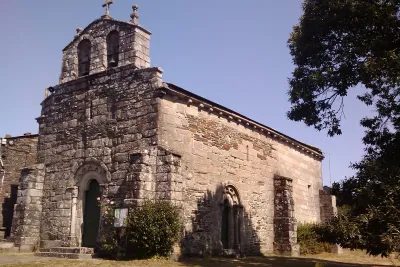
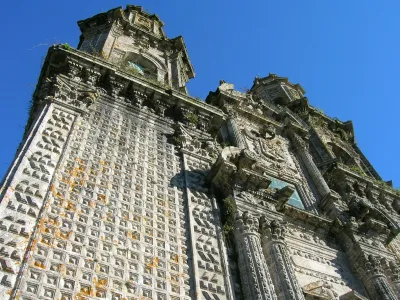
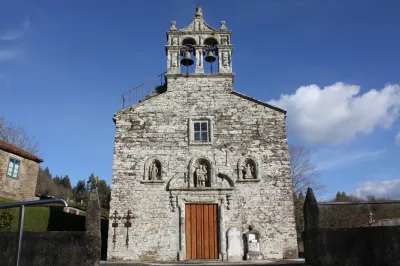
The North Way is one of the longest and most beautiful Jacobean routes. It covers the entire Cantabrian coast of Spain from Irún (Basque Country) to Arzúa (Galicia), where it joins the French Way. With a distance of 855 km, it passes through the Basque Country, Cantabria, Asturias and Galicia.
It offers an incredible combination of coastal landscapes with impressive beaches and cliffs, and mountain trails with green valleys. It is an demanding but very rewarding route that passes by cities such as San Sebastián, Bilbao and Santander. Its rich gastronomy and cultural heritage are among its greatest attractions.
Stages of this variant:
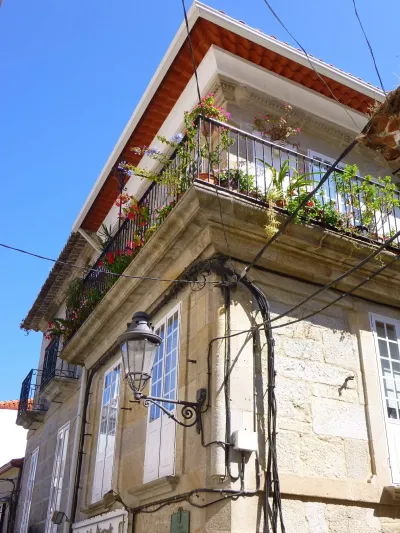
Stage 1: Bayona to Saint-Jean-de-Luz
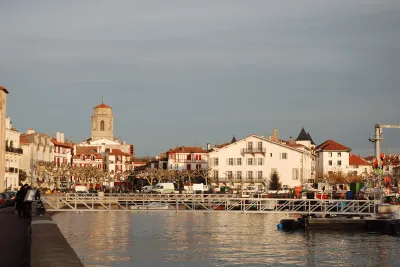
Stage 2: Saint-Jean-de-Luz to Irún

Stage 3: Irún to San Sebastián
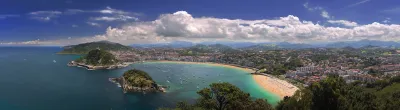
Stage 4: San Sebastián to Zarautz
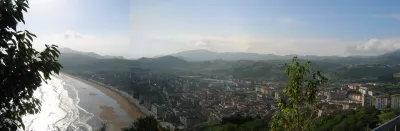
Stage 5: Zarautz to Deba
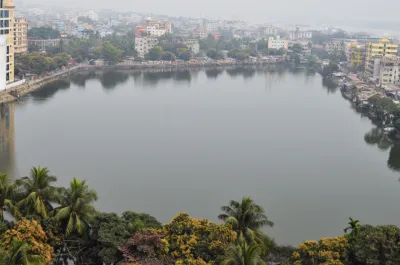
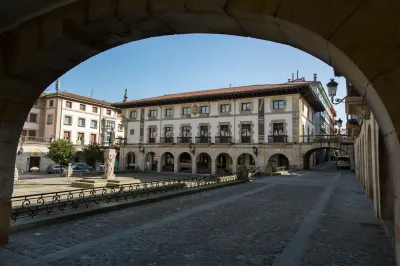
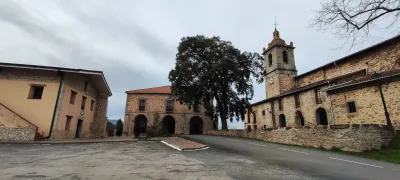
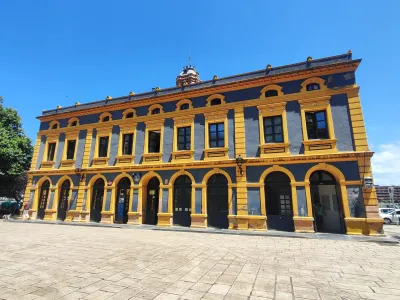

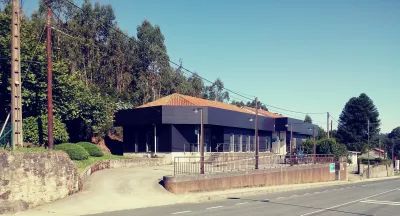
The North Cycle Route
814.7 km
14
High
The Camino del Norte by bike is a visually impressive experience that covers over 800 km along the coast. Over 14 stages, it passes through the Basque Country, Cantabria, Asturias and Galicia, offering constant contrasts between sea and mountain. The "bicigrino" will enjoy coastal stretches with views of cliffs and wild beaches. The terrain is demanding and rugged, with frequent ups and downs, so a good physical preparation is recommended.
Stages of this variant:
Stage 1: Irun to Zarautz (By Bicycle)
Stage 2: Zarautz to Markina-Xemein (By bike)
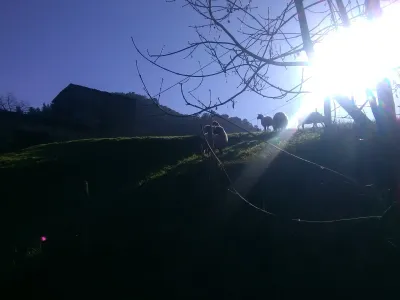
Stage 3: Markina-Xemein to Bilbao (By bike)
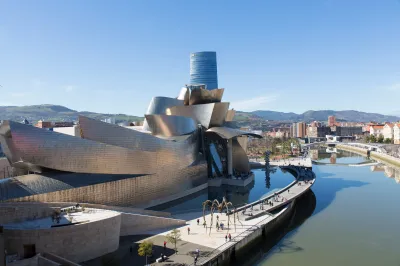
Stage 4: Bilbao to Castro Urdiales (By bike)
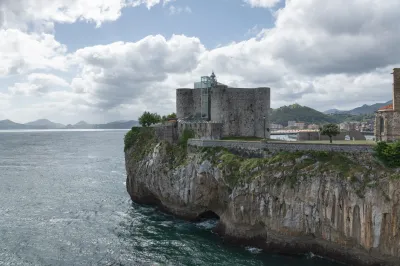
Stage 5: Castro Urdiales to Laredo (By bike)
Camino Francés
779 km
33
Moderate
The Camino Francés is the pilgrimage route to Santiago par excellence, chosen by thousands of pilgrims every year. Running roughly 780 km from Saint-Jean-Pied-de-Port, or slightly less from Roncesvalles, it crosses northern Spain. This path, declared a World Heritage Site by UNESCO, offers an exceptional network of services and pilgrim hostels. Pilgrims make their way through Navarra, La Rioja, Castilla y León, and finally Galicia, marveling at cities rich in monuments such as Pamplona, Burgos, and León, and at villages with a charm of their own. The diversity of its scenery is one of its great draws, from the Pyrenees and the Castilian plains to the green forests of Galicia. It is a physical and spiritual journey that leaves an indelible mark, ideal both for seasoned pilgrims and for those setting out on the Camino de Santiago for the first time.
Stages of this variant:
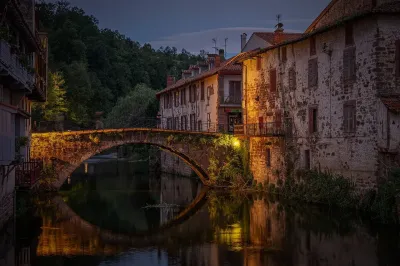
Stage 1: Saint-Jean-Pied-de-Port to Roncesvalles
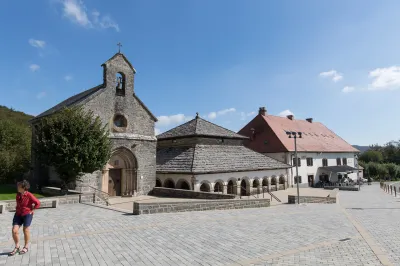
Stage 2: Roncesvalles to Zubiri
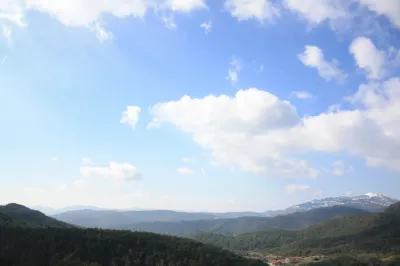
Stage 3: Zubiri to Pamplona
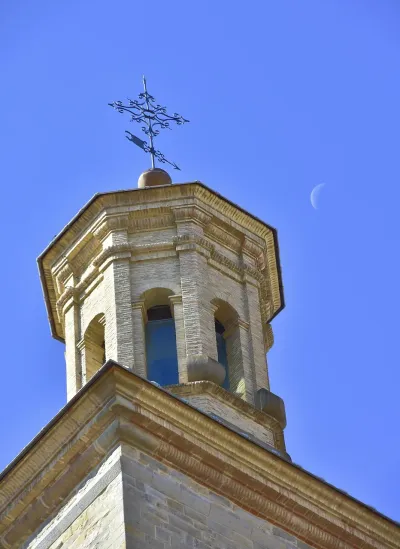
Stage 4: Pamplona to Puente la Reina
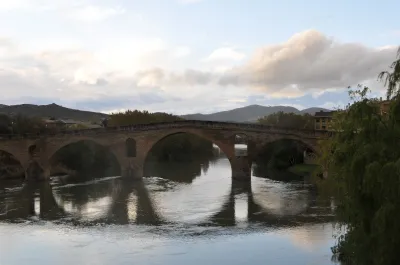
Stage 5: Puente la Reina to Estella
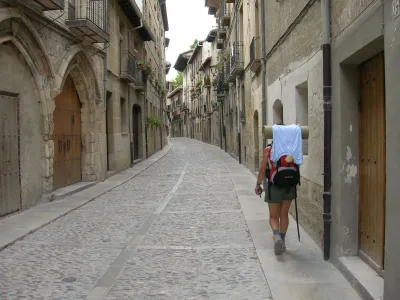
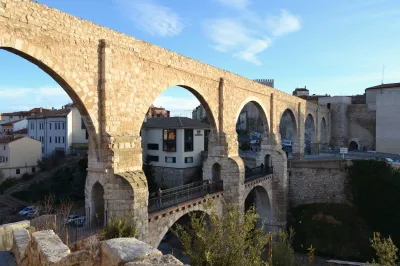
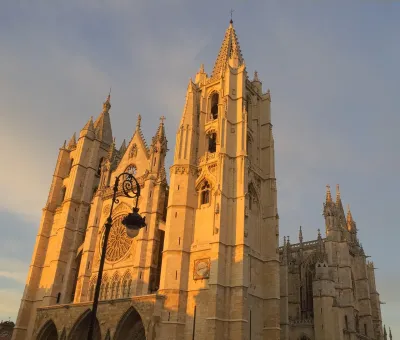
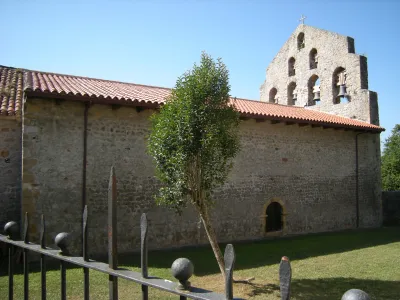
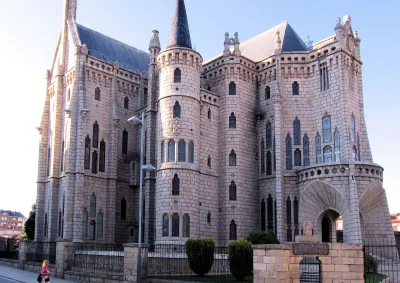
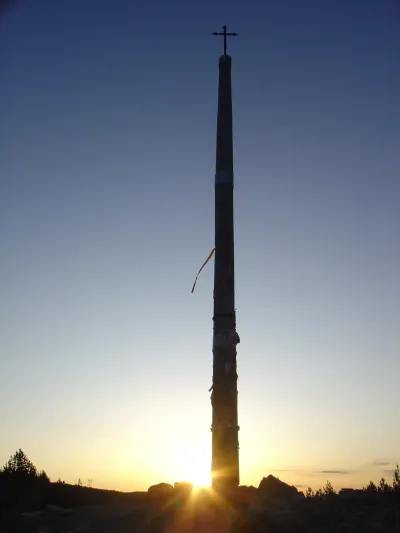
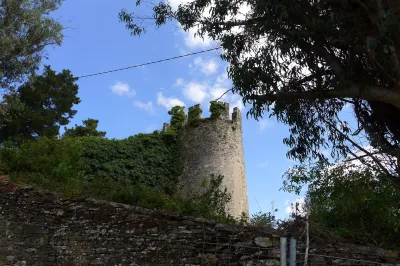
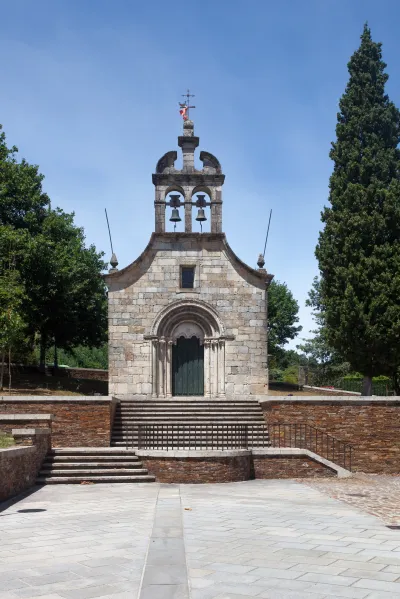
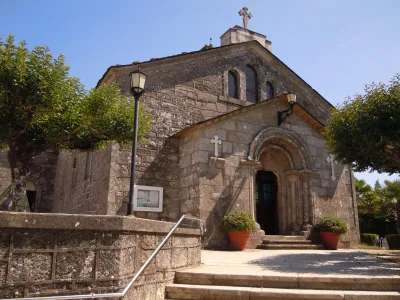
Camino Lebaniego Castellano
227 km
9
Media
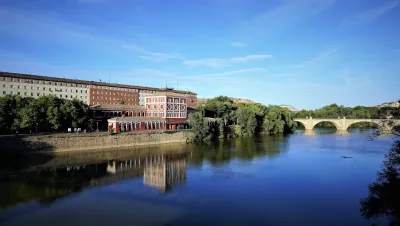
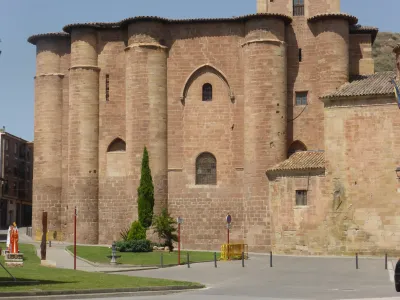
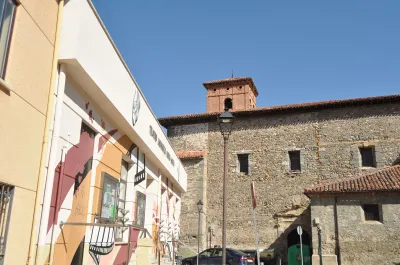
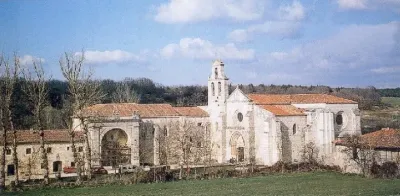
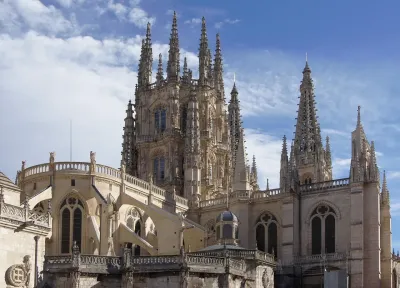
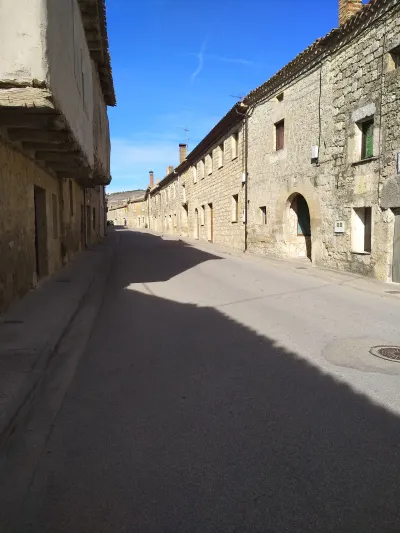
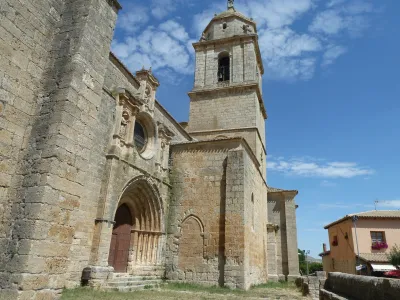
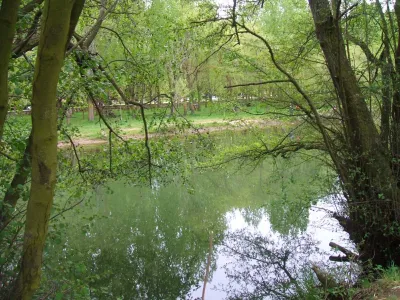
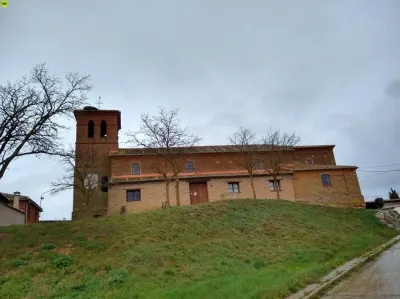
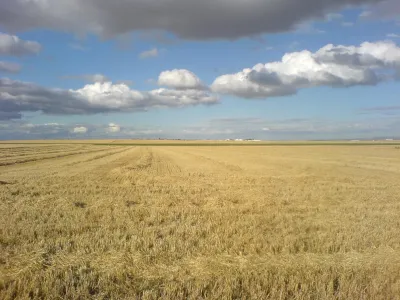
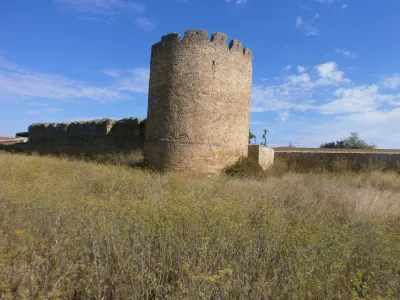
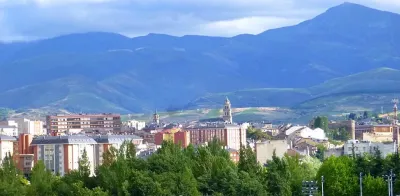
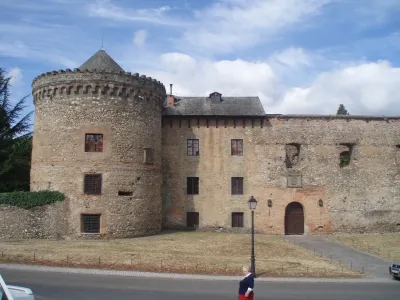
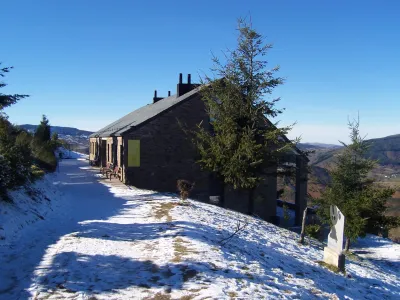
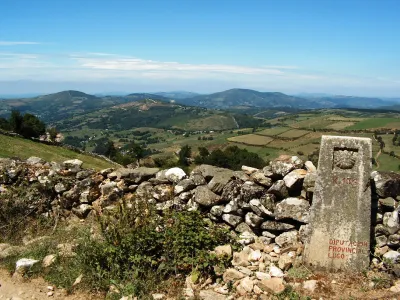
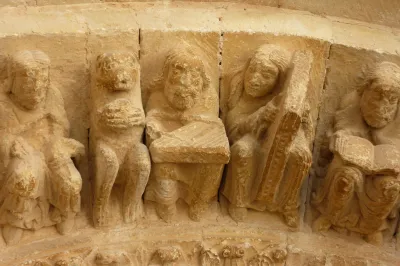
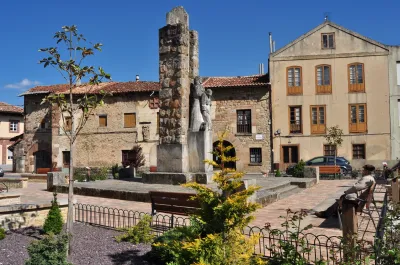
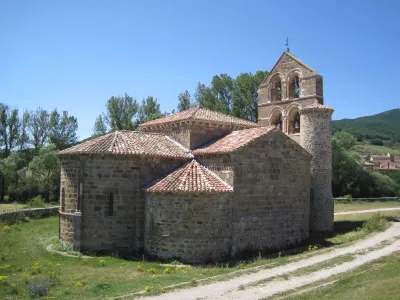
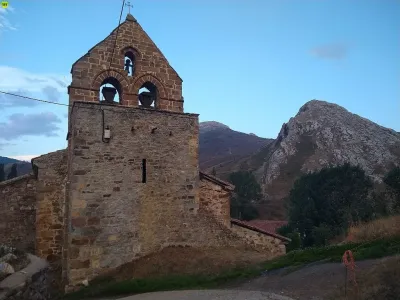
The Lebaniego Castellano Way is a 227 km historical route that leads to the Santo Toribio of Liébana Monastery from Palencia. It passes through the Palentine province in a northerly direction, entering the Palentine Mountains before crossing into Cantabria.
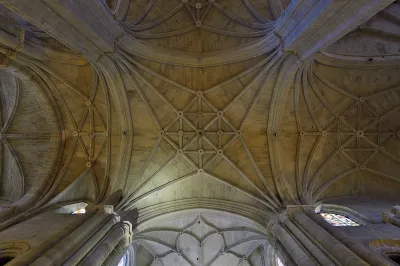
This route offers a different perspective on Lebonese pilgrimage, covering landscapes of the meseta, river valleys and the slopes of the Cantabrian Range. It is a less-traveled path with limited infrastructure, requiring good planning but allowing for discovery of rich Romanesque heritage and enjoying rural Castilian tranquility.
Stages of this variant:
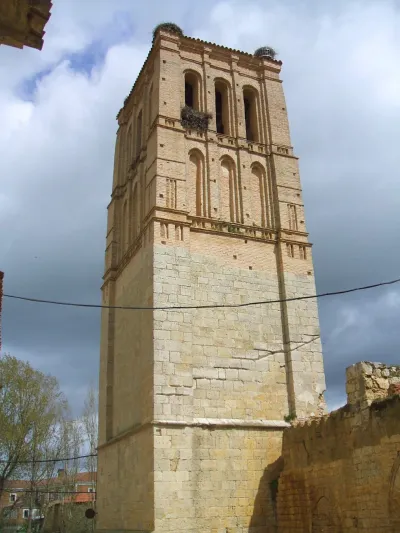
Stage 1: Palencia to Amayuelas de Abajo
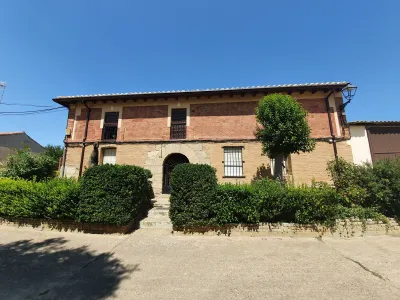
Stage 2: Amayuelas de Abajo to Frómista
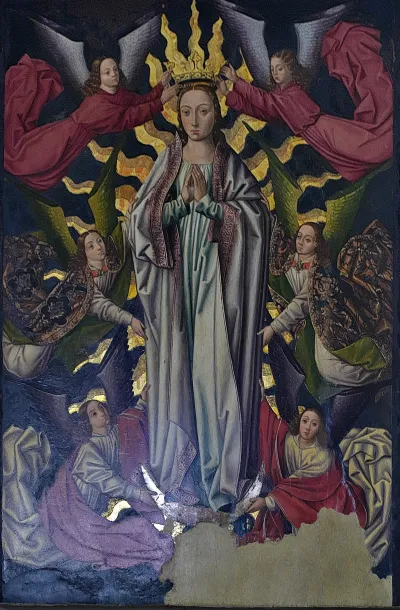
Stage 3: Frómista to Osorno la Mayor
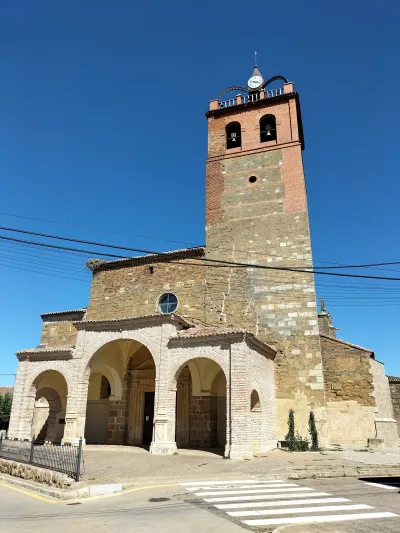
Stage 4: Osorno la Mayor to Herrera de Pisuerga
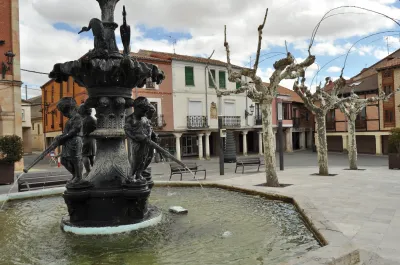
Stage 5: Herrera de Pisuerga to Perazancas de Ojeda
Vadiniense Route
212.3 km
10
High
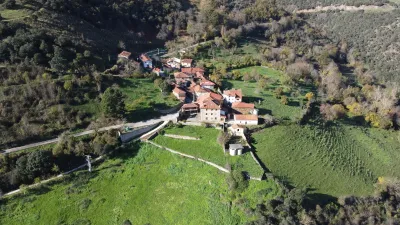
The Vadiniense Route, or the Santiago Vadiniense Way, is a historical itinerary that connects two important pilgrimage centers: the Monastery of Santo Toribio de Liébana (Cantabria) and the French Way. Starting from Potes, it covers 150 km to Mansilla de las Mulas (León).
Stages of this variant:
Stage 1: San Vicente de la Barquera to Cades
Stage 2: Cades to Cicera
Stage 3: Cicera to Potes
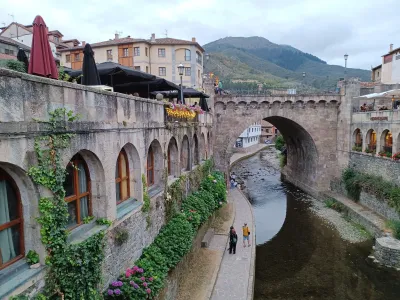
Stage 4: Potes to Espinama
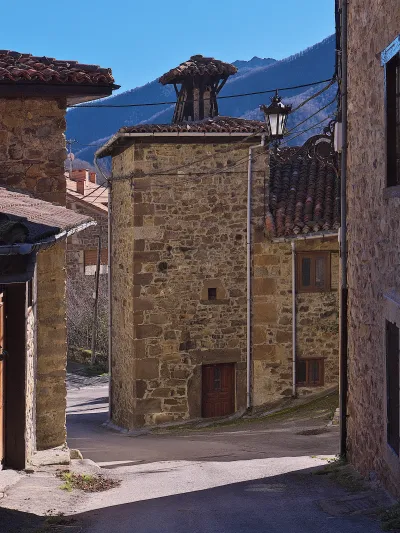
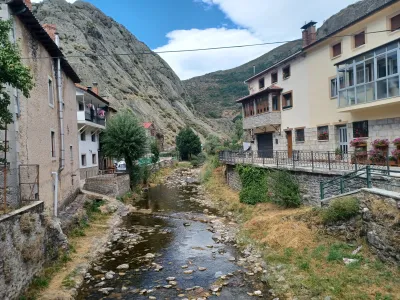
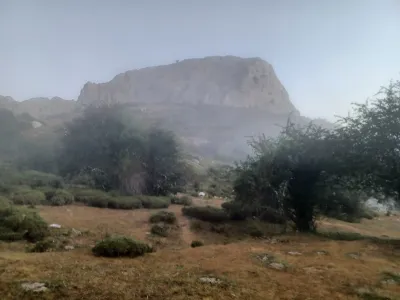
Stage 5: Espinama to Portilla de la Reina
Elevation Profile of
Elevation Profile of Camino Lebaniego
Visualize the ups and downs of the route.
Loading elevation profile...
Error loading elevation profile or altitude data not available.
Your trip with Ourway
Everything you need for your Camino
No hassle. Your perfect route, from start to finish.
Accommodation
Selected hotels and hostels at every stage
Luggage transfer
Your backpack travels from stage to stage
Camino Guide
Detailed map with directions and services
24h Support
Team available for any unforeseen event
Pilgrim credential
Official documentation included
No commitment
Free personalized consultation
Walk this route with us
Fancy walking this route?
We don't have a ready-made package for this route yet, but we'll organise it around you. Tell us how you'd like to experience it and a specialist will reply within 24 h.
Request your proposalStages
Stages of Camino Lebaniego
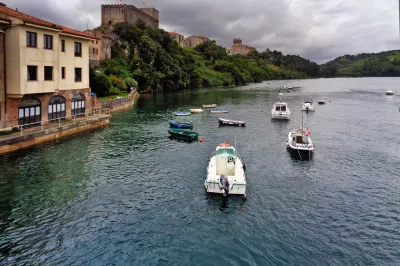
San Vicente de la Barquera → Cades
This is the first stage of the Ruta Vadiniense, which connects the North Way with the Lebaniego and French ways. Leaving behind the beautiful maritime scene of San Vicente de la Barquera, the path ent...
Cades → Cabañes
This stage of the Lebaniego Way is a mountain day that ventures into the Hermida Gorge, one of the longest ravines in the Peninsula. The route is spectacular, with sections that run along suspended pa...
Cabañes → Monasterio de Santo Toribio de Liébana
The last stage of the Lebaniego Way is a short and exciting journey that culminates at a holy place. The journey is an enjoyable stroll through Liébana Valley, with the Picos de Europa as the backdrop...
Monasterio de Santo Toribio de Liébana → Potes
A short epilogue to the Lebaniego Way linking the Monastery of Santo Toribio de Liébana with the town of Potes, capital of the region. After earning the Lebaniega jubilee before the Door of Forgivenes...
Towns
Featured Towns of Camino Lebaniego
Explore the key towns and cities of this route.

History
Millenary History of the Camino de Santiago: Origins and Evolution Camino Lebaniego
Discover the origins and evolution of Camino Lebaniego
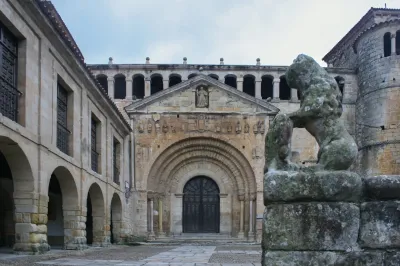
The history of the monastery and the path leading to it dates back to the 8th century. During a period of great turmoil caused by the Muslim invasion of the peninsula, the monk Toribio (later Santo Toribio de Astorga) would have brought the valuable relic from Jerusalem to safely place it in the remote and protected mountains of Liébana. This act transformed a modest monastery originally dedicated to Saint Martin of Turin into a center of pilgrimage of first order. The presence of the Lignum Crucis attracted faithful from all over Europe, who deviated from their routes to bow down before such a direct testimony of Christ's Passion.
The importance of Santo Toribio was reaffirmed in 1512 when Pope Julius II granted it the privilege of celebrating the Jubilee Year forever. This jubilee takes place every time the feast day of Santo Toribio (April 16th) coincides on a Sunday. During that year, the "Gate of Forgiveness" of the monastery opens, and pilgrims who cross it can obtain full indulgence. This privilege places Santo Toribio at the same level as the other four major pilgrimage centers in the world: Jerusalem, Rome, Santiago de Compostela, and Caravaca de la Cruz.
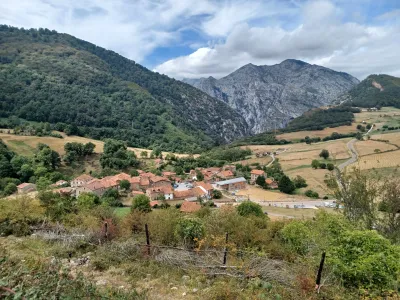
The main Lebaniego Way, known as the Cantabrian branch, solidified itself as the most traveled route. Part of the seaside village of San Vicente de la Barquera, a key point on the Camino de la Costa or the North. From there, pilgrims deviated towards the interior, on a 72-kilometer journey that ascends the valleys of the Nansa and Deva rivers. This route is of exceptional beauty, with the imposing Picos de Europa as a constant backdrop. It passes through charming villages like Cades, Cicera, and the capital of the region, Potes, before the final ascent to the monastery.
The purpose of the Lebaniego Way was therefore double. On one hand, it was the destination for "cruceno" pilgrims, devoted to the Lignum Crucis. On the other hand, it acted as a fundamental stage for many Jacobean pilgrims. Those who traveled the Camino del Norte often made this detour as part of their itinerary. After visiting Santo Toribio, they had two options: either return to the coastal route or continue south through the demanding Ruta Vadiniense to link up with the Camino Francés in the Leonesa plateau. The latter option was the most logical for those who wanted to unite both sacred places.
Today, the Lebaniego Way is experiencing continuous renewal, especially during Jubilee Years, which attract hundreds of thousands of visitors. It offers a deep pilgrimage experience that combines religious devotion, the richness of ethnographic and cultural heritage in Cantabria, and the enjoyment of an absolutely privileged mountain environment.
We answer your questions
Frequently Asked Questions about Camino Lebaniego
How many days are needed to complete the Camino Lebaniego?
The Camino Lebaniego, with a total distance of 72 km, is generally completed in about 3 days. Ourway Travel offers you a detailed and personalized itinerary for this spiritual journey.
When is the best time of year to do the Lebaniego Way?
The best period to walk the Lebaniego Way is from April to June or September to October. During this season, you will enjoy pleasant weather and fewer pilgrims compared to the busier summer months.
What is the difficulty of the Lebaniego Way?
The Lebaniego Way has a moderate level of difficulty. This route through the Picos de Europa offers varied terrain with steep ascents and descents, making it challenging but manageable for pilgrims who are moderately physically prepared.
What is the cost of a full tour of the Camino Lebaniego with Ourway Travel?
The prices for our full tours on the Camino Lebaniego vary depending on specific dates and duration. At Ourway Travel, we manage each personalized booking to ensure you get the best price and experience possible. We recommend contacting us directly for an accurate quote.
What does a tour of the Camino Lebaniego with Ourway include?
A complete tour of the Camino Lebaniego with Ourway Travel includes accommodation in selected hostels or pensions, luggage transfer, detailed maps and a pilgrim's credential. Additionally, our expert guides will accompany you throughout the journey to provide historical and spiritual information.
Why choose the Camino Lebaniego over the Camino Francés?
The Camino Lebaniego offers a unique experience centered on visiting the Monastery of Santo Toribio, home to the Lignum Crucis. Unlike the Camino Francés, this route is less crowded and allows you to explore beautiful mountain landscapes with significant historical and religious value.
How does the Camino Lebaniego compare to other pilgrimage routes in Spain?
The Camino Lebaniego stands out for its rich history linked to the Lignum Crucis and its stunning mountain landscapes. Unlike the Portuguese Way or the Primitive Way, which lead directly to Santiago de Compostela, this route is a pilgrimage in itself towards a sacred destination with significant historical and cultural importance.
How do I obtain the pilgrim's credential for the Camino Lebaniego?
To get your pilgrim's credential for the Camino Lebaniego, it is advisable to visit an official hostel or religious office in your area. Ourway Travel can also assist you with this process as part of our full service.
Organize Your Camino
Ready for this adventure?
Camino Lebaniego