
Complete Guide to Path of the Holy Cross
The Way of the Holy Cross unites San Clemente (Cuenca) with Quintanar de la Orden (Toledo). A Jacobean route that traverses La Mancha to link up with the Southeastern Route.
Last updated: 28/03/2026
Table of Contents
Technical Summary of Path of the Holy Cross
71 km
Distance
3
days
3
Stages
Baja
Difficulty
13 accommodations available on the route
Introduction to Path of the Holy Cross
All Stages of Path of the Holy Cross
Complete route divided into 3 stages
St. Clement's at La Alberca of Zancara
This stage is a half-mountain day that continues through rural Galicia. The profile is a continuous up and down, a "stretcher" that runs along forest trails and "laneways". The landscape is of serene ...
The Pools of Zancara to Monreal del Llano
This final stage marks the approach to the large city of Lugo. The profile is mainly descending and much smoother than previous stages, allowing for a faster and more relaxed walk. The route passes th...
Monreal del Llano to Quintanar de la Orden
This stage, starting from the monumental Lugo, returns the pilgrim to rural and tranquil Galicia. The profile is gentle with slight undulations, and runs through a landscape of fields, meadows and sma...
Key Towns of Path of the Holy Cross
The most important towns and cities on this route.
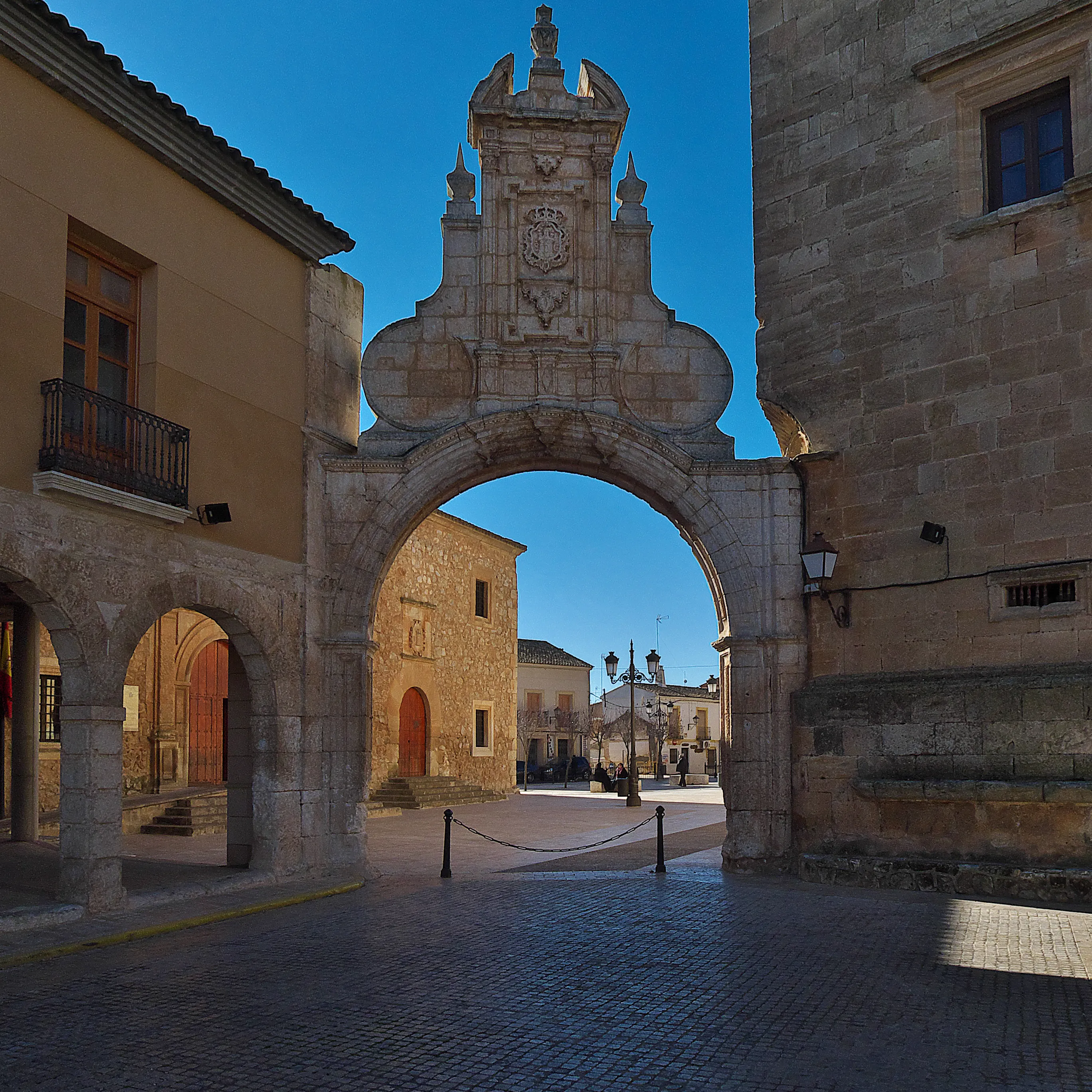
San Clemente
Renaissance villa of Cuenca and stop on the Southeastern Way. Its Main Square and its monumental heritage make it a jewel of Conquest of La Mancha for pilgrims.
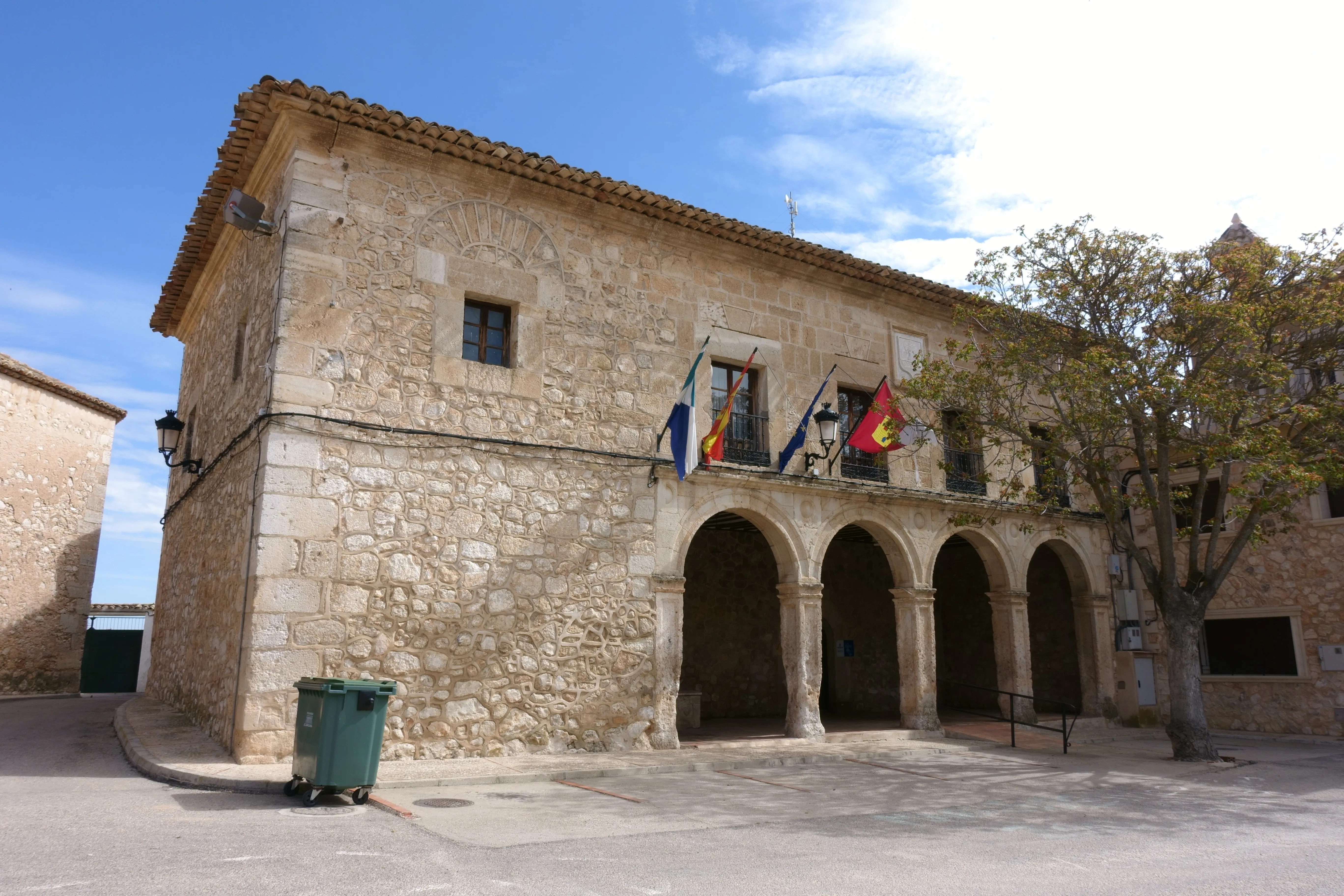
La Alberca de Záncara
820 mSmall Conquense town in the plain of La Mancha. The Alberca de Záncara offers a rural and tranquil retreat, ideal for pilgrims on the Southeastern Way of St James.
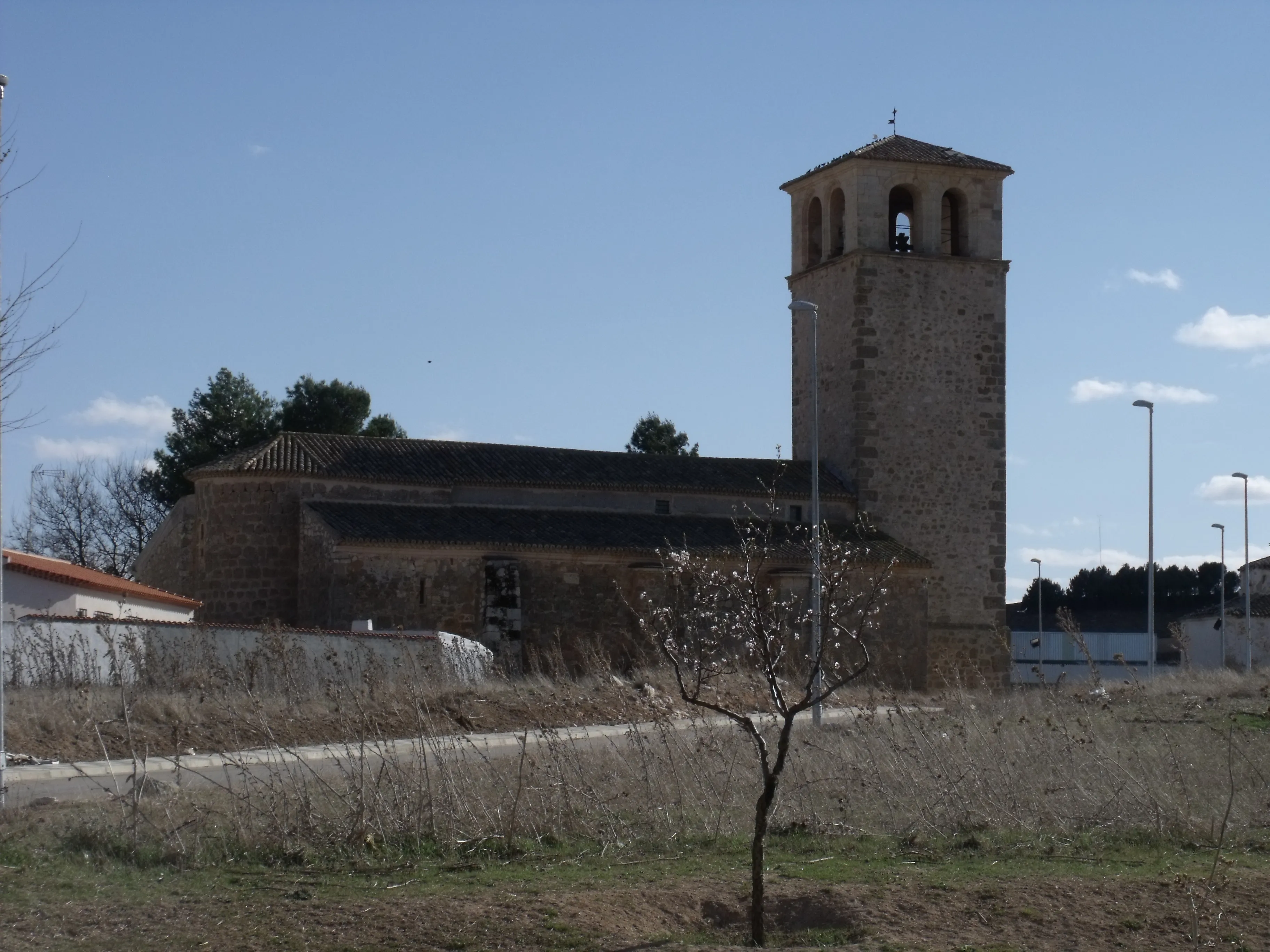
Monreal del Llano
780 mConquest town in full Mancha. Monreal del Llano is a peaceful rural stop on the Southeast Route, perfect for experiencing the vastness and silence of the landscape.
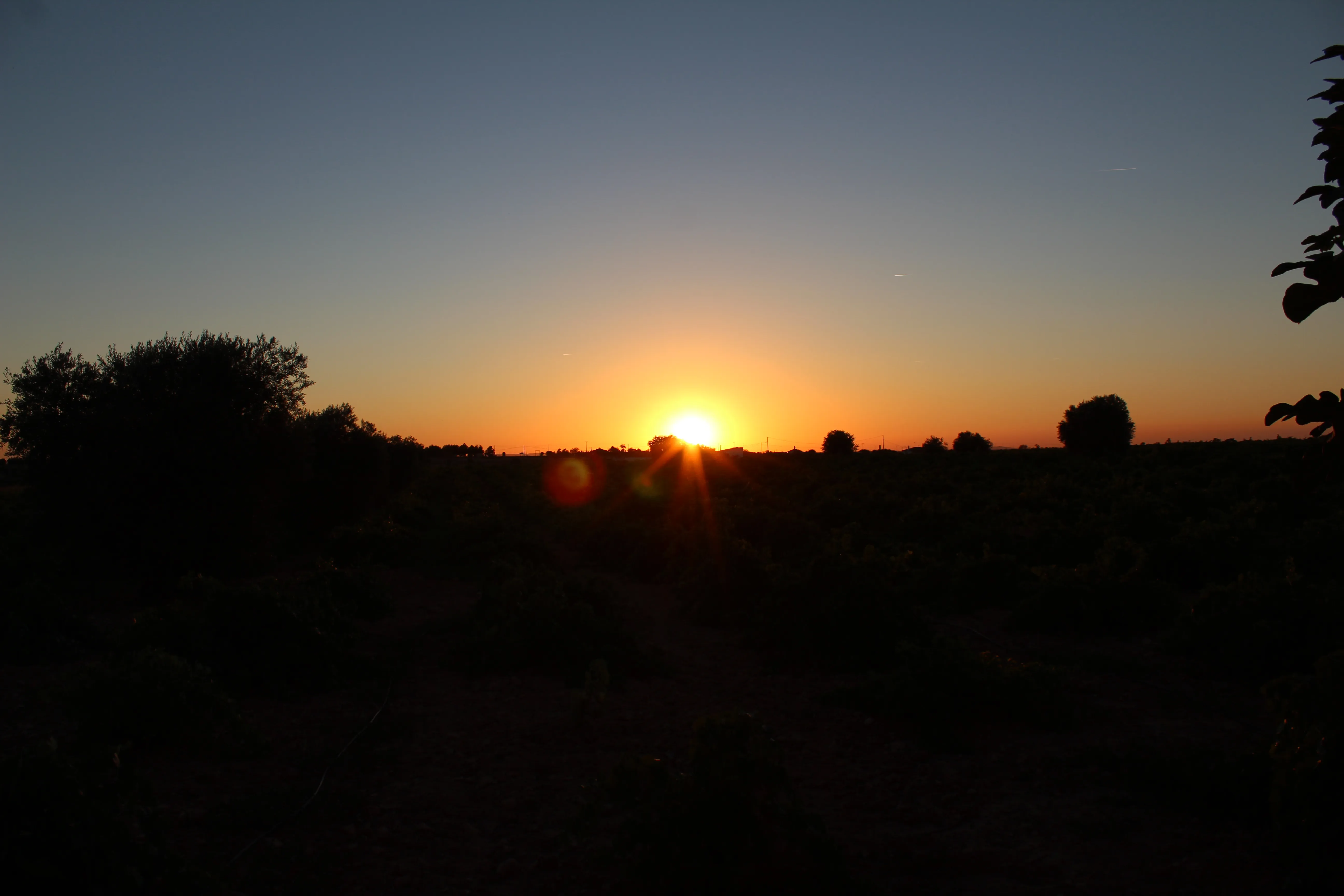
Quintanar de la Orden
Important crossroads in Toledan La Mancha. Quintanar de la Orden is a key stop on the Southeastern Way, offering pilgrims a great center of services.
History of Path of the Holy Cross
Although the route itself is new, the territory it covers is imbued with history. La Mancha, far from being a vacuum, was an important crossing point of roads since ancient times. Roman roads, real canals for transhumance, and the roads of powerful Military Orders of Santiago and Calatrava ran through its plains. It is therefore certain that, over the centuries, inhabitants of these lands made pilgrimages to holy destinations, including Santiago, using this pre-existing network of roads. The Modern Way of the Holy Cross comes to shape and signal one of these logical routes.
Its name, "of the Holy Cross", probably has a strong local devotion, possibly linked to some confraternity or hermitage dedicated to the True Cross, which serves as a spiritual anchor for this new itinerary. The starting point is the village of San Clemente, in the province of Cuenca, a locality that boasts an impressive historical-artistic ensemble of Renaissance style, declared a Cultural Interest Site.
From San Clemente, the path enters the landscape that La Mancha is famous for, immortalized by Miguel de Cervantes in "The Quixote". The pilgrim walks through a sea of vineyards and cereal fields, a vast and luminous horizon that invites introspection. The route passes through localities with great tradition, such as El Provencio or Las Pedroñeras, known internationally as the "capital of garlic". One of the most emblematic points on the journey is the arrival at Mota del Cuervo, where the pilgrim meets the iconic windmills that rise over a small hill, an image that inevitably evokes the adventures of the ingenious hidalgo.
The route ends its approximately 70-kilometer journey in Quintanar de la Orden, in the province of Toledo. This important village is the confluence point, the place where the Way of the Holy Cross fulfills its function as a tributary. Here, pilgrims join the trail of the South East Route, a long-distance route that starts in Alicante and heads northwest to link with the Via de la Plata. In this way, a pilgrim from San Clemente can, thanks to this connecting path, integrate into the great network of routes that lead to Santiago.
In conclusion, the Way of the Holy Cross is an example of how the Jacobean phenomenon revives itself from a local perspective, creating new traditions on a rich and cultural historical substrate. It is a short but intense journey through history, cuisine, and literary landscapes in the heart of La Mancha.
Accommodations on the Route
The Path of the Holy Cross has 13 verified accommodations along the entire route.
View Stages & AccommodationsPractical Tips for Path of the Holy Cross
Best Season
Spring (April-June) and autumn (September-October) are the best seasons. Pleasant temperatures and fewer crowds than summer.
Physical Preparation
Train by walking progressively in the months before. Start with short distances and increase. Your body will adapt to the rhythm of the Camino.
What to Pack
Light backpack (max 10% of your weight), worn trekking shoes, breathable technical clothing, raincoat, sunscreen and basic first aid kit.
General Tips
Carry the pilgrim credential, stay hydrated, respect your pace, book accommodation in high season and enjoy the journey without rushing.
FAQ about Path of the Holy Cross
El Camino de la Santa Cruz tiene una duración aproximada de 3 días para completarlo desde San Clemente hasta Quintanar de la Orden. La ruta discurre por paisajes típicos de La Mancha, ofreciendo un recorrido corto pero significativo que permite disfrutar del patrimonio cultural y natural de esta región.
La mejor época para hacer el Camino de la Santa Cruz es durante las temporadas media, específicamente en los meses de abril a junio y septiembre a octubre. Estas épocas ofrecen un clima ideal con temperaturas suaves y lluvias escasas, además de una buena cantidad de peregrinos para crear una atmósfera social sin llegar a ser abrumadora.
Los costos del Camino de la Santa Cruz varían dependiendo de los servicios que se soliciten. En Ourway Travel, gestionamos paquetes personalizados que incluyen alojamiento y asesoría durante tus tres días en ruta. Para una cotización exacta, te recomendamos contactarnos directamente para evaluar tus necesidades específicas.
Para reservar tu experiencia del Camino de la Santa Cruz con Ourway Travel, simplemente completa nuestro formulario en línea o ponte en contacto con nuestro equipo a través de correo electrónico o llamada telefónica. Nuestros expertos te asistirán para personalizar un itinerario que se adapte perfectamente a tus expectativas y necesidades.
El Camino de la Santa Cruz destaca por su bajo nivel de dificultad, lo que lo hace accesible para peregrinos de todas las edades y niveles de condición física. A diferencia del Camino Francés o el Primitivo, que pueden ser más desafiantes en cuanto a desnivel, este itinerario atraviesa terrenos llanos y viñedos, ofreciendo una experiencia tranquila y agradable.
El Camino de la Santa Cruz es ideal para peregrinos que desean unir La Mancha con la ruta principal del Camino del Sureste, ofreciendo una conexión directa y enriquecedora culturalmente. Si tu objetivo es recorrer desde el sur hasta Galicia sin interrupciones, el Camino del Sureste sería más adecuado debido a su longitud y diversidad geográfica.
Cuando reserves tu viaje en el Camino de la Santa Cruz con Ourway Travel, recibes un paquete completo que incluye alojamiento seguro y cómodo para tus tres días en ruta. Además, te proporcionamos asesoría personalizada para asegurarte de tener todas las experiencias necesarias en esta región rica en historia y cultura.
Para obtener tu credencial del peregrino, puedes dirigirte a cualquier oficina o centro turístico asociado con el Camino de Santiago en La Mancha. En Ourway Travel, nos encargamos de facilitar este proceso como parte de nuestro servicio completo para asegurarnos de que comiences tu viaje sin complicaciones.
Ready for this adventure?
Let us organize your pilgrimage. We take care of accommodations, transfers and everything you need.