
Camino de Santiago
Path of the Holy Cross
The Way of the Holy Cross unites San Clemente (Cuenca) with Quintanar de la Orden (Toledo). A Jacobean route that traverses La Mancha to link up with the Southeastern Route.
Organize your Path of the Holy CrossLast updated: 21/05/2025
The Route
General Description of Path of the Holy Cross
Related Routes
Connections of Path of the Holy Cross
South East Route
795.5 km
29
Media
The South East Way is an important Jacobean route allowing pilgrims from the eastern Spanish coast to embark on their journey to Santiago. The most recognized starting point is Alicante, although there are branches in Cartagena or Murcia. From Alicante, the path heads inland, crossing Castilla-La Mancha and Castilla y León until it joins the Vía de la Plata in Benavente (Zamora).
It's a very long route, of almost 800 km, that requires good planning. It offers a great diversity of landscapes and a deep contact with interior Spain, ideal for pilgrims seeking solitude, history, and a challenge of long distance travel.
Stages of this variant:
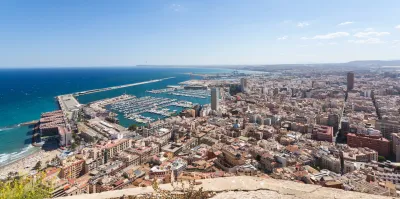
Stage 1: Alicante to Orito
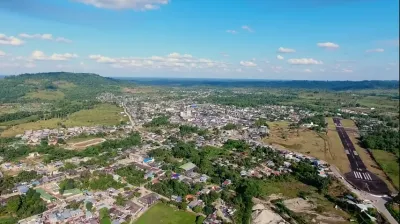
Stage 2: Orito to Petrer
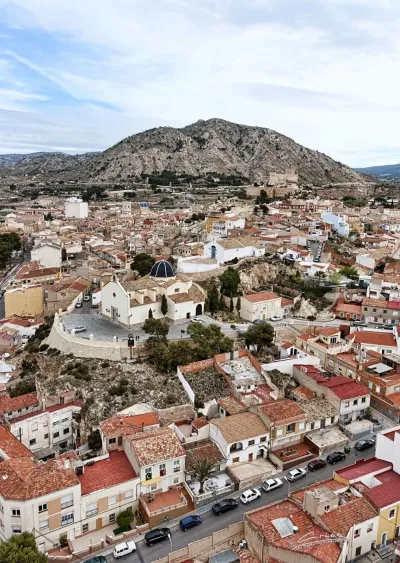
Stage 3: Petrer to Villena
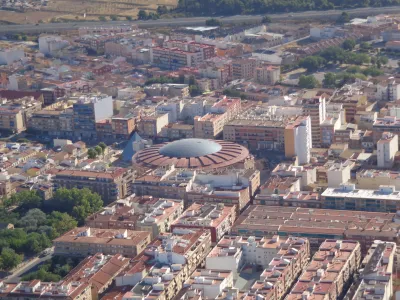
Stage 4: Villena to Caudete
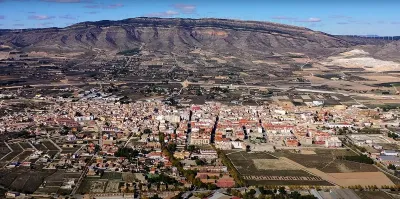
Stage 5: Caudete to Montealegre del Castillo
Elevation Profile of
Elevation Profile of Path of the Holy Cross
Visualize the ups and downs of the route.
Loading elevation profile...
Error loading elevation profile or altitude data not available.
Your trip with Ourway
Everything you need for your Camino
No hassle. Your perfect route, from start to finish.
Accommodation
Selected hotels and hostels at every stage
Luggage transfer
Your backpack travels from stage to stage
Camino Guide
Detailed map with directions and services
24h Support
Team available for any unforeseen event
Pilgrim credential
Official documentation included
No commitment
Free personalized consultation
Walk this route with us
Fancy walking this route?
We don't have a ready-made package for this route yet, but we'll organise it around you. Tell us how you'd like to experience it and a specialist will reply within 24 h.
Request your proposalStages
Stages of Path of the Holy Cross
San Clemente → La Alberca de Záncara
First stage of the Camino de Santa Cruz (also known as Camino de Caravaca or Camino Levantino) in its Cuenca section. The 15 km route runs through the region of La Mancha Conquense along dirt paths be...
La Alberca de Záncara → Monreal del Llano
Stage description not available.
Monreal del Llano → Quintanar de la Orden
This stage crosses the province of Cuenca to enter Toledo, through the heart of the Cervantine Mancha. The 28 km are predominantly flat, characteristic of the La Mancha landscape of endless horizons, ...
Towns
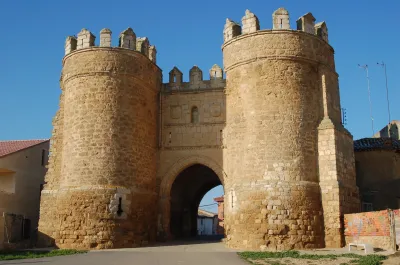
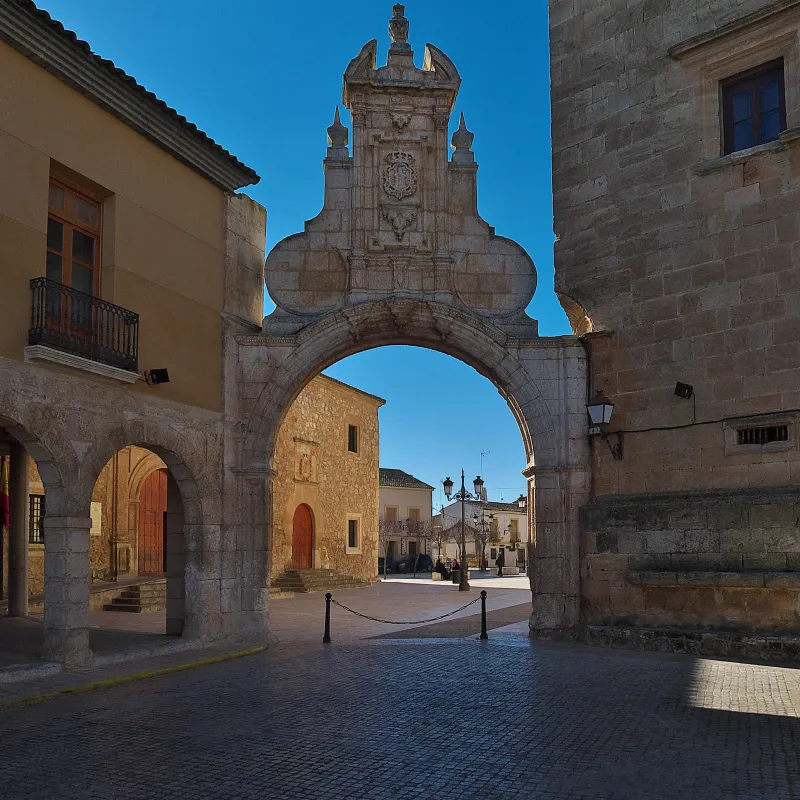
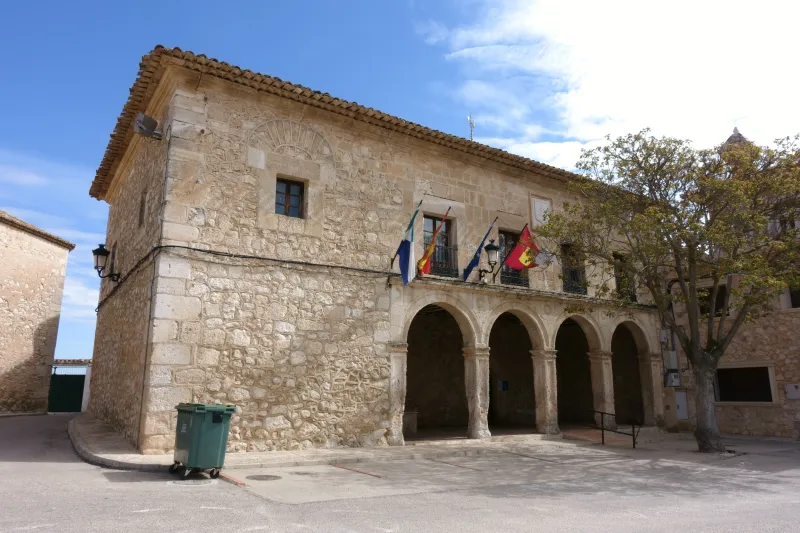
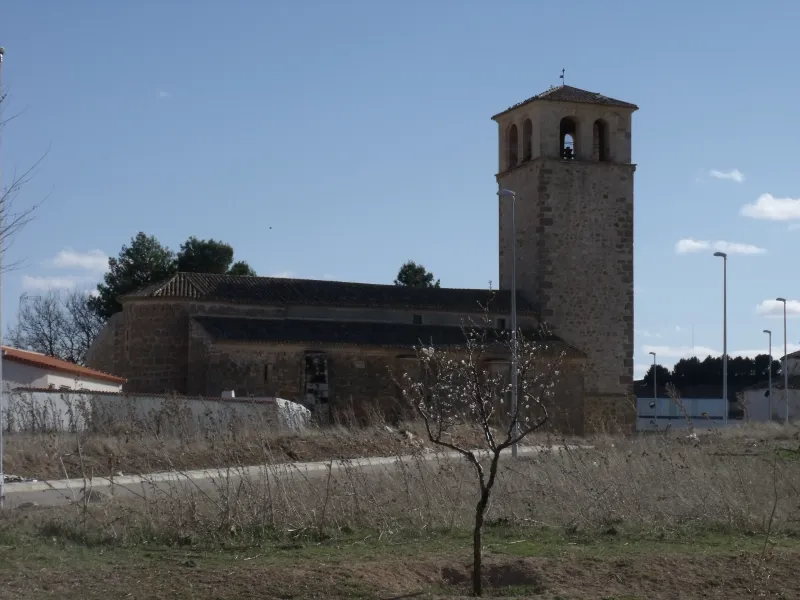
Featured Towns of Path of the Holy Cross
Explore the key towns and cities of this route.
History
Millenary History of the Camino de Santiago: Origins and Evolution Path of the Holy Cross
Discover the origins and evolution of Path of the Holy Cross
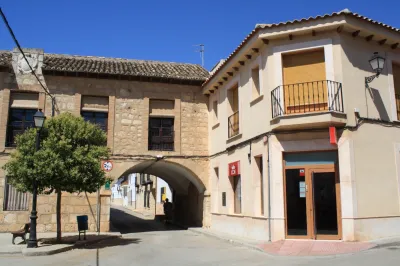
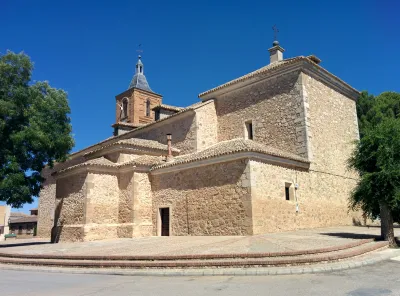
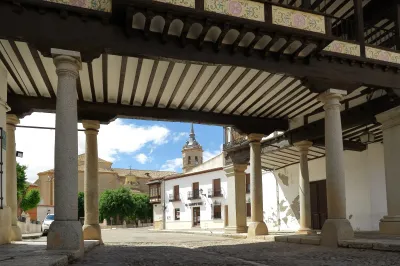
Although the route itself is new, the territory it covers is imbued with history. La Mancha, far from being a vacuum, was an important crossing point of roads since ancient times. Roman roads, real canals for transhumance, and the roads of powerful Military Orders of Santiago and Calatrava ran through its plains. It is therefore certain that, over the centuries, inhabitants of these lands made pilgrimages to holy destinations, including Santiago, using this pre-existing network of roads. The Modern Way of the Holy Cross comes to shape and signal one of these logical routes.
Its name, "of the Holy Cross", probably has a strong local devotion, possibly linked to some confraternity or hermitage dedicated to the True Cross, which serves as a spiritual anchor for this new itinerary. The starting point is the village of San Clemente, in the province of Cuenca, a locality that boasts an impressive historical-artistic ensemble of Renaissance style, declared a Cultural Interest Site.
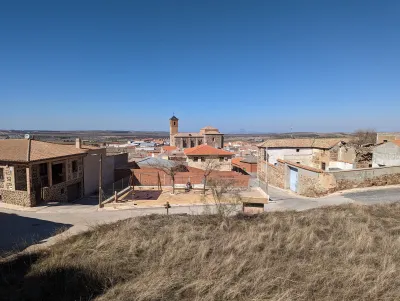
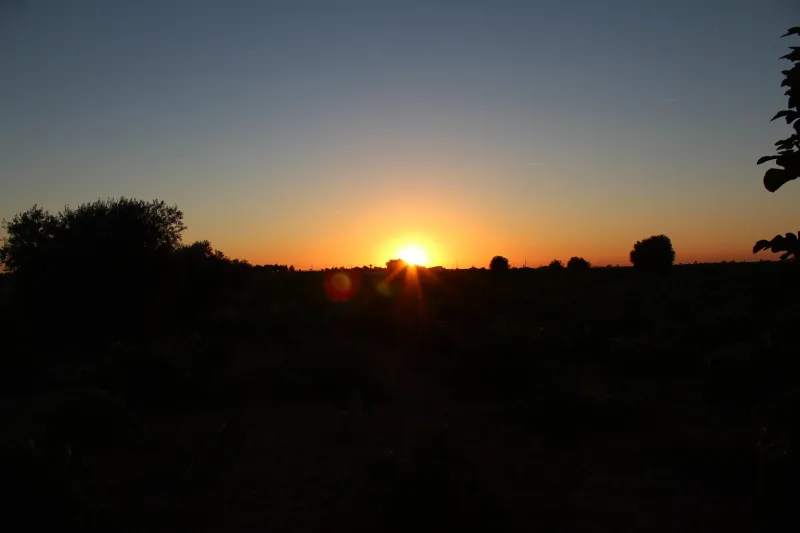
From San Clemente, the path enters the landscape that La Mancha is famous for, immortalized by Miguel de Cervantes in "The Quixote". The pilgrim walks through a sea of vineyards and cereal fields, a vast and luminous horizon that invites introspection. The route passes through localities with great tradition, such as El Provencio or Las Pedroñeras, known internationally as the "capital of garlic". One of the most emblematic points on the journey is the arrival at Mota del Cuervo, where the pilgrim meets the iconic windmills that rise over a small hill, an image that inevitably evokes the adventures of the ingenious hidalgo.
The route ends its approximately 70-kilometer journey in Quintanar de la Orden, in the province of Toledo. This important village is the confluence point, the place where the Way of the Holy Cross fulfills its function as a tributary. Here, pilgrims join the trail of the South East Route, a long-distance route that starts in Alicante and heads northwest to link with the Via de la Plata. In this way, a pilgrim from San Clemente can, thanks to this connecting path, integrate into the great network of routes that lead to Santiago.
In conclusion, the Way of the Holy Cross is an example of how the Jacobean phenomenon revives itself from a local perspective, creating new traditions on a rich and cultural historical substrate. It is a short but intense journey through history, cuisine, and literary landscapes in the heart of La Mancha.
We answer your questions
Frequently Asked Questions about Path of the Holy Cross
How many days does the Camino de la Santa Cruz take to complete from San Clemente to Quintanar de la Orden?
The Camino de la Santa Cruz takes approximately 3 days to complete from San Clemente to Quintanar de la Orden. The route passes through typical landscapes of La Mancha, offering a short but significant journey that allows you to enjoy the cultural and natural heritage of this region.
When is the best time to start the Camino of Holy Cross?
The ideal period for undertaking the Camino of Holy Cross is during mid-season, specifically from April to June and September to October. These times offer pleasant weather with mild temperatures and little rain, along with a moderate number of pilgrims creating a social atmosphere without being overwhelming.
How much does it cost to undertake the Camino de la Santa Cruz with Ourway Travel?
The costs for the Camino de la Santa Cruz vary depending on the services requested. At Ourway Travel, we manage customized packages that include accommodation and guidance during your three days on route. For an exact quote, we recommend contacting us directly to assess your specific needs.
How can I book the Camino de la Santa Cruz with Ourway Travel?
To reserve your Camino de la Santa Cruz experience with Ourway Travel, simply fill out our online form or contact our team via email or phone. Our experts will assist you in customizing an itinerary that perfectly matches your expectations and needs.
How does the Way of the Holy Cross compare to other Jacobean routes in terms of difficulty?
The Way of the Holy Cross stands out for its low level of difficulty, making it accessible to pilgrims of all ages and physical conditions. Unlike the French Way or the Primitive Route, which can be more challenging due to elevation changes, this route crosses flat terrain and vineyards, offering a peaceful and pleasant experience.
Which is the better option between the Camino de la Santa Cruz and the Camino del Sureste if I want to connect La Mancha with Santiago?
The Camino de la Santa Cruz is ideal for pilgrims who wish to connect La Mancha directly to the main route of the Camino del Sureste, offering a culturally enriching connection. If your goal is to travel from the south all the way to Galicia without interruptions, the Camino del Sureste would be more suitable due to its length and geographical diversity.
What does booking the Santa Cruz Way with Ourway Travel include?
When you book your journey on the Santa Cruz Way with Ourway Travel, you receive a comprehensive package that includes secure and comfortable accommodation for your three days on route. Additionally, we provide personalized advice to ensure you have all necessary experiences in this region rich in history and culture.
How can I obtain my pilgrim's credential for the Camino de la Santa Cruz?
To get your pilgrim's credential, you can visit any office or tourist center associated with the Camino de Santiago in La Mancha. At Ourway Travel, we handle this process as part of our full service to ensure that you start your journey without complications.
Organize Your Camino
Ready for this adventure?
Path of the Holy Cross