
Stage of the Camino
Stage Description
This 34.5 km stage is one of the most representative sections of the Camino Sanabrés in Galicia, a long and demanding day through the Ourense mountains. The route is a continuous up and down, passing through beautiful and lonely landscapes. The path follows dirt tracks and small roads, passing through charming villages like Campobecerros. The "break-a-leg" profile and distance make it a true challenge. The destination is Laza, a famous village known for its "Entroido" (Carnival), one of the most ancestral and singular in all of Spain. The arrival at this town, with its traditional atmosphere and services, is a great reward.
The 34.5 km journey between A Gudiña and Laza is one of the queen stages of the Camino Sanabrés, both for its length and demanding profile as well as the beauty of its landscapes. The pilgrim enters the heart of Ourense mountain, on a route of great solitude and authenticity.
The stage presents two distinct profiles. The first part is a continuous rise and fall over medium-mountain terrain, passing through small stone villages and slate houses. It culminates at the Alto de Venda do Espiño before beginning the long descent into the Támega valley.
The second half of the stage is a very pronounced and technical descent that takes the pilgrim from high altitudes to the Támega valley. Although it provides relief for the lungs, it requires much caution and harshly punishes the knees.
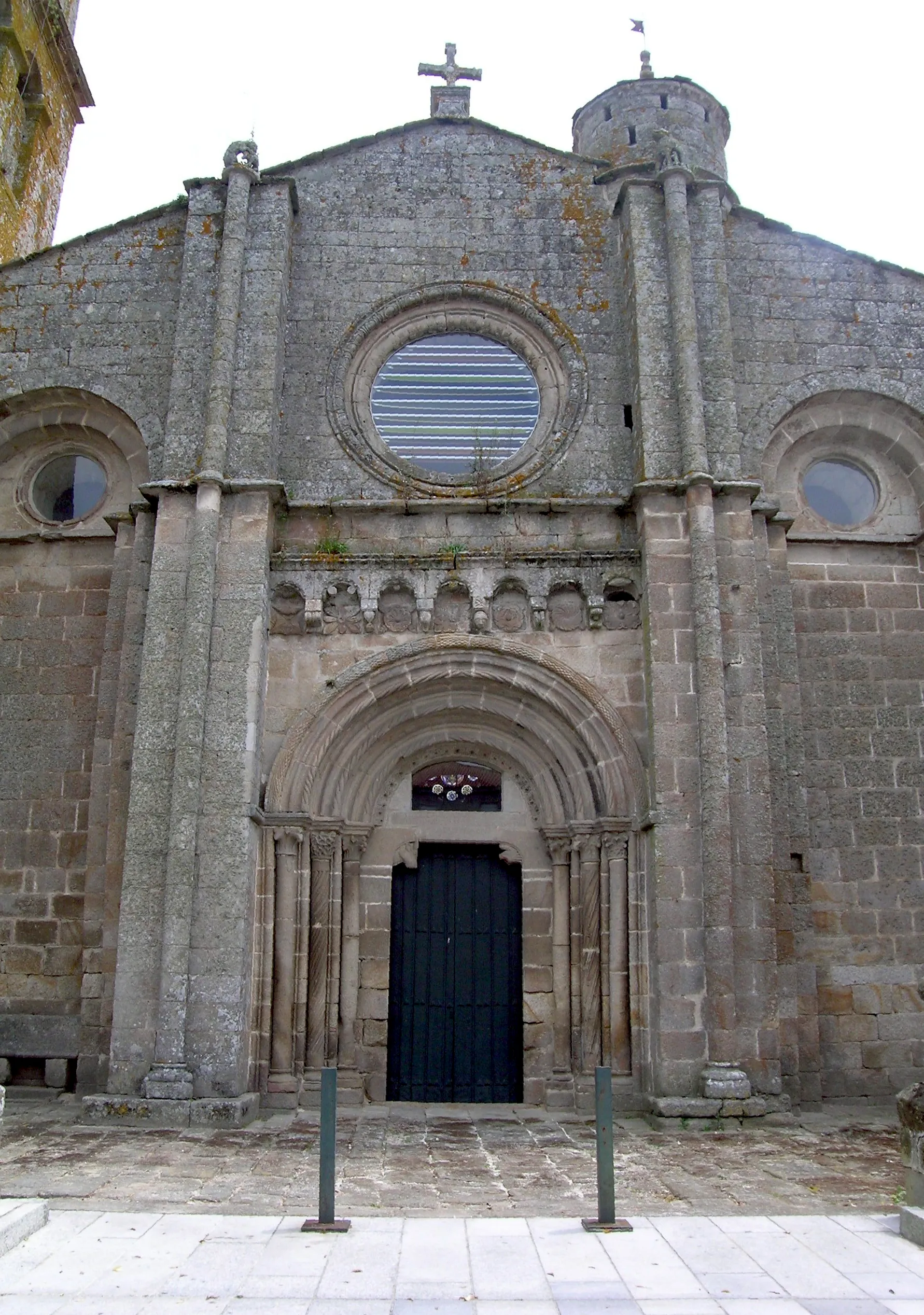
The destination is Laza, a village with a strong identity and a deep connection to its traditions. It is worldwide known for its "Entroido", an ancestral and savage carnival led by the "Peliqueiros". Walking through its streets is to immerse oneself in the deepest Galician culture. The village offers good services and a robust gastronomy, ideal for recovering from one of the most difficult stages on the entire Camino. It's a journey that, despite its difficulty, leaves an indelible mark due to its beauty and character.
The stage presents two distinct profiles. The first part is a continuous rise and fall over medium-mountain terrain, passing through small stone villages and slate houses. It culminates at the Alto de Venda do Espiño before beginning the long descent into the Támega valley.
The second half of the stage is a very pronounced and technical descent that takes the pilgrim from high altitudes to the Támega valley. Although it provides relief for the lungs, it requires much caution and harshly punishes the knees.
The destination is Laza, a village with a strong identity and a deep connection to its traditions. It is worldwide known for its "Entroido", an ancestral and savage carnival led by the "Peliqueiros". Walking through its streets is to immerse oneself in the deepest Galician culture. The village offers good services and a robust gastronomy, ideal for recovering from one of the most difficult stages on the entire Camino. It's a journey that, despite its difficulty, leaves an indelible mark due to its beauty and character.
Last updated: 01/09/2026
Where to Sleep
Accommodations in this Stage
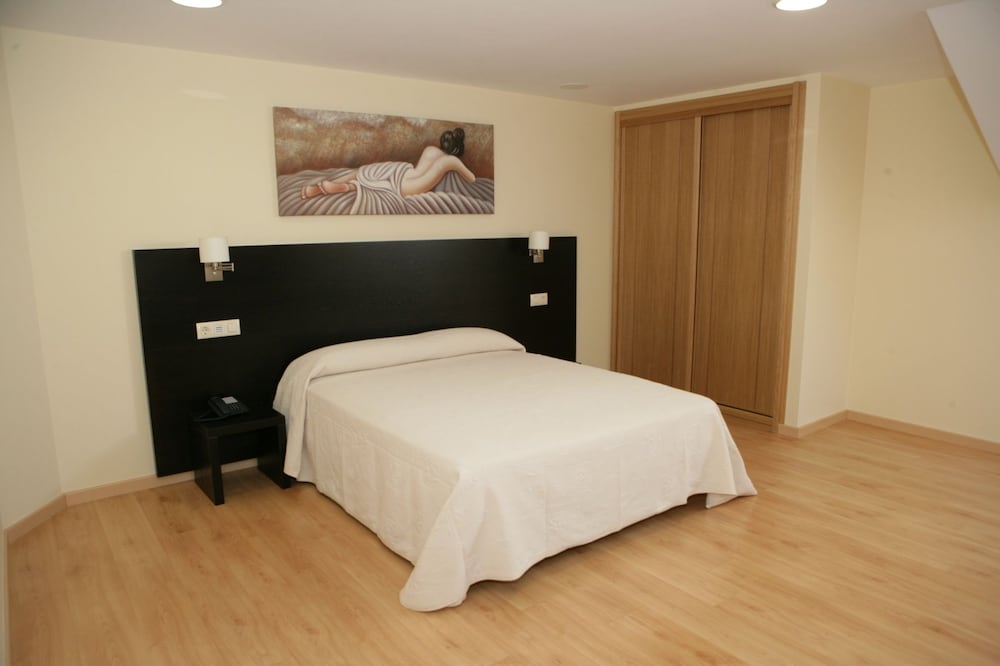
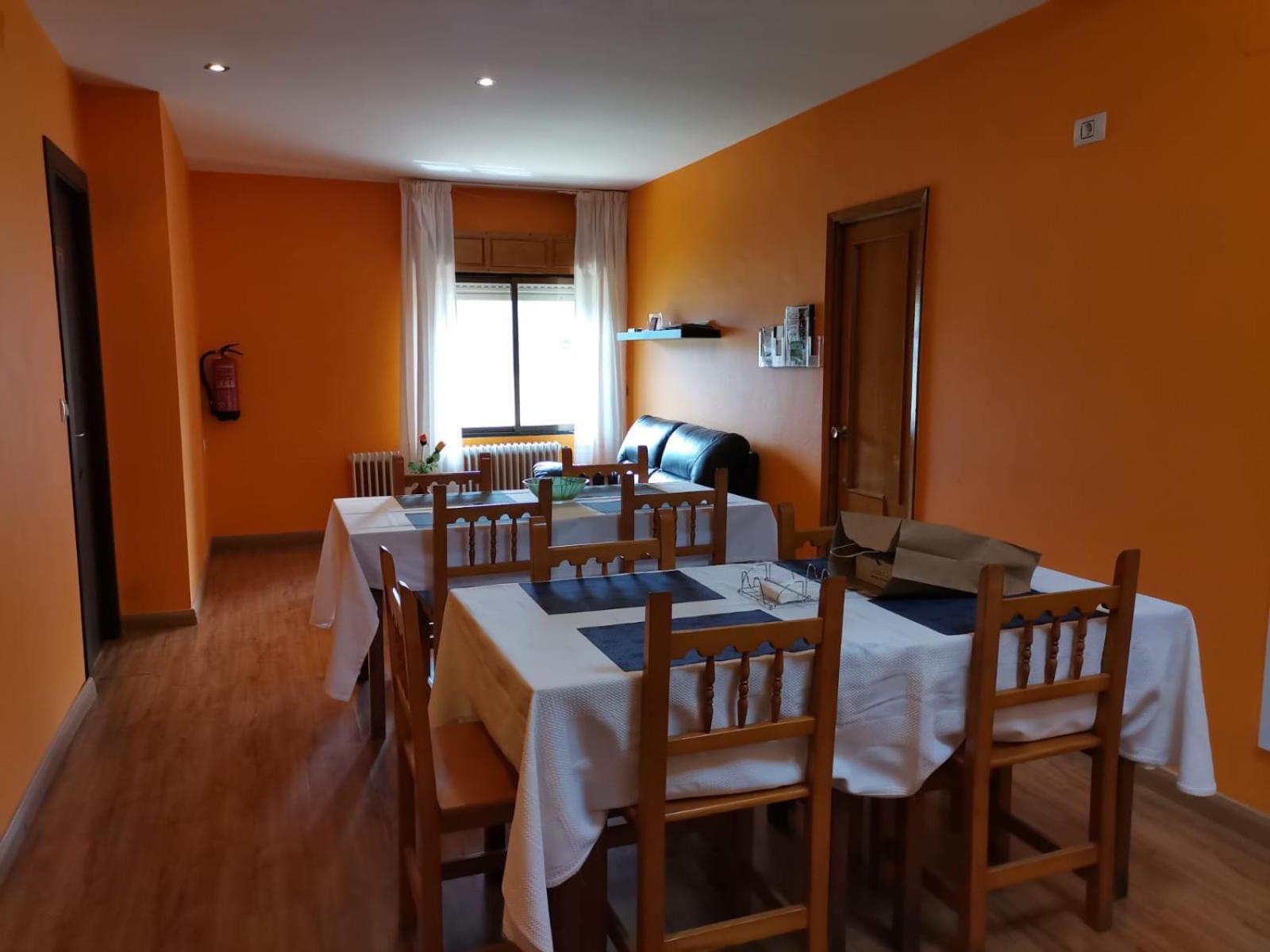
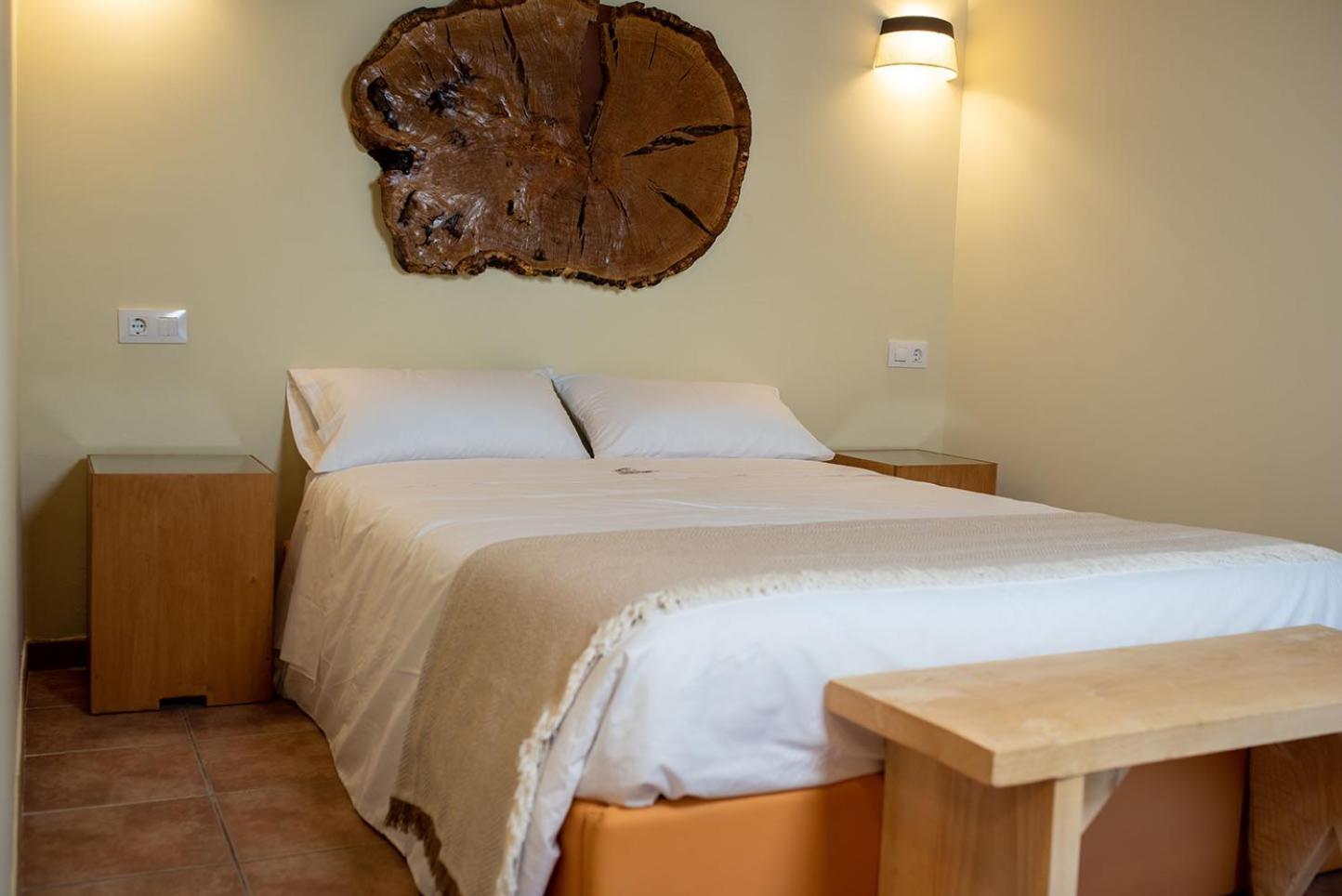
Find the perfect place for your rest in A Gudiña o Laza.


Start your adventure
Ready to walk this stage?
We design your personalised Camino de Santiago experience.
Plan your CaminoWalk this route with us
Fancy walking this route?
We don't have a ready-made package for this route yet, but we'll organise it around you. Tell us how you'd like to experience it and a specialist will reply within 24 h.
Request your proposal