Origin
Destination
Distance
25.20 km
Duration
6.00 h
Difficulty
Easy
Descent
10 m
Stage of the Camino
Stage Description
This 25.2 km stage departs from the province of Burgos to enter Palencia Province. The journey begins with a demanding ascent at Mostelares, leaving Castrojeriz, before entering completely flat terrain that defines the Palentine Campos land. The route is a long straight path inviting meditation. The most important milestone of the stage is crossing the Castile Canal in Boadilla del Camino, an impressive 18th-century engineering work. The final stretch, following the canal's riverbank, is a pleasant stroll leading to Frómista, famous for housing one of Europe's Romanesque jewels: San Martin de Tours Church.
The 25.2 km stage connecting Castrojeriz and Frómista combines an initial challenge with a long and peaceful plain. As soon as the pilgrim leaves the historic village of Castrojeriz, they face a tough climb up the Teso de Mostelares. It's a short but intense ascent that is overcome in just over 1.5 kilometers. From the top, breathtaking views of the plain stretching out before it, the Land of Campos, are overwhelming.
After a quick descent, a nearly 20 km stretch of absolute flatness begins, defining the landscape of Palencia Province. The path crosses the Pisuerga River at the historic Puente de Itero, marking the border between Burgos and Palencia.
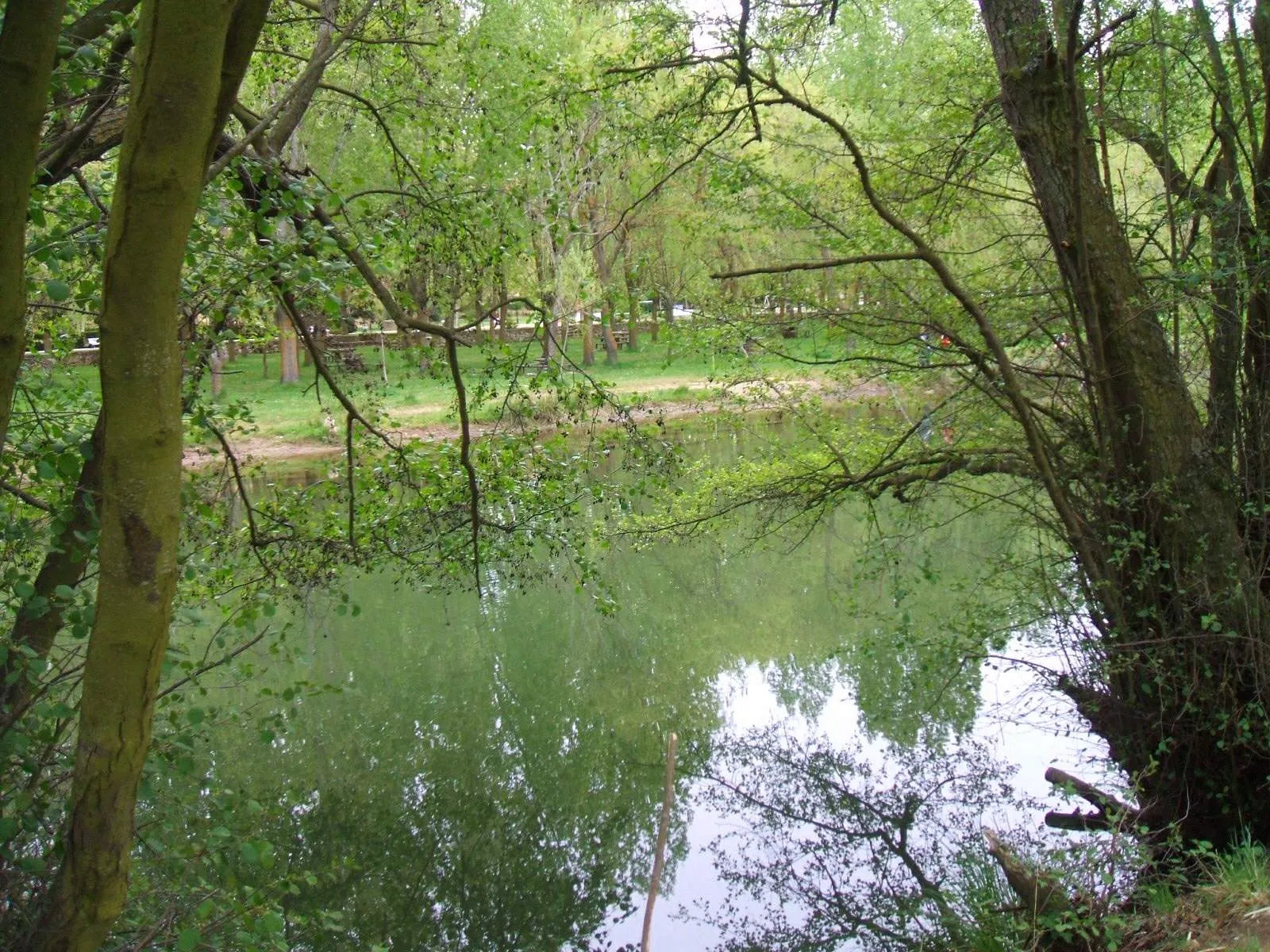
The next point of interest is Boadilla del Camino, a small town with a beautiful church and a Gothic roll of jurisdiction. Shortly after, the Way meets one of Spain's most important engineering works: the Canal of Castile. The pilgrim walks for several kilometers alongside its tranquil waters, following an ancient towpath that was used by mules to pull barges. It's a beautiful and serene stretch offering a refreshing contrast to the aridity of the meseta.
The stage concludes in Frómista. This town is a must-visit destination for anyone who loves art, as it houses the church of San Martín de Tours, considered one of the most pure and perfect examples of European Romanesque art. Its harmony, capitals, and history make it an unmissable visit.
After a quick descent, a nearly 20 km stretch of absolute flatness begins, defining the landscape of Palencia Province. The path crosses the Pisuerga River at the historic Puente de Itero, marking the border between Burgos and Palencia.
The next point of interest is Boadilla del Camino, a small town with a beautiful church and a Gothic roll of jurisdiction. Shortly after, the Way meets one of Spain's most important engineering works: the Canal of Castile. The pilgrim walks for several kilometers alongside its tranquil waters, following an ancient towpath that was used by mules to pull barges. It's a beautiful and serene stretch offering a refreshing contrast to the aridity of the meseta.
The stage concludes in Frómista. This town is a must-visit destination for anyone who loves art, as it houses the church of San Martín de Tours, considered one of the most pure and perfect examples of European Romanesque art. Its harmony, capitals, and history make it an unmissable visit.
Last updated: 12/08/2025
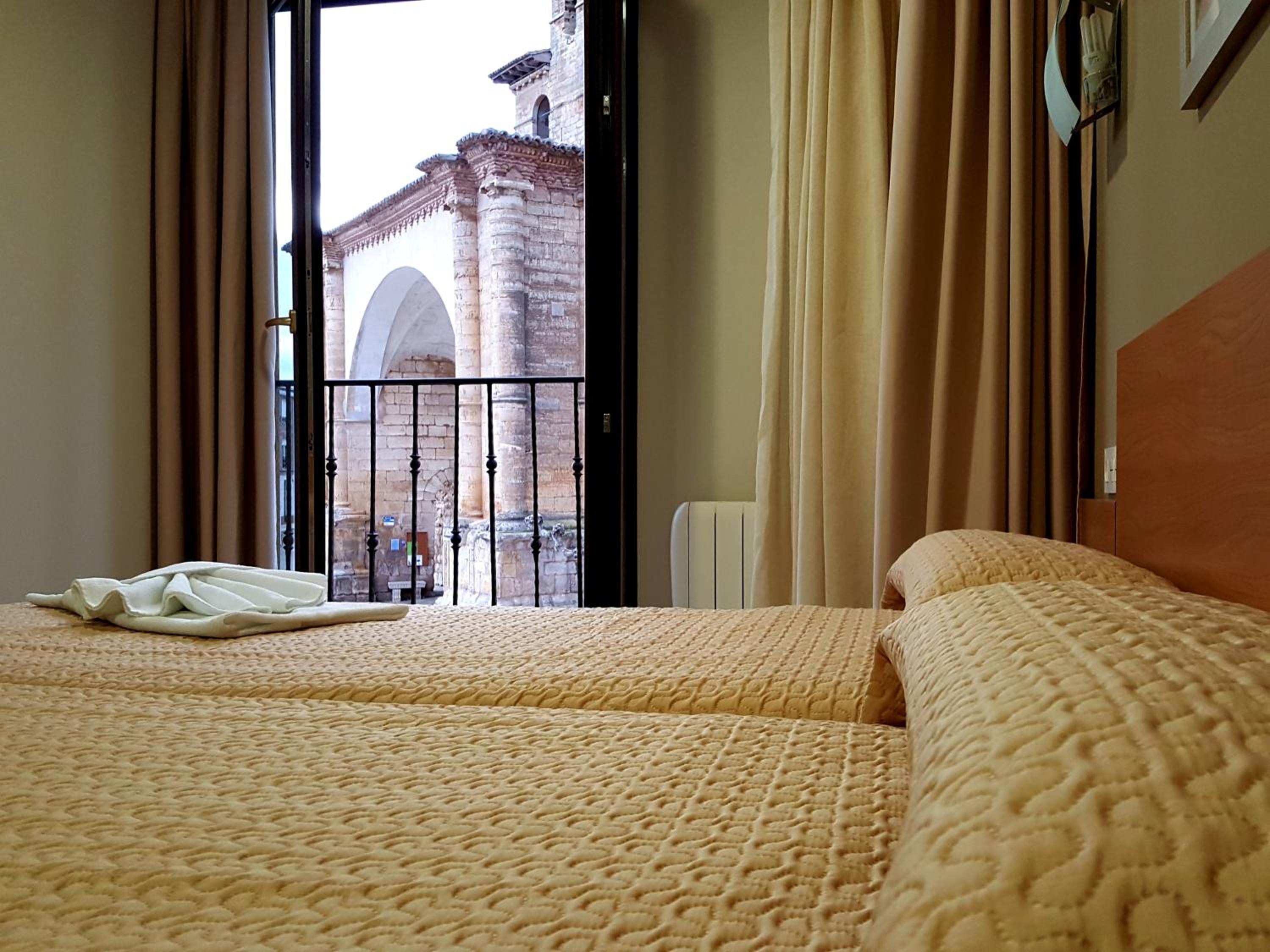
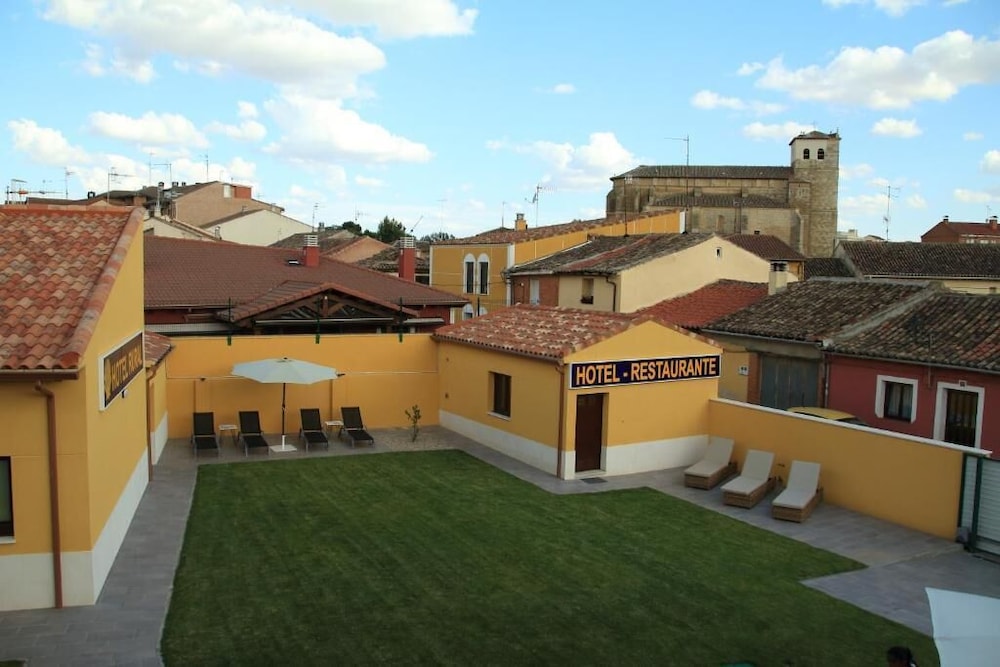
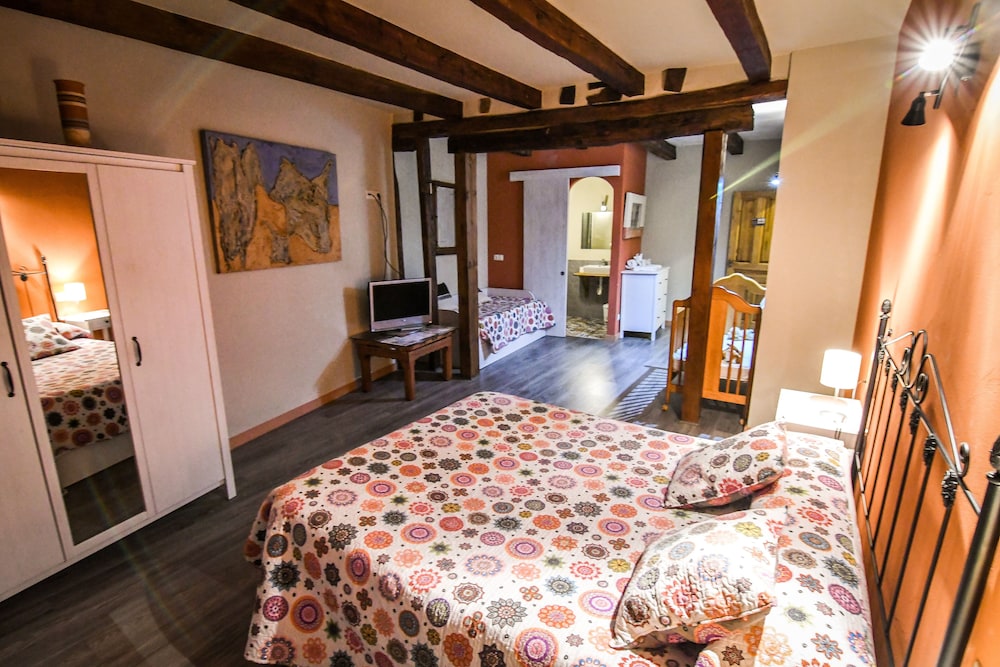
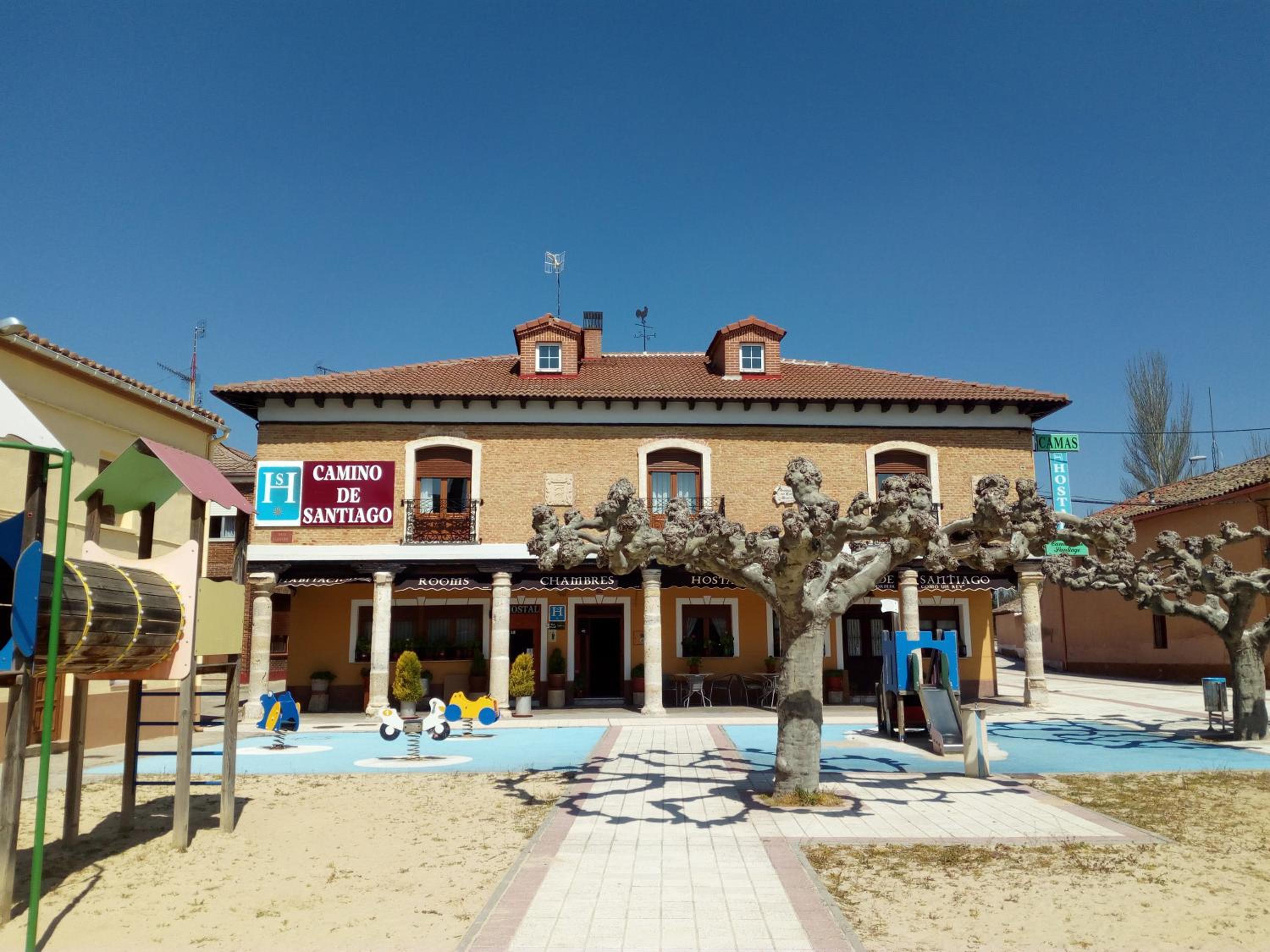
Where to Sleep
Accommodations in this Stage
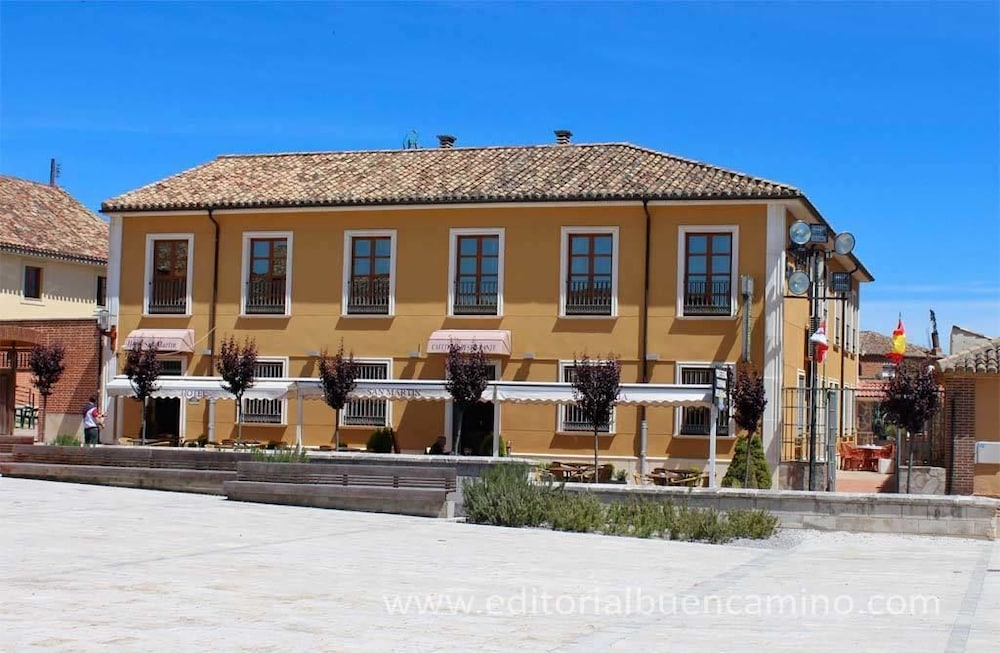
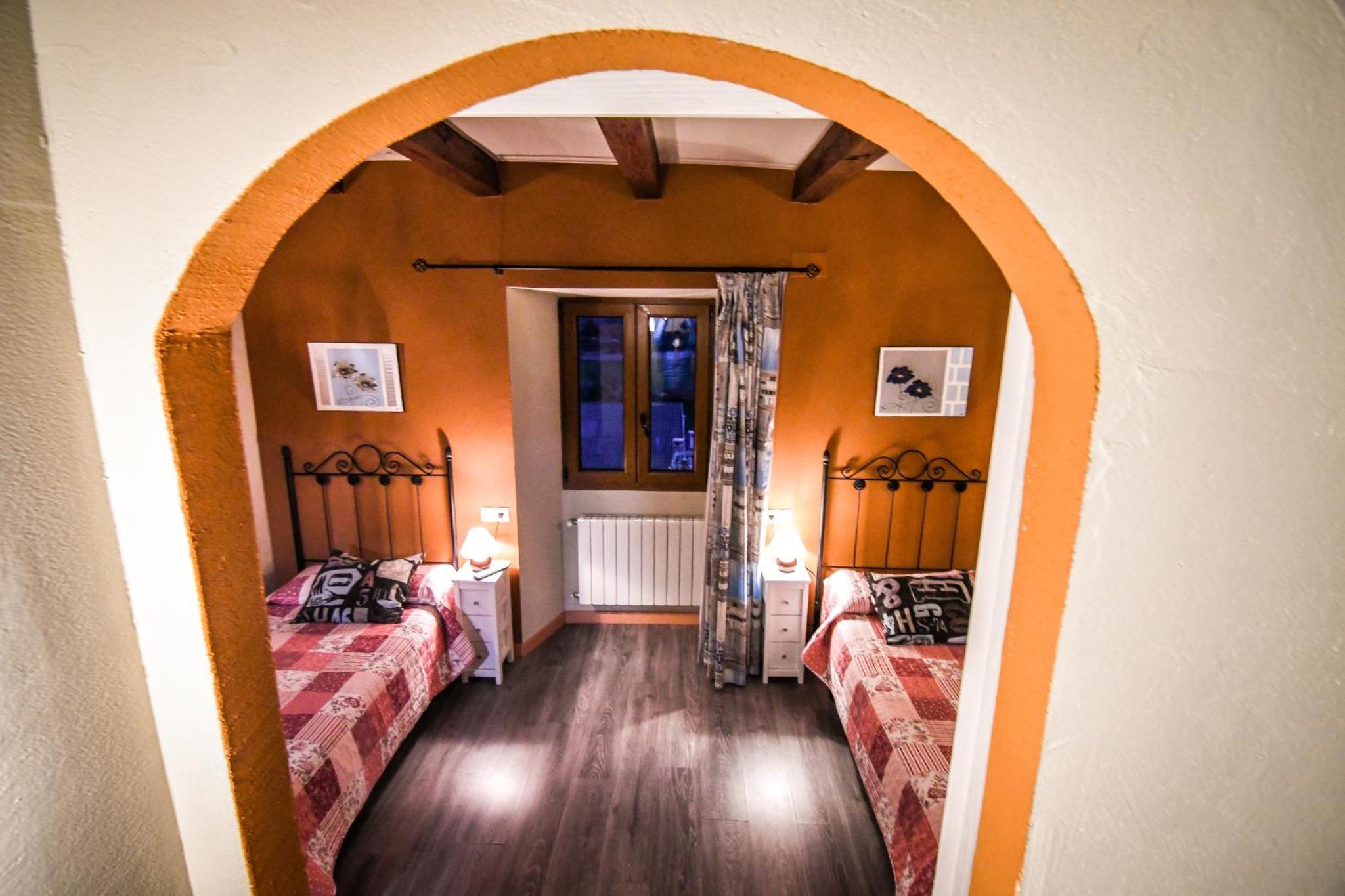
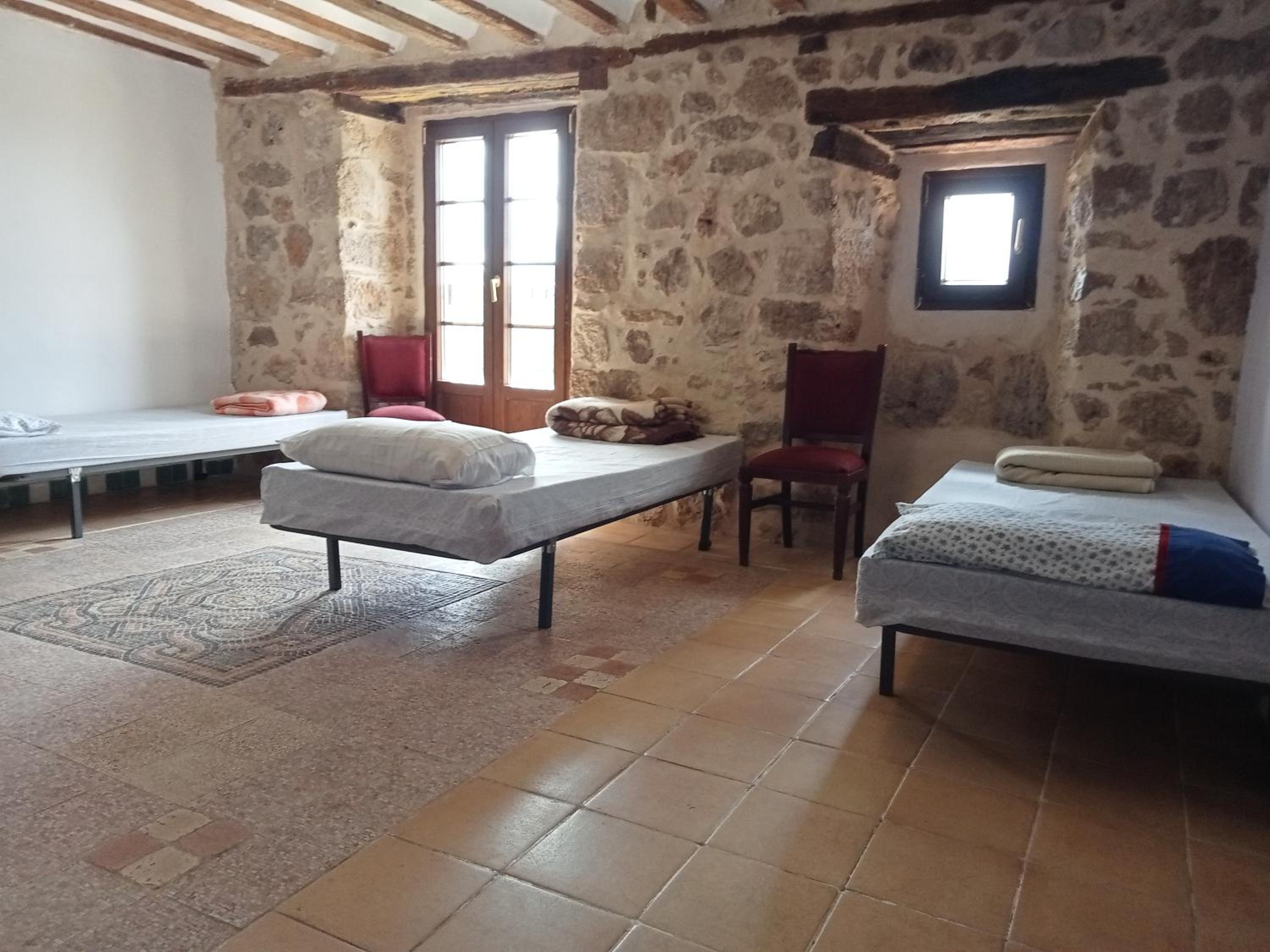
Find the perfect place for your rest in Castrojeriz o Frómista.
Start your adventure
Ready to walk this stage?
We design your personalised Camino de Santiago experience.
Plan your CaminoWalk this route with us
We take care of every detail
Accommodation booked stage by stage, your backpack waiting when you arrive and someone on the phone if anything goes wrong.