
Stage of the Camino
Stage Description
Jornada larga que devuelve al peregrino desde la costa hacia el interior, deshaciendo el ramal de Muxía para reencontrar el tronco común del Camino a Finisterre. La salida bordea la ría de Muxía por Os Muíños y Quintáns antes de abandonar definitivamente el mar y ganar altura hacia el interior de la Costa da Morte. Dumbría, en el kilómetro 20,4, marca el final del tramo más solitario y ofrece los primeros servicios de entidad. Desde allí el camino continúa hasta Hospital, el cruce donde confluyen los ramales de Muxía y Fisterra, y desciende suavemente por O Logoso hasta Olveiroa. Con 31,1 kilómetros y más de ochocientos metros de desnivel positivo, es la etapa más dura del recorrido y conviene afrontarla con la jornada completa por delante.
Recorrida en sentido Muxía-Olveiroa, esta es la etapa más exigente del Camino a Finisterre y Muxía: 31,1 kilómetros y más de ochocientos metros de desnivel positivo acumulado, unas siete horas y tres cuartos de marcha según los tiempos de referencia. El perfil es engañoso, porque nunca se alcanzan cotas altas, pero el encadenado constante de repechos entre el nivel del mar y los trescientos metros del interior acaba pesando.
La salida de Muxía rodea la ría por Os Muíños, donde el camino pasa junto a los molinos de marea que dan nombre al lugar. Tras Quintáns el trazado se despide del Atlántico y empieza a ganar altura, dejando atrás el paisaje costero para entrar en la Galicia interior de prados cerrados, muros de piedra y aldeas dispersas.
El tramo central, entre Trasufre y Dumbría, es el más solitario de la jornada. Discurre por pistas rurales y caminos entre eucaliptales, con escasos puntos de avituallamiento, de modo que conviene salir de Muxía con agua y comida suficientes. Dumbría, en el kilómetro 20,4, es el primer núcleo con servicios reales y el punto donde algunos peregrinos deciden partir la etapa en dos.
Pasado Dumbría el camino asciende hacia Hospital, el cruce donde el ramal de Muxía se reencuentra con el que baja hacia Cee y Fisterra. Es un punto de referencia clásico del Camino, poco más que un puñado de casas junto a la carretera, pero cargado de significado para quien ha hecho el recorrido completo por la costa.
El último tramo desciende suavemente por O Logoso, aldea con alojamientos que quedan a poco más de dos kilómetros de la meta, hasta entrar en Olveiroa. Este pequeño núcleo de casas de piedra y hórreos restaurados es uno de los enclaves más cuidados del Camino a Finisterre y funciona como base natural para afrontar al día siguiente la larga etapa hacia Negreira.
La salida de Muxía rodea la ría por Os Muíños, donde el camino pasa junto a los molinos de marea que dan nombre al lugar. Tras Quintáns el trazado se despide del Atlántico y empieza a ganar altura, dejando atrás el paisaje costero para entrar en la Galicia interior de prados cerrados, muros de piedra y aldeas dispersas.
El tramo central, entre Trasufre y Dumbría, es el más solitario de la jornada. Discurre por pistas rurales y caminos entre eucaliptales, con escasos puntos de avituallamiento, de modo que conviene salir de Muxía con agua y comida suficientes. Dumbría, en el kilómetro 20,4, es el primer núcleo con servicios reales y el punto donde algunos peregrinos deciden partir la etapa en dos.
Pasado Dumbría el camino asciende hacia Hospital, el cruce donde el ramal de Muxía se reencuentra con el que baja hacia Cee y Fisterra. Es un punto de referencia clásico del Camino, poco más que un puñado de casas junto a la carretera, pero cargado de significado para quien ha hecho el recorrido completo por la costa.
El último tramo desciende suavemente por O Logoso, aldea con alojamientos que quedan a poco más de dos kilómetros de la meta, hasta entrar en Olveiroa. Este pequeño núcleo de casas de piedra y hórreos restaurados es uno de los enclaves más cuidados del Camino a Finisterre y funciona como base natural para afrontar al día siguiente la larga etapa hacia Negreira.
Last updated: 27/07/2026
Where to Sleep
Accommodations in this Stage
Find the perfect place for your rest in Muxía o Olveiroa.
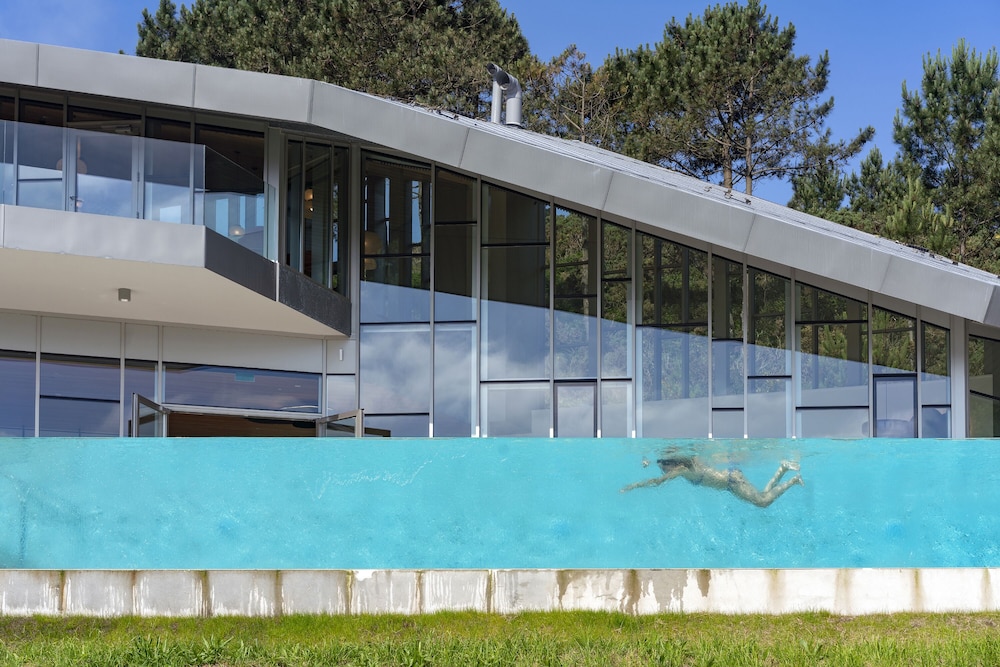
Parador Costa da Morte
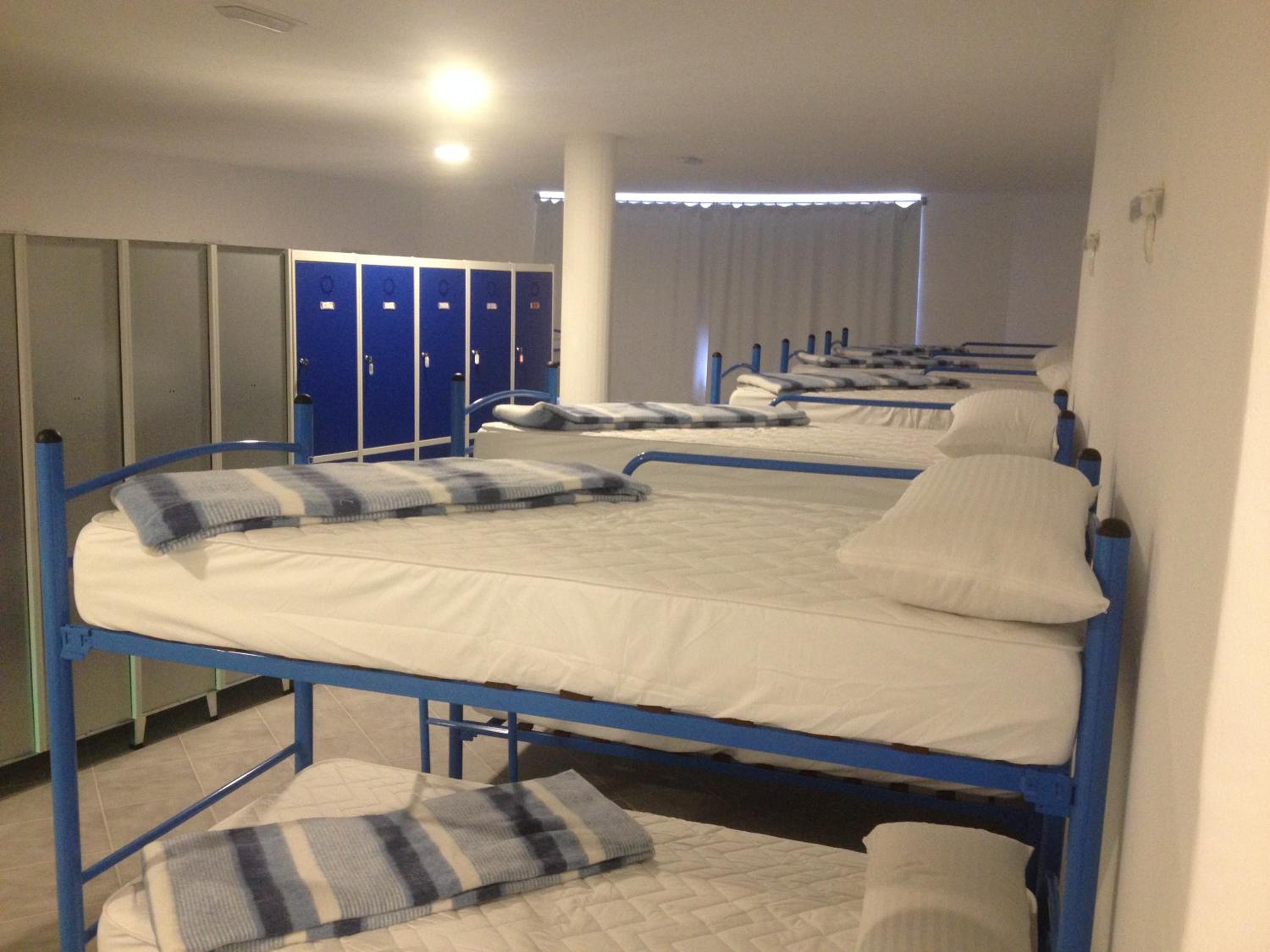
Albergue @ Muxia
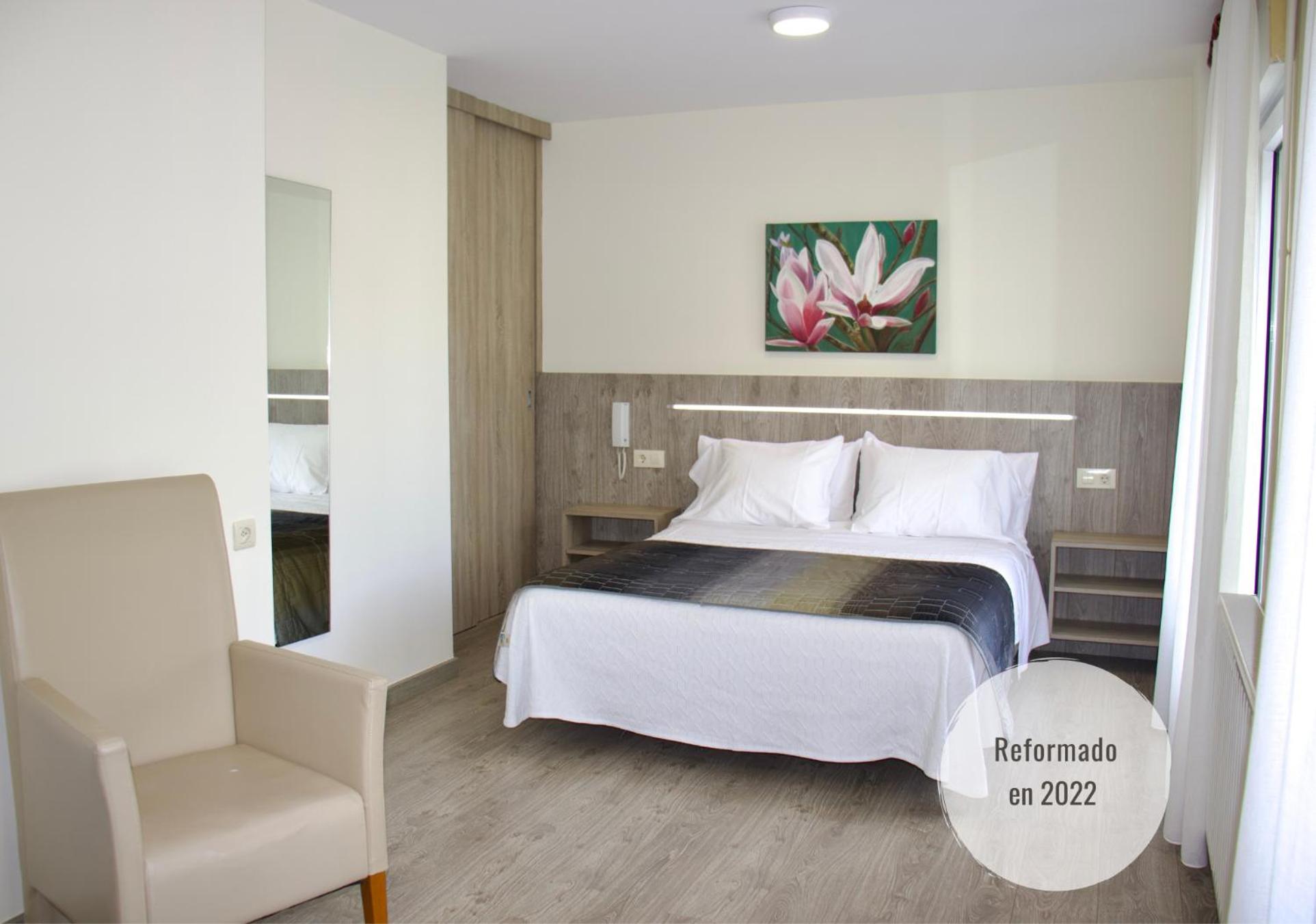
Hotel Playa de Lago
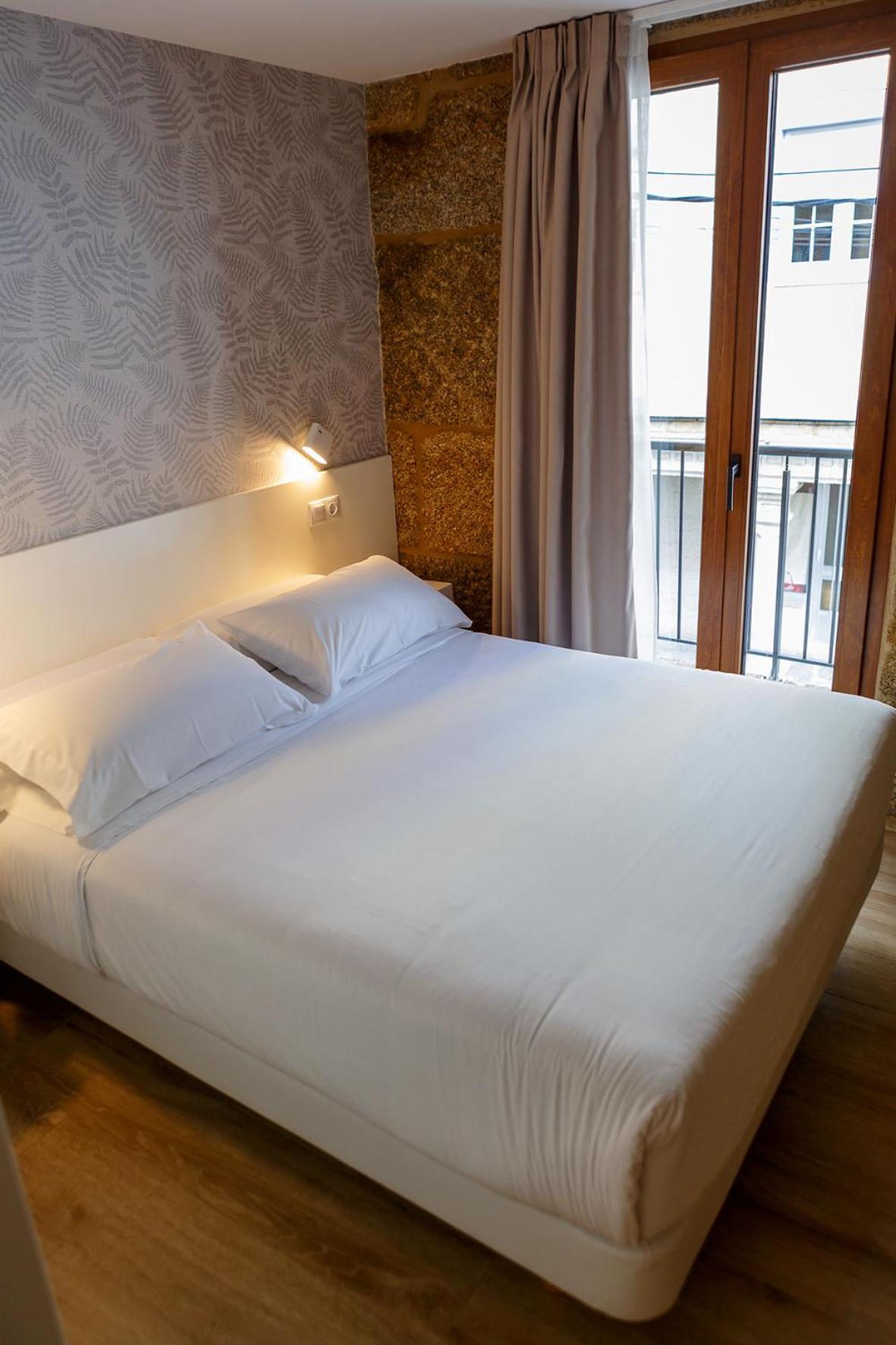
A Bughina apartamentos
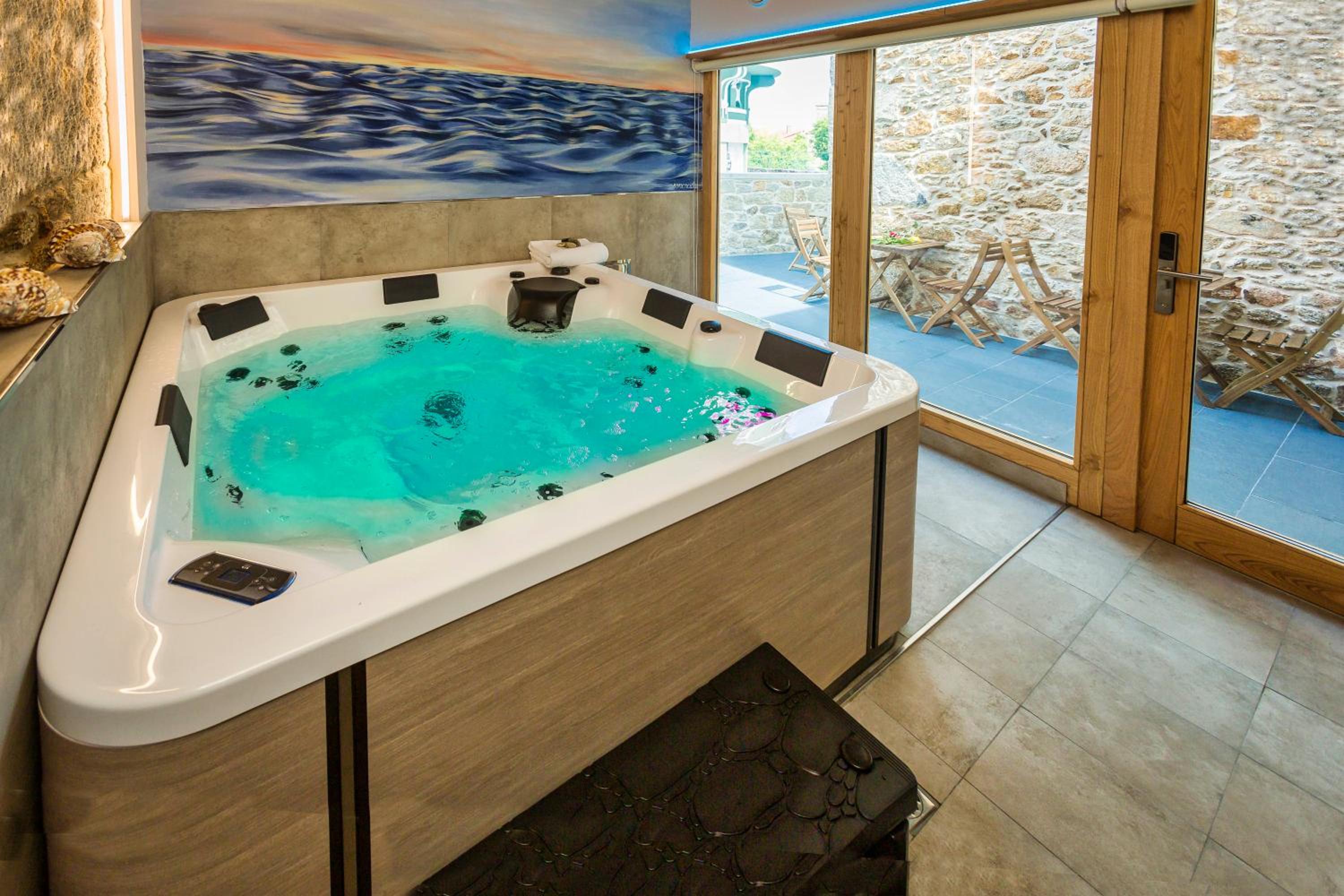
A de Lucía
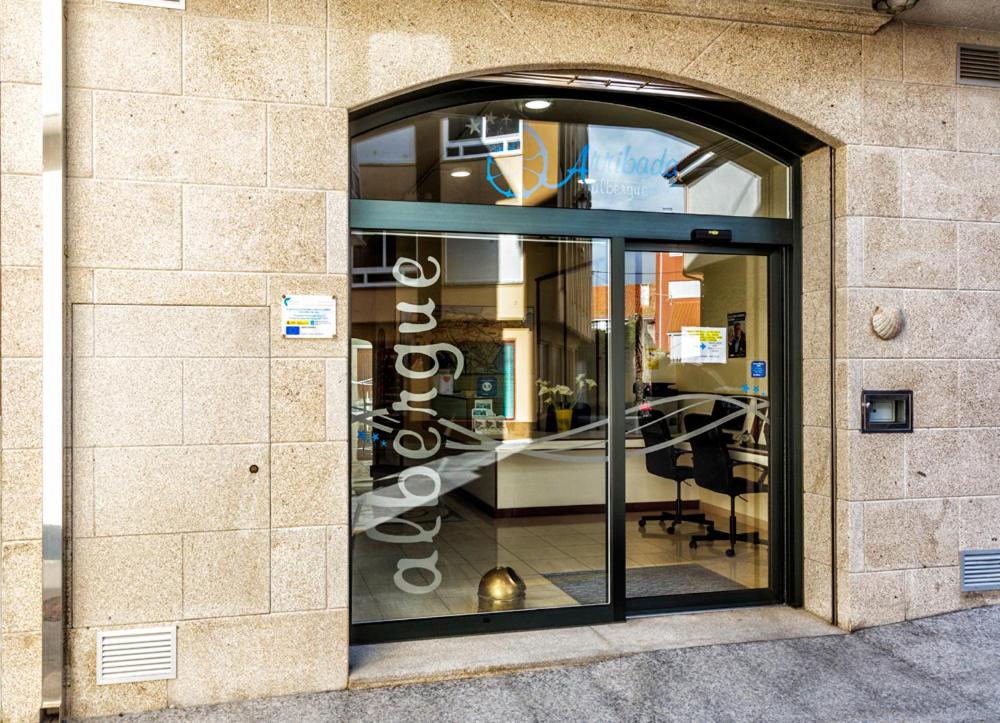
Albergue Arribada
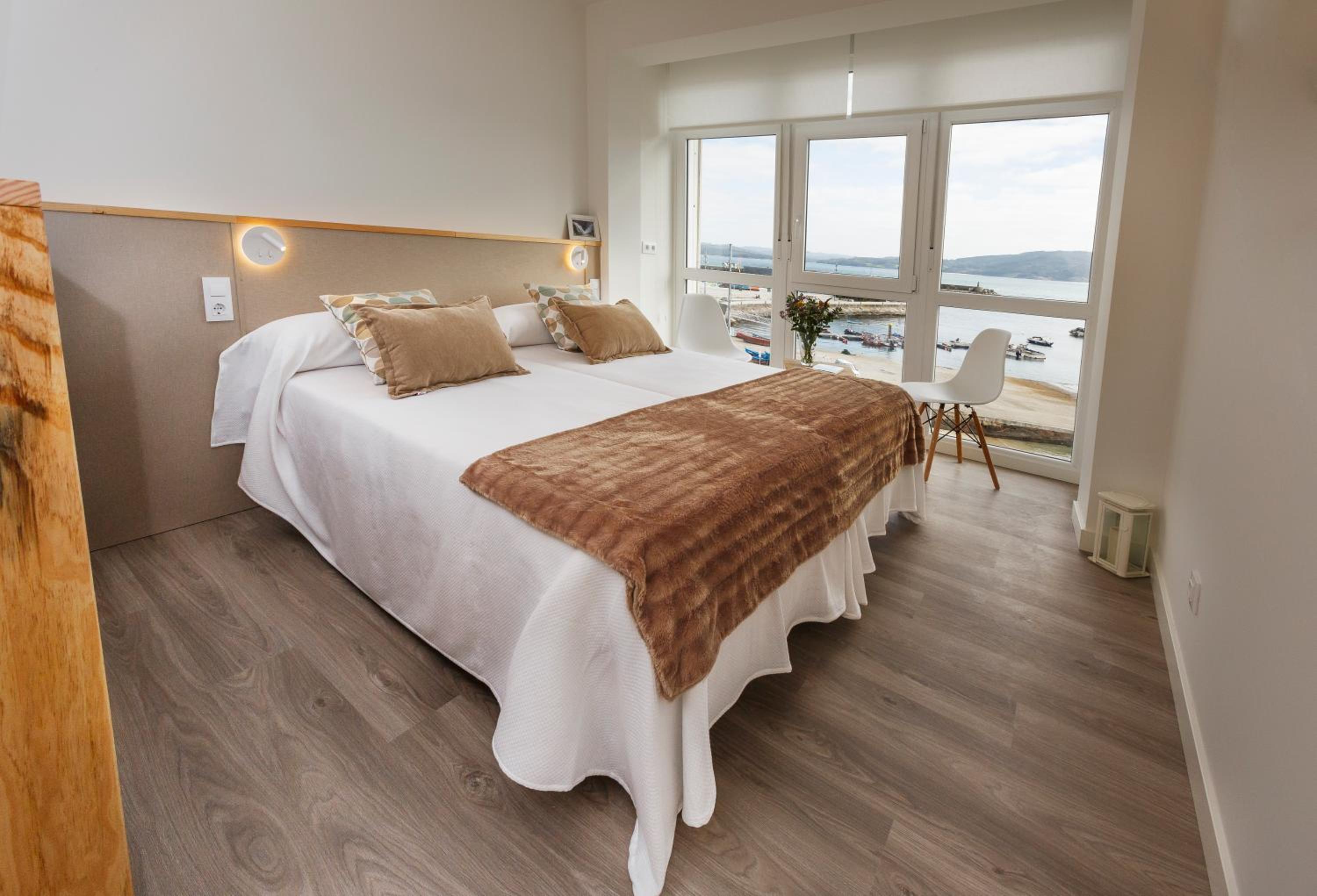
Apartamentos Costa da Morte Muxia
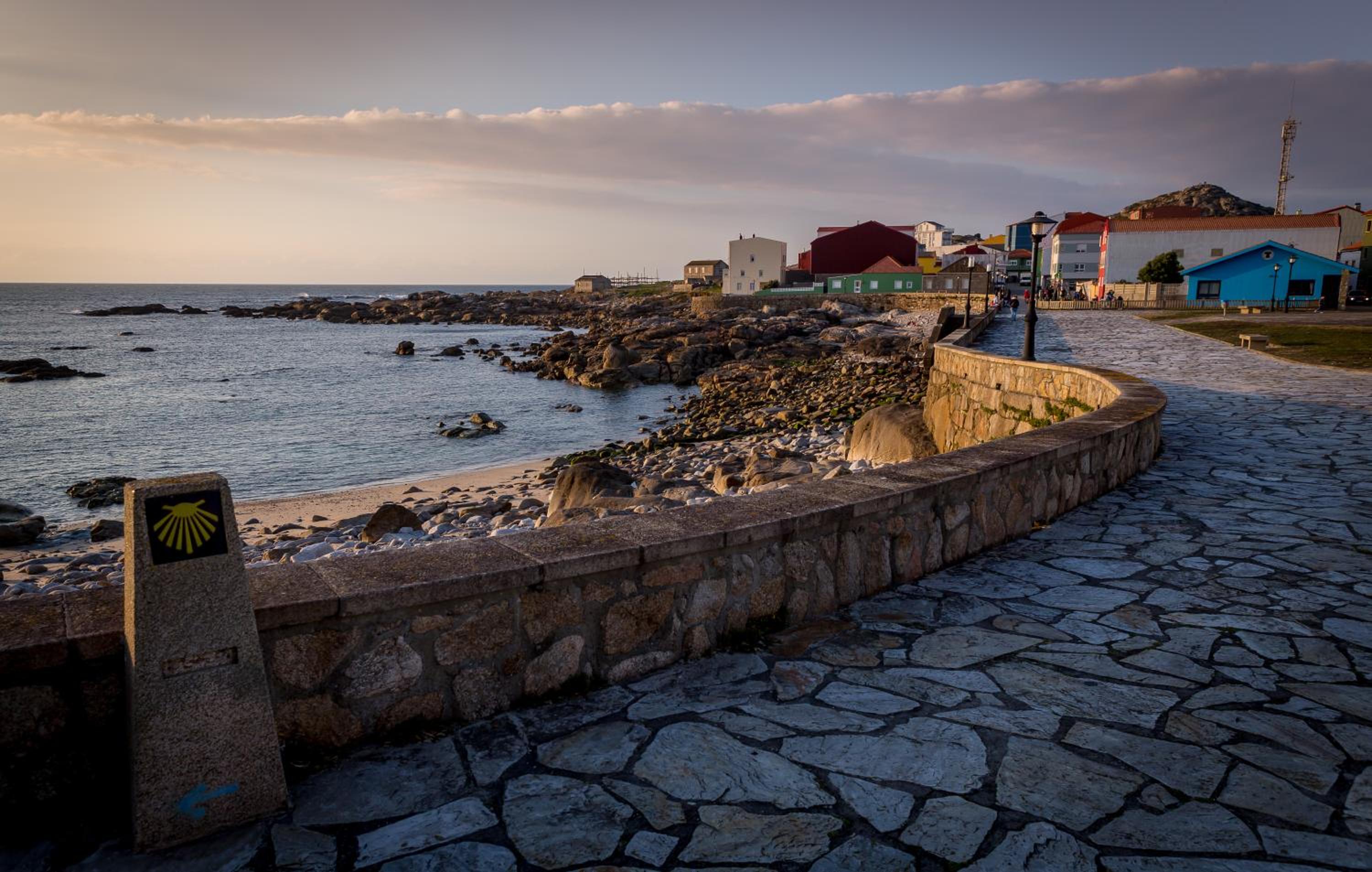
Apartamentos Muxia Mare
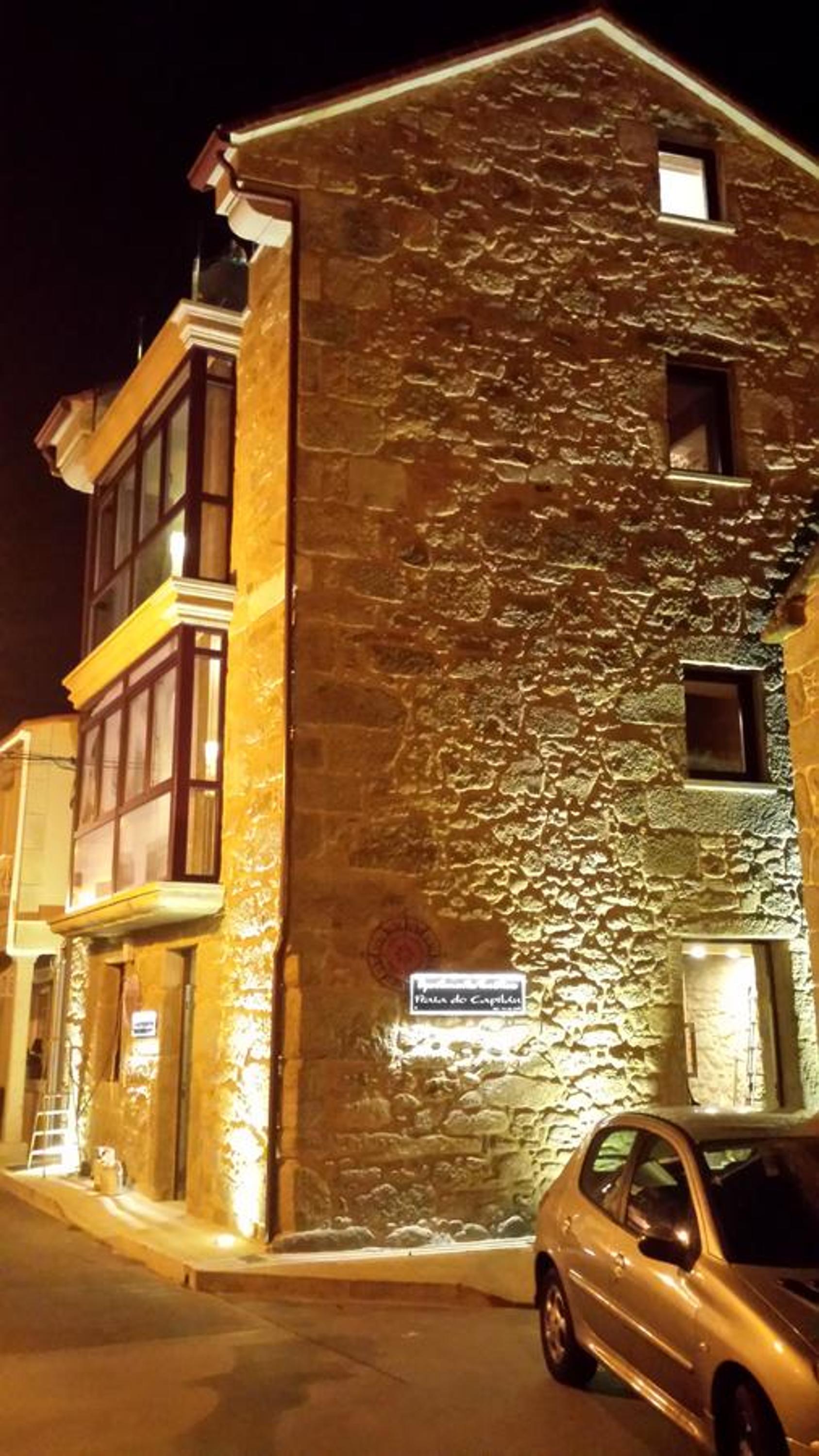
Apartamentos Praia do Capitàn
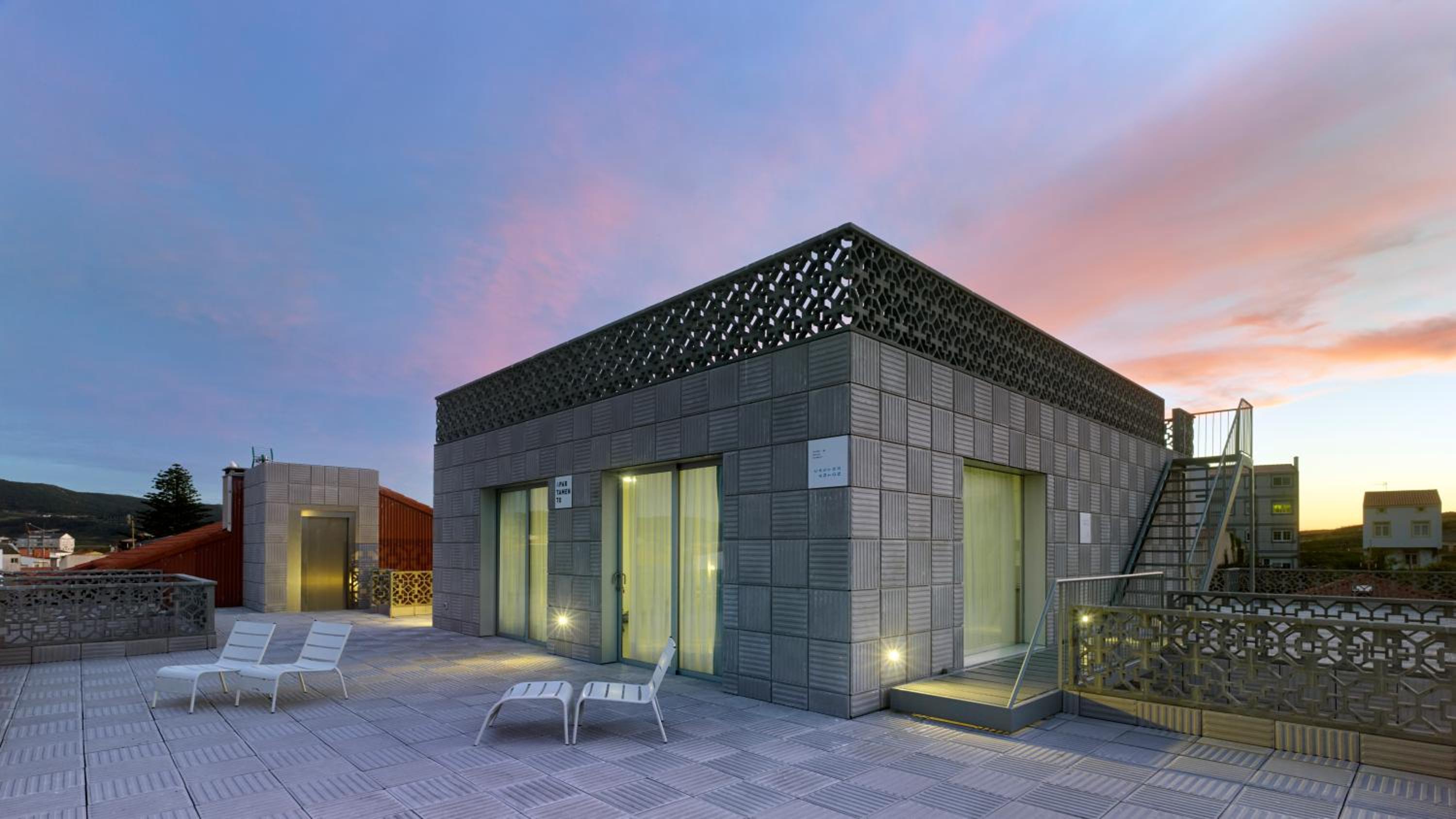
Bela Muxía
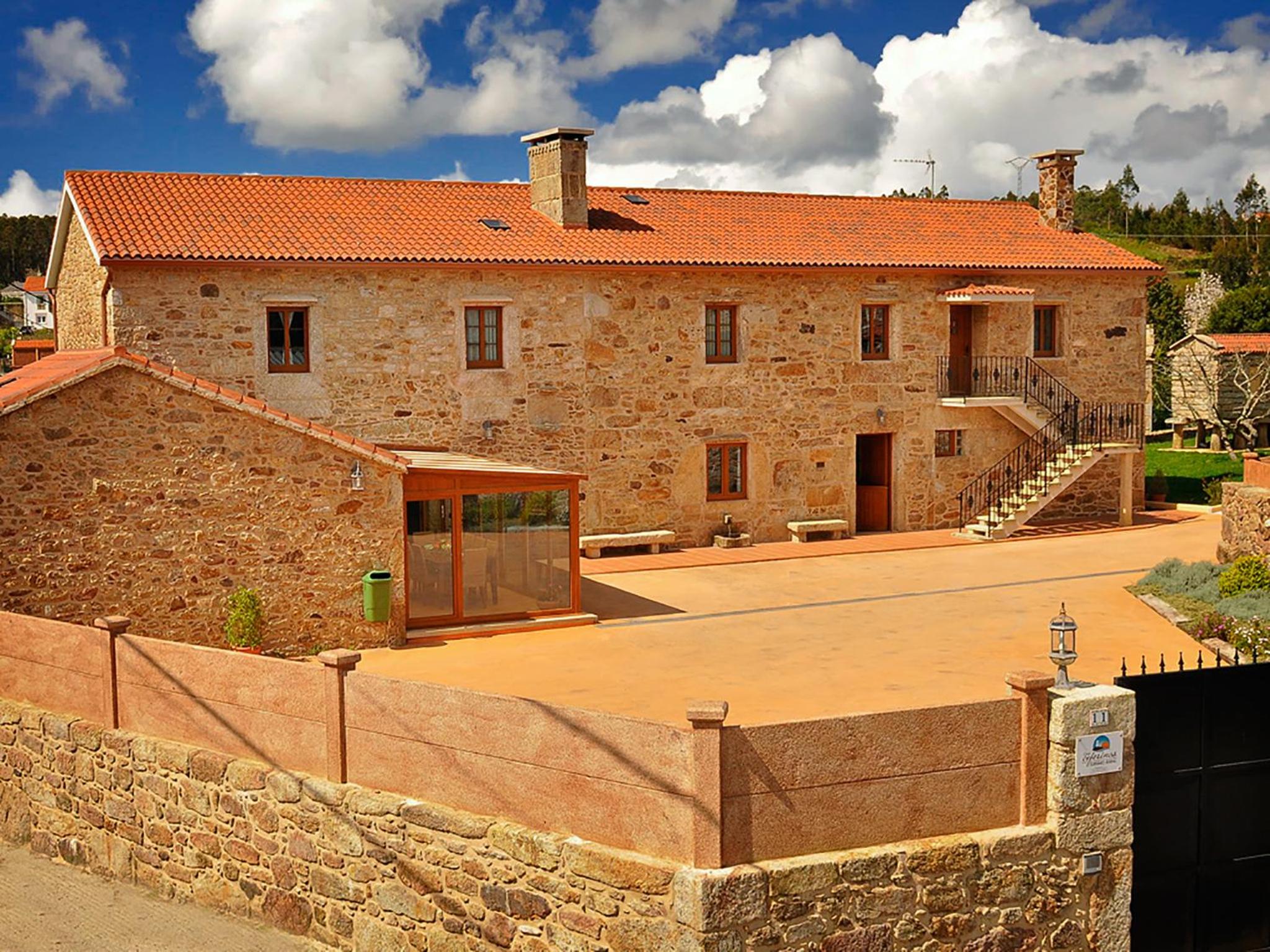
Casa Ceferinos
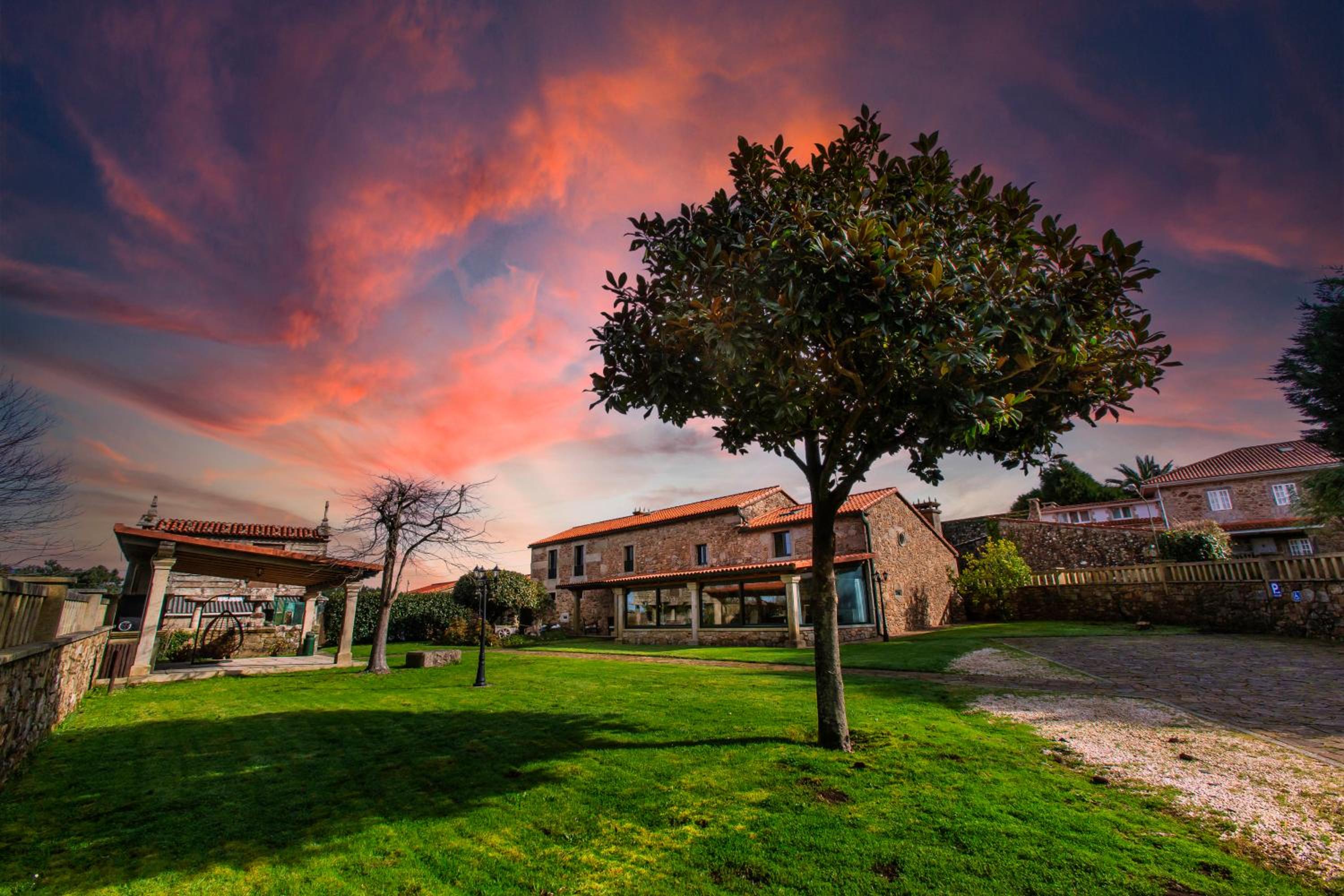
Casa de Lema Boutique
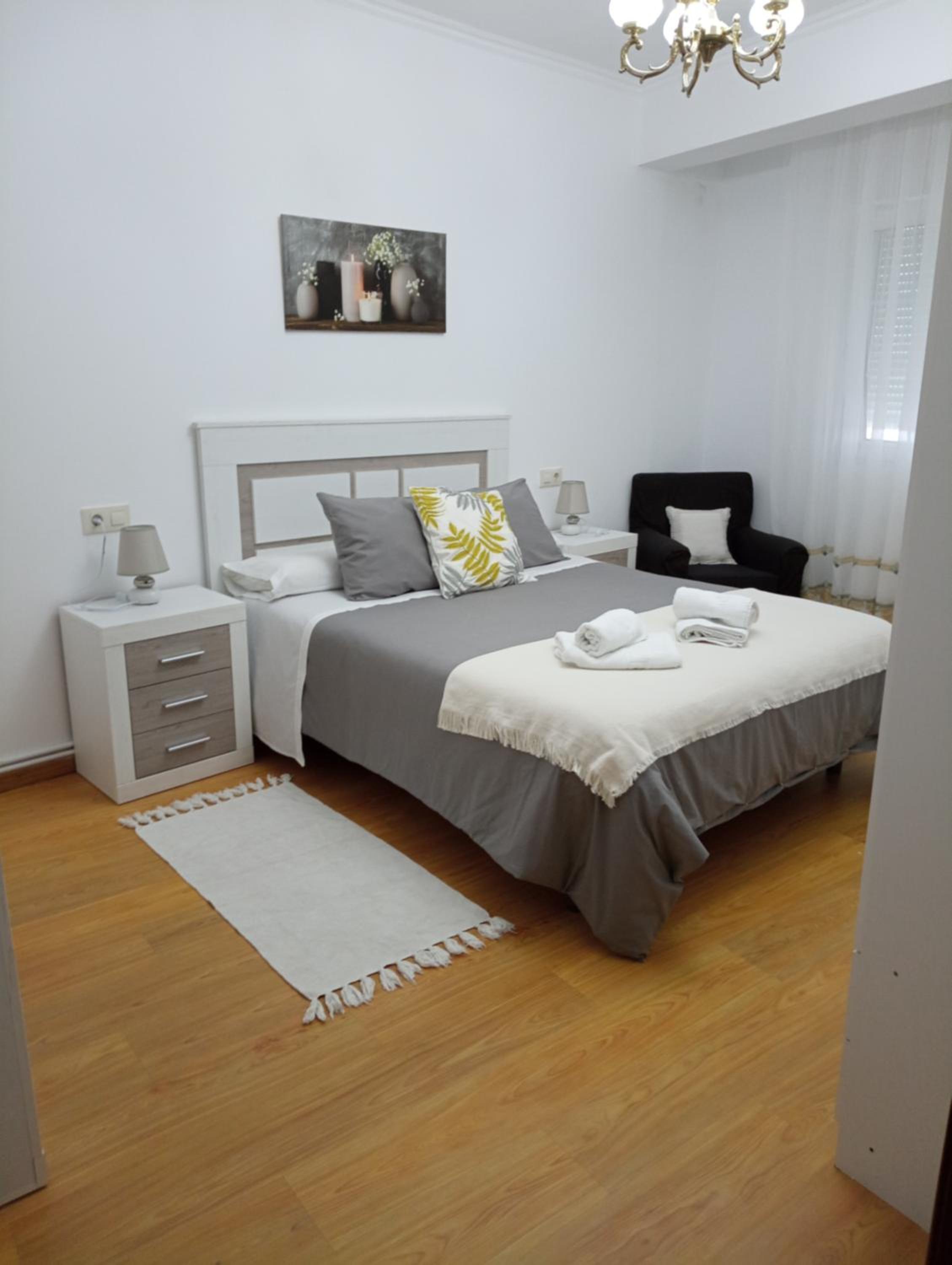
Casa Jesús
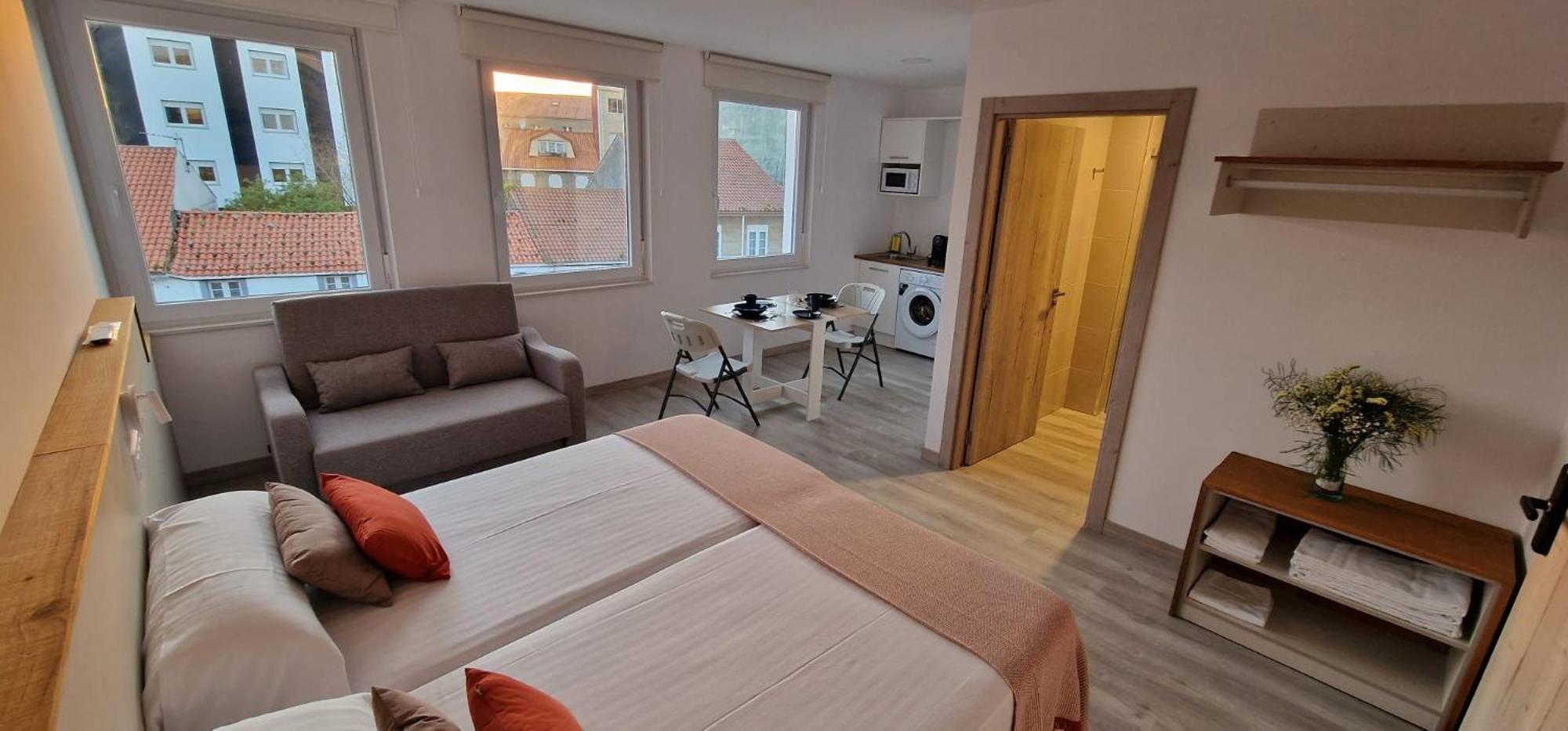
Estudios en Plaza Cabo da Vila centro Muxia
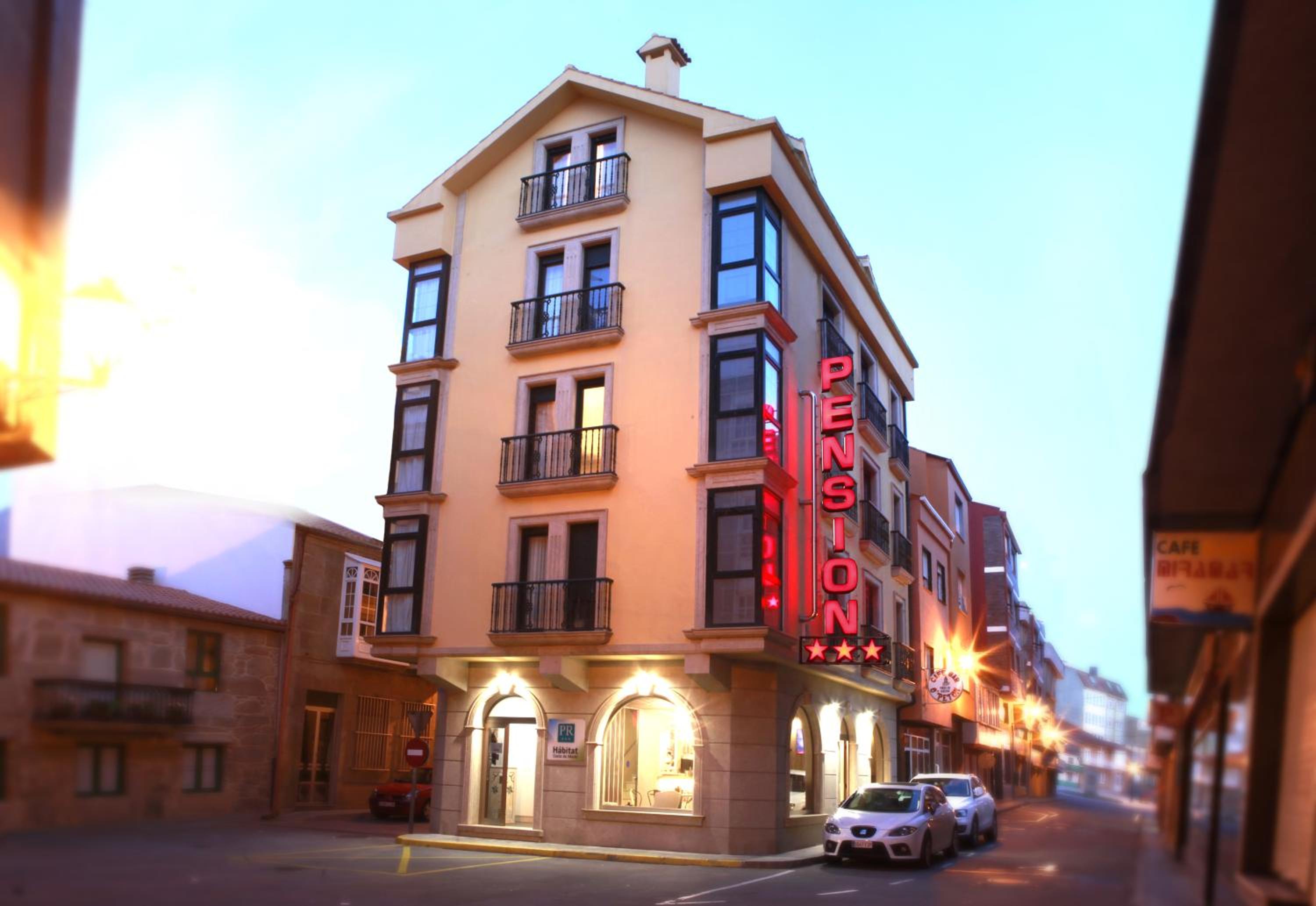
Habitat Cm Muxia
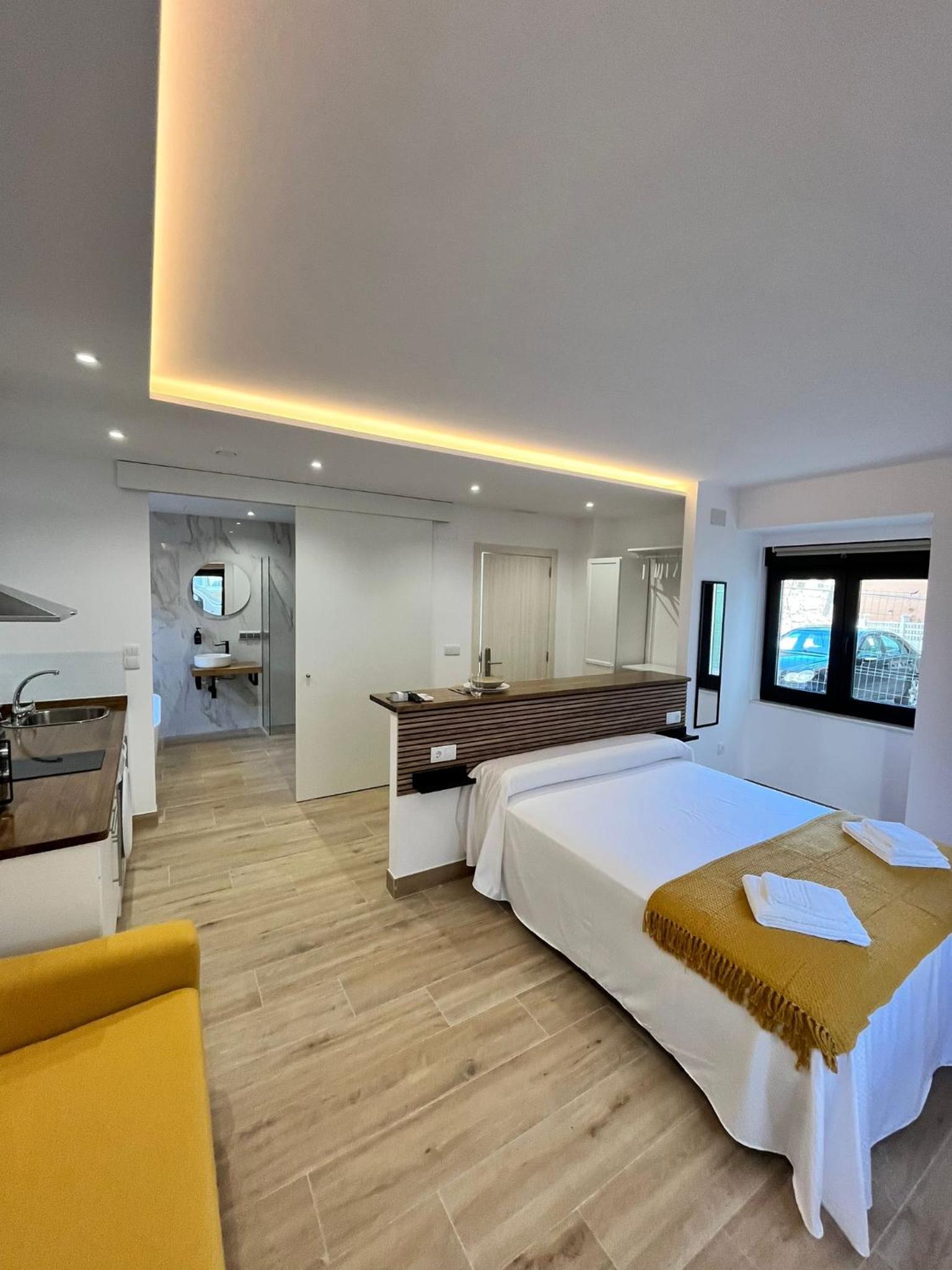
Marusía
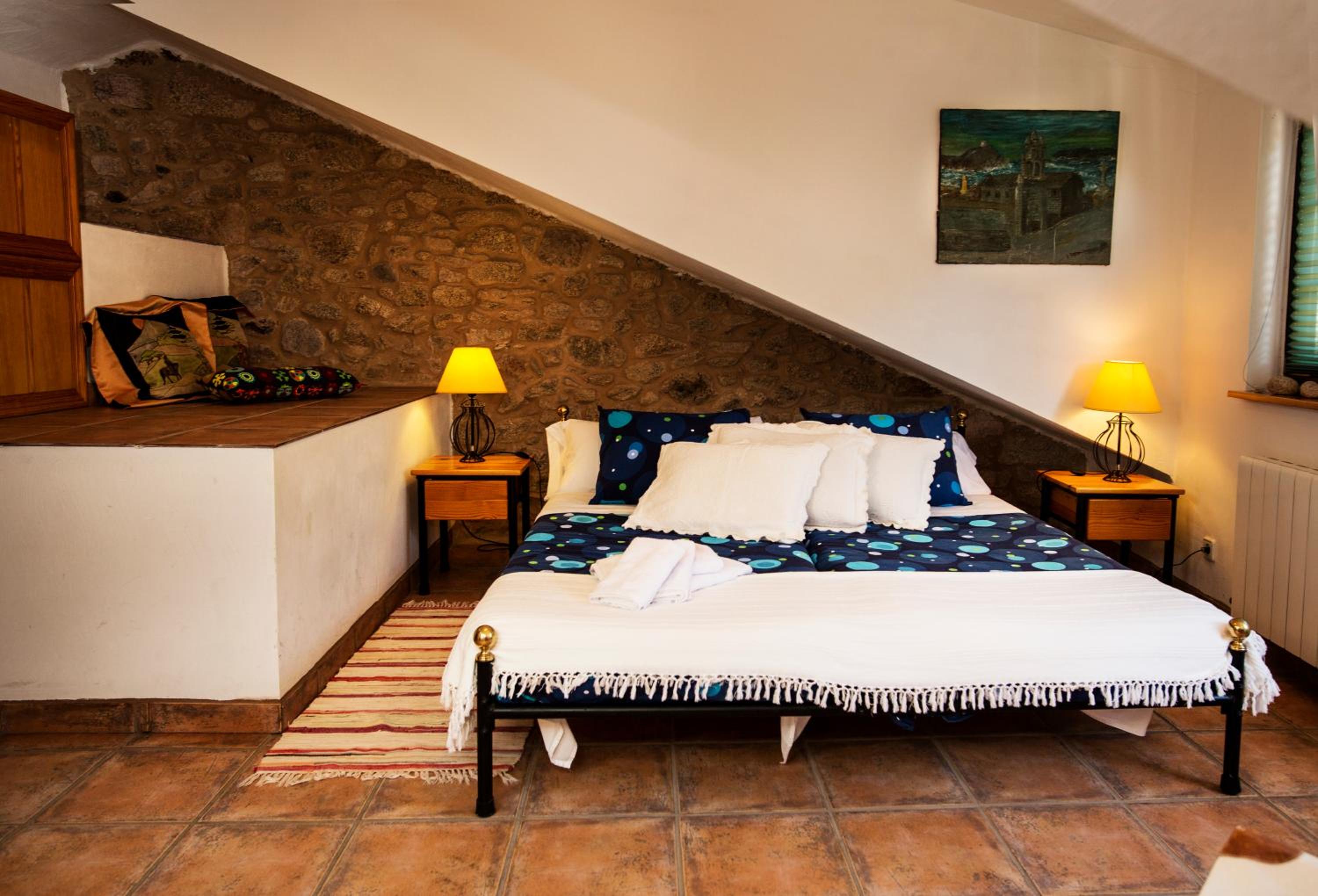
Pensión Rustica Alemana
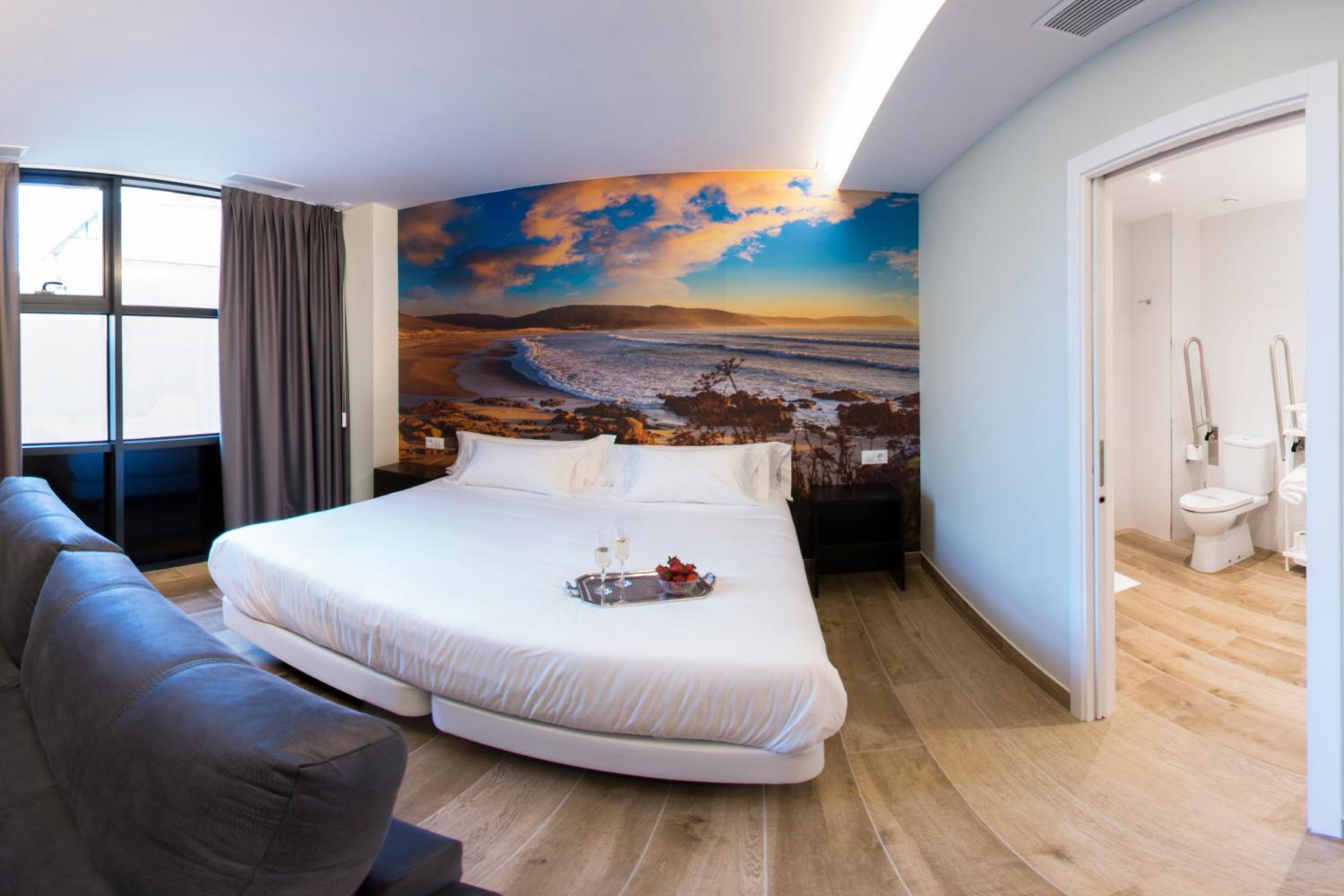
Playacruz Apartamentos
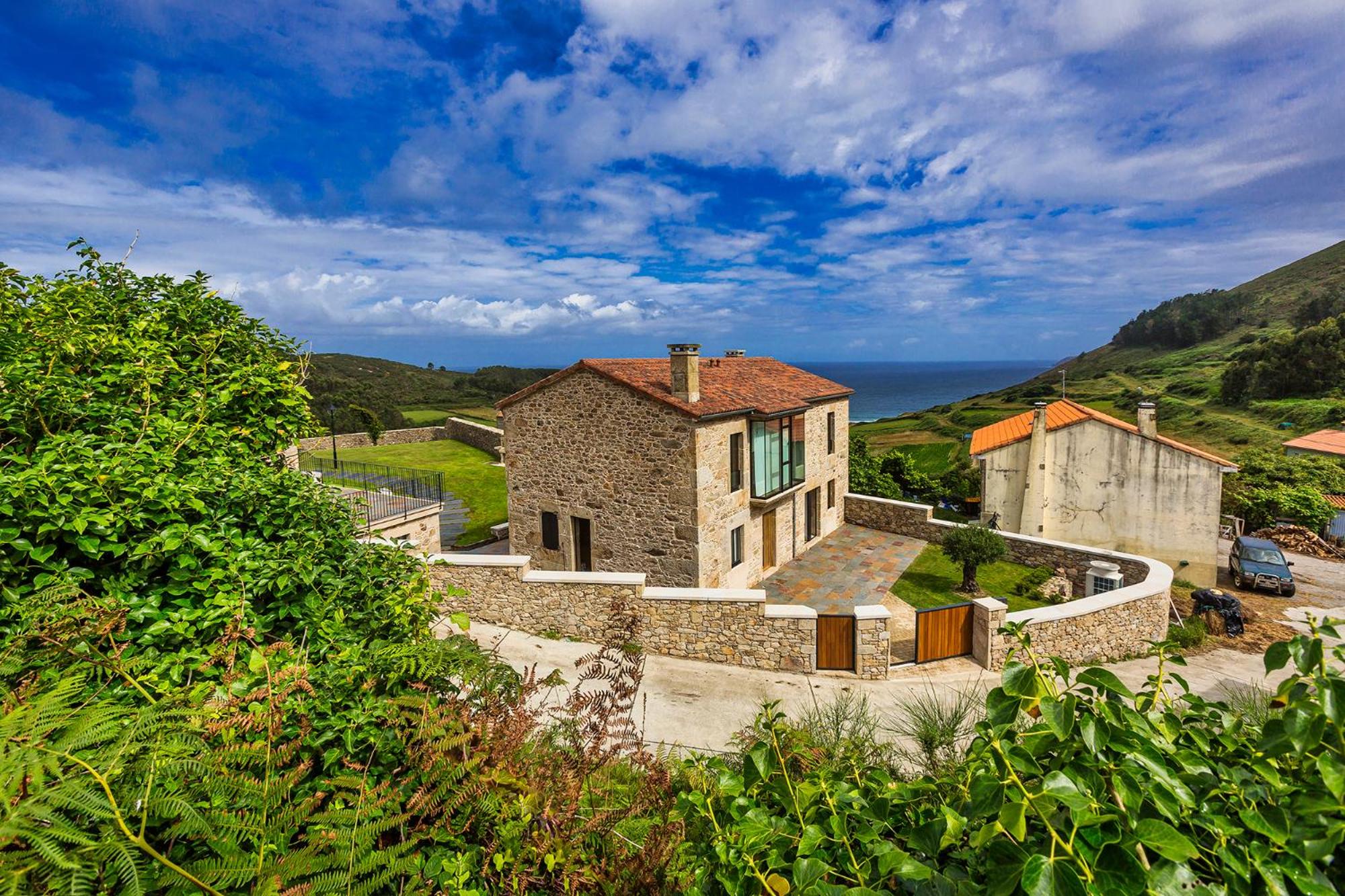
Sal de Mar Apartamentos
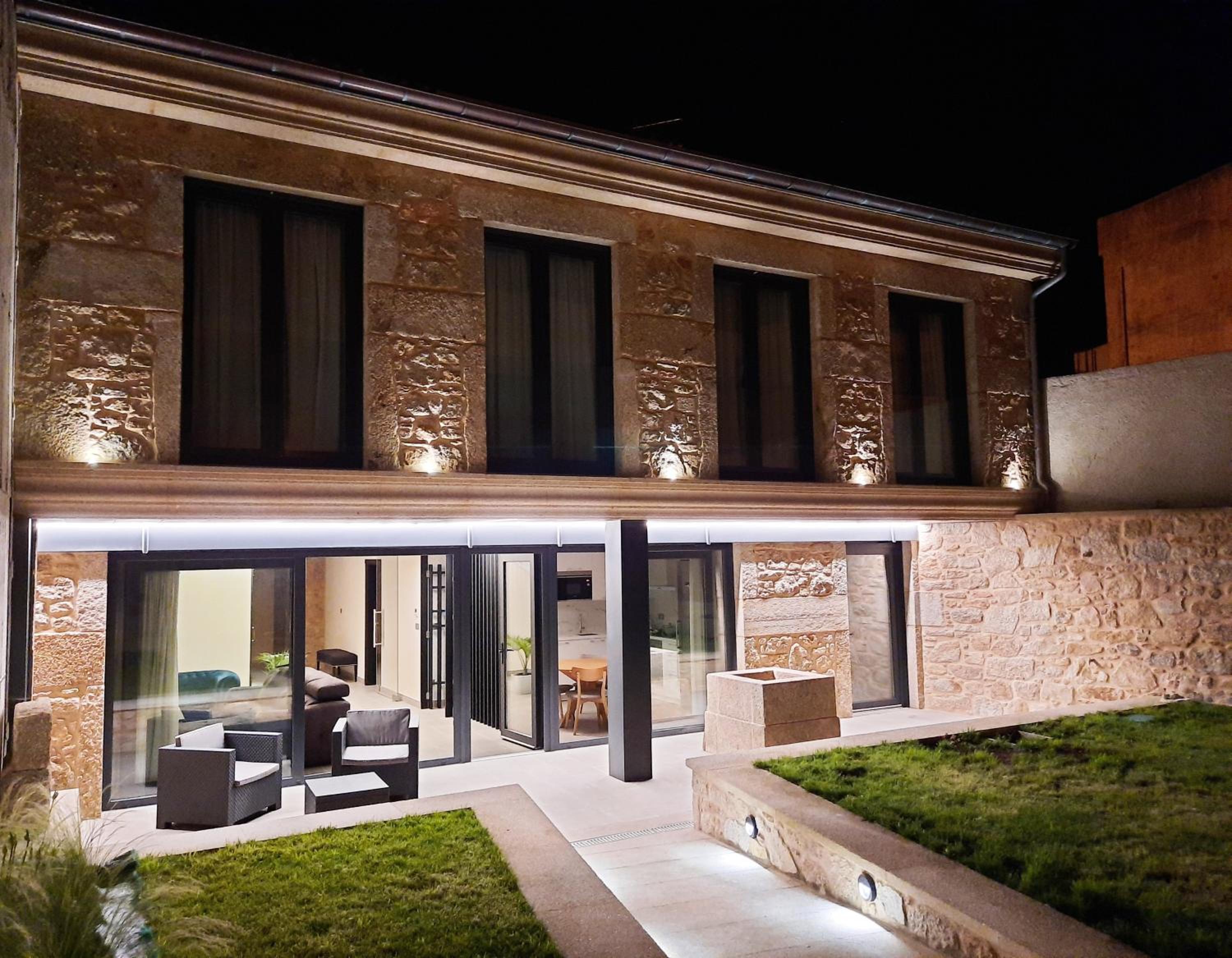
Solpor do Coído
Start your adventure
Ready to walk this stage?
We design your personalised Camino de Santiago experience.
Plan your Camino