
Stage of the Camino
Stage Description
Leaving Ourense, this 22.1 km stage presents an initial challenge with a strong and prolonged climb to leave the Miño valley. Once this ascent is overcome, the terrain becomes considerably smoother, turning into a pleasant stroll through rural Galicia. The route passes through a landscape of oak and eucalyptus forests, passing by small villages like Cudeiro or Tamallancos. The destination is San Cristovo de Cea, a famous village throughout Galicia for its artisanal bread, which has Protected Designation of Origin status. Enjoying the "Pan de Cea", made in traditional wood-fired ovens, is the delicious reward for an effort-filled day.
The 22.1 km stage from Ourense to Cea is a two-way journey. The first part is one of the toughest climbs on the Via de la Plata in Galicia. As soon as you cross the Roman Bridge of Ourense, the path begins an unrelenting and continuous ascent of about 5 kilometers to leave the Miño valley behind. The ramps are demanding and test the pilgrim's endurance.
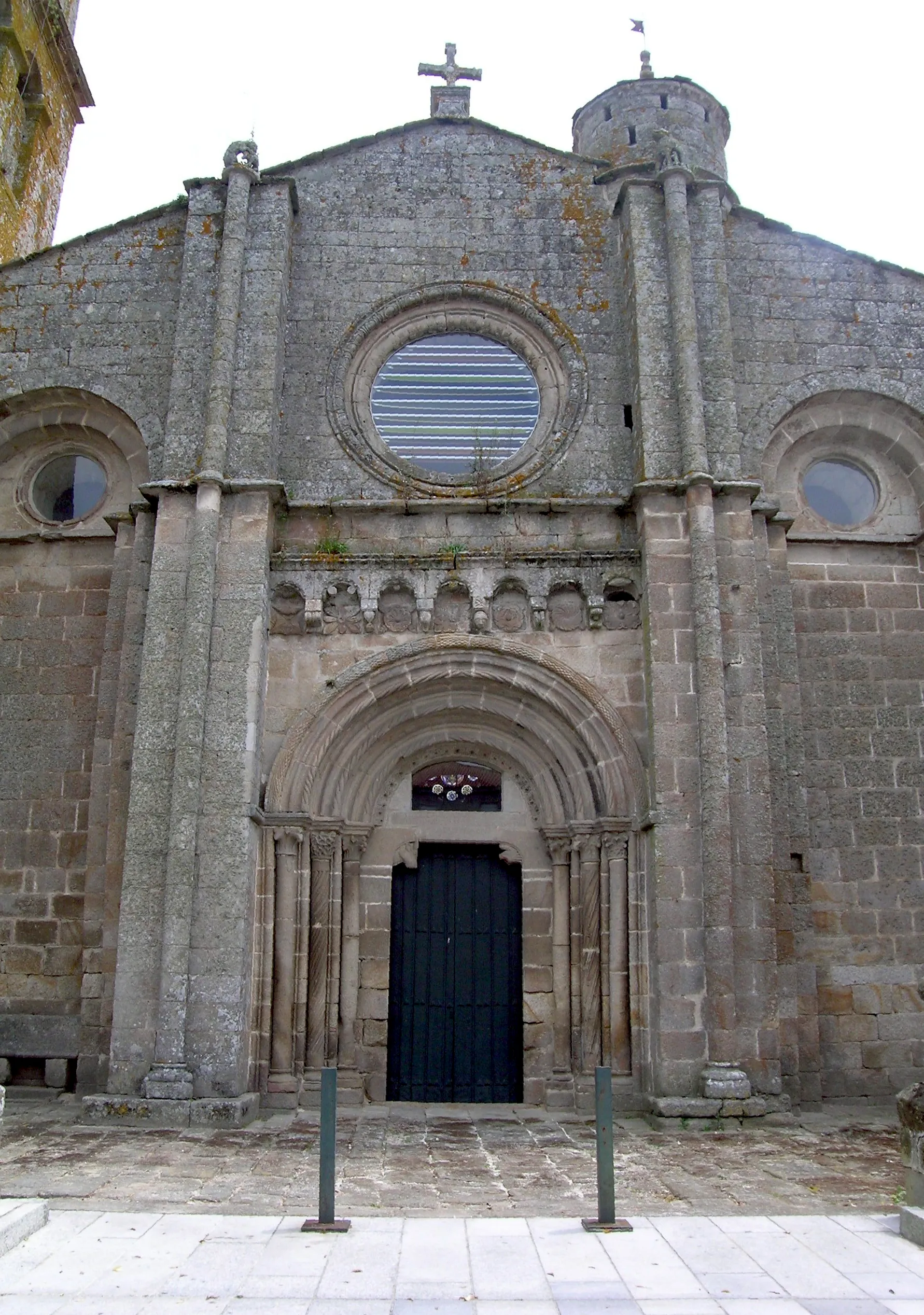
Once this difficult climb is overcome, the stage profile changes entirely. The rest of the route is a pleasant and smooth walk through undulating terrain, passing through authentic Galicia. The path runs on dirt tracks and shaded "corredoiras", in a landscape of forests, meadows, and small villages. You pass by Cudeiro with its ancient castle, and Tamallancos with its church of Santa María.
This is a beautiful day that allows you to enjoy the tranquility of Galician countryside. The arrival at San Cristovo de Cea is a reward for the palate. This village is the birthplace of the famous "Pan de Cea", an artisan bread made from wheat flour, dense crumb and hard crust, which is baked in wood-fired ovens following a centuries-old tradition. It's a delicious gastronomic delight that has been granted Geographical Protected Designation. Visiting one of its traditional ovens and trying a slice of this bread is an obligatory experience for the pilgrim.
Once this difficult climb is overcome, the stage profile changes entirely. The rest of the route is a pleasant and smooth walk through undulating terrain, passing through authentic Galicia. The path runs on dirt tracks and shaded "corredoiras", in a landscape of forests, meadows, and small villages. You pass by Cudeiro with its ancient castle, and Tamallancos with its church of Santa María.
This is a beautiful day that allows you to enjoy the tranquility of Galician countryside. The arrival at San Cristovo de Cea is a reward for the palate. This village is the birthplace of the famous "Pan de Cea", an artisan bread made from wheat flour, dense crumb and hard crust, which is baked in wood-fired ovens following a centuries-old tradition. It's a delicious gastronomic delight that has been granted Geographical Protected Designation. Visiting one of its traditional ovens and trying a slice of this bread is an obligatory experience for the pilgrim.
Last updated: 12/08/2025
Where to Sleep
Accommodations in this Stage
Find the perfect place for your rest in Ourense o Cea.
Los churris

Rectoral Santa Baia

Vides Singulares, S.L.

A Quinta De Cea

Morar Apartments Ourense

Casa Rural Vila Centellas

Casa Aldea Tras Do Rio

Equal Sociedad Cooperativa Galega

Hotel-café Viastellae

Rectoral de San Eusebio

Barceló Ourense

Casa das Capelas

Grelo Hostel

Hotel Carris Cardenal Quevedo (Ourense)

Hotel NH Ourense

Apartamento zona resi

AREA DE SERVICIO AUTOCARAVANA

Hotel Alda Ourense Estación

Hotel Altiana

Hotel Zarampallo

Albergue Augas Quentes

Albergue de peregrinos de Cea

Hostal Lido

Hotel Francisco II

Hotel Río Cea

Hotel Severino

Albergue Municipal de Peregrinos Eligio Rivas Quintas

Hotel Miño 1 estrella

Hotel Irixo

Hotel Princess

Hotel Mabú

Hotel Puente Romano

Hotel San Rosendo

La Rotonda Hostal
Casa do Coronel
Albergue estaciones vivas
A pousa vilamarin

Casa en Cambeo
Ferienhaus in Corvelle

O Caliu das Airas
Telleira 1 Carballo Gabia
Vac galice
Start your adventure
Ready to walk this stage?
We design your personalised Camino de Santiago experience.
Plan your Camino