
Stage of the Camino
Stage Description
The sixth and last stage of the Cammino di San Jacopo, and the longest of the route: 36 wholly flat kilometres between Pisa and the sea. The way leaves the city along the lungarni and through the Porta a Mare, comes out into open country and reaches the basilica of San Piero a Grado, built where tradition holds that the apostle Peter came ashore. From there it follows the canale dei Navicelli and enters the coastal pinewood, which gives continuous shade as far as Tirrenia and Calambrone, and crosses the Tenuta di Tombolo, a former grand-ducal hunting estate. The goal is the church of San Jacopo in Acquaviva, in Livorno: from its cove embarked the pilgrims who made the journey to Compostela by sea. Flat, but demanding for its distance; many walkers split it with a night in Tirrenia.
The stage that closes the Cammino di San Jacopo runs 35.9 kilometres between Pisa and Livorno practically at sea level. It has no technical difficulty and no appreciable ascent, but its length makes it the hardest day of the way: it is commonly divided in two, with a night in Tirrenia, roughly two thirds of the way along.
The way out of Pisa runs along the lungarni, the banks of the Arno lined with palaces and churches, and through the Porta a Mare, the gate that historically opened the city towards the coast. Within a few kilometres the urban fabric dissolves into open country.
The first great landmark is the basilica of San Piero a Grado, a Romanesque church with three apses standing alone among the fields. Tradition places here the landing of Saint Peter on his way to Rome, at a point that was then the mouth of the Arno and today lies inland because of the advancing coastline. Inside it preserves a fourteenth-century fresco cycle with the history of the popes.
Beyond the basilica the way follows the canale dei Navicelli, the waterway that has linked Pisa with the port of Livorno since the sixteenth century, and enters the coastal pinewood, heir to the Medici and Lorraine plantations. The forest of stone pines offers continuous shade and soft ground as far as Tirrenia, a nineteen-thirties seaside town with a long beach and good services, and on to Calambrone, whose rationalist seaside colonies form a singular ensemble facing the sea.
The final stretch crosses the Tenuta di Tombolo, a hunting ground of the Medici and the Lorraines and today part of the Parco Naturale di Migliarino, San Rossore e Massaciuccoli, with pines, dunes and wetlands as far as the provincial boundary. Livorno is entered through the northern districts and the route seeks the seafront promenade as soon as it can, within sight of the open sea, with the Terrazza Mascagni and the Fortezza Vecchia as landmarks.
The goal is the church of San Jacopo in Acquaviva, in the cove of the same name, dedicated to the apostle James since medieval times. From this point on the coast embarked the pilgrims who preferred to make the crossing to Compostela by sea, which makes the church the natural end of the way. Livorno, a Medici foundation, makes up for its lack of ancient monuments with the canal district of Venezia Nuova, a notable covered market and a fish cuisine whose flagship dish is cacciucco.
The way out of Pisa runs along the lungarni, the banks of the Arno lined with palaces and churches, and through the Porta a Mare, the gate that historically opened the city towards the coast. Within a few kilometres the urban fabric dissolves into open country.
The first great landmark is the basilica of San Piero a Grado, a Romanesque church with three apses standing alone among the fields. Tradition places here the landing of Saint Peter on his way to Rome, at a point that was then the mouth of the Arno and today lies inland because of the advancing coastline. Inside it preserves a fourteenth-century fresco cycle with the history of the popes.
Beyond the basilica the way follows the canale dei Navicelli, the waterway that has linked Pisa with the port of Livorno since the sixteenth century, and enters the coastal pinewood, heir to the Medici and Lorraine plantations. The forest of stone pines offers continuous shade and soft ground as far as Tirrenia, a nineteen-thirties seaside town with a long beach and good services, and on to Calambrone, whose rationalist seaside colonies form a singular ensemble facing the sea.
The final stretch crosses the Tenuta di Tombolo, a hunting ground of the Medici and the Lorraines and today part of the Parco Naturale di Migliarino, San Rossore e Massaciuccoli, with pines, dunes and wetlands as far as the provincial boundary. Livorno is entered through the northern districts and the route seeks the seafront promenade as soon as it can, within sight of the open sea, with the Terrazza Mascagni and the Fortezza Vecchia as landmarks.
The goal is the church of San Jacopo in Acquaviva, in the cove of the same name, dedicated to the apostle James since medieval times. From this point on the coast embarked the pilgrims who preferred to make the crossing to Compostela by sea, which makes the church the natural end of the way. Livorno, a Medici foundation, makes up for its lack of ancient monuments with the canal district of Venezia Nuova, a notable covered market and a fish cuisine whose flagship dish is cacciucco.
Last updated: 28/08/2026
Where to Sleep
Accommodations in this Stage
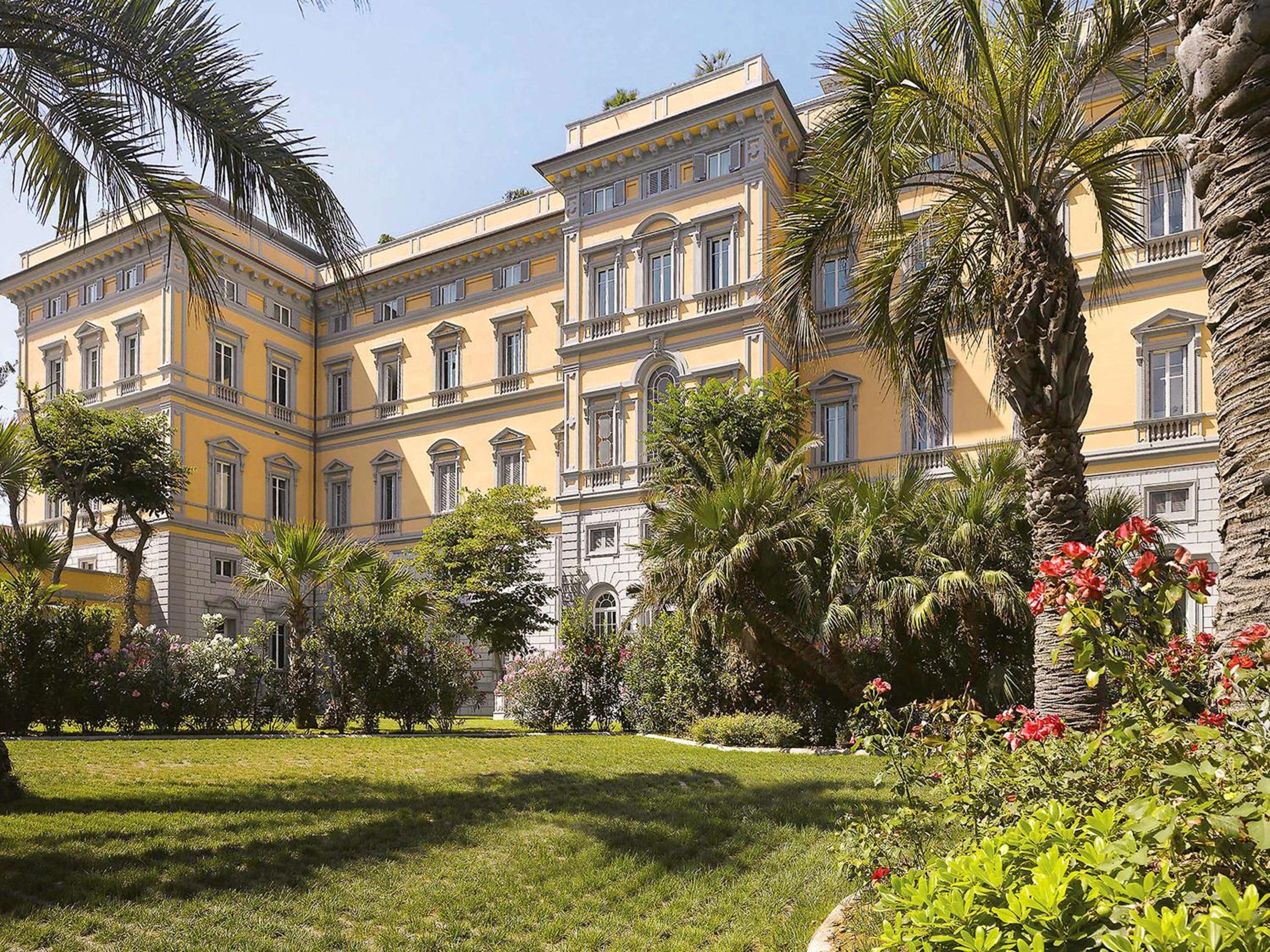
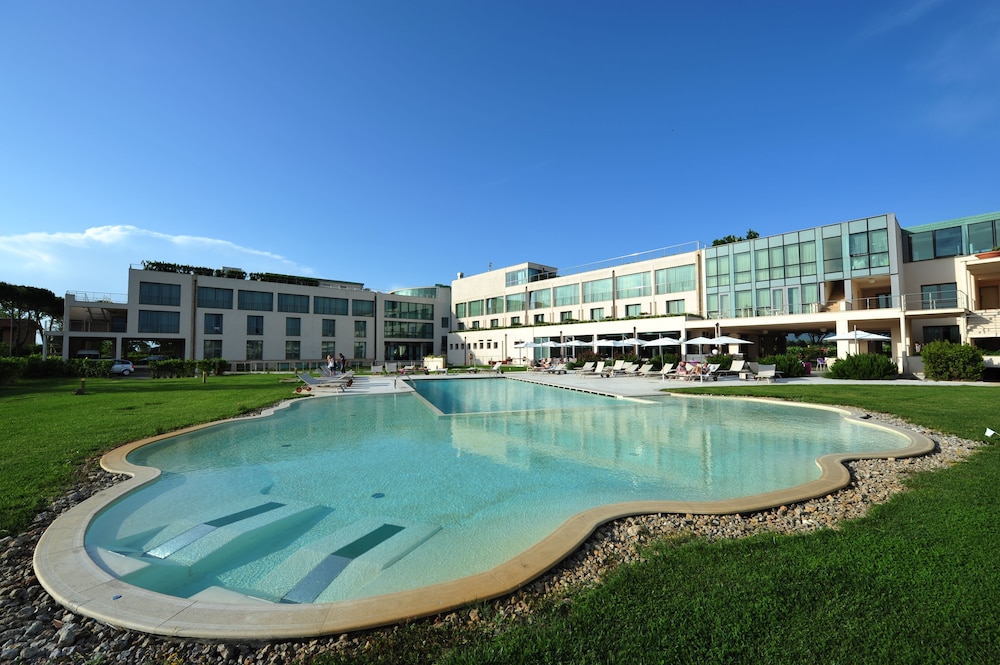
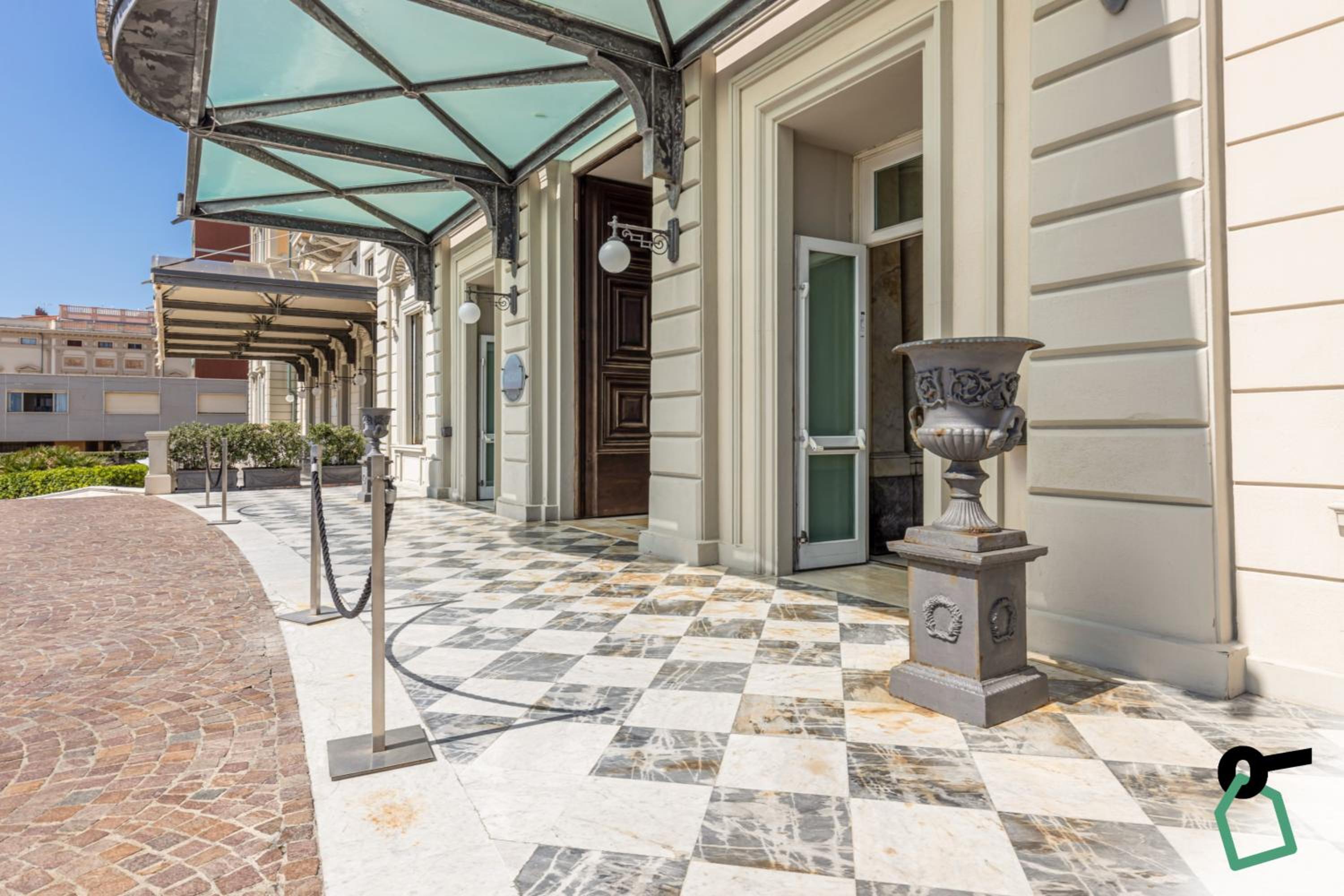
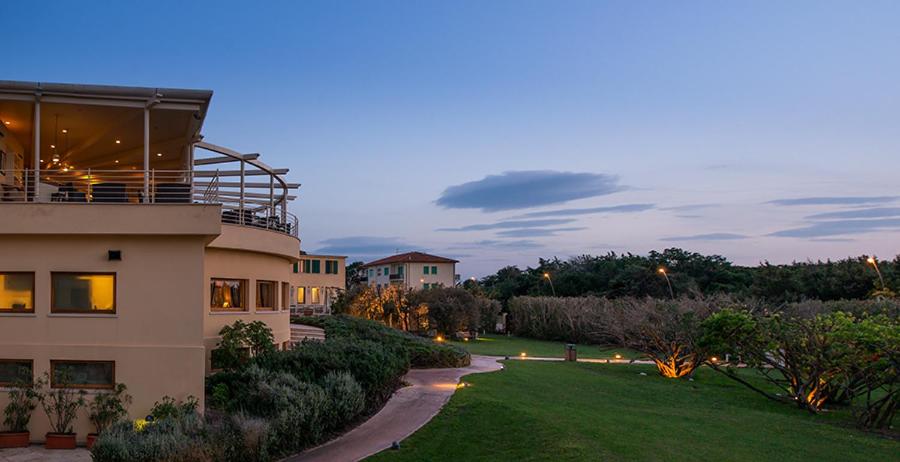
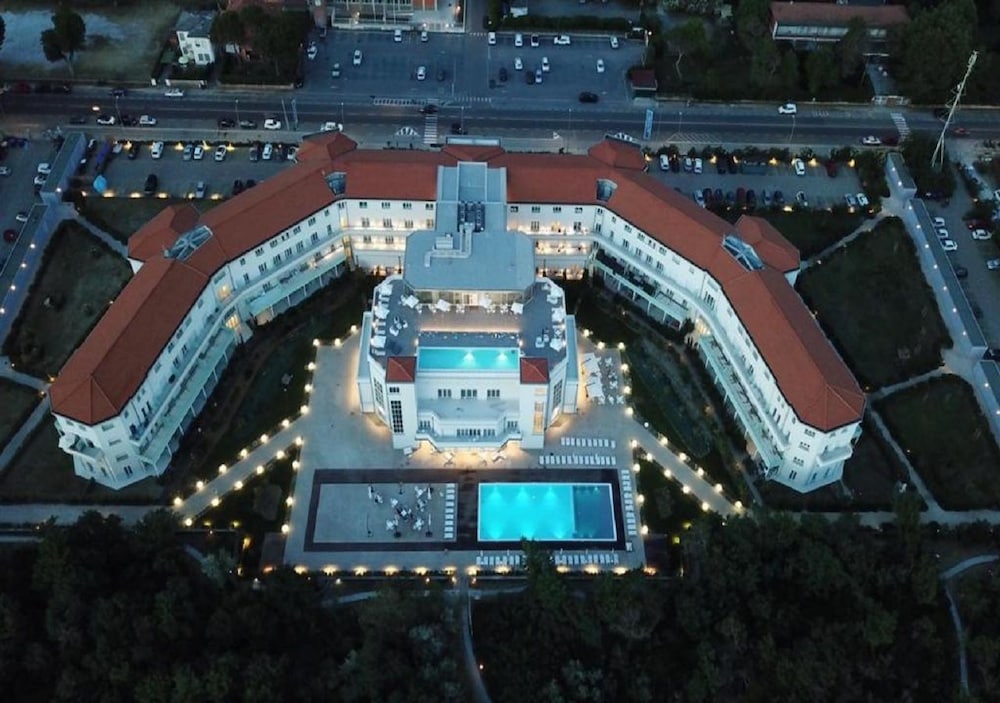
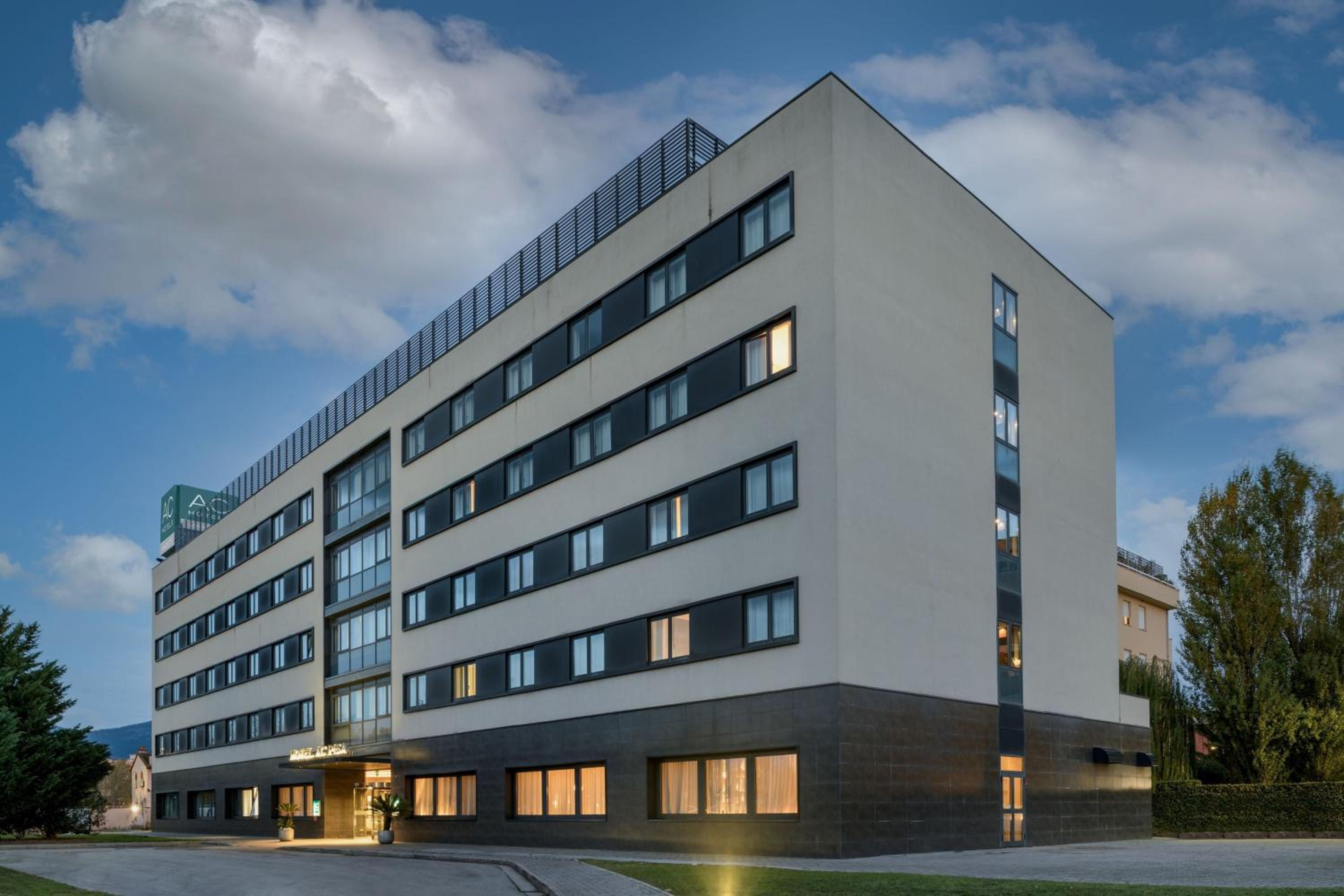
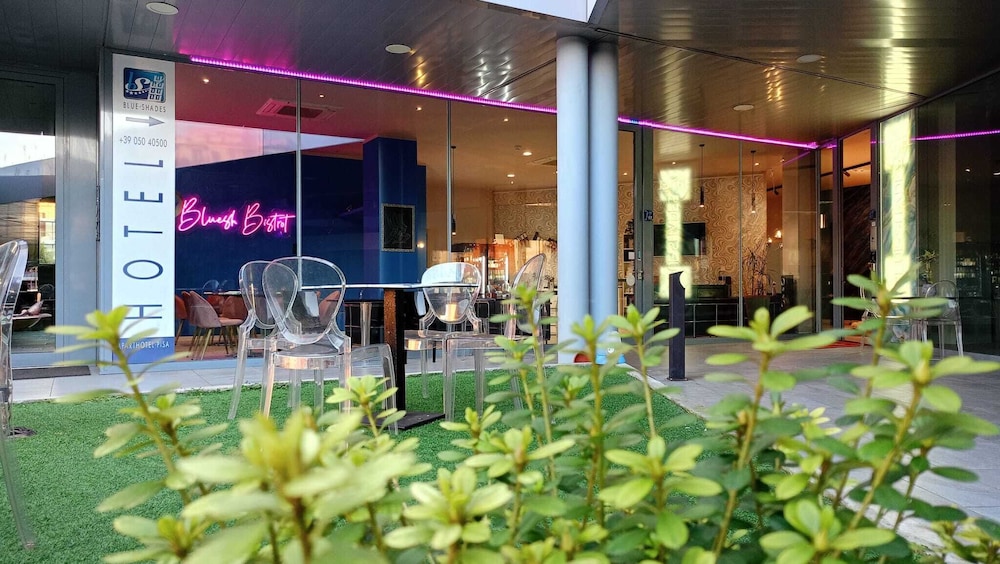
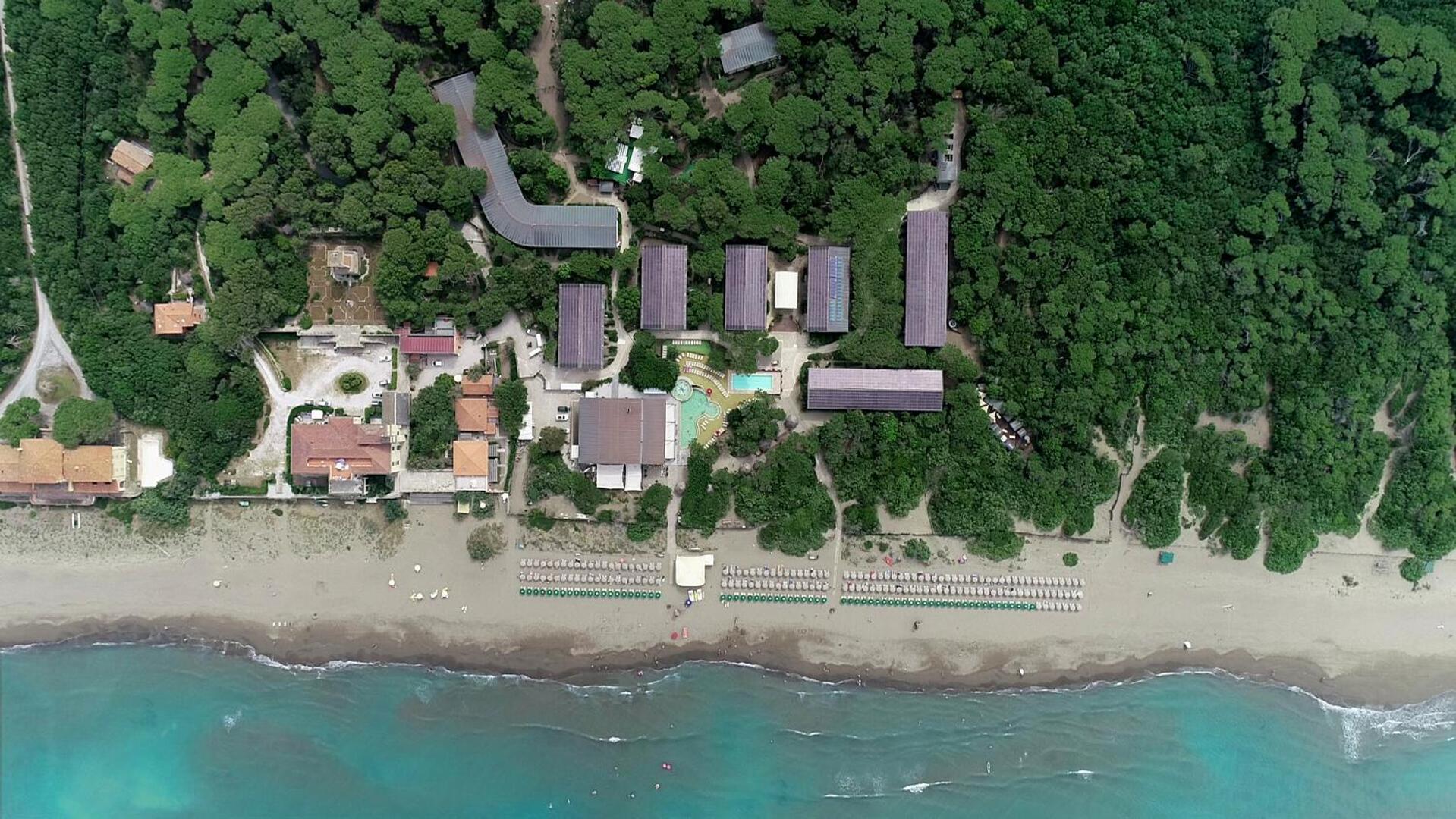
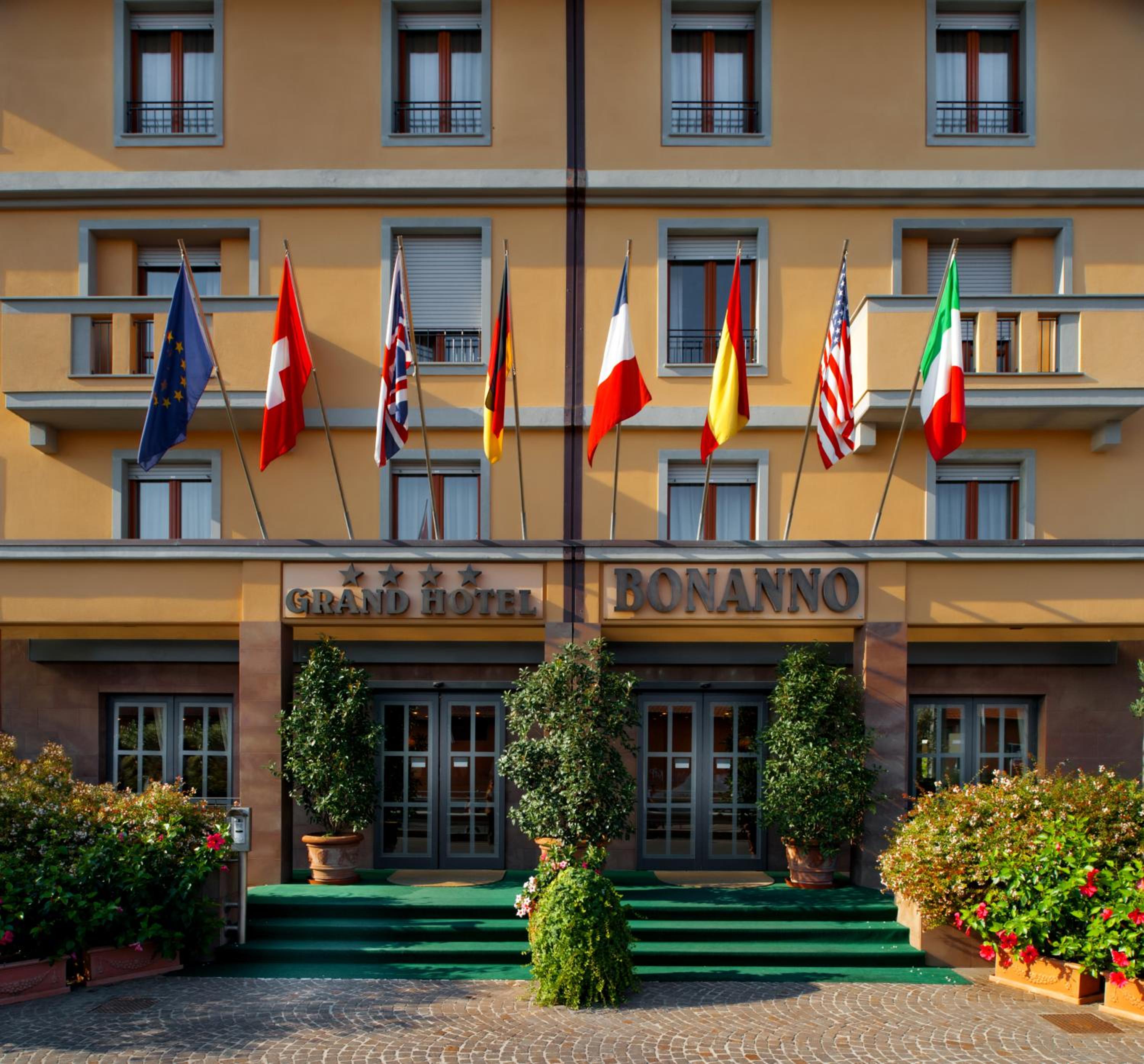
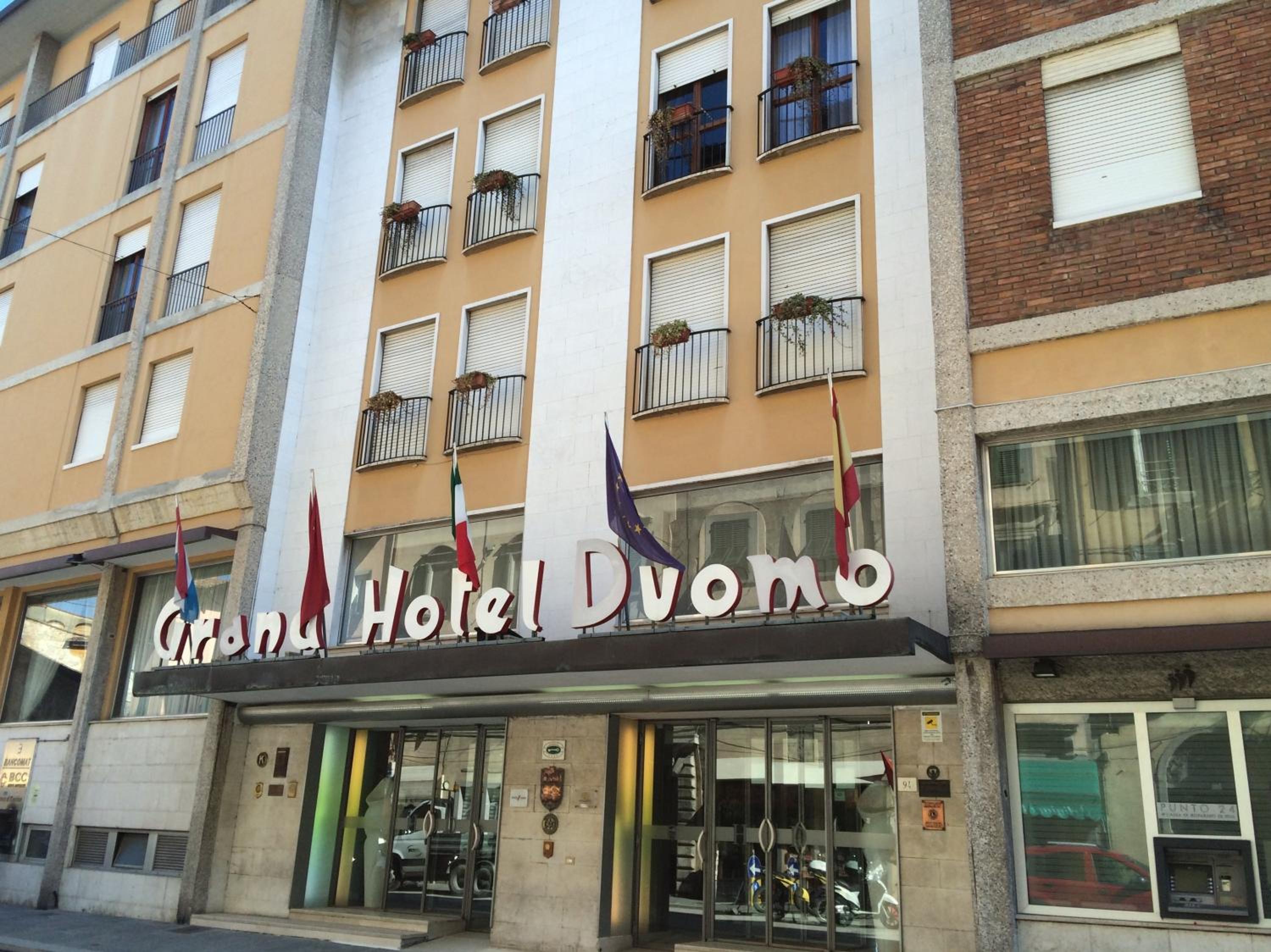
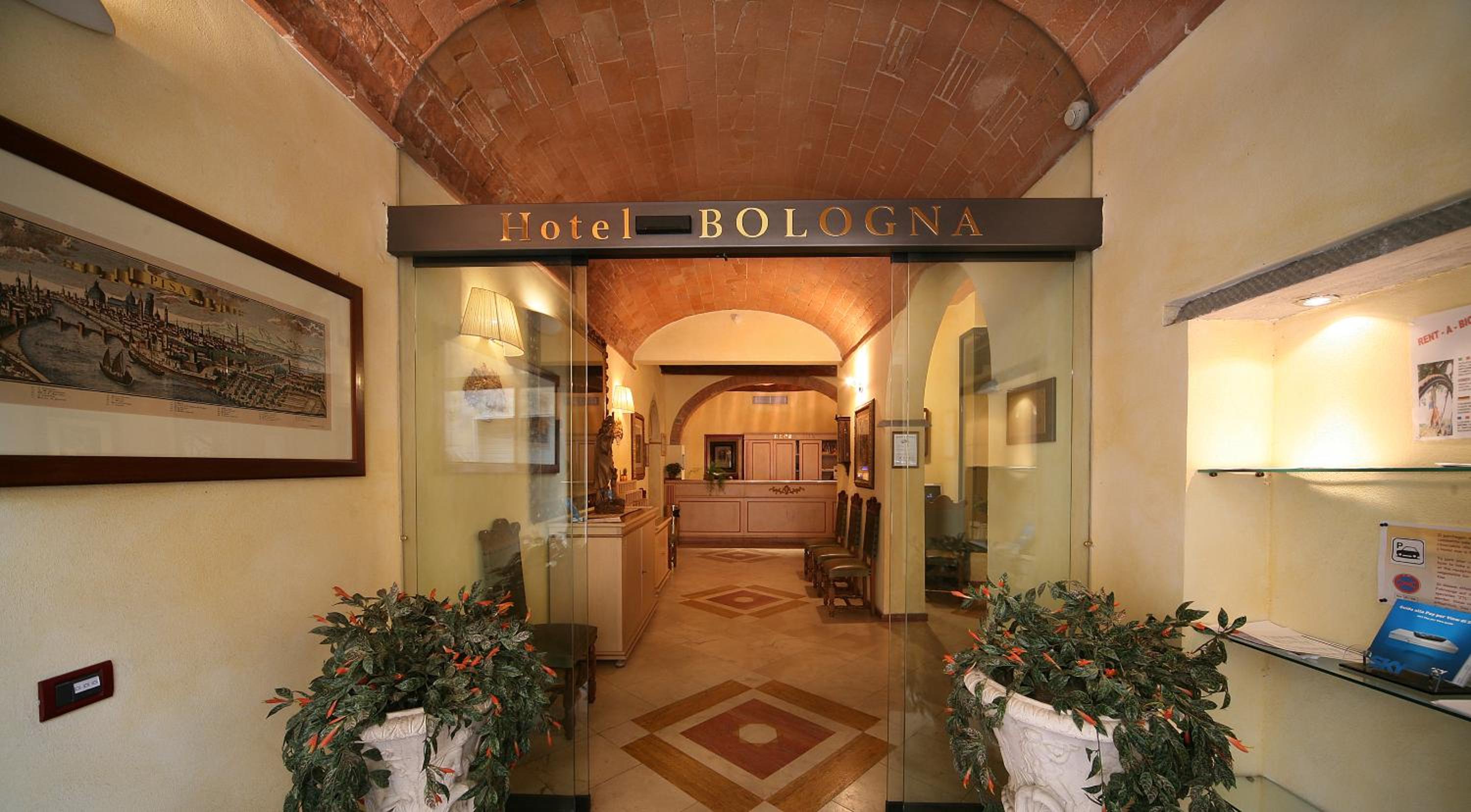
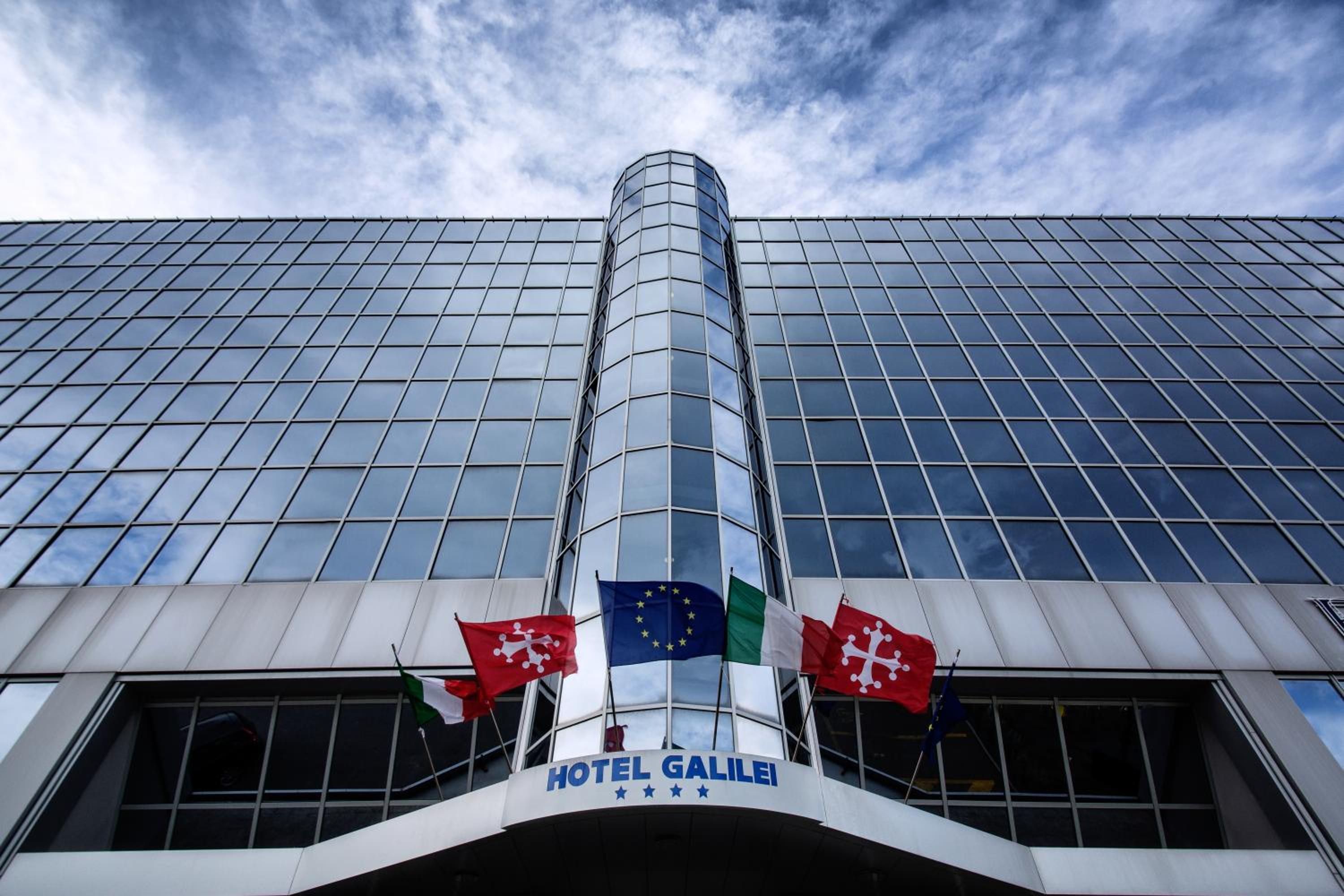
Find the perfect place for your rest in Pisa o Livorno.
Previous Stage
Lucca - Pisa
Next Stage
This is the end of the path
Start your adventure
Ready to walk this stage?
We design your personalised Camino de Santiago experience.
Plan your CaminoWalk this route with us
Fancy walking this route?
We don't have a ready-made package for this route yet, but we'll organise it around you. Tell us how you'd like to experience it and a specialist will reply within 24 h.
Request your proposal