
Camino de Santiago
St. John in Tuscany
The Way of St James in Tuscany is a pilgrimage route in Tuscany (Italy) that unites several cities with devotion to Saint James, such as Pistoia. It connects with the Via Francigena.
Organize your St. John in TuscanyLast updated: 21/05/2025
The Route
General Description of St. John in Tuscany
Your trip with Ourway
Everything you need for your Camino
No hassle. Your perfect route, from start to finish.
Accommodation
Selected hotels and hostels at every stage
Luggage transfer
Your backpack travels from stage to stage
Camino Guide
Detailed map with directions and services
24h Support
Team available for any unforeseen event
Pilgrim credential
Official documentation included
No commitment
Free personalized consultation
Walk this route with us
Fancy walking this route?
We don't have a ready-made package for this route yet, but we'll organise it around you. Tell us how you'd like to experience it and a specialist will reply within 24 h.
Request your proposalStages
Stages of St. John in Tuscany
Firenze → Prato
The opening stage of the Cammino di San Jacopo links the first two cities of the Tuscan plain along minor roads of ancient use, lined with the wayside tabernacles that betray the route's devotional pa...
Prato → Pistoia
A middle-mountain day that leaves the plain to cross the Monteferrato massif, the most demanding stretch of the first half of the way. The exit from Prato follows the river Bisenzio and soon leaves th...
Pistoia → Pescia
The longest stage of the route strings together gentle hills and fortified villages as it passes from the Pistoia plain into the Valdinievole. The way leaves Pistoia westwards, reaches the parish chur...
Pescia → Lucca
A gentle stage of easy relief crossing the countryside of villas between the Valdinievole and the plain of Lucca. Leaving Pescia the way climbs to Collodi, a village clinging to the hillside from whic...
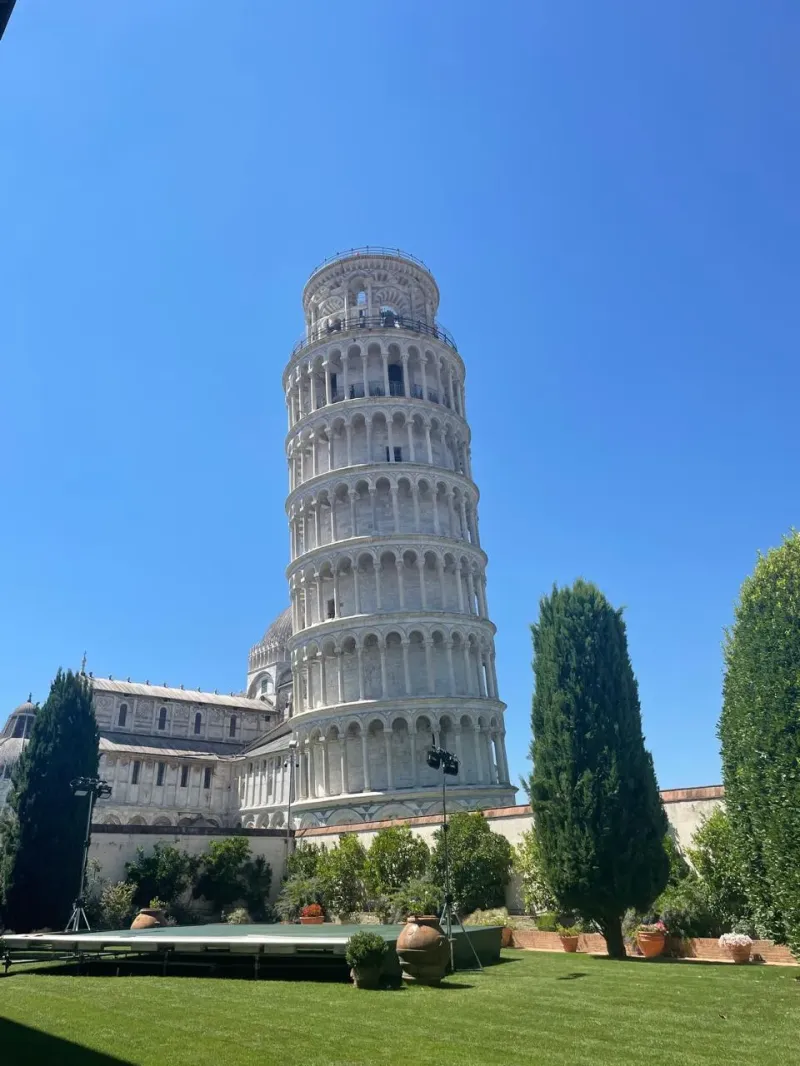
Lucca → Pisa
A long but manageable day joining two of Tuscany's historic cities along the flank of Monte Pisano. The way leaves Lucca through the countryside of villas and parish churches west of the walls and wor...
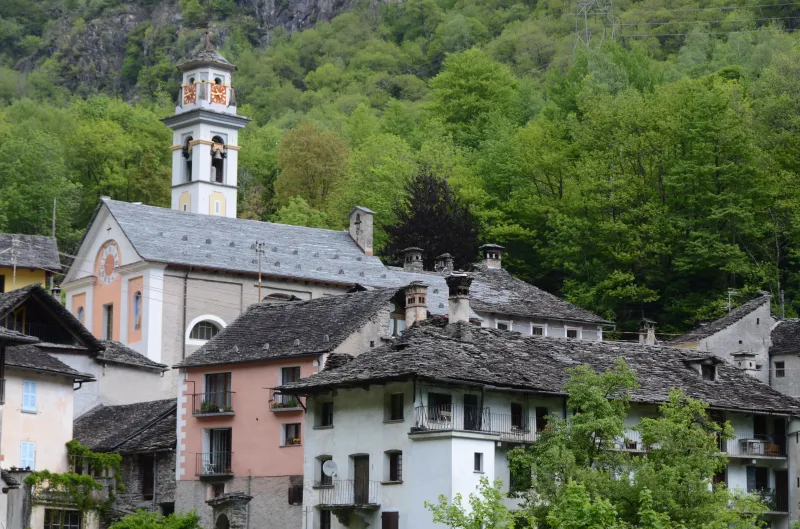
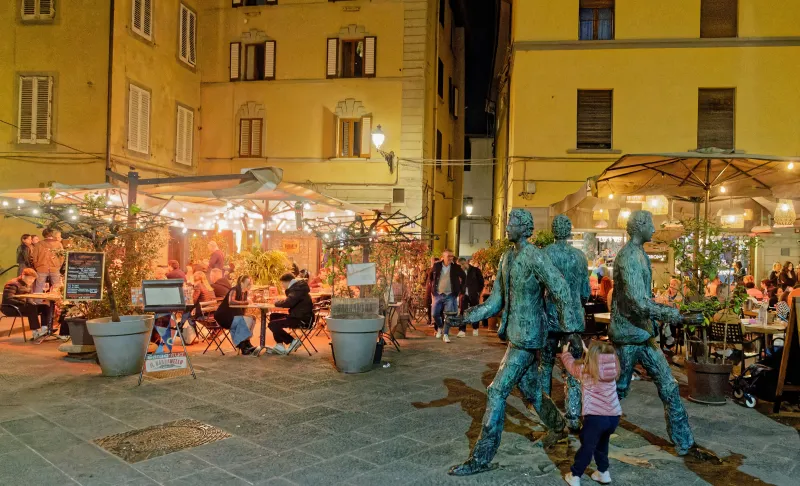
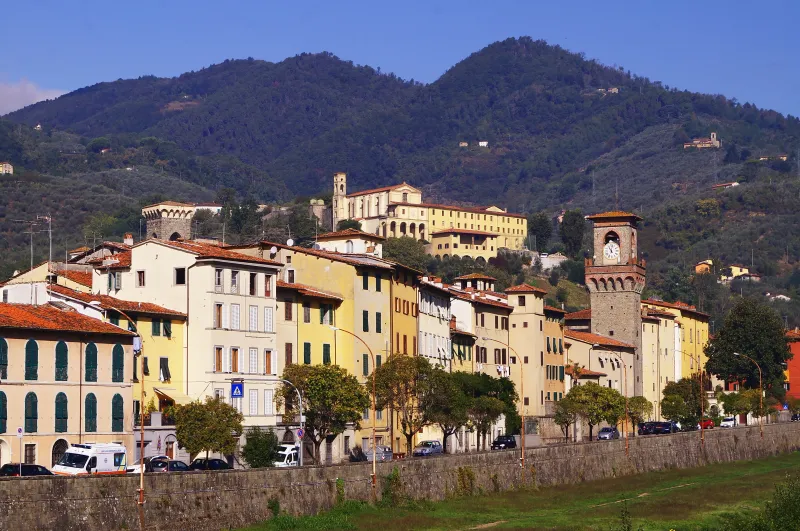
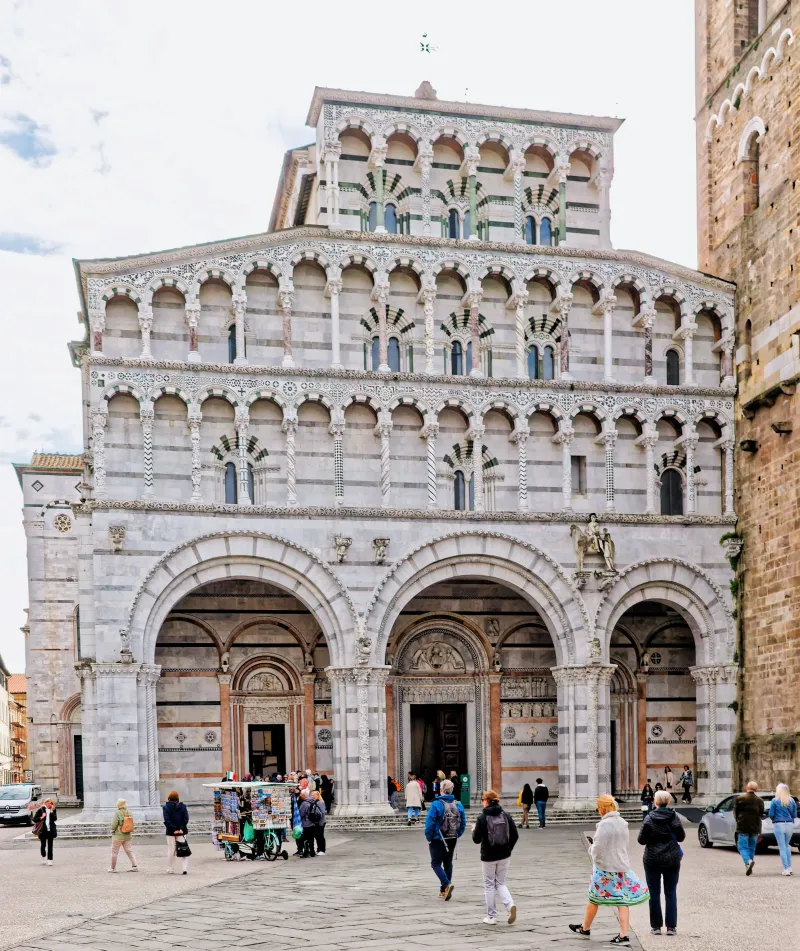
History
Millenary History of the Camino de Santiago: Origins and Evolution St. John in Tuscany
Discover the origins and evolution of St. John in Tuscany
The history of this path begins in the 12th century, during the peak of European pilgrimages. In 1145, Ranieri, bishop of Pistoia, obtained a priceless relic: a fragment of Saint James' skull brought directly from Compostela by a local pilgrim. This event transformed Pistoia. The city became the most important Jacobean center in Italy and a destination for pilgrimage on its own right. The Cathedral, dedicated to San Zeno, shared advocacy with Saint James, and to house the relic, a chapel was built, followed by a magnificent silver altar, a masterpiece of medieval orfebrery worked on by top artists over two centuries.
Devotion to Saint James spread throughout Tuscany, a region that was a crossroads of medieval Italy. The Via Francigena, the major pilgrimage route to Rome, passed through it. Tuscan cities such as Florence, Prato, Lucca, and Pisa, all with rich patrimony and intense commercial and religious life, also developed a strong cult of Saint James, with churches, chapels, and hospitals dedicated to him.
The "Way of St. James" is actually a network of roads rediscovered in modern times to connect these centers of Jacobean devotion. The main itinerary, about 170 kilometers long, usually starts in Florence, the birthplace of the Renaissance, and heads west. It passes through Prato and arrives at Pistoia, the spiritual heart of the path. From there, it continues to the walled city of Lucca, a critical point where the Way of St. James converges with the Via Francigena.
This convergence is key to understanding its historical and current function. A pilgrim can walk the Way of St. James as a pilgrimage in itself, centered on Saint James' figure in Tuscany. Alternatively, they can use it as an "intro" or "inflow" of the Via Francigena. Upon arriving at Lucca, they can decide to turn south to continue towards Rome, or north, starting the long journey through the Alps and France to eventually reach Santiago de Compostela.
Walking this path is a unique experience, an immersion in the art and culture history of Tuscany. The pilgrim walks through landscapes of hills, cypresses, and olives, visiting some of the world's most beautiful cities. It is a testament to how devotion to Saint James spread from Galicia across Europe, creating powerful secondary centers of devotion that were integrated into the vast network of pilgrimages binding the continent.
Translation
We answer your questions
Frequently Asked Questions about St. John in Tuscany
How long is the Camino di San Jacopo in Tuscany?
The Camino di San Jacopo in Tuscany measures approximately 170 km. This route offers a unique experience in the Tuscan region, combining history and natural beauty.
How many days are needed to complete the Camino di San Jacopo in Tuscany?
It is estimated that it will take around 7 days walking at a moderate pace to finish this route. It offers a great number of experiences and iconic places to visit.
What is the best time of year to do the Camino di San Jacopo in Tuscany?
The best period to undertake the Camino di San Jacopo in Tuscany is from April to June or September to October. During this time, you will enjoy pleasant weather and a moderate influx of pilgrims.
How much does it cost to do the Camino di San Jacopo in Tuscany with Ourway Travel?
The cost of doing the Camino di San Jacopo in Tuscany varies depending on the traveler's needs, but Ourway Travel offers customized packages that include accommodations at selected hostels and hotels, luggage transportation between stages, and advice throughout the journey. For a specific price, we recommend contacting us directly.
What does booking the Camino di San Jacopo in Tuscany with Ourway Travel include?
Ourway Travel manages your reservation by offering a complete experience that includes accommodations at selected hostels and hotels, luggage transportation between stages, detailed itineraries, and personalized advice throughout the journey. We also provide you with the necessary pilgrim credential to complete your trip.
How does the Camino di San Jacopo in Tuscany compare to other Santiago routes?
The Camino di San Jacopo in Tuscany offers a unique experience, focusing on the rich history and culture of the Tuscan region. Unlike more well-known paths that lead directly to Compostela, this route provides a journey through historic cities and sacred sites with special devotion to the Apostle James.
Which is the better option between the Camino di San Jacopo in Tuscany and other pilgrimage routes in Italy?
Your choice will depend on the type of experience you are looking for. If you are interested in a cultural and historical immersion in Tuscany, with a route through emblematic cities like Pistoia and Lucca, then the Camino di San Jacopo is ideal. In contrast, other routes may offer panoramic mountain views or more rural experiences.
How can I obtain the pilgrim's credential for the Camino di San Jacopo in Tuscany?
To get the pilgrim’s credential, you can acquire it through Ourway Travel when booking your trip. This credential is like a passport that allows you to stay at hostels during the journey and certify its completion. In some cases, you may also collect it from designated offices or locations before starting the route.
Organize Your Camino
Ready for this adventure?
St. John in Tuscany