
Stage of the Camino
Stage Description
The first half of the final stage of the Cammino di San Jacopo, which in the official itinerary covers the 36 kilometres between Pisa and Livorno in one go and is split here into two days to make it manageable. The way leaves Pisa along the lungarni and through the Porta a Mare, comes out into open country and reaches the basilica of San Piero a Grado, built where tradition holds that the apostle Peter came ashore. From there the route follows the canale dei Navicelli and enters the coastal pinewood, a flat and shady forest of stone pines that accompanies the walker to Tirrenia. It is a wholly level, comfortable day, and the first on which you can smell the sea.
This day covers the first 20 kilometres of the sixth and last official stage of the Cammino di San Jacopo, which in its full version strings together 35.9 kilometres between Pisa and Livorno. Splitting it at Tirrenia allows it to be walked without strain and to enjoy the coast, and it does not alter the route: the course is exactly the same. The profile is flat from start to finish, practically at sea level.
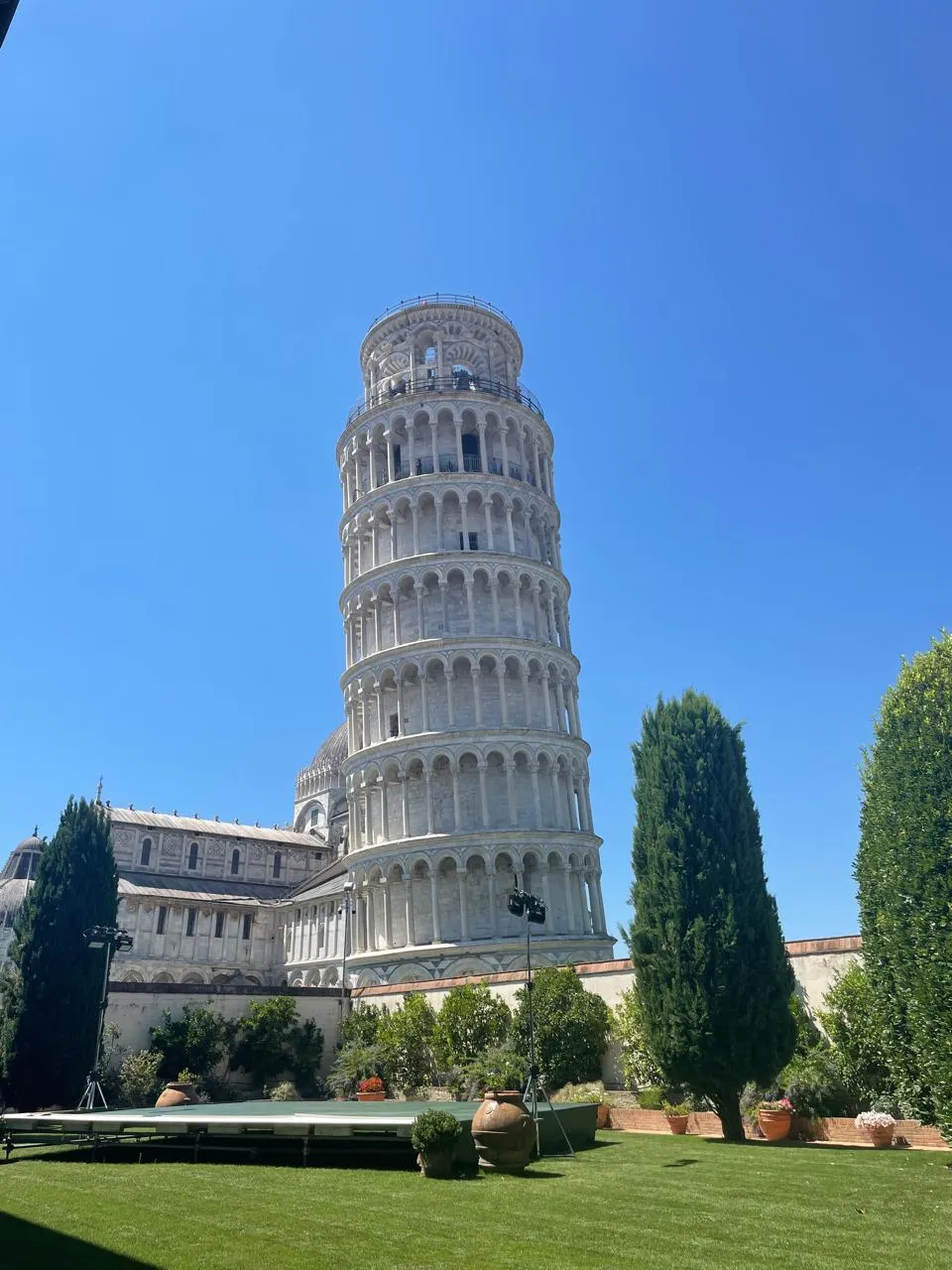
The way out of Pisa runs along the lungarni, the banks of the Arno lined with palaces and churches, and through the Porta a Mare, the gate that historically opened the city towards the coast. Within a few kilometres the urban fabric dissolves into open country.
The first great landmark is the basilica of San Piero a Grado, a Romanesque church with three apses standing alone among the fields. Tradition places here the landing of Saint Peter on his way to Rome, at a point that was then the mouth of the Arno and today lies inland because of the advancing coastline. Inside it preserves a fourteenth-century fresco cycle with the history of the popes.
Beyond the basilica the way follows the canale dei Navicelli, the waterway that has linked Pisa with the port of Livorno since the sixteenth century, and then enters the coastal pinewood. This forest of stone pines, heir to the Medici and Lorraine plantations, offers continuous shade and soft ground, a relief on hot days.
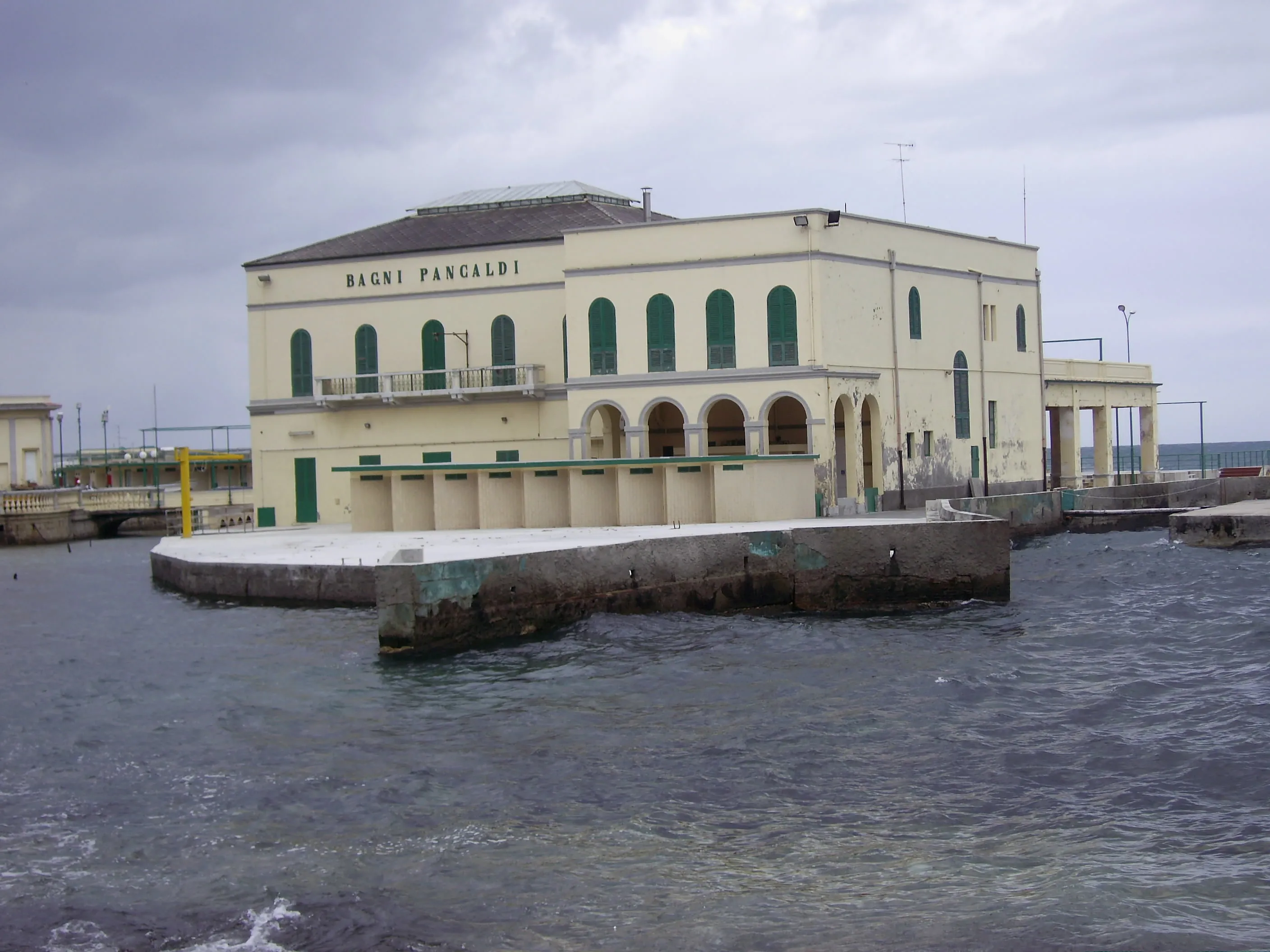
Tirrenia appears at the end of the pines. It is a seaside town born in the nineteen-thirties, of straight streets and villas among the pines, with a long beach of fine sand and a good supply of lodging and restaurants. A quiet place to spend the night before tackling the final stretch to Livorno.
Bear in mind that services are scarce between San Piero a Grado and Tirrenia: the pinewood offers shade but neither fountains nor bars, so leave Pisa with water for the whole morning. In summer the beach at Tirrenia and its bathing establishments make the finish a good place for a swim, and the town is well connected by bus with Pisa and Livorno should you wish to adjust the itinerary.
The way out of Pisa runs along the lungarni, the banks of the Arno lined with palaces and churches, and through the Porta a Mare, the gate that historically opened the city towards the coast. Within a few kilometres the urban fabric dissolves into open country.
The first great landmark is the basilica of San Piero a Grado, a Romanesque church with three apses standing alone among the fields. Tradition places here the landing of Saint Peter on his way to Rome, at a point that was then the mouth of the Arno and today lies inland because of the advancing coastline. Inside it preserves a fourteenth-century fresco cycle with the history of the popes.
Beyond the basilica the way follows the canale dei Navicelli, the waterway that has linked Pisa with the port of Livorno since the sixteenth century, and then enters the coastal pinewood. This forest of stone pines, heir to the Medici and Lorraine plantations, offers continuous shade and soft ground, a relief on hot days.
Tirrenia appears at the end of the pines. It is a seaside town born in the nineteen-thirties, of straight streets and villas among the pines, with a long beach of fine sand and a good supply of lodging and restaurants. A quiet place to spend the night before tackling the final stretch to Livorno.
Bear in mind that services are scarce between San Piero a Grado and Tirrenia: the pinewood offers shade but neither fountains nor bars, so leave Pisa with water for the whole morning. In summer the beach at Tirrenia and its bathing establishments make the finish a good place for a swim, and the town is well connected by bus with Pisa and Livorno should you wish to adjust the itinerary.
Last updated: 28/08/2026
Where to Sleep
Accommodations in this Stage
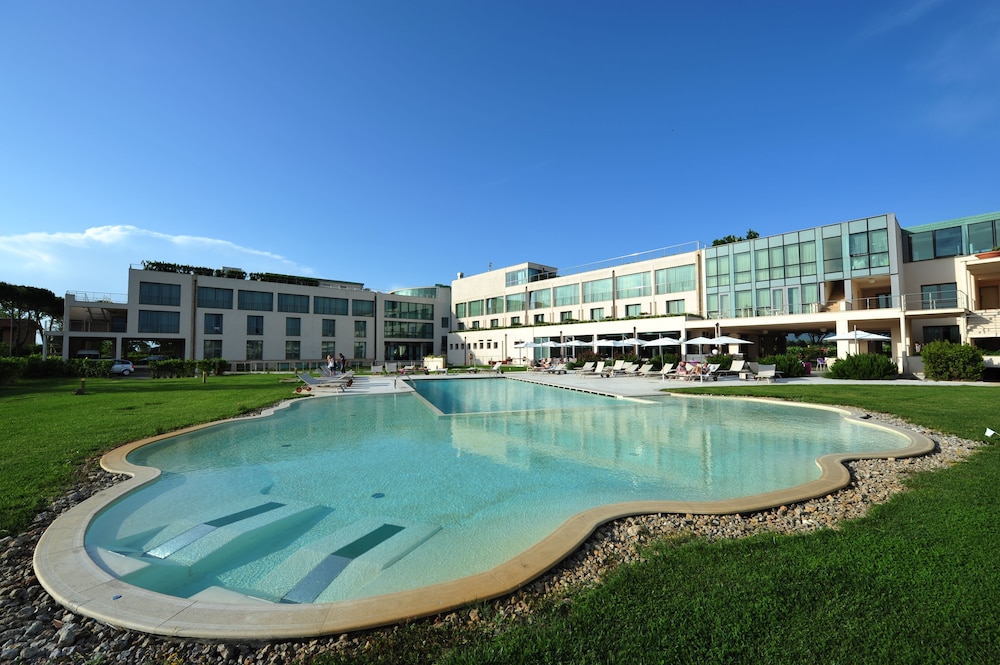
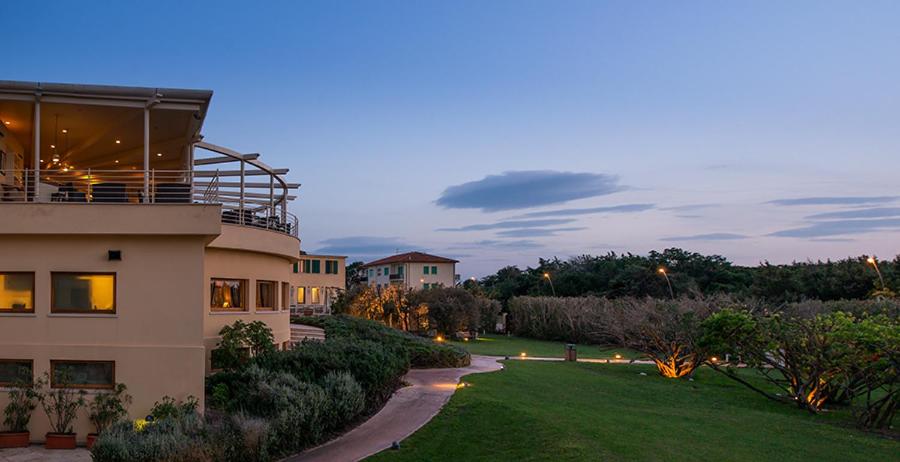
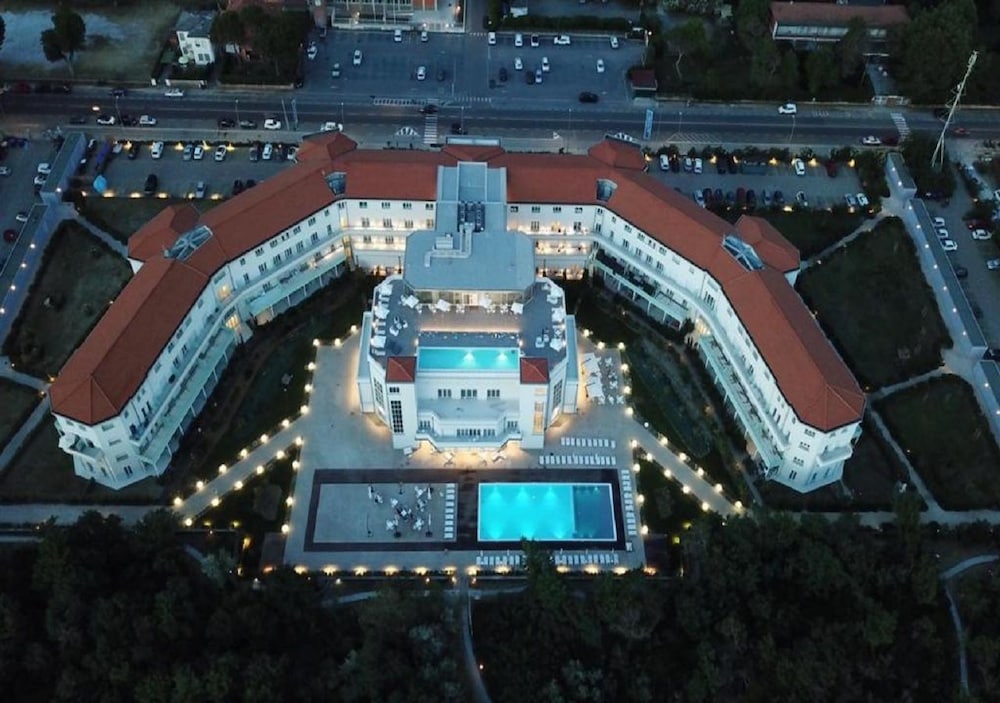
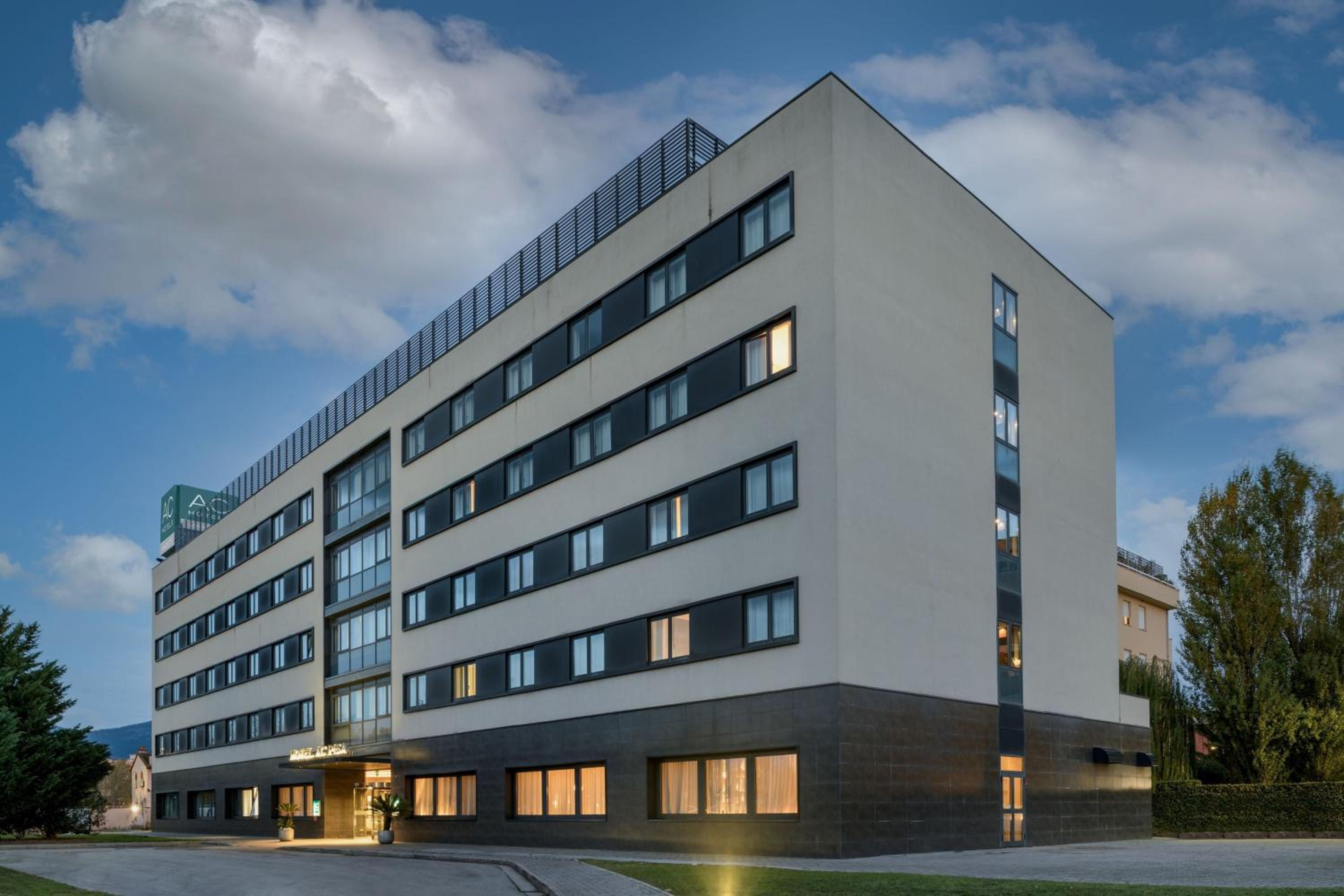
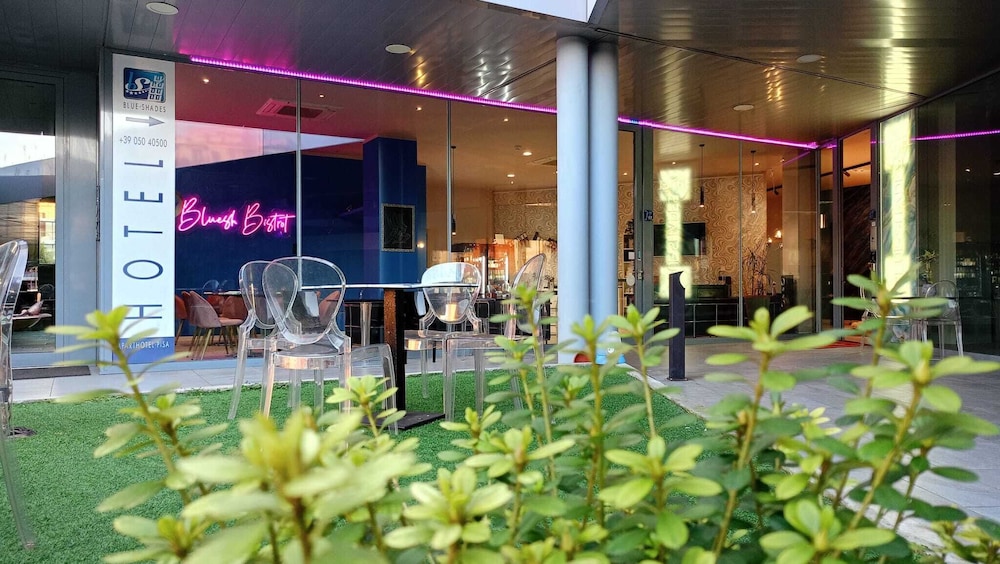
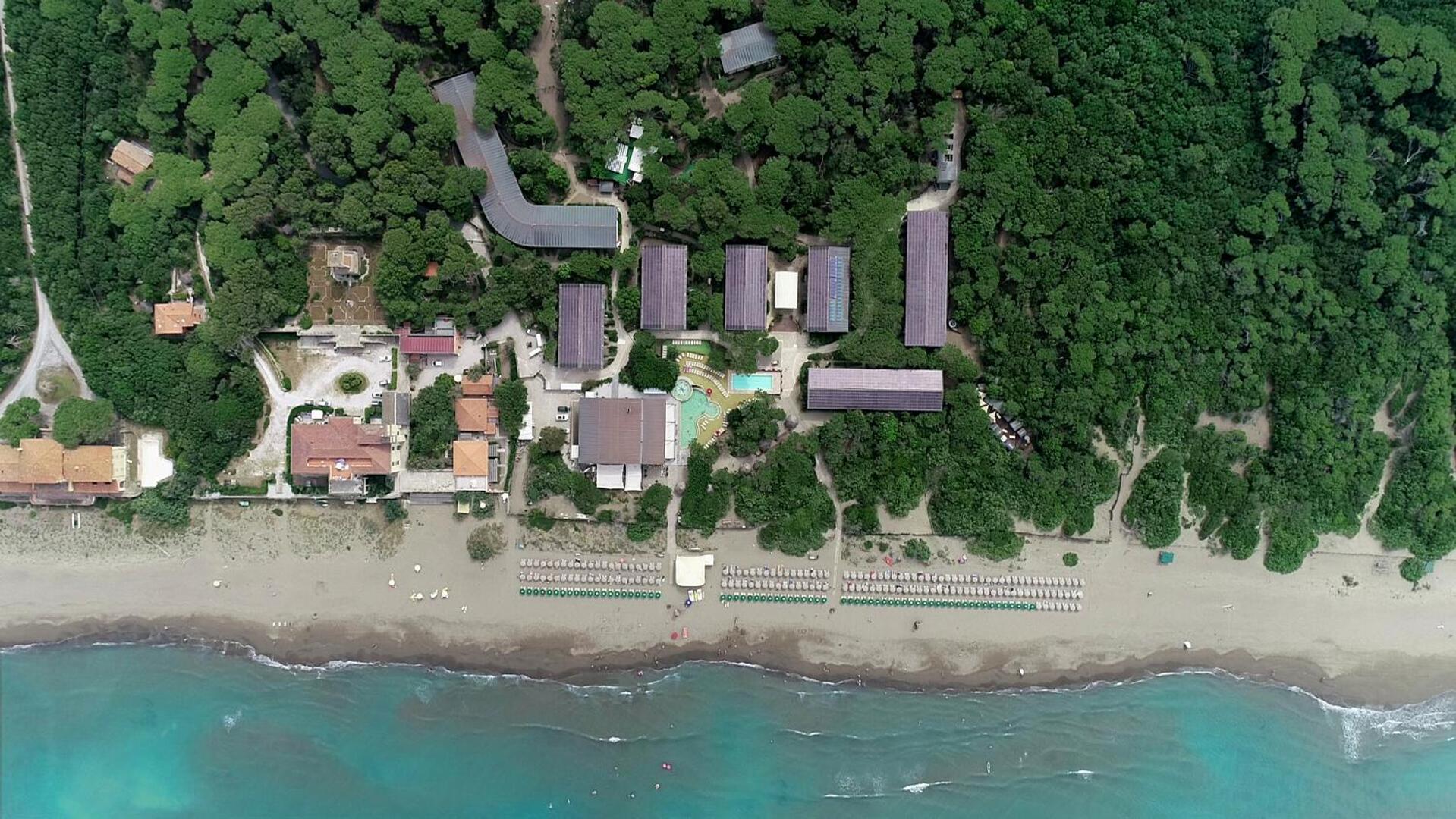
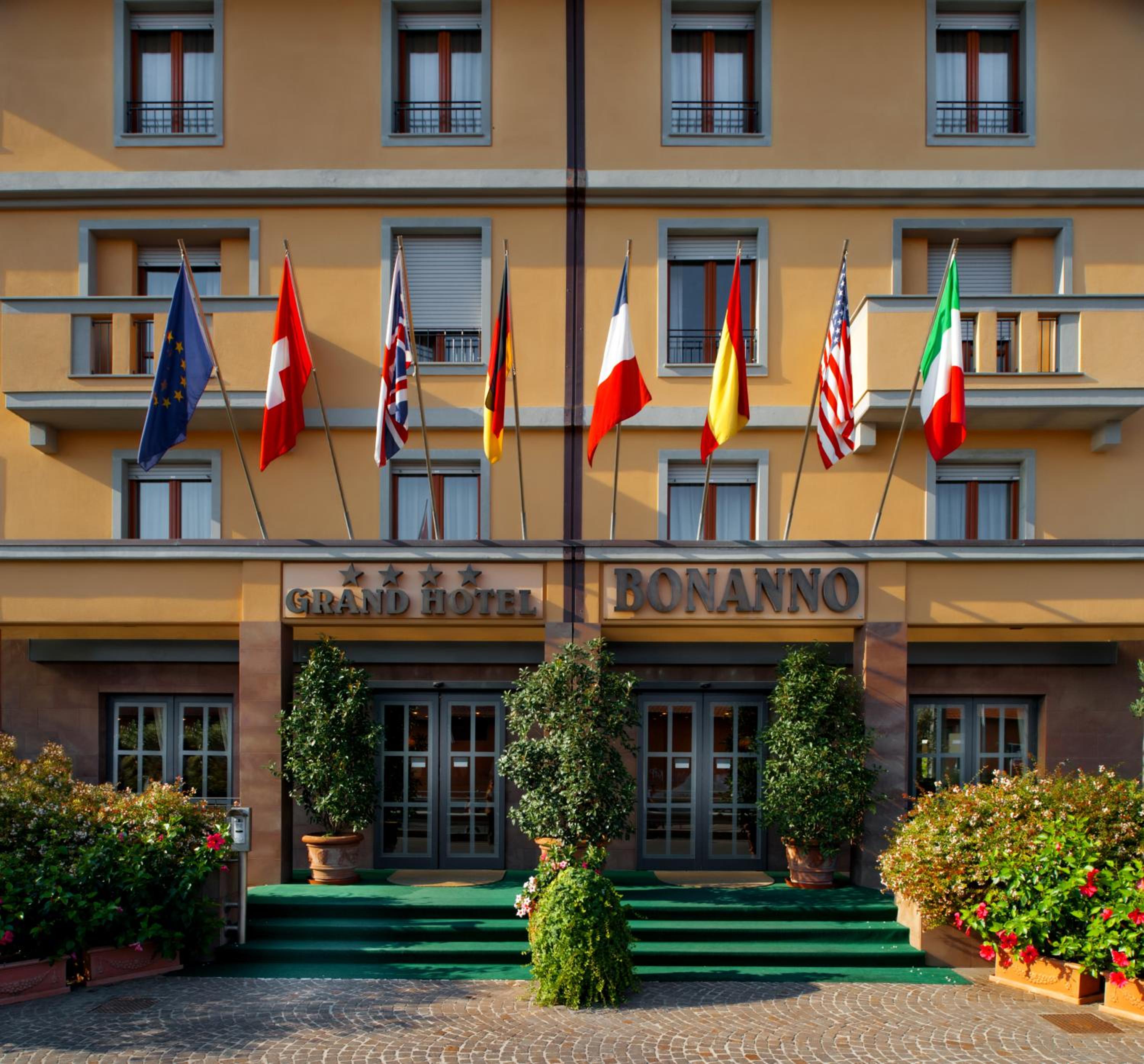
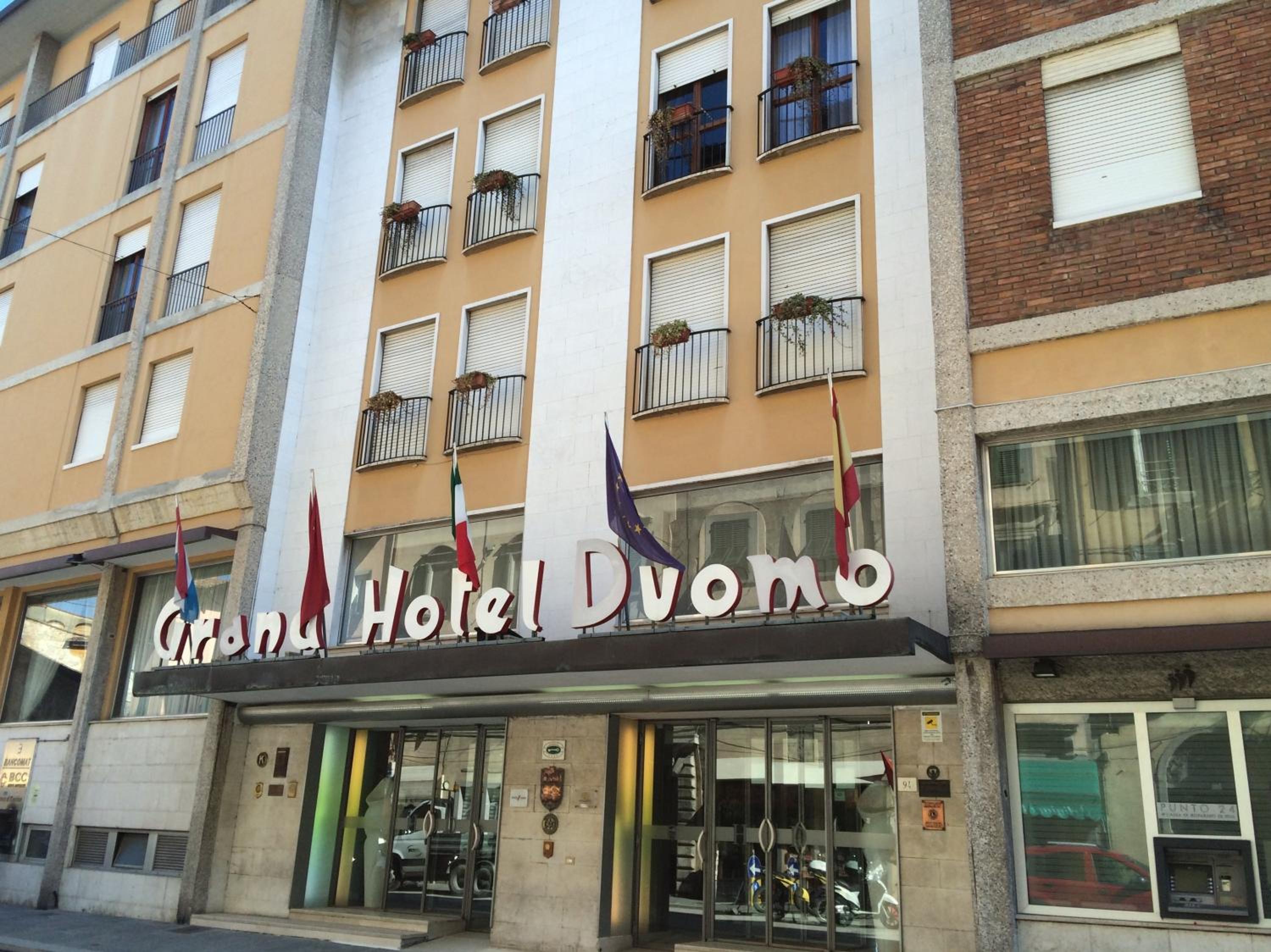
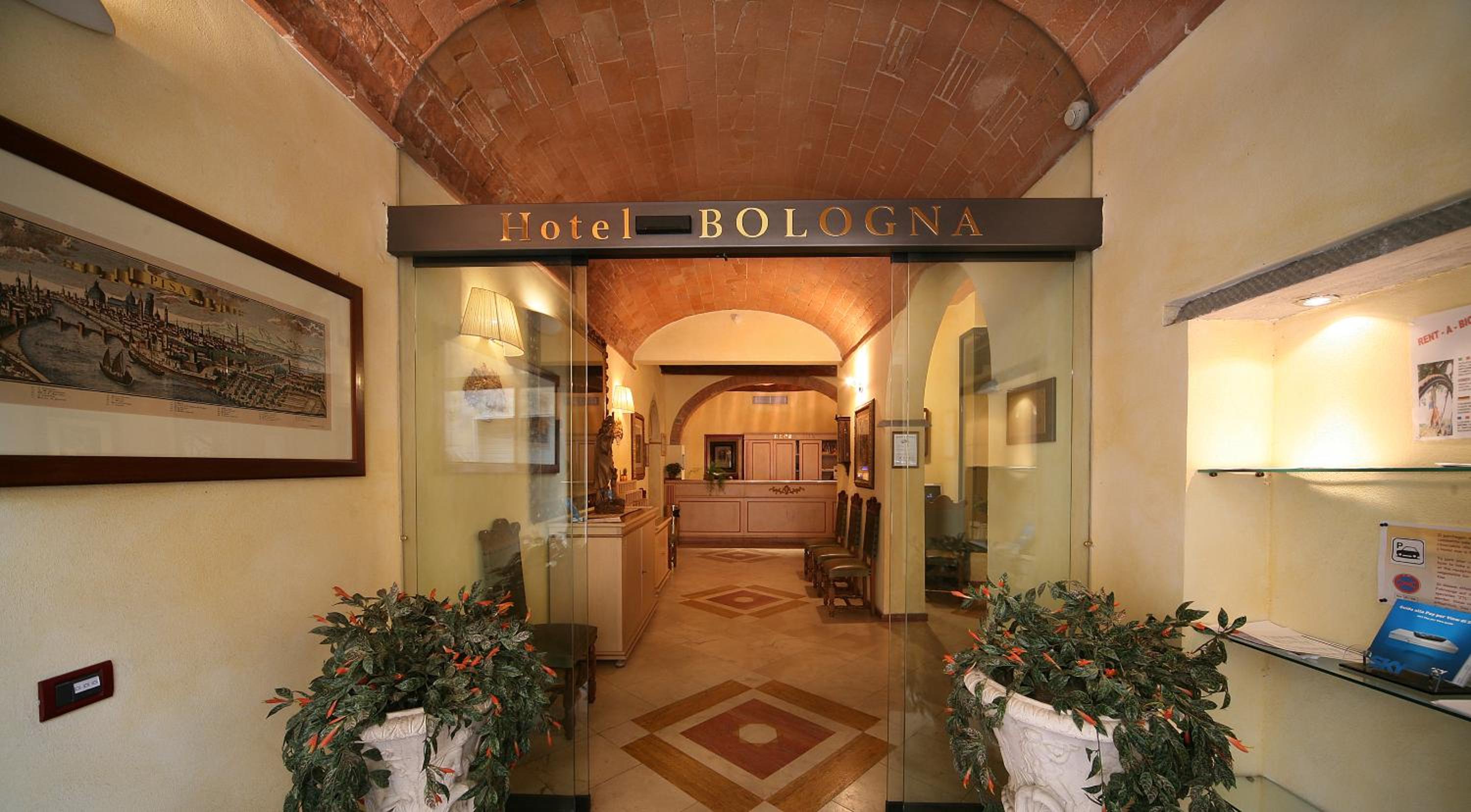
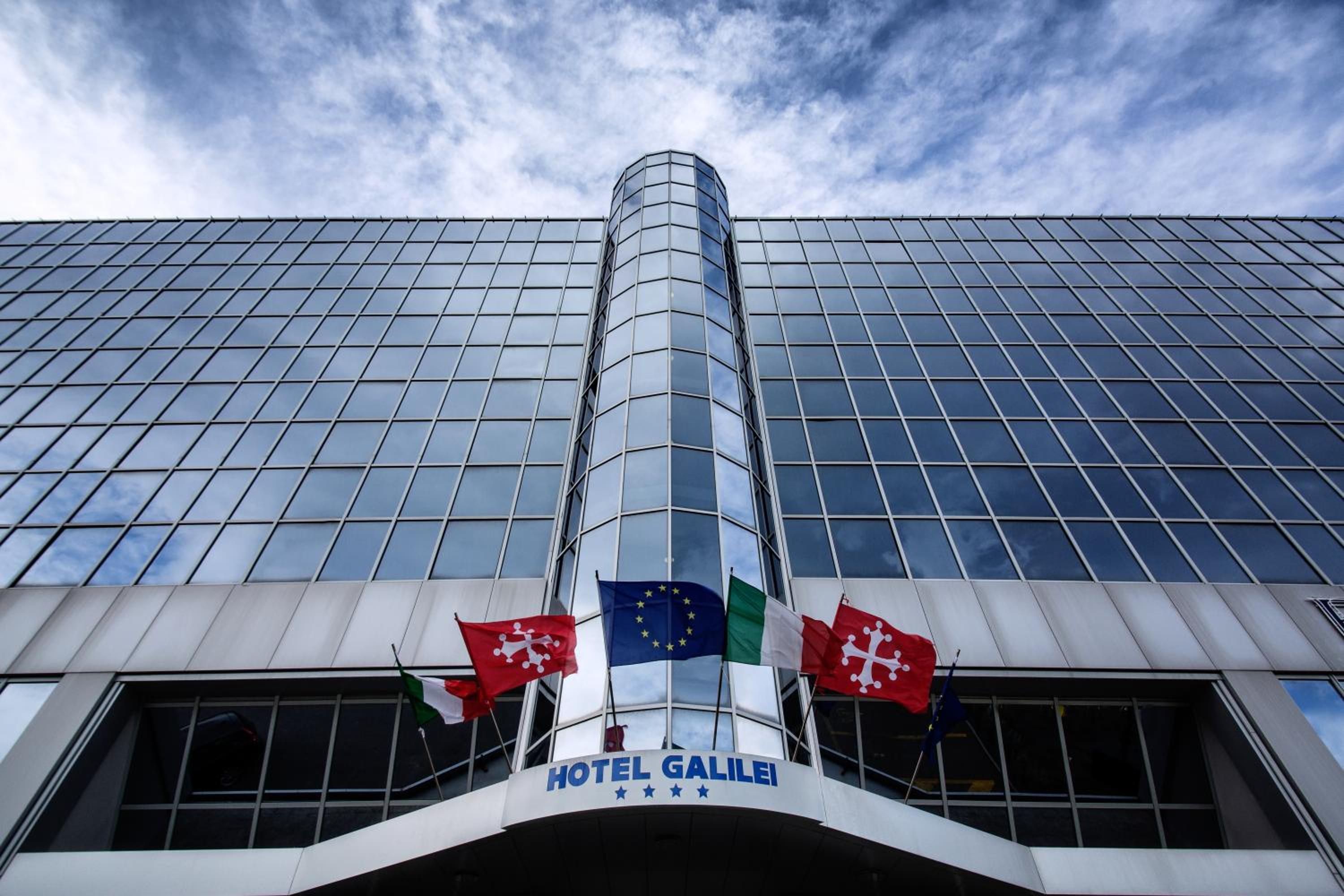
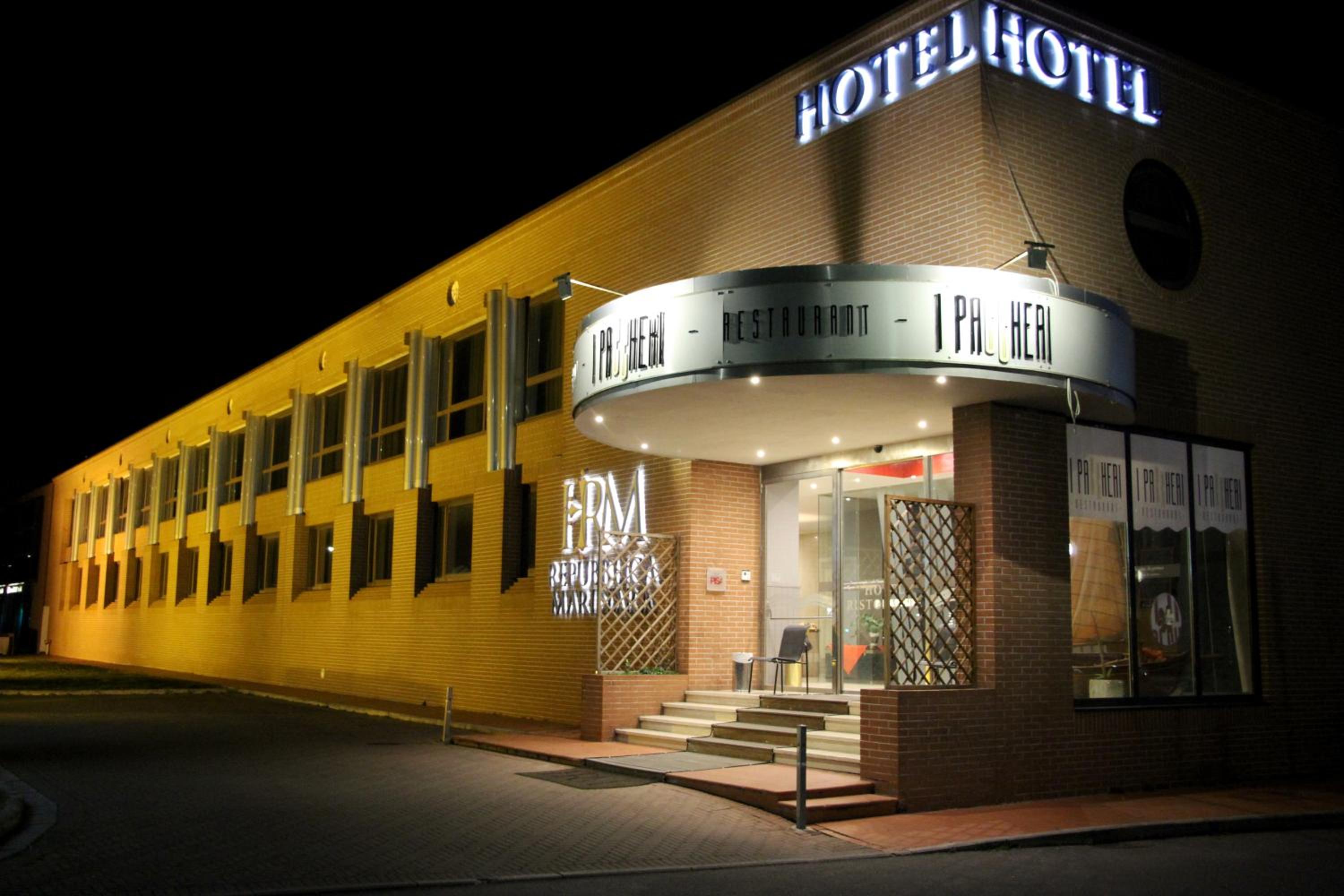
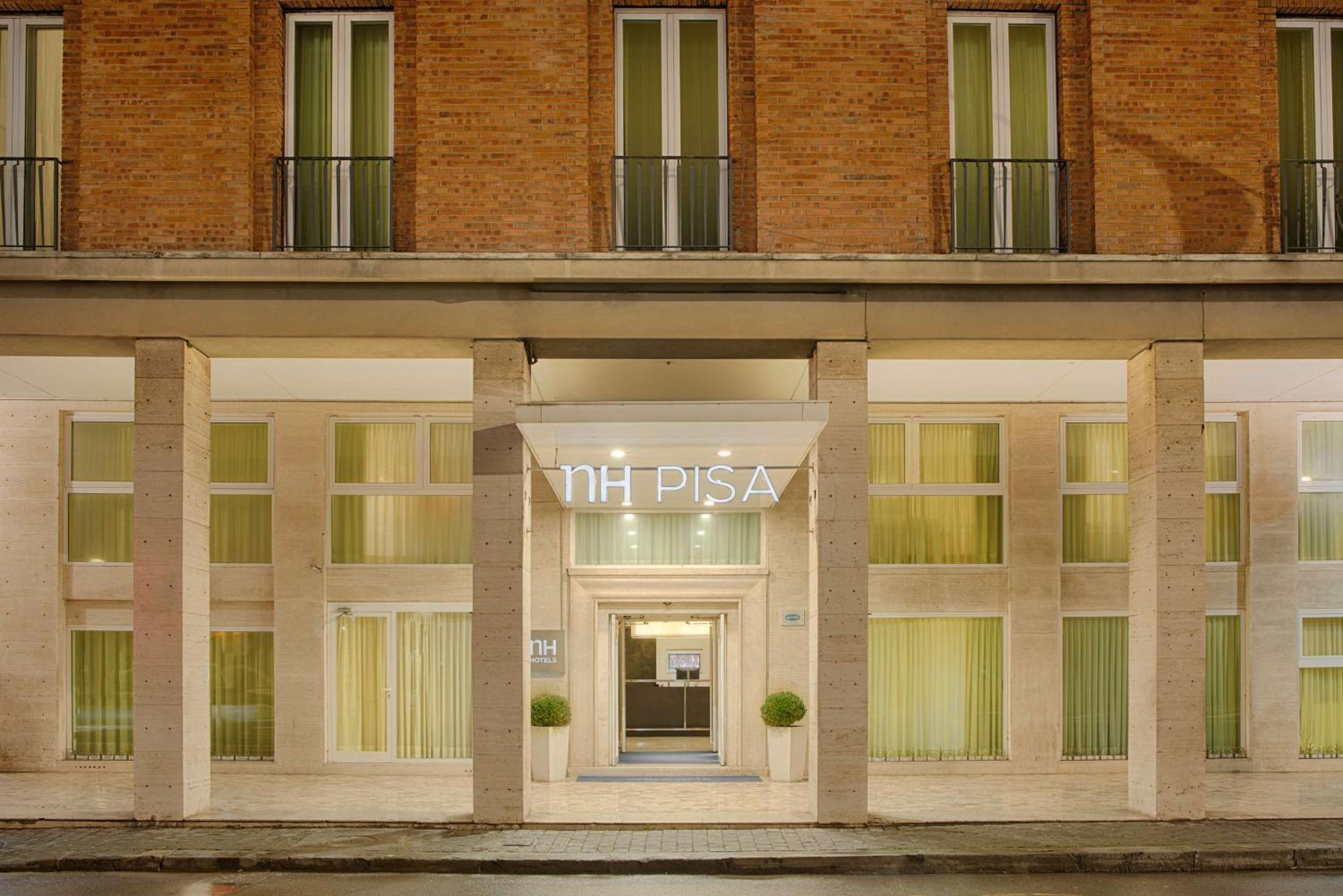
Find the perfect place for your rest in Pisa o Tirrenia.
Start your adventure
Ready to walk this stage?
We design your personalised Camino de Santiago experience.
Plan your CaminoWalk this route with us
Fancy walking this route?
We don't have a ready-made package for this route yet, but we'll organise it around you. Tell us how you'd like to experience it and a specialist will reply within 24 h.
Request your proposal