
Stage of the Camino
Stage Description
This is a short and flat stage that has as its final reward the arrival at one of Spain's most spectacular cities: Mérida. The route runs through the countryside, on an enjoyable stroll that becomes more urban in its final stretch. Expectation grows as the pilgrim approaches the capital of Extremadura. Entering Mérida, crossing the impressive Roman Bridge over the Guadiana River, is unforgettable. The city, declared a World Heritage Site, is an outdoor museum inviting visitors to spend at least one afternoon exploring its Theatre, Amphitheatre and vast Roman legacy.
The journey from Torremejía to Mérida is a short and very favorable stage, designed to arrive with time and energy at one of the most monumental cities in all of the Iberian Peninsula. The road, after leaving behind Almendralejo, is an enjoyable stroll through the fertile valley of the Guadiana.
The landscape is predominantly agricultural, with large areas of cultivation. The road advances on dirt and asphalt paths, without any difficulty. The proximity to Mérida is hinted at by the appearance of large infrastructure projects and a more populated environment.
But nothing prepares the pilgrim for the impact of arrival. The entrance to Mérida is made through one of the most impressive engineering works of ancient times: the Roman Bridge over the Guadiana River. With its 60 arches and almost 800 meters of length, crossing it on foot, following the steps of the Roman legions, is an overwhelming experience.
Once in the city, the pilgrim finds themselves in ancient Emerita Augusta, capital of Lusitania and one of the most important cities of the Roman Empire. Its archaeological complex is a World Heritage Site. It is essential to dedicate time to visit the Roman Theater and Amphitheater, the Temple of Diana, the Aqueduct of the Miracles, the Roman Circus, and the National Museum of Roman Art. Mérida is an obligatory stop, a journey through time that enriches the experience of the Vía de la Plata.
The landscape is predominantly agricultural, with large areas of cultivation. The road advances on dirt and asphalt paths, without any difficulty. The proximity to Mérida is hinted at by the appearance of large infrastructure projects and a more populated environment.
But nothing prepares the pilgrim for the impact of arrival. The entrance to Mérida is made through one of the most impressive engineering works of ancient times: the Roman Bridge over the Guadiana River. With its 60 arches and almost 800 meters of length, crossing it on foot, following the steps of the Roman legions, is an overwhelming experience.
Once in the city, the pilgrim finds themselves in ancient Emerita Augusta, capital of Lusitania and one of the most important cities of the Roman Empire. Its archaeological complex is a World Heritage Site. It is essential to dedicate time to visit the Roman Theater and Amphitheater, the Temple of Diana, the Aqueduct of the Miracles, the Roman Circus, and the National Museum of Roman Art. Mérida is an obligatory stop, a journey through time that enriches the experience of the Vía de la Plata.
Last updated: 12/08/2025
Where to Sleep
Accommodations in this Stage
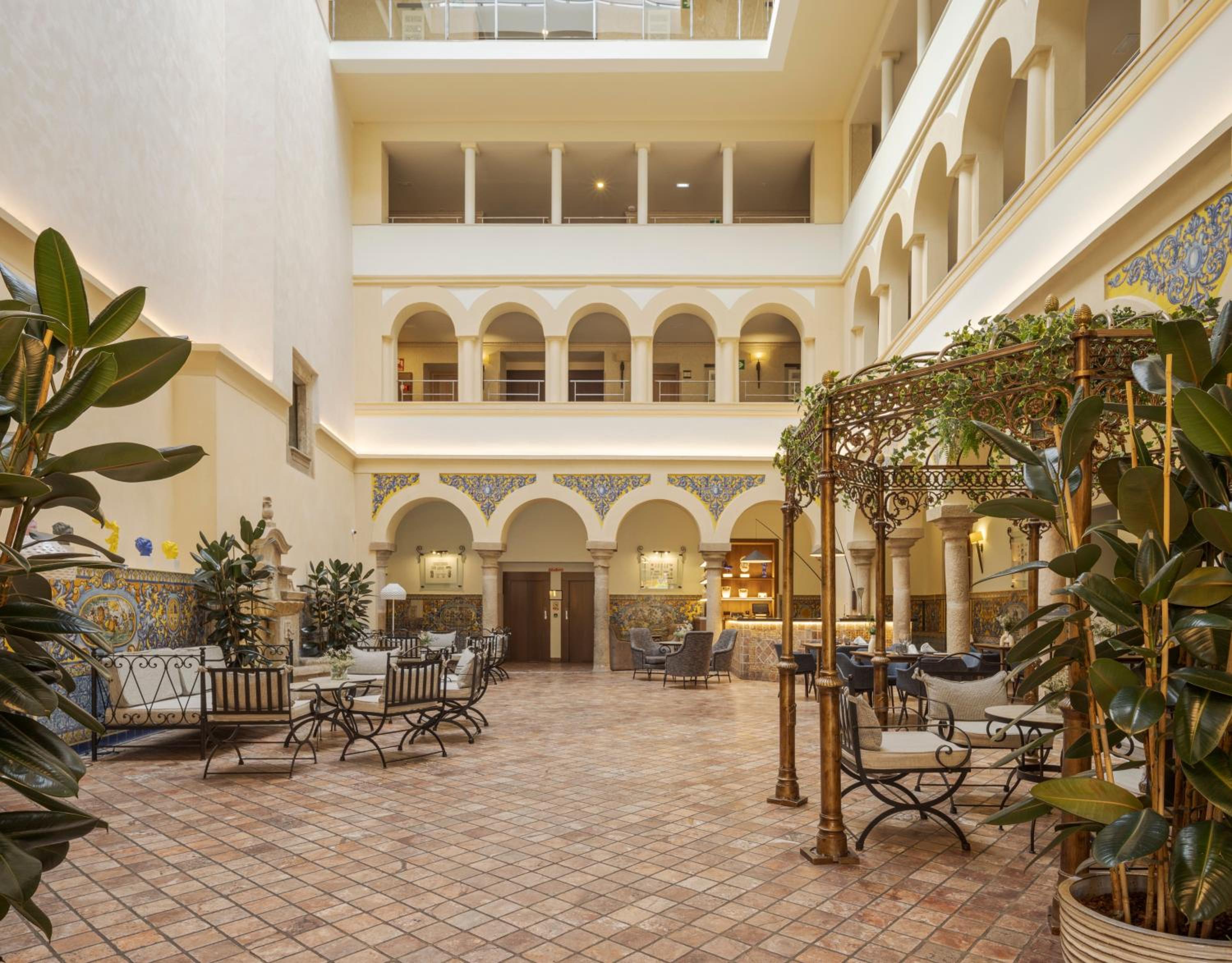
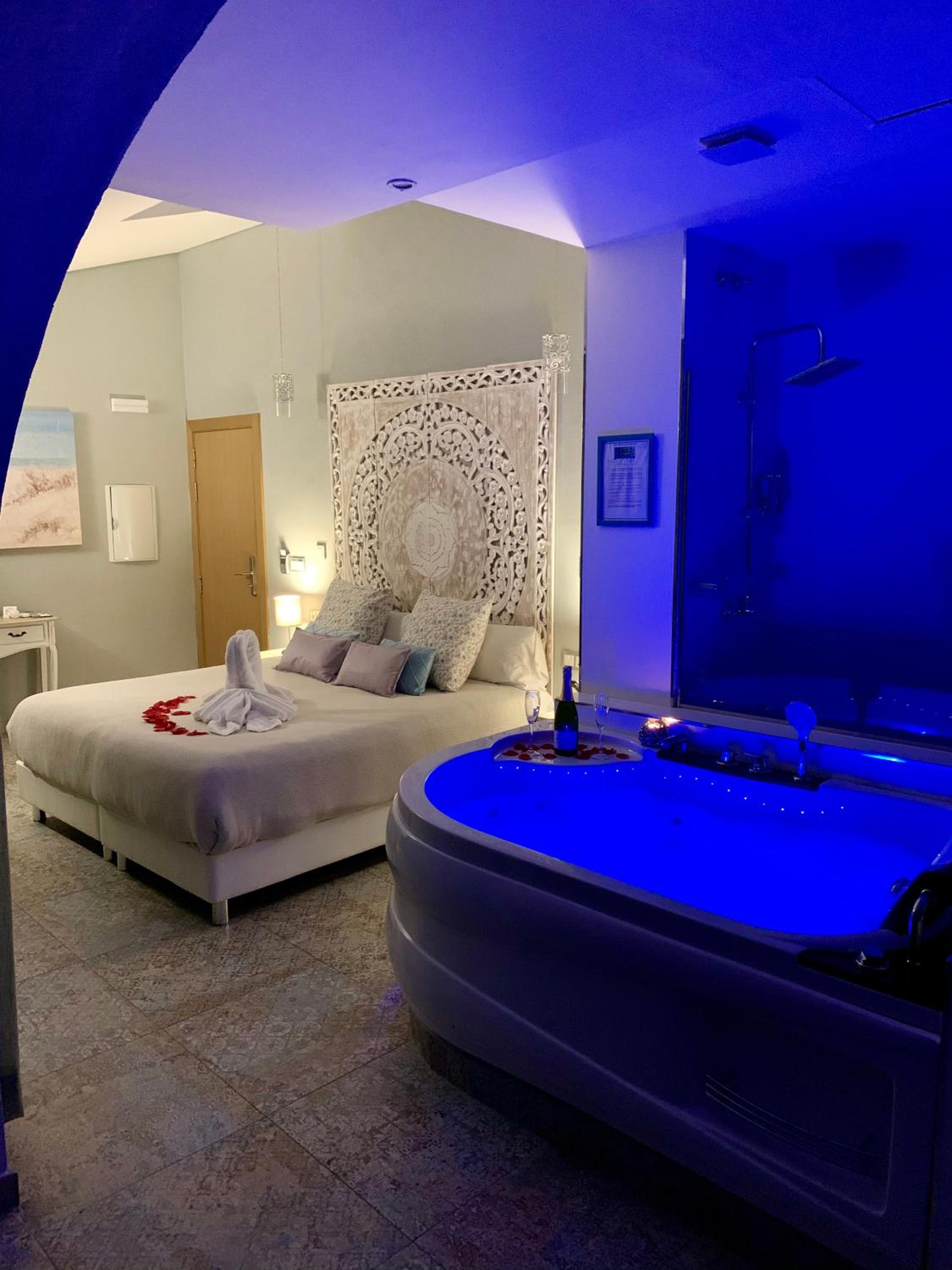
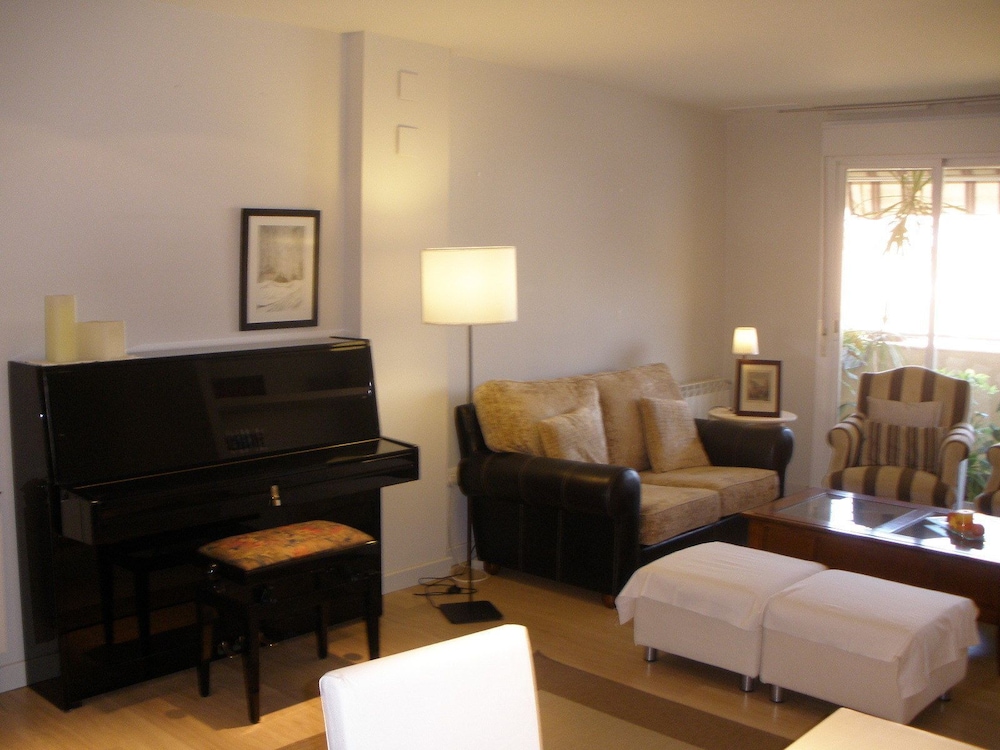
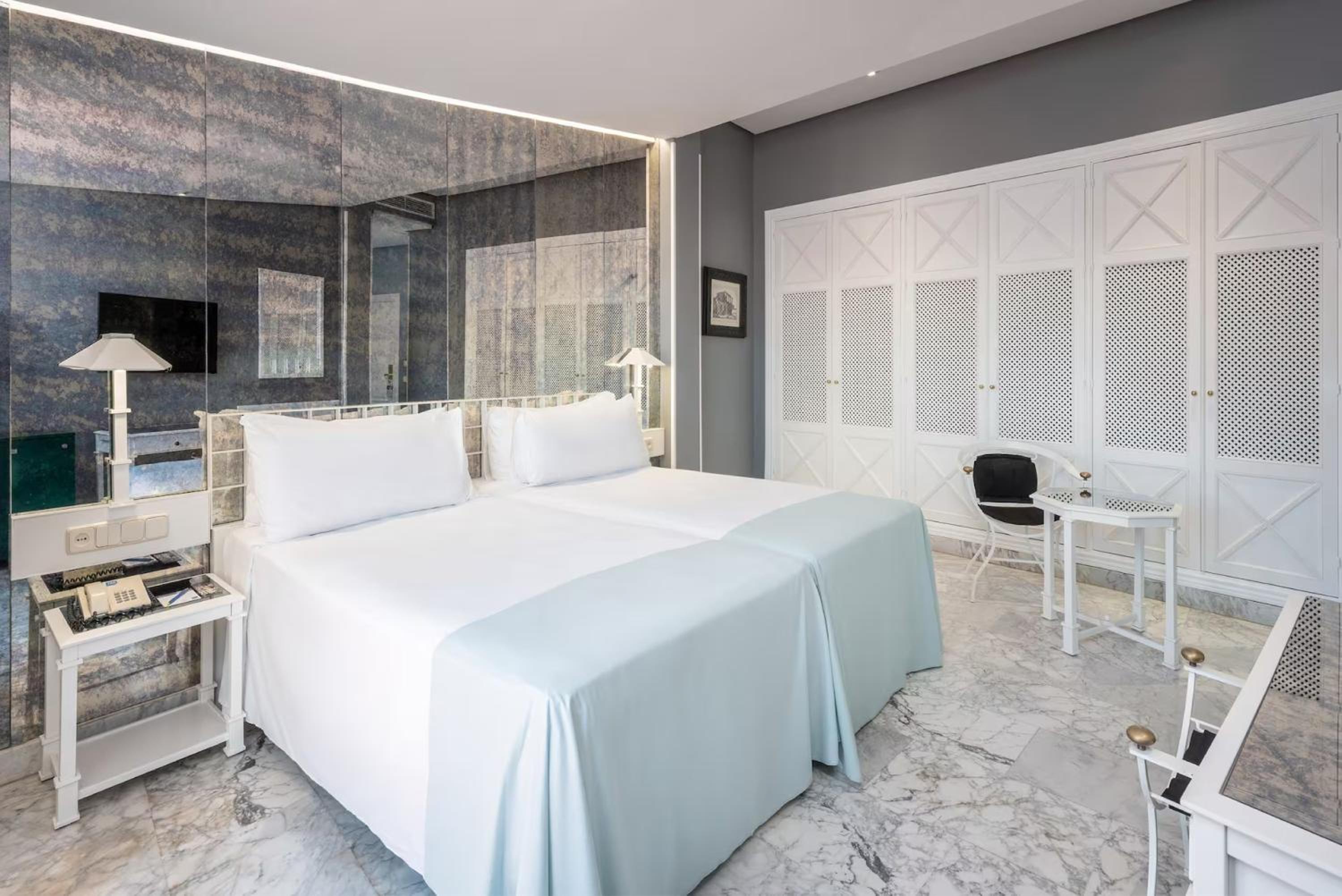
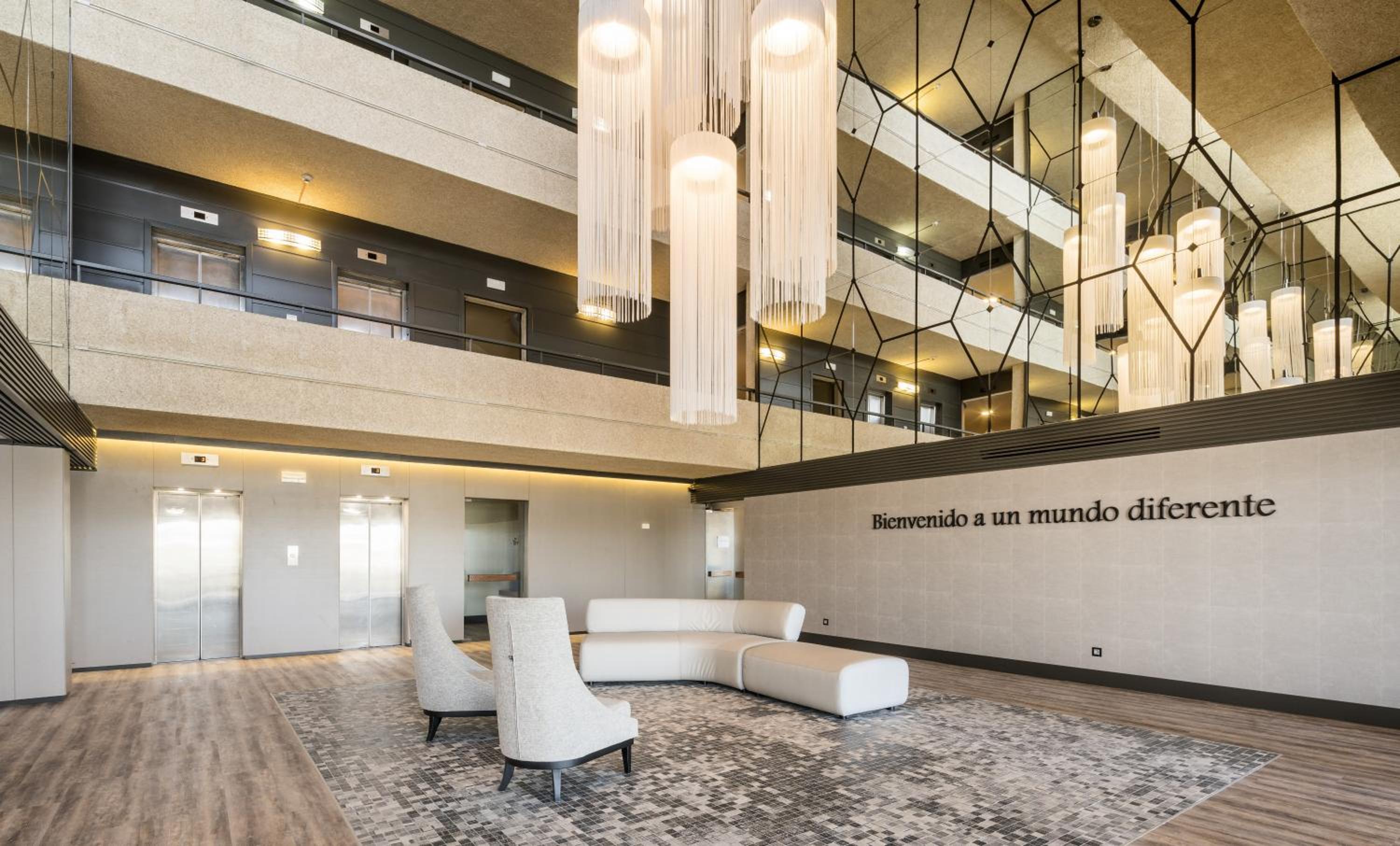
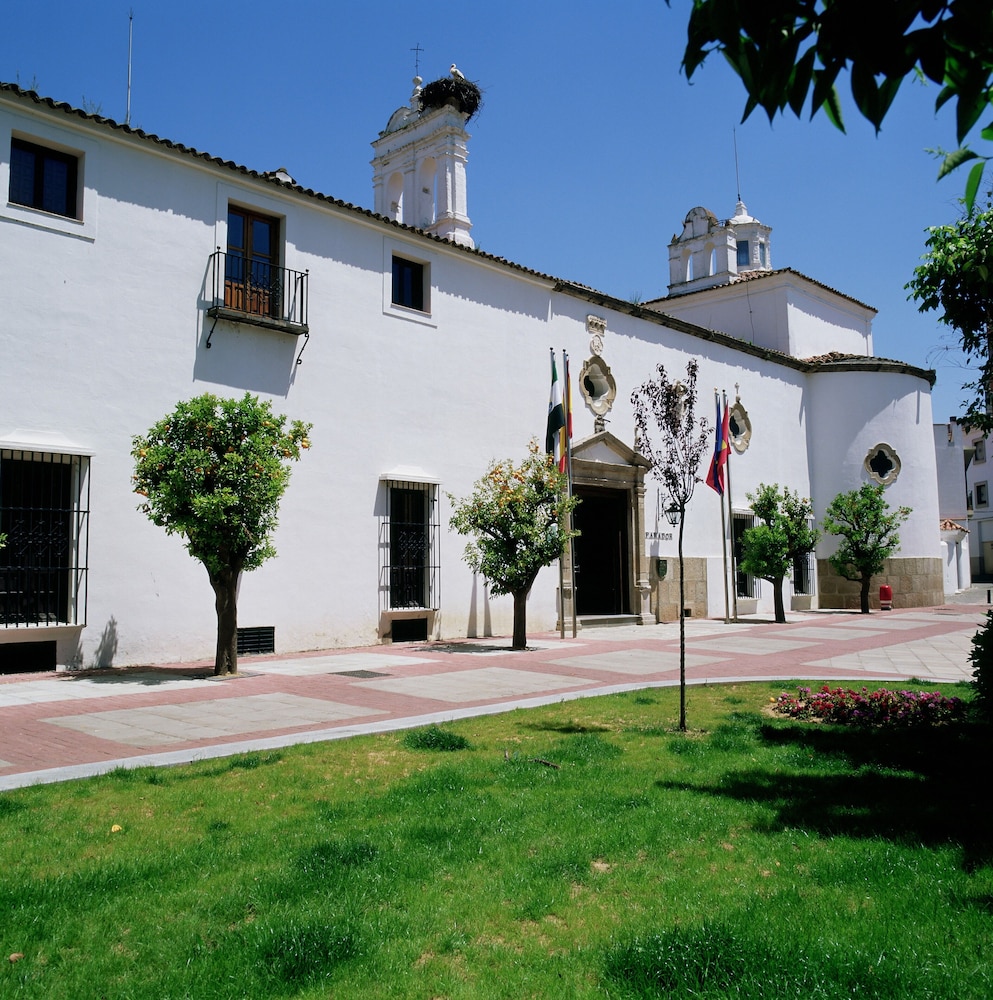
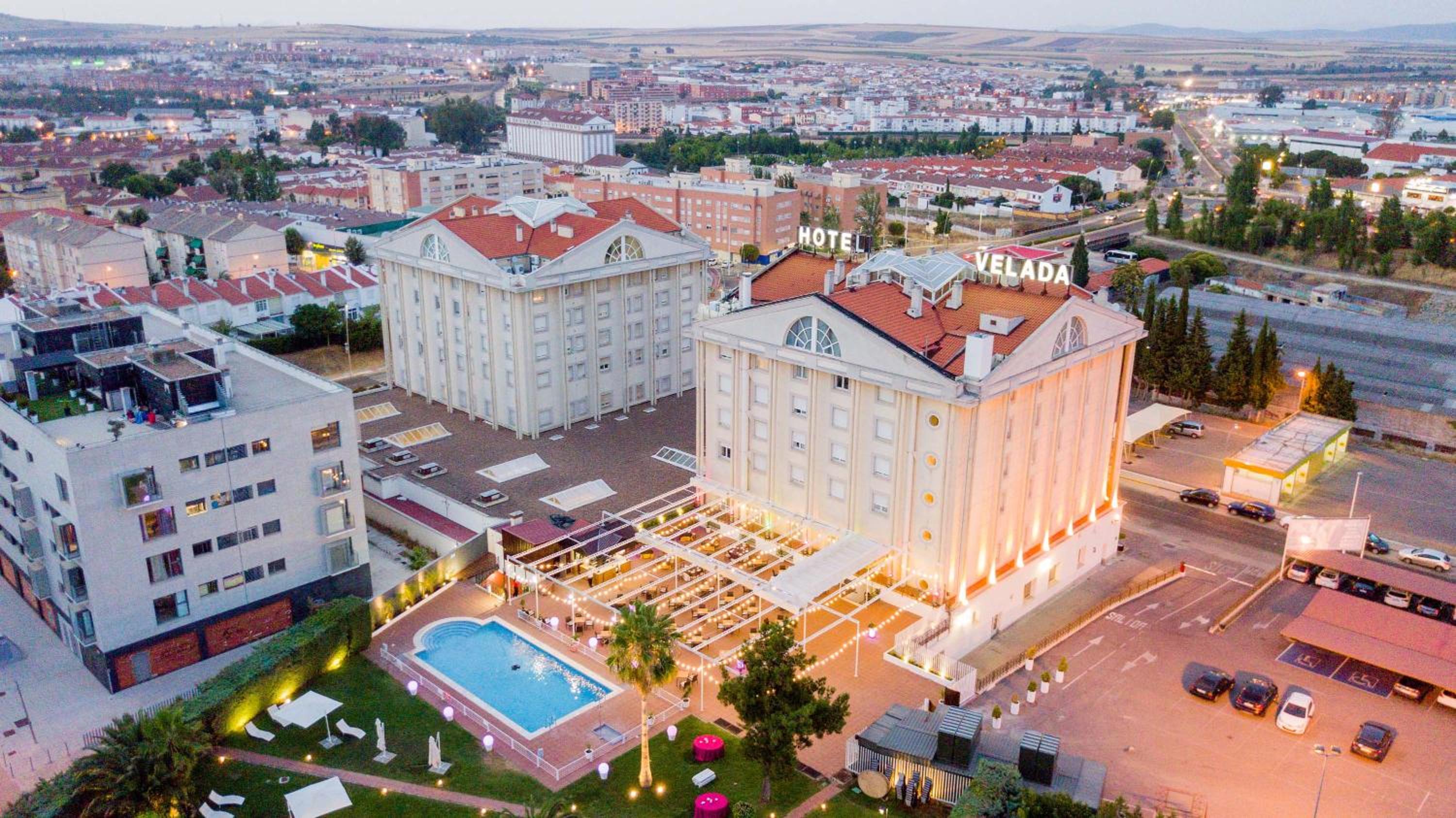
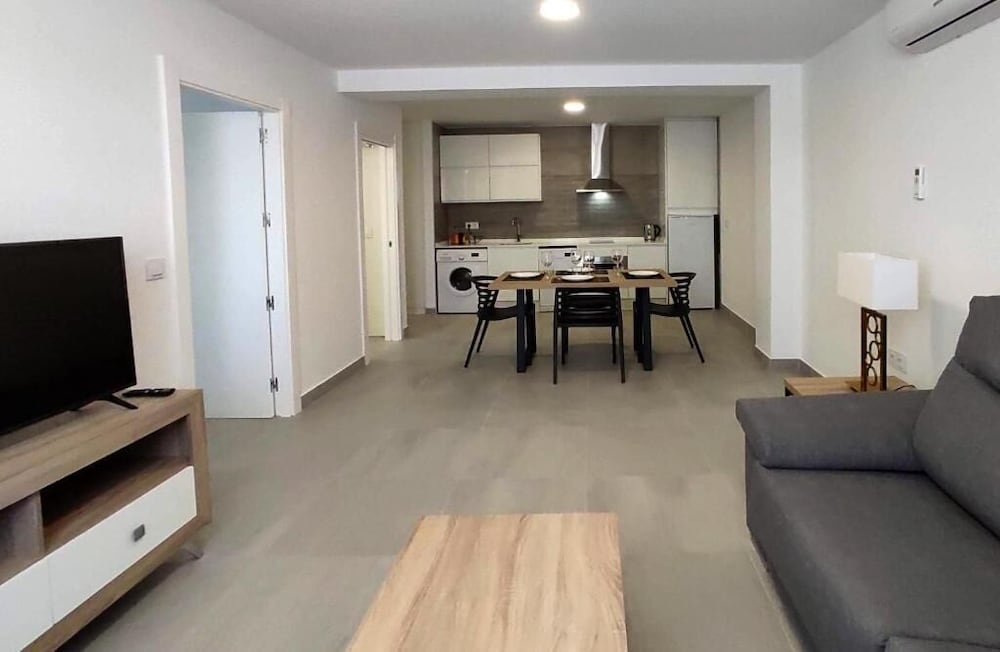
Find the perfect place for your rest in Torremejía o Mérida.


Start your adventure
Ready to walk this stage?
We design your personalised Camino de Santiago experience.
Plan your CaminoWalk this route with us
Fancy walking this route?
We don't have a ready-made package for this route yet, but we'll organise it around you. Tell us how you'd like to experience it and a specialist will reply within 24 h.
Request your proposal