
Complete Guide to Cycle Route of St. Salvador
The mountain challenge that unites León and Oviedo is now on two wheels. It tackles the Way of Saint Salvador in 2 days through the Cantabrian Mountains. Only for experienced cyclists.
Last updated: 28/03/2026
Table of Contents
Technical Summary of Cycle Route of St. Salvador
121.8 km
Distance
2
days
2
Stages
Alta
Difficulty
39 accommodations available on the route
Introduction to Cycle Route of St. Salvador
All Stages of Cycle Route of St. Salvador
Complete route divided into 2 stages
Leon to Pajares (Bicycle)
This short and pleasant stage is the first for many pilgrims. The route is a continuous up and down through rural Galicia. It's a day to enjoy the landscape and the pilgrim atmosphere. Arrival in Ferr...
Rides to Oviedo (by bike)
This short and pleasant stage continues through rural Galicia. The route is a continuous up and down through a landscape of forests and meadows. Arrival in Portomarín, a rebuilt village on the shores ...
Key Towns of Cycle Route of St. Salvador
The most important towns and cities on this route.
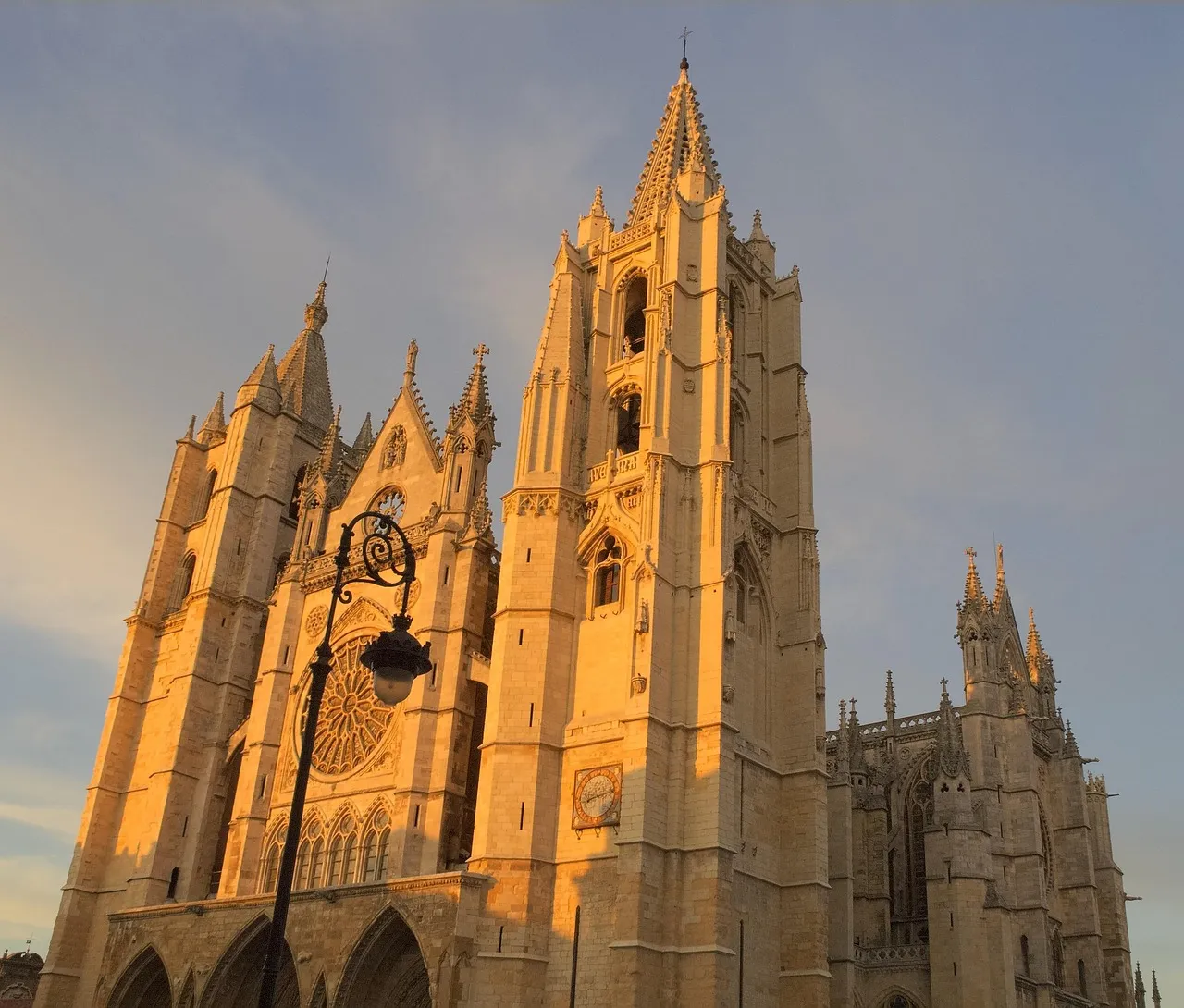
León
Old capital of the Kingdom, Leon is a gem on the French Way. It shines with its Gothic Cathedral, Saint Isidore's Basilica and lively Wet Quarter, perfect for tapas.
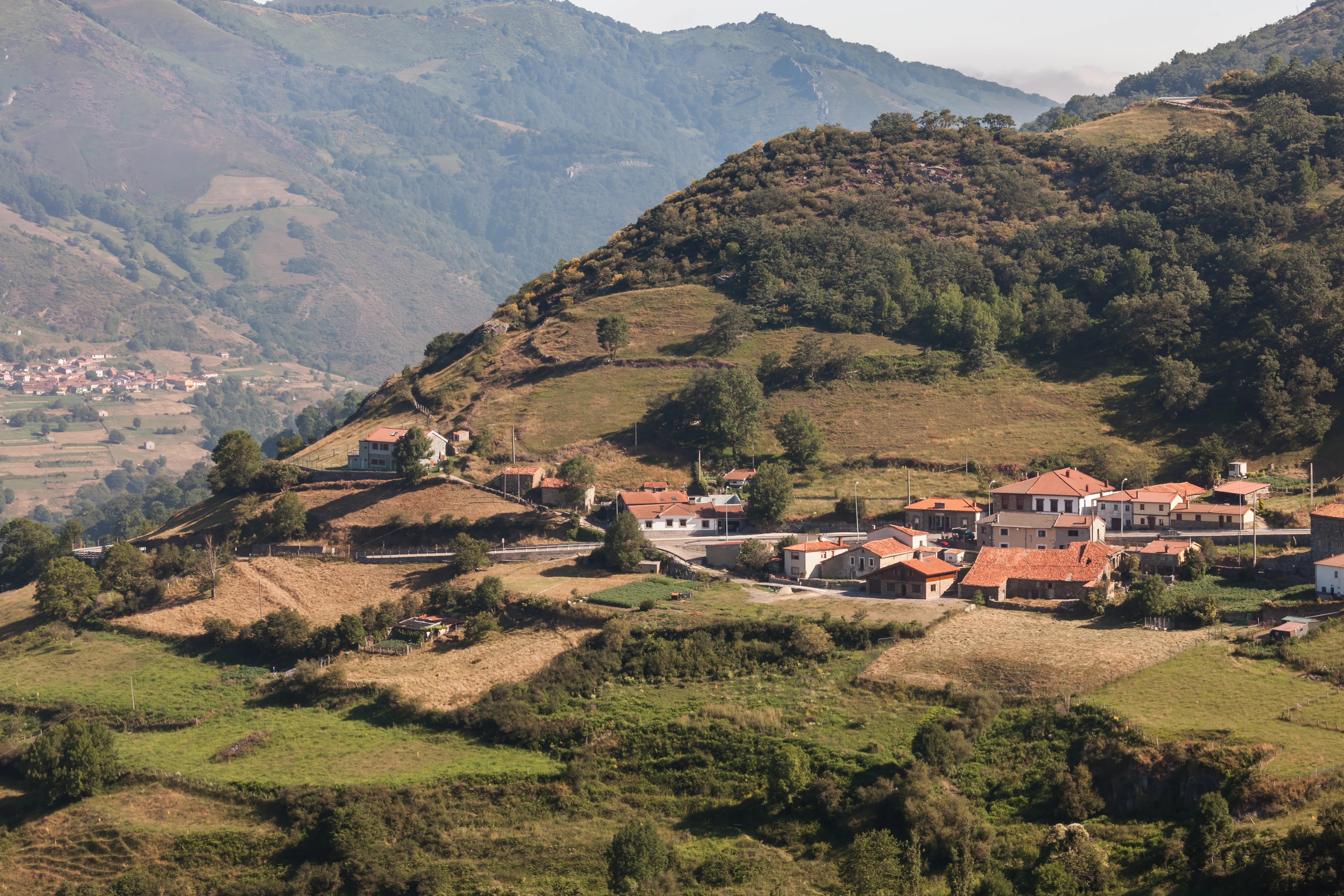
Pajares
Legendary mountain port that joins Leon and Asturias. The Port of Pajares is the great challenge of the Way of Salvador, a geographical landmark that rewards the pilgrim with unforgettable alpine landscapes.
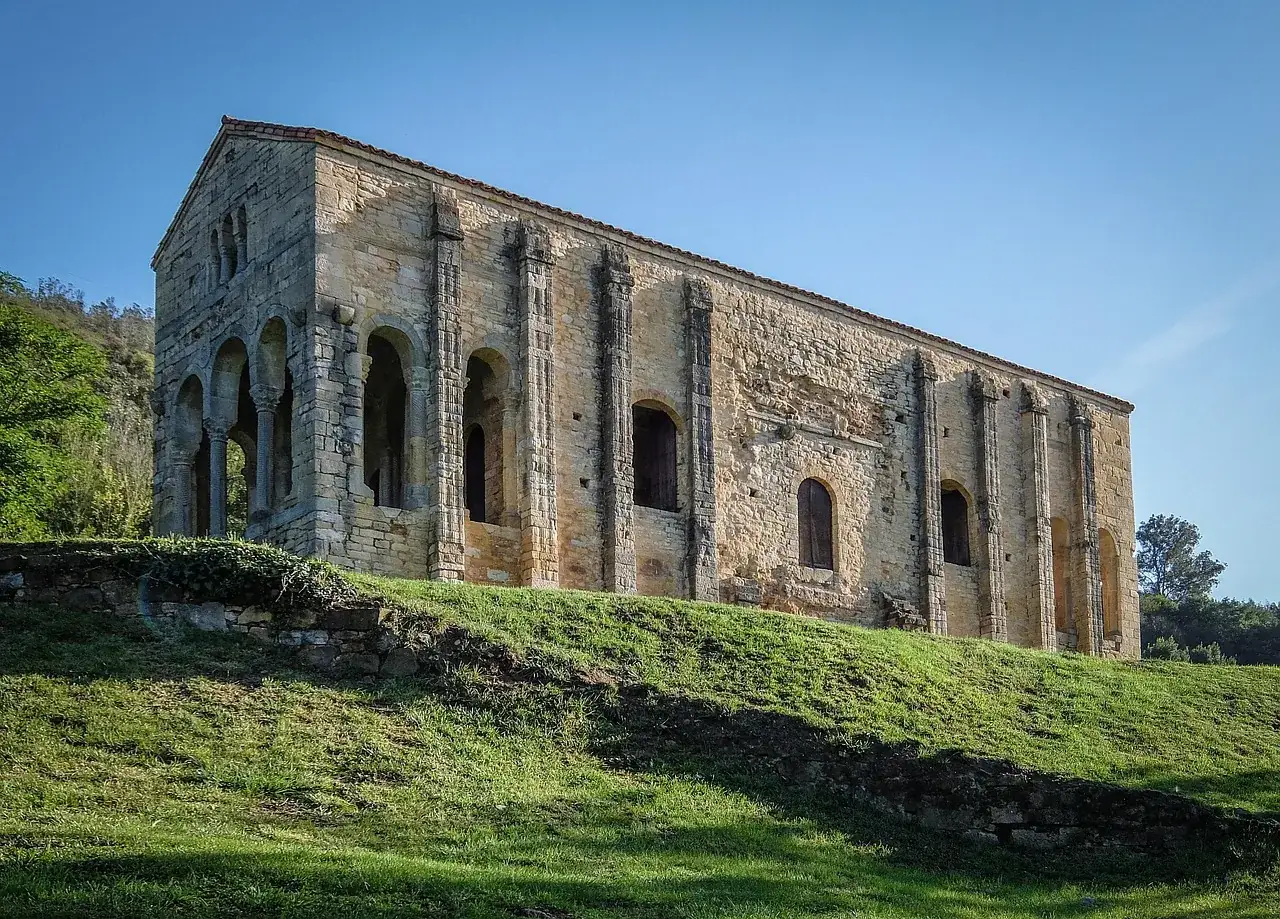
Oviedo
Capital of Asturias and the birthplace of the Way of St. James. Oviedo is the starting point of the Primitive Way, the original route. Its Cathedral and pre-Romanesque art are must-see attractions.
History of Cycle Route of St. Salvador
The original San Salvador Route was born as a deviation of faith, a pilgrimage in itself to venerate the relics of Oviedo Cathedral. Its footpath already considered one of the toughest, as it involves crossing the formidable barrier of the Cantabrian Mountains. The adaptation to cycling has only magnified this reputation of difficulty, making it an objective coveted within the mountain biking community.
The journey begins in León at the gates of the Meseta and in a few stages must overcome a cumulative gradient that is brutal. The route ascends through the Bernesga valley, following in part the historic route of the N-630. Cyclists face a terrain that combines forest trails, technical paths, and carriageway sections. The most iconic and feared ascent is the Puerto de Pajares. Conquering its ramps, whether on the historic road or on mountain trails surrounding it, is a test of fire for any cyclist.
The cycling experience is an extreme contrast: from agonizing effort in the ascents to pure adrenaline in the descents. The descents down the Asturian slope are long, technical, and spectacular, requiring great skill in handling the bike. The landscape is high mountain with breathtaking views, but also with unpredictable weather that can add an extra layer of difficulty at any time of year.
The historical function of this route as a link between the French Way and the Primitive Way takes on new dimensions for the mountain biker. The San Salvador Route becomes the perfect bridge to unite two top-level cycling adventures. A "bicigrino" can ride along the plains of the French Way, face the alpine challenge of the San Salvador, and then be at the ideal starting point for tackling the Primitive Way in BTT, another route of extreme demand. Completing this "chain" (French-Salvador-Primitive) is considered one of the greatest achievements of jacobeo cycling.
In conclusion, the story of this cycling route is the search for limits. It's the translation of the fervor penitential of the medieval pilgrim into the language of physical effort and personal overcoming by the modern sportsman. It's a short but unforgettable adventure, a way to honor the difficulty of the original path through the epic of mountain biking.
Accommodations on the Route
The Cycle Route of St. Salvador has 39 verified accommodations along the entire route.
View Stages & AccommodationsPractical Tips for Cycle Route of St. Salvador
Best Season
Spring (April-June) and autumn (September-October) are the best seasons. Pleasant temperatures and fewer crowds than summer.
Physical Preparation
Train by walking progressively in the months before. Start with short distances and increase. Your body will adapt to the rhythm of the Camino.
What to Pack
Light backpack (max 10% of your weight), worn trekking shoes, breathable technical clothing, raincoat, sunscreen and basic first aid kit.
General Tips
Carry the pilgrim credential, stay hydrated, respect your pace, book accommodation in high season and enjoy the journey without rushing.
FAQ about Cycle Route of St. Salvador
El Camino de San Salvador en bicicleta se puede completar en aproximadamente 2 días, ofreciendo una experiencia intensa y desafiante para ciclistas experimentados.
Este camino es altamente exigente y recomendado solo para ciclistas muy experimentados. La ruta atraviesa la Cordillera Cantábrica, con ascensos pronunciados y terreno montañoso.
La época ideal para este camino es abril a junio o septiembre a octubre, cuando la temperatura es agradable y hay menos peregrinos que en julio y agosto. Estas épocas ofrecen un clima más ameno sin tener que preocuparse por las largas colas de albergues.
Ourway Travel ofrece paquetes personalizados para el Camino de San Salvador en Bicicleta. El costo varía según las necesidades del viajero, pero incluye la reserva y gestión de alojamientos seguros, itinerarios detallados y soporte 24/7 durante tu recorrido.
El paquete completo de Ourway Travel para el Camino de San Salvador en Bicicleta incluye alojamiento seguro, itinerario detallado con recomendaciones de ruta y puntos turísticos, y soporte 24/7 durante todo tu viaje. También gestionamos la logística del transporte de bicicletas si es necesario.
Para reservar el Camino de San Salvador en Bicicleta con Ourway Travel, simplemente envíanos un correo electrónico o llama a nuestro equipo de asistencia al cliente. Estamos encantados de ayudarte a personalizar tu experiencia y gestionar todos los detalles necesarios para que puedas concentrarte en disfrutar del camino.
El Camino de San Salvador es significativamente más desafiante y corto en distancia, diseñado específicamente para ciclistas experimentados. A diferencia del Camino Francés o Británico, este itinerario se enfoca principalmente en la Cordillera Cantábrica con desniveles pronunciados y un terreno montañoso que ofrece una experiencia única de ciclismo de montaña.
Para obtener tu credencial de peregrino, puedes solicitársela a los albergues o oficinas de turismo en León. En cuanto a la logística de tus pertenencias, Ourway Travel gestiona el transporte seguro y cómodo de tus mochilas durante todo el camino para que puedas concentrarte únicamente en tu viaje ciclista.
Related Routes
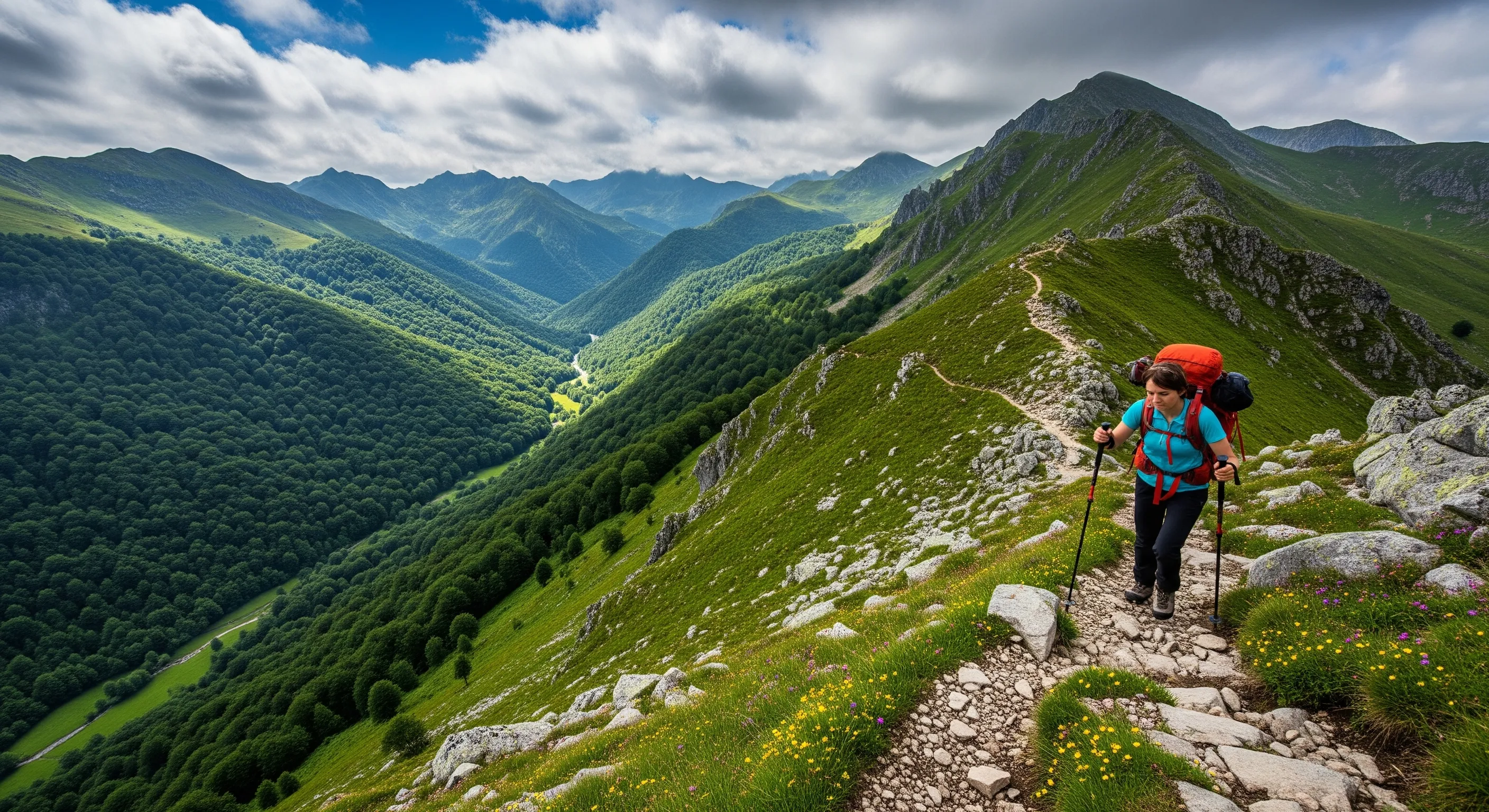
Ready for this adventure?
Let us organize your pilgrimage. We take care of accommodations, transfers and everything you need.