
Stage of the Camino
Stage Description
An introduction to the Castilian meseta, where the bicycle rolls smoothly across the vast cereal plains of Castile. Leaving Burgos and its Gothic cathedral behind, the route heads into the open country by way of Tardajos and Hornillos del Camino, almost without shade and beneath the immense meseta sky. The most demanding moment comes at the Alto de Mostelares, a short, steep ramp before the descent into Castrojeriz, watched over by its ruined castle. The day ends in Frómista, famous for the church of San Martín de Tours, a jewel of European Romanesque. It is a comfortable stage to pedal, with moderate elevation gain, ideal for savouring the vastness and silence of the Castilian plain.
This stage of around 66 kilometres opens the crossing of the Castilian meseta by bicycle, bringing together several stages of the walking pilgrim between Burgos and Frómista. The profile is predominantly flat, with a single notable climb, which makes it a rewarding and fast stage for the cyclist.
The departure from Burgos runs alongside the river Arlanzón, leaving the silhouette of the cathedral behind. Beyond Tardajos and Rabé de las Calzadas, the path climbs gently onto the moorlands to reach Hornillos del Camino, a small single-street village tucked into a hollow. The landscape is now the one so characteristic of the meseta: sweeping fields of cereal, scarce shade and wide-open horizons.
After Hontanas and the evocative ruins of the convent of San Antón, beneath whose arch the Camino passes, you reach Castrojeriz, stretched out at the foot of its hill crowned by a castle. On the way out, the Alto de Mostelares awaits, a brief but demanding ramp that many cyclists tackle on foot; from the top there is a broad panorama over the countryside.
The final section crosses the river Pisuerga over the Itero bridge, entering the province of Palencia, and follows the Canal de Castilla as far as Frómista. The town is renowned for the church of San Martín de Tours, one of the masterpieces of Romanesque architecture in Spain, magnificently restored. Frómista makes for a comfortable end of stage, well provided with services for the pilgrim.
The departure from Burgos runs alongside the river Arlanzón, leaving the silhouette of the cathedral behind. Beyond Tardajos and Rabé de las Calzadas, the path climbs gently onto the moorlands to reach Hornillos del Camino, a small single-street village tucked into a hollow. The landscape is now the one so characteristic of the meseta: sweeping fields of cereal, scarce shade and wide-open horizons.
After Hontanas and the evocative ruins of the convent of San Antón, beneath whose arch the Camino passes, you reach Castrojeriz, stretched out at the foot of its hill crowned by a castle. On the way out, the Alto de Mostelares awaits, a brief but demanding ramp that many cyclists tackle on foot; from the top there is a broad panorama over the countryside.
The final section crosses the river Pisuerga over the Itero bridge, entering the province of Palencia, and follows the Canal de Castilla as far as Frómista. The town is renowned for the church of San Martín de Tours, one of the masterpieces of Romanesque architecture in Spain, magnificently restored. Frómista makes for a comfortable end of stage, well provided with services for the pilgrim.
Last updated: 16/06/2026
Where to Sleep
Accommodations in this Stage
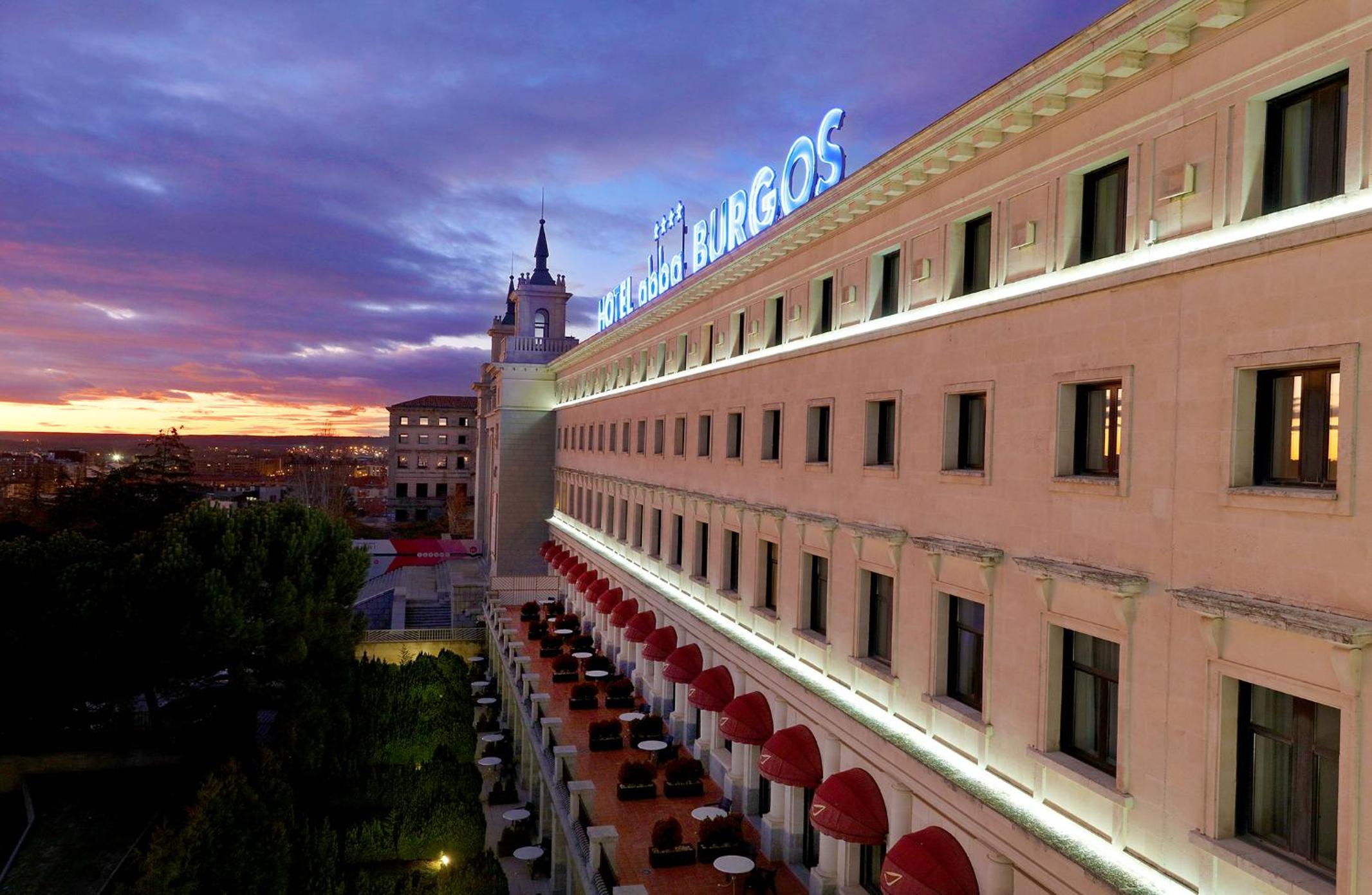
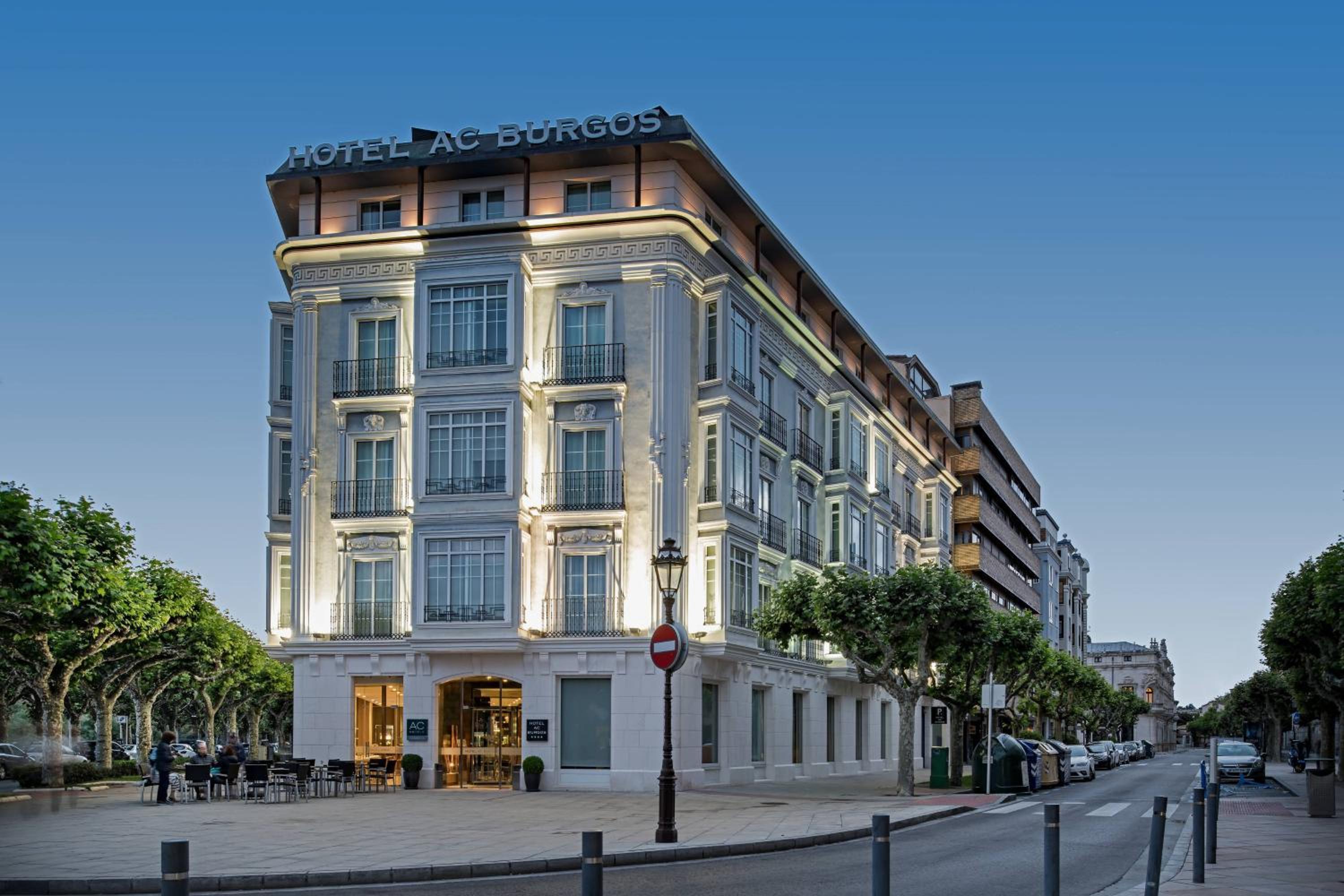
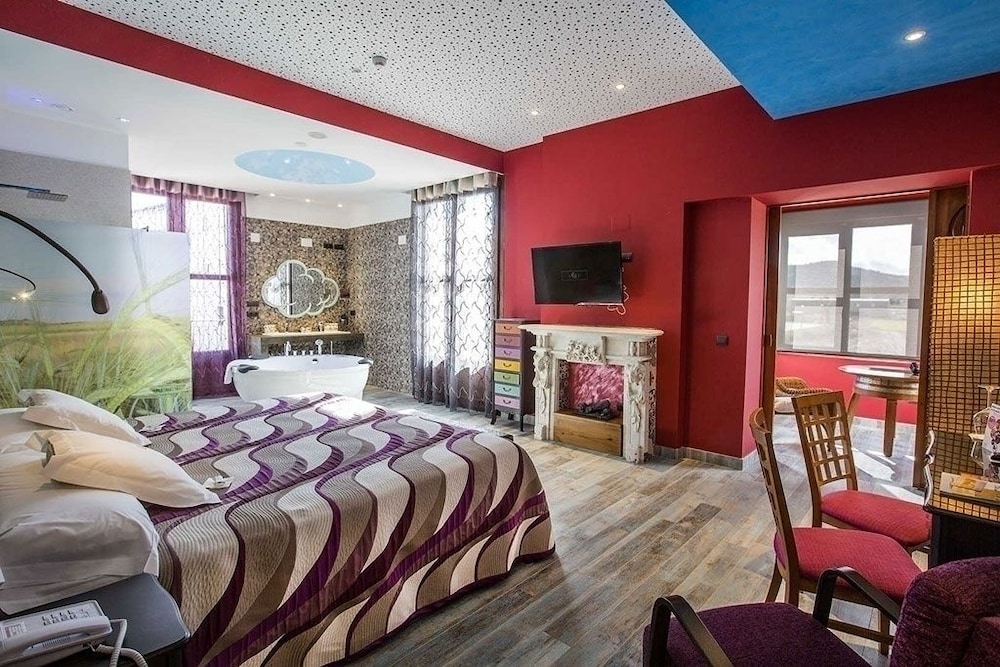
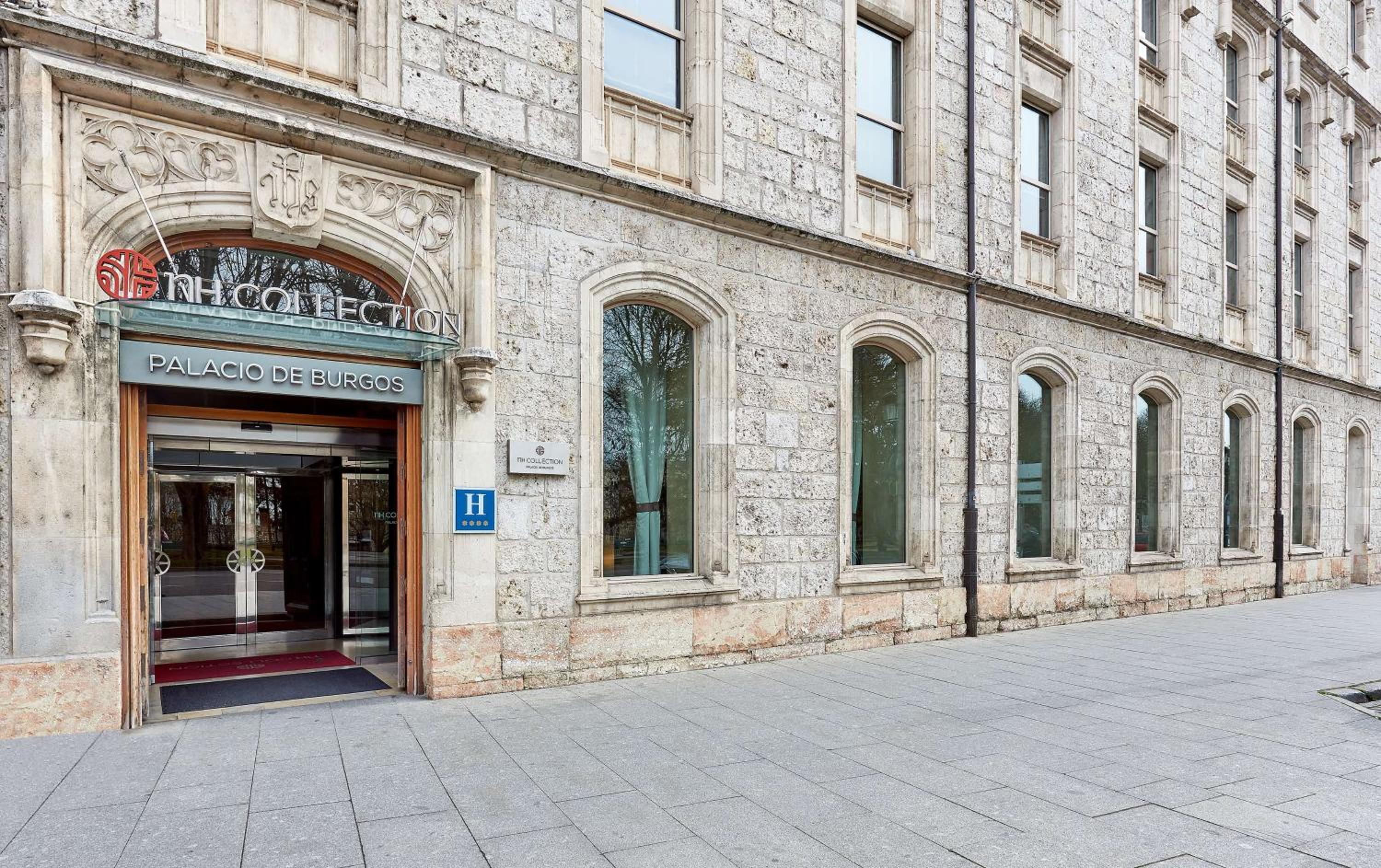
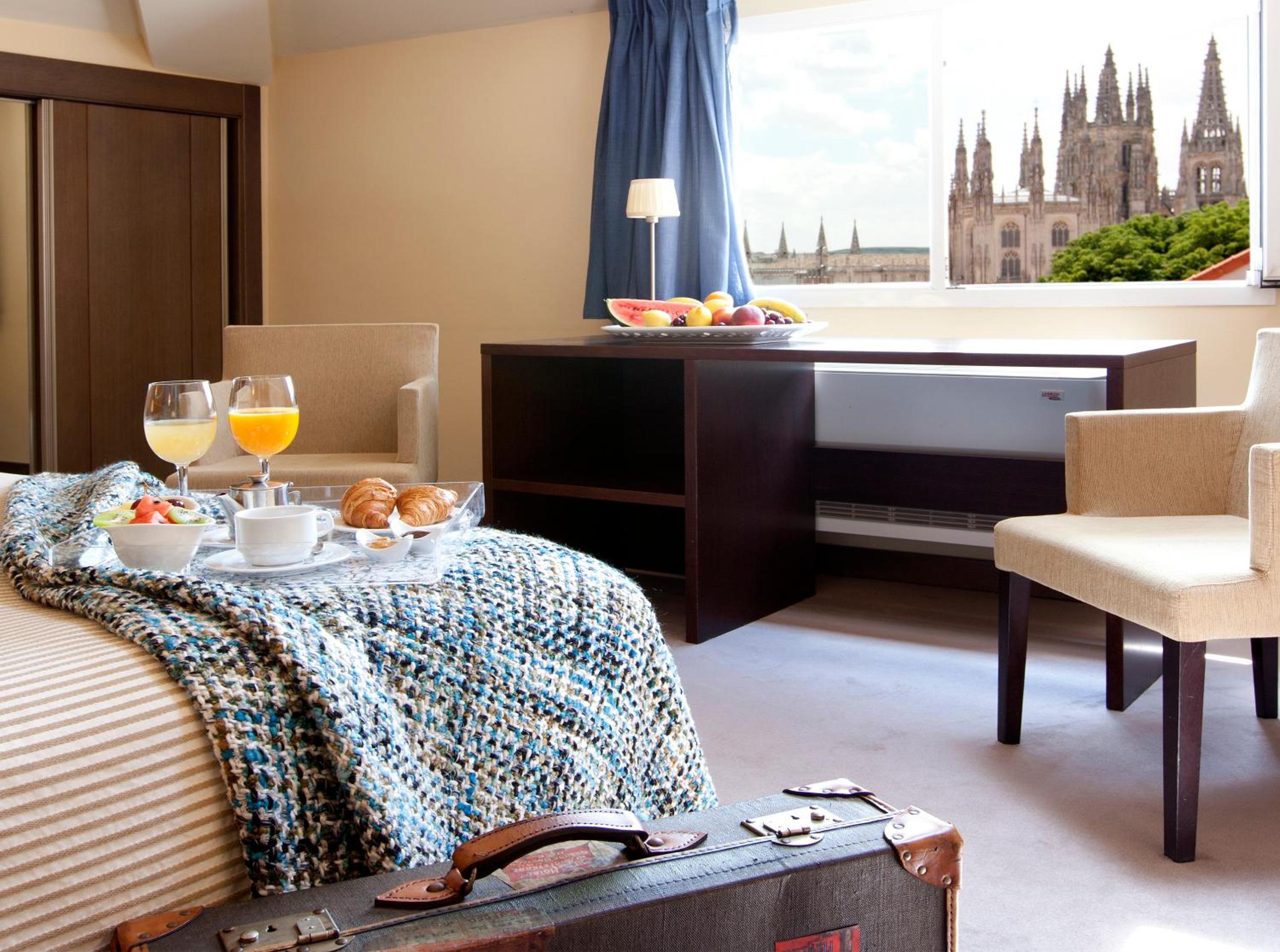
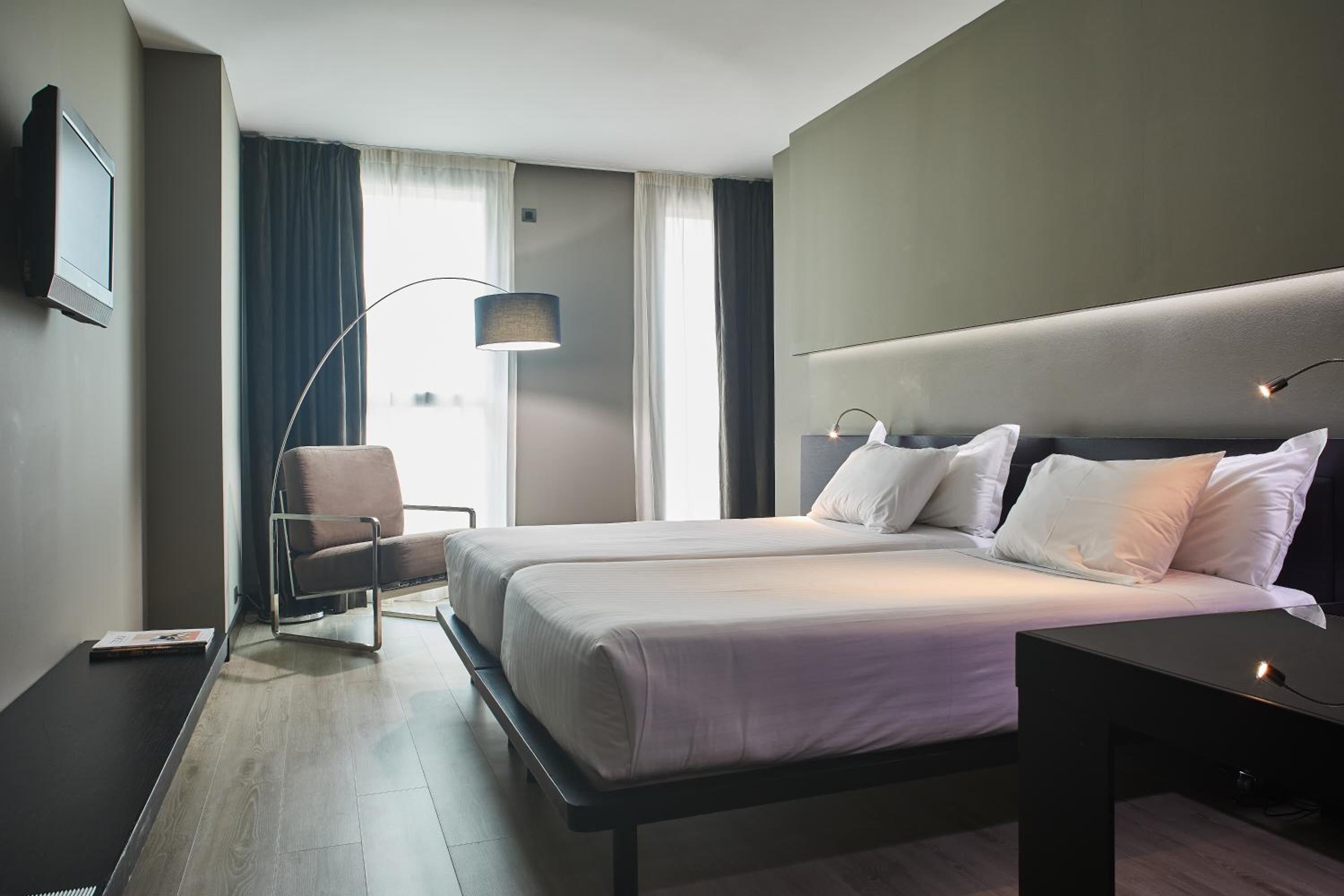
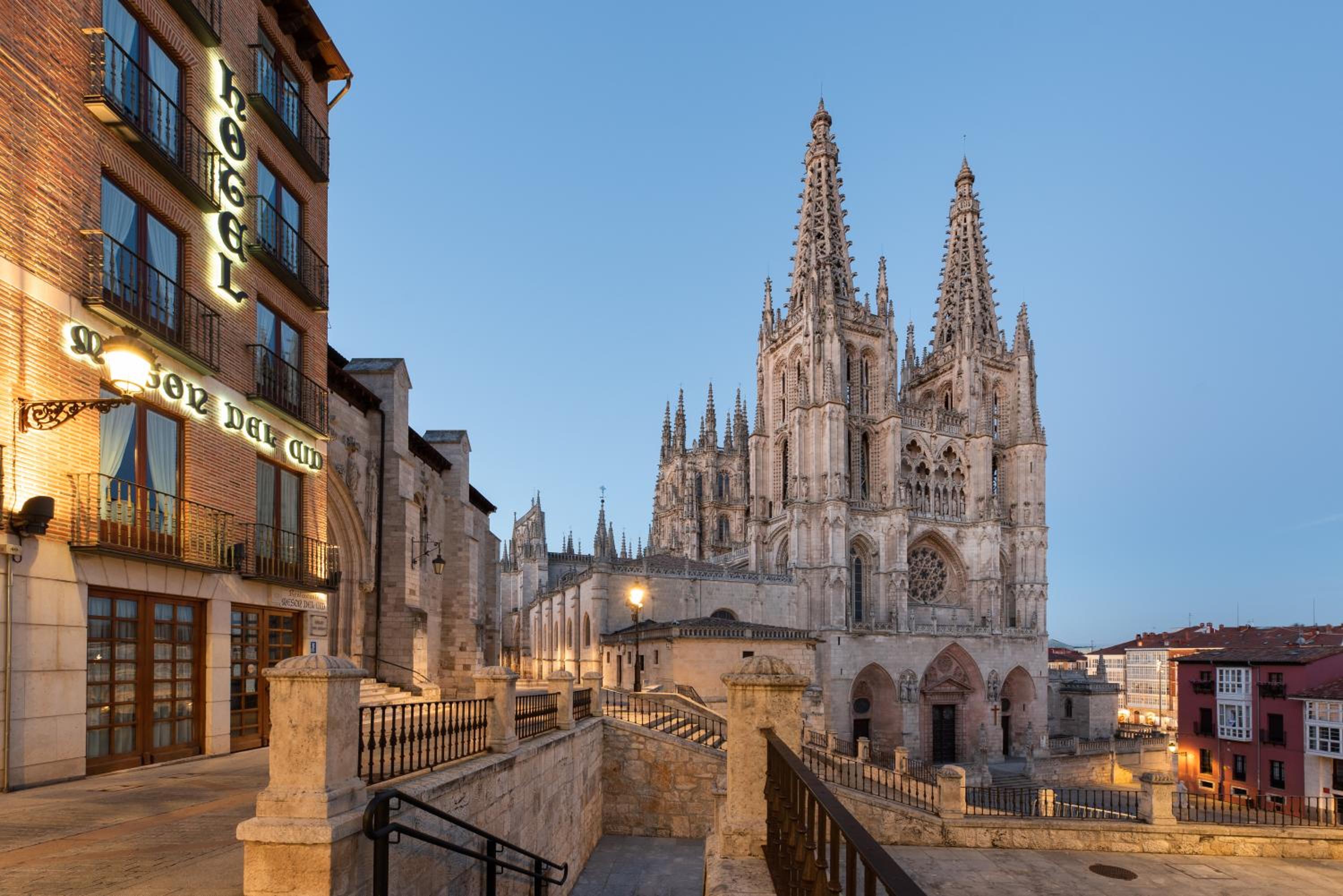
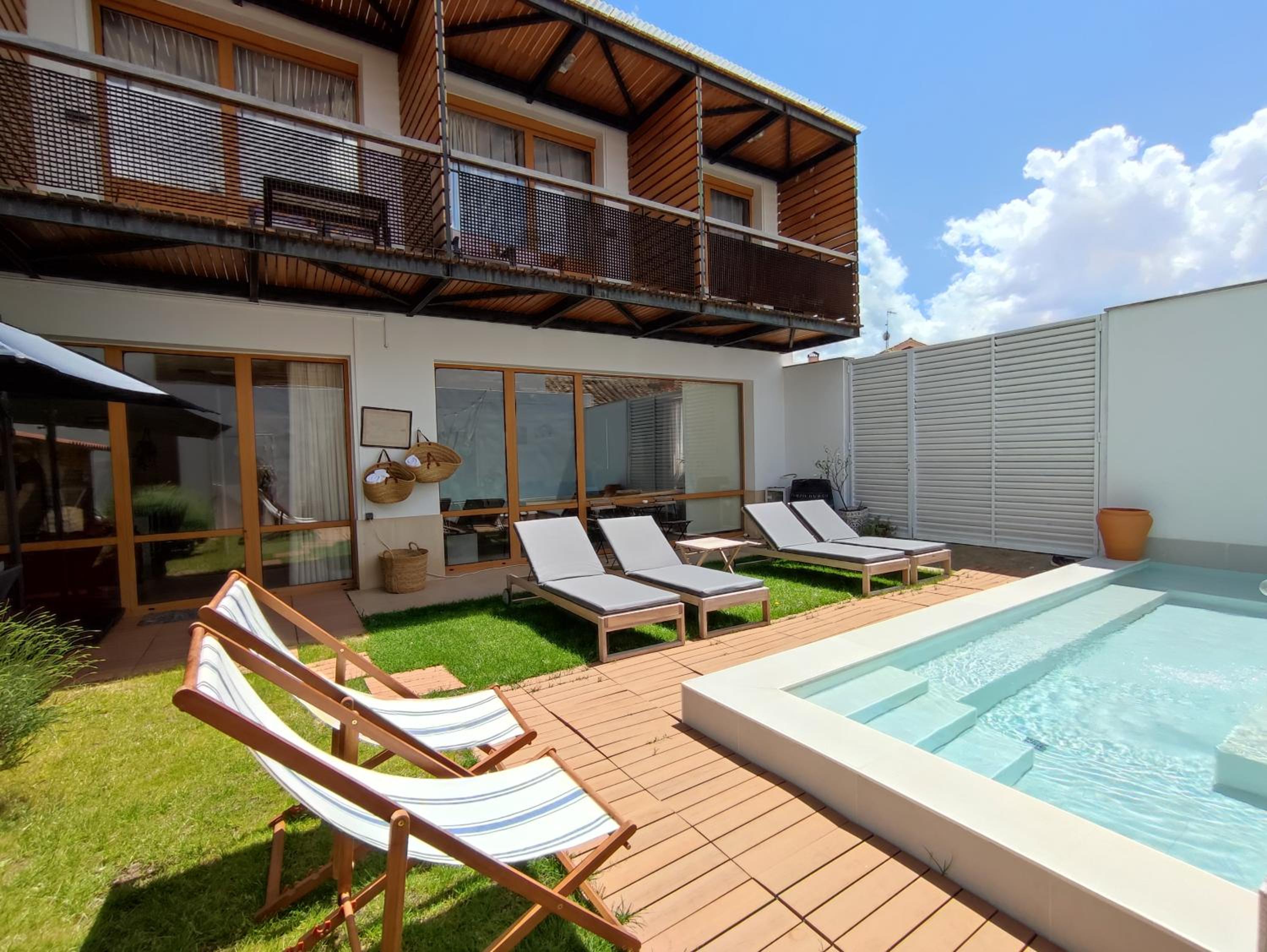
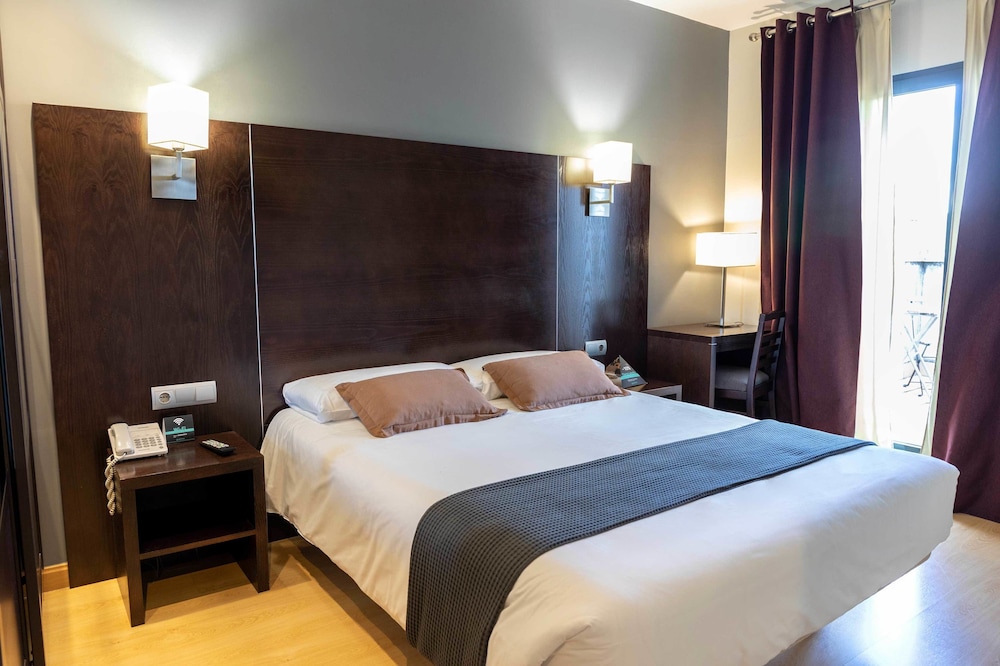
Find the perfect place for your rest in Burgos o Frómista.



Start your adventure
Ready to walk this stage?
We design your personalised Camino de Santiago experience.
Plan your CaminoWalk this route with us
Fancy walking this route?
We don't have a ready-made package for this route yet, but we'll organise it around you. Tell us how you'd like to experience it and a specialist will reply within 24 h.
Request your proposal