
Stage of the Camino
Stage Description
A thoroughly meseta stage that crosses the plains of Tierra de Campos, between Palencia and León. The route runs alongside the historic causeway of the Camino Real Francés, through a succession of adobe and brick villages set amid sweeping fields of grain. Carrión de los Condes, with its Romanesque churches and the Monastery of San Zoilo, marks the midpoint and the chief monumental landmark of the stage. Beyond it, a long, solitary straight stretch with barely any services leads on towards Terradillos de los Templarios and, finally, Sahagún. The terrain is flat and easy-rolling, though the challenge lies in the monotony of the landscape and the exposure to sun and wind. Sahagún, once a great Cluniac monastic centre, awaits with its Mudéjar brick architecture.
At close to 60 kilometres, this stage crosses the heart of Tierra de Campos, one of the most quintessentially meseta regions of the whole Camino. The profile is almost entirely flat, allowing for comfortable, steady pedalling, defined more by the immensity of the horizon than by physical difficulty.
From Frómista, the route follows the line of the old causeway towards Población de Campos, Villarmentero and Villalcázar de Sirga, where the imposing Templar church of Santa María la Blanca stands out. Shortly after comes Carrión de los Condes, a town of great monumental heritage with the Monastery of San Zoilo and the Romanesque doorways of its churches, the main cultural landmark of the day.
Leaving Carrión, one of the most distinctive sections of the Camino Francés begins: a long straight stretch of Roman road, without villages or shade for many kilometres, which tests the pilgrim's patience. The cyclist clears it relatively quickly, yet the sense of solitude and openness is complete.
Beyond Calzadilla de la Cueza and Terradillos de los Templarios, traditionally marking the halfway point of the Camino Francés, the route continues through Moratinos and San Nicolás del Real Camino before crossing into the province of León. The stage ends at Sahagún, an important town that was once one of the great monastic centres of Europe and which preserves notable examples of Mudéjar brick architecture, such as the churches of San Tirso and San Lorenzo.
From Frómista, the route follows the line of the old causeway towards Población de Campos, Villarmentero and Villalcázar de Sirga, where the imposing Templar church of Santa María la Blanca stands out. Shortly after comes Carrión de los Condes, a town of great monumental heritage with the Monastery of San Zoilo and the Romanesque doorways of its churches, the main cultural landmark of the day.
Leaving Carrión, one of the most distinctive sections of the Camino Francés begins: a long straight stretch of Roman road, without villages or shade for many kilometres, which tests the pilgrim's patience. The cyclist clears it relatively quickly, yet the sense of solitude and openness is complete.
Beyond Calzadilla de la Cueza and Terradillos de los Templarios, traditionally marking the halfway point of the Camino Francés, the route continues through Moratinos and San Nicolás del Real Camino before crossing into the province of León. The stage ends at Sahagún, an important town that was once one of the great monastic centres of Europe and which preserves notable examples of Mudéjar brick architecture, such as the churches of San Tirso and San Lorenzo.
Last updated: 16/06/2026
Where to Sleep
Accommodations in this Stage
Find the perfect place for your rest in Frómista o Sahagún.
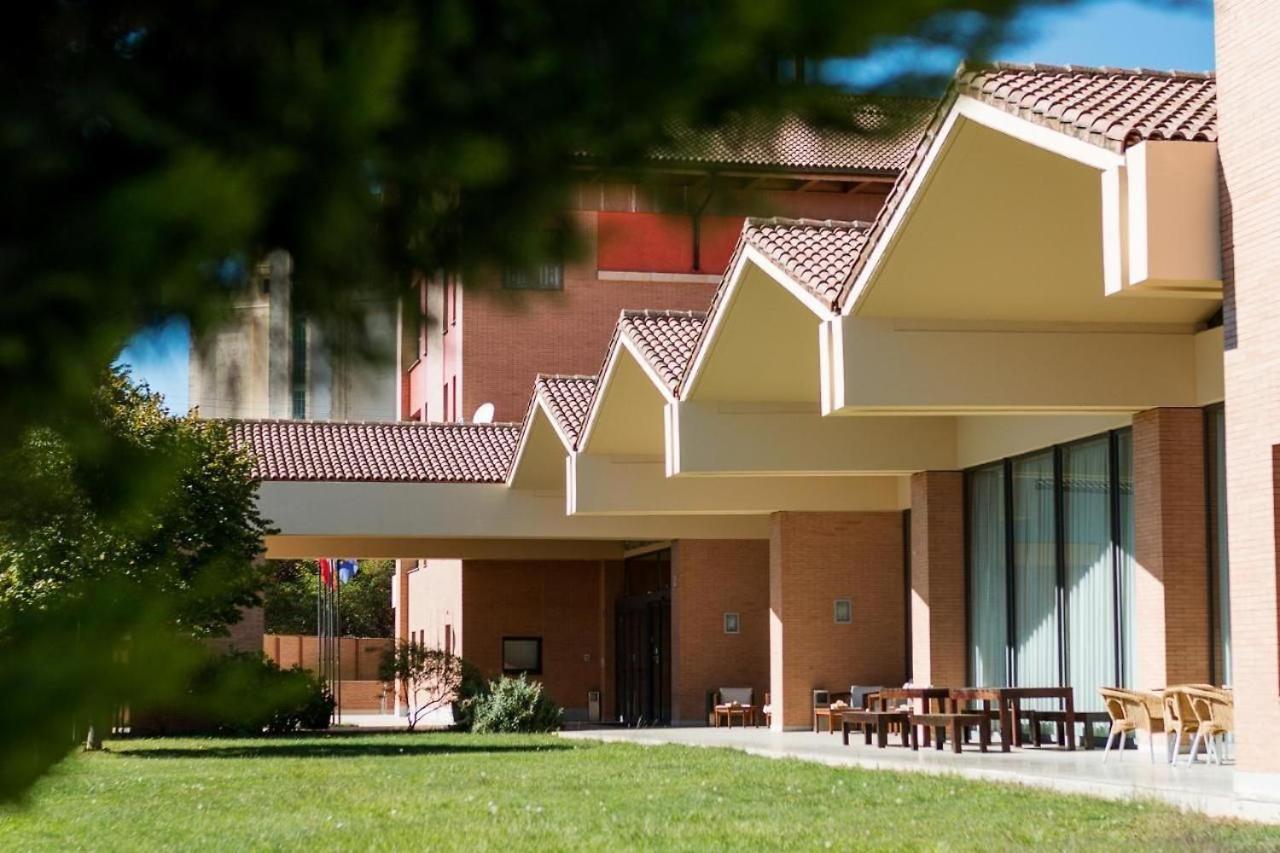
HOTEL PUERTA DE SAHAGUN
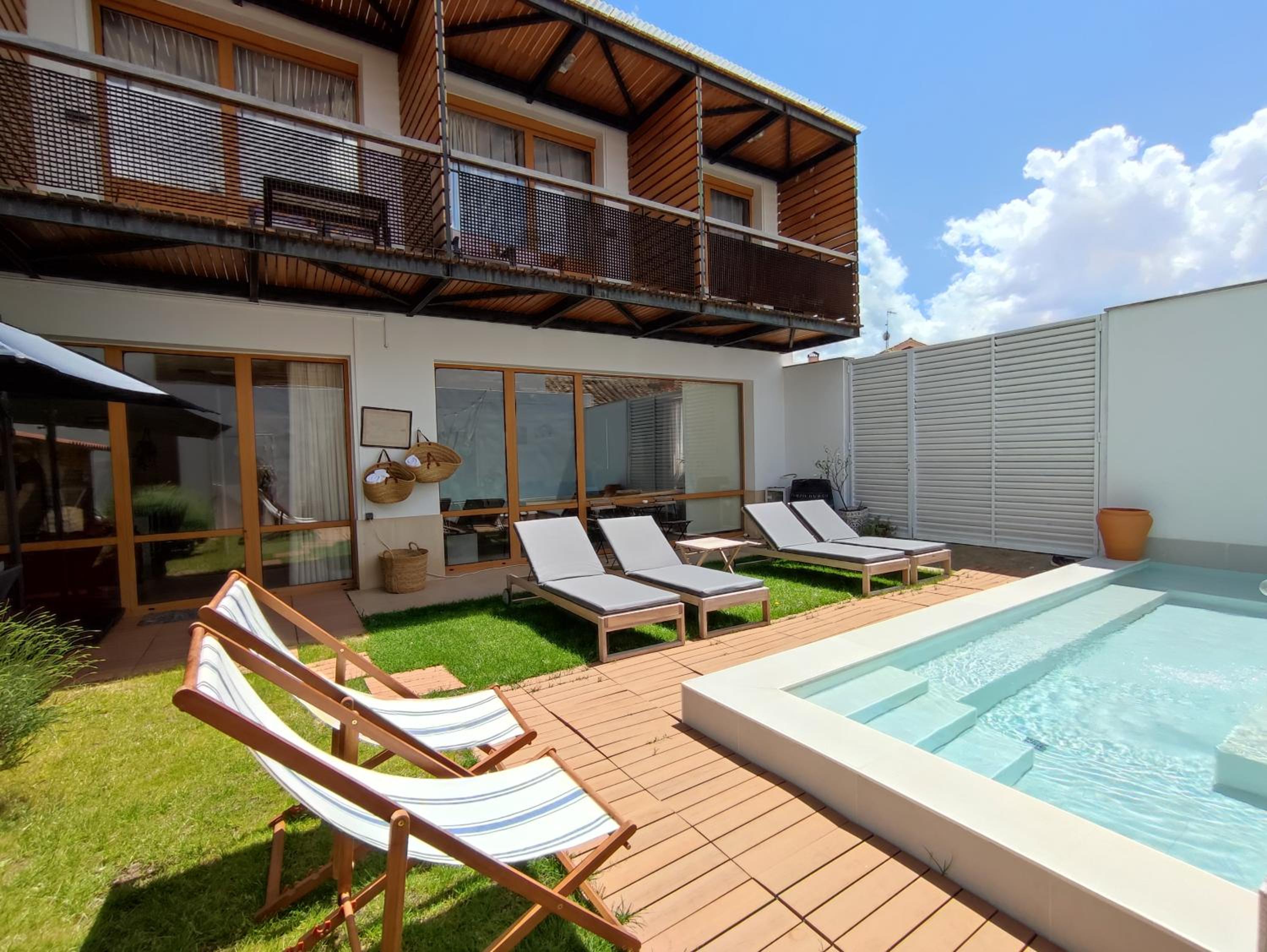
Eco Hotel Terrafranca
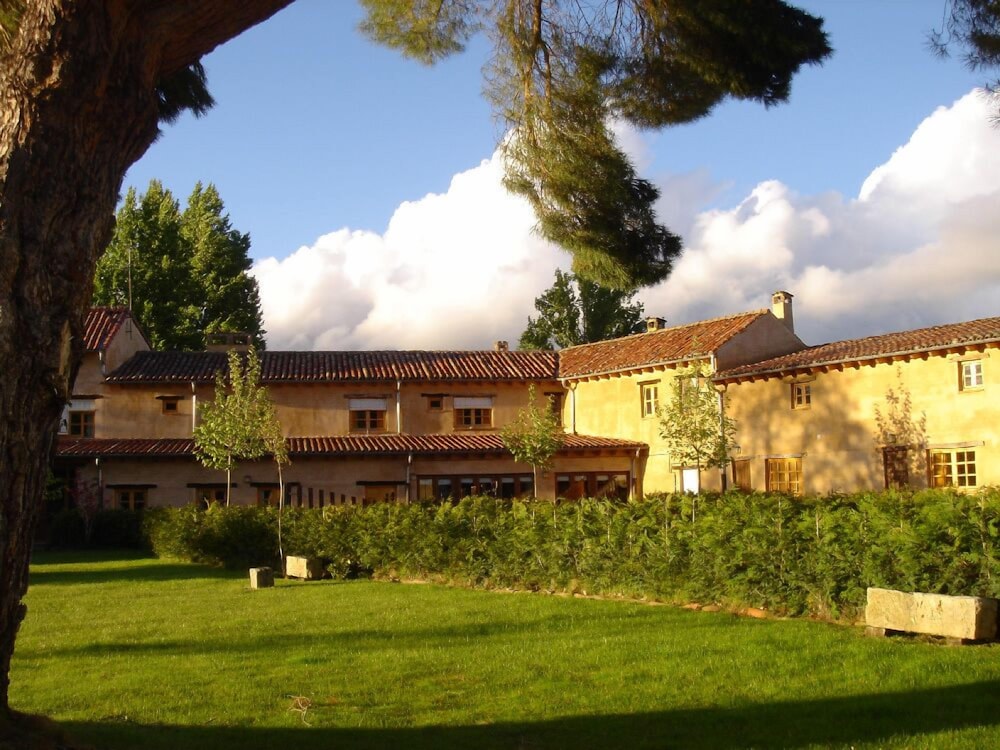
El Jardín de la Huerta
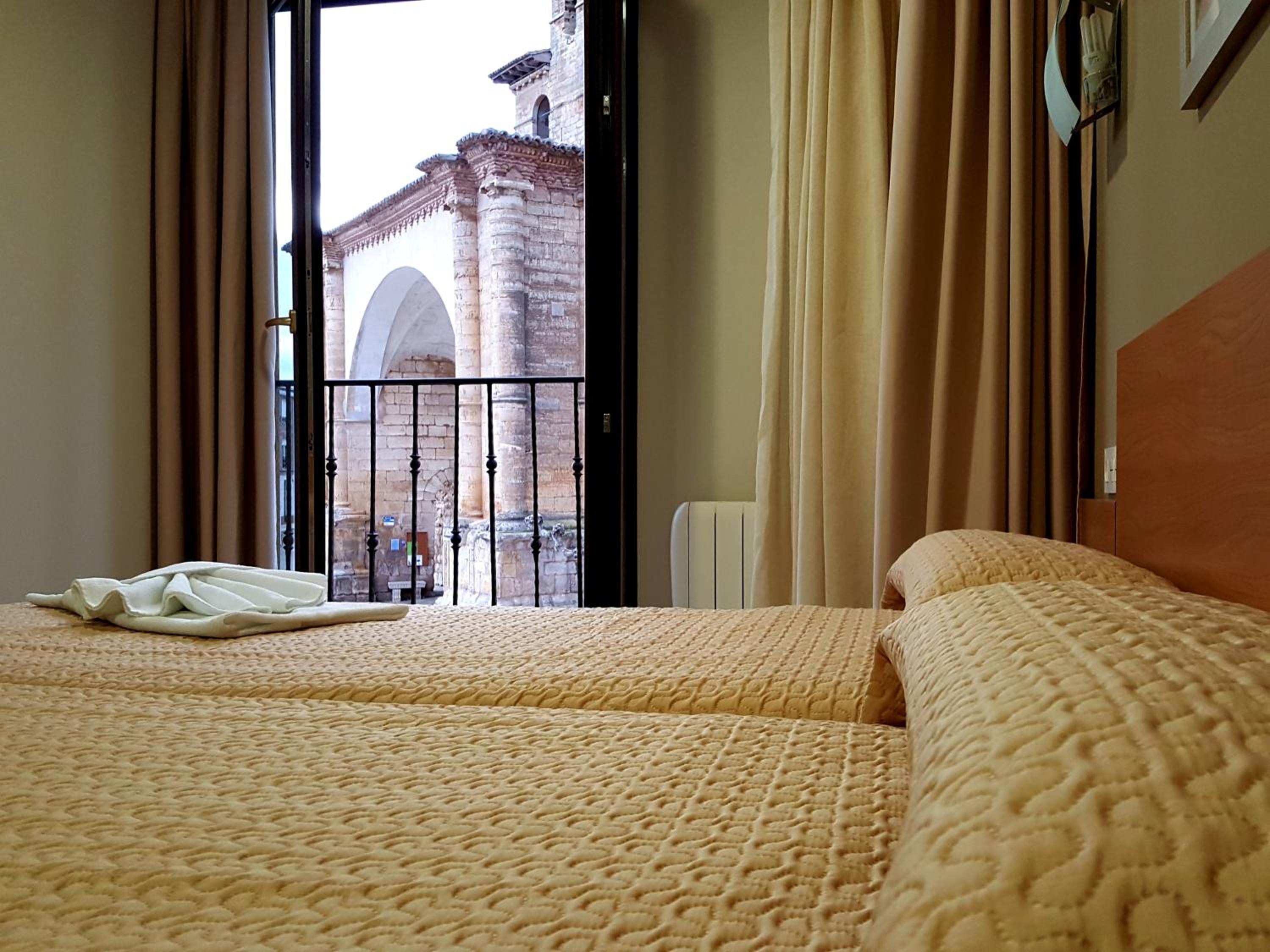
HOTEL RURAL San Pedro
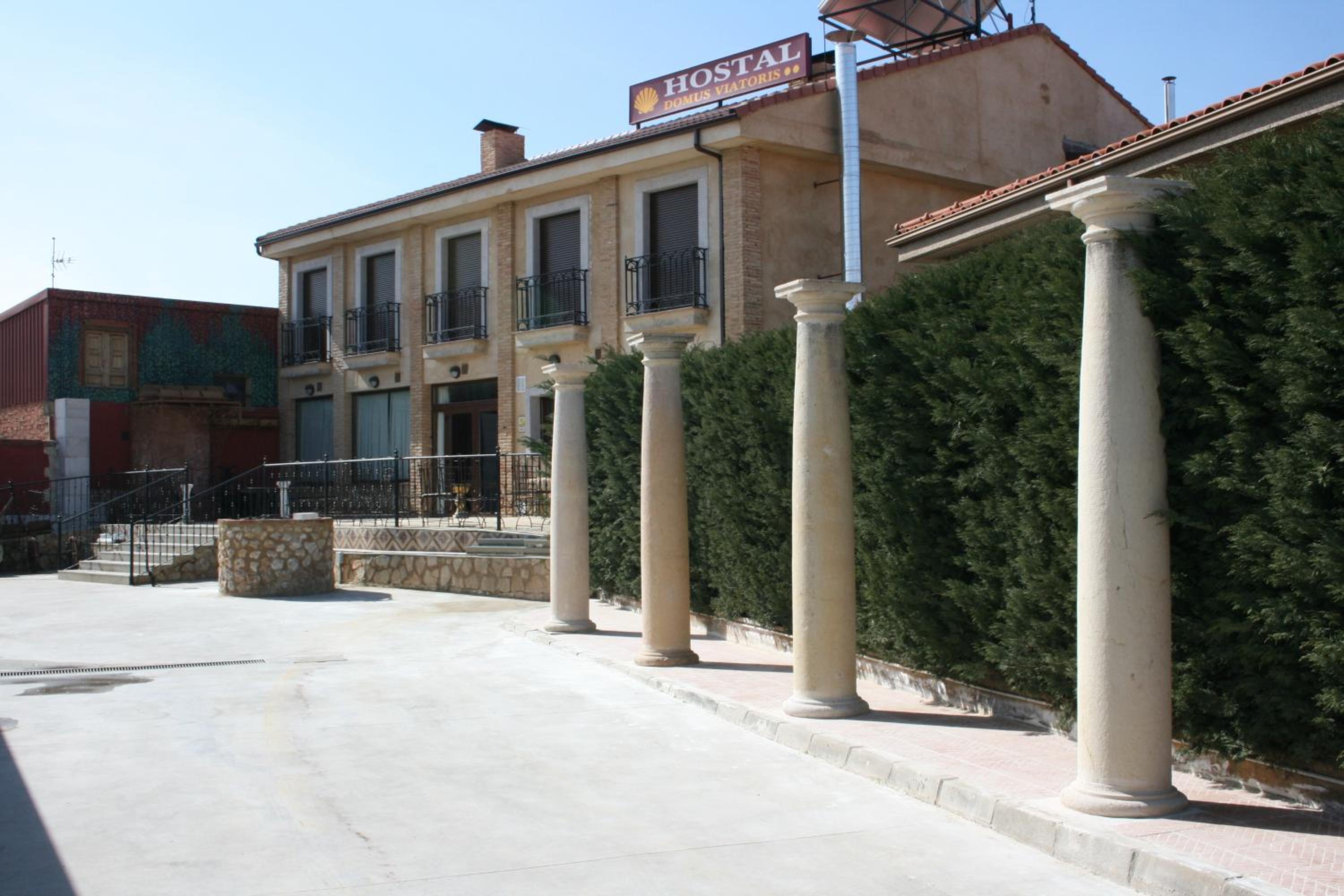
Domus Viatoris
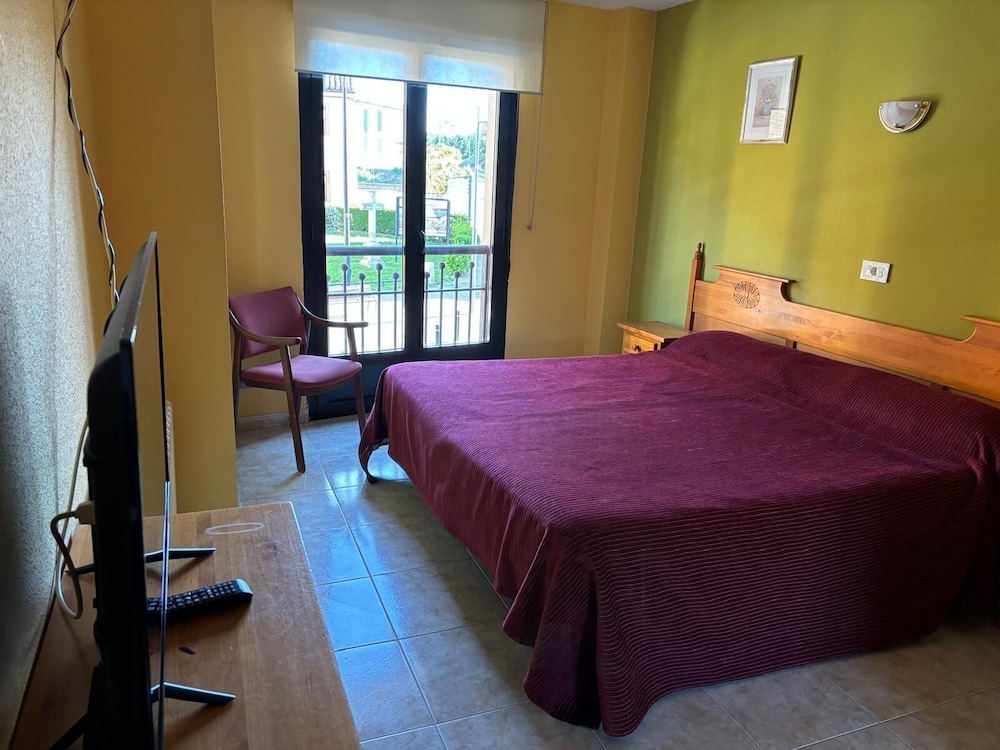
DORMERO Hotel Sahagún
El Apóstol
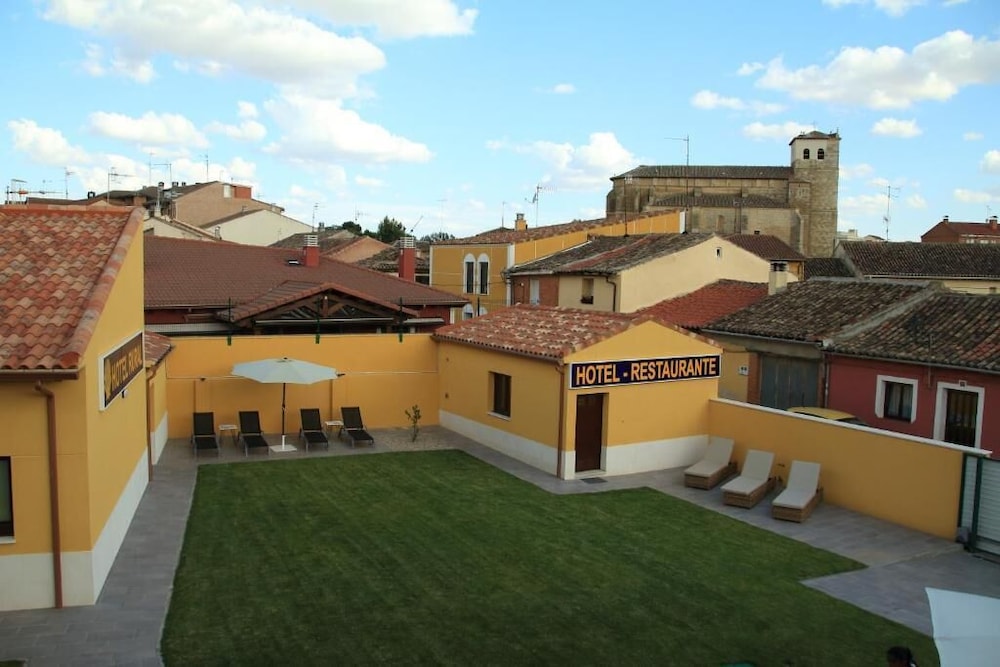
Hotel Rural Oasibeth
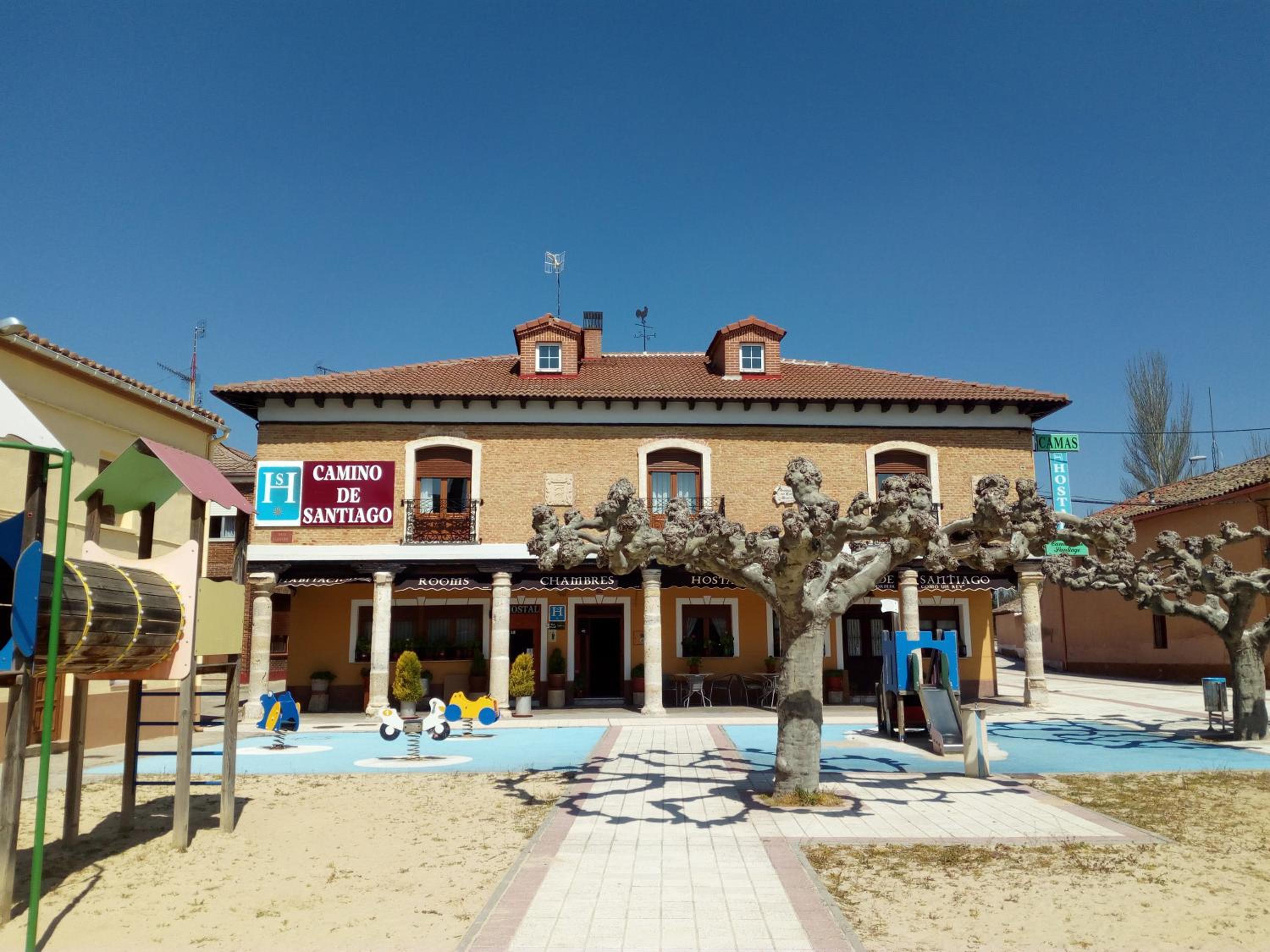
Hostal Camino de Santiago
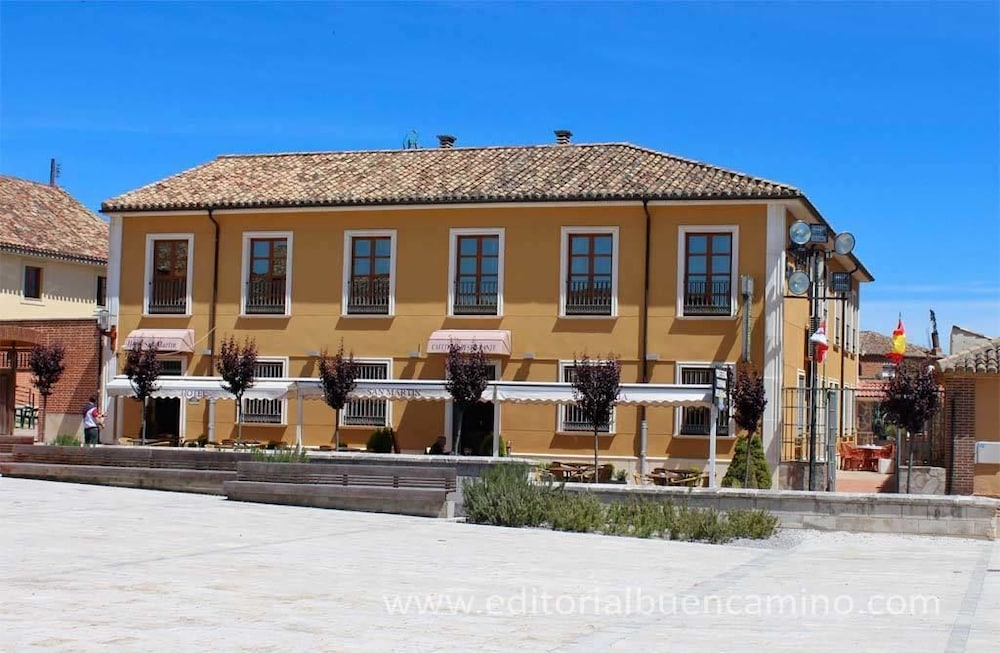
Hotel San Martín
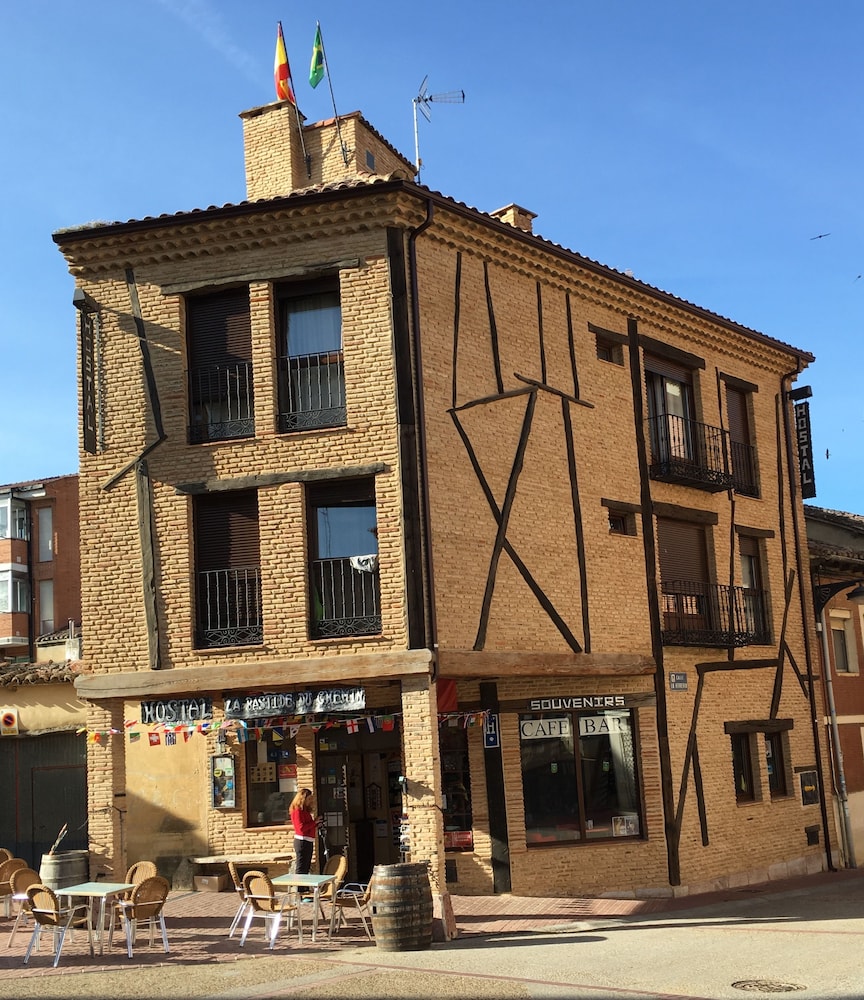
La Bastide Du Chemin
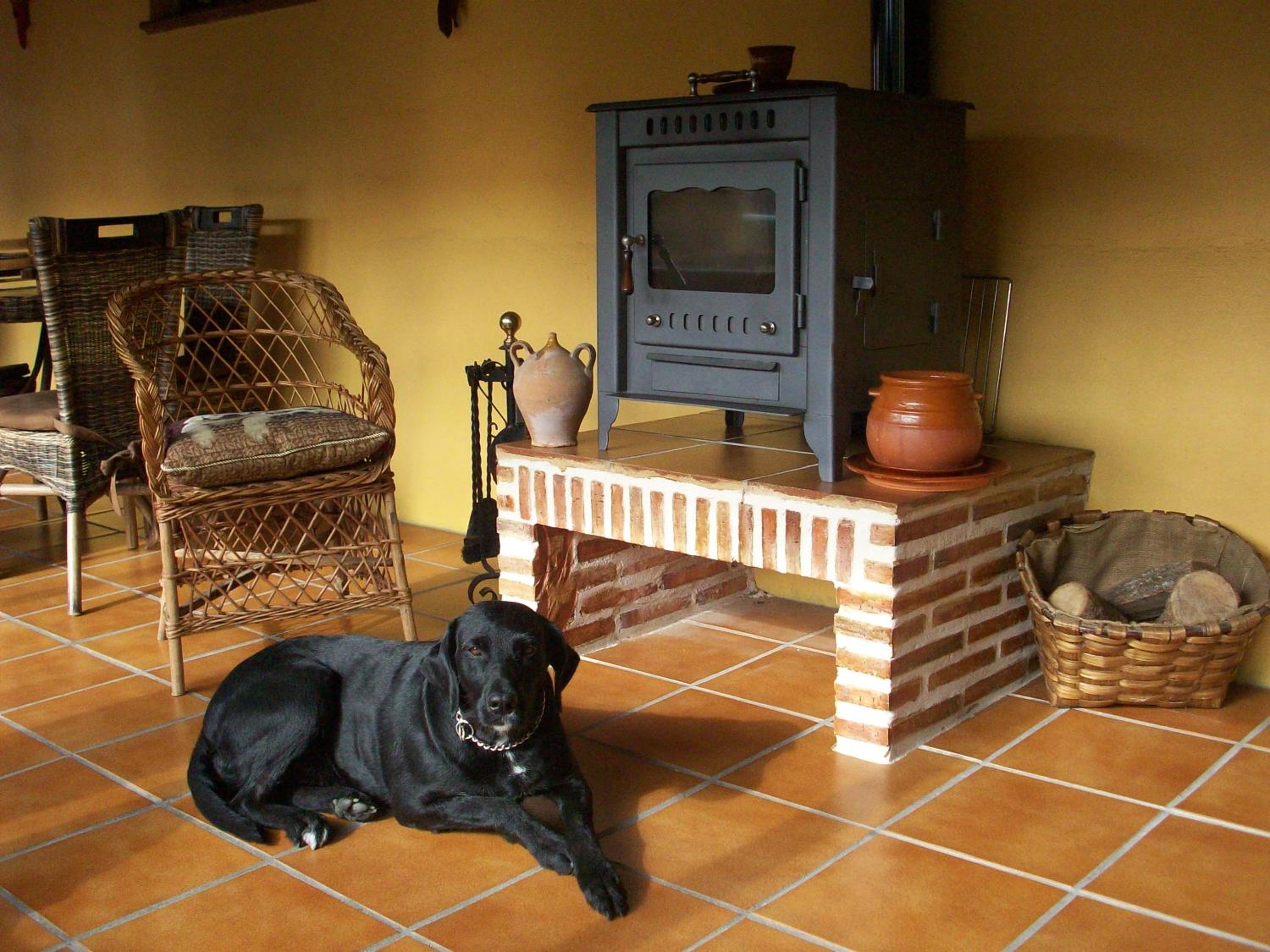
Albergue Estrella Del Camino
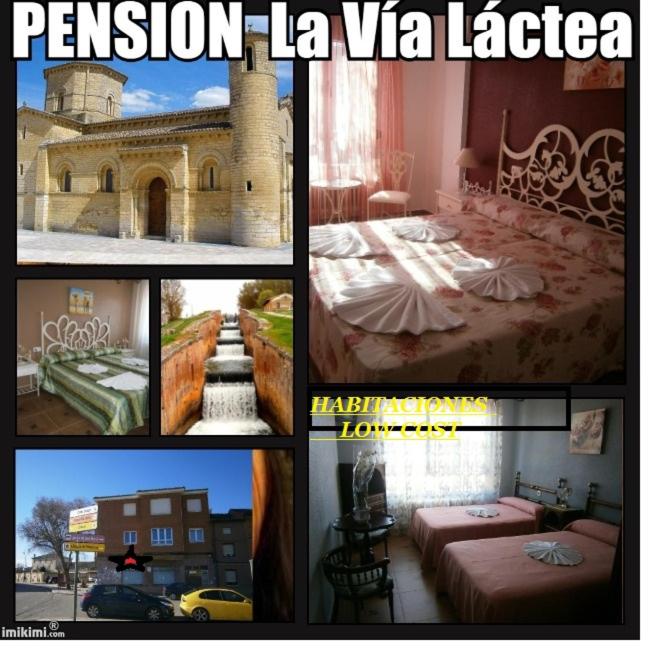
Apartamento Pensión La Vía Láctea
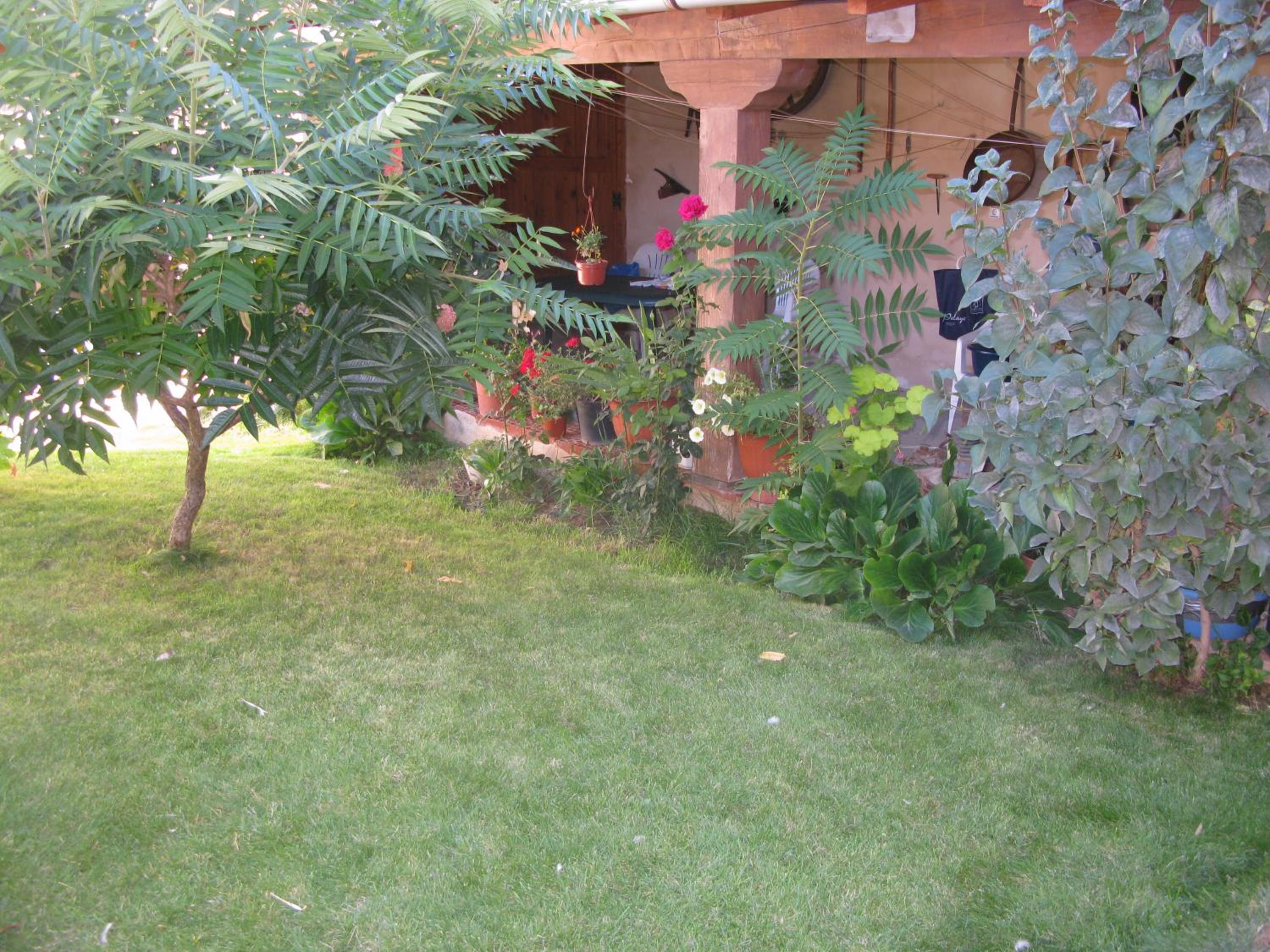
Casa Rural Arturo I
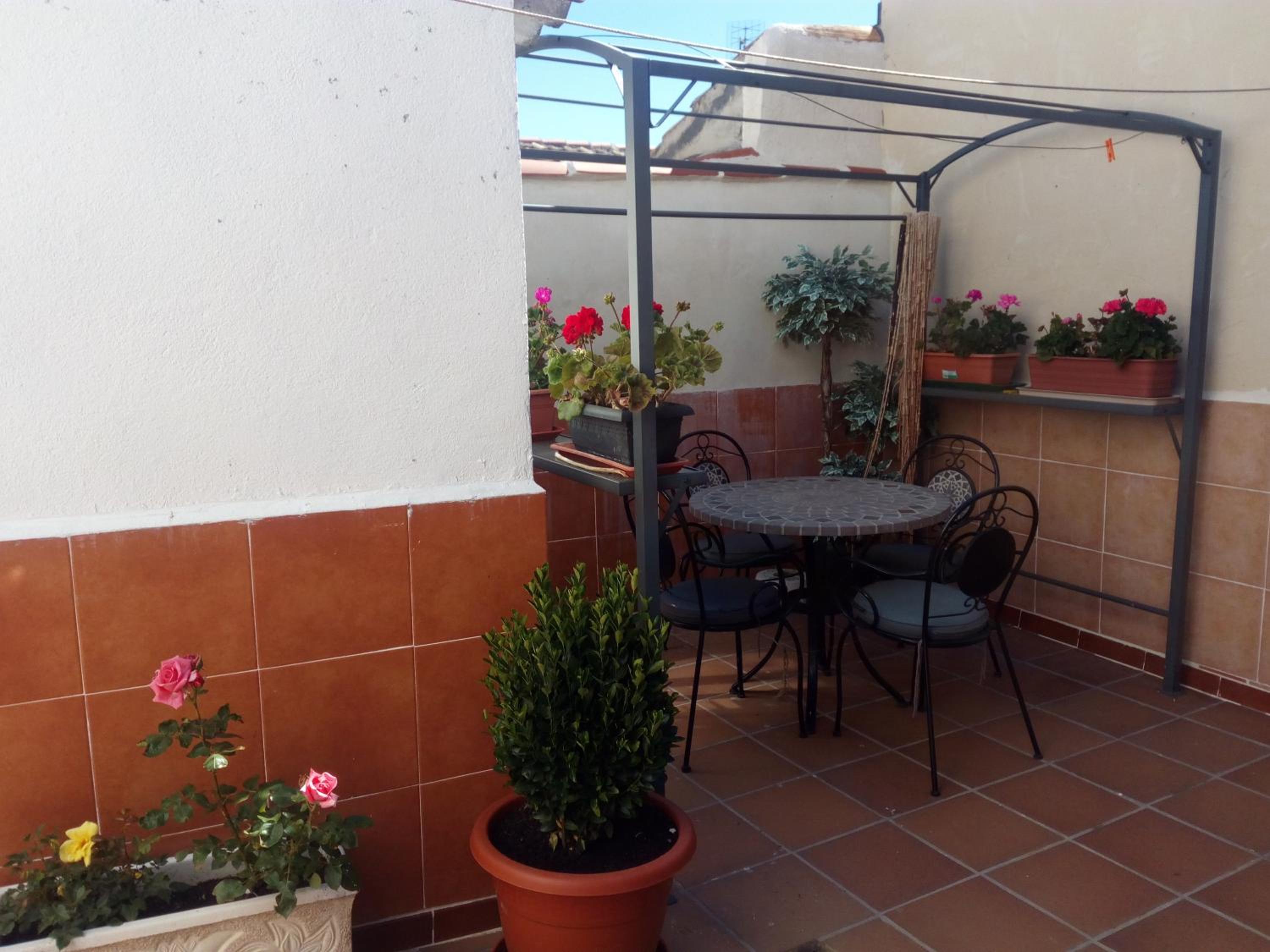
CASA RURAL LA CASILLA DE MILA
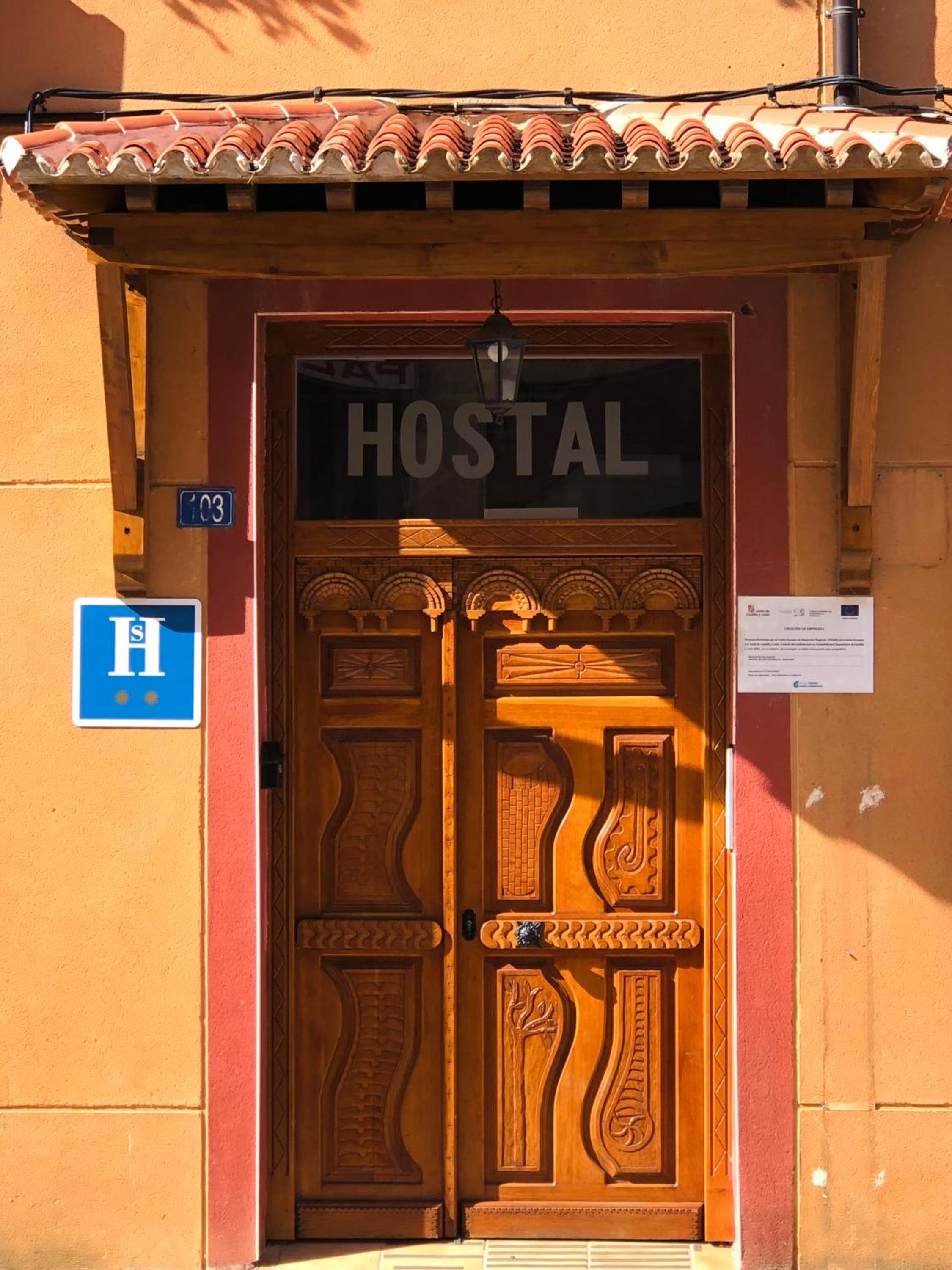
Hostal San Juan
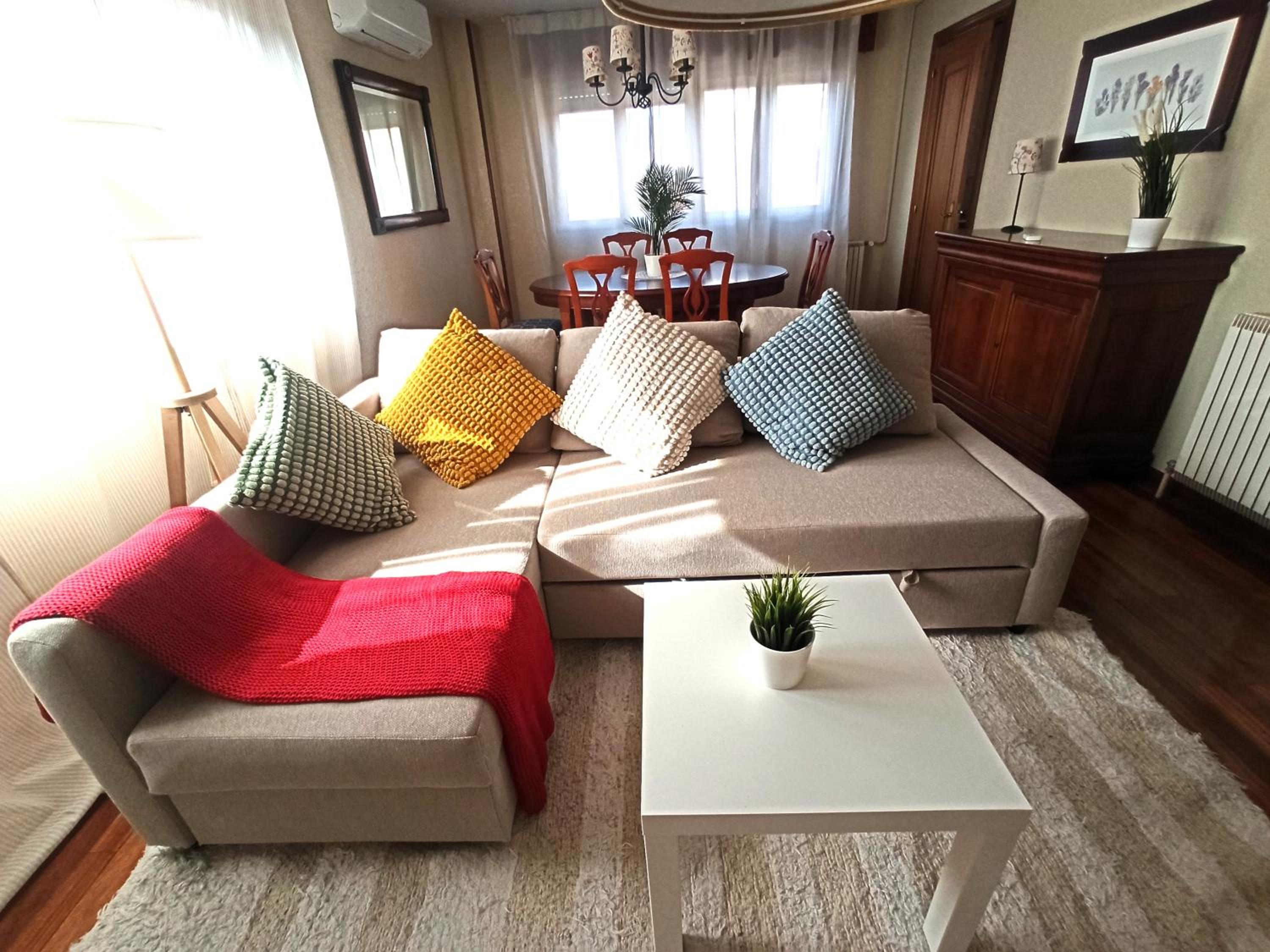
LA BOTICA DEL MONASTERIO
La Casa delSastre
Start your adventure
Ready to walk this stage?
We design your personalised Camino de Santiago experience.
Plan your Camino