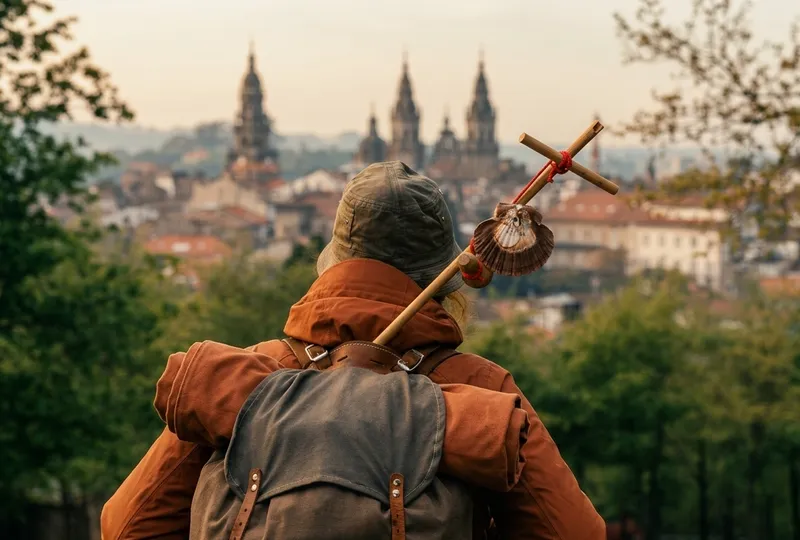
Stage of the Camino
Stage Description
This stage marks the exciting transition from rural surroundings to the first major city on the Camino Francés: Pamplona. Following largely along the course of the Arga River, the route traverses a riverbank landscape dotted with charming villages such as Larrasoaña. Although the overall profile is favorable, the terrain is a continuous up and down. As the path approaches Pamplona, the landscape becomes increasingly urban, passing through industrial zones before entering triumphantly into the city through the historic Puente de la Magdalena and Portal of France, an impressive Renaissance gate. The arrival in Navarre's capital, with its vibrant atmosphere and rich heritage, is a great reward after the first few days.
The route of Zubiri to Pamplona brings the pilgrim to the first great city on the Camino. Along its 20.4 kilometers, the stage follows the valley of the River Arga, a faithful companion that guides steps through a landscape evolving from purely rural to urban. Despite a net negative gradient, the route is not just a stroll; it's characterized by constant ascents requiring continuous effort.
The route passes numerous small villages with great charm, such as Larrasoaña, with its medieval bridge of the Bandits, which was an important Jacobean enclave. The path winds through dirt trails and local paths, often under the shade of riverbank vegetation. It's a stage to enjoy the sound of water and the beauty of greener Navarre.
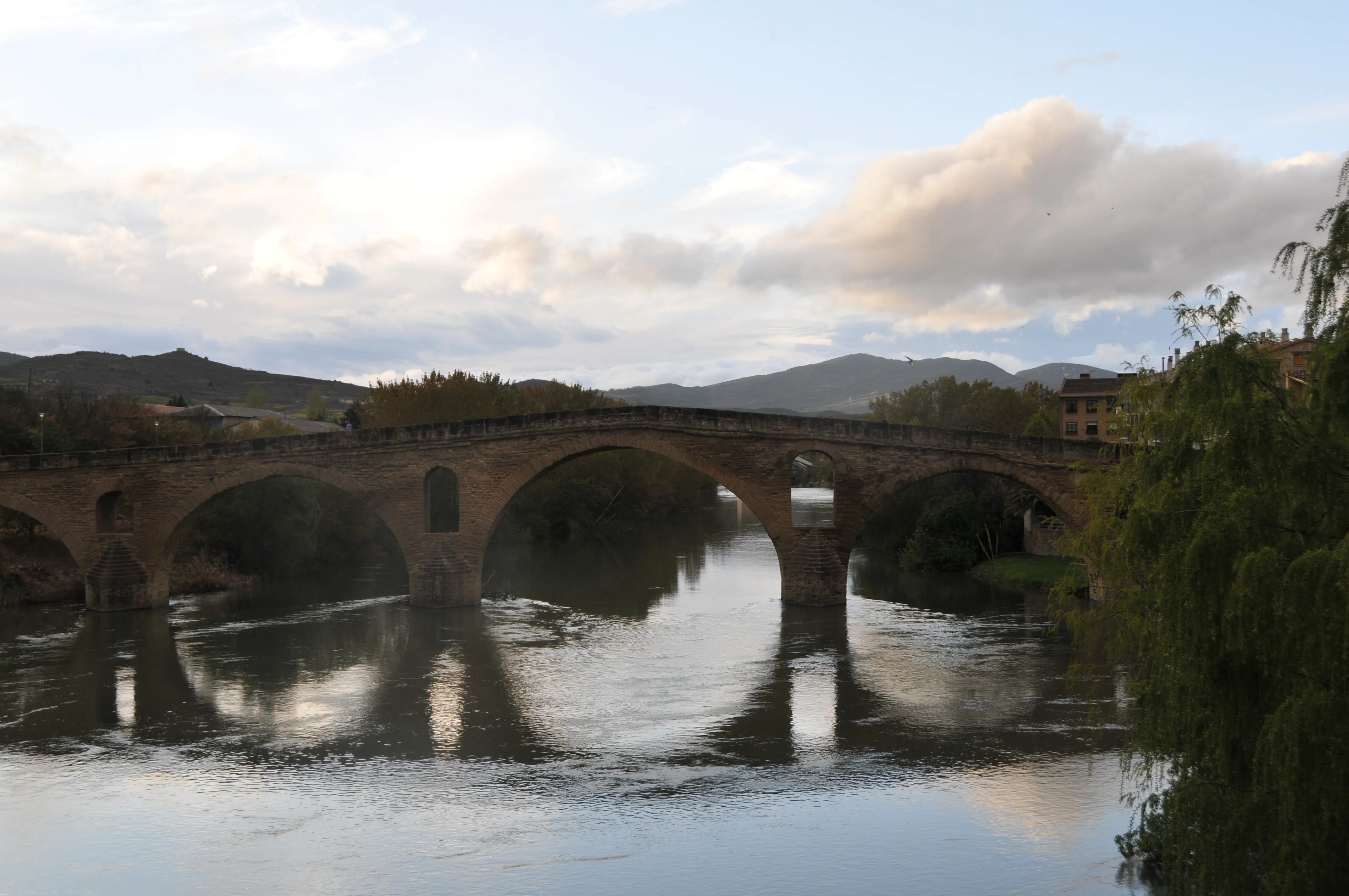
As it approaches Pamplona, the landscape changes. The last kilometers run along the outskirts of the city, a stretch that may be less attractive but is charged with anticipation of arriving at such an iconic destination. Entering Pamplona is truly spectacular: crossing the River Arga over the medieval Puente de la Magdalena and entering the old town through the imposing Portal of France. Crossing the Renaissance walls is like stepping into another era, leaving behind the rural world to fully immerse oneself in history, culture, and vibrant life of Navarre's capital, a well-deserved reward and an ideal place to rest and recharge.
The route passes numerous small villages with great charm, such as Larrasoaña, with its medieval bridge of the Bandits, which was an important Jacobean enclave. The path winds through dirt trails and local paths, often under the shade of riverbank vegetation. It's a stage to enjoy the sound of water and the beauty of greener Navarre.
As it approaches Pamplona, the landscape changes. The last kilometers run along the outskirts of the city, a stretch that may be less attractive but is charged with anticipation of arriving at such an iconic destination. Entering Pamplona is truly spectacular: crossing the River Arga over the medieval Puente de la Magdalena and entering the old town through the imposing Portal of France. Crossing the Renaissance walls is like stepping into another era, leaving behind the rural world to fully immerse oneself in history, culture, and vibrant life of Navarre's capital, a well-deserved reward and an ideal place to rest and recharge.
Last updated: 12/08/2025
Where to Sleep
Accommodations in this Stage
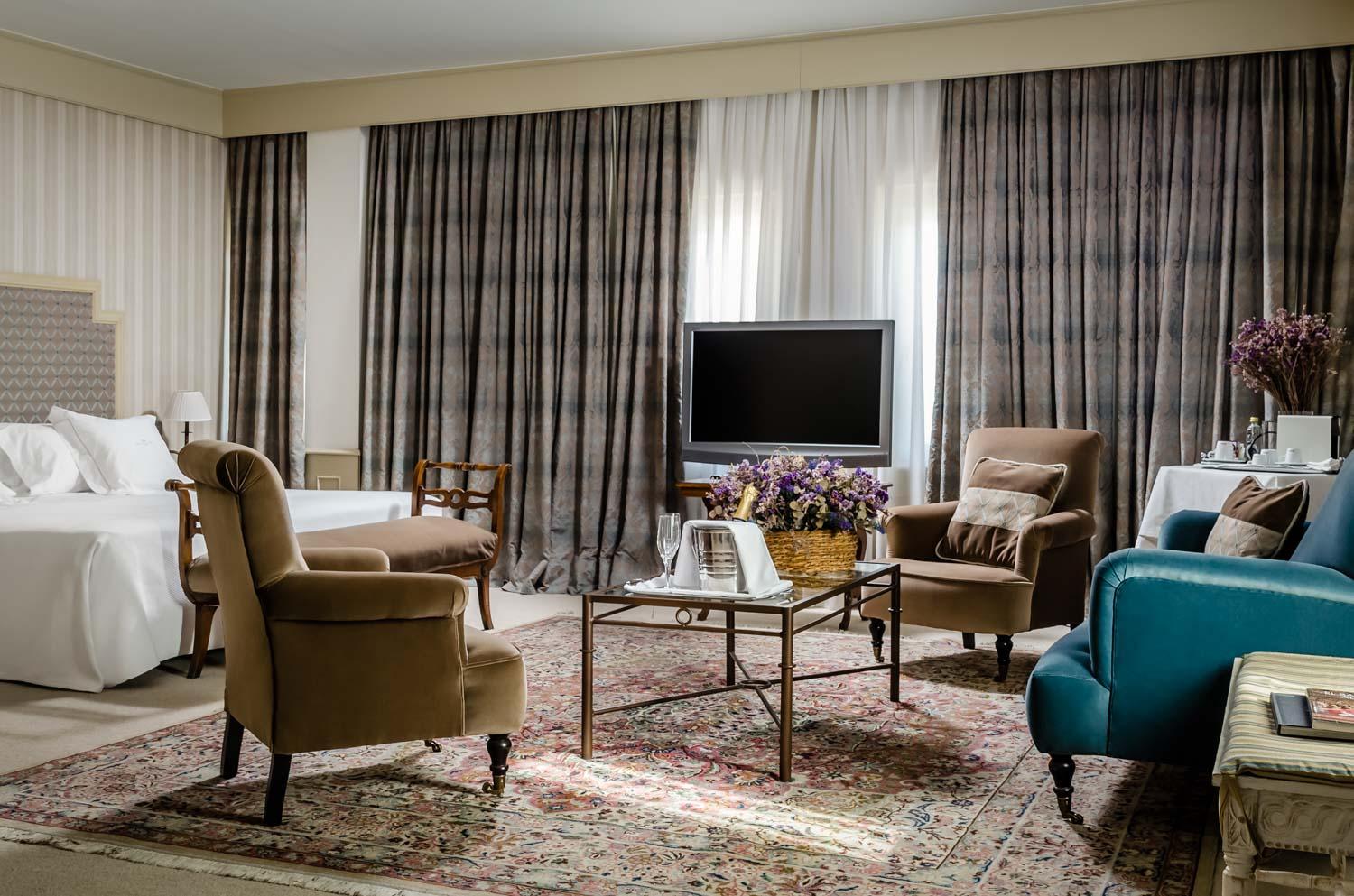
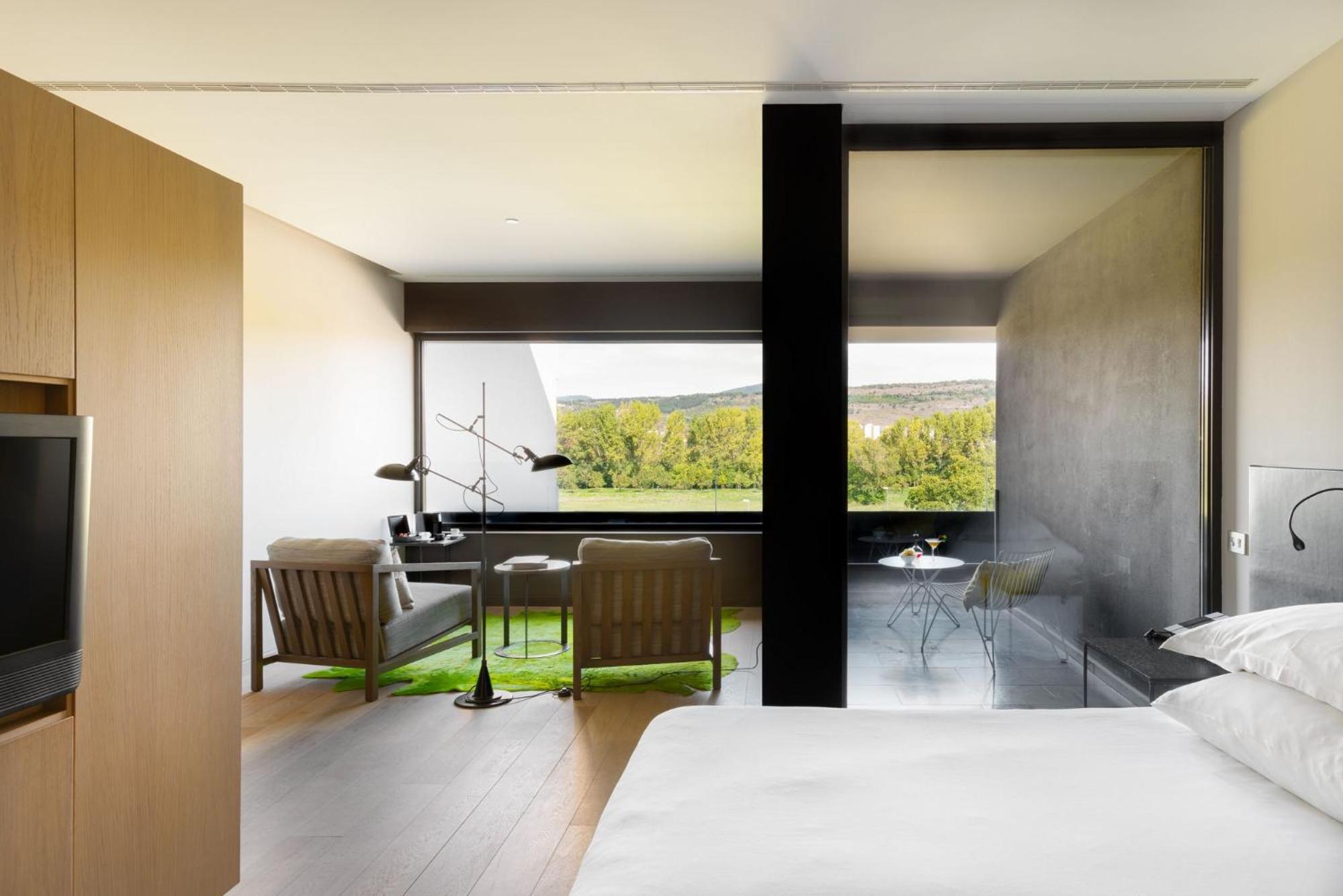
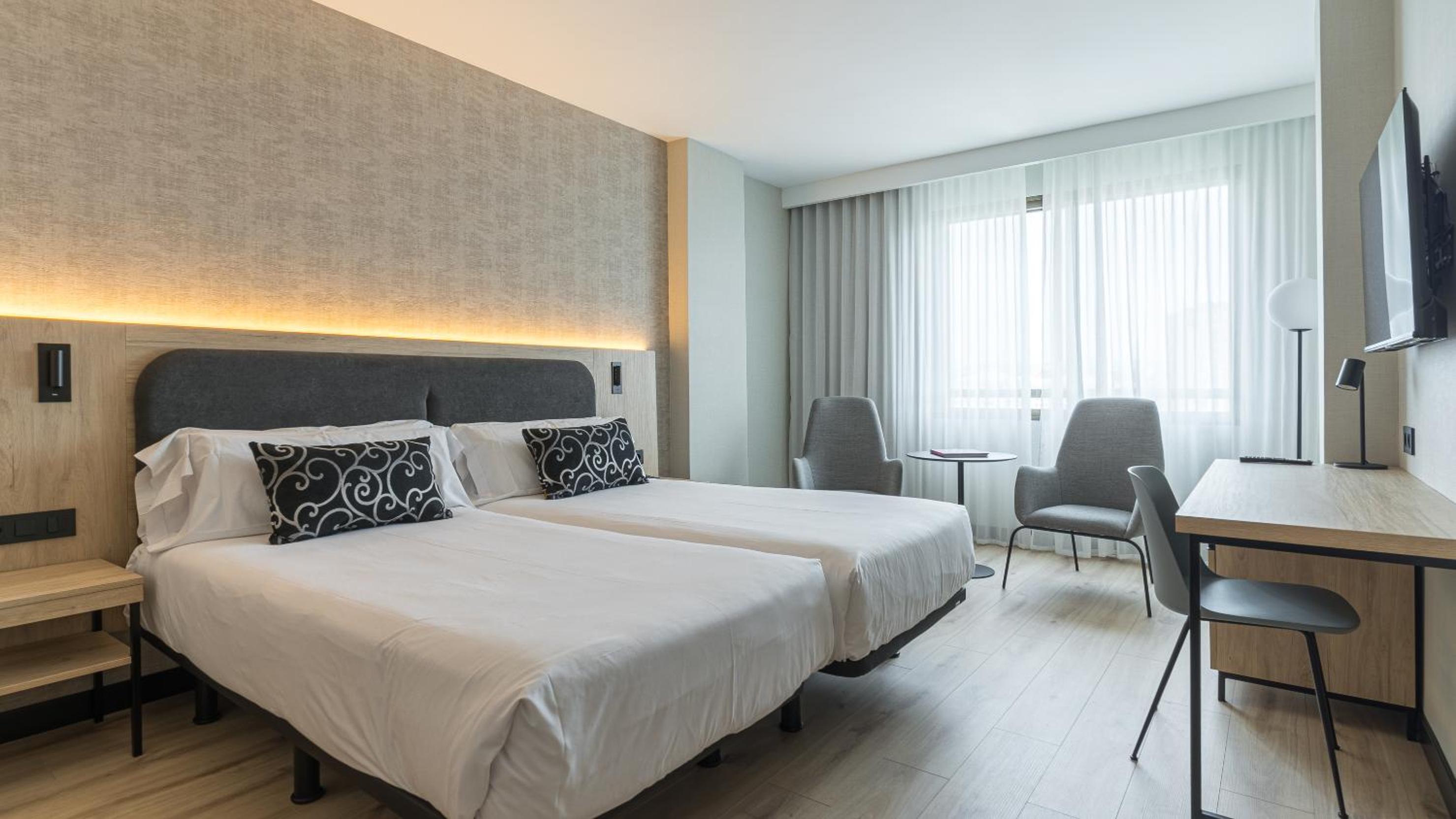
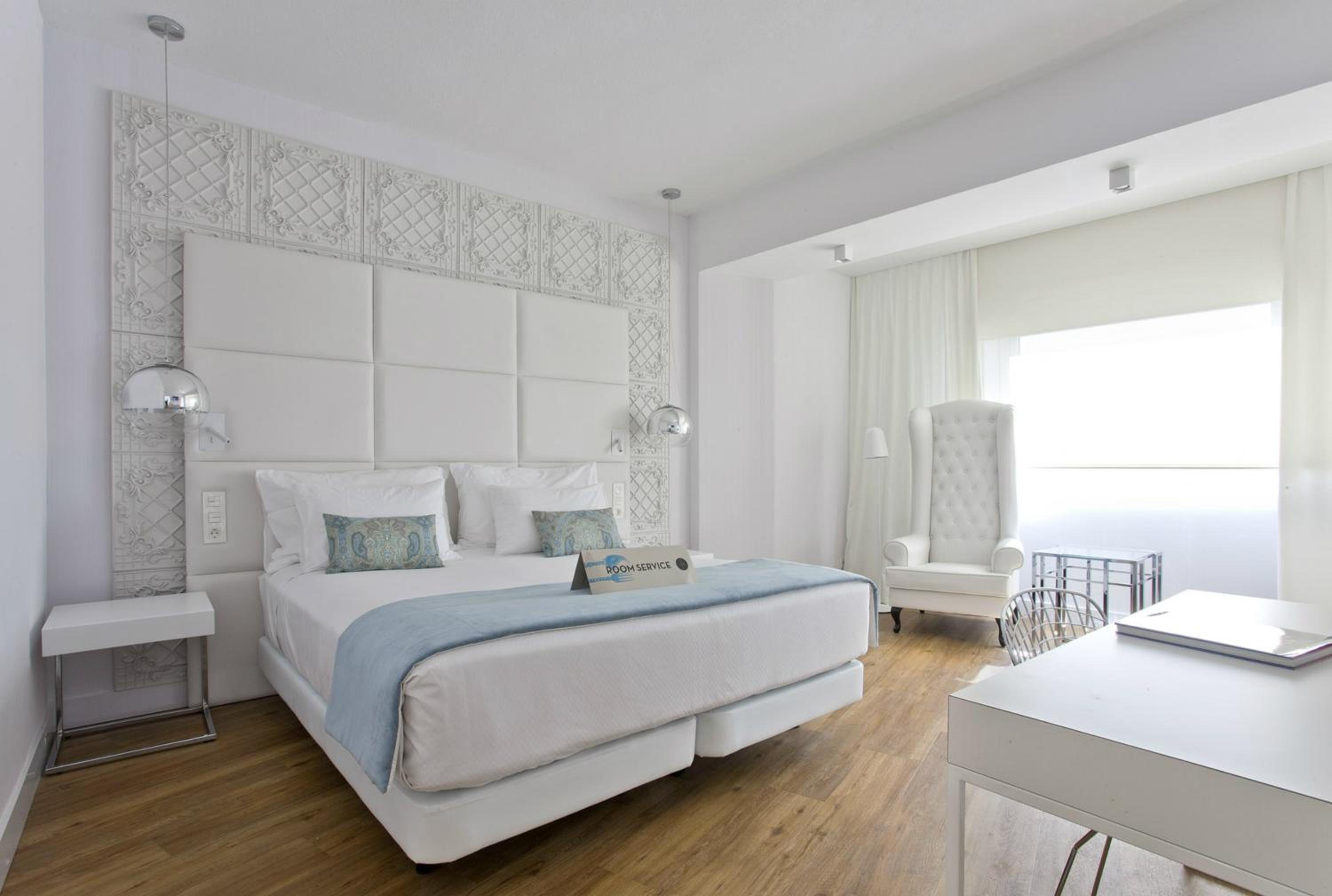
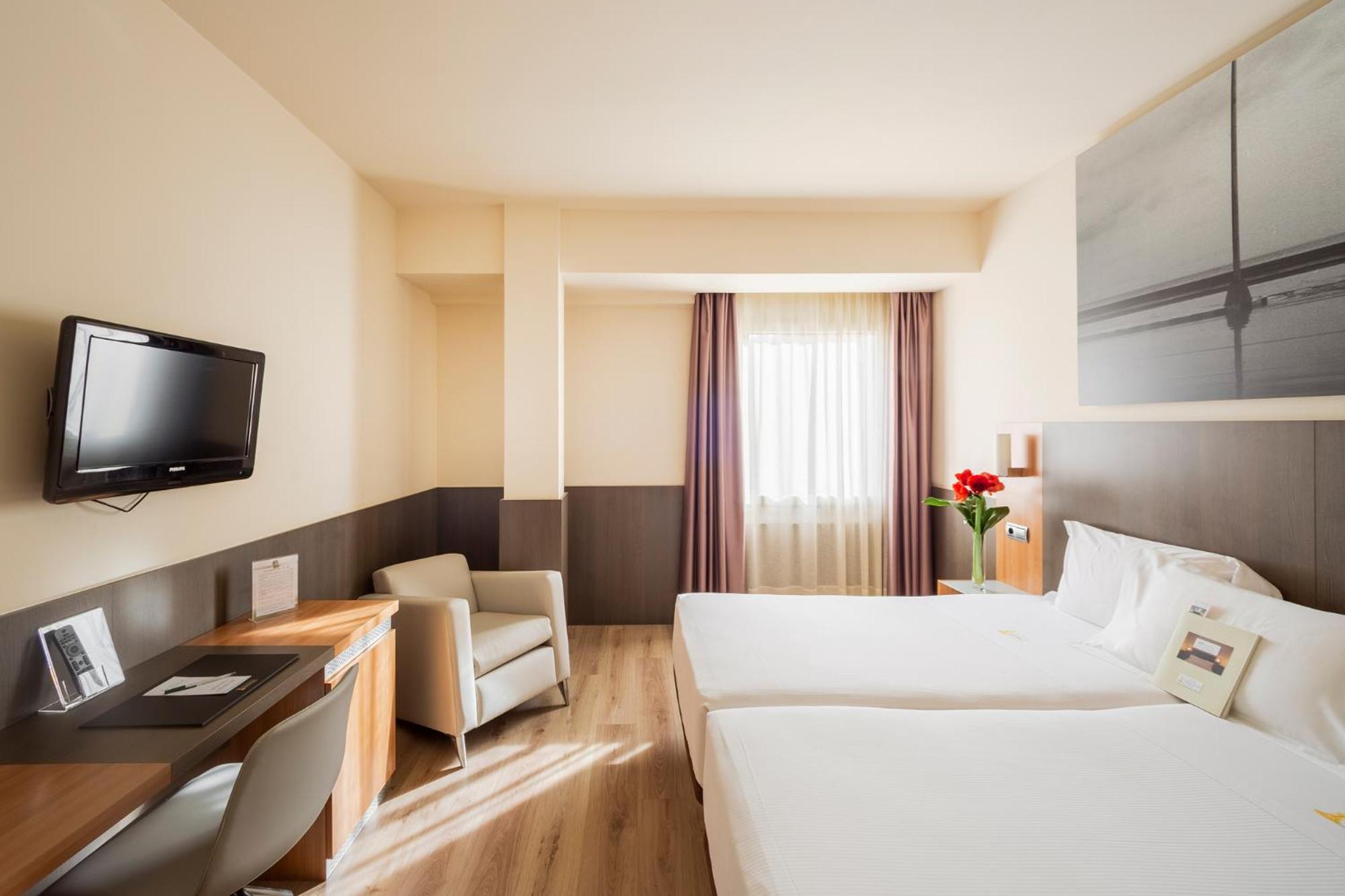
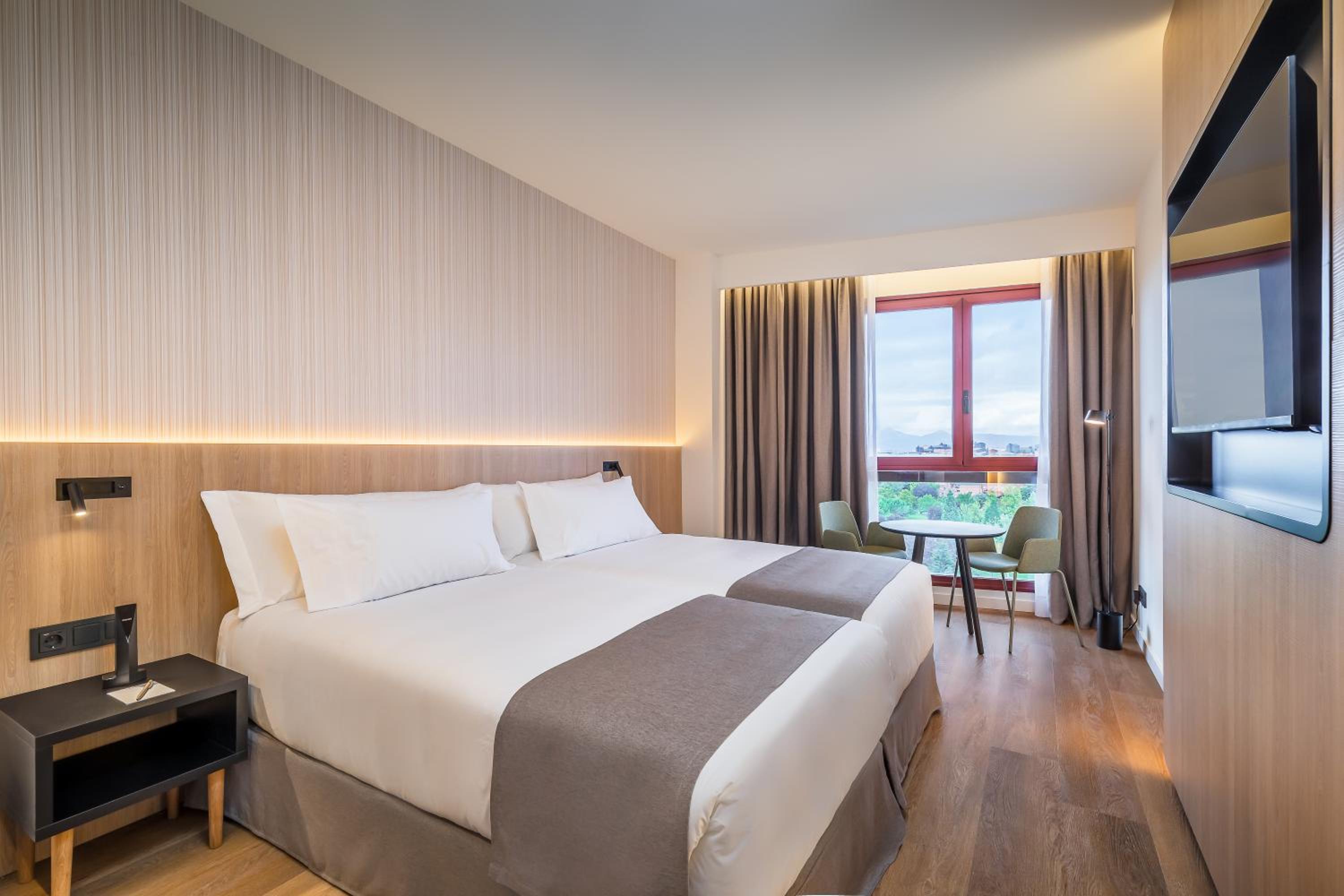
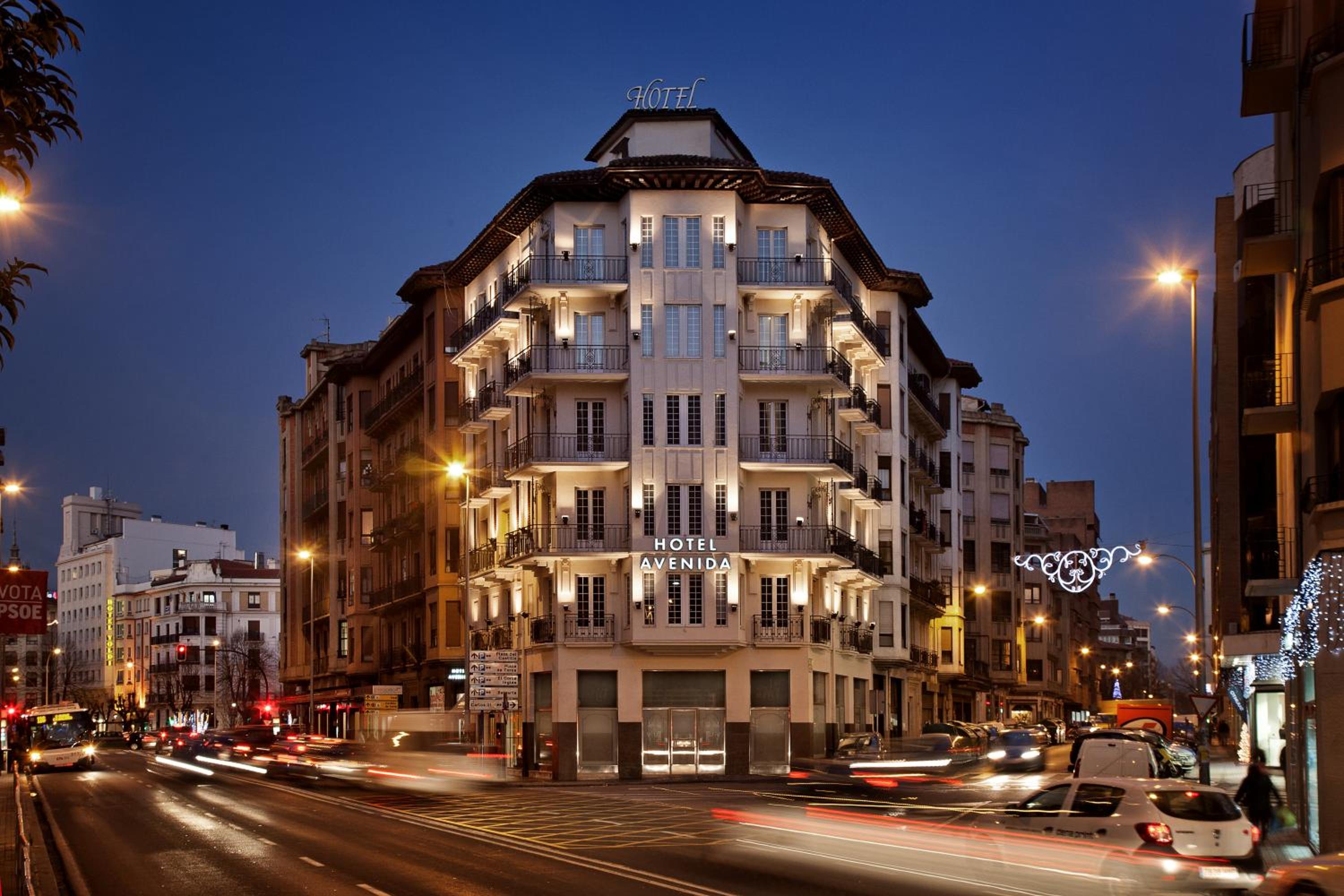
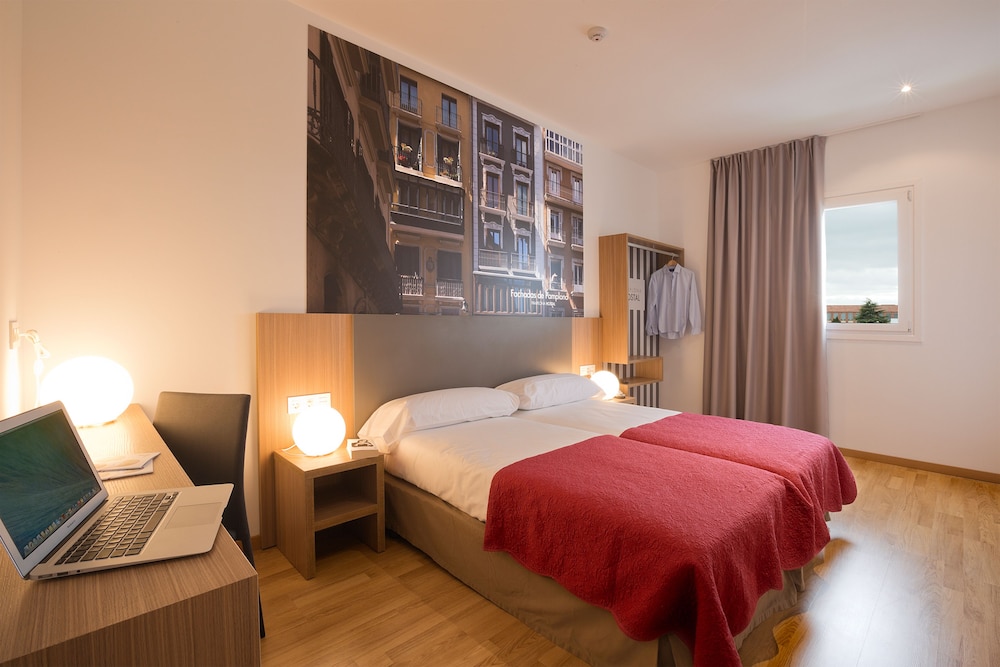
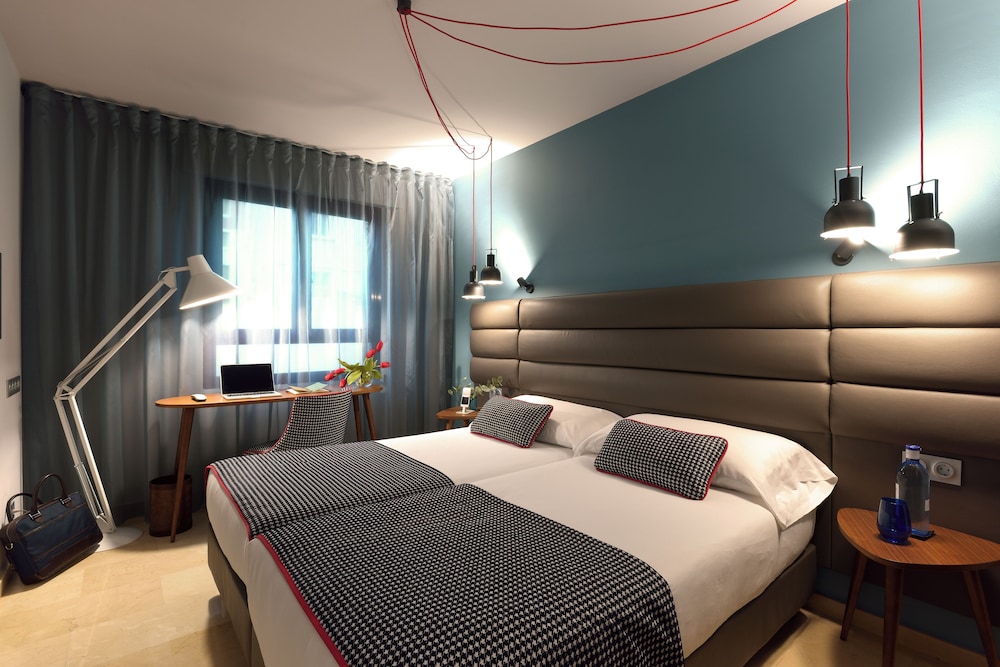
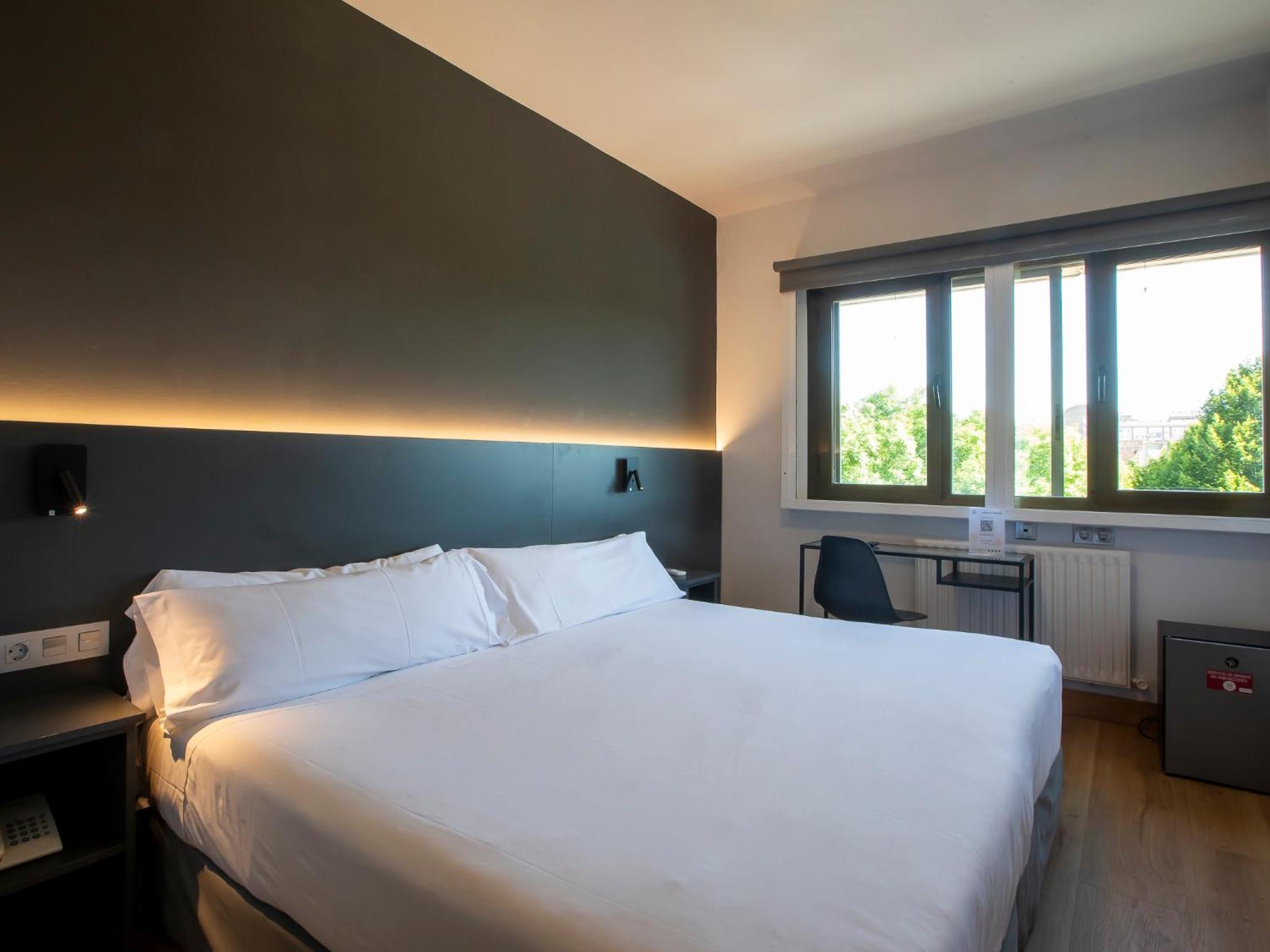
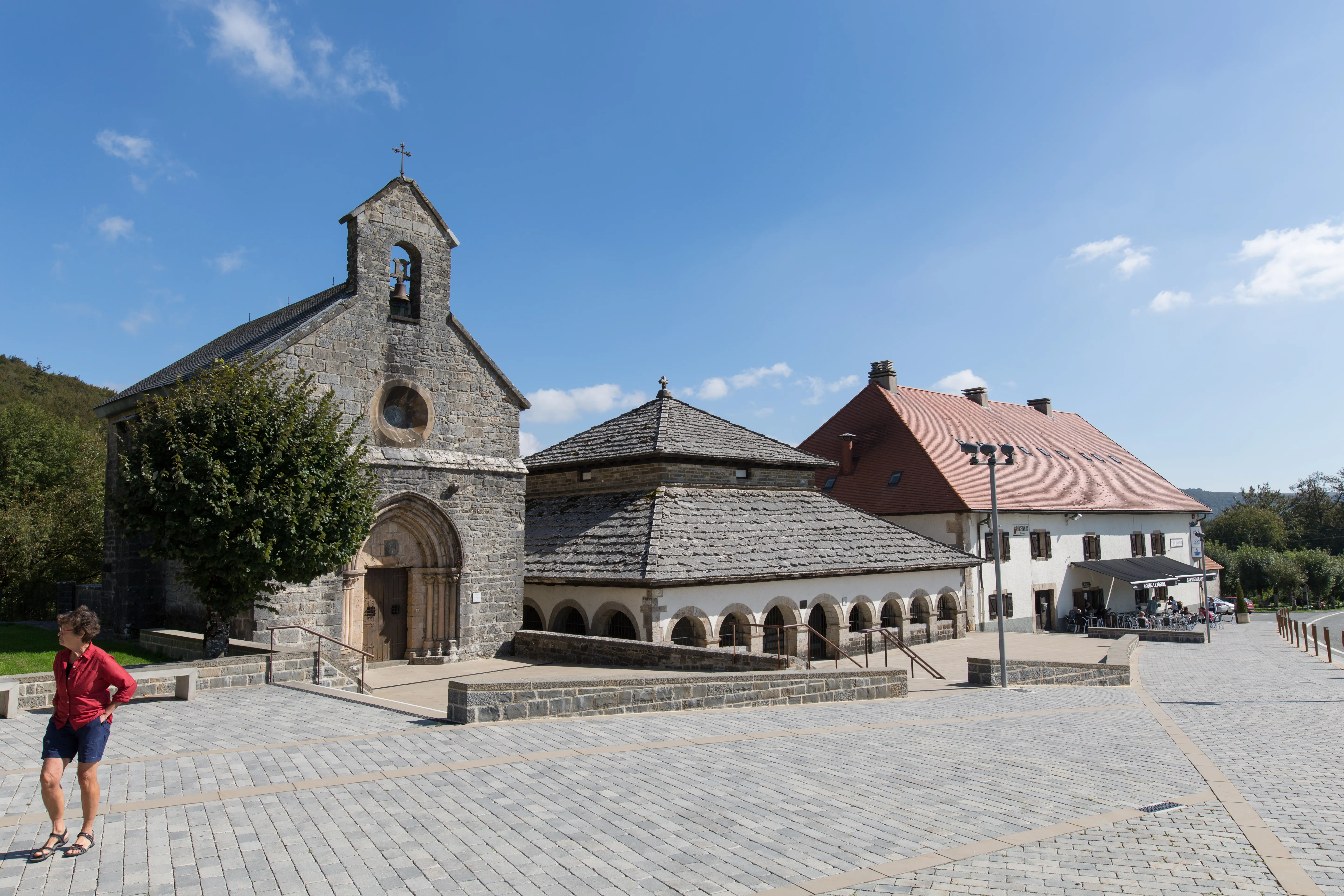
Find the perfect place for your rest in Zubiri o Pamplona.


Start your adventure
Ready to walk this stage?
We design your personalised Camino de Santiago experience.
Plan your CaminoWalk this route with us
We take care of every detail
Accommodation booked stage by stage, your backpack waiting when you arrive and someone on the phone if anything goes wrong.