
Complete Guide to Lebanese Castellano Way
The Castellano Lebaniego Way connects Palencia with the Monastery of Santo Toribio. A lesser-known route that crosses the Palatinian Mountains and links to Lebonese tradition.
Last updated: 28/03/2026
Table of Contents
Technical Summary of Lebanese Castellano Way
227 km
Distance
9
days
10
Stages
Media
Difficulty
50 accommodations available on the route
Introduction to Lebanese Castellano Way
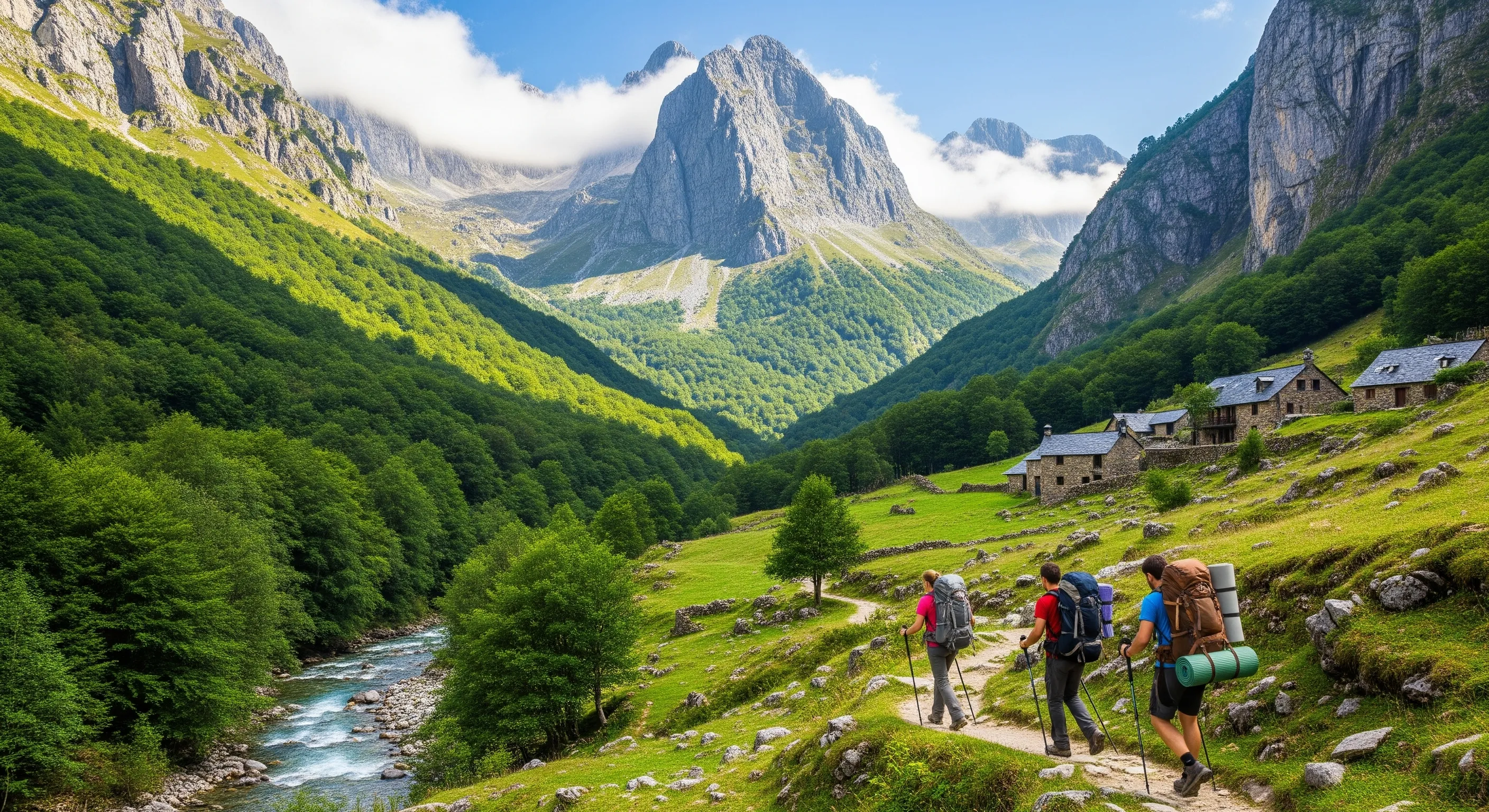
This route offers a different perspective on Lebonese pilgrimage, covering landscapes of the meseta, river valleys and the slopes of the Cantabrian Range. It is a less-traveled path with limited infrastructure, requiring good planning but allowing for discovery of rich Romanesque heritage and enjoying rural Castilian tranquility.
All Stages of Lebanese Castellano Way
Complete route divided into 10 stages
Palencia to Amayuelas de Abajo
The first stage of the Castellano Lebaniego Way starts from the capital palentine to enter the vastness of the Land of Campos. It is a long and completely flat journey, that runs along earth paths bet...
Lower Amayuelas to Frómista
This is a short and flat stage that connects two key points of the Palentian Romanesque. The route follows the plains of Tierra de Campos on an enjoyable stroll that allows for rapid progress. The rou...
From Frómista to Osorno el Grande
This stage continues across the Plain of Tierra de Campos, on completely flat terrain. It is a transitional day that runs through an agricultural landscape with extensive areas. The route, comfortable...
Osorno el Mayor to Osorno la Mayor
This stage says goodbye to the Field of Campos to enter the Pisuerga River valley. The profile remains mainly flat, on a pleasant stroll through a landscape that is becoming increasingly green and woo...
Herrera del Duque to Paracortes of Ojeda
This stage marks the beginning of the ascent to Palentina Mountain. The profile becomes more demanding, with a continuous up and down through a landscape of hills and valleys. The route enters the La ...
Ojeda to Cervera de Pisuerga Railway Line
This stage continues through the Palentine Mountains, on a wavy terrain of great beauty. The road approaches the Natural Park of Fuentes Carrionas and Fuente Cobre, an area of high mountain. The route...
Cervera de Pisuerga to San Salvador de Cantamuda
This stage enters the heart of Palentina Natural Park. The profile is a gentle ascent following the valley of the Pisuerga River. It's a journey of great beauty, with high mountain landscapes, riverba...
Salvador of Cantamuda to Camasobres
This stage is a short mountain day that prepares the pilgrim for crossing to Cantabria. The profile is a gentle ascent through an alpine landscape of great beauty. The route runs through the valley of...
Camasobres to Pesagno
This is the queen stage of the Castellano Lebaniego Way, a high mountain day that crosses the Cantabrian Mountains. The route ascends to the Piedrasluengas Pass, over 1,300 meters above sea level, mar...
Pass through the Monastery of Santo Toribio de Liébana
The last stage of the Castellano Lebaniego Way is a pleasant walk through Liébana Valley that ends at the holy place. The profile is gentle, with an undulating terrain that runs alongside the river. T...
Key Towns of Lebanese Castellano Way
The most important towns and cities on this route.
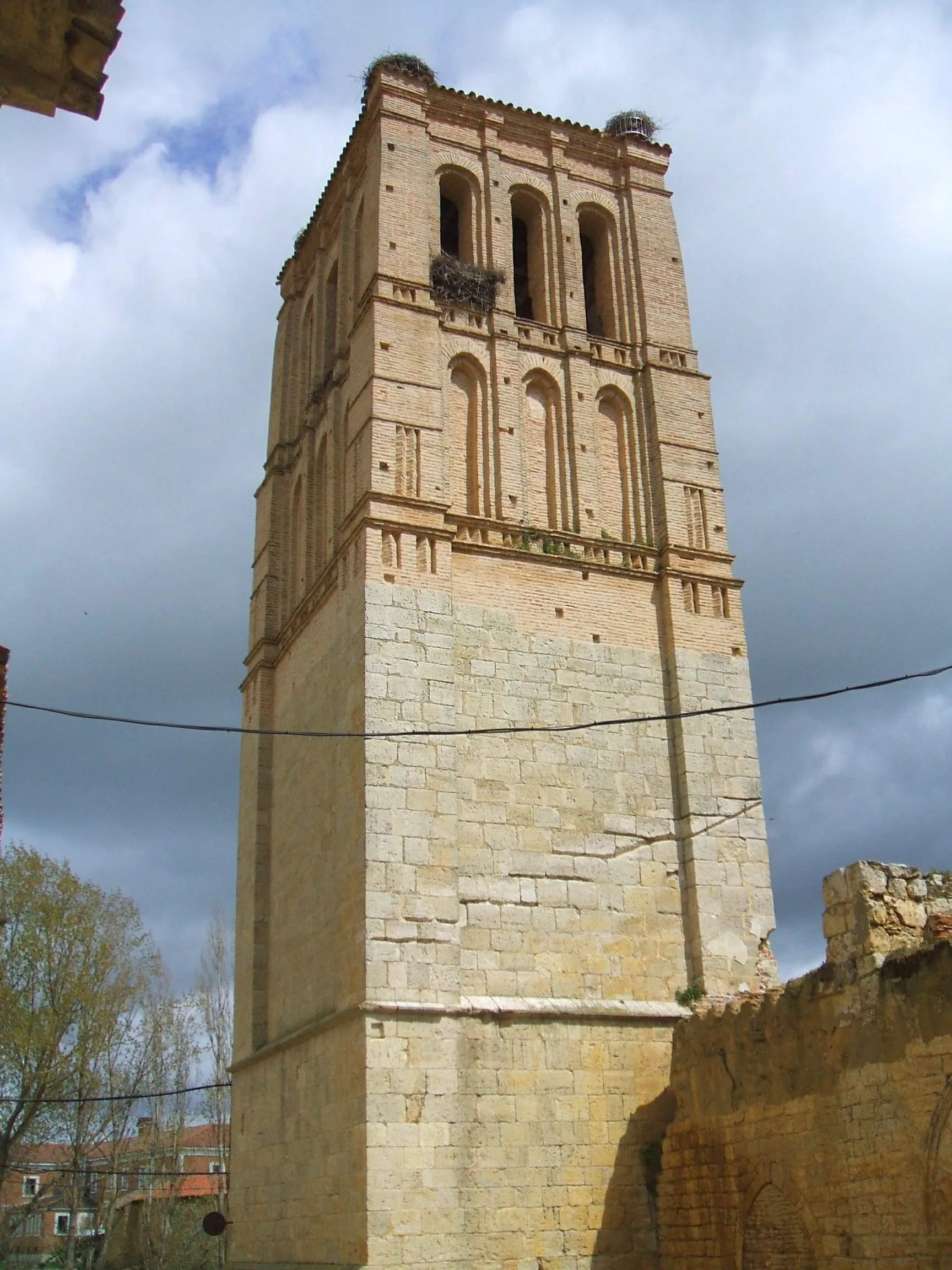
Palencia
Capital of the Land of the Camps and starting point of the Way of St James Castellano. Its Cathedral, the "Beautiful Unknown", and its Romanesque are a great beginning to pilgrimage.
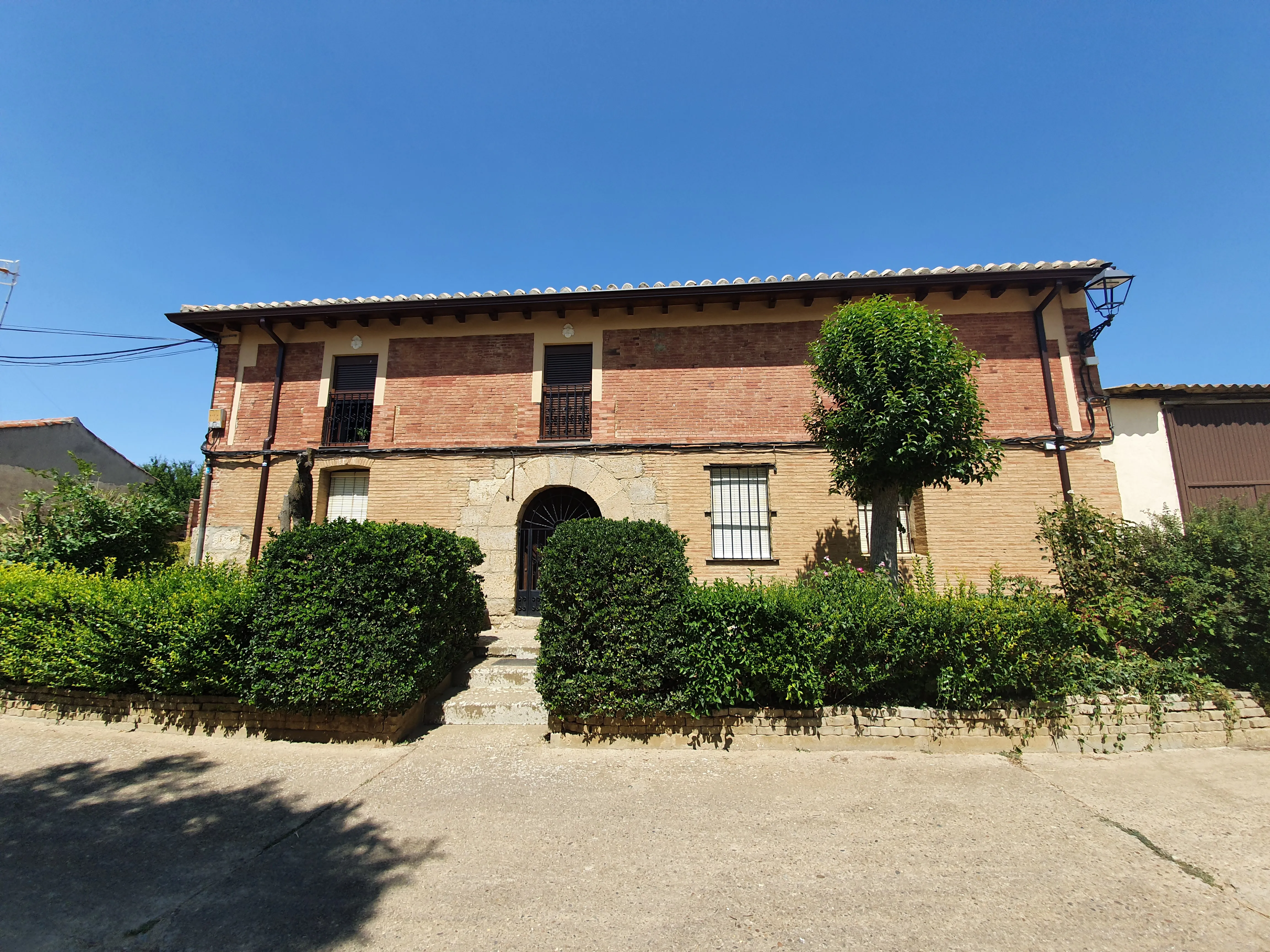
Amayuelas de Abajo
770 mSmall Palentine town in the Land of Camps, known for its rural and quiet atmosphere, ideal for relaxation. It is a point of passage on the Castilian plain.
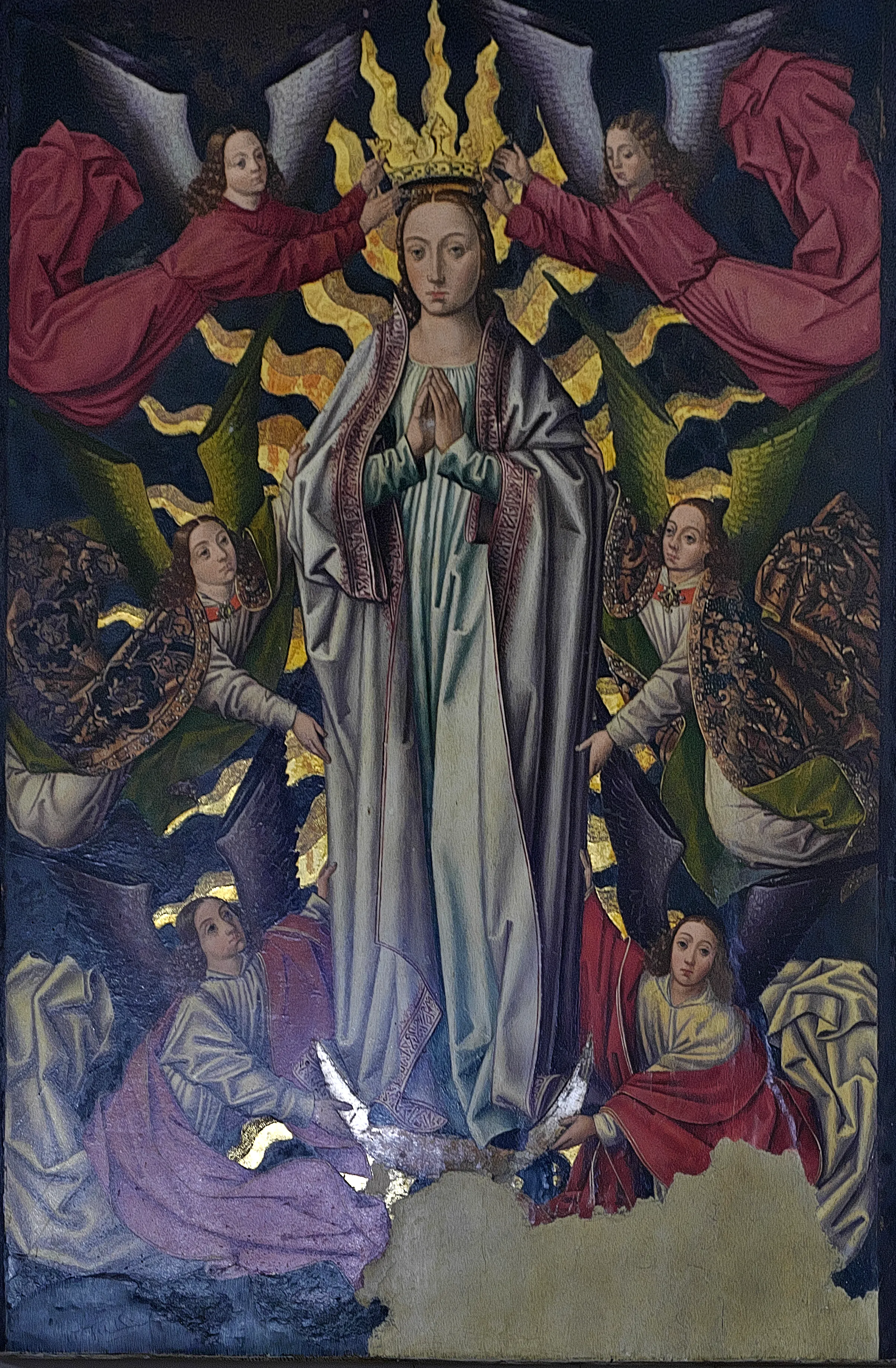
Frómista
Romanesque Way in the French Way. Frómista is an indispensable stop in Palencia, famous for St Martin of Tours Church and the locks of the Castile Canal.
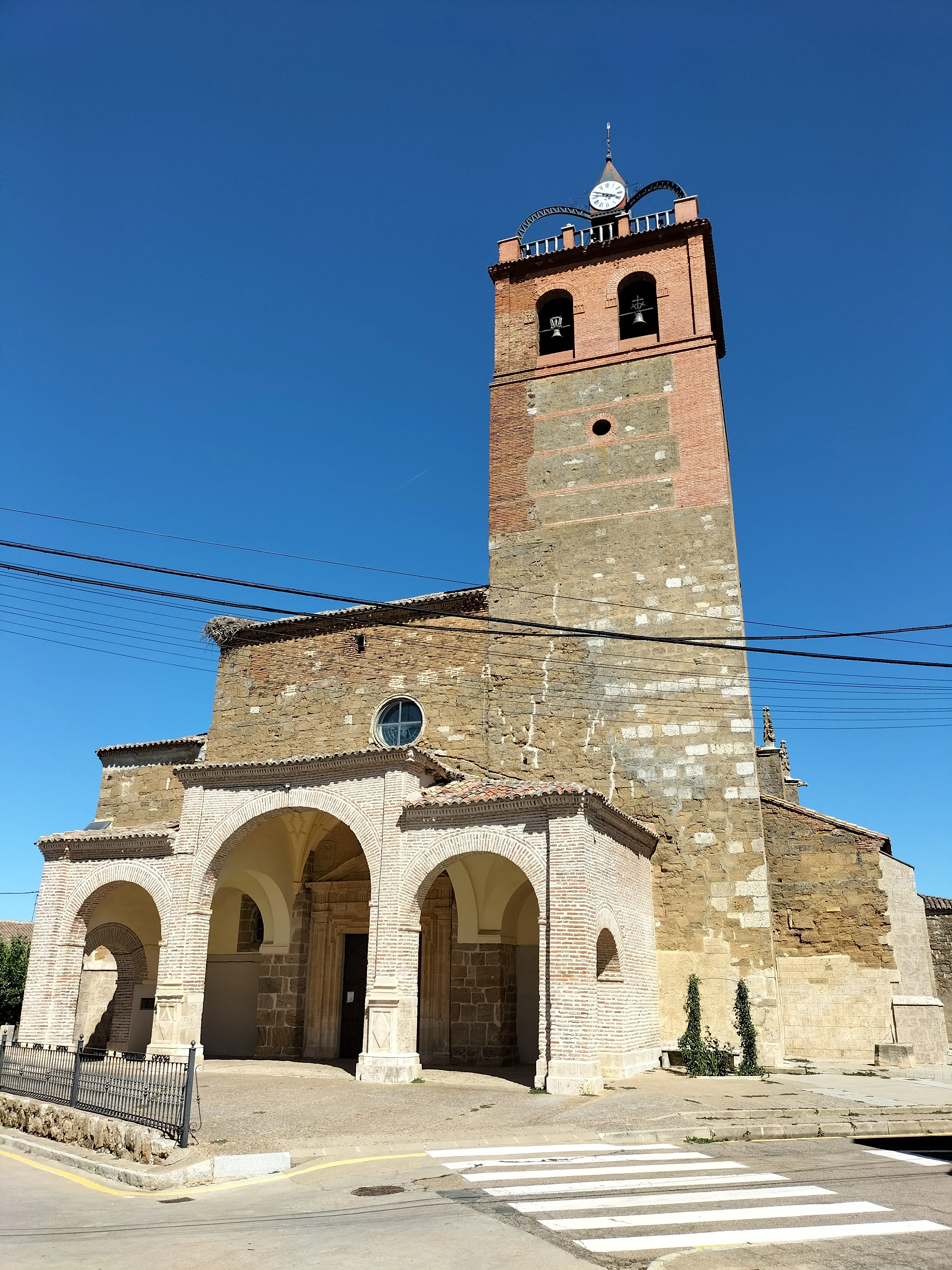
Osorno la Mayor
830 mHistoric Palentine village and crossroads. Osorno the Greater is an important service center, offering pilgrims a functional stop on the Way of St. James.
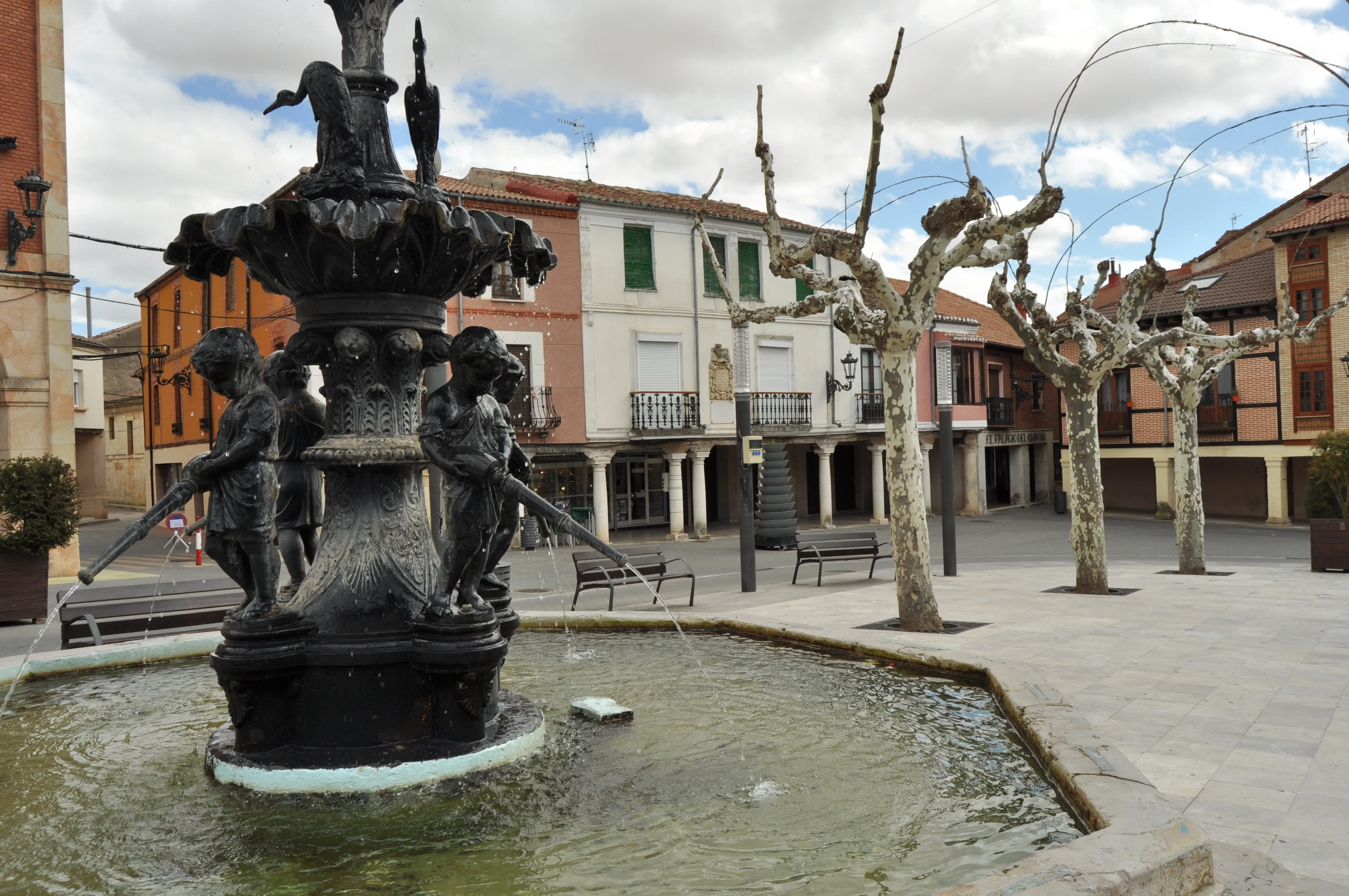
Herrera de Pisuerga
Palentine Villa in the Vega of the River Pisuerga and stage of the Calzada de los Blendios. Its Roman past and its natural surroundings make it a place of great interest.
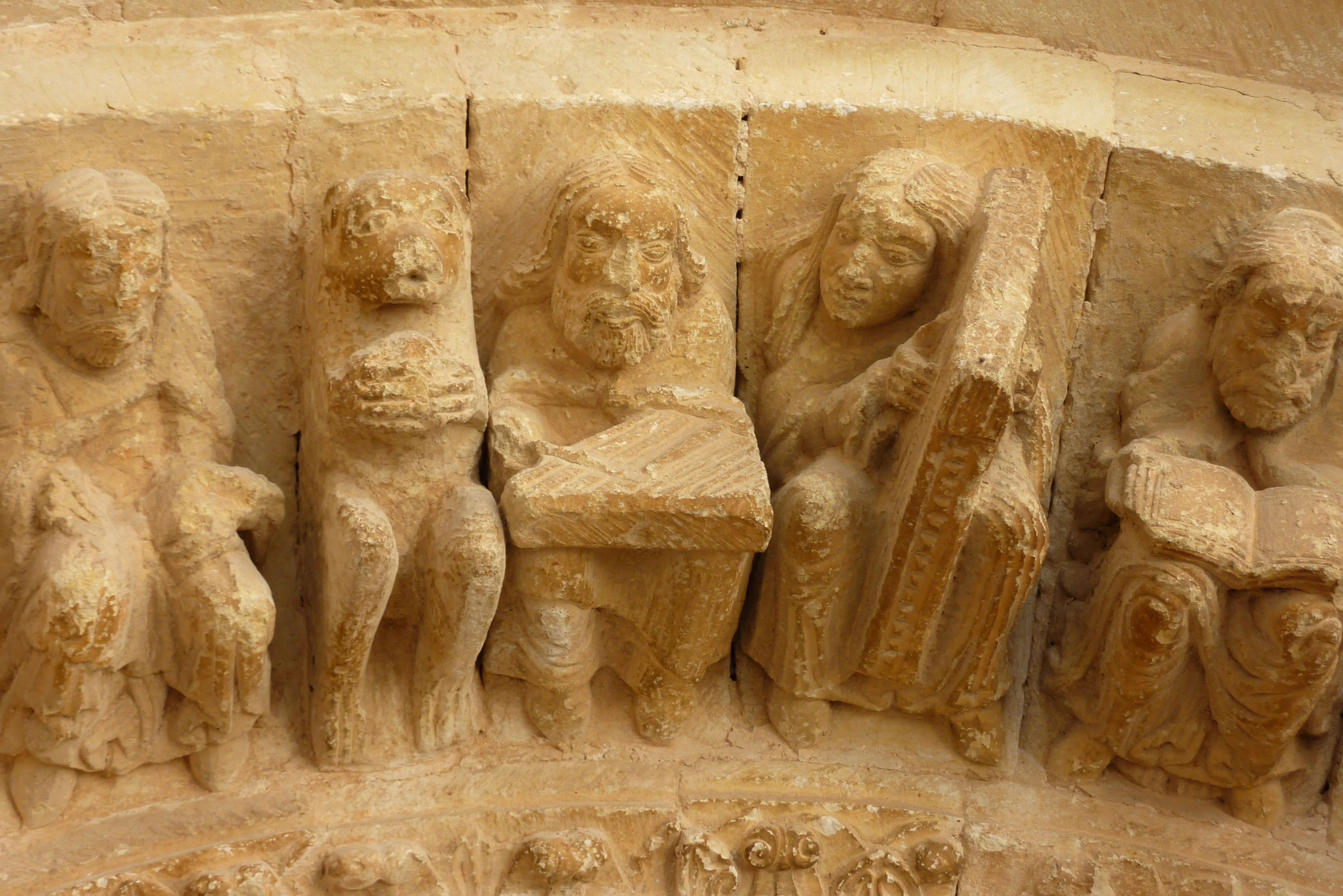
Perazancas de Ojeda
1080 mThe Romanesque Joya in the La Ojeda region. The Parzancas of Ojeda surprises with its church of St. Pelayo, a cultural stop in a peaceful rural Palentine setting.
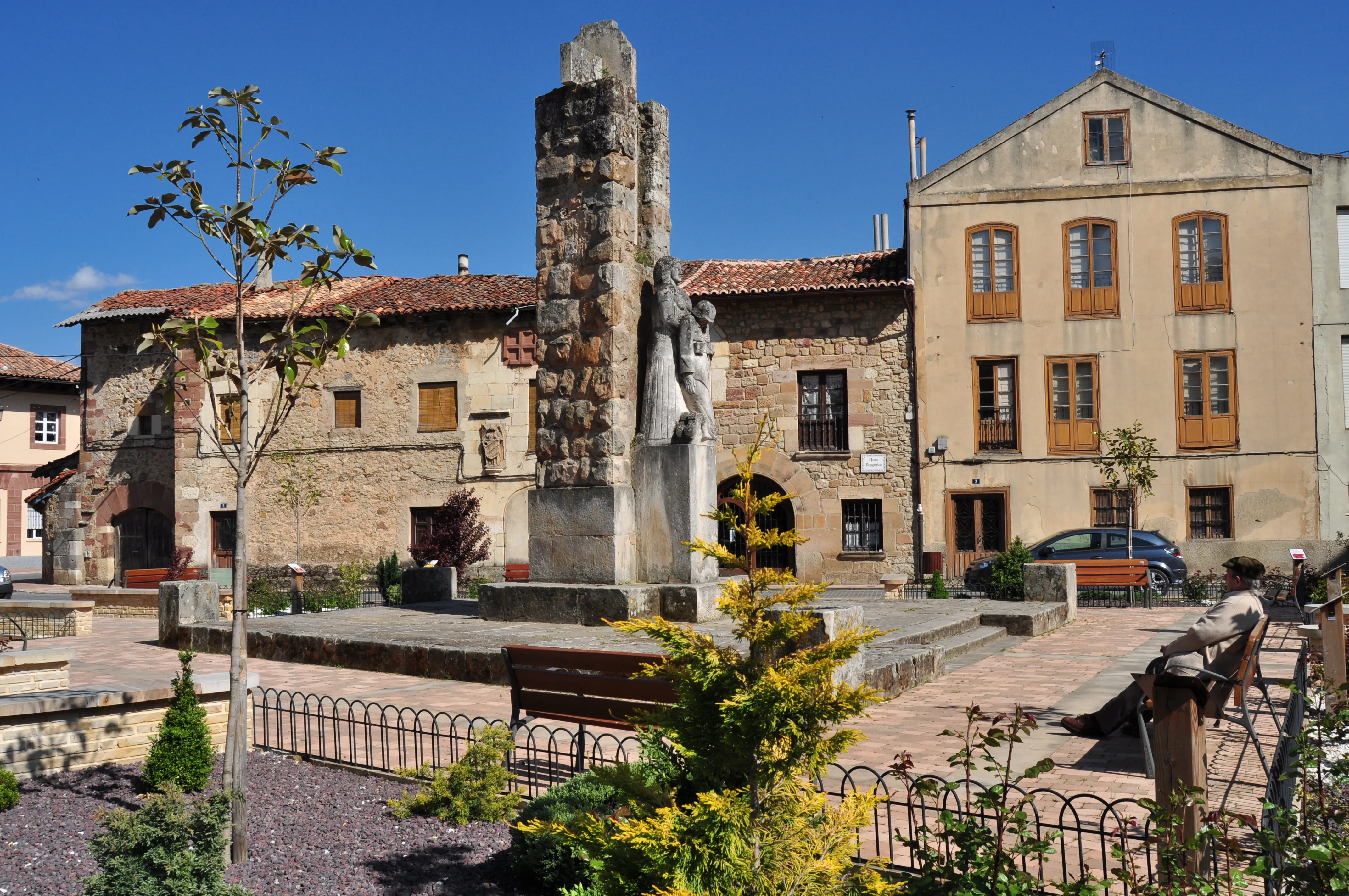
Cervera de Pisuerga
Capital of the Palatine Mountains. Cervera de Pisuerga is the entrance to the Fuentes Carrionas Natural Park, a paradise for nature lovers, hikers and Romanesque enthusiasts.
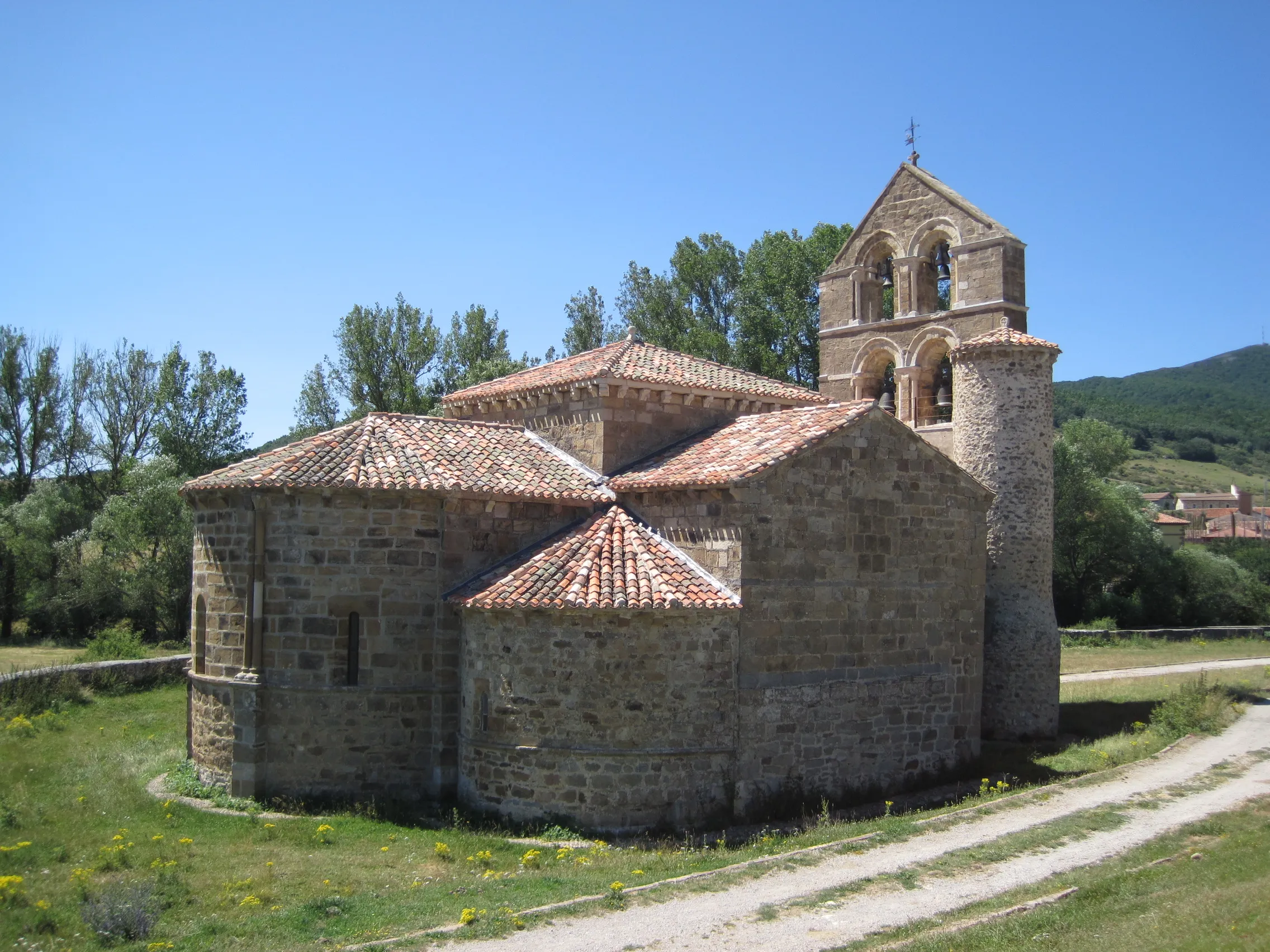
San Salvador de Cantamuda
1150 mCapital of Romanesque in the Palatine Mountains. Its Collegiate Church is one of the region's architectural jewels, an indispensable stop for art and history lovers.
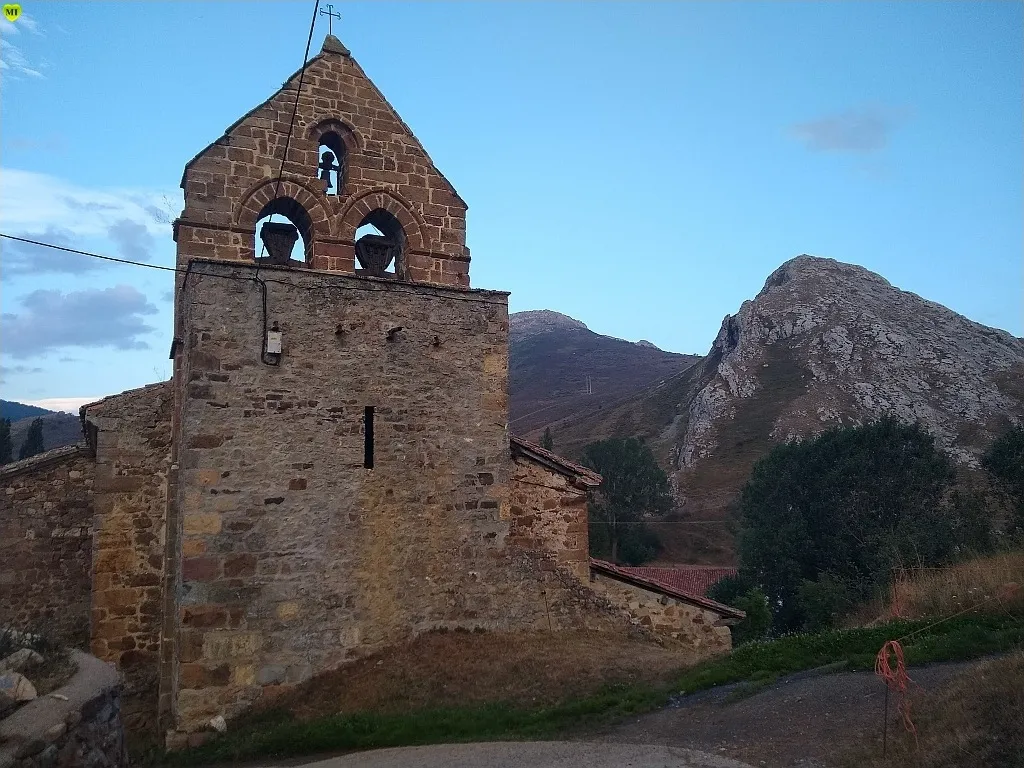
Camasobres
1250 mMountain village in the Palentine region. Camasobres, at the foot of the Sierra de Híjar, offers a spectacular natural setting and the authenticity of villages in the Cantabrian Mountains range.
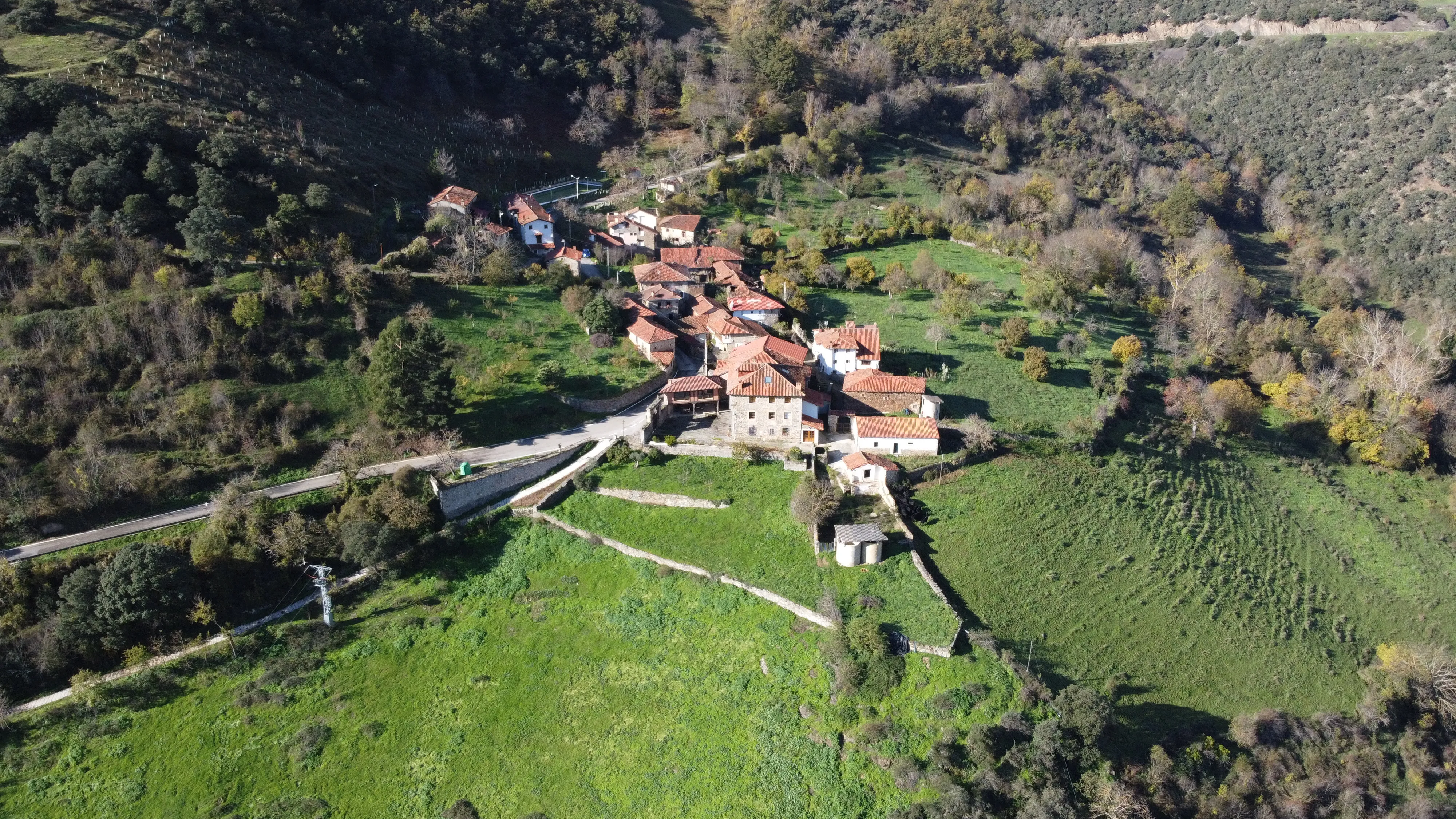
Pesaguero
650 mPesaguero is a quiet passage point in the Cantabrian region at the heart of the Liébana valley. It's situated on the route to the Monastery of Santo Toribio, surrounded by a lush mountainous environment.
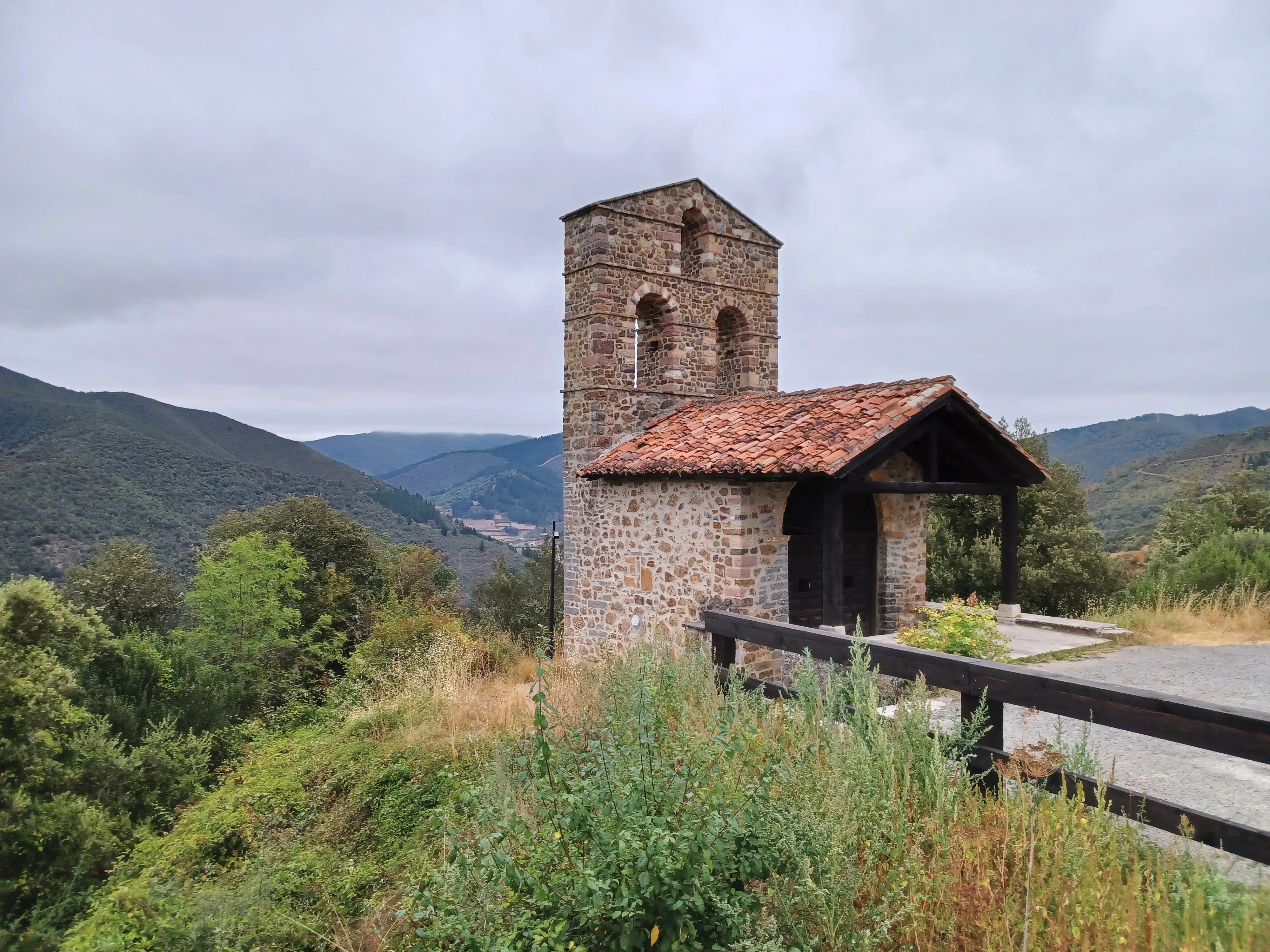
Monasterio de Santo Toribio de Liébana
The Way of St James and one of the five places of Christian pilgrimage. It houses the Holy Cross, the largest piece of Christ's cross. A universal place of pilgrimage.
History of Lebanese Castellano Way
Its origins are in the medieval network of roads that underpinned Castile. Pilgrims from Palencia, Valladolid or further south who wanted to pilgrimage to Liébana did not need to make the long journey to the Cántabrian coast to start their ascent. Instead, they followed established routes that led directly north towards the imposing barrier of the Cantabrian Mountains. Although there are various variants, the most recognized and recovered in modern times traditionally starts from the city of Palencia, an important ecclesiastical and civil center in medieval times.
From Palencia, the route goes north, following its initial stages through the fertile valley of the River Carrión. It passes through the Tierra de Campos comarca, a landscape of cereal fields that contrasts radically with the mountainous environment that awaits the pilgrim. A point of interest in these early stages is its crossing with the Camino Francés near Carrión de los Condes. Here, the two great flows of pilgrimage touched but followed perpendicular directions: one towards the west to Santiago; the other towards the north to Santo Toribio.
As the route progresses, it enters the Palentina Mountains, one of Europe's areas with the highest concentration of Romanesque art. Localities such as Saldaña and Guardo mark the transition to a more abrupt and mountainous landscape. The medieval pilgrim found not only spiritual comfort in the Romanesque churches and hermitages of the area but also an artistic reflection of their own faith. This section of the route is an authentic outdoor museum.
The most demanding part of the journey was undoubtedly the crossing of the Cantabrian Mountains to enter the Liébana comarca. The pass was made through mountain passes such as Piedrasluengas, a challenge that tested the endurance and determination of walkers. Once the dividing line had been crossed, the route descended precipitously into the valley of Liébana, offering the pilgrim breathtaking views of the Picos de Europa as a reward for their effort. The final stretch ends in Potes, the capital of Lebonia, where it joins other pilgrims to complete the final stage to the Monastery of Santo Toribio.
Although historically it was a more regional and less traveled route than the great Jacobean paths, its importance as a corridor of faith between the Meseta and Liébana is undeniable. Its modern recovery offers today an alternative that is more solitary and demanding, ideal for those seeking a deep pilgrimage experience, enjoying the incredible transition from the infinite plain of Castile to the majesty of the Picos de Europa.
Accommodations on the Route
The Lebanese Castellano Way has 50 verified accommodations along the entire route.
View Stages & AccommodationsPractical Tips for Lebanese Castellano Way
Best Season
Spring (April-June) and autumn (September-October) are the best seasons. Pleasant temperatures and fewer crowds than summer.
Physical Preparation
Train by walking progressively in the months before. Start with short distances and increase. Your body will adapt to the rhythm of the Camino.
What to Pack
Light backpack (max 10% of your weight), worn trekking shoes, breathable technical clothing, raincoat, sunscreen and basic first aid kit.
General Tips
Carry the pilgrim credential, stay hydrated, respect your pace, book accommodation in high season and enjoy the journey without rushing.
FAQ about Lebanese Castellano Way
El Camino Lebaniego Castellano tiene una longitud total de 227 kilómetros y generalmente se recorre en aproximadamente 9 días, lo que permite disfrutar del paisaje y patrimonio histórico a un ritmo cómodo.
La mejor época para realizar este camino es durante la temporada media, específicamente en los meses de abril a junio y septiembre a octubre. Durante estos periodos, se disfruta del clima templado y una menor afluencia de peregrinos.
En Ourway Travel, nuestro paquete para el Camino Lebaniego Castellano incluye alojamiento en albergues seleccionados y hoteles, traslado diario de equipaje, mapas detallados del recorrido y asistencia 24/7. También te proporcionamos una credencial peregrina.
El Camino Lebaniego Castellano ofrece un recorrido menos transitado y más tranquilo en comparación con rutas como el Camino Francés o del Norte. Atraviesa hermosos paisajes de la Montaña Palentina y Cantabria, permitiendo a los peregrinos descubrir un rico patrimonio románico sin las multitudes típicas de otros caminos más populares.
El Camino Lebaniego Castellano tiene una dificultad media, debido a sus ascensiones en la Montaña Palentina. Se recomienda realizar entrenamientos de senderismo antes del viaje para acostumbrarse a las distancias y desniveles del recorrido.
El costo total de un viaje completo con Ourway Travel para el Camino Lebaniego Castellano puede variar dependiendo del alojamiento elegido y la temporada. Nuestro equipo se comunicará contigo para proporcionarte una cotización personalizada basada en tus necesidades específicas.
Para reservar tu viaje a través de Ourway Travel, simplemente completa nuestro formulario en línea o comunícate directamente con nosotros vía correo electrónico. Nuestro equipo especializado gestionará todas las reservas y detalles logísticos para asegurar que tengas una experiencia sin complicaciones.
Si pierdes tu credencial peregrina durante el recorrido, es importante que la repongas para poder continuar con los servicios y alojamientos en albergues. Ourway Travel te proporcionará una nueva credencial y asistencia para tramitarla de manera rápida.
Related Routes
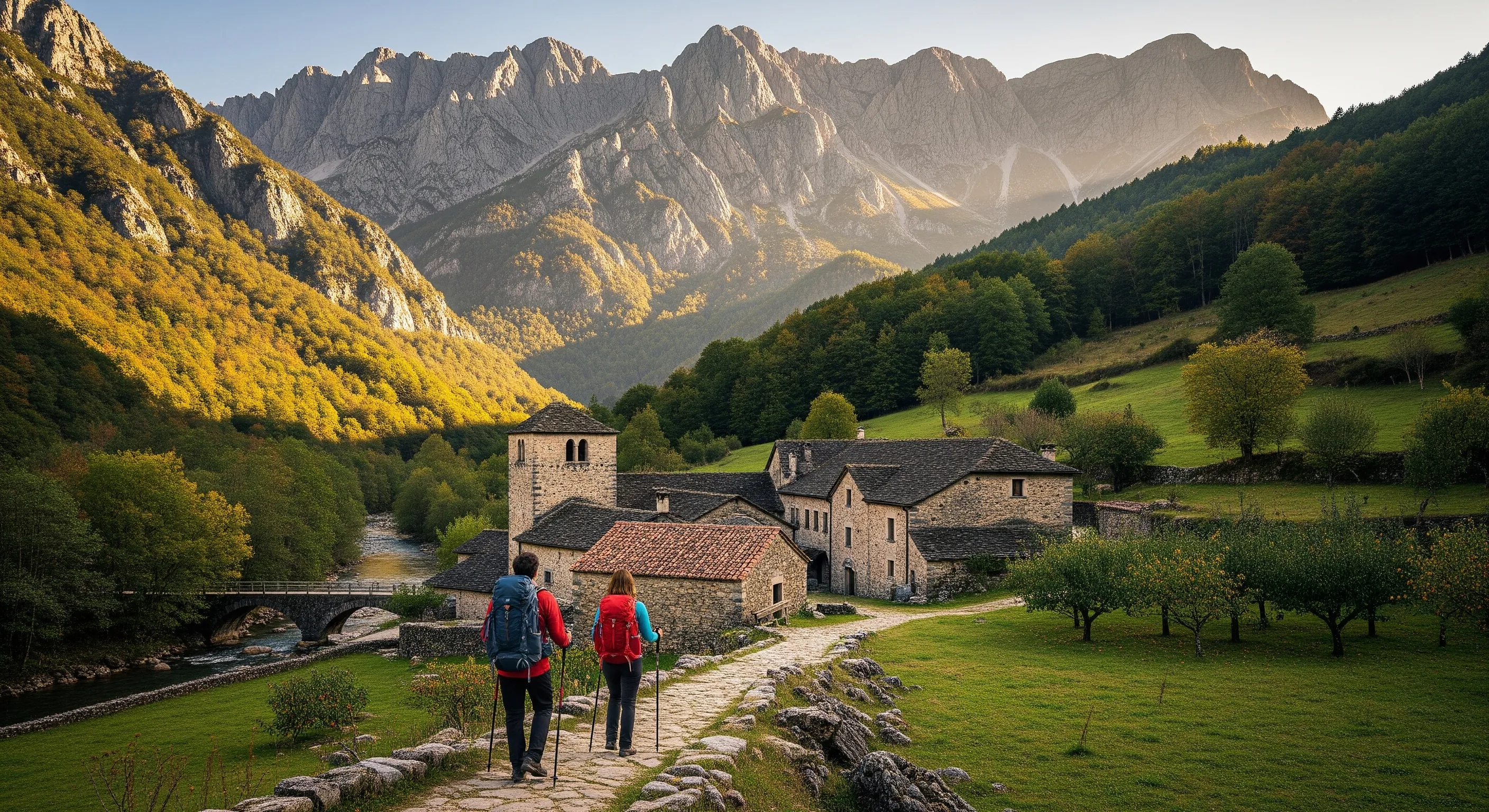
Ready for this adventure?
Let us organize your pilgrimage. We take care of accommodations, transfers and everything you need.