
Camino de Santiago
Lebanese Castellano Way
The Castellano Lebaniego Way connects Palencia with the Monastery of Santo Toribio. A lesser-known route that crosses the Palatinian Mountains and links to Lebonese tradition.
Organize your Lebanese Castellano WayOrigin
PalenciaDestination
Monasterio de Santo Toribio de LiébanaDistance
227 km
Days
9
Difficulty
Media
Last updated: 21/05/2024
The Route
General Description of Lebanese Castellano Way
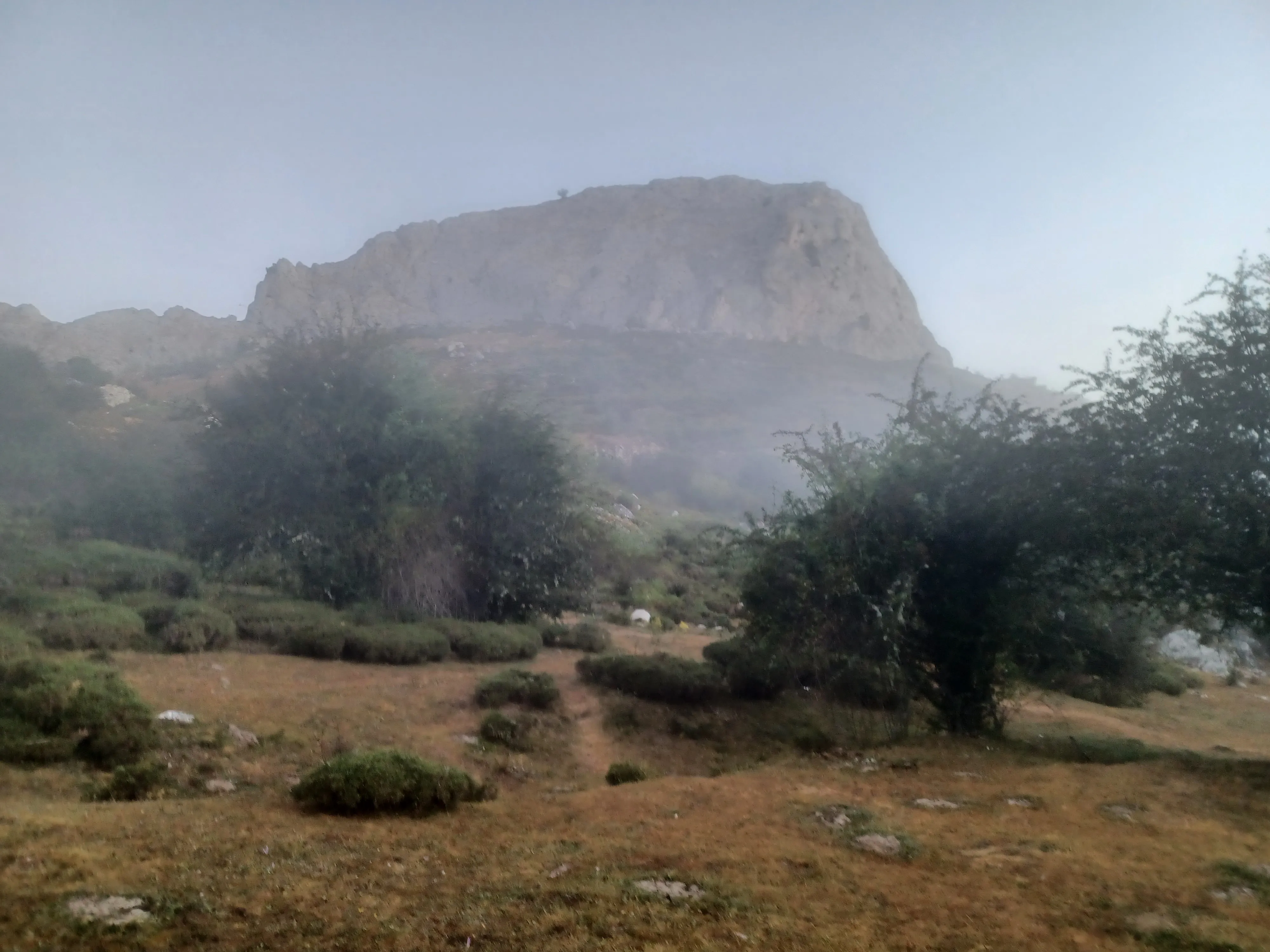
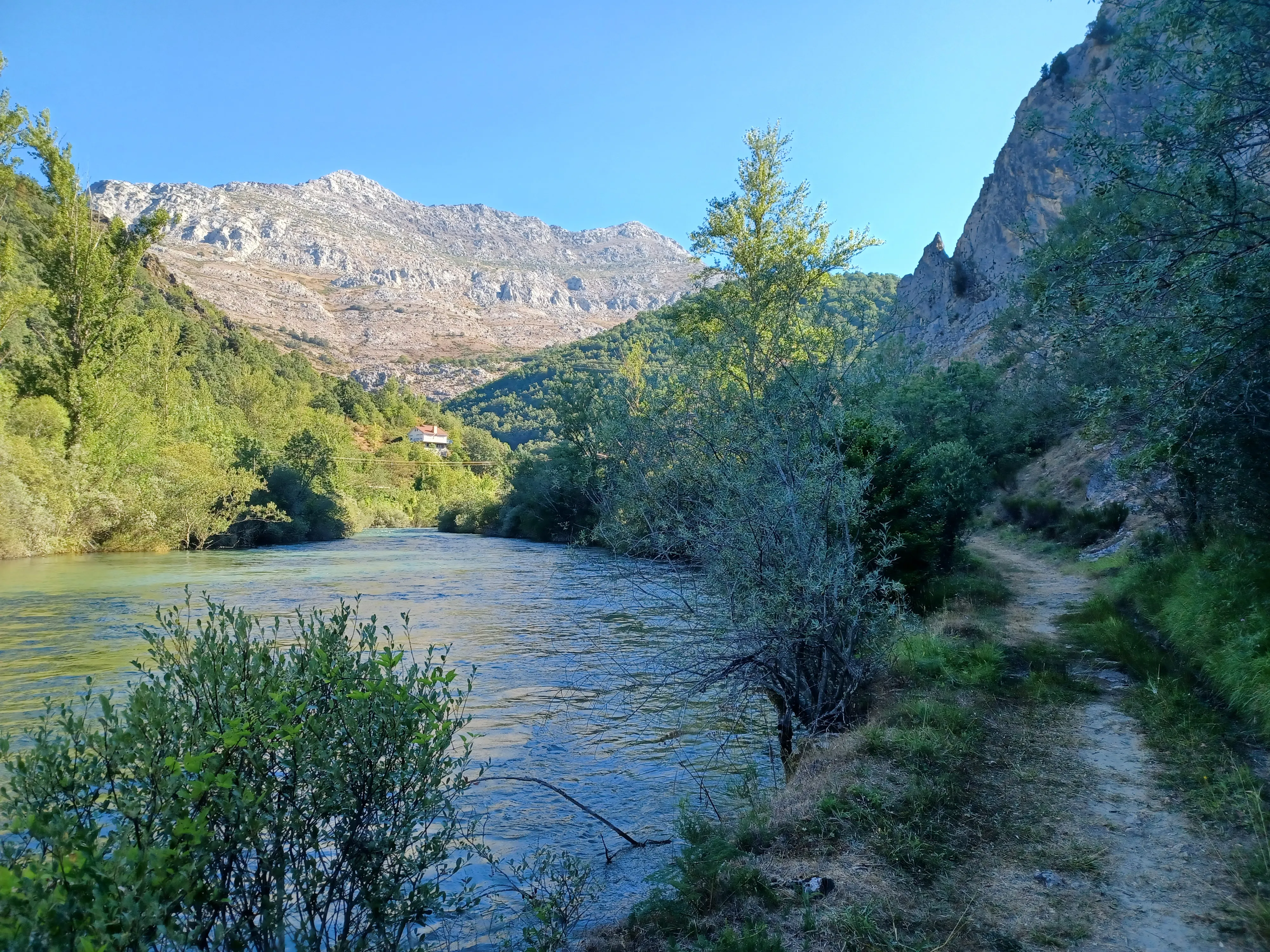
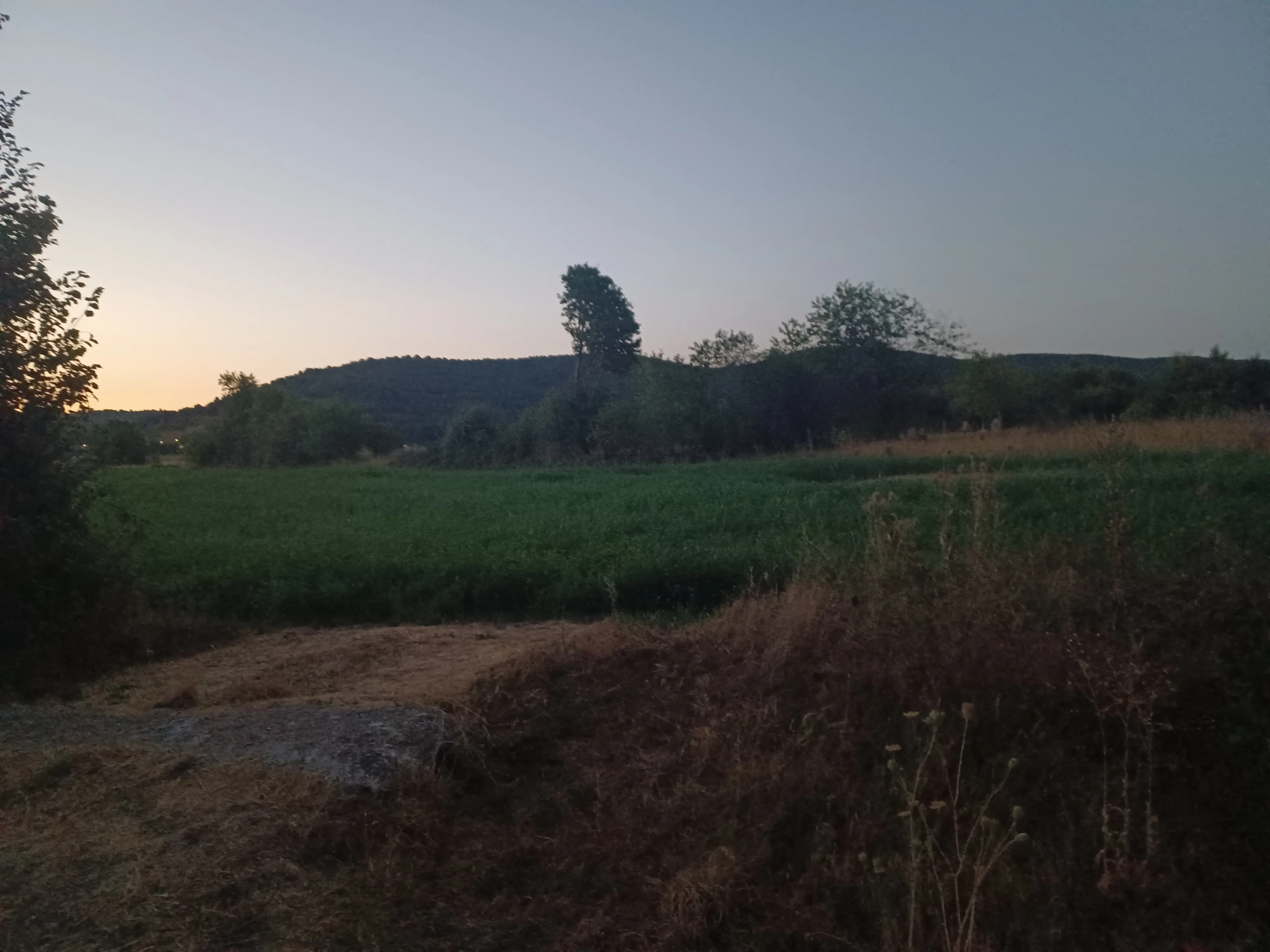
This route offers a different perspective on Lebonese pilgrimage, covering landscapes of the meseta, river valleys and the slopes of the Cantabrian Range. It is a less-traveled path with limited infrastructure, requiring good planning but allowing for discovery of rich Romanesque heritage and enjoying rural Castilian tranquility.
Related Routes
Connections of Lebanese Castellano Way
Lebanon Way
72 km
3
Media
The Lebaniego Way leads to the Monastery of Santo Toribio de Liébana, one of the five holy sites of Christendom with a Jubilee Year. This monastery safeguards the Holy Cross, the largest piece considered to be from the cross of Christ. The main route, approximately 72 km long, begins in San Vicente de la Barquera and traverses beautiful valleys and mountains, with the Picos de Europa as its backdrop.
Although it does not lead directly to Santiago, many pilgrims undertake it as a pilgrimage in itself or as a precursor, connecting afterwards with the French Way through the Vadiniense Route. It is a moderately difficult path with great spirituality.
Stages of this variant:
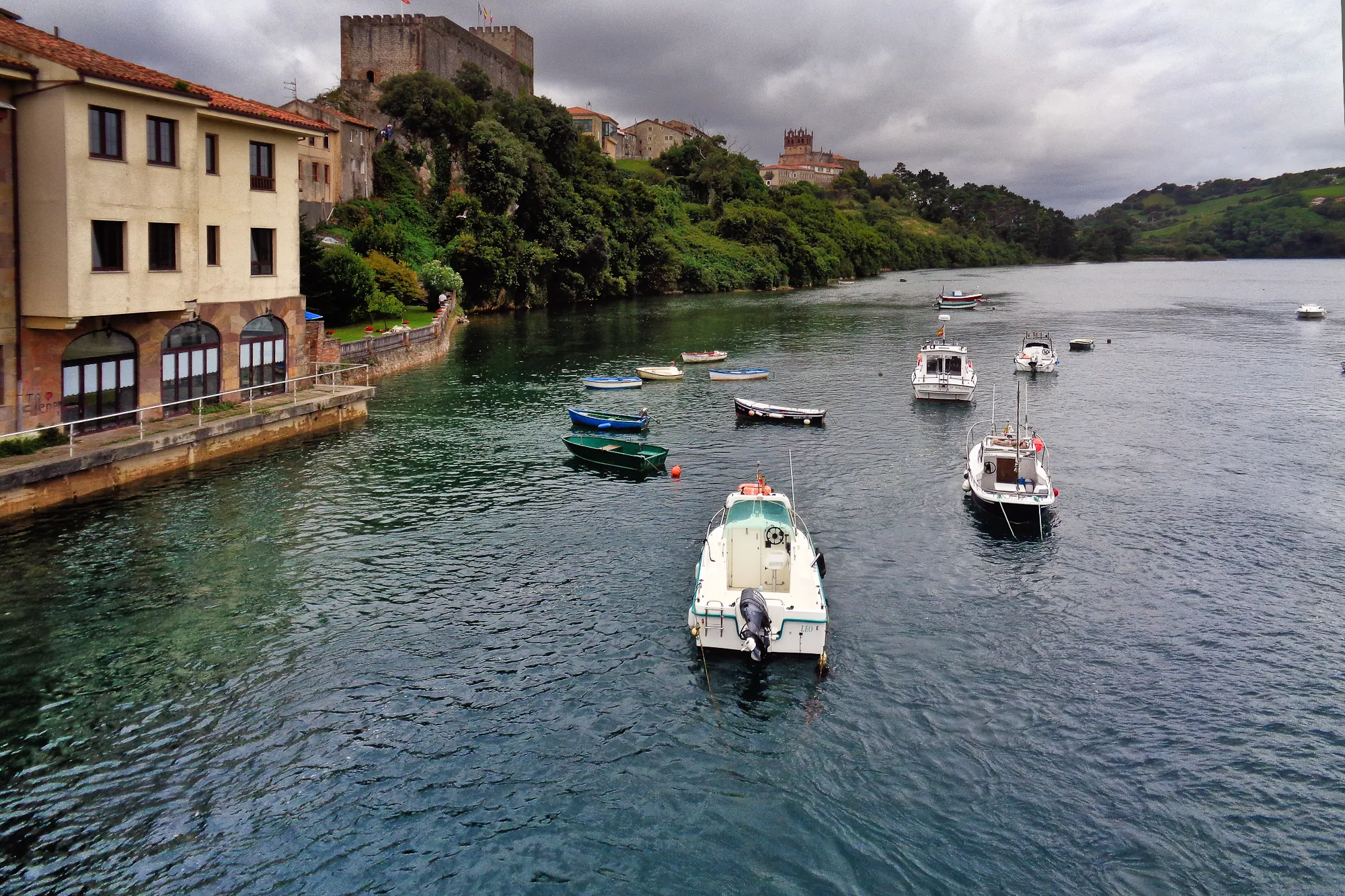
Stage 1: St. Vincent of the Harbour to Cades
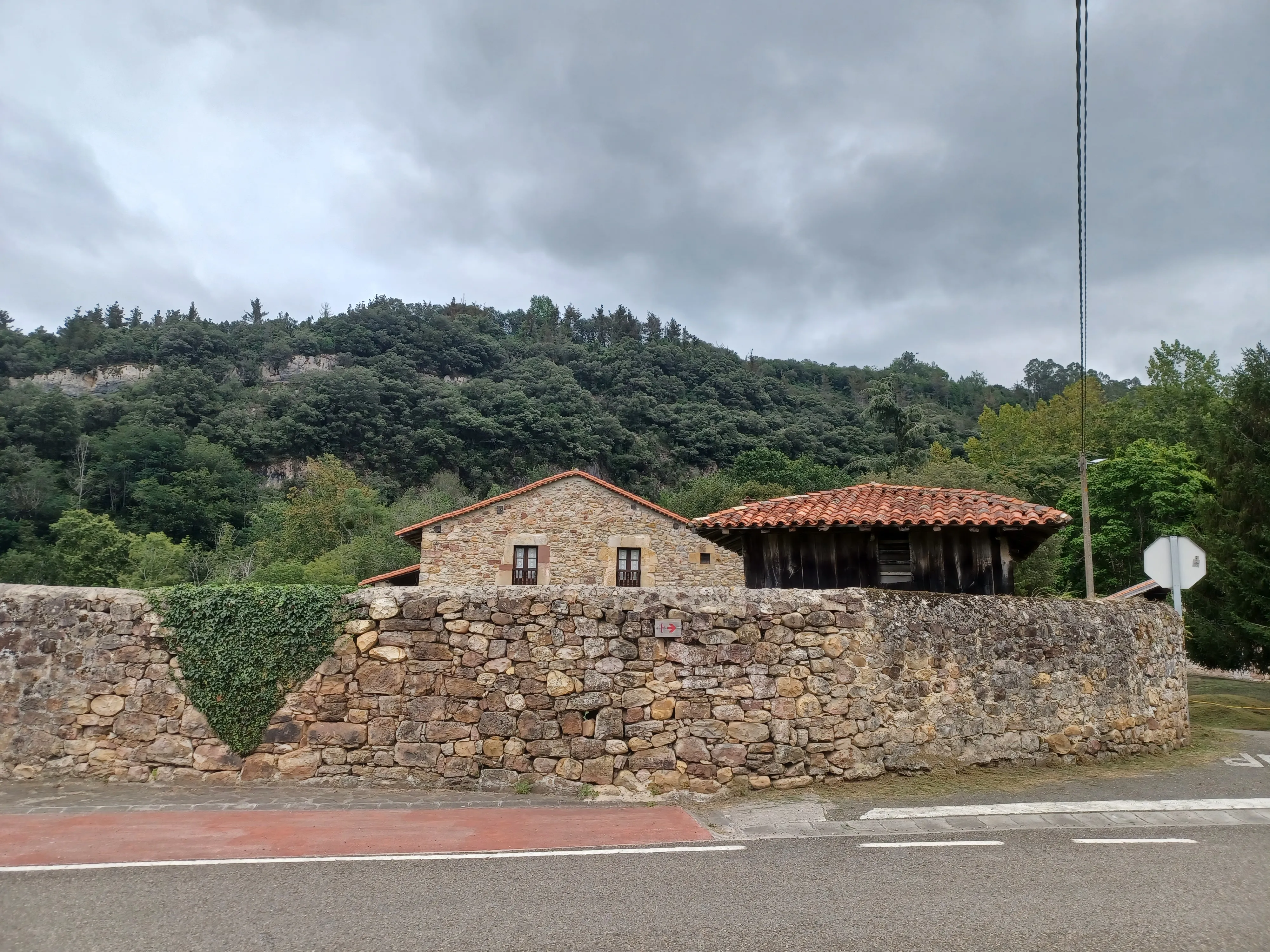
Stage 2: Cades to Cabanes
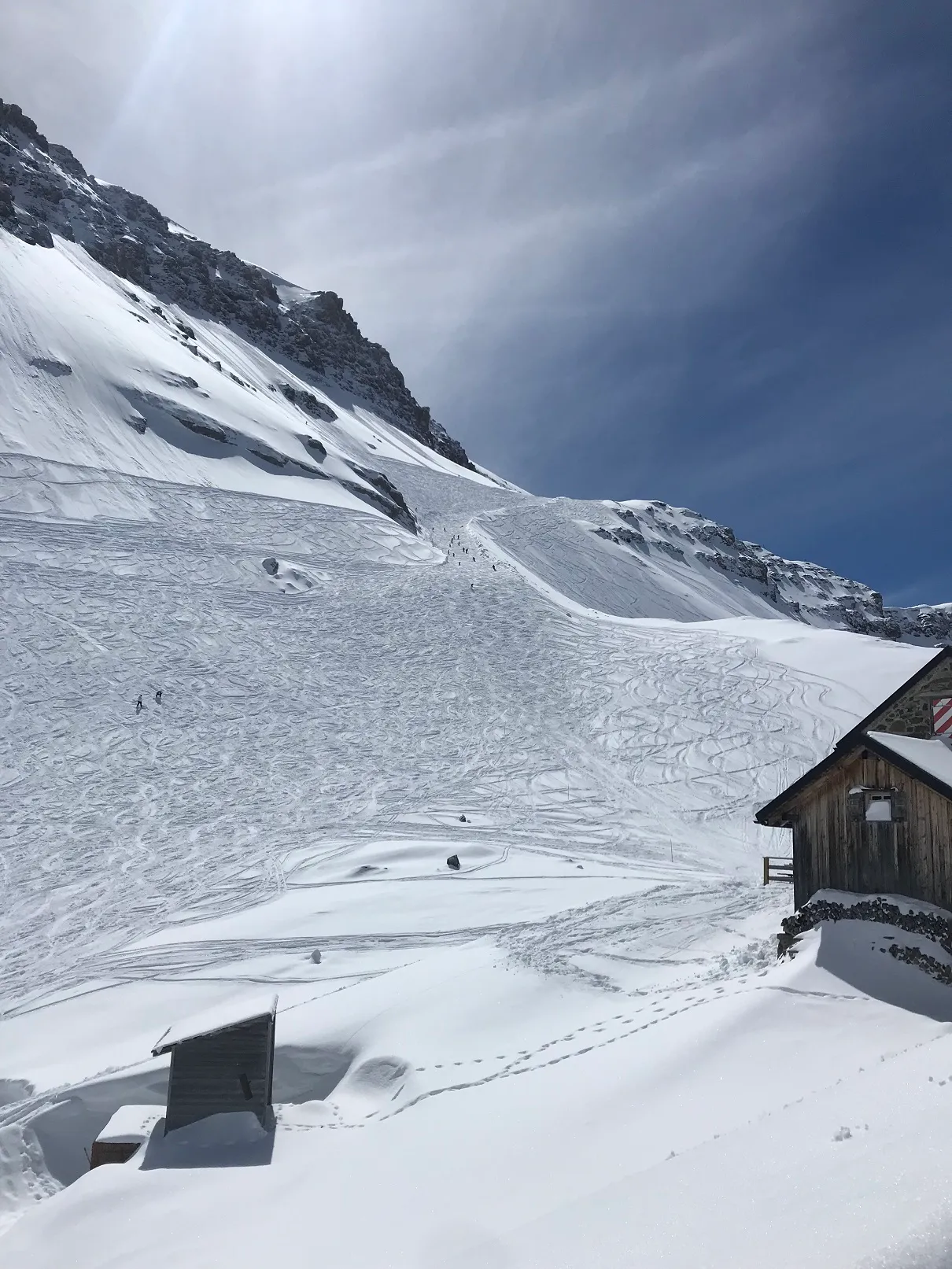
Stage 3: Cabanes near Santo Toribio de Liébana
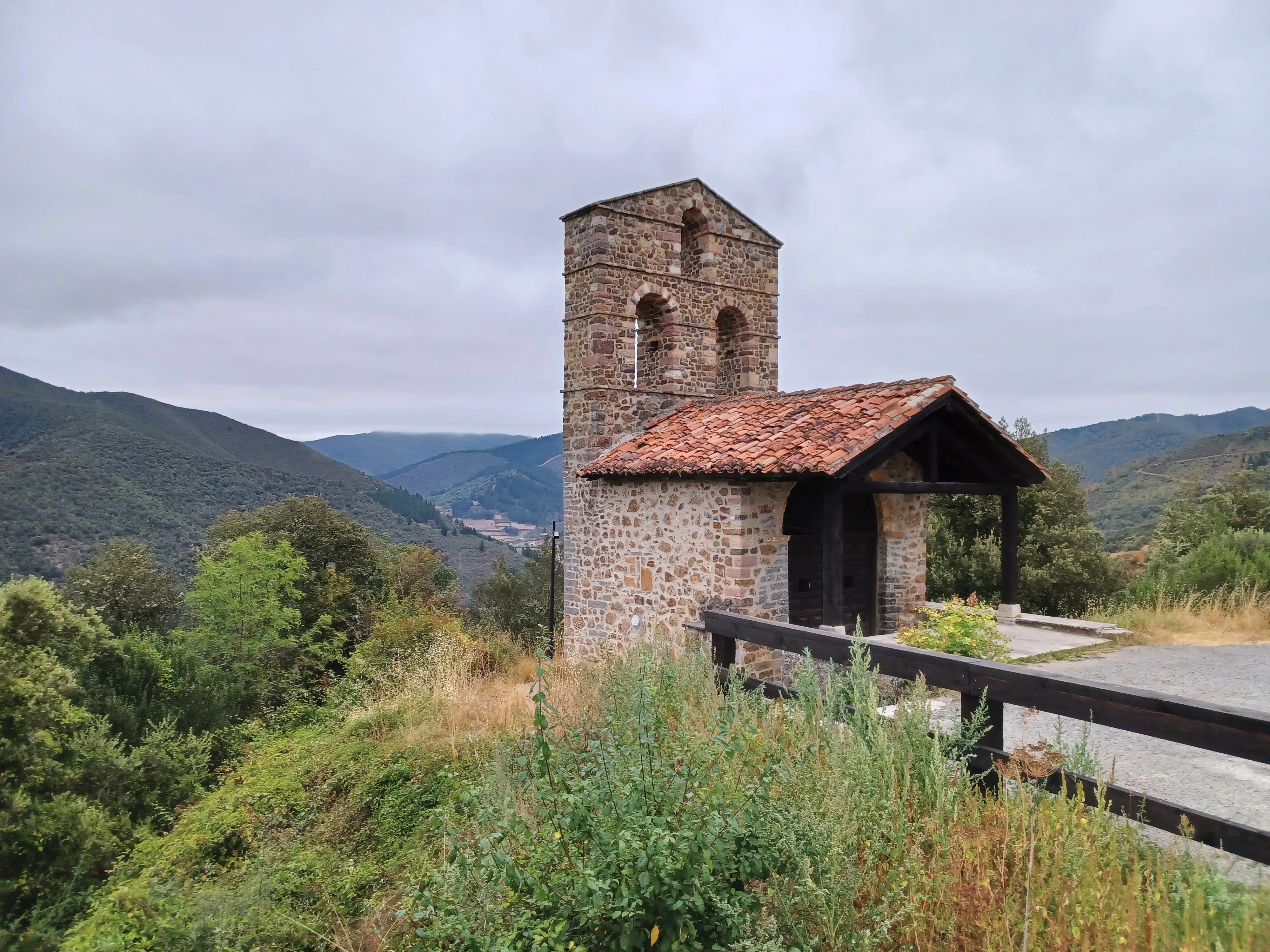
Stage 4: Monastery of Santo Toribio de Liébana to Potes
Vadiniense Route
212.3 km
10
High
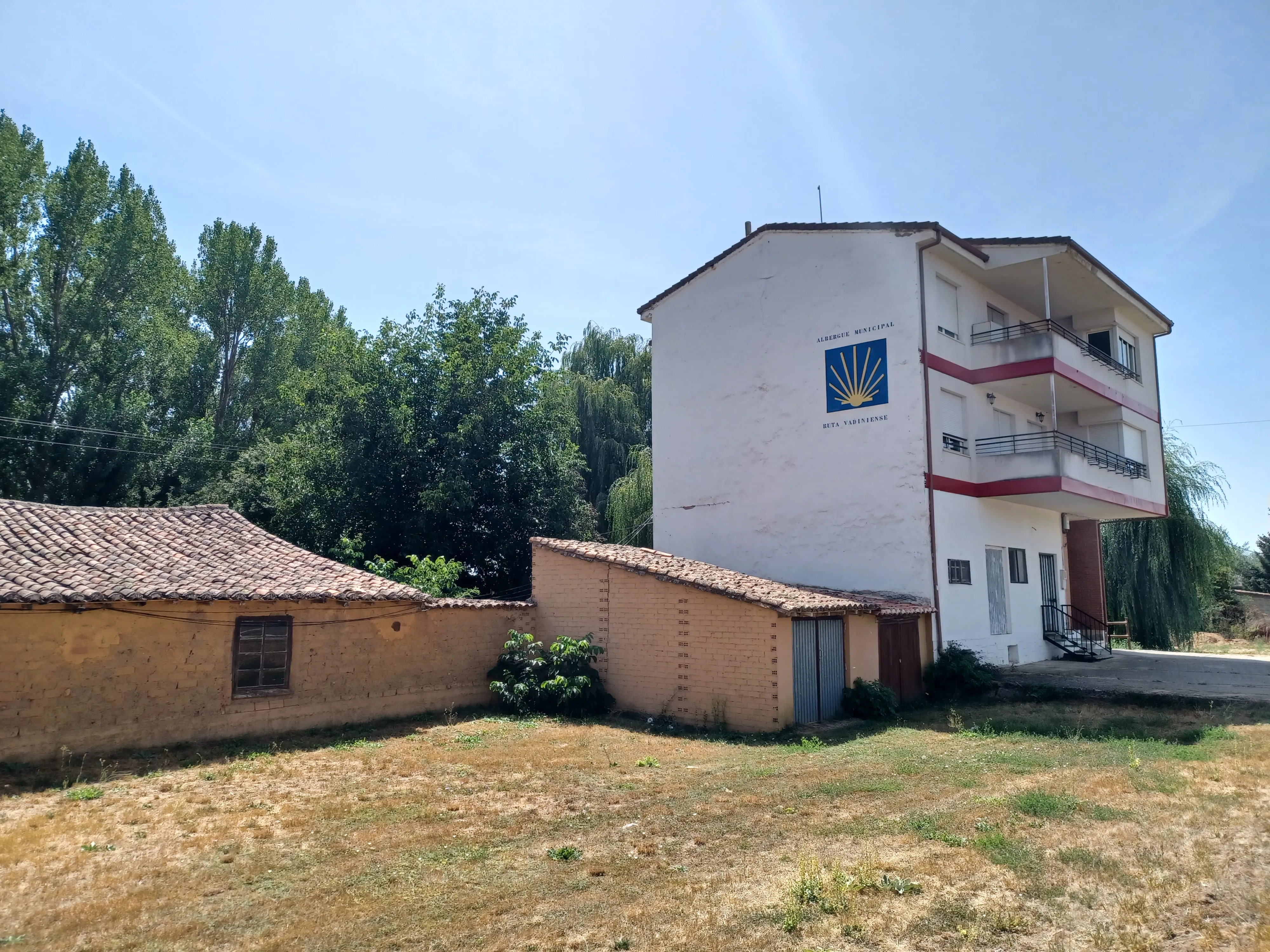
The Vadiniense Route, or the Santiago Vadiniense Way, is a historical itinerary that connects two important pilgrimage centers: the Monastery of Santo Toribio de Liébana (Cantabria) and the French Way. Starting from Potes, it covers 150 km to Mansilla de las Mulas (León).
Stages of this variant:
Stage 1: St. Vincent of the Harbour to Cades
Stage 2: I couldn't find any information on "Cades a Cicera". Could you provide more context or clarify what it means?
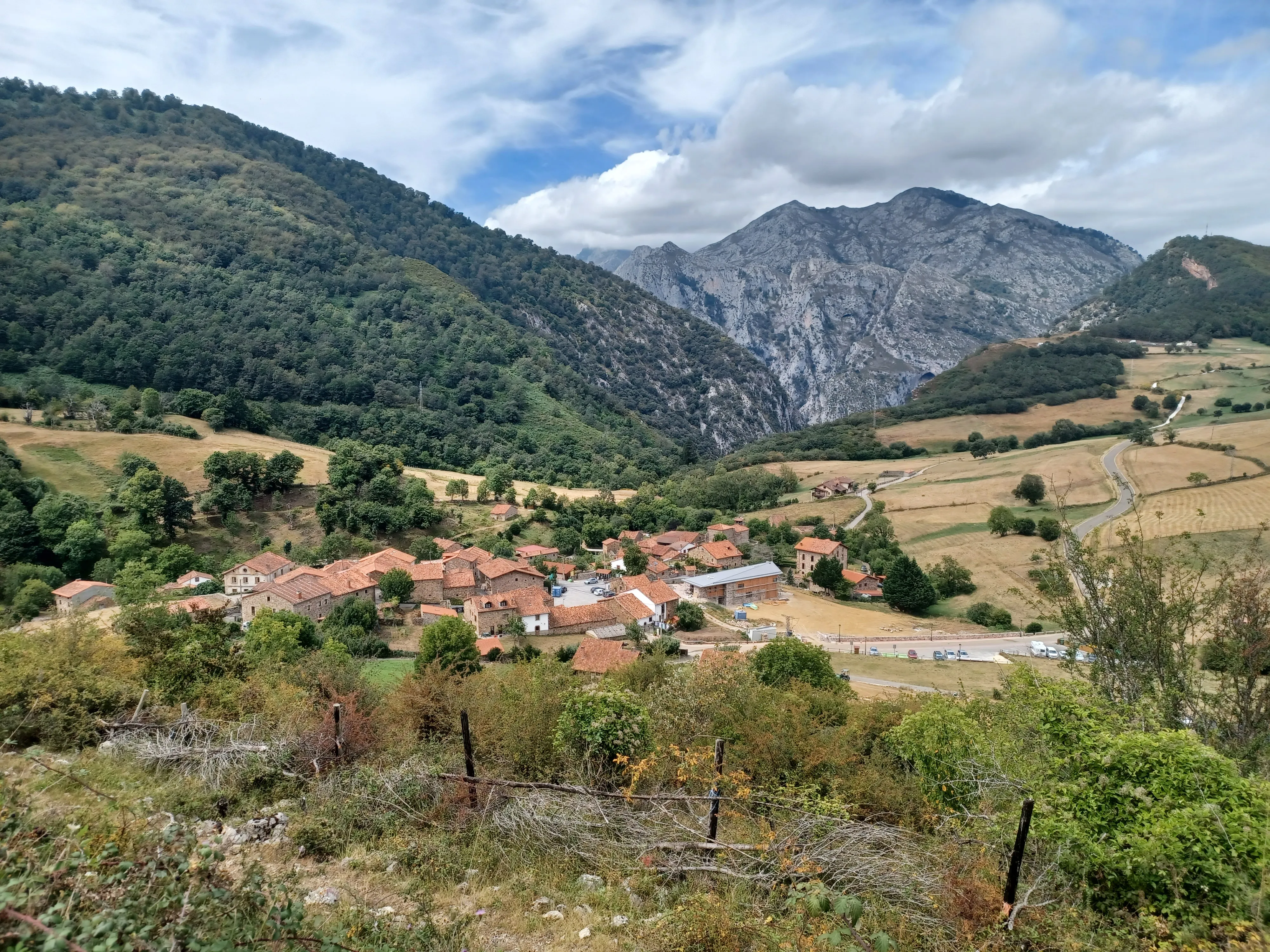
Stage 3: Cicero to Pompey
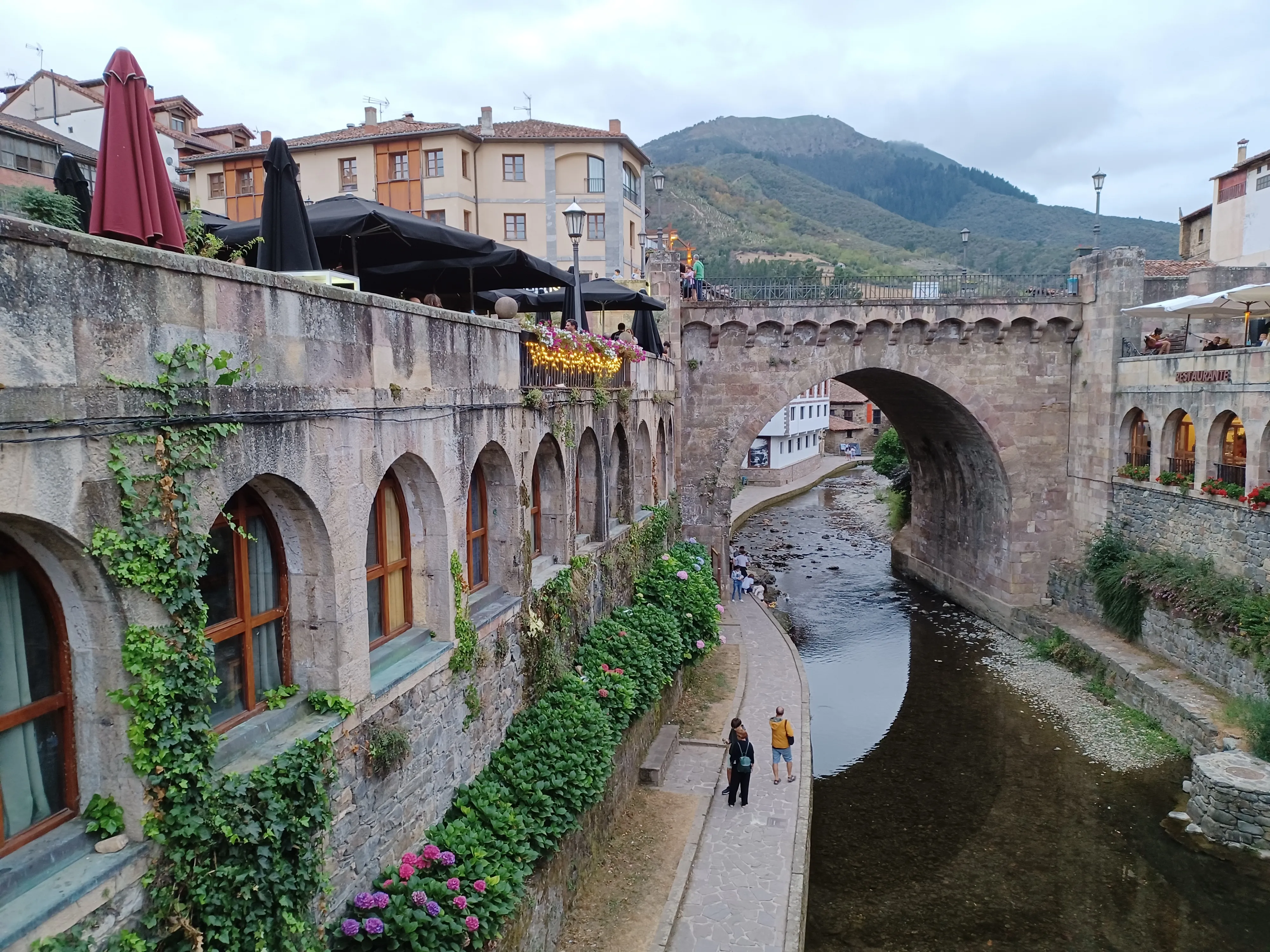
Stage 4: Potatoes in Spaghetti Sauce
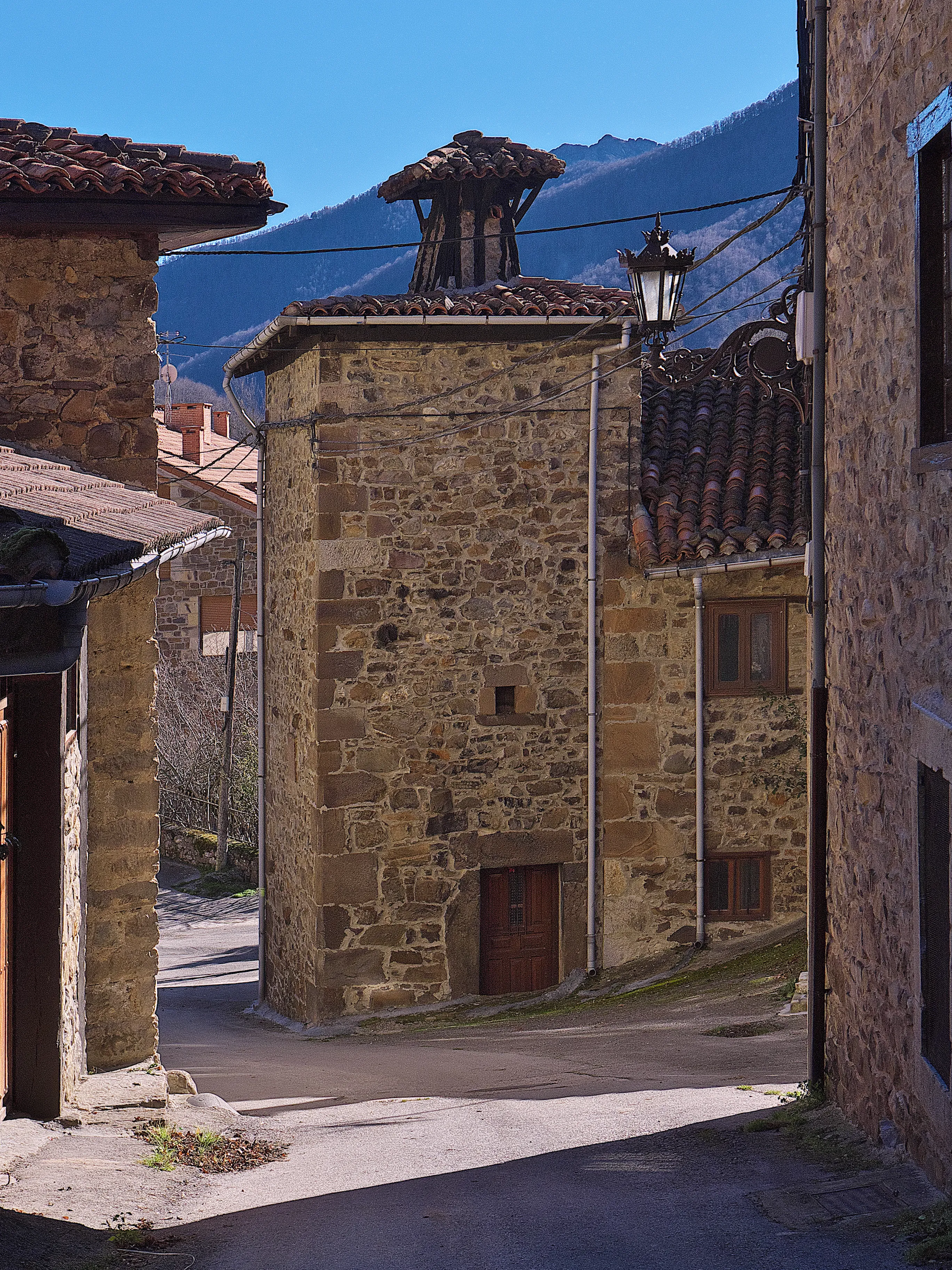
Stage 5: Spider's web around Queen's gate
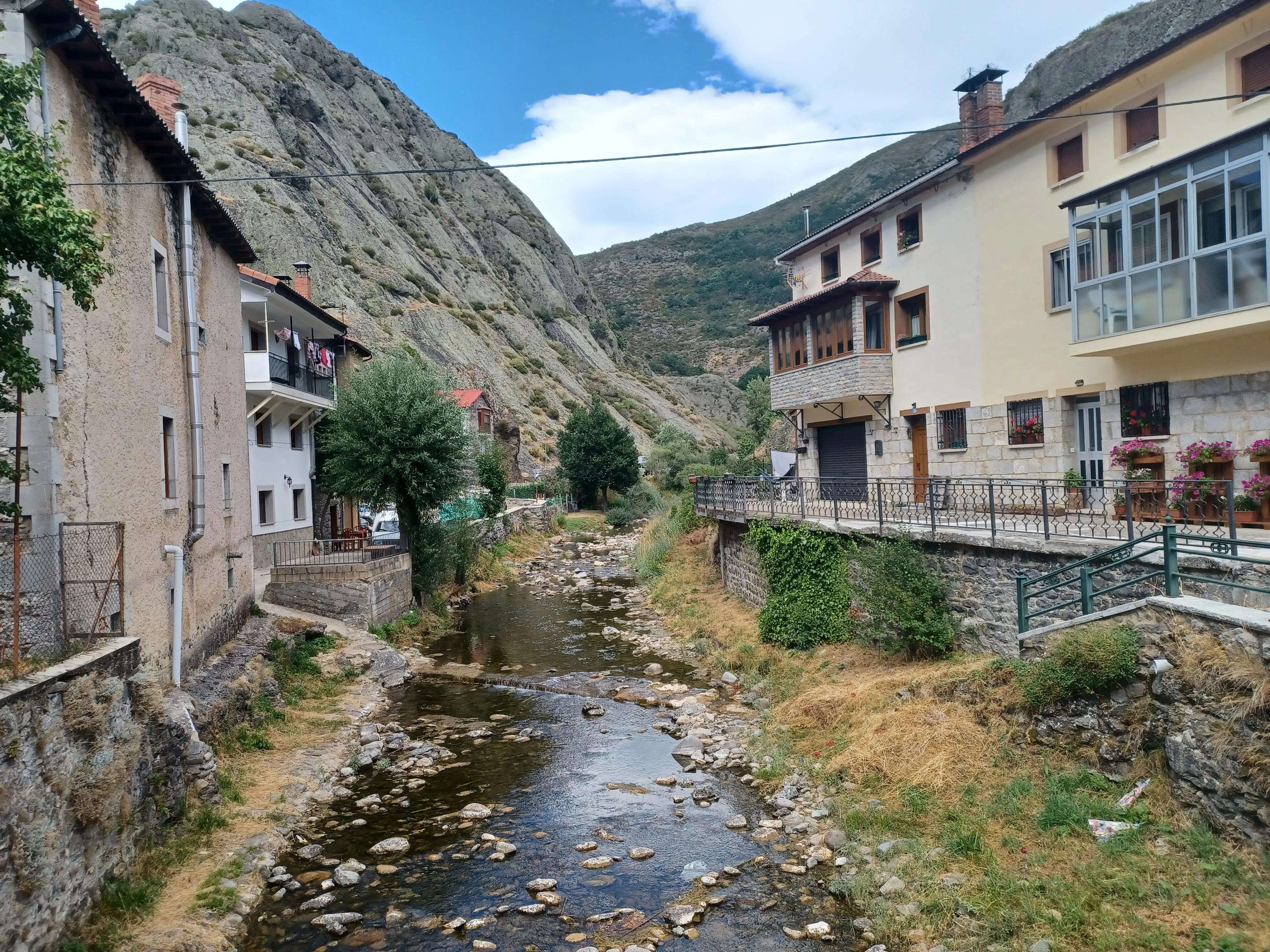
Elevation Profile of
Elevation Profile of Lebanese Castellano Way
Visualize the ups and downs of the route.
Loading elevation profile...
Error loading elevation profile or altitude data not available.
Your trip with Ourway
Everything you need for your Camino
No hassle. Your perfect route, from start to finish.
Accommodation
Selected hotels and hostels at every stage
Luggage transfer
Your backpack travels from stage to stage
Camino Guide
Detailed map with directions and services
24h Support
Team available for any unforeseen event
Pilgrim credential
Official documentation included
No commitment
Free personalized consultation
Stages
Stages of Lebanese Castellano Way
Palencia → Amayuelas de Abajo
The first stage of the Castellano Lebaniego Way starts from the capital palentine to enter the vastness of the Land of Campos. It is a long and completely flat journey, that runs along earth paths bet...
Amayuelas de Abajo → Frómista
This is a short and flat stage that connects two key points of the Palentian Romanesque. The route follows the plains of Tierra de Campos on an enjoyable stroll that allows for rapid progress. The rou...
Frómista → Osorno la Mayor
This stage continues across the Plain of Tierra de Campos, on completely flat terrain. It is a transitional day that runs through an agricultural landscape with extensive areas. The route, comfortable...
Osorno la Mayor → Herrera de Pisuerga
This stage says goodbye to the Field of Campos to enter the Pisuerga River valley. The profile remains mainly flat, on a pleasant stroll through a landscape that is becoming increasingly green and woo...
Herrera de Pisuerga → Perazancas de Ojeda
This stage marks the beginning of the ascent to Palentina Mountain. The profile becomes more demanding, with a continuous up and down through a landscape of hills and valleys. The route enters the La ...
Perazancas de Ojeda → Cervera de Pisuerga
This stage continues through the Palentine Mountains, on a wavy terrain of great beauty. The road approaches the Natural Park of Fuentes Carrionas and Fuente Cobre, an area of high mountain. The route...
Towns
Featured Towns of Lebanese Castellano Way
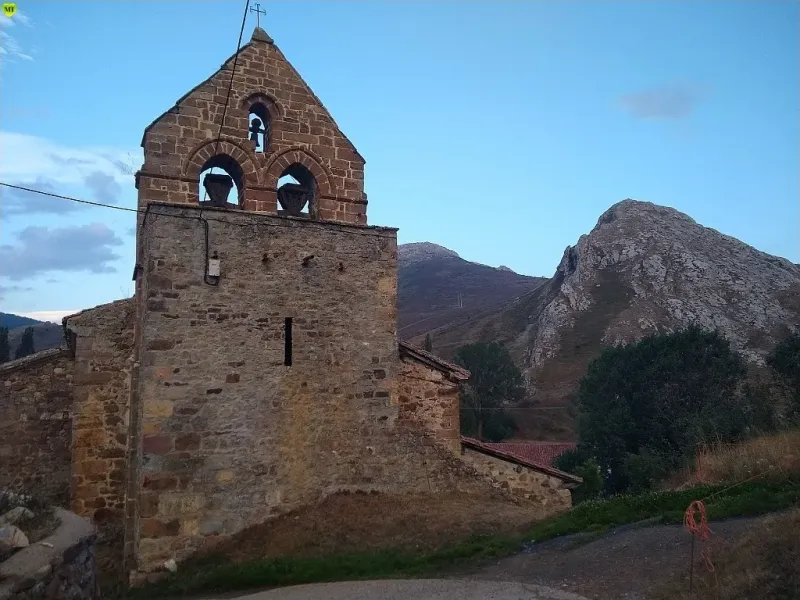
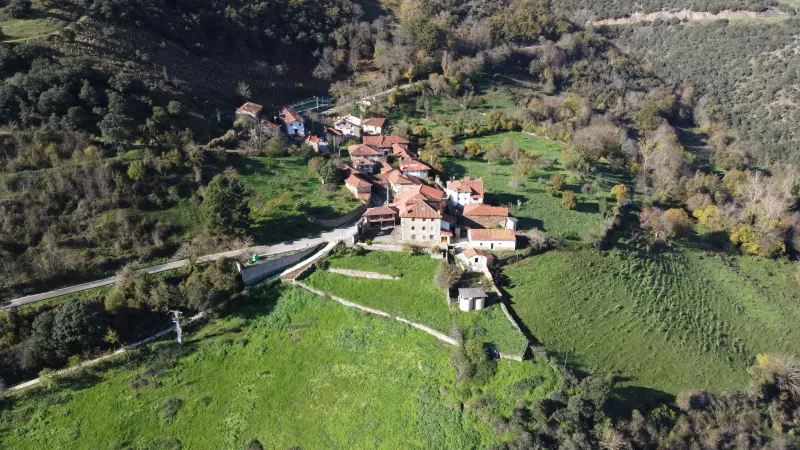
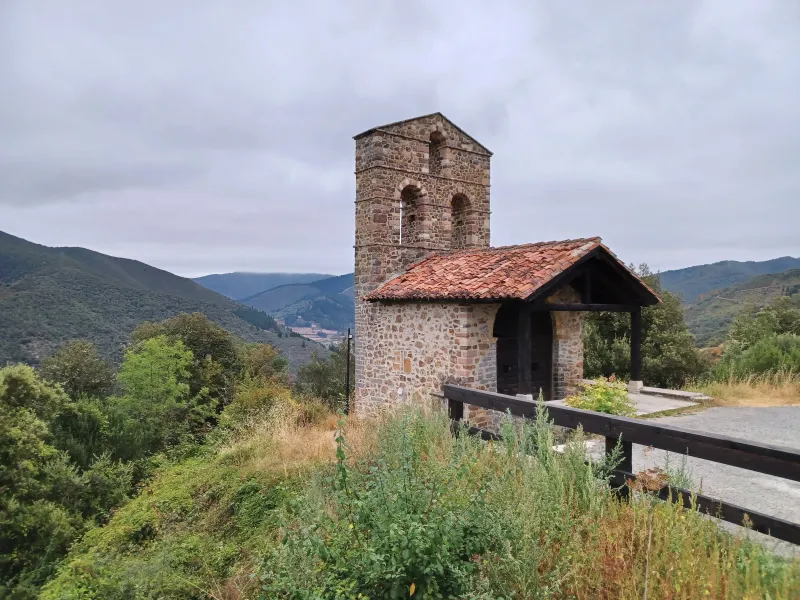
Explore the key towns and cities of this route.
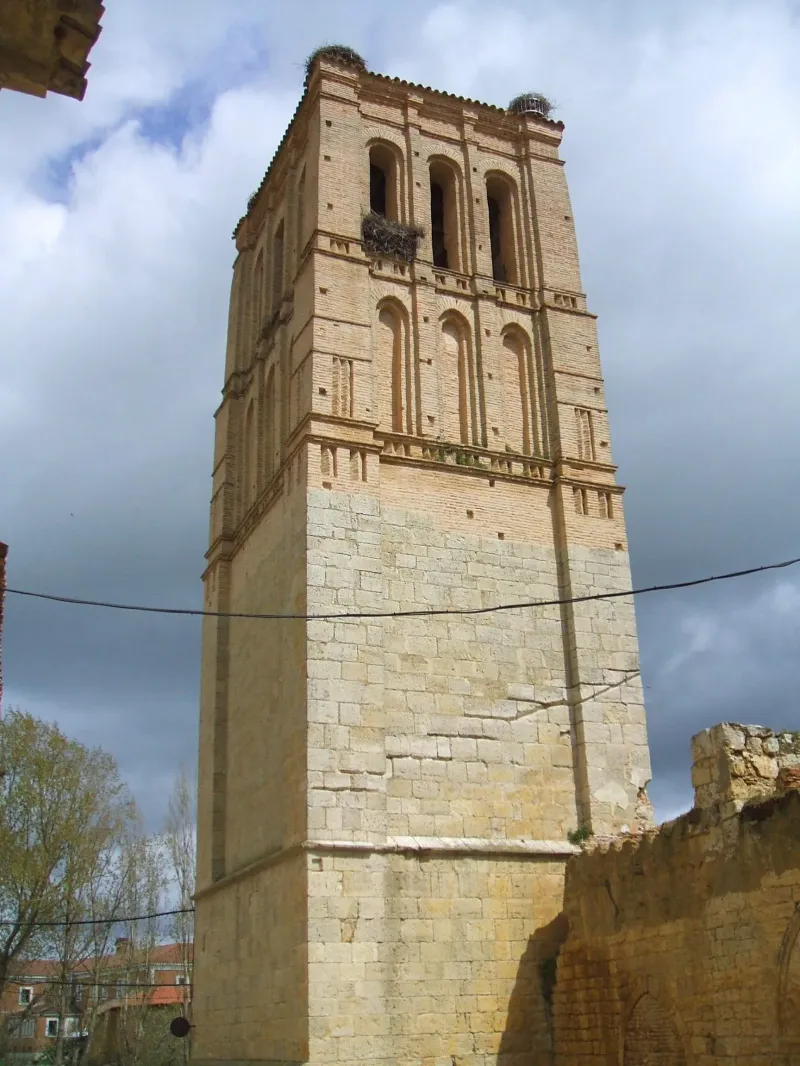
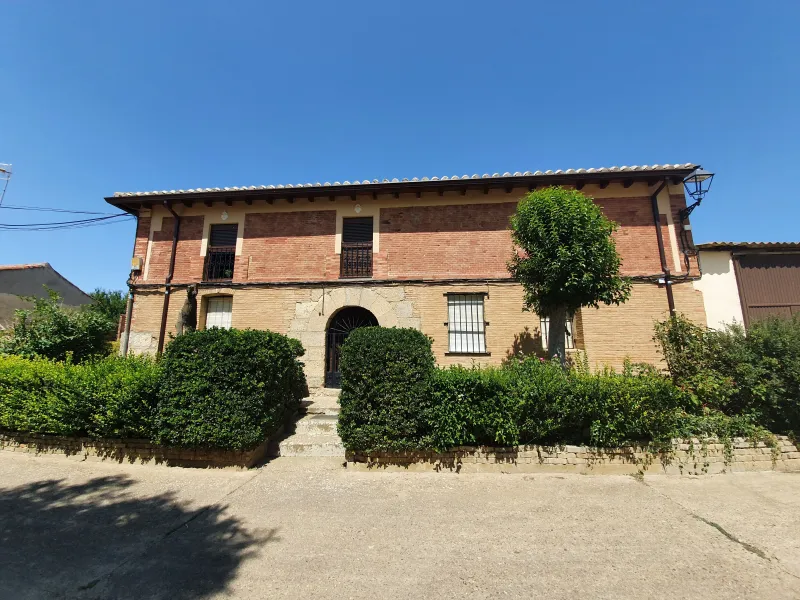
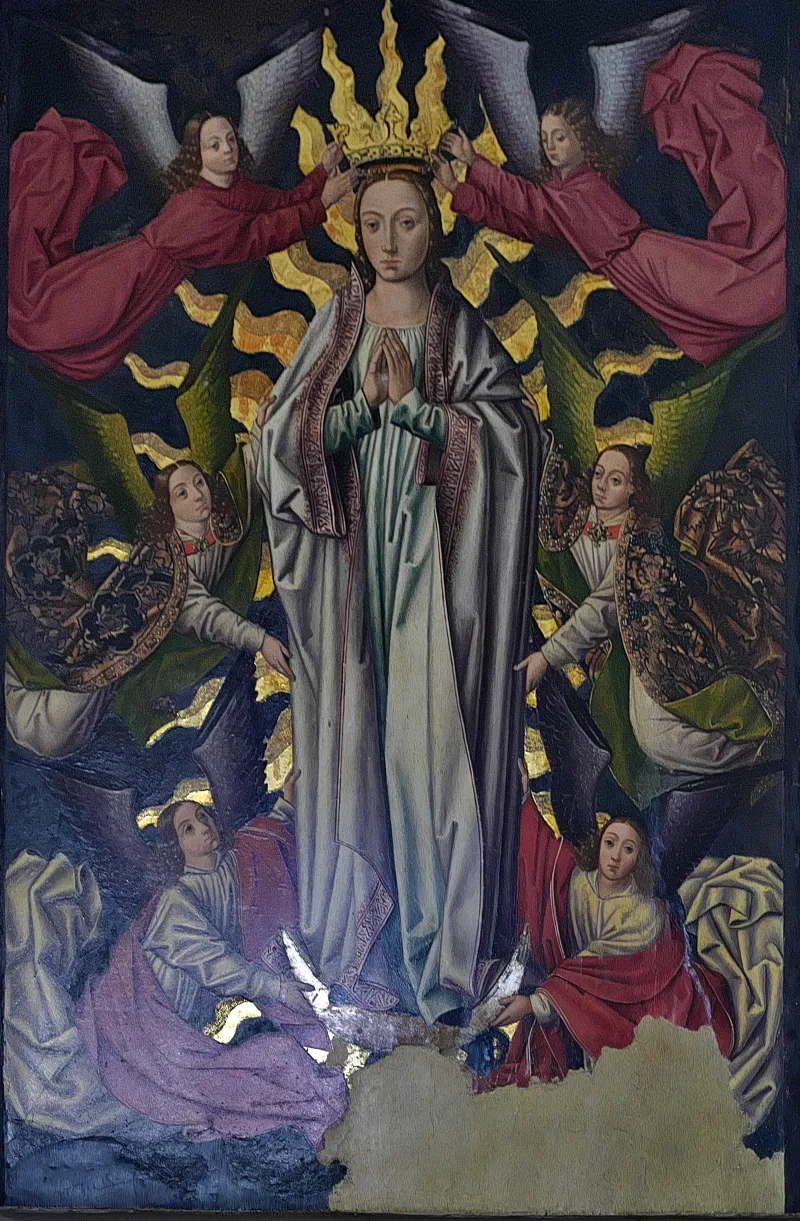
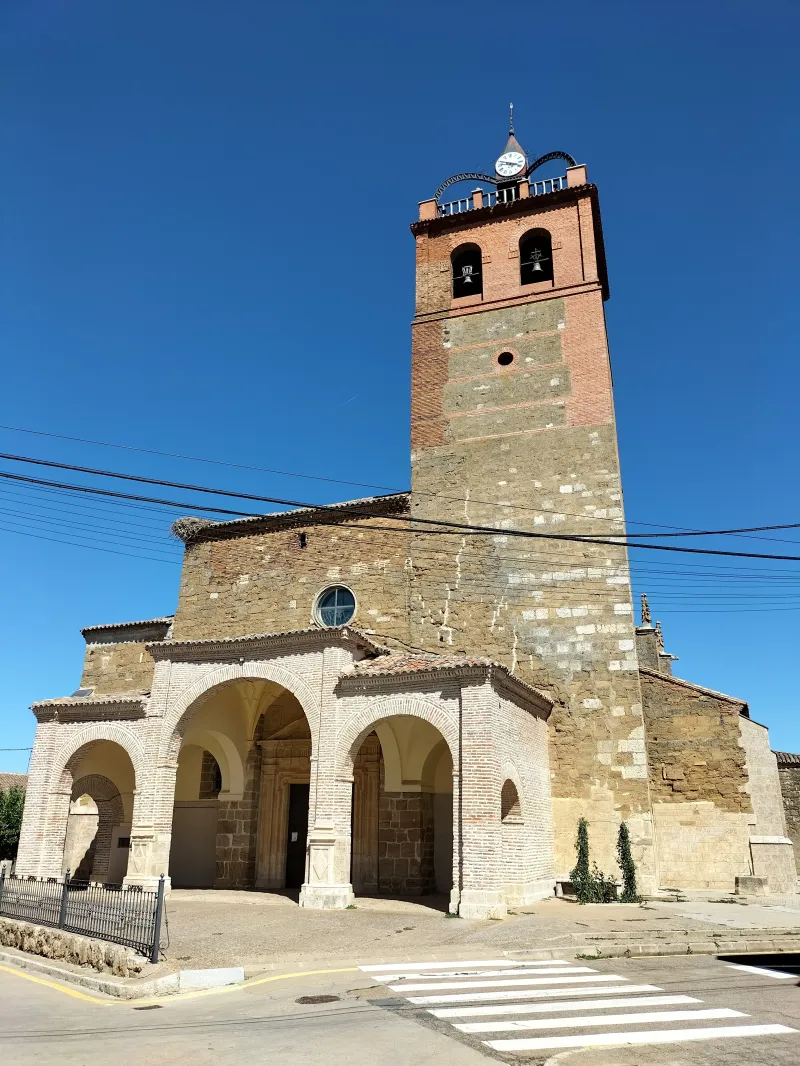
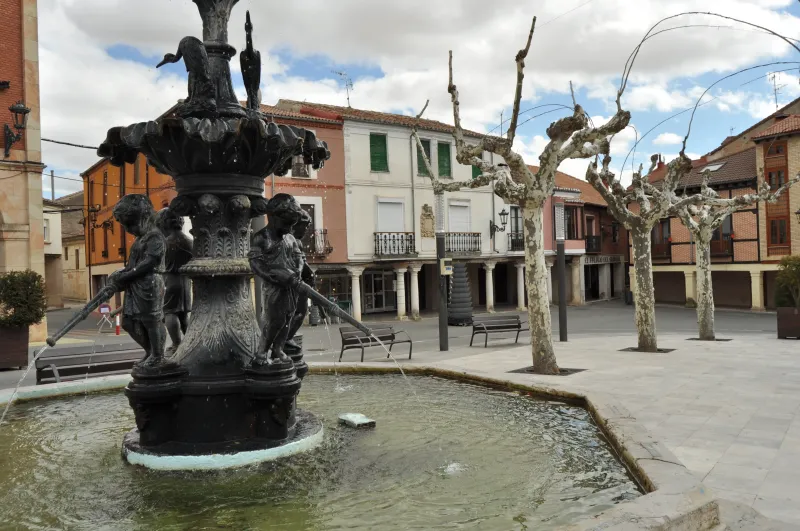
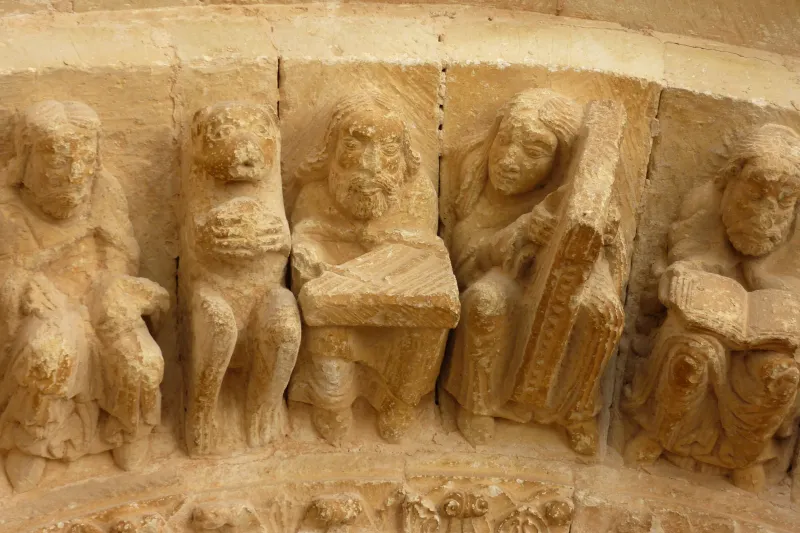
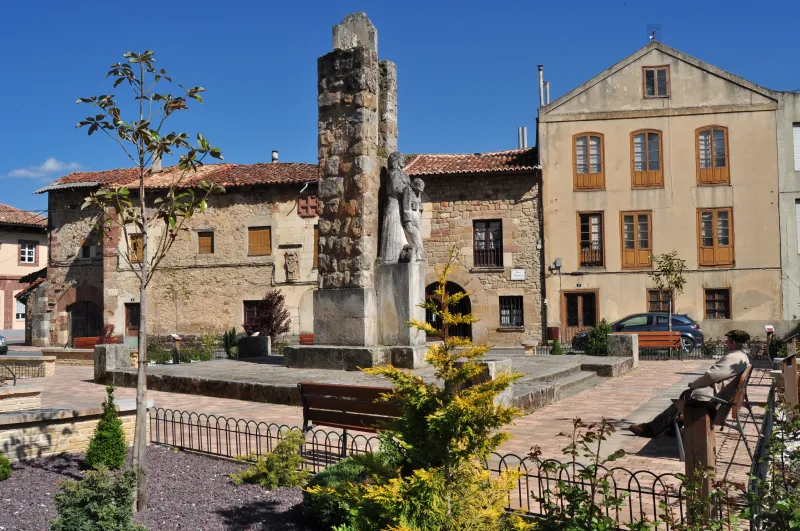
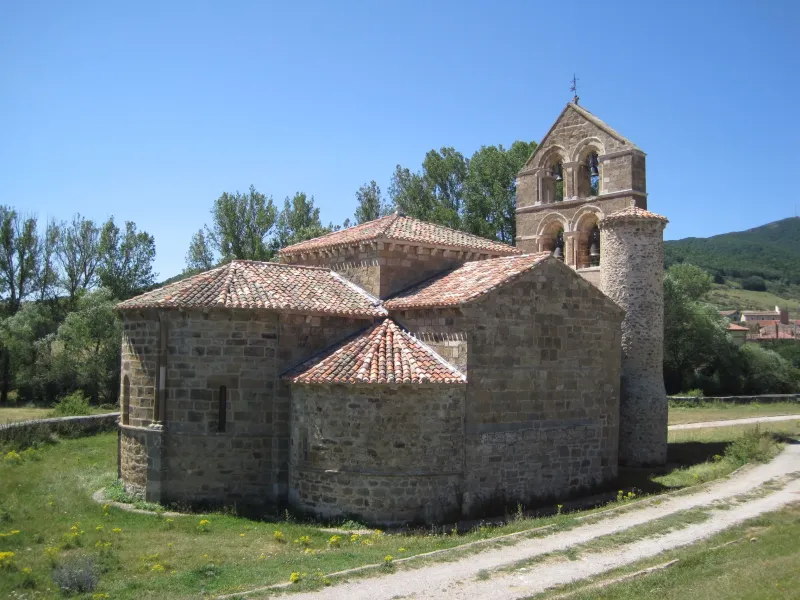
History
Millenary History of the Camino de Santiago: Origins and Evolution Lebanese Castellano Way
Discover the origins and evolution of Lebanese Castellano Way
Its origins are in the medieval network of roads that underpinned Castile. Pilgrims from Palencia, Valladolid or further south who wanted to pilgrimage to Liébana did not need to make the long journey to the Cántabrian coast to start their ascent. Instead, they followed established routes that led directly north towards the imposing barrier of the Cantabrian Mountains. Although there are various variants, the most recognized and recovered in modern times traditionally starts from the city of Palencia, an important ecclesiastical and civil center in medieval times.
From Palencia, the route goes north, following its initial stages through the fertile valley of the River Carrión. It passes through the Tierra de Campos comarca, a landscape of cereal fields that contrasts radically with the mountainous environment that awaits the pilgrim. A point of interest in these early stages is its crossing with the Camino Francés near Carrión de los Condes. Here, the two great flows of pilgrimage touched but followed perpendicular directions: one towards the west to Santiago; the other towards the north to Santo Toribio.
As the route progresses, it enters the Palentina Mountains, one of Europe's areas with the highest concentration of Romanesque art. Localities such as Saldaña and Guardo mark the transition to a more abrupt and mountainous landscape. The medieval pilgrim found not only spiritual comfort in the Romanesque churches and hermitages of the area but also an artistic reflection of their own faith. This section of the route is an authentic outdoor museum.
The most demanding part of the journey was undoubtedly the crossing of the Cantabrian Mountains to enter the Liébana comarca. The pass was made through mountain passes such as Piedrasluengas, a challenge that tested the endurance and determination of walkers. Once the dividing line had been crossed, the route descended precipitously into the valley of Liébana, offering the pilgrim breathtaking views of the Picos de Europa as a reward for their effort. The final stretch ends in Potes, the capital of Lebonia, where it joins other pilgrims to complete the final stage to the Monastery of Santo Toribio.
Although historically it was a more regional and less traveled route than the great Jacobean paths, its importance as a corridor of faith between the Meseta and Liébana is undeniable. Its modern recovery offers today an alternative that is more solitary and demanding, ideal for those seeking a deep pilgrimage experience, enjoying the incredible transition from the infinite plain of Castile to the majesty of the Picos de Europa.
We answer your questions
Frequently Asked Questions about Lebanese Castellano Way
How long does the Castilian Lebaniego Way from Palencia to Santo Toribio de Liébana take?
The Castilian Lebaniego Way is a total of 227 kilometers and is typically completed in about 9 days, allowing for an enjoyable pace that lets you appreciate the landscape and historical heritage.
When is the best time to do the Lebaniego Castilian Way?
The best time to undertake this route is during the mid-season, specifically from April to June and September to October. During these periods, you can enjoy mild weather and a lower number of pilgrims.
What does Ourway Travel's package for the Camino Lebaniego Castellano include?
Ourway Travel's package for the Camino Lebaniego Castellano includes selected hostels and hotel accommodation, daily luggage transfer, detailed route maps, and 24/7 assistance. We also provide you with a pilgrim credential.
How does the Camino Lebaniego Castellano compare to other routes to Santiago?
The Camino Lebaniego Castellano offers a less crowded and more peaceful journey compared to popular routes like the French Way or the Northern Way. It traverses beautiful landscapes of Montaña Palentina and Cantabria, allowing pilgrims to discover rich Romanesque heritage without the typical crowds found on other well-trodden paths.
What is the difficulty of the Camino Lebaniego Castellano and what kind of physical preparation is needed?
The Camino Lebaniego Castellano has a moderate difficulty due to its ascents in Montaña Palentina. It is recommended to do hiking training before the trip to get used to the distances and elevation changes.
What is the total cost of a full trip with Ourway Travel on the Camino Lebaniego Castellano?
The total cost for a full trip with Ourway Travel along the Camino Lebaniego Castellano varies depending on your chosen accommodation and season. Our team will contact you to provide a personalized quote based on your specific needs.
How can I book my trip along the Camino Lebaniego Castellano with Ourway Travel?
To reserve your journey through Ourway Travel, simply fill out our online form or contact us directly via email. Our specialized team will handle all reservations and logistical details to ensure a hassle-free experience.
What should I do if I lose my pilgrim's credential during the Camino Lebaniego Castellano?
If you lose your pilgrim's credential during the journey, it is important to replace it so that you can continue with services and accommodations at hostels. Ourway Travel will provide you with a new credential and assistance to process it quickly.
Organize Your Camino
Ready for this adventure?
Lebanese Castellano Way