
Complete Guide to Manchegan Way
The Manchega Way connects Ciudad Real with Toledo. A route through the heart of La Mancha, land of Don Quixote, that serves as a link for pilgrims to the great northern routes.
Last updated: 28/03/2026
Table of Contents
Technical Summary of Manchegan Way
113 km
Distance
5
days
5
Stages
Media
Difficulty
29 accommodations available on the route
Introduction to Manchegan Way
This path traverses emblematic landscapes of La Mancha, evoking the journeys of Don Quixote. It passes through localities with history such as Consuegra, with its famous windmills, and allows to enjoy the gastronomy and culture of this Castilian region.
All Stages of Manchegan Way
Complete route divided into 5 stages
City of Truce to Malagon
This is the final stage of the Primitivo Way as an independent route. It's a trek through a "rocky terrain" that crosses the Sierra do Careón, the last mountainous obstacle. The landscape is of great ...
Malagon to Urda
Leaving behind the capital city, this stage enters the Torozos Mountains, a zone of highlands and hills. The profile becomes more demanding, with continuous ups and downs. The landscape is austere in ...
Locking up Los Yébenes
This is the last stage of the Madrid Way before joining the French Way. It's a short and flat journey that brings the pilgrim to the historic village of Sahagún. The route is an enjoyable stroll throu...
The Yébenes at Sonseca
The exit from the monumental Zamora takes you to an era of transition across the Zamoran plateau. The profile is a gentle ascent, almost imperceptible, through a landscape of cereal fields. It's a jou...
Sonseca is near Toledo
This stage continues over the Zamora plain, in a flat terrain with no difficulties. The landscape remains dominated by fields of grain. It is a transition day that leads the pilgrim to a key point on ...
Key Towns of Manchegan Way
The most important towns and cities on this route.
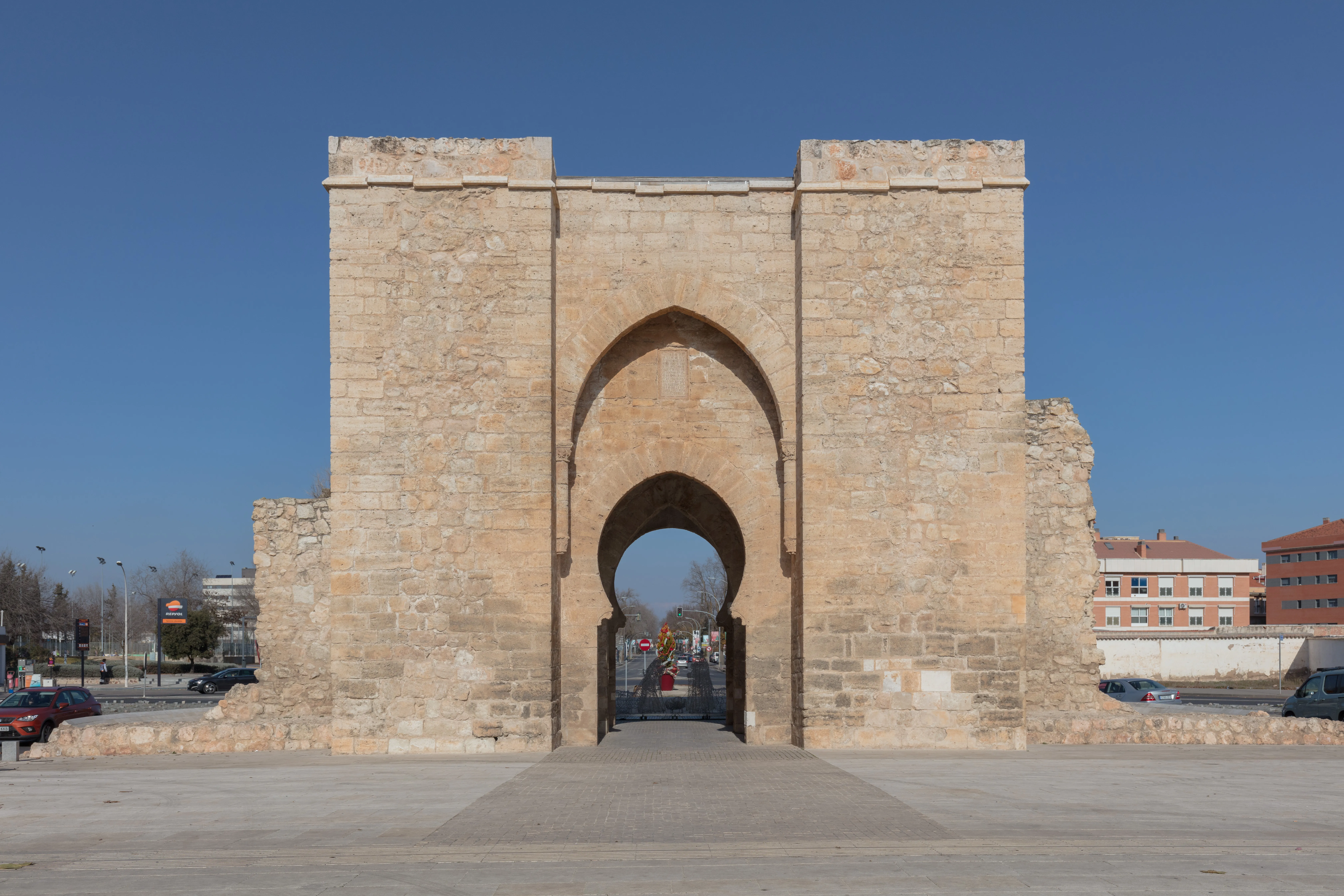
Ciudad Real
Manchegan capital and starting point of the Camino Manchego. Its Toledo Gate and its heritage linked to Don Quixote offer a cultural route beginning in the heart of La Mancha.
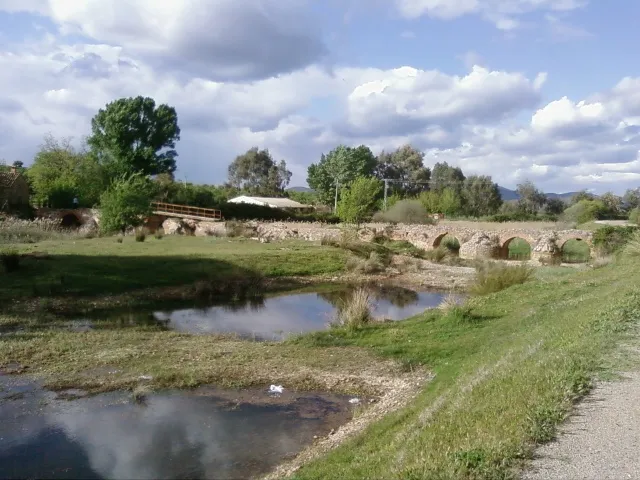
Malagón
640 mMunicipality of Ciudad Real with a past linked to the Order of Calatrava. Malagón is an operational stop on Manchegan routes, with services and a rural environment.
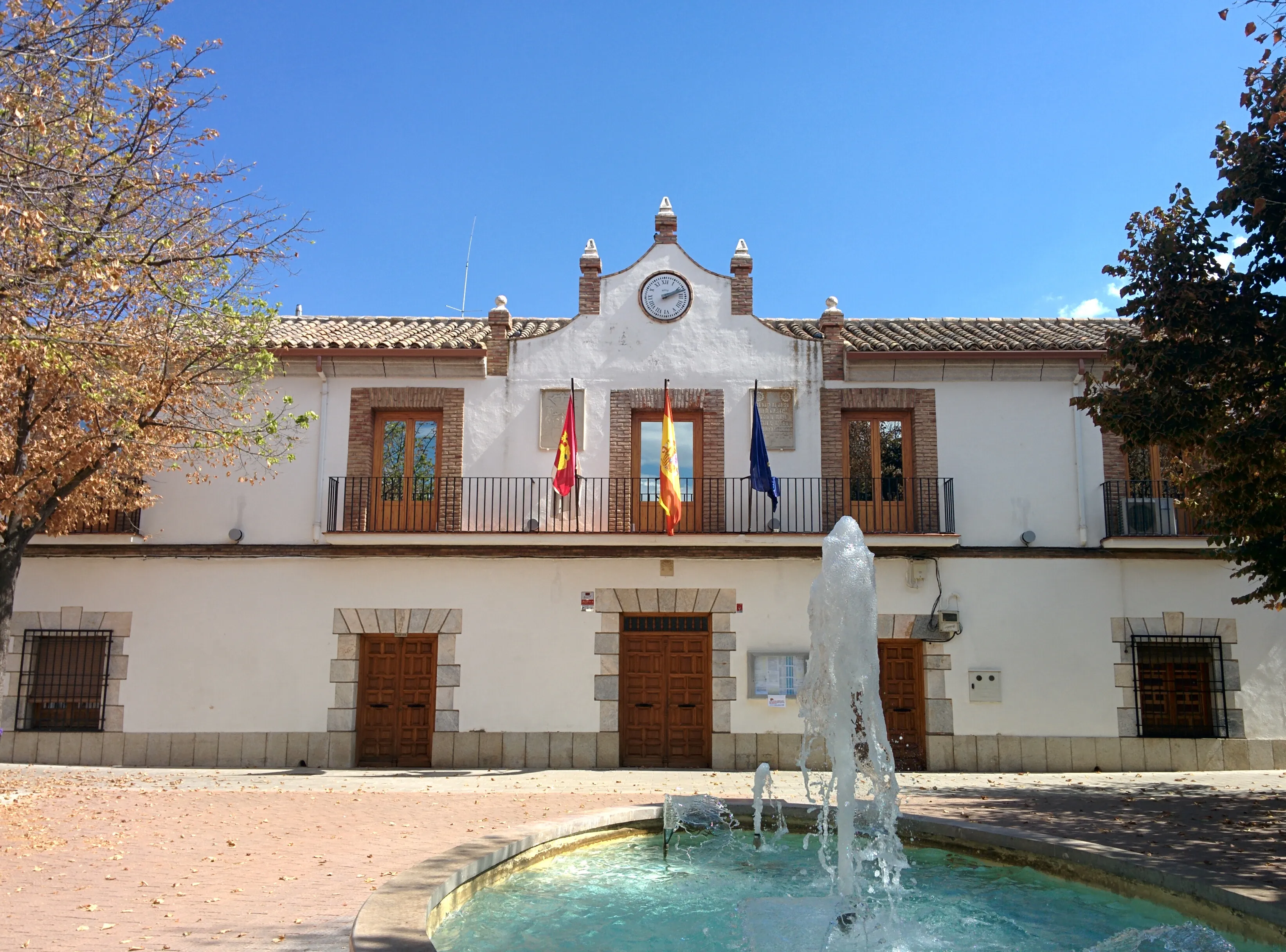
Urda
760 mTown in Toledo, famous for its Hermitage of the Holy Christ of the True Cross. Urda is a center of popular devotion and a traditional stop on the Way.
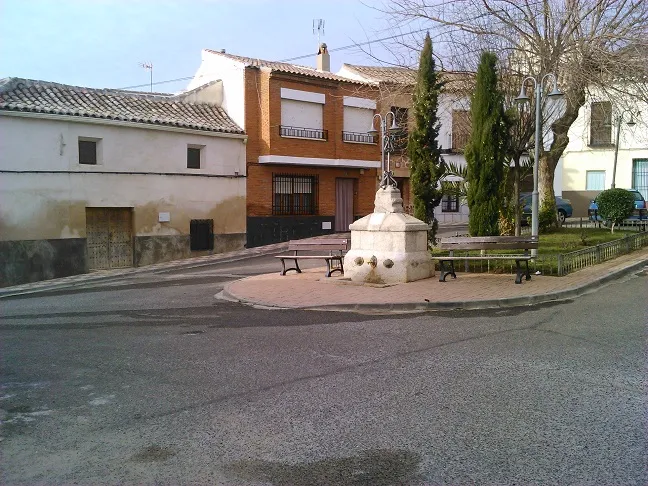
Los Yébenes
800 mGate of the Mountains of Toledo. The Yébenes, with its natural surroundings and two historic neighborhoods, is a stop that offers nature and history on the Jacobean routes of La Mancha.
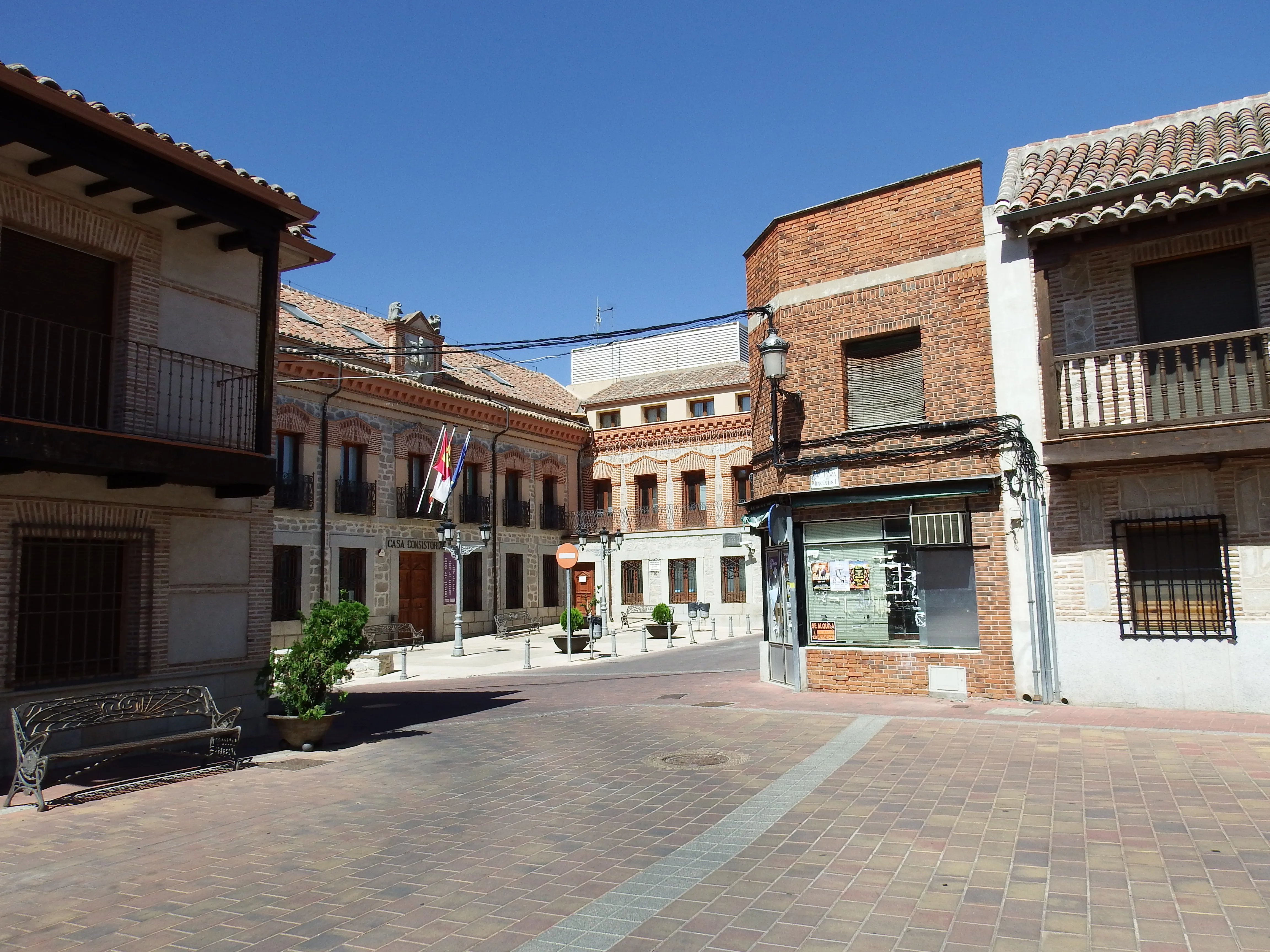
Sonseca
780 mImportant Toledan village with a great tradition of artisanal marzipan. Sonseca is a functional and lively stop, with all the services for the pilgrim on the Southeastern Way.
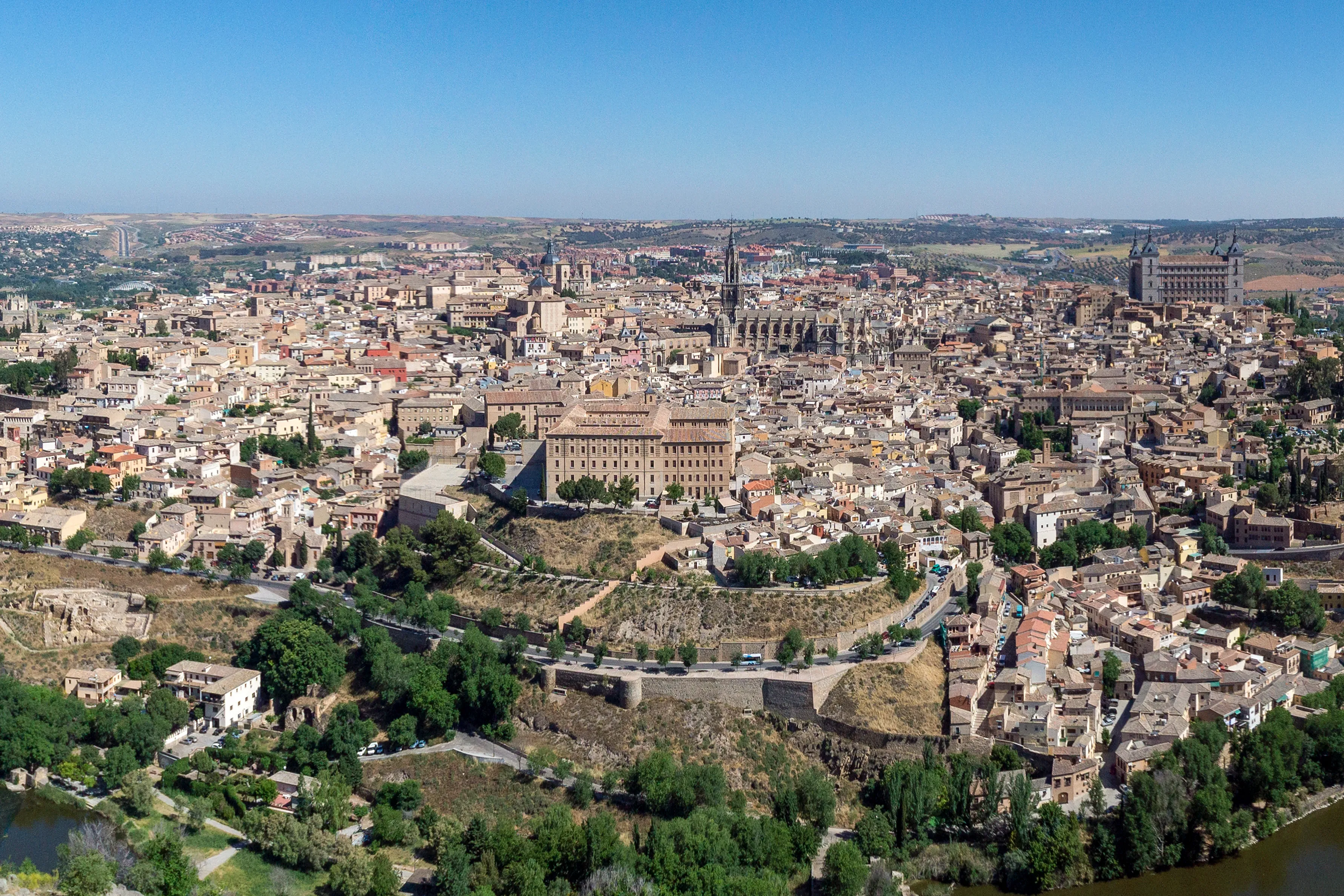
Toledo
The "Imperial City" and of the Three Cultures, end of the Manchego Path. Toledo, a World Heritage Site, is a monumental stop that overwhelms the pilgrim with its beauty and history.
History of Manchegan Way
The history of La Mancha in the Middle Ages is the story of a borderland, a vast territory reconquered from Muslims between the 11th and 13th centuries. To ensure its defense and repopulation, Christian kings gave large tracts of land to powerful military orders. The Campo de Calatrava, from which this route starts, was the fiefdom of the Order of Calatrava, the first purely Hispanic military order. Further east, the Order of Santiago dominated. These orders, composed of monk-soldiers, not only fought but also administered territory, built castles, churches, and encomiendas. The spiritual Jacobeanism was, therefore, part of a significant portion of the region.
It is in this context that the logic of the Manchego Way emerges. Although it is not recorded under that name in medieval pilgrimage guides, it is undeniable that knights from orders, clergy, and inhabitants of their lordships embarked on the journey to Santiago. To do so, they followed real roads and trails connecting their encomiendas and strongholds. The most natural route for them was to head north towards the great spiritual and administrative center of the region: the city of Toledo.
The modern tracing of this path, recovered by Jacobean associations in Castilla-La Mancha, seeks to recreate this logical itinerary. Starting from Ciudad Real, a village founded by King Alfonso X the Wise in the 13th century, it enters the Manchego landscape. It passes through emblematic places, such as the surroundings of the Parque Nacional de las Tablas de Daimiel, and arrives at Consuegra. The image of its medieval origin castle, which belonged to the Knights Hospitaller, flanked by the iconic windmill crest, is one of the high points of the journey, a place where history merges with literary legend in Don Quixote.
The destination of the route is the imperial city of Toledo, the ancient Visigothic capital and, for centuries, the most important city in Castilla. For a medieval Manchego pilgrim, reaching Toledo was already a great pilgrimage in itself. After venerating the relics of its imposing cathedral, they could continue their journey to Santiago. From Toledo, options were several: they could join the Camino de Levante coming from Valencia and passing through the area, or continue north to link with the Camino de Madrid.
The Manchego Way is therefore an offshoot, a connecting route that channeled the faith of inhabitants of a land marked by the spirit of crusade and literature. Walking it today is an opportunity to walk through the history of military orders and the landscapes that inspired the most universal novel in Spanish literature, all part of the long journey towards Compostela.
Accommodations on the Route
The Manchegan Way has 29 verified accommodations along the entire route.
View Stages & AccommodationsPractical Tips for Manchegan Way
Best Season
Spring (April-June) and autumn (September-October) are the best seasons. Pleasant temperatures and fewer crowds than summer.
Physical Preparation
Train by walking progressively in the months before. Start with short distances and increase. Your body will adapt to the rhythm of the Camino.
What to Pack
Light backpack (max 10% of your weight), worn trekking shoes, breathable technical clothing, raincoat, sunscreen and basic first aid kit.
General Tips
Carry the pilgrim credential, stay hydrated, respect your pace, book accommodation in high season and enjoy the journey without rushing.
FAQ about Manchegan Way
El Camino Manchego tiene una longitud total de 113 km, lo que generalmente requiere alrededor de 5 días para completarlo a un ritmo moderado. Este camino atraviesa la región histórica de La Mancha y es ideal para quienes desean explorar los paisajes emblemáticos relacionados con Don Quijote.
La mejor época para realizar el Camino Manchego son las temporadas de primavera y otoño, específicamente en los meses de abril a junio y septiembre a octubre. Durante estas épocas, se disfruta de un clima templado y una menor afluencia de peregrinos, lo que permite un viaje más tranquilo y cómodo.
Ourway Travel ofrece un paquete completo para tu experiencia en el Camino Manchego. Nuestro servicio incluye la reserva de alojamientos seguros y cómodos, así como la gestión de transporte local si es necesario. Además, proporcionamos información detallada sobre los puntos turísticos y culturales que visitarás en cada etapa del camino.
El costo total para realizar el Camino Manchego puede variar según las necesidades específicas y las fechas de viaje. En Ourway Travel, ofrecemos paquetes personalizados que incluyen alojamiento, transporte local (si es necesario), información sobre puntos turísticos y asesoría antes del viaje. Si quieres conocer el precio exacto para tu itinerario particular, te recomendamos contactarnos directamente.
El Camino Manchego ofrece una experiencia única al combinar paisajes emblemáticos asociados a la historia de Don Quijote con un nivel moderado de dificultad. A diferencia de los caminos costeros o montañosos como el del Norte, esta ruta presenta principalmente terreno llano, lo que es ideal para peregrinos buscando una experiencia más accesible y culturalmente rica en la Península Ibérica.
El Camino Manchego es una excelente opción para aquellos interesados en combinar la historia medieval de España con el patrimonio cultural contemporáneo. Este camino te lleva a través de paisajes históricos que evocan las andanzas de Don Quijote, mientras también permite explorar ciudades y pueblos modernos llenos de vida local y tradiciones actuales.
Para obtener la credencial del peregrino en el Camino Manchego, puedes solicitarla antes de tu viaje a través de nuestra oficina de Ourway Travel o en cualquier punto de inicio del camino. La credencial es necesaria para certificar que estás realizando una ruta jacobea y te permitirá recibir descuentos en alojamientos y restaurante durante tu travesía.
Reservar el Camino Manchego con Ourway Travel es sencillo. Solo necesitas visitar nuestro sitio web y completar el formulario de reserva, proporcionando tus fechas preferidas y cualquier información adicional que pueda ser relevante para tu viaje. Nuestro equipo se pondrá en contacto contigo para confirmar los detalles y gestionar todas las reservas necesarias.
Ready for this adventure?
Let us organize your pilgrimage. We take care of accommodations, transfers and everything you need.