
Camino de Santiago
Manchegan Way
The Manchega Way connects Ciudad Real with Toledo. A route through the heart of La Mancha, land of Don Quixote, that serves as a link for pilgrims to the great northern routes.
Organize your Manchegan WayLast updated: 21/05/2025
The Route
General Description of Manchegan Way
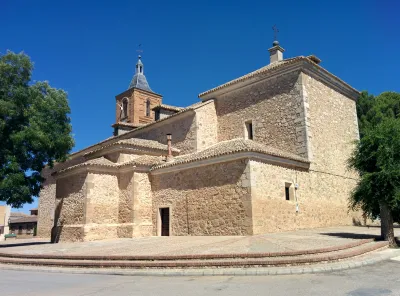
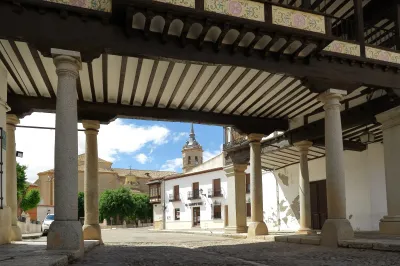
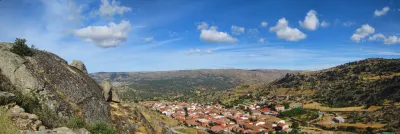
This path traverses emblematic landscapes of La Mancha, evoking the journeys of Don Quixote. It passes through localities with history such as Consuegra, with its famous windmills, and allows to enjoy the gastronomy and culture of this Castilian region.
Related Routes
Connections of Manchegan Way
East Coast Road
815 km
33
High
The Levante Way is one of the major Jacobean routes in the Peninsula. It connects Valencia with the Silver Road in Zamora, allowing for continuation to Astorga to join the French Way. Its route, over 800 km until Zamora, traverses the Central Plateau, passing through Castile-La Mancha and Castile and León.
It is a long and demanding route, especially in summer. It offers a deep immersion into interior Spain, with its vast landscapes and historic cities like Toledo and Ávila. Due to its length and the variability of services in some areas, it requires excellent planning.
Stages of this variant:
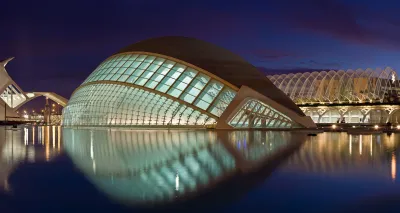
Stage 1: Valencia to Algemesí
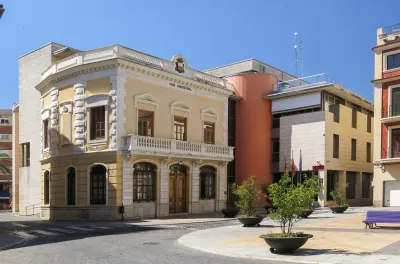
Stage 2: Algemesí to Xàtiva
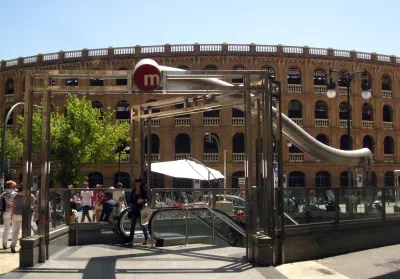
Stage 3: Xàtiva to Moixent
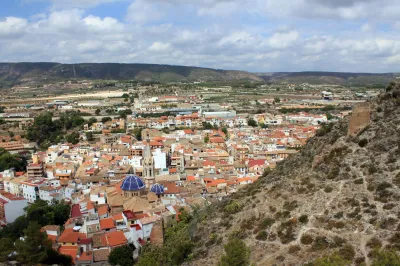
Stage 4: Moixent to La Font de la Figuera
Stage 5: La Font de la Figuera to Almansa
Elevation Profile of
Elevation Profile of Manchegan Way
Visualize the ups and downs of the route.
Loading elevation profile...
Error loading elevation profile or altitude data not available.
Your trip with Ourway
Everything you need for your Camino
No hassle. Your perfect route, from start to finish.
Accommodation
Selected hotels and hostels at every stage
Luggage transfer
Your backpack travels from stage to stage
Camino Guide
Detailed map with directions and services
24h Support
Team available for any unforeseen event
Pilgrim credential
Official documentation included
No commitment
Free personalized consultation
Walk this route with us
Fancy walking this route?
We don't have a ready-made package for this route yet, but we'll organise it around you. Tell us how you'd like to experience it and a specialist will reply within 24 h.
Request your proposalStages
Stages of Manchegan Way
Ciudad Real → Malagón
Leaving the capital, this stage enters the Campo de Calatrava region. The profile is flat and the landscape is dominated by fields of cultivation and inactive volcanoes that dot the plain. It's a tran...
Urda → Los Yébenes
Short stage (12 km) of the Camino Manchego that crosses the southern foothills of the Montes de Toledo. The route runs through olive groves, Mediterranean scrubland and holm oak groves along tradition...
Los Yébenes → Sonseca
Stage of the Camino Manchego through the Montes de Toledo, with an undulating route of about 22 km between pastures, oak groves and olive groves. The route passes through small rural towns and allows ...
Towns
Featured Towns of Manchegan Way
Explore the key towns and cities of this route.
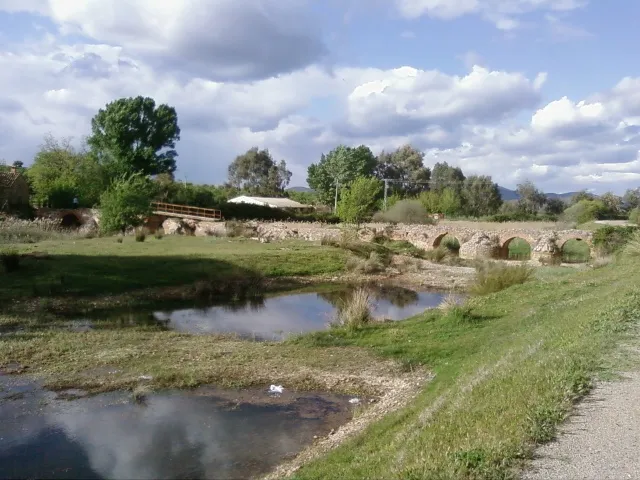
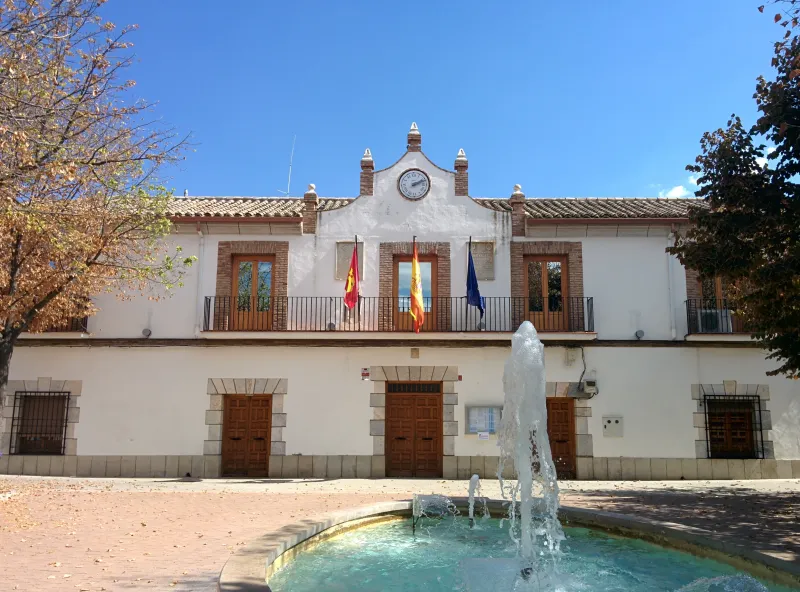
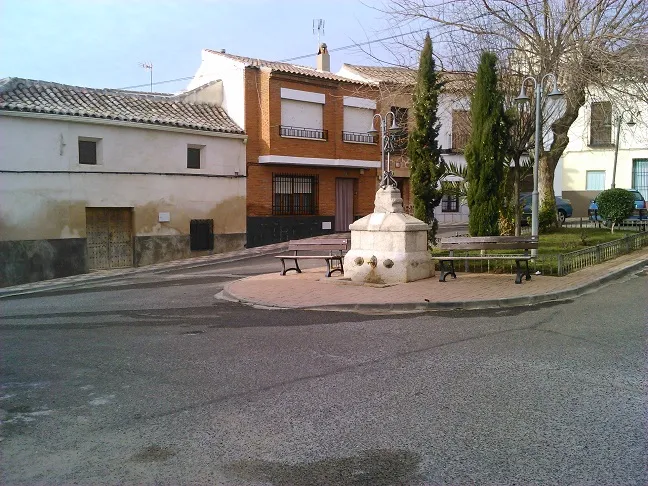
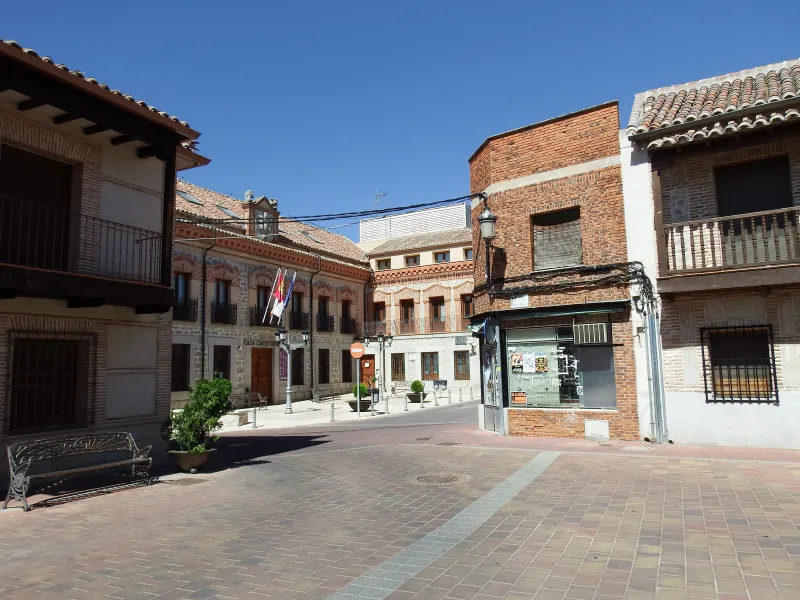
History
Millenary History of the Camino de Santiago: Origins and Evolution Manchegan Way
Discover the origins and evolution of Manchegan Way
The history of La Mancha in the Middle Ages is the story of a borderland, a vast territory reconquered from Muslims between the 11th and 13th centuries. To ensure its defense and repopulation, Christian kings gave large tracts of land to powerful military orders. The Campo de Calatrava, from which this route starts, was the fiefdom of the Order of Calatrava, the first purely Hispanic military order. Further east, the Order of Santiago dominated. These orders, composed of monk-soldiers, not only fought but also administered territory, built castles, churches, and encomiendas. The spiritual Jacobeanism was, therefore, part of a significant portion of the region.
It is in this context that the logic of the Manchego Way emerges. Although it is not recorded under that name in medieval pilgrimage guides, it is undeniable that knights from orders, clergy, and inhabitants of their lordships embarked on the journey to Santiago. To do so, they followed real roads and trails connecting their encomiendas and strongholds. The most natural route for them was to head north towards the great spiritual and administrative center of the region: the city of Toledo.
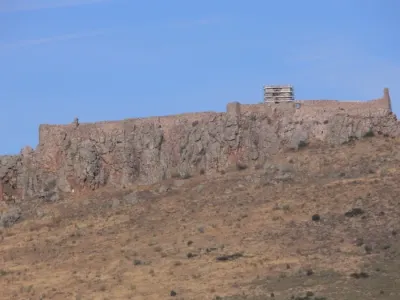
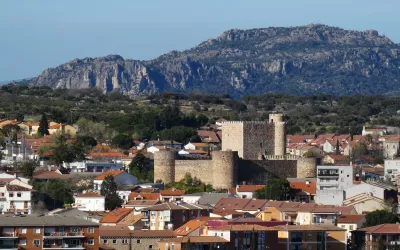
The modern tracing of this path, recovered by Jacobean associations in Castilla-La Mancha, seeks to recreate this logical itinerary. Starting from Ciudad Real, a village founded by King Alfonso X the Wise in the 13th century, it enters the Manchego landscape. It passes through emblematic places, such as the surroundings of the Parque Nacional de las Tablas de Daimiel, and arrives at Consuegra. The image of its medieval origin castle, which belonged to the Knights Hospitaller, flanked by the iconic windmill crest, is one of the high points of the journey, a place where history merges with literary legend in Don Quixote.
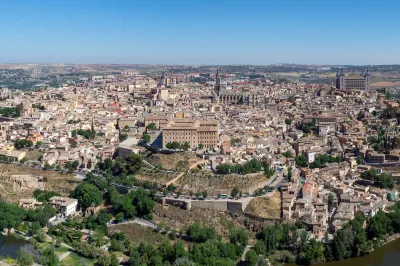
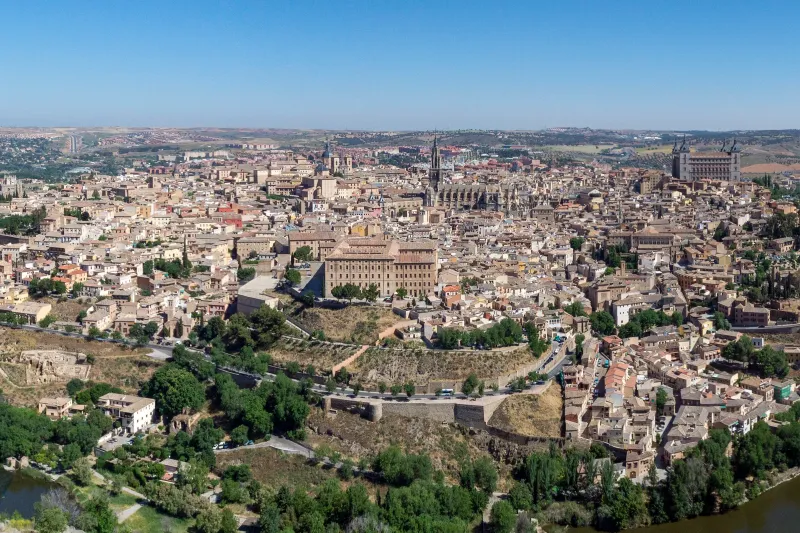
The destination of the route is the imperial city of Toledo, the ancient Visigothic capital and, for centuries, the most important city in Castilla. For a medieval Manchego pilgrim, reaching Toledo was already a great pilgrimage in itself. After venerating the relics of its imposing cathedral, they could continue their journey to Santiago. From Toledo, options were several: they could join the Camino de Levante coming from Valencia and passing through the area, or continue north to link with the Camino de Madrid.
The Manchego Way is therefore an offshoot, a connecting route that channeled the faith of inhabitants of a land marked by the spirit of crusade and literature. Walking it today is an opportunity to walk through the history of military orders and the landscapes that inspired the most universal novel in Spanish literature, all part of the long journey towards Compostela.
We answer your questions
Frequently Asked Questions about Manchegan Way
How long is the Camino Manchego, and how many days does it take to complete?
The Camino Manchego spans a total distance of 113 km, which typically takes around 5 days to complete at a moderate pace. This route crosses through the historical region of La Mancha and is perfect for those wishing to explore iconic landscapes associated with Don Quixote.
What is the best time of year to do the Camino Manchego?
The best time to undertake the Camino Manchego is during spring and autumn, specifically from April to June and September to October. During these periods, you can enjoy a mild climate and fewer pilgrims, making for a more peaceful and comfortable journey.
What does Ourway Travel's Manchego Way reservation service include?
Ourway Travel offers a comprehensive package for your experience on the Manchego Way. Our service includes booking secure and comfortable accommodations, as well as managing local transportation if necessary. Additionally, we provide detailed information about cultural and tourist sites you will visit at each stage of the route.
How much does it cost to undertake the Camino Manchego through Ourway Travel?
The total cost for undertaking the Camino Manchego varies based on specific needs and travel dates. At Ourway Travel, we offer customized packages that include accommodation, local transportation (if necessary), information about tourist attractions, and pre-trip advice. To know the exact price for your particular itinerary, we recommend contacting us directly.
How does the Camino Manchego compare to other Jacobean routes in terms of difficulty and natural beauty?
The Camino Manchego offers a unique experience by combining iconic landscapes associated with Don Quixote's history, along with a moderate level of difficulty. Unlike coastal or mountainous routes such as the Northern Way, this route primarily features flat terrain, making it ideal for pilgrims seeking a more accessible and culturally rich experience in the Iberian Peninsula.
Which Camino route would be better to choose if I am interested in both medieval history and modern Spanish culture?
The Manchego Way is an excellent choice for those interested in combining Spain's medieval history with its contemporary cultural heritage. This route takes you through historical landscapes that evoke the adventures of Don Quixote, while also allowing you to explore vibrant cities and towns filled with local life and current traditions.
How do I obtain the pilgrim's credential for the Camino Manchego?
To get the pilgrim’s credential for the Camino Manchego, you can request it before your trip through Ourway Travel office or at any starting point of the route. The credential is necessary to certify that you are undertaking a Jacobean route and will allow you discounts on accommodations and restaurants during your journey.
How can I book the Camino Manchego through Ourway Travel?
Booking the Camino Manchego with Ourway Travel is straightforward. Simply visit our website and complete the booking form, providing your preferred dates and any additional information relevant to your trip. Our team will contact you to confirm the details and manage all necessary reservations.
Organize Your Camino
Ready for this adventure?
Manchegan Way