
Complete Guide to Way of Salvador
The Way of St James connects Leon and Oviedo, linking the French Way with the Primitive Way. A demanding mountain route of great beauty and historical significance to visit the Cathedral of Oviedo.
Last updated: 28/03/2026
Table of Contents
Technical Summary of Way of Salvador
119.4 km
Distance
6
days
6
Stages
Alta
Difficulty
91 accommodations available on the route
Introduction to Way of Salvador
Its motto "Who goes to Santiago and does not go to Salvador, visits the servant and not the Lord" reflects the historical importance of Oviedo Cathedral and its relics. It is a short but intense route, ideal for pilgrims with good physical preparation who seek to add a mountain component and deep historical connection to their pilgrimage.
All Stages of Way of Salvador
Complete route divided into 6 stages
Leon at La Robla
This is the inaugural stage of the Camino del Salvador, the historic route that connects León with Oviedo. The journey begins saying goodbye to the majestic Cathedral of León and entering a landscape ...
Robla to Poladura of the Third
This stage immerses the pilgrim in the Astur-Leonese mountain range. The route is of exceptional beauty but also considerable demand. The ascent continues through the valley of Bernesga, passing by vi...
Adhesion of Third to Pajares
This is the queen stage of the Camino del Salvador, a high mountain day that culminates with crossing the historic Puerto de Pajares. The route is an alpine spectacular beauty, but also of great diffi...
Hair to Pola de Lena
After the harshness of the port, this stage offers a long and vertiginous descent along the Asturian slope. The path drops more than 1,000 meters in elevation, putting the pilgrim's knees to the test....
Valley of Lena to Mieres
This is a short and gentle phase that enters the Miners' Basins of Asturias. The route is a transition from mountain landscape to an industrial and populated environment. The trail follows the Caudal ...
Mieres to Oviedo
The last stage of the Way of St. James is a short and gentle route that culminates in the capital of Asturias. The route moves away from the mining valley to ascend lightly before approaching Oviedo f...
Key Towns of Way of Salvador
The most important towns and cities on this route.
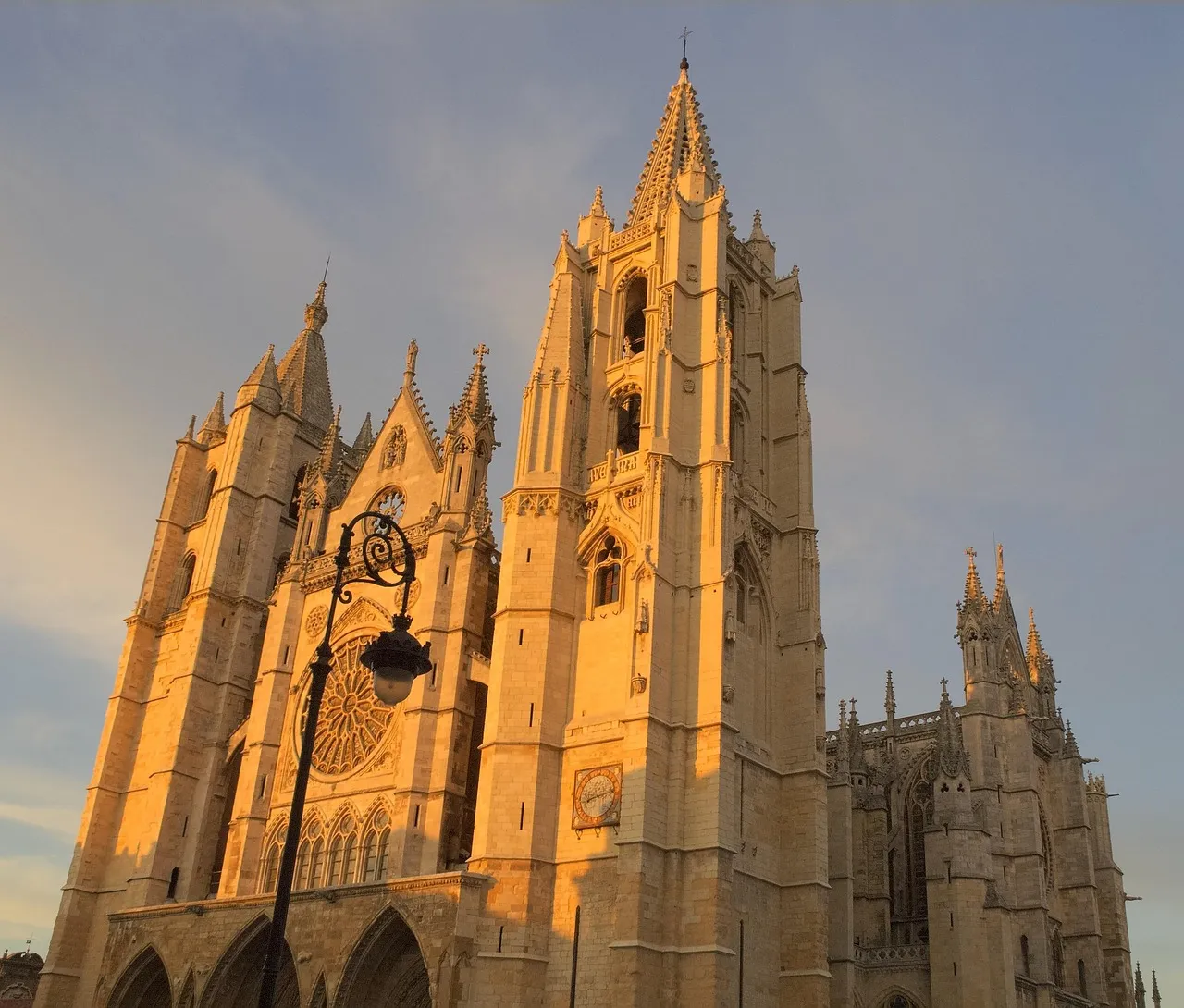
León
Old capital of the Kingdom, Leon is a gem on the French Way. It shines with its Gothic Cathedral, Saint Isidore's Basilica and lively Wet Quarter, perfect for tapas.
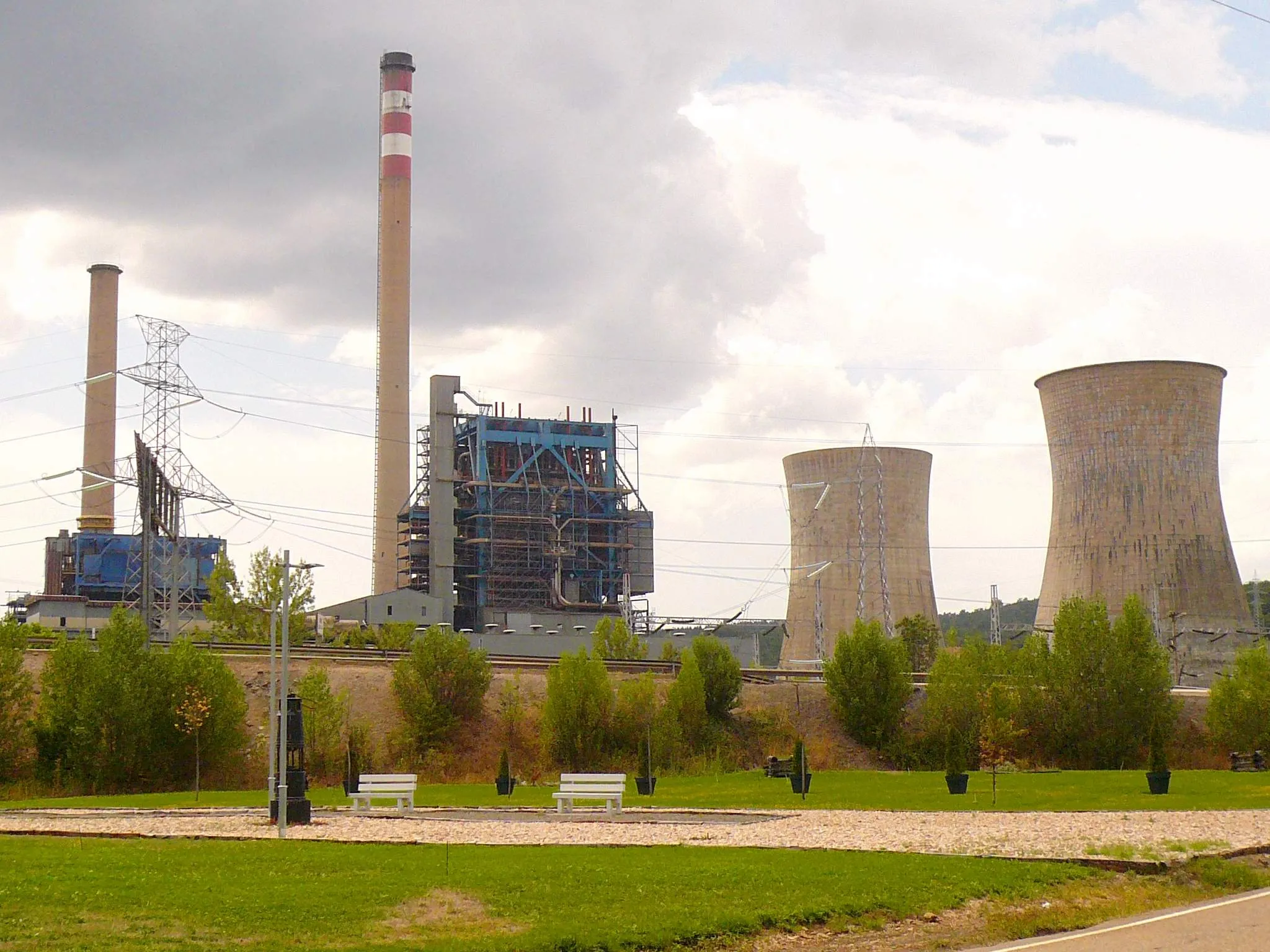
La Robla
Industrial village in the Leónese mountains and stop on the Way of St James. The Robla, with its mining tradition, offers pilgrims all services before entering the Cantabrian Mountains.
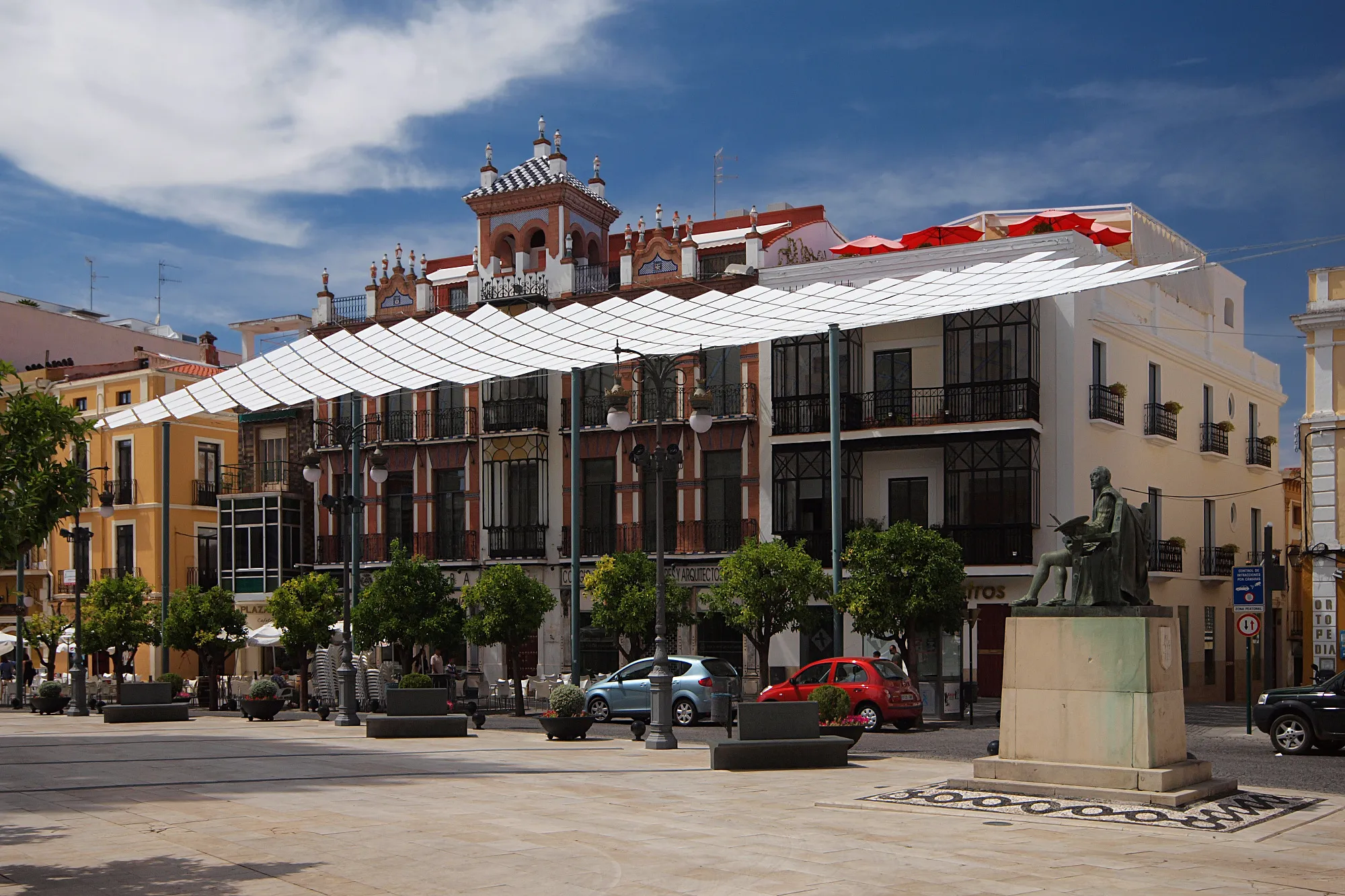
Buiza
Small mountain village on the Way of St James. Buiza offers the pilgrim a spectacular natural setting and an authentic experience of the Leónese Cantabrian Mountains.
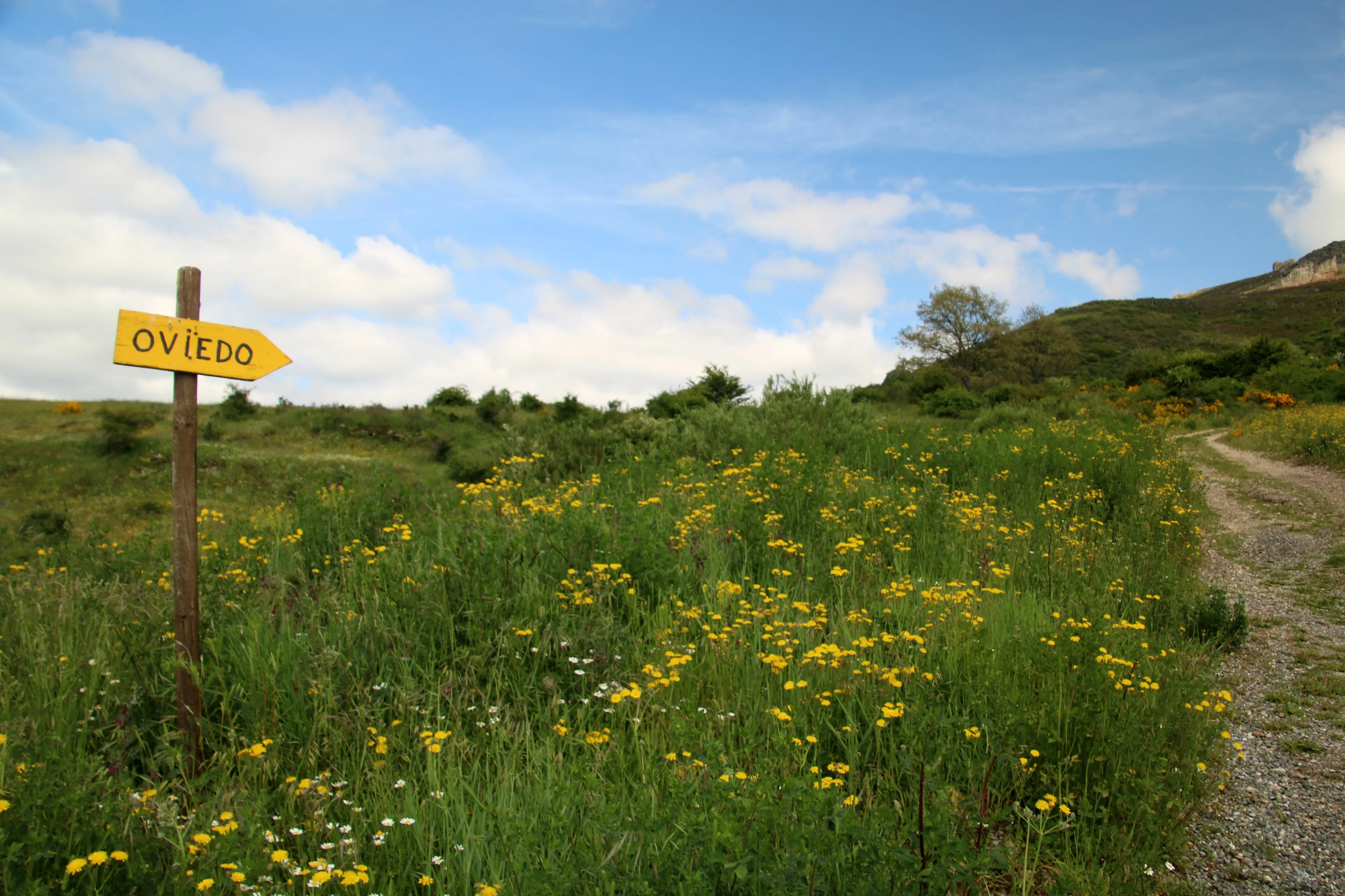
Poladura de la Tercia
Authentic mountain village on the Leónese side of the Way of Salvador. Poladura de la Tercia is an idyllic haven for relaxation in a privileged natural setting.
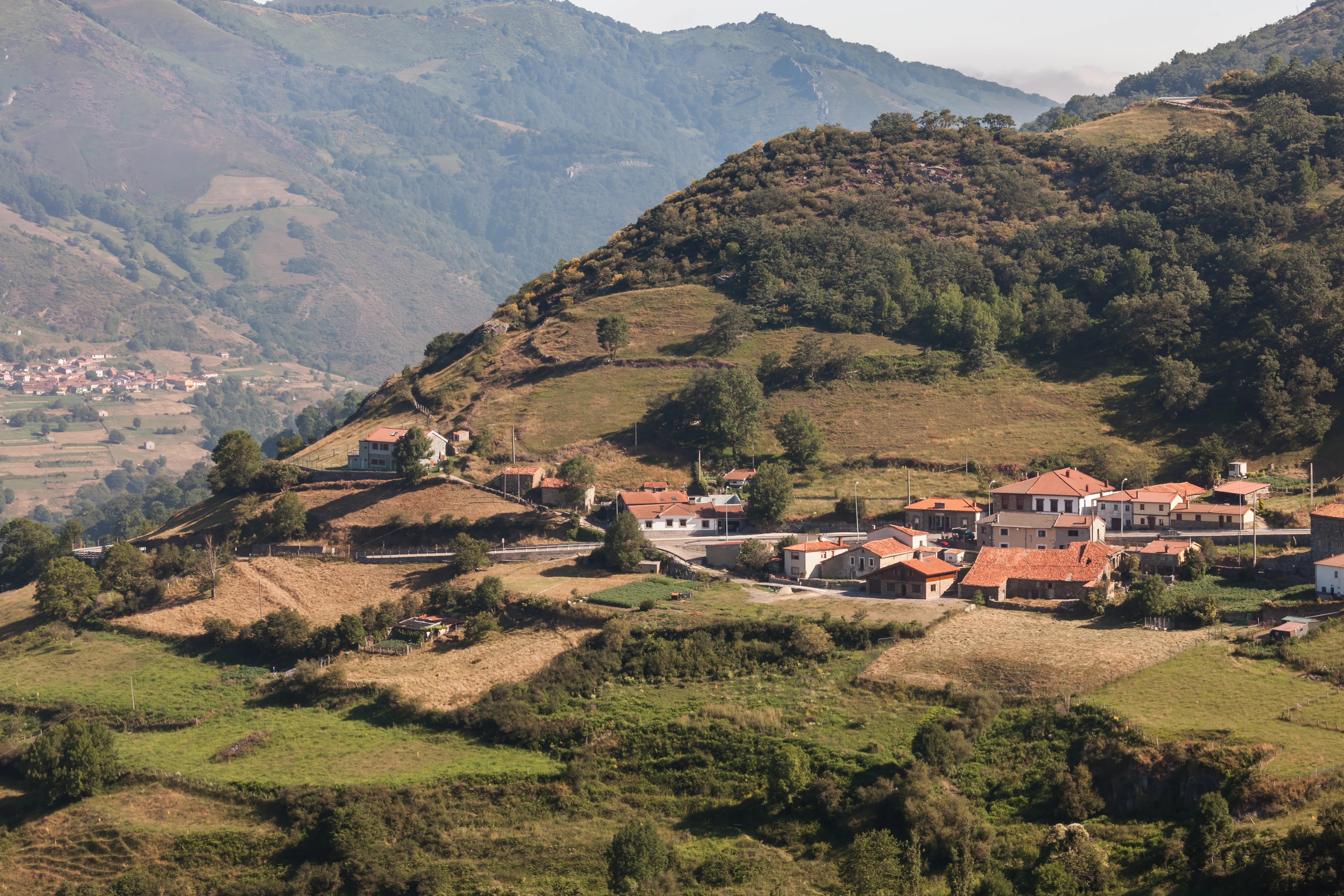
Pajares
Legendary mountain port that joins Leon and Asturias. The Port of Pajares is the great challenge of the Way of Salvador, a geographical landmark that rewards the pilgrim with unforgettable alpine landscapes.
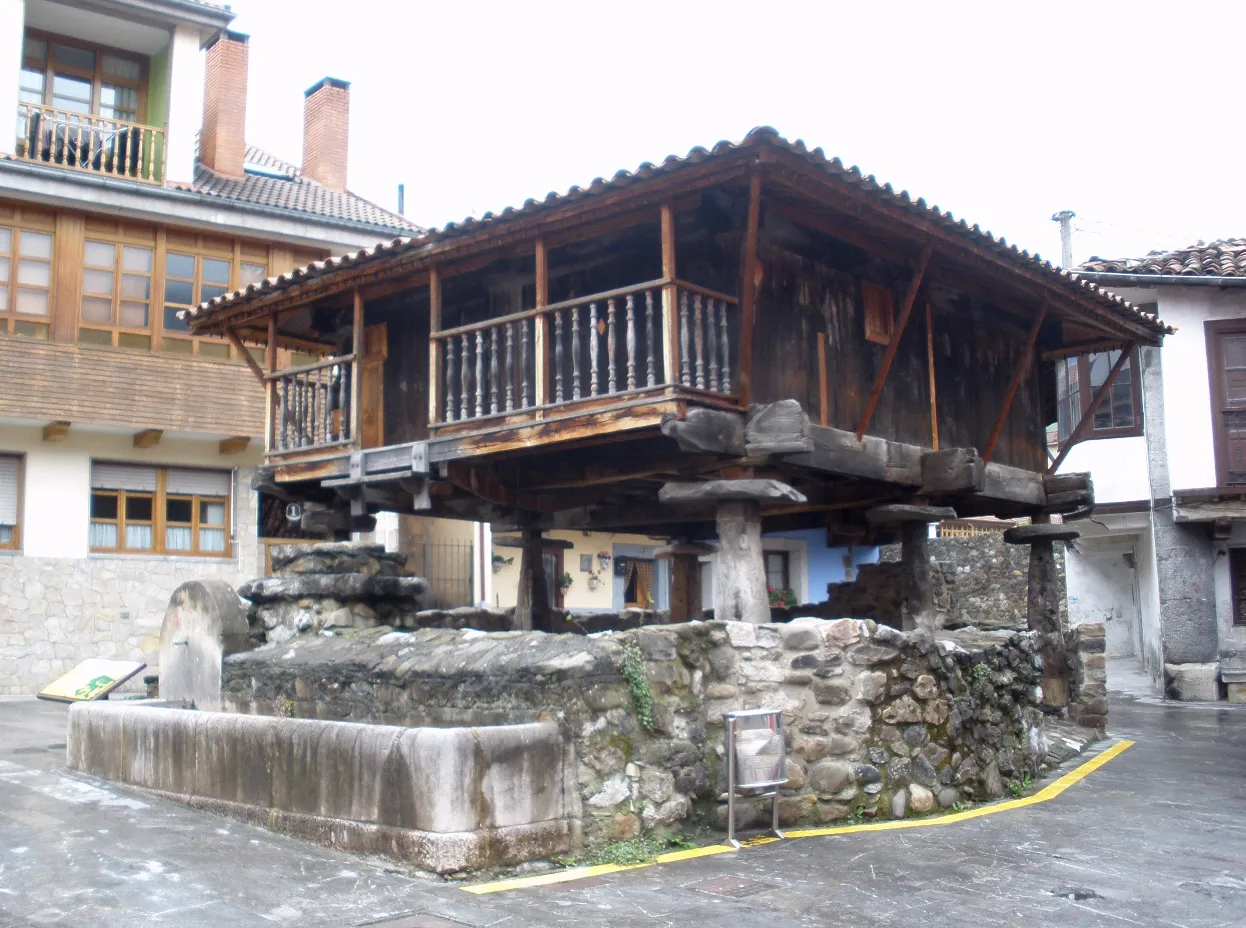
Pola de Lena
Heart of the Way of St James in Asturias. Pola de Lena, in the valley of the River Lena, is a key service center and starting point for exploring pre-Romanesque Asturian.
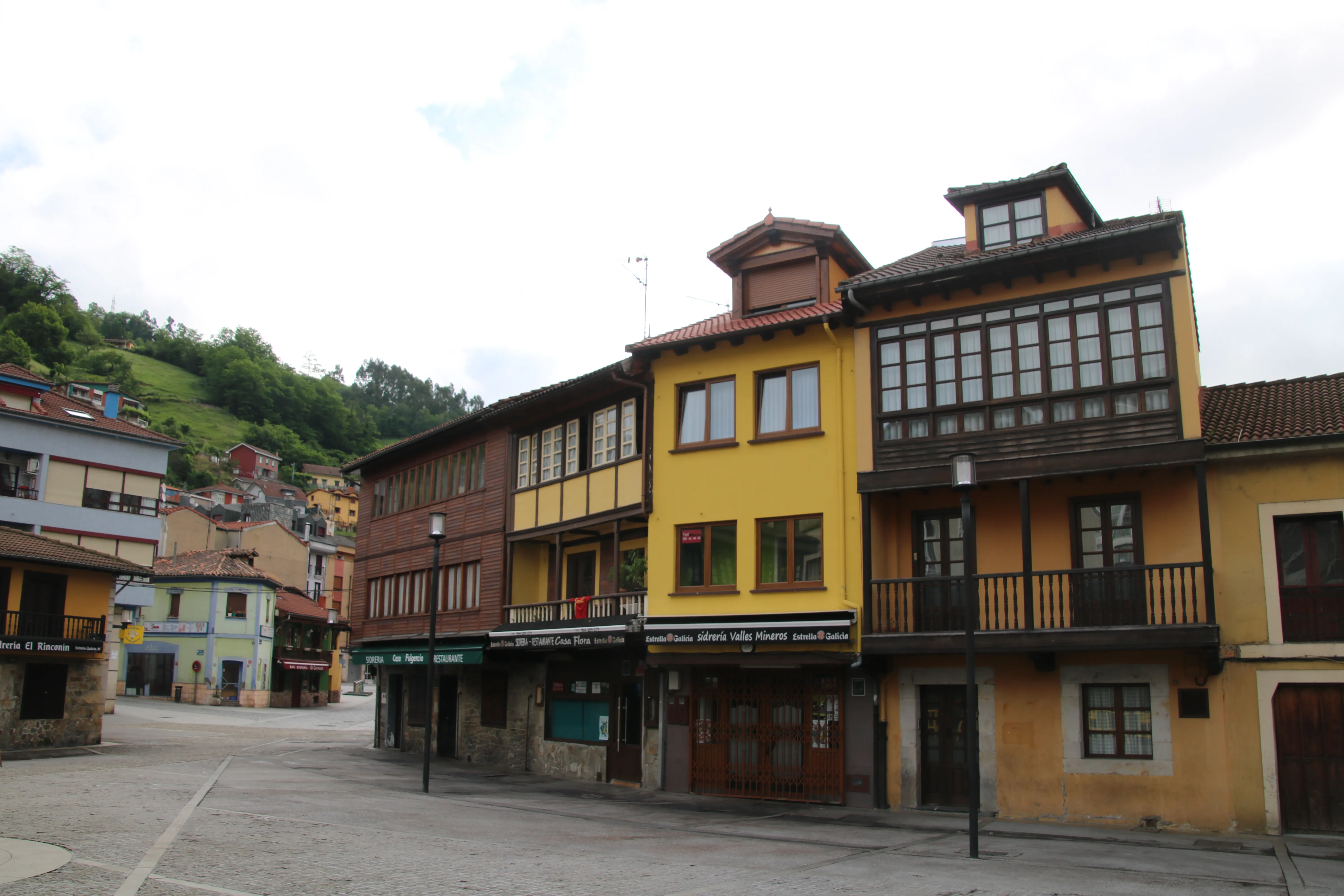
Mieres del Camino
Heart of Asturian mining region. Mieres, on the Way of St. James, offers the pilgrim an industrial landscape and all services of a vibrant and historically working-class town.
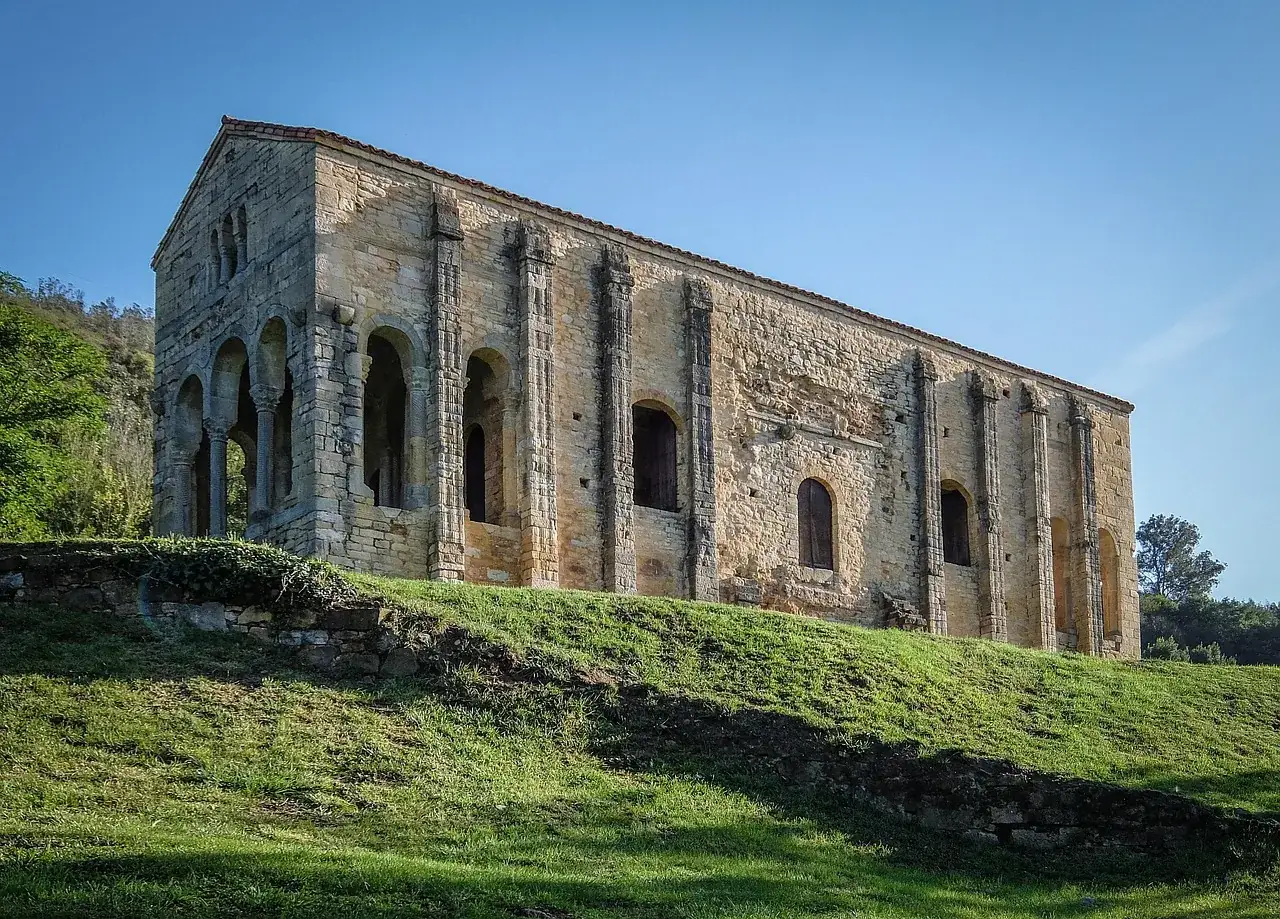
Oviedo
Capital of Asturias and the birthplace of the Way of St. James. Oviedo is the starting point of the Primitive Way, the original route. Its Cathedral and pre-Romanesque art are must-see attractions.
History of Way of Salvador
The origins of this route date back to the High Middle Ages, when Oviedo, as the former capital of the Kingdom of Asturias, became a major pilgrimage center, rivaling Santiago in importance. Its prestige was based on the extraordinary treasure it housed in its Chamber of Holy Relics. Among these relics, which were brought from southern Spain to protect them from the advancing Muslim forces, stood out the Ark of the Covenant, which contained numerous sacred objects from Jerusalem, and above all, the Holy Sudarium, the cloth that according to tradition covered Christ's face after his crucifixion. The fame of these relics, directly associated with the figure of Jesus Christ, the Saviour, attracted pilgrims from all over Europe.
When the French Way consolidated itself as the main pilgrimage route to Santiago, pilgrims arriving in León, another important center of relics with the remains of Saint Isidore, were faced with a spiritual dilemma. Many, driven by a deep faith, considered it an obligation to deviate towards the north to pay homage first to "the Lord" in Oviedo before continuing on to visit the tomb of their "servant," the Apostle Santiago. This detour was not a whim, but a penitential act that added considerable spiritual merit to their pilgrimage.
The Way of the Saviour is therefore the physical bridge connecting León with Oviedo. It is an 120-kilometer demanding route that traverses the imposing Cantabrian Mountains, a formidable natural barrier. The path ascends from León through the Bernesga valley and faces difficult mountain passes like Pajares, historically challenging and often snow-covered in winter. The difficulty of the route, with its pronounced inclines and harsh climate, was part of the penitential experience. Despite the challenges, the route had a network of hospitals and hostels to care for brave travelers.
Once in Oviedo, after having venerated the relics of the Cathedral of San Salvador, the pilgrim found himself in a unique position: he was at the starting point of the Primitive Way, the original route that King Alfonso II the Wise had taken in the ninth century. In this way, the Way of the Saviour functioned as a perfect connector, allowing the pilgrim to link the French Way with the foundational Jacobean route, thus completing an itinerary of unparalleled historical and spiritual richness.
After a period of reduced traffic, the Way of the Saviour has been rediscovered and marked in recent decades, attracting modern pilgrims seeking a physical challenge, breathtaking mountain landscapes, and a deeper connection with the history of pilgrimage in the Iberian Peninsula. It is a short route in terms of distance but intense in effort and reward, which remains a testament to the complex and fascinating mindset of medieval pilgrims.
Accommodations on the Route
The Way of Salvador has 91 verified accommodations along the entire route.
View Stages & AccommodationsPractical Tips for Way of Salvador
Best Season
Spring (April-June) and autumn (September-October) are the best seasons. Pleasant temperatures and fewer crowds than summer.
Physical Preparation
Train by walking progressively in the months before. Start with short distances and increase. Your body will adapt to the rhythm of the Camino.
What to Pack
Light backpack (max 10% of your weight), worn trekking shoes, breathable technical clothing, raincoat, sunscreen and basic first aid kit.
General Tips
Carry the pilgrim credential, stay hydrated, respect your pace, book accommodation in high season and enjoy the journey without rushing.
FAQ about Way of Salvador
El Camino del Salvador tiene una longitud de 120 km aproximadamente, que generalmente se puede completar en un plazo de 6 a 7 días. Este camino es conocido por su desafío físico debido a la Cordillera Cantábrica por la que transcurre.
El mejor momento para realizar este camino es durante las temporadas media, específicamente en abril a junio o septiembre a octubre, donde se disfruta de un clima templado con menos peregrinos que en verano. La temperatura y la lluvia son menores que en los meses más cálidos del año.
Ourway Travel ofrece un paquete completo para tu viaje al Camino del Salvador, que incluye alojamiento en hoteles y albergues seleccionados, desayuno diario, traslado de equipaje entre los puntos de la ruta, credencial peregrina y soporte 24/7 durante todo el recorrido.
El Camino del Salvador se caracteriza por su alta dificultad debido a las montañas que atraviesa, siendo un desafío físico importante. Sin embargo, ofrece una experiencia única y menos transitada que los caminos más populares como el Francés o Portugués.
Para reservar tu aventura en el Camino del Salvador, simplemente contáctanos a través de nuestro sitio web y proporciona tus fechas preferidas. Ourway gestiona la reserva completa incluyendo alojamientos y transporte, asegurando que tengas una experiencia sin preocupaciones.
El Camino del Salvador se distingue por su ruta histórica y montañosa, uniendo León con Oviedo para honrar las reliquias de la Catedral de San Salvador. En contraste, el Camino Primitivo es más extenso y generalmente parte desde Oviedo hacia Santiago sin pasar por León.
Nuestro paquete incluye no solo alojamientos y desayunos, sino también la gestión del traslado de equipaje durante todo el recorrido. También proporcionamos tu credencial peregrina necesaria para obtener el certificado de finalización al completar el camino.
Si prefieres evadir las grandes concentraciones de peregrinos, te recomendamos considerar los meses de abril a junio o septiembre a noviembre. Estas temporadas ofrecen un clima templado y una menor presencia de otros viajeros en la ruta.
Ready for this adventure?
Let us organize your pilgrimage. We take care of accommodations, transfers and everything you need.