
Camino de Santiago
Way of Salvador
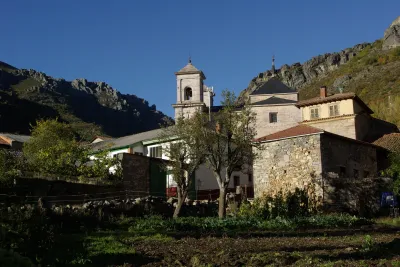
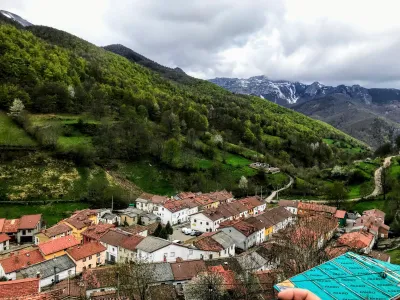
The Way of St James connects Leon and Oviedo, linking the French Way with the Primitive Way. A demanding mountain route of great beauty and historical significance to visit the Cathedral of Oviedo.
Organize your Way of SalvadorLast updated: 21/05/2024
The Route
General Description of Way of Salvador
Its motto "Who goes to Santiago and does not go to Salvador, visits the servant and not the Lord" reflects the historical importance of Oviedo Cathedral and its relics. It is a short but intense route, ideal for pilgrims with good physical preparation who seek to add a mountain component and deep historical connection to their pilgrimage.
Related Routes
Connections of Way of Salvador
Camino Francés
779 km
33
Moderate
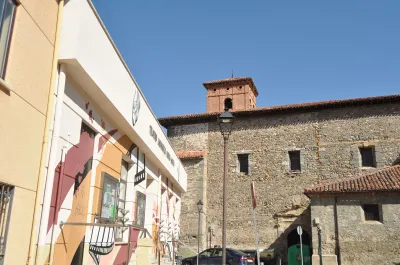
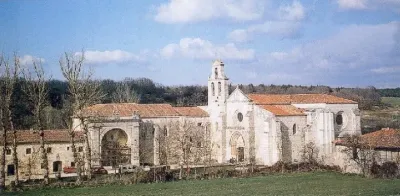
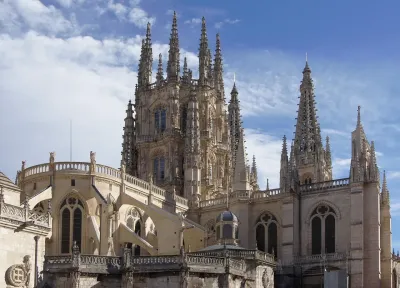
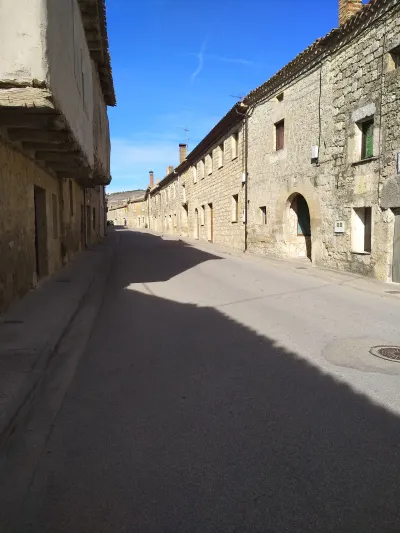
The Camino Francés is the pilgrimage route to Santiago par excellence, chosen by thousands of pilgrims every year. Running roughly 780 km from Saint-Jean-Pied-de-Port, or slightly less from Roncesvalles, it crosses northern Spain. This path, declared a World Heritage Site by UNESCO, offers an exceptional network of services and pilgrim hostels. Pilgrims make their way through Navarra, La Rioja, Castilla y León, and finally Galicia, marveling at cities rich in monuments such as Pamplona, Burgos, and León, and at villages with a charm of their own. The diversity of its scenery is one of its great draws, from the Pyrenees and the Castilian plains to the green forests of Galicia. It is a physical and spiritual journey that leaves an indelible mark, ideal both for seasoned pilgrims and for those setting out on the Camino de Santiago for the first time.
Stages of this variant:
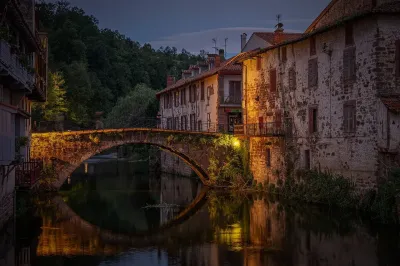
Stage 1: Saint-Jean-Pied-de-Port to Roncesvalles
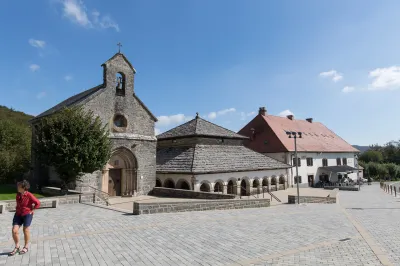
Stage 2: Roncesvalles to Zubiri
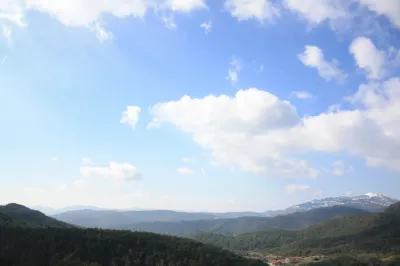
Stage 3: Zubiri to Pamplona
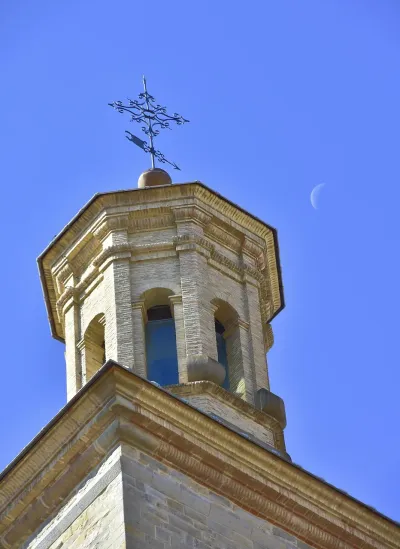
Stage 4: Pamplona to Puente la Reina
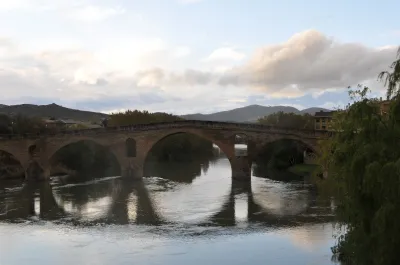
Stage 5: Puente la Reina to Estella
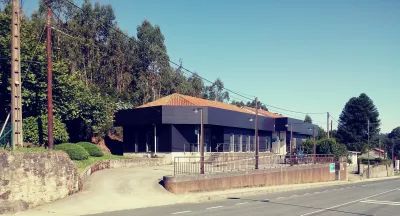
Camino Francés by Bike
779 km
14
Moderate
The Camino Francés by bike offers a dynamic experience for "bicigrinos", pilgrims on two wheels. Although the route itself follows the walking Camino, the stages are designed to cover longer distances, condensing the journey into about 14 days. This format lets cyclists pass through Pamplona, Burgos, and León and cross the landscapes of the Pyrenees, the Meseta, and Galicia at a brisk pace. It is important to know that some sections call for detours onto tracks or alternative roads to keep the route rideable. The infrastructure for cyclists keeps improving, with pilgrim hostels and services geared to riders.
Stages of this variant:
Stage 1: Saint-Jean-Pied-de-Port to Zubiri (by bike)
Stage 2: Zubiri to Puente la Reina (by bike)
Stage 3: Puente la Reina to Logroño (by bike)
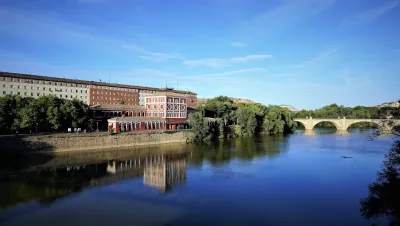
Stage 4: Logroño – Santo Domingo de la Calzada (By bike)
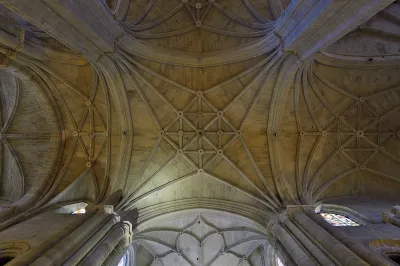
Stage 5: Santo Domingo de la Calzada – Burgos (By bike)
Way of the Asturias
465 km
22
High
The Camino of Asturias is a historical itinerary that connects the French Way in Pamplona with the Primitive Way in Oviedo. This route, of great scenic beauty and notable physical demand, traverses the mountains of Navarre, Álava, Cantabria, and Asturias. It offers a deep immersion in nature and the heritage of interior Spain, with mountain landscapes, valleys, and villages with history.
Stages of this variant:
Stage 1: Pamplona to Irurzun
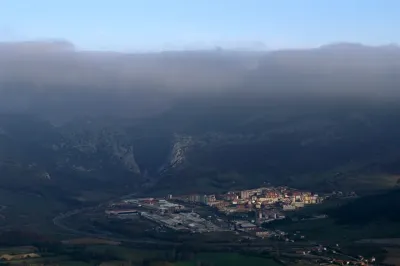
Stage 2: Irurzun to Alsasua
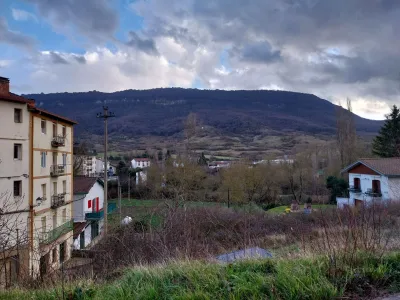
Stage 3: Alsasua to Salvatierra
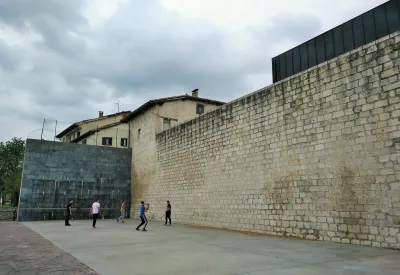
Stage 4: Salvatierra to Vitoria
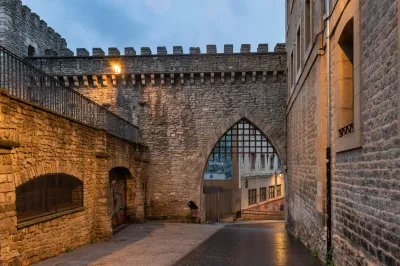
Stage 5: Vitoria to La Puebla de Arganzón
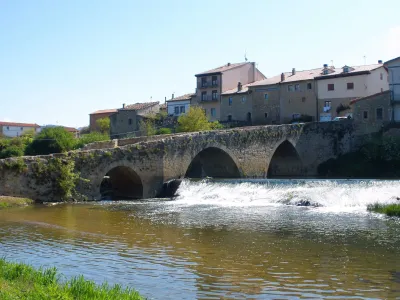
The Primitive Way
321 km
14
High
Considered the first Jacobean itinerary, the Primitive Way was the route taken by King Alfonso II the Chaste in the 9th century to visit the Apostle's tomb. Starting from Oviedo, this demanding 321 km trail ventures into Asturias and Lugo mountains until it joins the French Way in Melide.
Known for its hardness due to constant inclines, but rewarding pilgrims with breathtaking landscapes, native forests, and a lower crowd, allowing for a more introspective experience. It passes through charming localities such as Tineo and Lugo, whose Roman wall is UNESCO World Heritage Site. It's the perfect option for those seeking a physical challenge and a deep connection to the origins of the Way and nature.
Stages of this variant:
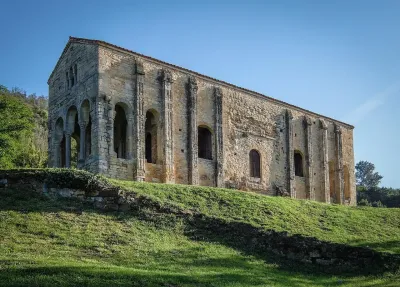
Stage 1: Oviedo to Grado
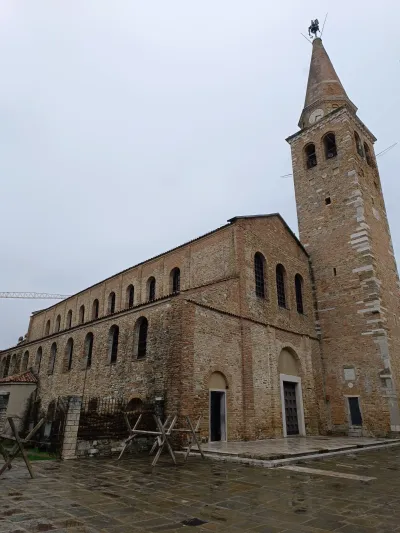
Stage 2: Grado to Salas
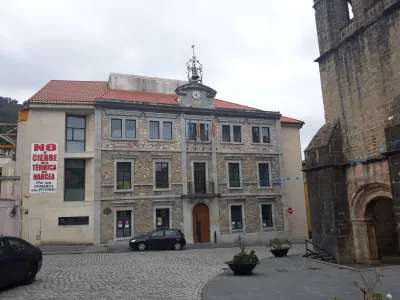
Stage 3: Salas to Tineo
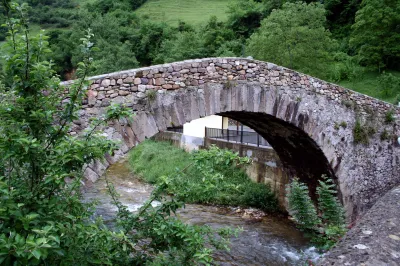
Stage 4: Tineo to Borres / La Espina
Stage 5: Borres to Berducedo
Winter Path
267 km
10
Media
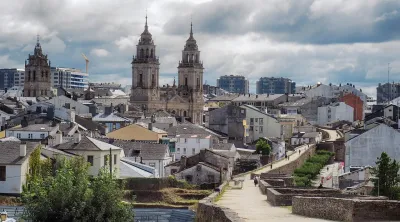
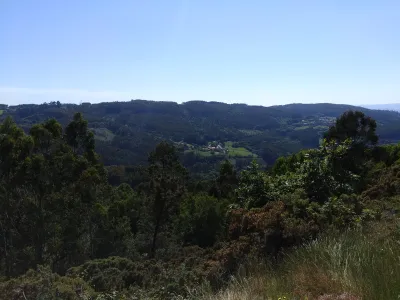
The Winter Way emerges as a historical variant for pilgrims on the Camino Francés who sought to avoid the difficult snows of O Cebreiro. The route diverges in Ponferrada and follows the course of the Sil River, crossing the Valdeorras region, the Ribeira Sacra, and the Deza region before joining the Vía de la Plata/Camino Sanabrés near Lalín.
With a 267 km journey, it is the only Camino that traverses all four Galician provinces (Ourense, Lugo, Pontevedra, and A Coruña). It offers spectacular landscapes like the Sil Canyons and its heroic viticulture, allowing you to discover a natural and cultural heritage of great value, less known but equally fascinating.
Stages of this variant:
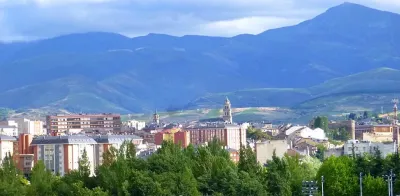
Stage 1: Ponferrada to Las Médulas
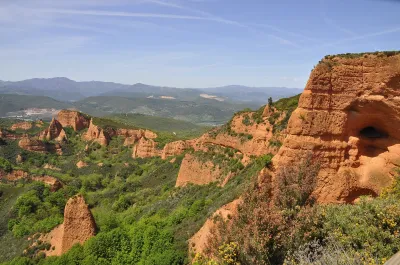
Stage 2: Las Médulas to O Barco de Valdeorras
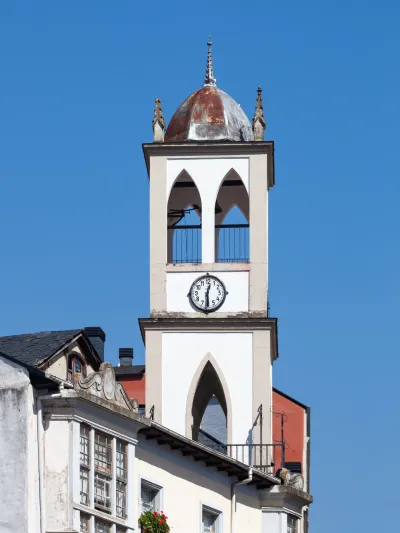
Stage 3: O Barco de Valdeorras to A Rúa de Valdeorras
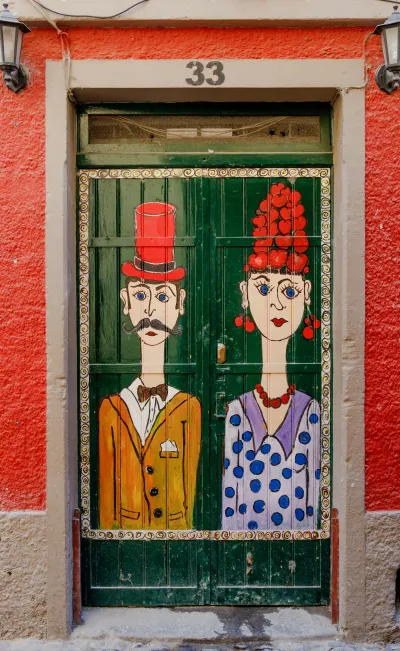
Stage 4: A Rúa de Valdeorras to Quiroga
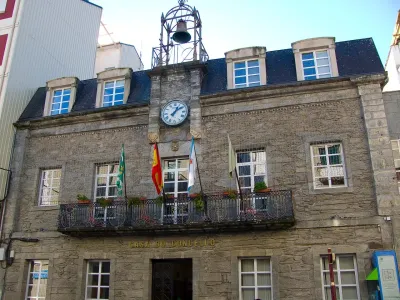
Stage 5: Quiroga to Pobra do Brollón
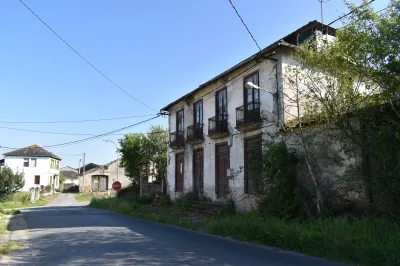
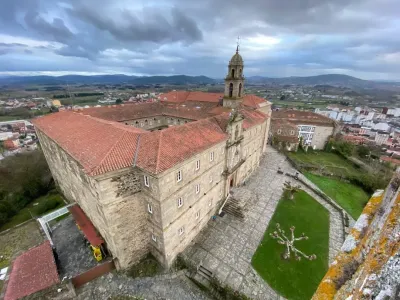
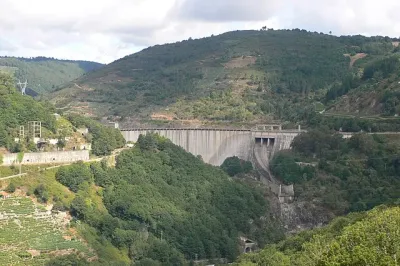
Aragonese Way
165.6 km
6
Media
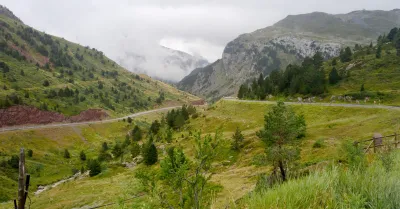
The Aragonese Way is one of the historical entry routes to the French Way on the Iberian Peninsula. From the Somport Pass, it covers 166 km through beautiful Pirenne landscapes, passing by landmarks such as Jaca and its Romanesque cathedral, the Monastery of San Juan de la Peña or the hermitage of Santa María de Eunate. In Puente la Reina (Navarra), it joins the Way that comes from Roncesvalles.
It is a route with an immense Romanesque patrimony and less pilgrim traffic, which offers a more intimate and authentic experience.
Stages of this variant:
Stage 1: Somport to Jaca
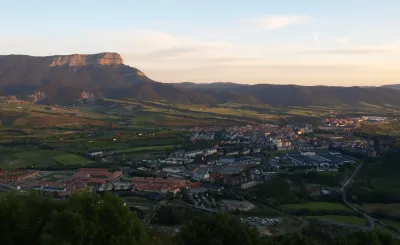
Stage 2: Jaca to Arrés
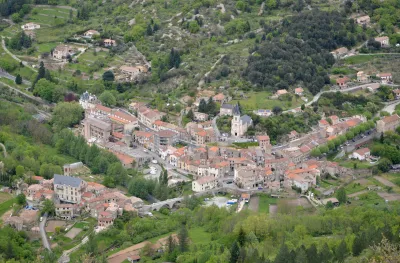
Stage 3: Arrés to Ruesta
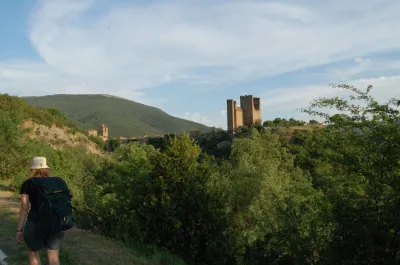
Stage 4: Ruesta to Sangüesa
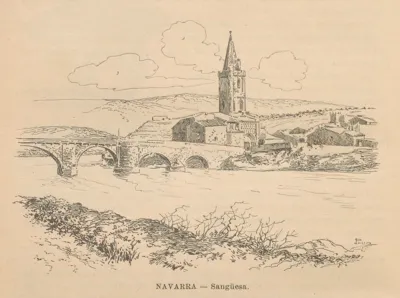
Stage 5: Sangüesa to Monreal
Cycle Route of St. Salvador
121.8 km
2
High
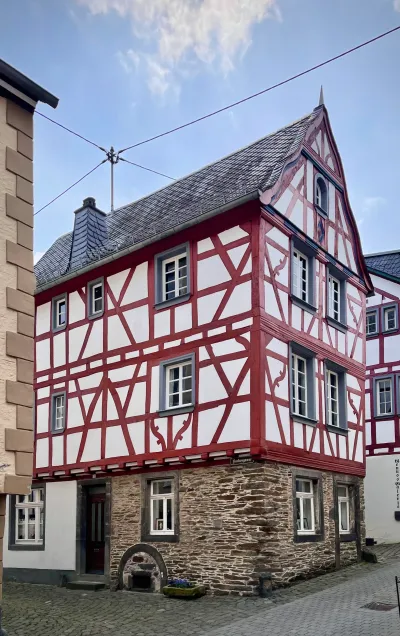
The bike route of St. James is a short but extremely demanding route, designed for mountain bike experts. In 2 stages, it connects the cathedrals of León and Oviedo, crossing the Cantabrian Mountains via passes such as Pajares. The phrase "Who goes to Santiago and not to Salvador, visits the servant and not the Lord" takes on a new dimension of effort over two wheels. The landscapes are spectacular and the feeling of achievement is immense. It's one of the purest and most challenging cycling experiences in northern Spain.
Stages of this variant:
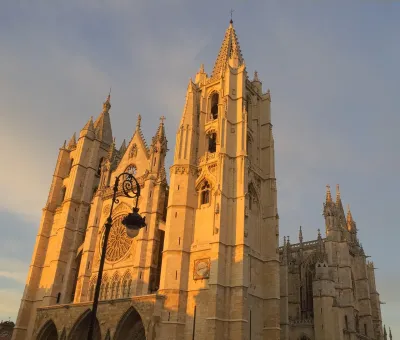
Stage 1: León to Pajares (By bike)
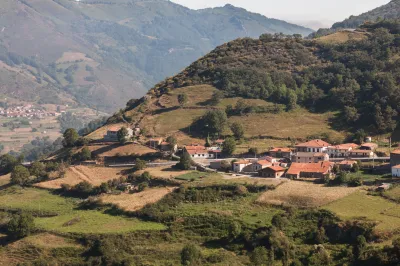
Stage 2: Pajares to Oviedo (By bike)
Elevation Profile of
Elevation Profile of Way of Salvador
Visualize the ups and downs of the route.
Loading elevation profile...
Error loading elevation profile or altitude data not available.
Your trip with Ourway
Everything you need for your Camino
No hassle. Your perfect route, from start to finish.
Accommodation
Selected hotels and hostels at every stage
Luggage transfer
Your backpack travels from stage to stage
Camino Guide
Detailed map with directions and services
24h Support
Team available for any unforeseen event
Pilgrim credential
Official documentation included
No commitment
Free personalized consultation
Walk this route with us
Fancy walking this route?
We don't have a ready-made package for this route yet, but we'll organise it around you. Tell us how you'd like to experience it and a specialist will reply within 24 h.
Request your proposalStages
Stages of Way of Salvador
León → La Robla
This is the inaugural stage of the Camino del Salvador, the historic route that connects León with Oviedo. The journey begins saying goodbye to the majestic Cathedral of León and entering a landscape ...
La Robla → Buiza
This stage immerses the pilgrim in the Astur-Leonese mountain range. The route is of exceptional beauty but also considerable demand. The ascent continues through the valley of Bernesga, passing by vi...
Poladura de la Tercia → Pajares
This is the queen stage of the Camino del Salvador, a high mountain day that culminates with crossing the historic Puerto de Pajares. The route is an alpine spectacular beauty, but also of great diffi...
Pajares → Pola de Lena
After the harshness of the port, this stage offers a long and vertiginous descent along the Asturian slope. The path drops more than 1,000 meters in elevation, putting the pilgrim's knees to the test....
Pola de Lena → Mieres del Camino
Stage of the Camino de San Salvador in its Asturian section, following the Caudal river valley. The 16 km link Pola de Lena with Mieres through the old Asturian mining basin, today in transition after...
Mieres del Camino → Oviedo
The last stage of the Way of St. James is a short and gentle route that culminates in the capital of Asturias. The route moves away from the mining valley to ascend lightly before approaching Oviedo f...
Towns
Featured Towns of Way of Salvador
Explore the key towns and cities of this route.
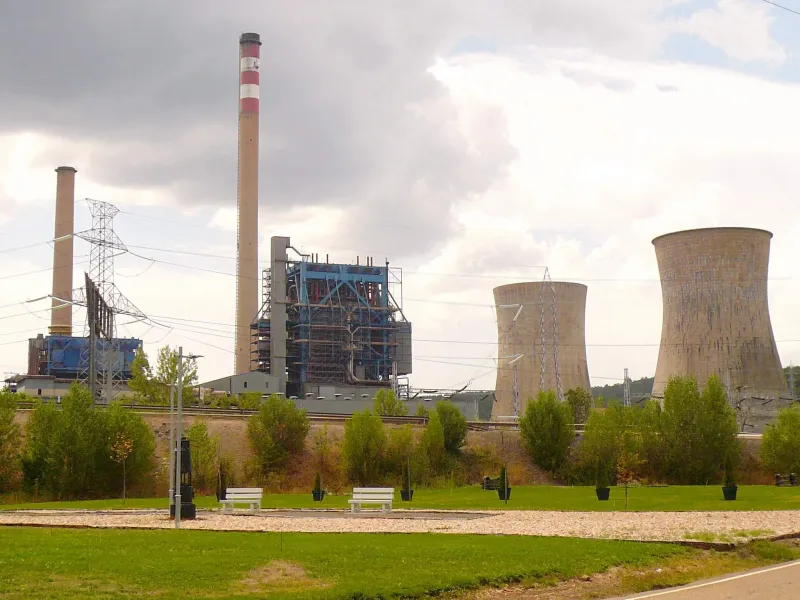
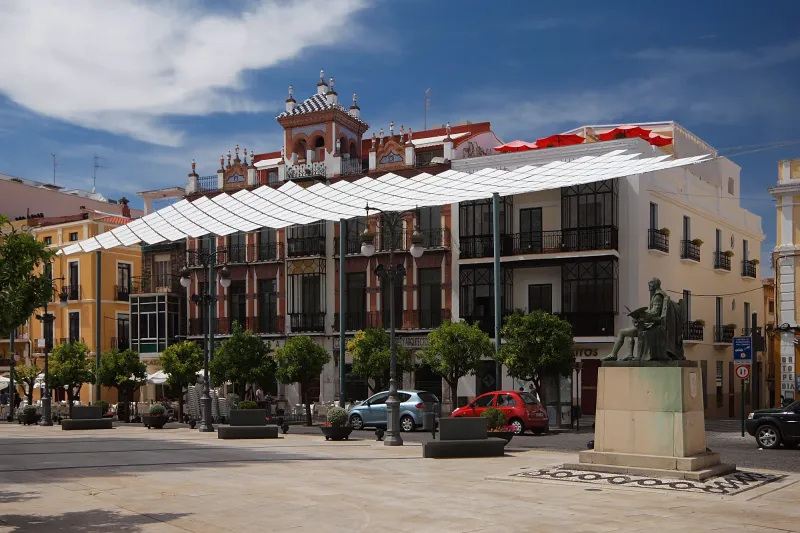
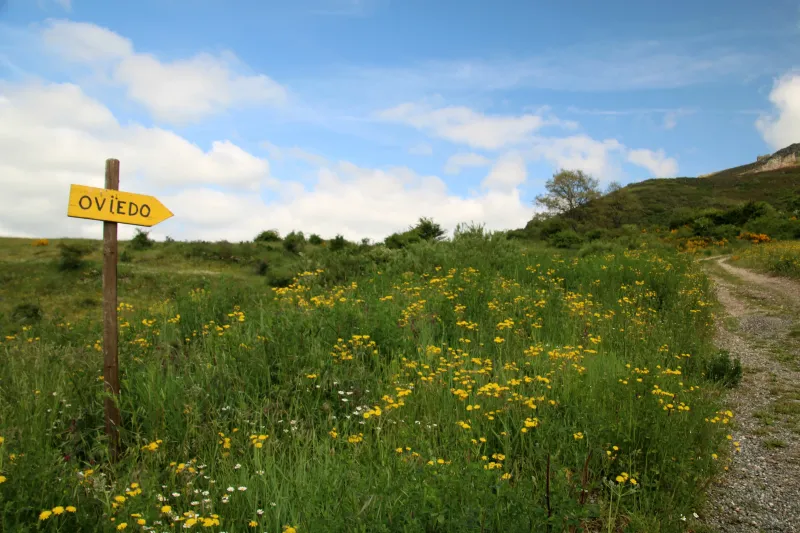
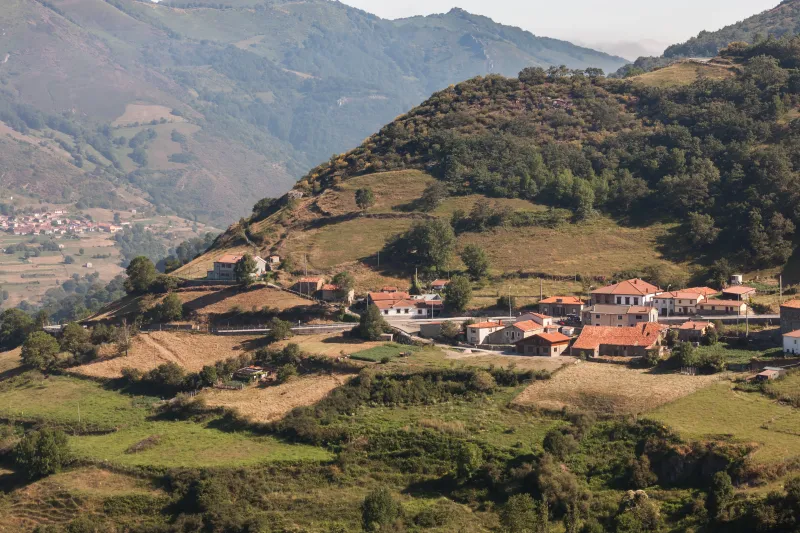
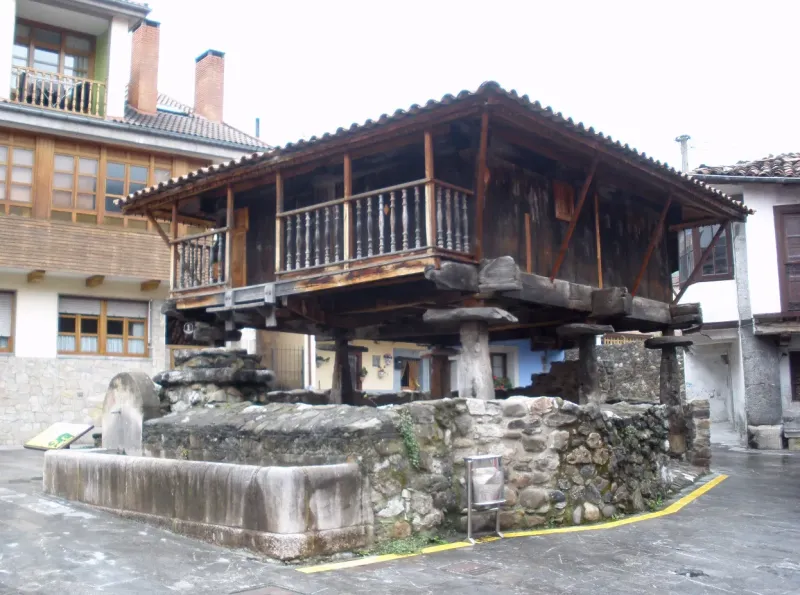
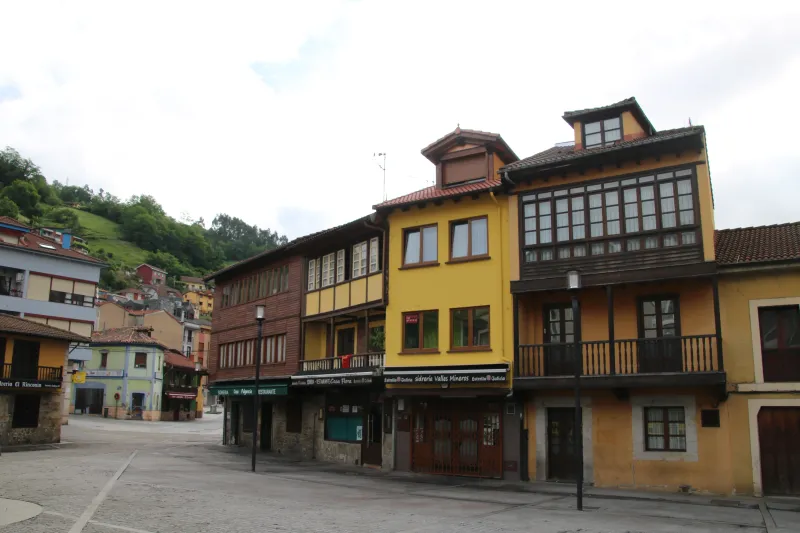
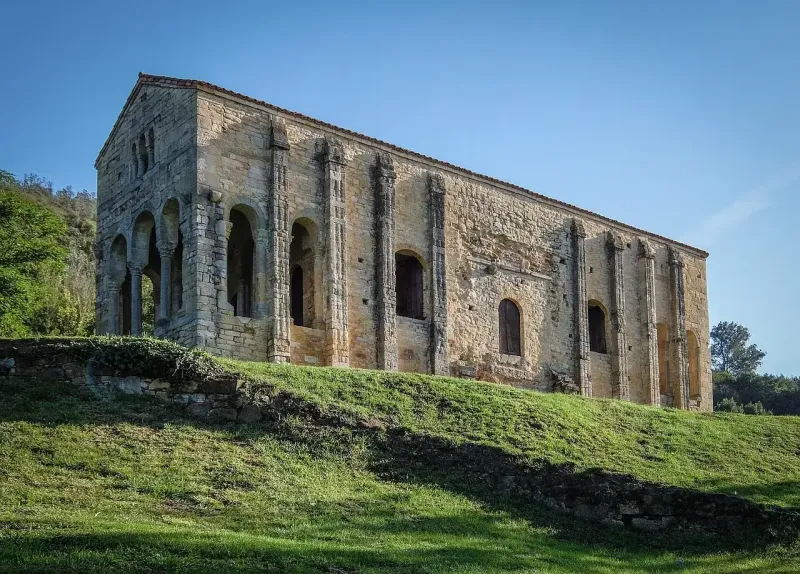
History
Millenary History of the Camino de Santiago: Origins and Evolution Way of Salvador
Discover the origins and evolution of Way of Salvador
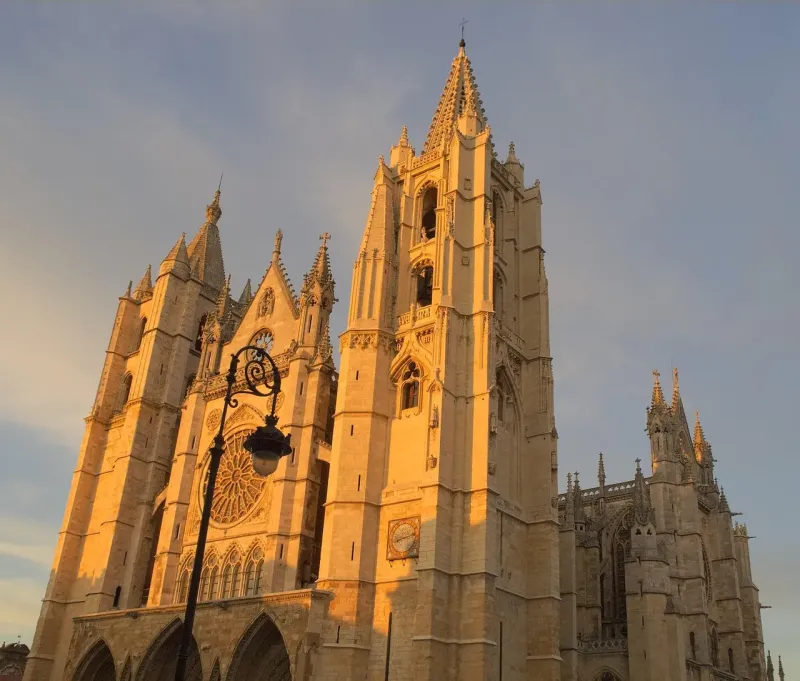
The origins of this route date back to the High Middle Ages, when Oviedo, as the former capital of the Kingdom of Asturias, became a major pilgrimage center, rivaling Santiago in importance. Its prestige was based on the extraordinary treasure it housed in its Chamber of Holy Relics. Among these relics, which were brought from southern Spain to protect them from the advancing Muslim forces, stood out the Ark of the Covenant, which contained numerous sacred objects from Jerusalem, and above all, the Holy Sudarium, the cloth that according to tradition covered Christ's face after his crucifixion. The fame of these relics, directly associated with the figure of Jesus Christ, the Saviour, attracted pilgrims from all over Europe.
When the French Way consolidated itself as the main pilgrimage route to Santiago, pilgrims arriving in León, another important center of relics with the remains of Saint Isidore, were faced with a spiritual dilemma. Many, driven by a deep faith, considered it an obligation to deviate towards the north to pay homage first to "the Lord" in Oviedo before continuing on to visit the tomb of their "servant," the Apostle Santiago. This detour was not a whim, but a penitential act that added considerable spiritual merit to their pilgrimage.
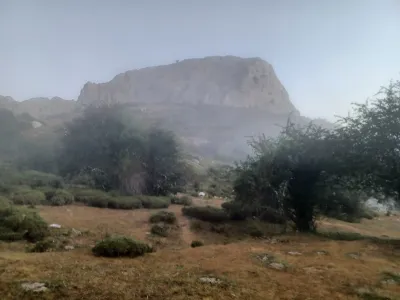
The Way of the Saviour is therefore the physical bridge connecting León with Oviedo. It is an 120-kilometer demanding route that traverses the imposing Cantabrian Mountains, a formidable natural barrier. The path ascends from León through the Bernesga valley and faces difficult mountain passes like Pajares, historically challenging and often snow-covered in winter. The difficulty of the route, with its pronounced inclines and harsh climate, was part of the penitential experience. Despite the challenges, the route had a network of hospitals and hostels to care for brave travelers.
Once in Oviedo, after having venerated the relics of the Cathedral of San Salvador, the pilgrim found himself in a unique position: he was at the starting point of the Primitive Way, the original route that King Alfonso II the Wise had taken in the ninth century. In this way, the Way of the Saviour functioned as a perfect connector, allowing the pilgrim to link the French Way with the foundational Jacobean route, thus completing an itinerary of unparalleled historical and spiritual richness.
After a period of reduced traffic, the Way of the Saviour has been rediscovered and marked in recent decades, attracting modern pilgrims seeking a physical challenge, breathtaking mountain landscapes, and a deeper connection with the history of pilgrimage in the Iberian Peninsula. It is a short route in terms of distance but intense in effort and reward, which remains a testament to the complex and fascinating mindset of medieval pilgrims.
We answer your questions
Frequently Asked Questions about Way of Salvador
How long is the Camino del Salvador in kilometers and how many days does it take to complete?
The Camino del Salvador is approximately 120 km long, which can generally be completed within a period of 6 to 7 days. This route is known for its physical challenge due to the Cantabrian Mountains through which it passes.
How is the weather and what is the best time to do the Salvador Way?
The ideal time for this route is during spring, specifically from April to June or September to October, when you can enjoy a mild climate with fewer pilgrims compared to summer. Temperatures and rainfall are lower than in the warmer months of the year.
What does the fully managed pilgrimage trip to the Salvador Way include, offered by Ourway Travel?
Ourway Travel provides a comprehensive package for your journey on the Salvador Way, including accommodation in selected hotels and hostels, daily breakfast, luggage transfer between route points, pilgrim credential, and 24/7 support throughout your pilgrimage.
What is the difficulty of the Camino del Salvador compared to other routes to Santiago?
The Camino del Salvador is characterized by its high difficulty due to the mountains it crosses, making it a significant physical challenge. However, it offers a unique and less traveled experience than popular routes like the French or Portuguese.
How can I book a trip to the Camino del Salvador with Ourway Travel?
To reserve your adventure on the Camino del Salvador, simply contact us through our website and provide your preferred dates. Ourway handles the entire booking process including accommodations and transportation, ensuring you have a worry-free experience.
What is the difference between the Camino del Salvador and other routes like the Primitivo?
The Camino del Salvador stands out for its historical and mountainous route, connecting León with Oviedo to honor the relics of the Cathedral of San Salvador. In contrast, the Primitivo Way is longer and generally starts from Oviedo towards Santiago without passing through León.
What does Ourway Travel's Salvador Path package include in terms of logistics?
Our package includes not only accommodations and breakfasts, but also the management of luggage transfer throughout the journey. We also provide your pilgrim credential necessary to obtain the completion certificate upon finishing the path.
What is the best time to do the Camino del Salvador if you want to avoid large crowds?
If you prefer to avoid large groups of pilgrims, we recommend considering the months from April to June or September to November. These seasons offer mild weather and a lower presence of other travelers on the route.
Organize Your Camino
Ready for this adventure?
Way of Salvador