
Camino de Santiago
Catalan Way by San Juan de la Peña on Bike
Cycling from the spiritual heart of Catalonia, Montserrat, to Aragon. A six-stage cycling route that joins the French Way after passing through the mystical San Juan de la Peña.
Organize your Catalan Way by San Juan de la Peña on BikeOrigin
Monasterio de MontserratDestination
Santa Cilia de JacaDistance
325.0 km
Days
6
Difficulty
High
Last updated: 09/08/2025
The Route
General Description of Catalan Way by San Juan de la Peña on Bike
Related Routes
Connections of Catalan Way by San Juan de la Peña on Bike
Catalan Way
300.9 km
13
Media
The Catalan Way is not a single route, but a collection of itineraries that depart from different points in Catalonia and converge to go to Santiago. The most well-known beginnings are Sant Pere de Rodes, Tarragona and Barcelona, with the passage through the iconic Monastery of Montserrat as a fundamental spiritual milestone.
These branches seek connection with the Aragonese French Way (via Huesca) or with the Ebro Way (via Lleida and Zaragoza). It is a way to discover the diversity of Catalan landscape and culture as part of the Jacobean pilgrimage.
Stages of this variant:
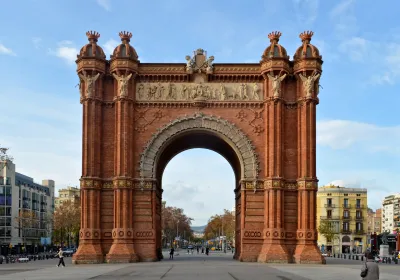
Stage 1: Barcelona - Sant Cugat del Vallès
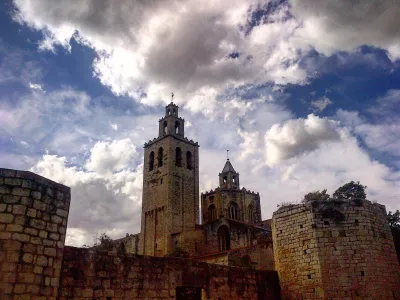
Stage 2: Sant Cugat del Vallès - Esparreguera
Stage 3: Esparreguera - Monestir de Montserrat
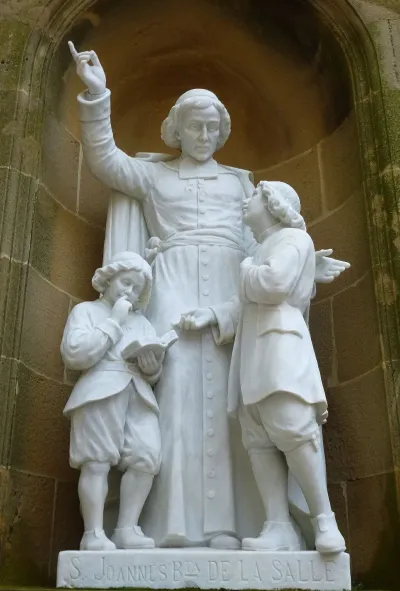
Stage 4: Monestir de Montserrat - Igualada
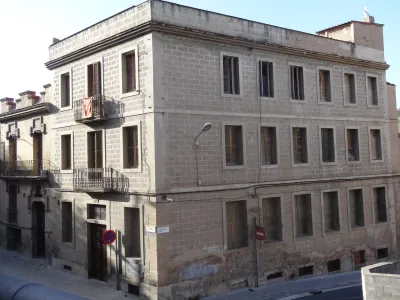
Stage 5: Igualada - La Panadella
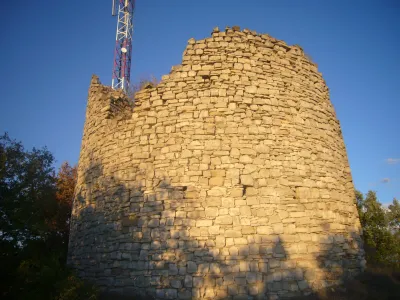
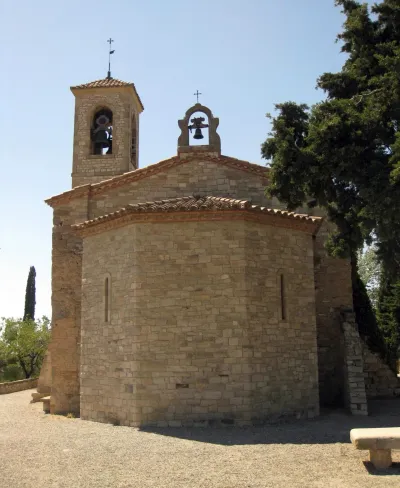
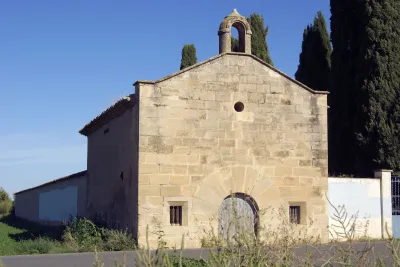

Elevation Profile of
Elevation Profile of Catalan Way by San Juan de la Peña on Bike
Visualize the ups and downs of the route.
Loading elevation profile...
Error loading elevation profile or altitude data not available.
Your trip with Ourway
Everything you need for your Camino
No hassle. Your perfect route, from start to finish.
Accommodation
Selected hotels and hostels at every stage
Luggage transfer
Your backpack travels from stage to stage
Camino Guide
Detailed map with directions and services
24h Support
Team available for any unforeseen event
Pilgrim credential
Official documentation included
No commitment
Free personalized consultation
Walk this route with us
Fancy walking this route?
We don't have a ready-made package for this route yet, but we'll organise it around you. Tell us how you'd like to experience it and a specialist will reply within 24 h.
Request your proposalStages
Stages of Catalan Way by San Juan de la Peña on Bike
Monasterio de Montserrat → La Panadella
Arrival at the end of the world by bike. This stage is an exciting ride that brings the cyclist to the ocean. The landscape opens up to the sea, offering breathtaking views. The final descent towards ...
La Panadella → Linyola
Cycle-touring stage of the Camino Catalán San Juan (the variant that links Catalonia with the Aragonese monastery of San Juan de la Peña). Its 60 km or so descend from the first foothills of the Catal...
Monzón → Huesca
Cycle-touring stage through the Somontano of Huesca. Its 60 km or so link Monzón (with its impressive Templar castle on the hill, where the young Jaime I el Conquistador was educated) with Huesca, cap...
Huesca → Sarsamarcuello
Cycle-touring stage that leaves Huesca to head into the sierra de Guara and the mallos. Its 35 km or so climb gently towards the Pre-Pyrenees of Huesca, with a landscape of Mediterranean scrub, holm o...
Sarsamarcuello → Santa Cilia de Jaca
This short and pleasant stage continues along the Camino Francés route. The journey is a continuous up and down through rural Galicia. Arrival in Arzúa, land of cheese, marks the end of a gastronomic ...
Towns
Featured Towns of Catalan Way by San Juan de la Peña on Bike
Explore the key towns and cities of this route.
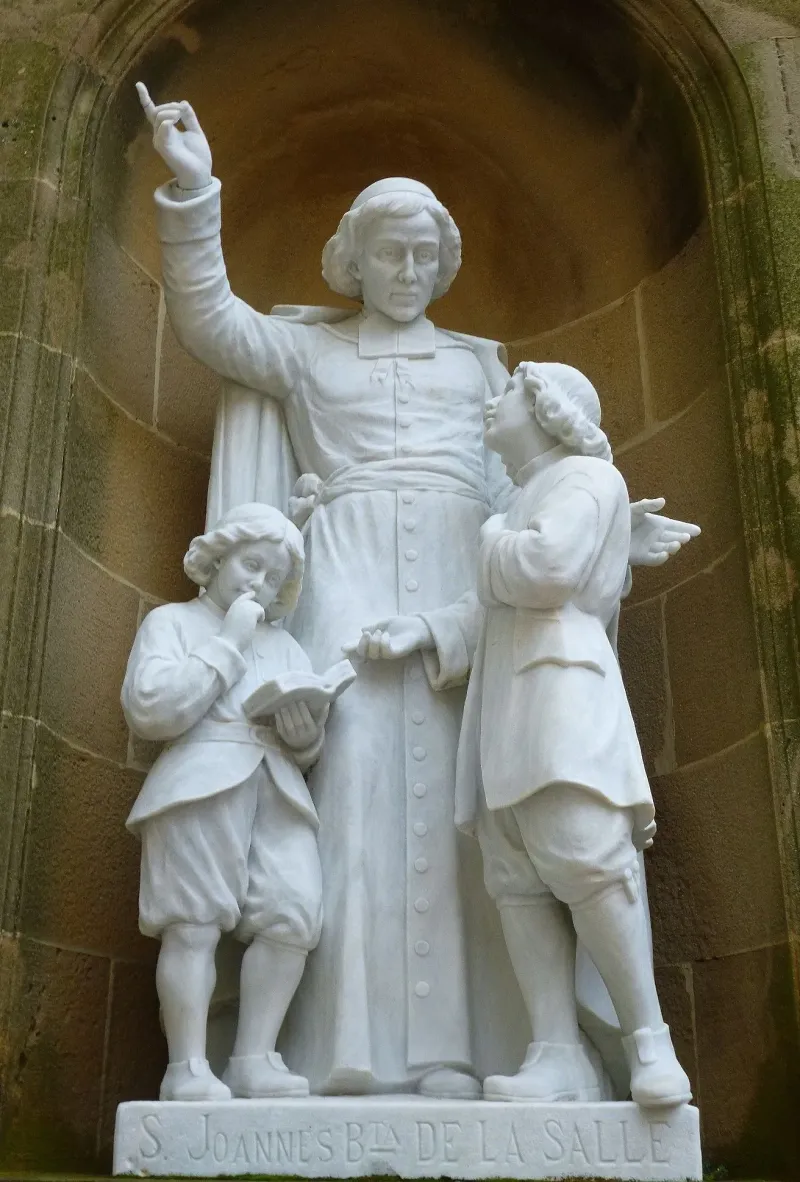
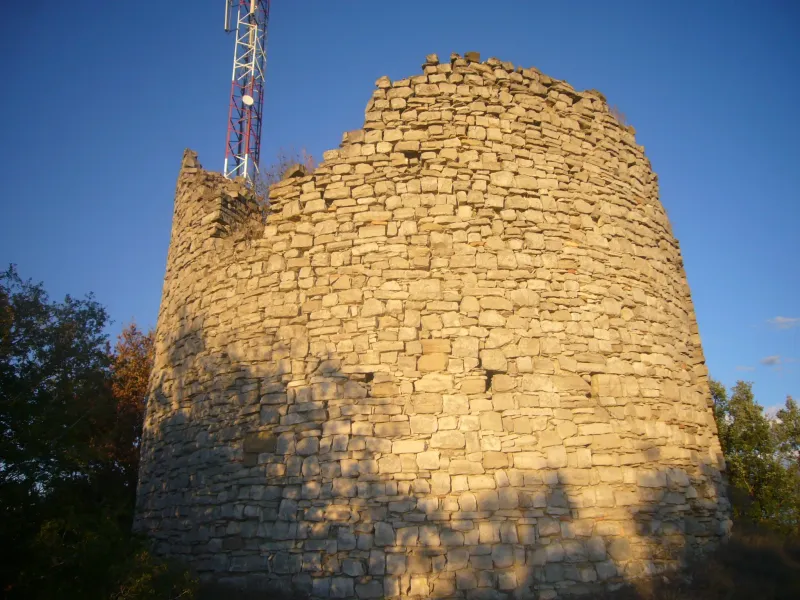
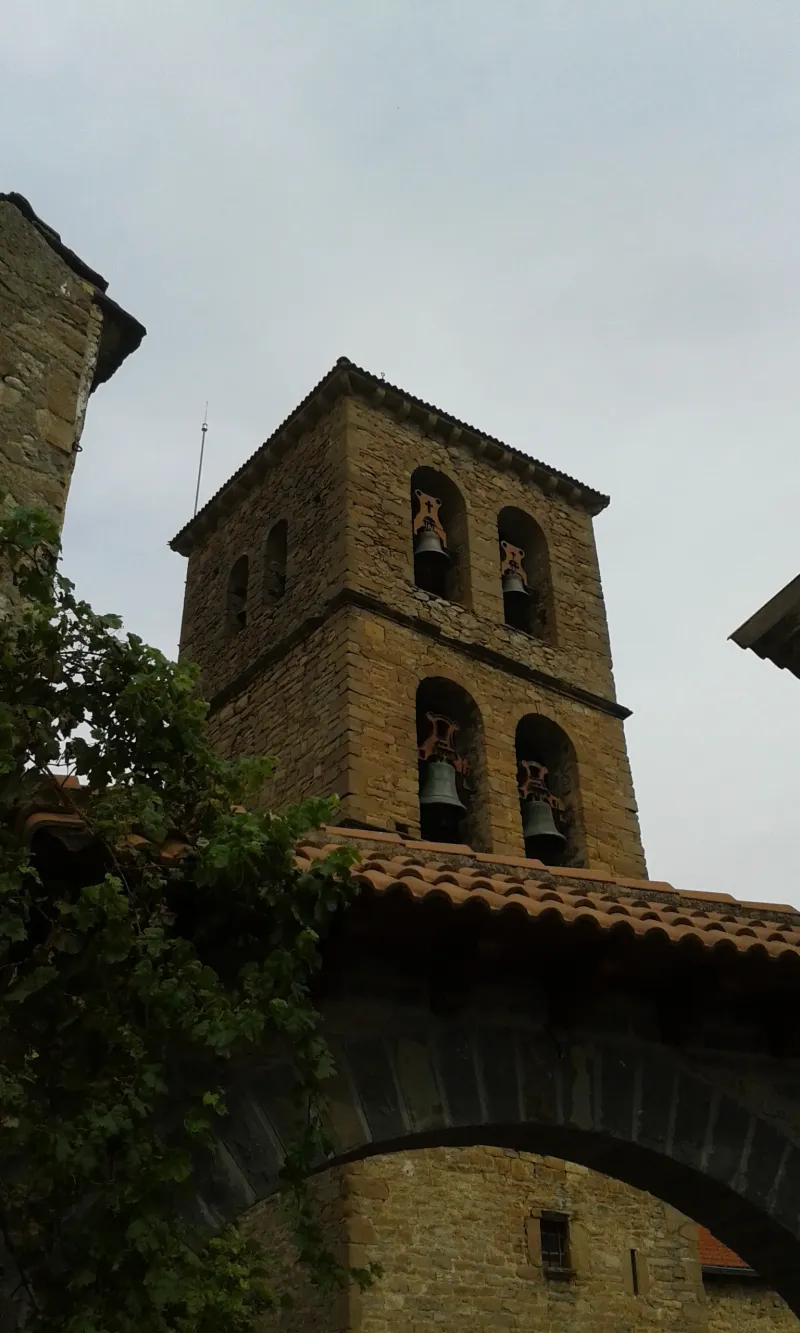
History
Millenary History of the Camino de Santiago: Origins and Evolution Catalan Way by San Juan de la Peña on Bike
Discover the origins and evolution of Catalan Way by San Juan de la Peña on Bike
The original footpath, the "Camí de Sant Jaume", is an ancient network of routes that channelled Catalan pilgrims towards the west. The bicycle version, especially this variant, chooses the most emblematic landmarks of that tradition. The pilgrimage often begins with the ascent to the sacred mountain of Montserrat. For the cyclist, this climb is the first great challenge and a symbolic act, a tribute to Catalonia's tradition of devoting oneself to its patroness, "La Moreneta", before embarking on a major journey. The views from the monastery are the first big reward.
From Montserrat, the route descends and traverses the agricultural plains of Lleida. For the cyclist, this is a transition phase, with fast pedaling that allows them to cover distance efficiently as the landscape changes from the rock formations of Montserrat to the fruit orchards and cereal fields of the interior Catalonia. It's a section that demands endurance and adaptation to a more monotonous but swift terrain.
The true heart of this bicycle variant lies in entering Aragon. The route heads towards the Pre-Pyrenean Oscense, seeking one of Spain's most magical and spiritually powerful places: the Monastery of San Juan de la Peña. The terrain becomes demanding, with constant ascents and descents, ideal for a gravel or mountain bike. The arrival at the monastery is unforgettable. The "long-distance" cyclist discovers their incredible Romanesque cloister, an artistic masterpiece carved under the protection of a vast rock, and visits the Royal Pantheon, the cradle of the Kingdom of Aragon. It's a detour that, although difficult, justifies the entire journey for its historical weight and unique atmosphere.
After this immersion in Aragonese history, the cyclist descends to join the main route of the Camino Aragonés, the path coming from the Somport port. From here on, signage and services improve, and the pilgrim on a bike joins a larger flow of walkers, sharing the final stages of Aragon and Navarre until the great convergence at Puente la Reina, where they integrate into the Camino Francés.
The story of this bicycle route is therefore that of a deliberate choice for cultural depth and physical challenge. It's not the easiest or most direct route, but one of the richest. It's a journey weaving a narrative between three major spiritual centers, a "pilgrimage of the Three Mountains" that the modern cyclist, with their autonomy and speed on their machine, can unite in a single unforgettable adventure.
We answer your questions
Frequently Asked Questions about Catalan Way by San Juan de la Peña on Bike
How many kilometers and days does the Catalan Way through San Juan de Peña by bicycle take?
The Catalan Way through San Juan de Peña on a bike is approximately 325 km long, divided into 6 stages. This route is suitable for experienced cyclists looking for a significant challenge.
What is the best time of year to do the Catalan Way through San Juan de Peña by bicycle?
The best period for this route is from April to June and September to October. During these seasons, you can enjoy pleasant weather and fewer pilgrims compared to summer.
What is the difficulty of cycling the Catalan Way through San Juan de la Peña?
Cycling the Catalan Way through San Juan de la Peña has a high level of difficulty due to its length and varied topography. It includes demanding ascents and technical descents, making it ideal for experienced cyclists.
What services are included in the Catalan Way through San Juan de la Peña bike tour with Ourway Travel?
Ourway Travel provides a comprehensive experience that includes accommodation, luggage transfer between stages, local guide and personalized advice. Additionally, we manage your pilgrim credential to facilitate your journey.
How can I book my bike trip on the Catalan Way to San Juan de la Peña with Ourway Travel?
To reserve your bike trip along the Catalan Way, simply fill out our online booking form or get in touch directly with our expert team. Ourway handles all the details to ensure an unforgettable experience.
How does the Catalan Way through San Juan de Peña by bicycle compare to other routes?
The Catalan Way through San Juan de Peña on a bike is unique for its blend of mountainous and cultural landscapes, from Montserrat to Aragon. It offers a greater physical challenge than pedestrian paths but allows exploration of areas not accessible on foot.
Which route should I choose if I prefer a less challenging cycling route?
If you're looking for a less demanding route, you might consider the Camino del Norte or the Primitivo. These itineraries offer varied landscapes and rich historical experiences without the same technical difficulty as cycling through San Juan de la Peña.
How do I obtain my pilgrim's credential for the Catalan Way?
Ourway Travel facilitates obtaining your pilgrim's credential. Once you have booked your trip, our team will guide you on how to complete this essential requirement for your Jacobean journey.
Organize Your Camino
Ready for this adventure?
Catalan Way by San Juan de la Peña on Bike