
Camino de Santiago
Catalan Way
The Catalan Way (Way of St. James) is the network of routes from Catalonia heading west to join the French Way, passing through places like the Monastery of Montserrat.
Organize your Catalan WayLast updated: 21/05/2025
The Route
General Description of Catalan Way
These branches seek connection with the Aragonese French Way (via Huesca) or with the Ebro Way (via Lleida and Zaragoza). It is a way to discover the diversity of Catalan landscape and culture as part of the Jacobean pilgrimage.
Related Routes
Connections of Catalan Way
Route of the Ebro
457 km
18
Media
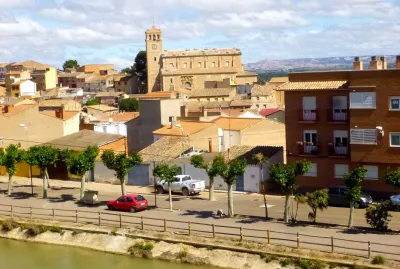
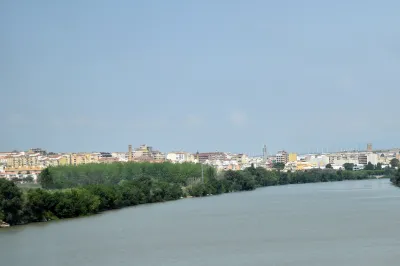
The Ebro Way is a Jacobean route that largely follows the course of the same-named river. It begins at the Ebro Delta or Tortosa and heads northwest to Logroño (La Rioja), where it meets the French Way. Its 457 km journey offers an unique experience, combining the natural richness of its banks with the heritage of the towns it passes through, such as the monumental Zaragoza.
It is a route with mostly flat sections that allows you to discover the diversity of landscapes in Catalonia, Aragon and La Rioja.
Stages of this variant:
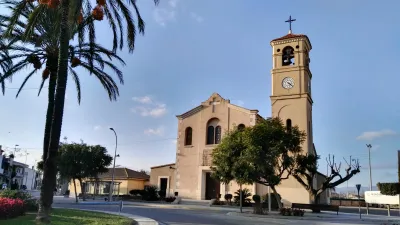
Stage 1: Deltebre to La Ràpita
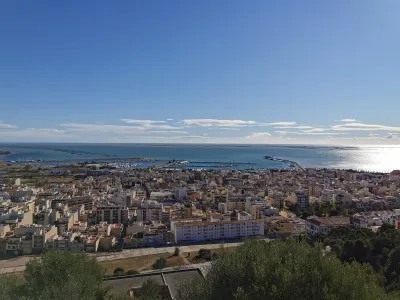
Stage 2: La Ràpita to Tortosa
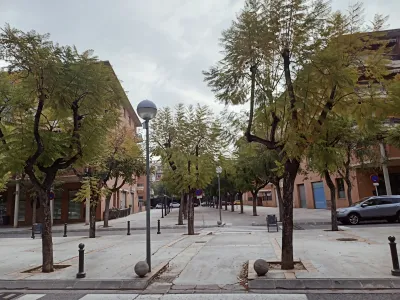
Stage 3: Tortosa to Xerta
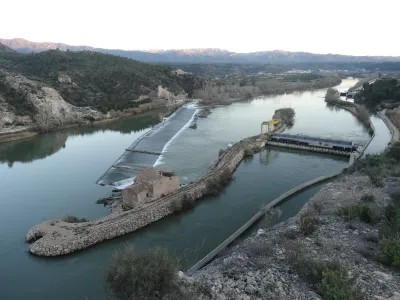
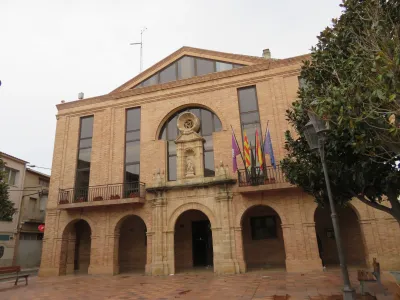
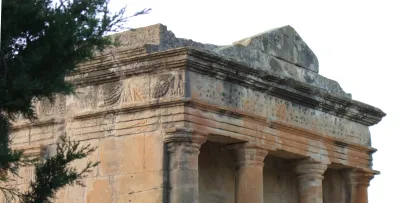
Stage 4: Xerta to Gandesa
Stage 5: Gandesa to Fabara
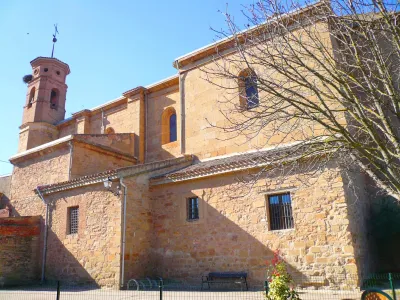
Catalan Way by San Juan de la Peña on Bike
325.0 km
6
High
The Catalan Way on a bike is a journey of contrasts that starts from the iconic Monastery of Montserrat. Along 6 stages, the route passes through Catalonia to enter Aragon. The terrain is varied and demanding, ideal for gravel or mountain bikes. The spiritual and scenic highlight of the route is the arrival at the Monastery of San Juan de la Peña, a magical place excavated in rock, before joining the Aragonese French Way. It's an option for cyclists looking for a long, diverse, and deeply historic route.
Stages of this variant:
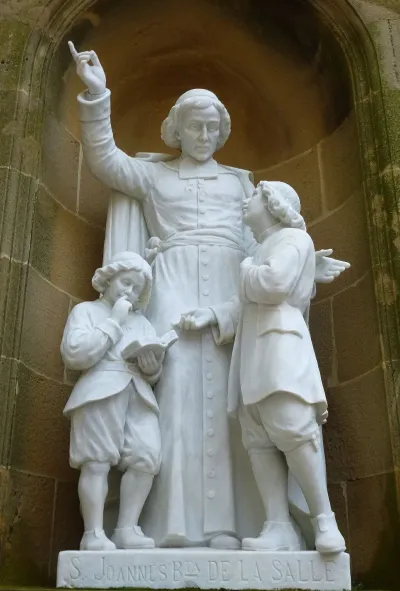
Stage 1: Monasterio de Montserrat to La Panadella (By bike)
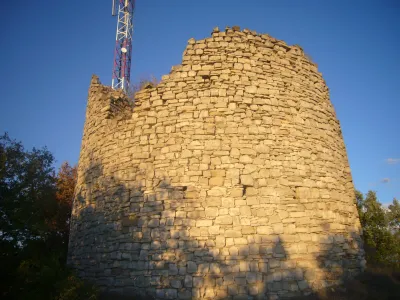
Stage 2: La Panadella to Linyola (By bike)
Stage 3: Linyola to Monzón (By bike)
Stage 4: Monzón to Huesca (By bike)
Stage 5: Huesca to Sarsamarcuello (By bike)
Elevation Profile of
Elevation Profile of Catalan Way
Visualize the ups and downs of the route.
Loading elevation profile...
Error loading elevation profile or altitude data not available.
Your trip with Ourway
Everything you need for your Camino
No hassle. Your perfect route, from start to finish.
Accommodation
Selected hotels and hostels at every stage
Luggage transfer
Your backpack travels from stage to stage
Camino Guide
Detailed map with directions and services
24h Support
Team available for any unforeseen event
Pilgrim credential
Official documentation included
No commitment
Free personalized consultation
Walk this route with us
Fancy walking this route?
We don't have a ready-made package for this route yet, but we'll organise it around you. Tell us how you'd like to experience it and a specialist will reply within 24 h.
Request your proposalStages
Stages of Catalan Way
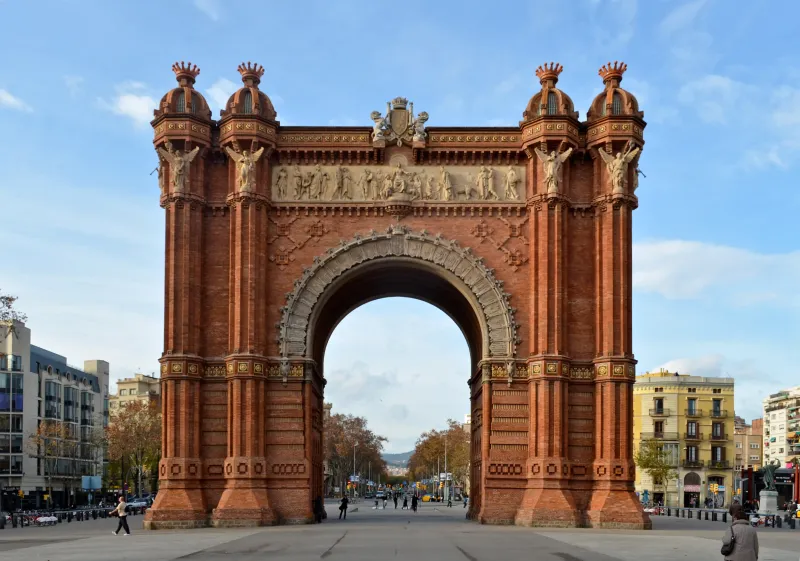
Barcelona → Sant Cugat del Vallès
The first stage of the Camino Catalán, setting out west from Barcelona. It starts from the cathedral of la Santa Creu i Santa Eulàlia or from the basilica of la Sagrada Família, climbing up through Va...
Sant Cugat del Vallès → Esparreguera
This stage marks the entry into Burgos province, in the beautiful Mena Valley. The profile is of medium mountain, with continuous rise and fall through a landscape of green meadows, forests and small ...
Esparreguera → Monasterio de Montserrat
Stage description not available.
Monasterio de Montserrat → Igualada
Stage description not available.
Towns
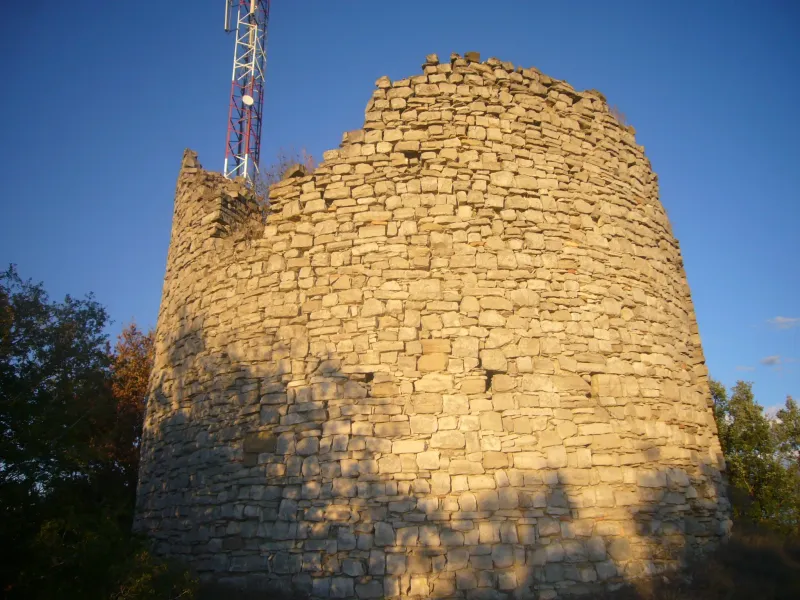
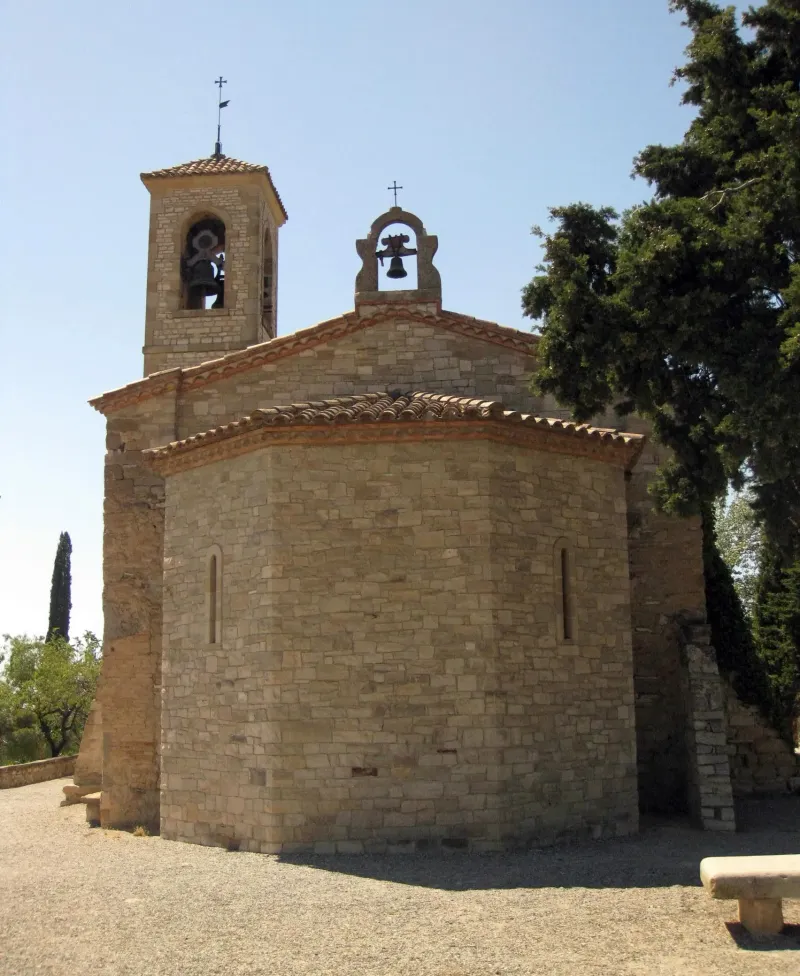
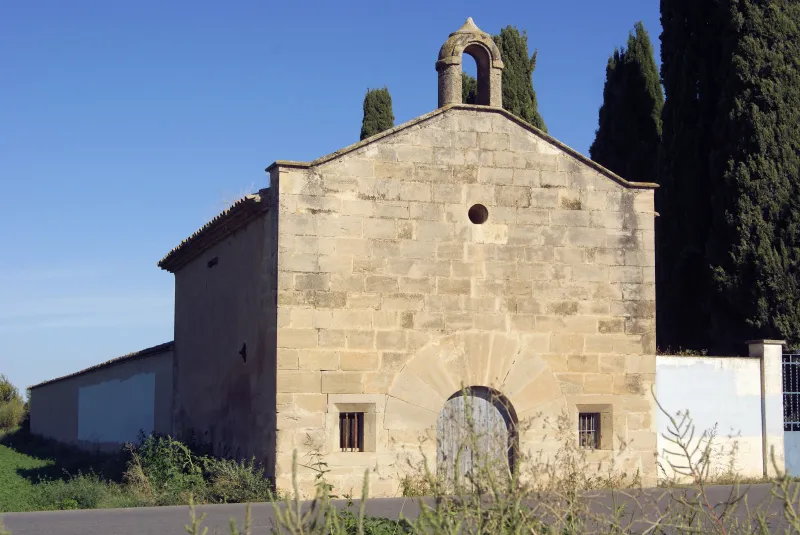
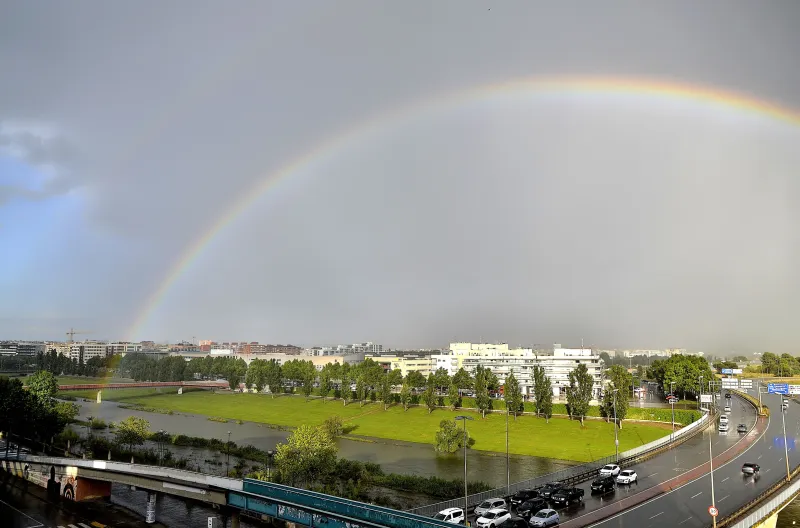
Featured Towns of Catalan Way
Explore the key towns and cities of this route.
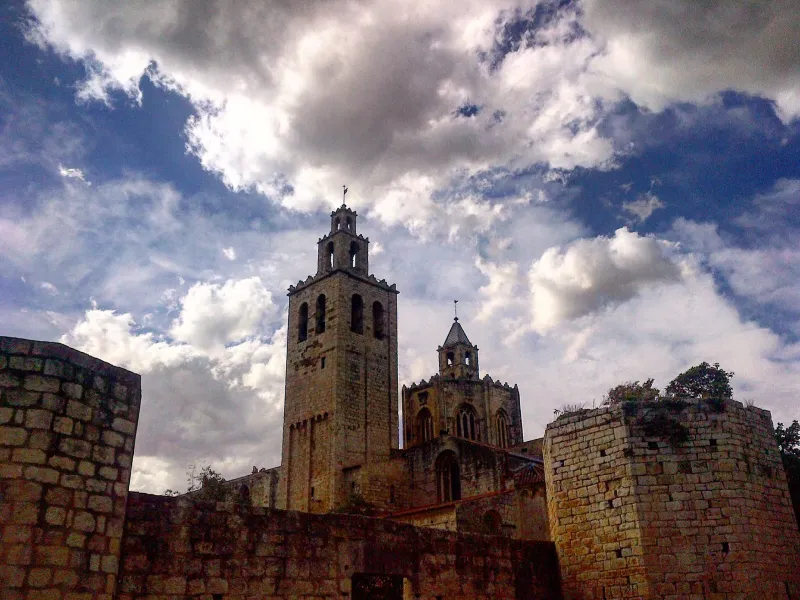
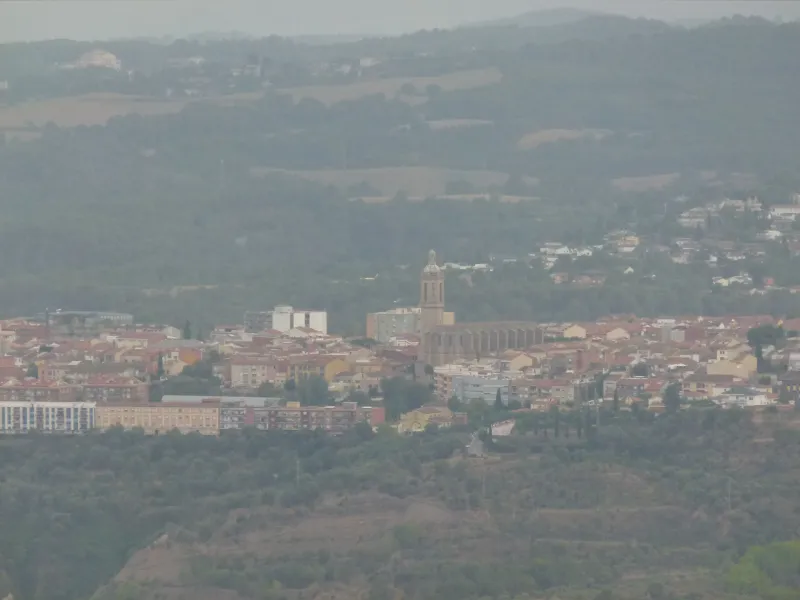
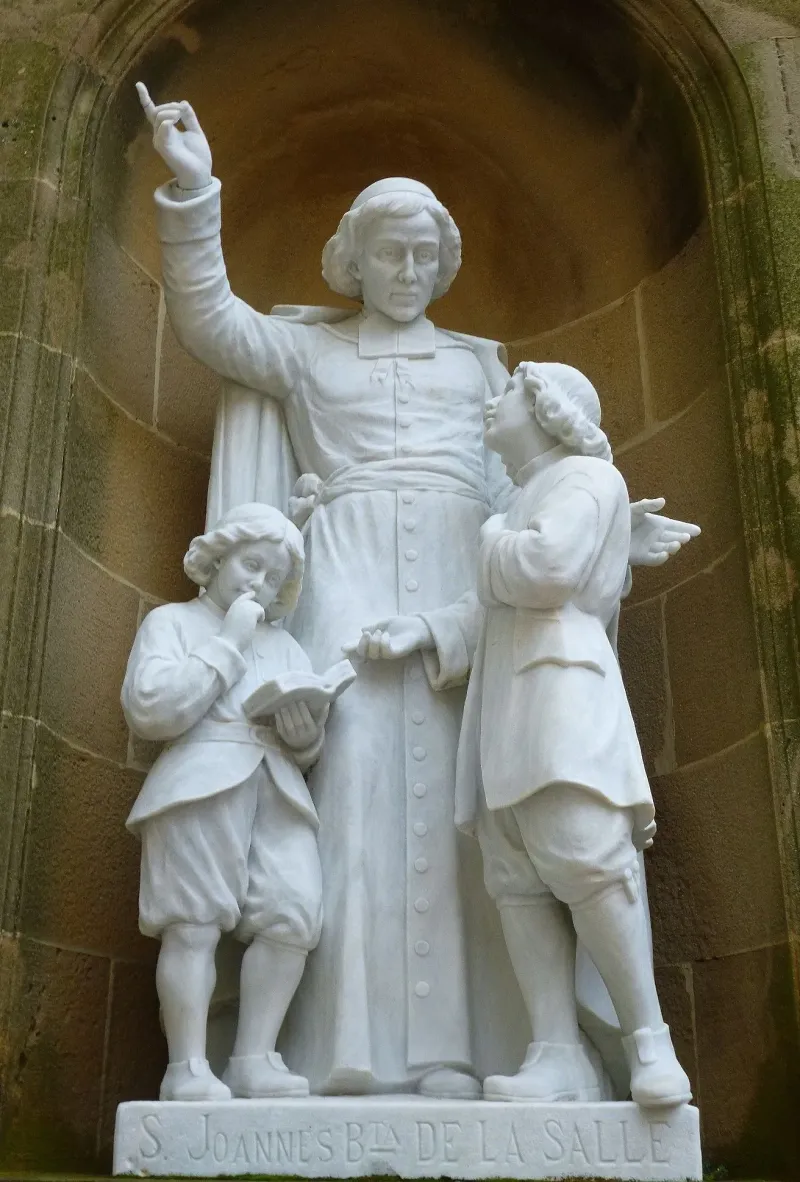
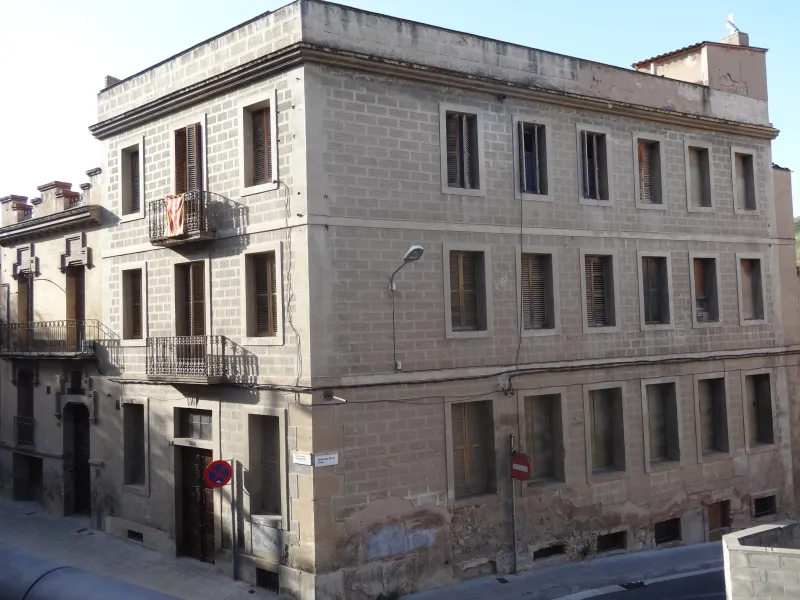
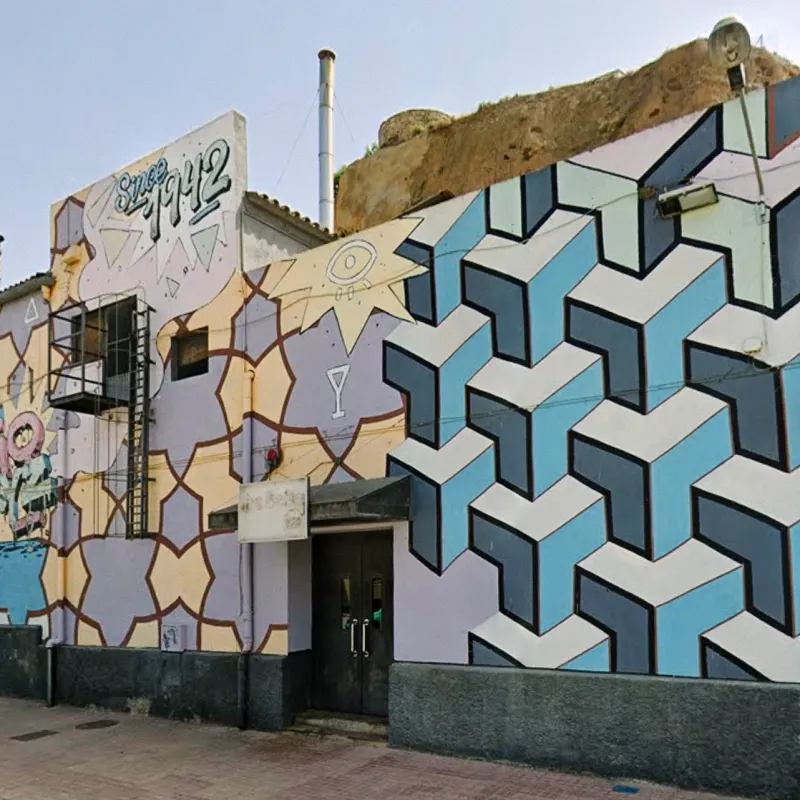
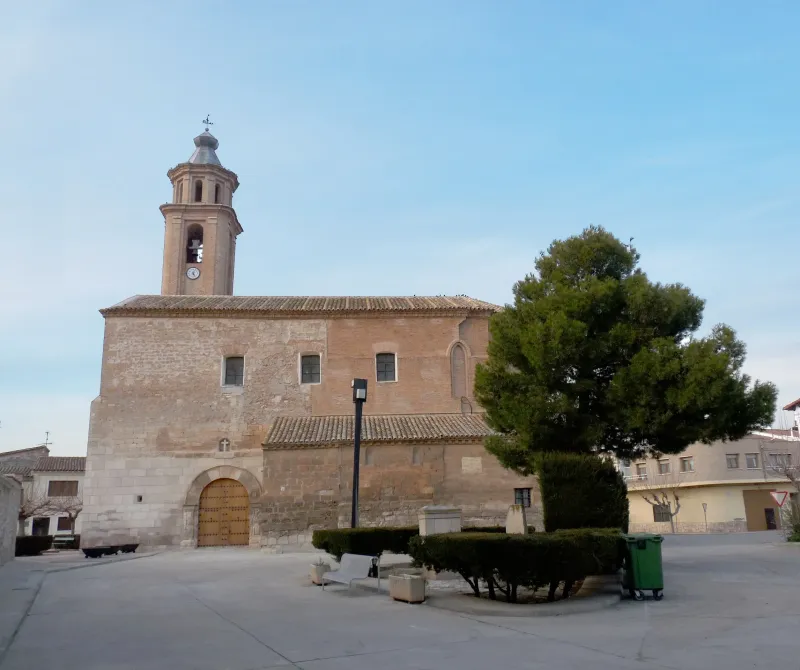
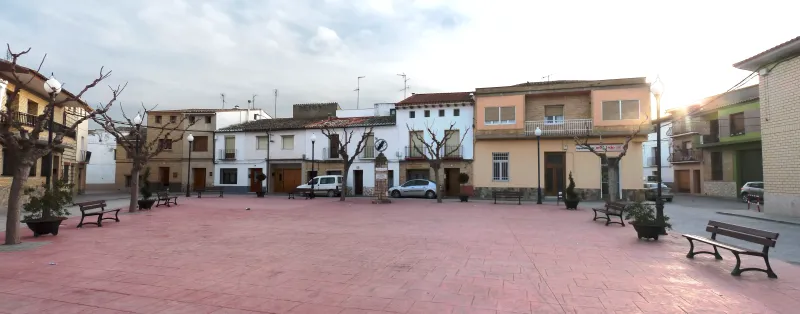
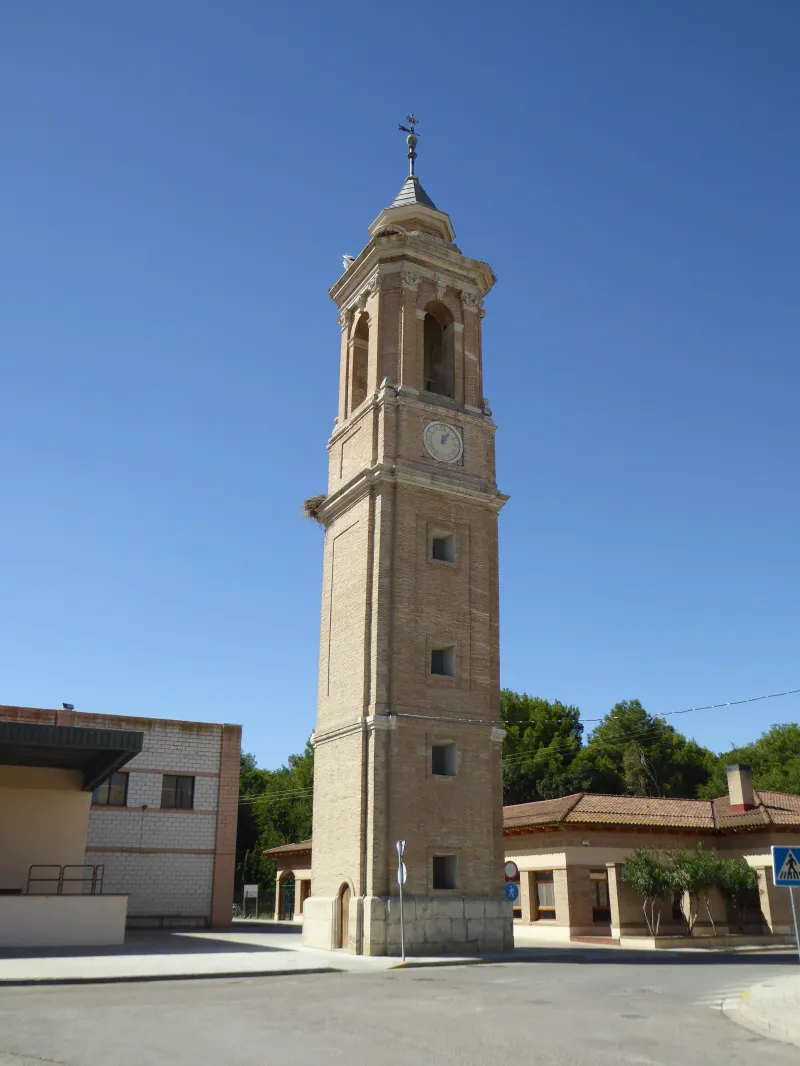
History
Millenary History of the Camino de Santiago: Origins and Evolution Catalan Way
Discover the origins and evolution of Catalan Way
The Jacobean tradition in Catalonia is one of the oldest on the peninsula. Already in the 10th and 11th centuries, records of pilgrims, hospitals and confraternities dedicated to Santiago are found. The geographical situation of Catalonia, with numerous Pyrenean passes and a long maritime coastline, made it a natural entrance for pilgrims coming from France and Italy. These roads overlapped with the ancient Roman road network, such as the Via Augusta, which already connected the territory.
This Way is characterized by the diversity of its starting points, which converged over time towards the interior. One of the most important was the one that started from the Monastery of Sant Pere de Rodes, a jewel of Romanesque architecture perched on a mountain overlooking the sea in Cap de Creus. It was the first great sanctuary that pilgrims encountered as they crossed the eastern Pyrenees. Another major starting point was the city of Barcelona, capital of the County and an important commercial and maritime centre.
However, the spiritual heart of the Catalan Way is undoubtedly the sacred mountain of Montserrat. For many Catalan pilgrims, the journey to Santiago began with a pilgrimage to their own great sanctuary to prostrate themselves before "La Moreneta", the Black Virgin, patroness of Catalonia. The branch that leaves Barcelona and ascends to Montserrat is therefore one of the most travelled and symbolic. The imposing Benedictine abbey, a beacon of faith and culture, was and remains an essential stage.
All these branches, along with others that rose from Tarragona and the south, sought Lleida as a great point of convergence. From Lleida, the medieval pilgrim had mainly two options to continue his journey towards the west. The first was to head north towards Huesca, to link up in Jaca or Santa Cilia with the Aragonese Way, a mountainous route rich in Romanesque art. The second option was to follow a more southern route, following the valleys of the Segre and Cinca rivers to join the Ebro Way near Mequinenza, and through it, reach Logroño and the French Way.
The history of the Catalan Way is also marked by the influence of the great Cistercian monasteries of Poblet and Santes Creus, declared World Heritage Sites, which although required deviations, were important centres of power and hospitality. The Generalitat of Catalonia and numerous local associations have done a remarkable job in recent decades to investigate, unify and mark this complex network of roads. Today, the Camí de Sant Jaume offers the pilgrim a journey through the enormous diversity of landscape and culture of Catalonia, from the coves of the Costa Brava to the agricultural plains of Lleida, a testament to its deep European and peregrine vocation.
We answer your questions
Frequently Asked Questions about Catalan Way
How many days does the Catalan Way take from Barcelona to Santiago de Compostela?
The Catalan Way from Barcelona to Santiago de Compostela takes approximately 13 days, offering a journey that combines the natural and cultural beauty of Catalonia with the spirituality of the Camino de Santiago. Ourway Travel provides personalized itineraries for you to enjoy this historic route to the fullest.
What is the difficulty level of the Catalan Way?
The Catalan Way has a medium difficulty level, as it includes sections with steep ascents and descents, particularly on the route to Montserrat. However, Ourway Travel provides routes tailored to your abilities to ensure a safe and rewarding experience.
What is the best time of year to do the Catalan Way?
The best period to undertake the Catalan Way is April, May, September, and October. During these months, you can enjoy pleasant weather without experiencing summer's high temperatures or winter's low pilgrim activity. Ourway Travel helps you plan your journey so that you don't miss a detail.
What does the Ourway Travel reservation package for the Catalan Way include?
The Ourway Travel reservation package for the Catalan Way includes accommodations in selected hostels or rural houses, detailed guides and maps of the route, personalized advice, and travel insurance. We also offer the option to book additional services such as transportation from Barcelona to your starting point.
What is the approximate cost per person for the Catalan Way with Ourway Travel?
The cost of a trip on the Catalan Way with Ourway Travel varies depending on duration, requested additional services, and accommodation preferences. A typical package ranges from €1200 to €1600 per person for a full 13-day journey, covering all your needs along the way.
How does the Catalan Way compare to other Jacobean routes like the French or Portuguese Ways?
The Catalan Way offers a unique experience by combining urban and rural landscapes of Catalonia, passing through historical sites such as Montserrat. Unlike the French Way, it is less crowded and more varied in geography. Compared to the Portuguese Way, it has a milder climate throughout the year due to its northern location.
Which is the best route for the Catalan Way: Barcelona or Tarragona?
Both routes are excellent, but if you're looking for an option with greater cultural and historical diversity from a larger and more accessible starting point, Barcelona might be your ideal choice. Ourway Travel advises based on your personal preferences to choose the route that best suits you.
How do I obtain a pilgrim credential and where can I leave my luggage with Ourway Travel?
The pilgrim credential can be obtained at the offices of Ourway Travel or in most hostels or churches along the route. As for your luggage, we manage the backpack relay service so you can travel light throughout your journey.
Organize Your Camino
Ready for this adventure?
Catalan Way