Stage of the Camino
Stage Description
The first half of the long day between Barcelos and Ponte de Lima, split in two to soften the thirty-four kilometres of the official stage. The way leaves Barcelos crossing the Cávado on the medieval bridge and enters rural Minho straight away, among vinho verde vineyards, cobbled paths and scattered hamlets. After Vila Boa, Lijó and Campo, the route faces the only serious climb of the day, the hill that leads up to the Portela de Tamel, where one hundred and thirty metres are gained in a little over two kilometres. Once over the top, the profile eases and drops gently through Aborim and Giestal to Balugães, a rural parish in the municipality of Barcelos where the pilgrim finds lodging, a meal and silence half a day from the river Lima.
This stage corresponds to the first half of the official route between Barcelos and Ponte de Lima which, with its 34.5 kilometres and close to a thousand metres of accumulated ascent, is one of the most demanding days on the Central Portuguese Camino. Splitting it at Balugães reduces the day to 18 kilometres and makes it possible to tackle the climb to the Portela de Tamel with fresh legs.
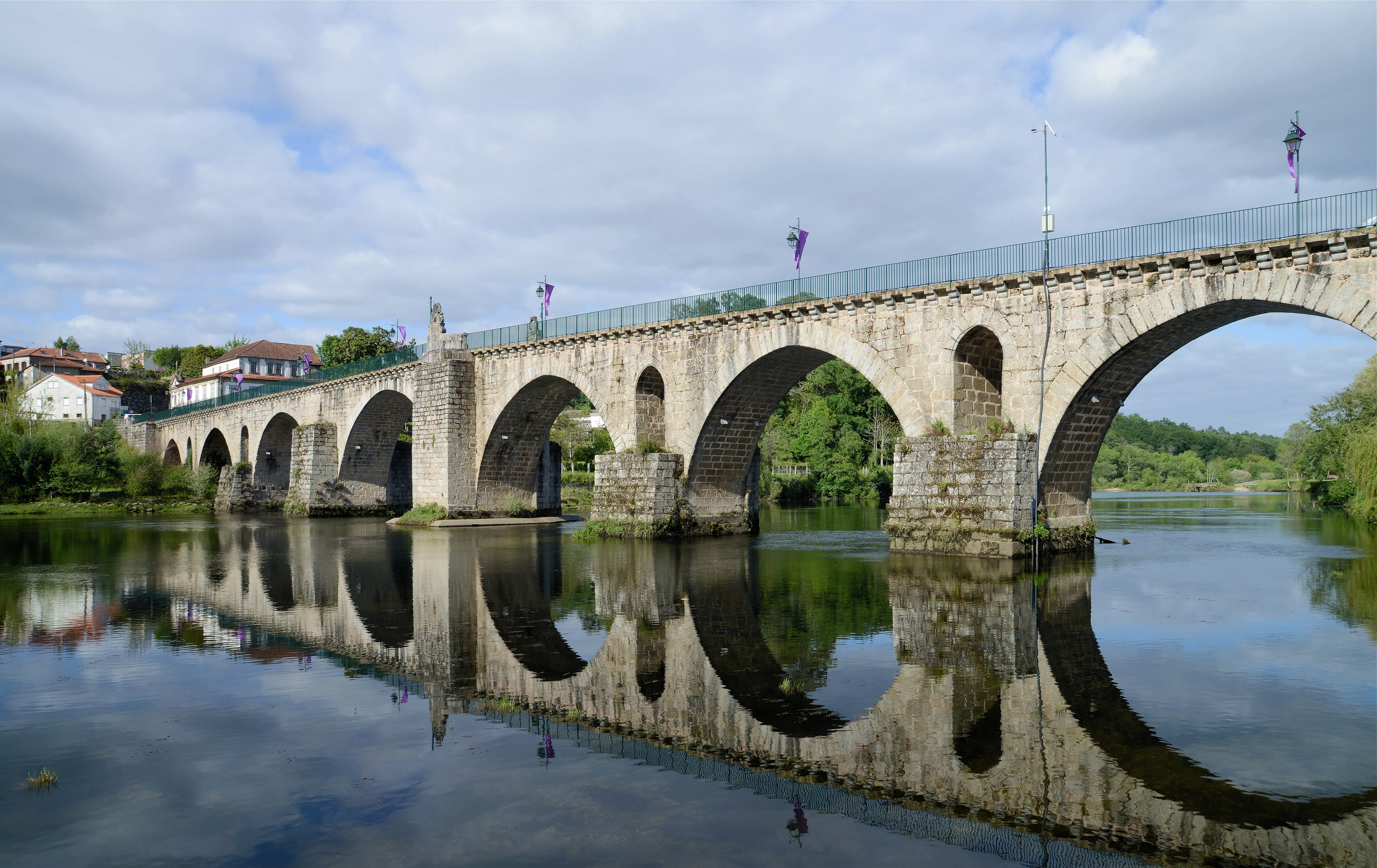
The exit from Barcelos is made over the medieval bridge on the Cávado, at the foot of the Paço dos Condes and the sanctuary of Senhor da Cruz. The route leaves the old town behind and within a few kilometres swaps asphalt for dirt tracks and cobbled sunken lanes. Vila Boa, Lijó and Campo follow one another among plots of maize and vinho verde trellises held up by granite columns, an image that accompanies the pilgrim throughout the Minho.
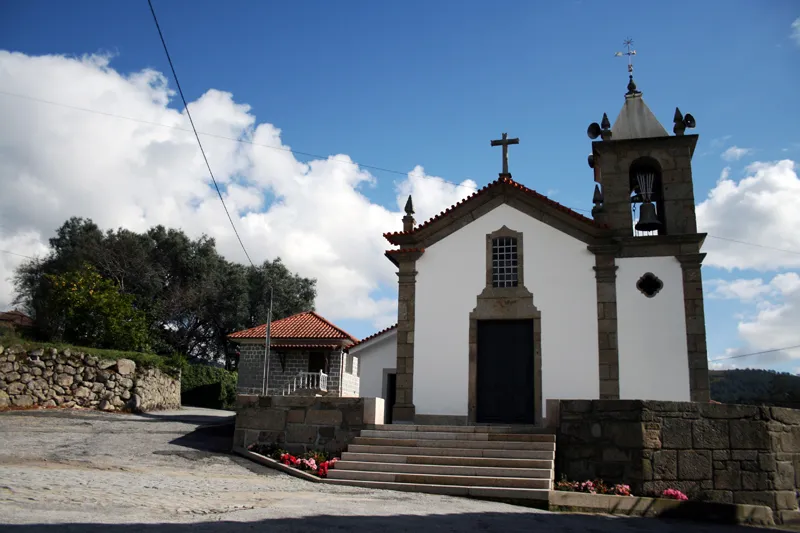
The middle section concentrates the difficulty. At Bouças the climb to the Portela de Tamel begins, a haul that gains some one hundred and thirty metres in a little over two kilometres and is the day's highest point. From the top, with the chapel of Nossa Senhora da Aparecida as a landmark, a wide view opens over the valley of the Neiva and the ranges that close the horizon to the north.
Once the portela is behind, the profile turns gentle. The descent crosses Aborim and Giestal on rural tracks and small roads with little traffic, with cruceiros and granite chapels lining the verge. The arrival in Balugães is a discreet one: a scattered parish of stone houses, farm estates and fields closed in by low walls, with hardly any shops but with enough accommodation for the pilgrim who decides to split the stage here.
Balugães keeps the farming character of the Minho interior and the silence of the villages that the Camino crosses without transforming. It is a stop for resting rather than for sightseeing, made for arriving early, eating at leisure and saving strength for the second half, which, the next day, passes through Vitorino dos Piães and drops down to the Roman bridge of Ponte de Lima.
The exit from Barcelos is made over the medieval bridge on the Cávado, at the foot of the Paço dos Condes and the sanctuary of Senhor da Cruz. The route leaves the old town behind and within a few kilometres swaps asphalt for dirt tracks and cobbled sunken lanes. Vila Boa, Lijó and Campo follow one another among plots of maize and vinho verde trellises held up by granite columns, an image that accompanies the pilgrim throughout the Minho.
The middle section concentrates the difficulty. At Bouças the climb to the Portela de Tamel begins, a haul that gains some one hundred and thirty metres in a little over two kilometres and is the day's highest point. From the top, with the chapel of Nossa Senhora da Aparecida as a landmark, a wide view opens over the valley of the Neiva and the ranges that close the horizon to the north.
Once the portela is behind, the profile turns gentle. The descent crosses Aborim and Giestal on rural tracks and small roads with little traffic, with cruceiros and granite chapels lining the verge. The arrival in Balugães is a discreet one: a scattered parish of stone houses, farm estates and fields closed in by low walls, with hardly any shops but with enough accommodation for the pilgrim who decides to split the stage here.
Balugães keeps the farming character of the Minho interior and the silence of the villages that the Camino crosses without transforming. It is a stop for resting rather than for sightseeing, made for arriving early, eating at leisure and saving strength for the second half, which, the next day, passes through Vitorino dos Piães and drops down to the Roman bridge of Ponte de Lima.
Last updated: 01/08/2026
Where to Sleep
Accommodations in this Stage
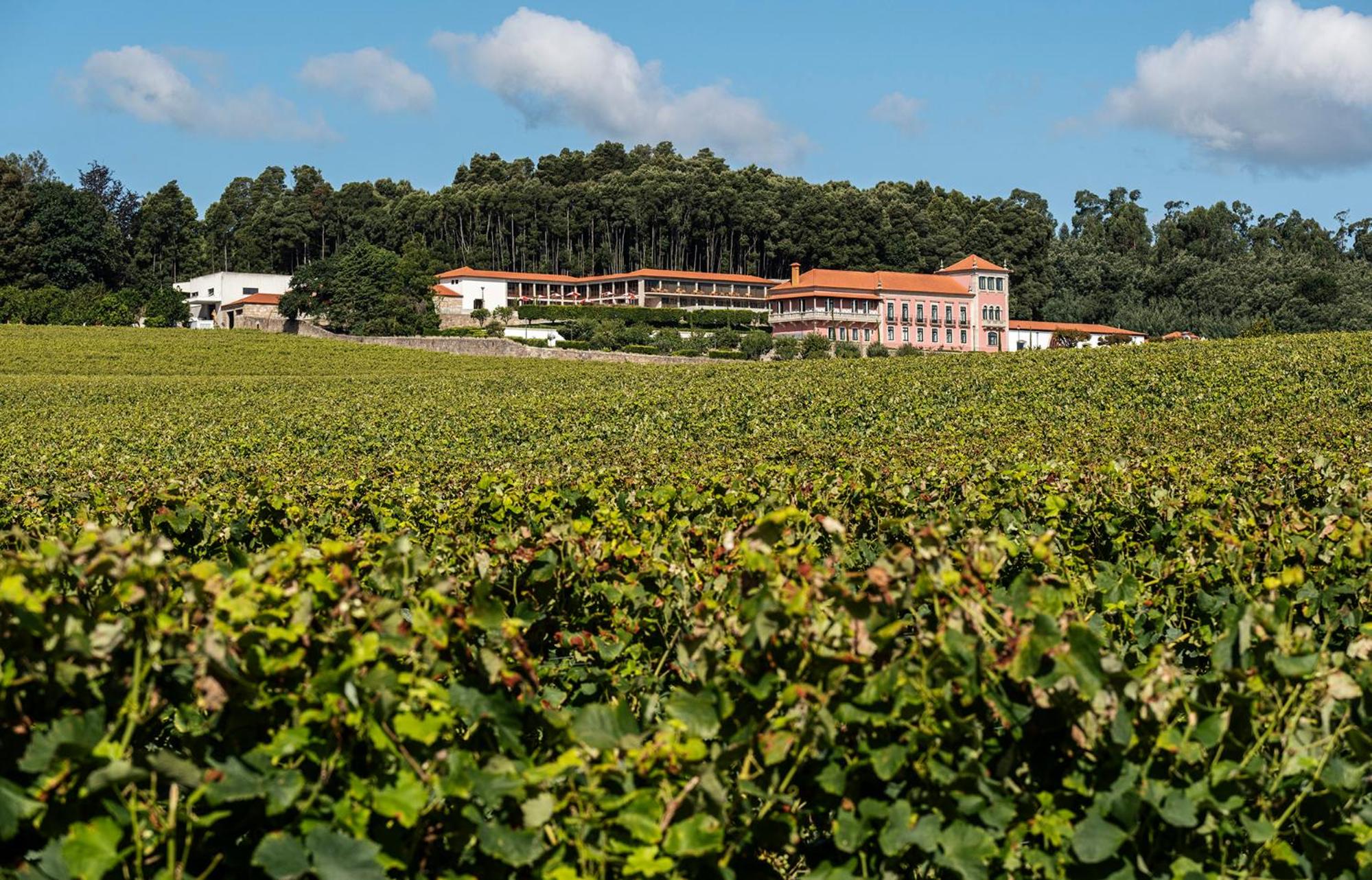
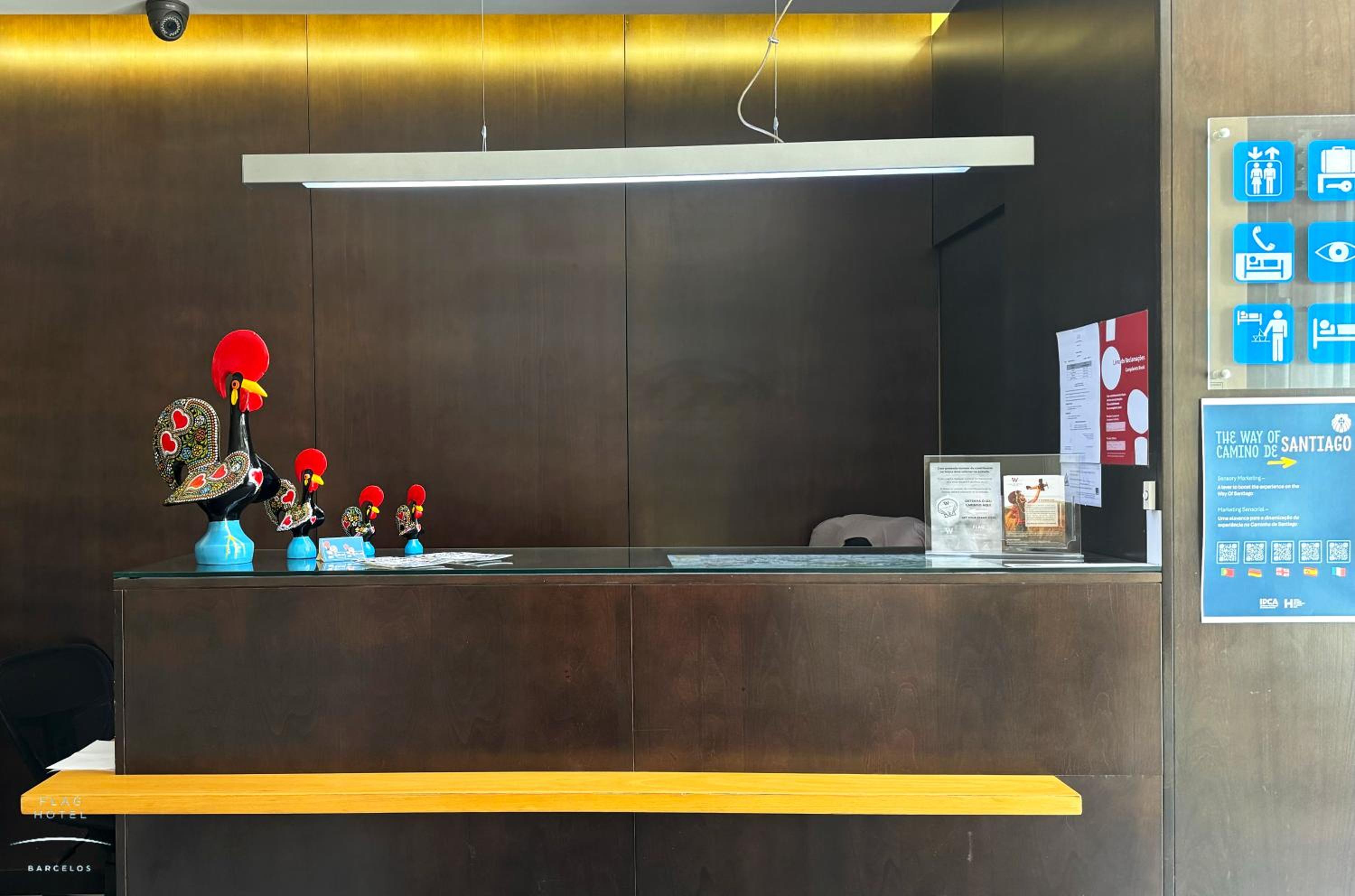
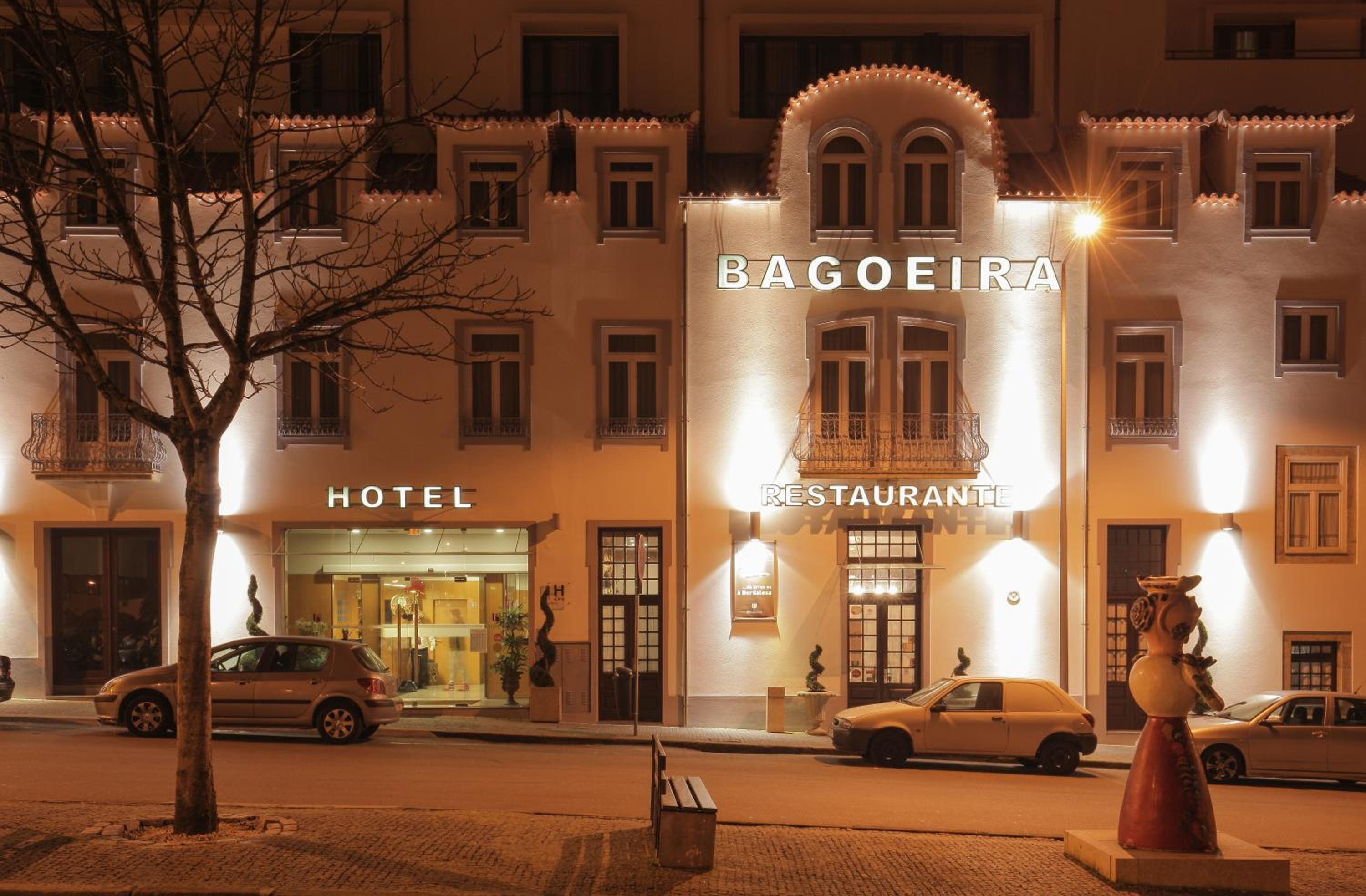
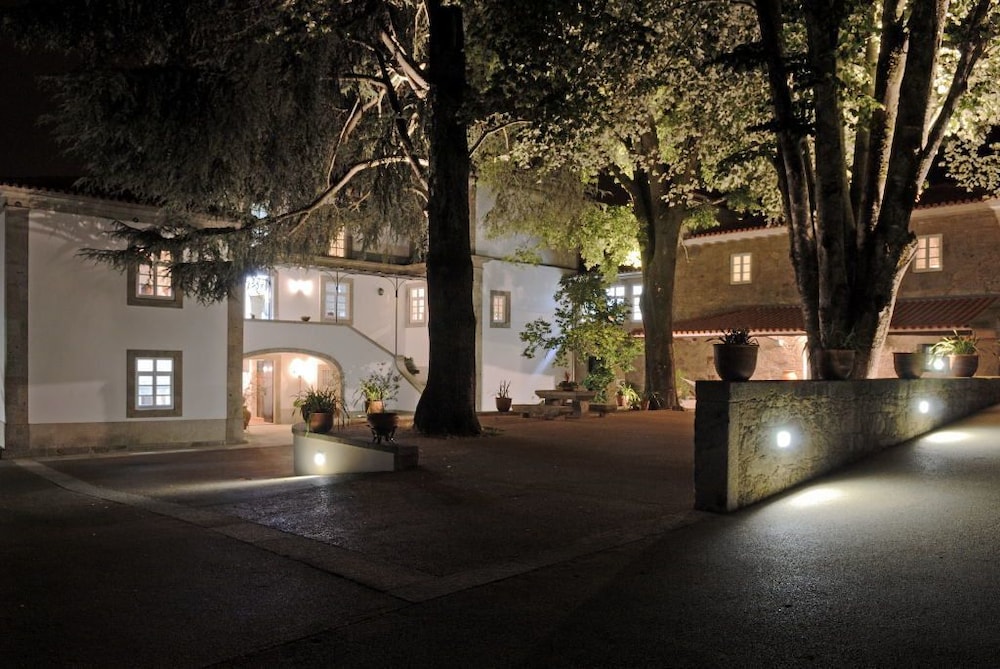
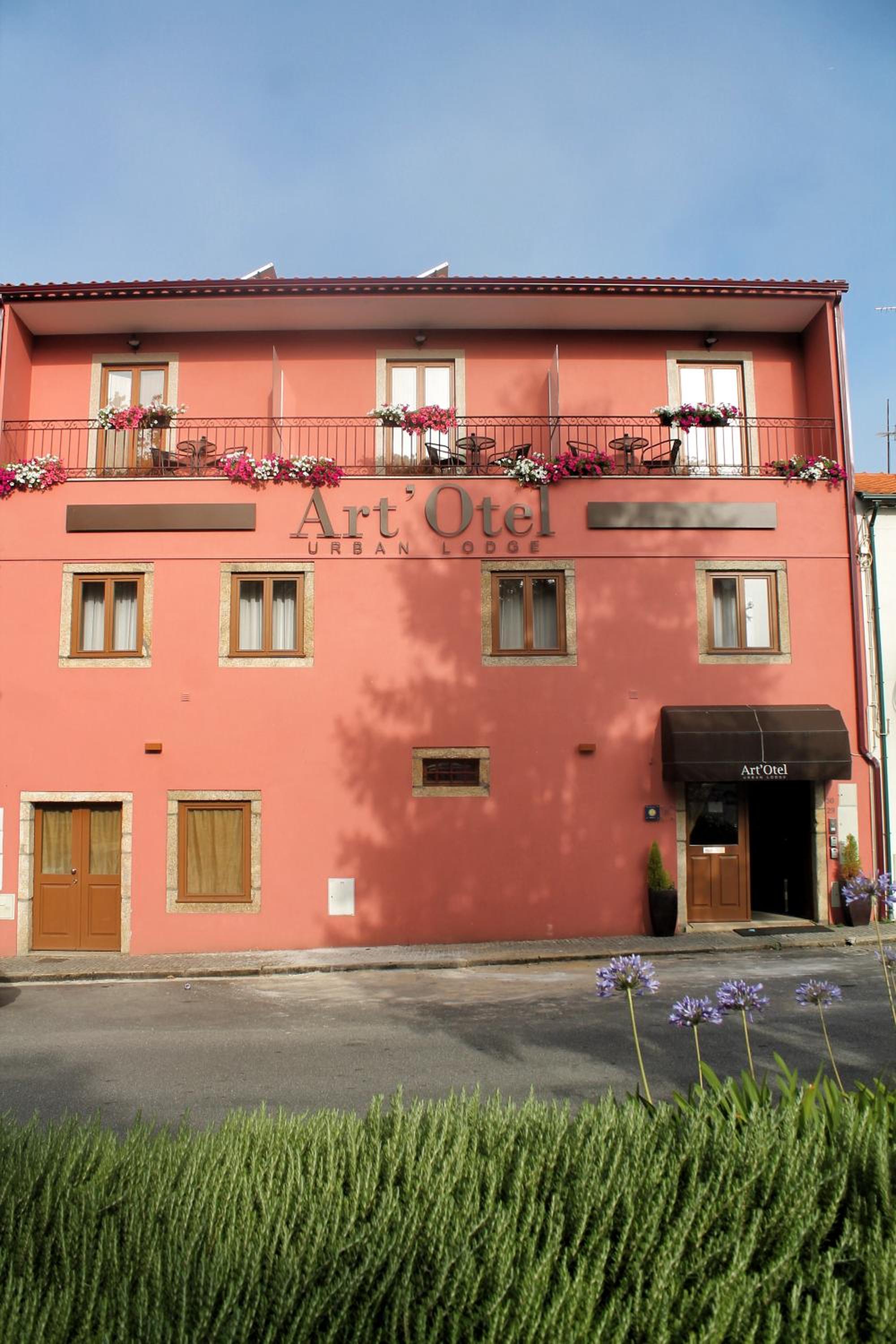
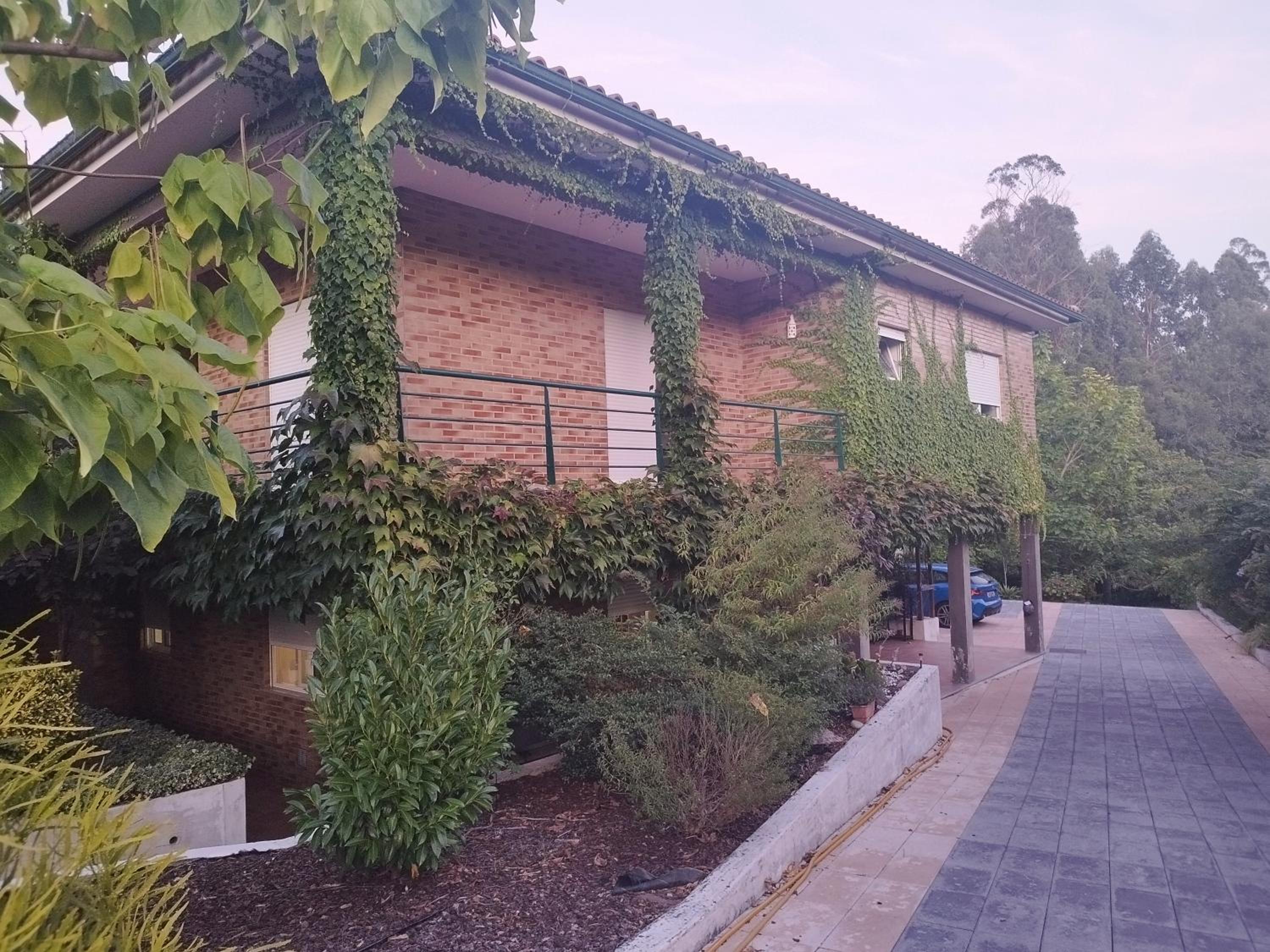
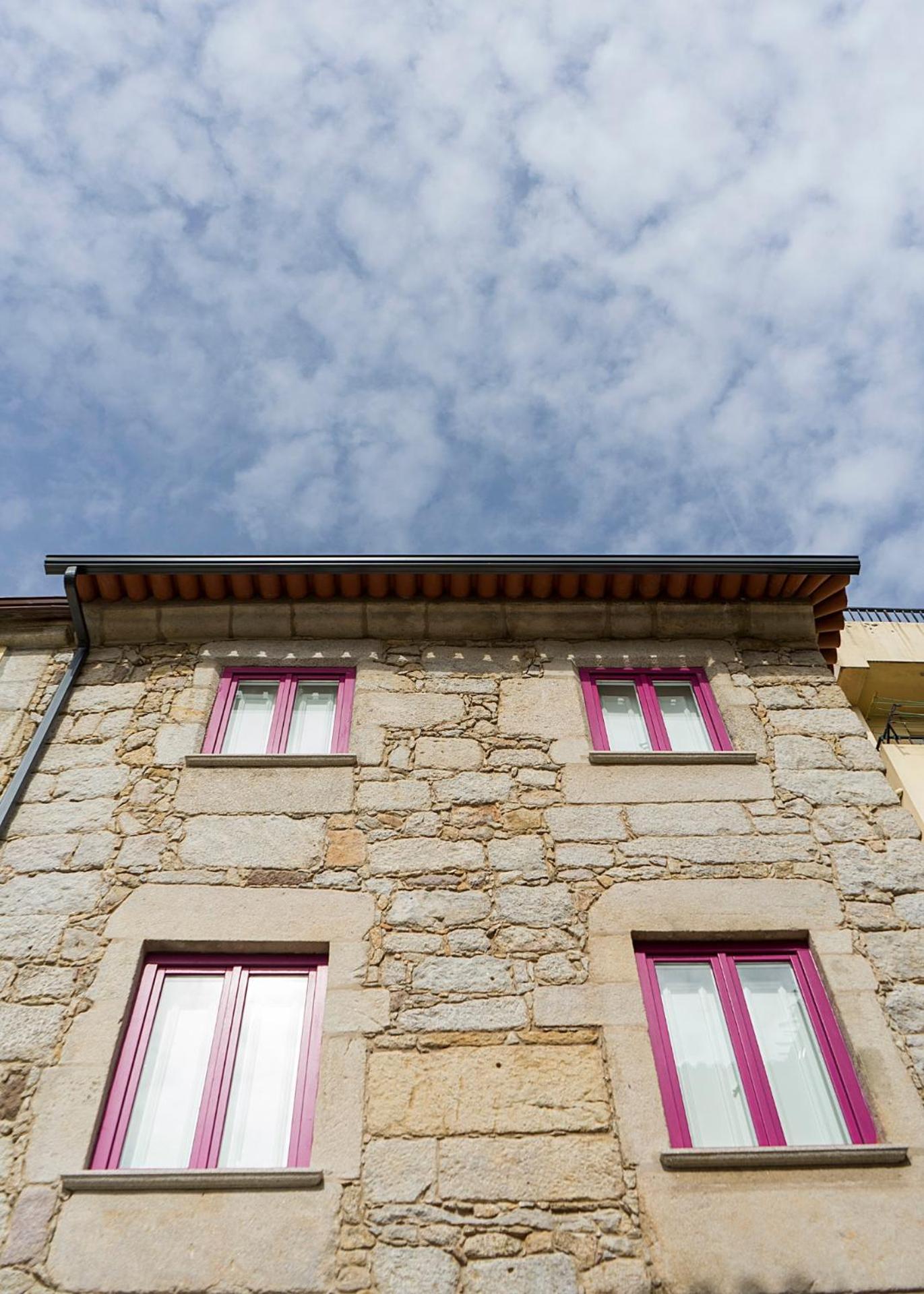
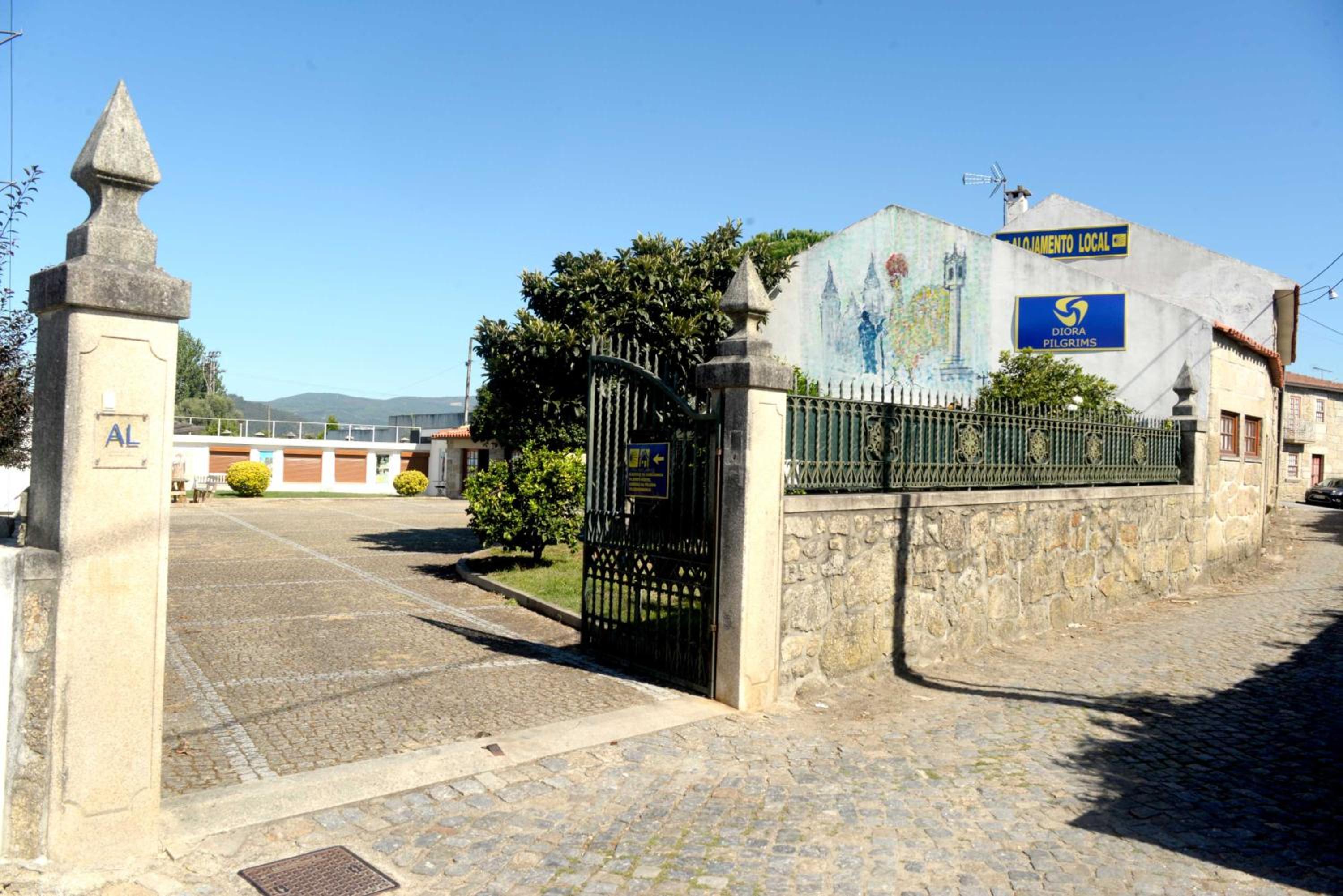
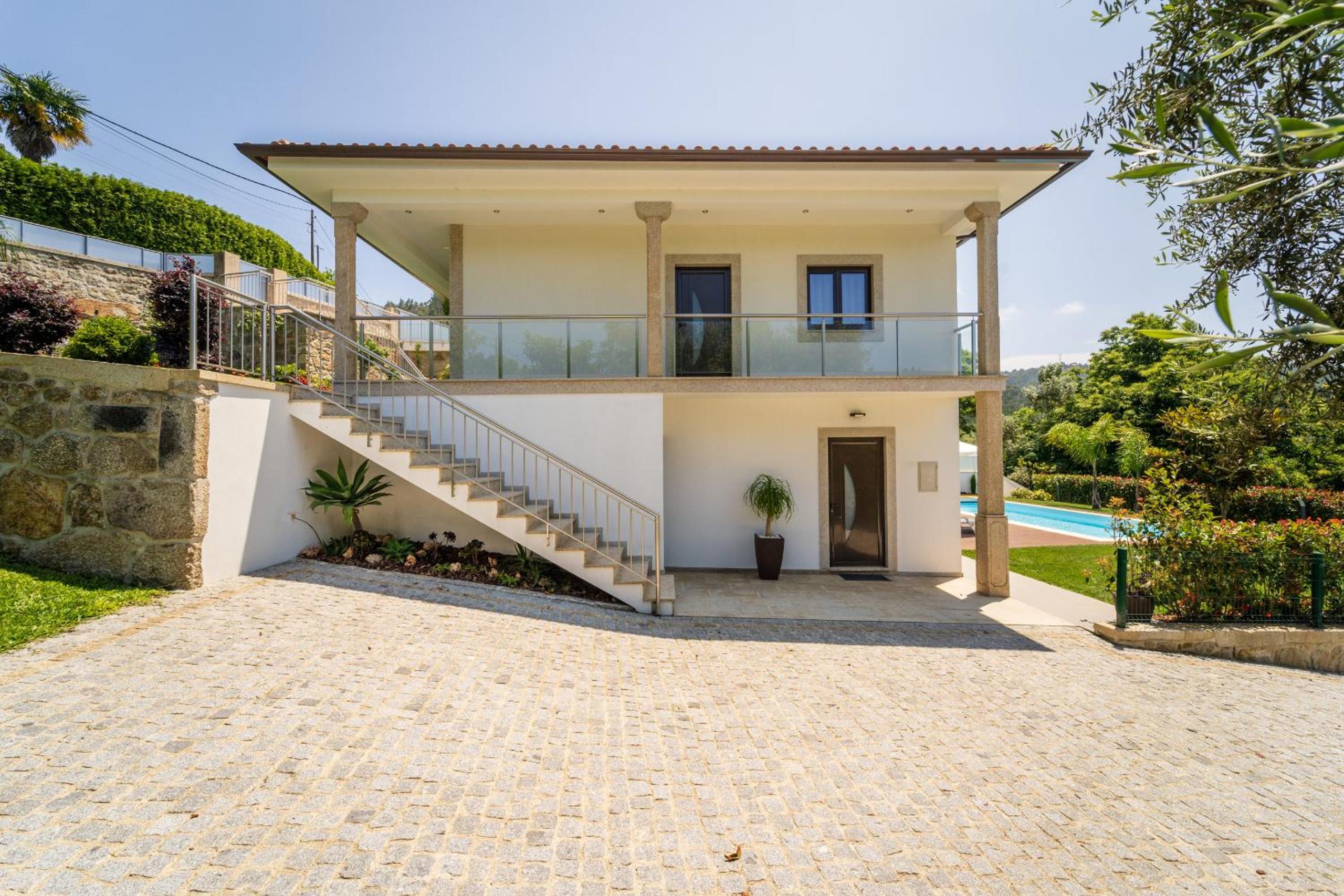
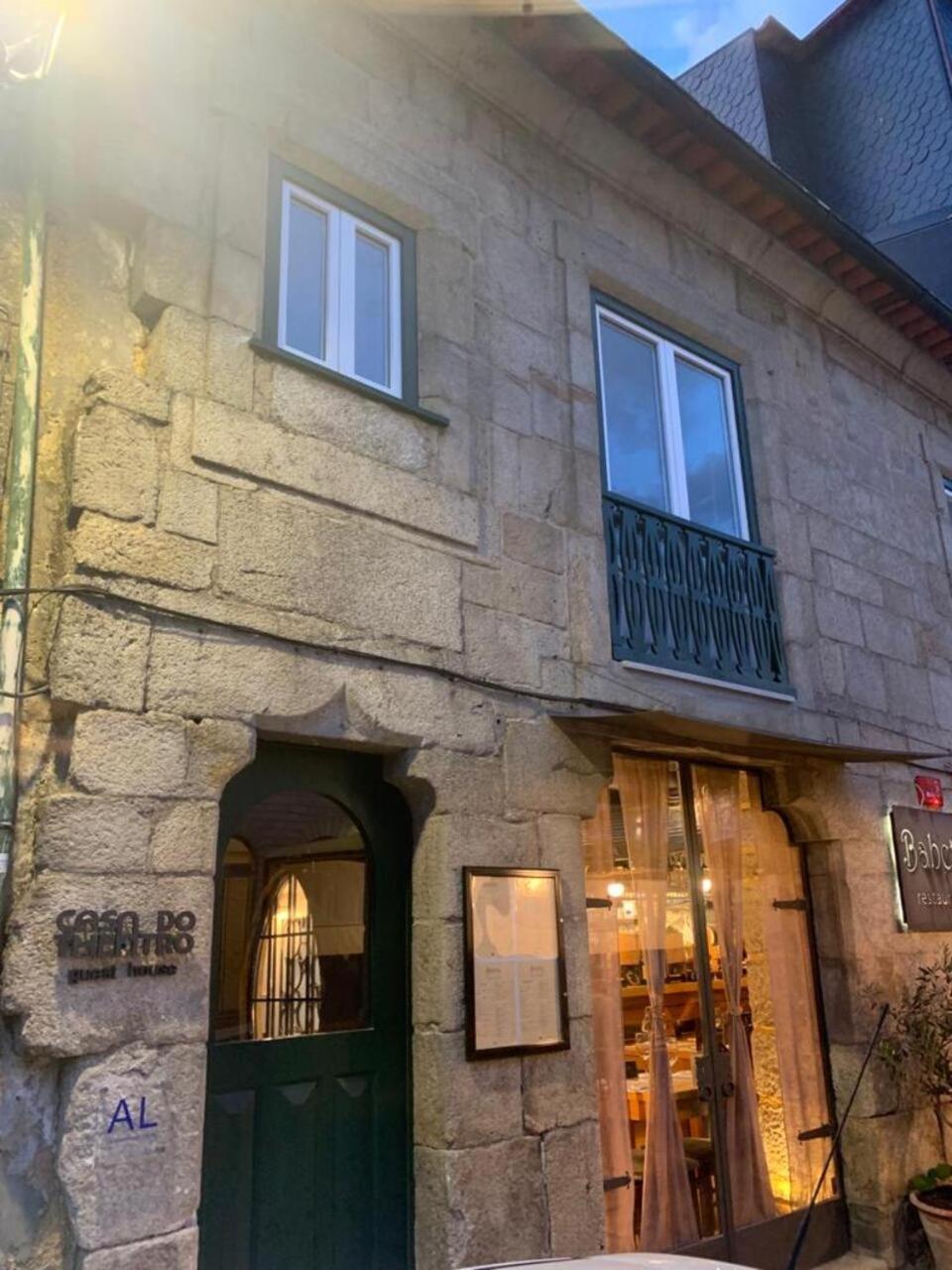
Find the perfect place for your rest in Barcelos o Balugães.
Start your adventure
Ready to walk this stage?
We design your personalised Camino de Santiago experience.
Plan your CaminoWalk this route with us
We take care of every detail
Accommodation booked stage by stage, your backpack waiting when you arrive and someone on the phone if anything goes wrong.