
Camino de Santiago
Camino Portugués (Central)
Walk the Central Portuguese Way, the second most popular of all the Camino routes. From Lisbon or Porto, cross Portugal and Galicia, weaving together history, culture, and enchanting scenery on the way to Santiago.
Organize your Camino Portugués (Central)Last updated: 21/05/2024
The Route
General Description of Camino Portugués (Central)
Related Routes
Connections of Camino Portugués (Central)
Camino Portugués (Coastal)
292.0 km
13
Moderate
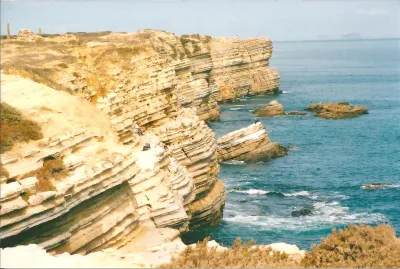
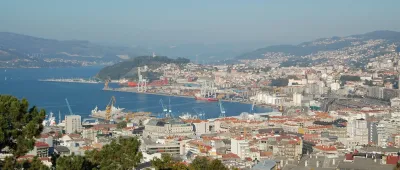
The Portuguese Coastal Way offers an alternative to the Central Way, especially appealing to anyone who loves the sea. Setting out from Porto, this roughly 280 km route follows the Atlantic shoreline for much of the way, joining the Central Way at Redondela. Pilgrims take in coastal scenery, beaches, and charming fishing towns in both Portugal (Viana do Castelo) and Galicia (A Guarda, Baiona). Although it pulls away from the sea for short stretches, the salt breeze and the ocean views are what define it. It is a route of moderate difficulty with good infrastructure, ideal for the warmer months.
Stages of this variant:
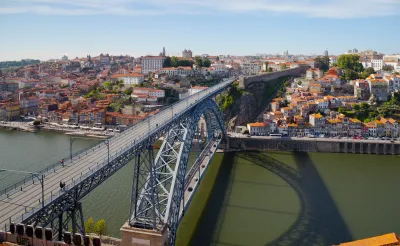
Stage 1: Porto to Labruge
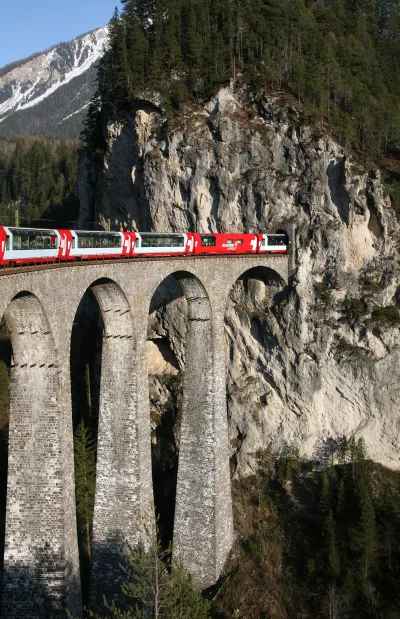
Stage 2: Labruge to Póvoa de Varzim
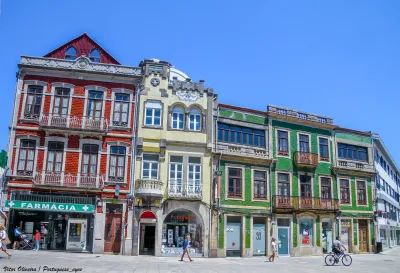
Stage 3: Póvoa de Varzim to Marinhas
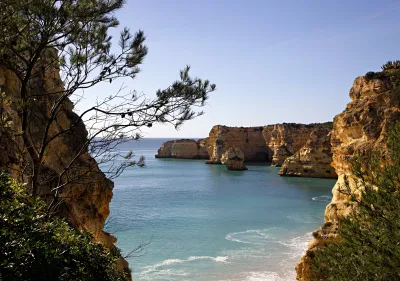
Stage 4: Marinhas to Viana do Castelo
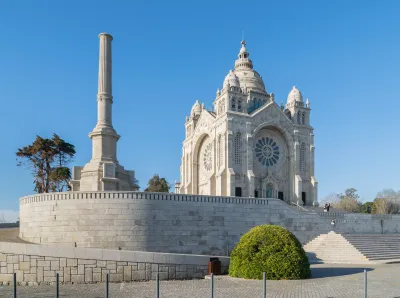
Stage 5: Viana do Castelo to Caminha
Portuguese Cycle Route
118.8 km
2
Moderate
The Portuguese Way by bike from Tui is one of the most popular routes among cyclists for its beauty, its manageable profile, and its excellent infrastructure. In just 2 stages, this 119 km route earns you the Compostela and lets you enjoy the essence of southern Galicia. The ride crosses forests, vineyards, and historic cities such as Pontevedra and Padrón. It is an ideal choice for a weekend getaway or for a first taste of self-supported bike touring.
Stages of this variant:
Stage 1: Oporto to Barcelos (By bike)
Stage 2: Barcelos to Ponte de Lima (By bike)
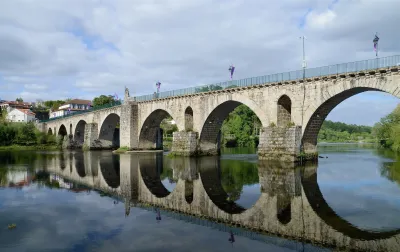
Stage 3: Ponte de Lima to Tui (By bike)
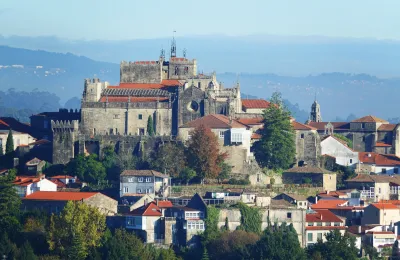
Stage 4: Tui to Pontevedra (By bike)
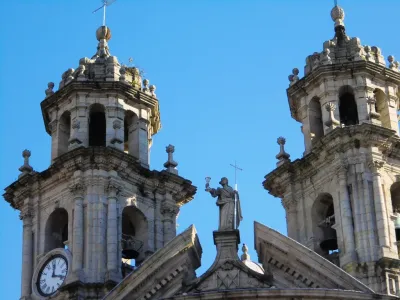
Stage 5: Pontevedra to Padrón (By bike)
Portuguese Way Central - Spiritual Variant
108 km
3
Moderate
The Spiritual Variant of the Portuguese Way, covering 71.9 km in 3 stages, offers a unique experience of great symbolic value. The route branches off the Central Portuguese Way in Pontevedra and heads inland through the Rías Baixas before dropping down to the Ría de Arousa. The high point of the journey is the boat crossing along the Ulla River, a trip that recalls the legendary Traslatio, the arrival by sea of the body of the Apostle St. James in Galicia. It ends in Padrón, where it rejoins the main Portuguese Way to continue on the final stage to Santiago de Compostela. This is an option for pilgrims looking for a deep connection with the history and legend of the Camino, while enjoying coastal and river scenery and a deeply spiritual atmosphere. Combining hiking with a boat trip, it makes for an unforgettable experience.
Stages of this variant:
Stage 1: Tui to Redondela
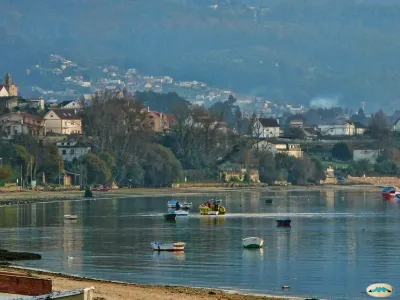
Stage 2: Redondela to Pontevedra
Stage 3: Pontevedra to A Armenteira (E-1)
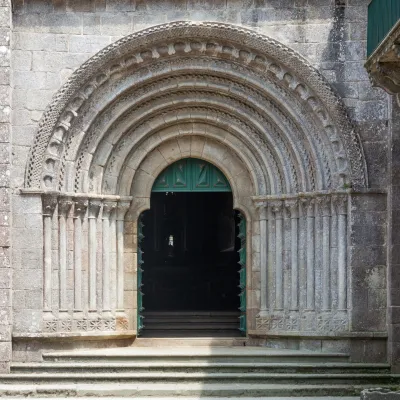
Stage 4: A Armenteira to Vilanova de Arousa (E-2)
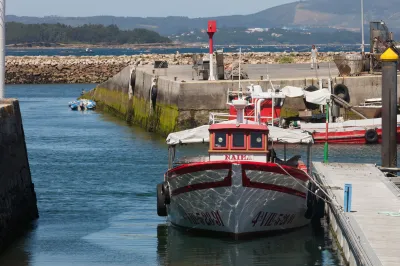
Stage 5: Vilanova de Arousa to Padrón (E-3)
Elevation Profile of
Elevation Profile of Camino Portugués (Central)
Visualize the ups and downs of the route.
Loading elevation profile...
Error loading elevation profile or altitude data not available.
Your trip with Ourway
Everything you need for your Camino
No hassle. Your perfect route, from start to finish.
Accommodation
Selected hotels and hostels at every stage
Luggage transfer
Your backpack travels from stage to stage
Camino Guide
Detailed map with directions and services
24h Support
Team available for any unforeseen event
Pilgrim credential
Official documentation included
No commitment
Free personalized consultation
Walk this route with us
We take care of every detail
Accommodation booked stage by stage, your backpack waiting when you arrive and someone on the phone if anything goes wrong.
Stages
Stages of Camino Portugués (Central)
Lisboa → Vila Franca de Xira
The first stage of the Portuguese Way from Lisbon is an urban and peri-urban route that follows the course of the Tagus River. It's a flat and pleasant journey, allowing for a peaceful departure from ...
Vila Franca de Xira → Azambuja
This stage continues by the banks of the Tagus, on a flat and pleasant route. It is a day to enjoy the riverine landscape and the tranquility of the road. The arrival in Azambuja, a city with a rich h...
Azambuja → Santarém
This long stage ventures into the heart of Ribatejo, land of horses and bulls. The route is flat but very demanding due to its distance. It's a day to enjoy the landscape of the lezíria, the alluvial ...
Santarém → Golegã
Leaving behind the monumental Santarém, this long stage continues along the Leziria of the Tagus. The route is flat and pleasant, ideal for recovering strength. It's a day to enjoy the countryside of ...
Golegã → Tomar
This stage ends in the monumental city of Tomar, the seat of the Knights Templars in Portugal. The route is of moderate distance and undulating profile. Arrival in Tomar, with its impressive Convent o...
Tomar → Alvaiázere
Leaving behind the monumental Tomar, this long stage enters the central mountains of Portugal. The route is a continuous up and down through a landscape of forests and hills. It's a day of great beaut...
Towns
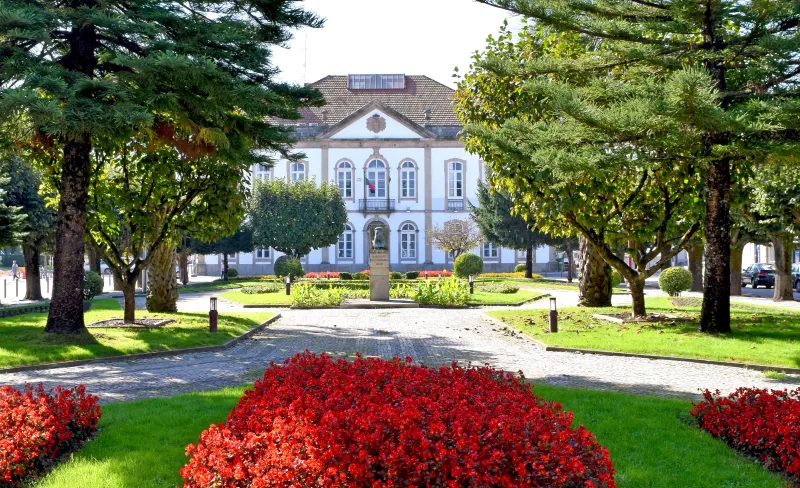
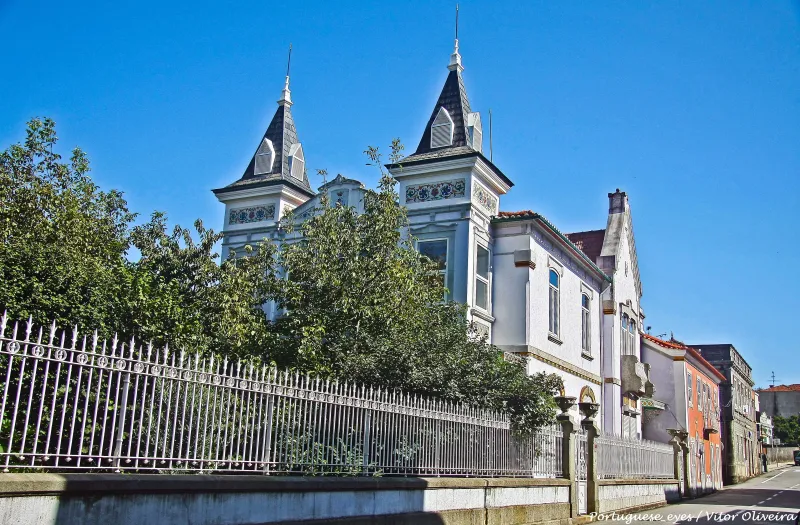
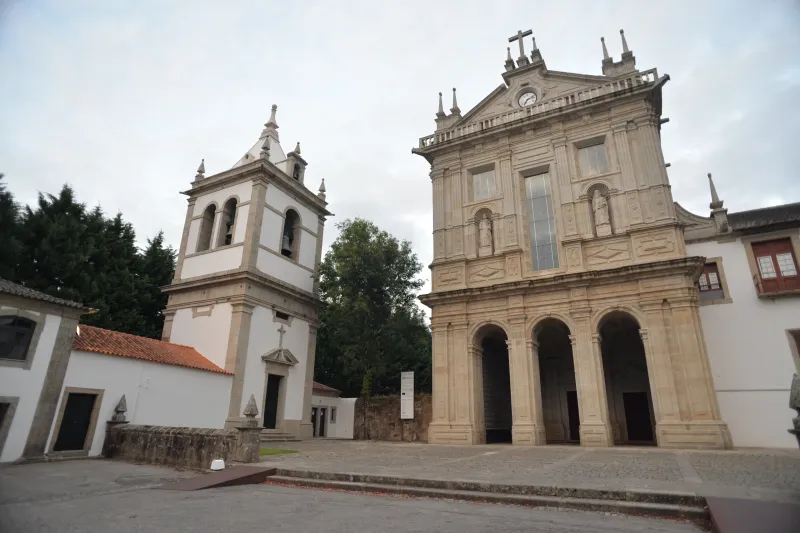
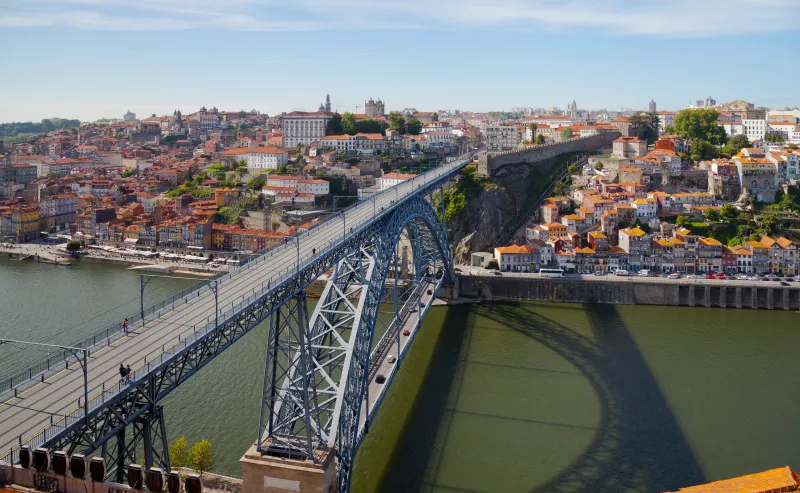
Featured Towns of Camino Portugués (Central)
Explore the key towns and cities of this route.
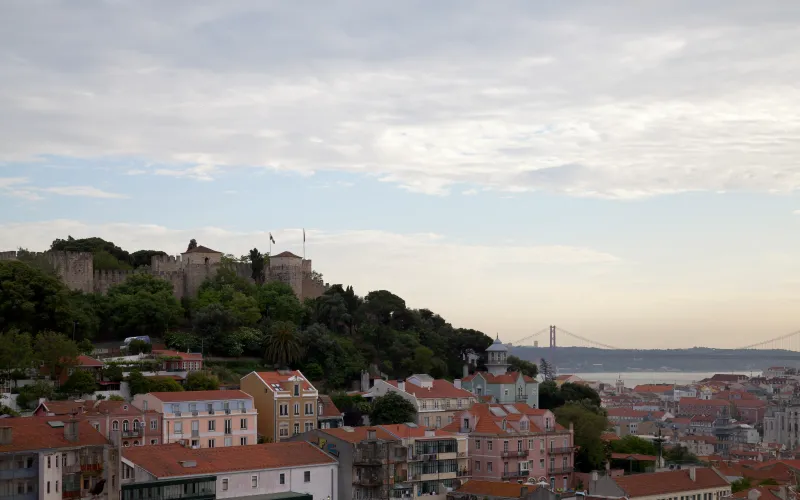
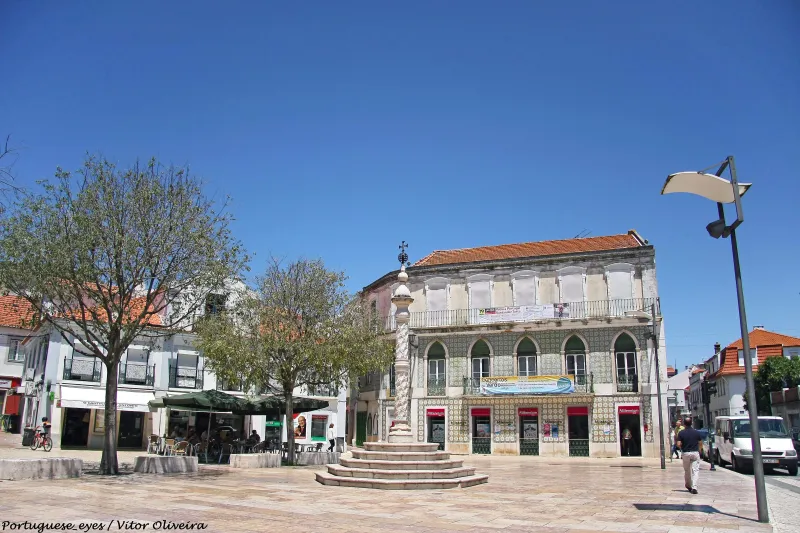
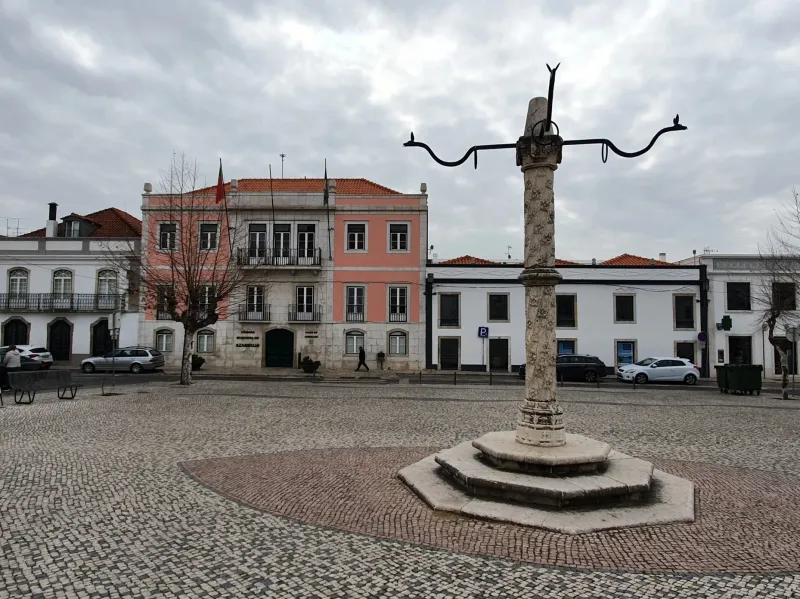
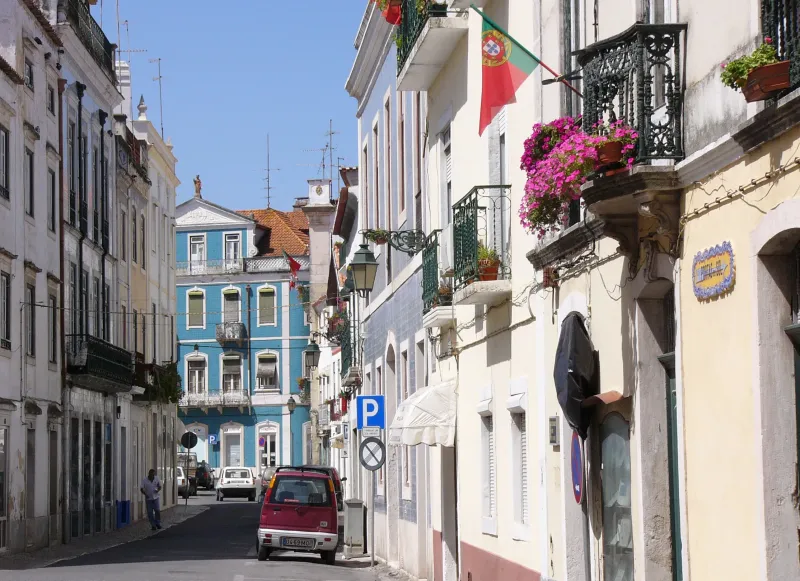
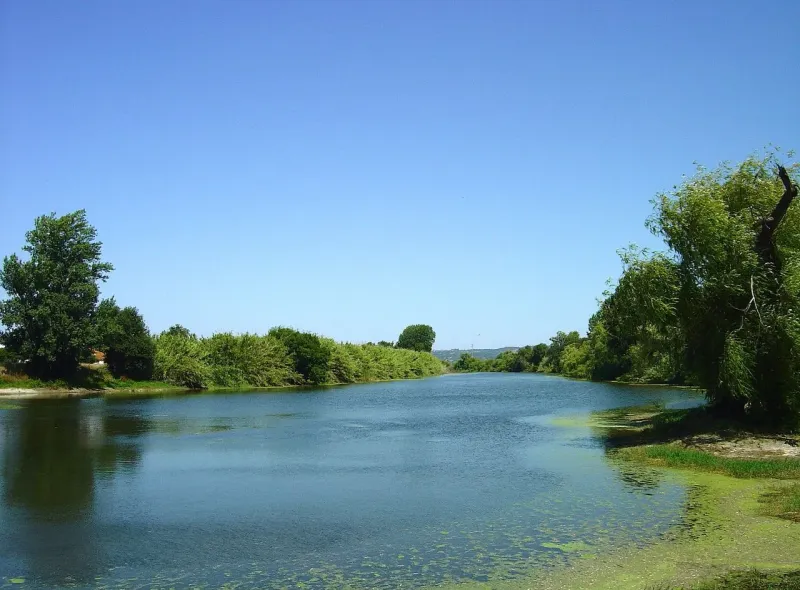
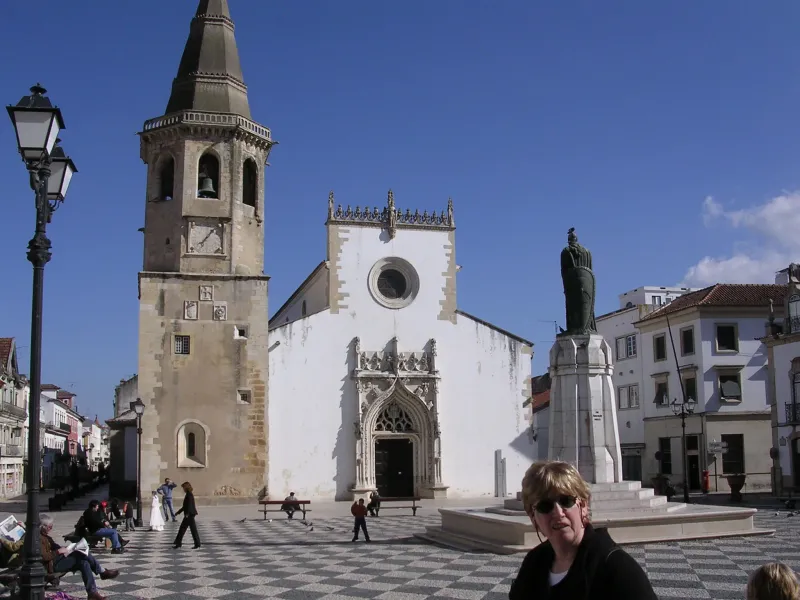
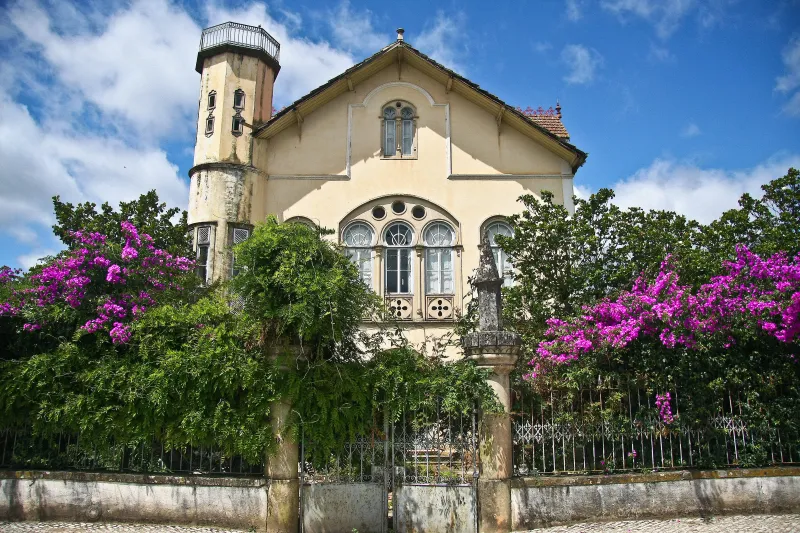
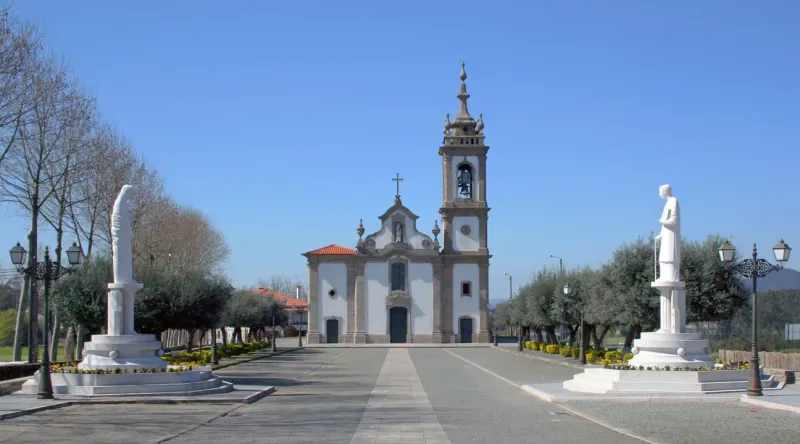
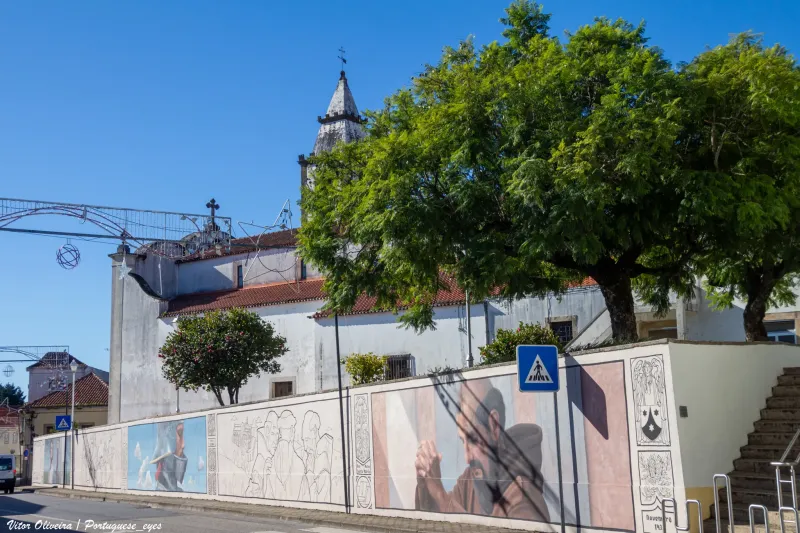
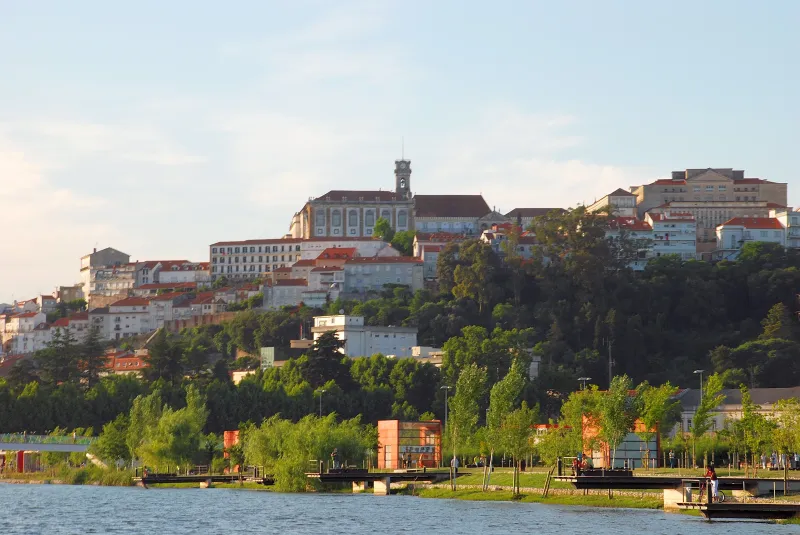
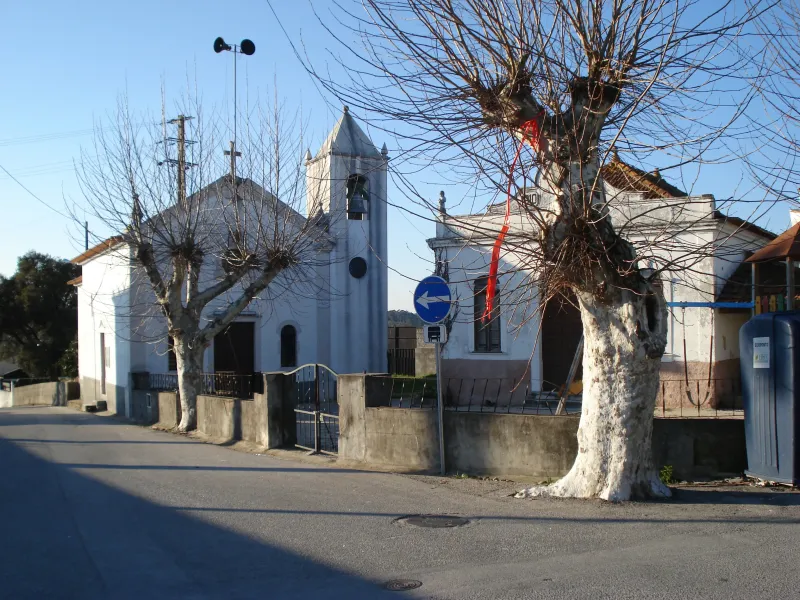
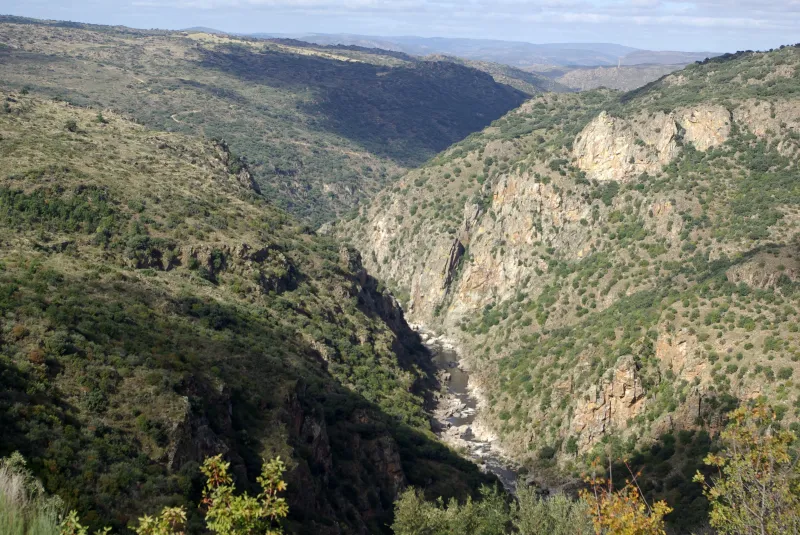
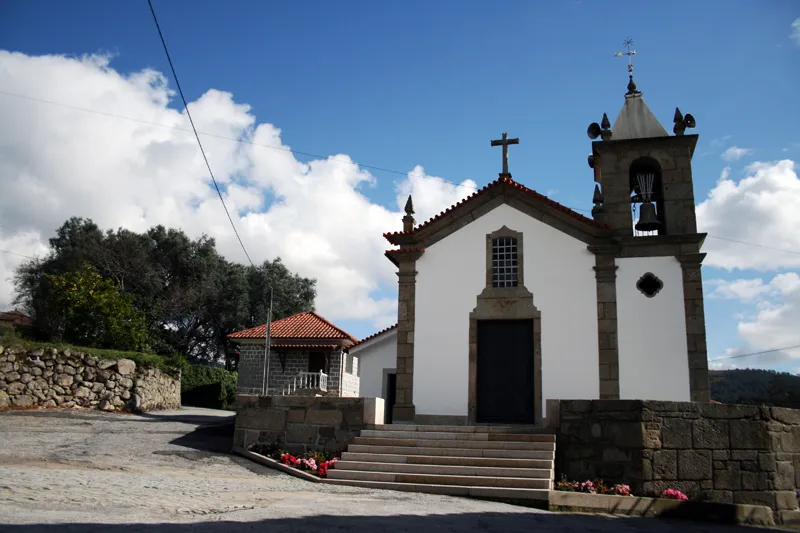
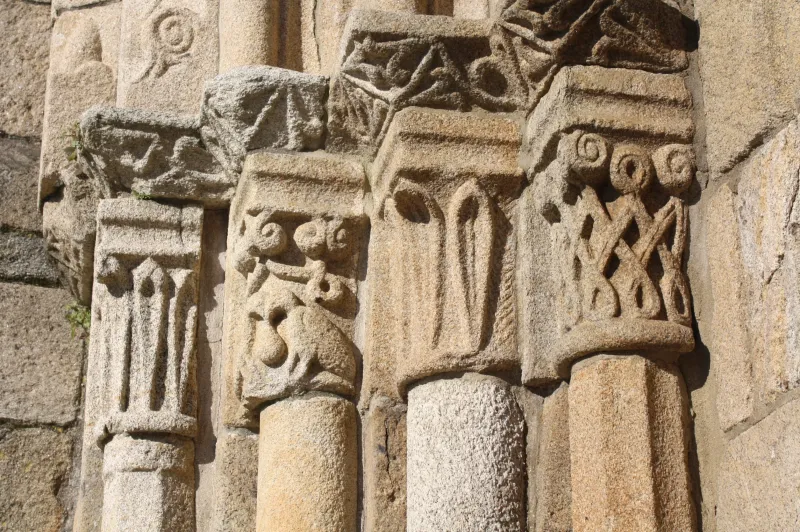
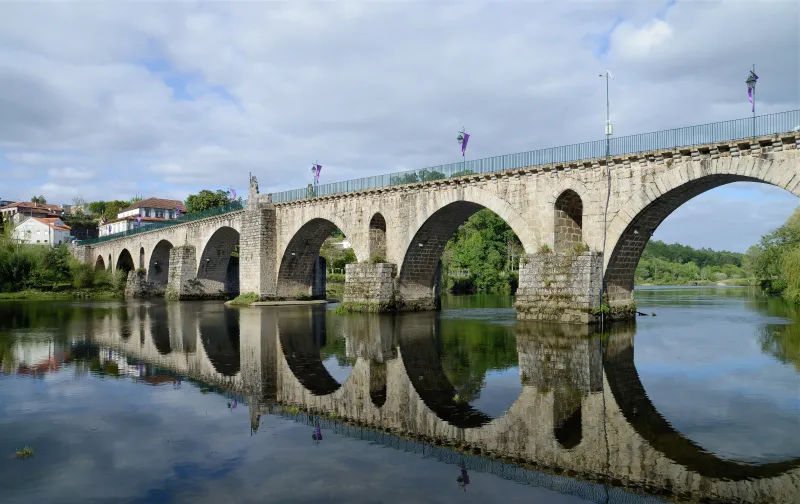
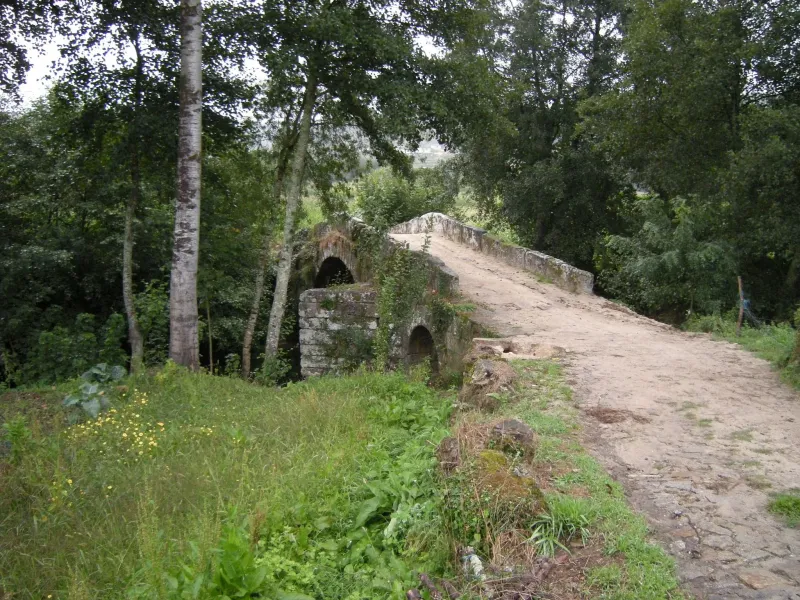
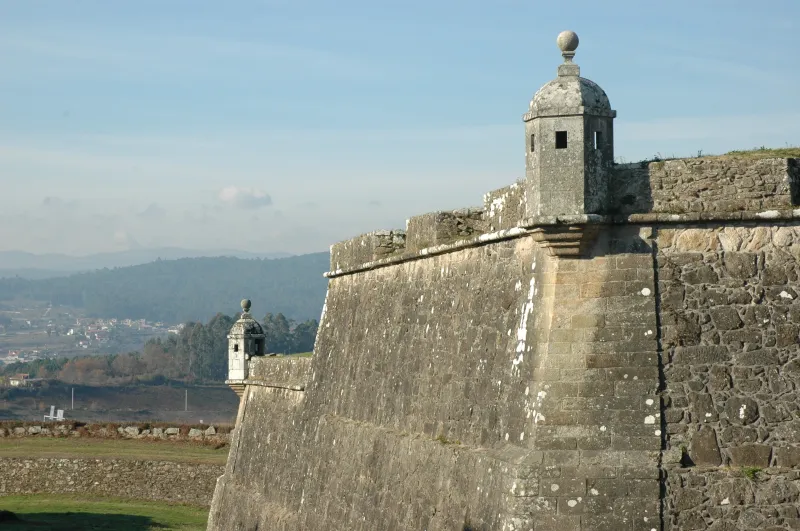
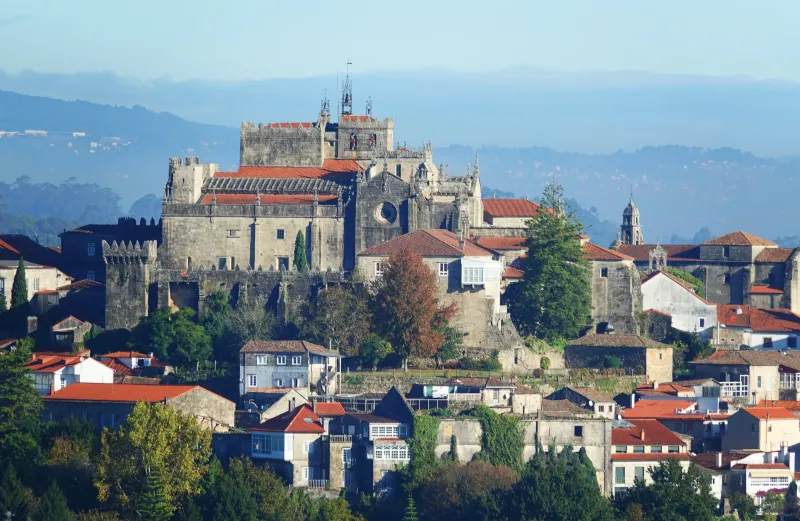

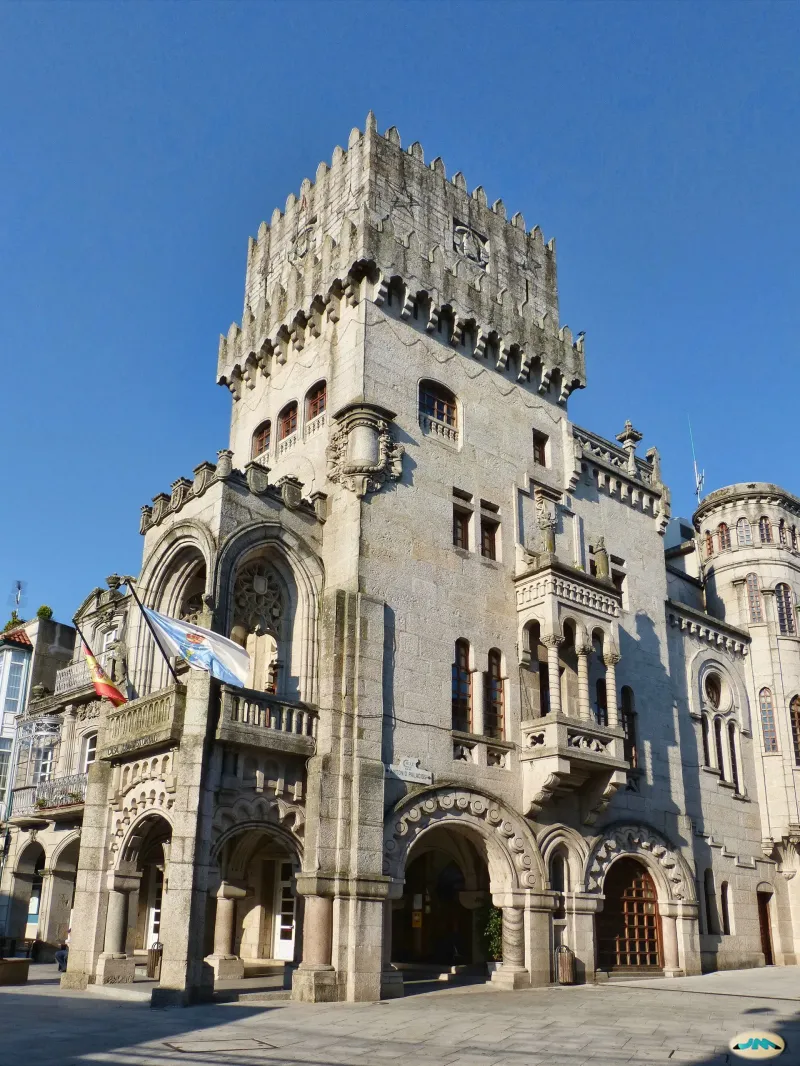
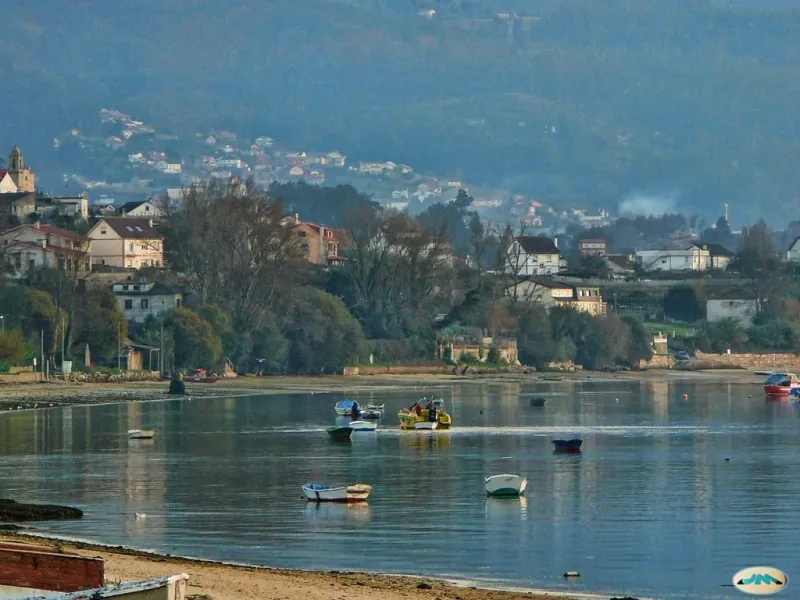

History
Millenary History of the Camino de Santiago: Origins and Evolution Camino Portugués (Central)
Discover the origins and evolution of Camino Portugués (Central)
We answer your questions
Frequently Asked Questions about Camino Portugués (Central)
Can you start the Portuguese Way in Lisboa?
Yes, the complete Central Portuguese Way starts at the cathedral in Lisboa and covers about 620 km (385 miles) to Santiago de Compostela. That said, many pilgrims choose to start in Oporto (240 km / 149 miles) or in Tui (117 km / 73 miles), on the border.
What's the difference between the Central Portuguese Way and the Portuguese Coastal Way?
The Central route runs through the interior of Portugal, passing historic cities such as Santarém, Coimbra and Oporto. The Coastal route follows the Atlantic shoreline with ocean scenery. The Central route has more historic monuments, while the Coastal offers beaches and seaside promenades.
Do I need a passport for the Portuguese Way?
If you are an EU citizen, you only need your national ID card (the DNI in Spain) to cross the border between Portugal and Spain. If you are coming from outside the EU, you will need a passport. There are no routine border checks, as both countries are in the Schengen Area.
How many stages does the Portuguese Way from Oporto have?
From Oporto it is about 240 km (149 miles), split into 10 to 12 stages averaging 20 to 25 km (12.4 to 15.5 miles) each. The longest days come on the Portuguese plateau, while the final ones in Galicia are more varied. It can be walked in 10 to 12 days.
Which Portuguese cities do you visit on the Central Portuguese Way?
From Lisboa you pass through Santarém, Tomar, Coimbra (a must, with its medieval university), Aveiro, Oporto and Vila do Conde. From Oporto, the stages go through Barcelos, Ponte de Lima and Valença before crossing into Spain at Tui.
Are there good albergues on the Portuguese Way?
Yes, the albergue network is extensive and well developed, especially from Oporto on. In Portugal the albergues are modern and well equipped. Once you cross into Galicia the services are just as good. It is advisable to book in July and August on the most popular stages.
Can you do the Portuguese Way by bike?
Yes, the Central Portuguese Way is one of the best routes to do by bike. The terrain is relatively flat, especially from Oporto on. By bike it takes five to seven days. Some alternate routes have unpaved sections, and in Galicia the road surface can be rougher.
What is the best time to walk the Portuguese Way?
Spring (March to June) is the ideal time, with mild temperatures and green landscapes. Fall is excellent too. Summer can be very hot in the interior of Portugal. Winter is mild on the coast but can be rainy, especially in Galicia.
Organize Your Camino
Ready for this adventure?
Camino Portugués (Central)