Origin
Destination
Distance
16.50 km
Duration
4.25 h
Difficulty
Moderate
Ascent
448 m
Descent
537 m
Stage of the Camino
Stage Description
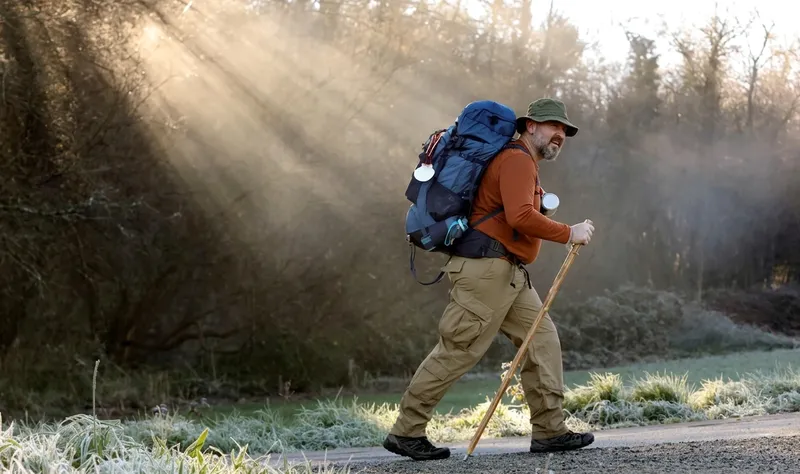
The second half of the day between Barcelos and Ponte de Lima, a short stage with a broken profile that runs entirely through rural Minho. The way leaves Balugães among farm estates and vineyards and within a few kilometres reaches Vitorino dos Piães, a hamlet known among pilgrims for the hospitality of Casa da Fernanda. From there the route strings together gentle ups and downs through Facha, Sobreiro and Seara, always among dirt tracks, granite walls and eucalyptus woods. The final section drops towards the floodplain of the Lima and gives the pilgrim one of the finest arrivals on the Portuguese Camino: the medieval bridge of Ponte de Lima crossing the river towards the town, with its tree-lined promenade and its monumental old town beyond.
At 16.5 kilometres, this stage completes the official route between Barcelos and Ponte de Lima for those who choose to split it at Balugães. It is a short day but not a flat one: the profile strings together continuous short climbs that add up to close to four hundred and fifty metres of ascent before the final descent to the valley of the Lima.
The exit from Balugães runs between farm estates and vine trellises, on rural paths that barely touch asphalt. In about four kilometres you reach Vitorino dos Piães, a scattered hamlet that has made a name of its own on the Portuguese Camino thanks to Casa da Fernanda, a family-run place to stay that pilgrims who have passed through speak of with devotion. Many walkers break the official stage here, so the section is usually well travelled in season.
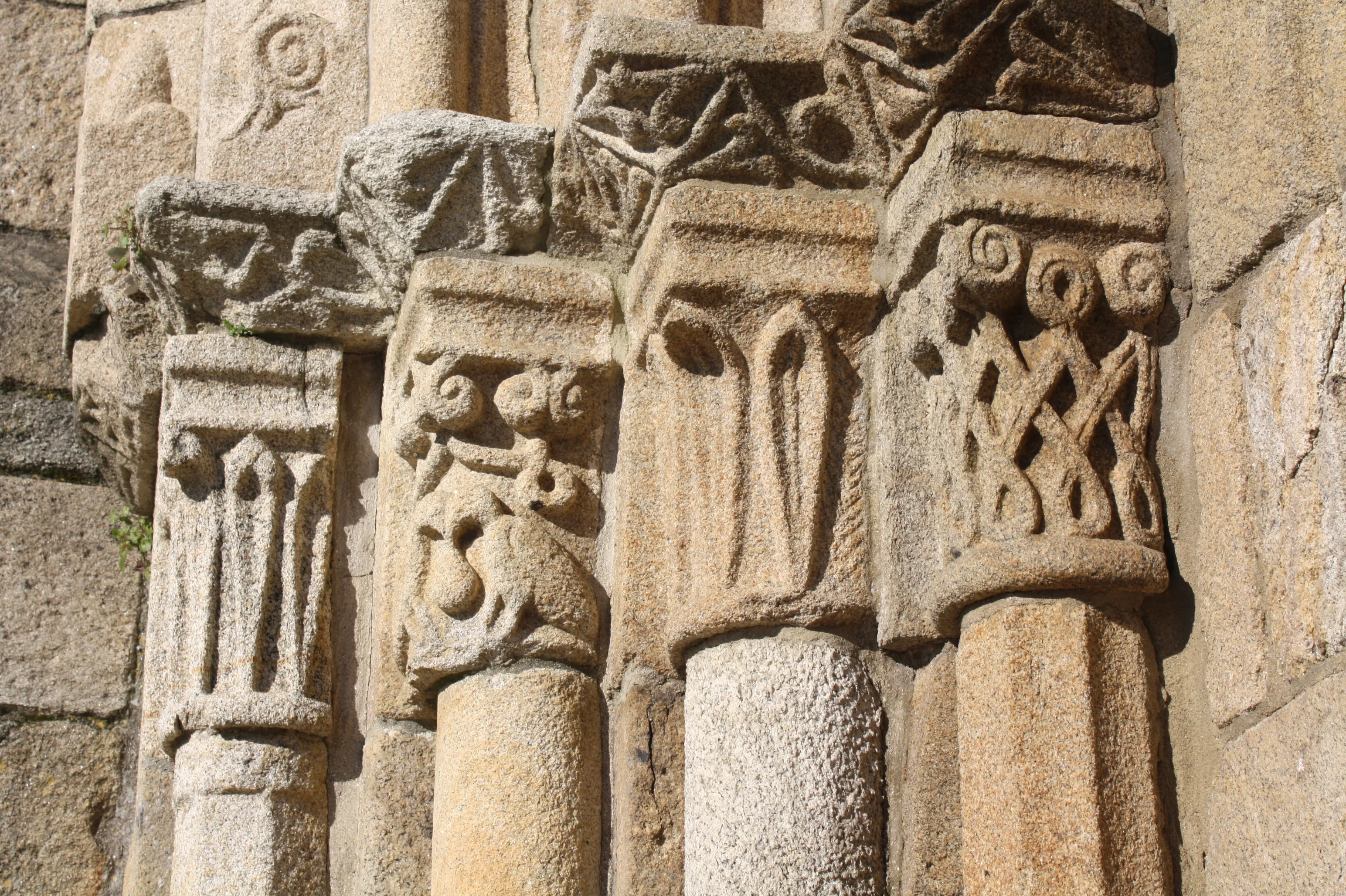
Past Vitorino, the route enters a rolling, shaded stretch that crosses Facha and Sobreiro. The paths run among eucalyptus and pine woods, on a surface of earth and loose stone that calls for care on rainy days, something frequent in the Minho spring. Granite chapels and cruceiros follow one another at the crossroads, and the landscape alternates dense woodland with clearings of farmland.
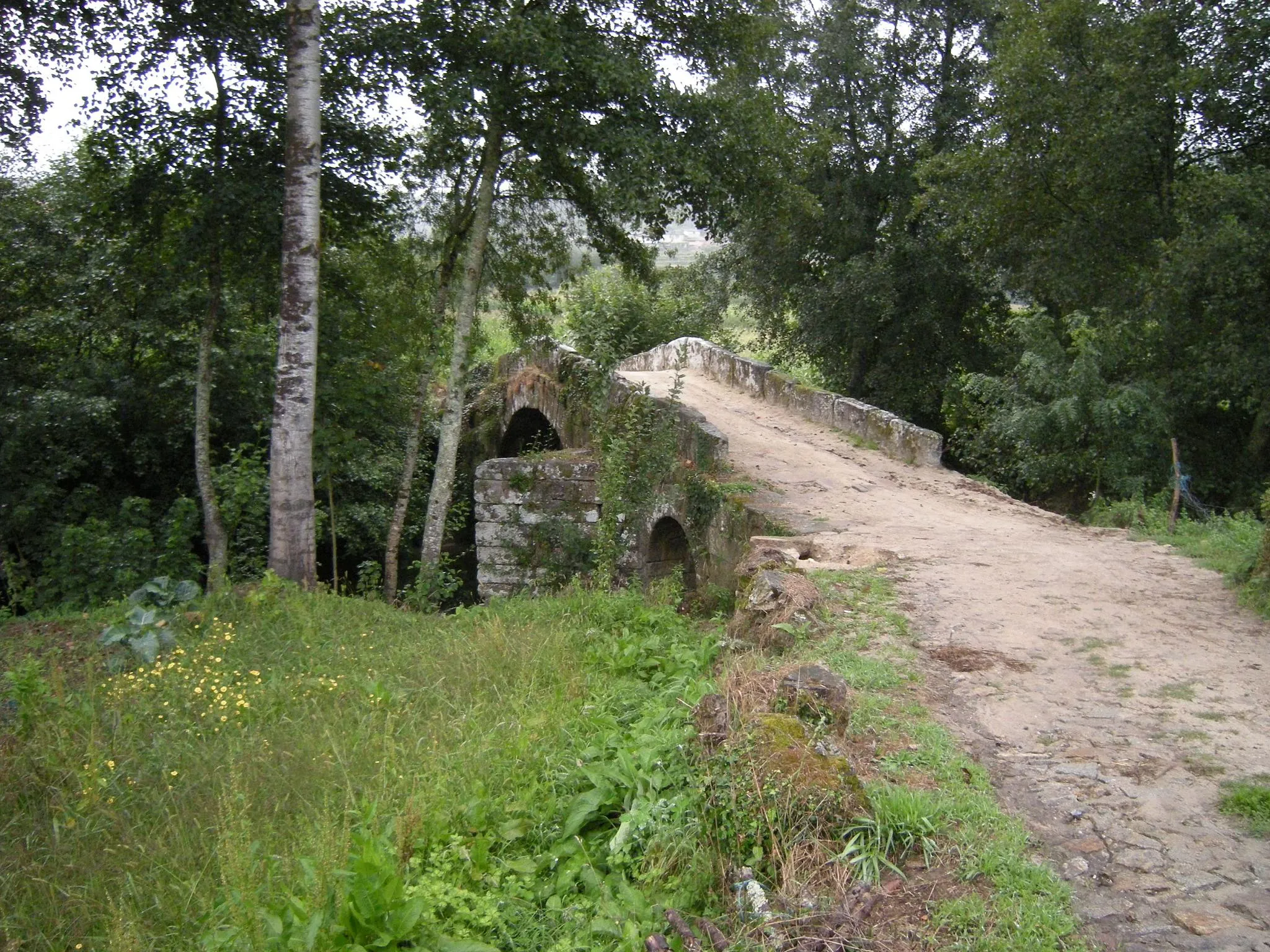
From Seara the final descent towards the floodplain of the Lima begins. The land opens out, the first riverside orchards appear and the river announces itself long before it comes into view. The entry into Ponte de Lima is made over the medieval bridge, Roman in origin and remodelled in the 14th century, which crosses the river in a long run of stone arches to the tower and the church of Santo António da Torre Velha.
Ponte de Lima is considered the oldest town in Portugal, with a charter granted in 1125 by Queen Teresa of León. There the pilgrim finds a riverside promenade of century-old plane trees, a monumental old town of manor houses and arcades, and the larder of vinho verde at its best. It is also the last generous rest before the stage that climbs to the Portela Grande on the way to Rubiães.
The exit from Balugães runs between farm estates and vine trellises, on rural paths that barely touch asphalt. In about four kilometres you reach Vitorino dos Piães, a scattered hamlet that has made a name of its own on the Portuguese Camino thanks to Casa da Fernanda, a family-run place to stay that pilgrims who have passed through speak of with devotion. Many walkers break the official stage here, so the section is usually well travelled in season.
Past Vitorino, the route enters a rolling, shaded stretch that crosses Facha and Sobreiro. The paths run among eucalyptus and pine woods, on a surface of earth and loose stone that calls for care on rainy days, something frequent in the Minho spring. Granite chapels and cruceiros follow one another at the crossroads, and the landscape alternates dense woodland with clearings of farmland.
From Seara the final descent towards the floodplain of the Lima begins. The land opens out, the first riverside orchards appear and the river announces itself long before it comes into view. The entry into Ponte de Lima is made over the medieval bridge, Roman in origin and remodelled in the 14th century, which crosses the river in a long run of stone arches to the tower and the church of Santo António da Torre Velha.
Ponte de Lima is considered the oldest town in Portugal, with a charter granted in 1125 by Queen Teresa of León. There the pilgrim finds a riverside promenade of century-old plane trees, a monumental old town of manor houses and arcades, and the larder of vinho verde at its best. It is also the last generous rest before the stage that climbs to the Portela Grande on the way to Rubiães.
Last updated: 01/08/2026
Where to Sleep
Accommodations in this Stage
Find the perfect place for your rest in Balugães o Ponte de Lima.
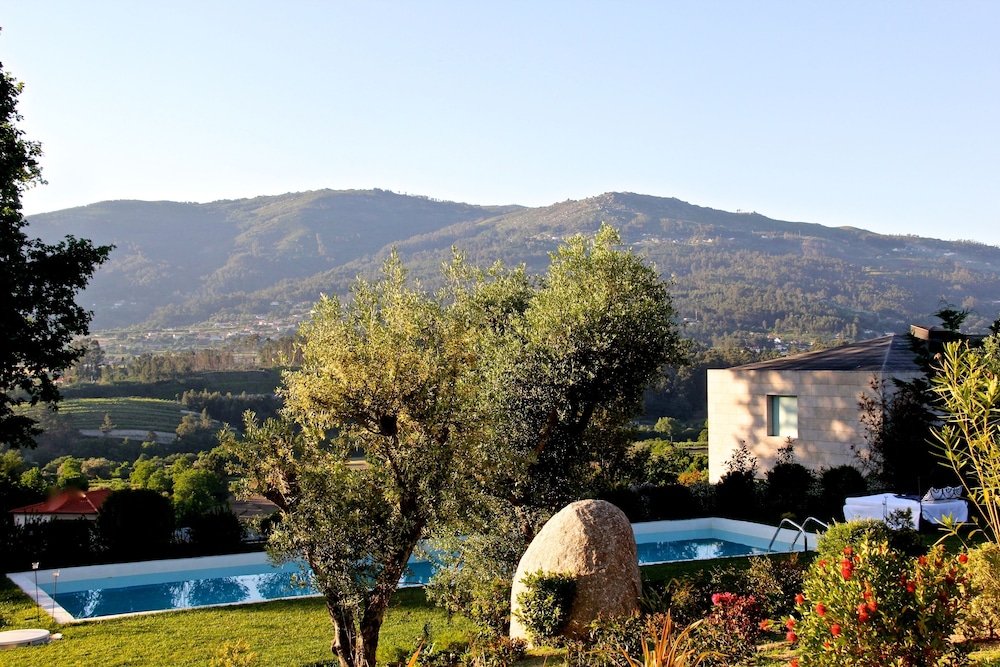
Carmo's Boutique Hotel
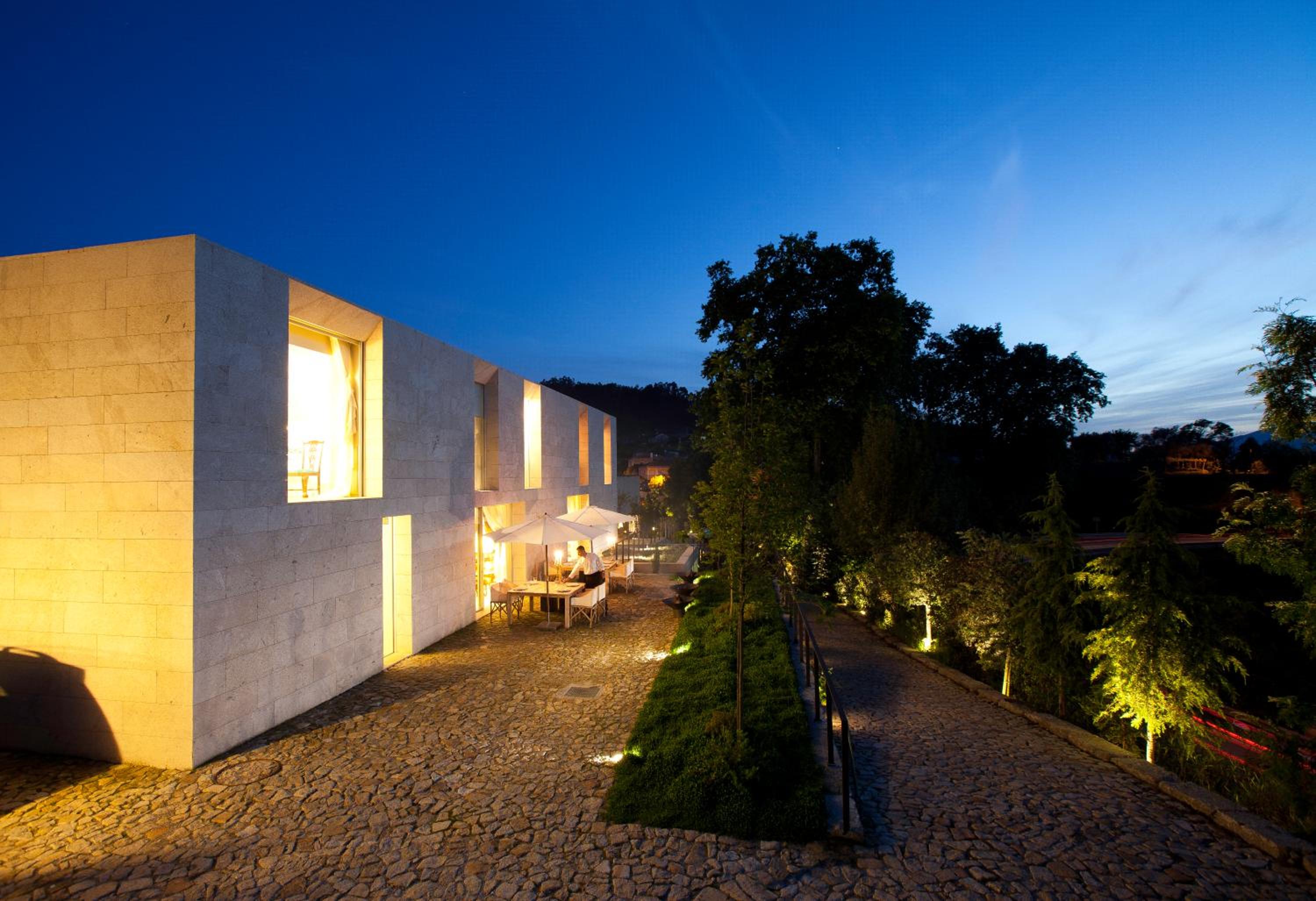
Carmo's Boutique Hotel - Small Luxury Hotels of the World
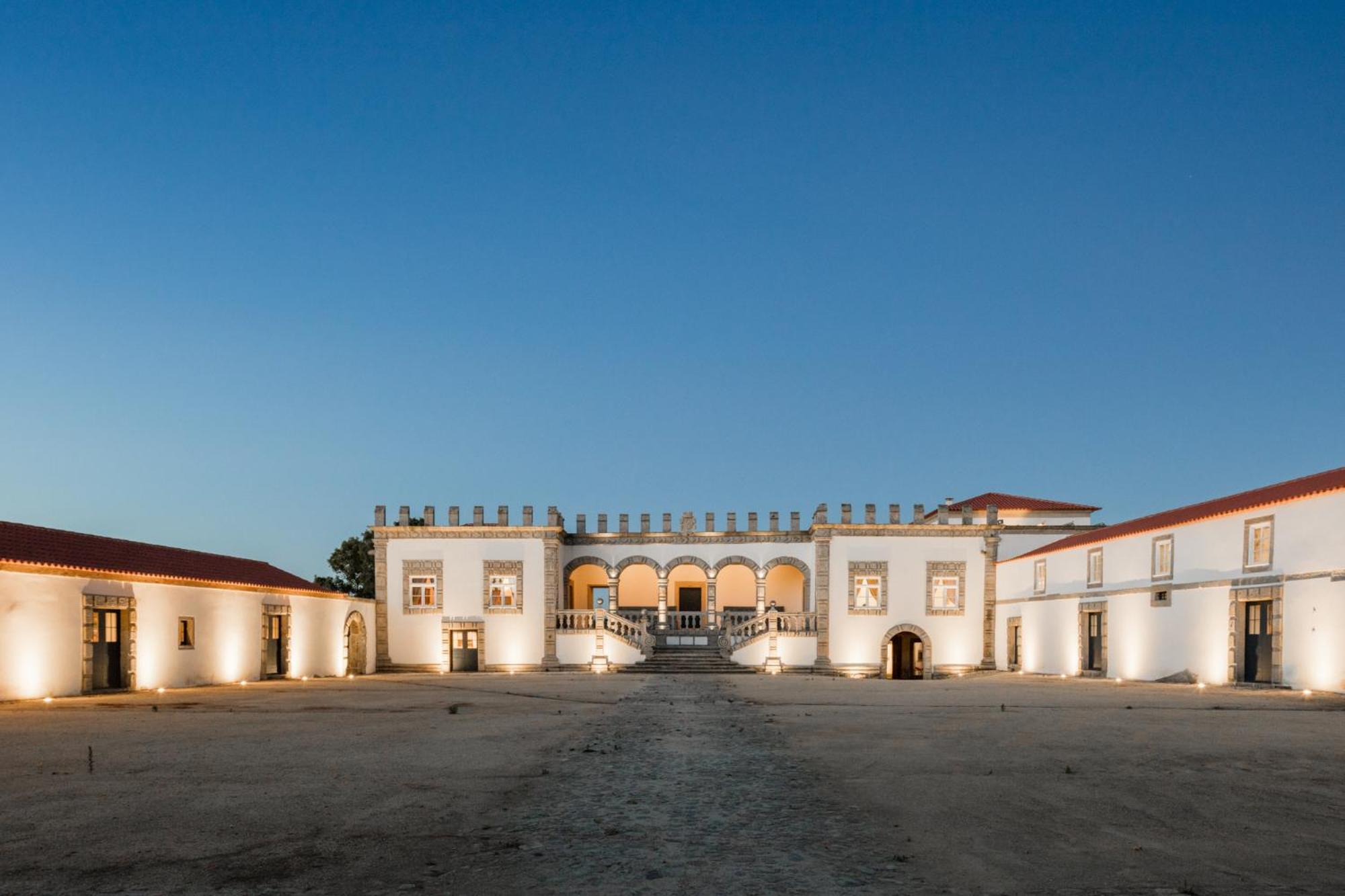
Hotel Paço de Vitorino
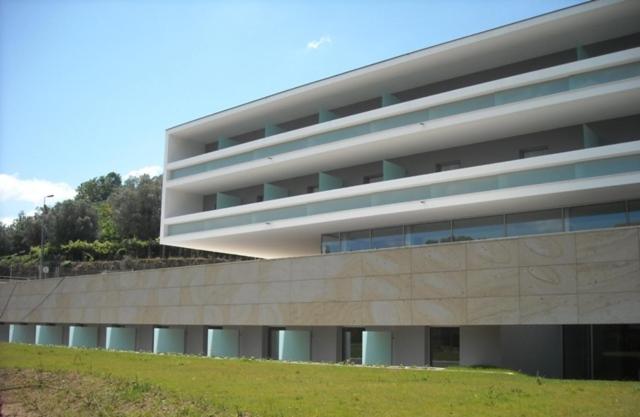
INLIMA Hotel & Spa
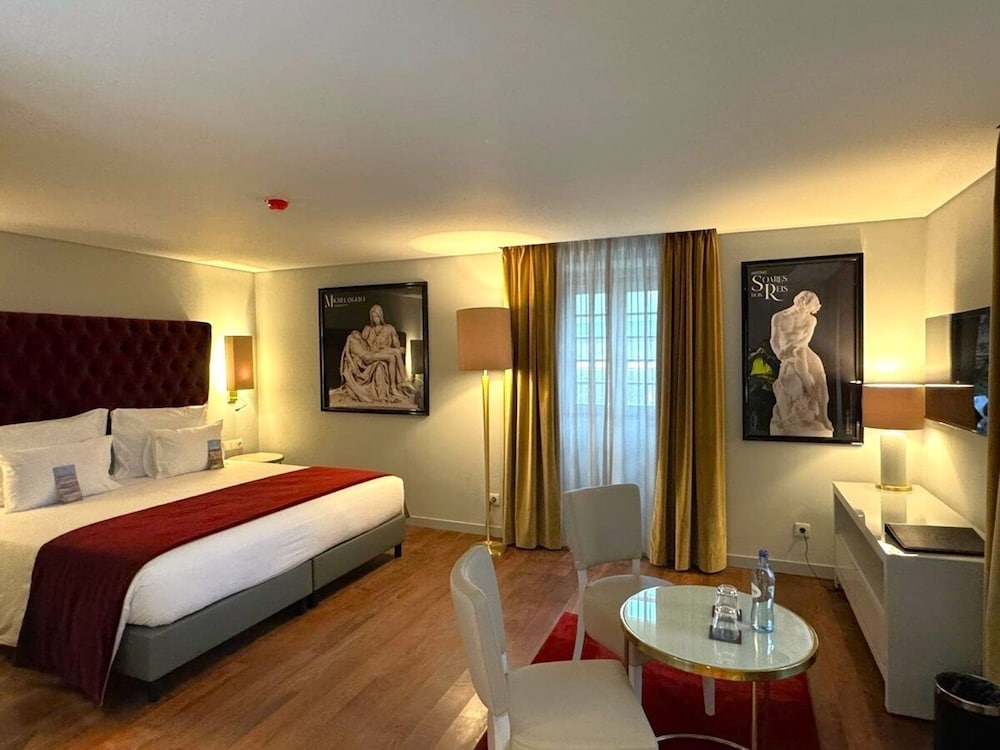
Vila Gale Collection Ponte de Lima Hotel
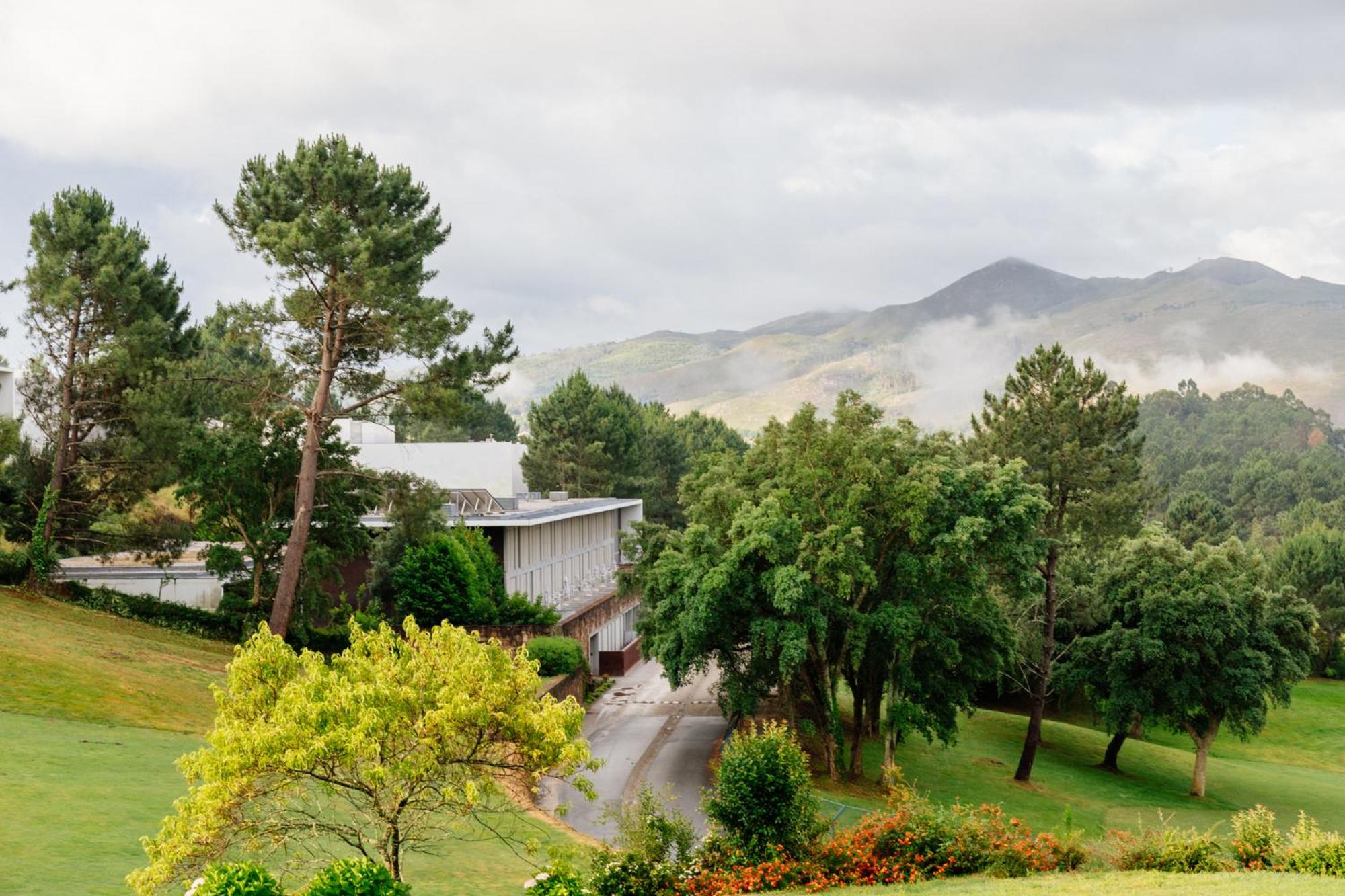
Axis Ponte de Lima Golf Resort Hotel
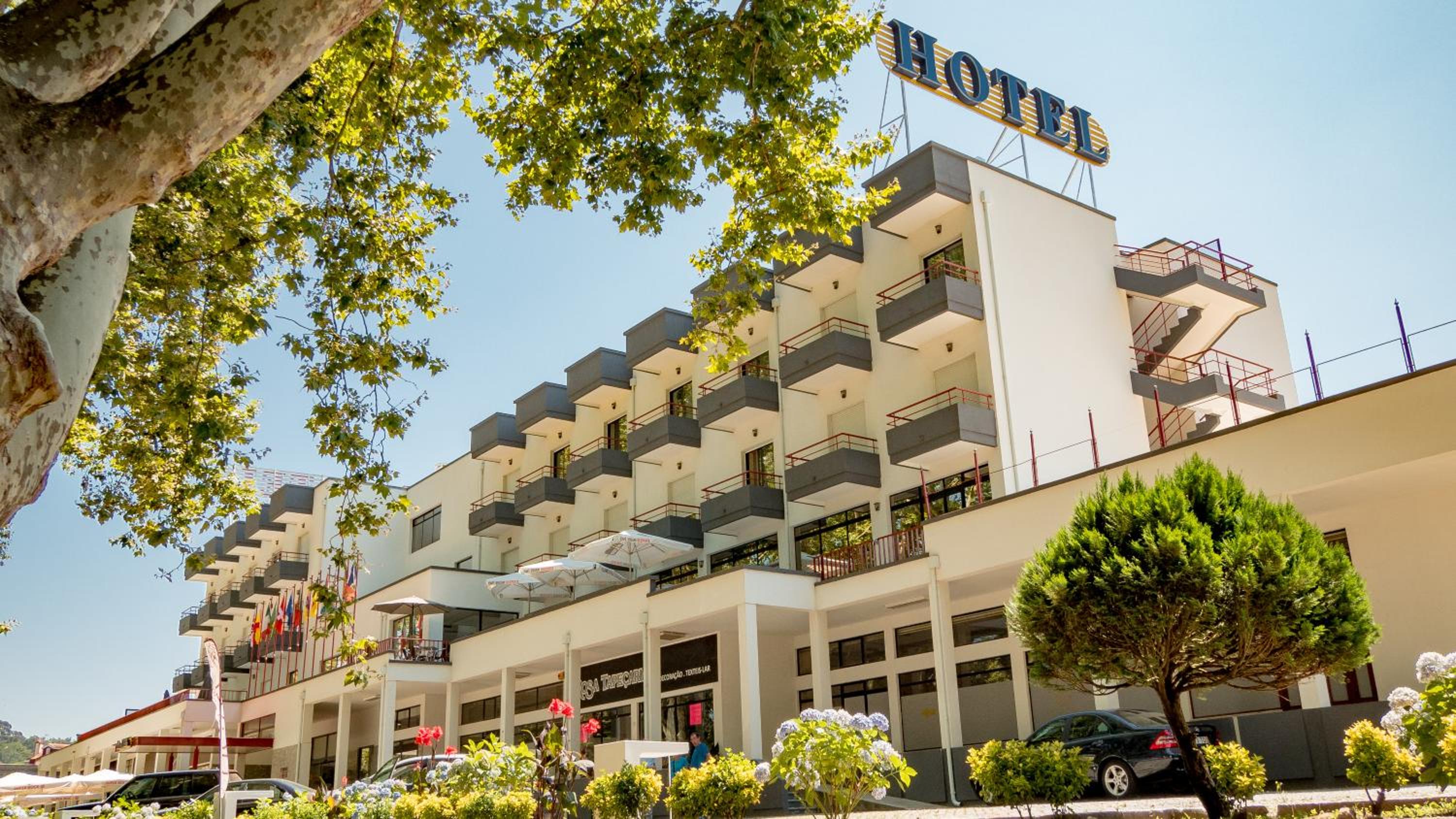
Hotel Império do Norte
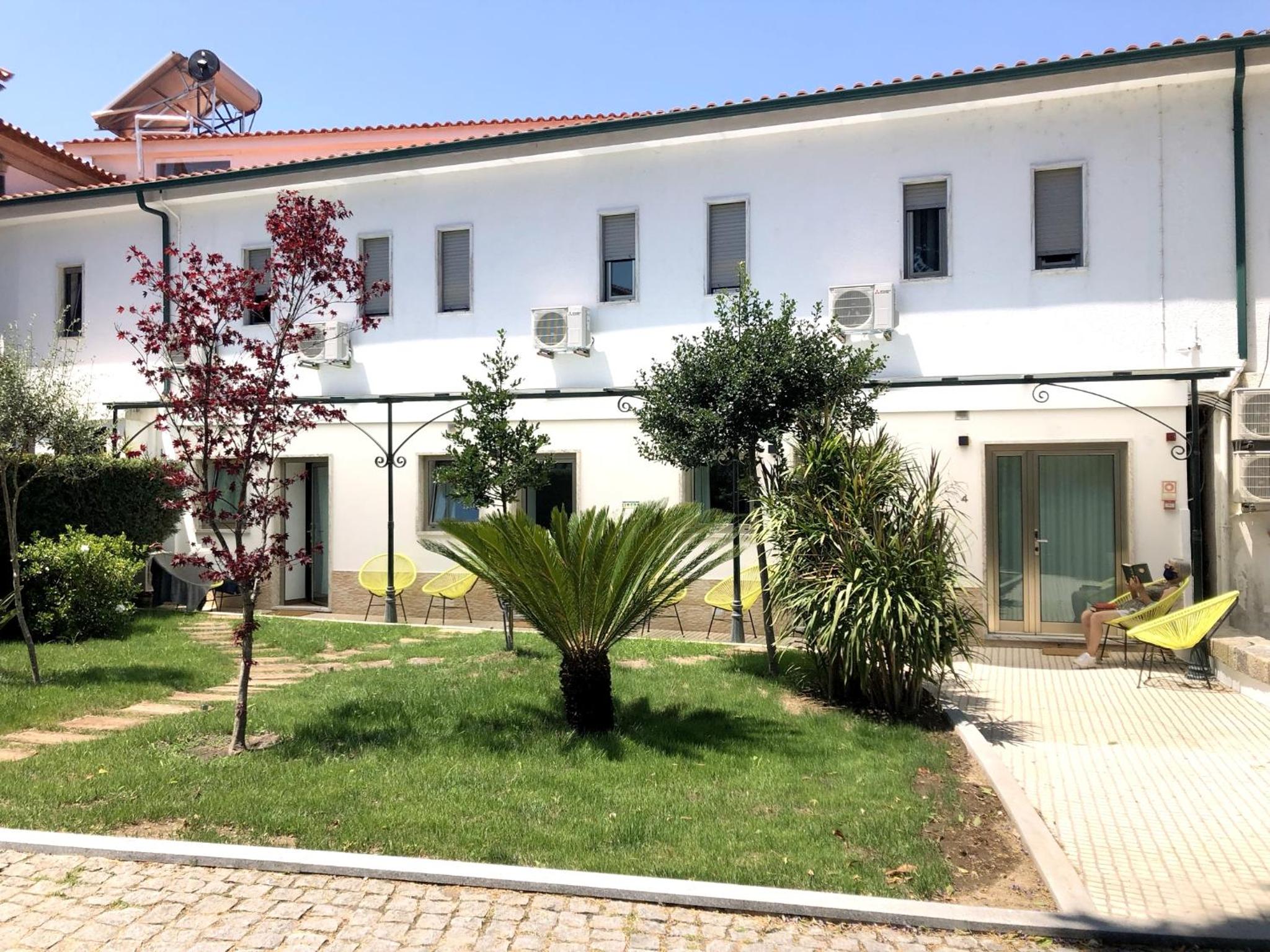
Hotel Rural Solar das Arcadas
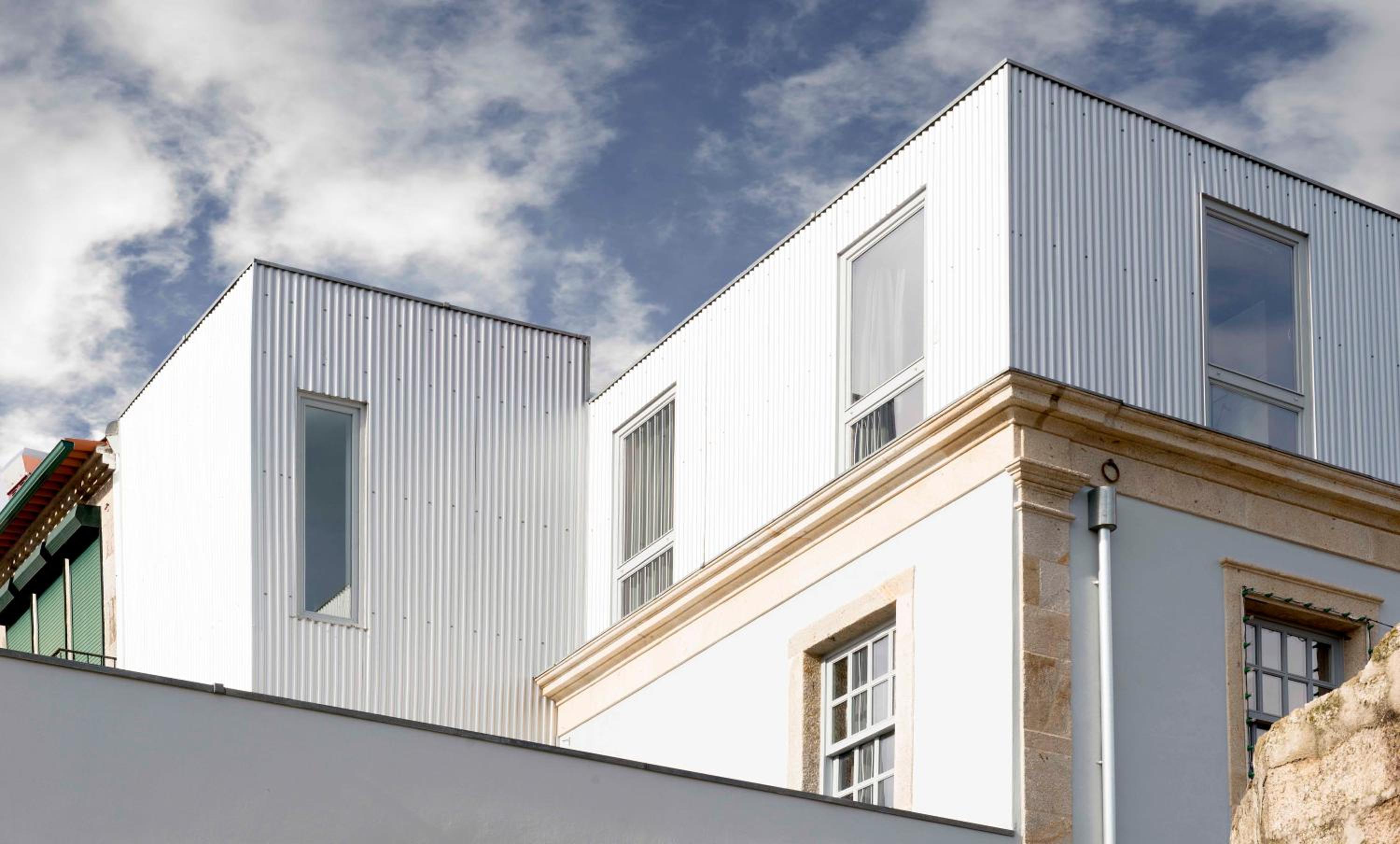
Arc My Otel
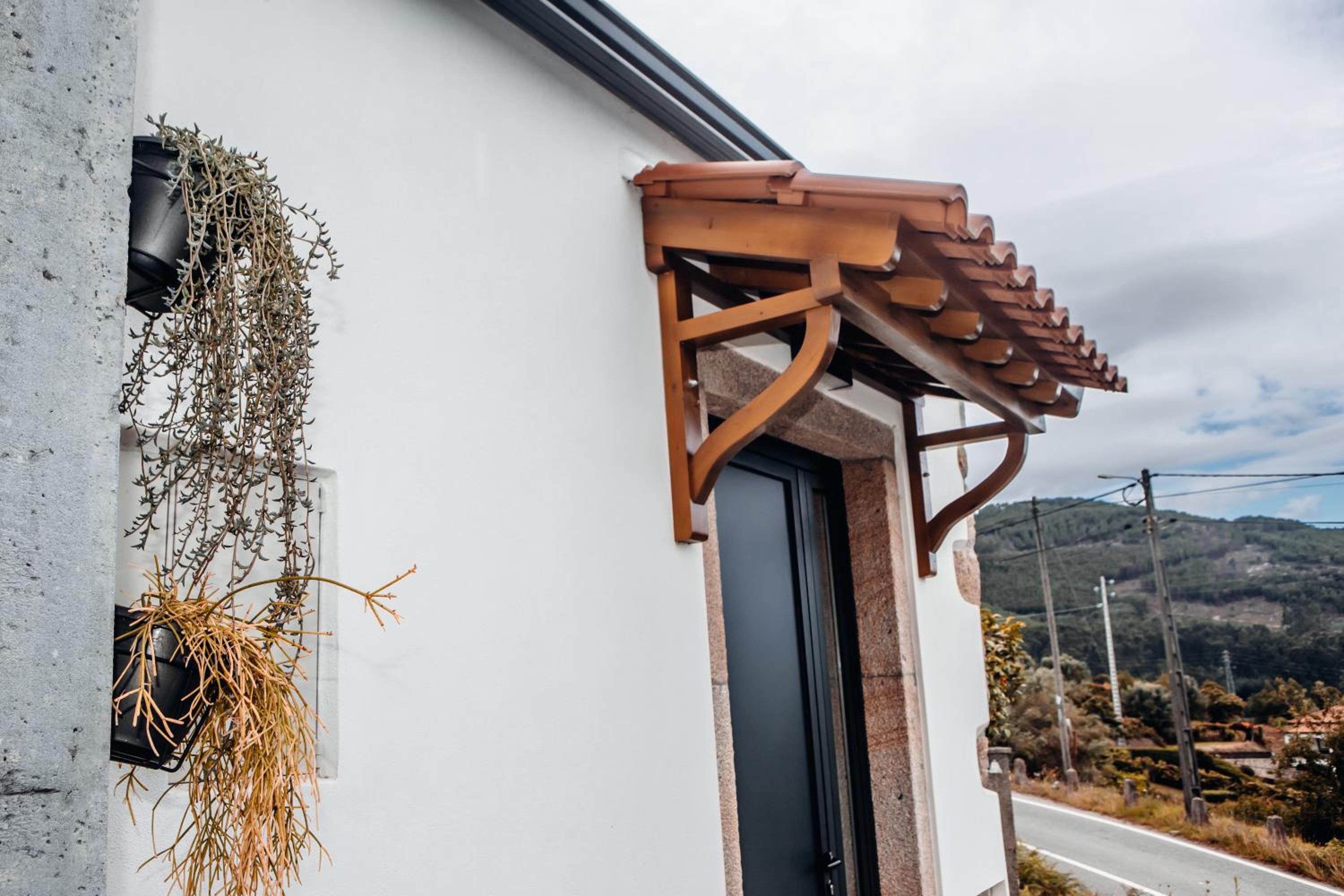
Casa da Fidalguinha
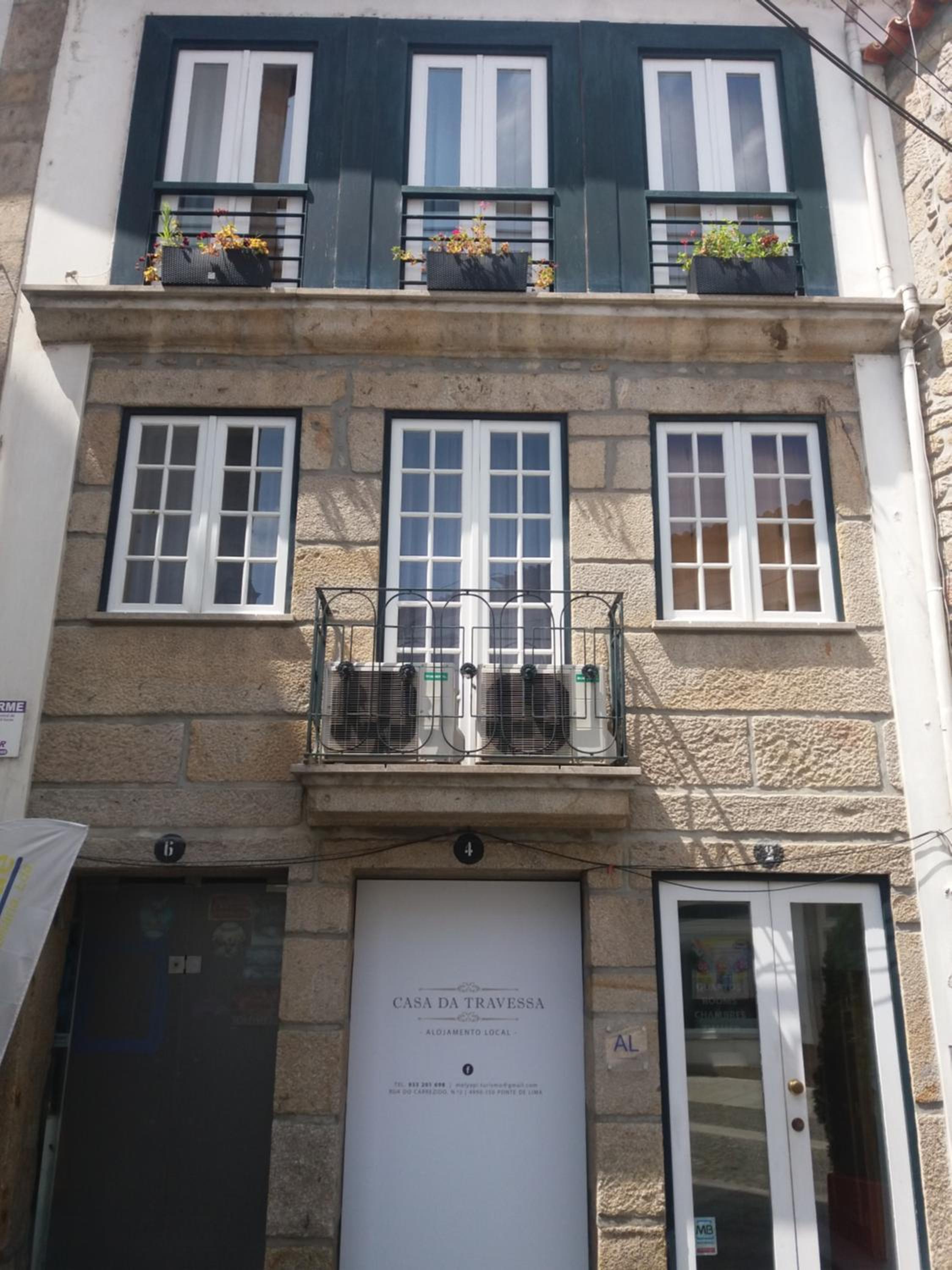
Casa da Travessa
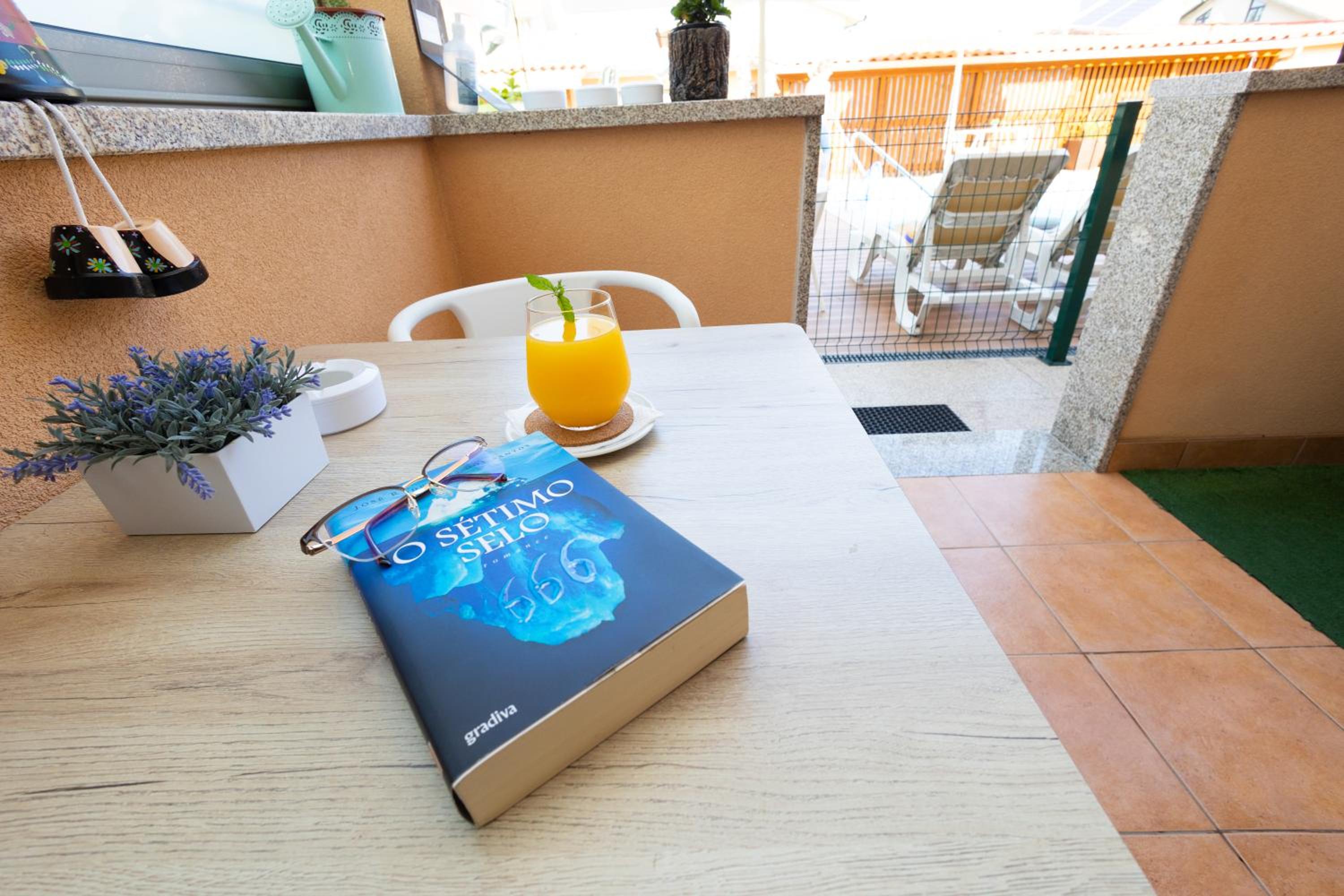
Domus Graciosa
Start your adventure
Ready to walk this stage?
We design your personalised Camino de Santiago experience.
Plan your CaminoWalk this route with us
We take care of every detail
Accommodation booked stage by stage, your backpack waiting when you arrive and someone on the phone if anything goes wrong.