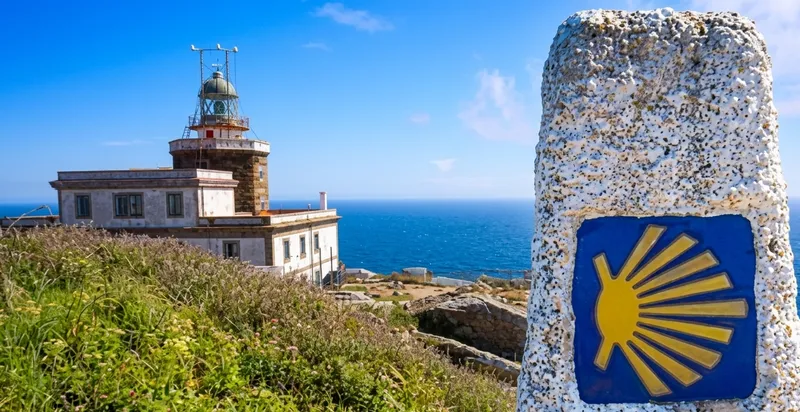
Stage of the Camino
Stage Description
The second half of the split stage to Muxía, this day of around 20 kilometres leads the pilgrim from the interior of the Costa da Morte to the seafaring village on the Atlantic. The route, rolling in profile and without great difficulty despite its length, crosses a succession of rural hamlets ringed by fields and woods. At Ozón awaits one of the Camino's treasures: the monumental hórreo of San Martiño, one of the longest in Galicia, beside the old monastery. Further on, the Romanesque monastery of San Xulián de Moraime precedes the final descent to the sea. The arrival at Muxía, with the murmur of the Atlantic and the Sanctuary of A Virxe da Barca rising among the rocks, crowns one of the most moving stages of the Jacobean epilogue.
The second half of the divided stage tackles the longer part of the way to Muxía: some 20.4 kilometres of rolling profile that, without posing severe difficulties, demand perseverance for their distance. The day runs through the rural heart of the Costa da Morte, alternating tracks, paths and small roads among stone hamlets, farmland and stretches of Atlantic woodland.
From Dumbría, the route heads west through hamlets such as Trasufre and A Grixa, in a serene landscape of whitewashed houses and hórreos. The path rises and falls gently, gaining and losing height without jolts, while the pilgrim gradually senses the nearness of the ocean in the vegetation and the light.
The great heritage landmark of this section comes at San Martiño de Ozón, where a monumental hórreo of twenty-two bays is preserved, one of the longest in Galicia, linked to the old monastery of the place. Shortly afterwards, the path passes beside the monastery of San Xulián de Moraime, a jewel of rural Galician Romanesque that was an important monastic and hospitaller centre in the Middle Ages.
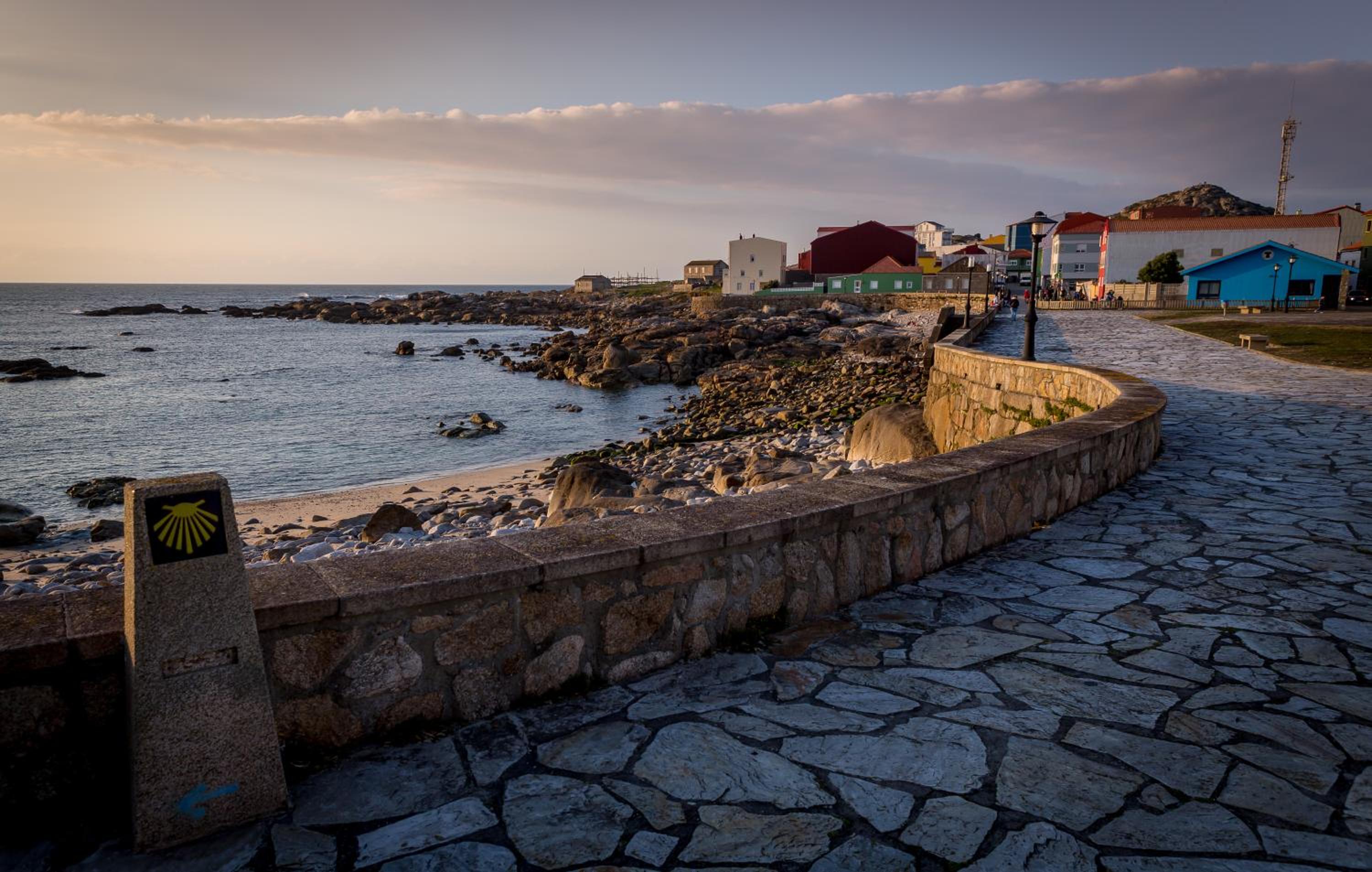
After Moraime, the definitive descent towards the coast finally opens up the views of the Atlantic. The route reaches the seafaring village of Muxía and culminates by the sea, at the spectacular Sanctuary of A Virxe da Barca, raised among rocks battered by the waves. It is an ending charged with legend and spirituality, one of the most moving points of the whole Camino de Santiago, where the pilgrim feels they have arrived, quite literally, at the end of the earth.
From Dumbría, the route heads west through hamlets such as Trasufre and A Grixa, in a serene landscape of whitewashed houses and hórreos. The path rises and falls gently, gaining and losing height without jolts, while the pilgrim gradually senses the nearness of the ocean in the vegetation and the light.
The great heritage landmark of this section comes at San Martiño de Ozón, where a monumental hórreo of twenty-two bays is preserved, one of the longest in Galicia, linked to the old monastery of the place. Shortly afterwards, the path passes beside the monastery of San Xulián de Moraime, a jewel of rural Galician Romanesque that was an important monastic and hospitaller centre in the Middle Ages.
After Moraime, the definitive descent towards the coast finally opens up the views of the Atlantic. The route reaches the seafaring village of Muxía and culminates by the sea, at the spectacular Sanctuary of A Virxe da Barca, raised among rocks battered by the waves. It is an ending charged with legend and spirituality, one of the most moving points of the whole Camino de Santiago, where the pilgrim feels they have arrived, quite literally, at the end of the earth.
Last updated: 20/07/2026
Where to Sleep
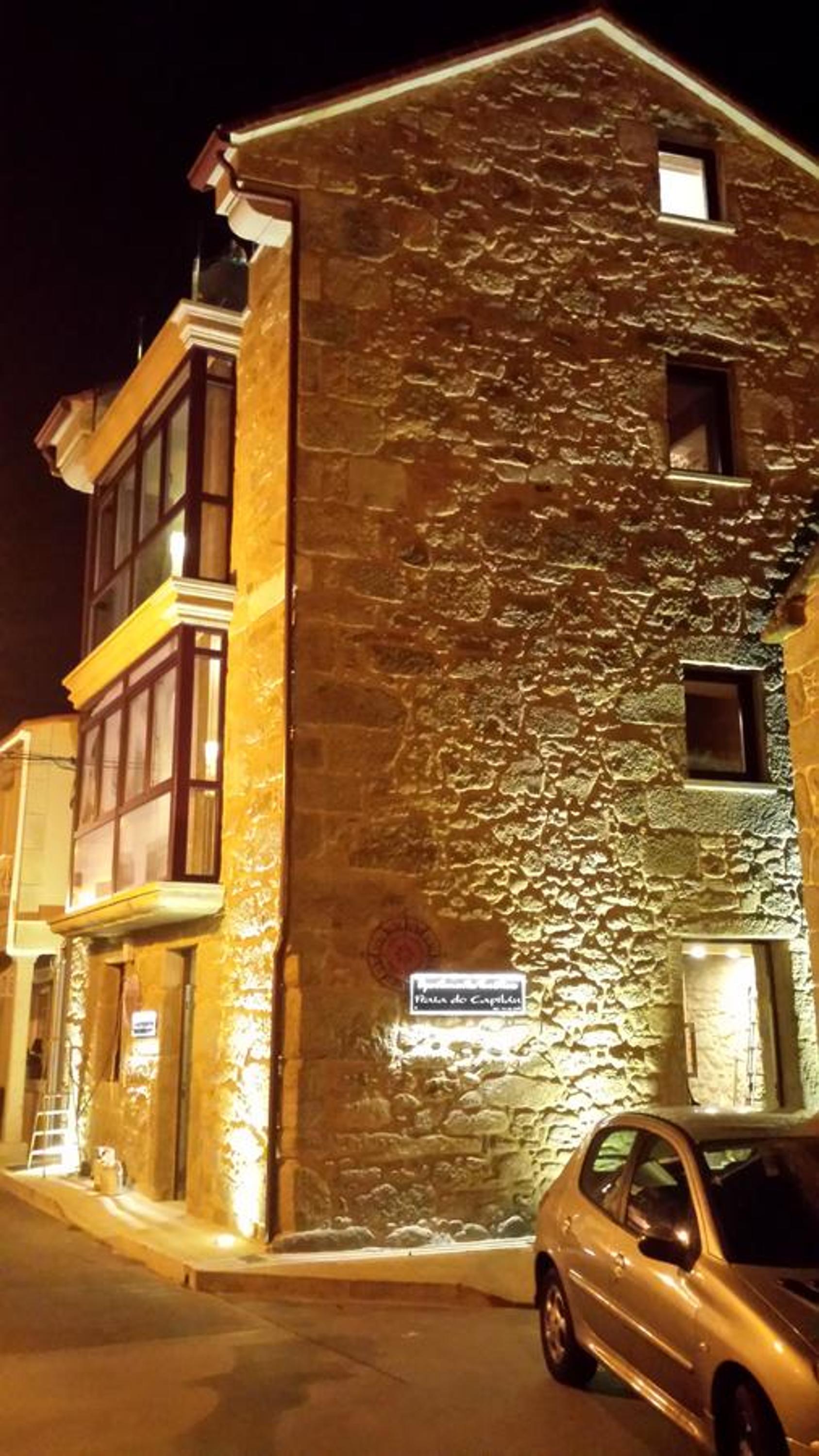
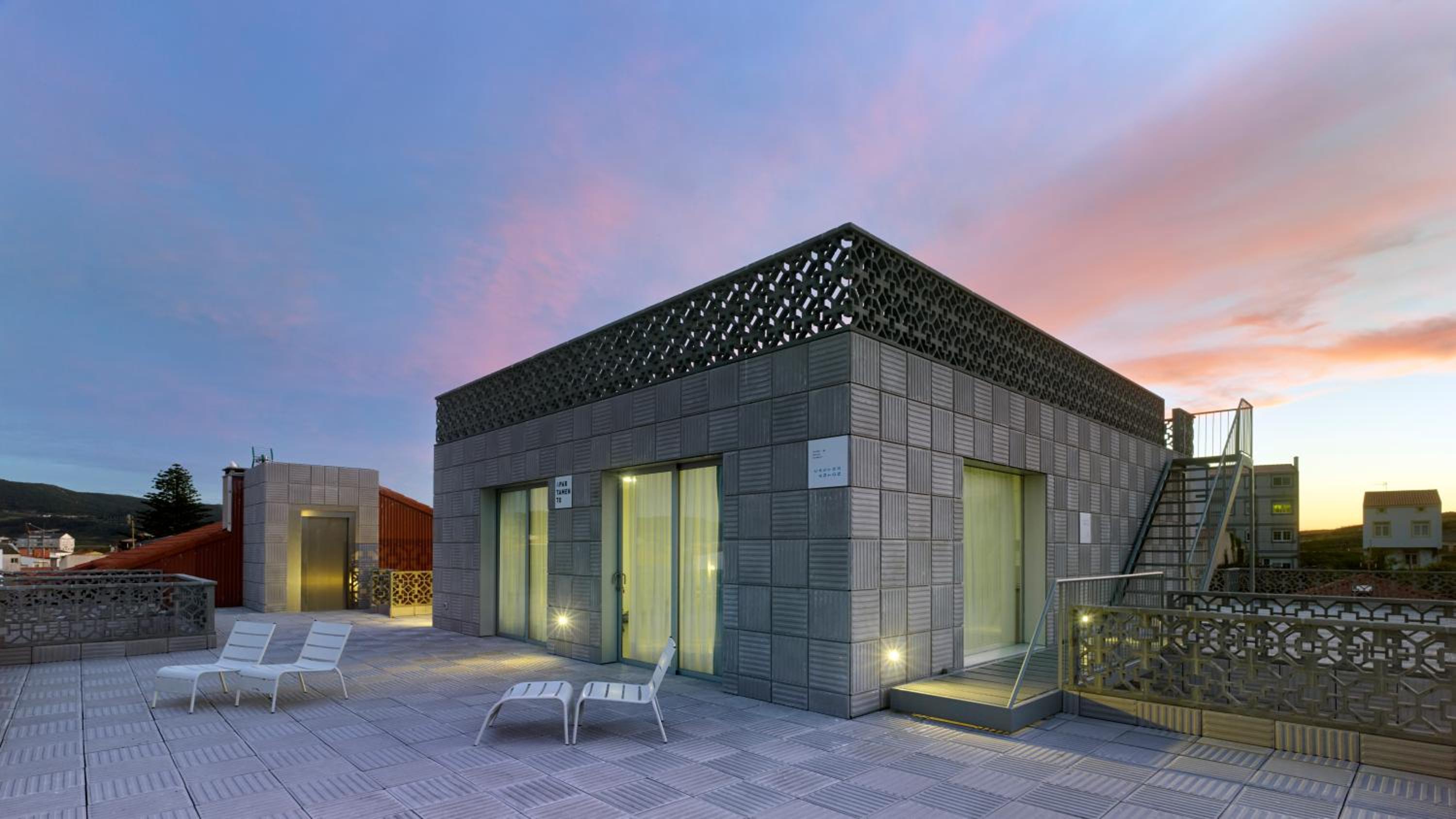
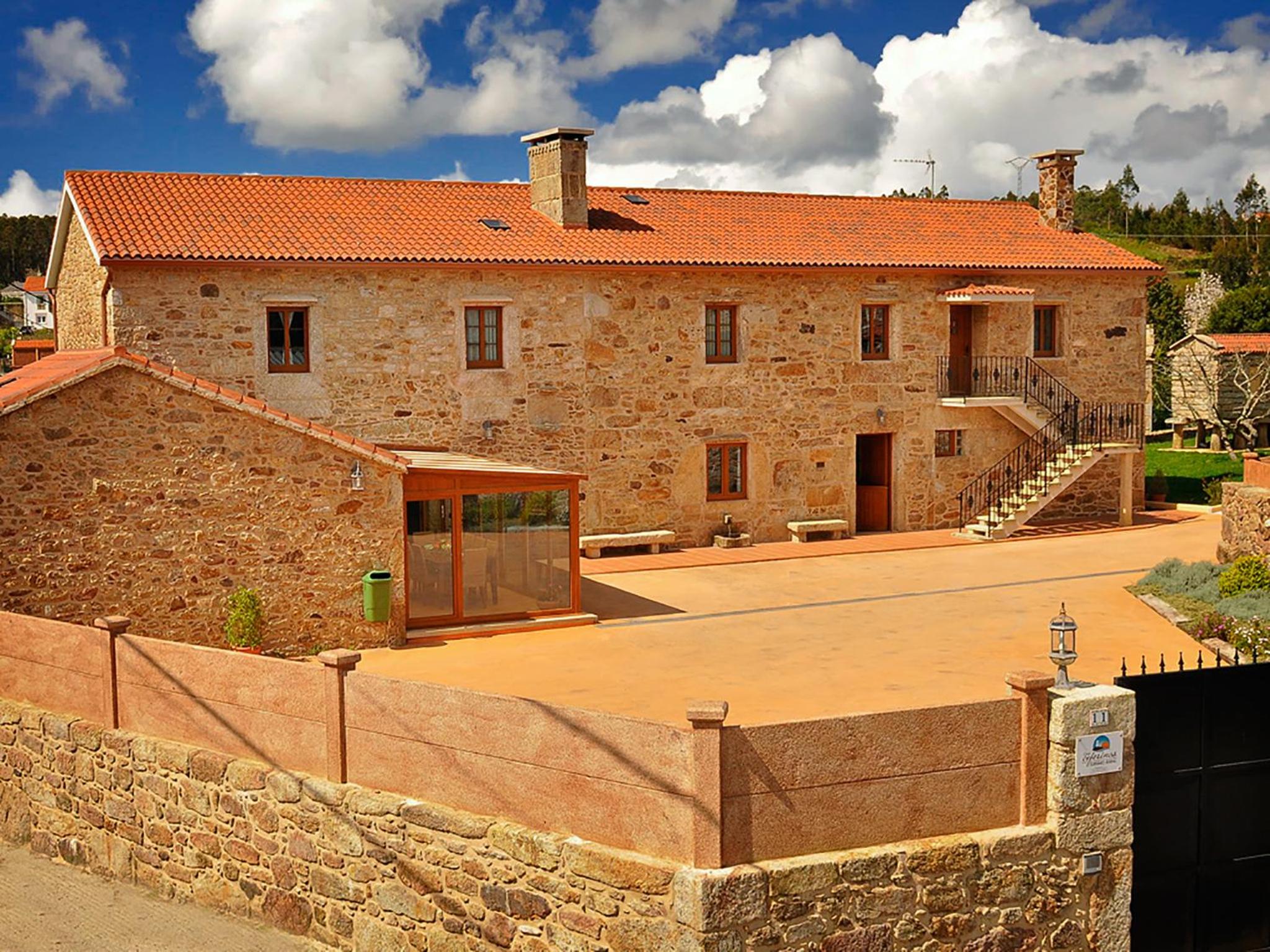
Accommodations in this Stage
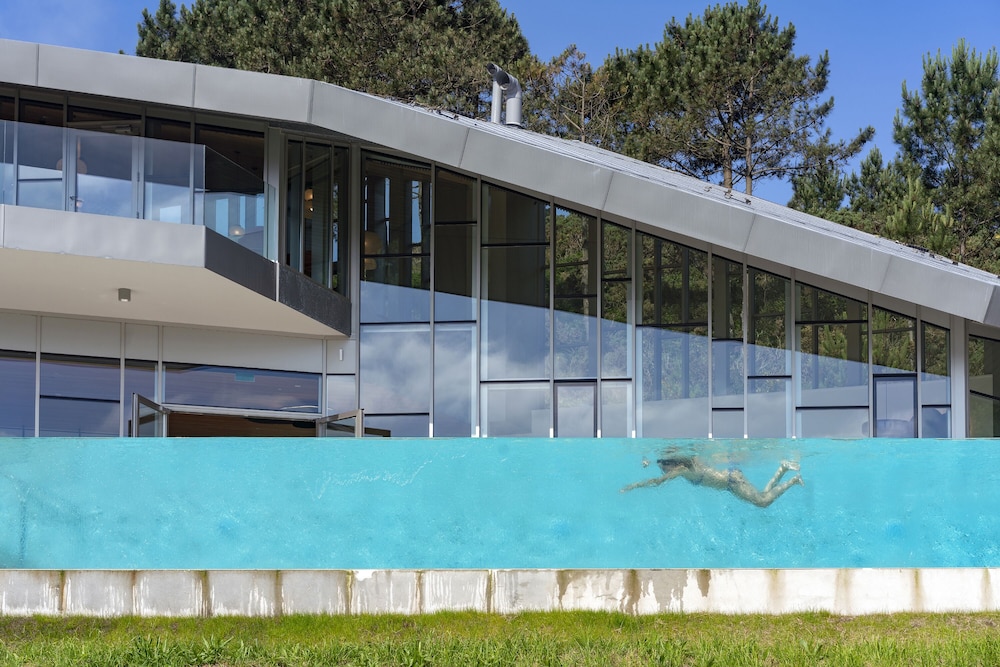
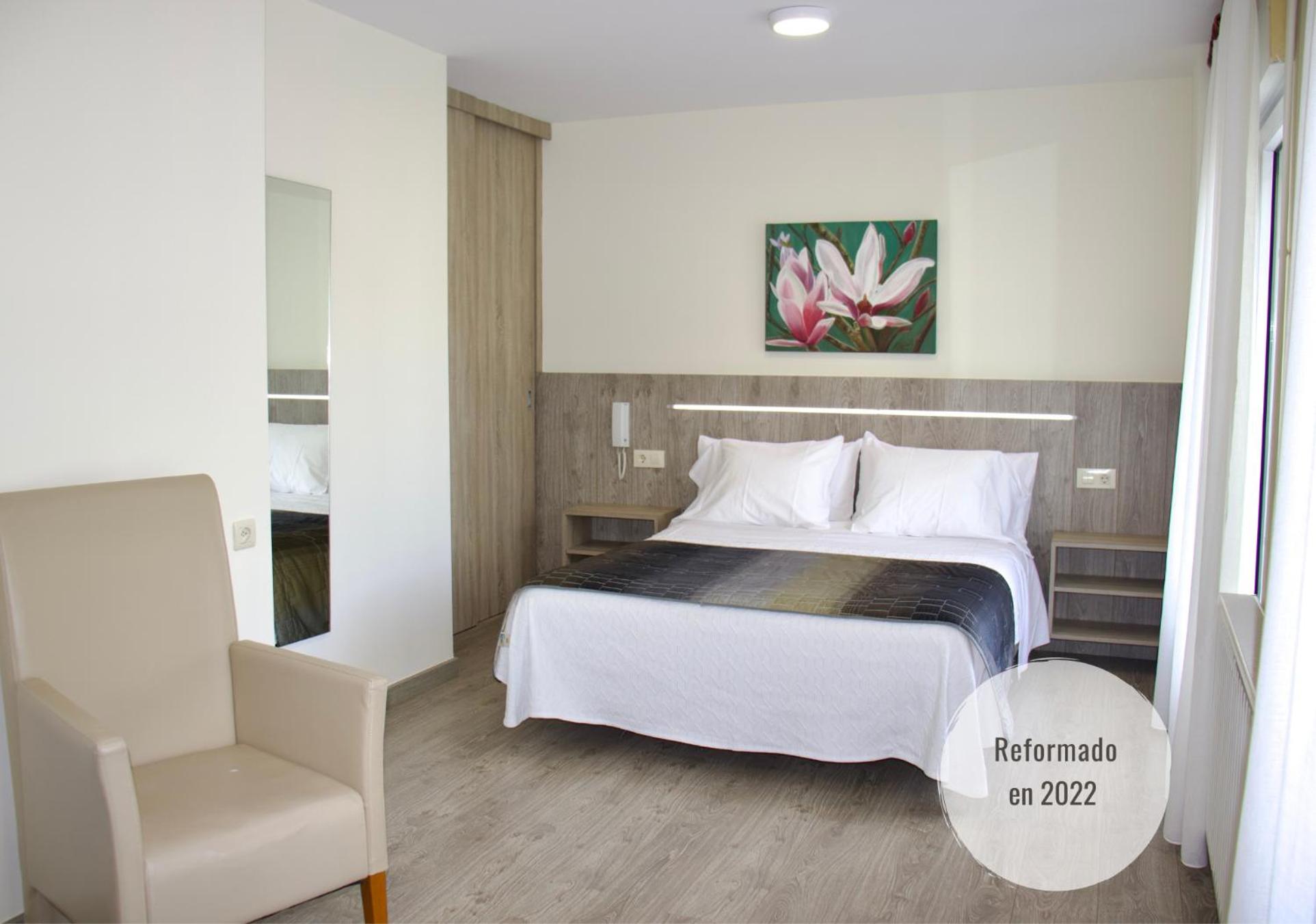
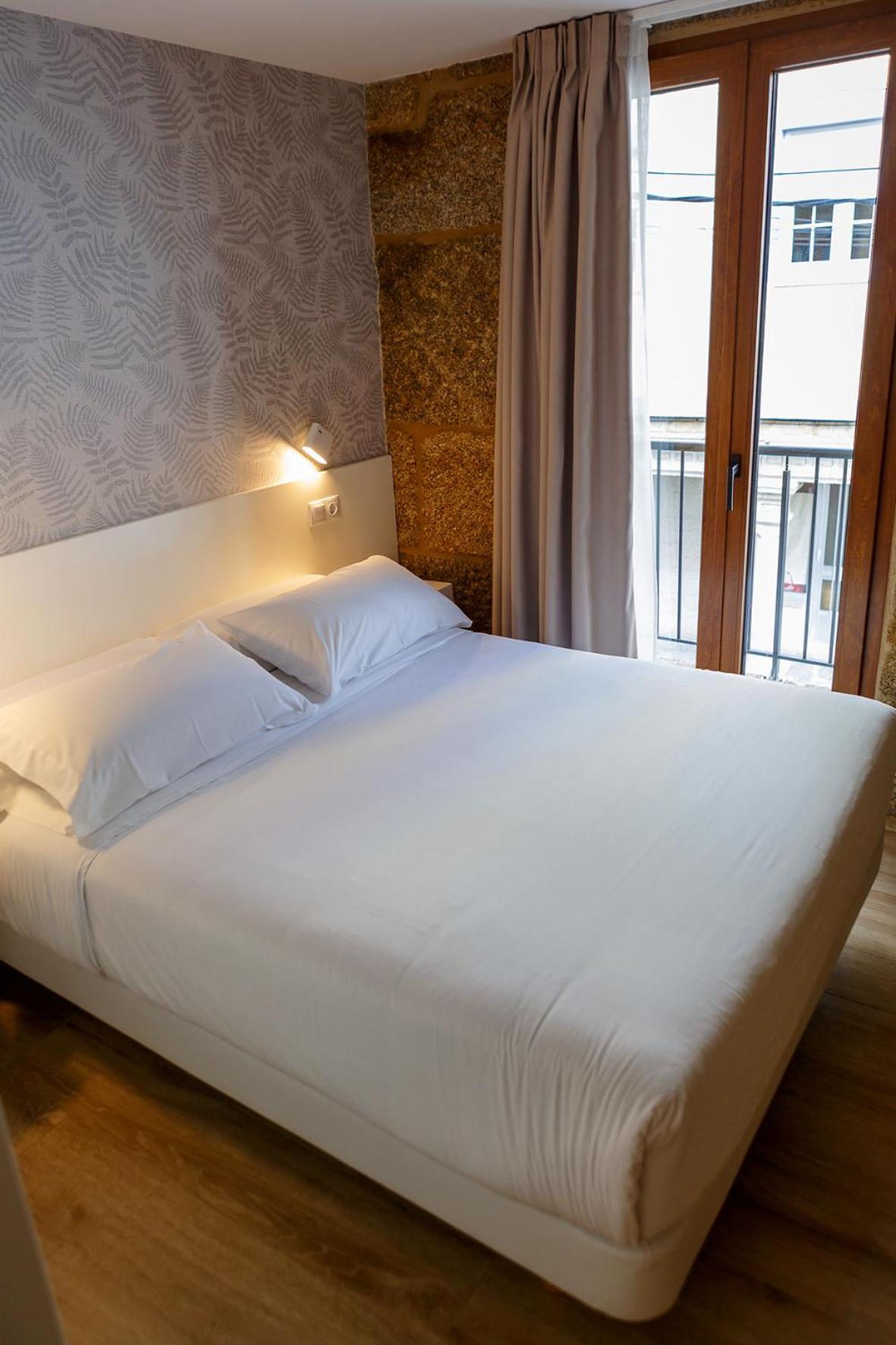
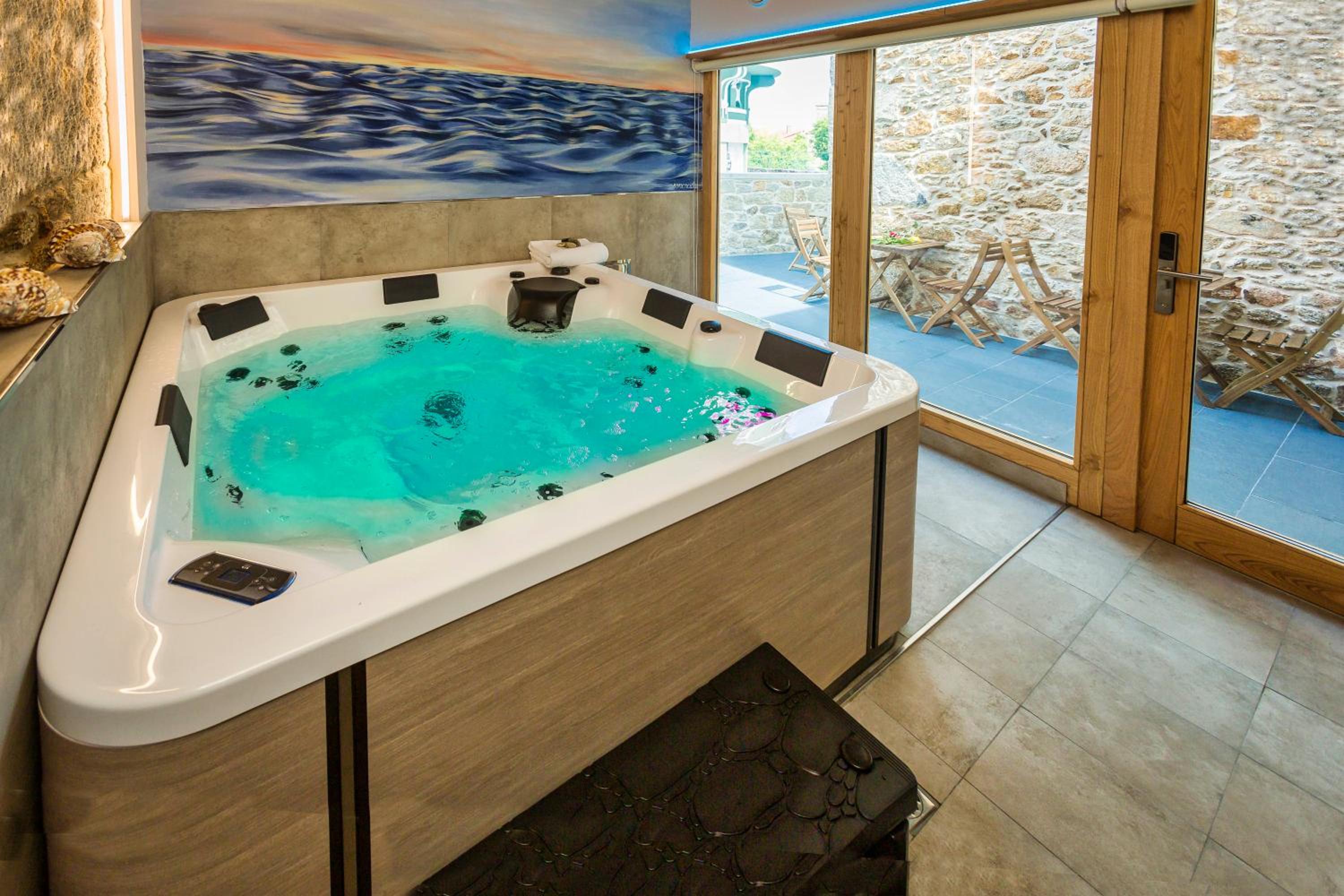
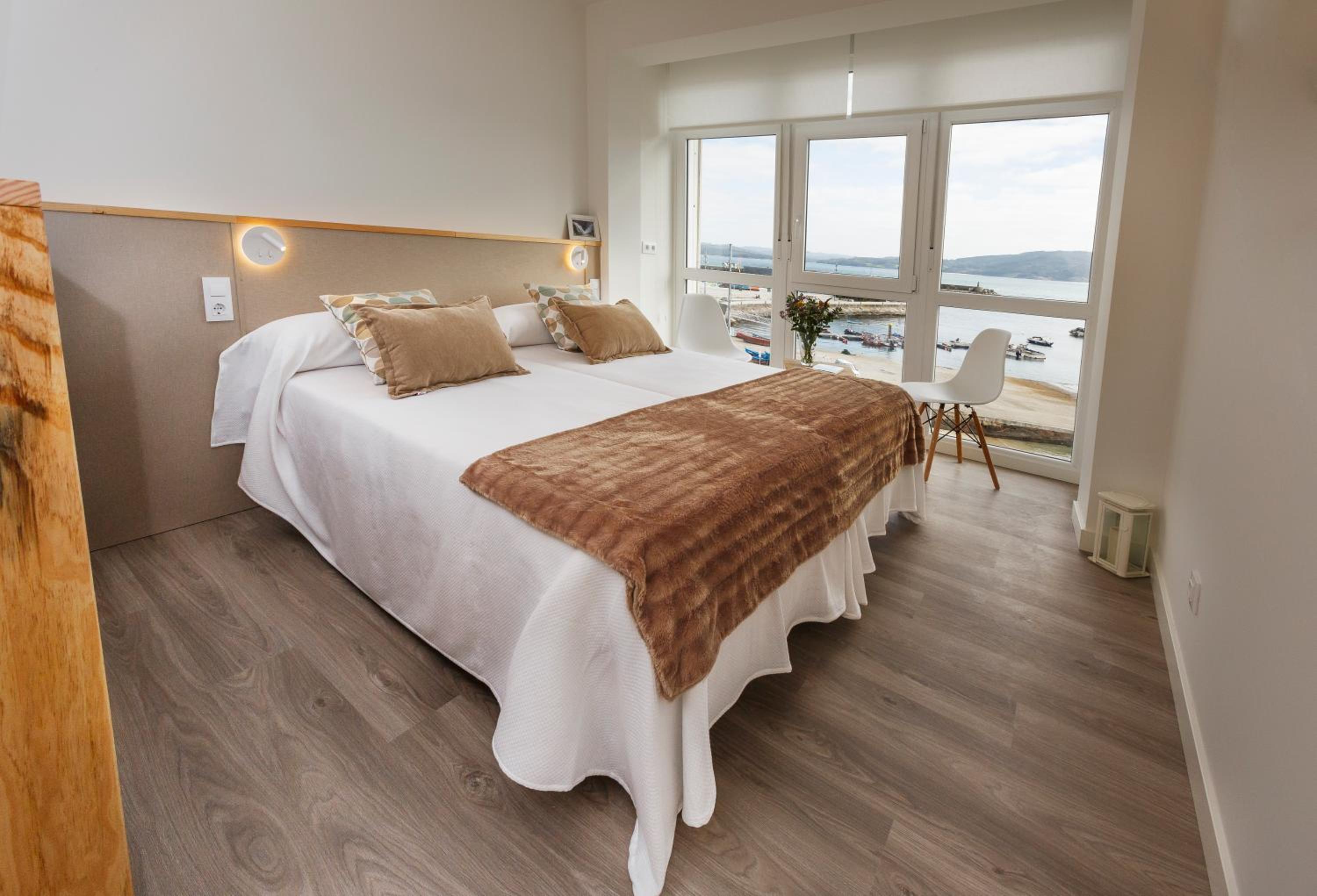
Find the perfect place for your rest in Dumbría o Muxía.


Start your adventure
Ready to walk this stage?
We design your personalised Camino de Santiago experience.
Plan your CaminoWalk this route with us
We take care of every detail
Accommodation booked stage by stage, your backpack waiting when you arrive and someone on the phone if anything goes wrong.