Stage of the Camino
Stage Description
The second day across La Moraña, almost twenty-four kilometres of cereal plain with barely any gradient, linking the lagoons of El Oso with the historic capital of the district. The path strings together small villages — Hernansancho, Villanueva de Gómez, El Bohodón, Tiñosillos — separated by long stretches of track among crops, with brick Mudéjar towers as the only reference on the horizon. It is an easy stage to walk and a demanding one to endure when the sun beats down or the north wind blows, with no reliable shade and no sure fountains. The arrival in Arévalo, at the confluence of the Adaja and Arevalillo rivers, more than makes up for it: its Mudéjar ensemble is one of the most complete in Castilla y León.
The second Moraña stage is sister to the previous one: plain, cereal and horizon. Nearly twenty-four kilometres covered with practically no gradient, descending barely sixty metres between the starting and finishing points. All the difficulty lies in the exposure: there is no shade, the wind blows unobstructed and intermediate services are scarce and irregular.
The route leaves El Oso and its lagoons and heads north along land-consolidation tracks. It links the scattered settlements of La Moraña — Hernansancho, Villanueva de Gómez, El Bohodón, Tiñosillos — all of them small, with low houses and wide streets, and brick churches with bell gables that can be made out kilometres before arriving. In spring the green wheat covers the view from side to side; in summer, after the harvest, the same landscape turns ochre and hard.
The final kilometres descend towards the confluence of the Adaja and the Arevalillo, where Arévalo sits on a tongue of land between the two rivers. The approach gradually reveals a first-rate monumental ensemble: the castle, with its cylindrical keep, where Isabel of Portugal lived with her daughter, the future Isabella the Catholic; the Plaza de la Villa, arcaded and presided over by the church of Santa María la Mayor; and above all the brick Mudéjar, which here reaches one of its richest ensembles in all of Castile.
Arévalo, historic capital of La Moraña, preserves churches such as San Martín, with its twin towers known as the Storks' Towers, San Miguel and Santo Domingo de Silos, as well as an old town listed as a historic-artistic site. It is also a place of good food, famous for its roast suckling pig. For the pilgrim it means a full resupply point before entering the province of Valladolid on the way to Medina del Campo.
The route leaves El Oso and its lagoons and heads north along land-consolidation tracks. It links the scattered settlements of La Moraña — Hernansancho, Villanueva de Gómez, El Bohodón, Tiñosillos — all of them small, with low houses and wide streets, and brick churches with bell gables that can be made out kilometres before arriving. In spring the green wheat covers the view from side to side; in summer, after the harvest, the same landscape turns ochre and hard.
The final kilometres descend towards the confluence of the Adaja and the Arevalillo, where Arévalo sits on a tongue of land between the two rivers. The approach gradually reveals a first-rate monumental ensemble: the castle, with its cylindrical keep, where Isabel of Portugal lived with her daughter, the future Isabella the Catholic; the Plaza de la Villa, arcaded and presided over by the church of Santa María la Mayor; and above all the brick Mudéjar, which here reaches one of its richest ensembles in all of Castile.
Arévalo, historic capital of La Moraña, preserves churches such as San Martín, with its twin towers known as the Storks' Towers, San Miguel and Santo Domingo de Silos, as well as an old town listed as a historic-artistic site. It is also a place of good food, famous for its roast suckling pig. For the pilgrim it means a full resupply point before entering the province of Valladolid on the way to Medina del Campo.
Last updated: 17/08/2026
Where to Sleep
Accommodations in this Stage
Find the perfect place for your rest in El Oso o Arévalo.
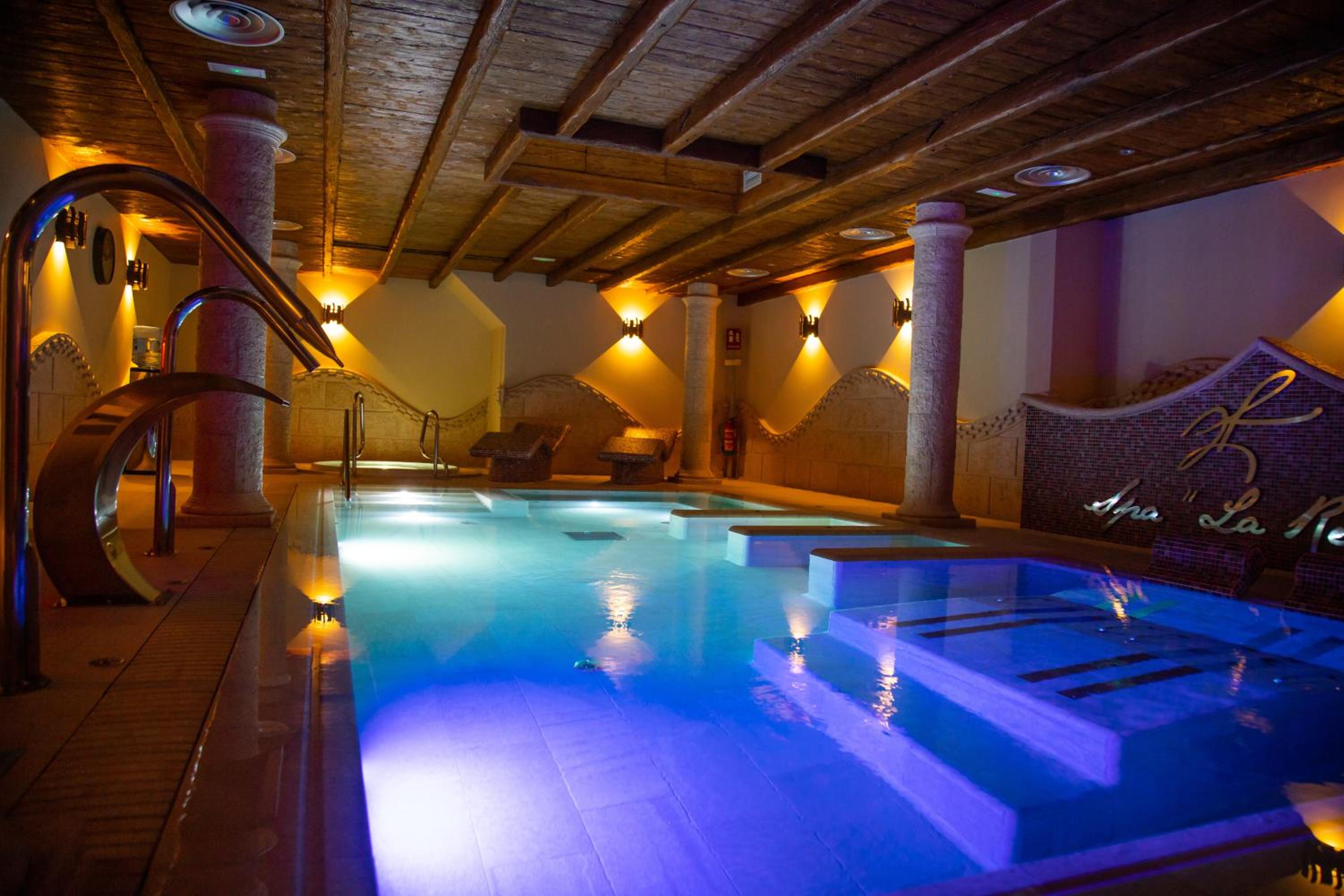
Hotel Spa Viña Real
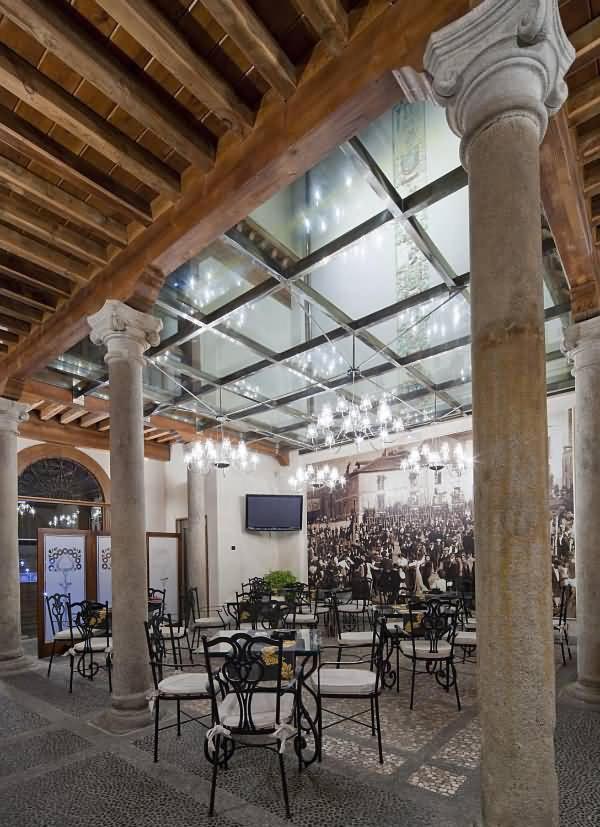
Posada Real Los Cinco Linajes
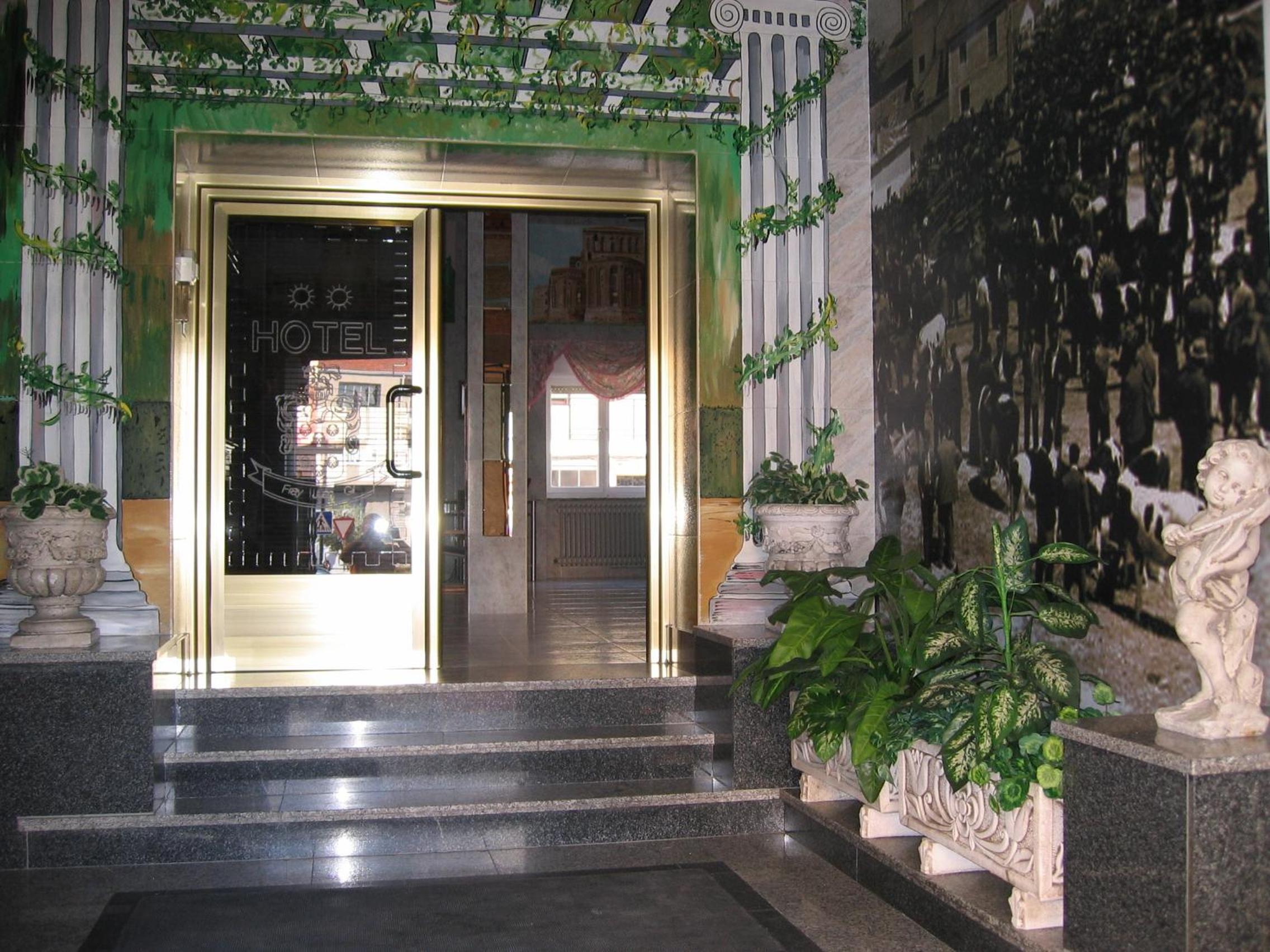
Hotel Fray Juán Gil
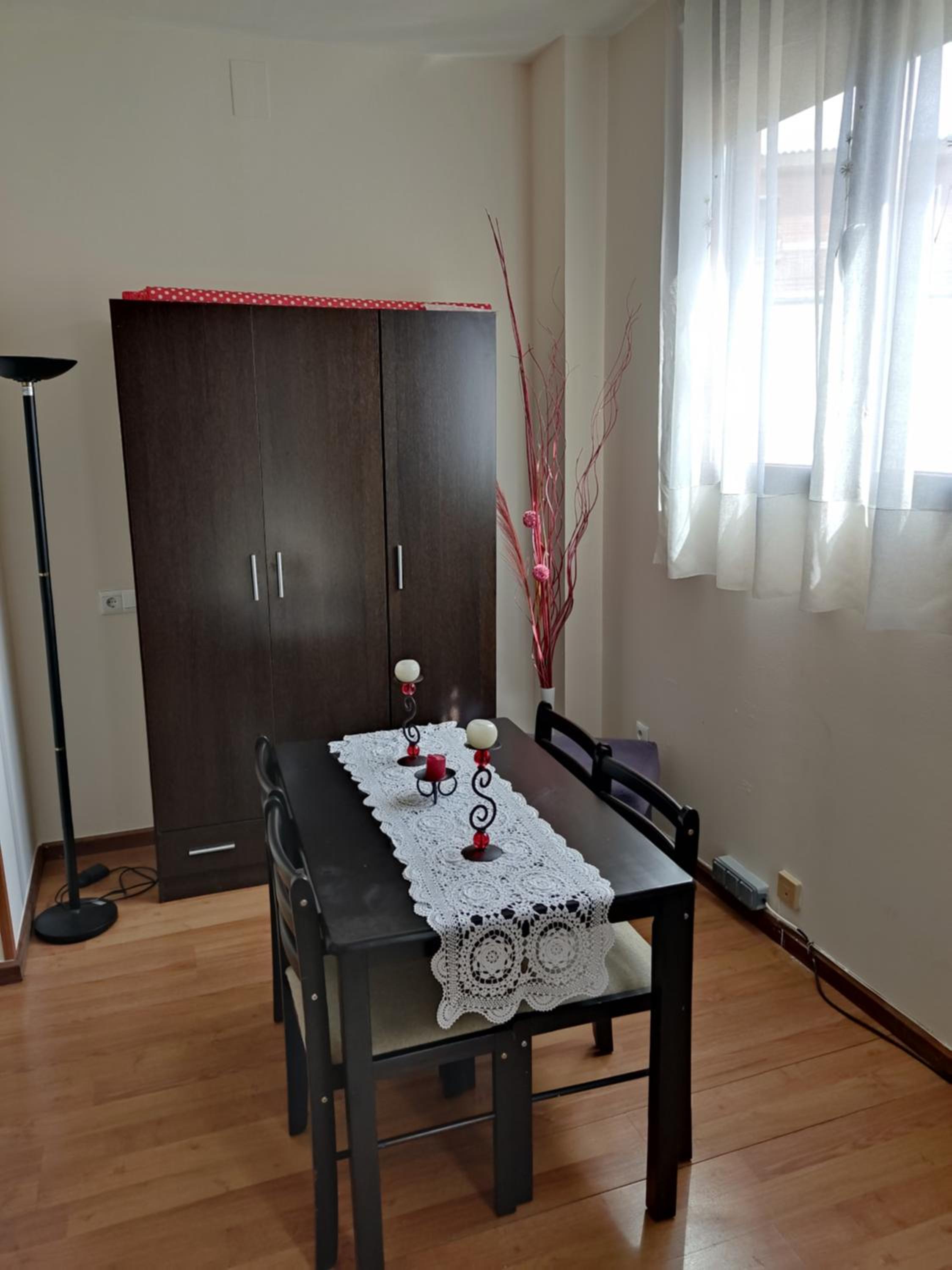
Alojamiento turístico Carvi
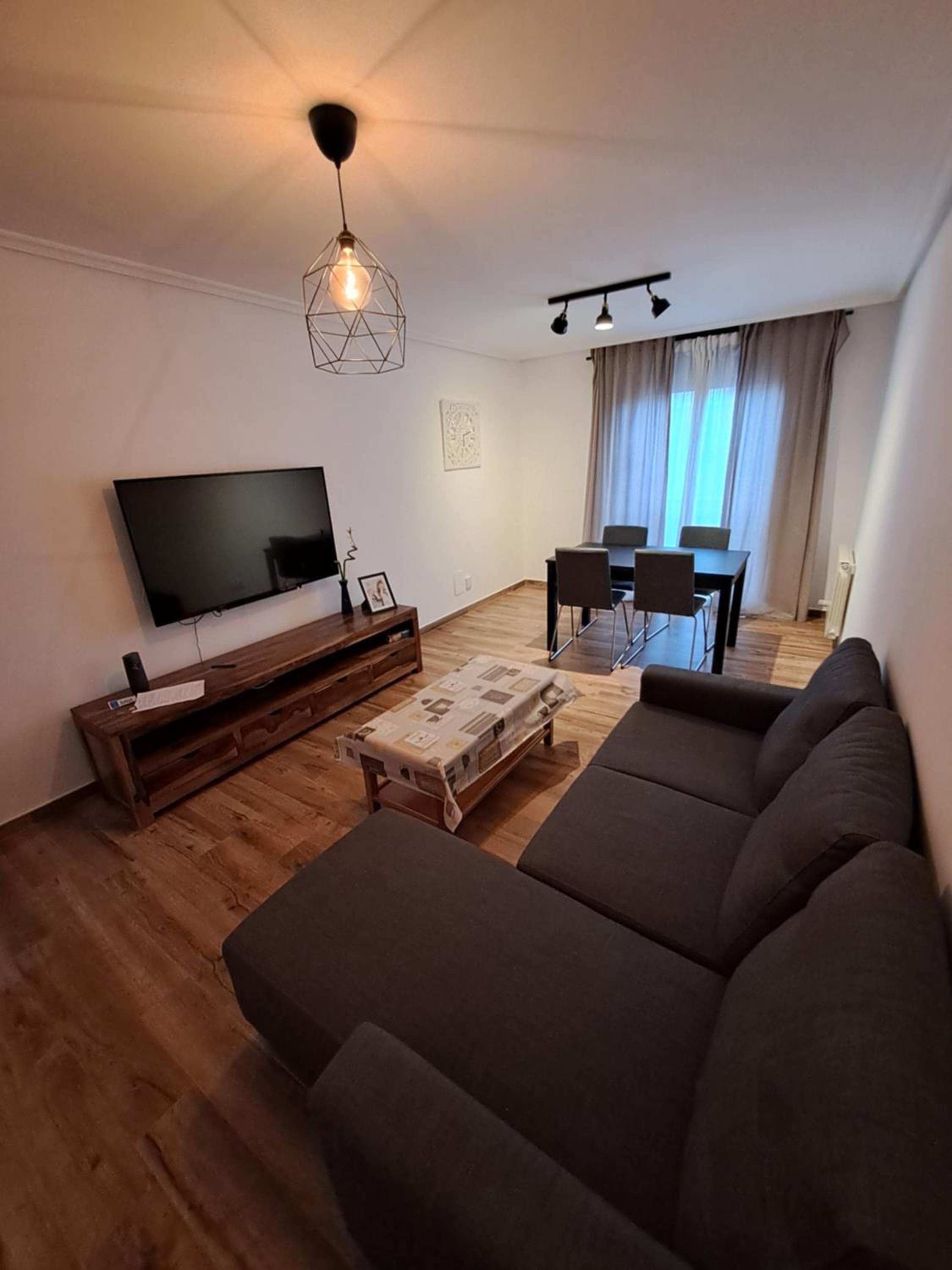
Apartamento la moraña
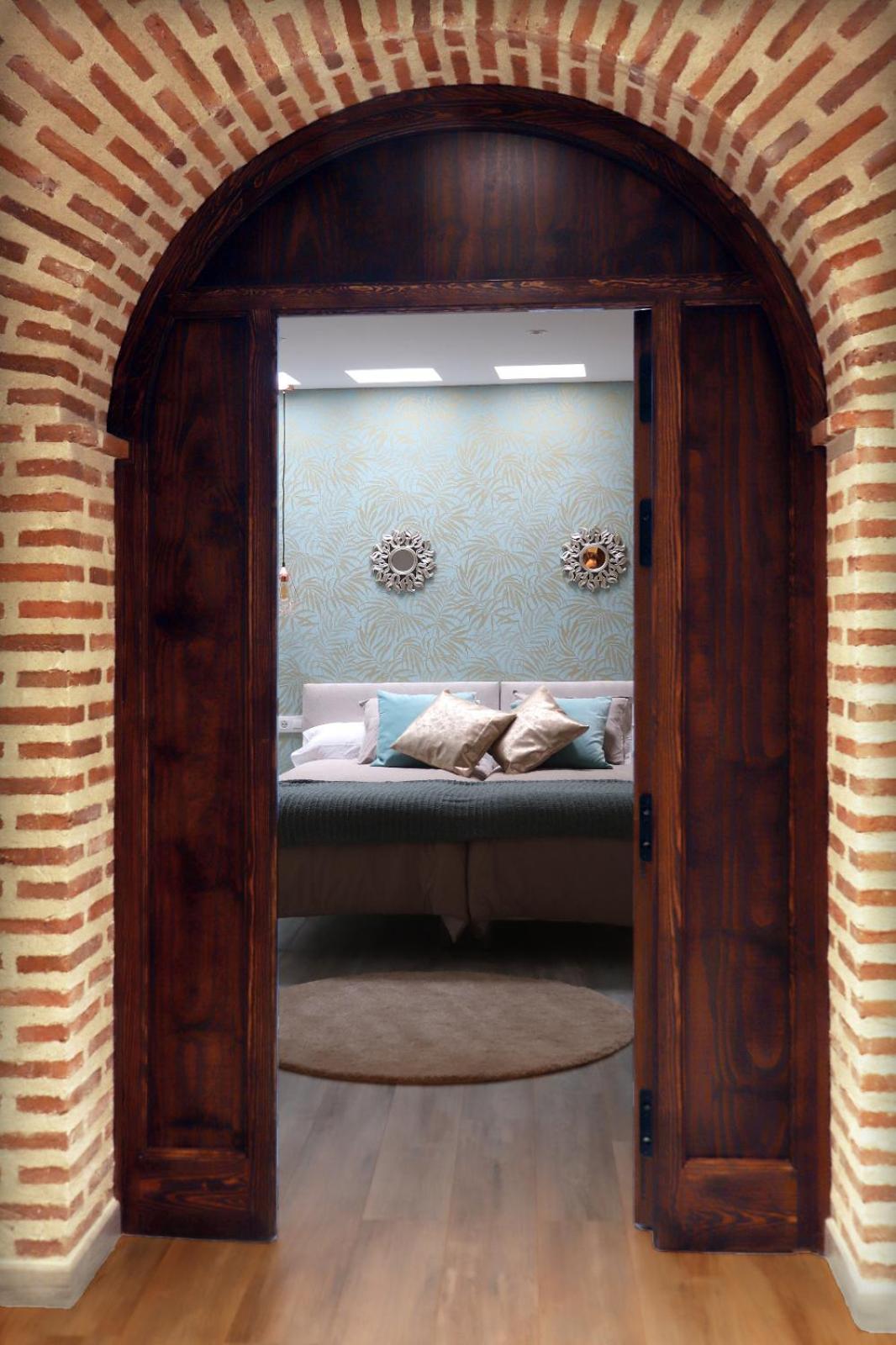
Apartamentos turísticos Desiree
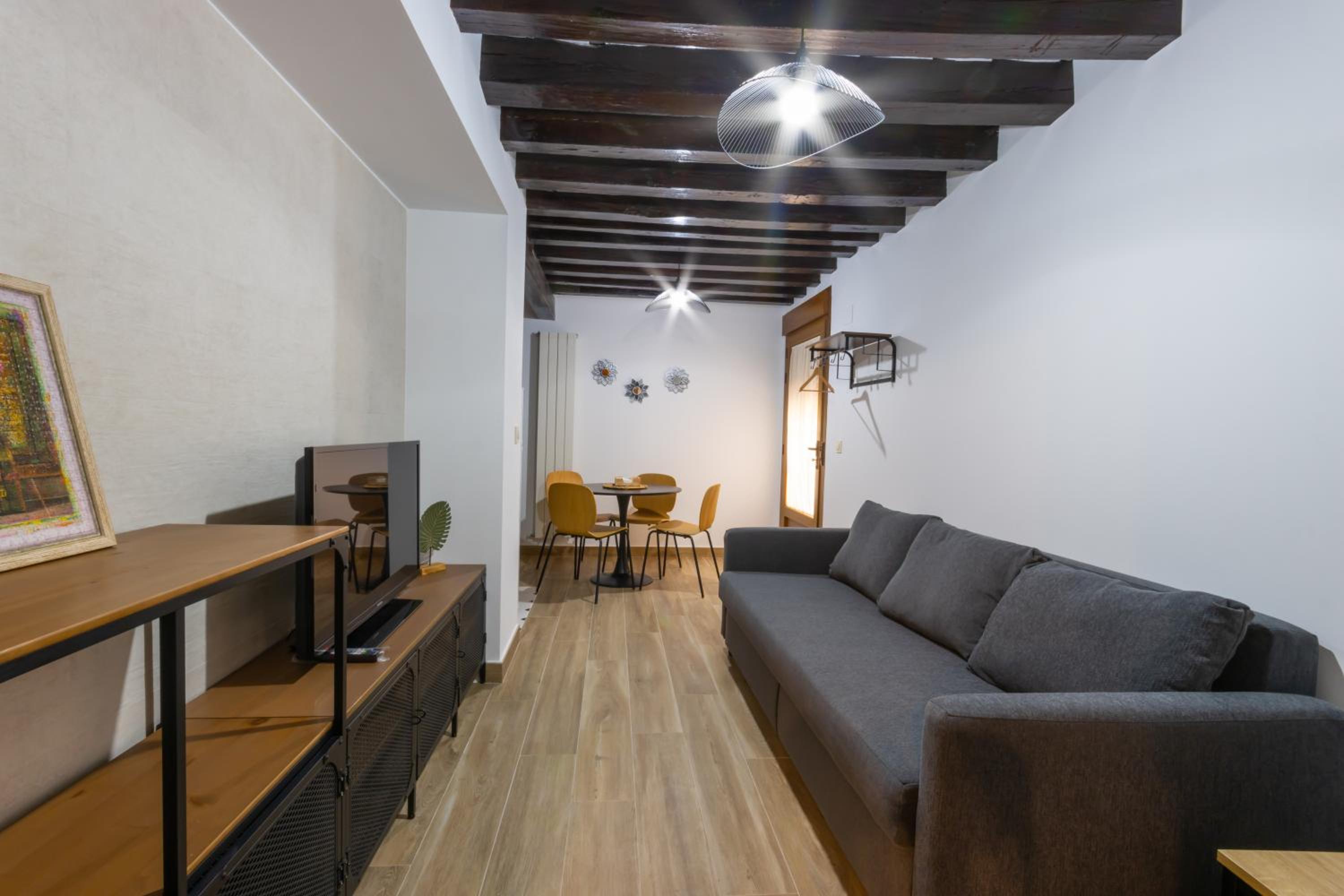
Apartamentos Turísticos La Casa Grande
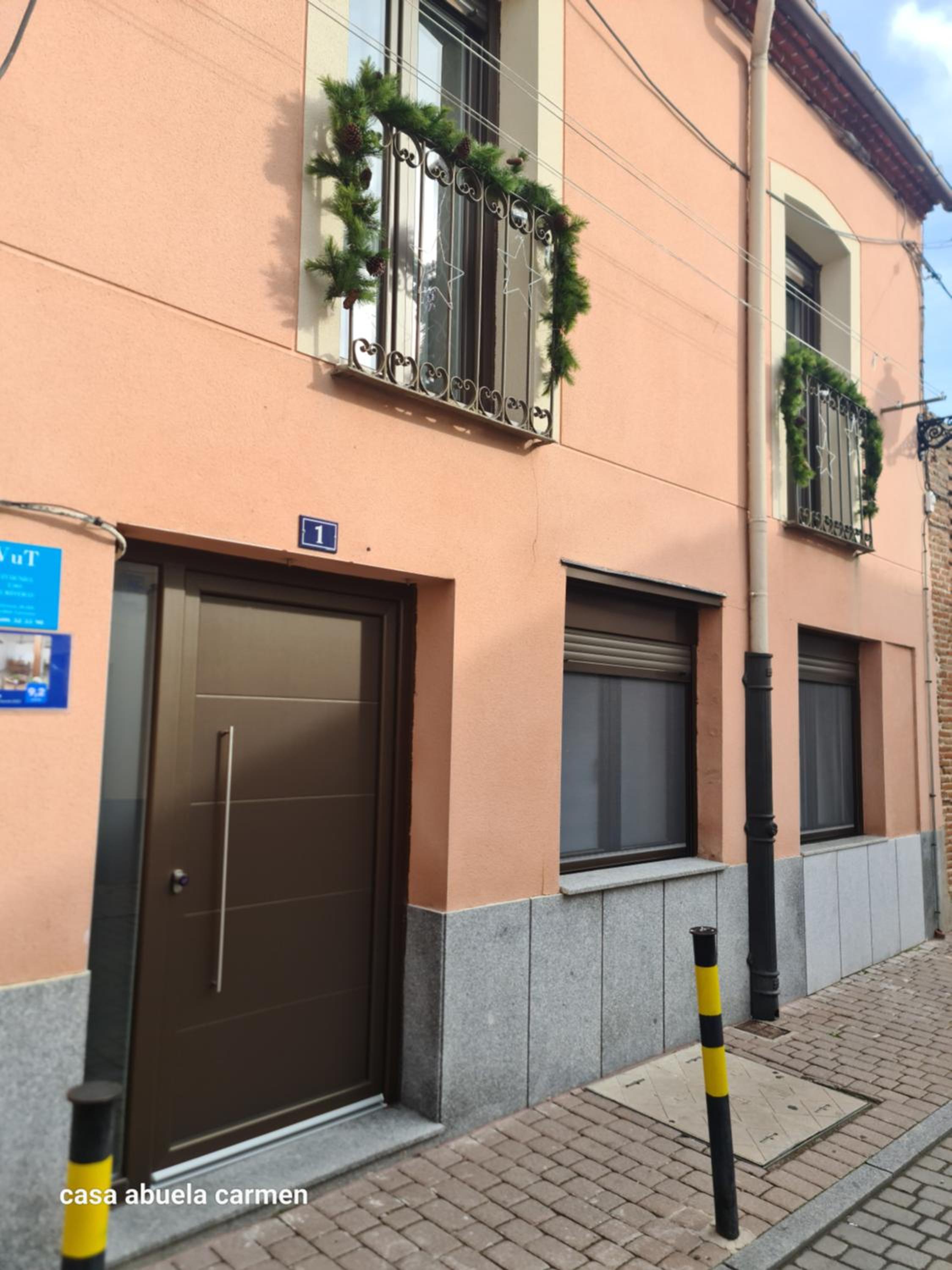
Casa Abuela Carmen
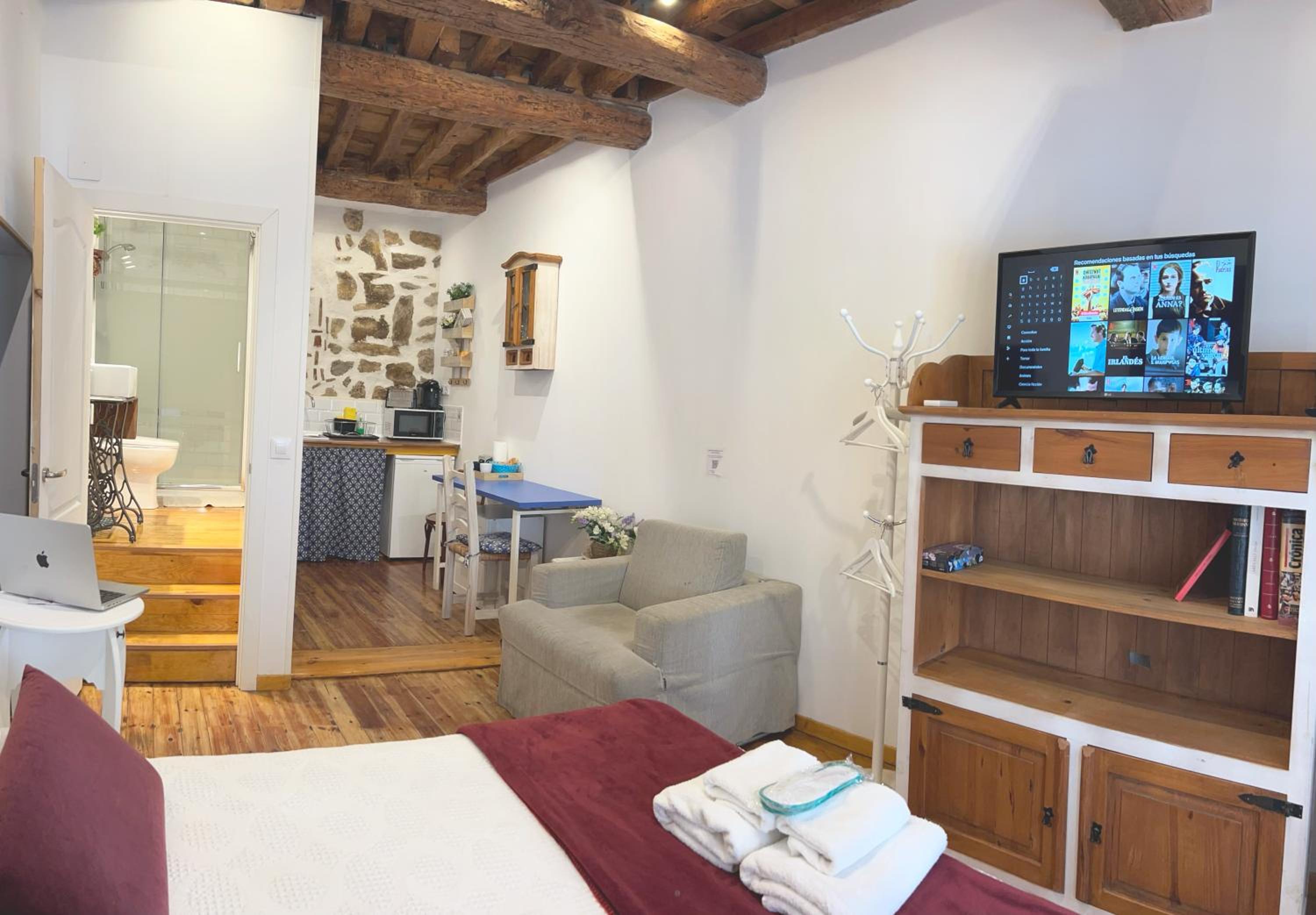
Casa La Real

EL BALCÓN DE LA PLAZA.
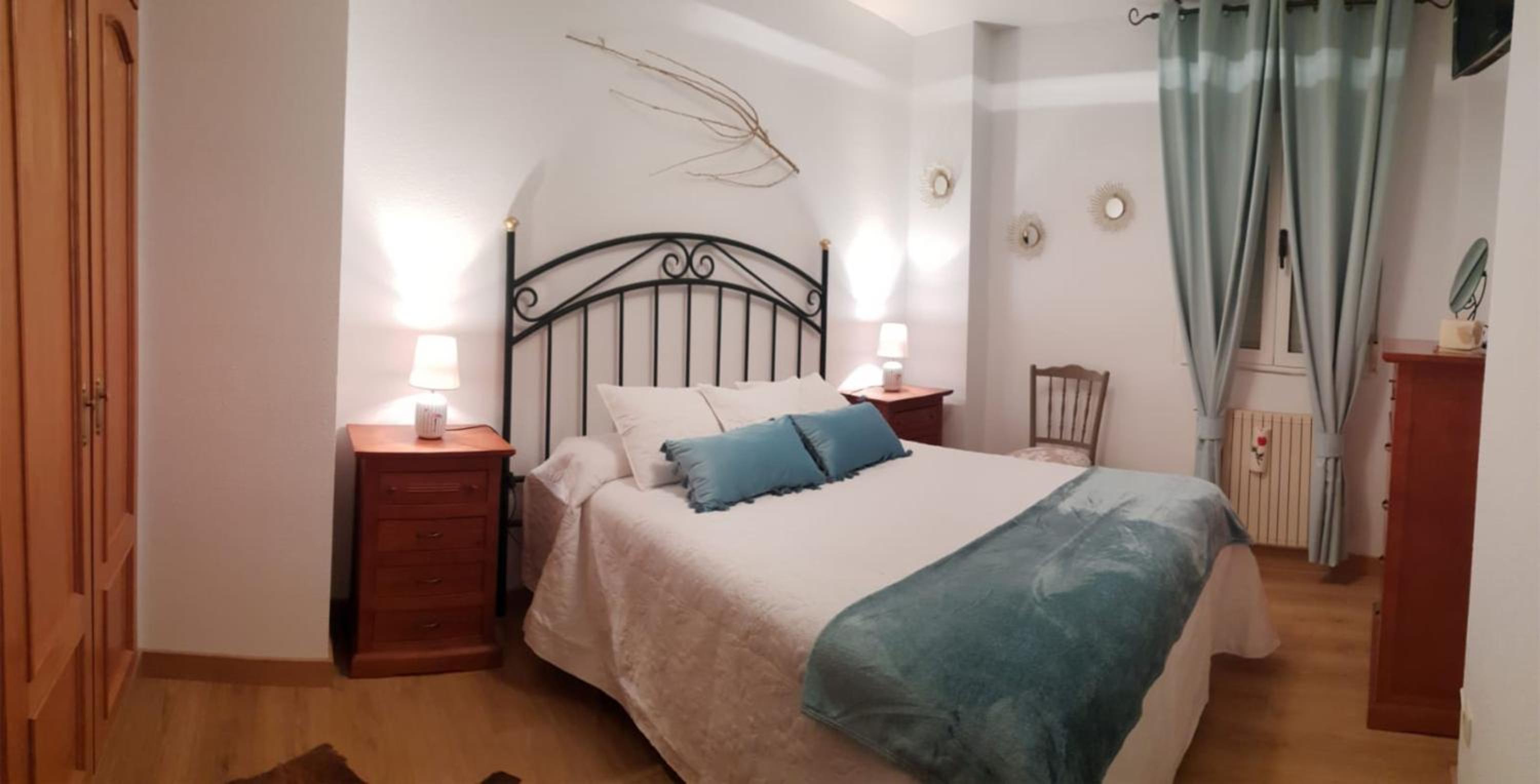
El Pasaje
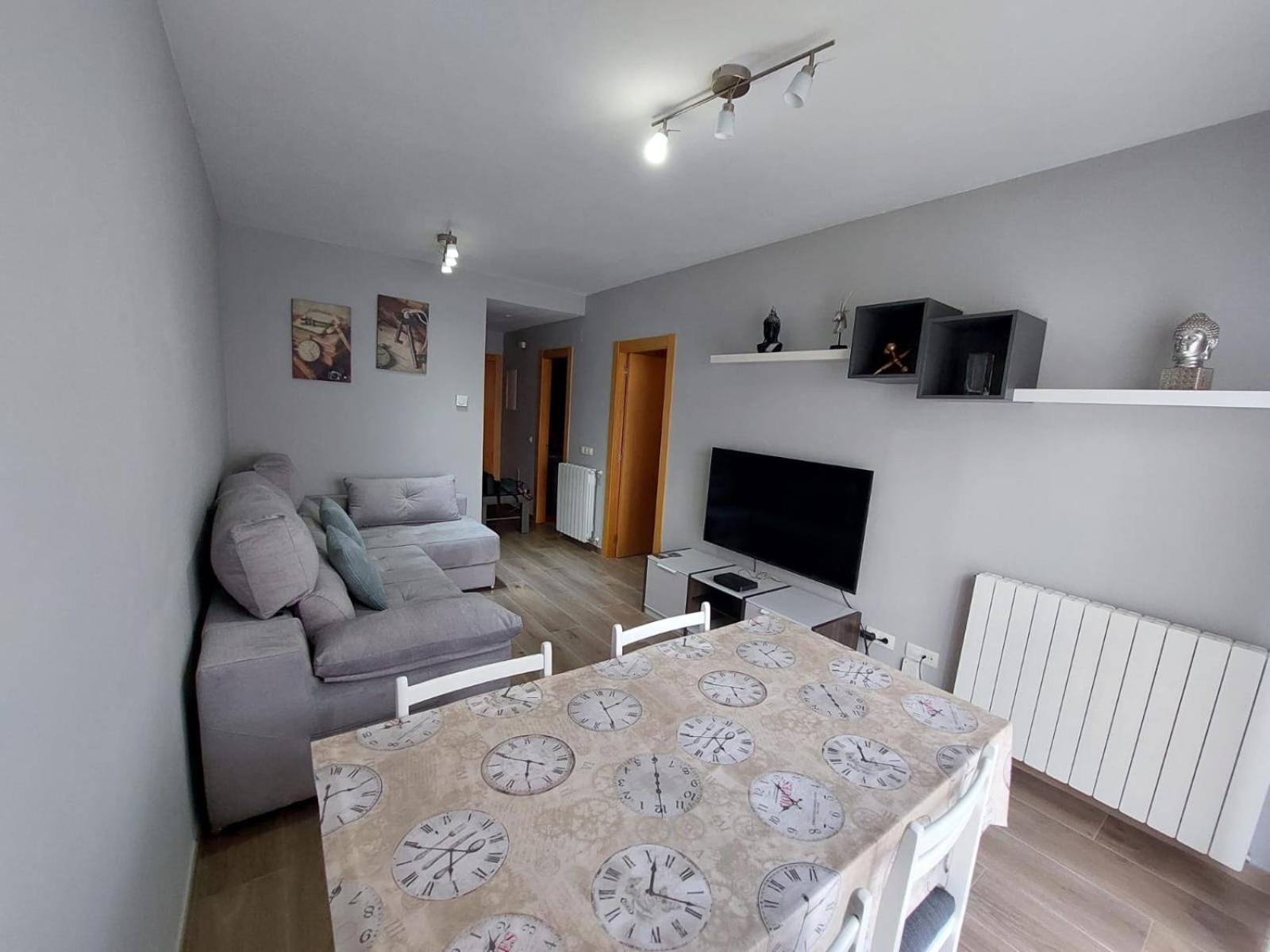
El rinconcito de alicia
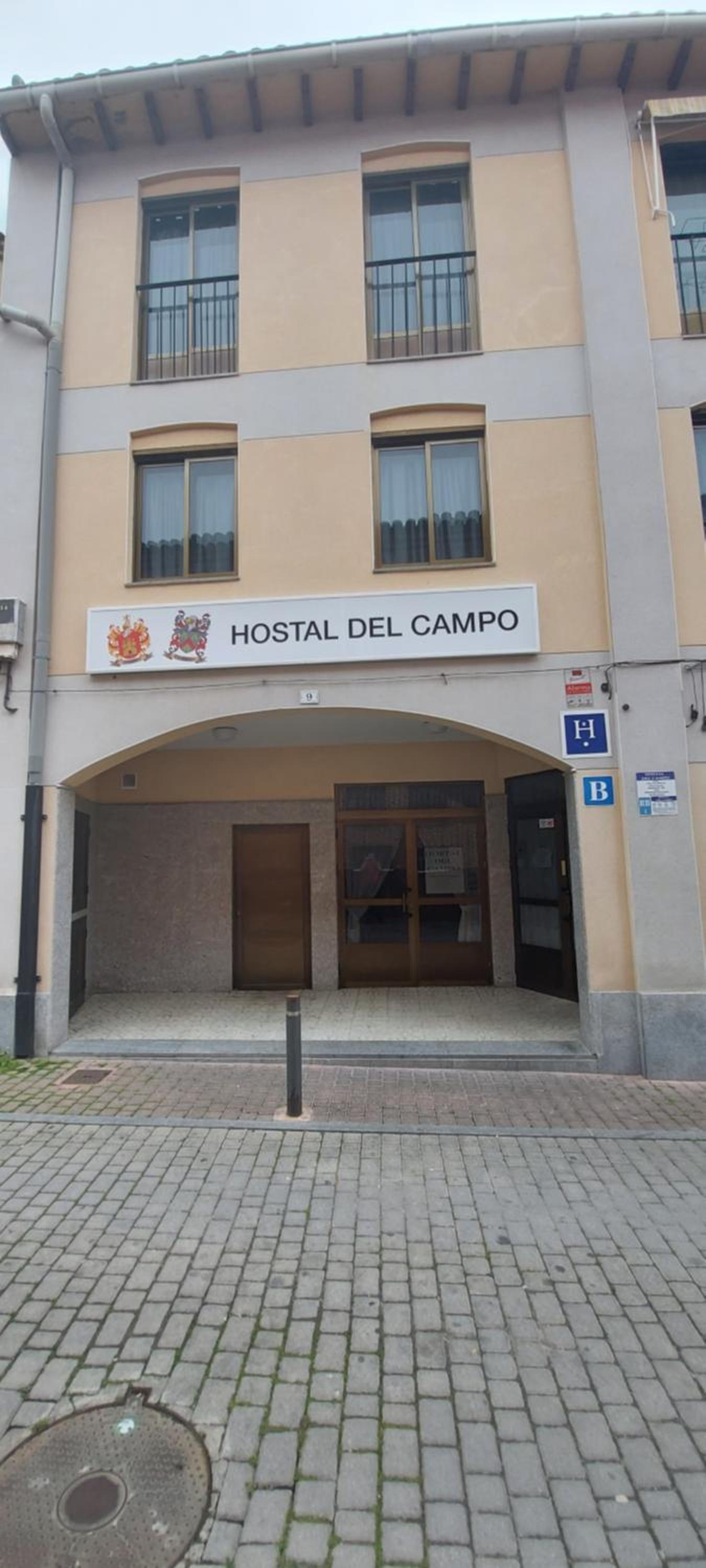
Hostal del campo
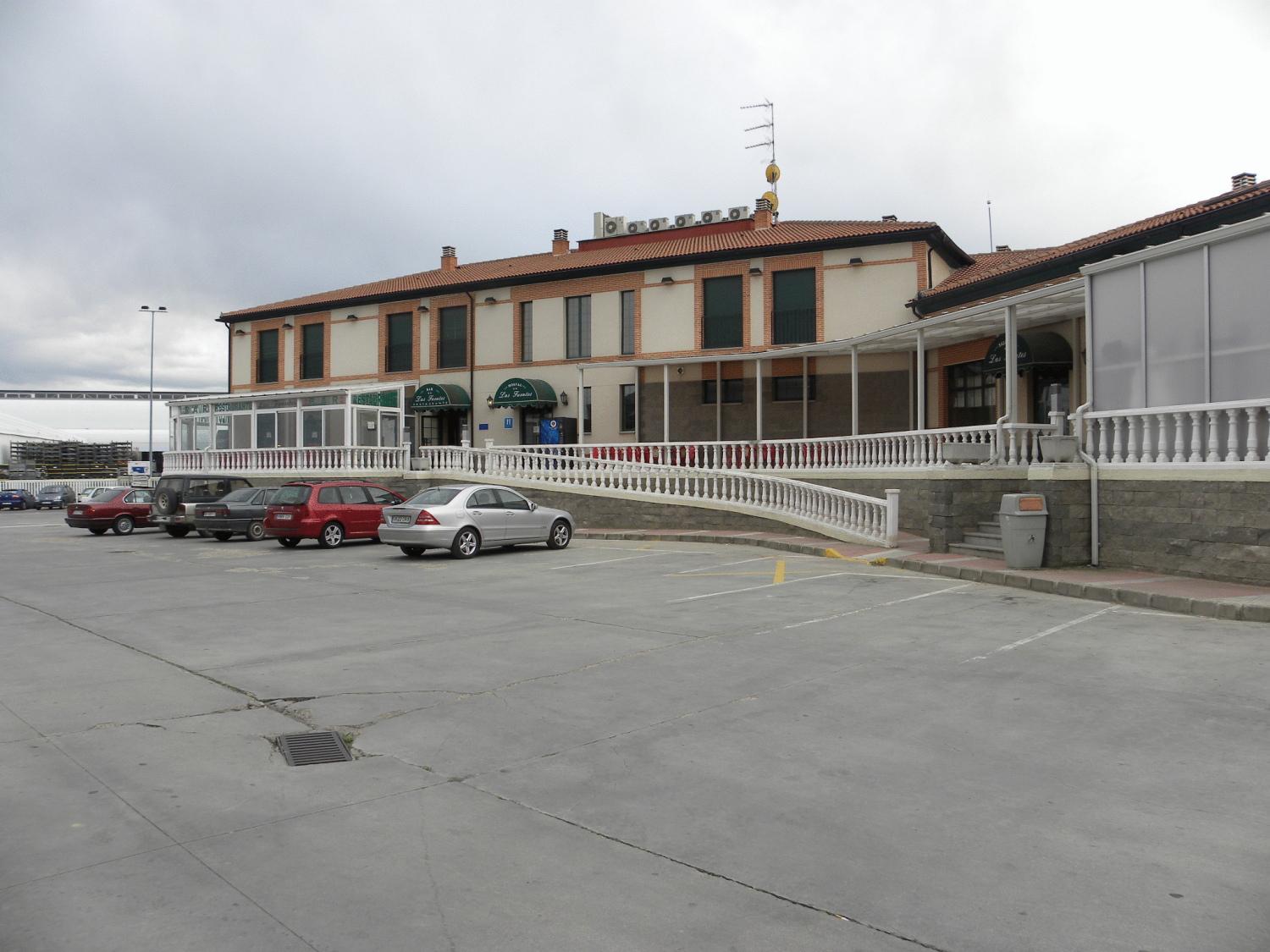
Hostal Las Fuentes
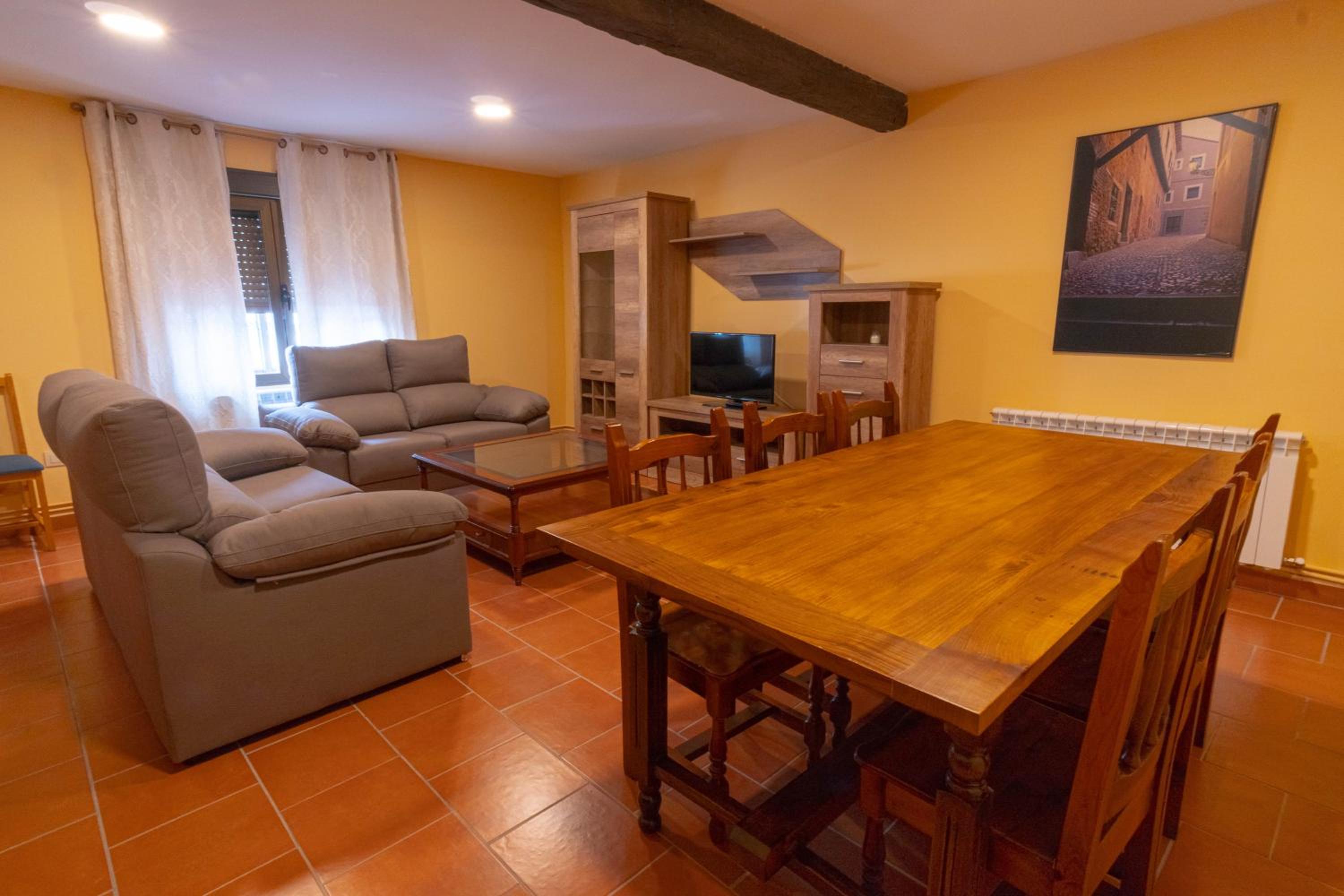
La Casa del Castillo
Malocar
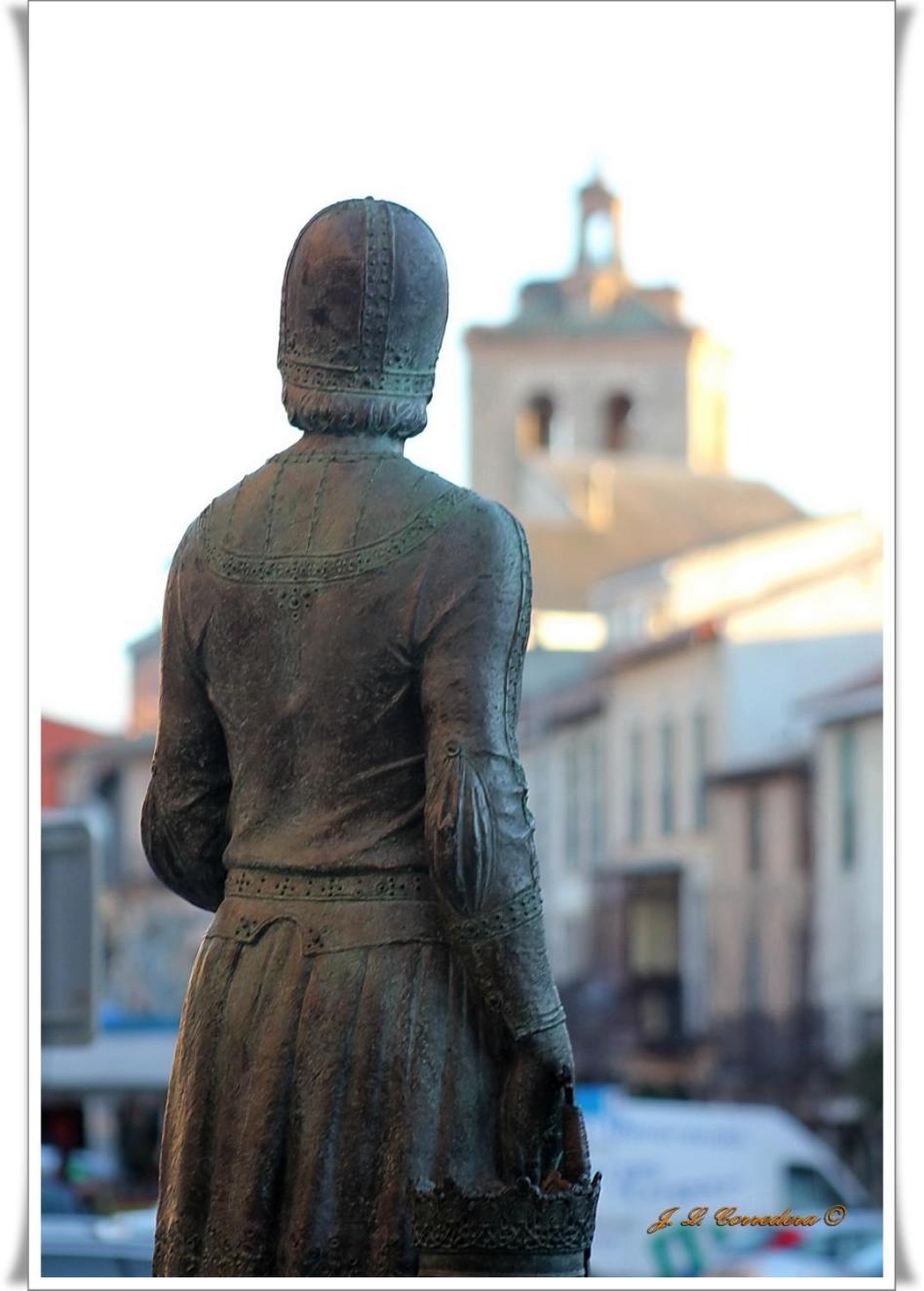
Mi Isabelita
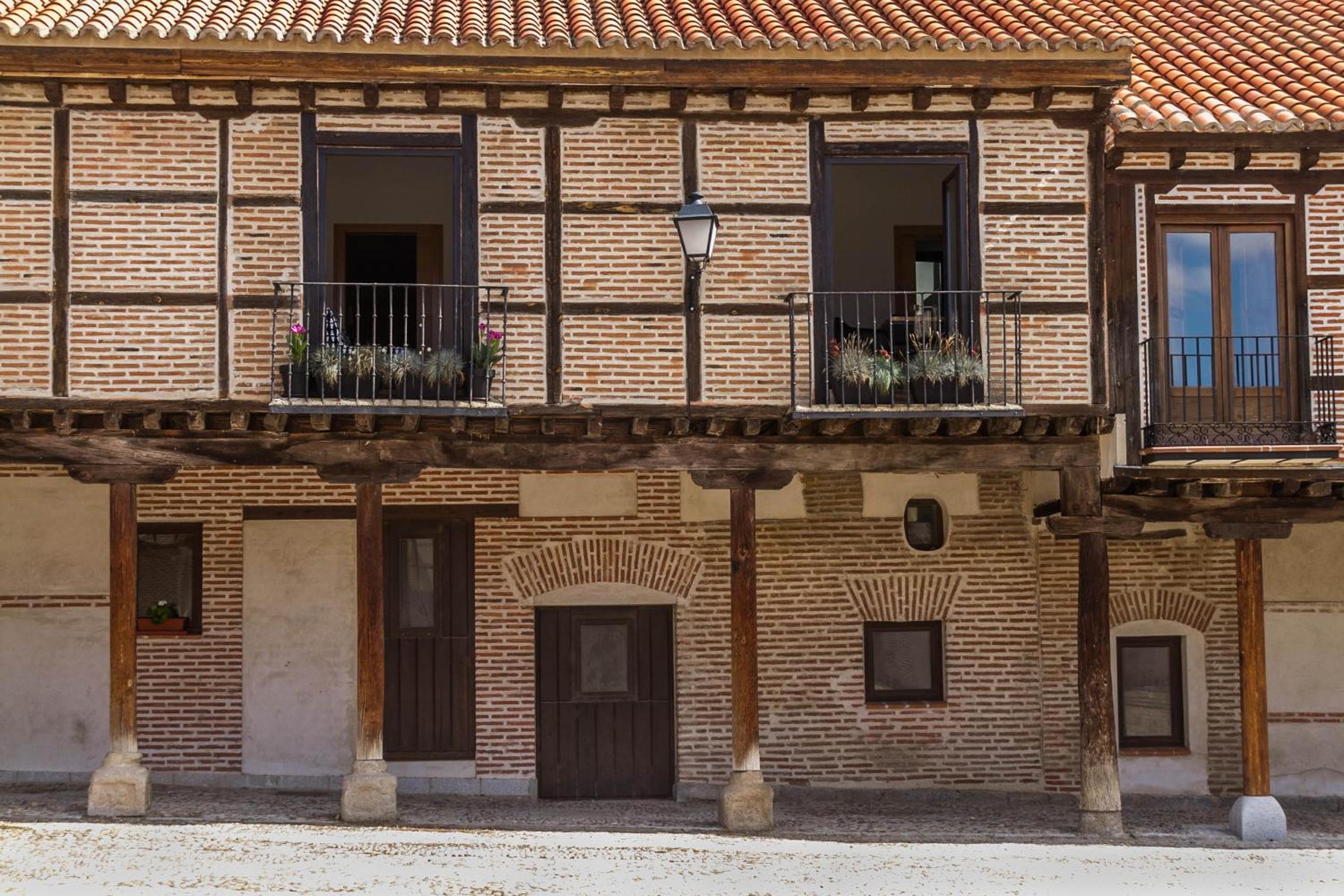
Mi Villa Arévalo
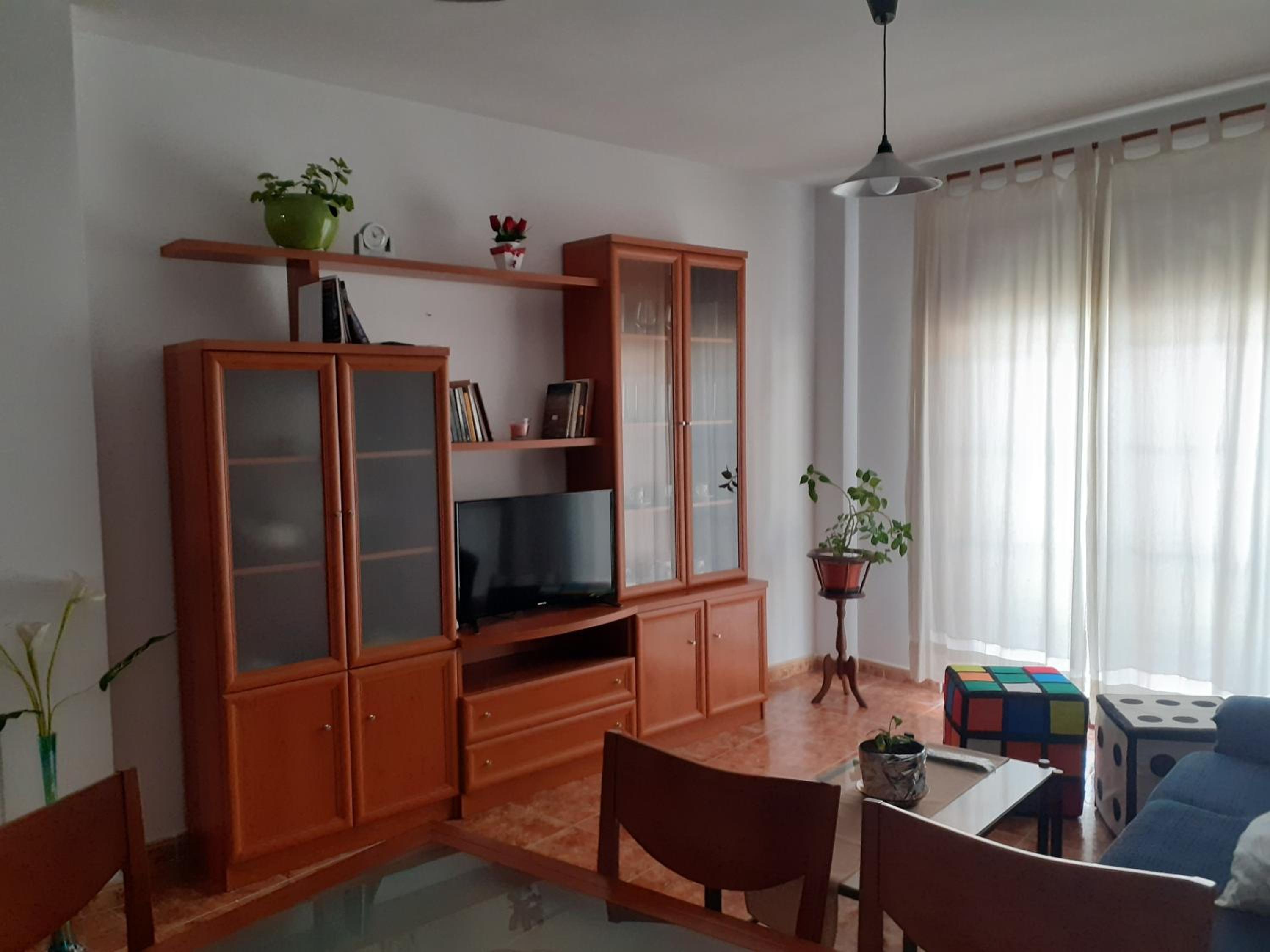
Pauliva
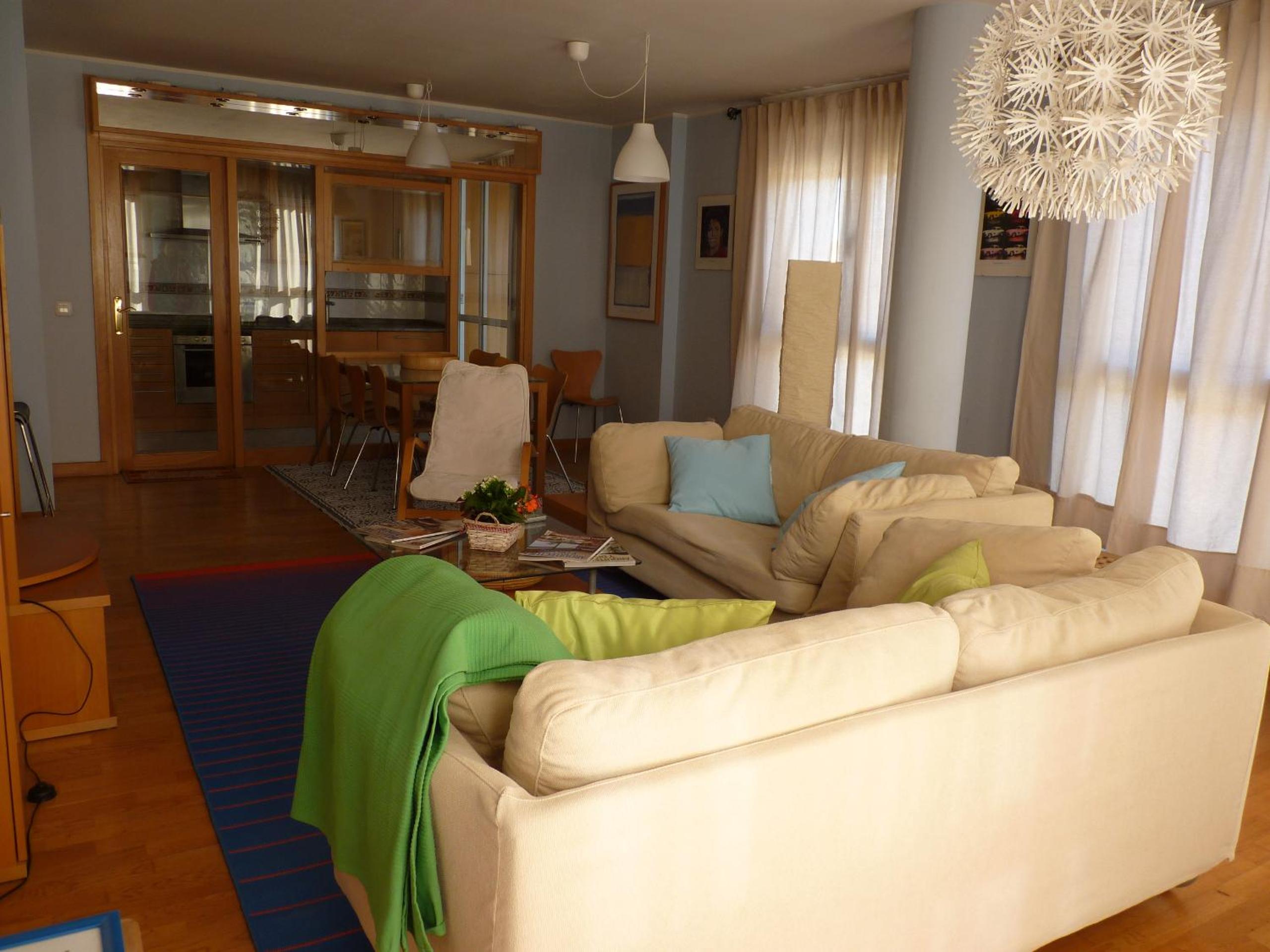
Piso Azul
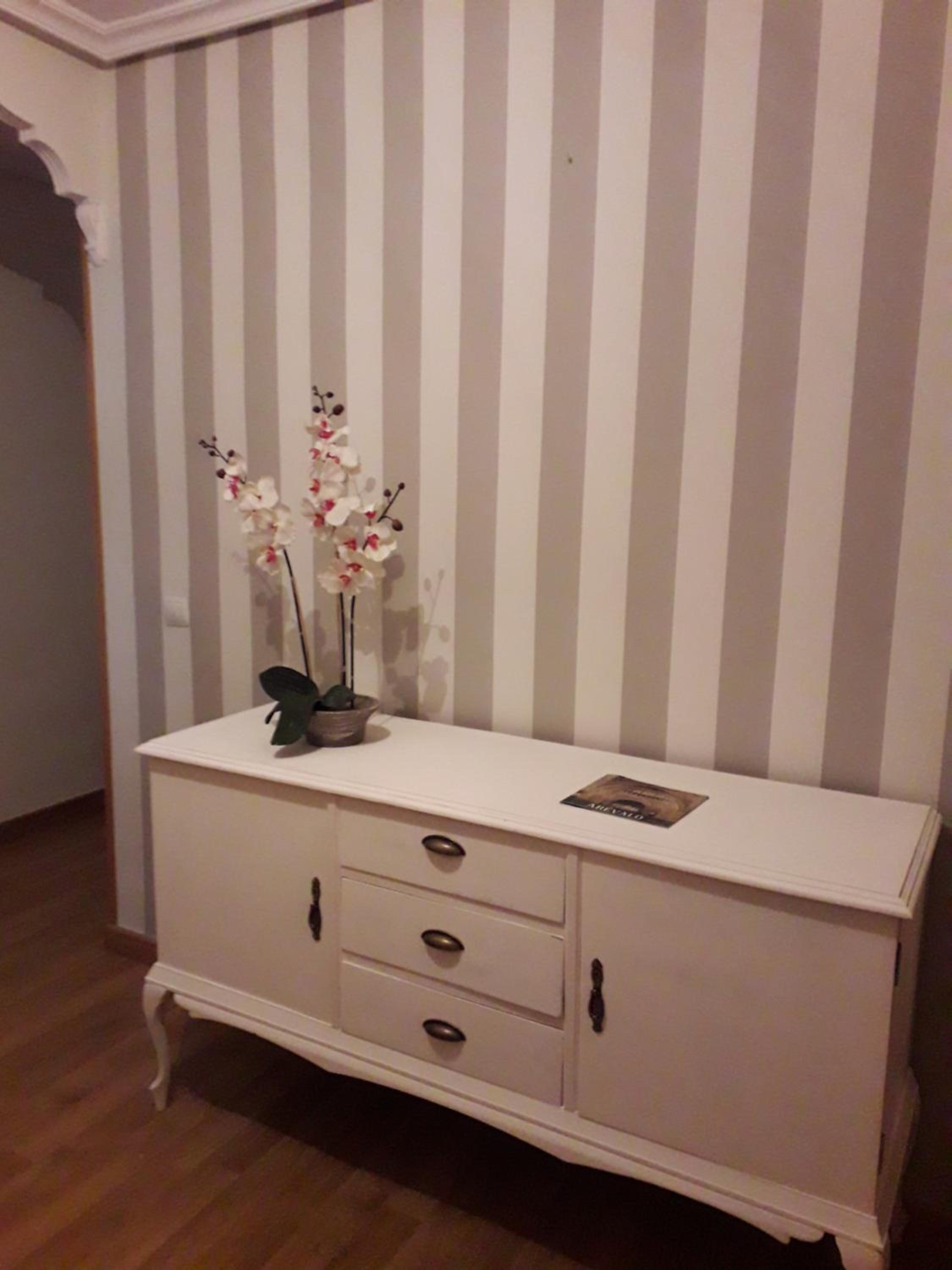
Piso María
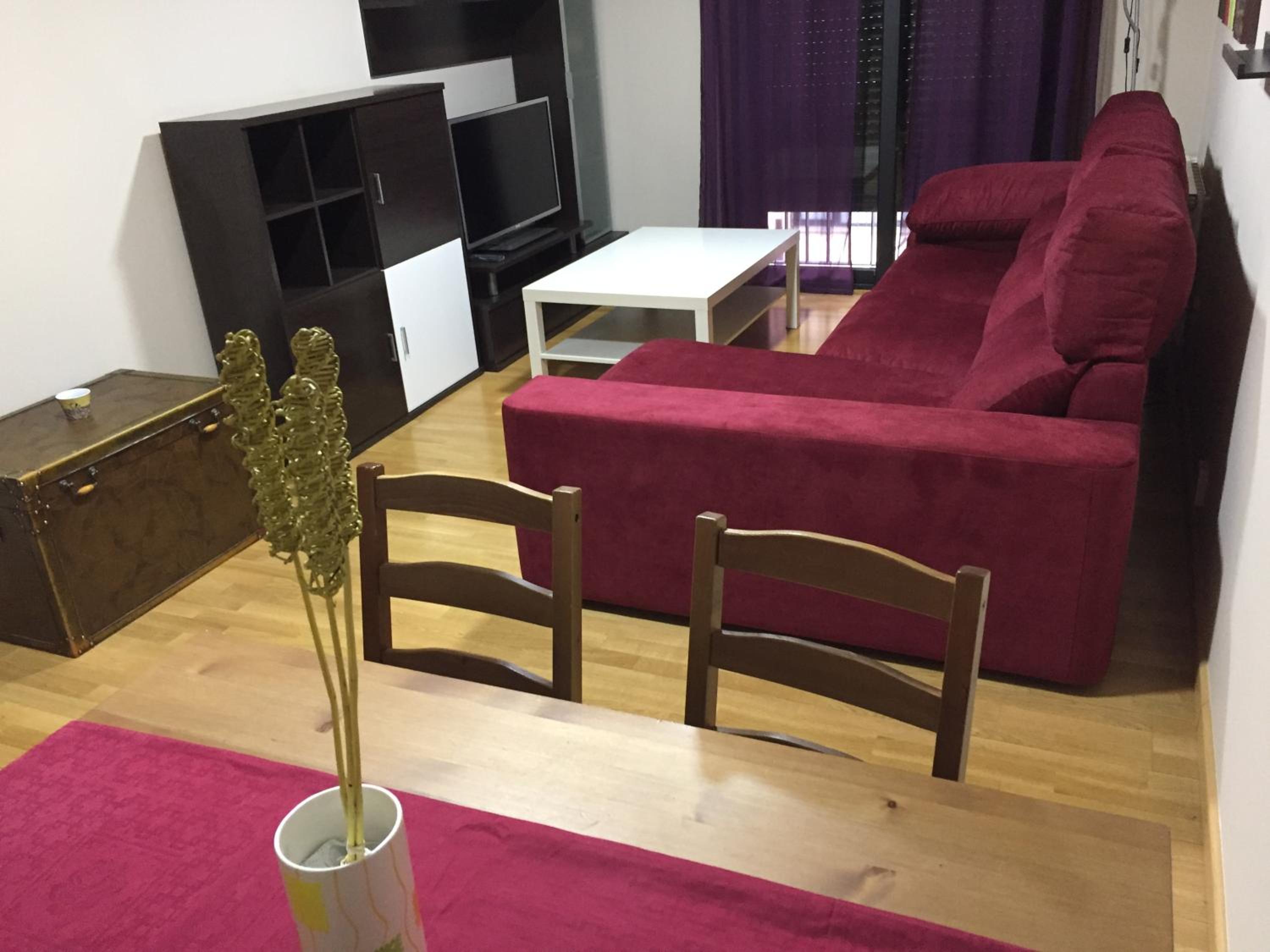
Piso Tesa
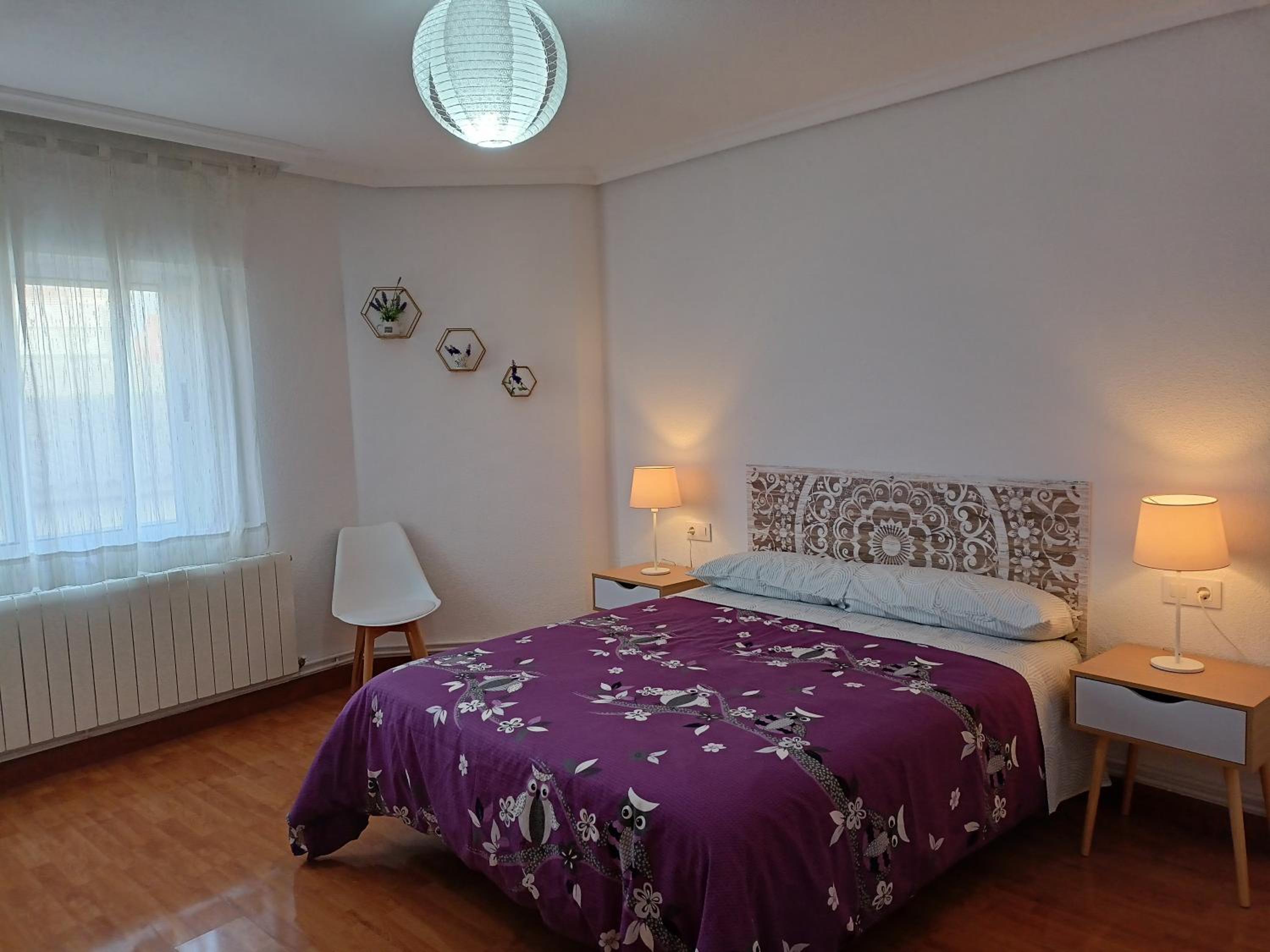
Piso Turístico Arévalo
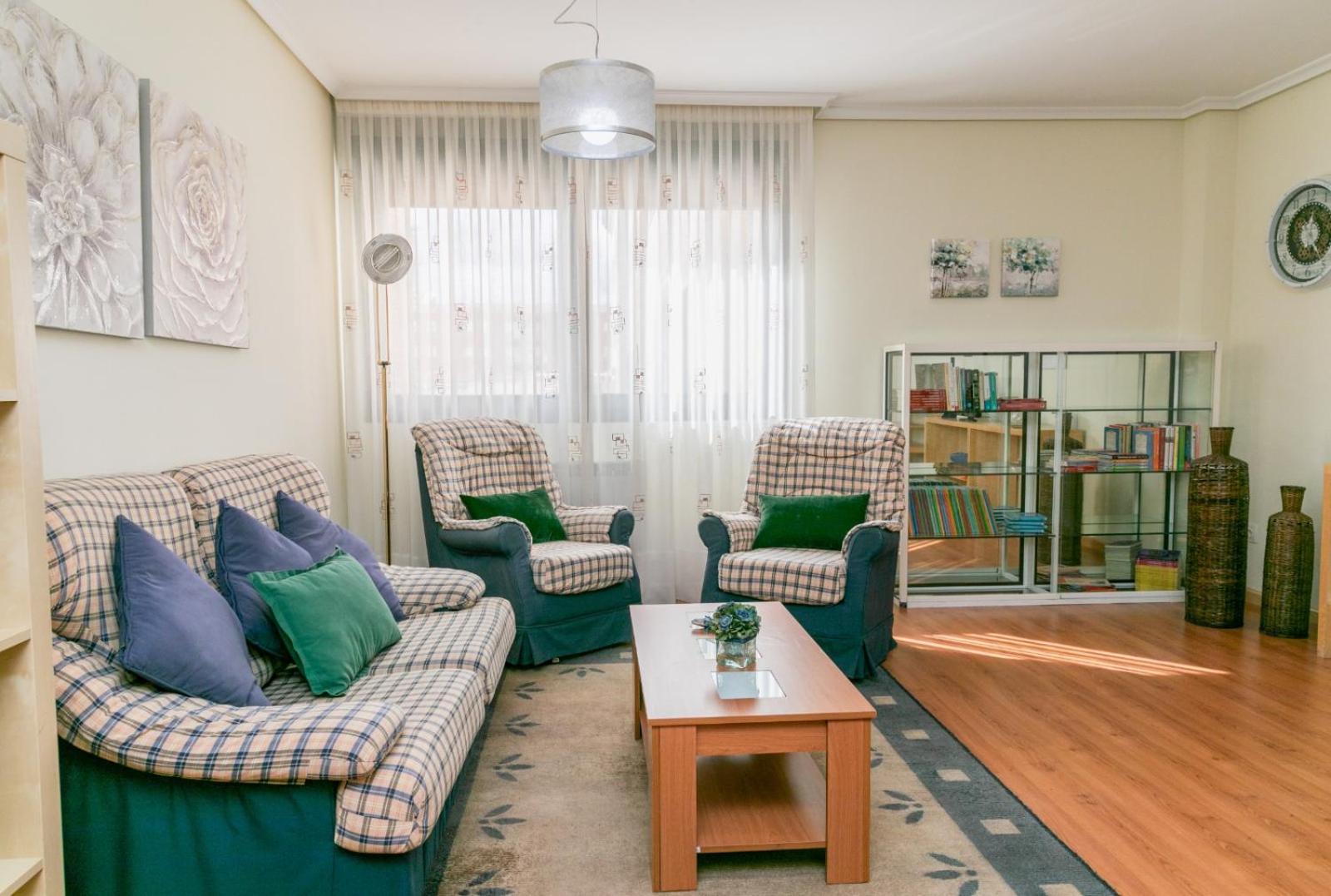
Piso Turístico Perotas
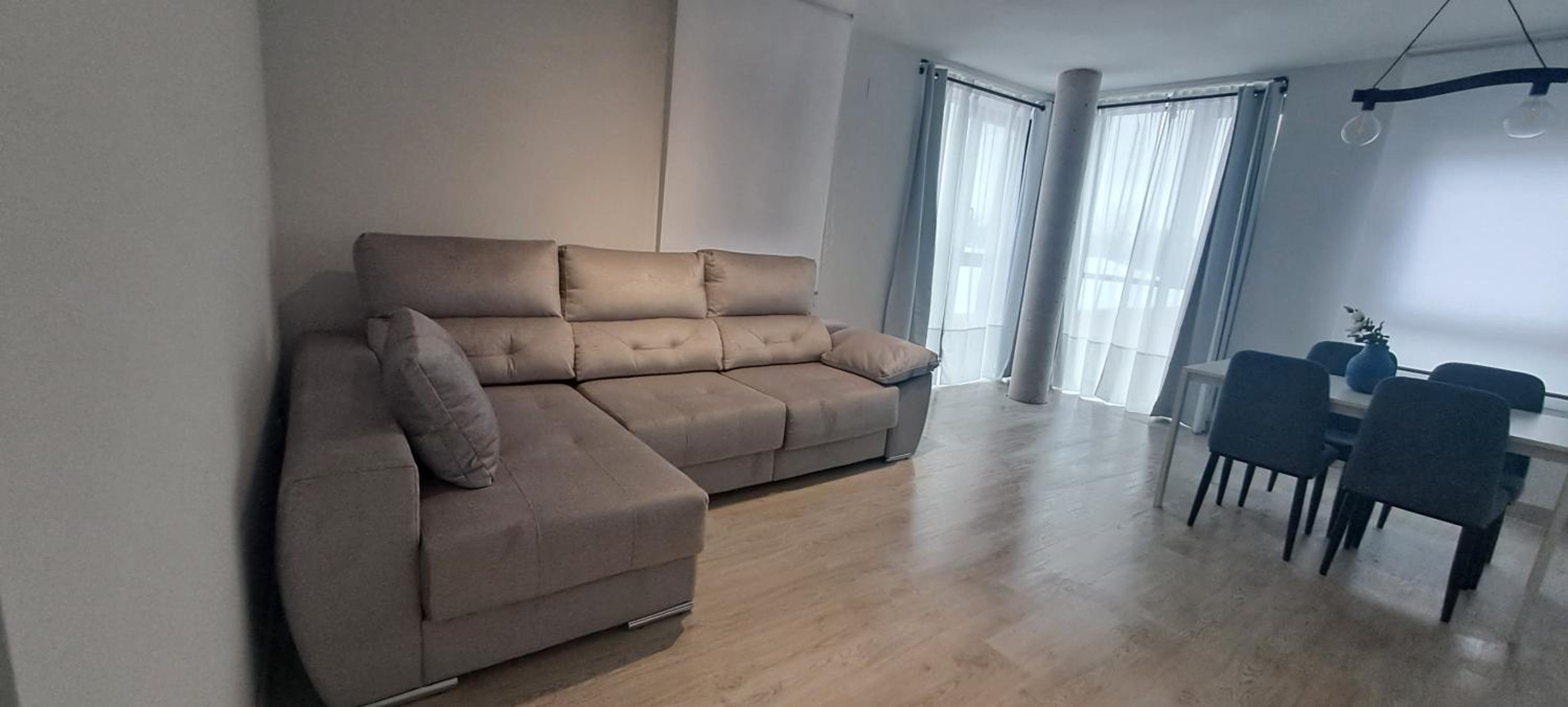
Villa lopez
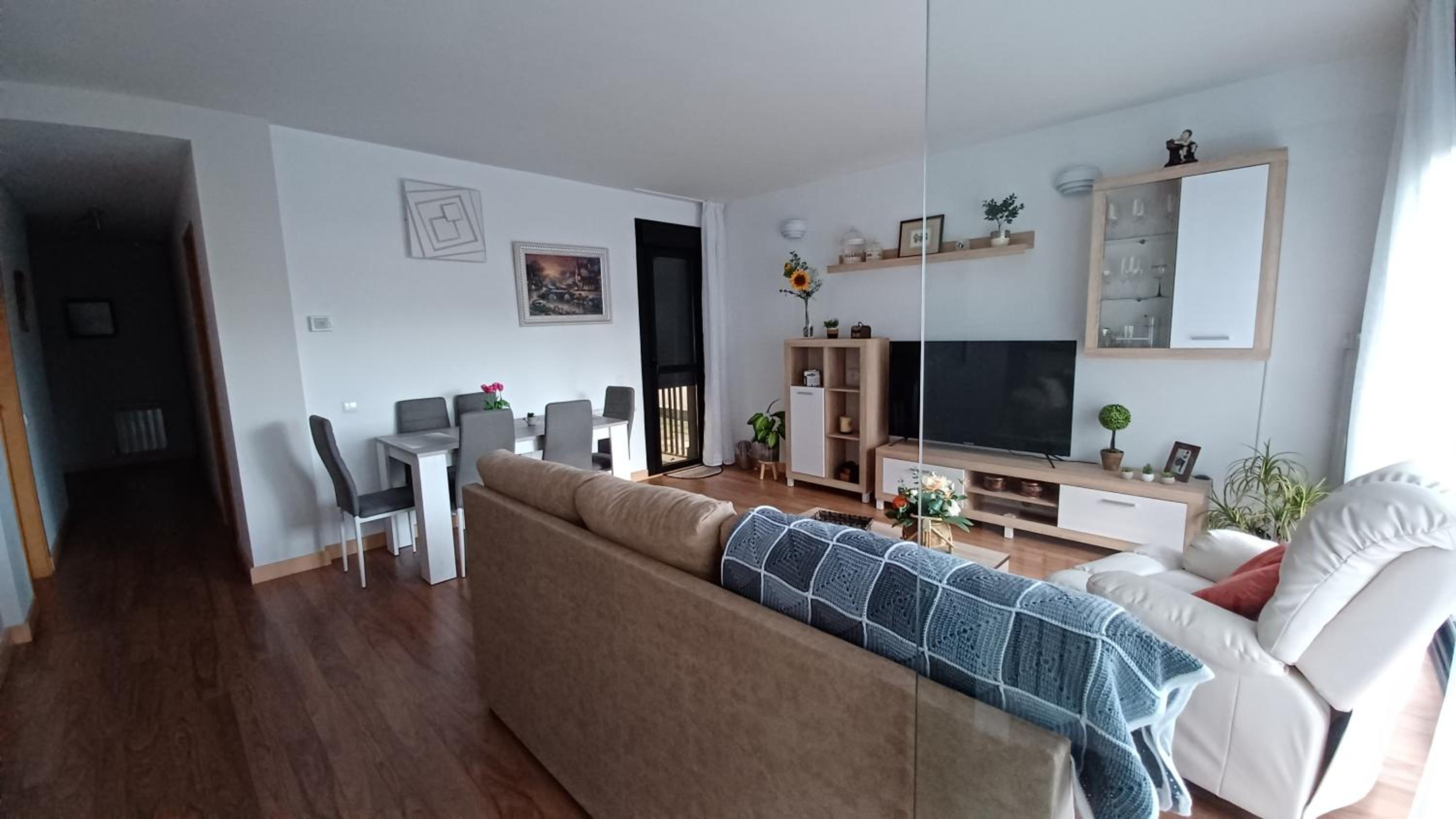
Vivienda Uso Turístico Las Gemelas de Arevalo
Start your adventure
Ready to walk this stage?
We design your personalised Camino de Santiago experience.
Plan your CaminoWalk this route with us
We take care of every detail
Accommodation booked stage by stage, your backpack waiting when you arrive and someone on the phone if anything goes wrong.