
Camino de Santiago
South East Route
The Southeast Route starts in Alicante and traverses the inner Spain until it joins the Via de la Plata. A long journey through the diversity of landscapes of the Meseta Central.
Organize your South East RouteLast updated: 21/05/2025
The Route
General Description of South East Route
It's a very long route, of almost 800 km, that requires good planning. It offers a great diversity of landscapes and a deep contact with interior Spain, ideal for pilgrims seeking solitude, history, and a challenge of long distance travel.
Related Routes
Connections of South East Route
Way of the Plate
963.6 km
38
High
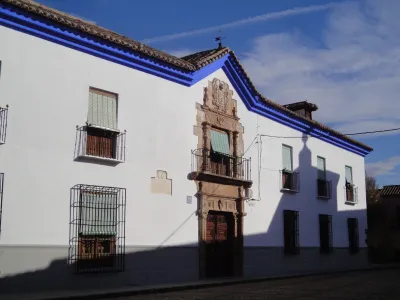
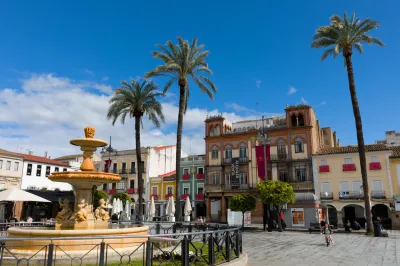
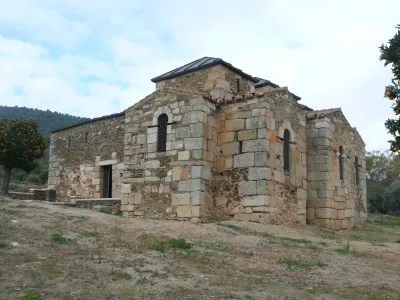
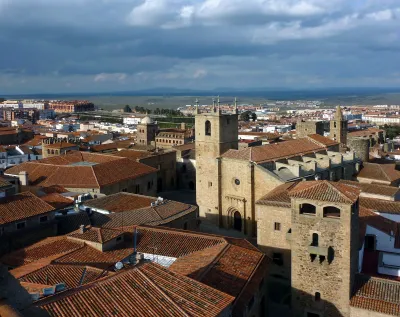
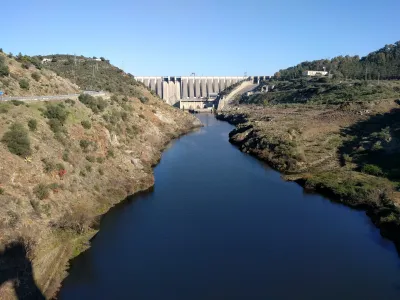
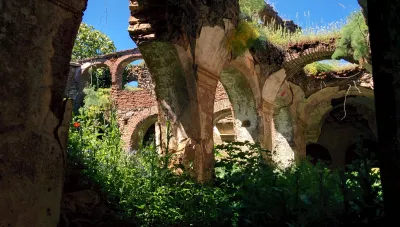
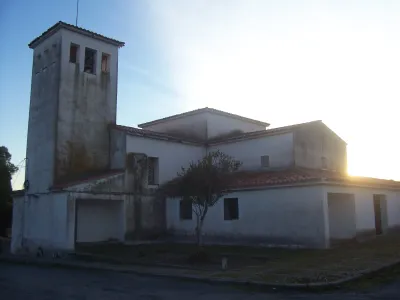
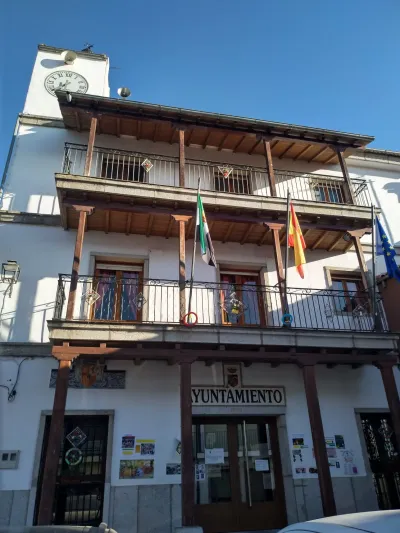
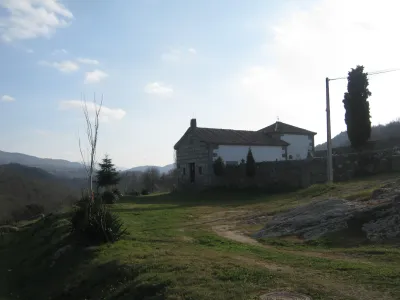
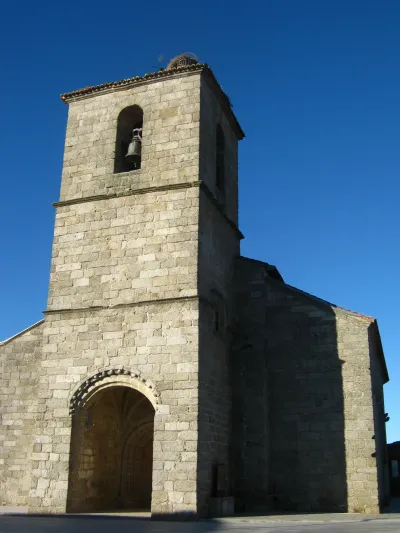
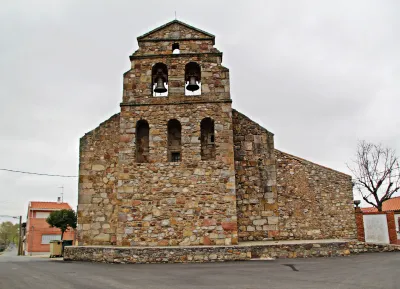
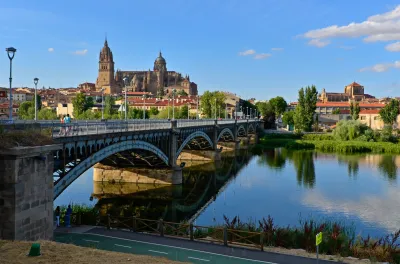
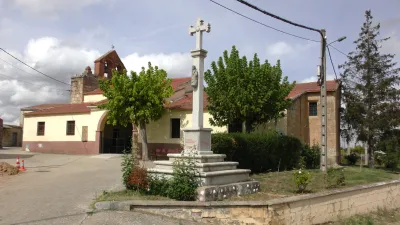
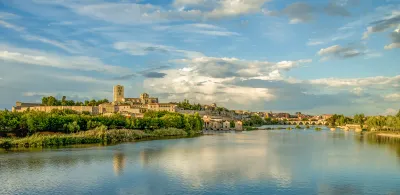
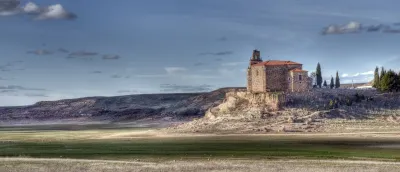
The Silver Way (La Vía de la Plata) is the longest of the Camino de Santiago paths in Spain, with almost 1000 km. Its route, which starts in Seville, largely follows the ancient Roman road that connected Mérida to Astorga. It traverses Andalusia, Extremadura and Castile and León, offering pilgrims two options in Granja de Moreruela (Zamora): continue on to Astorga to link with the French Way or take the Sanabrés Way directly to Galicia.
It is a route of immense historical and monumental wealth. Due to its length and high temperatures in its southern section, it requires excellent planning. It offers diverse landscapes, from the extreme dehesas to the plains and mountains of Castile and León.
Stages of this variant:
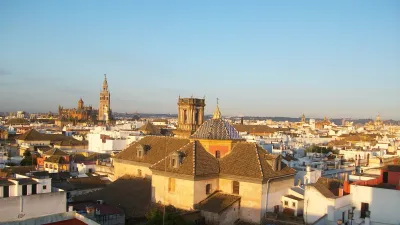
Stage 1: Sevilla to Guillena
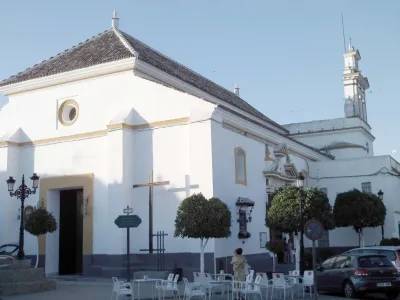
Stage 2: Guillena to Castilblanco de los Arroyos
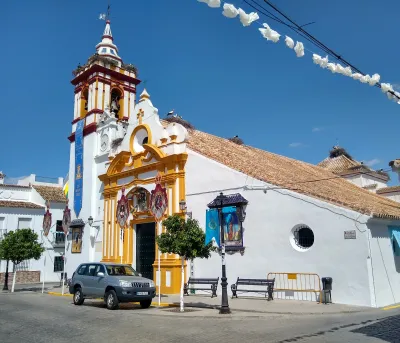
Stage 3: Castilblanco de los Arroyos to Almadén de la Plata
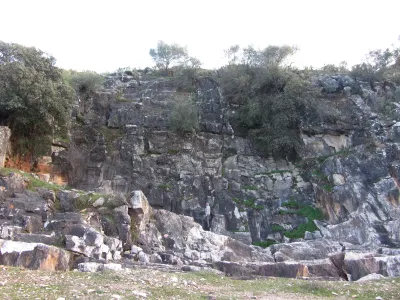
Stage 4: Almadén de la Plata to Monesterio
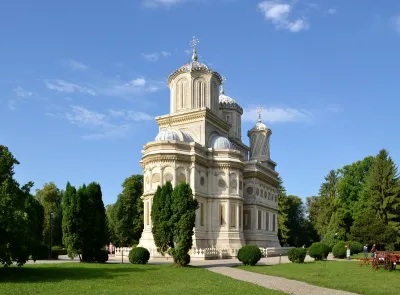
Stage 5: Monesterio to Fuente de Cantos
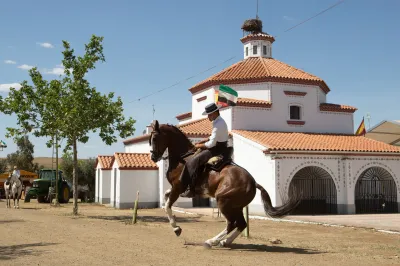
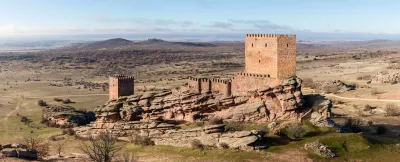
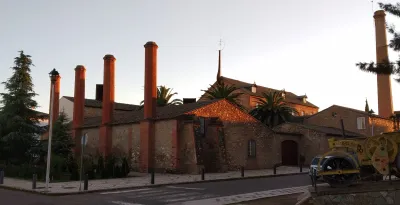
Path of the Holy Cross
71 km
3
Lowlands
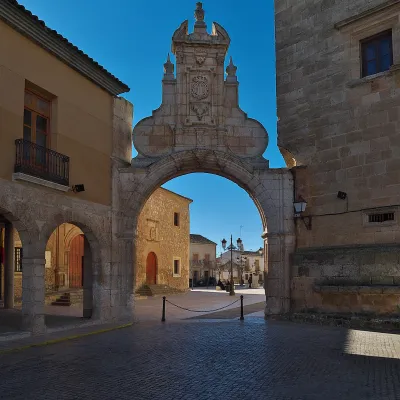
The Way of the Holy Cross is a 71 km Jacobean connection route that runs through Manchegan lands. It links the town of San Clemente (Cuenca) with Quintanar de la Orden (Toledo), where pilgrims can join the South Route, which in turn connects to the Silver Road.
Stages of this variant:
Stage 1: San Clemente to La Alberca de Záncara
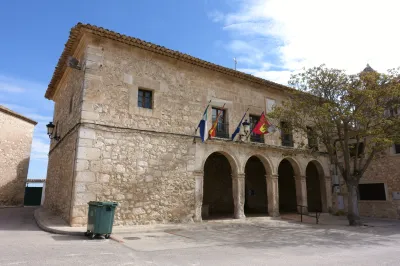
Stage 2: La Alberca de Záncara to Monreal del Llano
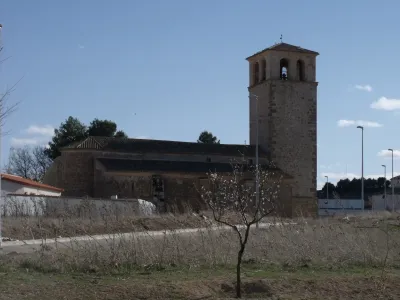
Stage 3: Monreal del Llano to Quintanar de la Orden
Elevation Profile of
Elevation Profile of South East Route
Visualize the ups and downs of the route.
Loading elevation profile...
Error loading elevation profile or altitude data not available.
Your trip with Ourway
Everything you need for your Camino
No hassle. Your perfect route, from start to finish.
Accommodation
Selected hotels and hostels at every stage
Luggage transfer
Your backpack travels from stage to stage
Camino Guide
Detailed map with directions and services
24h Support
Team available for any unforeseen event
Pilgrim credential
Official documentation included
No commitment
Free personalized consultation
Stages
Stages of South East Route
Alicante → Orito
This stage continues across the Manchegan plain, on flat terrain with no difficulties. The landscape remains dominated by vineyards and fields of grain. It is a transition day that brings the pilgrim ...
Orito → Petrer
This stage enters the province of Cuenca, in a flat terrain and without difficulties. The landscape continues to be dominated by vineyards and fields of cereals. It is a day of transition that brings ...
Petrer → Villena
This is a short and flat stage that runs through the heart of La Mancha Conquense. The landscape is dominated by vineyards. It's a day to enjoy the peace of the countryside and wine culture. Arrival i...
Villena → Caudete
Stage of the Southeastern Way (also shared with the Camino de la Lana) in the corridor between the provinces of Alicante and Albacete. The 18 km link Villena (with its impressive castle of La Atalaya ...
Caudete → Montealegre del Castillo
This is a short and flat stage that continues along Don Quixote's route. The landscape is that of the Manchegan plain, with its vineyards and characteristic windmills on the horizon. It is a transitio...
Montealegre del Castillo → Pétrola
This stage continues across the Manchegan plain, in a flat and easy terrain. The landscape remains dominated by fields of cultivation. The main attraction of the journey is the arrival at Tembleque, o...
Towns
Featured Towns of South East Route
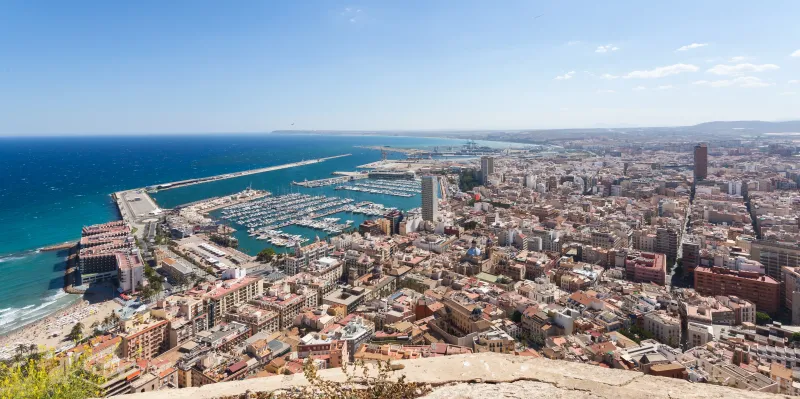
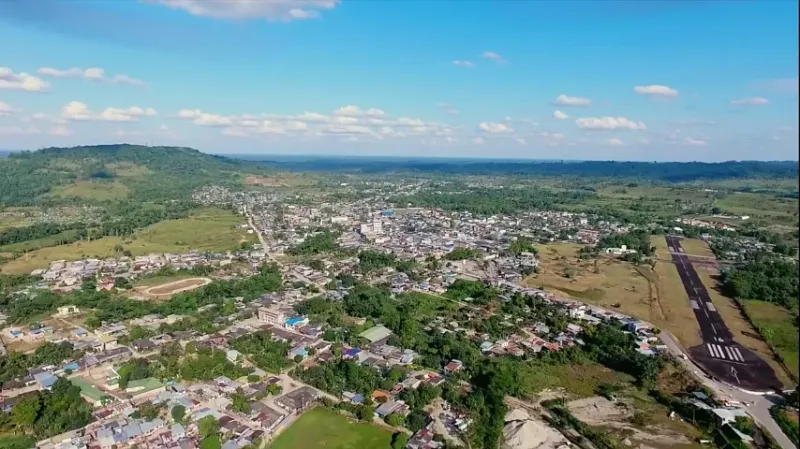
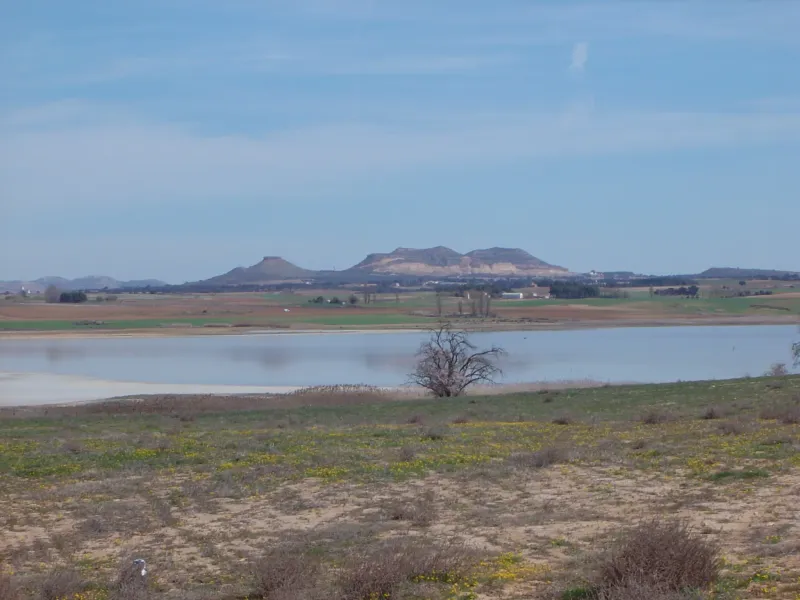
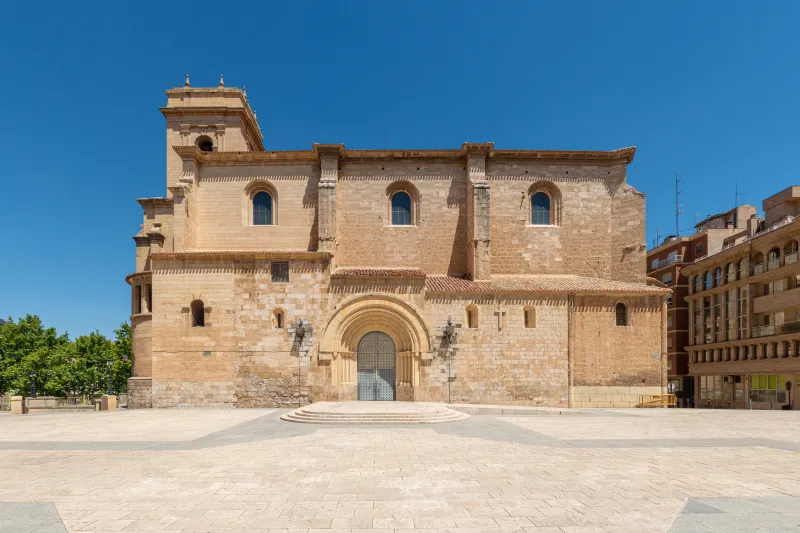
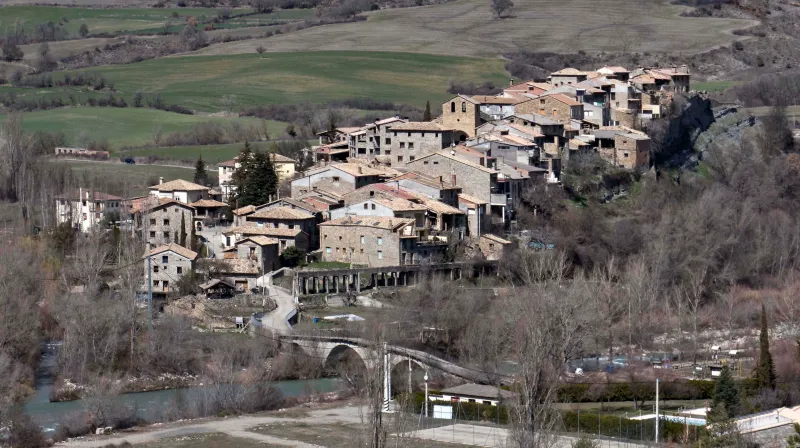
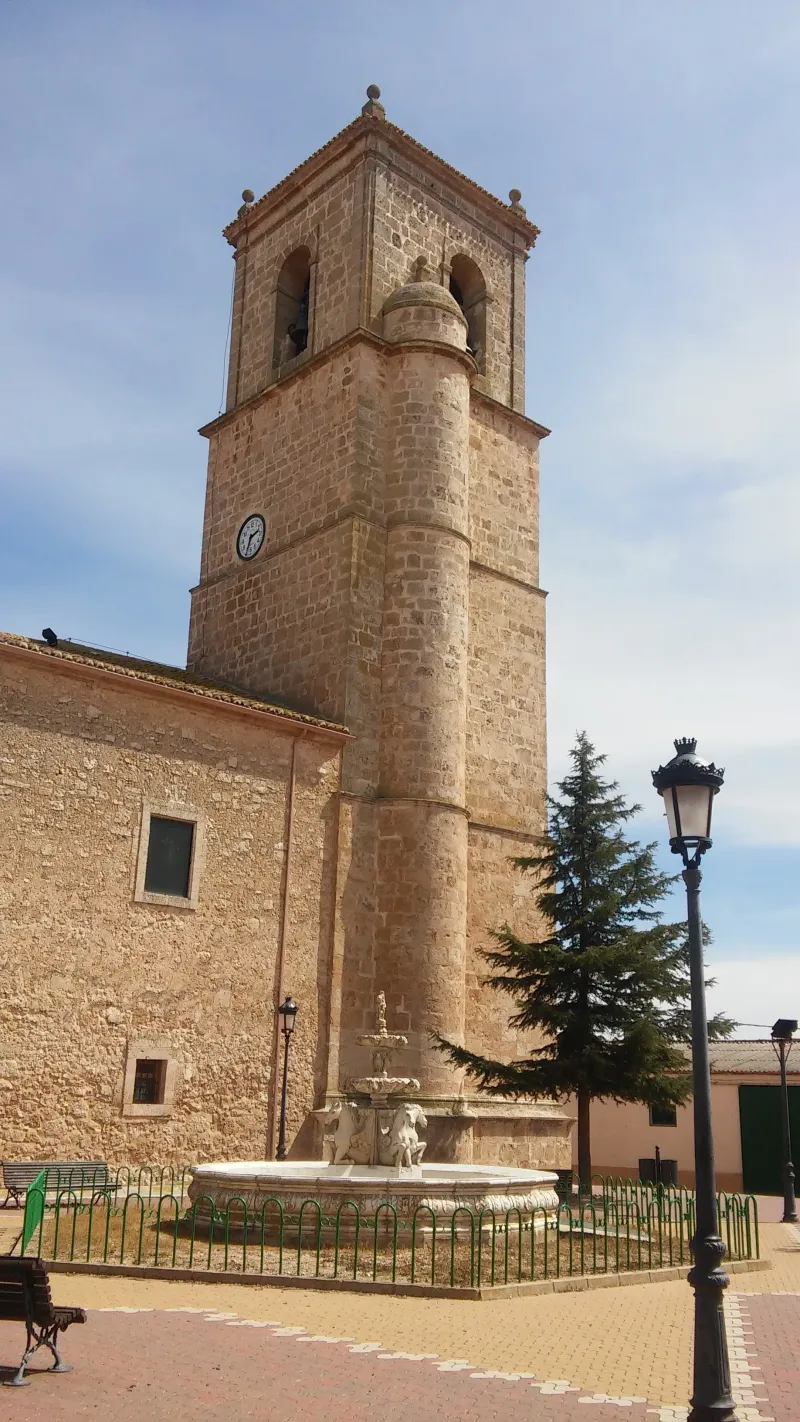
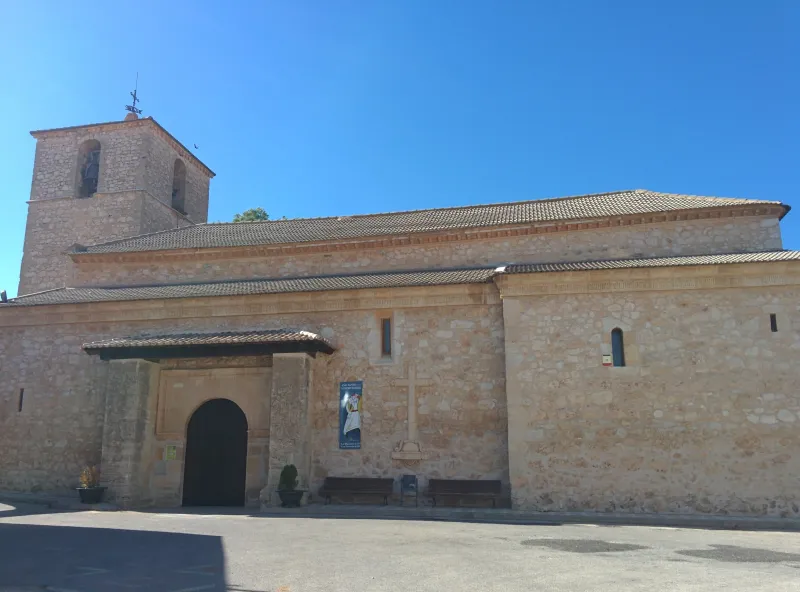
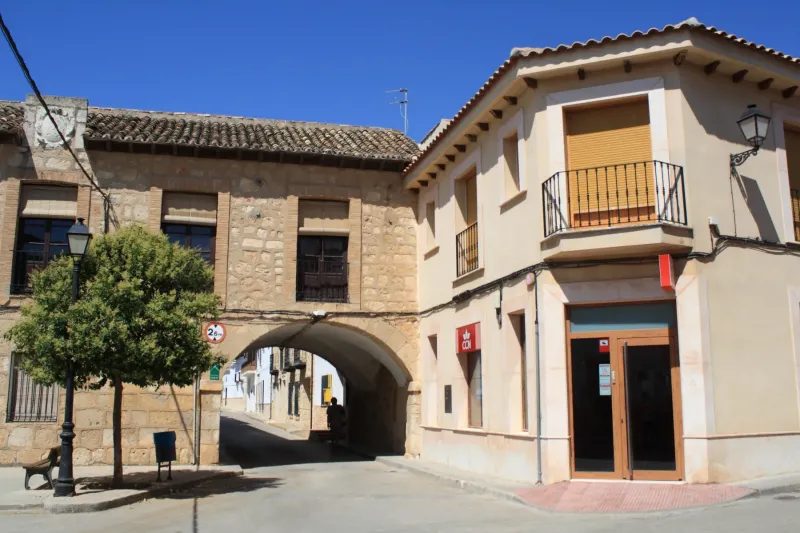
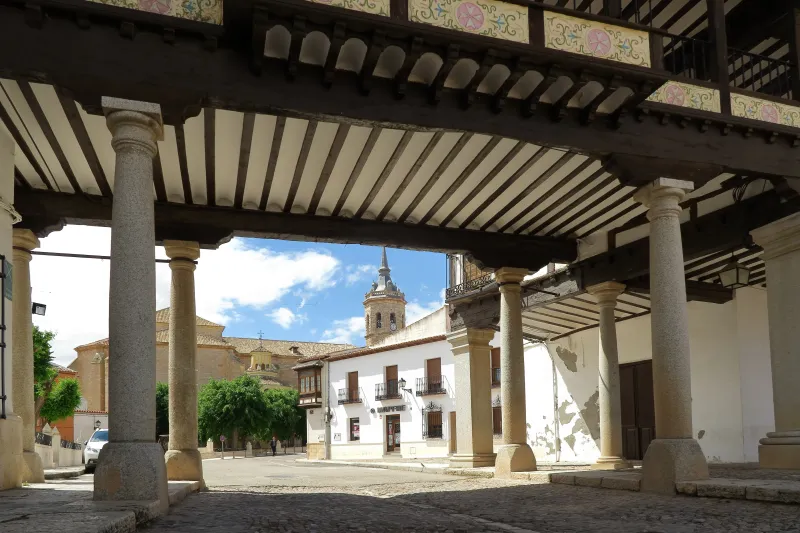
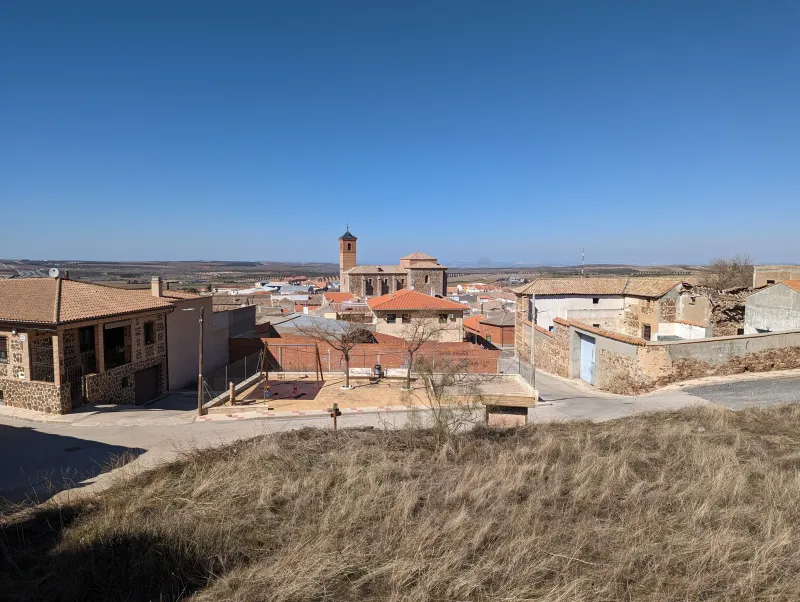
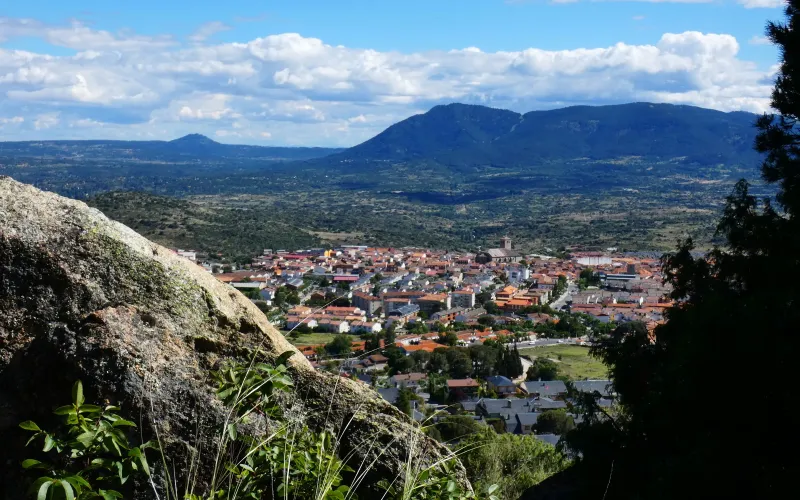
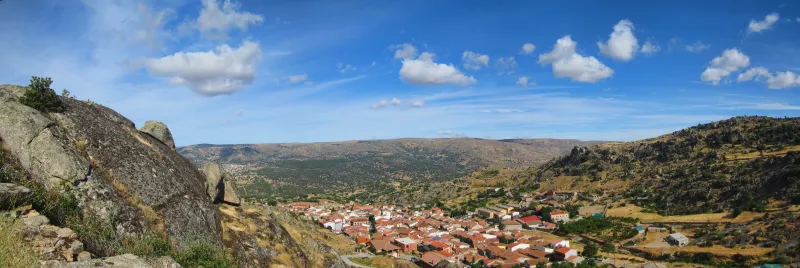
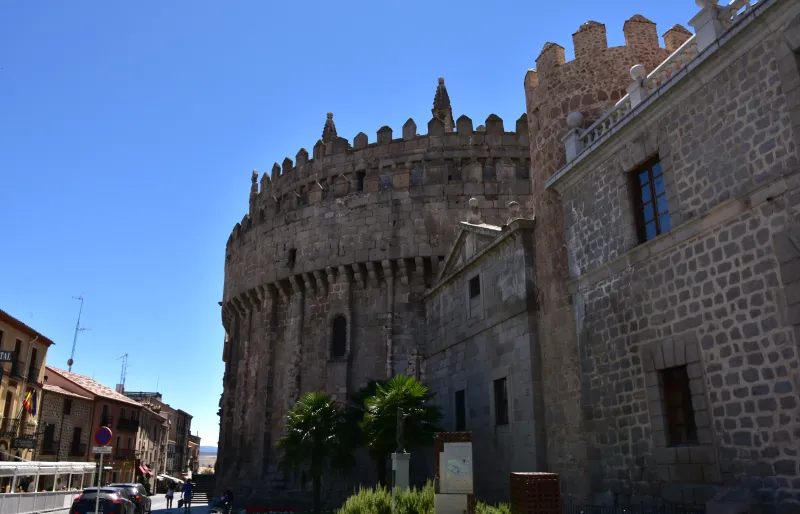
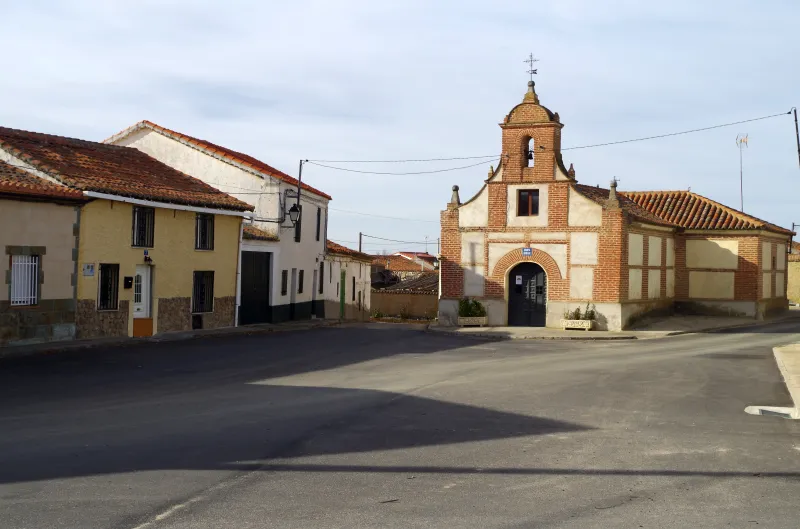
Explore the key towns and cities of this route.
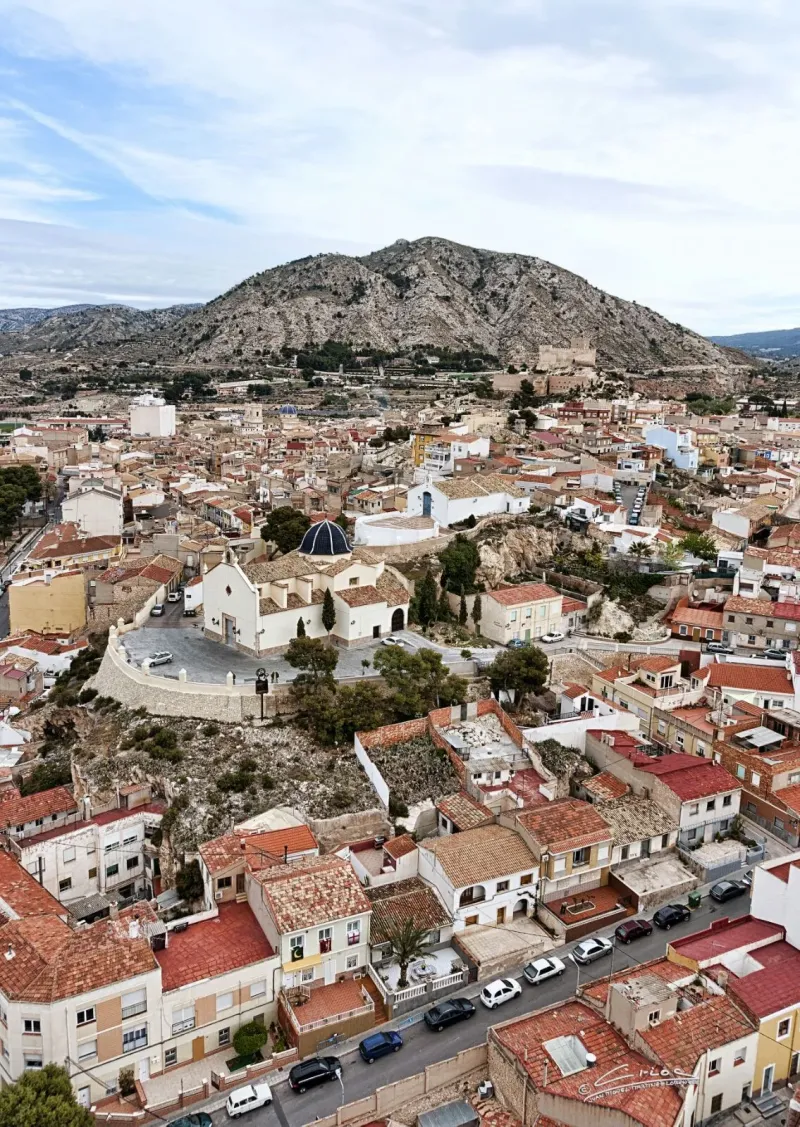
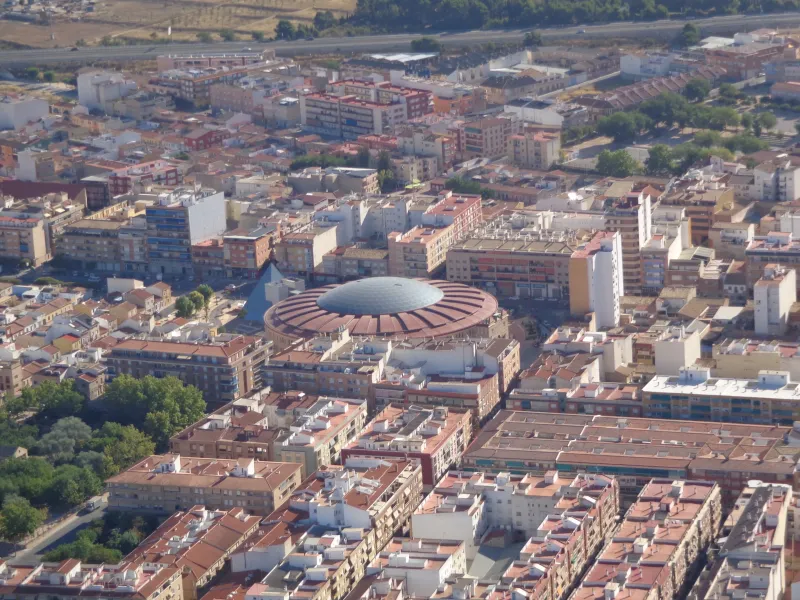
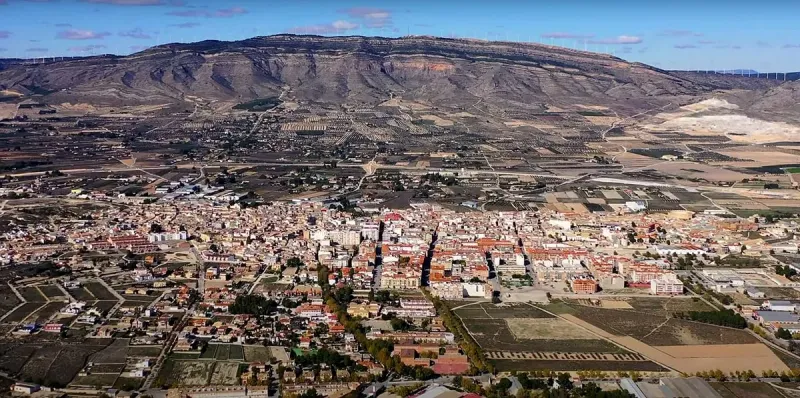
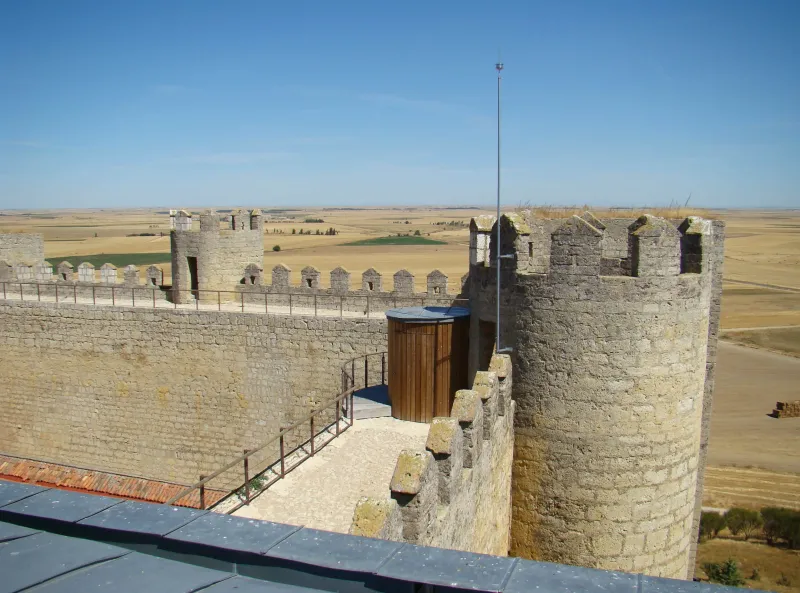


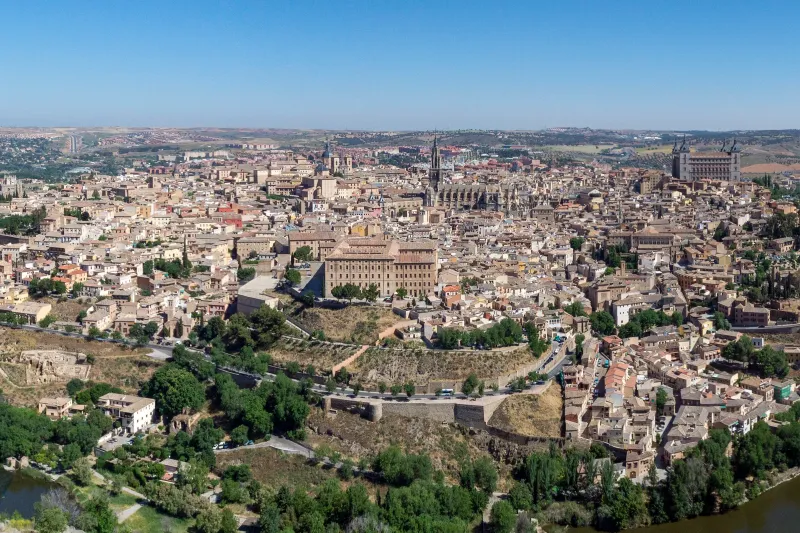
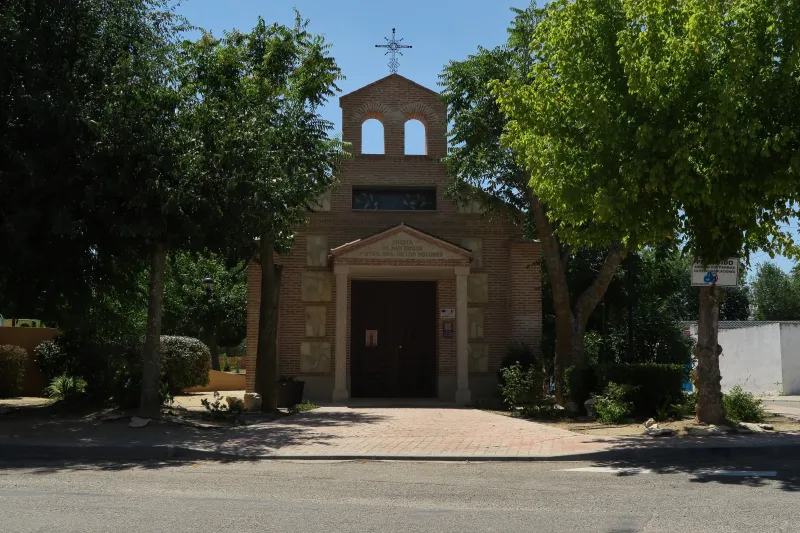
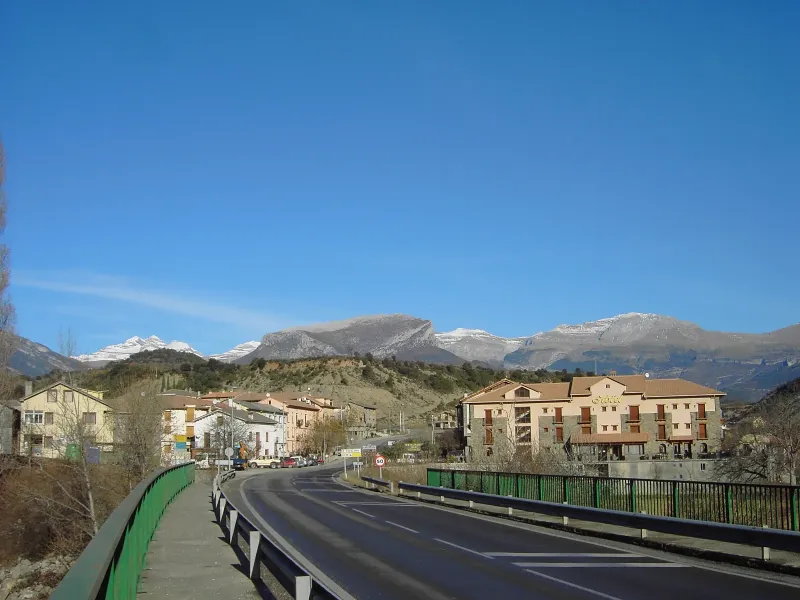
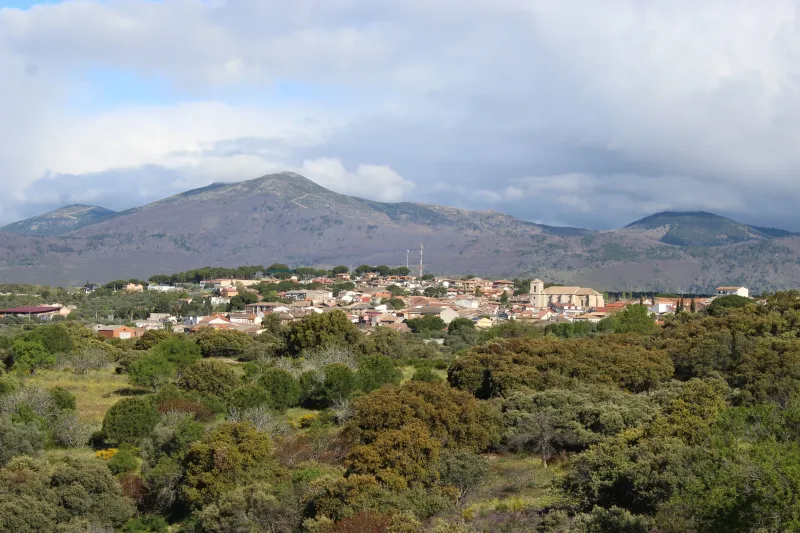
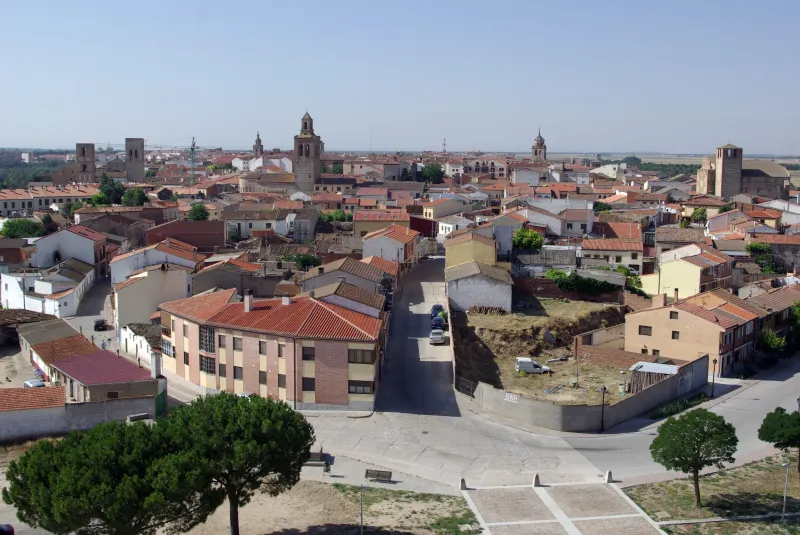
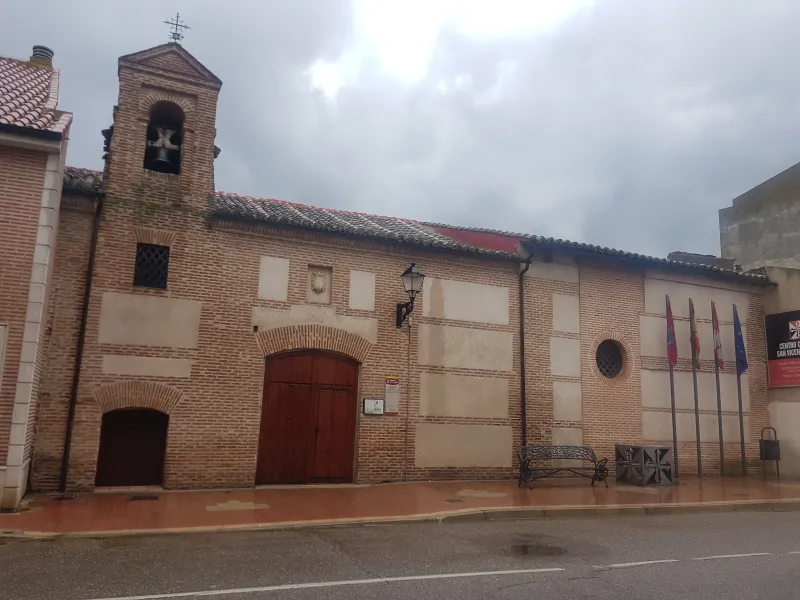
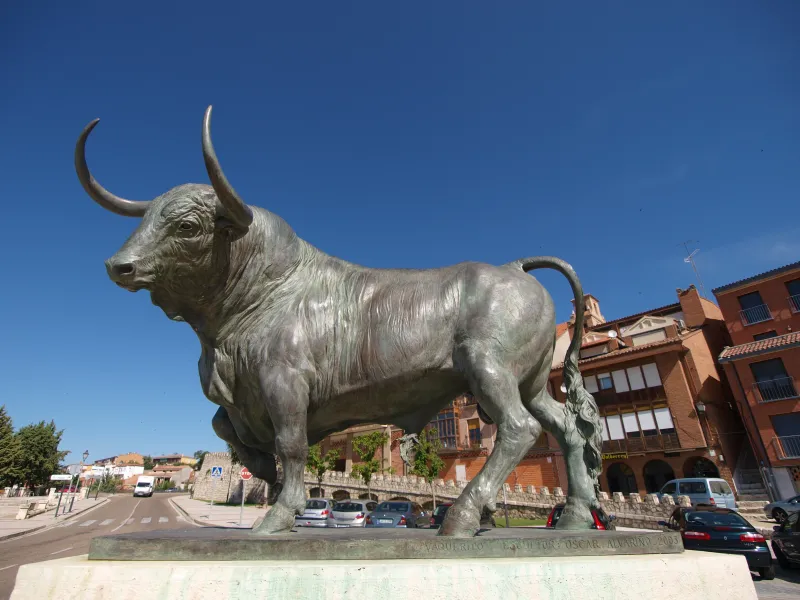
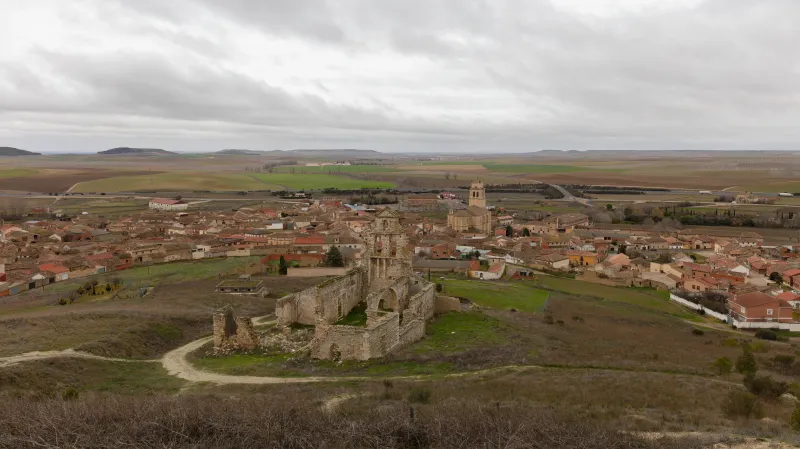
History
Millenary History of the Camino de Santiago: Origins and Evolution South East Route
Discover the origins and evolution of South East Route
Its origins date back to the network of communications that has connected the southeast coast with the interior since ancient times. Over the route of ancient Roman roads, pastoral routes used for transhumance and commercial roads, pilgrims from the kingdoms of Valencia and Murcia began to draw their own itinerary towards Santiago. Alicante, as a principal port and city of great commercial dynamism, consolidated itself as the most recognized starting point of this route, although it also received important tributaries from Cartagena, Orihuela, and its own Valencia.
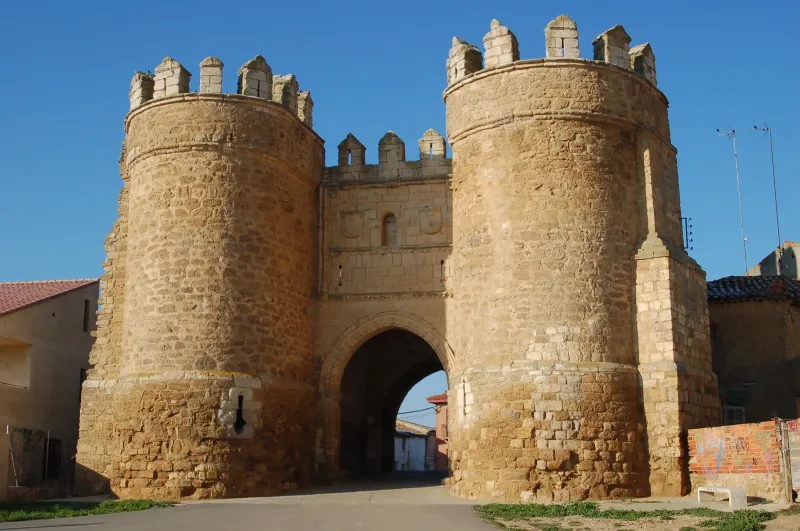
From Alicante, the route enters the peninsula in a northeasterly direction, initiating a journey of contrasts. It passes through the lands of Vinalopó, with its castles and palm groves, and enters Castile-La Mancha by the province of Albacete. The road goes through historic villages such as Almansa, with its imposing rock castle, and La Roda. The route crosses the vast plains of La Mancha, the land of Don Quixote, passing through localities of literary resonance such as El Toboso, the homeland of Dulcinea.
The next great milestone on the road is the heart of Castile. The route passes through Toledo or in its vicinity, the imperial and primordial city of Spain, an universe of history and art. It continues towards the northwest, seeking the Central Mountains, and arrives at the spectacular city of Ávila, protected by its incomparable medieval walls. After overcoming the mountainous system, the road descends again to the northern plateau and passes through Medina del Campo, one of Europe's most important fair centers in the Middle Ages, and Tordesillas, the village of the historic treaty.
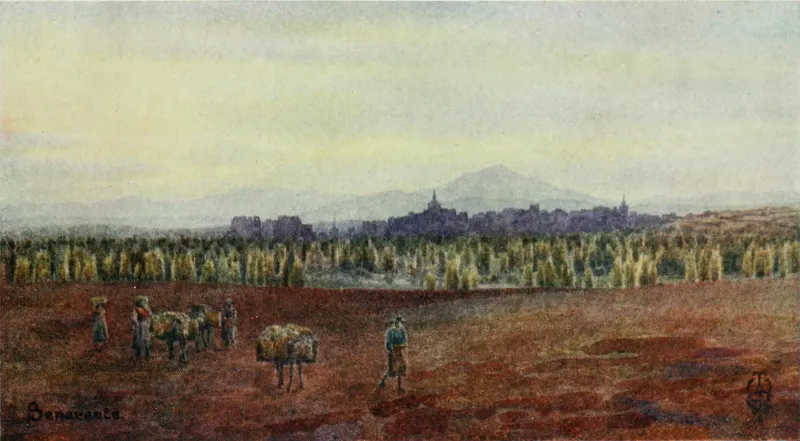
The final objective of this long journey was to link up with the great northern routes. The traditional convergence takes place in Benavente, province of Zamora, where the South East Route meets the Vía de la Plata. From there, the pilgrim continues until Astorga to finally incorporate into the Camino Francés. The magnitude of the journey was colossal, an undertaking that required months of walking and iron will.
Due to its extreme length and the harsh climate of the plateau —hot summers and glacial winters— the South East Route has always been a route for the most determined pilgrims. The infrastructure of accommodation, although existing, was never as dense as in the Camino Francés. This circumstance, which was a challenge in the past, has become one of its attractions today. Its modern revitalization, driven by southern Jacobean associations, has recovered an itinerary that offers an experience of pilgrimage of authenticity and solitude difficult to find. It is a journey through empty Spain, a route through history, culture, and the most unknown and deep landscapes of the peninsula.
We answer your questions
Frequently Asked Questions about South East Route
How long is the Southeast Route to Santiago de Compostela?
The Southeast Route, also known as the diagonal route, is a Jacobean path that covers approximately 795.5 km from Alicante to joining with the Vía de la Plata in Benavente (Zamora). This itinerary crosses different Spanish regions offering a unique and varied experience for pilgrims.
What does the Southeastern Way trip with Ourway Travel include?
Ourway Travel offers a comprehensive package for your journey on the Southeastern Way, including selected hostel accommodation, personalized advice and management of all necessary logistics to ensure a safe and comfortable experience. Additionally, we provide detailed information about the route and local recommendations.
How does the Southeast Route compare to other routes to Santiago de Compostela?
The Southeast Route is a unique path due to its length and geographical diversity. Unlike the French Way or the Northern Way, this itinerary takes you through inland Spain, offering close contact with landscapes ranging from the palms of Alicante to the castles of Castilla-La Mancha. It's an ideal choice for those seeking solitude and a more authentic experience of the route.
When is the best time to do the Southeastern Way?
The best time to embark on your journey along the Southeastern Way is during the intermediate seasons, specifically from April to June and September to October. During this period, you will enjoy pleasant weather and less crowds than in summer, allowing for a more tranquil and authentic experience.
How can I book the Southeast Path trip with Ourway Travel?
To reserve your journey on the Southeast Path with Ourway Travel, simply contact us through our website or by email. Our team will guide you through the booking process and provide all necessary information to plan your itinerary according to your preferences.
What is the average difficulty of the Southeast Path?
The Southeast Path has a moderate difficulty, covering approximately 795.5 km over about 29 days of travel. This itinerary offers a moderate physical challenge due to its length and the diverse geography it crosses, ranging from flatter terrain to mountainous areas.
How can the Southeast Route be compared to the Vienna Way?
The Southeast Route and the Vienna Way are two distinct routes among the many options to reach Santiago. While the Southeast Route is longer and traverses inland Spain, passing through Castilla-La Mancha and Castilla y León until Benavente, the Vienna Way is shorter and crosses eastern Spanish lands towards Zaragoza before joining other Jacobean routes. Both routes offer unique experiences but differ in length and geography.
Where can I get the pilgrim's credential for the Southeastern Way?
To obtain your pilgrim’s credential for the Southeastern Way, you can visit any tourist office or information center in Alicante or other starting points such as Cartagena. You may also receive it during your journey upon arrival at important cities like Almansa and La Roda. Ourway Travel can assist you with this process to ensure you have all necessary documents before embarking on your journey.
Organize Your Camino
Ready for this adventure?
South East Route
Walk this route with us
Fancy walking this route?
We don't have a ready-made package for this route yet, but we'll organise it around you. Tell us how you'd like to experience it and a specialist will reply within 24 h.
Request your proposal