Stage of the Camino
Stage Description
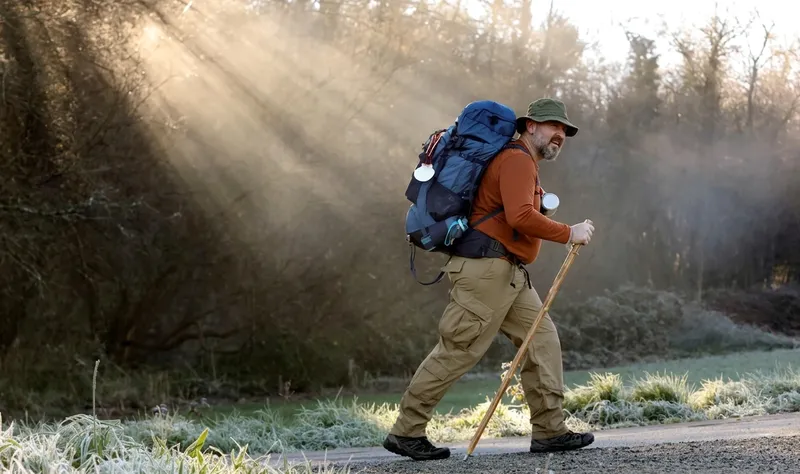
A short opening stage on Galician soil that lets pilgrims savour the walk out of Tui at an easy pace. Leaving behind the Cathedral of Santa María and the old town through the Rebordáns quarter, the route crosses the Ponte da Veiga and advances among orchards and oak groves along the course of the River Louro. The highlight is the Ponte das Febres, the bridge where tradition places the fevers that ended the life of Saint Telmo, patron saint of Tui, in 1246. Shortly afterwards, the path enters the lush riverside woodland that announces the parish of Ribadelouro, the end of this short stage on the banks of the Louro — ideal for those who wish to split the walk to O Porriño or arrive on foot from the border with a gentle first taste of the Camino.
This short 6.5-kilometre stage corresponds to the first section of the classic route between Tui and O Porriño, and is perfect for a warm-up day after crossing the Miño from Portugal, or for dividing the walk into two half stages. The gradient is minimal: the Camino stays at all times on the low ground of the Louro valley, with no climbs worth mentioning.
The departure from Tui begins at the Cathedral of Santa María, descending through the old town towards the Rebordáns quarter, home to the Romanesque church of San Bartolomeu de Rebordáns, one of the oldest in the diocese. The route crosses the Ponte da Veiga and continues along tracks and sunken lanes between vegetable gardens, trellised vines and small rural hamlets, accompanied almost constantly by the murmur of the River Louro.
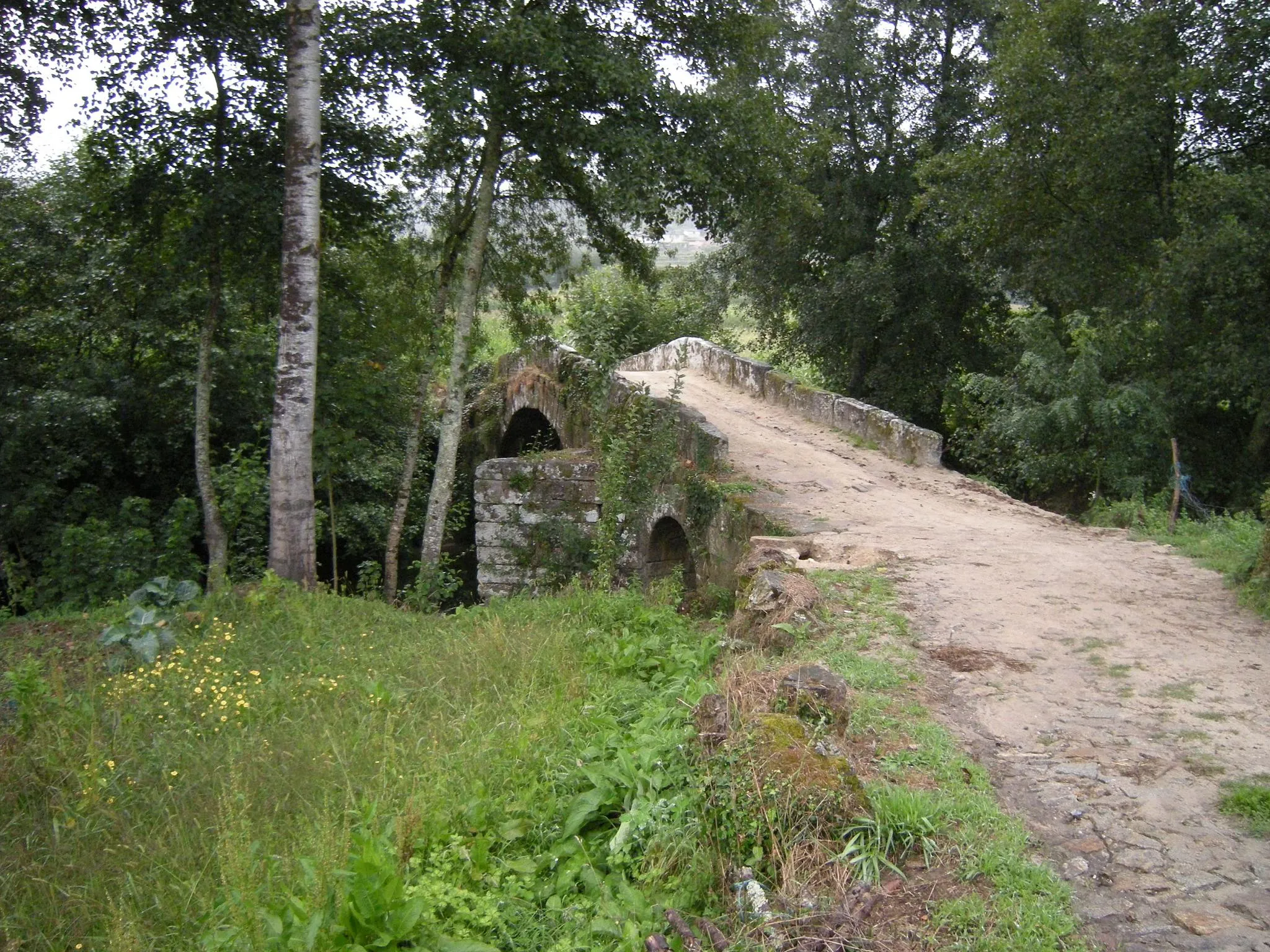
The high point of the day comes with the chapel of A Virxe do Camiño and, shortly after, the Ponte das Febres, a medieval bridge wrapped in legend: tradition holds that it was here, in 1246, that Saint Pedro González Telmo — Saint Telmo, patron of Tui and protector of sailors — fell mortally ill with fever. A stone cross recalls the episode and makes this one of the most evocative stops on the Portuguese Way in Galicia.
Beyond the bridge, the path enters the leafy riverside forest of A Ribeira, a green tunnel of oaks, alders and ferns that leads into the parish of Ribadelouro. Among its scattered hamlets, pilgrims find the calm of rural Galicia at its most authentic: hórreos, stone crosses and riverside meadows in which to regain strength before tackling, the following day, the stretch leading to O Porriño.
The departure from Tui begins at the Cathedral of Santa María, descending through the old town towards the Rebordáns quarter, home to the Romanesque church of San Bartolomeu de Rebordáns, one of the oldest in the diocese. The route crosses the Ponte da Veiga and continues along tracks and sunken lanes between vegetable gardens, trellised vines and small rural hamlets, accompanied almost constantly by the murmur of the River Louro.
The high point of the day comes with the chapel of A Virxe do Camiño and, shortly after, the Ponte das Febres, a medieval bridge wrapped in legend: tradition holds that it was here, in 1246, that Saint Pedro González Telmo — Saint Telmo, patron of Tui and protector of sailors — fell mortally ill with fever. A stone cross recalls the episode and makes this one of the most evocative stops on the Portuguese Way in Galicia.
Beyond the bridge, the path enters the leafy riverside forest of A Ribeira, a green tunnel of oaks, alders and ferns that leads into the parish of Ribadelouro. Among its scattered hamlets, pilgrims find the calm of rural Galicia at its most authentic: hórreos, stone crosses and riverside meadows in which to regain strength before tackling, the following day, the stretch leading to O Porriño.
Last updated: 29/07/2026
Where to Sleep
Accommodations in this Stage
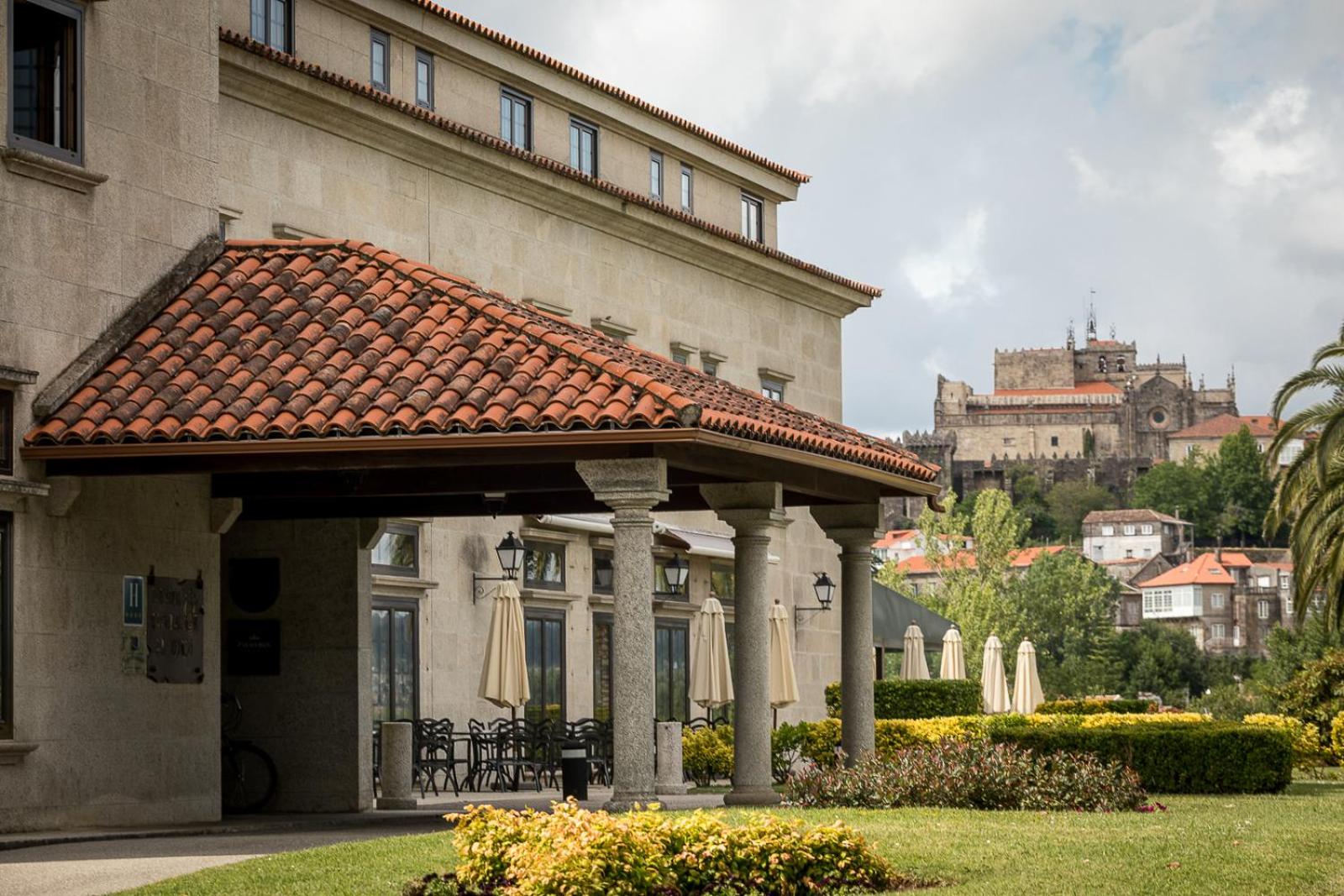
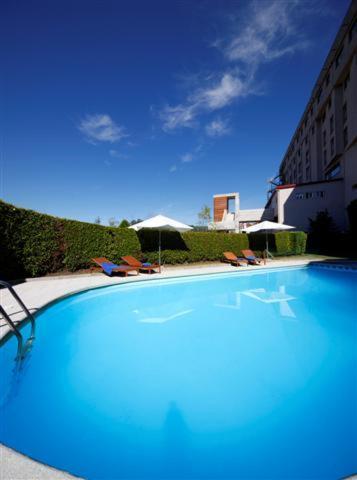
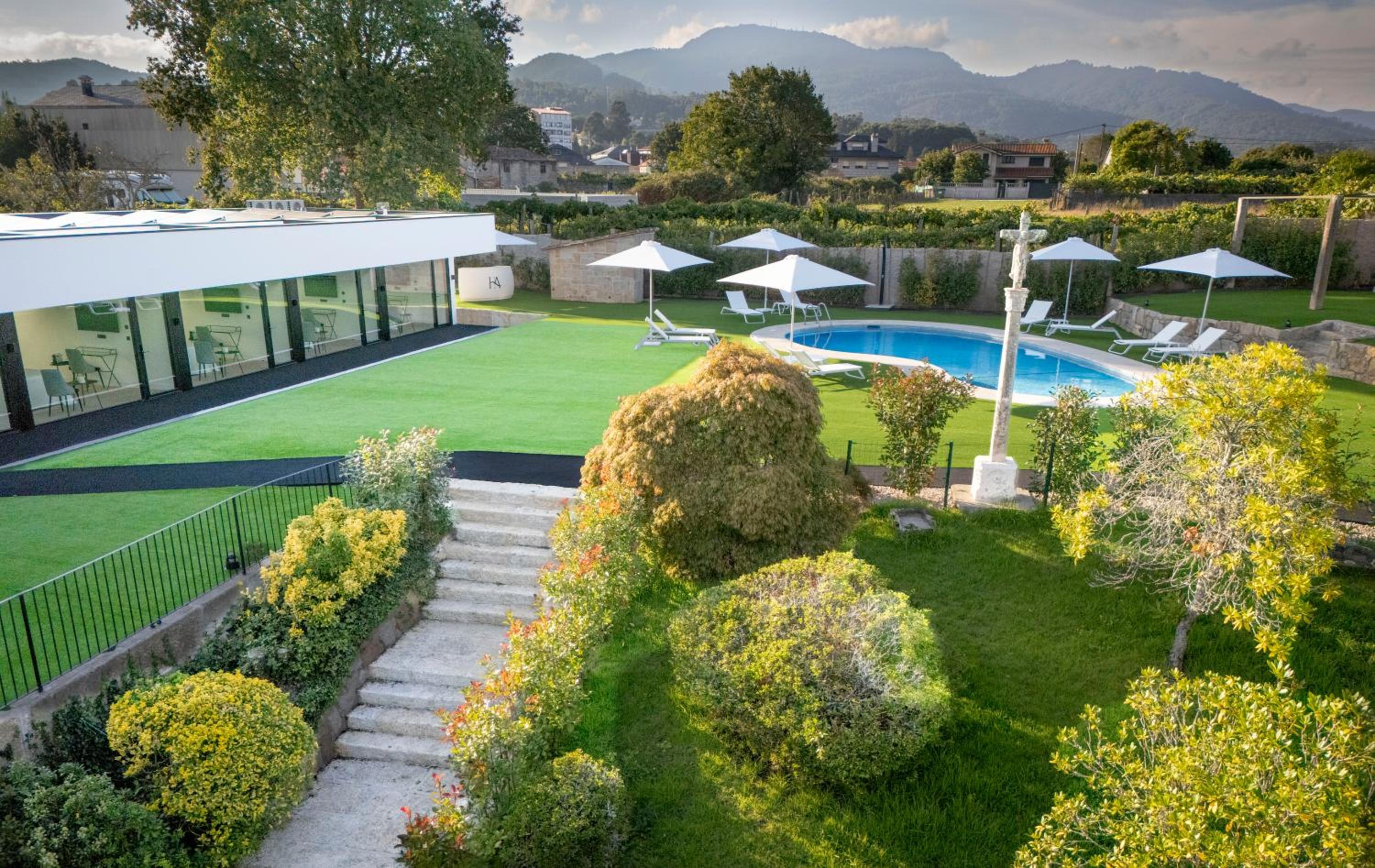
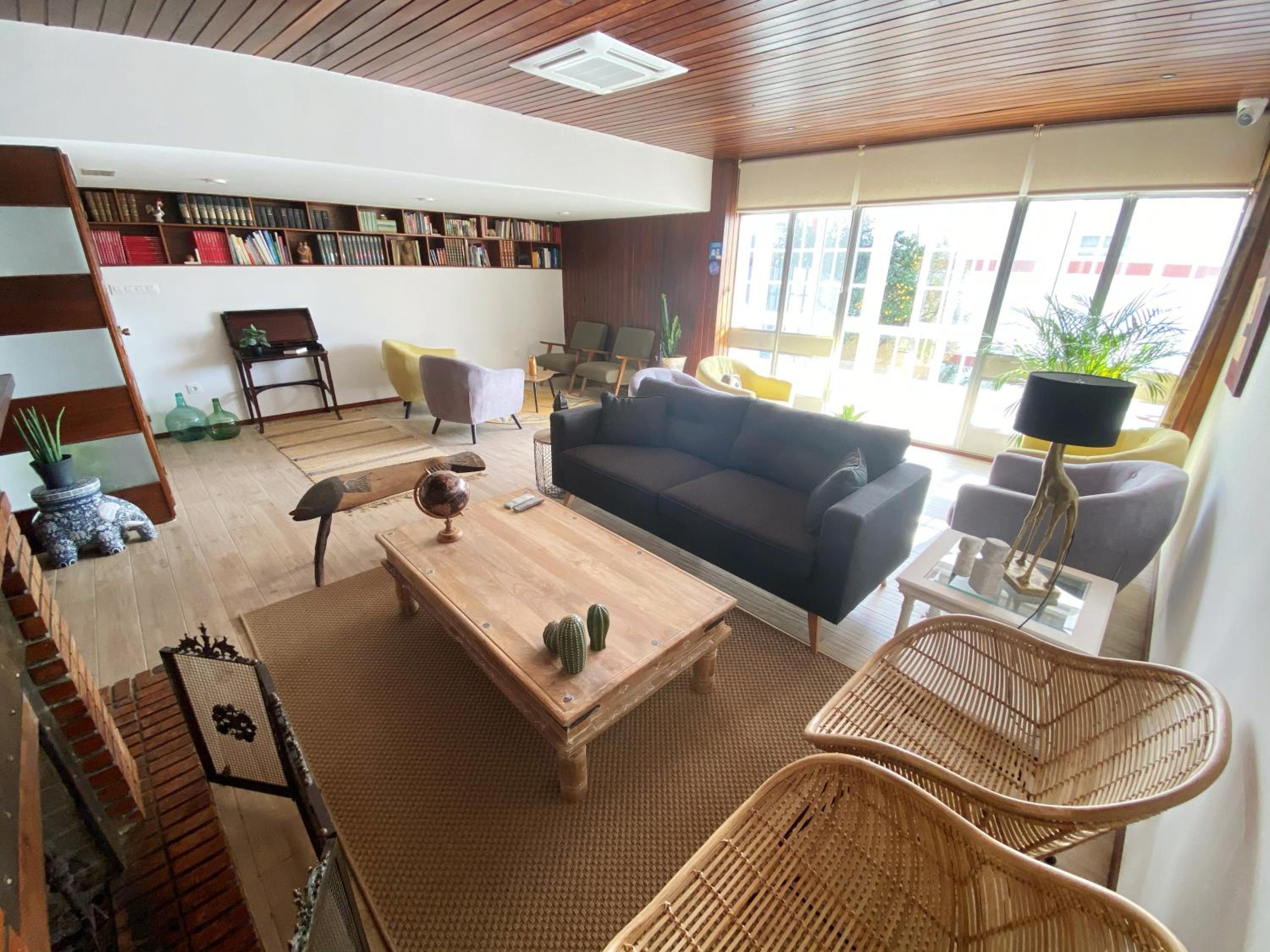
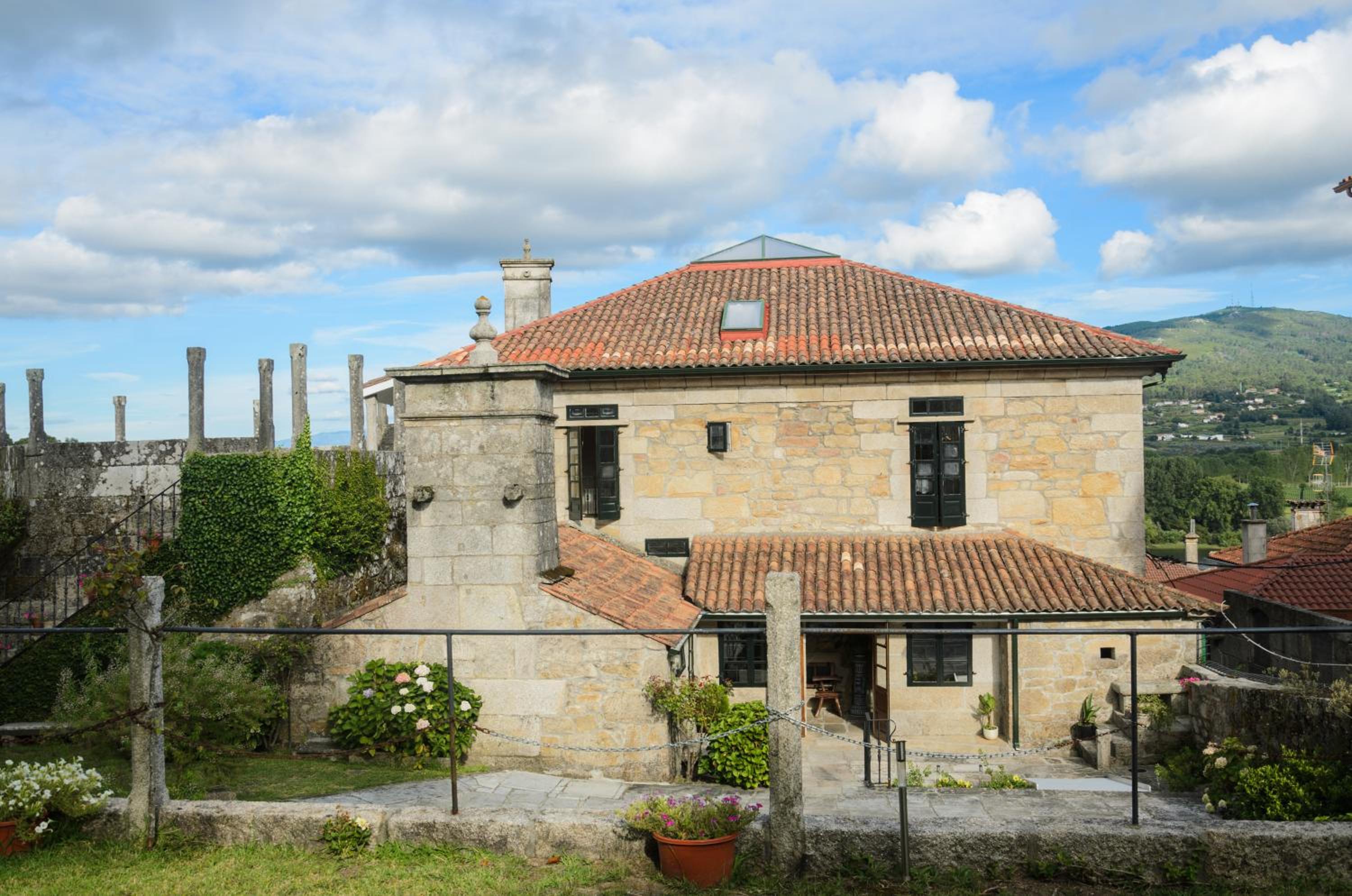
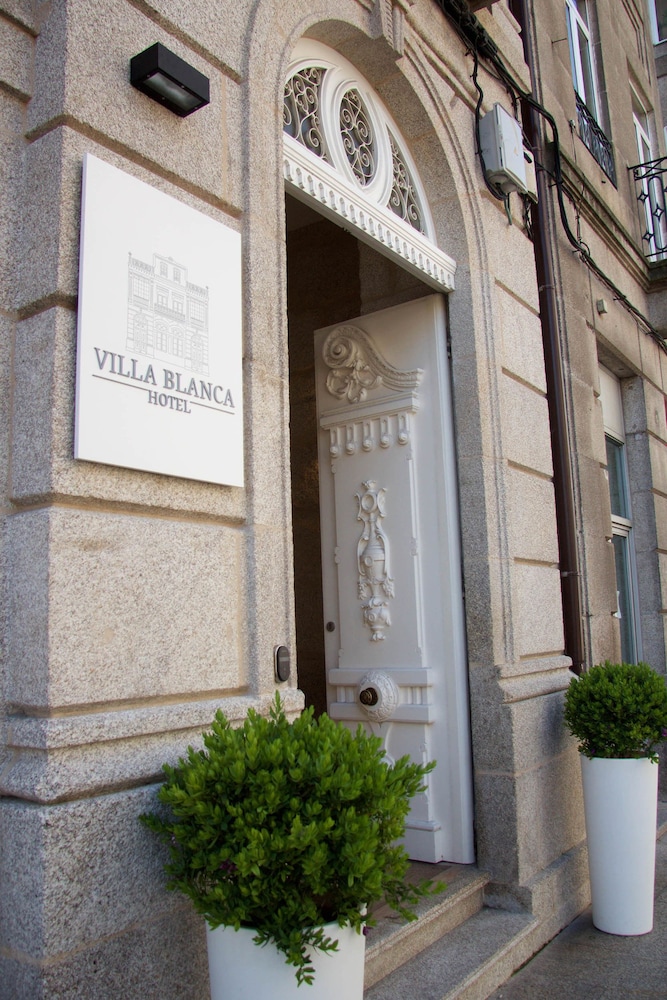
Find the perfect place for your rest in Tui o Ribadelouro.



Start your adventure
Ready to walk this stage?
We design your personalised Camino de Santiago experience.
Plan your CaminoWalk this route with us
We take care of every detail
Accommodation booked stage by stage, your backpack waiting when you arrive and someone on the phone if anything goes wrong.