
Complete Guide to English: Cycling Camino English
The route of the maritime pilgrims, now on a bike. It covers the English Way from Ferrol in 2 or 3 stages, discovering the estuaries and the interior of Galicia.
Last updated: 28/03/2026
Table of Contents
Technical Summary of English: Cycling Camino English
155.2 km
Distance
3
days
3
Stages
Media
Difficulty
77 accommodations available on the route
Introduction to English: Cycling Camino English
All Stages of English: Cycling Camino English
Complete route divided into 3 stages
Ferry from Ferrol to Betanzos (by bicycle)
After the hardness of the climb to O Cebreiro, this stage is a pleasant descent through the Sierra de los Ancares. The road passes through a beautiful landscape with forests and meadows. It's a day to...
Betanzos to Santiago de Compostela (By bike)
This short and pleasant stage follows the course of the Sarria River. The route is a gentle stroll through rural Galicia. Arrival in Sarria, the starting point for many pilgrims, is an animated final ...
Go to Bruma Hospital
This is a short and gentle stage that connects the interior of A Coruña province with the point of convergence of the English Way. The route is an enjoyable stroll through rural Galicia, through a lan...
Key Towns of English: Cycling Camino English
The most important towns and cities on this route.
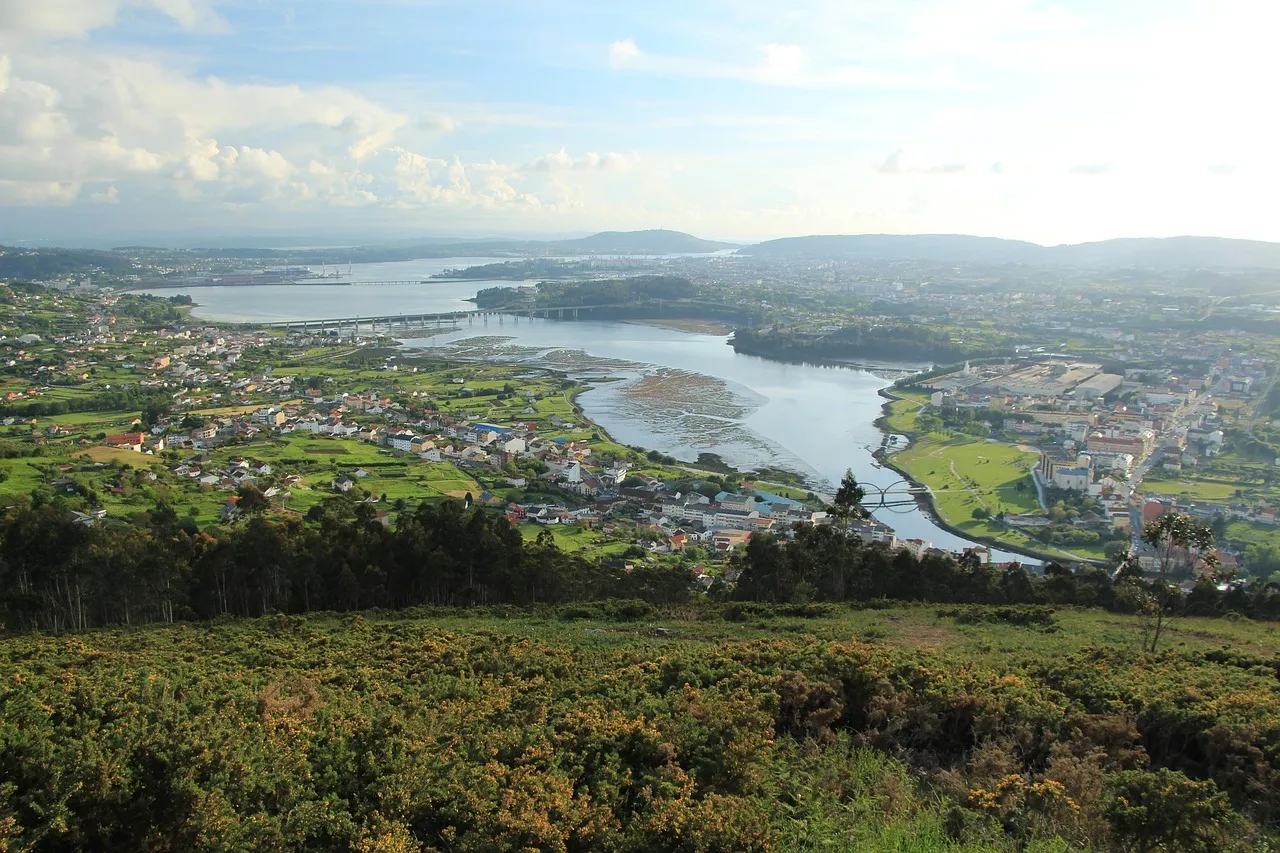
Ferrol
Port city and starting point of the English Way. Ferrol offers the pilgrim a maritime route start, with a rich naval heritage and the charm of the Magdalena district.
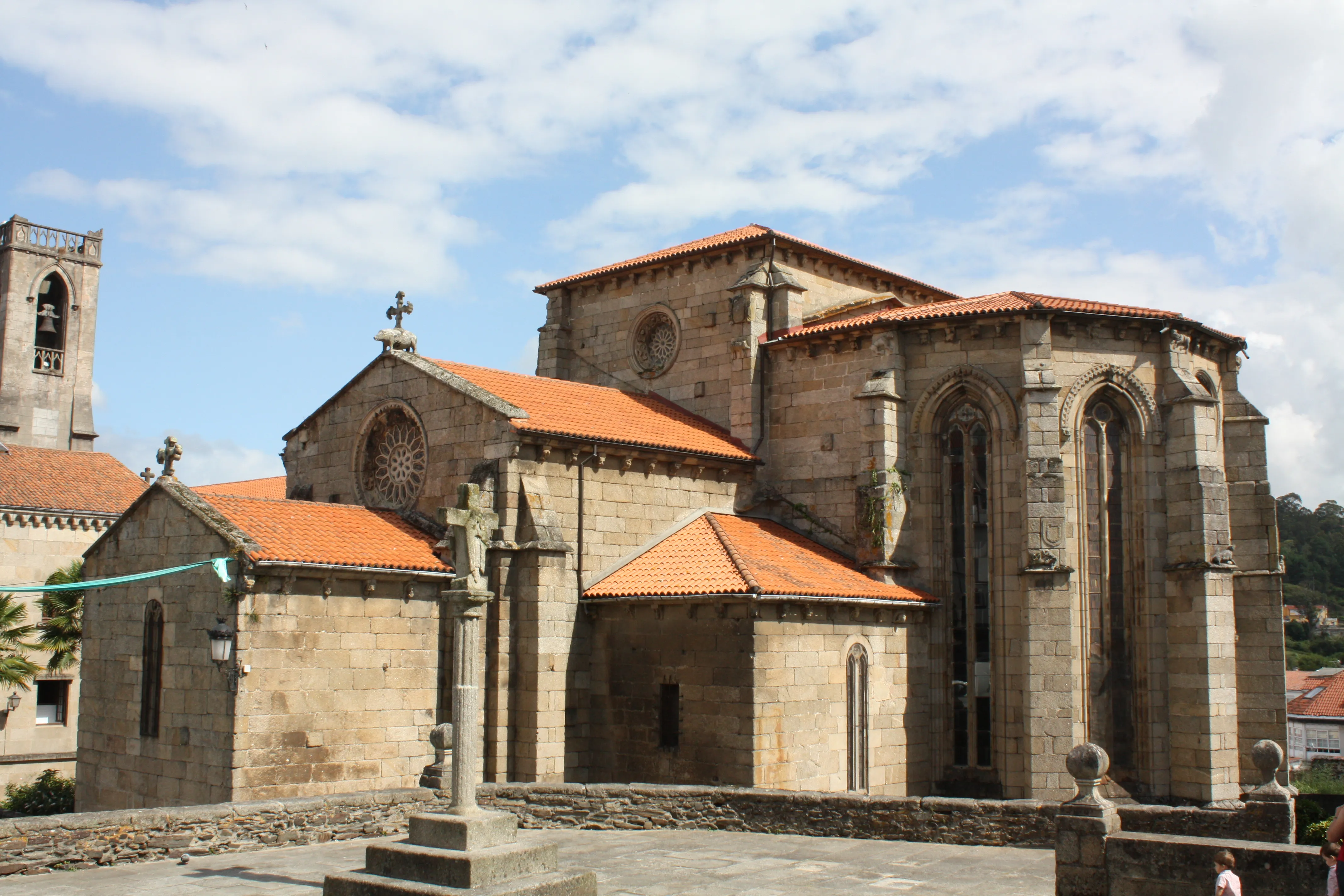
Betanzos
Historic capital of the ancient Kingdom of Galicia and Gothic gem of the Camino Ingles. Betanzos charms with its old town, churches, and famous tortilla, an indispensable stop.
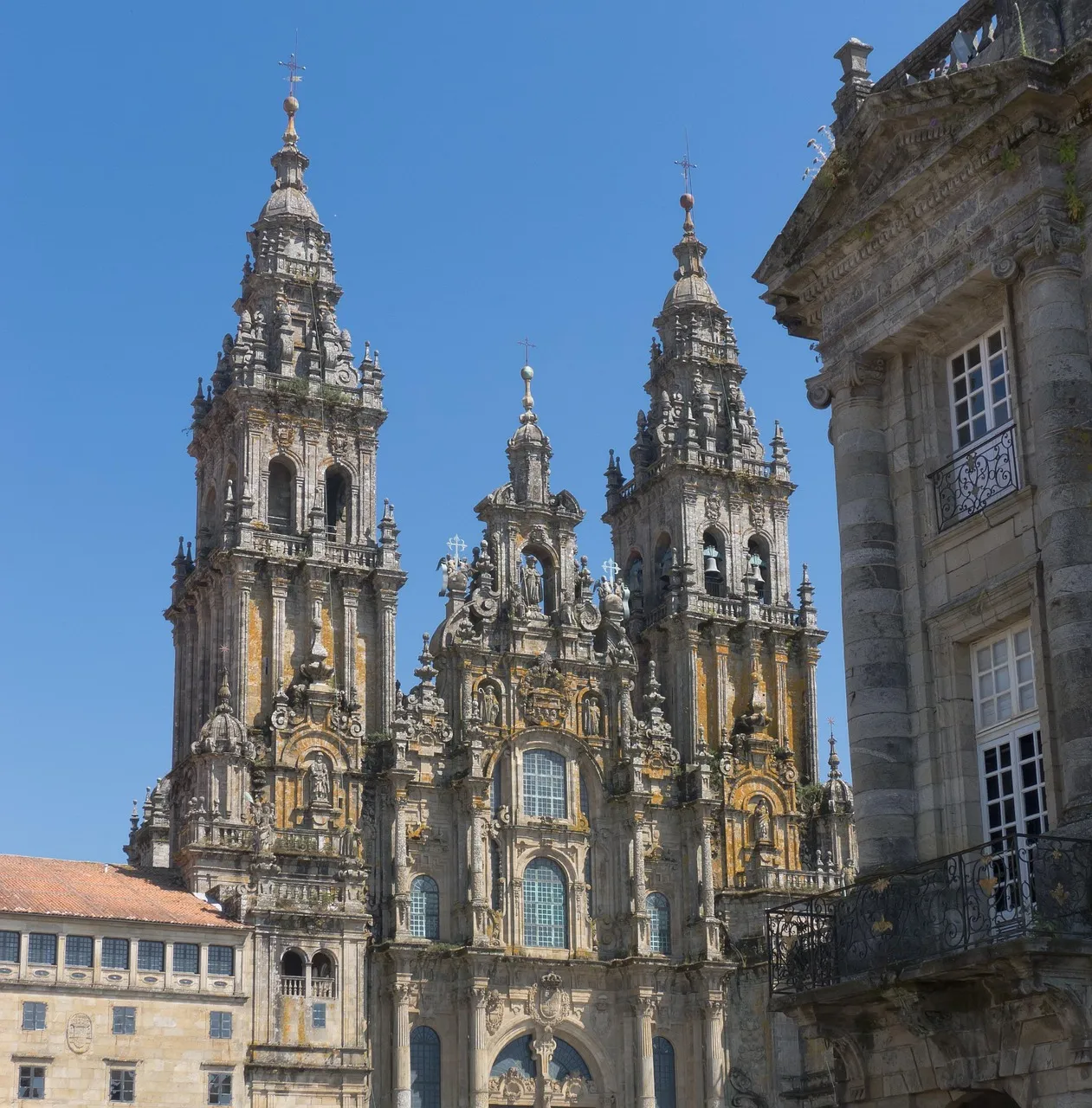
Santiago de Compostela
The Final and Spiritual Heart of the Way of St. James. Its majestic Cathedral and Plaza del Obradoiro welcome pilgrims from all over the world in a full of emotion finale.
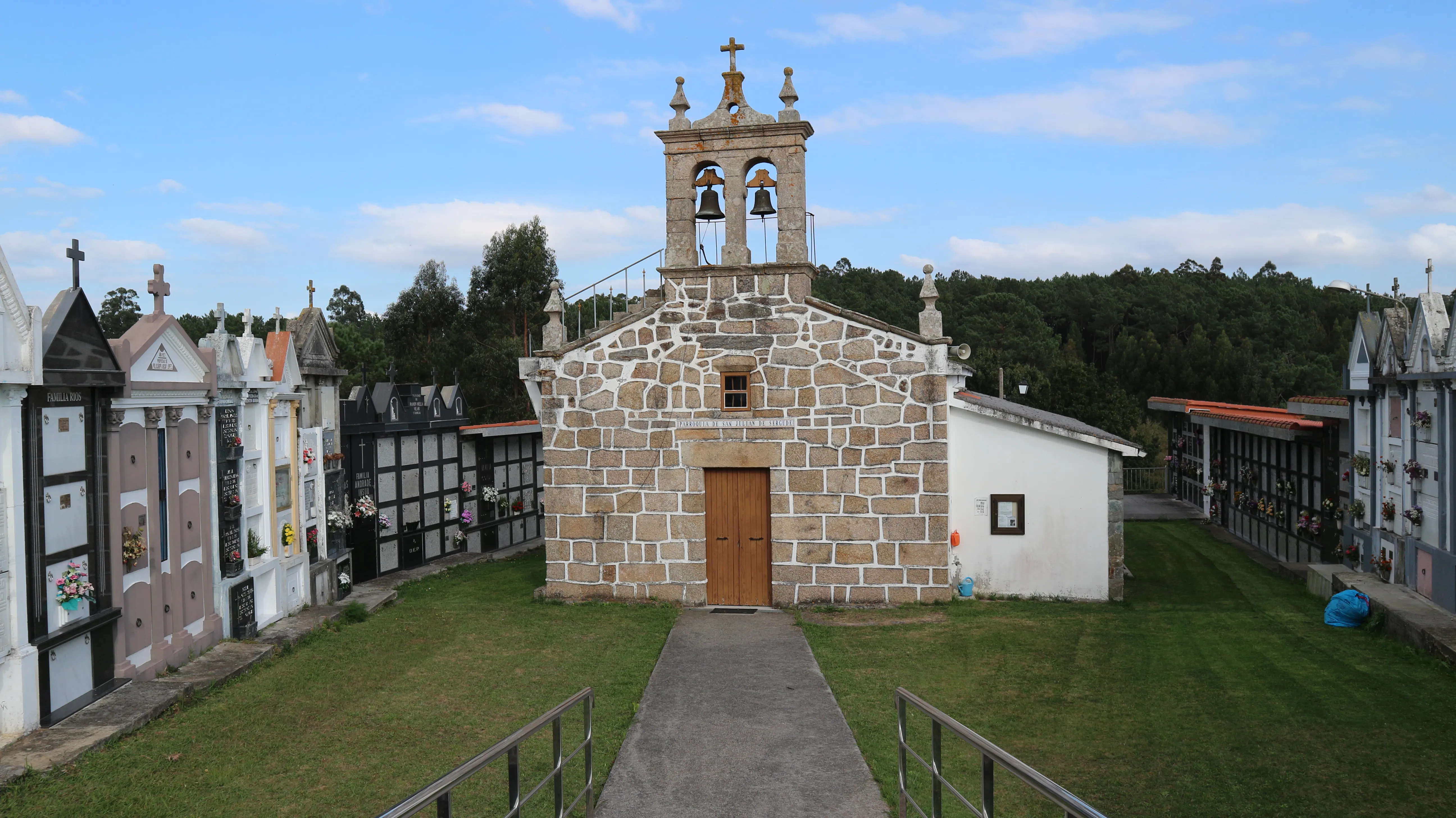
Sergude
Village in the municipality of Carral, a perfect intermediate stop for dividing the first and long stage of the English Way, which starts from A Coruña, offering a rural and strategic rest.
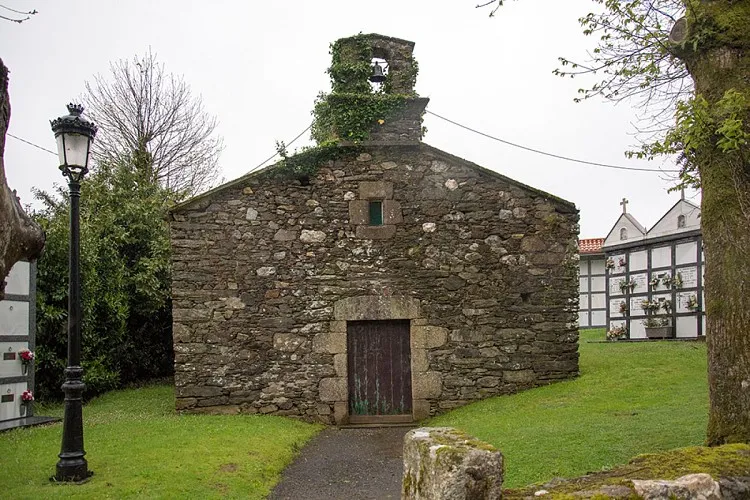
Hospital de Bruma
Historic crossroads and village on the English Way. Its name evokes the old pilgrim's hospital that received walkers from Ferrol and A Coruña. A rural oasis.
History of English: Cycling Camino English
The original English Way was born as the route walked by devotees of the British Isles and Northern Europe after disembarking at Ferrol or A Coruña ports. The bike, in its modern adaptation, pays homage to that journey. The speed of two wheels allows emulating the medieval pilgrim's rush to finally reach the Apostle's tomb after a long and perilous sea crossing. The complete route from Ferrol, about 120 kilometers, adapts perfectly to a relaxed pedaling trip over two or three days.
The bike itinerary is a delight that combines ría landscapes, historic villages, and rural Galicia. Starting from Ferrol, the cyclist rides along the ría, a tranquil water landscape past industrial, then enters the interior. The first major milestone is the medieval village of Pontedeume. Its old town, with its steep streets, represents the first small challenge for the cyclist, rewarded by the beauty of its churches and the Torreón de los Andrade. The route continues to another of the historic jewels of the route, Betanzos, one of the capitals of ancient Galicia, with one of the best-conserved Gothic town halls in the region.
The profile of the route is a continuous up-and-down, an undulating terrain typical of Galicia, without major mountain passes but with constant "repechos" that require good rhythm changes. This terrain is very entertaining for cycling. After Betanzos, the road enters more rural Galicia, on dirt paths and local tranquil roads, until reaching Hospital de Bruma, the point of connection with the branch coming from A Coruña.
The final stretch to Santiago is an enjoyable ride through the Galician countryside, which gradually becomes more urban as it approaches the destination in Compostela. Thanks to the route from Ferrol exceeding 100 kilometers, the bicigrino does not have problems obtaining the Compostela (in contrast to the hiker, the cyclist must cover 200 km, but the Cathedral is usually flexible with this historic route, although it's recommended to consult the current regulations at the Pilgrim's Office).
In summary, the history of the English Way by bike is that of popularization and accessibility. It has converted a historically beautiful route into a "micro-adventure" Jacobean perfect experience. It's the ideal option for starting in the world of cycling pilgrims, an experience that condenses the essence of landscape, history, and Galician hospitality in few days.
Accommodations on the Route
The English: Cycling Camino English has 77 verified accommodations along the entire route.
View Stages & AccommodationsPractical Tips for English: Cycling Camino English
Best Season
Spring (April-June) and autumn (September-October) are the best seasons. Pleasant temperatures and fewer crowds than summer.
Physical Preparation
Train by walking progressively in the months before. Start with short distances and increase. Your body will adapt to the rhythm of the Camino.
What to Pack
Light backpack (max 10% of your weight), worn trekking shoes, breathable technical clothing, raincoat, sunscreen and basic first aid kit.
General Tips
Carry the pilgrim credential, stay hydrated, respect your pace, book accommodation in high season and enjoy the journey without rushing.
FAQ about English: Cycling Camino English
El Camino Inglés en bicicleta desde Ferrol hasta Santiago de Compostela dura aproximadamente 3 días. Esta ruta corta y exigente combina rías, villas marineras y la Galicia rural interior, ofreciendo una experiencia intensa en pocos días.
El paquete turístico del Camino Inglés en Bicicleta con Ourway Travel incluye alojamiento en hoteles y albergues seleccionados, traslado de equipaje entre etapas, bicicletas de alta calidad y seguro. También proporcionamos asesoramiento sobre la credencial peregrina y las rutas alternativas.
La mejor época para hacer el Camino Inglés en bicicleta es durante los meses de abril a junio y septiembre a octubre. Durante este período, se combina un clima agradable con una menor afluencia de peregrinos, permitiendo disfrutar del paisaje gallego sin las multitudes típicas del verano.
El Camino Inglés en bicicleta tiene una dificultad media debido a su terreno ondulado y repechos exigentes. A pesar de su corta distancia, esta ruta ofrece desafíos para ciclistas experimentados que buscan una experiencia intensa.
El Camino Inglés a pie se caracteriza por su carácter más lento y contemplativo, mientras que la versión en bicicleta permite explorar los mismos paisajes de rías y villas marineras con mayor velocidad y alcance. La bicicleta reduce el tiempo total pero no disminuye la belleza del viaje.
Para reservar tu itinerario en el Camino Inglés en bicicleta con Ourway Travel, simplemente completa nuestro formulario de reserva en línea o contacta directamente con nuestro equipo de atención al cliente. Nos encargamos del resto: gestionamos la reserva de alojamiento y transporte, proporcionamos información detallada sobre cada etapa y aseguramos tu seguridad durante todo el recorrido.
El precio del paquete turístico para el Camino Inglés en bicicleta con Ourway Travel cubre alojamiento, bicicletas de alta calidad, traslado de equipaje entre etapas y seguro. También incluye acceso a nuestras guías digitales y asesoramiento personalizado sobre cómo obtener la Compostela.
Durante tu viaje por el Camino Inglés en bicicleta, Ourway Travel se encarga del traslado de tu equipaje entre etapas. Esto te permite llevar solo las pertenencias indispensables contigo mientras disfrutas del cicloturismo sin preocupaciones adicionales.
Ready for this adventure?
Let us organize your pilgrimage. We take care of accommodations, transfers and everything you need.