
Camino de Santiago
Camino Inglés by Bike
The route of the maritime pilgrims, now on a bike. It covers the English Way from Ferrol in 2 or 3 stages, discovering the estuaries and the interior of Galicia.
Organize your Camino Inglés by BikeLast updated: 09/08/2025
The Route
General Description of Camino Inglés by Bike
Related Routes
Connections of Camino Inglés by Bike
Camino Inglés from A Coruña
73 km
3
Lowlands
The English Way from A Coruña offers an alternative shorter route for pilgrims arriving by sea. Although its distance is less than the 100 km needed to obtain a Compostela starting alone from this point, it's a charming route that joins up with the path coming from Ferrol at Hospital de Bruma.
Stages of this variant:
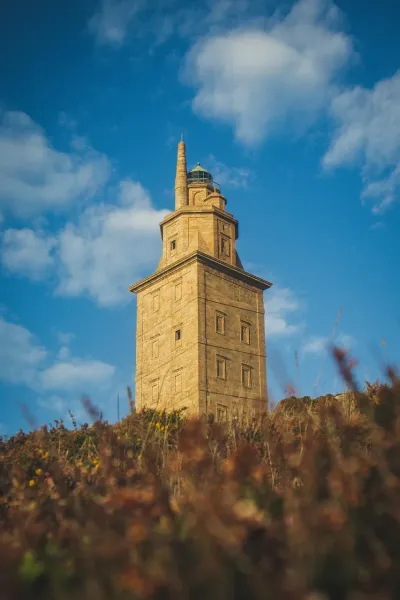
Stage 1: A Coruña to Sergude
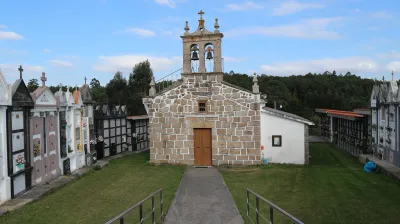
Stage 2: Sergude to Hospital de Bruma
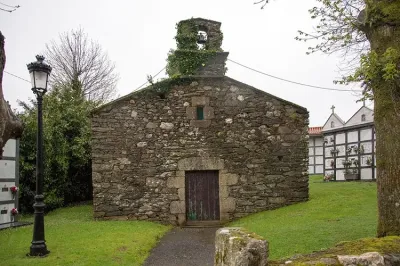
Stage 3: Hospital de Bruma to Sigüeiro
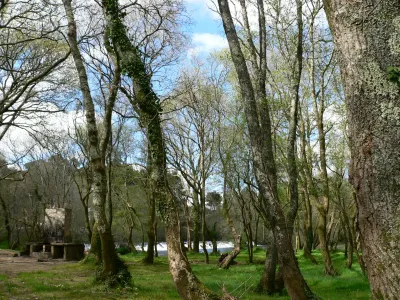
Stage 4: Sigüeiro to Santiago de Compostela
Camino Inglés from Ferrol
119 km
6
Lower
The English Way is the route traditionally followed by northern European pilgrims, especially from the British Isles and Ireland, who arrived by sea to Ferrol and A Coruña ports. From Ferrol, the journey is 119 km, surpassing the minimum required for obtaining the Compostela. Both variants meet at Hospital de Bruma to continue together towards Santiago.
Stages of this variant:
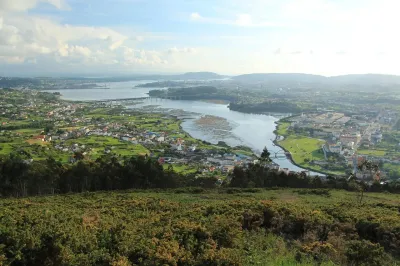
Stage 1: Ferrol to Pontedeume
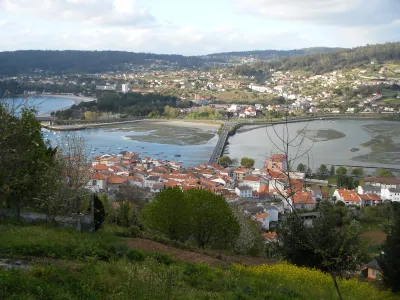
Stage 2: Pontedeume to Betanzos
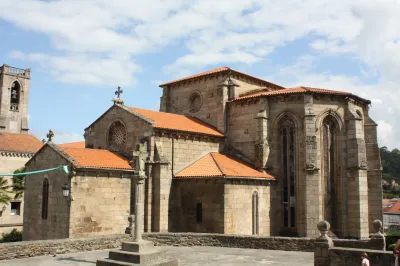
Stage 3: Betanzos to Bruma
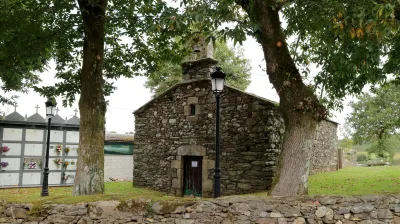
Stage 4: Bruma to Sigüeiro
Stage 5: Sigüeiro to Santiago de Compostela
Elevation Profile of
Elevation Profile of Camino Inglés by Bike
Visualize the ups and downs of the route.
Loading elevation profile...
Error loading elevation profile or altitude data not available.
Your trip with Ourway
Everything you need for your Camino
No hassle. Your perfect route, from start to finish.
Accommodation
Selected hotels and hostels at every stage
Luggage transfer
Your backpack travels from stage to stage
Camino Guide
Detailed map with directions and services
24h Support
Team available for any unforeseen event
Pilgrim credential
Official documentation included
No commitment
Free personalized consultation
Walk this route with us
Fancy walking this route?
We don't have a ready-made package for this route yet, but we'll organise it around you. Tell us how you'd like to experience it and a specialist will reply within 24 h.
Request your proposalStages
Stages of Camino Inglés by Bike
Ferrol → Betanzos
First cycling stage of the English Way from Ferrol, historic port of arrival of British, Scandinavian and Dutch pilgrims in the Middle Ages. The 30 km along the Ferrol estuary and go through the regio...
Betanzos → Santiago de Compostela
Final cyclotourist stage of the English Way, long day (about 65 km, not 12) that links Betanzos with Santiago de Compostela passing through Hospital de Bruma (convergence point with the other branch o...
Sergude → Hospital de Bruma
This is a short and gentle stage that connects the interior of A Coruña province with the point of convergence of the English Way. The route is an enjoyable stroll through rural Galicia, through a lan...
Towns
Featured Towns of Camino Inglés by Bike
Explore the key towns and cities of this route.
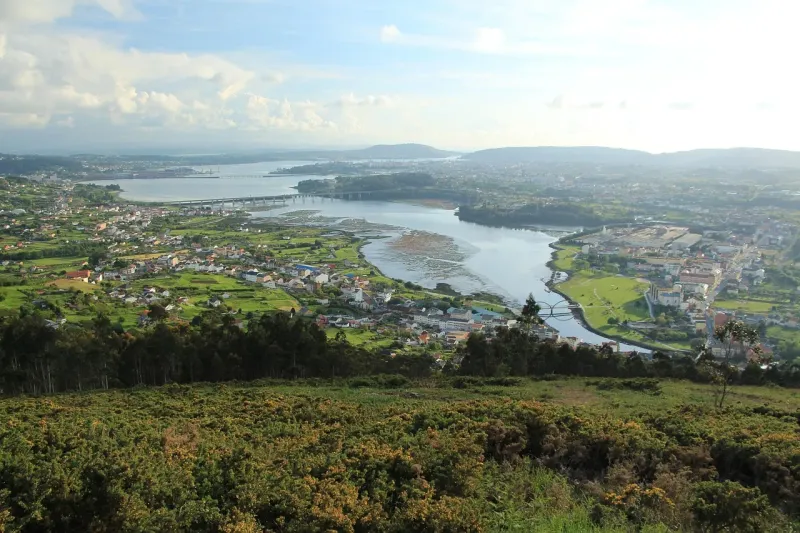
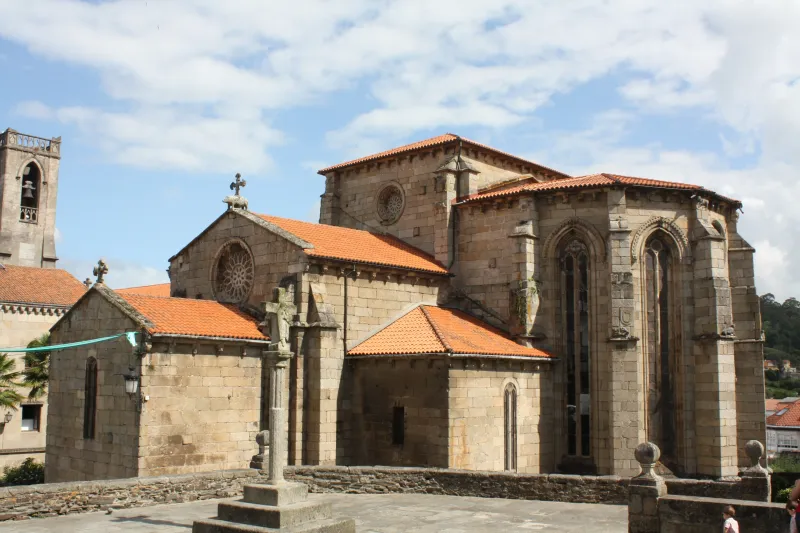
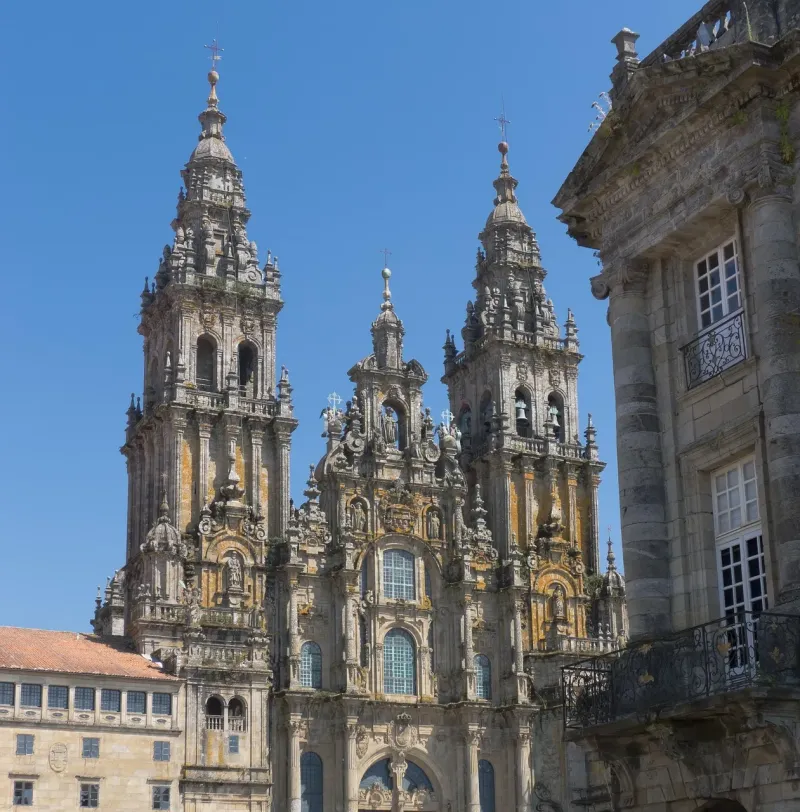
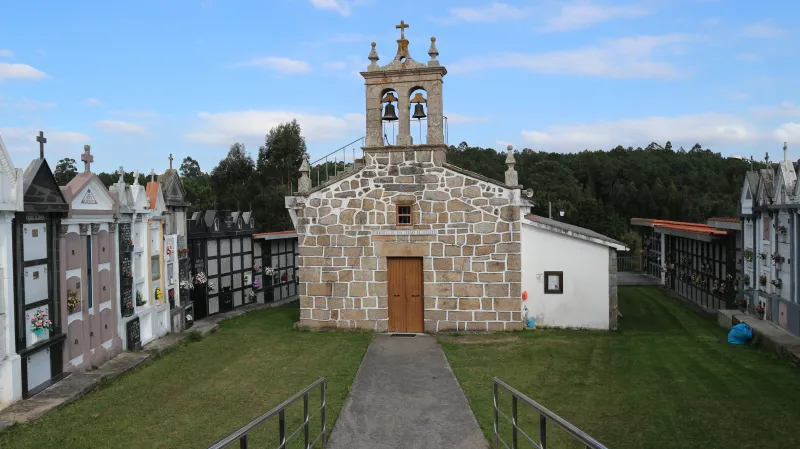
History
Millenary History of the Camino de Santiago: Origins and Evolution Camino Inglés by Bike
Discover the origins and evolution of Camino Inglés by Bike
The original English Way was born as the route walked by devotees of the British Isles and Northern Europe after disembarking at Ferrol or A Coruña ports. The bike, in its modern adaptation, pays homage to that journey. The speed of two wheels allows emulating the medieval pilgrim's rush to finally reach the Apostle's tomb after a long and perilous sea crossing. The complete route from Ferrol, about 120 kilometers, adapts perfectly to a relaxed pedaling trip over two or three days.
The bike itinerary is a delight that combines ría landscapes, historic villages, and rural Galicia. Starting from Ferrol, the cyclist rides along the ría, a tranquil water landscape past industrial, then enters the interior. The first major milestone is the medieval village of Pontedeume. Its old town, with its steep streets, represents the first small challenge for the cyclist, rewarded by the beauty of its churches and the Torreón de los Andrade. The route continues to another of the historic jewels of the route, Betanzos, one of the capitals of ancient Galicia, with one of the best-conserved Gothic town halls in the region.
The profile of the route is a continuous up-and-down, an undulating terrain typical of Galicia, without major mountain passes but with constant "repechos" that require good rhythm changes. This terrain is very entertaining for cycling. After Betanzos, the road enters more rural Galicia, on dirt paths and local tranquil roads, until reaching Hospital de Bruma, the point of connection with the branch coming from A Coruña.
The final stretch to Santiago is an enjoyable ride through the Galician countryside, which gradually becomes more urban as it approaches the destination in Compostela. Thanks to the route from Ferrol exceeding 100 kilometers, the bicigrino does not have problems obtaining the Compostela (in contrast to the hiker, the cyclist must cover 200 km, but the Cathedral is usually flexible with this historic route, although it's recommended to consult the current regulations at the Pilgrim's Office).
In summary, the history of the English Way by bike is that of popularization and accessibility. It has converted a historically beautiful route into a "micro-adventure" Jacobean perfect experience. It's the ideal option for starting in the world of cycling pilgrims, an experience that condenses the essence of landscape, history, and Galician hospitality in few days.
We answer your questions
Frequently Asked Questions about Camino Inglés by Bike
How long does the English Way by bicycle take from Ferrol to Santiago de Compostela?
The English Way by bicycle from Ferrol to Santiago de Compostela takes approximately 3 days. This short and challenging route combines rías, fishing villages, and inland Galician countryside, offering an intense experience in a few days.
What does the Camino Inglés by Bike package from Ourway Travel include?
The Camino Inglés by Bike tour package with Ourway Travel includes accommodation in selected hotels and hostels, luggage transfer between stages, high-quality bicycles, and insurance. We also provide guidance on pilgrim credentials and alternative routes.
When is the best time to do the Camino Inglés by bicycle?
The best time to cycle the Camino Inglés is from April to June and September to October. During this period, you can enjoy pleasant weather along with fewer pilgrims, allowing you to appreciate the Galician landscape without summer crowds.
What is the difficulty level of the English Way by Bicycle?
The English Way by bicycle has a moderate difficulty due to its undulating terrain and challenging climbs. Despite its short distance, this route offers challenges for experienced cyclists seeking an intense experience.
What is the difference between the English Way on foot and by bicycle?
The English Way on foot is characterized by its slower, more contemplative nature, while the version by bicycle allows for exploring the same landscapes of rías and fishing villages with greater speed and reach. The bicycle reduces total time but does not diminish the beauty of the journey.
How can I book my itinerary for the Camino Inglés by Bike with Ourway Travel?
To reserve your itinerary for the Camino Inglés by bike with Ourway Travel, simply fill out our online booking form or contact our customer service team directly. We handle everything: we manage accommodation and transport reservations, provide detailed information about each stage, and ensure your safety throughout the journey.
What does the price of the English Way by Bike include?
The tour package price for the English Way by bike with Ourway Travel includes accommodation, high-quality bicycles, luggage transfer between stages and insurance. It also includes access to our digital guides and personalized advice on how to obtain the Compostela.
How does the luggage transportation work on the English Way by Bike?
During your journey on the English Way by bike, Ourway Travel takes care of transferring your luggage between stages. This allows you to carry only essential belongings with you while enjoying cycle tourism without additional worries.
Organize Your Camino
Ready for this adventure?
Camino Inglés by Bike