
Complete Guide to English: Camino English from Ferrol
Walk the English Way, the historical route of British and Irish pilgrims. It starts in Ferrol or A Coruña and enjoy the coastal and rural Galicia on a shorter and more affordable route.
Last updated: 28/03/2026
Table of Contents
Technical Summary of English: Camino English from Ferrol
119 km
Distance
6
days
5
Stages
Baja
Difficulty
94 accommodations available on the route
Introduction to English: Camino English from Ferrol
All Stages of English: Camino English from Ferrol
Complete route divided into 5 stages
Ferrol to Pontedeume
The first stage of the English Way from Ferrol offers a route that combines urban, industrial and rural sections with beautiful views of the estuary. The departure from Ferrol leads the pilgrim on an ...
Port of Pontevedra in Betanzos
This stage is short but demanding, especially in its first part. The journey begins with a tough and prolonged climb as soon as you leave Pontedeume, testing the pilgrim's legs. Once the ascent is ove...
Betanzos to Bromma
This stage is one of the hardest and most solitary on the English Way. The route enters Galicia's interior definitively, in a continuous rise and fall through a rural and depopulated landscape. It's a...
Frost on Sigüeiro
This stage is much more comfortable than the previous one, with a predominantly descending profile. From the Bruma plateau, the path begins a gentle descent through a rural landscape of meadows, fores...
Follow the way to Santiago de Compostela.
The last and exciting stage of the Camino Inglés. It is a short journey designed to arrive in Santiago with time to enjoy the city. The first part traverses rural surroundings but soon enters the outs...
Key Towns of English: Camino English from Ferrol
The most important towns and cities on this route.
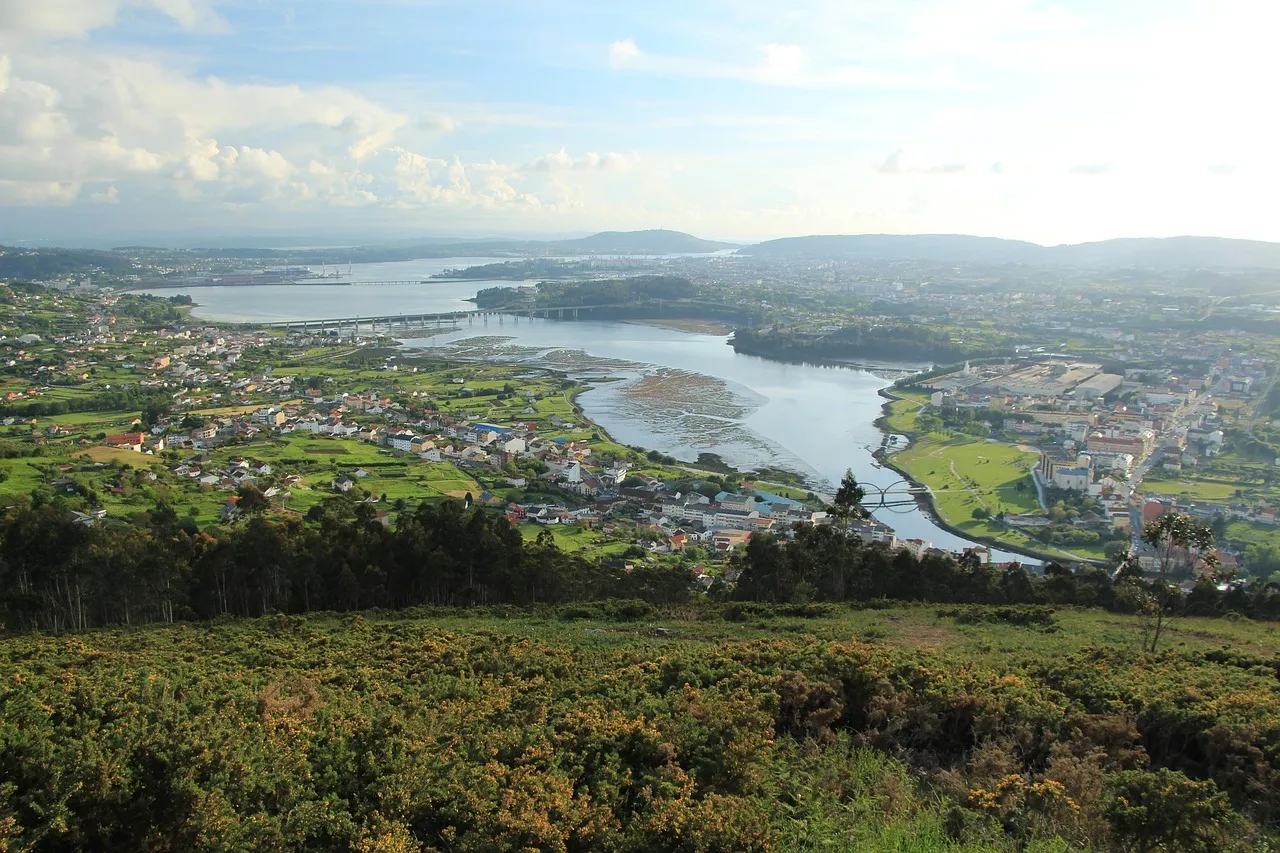
Ferrol
Port city and starting point of the English Way. Ferrol offers the pilgrim a maritime route start, with a rich naval heritage and the charm of the Magdalena district.
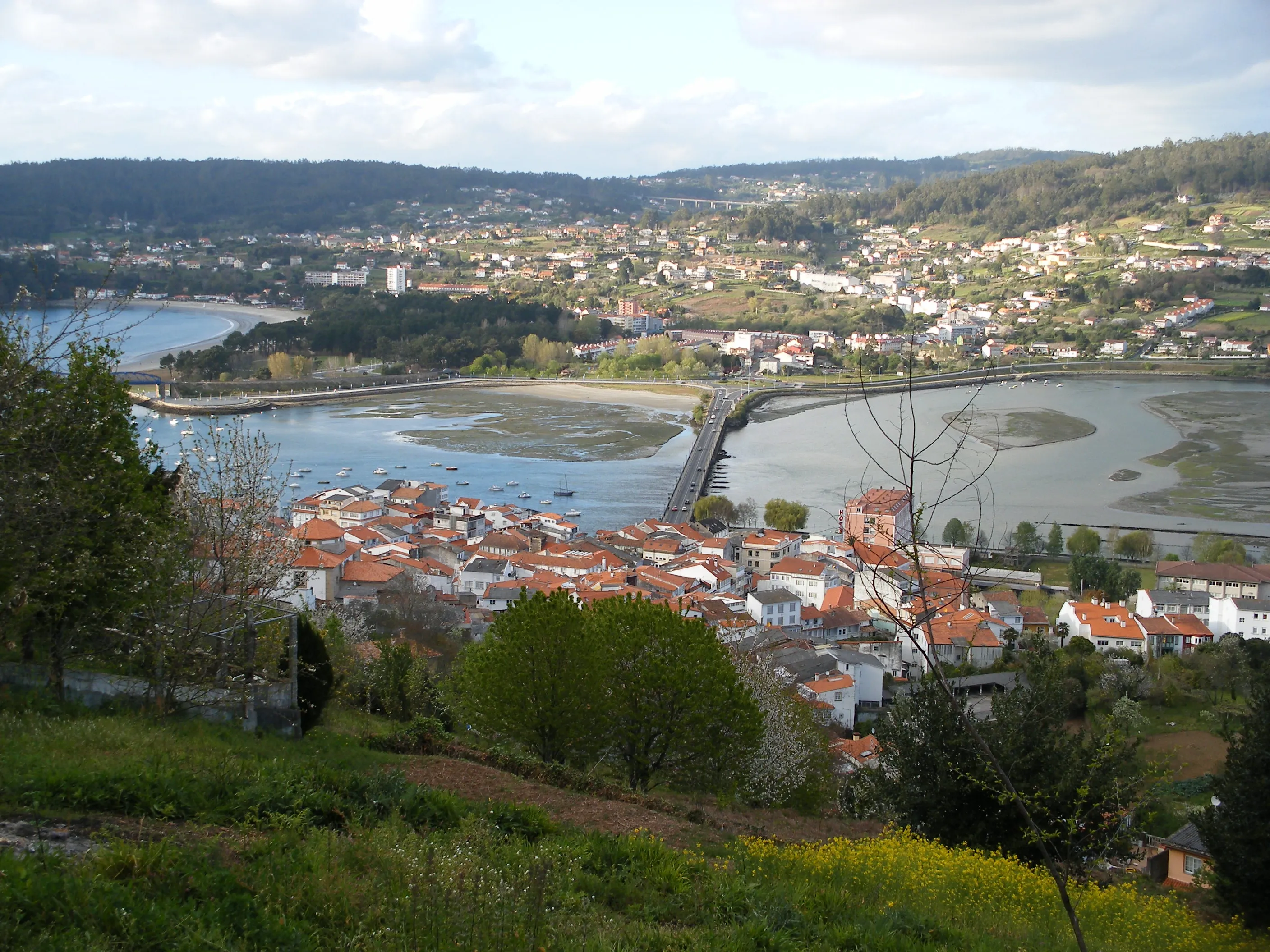
Pontedeume
Charming medieval village in the Ares estuary, a key stop on the Camino Ingles. Its long stone bridge and the Torreón of the Andrade are its Jacobean signature marks.
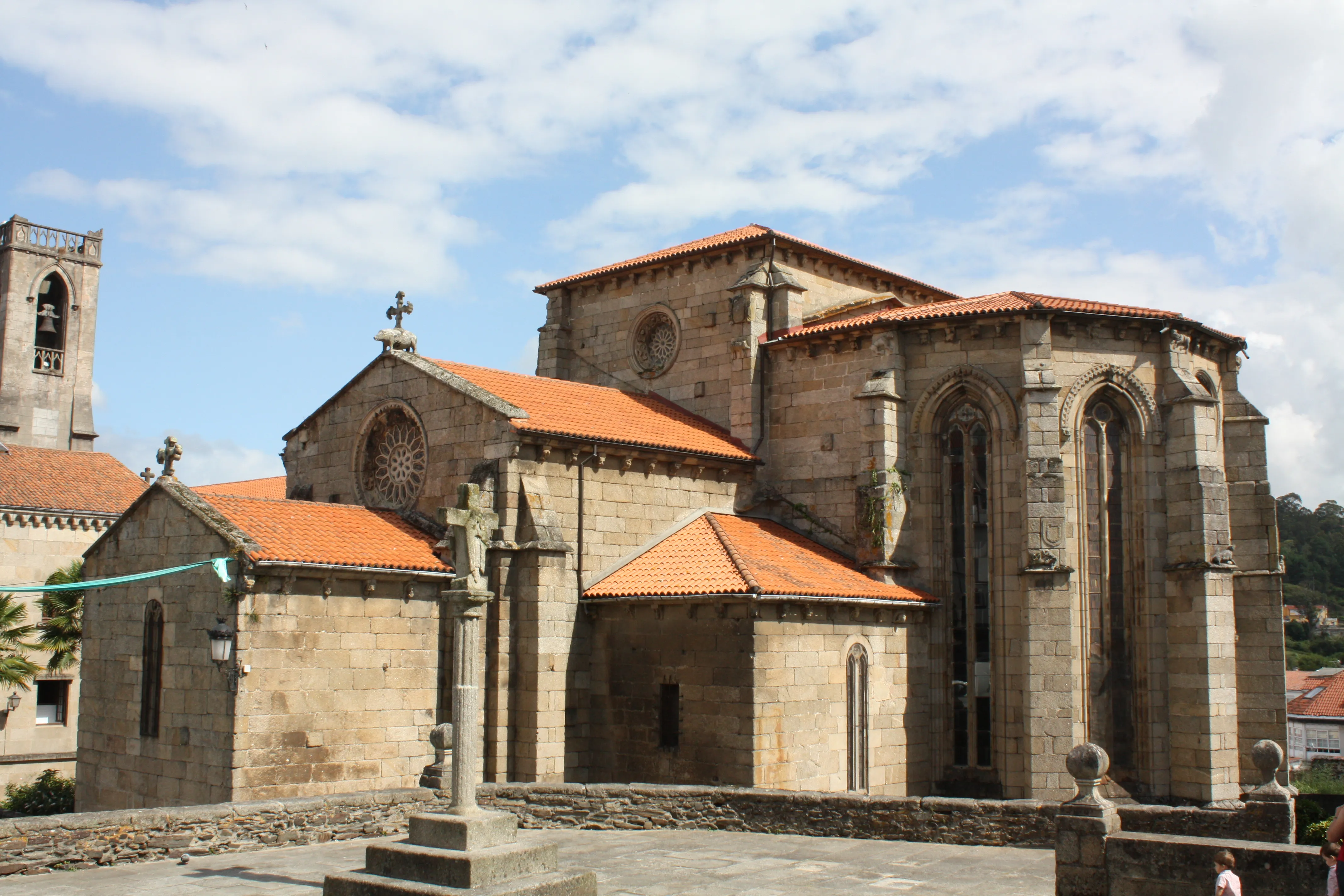
Betanzos
Historic capital of the ancient Kingdom of Galicia and Gothic gem of the Camino Ingles. Betanzos charms with its old town, churches, and famous tortilla, an indispensable stop.
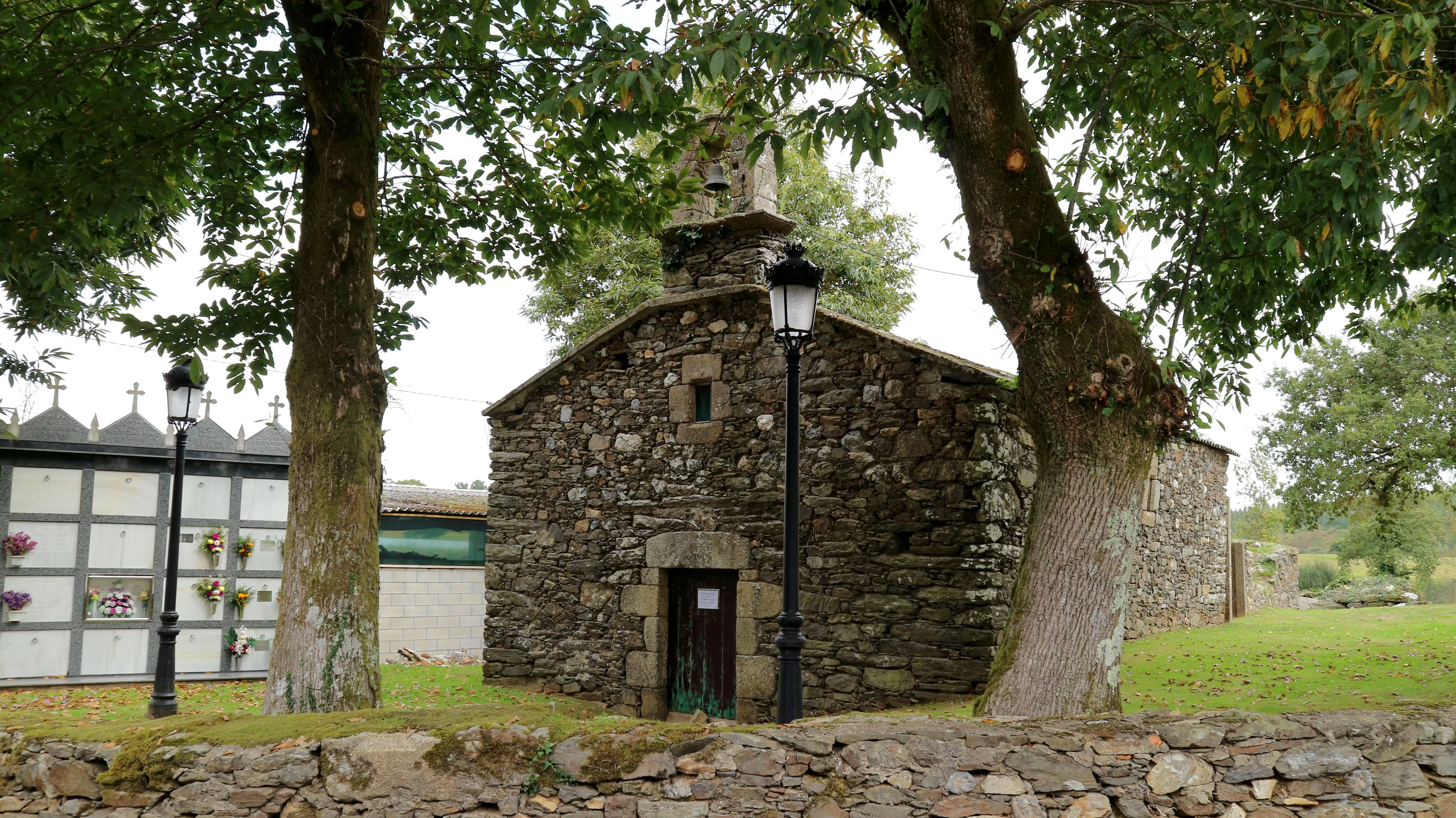
Bruma
Small and solitary parish on the West Highland Way. The Brumadiz Hotel, with its historic pilgrim's hospital, is a key landmark offering an authentic refuge in the heart of rural Galicia.
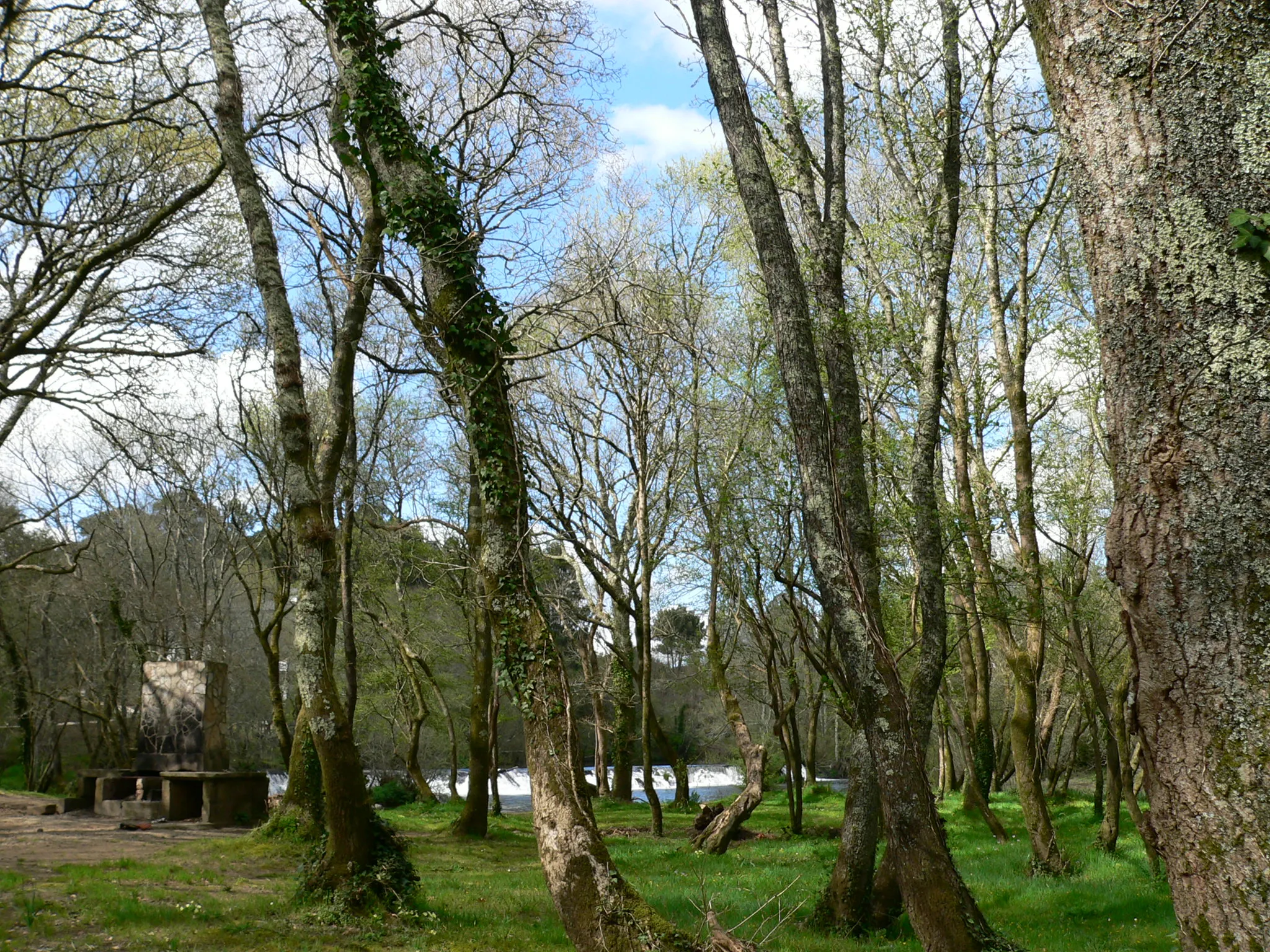
Sigüeiro
Capital of the municipality of Oroso and last major stop on the Camino Ingles before Santiago. Sigüeiro, with its medieval bridge over the River Tambre, is the prelude to the Compostela destination.
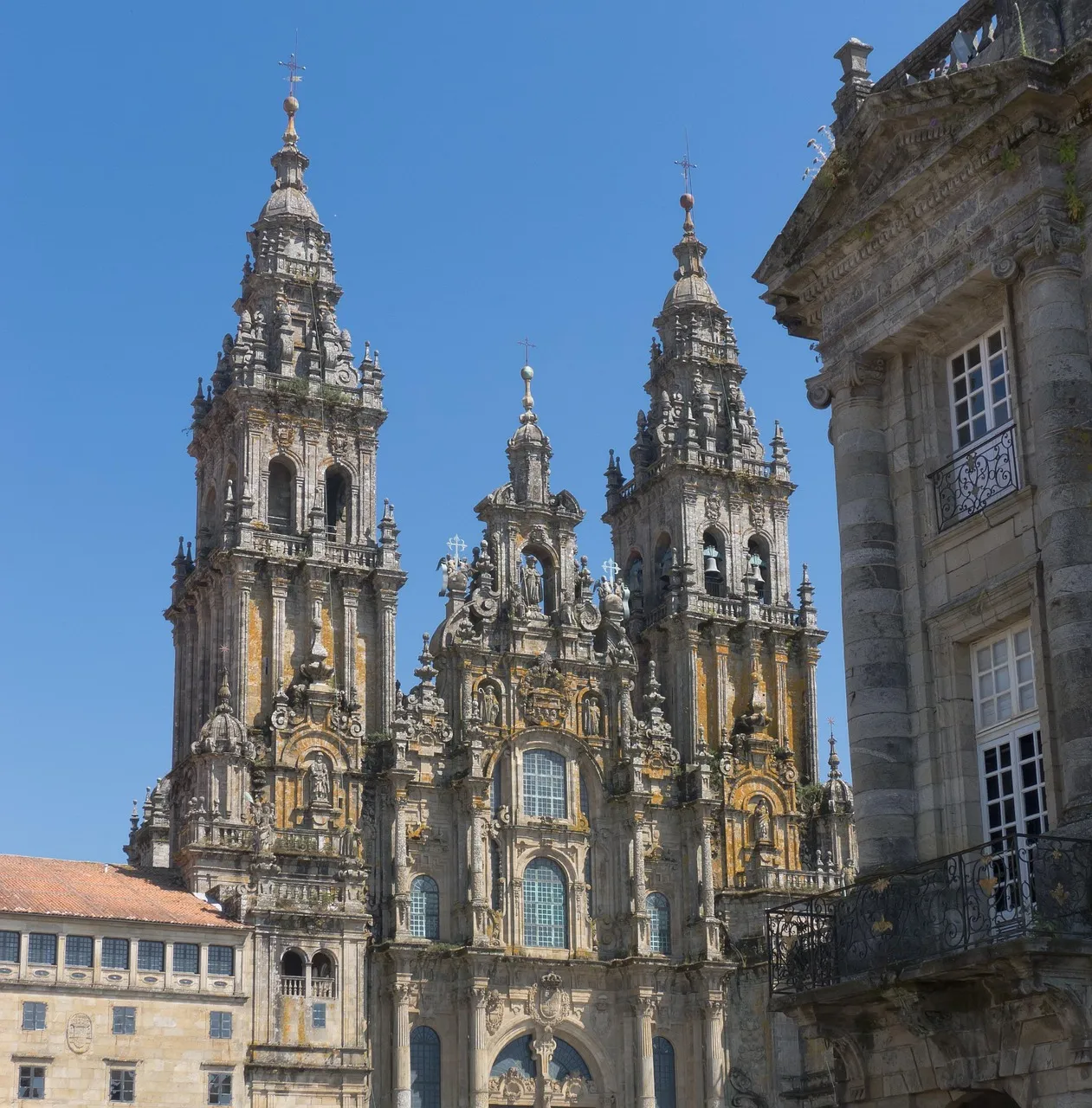
Santiago de Compostela
The Final and Spiritual Heart of the Way of St. James. Its majestic Cathedral and Plaza del Obradoiro welcome pilgrims from all over the world in a full of emotion finale.
History of English: Camino English from Ferrol
For these northern pilgrims, the sea journey often represented a faster and paradoxically safer option than the long land trek through France. The Galician ports of Ferrol and A Coruña solidified as main landing points, giving rise to two historical variants of this route. From there, pilgrims known as "sailors" or "ocean travelers," embarked on foot the final leg of their journey. The variant starting from Ferrol, with its 119 kilometers, exceeded the minimum distance of 100 km required for obtaining the Compostela certificate, while the A Coruña variant, at around 73 kilometers, was shorter but equally traversed.
The English Way's peak occurred during the 14th and 15th centuries. The Hundred Years' War (1337-1453) between England and France made crossing Galician territory an extremely perilous undertaking for English subjects, leading to a surge in maritime routes towards Galicia that had never been seen before. Chronicles of the time describe the arrival of genuine fleets of ships ("cogs" and "hulks") at Ferrol and A Coruña ports, carrying pilgrims from all social classes. English port cities such as Bristol, Plymouth, Dartmouth, or Southampton became bustling centers for organizing these faith journeys. Pilgrims typically carried a passport and wore a scallop shell to be identified and respected.
The infrastructure of accommodation in Galicia developed to cater to this influx. Hospitals for pilgrims managed by religious orders and military organizations were founded. The most well-known was the Hospital of St. Spiritus in Bruma, established in 1140 by the Order of Santiago, a strategic point where the two variants converged. Other hospitals existed in Neda, Pontedeume, and Betanzos, cities with rich historical cascos that still testify to their Jacobean past.
However, the English Way's fate was tied to England's political and religious situation. In the 16th century, the Protestant Reformation, driven by King Henry VIII and his break with Catholicism, nearly killed this route. The suppression of monasteries and the prohibition on pilgrimages in reforming countries led to a drastic and sudden decline in the number of walkers. The flow of ships ceased, and the route fell into deep forgetfulness for centuries, sustained only by an occasional trickle of devotees.
Its modern revival has been later than other routes but has experienced significant growth in the 21st century. Pilgrims seeking shorter, less crowded, and uniquely charming routes have rediscovered this path. Its recognition as a UNESCO World Heritage Site in 2015, within the expansion of the Northern Routes, was a definitive impulse. Today, the English Way offers an unparalleled Jacobean experience, combining epic history of maritime pilgrimages with the beauty of Galicia's rias, forests, and rural landscapes.
Accommodations on the Route
The English: Camino English from Ferrol has 94 verified accommodations along the entire route.
View Stages & AccommodationsPractical Tips for English: Camino English from Ferrol
Best Season
Spring (April-June) and autumn (September-October) are the best seasons. Pleasant temperatures and fewer crowds than summer.
Physical Preparation
Train by walking progressively in the months before. Start with short distances and increase. Your body will adapt to the rhythm of the Camino.
What to Pack
Light backpack (max 10% of your weight), worn trekking shoes, breathable technical clothing, raincoat, sunscreen and basic first aid kit.
General Tips
Carry the pilgrim credential, stay hydrated, respect your pace, book accommodation in high season and enjoy the journey without rushing.
FAQ about English: Camino English from Ferrol
Sí, pero solo si se inicia desde Ferrol (119 km). Si se comienza desde A Coruña (75 km), no se alcanzan los 100 km mínimos requeridos para la Compostela a pie. Es una de las rutas más cortas que permite obtener el certificado.
Desde Ferrol son unos 119 km que se recorren en 5-6 etapas (5-6 días caminando). Es ideal para quienes tienen poco tiempo o buscan una primera experiencia en el Camino de Santiago.
Recibe este nombre porque era la ruta utilizada por los peregrinos que llegaban por mar desde Inglaterra, Irlanda, Escandinavia y otros países del norte de Europa. Desembarcaban en los puertos de Ferrol o A Coruña y continuaban a pie hasta Santiago.
La primavera y el otoño son ideales. Al discurrir por Galicia, el clima es suave pero lluvioso todo el año. El verano es agradable aunque puede haber niebla costera. El invierno es transitable pero con más lluvia. En cualquier época conviene llevar chubasquero.
Es una de las mejores opciones para iniciarse. Sus etapas son cortas y bien señalizadas, con desniveles moderados. La infraestructura de albergues y servicios es buena. En 5-6 días se completa desde Ferrol, lo que lo hace perfecto para una primera experiencia sin demasiado tiempo libre.
Ferrol con su arsenal marítimo histórico, las rías gallegas, Pontedeume con su torre medieval, Betanzos con su conjunto histórico declarado Bien de Interés Cultural, y finalmente la llegada a Santiago. El paisaje combina costa, bosque atlántico y aldeas de piedra.
Al ser una ruta corta de 5-6 días, el presupuesto total es de 150-300€ incluyendo alojamiento en albergues, comidas y transporte de regreso. Es uno de los caminos más económicos por su duración reducida.
Ferrol tiene conexiones en tren desde A Coruña y Santiago de Compostela, y en autobús desde varias ciudades gallegas. Desde Madrid hay tren directo o con trasbordo en A Coruña. El aeropuerto más cercano es el de A Coruña, a 45 minutos en coche.
Ready for this adventure?
Let us organize your pilgrimage. We take care of accommodations, transfers and everything you need.