
Camino de Santiago
English: Camino English from Ferrol
Walk the English Way, the historical route of British and Irish pilgrims. It starts in Ferrol or A Coruña and enjoy the coastal and rural Galicia on a shorter and more affordable route.
Organize your English: Camino English from FerrolLast updated: 21/05/2024
The Route
General Description of English: Camino English from Ferrol
Related Routes
Connections of English: Camino English from Ferrol
English: Camino English from A Coruña
73 km
3
Lowlands
The English Way from A Coruña offers an alternative shorter route for pilgrims arriving by sea. Although its distance is less than the 100 km needed to obtain a Compostela starting alone from this point, it's a charming route that joins up with the path coming from Ferrol at Hospital de Bruma.
Stages of this variant:
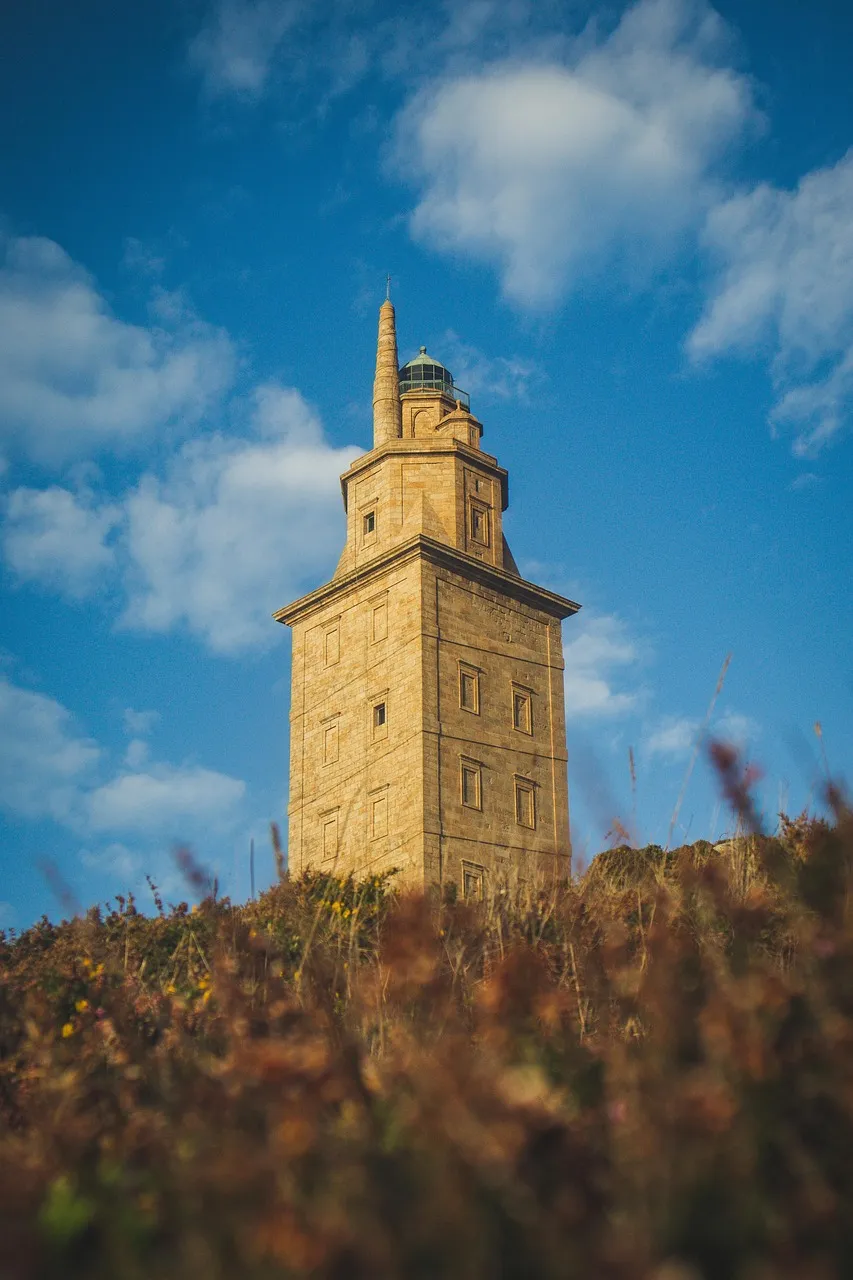
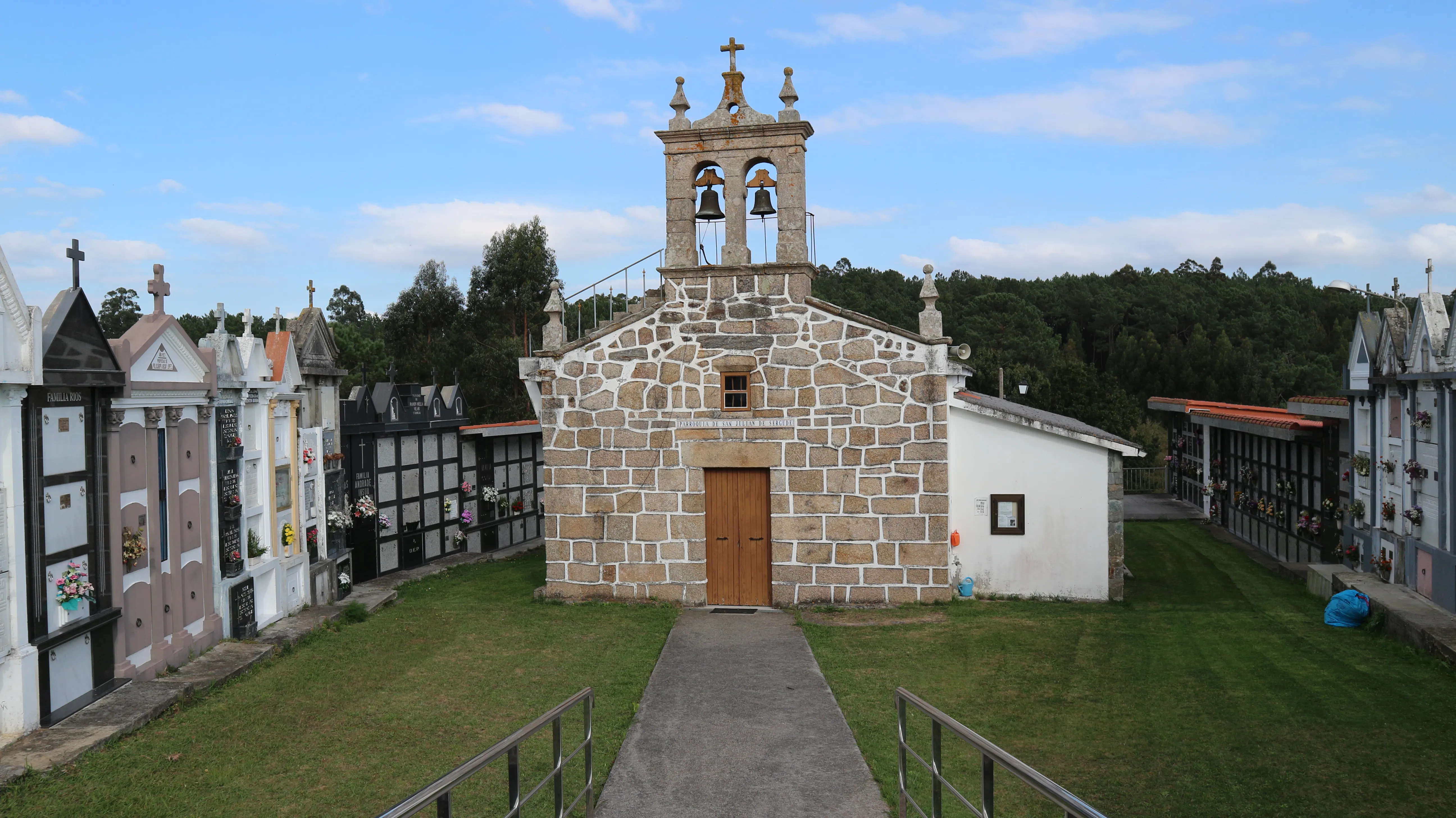
Stage 1: From A Coruña to Sergude
Stage 2: Go to Bruma Hospital
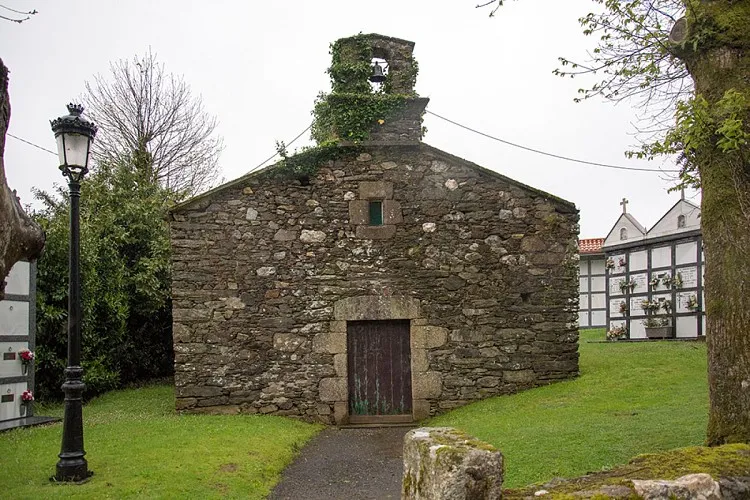
Stage 3: Hospital of Brumath to Segurao
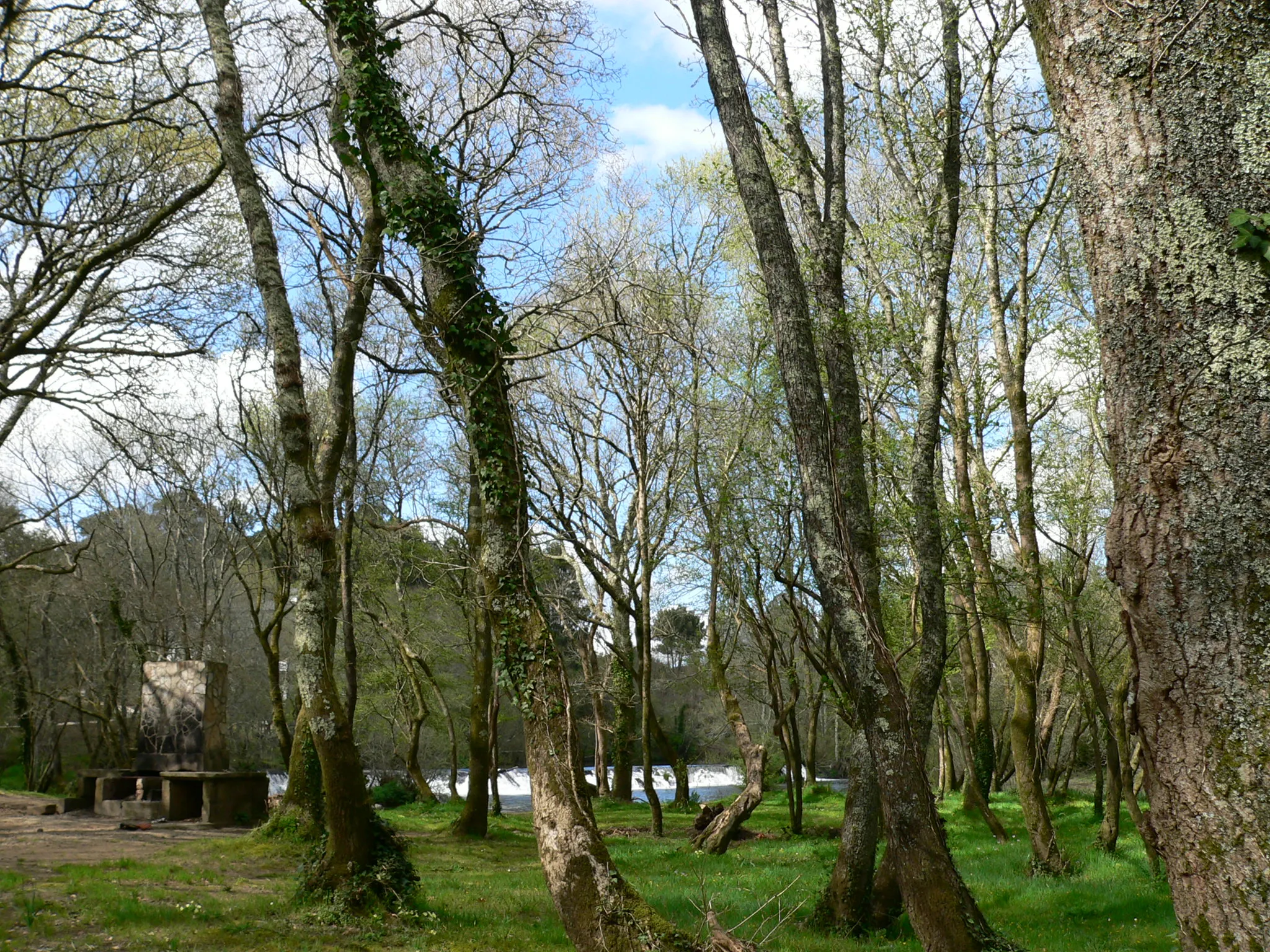
Stage 4: Sigüeiro to Santiago de Compostela
Sea Road
273 km
12
Media
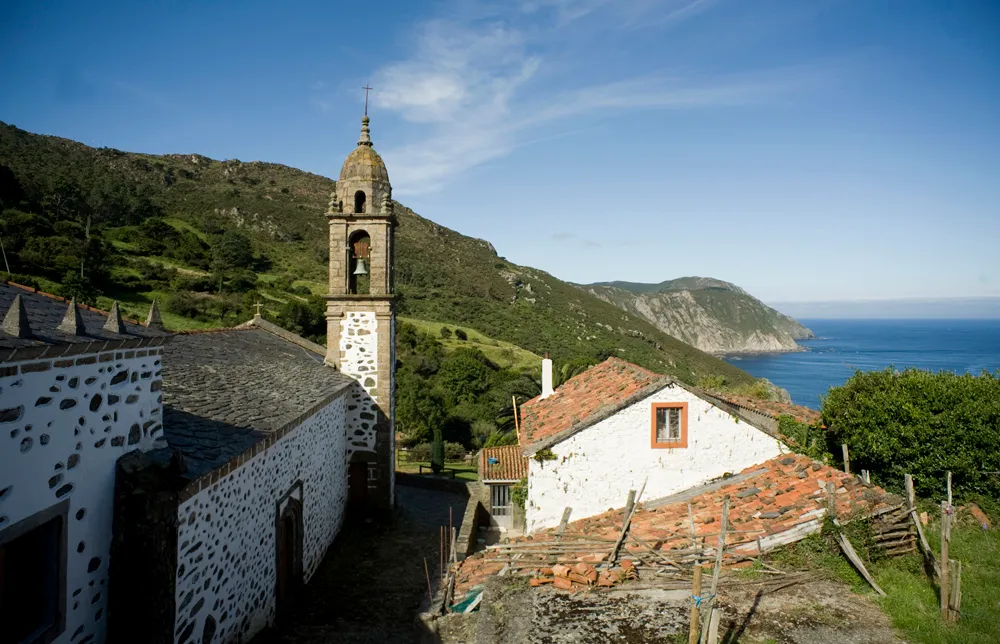
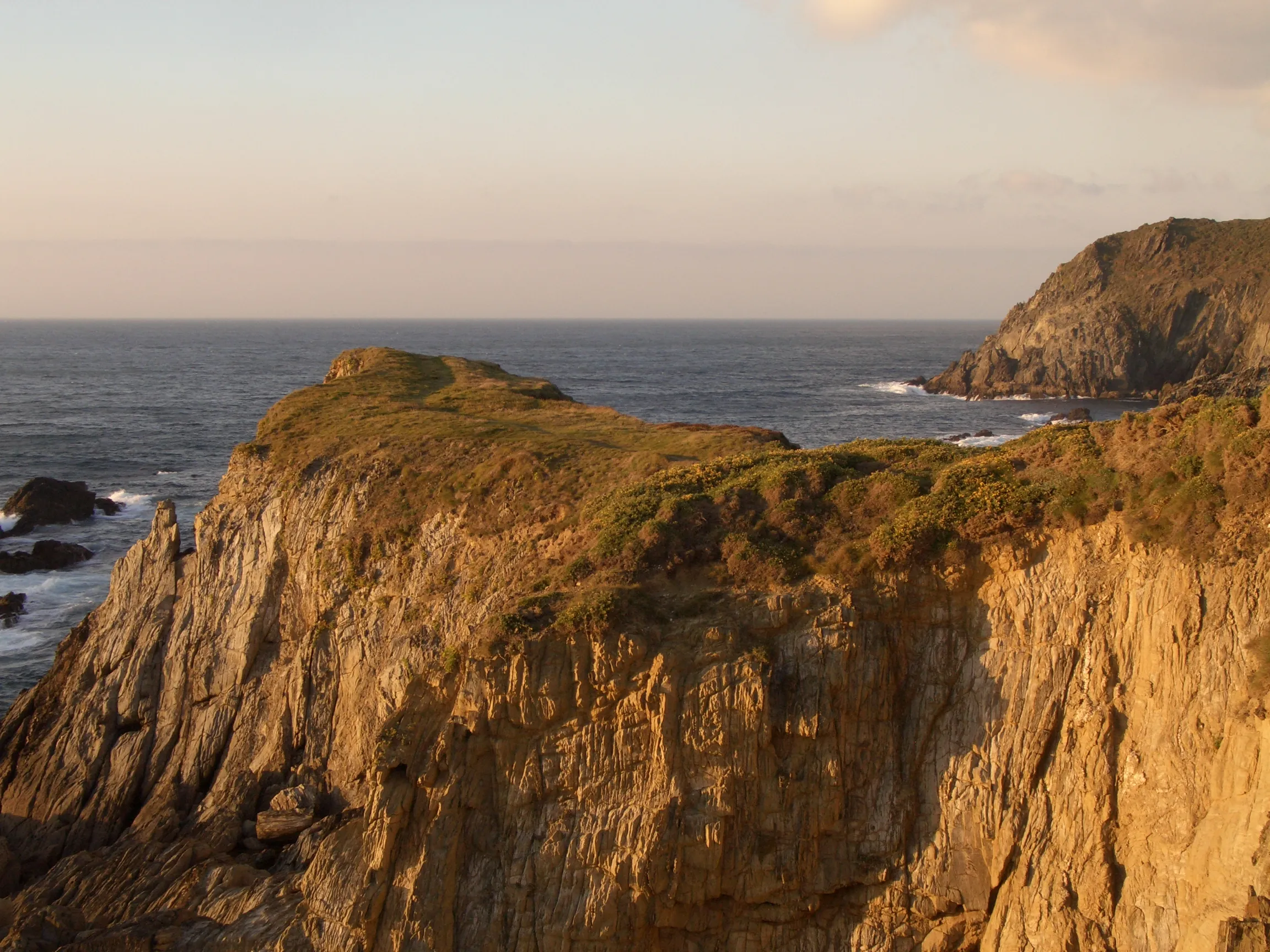
The Way of the Sea is a Jacobean itinerary that follows the Cantabrian coastline of northern Galicia, serving as an impressive link between the Camino del Norte (from Ribadeo) and the Camino Inglés (towards Santiago from Ferrol). This demanding route is characterized by its broken profile and wild beauty, leading the pilgrim through the cliffs of the Sierra de A Capelada, near the magical sanctuary of San Andrés de Teixido.
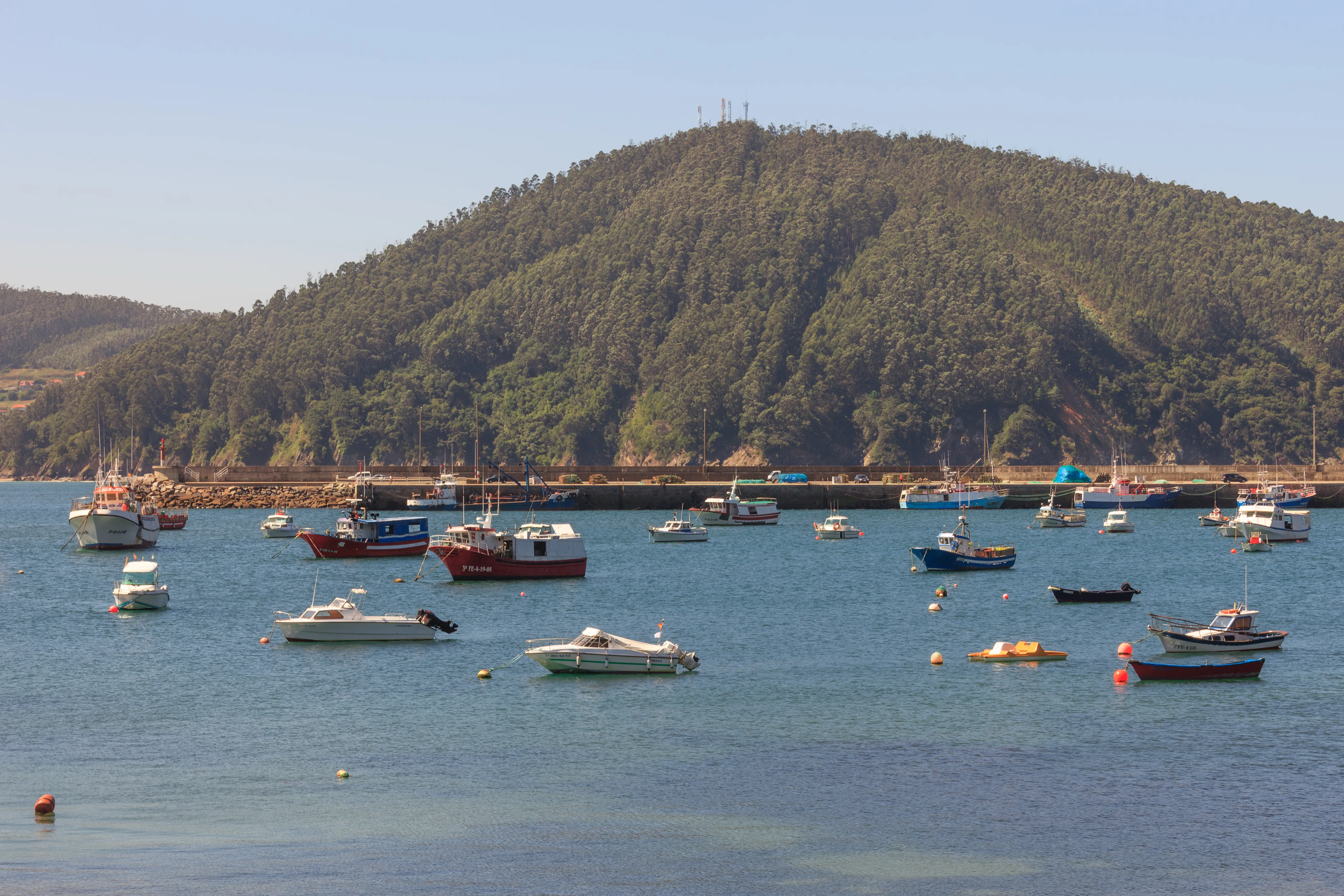
The walker will discover the essence of the High Coast, starting with the famous Cathedral Beach in its early stages, passing through charming coastal villages such as San Cibrao, Viveiro or Cedeira. It is an alternative to the Camino del Norte interior, ideal for those seeking a deep connection with the sea, wild nature and unforgettable landscapes.
Stages of this variant:
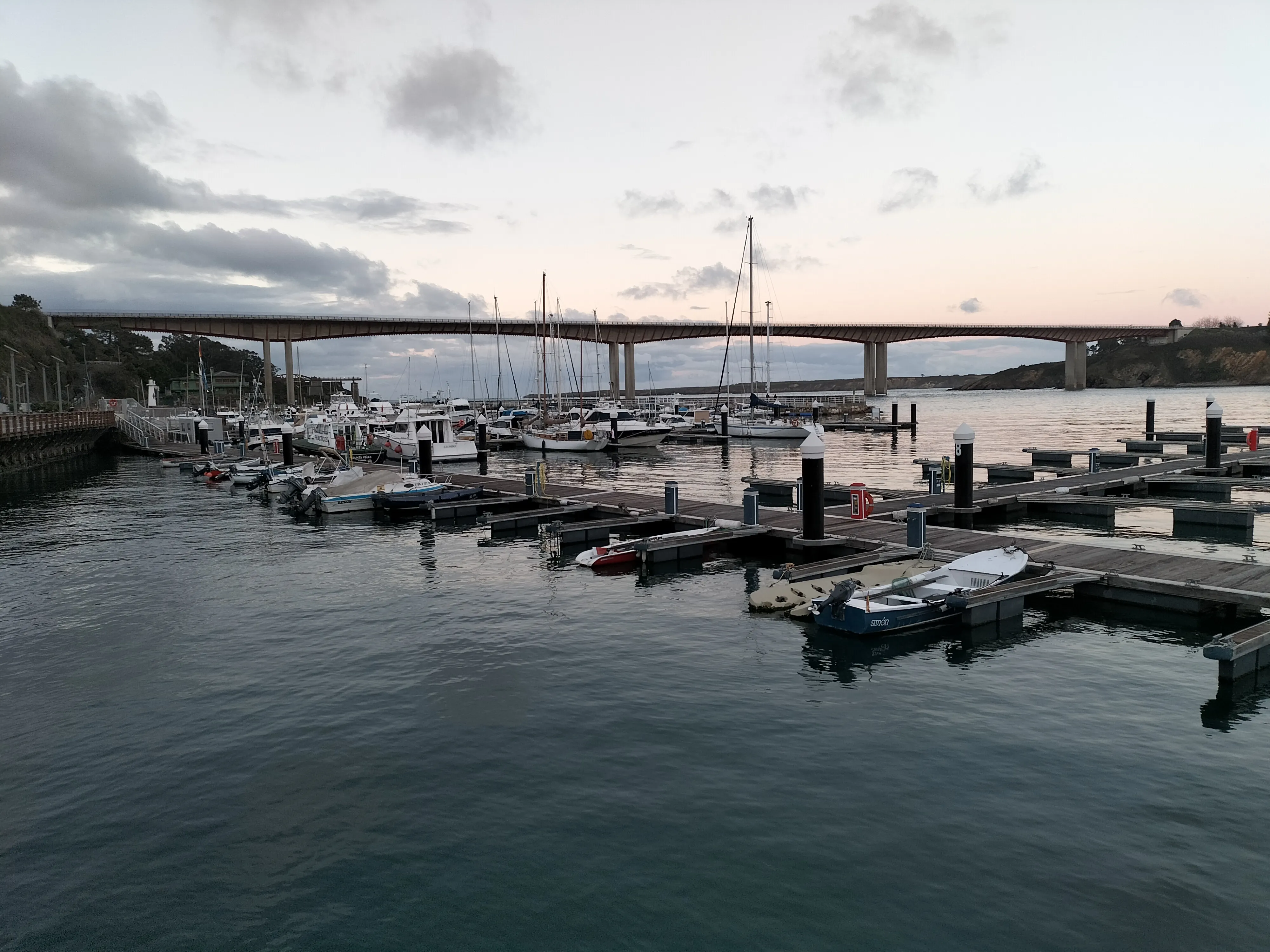
Stage 1: Ribadeo - San Cosme de Barreiros
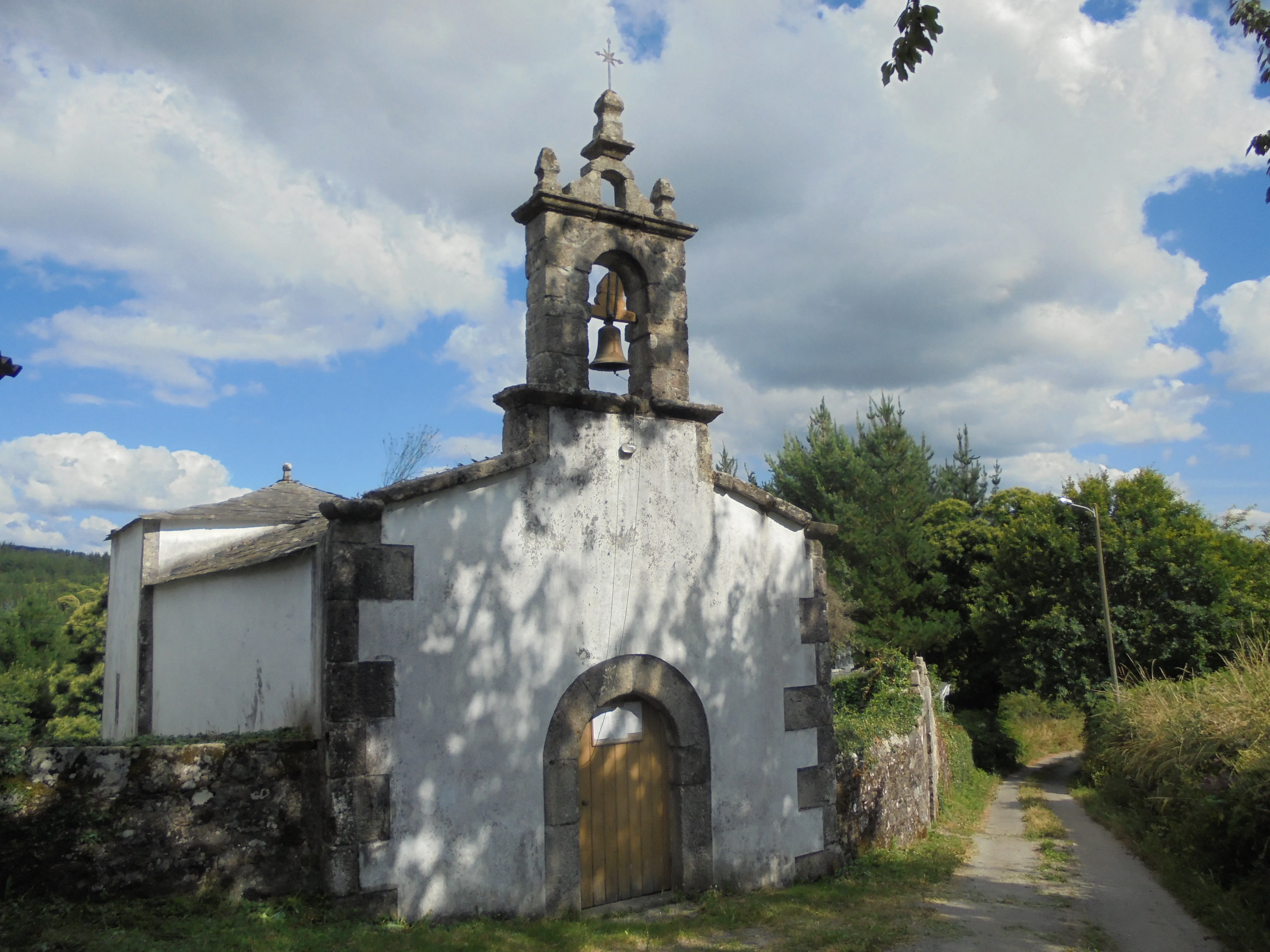
Stage 2: San Cosme de Barreiros - Fazouro
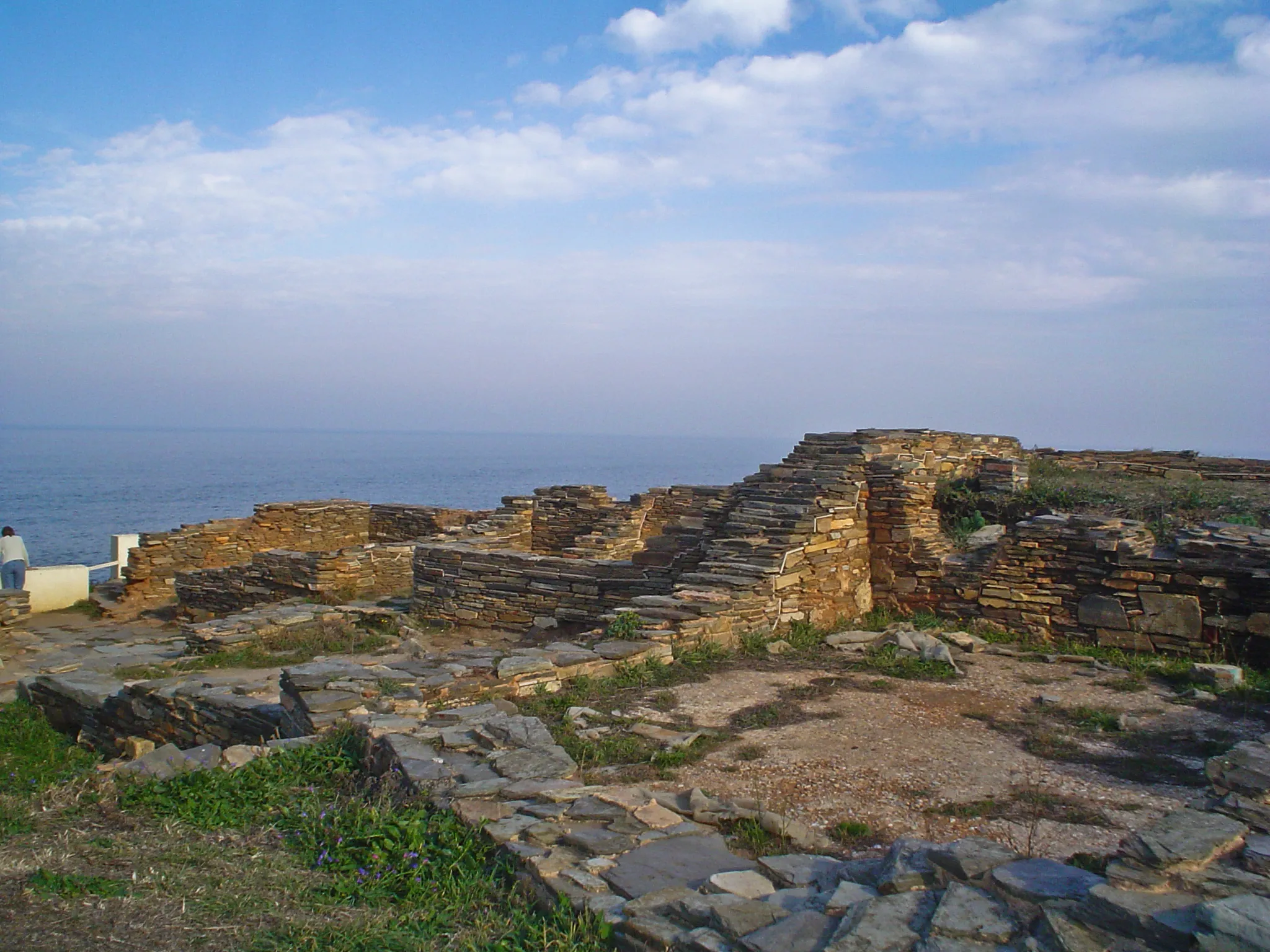
Stage 3: Fazouro - San Cibrao
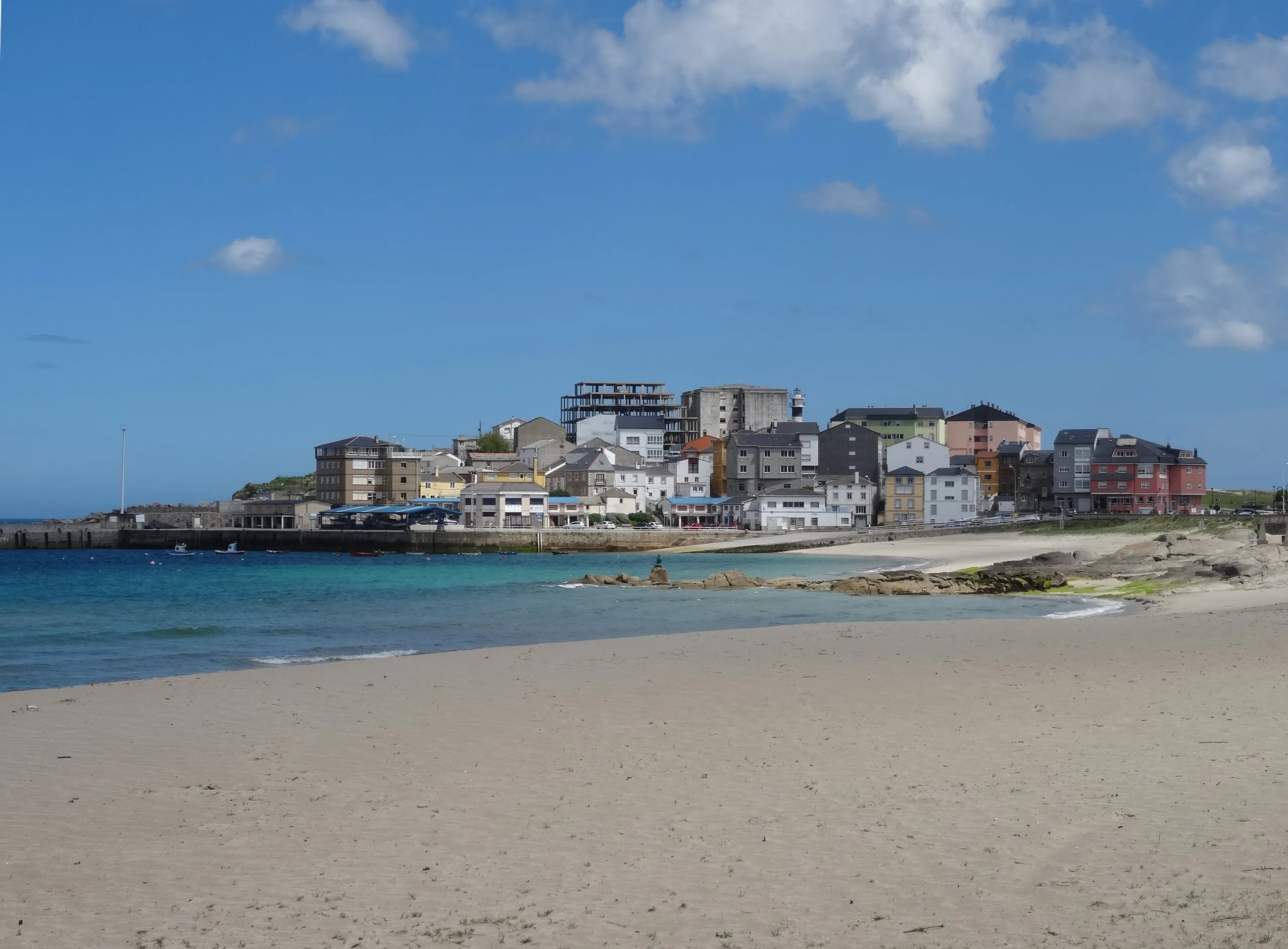
Stage 4: San Cibrao - Viveiro
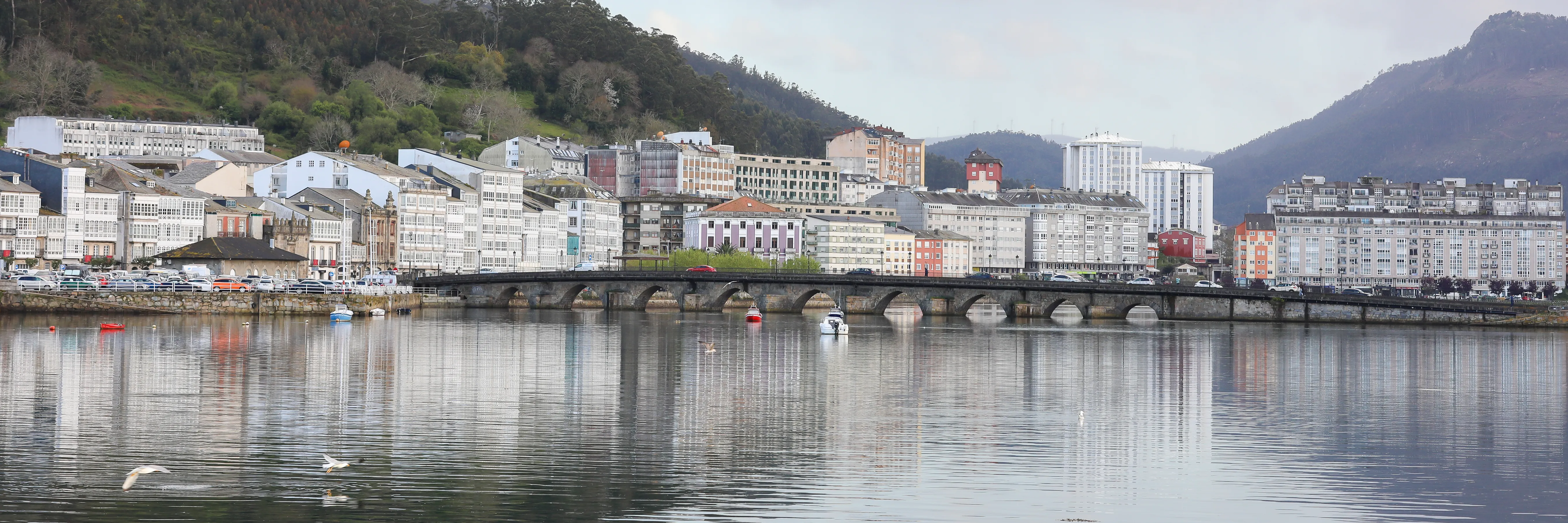
Stage 5: Viveiro - O Vicedo


English: Cycling Camino English
155.2 km
3
Media
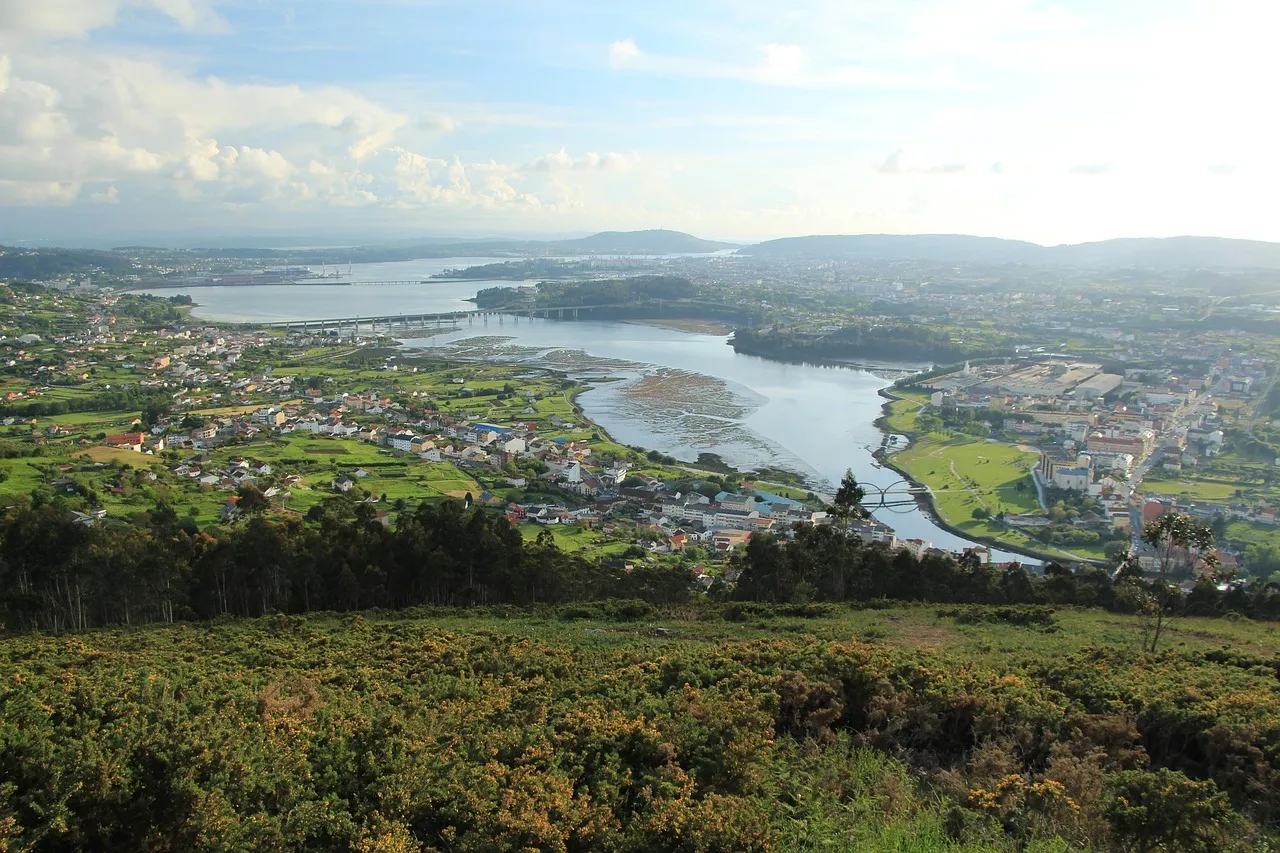
The English Way by bike condenses the historic route of pilgrims arriving by sea into 2 or 3 stages. Starting from Ferrol port, the "bicigrino" passes through coastal landscapes, marina villages like Pontedeume and Betanzos, and rural interior Galicia, until joining the Coruña branch in Hospital de Bruma. With an undulating terrain and demanding hills, it's a short but intense route, perfect for a multi-day getaway to obtain the Compostela.
Stages of this variant:
Stage 1: Ferrol to Betanzos (Bicycle)
Stage 2: Betanzos to Santiago de Compostela (Bicycle)
Stage 3: Go to Bruma Hospital
Elevation Profile of
Elevation Profile of English: Camino English from Ferrol
Visualize the ups and downs of the route.
Loading elevation profile...
Error loading elevation profile or altitude data not available.
Your trip with Ourway
Everything you need for your Camino
No hassle. Your perfect route, from start to finish.
Accommodation
Selected hotels and hostels at every stage
Luggage transfer
Your backpack travels from stage to stage
Camino Guide
Detailed map with directions and services
24h Support
Team available for any unforeseen event
Pilgrim credential
Official documentation included
No commitment
Free personalized consultation
Stages
Stages of English: Camino English from Ferrol
Ferrol → Pontedeume
The first stage of the English Way from Ferrol offers a route that combines urban, industrial and rural sections with beautiful views of the estuary. The departure from Ferrol leads the pilgrim on an ...
Pontedeume → Betanzos
This stage is short but demanding, especially in its first part. The journey begins with a tough and prolonged climb as soon as you leave Pontedeume, testing the pilgrim's legs. Once the ascent is ove...
Betanzos → Bruma
This stage is one of the hardest and most solitary on the English Way. The route enters Galicia's interior definitively, in a continuous rise and fall through a rural and depopulated landscape. It's a...
Bruma → Sigüeiro
This stage is much more comfortable than the previous one, with a predominantly descending profile. From the Bruma plateau, the path begins a gentle descent through a rural landscape of meadows, fores...
Sigüeiro → Santiago de Compostela
Last stage of the English Way to Santiago, shared by the variants from Ferrol and A Coruña. The approximately 17 km link Sigüeiro with the Praza do Obradoiro passing through the Polígono del Tambre an...
Towns
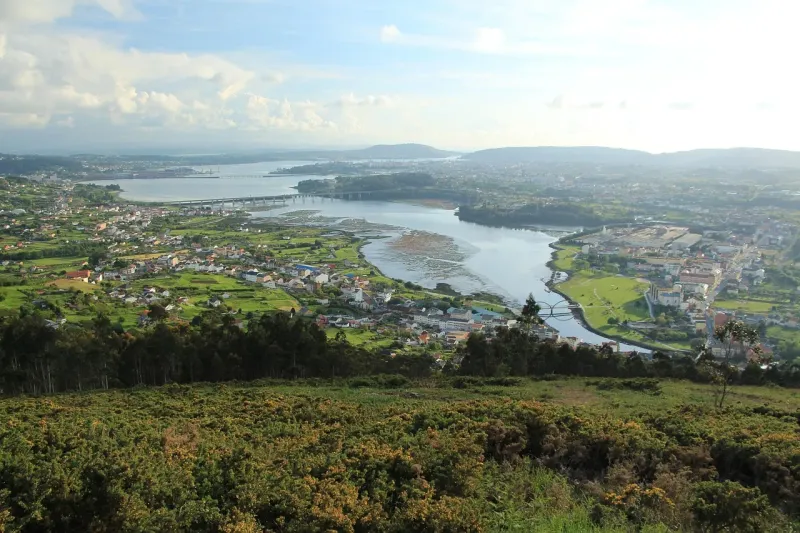
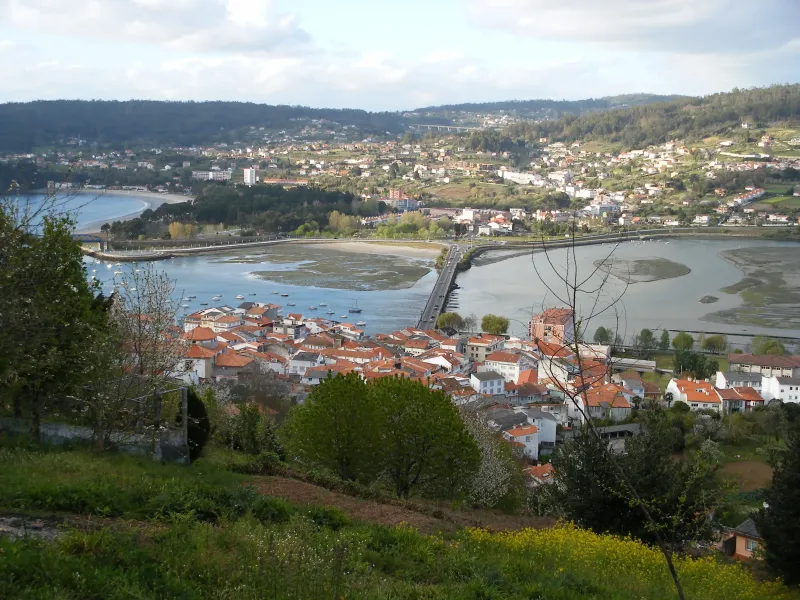
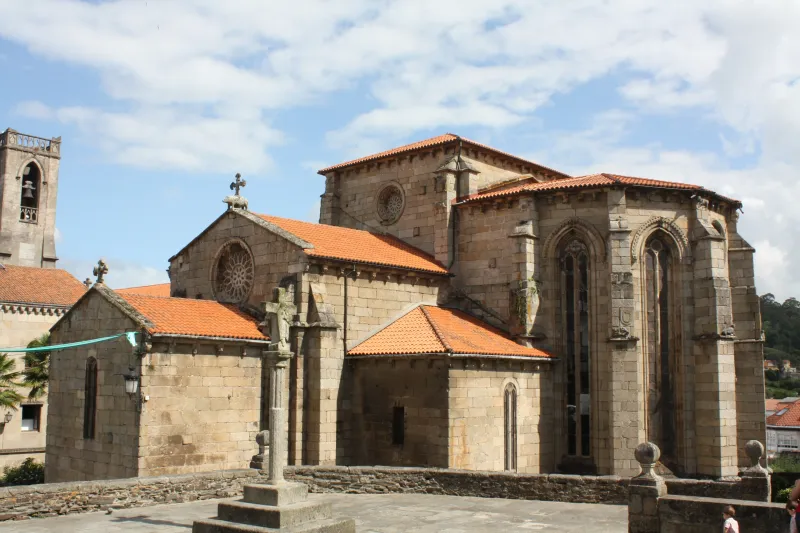
Featured Towns of English: Camino English from Ferrol
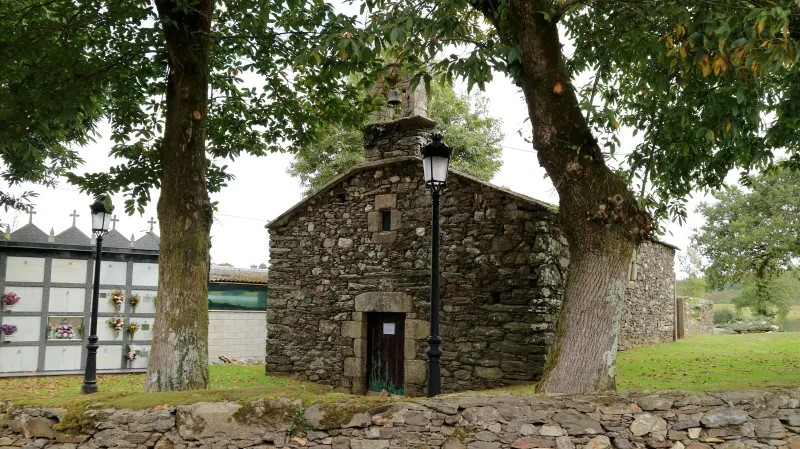
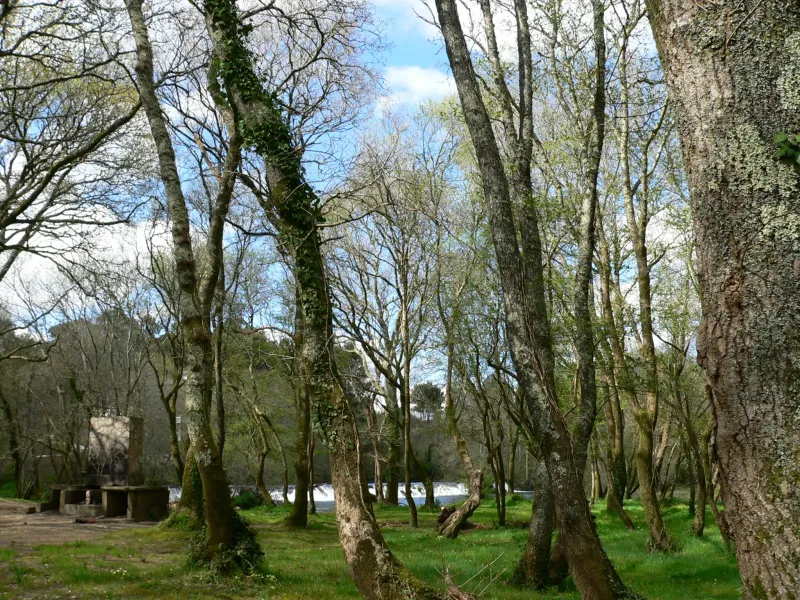
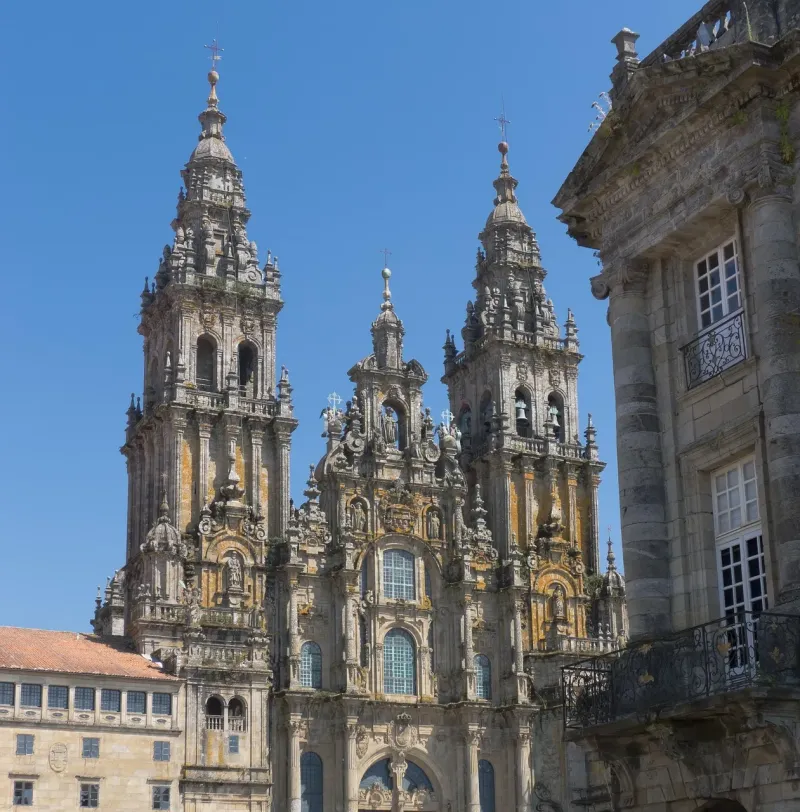
Explore the key towns and cities of this route.
History
Millenary History of the Camino de Santiago: Origins and Evolution English: Camino English from Ferrol
Discover the origins and evolution of English: Camino English from Ferrol
For these northern pilgrims, the sea journey often represented a faster and paradoxically safer option than the long land trek through France. The Galician ports of Ferrol and A Coruña solidified as main landing points, giving rise to two historical variants of this route. From there, pilgrims known as "sailors" or "ocean travelers," embarked on foot the final leg of their journey. The variant starting from Ferrol, with its 119 kilometers, exceeded the minimum distance of 100 km required for obtaining the Compostela certificate, while the A Coruña variant, at around 73 kilometers, was shorter but equally traversed.
The English Way's peak occurred during the 14th and 15th centuries. The Hundred Years' War (1337-1453) between England and France made crossing Galician territory an extremely perilous undertaking for English subjects, leading to a surge in maritime routes towards Galicia that had never been seen before. Chronicles of the time describe the arrival of genuine fleets of ships ("cogs" and "hulks") at Ferrol and A Coruña ports, carrying pilgrims from all social classes. English port cities such as Bristol, Plymouth, Dartmouth, or Southampton became bustling centers for organizing these faith journeys. Pilgrims typically carried a passport and wore a scallop shell to be identified and respected.
The infrastructure of accommodation in Galicia developed to cater to this influx. Hospitals for pilgrims managed by religious orders and military organizations were founded. The most well-known was the Hospital of St. Spiritus in Bruma, established in 1140 by the Order of Santiago, a strategic point where the two variants converged. Other hospitals existed in Neda, Pontedeume, and Betanzos, cities with rich historical cascos that still testify to their Jacobean past.
However, the English Way's fate was tied to England's political and religious situation. In the 16th century, the Protestant Reformation, driven by King Henry VIII and his break with Catholicism, nearly killed this route. The suppression of monasteries and the prohibition on pilgrimages in reforming countries led to a drastic and sudden decline in the number of walkers. The flow of ships ceased, and the route fell into deep forgetfulness for centuries, sustained only by an occasional trickle of devotees.
Its modern revival has been later than other routes but has experienced significant growth in the 21st century. Pilgrims seeking shorter, less crowded, and uniquely charming routes have rediscovered this path. Its recognition as a UNESCO World Heritage Site in 2015, within the expansion of the Northern Routes, was a definitive impulse. Today, the English Way offers an unparalleled Jacobean experience, combining epic history of maritime pilgrimages with the beauty of Galicia's rias, forests, and rural landscapes.
We answer your questions
Frequently Asked Questions about English: Camino English from Ferrol
Is the English Way sufficient to obtain a Compostela?
Yes, but only if you start from Ferrol (119 km). If you begin from A Coruña (75 km), you do not reach the minimum 100 km required for the Compostela on foot. It is one of the shortest routes that allows obtaining the certificate.
How many days do I need for the English Way?
From Ferrol, it's about 119 km that you cover in 5-6 stages (5-6 walking days). It's ideal for those with limited time or looking for an initial experience on the Camino de Santiago.
Why is it called the English Way?
It is named so because it was the route used by pilgrims arriving by sea from England, Ireland, Scandinavia and other northern European countries. They disembarked in the ports of Ferrol or A Coruña and continued on foot to Santiago.
What is the best time to walk the Camino Inglés?
Spring and autumn are ideal. As it runs through Galicia, the climate is mild but rainy all year. Summer is pleasant although there can be coastal fog. Winter is walkable but with more rain. A rain jacket is advisable at any time of year.
Is the Camino Inglés suitable for beginners?
It is one of the best options for beginners. Its stages are short and well-marked, with moderate gradients. The hostel and services infrastructure is good. It can be completed from Ferrol in 5-6 days, making it perfect for a first experience without needing too much free time.
What towns and highlights stand out on the Camino Inglés from Ferrol?
Ferrol with its historic naval arsenal, the Galician estuaries, Pontedeume with its medieval tower, Betanzos with its historic centre declared a Cultural Heritage Site, and finally the arrival in Santiago. The landscape combines coast, Atlantic forest and stone villages.
How much does the Camino Inglés from Ferrol cost?
Being a short 5-6 day route, the total budget is €150-300 including hostel accommodation, meals and return transport. It is one of the most affordable routes due to its short duration.
How do I get to Ferrol to start the Camino Inglés?
Ferrol has train connections from A Coruña and Santiago de Compostela, and bus services from several Galician cities. From Madrid there is a direct train or with a change in A Coruña. The nearest airport is A Coruña, 45 minutes by car.
Organize Your Camino
Ready for this adventure?
English: Camino English from Ferrol