
Complete Guide to Mozarab Path from Granada
From the city of the Alhambra to Merida, connecting with the Via de la Plata.
Last updated: 28/03/2026
Table of Contents
Technical Summary of Mozarab Path from Granada
385 km
Distance
16
days
8
Stages
Alta
Difficulty
105 accommodations available on the route
Introduction to Mozarab Path from Granada
All Stages of Mozarab Path from Granada
Complete route divided into 8 stages
Granada to Pinos Puente
The Camino Mozárabe begins in the monumental city of Granada. This first stage is a transition day that allows the pilgrim to say goodbye to the Alhambra city and enter the fertile Vega de Granada. Th...
Pines of Pontevedra to Moclín
This stage represents the first major challenge of the Mozárabe Way from Granada. The route leaves the valley to face a difficult and sustained ascent into the Western Mountains. The landscape changes...
Move to Alcalá la Real
This journey takes the pilgrim from Granada province to Jaén province through an olive grove sea. The profile is a continuous rise and fall, typical of Andalusian landscape terrain. The route runs on ...
Alcala la Real to Alcaudete
This stage joins two of the most impressive fortresses on ancient Nazari frontiers. Leaving behind the Mota Fortress in Alcalá la Real, the path enters a sea of olives, an iconic landscape of the prov...
Alcaudete to Baena
This stage is one of the most representative of the Meseta, a 17 km long straight road along the ancient Roman road Vía Aquitania. The route is flat, monotonous and without shadows, an authentic menta...
Baena is located at Castro del Río.
This is a short and gentle stage that runs through the fertile Cordobesan countryside. The landscape is dominated by olive groves, which produce one of the world's most famous oils. The path is comfor...
Castro del Río - Santa Cruz
This stage enters the Cordobesan countryside on a route combining sections of the ancient Roman road with trails between vineyards and olive groves. It is a day of great beauty and solitude. The arriv...
Castro del Río to Córdoba
This stage has as its destination one of the most fascinating cities in history: Córdoba. The route is long but mostly flat, following the Guadajoz River valley and entering into the countryside. The ...
Key Towns of Mozarab Path from Granada
The most important towns and cities on this route.
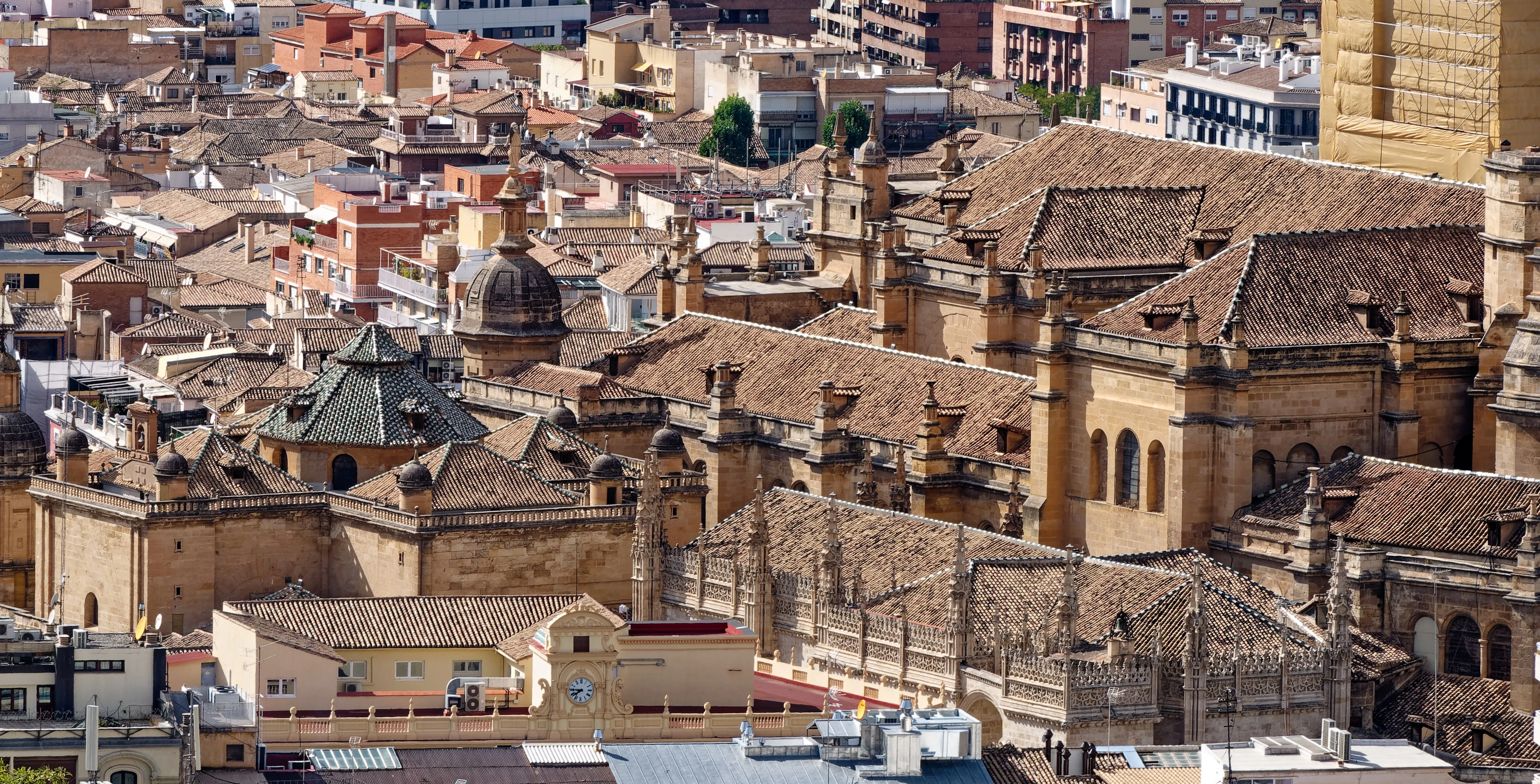
Granada
Birthplace of the Alhambra and starting point of a branch of the Moorish Way. A magical beginning to pilgrimage, from the last Nasrid kingdom to the tomb of the Apostle.
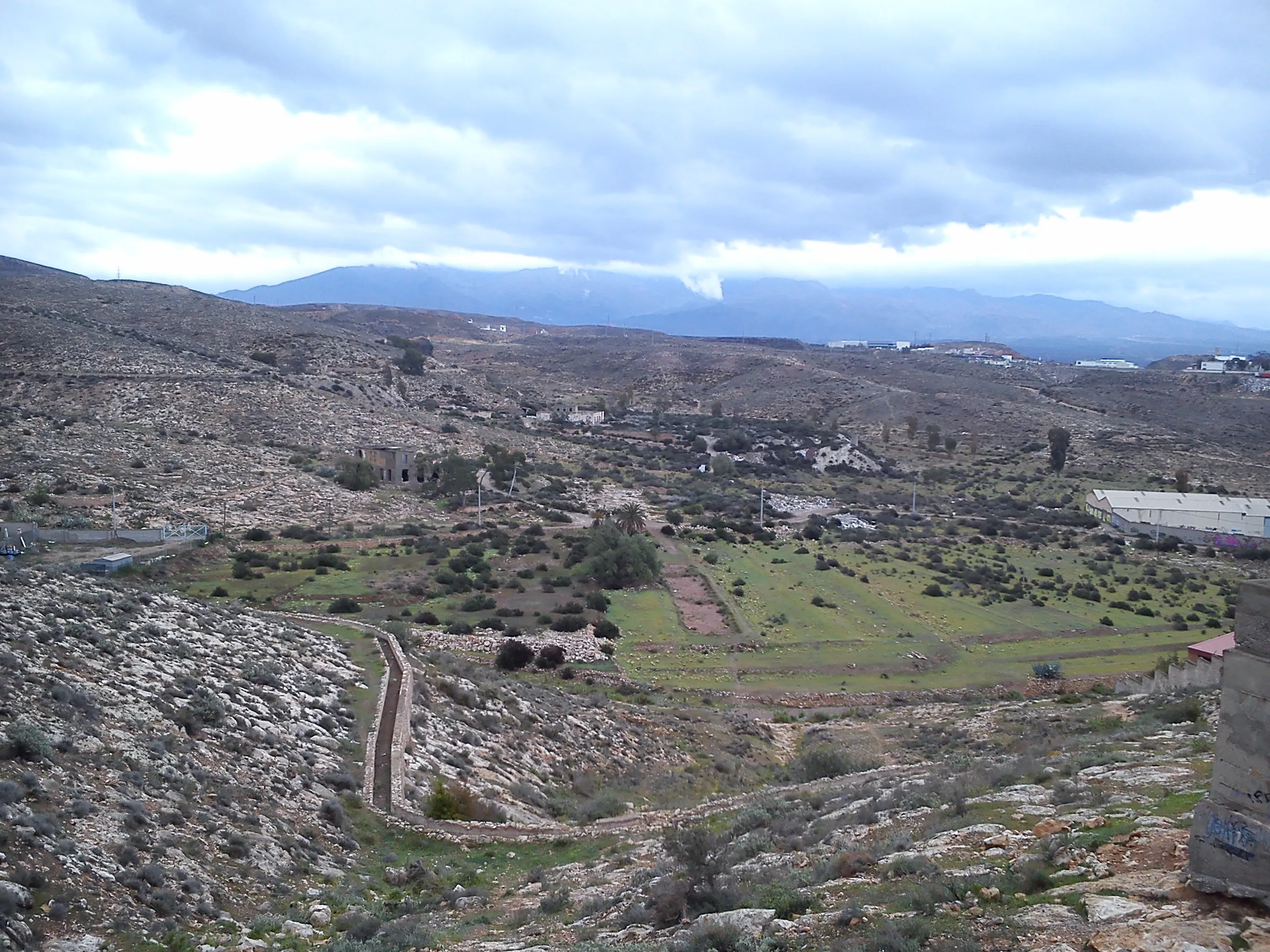
Pinos Puente
Small Andalusian town in the valley of the River Genil. Pinos Puente, with its historic 16th-century bridge, is a functional stop on routes leading to Córdoba or Santiago.
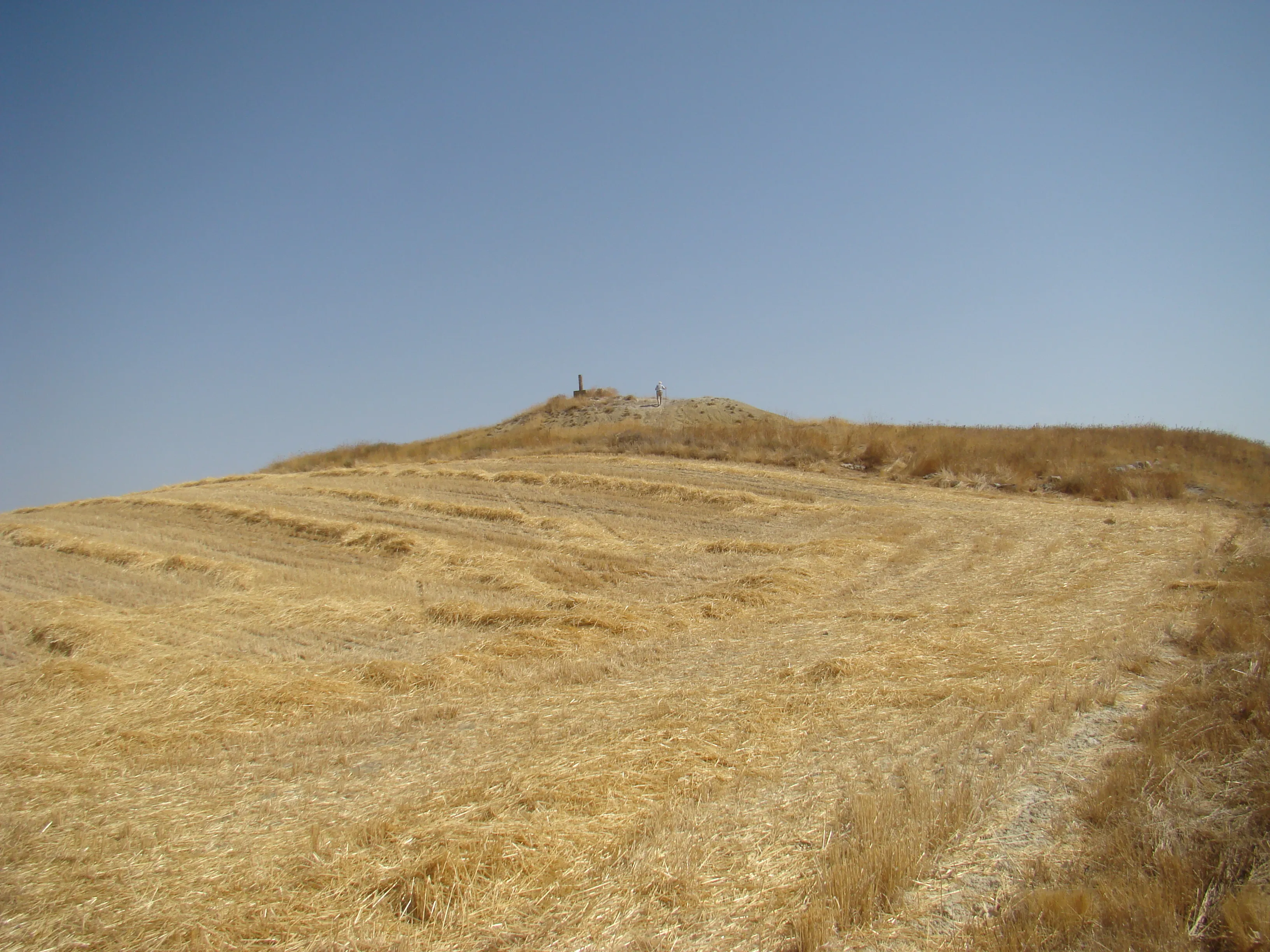
Moclin
Nazarine fortress on a hill. Mosque and its imposing castle offer the pilgrim of the Mozarabic Way breathtaking views and an immersion in the history of the border of the Kingdom of Granada.
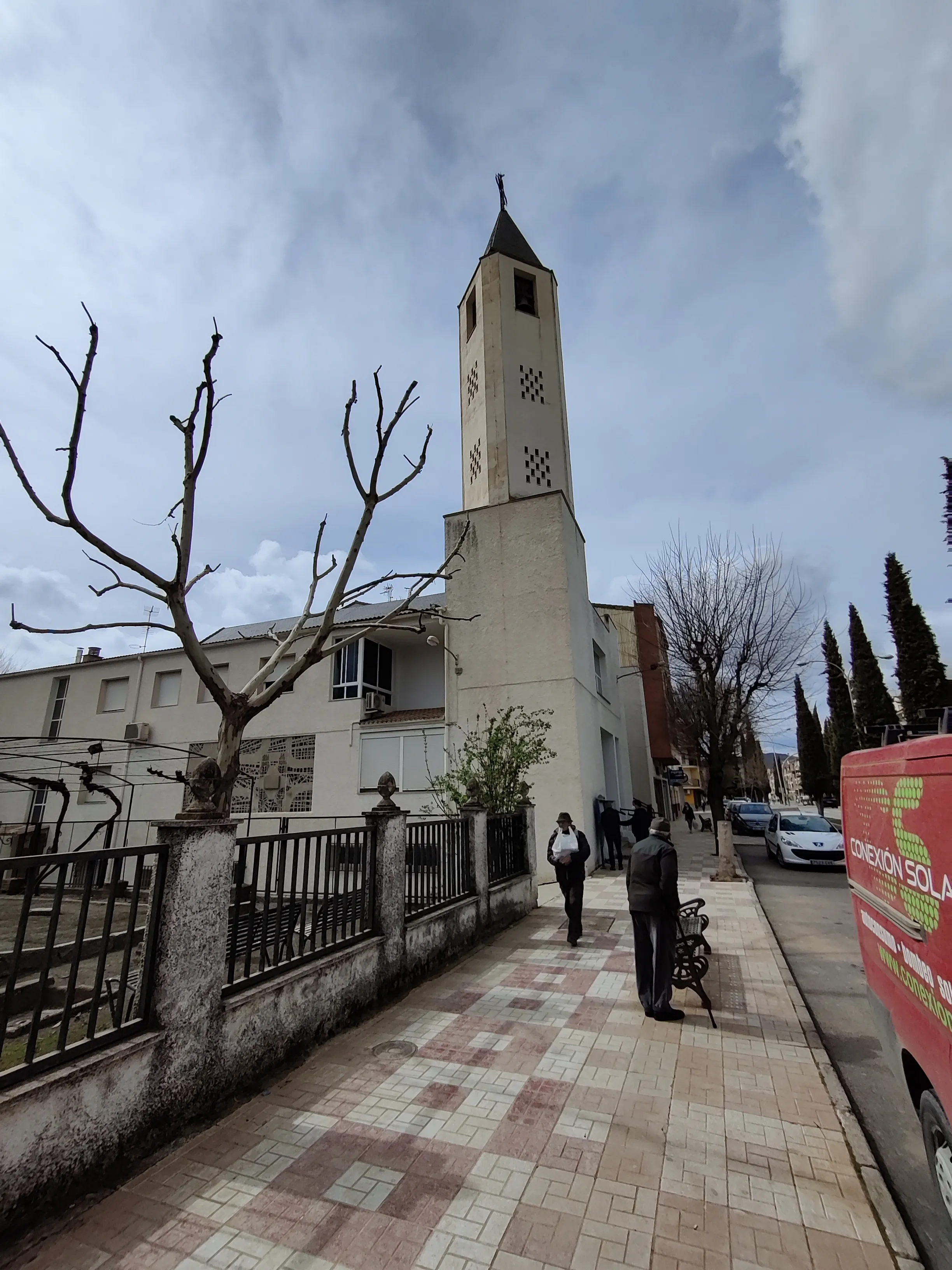
Alcalá la Real
City of Jaén crowned by the majestic Fortaleza de la Mota. Alcalá la Real is a monumental landmark on the Mozarabic Way, a stopover for traveling through the history of the Andalusian border.
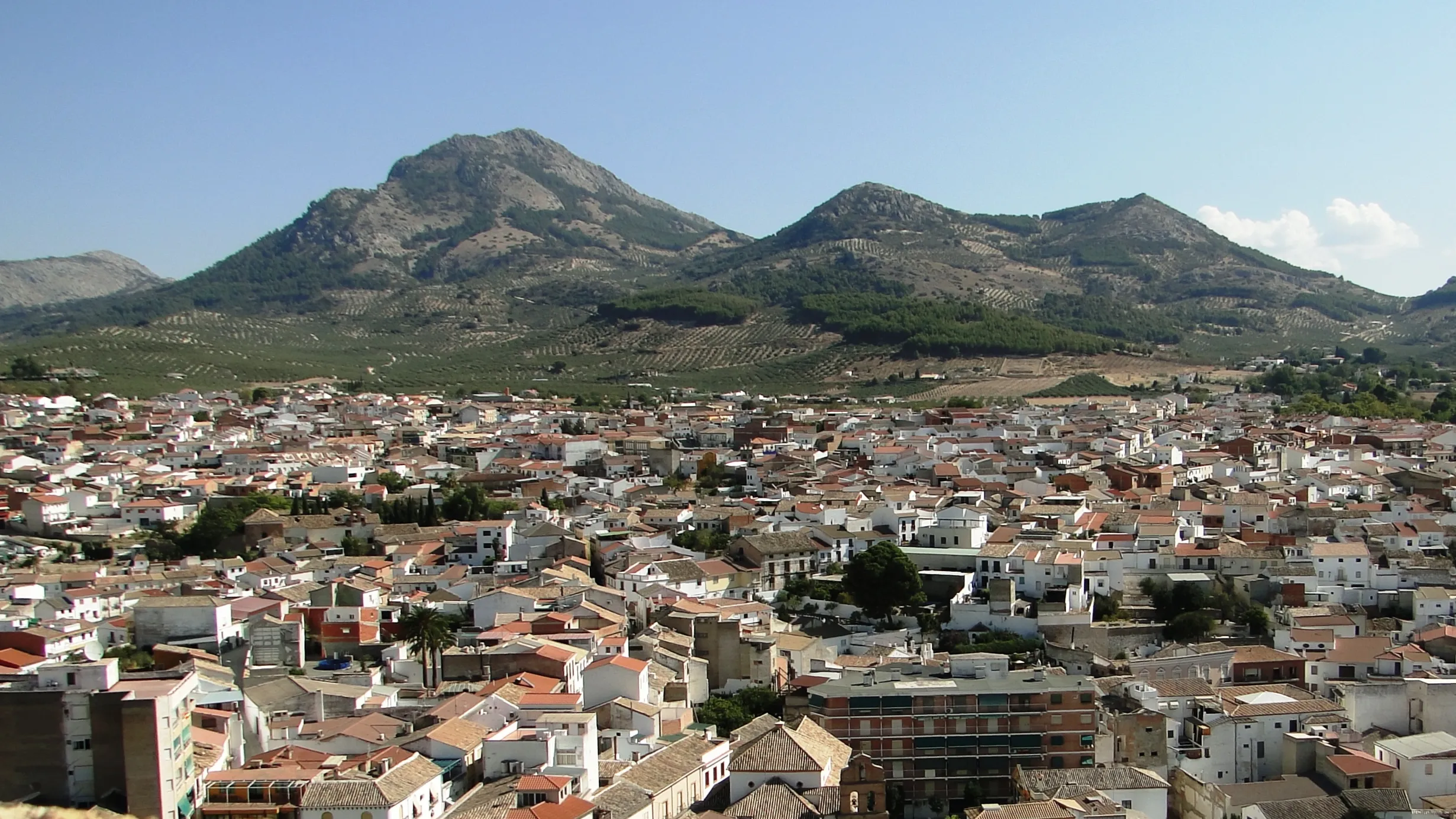
Alcaudete
Alcaudete is crowned with an imposing Calatrava castle. Alcaudete is a monumental stop on the Mozarabic Route, a place to immerse oneself in the history of border strongholds.
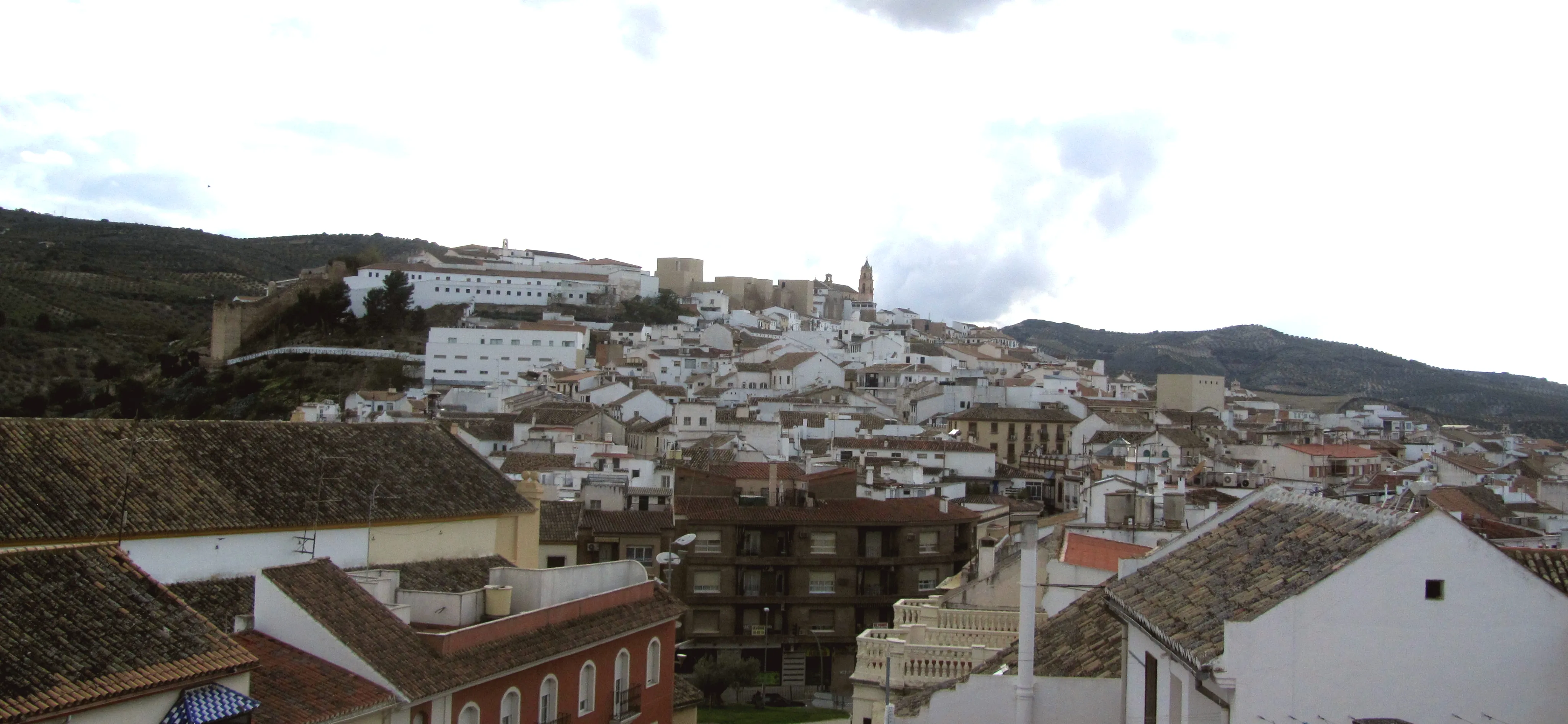
Baena
Heart of the Denomination of Origin for olive oil. Baena offers the pilgrim of the Mozarabic Way a stop to enjoy the "liquid gold" and its rich Cordoban historical heritage.

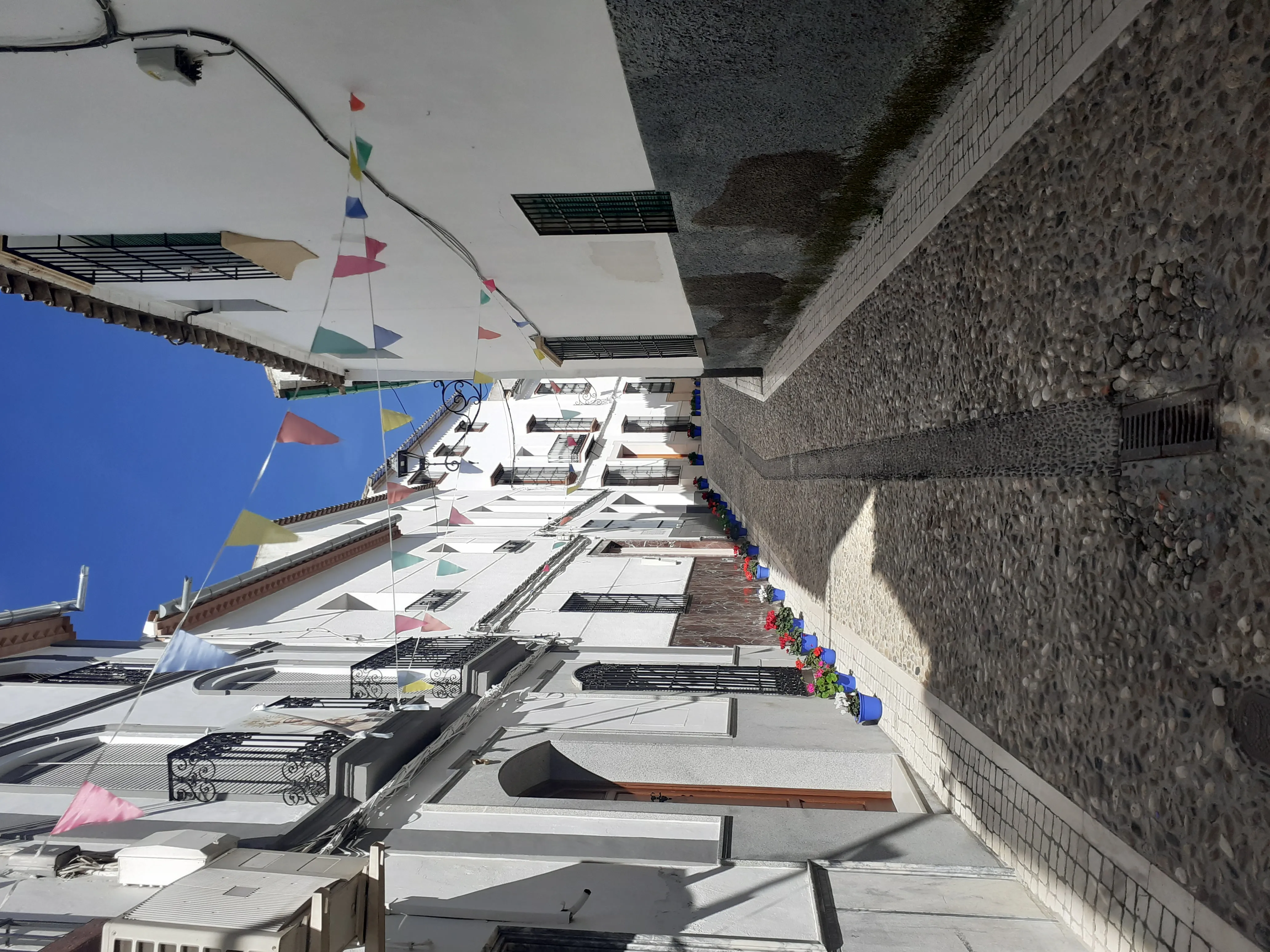
Santa Cruz
330 mVillage belonging to Montilla, in the Cordoba countryside.
Castro del Río
Castro del Río is a charming stop on the Moorish Way, where history and craftsmanship come together.
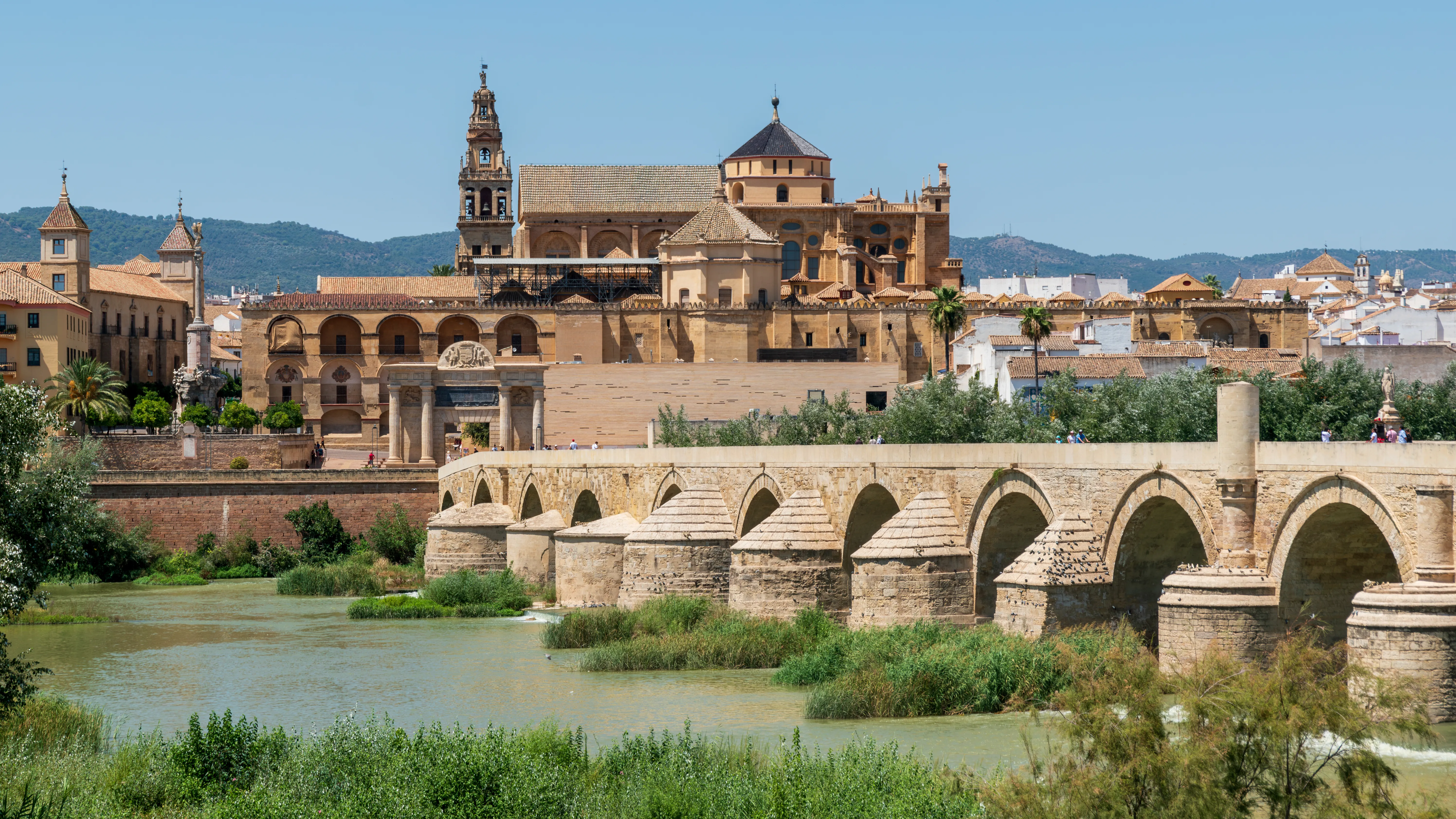
Córdoba
Old capital of Al-Andalus and the starting point of the Camino Mozárabe. Its Mezquita-Cathedral, World Heritage Site, offers a spiritually unique beginning to the route.
History of Mozarab Path from Granada
During the Middle Ages, Granada was the capital of the Nasrid Kingdom, the last Islamic state in the peninsula, until its conquest by the Catholic Monarchs in 1492. In this environment of refined Muslim culture, a Mozarabic community lived, although minor, which kept their faith alive. For these Christians, the pilgrimage to Santiago was a way to connect with the rest of Christendom and an act of religious identity. Their journey began in a city that was itself a symbol of Islamic power and culture, adding a special dimension to its pilgrimage.
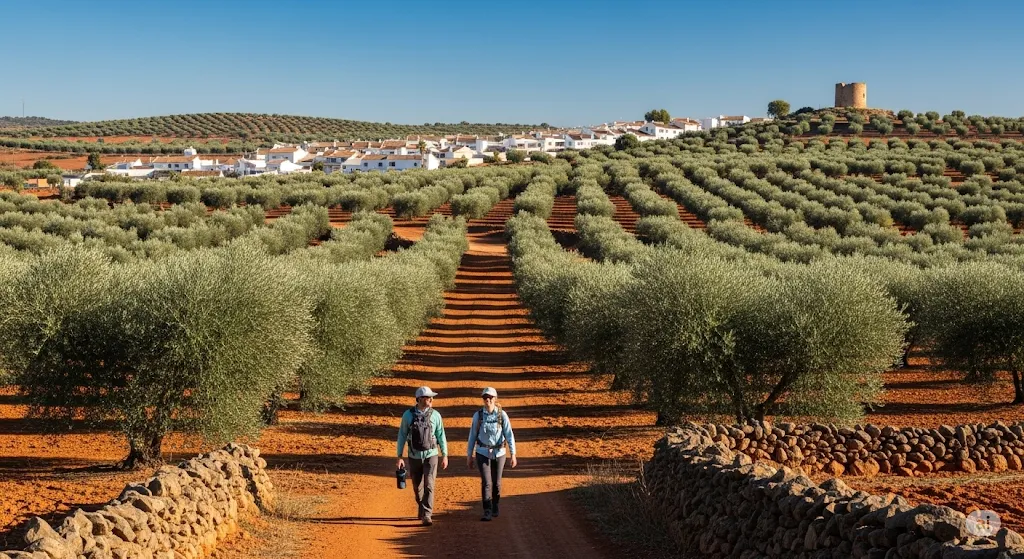
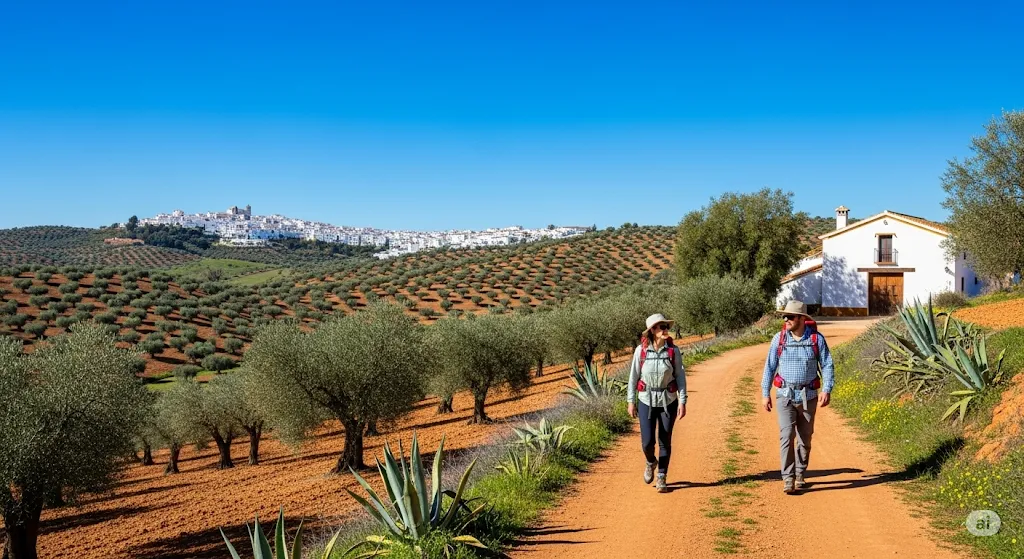
The path starts from Granada and heads northwest, crossing the fertile Vega de Granada. Soon, the landscape transforms into the olive tree plain that characterizes the provinces of Granada, Jaén, and Córdoba, an unique image in the world. The first major obstacle and strategic milestone was the fortress of La Mota, in Alcalá la Real. This impressive fortress, located on a border hill, was for centuries a key point in defending the frontier between Castile and Granada. Its conquest was fundamental to Christian progress.
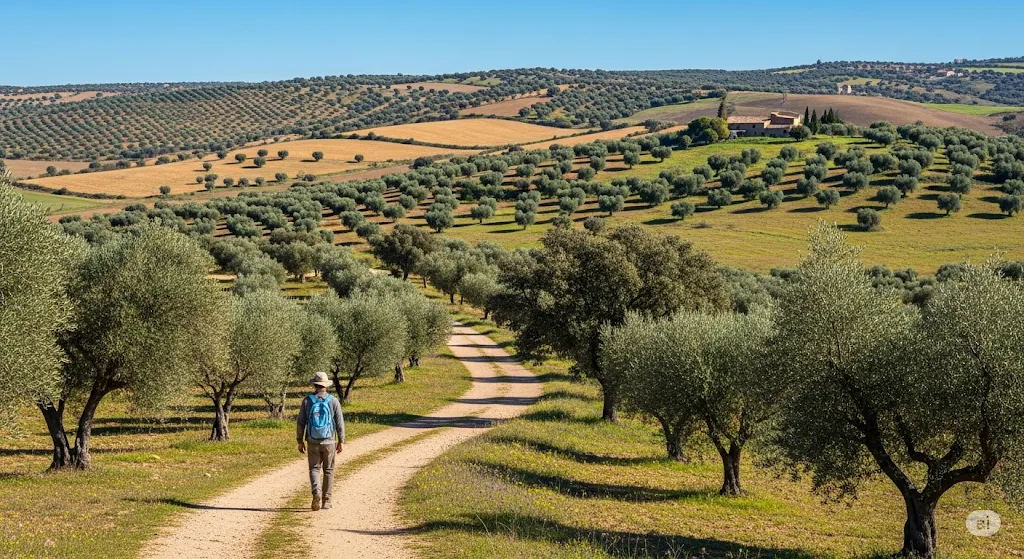
The route continues through the countryside, passing by villages with great olive tree tradition such as Baena and Castro del Río, in the province of Córdoba. This section of the path is deeply linked to the culture of olive oil, the "liquid gold" that has been the backbone of these lands for millennia. The pilgrim walks along rural paths surrounded by a landscape of gentle hills and plateaus covered with olive leaves.
The goal of this first major section of the path was to reach the city of Córdoba. As an ancient capital of the Omeya Caliphate, Córdoba had been the central nerve of Al-Ándalus, and it remained a monumental and strategically important city of the first order. For Mozarabic pilgrims, Córdoba was the great meeting point. Here, travelers coming from Granada joined those arriving from Almería, Málaga, and Jaén. Together, they formed a larger and safer contingent to face the next stage of the journey: crossing Sierra Morena and entering Extremadura.
From Córdoba, the unified Mozarabic Way heads north to link with the Via de la Plata in the Roman city of Mérida. The recovery of the route from Granada has consolidated an itinerary of exceptional cultural richness and landscape beauty. Although demanding due to summer heat, it is better equipped with services than other more remote trails. Starting a pilgrimage to Santiago from the Alhambra palaces is an unique experience, a journey that reflects the complex and fascinating history of coexistence and conflict that forged Spain's identity.
Accommodations on the Route
The Mozarab Path from Granada has 105 verified accommodations along the entire route.
View Stages & AccommodationsPractical Tips for Mozarab Path from Granada
Best Season
Spring (April-June) and autumn (September-October) are the best seasons. Pleasant temperatures and fewer crowds than summer.
Physical Preparation
Train by walking progressively in the months before. Start with short distances and increase. Your body will adapt to the rhythm of the Camino.
What to Pack
Light backpack (max 10% of your weight), worn trekking shoes, breathable technical clothing, raincoat, sunscreen and basic first aid kit.
General Tips
Carry the pilgrim credential, stay hydrated, respect your pace, book accommodation in high season and enjoy the journey without rushing.
FAQ about Mozarab Path from Granada
El Camino Mozárabe desde Granada tiene una duración estimada de 16 días. Esta ruta, que parte de la monumental Granada hasta Mérida, ofrece un desafío moderado a alto para los peregrinos, con una distancia total de 385 km.
La mejor época para realizar este camino son los meses de mayo y septiembre. Durante estos periodos, se disfruta de un clima agradable con temperaturas que oscilan entre 10-25°C, combinando la belleza del verano temprano con el otoño tardío sin ser demasiado caluroso ni frío. Además, el número de peregrinos es moderado, permitiendo una experiencia más tranquila.
Al reservar el Camino Mozárabe desde Granada a través de Ourway Travel, se ofrece un servicio integral que incluye: asesoramiento personalizado sobre itinerarios y alojamientos; gestión completa del traslado de equipaje entre etapas; y la obtención de la credencial oficial para peregrinos. Además, contará con soporte 24/7 durante el viaje.
El Camino Mozárabe desde Granada es una alternativa única que combina historia y cultura islámica con la tradición cristiana de peregrinación a Santiago. Diferente del Camino Francés, este itinerario ofrece un recorrido más auténtico y menos transitado, ideal para quienes buscan un viaje inmersivo en el patrimonio andaluz. Ourway Travel te guía a través de esta experiencia única.
La dificultad del Camino Mozárabe desde Granada se clasifica como alta, debido a la distancia total de 385 km y el recorrido que atraviesa terrenos montañosos en Andalucía. Sin embargo, Ourway Travel te ayuda a prepararte adecuadamente para este desafío, proporcionando asesoramiento sobre las etapas más exigentes y recomendaciones de itinerarios.
Para reservar el Camino Mozárabe desde Granada a través de Ourway Travel, simplemente visita nuestra página web y completa nuestro formulario de reserva. Nuestro equipo experto se pondrá en contacto contigo para confirmar los detalles del itinerario y gestionar cualquier solicitud adicional que puedas tener.
Ourway Travel se encarga del transporte diario de tu equipaje pesado a lo largo del recorrido del Camino Mozárabe desde Granada. Esto significa que podrás viajar ligero entre etapas, disfrutando plenamente de la experiencia sin preocuparte por las pertenencias pesadas.
El Camino Mozárabe desde Granada es una ruta cargada de historia que conecta dos importantes capitales del Al-Ándalus, Granada y Córdoba. Este camino recuerda la persistencia de la fe cristiana en los últimos reinos musulmanes de la península ibérica durante la Edad Media, antes de su conquista por los Reyes Católicos. Ourway Travel ofrece información detallada sobre estos aspectos históricos para una experiencia más rica y significativa.
Ready for this adventure?
Let us organize your pilgrimage. We take care of accommodations, transfers and everything you need.