
Camino de Santiago
Mozarab Path from Granada
From the city of the Alhambra to Merida, connecting with the Via de la Plata.
Organize your Mozarab Path from GranadaLast updated: 23/05/2025
The Route
General Description of Mozarab Path from Granada
Related Routes
Connections of Mozarab Path from Granada
Way of the Plate
963.6 km
38
High
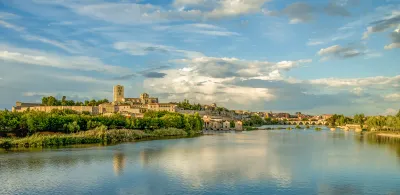
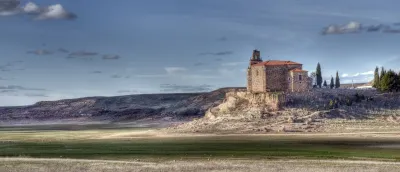
The Silver Way (La Vía de la Plata) is the longest of the Camino de Santiago paths in Spain, with almost 1000 km. Its route, which starts in Seville, largely follows the ancient Roman road that connected Mérida to Astorga. It traverses Andalusia, Extremadura and Castile and León, offering pilgrims two options in Granja de Moreruela (Zamora): continue on to Astorga to link with the French Way or take the Sanabrés Way directly to Galicia.
It is a route of immense historical and monumental wealth. Due to its length and high temperatures in its southern section, it requires excellent planning. It offers diverse landscapes, from the extreme dehesas to the plains and mountains of Castile and León.
Stages of this variant:
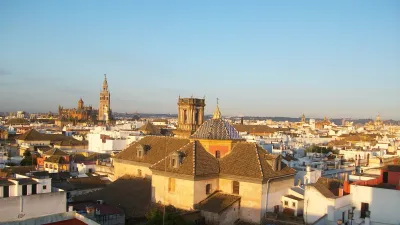
Stage 1: Sevilla to Guillena
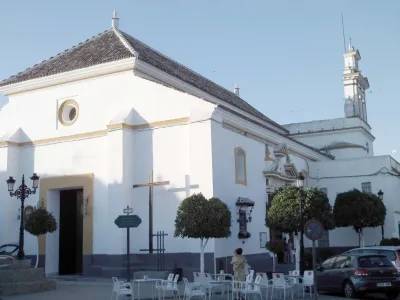
Stage 2: Guillena to Castilblanco de los Arroyos
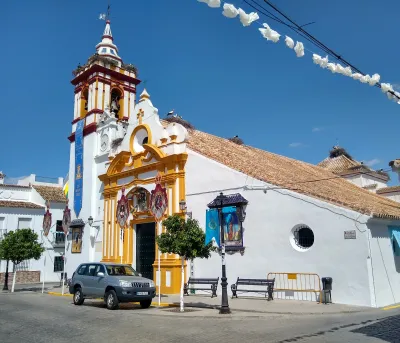
Stage 3: Castilblanco de los Arroyos to Almadén de la Plata
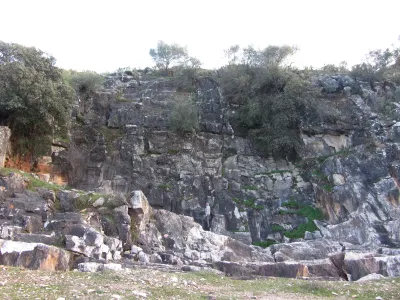
Stage 4: Almadén de la Plata to Monesterio
Stage 5: Monesterio to Fuente de Cantos

Way of Mozarab from Almería
590 km
24
High
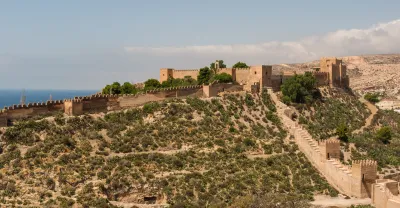
Starting from Almería, this historic branch of the Mozarabic Way traverses contrasting landscapes, from the coast to the Extremaduran grasslands, connecting with the Via Plata in Mérida after a demanding journey. It is a path of deep Andalusian heritage.
Stages of this variant:
Stage 1: Almería to Rioja
Stage 2: Rioja - Alboloduy
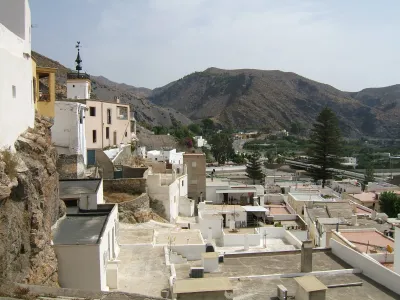
Stage 3: Alboloduy - Abla

Stage 4: Abla - Huéneja
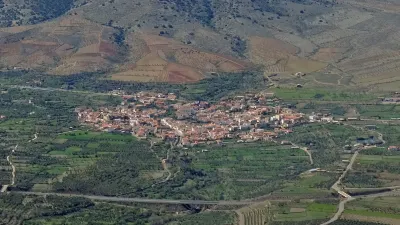
Stage 5: Huéneja - Alquife

Mozarabic Way from Málaga
400 km
17
High
The Mozarabic Way from Málaga allows pilgrims to start their journey from the Mediterranean coast, ascending through the Malagueña mountains and entering the interior of Andalusia. The route converges with other Mozarabic branches towards Córdoba and finally to Mérida.
Stages of this variant:
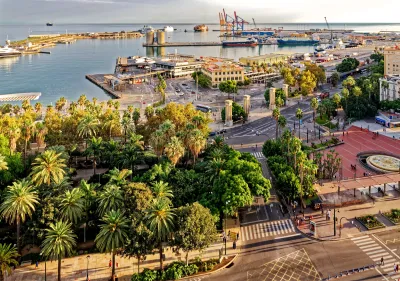
Stage 1: Málaga to Almogía
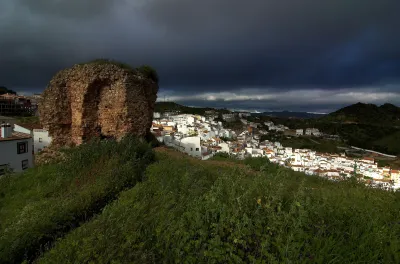
Stage 2: Almogía to Villanueva de la Concepción
Stage 3: Villanueva de la Concepción to Antequera
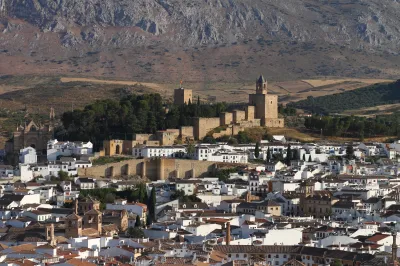
Stage 4: Antequera to Villanueva de Algaidas
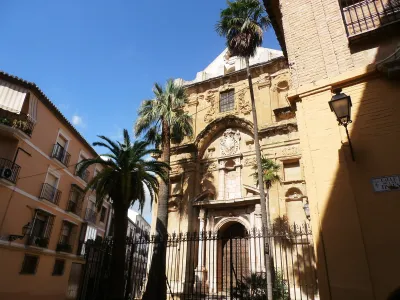
Stage 5: Villanueva de Algaidas to Encinas Reales
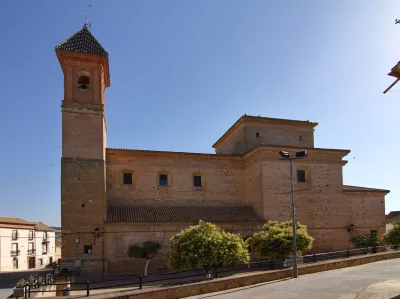
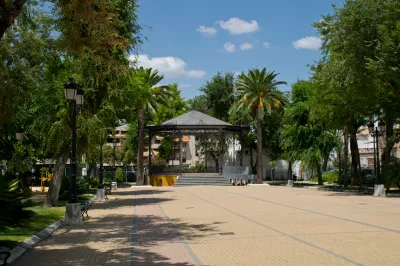
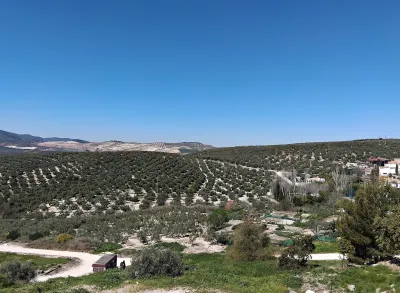
Way of Mozarabia from Jaen to Merida
330 km
14
Media
Starting from Jaén, capital of the Holy Kingdom, this branch of the Mozarabic Way enters the Andalusian olive tree sea to later join other pilgrims in Córdoba and continue on the Via Plata in Mérida. A path of history and tradition.
Stages of this variant:
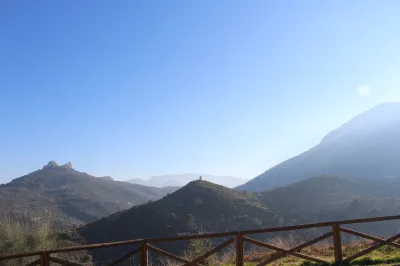
Stage 1: Jaén to Torredelcampo
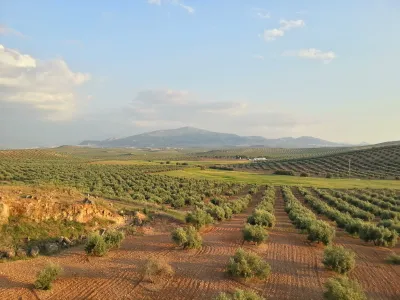
Stage 2: Torredelcampo to Martos

Stage 3: Martos to Alcaudete
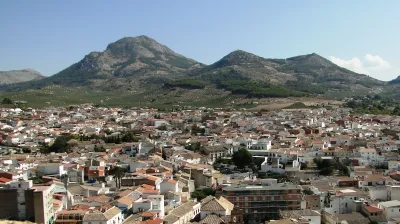
Stage 4: Alcaudete to Baena
The Mozarabic Way from Córdoba to Mérida
246.3 km
10
Media
This section of the Mozarabic Way, starting from historic Córdoba, is one of the most significant. It leads pilgrims through the Extremaduran grasslands to Mérida, an important Roman city and key point on the Via Plata. It's a beautiful natural path with deep historical significance.
Stages of this variant:
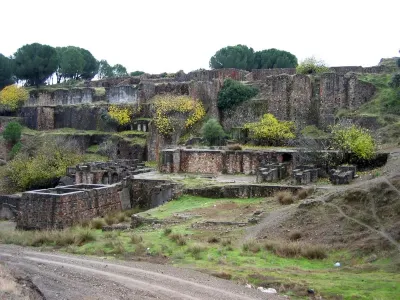
Stage 2: Cerro Muriano to Villaharta
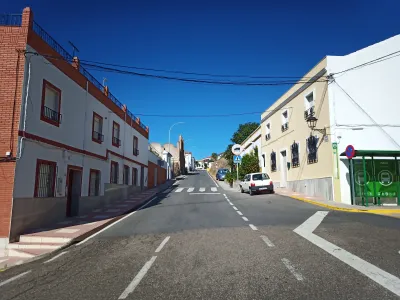
Stage 3: Villaharta to Alcaracejos
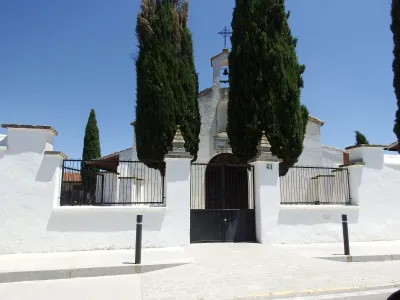
Stage 4: Alcaracejos to Hinojosa del Duque
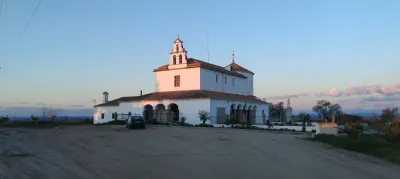
Stage 5: Hinojosa del Duque to Monterrubio de la Serena
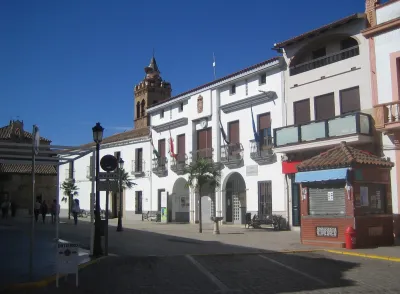
Stage 6: Monterrubio de la Serena to Castuera
Mozarabian Way
- km
-
High
The Camino Mozárabe is not a single route but a collection of historical itineraries that depart from various cities in Andalusia such as Almería, Granada, Jaén, Córdoba, and Málaga. These paths were followed by Christians living in Al-Ándalus (Mozarabs) to pilgrimage to Santiago.
The routes usually converge in the monumental city of Mérida to continue north on the Vía de la Plata. The distances vary greatly depending on the origin, exceeding 1,000 km in total to Santiago. These paths are loaded with history, traversing diverse landscapes and allowing for the discovery of the deep footprint of Andalusian culture.
No detailed stages available for this variant.
Your trip with Ourway
Everything you need for your Camino
No hassle. Your perfect route, from start to finish.
Accommodation
Selected hotels and hostels at every stage
Luggage transfer
Your backpack travels from stage to stage
Camino Guide
Detailed map with directions and services
24h Support
Team available for any unforeseen event
Pilgrim credential
Official documentation included
No commitment
Free personalized consultation
Walk this route with us
Fancy walking this route?
We don't have a ready-made package for this route yet, but we'll organise it around you. Tell us how you'd like to experience it and a specialist will reply within 24 h.
Request your proposalStages
Stages of Mozarab Path from Granada
Granada → Pinos Puente
The Camino Mozárabe begins in the monumental city of Granada. This first stage is a transition day that allows the pilgrim to say goodbye to the Alhambra city and enter the fertile Vega de Granada. Th...
Pinos Puente → Moclin
This stage represents the first major challenge of the Mozárabe Way from Granada. The route leaves the valley to face a difficult and sustained ascent into the Western Mountains. The landscape changes...
Moclin → Alcalá la Real
This journey takes the pilgrim from Granada province to Jaén province through an olive grove sea. The profile is a continuous rise and fall, typical of Andalusian landscape terrain. The route runs on ...
Alcalá la Real → Alcaudete
This stage joins two of the most impressive fortresses on ancient Nazari frontiers. Leaving behind the Mota Fortress in Alcalá la Real, the path enters a sea of olives, an iconic landscape of the prov...
Alcaudete → Baena
Transition stage between the provinces of Jaén and Córdoba, through the subbetic countryside. The about 25 km cross the infinite sea of olive groves of the D.O. Baena, one of the most recognized in ex...
Baena → Castro del Río
This is a short and gentle stage that runs through the fertile Cordobesan countryside. The landscape is dominated by olive groves, which produce one of the world's most famous oils. The path is comfor...
Towns
Featured Towns of Mozarab Path from Granada
Explore the key towns and cities of this route.
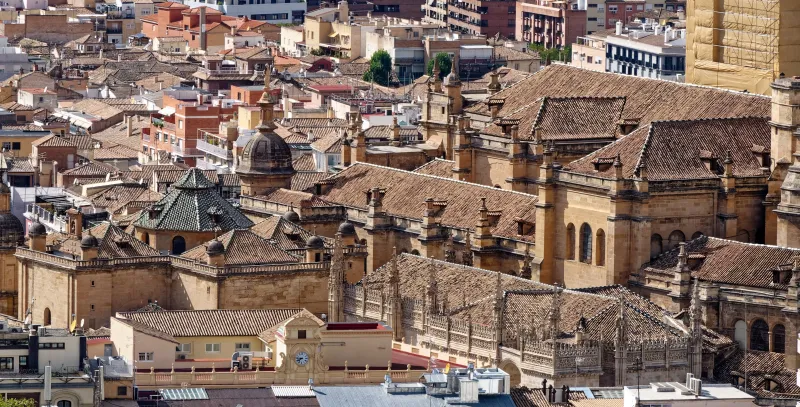
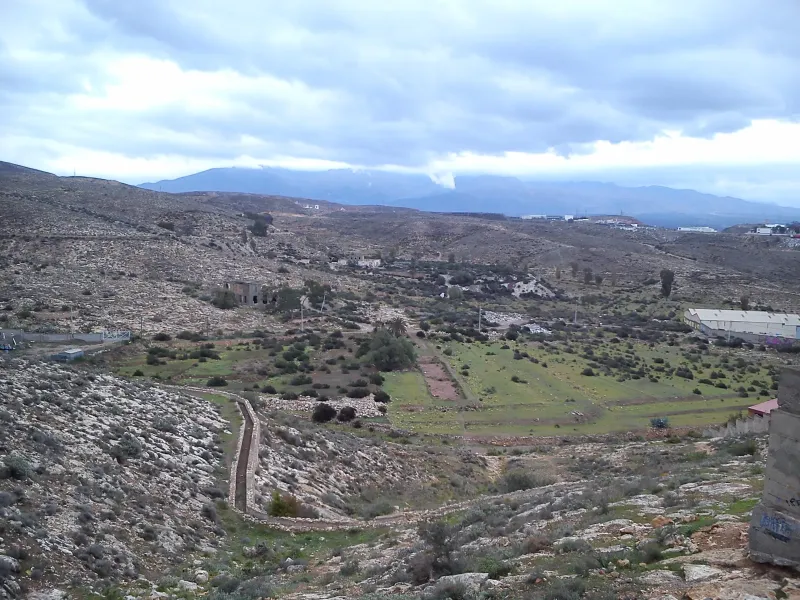
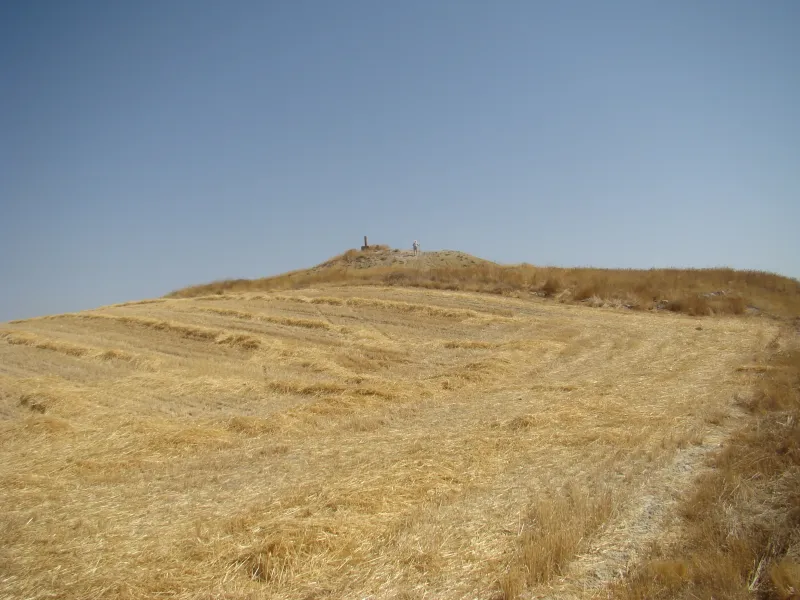
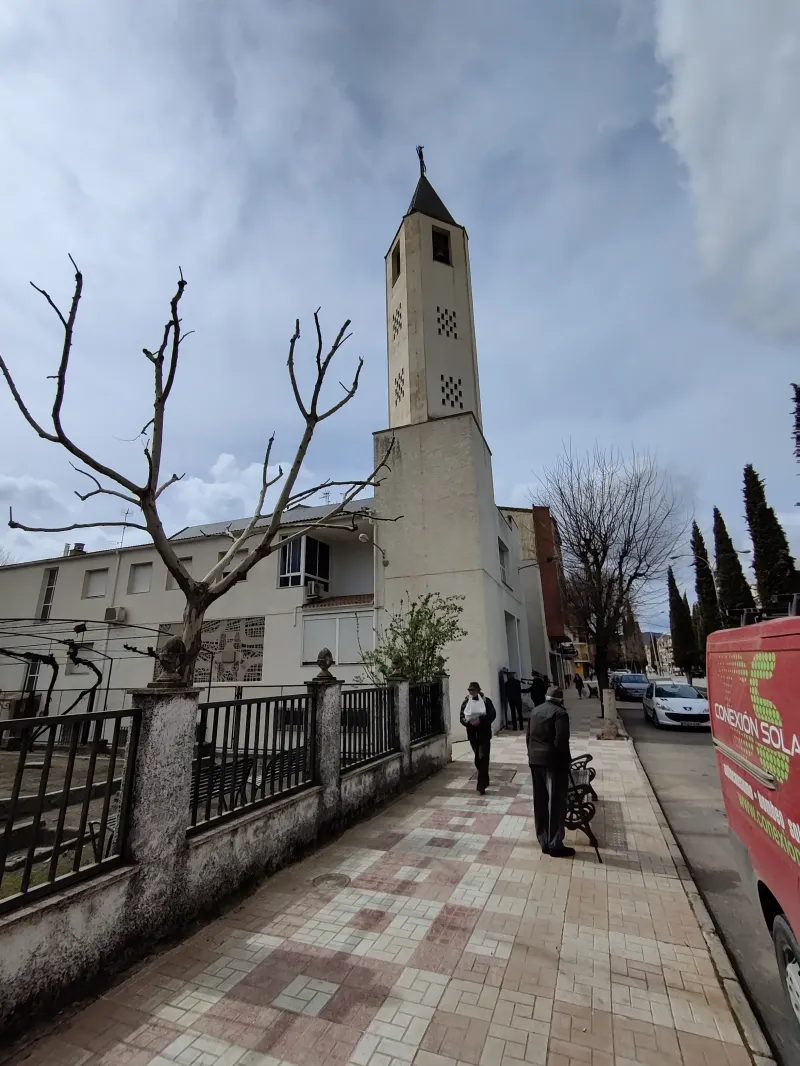
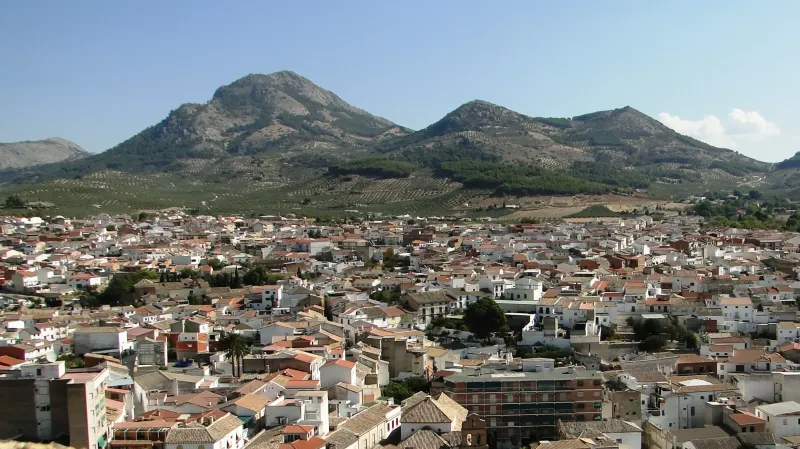
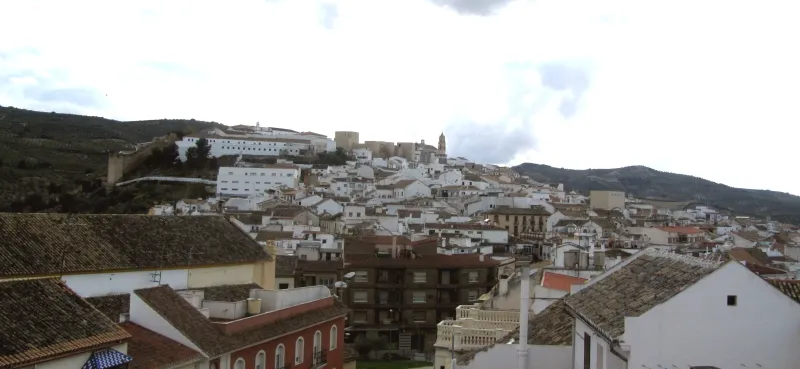

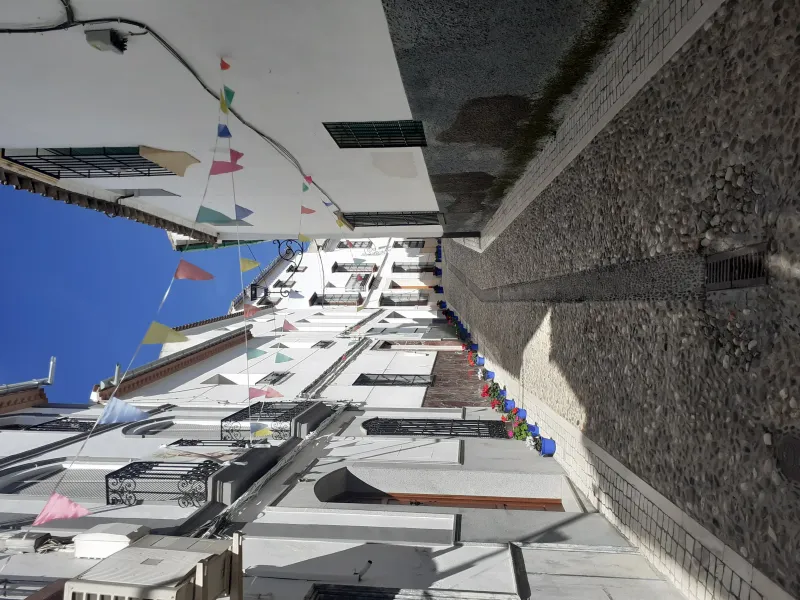
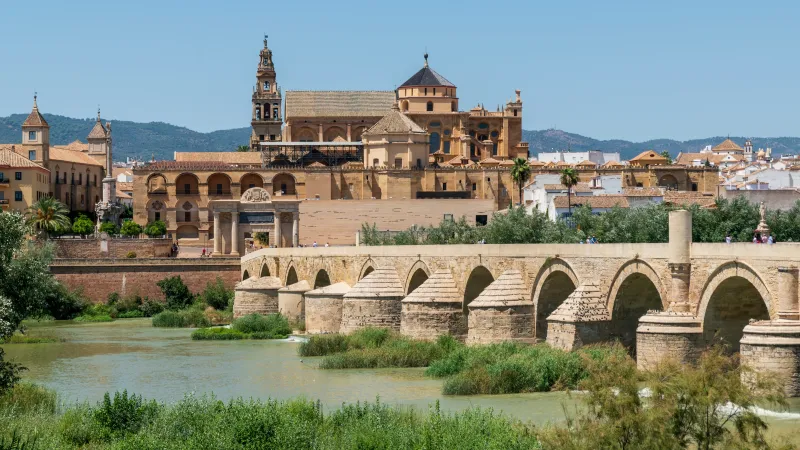
History
Millenary History of the Camino de Santiago: Origins and Evolution Mozarab Path from Granada
Discover the origins and evolution of Mozarab Path from Granada
During the Middle Ages, Granada was the capital of the Nasrid Kingdom, the last Islamic state in the peninsula, until its conquest by the Catholic Monarchs in 1492. In this environment of refined Muslim culture, a Mozarabic community lived, although minor, which kept their faith alive. For these Christians, the pilgrimage to Santiago was a way to connect with the rest of Christendom and an act of religious identity. Their journey began in a city that was itself a symbol of Islamic power and culture, adding a special dimension to its pilgrimage.
The path starts from Granada and heads northwest, crossing the fertile Vega de Granada. Soon, the landscape transforms into the olive tree plain that characterizes the provinces of Granada, Jaén, and Córdoba, an unique image in the world. The first major obstacle and strategic milestone was the fortress of La Mota, in Alcalá la Real. This impressive fortress, located on a border hill, was for centuries a key point in defending the frontier between Castile and Granada. Its conquest was fundamental to Christian progress.
The route continues through the countryside, passing by villages with great olive tree tradition such as Baena and Castro del Río, in the province of Córdoba. This section of the path is deeply linked to the culture of olive oil, the "liquid gold" that has been the backbone of these lands for millennia. The pilgrim walks along rural paths surrounded by a landscape of gentle hills and plateaus covered with olive leaves.
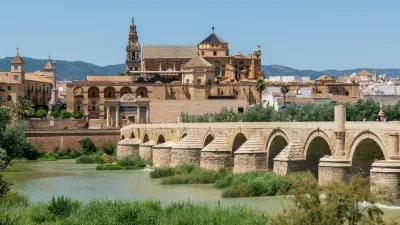
The goal of this first major section of the path was to reach the city of Córdoba. As an ancient capital of the Omeya Caliphate, Córdoba had been the central nerve of Al-Ándalus, and it remained a monumental and strategically important city of the first order. For Mozarabic pilgrims, Córdoba was the great meeting point. Here, travelers coming from Granada joined those arriving from Almería, Málaga, and Jaén. Together, they formed a larger and safer contingent to face the next stage of the journey: crossing Sierra Morena and entering Extremadura.
From Córdoba, the unified Mozarabic Way heads north to link with the Via de la Plata in the Roman city of Mérida. The recovery of the route from Granada has consolidated an itinerary of exceptional cultural richness and landscape beauty. Although demanding due to summer heat, it is better equipped with services than other more remote trails. Starting a pilgrimage to Santiago from the Alhambra palaces is an unique experience, a journey that reflects the complex and fascinating history of coexistence and conflict that forged Spain's identity.
We answer your questions
Frequently Asked Questions about Mozarab Path from Granada
How long does the Mozarabic Way from Granada take?
The Mozarabic Way from Granada is estimated to last for 16 days. This route, which starts from monumental Granada and ends in Mérida, offers a moderate to high challenge for pilgrims with a total distance of 385 km.
What is the best time of year to do the Mozarabic Way from Granada?
The best period to undertake this journey is in May and September. During these months, you can enjoy pleasant weather with temperatures ranging between 10-25°C, combining early summer beauty with late autumn without being too hot or cold. Additionally, there's a moderate number of pilgrims, allowing for a more serene experience.
What does booking the Mozarabic Way from Granada with Ourway Travel include?
When you book the Mozarabic Way from Granada through Ourway Travel, an all-inclusive service is offered which includes: personalized advice on itineraries and accommodations; full management of luggage transfer between stages; and obtaining the official pilgrim credential. Additionally, 24/7 support during your journey is provided.
How does the Mozarabic Way from Granada compare to other Jacobean routes?
The Mozarabic Way from Granada is a unique alternative that combines Islamic history and culture with Christian pilgrimage traditions leading to Santiago. Unlike the French Way, this route offers a more authentic and less crowded journey, perfect for those seeking an immersive experience in Andalusian heritage. Ourway Travel guides you through this unique adventure.
What is the difficulty of the Mozarabic Way from Granada?
The difficulty of the Mozarabic Way from Granada is classified as high, due to the total distance of 385 km and the route that crosses mountainous terrain in Andalusia. However, Ourway Travel helps you prepare adequately for this challenge by providing advice on the most demanding stages and itinerary recommendations.
How can I book the Mozarabic Way from Granada through Ourway Travel?
To reserve the Mozarabic Way from Granada via Ourway Travel, simply visit our website and complete our reservation form. Our expert team will contact you to confirm itinerary details and manage any additional requests you may have.
How does the luggage transportation work on the Mozarabic Way from Granada?
Ourway Travel handles the daily transport of your heavy luggage along the Mozarabic Way route starting from Granada. This means you can travel light between stages, enjoying the experience fully without worrying about heavy belongings.
What historical aspects stand out about the Mozarabic Way from Granada?
The Mozarabic Way from Granada is a historically rich route that connects two important capitals of Al-Andalus, Granada and Córdoba. This path recalls the persistence of Christian faith in the last Muslim kingdoms of the Iberian Peninsula during the Middle Ages before their conquest by the Catholic Monarchs. Ourway Travel provides detailed information about these historical aspects for a richer and more meaningful experience.
Organize Your Camino
Ready for this adventure?
Mozarab Path from Granada