
Complete Guide to Basque Way by Bike
Explore the heart of Basque Country on two wheels. The Vasco-Interior Route by bike, a four-stage route that unites Irun with the French Way through mountains and valleys full of history.
Last updated: 28/03/2026
Table of Contents
Technical Summary of Basque Way by Bike
203.4 km
Distance
4
days
4
Stages
Alta
Difficulty
80 accommodations available on the route
Introduction to Basque Way by Bike
All Stages of Basque Way by Bike
Complete route divided into 4 stages
Ride to Tolosa by bike
This stage for cyclists is a tough challenge. The route passes through the Eume dunes and the Mariñas region, with constant climbs and descents. The beauty of the landscape, with Atlantic forests and ...
Toledo to Salamanca/Agallas by bike
This is the longest stage of the English Way on bike, an authentic marathon that requires great endurance. The route crosses rural Galicia, with a very broken and solitary profile. It's a day of overc...
Sallentilla/Aguilar de la Herencia to La Pobla de Arganzón by bike
The last stage on bike is a short and exciting ride. The route is favorable and allows for the anticipation of arrival. The entrance to Santiago through the Tambre polygon is the only less pleasant pa...
The Puebla de Arganzón to Santo Domingo de la Calzada by bike
The English Way variant from A Coruña by bike is a long and demanding stage. The route enters the interior of Galicia with a breakneck profile and stunning landscape. It's a day for well-prepared cycl...
Key Towns of Basque Way by Bike
The most important towns and cities on this route.
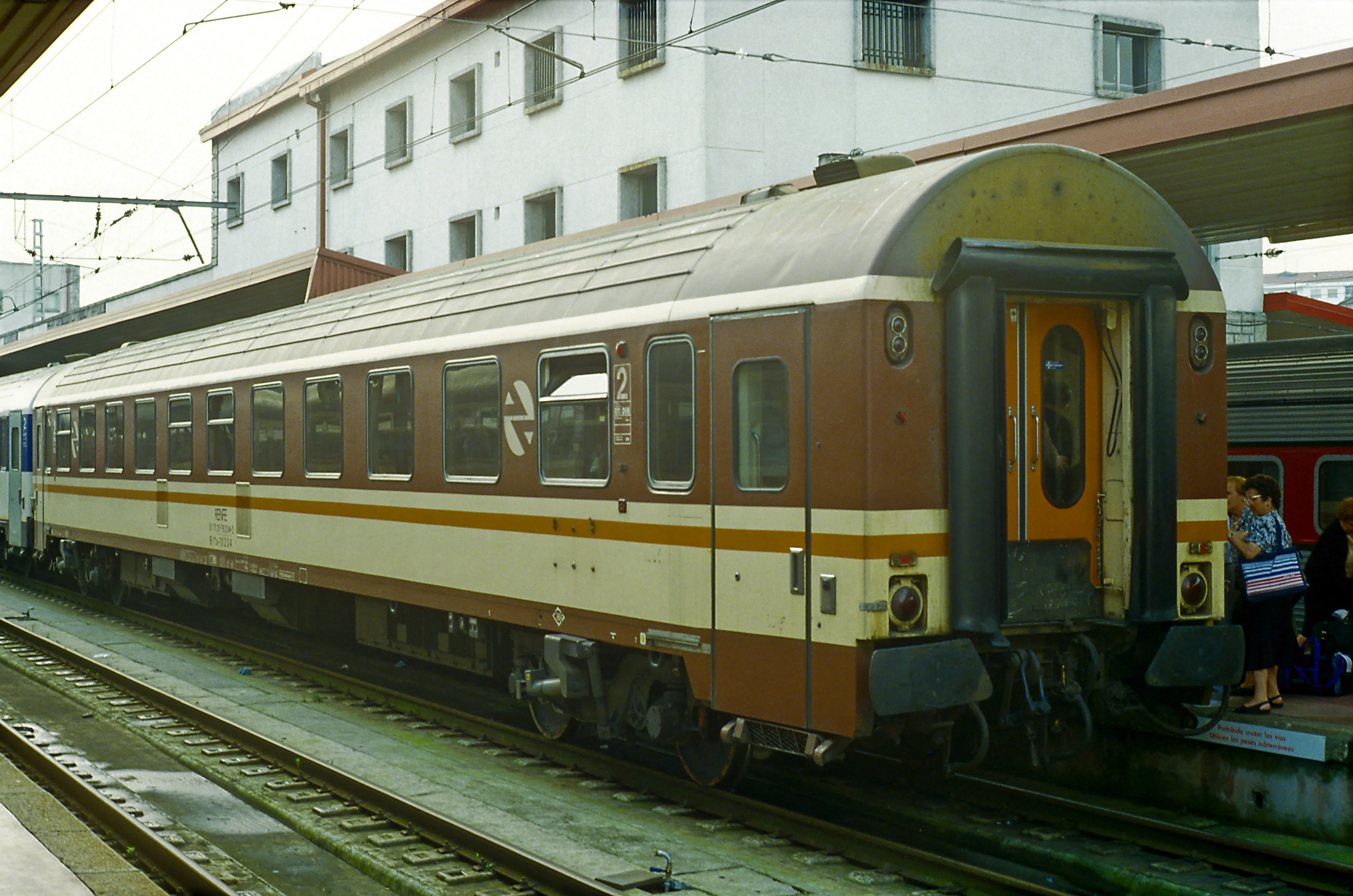
Irún
Entrance to the Way of St James on the Cantabrian coast. Irún, at the border with France, is the start of the North Way and the Vasco-Interior Way.
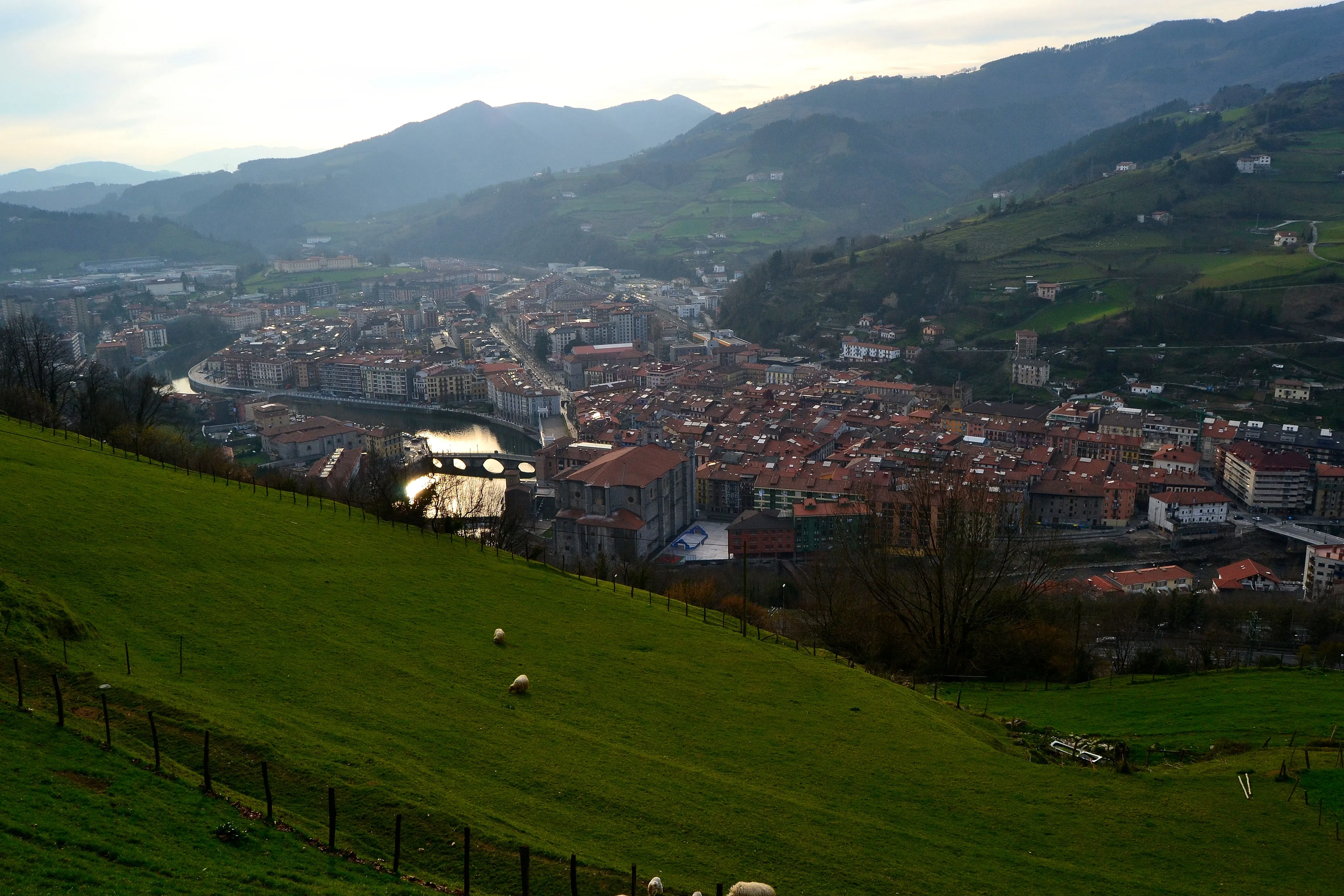
Tolosa
Historic village in the heart of Gipuzkoa and a key stop on the Vasco-Interior Route. Famous for its market, beans, and sweet atmosphere along the Jacobean route.
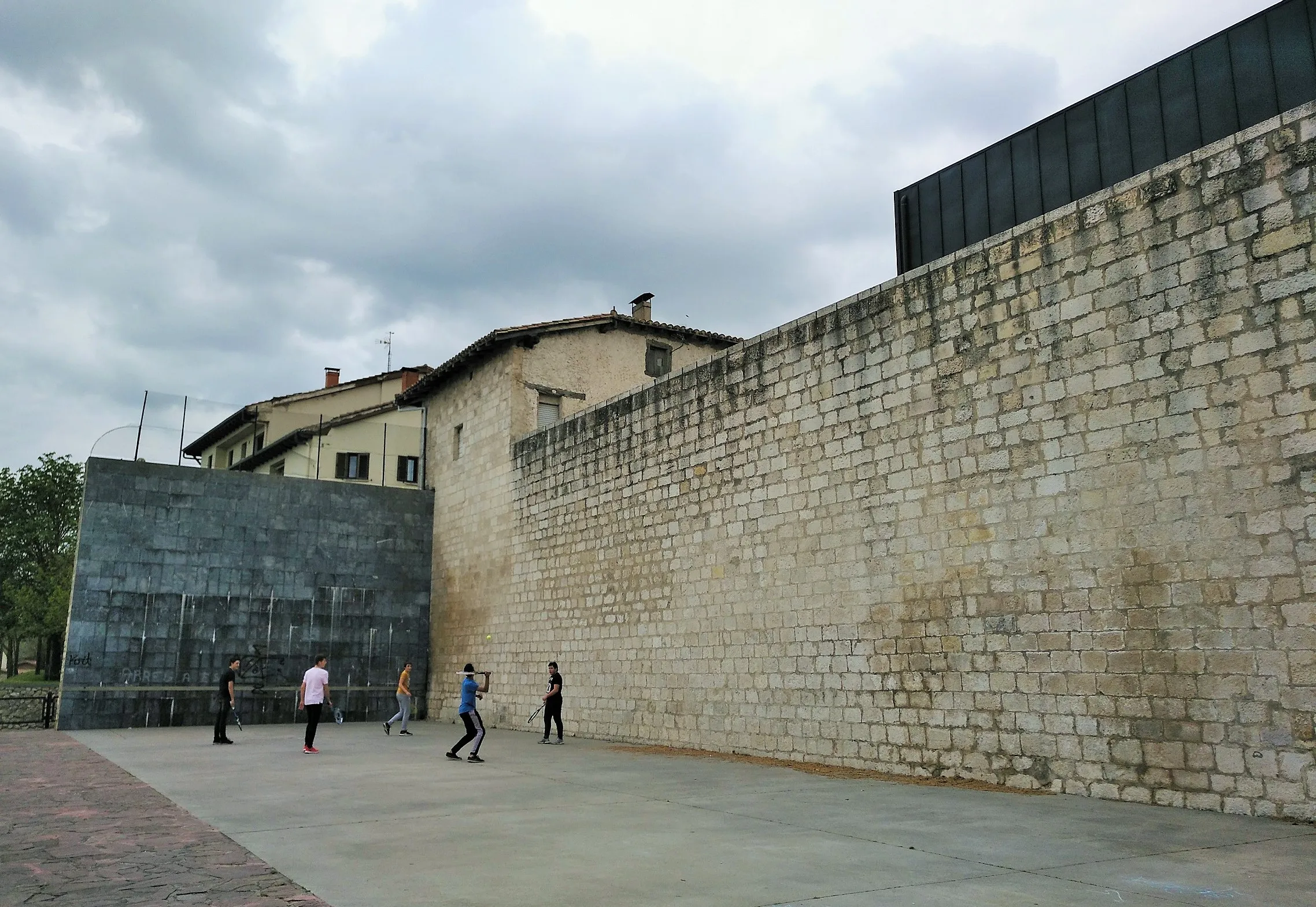
Salvatierra / Agurain
Medieval village in the heart of the Alava Lowlands. Agurain/Salvatierra, with its historic walled town centre, is a monumental stop on the Vasco-Internal Way.
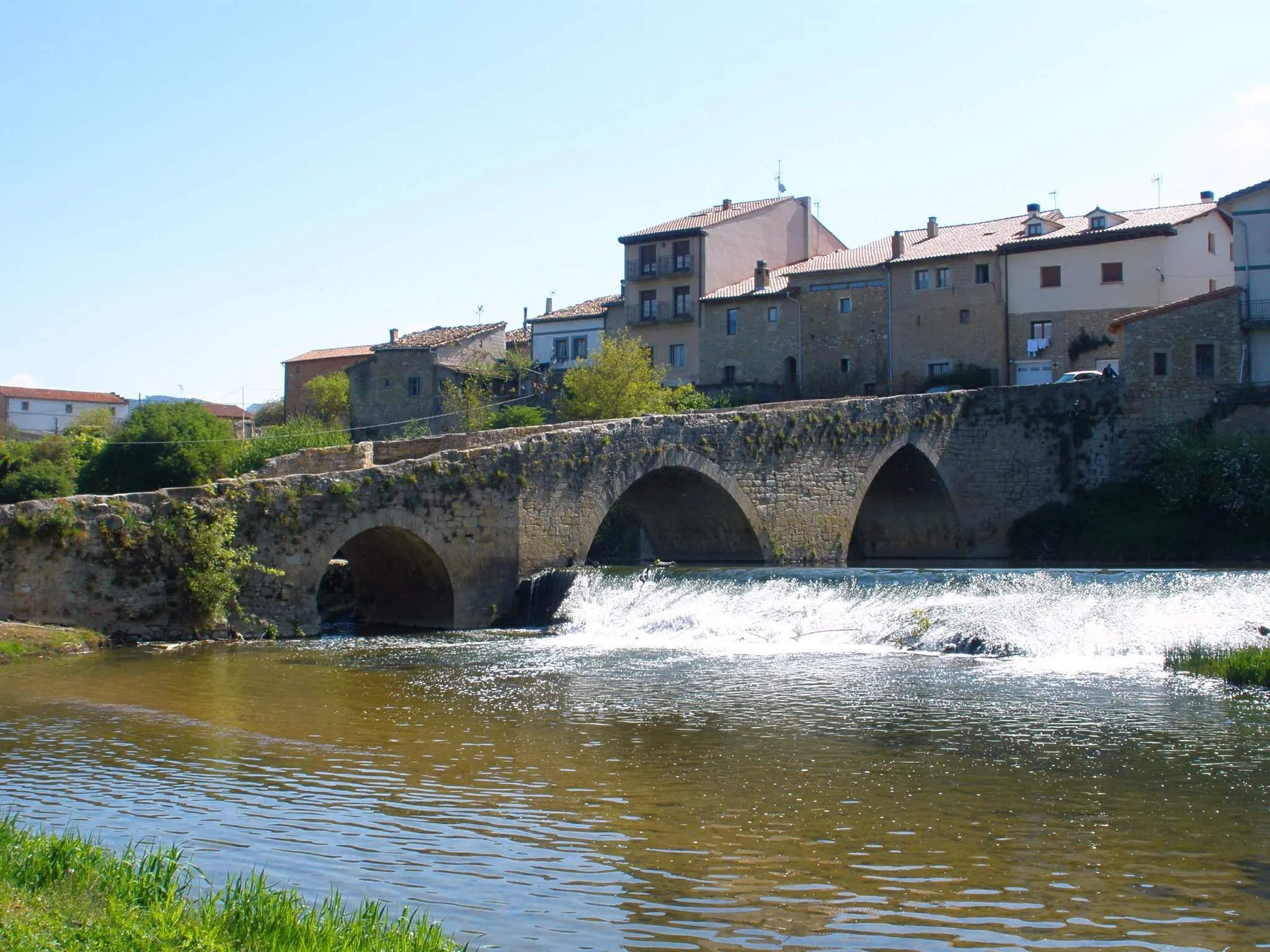
La Puebla de Arganzón
Historic walled town, a enclave of Burgos within Álava. It is a singular stop on the Vasco-Interior Way, with a rich medieval heritage and a Roman bridge.
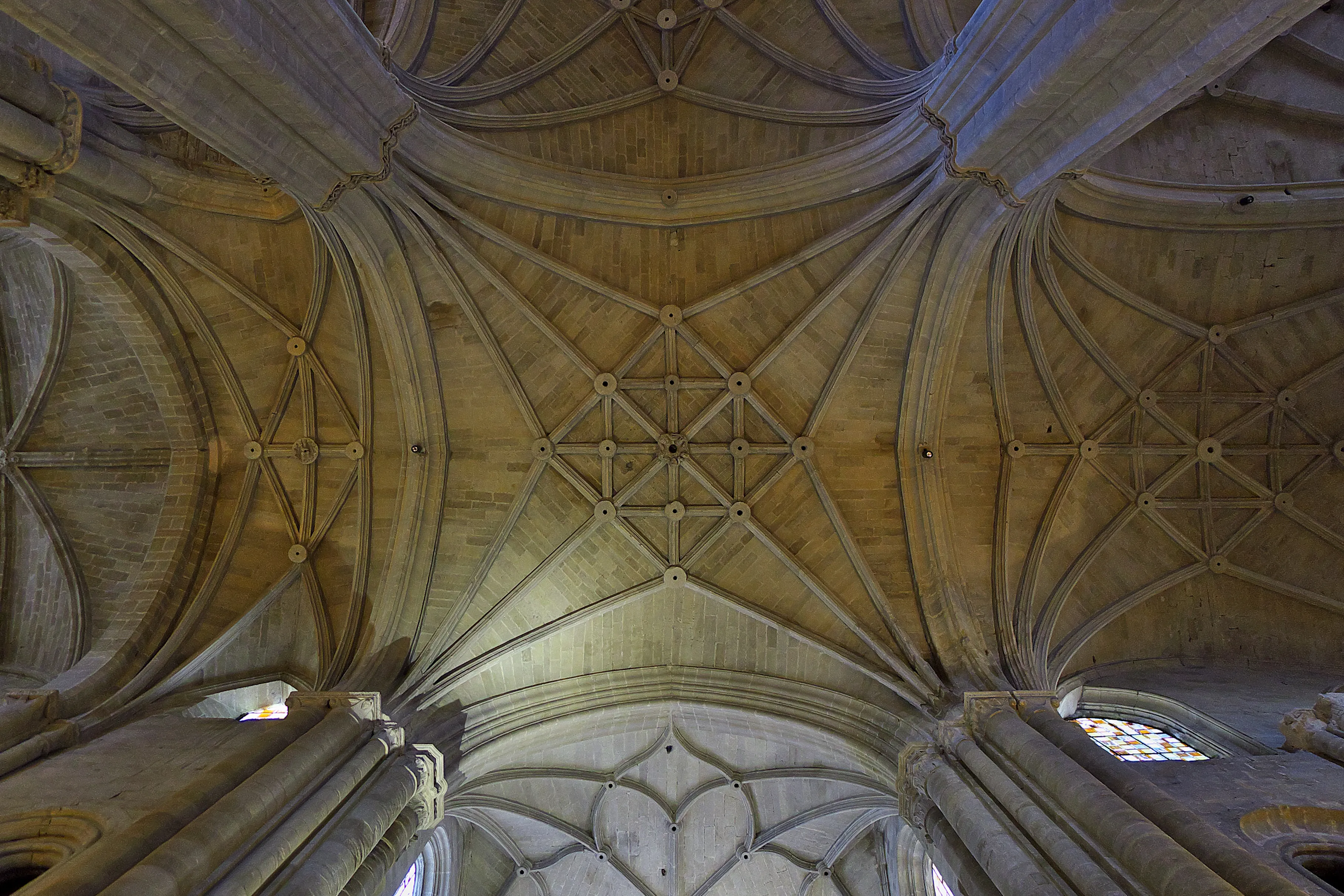
Santo Domingo de la Calzada
City legend of the French Way in La Rioja. Famous for the miracle of the rooster and hen, its Cathedral is an indispensable Jacobean stop, full of history and tradition.
History of Basque Way by Bike
The Vasco Cycle Route, with its broken profile and mountainous steps, was never a candidate for conventional backpacking cycling. Its terrain made it an obvious target for mountain biking. The story of its adaptation is the exploration of its trails, the overcoming of impossible ramps, and the search for cycleability in a wild environment. It's not a route that has been softened with asphalt variants; on the contrary, its appeal to cyclists lies precisely in trying to follow the original path as much as possible.
The heart of this cycling adventure is the same as the medieval route: the San Adrián tunnel. The ascent into the Aizkorri mountain range is one of the great challenges of BTT in northern Spain. The approach along the old road, with sections of original cobblestone, is already demanding. The arrival at the tunnel and the need to cross it, often pushing or carrying the bike, is a unique experience. For cyclists, crossing this cave at over 1,000 meters above sea level on a modern carbon fiber bike is a powerful anachronism, a direct connection with the thousands of pilgrims who did the same on foot for centuries. The subsequent technical descent down the other side is the reward to the effort.
The rest of the route maintains this demanding character. The stages through Guipúzcoa's forests and valleys are marked by often muddy trails and short but very steep slopes. Once the mountain has been overcome and the Llanada Alavesa reached, the terrain softens, allowing for faster pedaling and a well-deserved active rest while crossing the plain towards Vitoria-Gasteiz.
The final stretch, from Vitoria to the link with the French Way in Burgos or Santo Domingo de la Calzada, presents challenges again, such as crossing the Montes of Vitoria. The route demands constant attention and good driving technique. For all this, the Vasco Cycle Route is a pilgrimage for a very specific type of cyclist: the BTT enthusiast, accustomed to mountain routes and seeking an experience Jacobean where the sporting and adventurous component is just as important as the cultural or spiritual one.
In the end, the history of this cycle route is the story of honoring a historic path through technical effort. It's a demonstration that faith or personal search can also express themselves through skill and overcoming in the most difficult terrain, converting an old passage into a modern temple of mountain cycling.
Accommodations on the Route
The Basque Way by Bike has 80 verified accommodations along the entire route.
View Stages & AccommodationsPractical Tips for Basque Way by Bike
Best Season
Spring (April-June) and autumn (September-October) are the best seasons. Pleasant temperatures and fewer crowds than summer.
Physical Preparation
Train by walking progressively in the months before. Start with short distances and increase. Your body will adapt to the rhythm of the Camino.
What to Pack
Light backpack (max 10% of your weight), worn trekking shoes, breathable technical clothing, raincoat, sunscreen and basic first aid kit.
General Tips
Carry the pilgrim credential, stay hydrated, respect your pace, book accommodation in high season and enjoy the journey without rushing.
FAQ about Basque Way by Bike
El Camino Vasco del Interior en bicicleta tiene una distancia total de 203.4 km y se recomienda realizarlo en un periodo de 4 días, ofreciendo a los ciclistas la oportunidad de explorar intensamente el paisaje montañoso de Euskadi.
El Camino Vasco en Bicicleta presenta un alto grado de dificultad debido a su terreno montañoso, con numerosos ascensos y descensos que suponen una ruta técnica para ciclistas experimentados. La diversidad del paisaje incluye verdes valles guipuzcoanos junto a la llanada alavesa.
La temporada media, que abarca de abril a junio y septiembre hasta octubre, se considera la época ideal para hacer el Camino Vasco del Interior en bicicleta. En estas fechas disfrutarás de un clima más ameno sin las masificaciones típicas del verano, permitiendo así una experiencia cultural y física óptima.
Ourway Travel ofrece paquetes personalizados para el Camino Vasco del Interior en bicicleta, donde incluimos servicios como alojamiento y traslado de equipaje. El costo exacto varía dependiendo de las necesidades específicas del viajero pero está diseñado para ser accesible mientras se mantienen altos estándares de calidad.
El paquete de Ourway Travel incluye alojamiento en albergues o hoteles seleccionados, traslado de equipaje entre etapas y soporte continuo durante tu viaje. Además, te proporcionamos la credencial del peregrino necesaria para recorrer el camino legalmente.
El Camino Vasco es único por su terreno montañoso y culturalmente rico, ofreciendo una experiencia más técnica y desafiante que rutas como el Camino del Interior o la Ruta Jacobea. Su belleza natural y patrimonio histórico lo convierten en una opción ideal para amantes de la bicicleta de montaña.
El Camino Vasco es perfecto para aquellos que buscan una experiencia más intensa y culturalmente rica. Ofrece un terreno variado, desafíos técnicos y vistas panorámicas impresionantes, lo cual enriquece la aventura jacobea de forma significativa.
Ourway Travel se encarga del traslado seguro y eficiente de tu mochila entre etapas, permitiéndote viajar ligero y enfocarte en la experiencia ciclista. Simplemente debes llevar consigo tus pertenencias esenciales mientras disfrutas del camino.
Related Routes
Ready for this adventure?
Let us organize your pilgrimage. We take care of accommodations, transfers and everything you need.