
Camino de Santiago
Basque Way by Bike
Explore the heart of Basque Country on two wheels. The Vasco-Interior Route by bike, a four-stage route that unites Irun with the French Way through mountains and valleys full of history.
Organize your Basque Way by BikeLast updated: 09/08/2025
The Route
General Description of Basque Way by Bike
Related Routes
Connections of Basque Way by Bike
Basque Interior Way
257.2 km
12
Media
The Vasco-Interior Route is an important historical itinerary that connects the border in Irun with the French Way. With a 200 km journey to Santo Domingo de la Calzada, it passes through the heart of Euskadi, going through Tolosa, the San Adrián tunnel and Vitoria-Gasteiz, before entering the vineyards of La Rioja.
It was a very traveled route in the Middle Ages, especially to avoid the coast. Today, it is an excellent option for those who seek an alternative to the Northern Way in its initial section and wish to explore the interior of Basque-Riojan.
Stages of this variant:
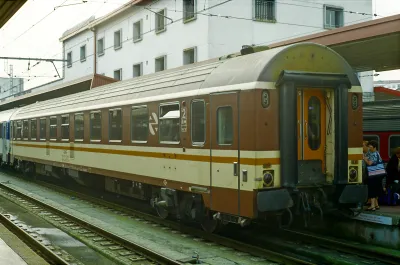
Stage 1: Irún to Hernani
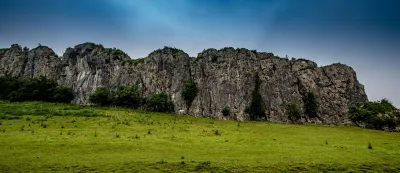
Stage 2: Hernani to Tolosa
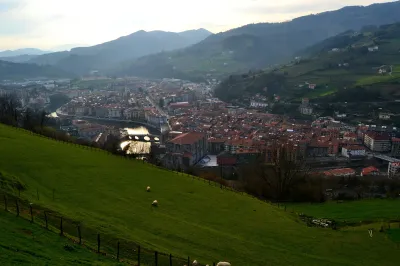
Stage 3: Tolosa to Beasain
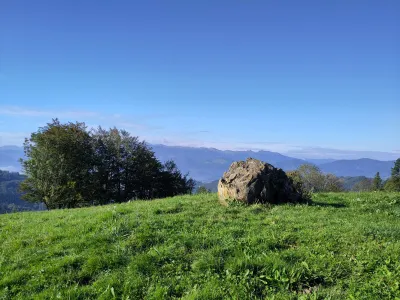
Stage 4: Beasain to Zegama
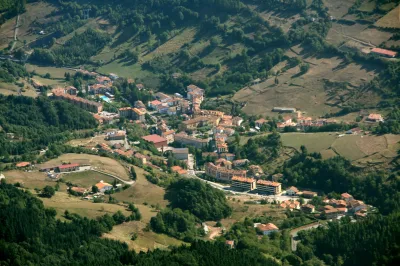
Stage 5: Zegama to Salvatierra/Agurain
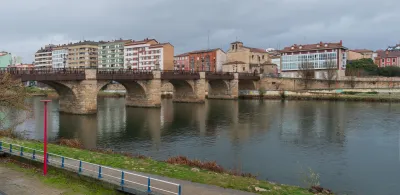
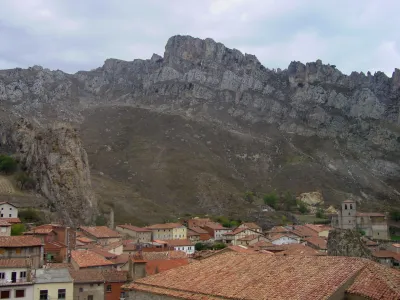
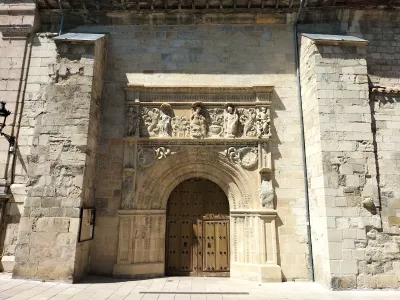
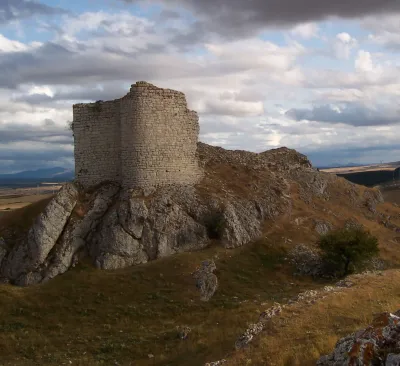
Your trip with Ourway
Everything you need for your Camino
No hassle. Your perfect route, from start to finish.
Accommodation
Selected hotels and hostels at every stage
Luggage transfer
Your backpack travels from stage to stage
Camino Guide
Detailed map with directions and services
24h Support
Team available for any unforeseen event
Pilgrim credential
Official documentation included
No commitment
Free personalized consultation
Walk this route with us
Fancy walking this route?
We don't have a ready-made package for this route yet, but we'll organise it around you. Tell us how you'd like to experience it and a specialist will reply within 24 h.
Request your proposalStages
Stages of Basque Way by Bike
Irún → Tolosa
First cycling stage of the Inland Basque Way, which starts in Irun (border with France) and heads inland through Gipuzkoa following the Oria river valley. The 36 km route combines greenways (Plazaola,...
Tolosa → Salvatierra / Agurain
Long cycling stage (53 km) that crosses from the Oria valley to the Llanada Alavesa, passing through Beasain, Zegama and the San Adrián pass, a medieval natural tunnel that connects Gipuzkoa with Alav...
Salvatierra / Agurain → La Puebla de Arganzón
Stage description not available.
La Puebla de Arganzón → Santo Domingo de la Calzada
Final stage of the Inland Basque Way by bicycle, which leaves the Basque Country and descends to La Rioja to connect with the French Way in Santo Domingo de la Calzada. The 58 km route crosses the Ebr...
Towns
Featured Towns of Basque Way by Bike
Explore the key towns and cities of this route.
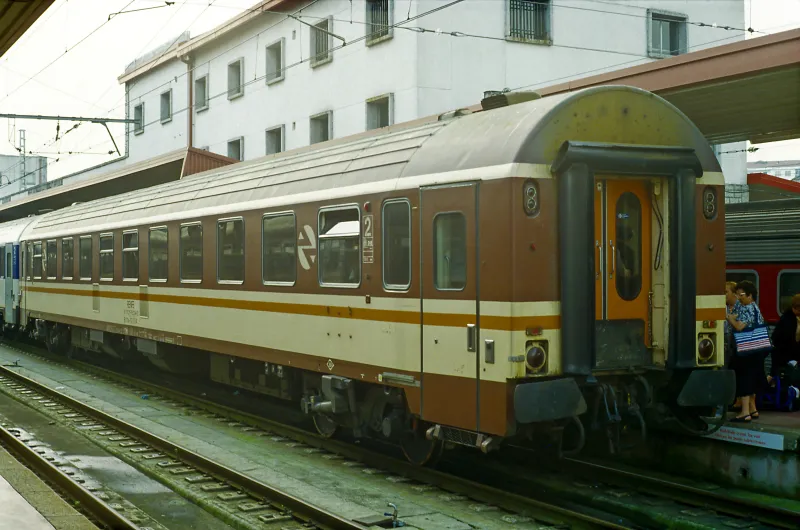
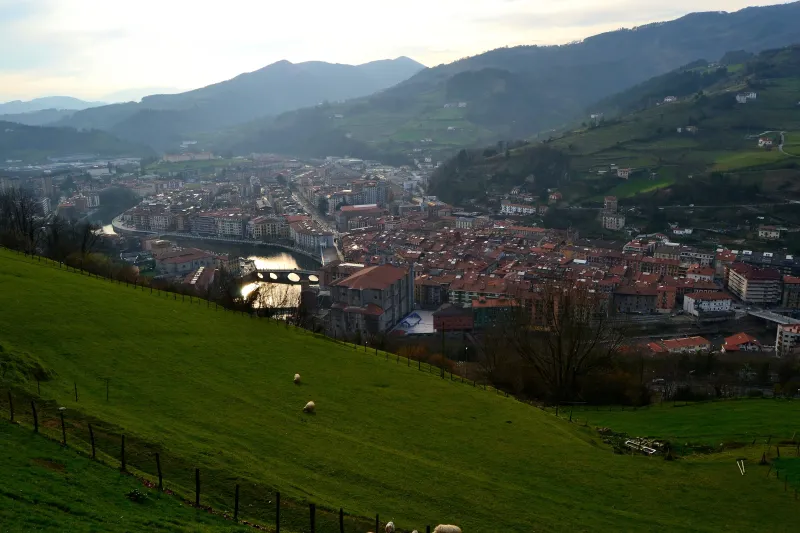
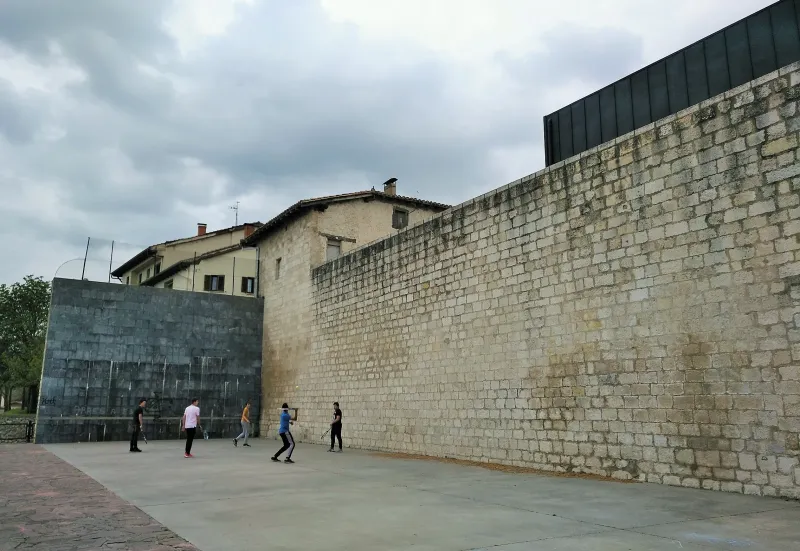
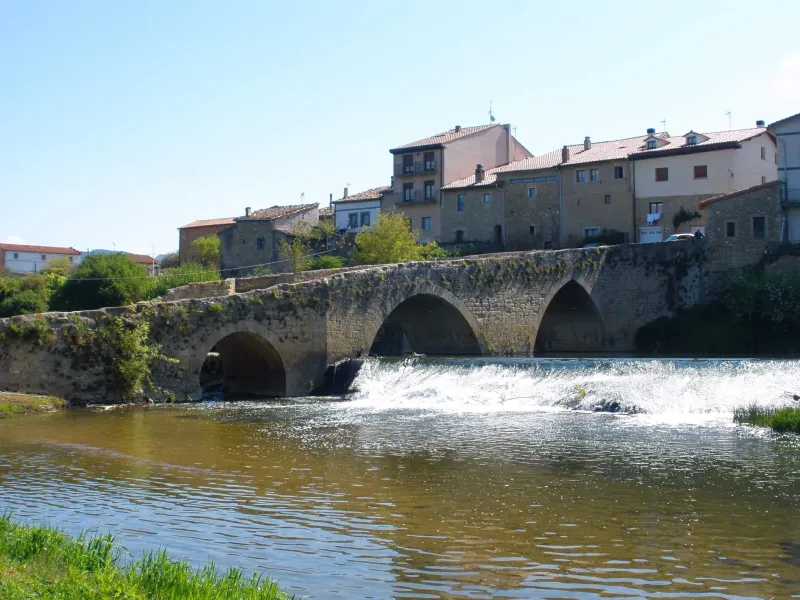
History
Millenary History of the Camino de Santiago: Origins and Evolution Basque Way by Bike
Discover the origins and evolution of Basque Way by Bike
The Vasco Cycle Route, with its broken profile and mountainous steps, was never a candidate for conventional backpacking cycling. Its terrain made it an obvious target for mountain biking. The story of its adaptation is the exploration of its trails, the overcoming of impossible ramps, and the search for cycleability in a wild environment. It's not a route that has been softened with asphalt variants; on the contrary, its appeal to cyclists lies precisely in trying to follow the original path as much as possible.
The heart of this cycling adventure is the same as the medieval route: the San Adrián tunnel. The ascent into the Aizkorri mountain range is one of the great challenges of BTT in northern Spain. The approach along the old road, with sections of original cobblestone, is already demanding. The arrival at the tunnel and the need to cross it, often pushing or carrying the bike, is a unique experience. For cyclists, crossing this cave at over 1,000 meters above sea level on a modern carbon fiber bike is a powerful anachronism, a direct connection with the thousands of pilgrims who did the same on foot for centuries. The subsequent technical descent down the other side is the reward to the effort.
The rest of the route maintains this demanding character. The stages through Guipúzcoa's forests and valleys are marked by often muddy trails and short but very steep slopes. Once the mountain has been overcome and the Llanada Alavesa reached, the terrain softens, allowing for faster pedaling and a well-deserved active rest while crossing the plain towards Vitoria-Gasteiz.
The final stretch, from Vitoria to the link with the French Way in Burgos or Santo Domingo de la Calzada, presents challenges again, such as crossing the Montes of Vitoria. The route demands constant attention and good driving technique. For all this, the Vasco Cycle Route is a pilgrimage for a very specific type of cyclist: the BTT enthusiast, accustomed to mountain routes and seeking an experience Jacobean where the sporting and adventurous component is just as important as the cultural or spiritual one.
In the end, the history of this cycle route is the story of honoring a historic path through technical effort. It's a demonstration that faith or personal search can also express themselves through skill and overcoming in the most difficult terrain, converting an old passage into a modern temple of mountain cycling.
We answer your questions
Frequently Asked Questions about Basque Way by Bike
How long is the Basque Country Bicycle Route, and how many days are recommended to complete it?
The Basque Interior Cycle Route covers a total distance of 203.4 km and is recommended to be completed over a period of 4 days, offering cyclists the opportunity to thoroughly explore the mountainous landscape of Euskadi.
What is the difficulty level of the Basque Country Interior Route and what is its main terrain?
The Basque Country Bicycle Route presents a high degree of difficulty due to its mountainous terrain, with numerous climbs and descents that make it a technical route for experienced cyclists. The landscape diversity includes green Guipuzcoan valleys alongside the Alaves plain.
When is the best time to do the Basque Country Route by Bike and why?
The medium season, from April to June and September to October, is considered ideal for cycling the Basque Interior Route. During these months, you can enjoy a more pleasant climate without the summer crowds, thus offering an optimal cultural and physical experience.
What does it cost to undertake the Basque Country Cycle Route with Ourway Travel?
Ourway Travel provides customized packages for the Basque Country Interior Cycle Route, including services such as accommodation and luggage transfer. The exact cost varies based on specific traveler needs but is designed to be affordable while maintaining high standards of quality.
What does the Ourway Travel package include for the Basque Cycle Route?
The Ourway Travel package includes accommodation in selected hostels or hotels, luggage transfer between stages, and continuous support during your journey. Additionally, we provide you with the pilgrim credential necessary to legally travel the route.
How does the Camino Vasco en Bicicleta compare to other cycling routes in northern Spain?
The Camino Vasco stands out for its mountainous terrain and culturally rich heritage, offering a more technical and challenging experience than routes like the Camino del Interior or the Jacobean Route. Its natural beauty and historical patrimony make it an ideal choice for mountain bike enthusiasts.
Why should I choose the Basque Country Cycle Route over less challenging routes?
The Basque Country Cycle Route is ideal for those seeking a more intense and culturally rich experience. It offers varied terrain, technical challenges, and stunning panoramic views, significantly enriching your Jacobean adventure.
How do I manage my luggage transfer during the Basque Cycle Route?
Ourway Travel handles the secure and efficient transfer of your backpack between stages, allowing you to travel light and focus on the cycling experience. Simply carry with you essential items as you enjoy the route.
Organize Your Camino
Ready for this adventure?
Basque Way by Bike