
Complete Guide to Route of the Argar
The Argar Route connects Lorca (Murcia) with the Levant Way in Albacete. A Jacobean route through the unknown and surprising southeastern peninsula.
Last updated: 28/03/2026
Table of Contents
Technical Summary of Route of the Argar
400 km
Distance
13
days
13
Stages
Alta
Difficulty
28 accommodations available on the route
Introduction to Route of the Argar
All Stages of Route of the Argar
Complete route divided into 13 stages
Ortega a Zarcilla de Ramos
This stage offers a long and pronounced descent from the high mountain to the valley of the River Sarria. The profile is demanding for the knees, but the landscape is of great beauty. The route passes...
Ramos de Zarcilla to La Encarnación (Caravaca de la Cruz)
This is the first part of the stage that joins Sarria and Portomarín. The route is a continuous rise and fall through rural Galicia at its most typical, through "corridors" shaded by oaks and beeches....
The Nativity (Caravaca de la Cruz) to Moratalla
This stage completes the journey from Sarria. The profile continues to be an ongoing up and down through Galician countryside. The final stretch involves a pronounced descent into the valley of the Mi...
Moratallo to Sochevsky
This is the first part of the stage that connects Portomarín and Palas de Rei. The route starts with a continuous but gentle ascent to the Ligonde Hills. The path passes through pine and eucalyptus fo...
Socovos in Elche de la Sierra
This stage completes the journey from Portomarín. The profile is a continuous rise and fall through the Ligonde Mountains. The path traverses a landscape of forests and villages. The pilgrim will pass...
Elche of the Sierra to Riópar
This short stage joins two of the most important villages on the Camino in Galicia. The route is a continuous rise and fall through a rural landscape of great beauty, with forests and villages. The hi...
River Par at Vianos
This is a short and gentle stage that flows through the kinder Galicia. The route is a continuous rise and fall along comfortable earth tracks and forest trails, through a landscape of meadows and euc...
Paths to Nurseries
This is the first part of the penultimate stage of the Camino. It's a short and gentle day with soft undulations that mostly run along forest trails through eucalyptus forests. This stage is meant to ...
Greenhouses at Lagunas of Ruidera
The last and most magical stage of the Camino. It is charged with emotion and symbolism. The first part unfolds in a rural environment. The first major moment arrives in Lavacolla, where pilgrims used...
Wetlands of Ruidera to Tomelloso
This stage marks the beginning of the epilogue of The Way for many pilgrims. Leaving the Praza do Obradoiro, the route moves away from Santiago and enters rural Galicia. The profile is undulating, wit...
Tomelloso to Alcázar de San Juan
This is one of the longest and most solitary stages of the Way to Finisterre, which crosses an interior Galicia, a deserted and beautiful region. The route is demanding, with a broken profile and long...
San Juan of Alcázar to Madridejos
This stage marks the exciting encounter of the pilgrim with the Atlantic Ocean. The journey begins with a gentle ride across the meseta, but soon starts a long and spectacular descent to the coast. Th...
Madrides, Moro (Toledo)
The last stage to "End of the Earth". This short walk is a spectacular coastal stroll that borders Corcubión Bay. The path passes through Langosteira beach, a two-kilometer-long sand tongue, before as...
Key Towns of Route of the Argar
The most important towns and cities on this route.

Lorca
The City of a Hundred Scales and starting point of a branch of the South Route, its imposing Castle and Baroque heritage offer a monumental start to the route in Murcia.
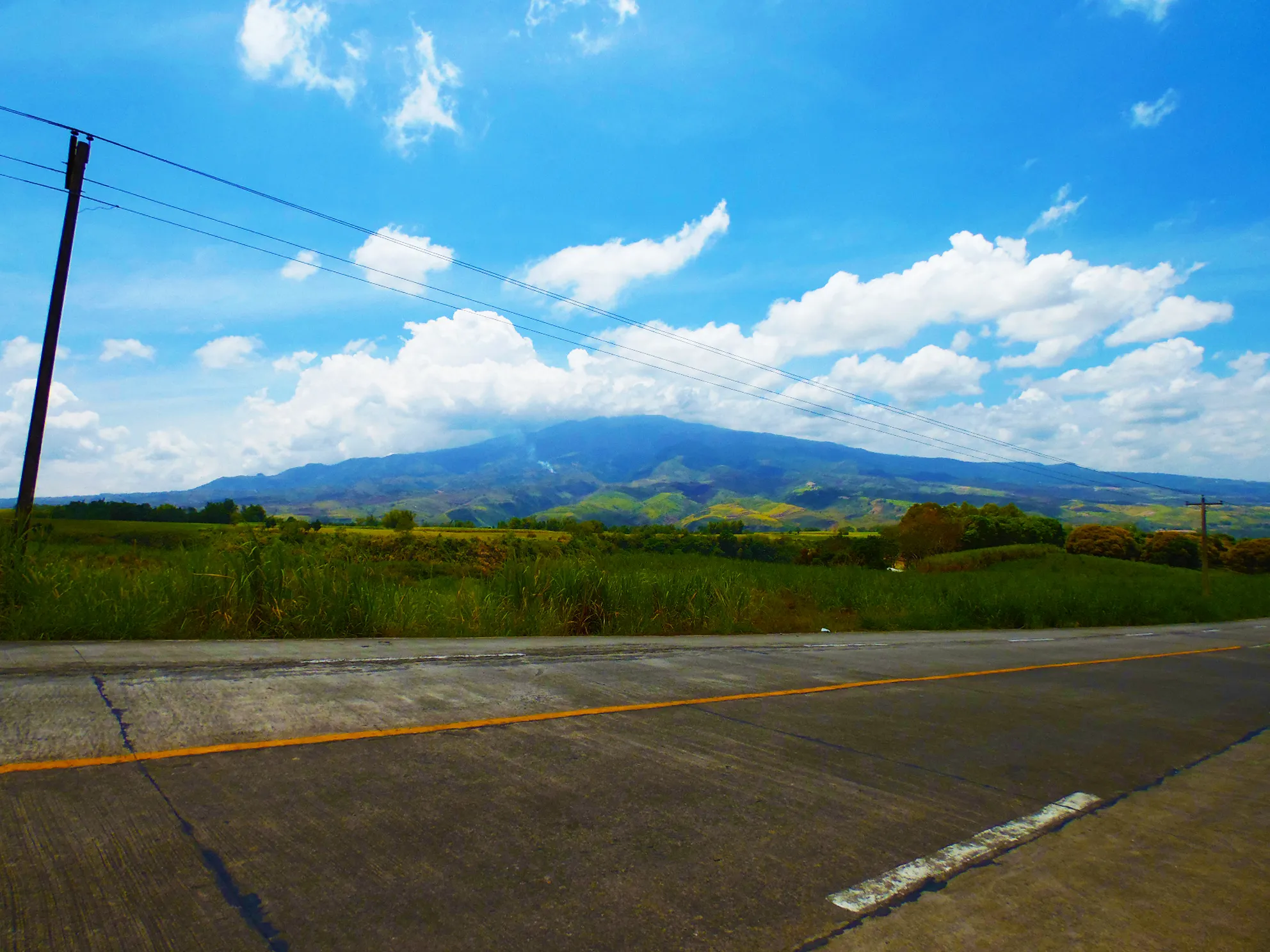
Zarcilla de Ramos
700 mPilgrimage in Lorca in a peaceful rural setting. Zarcilla of Ramos is a stop on the Way of Argar that offers the pilgrim the peace and authenticity of Murcia's countryside.

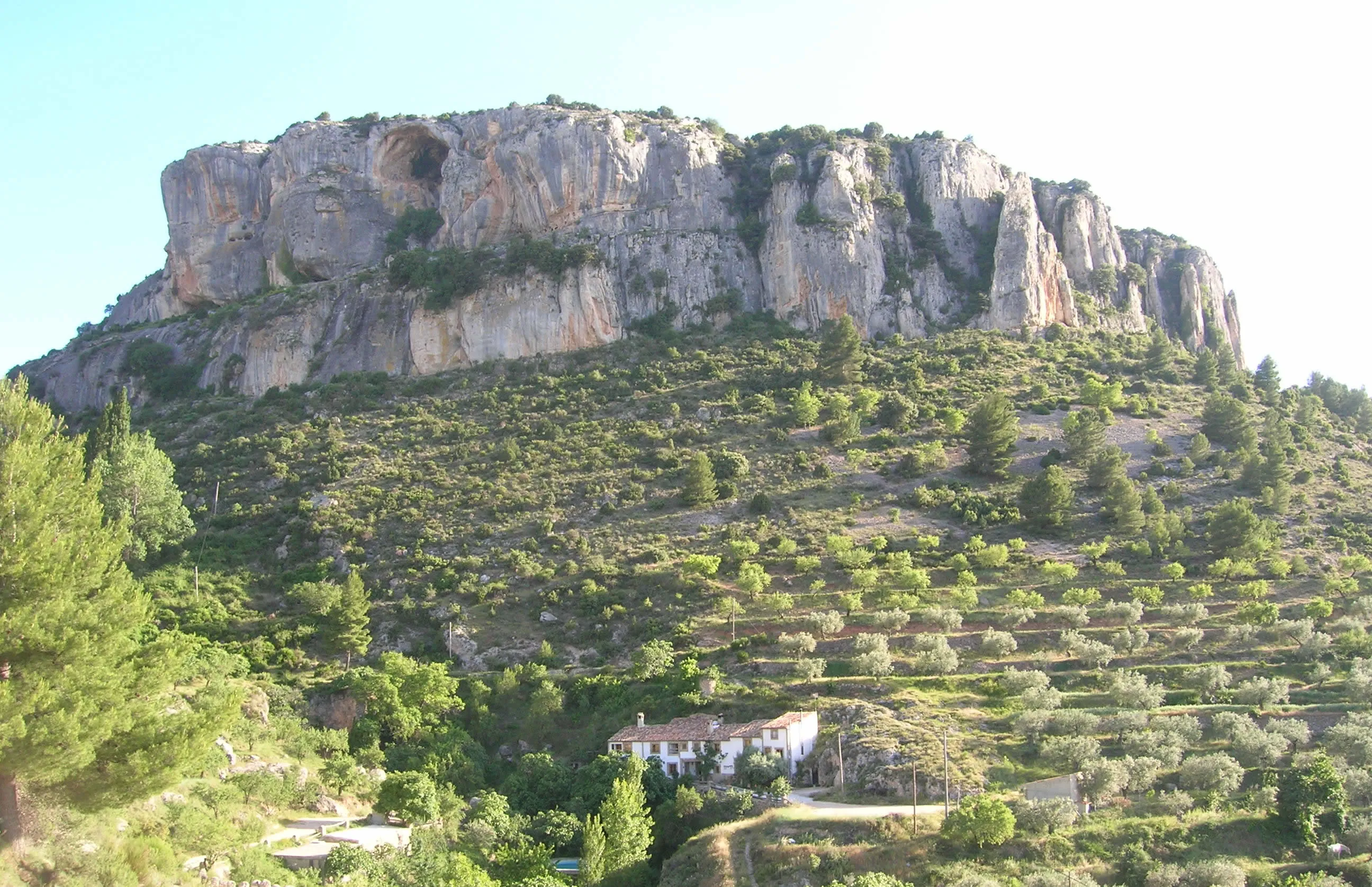
La Encarnación
650 mParish of Caravaca de la Cruz on the Camino del Argar. The Encarnation stands out for its Baroque church and its natural surroundings, a stop with heritage and tranquility.
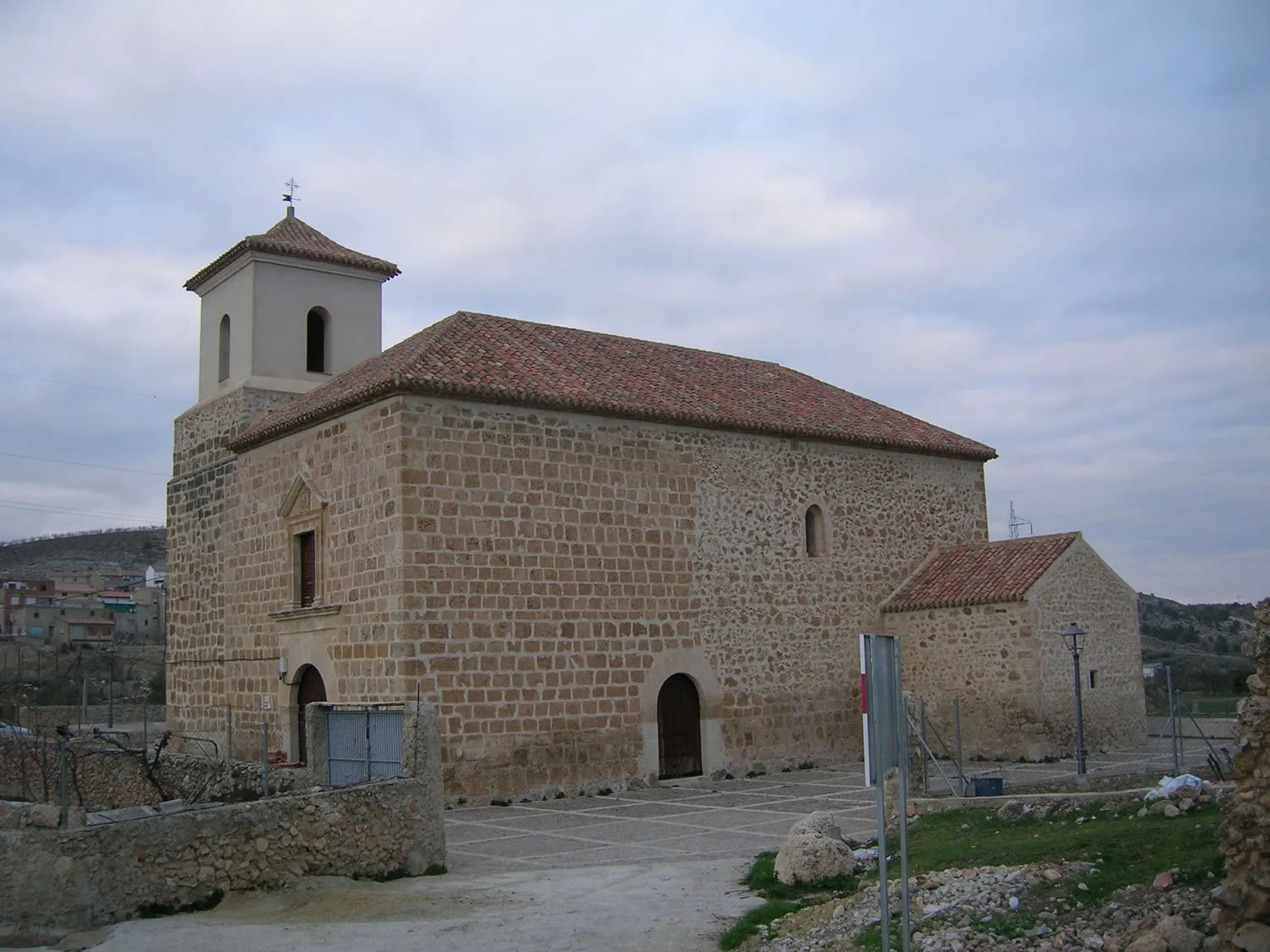
Moratalla
Murcia villa on the Southeastern Way, dominated by its medieval castle fortress. A mountain enclave with a rich heritage of rock art in its surroundings.
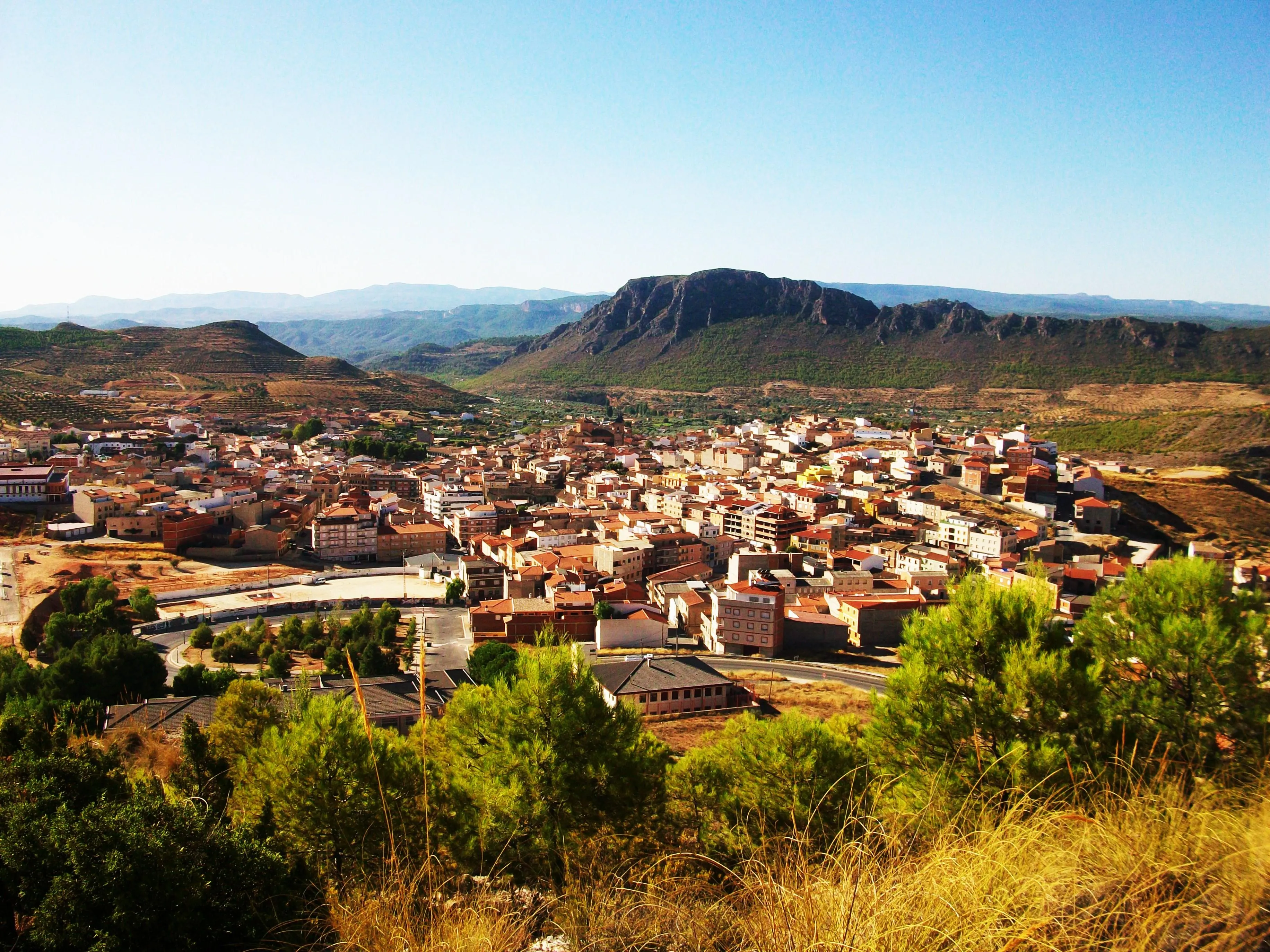
Socovos
800 mAlbacetan municipality in the Sierra del Segura. Socovos, with its ruined castle and mountainous surroundings, is a stopover with history and nature on the Camino del Argar.
Elche de la Sierra
700 mAlbacetean villa in the Sierra de Alcaraz. Elche of the Sierra is a stop with services on the Camino del Argar, famous for its straw carpets during the Corpus Christi.
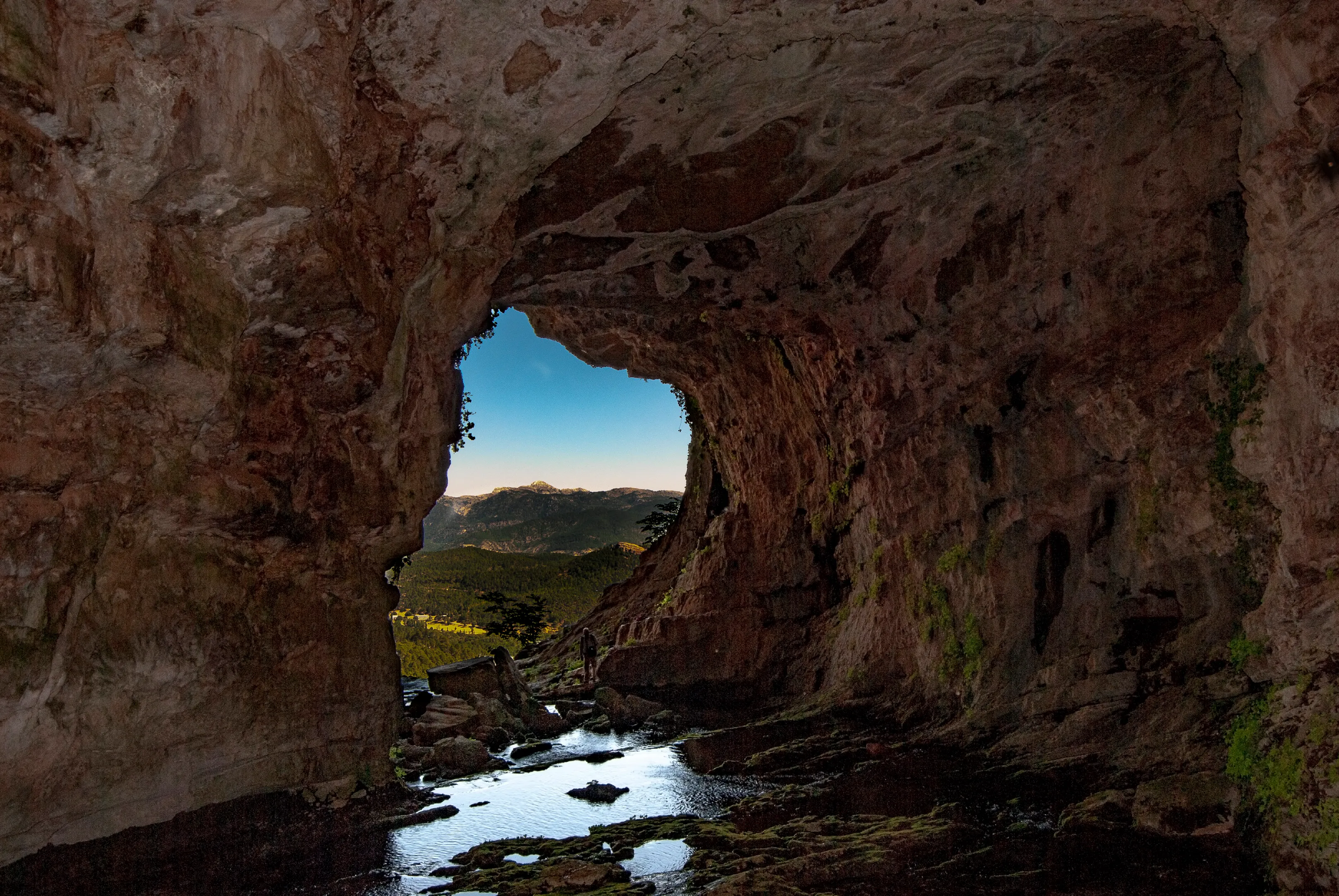
Riópar
1100 mBirthplace of the River Mundo. Riópar, in the Sierra de Alcaraz, is a spectacular stop on the Camino del Argar, a nature paradise with one of Spain's most beautiful river birthplaces.
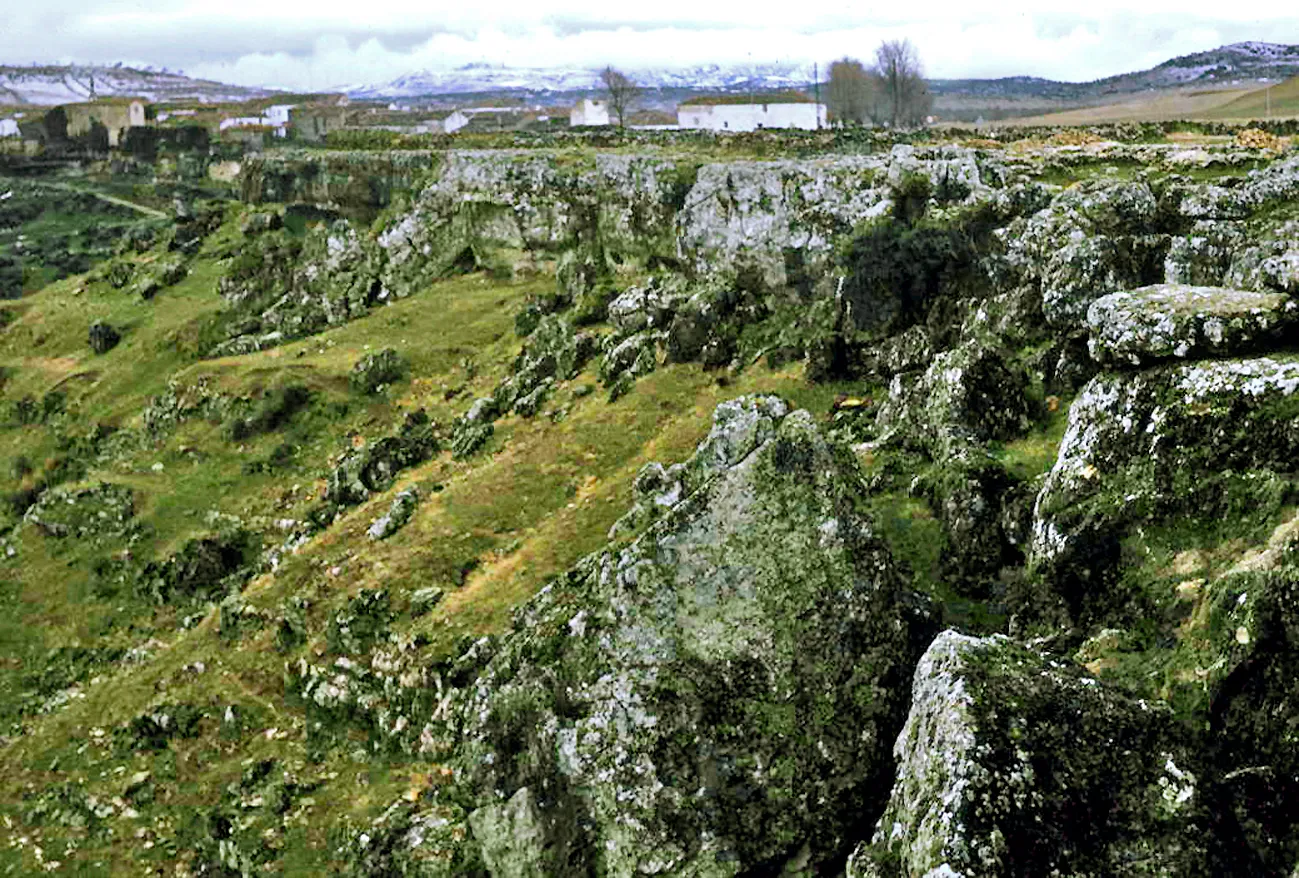
Vianos
1200 mMountain village in the Sierra de Alcaraz. Viñuelas offers pilgrims of the Argar Way spectacular panoramic views and the tranquility of high Albateen Sierra.
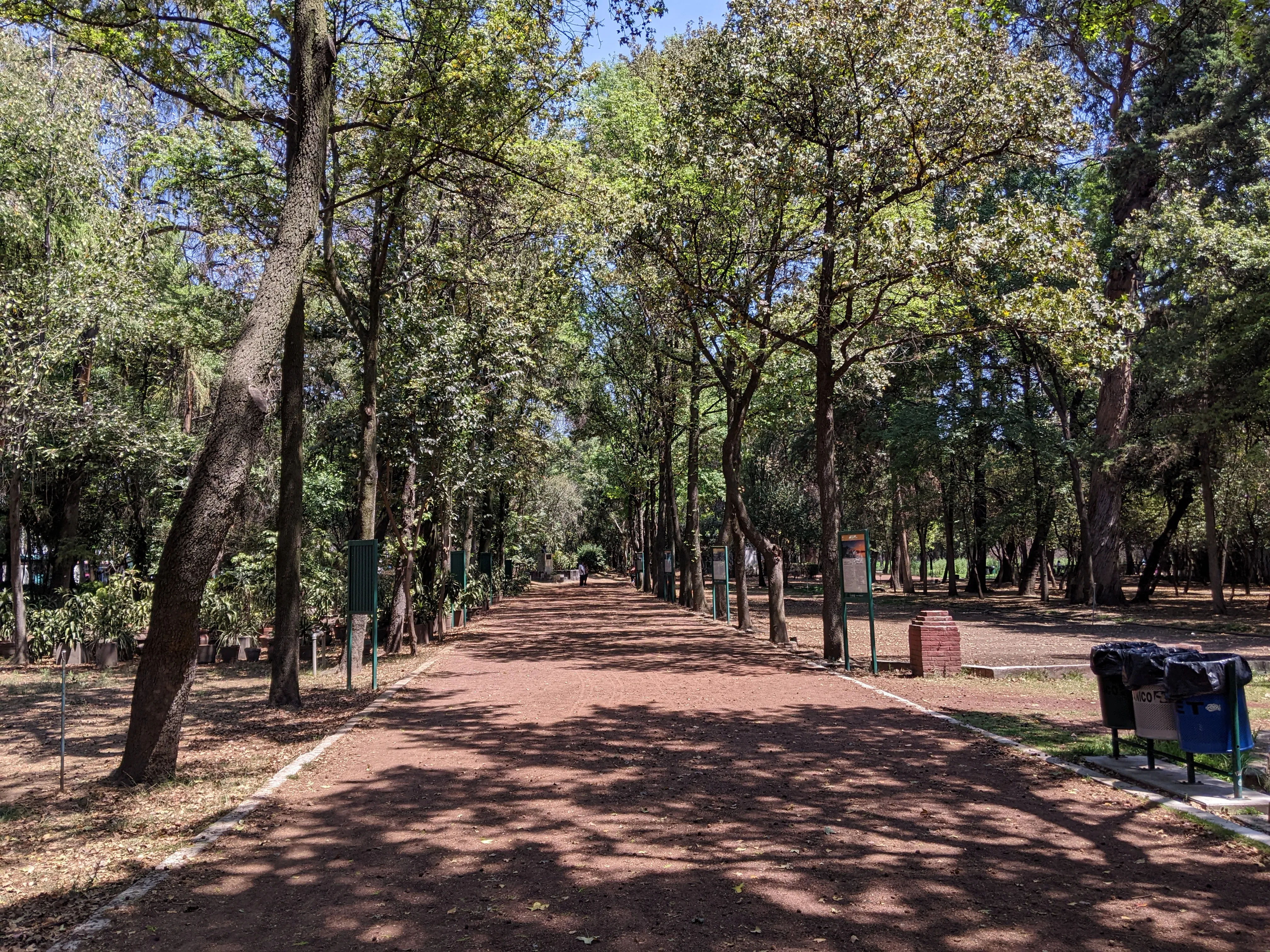
Viveros
1000 mAlbacetan municipality in the plain. The viveros on the Camino del Argar is a rural stop that offers a peaceful rest in the transition from the mountains to the Manchegan plain.
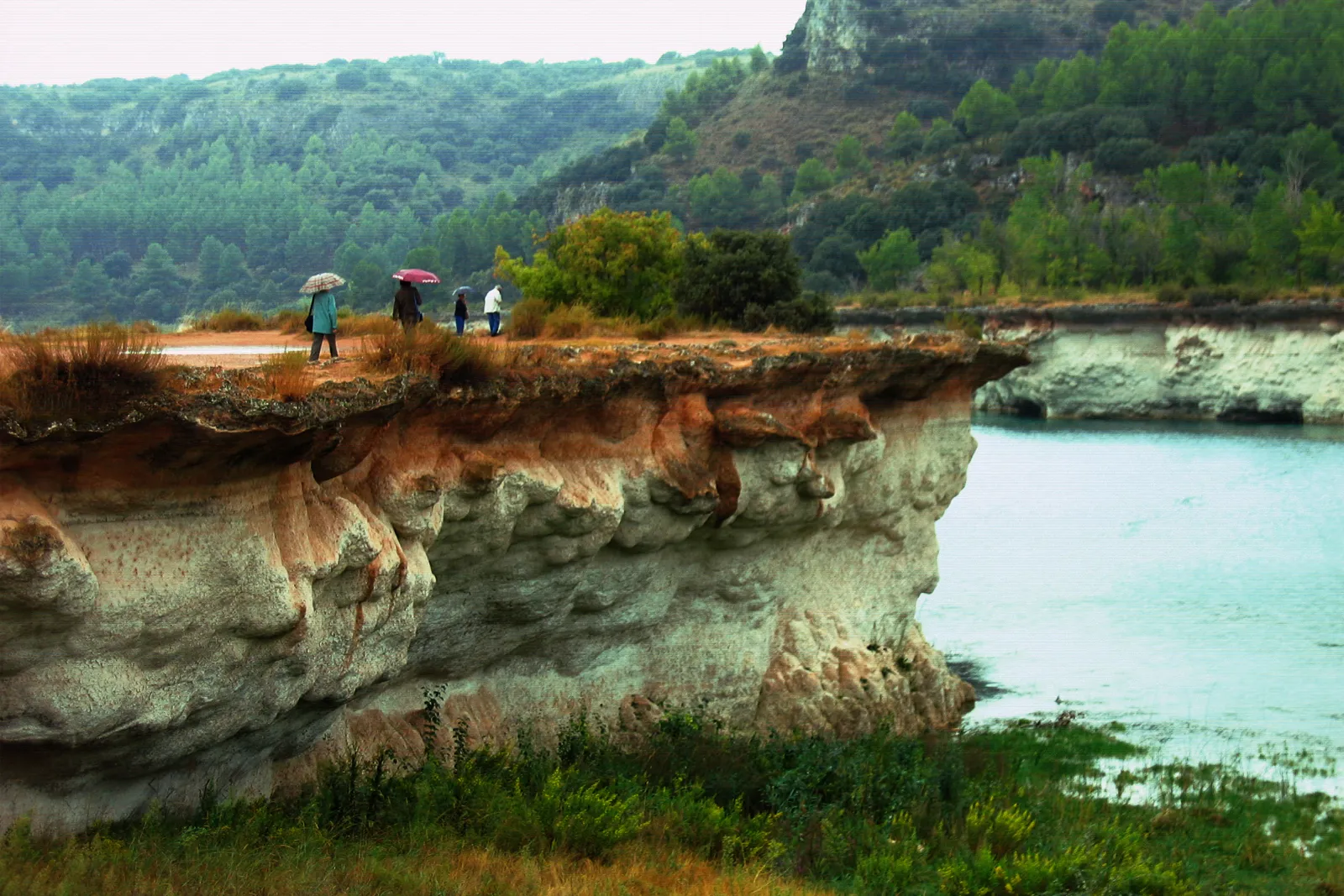
Lagunas de Ruidera
900 mWater oasis and life in La Mancha. The Las Lagunas of Ruidera Natural Park is a natural spectacle and a beautiful stop on the Camino del Argar.
Tomelloso
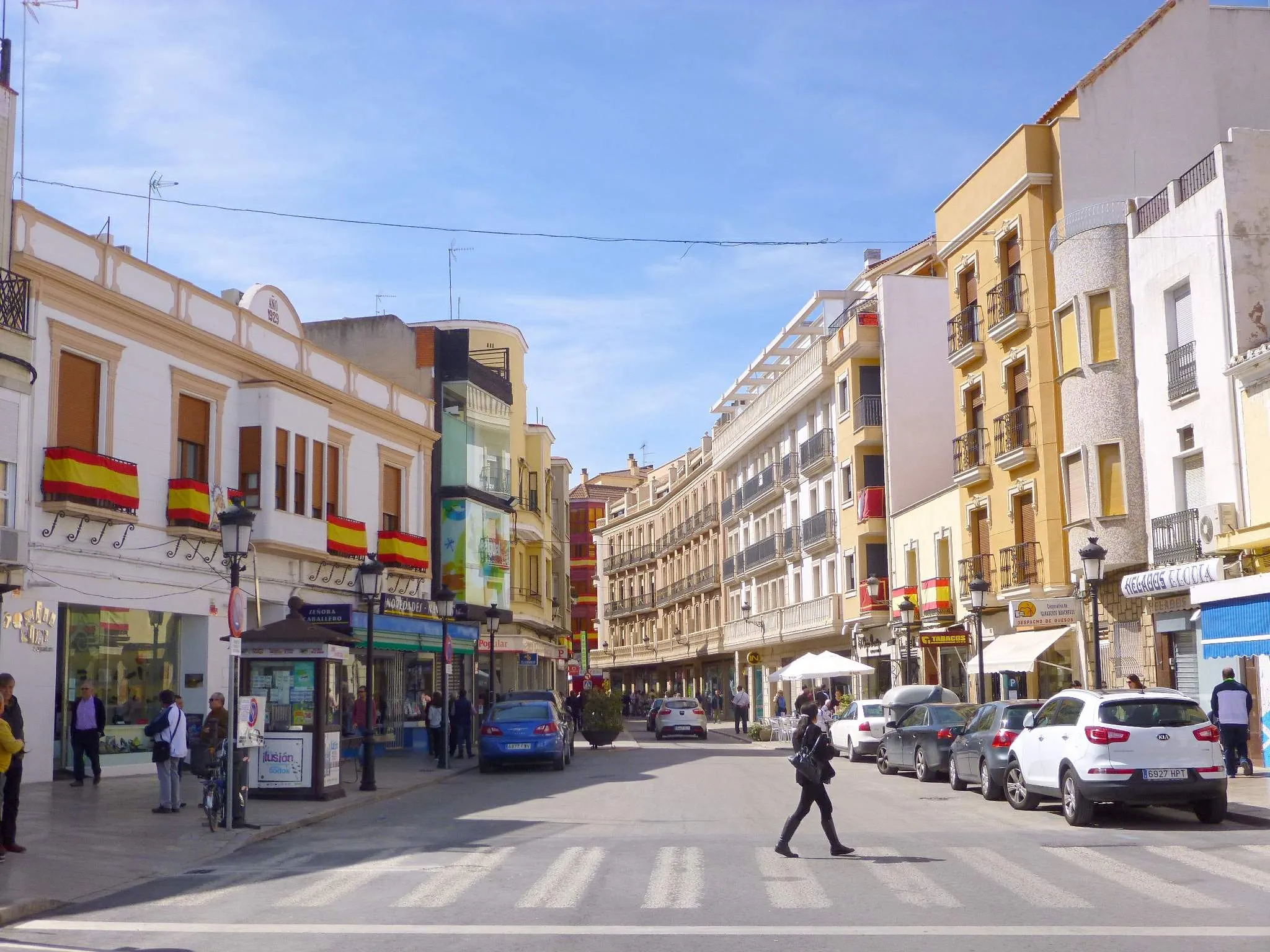
660 mHeart of La Mancha and wine city. Tomelloso, with its "bombos" and cellars, is a key stop on the Camino del Argar to discover the culture of wine and art.
Alcázar de San Juan
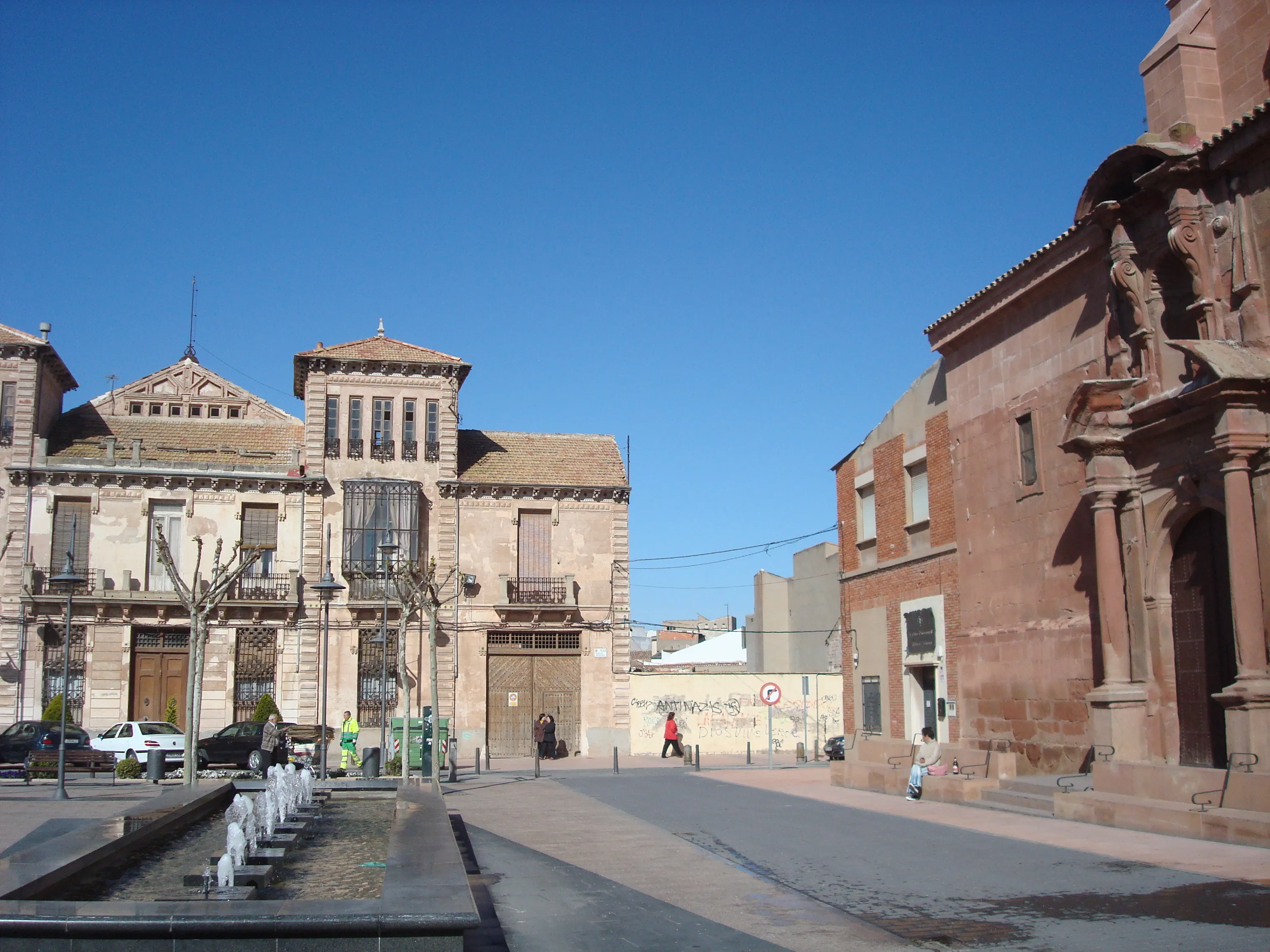
640 mHeart of La Mancha and cradle of nobles. Alcázar de San Juan, with its windmills and heritage, is a stopover with a deep Cervantine flavor on the Argar Route.
History of Route of the Argar
The Region of Murcia was for centuries a land of borders, first between Christian kingdoms and Islam, and then between the Crowns of Castile and Aragon. After the Reconquista, much of its territory was entrusted to the Order of Santiago for defense and administration. The presence of the Santiago knights imbued the region with a strong Jacobean devotion. For pilgrims from these lands, the journey to Galicia was a colossal undertaking, and they needed a route that connected them securely with major interior roads.
The Way of Argar was born to fulfill this function. Starting from the historic city of Lorca, with its imposing "Fortaleza del Sol", the path heads northwest, in a progressive ascent from Murcian lowlands to the meseta. The spiritual high point of the entire route and one of its most important historical keys is the city of Caravaca de la Cruz. Caravaca is not just any place; it is one of only five cities in the world, along with Jerusalem, Rome, Santiago de Compostela, and Santo Toribio de Liébana, that enjoys the privilege of celebrating an Año Jubilar forever. The Basilica of the Vera Cruz of Caravaca holds a splinter of the "Lignum Crucis" in a relicary crucifix form. For many pilgrims from the region, the ideal journey consisted of a double pilgrimage: first to Caravaca to venerate the Cross and then continuing on to Santiago to honor the Apostle. The Way of Argar is therefore the bridge that unites these two powerful centers of faith.
After leaving Caravaca, the path traverses the western Murcian mountains and enters Castile-La Mancha through Albacete province. It passes by historic villages such as Hellín and Tobarra, famous for their Semana Santa tamboradas, a tradition deeply rooted in popular culture. The landscape, often dry but of austere beauty, contrasts strongly with the green trails of northern roads.
The final objective of the route is to converge with the Levante Route, one of the major Jacobean paths coming from the Mediterranean. The point of union usually is the historic village of Chinchilla de Montearagón or La Roda in Albacete. Once there, the Way of Argar pilgrim joins a larger flow of walkers to continue on the long journey towards the Vía de la Plata and finally to Santiago.
The recovery of this itinerary by friend groups of the Camino has rescued a route of great historical and spiritual value. Walking the Way of Argar is an exigent and solitary experience, a journey through the history of borders, military orders, and deep devotion in southeastern Spain, uniting in one pilgrimage two of the most important jubilee destinations in Christendom.
Accommodations on the Route
The Route of the Argar has 28 verified accommodations along the entire route.
View Stages & AccommodationsPractical Tips for Route of the Argar
Best Season
Spring (April-June) and autumn (September-October) are the best seasons. Pleasant temperatures and fewer crowds than summer.
Physical Preparation
Train by walking progressively in the months before. Start with short distances and increase. Your body will adapt to the rhythm of the Camino.
What to Pack
Light backpack (max 10% of your weight), worn trekking shoes, breathable technical clothing, raincoat, sunscreen and basic first aid kit.
General Tips
Carry the pilgrim credential, stay hydrated, respect your pace, book accommodation in high season and enjoy the journey without rushing.
FAQ about Route of the Argar
La Ruta del Argar tiene una longitud total aproximada de 400 km, lo que la convierte en un recorrido extenso pero emocionante por el sureste peninsular. Ourway Travel te ayuda a planificar cada paso para asegurar tu experiencia jacobea.
La duración estimada para recorrer la Ruta del Argar es de aproximadamente 13 días, ofreciendo un balance entre desafío y logro. Ourway Travel te asiste con toda la información necesaria para prepararte adecuadamente.
La temporada media, que abarca los meses de abril a junio y septiembre hasta octubre, ofrece un clima ideal y una menor afluencia de peregrinos. Durante estos periodos, podrás disfrutar de paisajes verdes y menos agobios típicos del verano. Ourway Travel te asesora sobre las mejores fechas para tu viaje.
El coste de la ruta varía según los servicios que elijas, pero nuestro paquete completo incluye alojamiento en albergues y hoteles seleccionados por nosotros. Para un precio exacto, te recomendamos contactarnos directamente para personalizar tu viaje. Ourway Travel se encarga de gestionar todos los detalles para asegurar una experiencia sin preocupaciones.
Con Ourway Travel, podrás disfrutar de un viaje completo que incluye alojamiento en albergues y hoteles seleccionados, así como el servicio de transporte de tu equipaje entre las etapas. Además, te proporcionamos información detallada sobre la ruta para asegurar una experiencia segura y emocionante.
La Ruta del Argar destaca por su travesía menos conocida, ofreciendo un paisaje único y una historia rica que contrasta con los itinerarios más tradicionales. Aunque puede ser más desafiante debido a sus condiciones de terreno, proporciona una experiencia inigualable en contacto directo con la cultura del sureste español. Ourway Travel te asiste para elegir entre diferentes opciones según tus preferencias y objetivos.
Si estás buscando un camino jacobeo con menor afluencia de peregrinos, la Ruta del Argar podría ser una excelente opción. Ofrece una experiencia tranquila y en contacto directo con la naturaleza y la historia del sureste español. Ourway Travel te proporciona toda la información necesaria para tomar esta decisión informada.
Para obtener tu credencial de peregrino, puedes acercarte a cualquier oficina religiosa o centro cultural que te sea accesible antes de iniciar el viaje. En Ourway Travel, nos aseguramos de proporcionarte los detalles necesarios y ayudarte con este aspecto logístico para garantizar una preparación completa.
Ready for this adventure?
Let us organize your pilgrimage. We take care of accommodations, transfers and everything you need.