
Camino de Santiago
Route of the Argar
The Argar Route connects Lorca (Murcia) with the Levant Way in Albacete. A Jacobean route through the unknown and surprising southeastern peninsula.
Organize your Route of the ArgarLast updated: 21/05/2025
The Route
General Description of Route of the Argar
Related Routes
Connections of Route of the Argar
East Coast Road
815 km
33
High
The Levante Way is one of the major Jacobean routes in the Peninsula. It connects Valencia with the Silver Road in Zamora, allowing for continuation to Astorga to join the French Way. Its route, over 800 km until Zamora, traverses the Central Plateau, passing through Castile-La Mancha and Castile and León.
It is a long and demanding route, especially in summer. It offers a deep immersion into interior Spain, with its vast landscapes and historic cities like Toledo and Ávila. Due to its length and the variability of services in some areas, it requires excellent planning.
Stages of this variant:
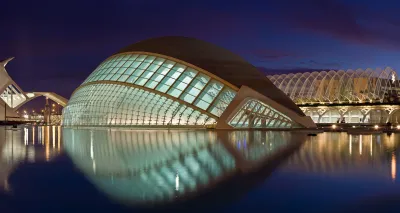
Stage 1: Valencia to Algemesí
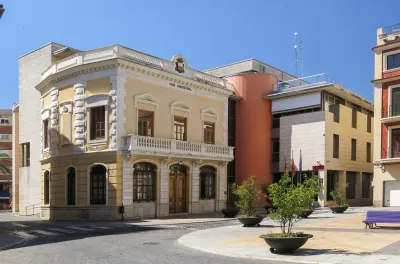
Stage 2: Algemesí to Xàtiva
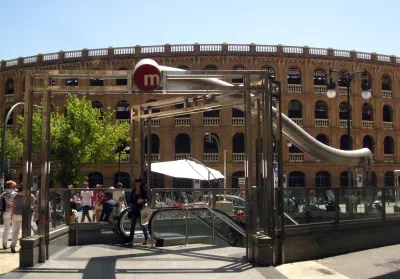
Stage 3: Xàtiva to Moixent
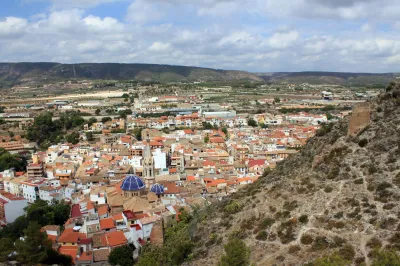
Stage 4: Moixent to La Font de la Figuera
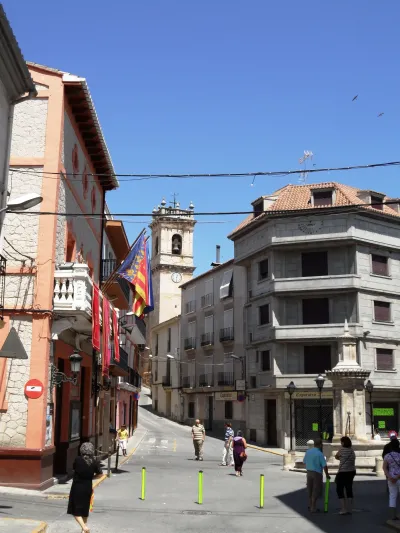
Stage 5: La Font de la Figuera to Almansa
Your trip with Ourway
Everything you need for your Camino
No hassle. Your perfect route, from start to finish.
Accommodation
Selected hotels and hostels at every stage
Luggage transfer
Your backpack travels from stage to stage
Camino Guide
Detailed map with directions and services
24h Support
Team available for any unforeseen event
Pilgrim credential
Official documentation included
No commitment
Free personalized consultation
Walk this route with us
Fancy walking this route?
We don't have a ready-made package for this route yet, but we'll organise it around you. Tell us how you'd like to experience it and a specialist will reply within 24 h.
Request your proposalStages
Stages of Route of the Argar
Lorca → Zarcilla de Ramos
First stage of the Argar Route, which starts in Lorca, a monumental city presided over by its medieval castle and heir to an important Argaric settlement (Bronze Age). The route leaves the Guadalentín...
Zarcilla de Ramos → La Encarnación
Second day on the high plateau of northwest Murcia. The stage runs along rural roads between cereal fields and dry crops, with continuous views of the mountains of La Muela and El Gigante. After about...
La Encarnación → Moratalla
This stage enters the northwest of Murcia through the valley of the Argos River, with an undulating route through almond groves, vineyards and olive groves. The approximately 27 km link the sanctuary ...
Moratalla → Socovos
Long transition stage between the Region of Murcia and the province of Albacete, which enters the Sierra de Segura. The route climbs gradually through forest tracks between pine forests and Mediterran...
Socovos → Elche de la Sierra
Full stage in the Sierra de Segura in Albacete, with a moderate route of about 22 km. The road runs through pine forests, olive groves and orchards irrigated by the tributaries of the Mundo river. The...
Elche de la Sierra → Riópar
One of the longest and most demanding stages of the Ruta del Argar, with about 37 km and a considerable accumulated difference in altitude. The route crosses the heart of the Sierra de Alcaraz along a...
Towns
Featured Towns of Route of the Argar
Explore the key towns and cities of this route.


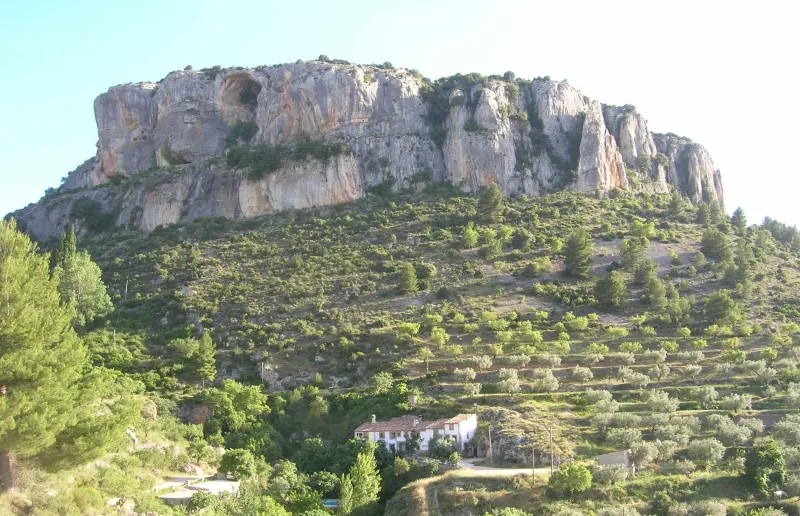
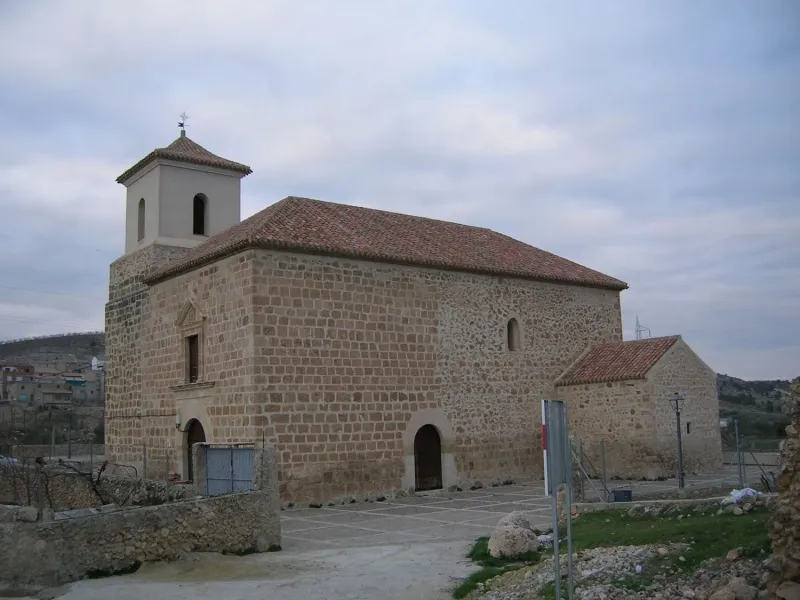
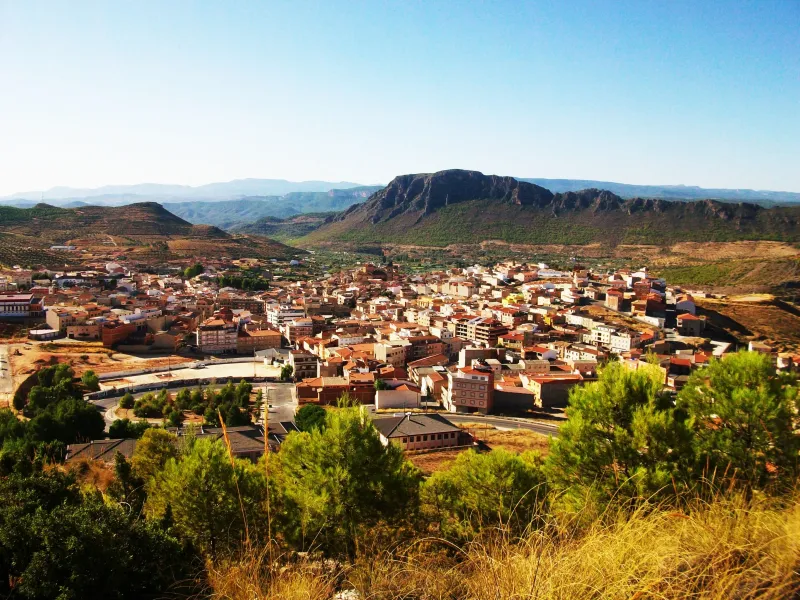
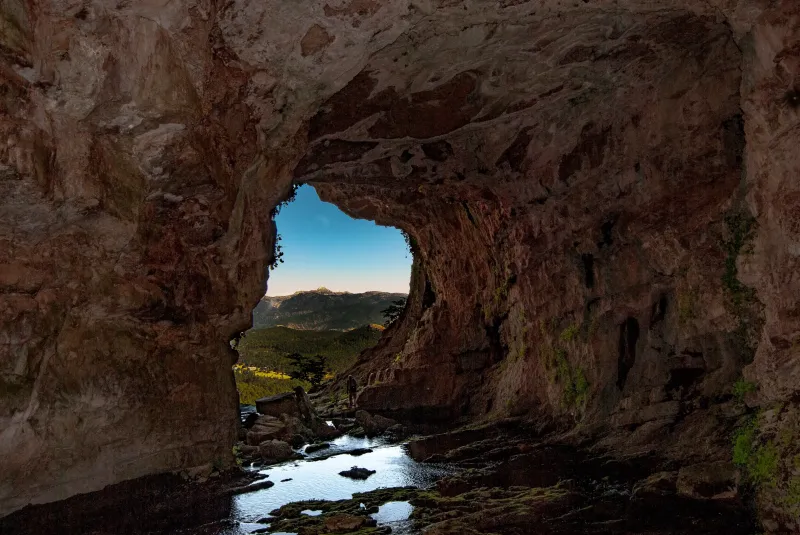
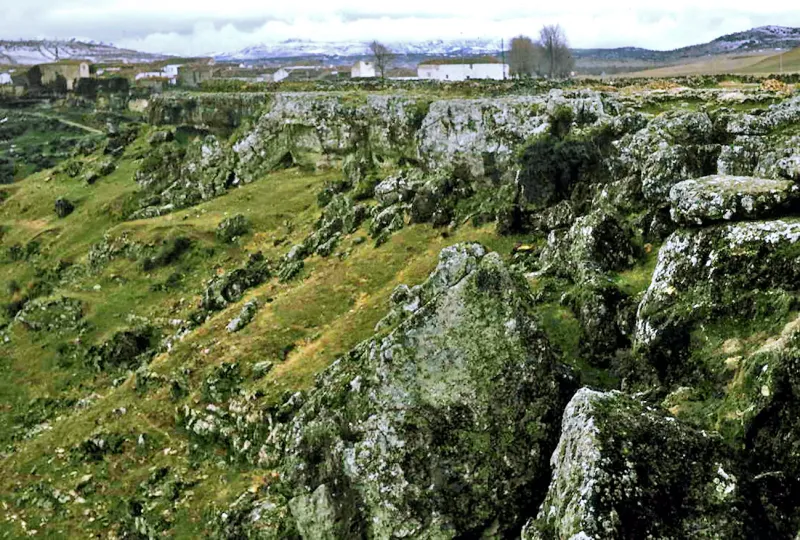
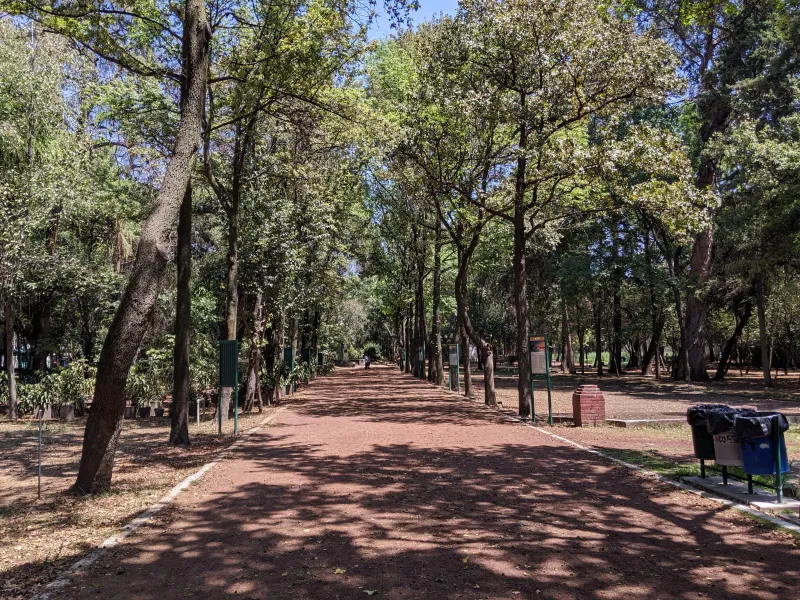
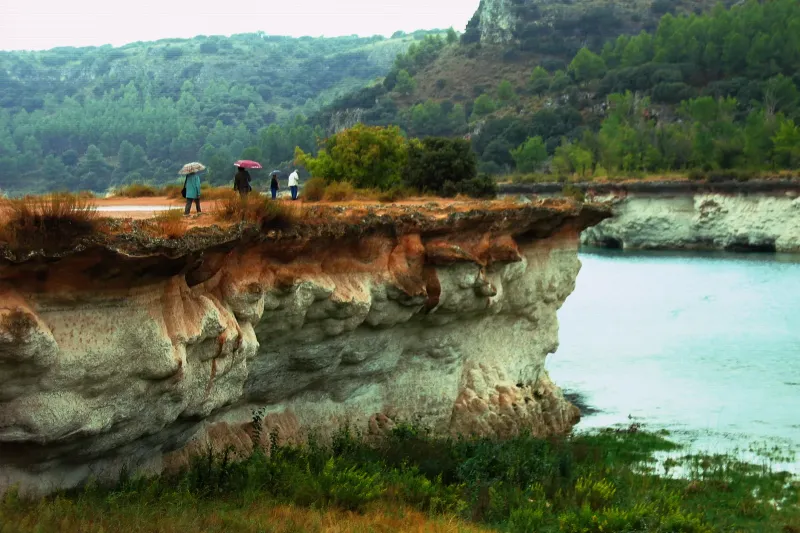
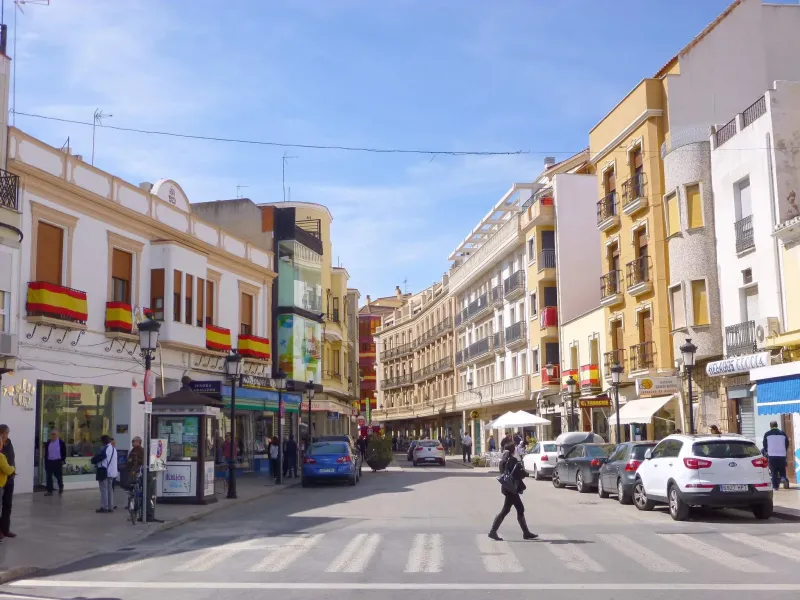
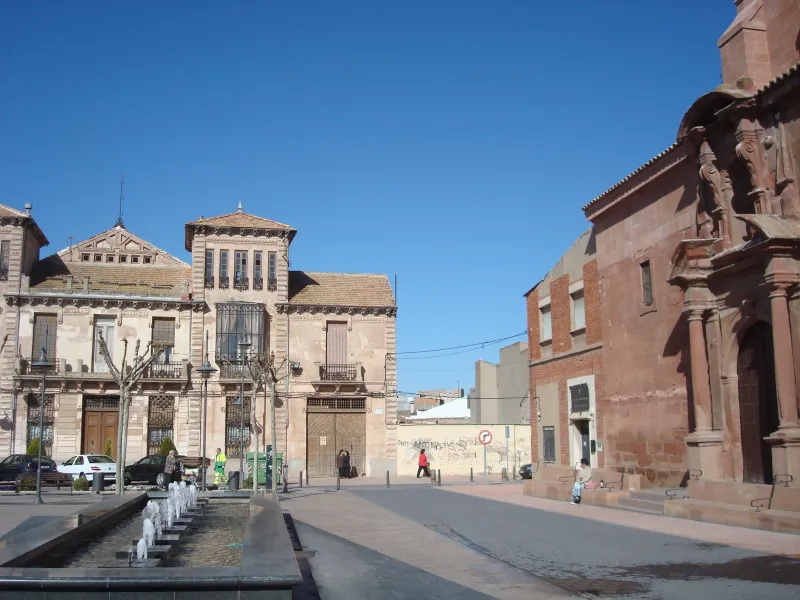
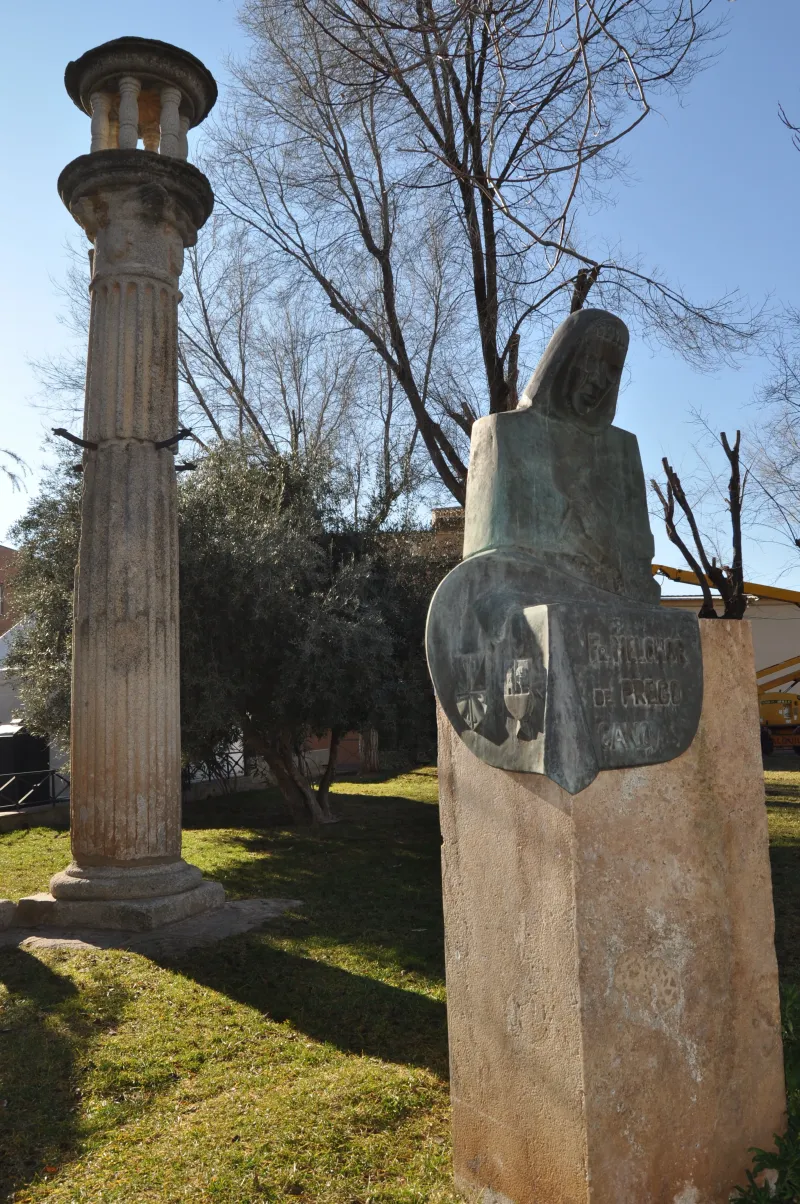
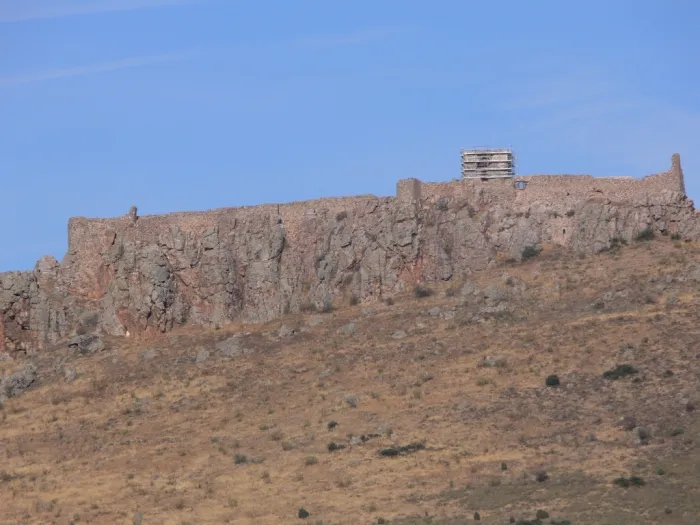
History
Millenary History of the Camino de Santiago: Origins and Evolution Route of the Argar
Discover the origins and evolution of Route of the Argar
The Region of Murcia was for centuries a land of borders, first between Christian kingdoms and Islam, and then between the Crowns of Castile and Aragon. After the Reconquista, much of its territory was entrusted to the Order of Santiago for defense and administration. The presence of the Santiago knights imbued the region with a strong Jacobean devotion. For pilgrims from these lands, the journey to Galicia was a colossal undertaking, and they needed a route that connected them securely with major interior roads.
The Way of Argar was born to fulfill this function. Starting from the historic city of Lorca, with its imposing "Fortaleza del Sol", the path heads northwest, in a progressive ascent from Murcian lowlands to the meseta. The spiritual high point of the entire route and one of its most important historical keys is the city of Caravaca de la Cruz. Caravaca is not just any place; it is one of only five cities in the world, along with Jerusalem, Rome, Santiago de Compostela, and Santo Toribio de Liébana, that enjoys the privilege of celebrating an Año Jubilar forever. The Basilica of the Vera Cruz of Caravaca holds a splinter of the "Lignum Crucis" in a relicary crucifix form. For many pilgrims from the region, the ideal journey consisted of a double pilgrimage: first to Caravaca to venerate the Cross and then continuing on to Santiago to honor the Apostle. The Way of Argar is therefore the bridge that unites these two powerful centers of faith.
After leaving Caravaca, the path traverses the western Murcian mountains and enters Castile-La Mancha through Albacete province. It passes by historic villages such as Hellín and Tobarra, famous for their Semana Santa tamboradas, a tradition deeply rooted in popular culture. The landscape, often dry but of austere beauty, contrasts strongly with the green trails of northern roads.
The final objective of the route is to converge with the Levante Route, one of the major Jacobean paths coming from the Mediterranean. The point of union usually is the historic village of Chinchilla de Montearagón or La Roda in Albacete. Once there, the Way of Argar pilgrim joins a larger flow of walkers to continue on the long journey towards the Vía de la Plata and finally to Santiago.
The recovery of this itinerary by friend groups of the Camino has rescued a route of great historical and spiritual value. Walking the Way of Argar is an exigent and solitary experience, a journey through the history of borders, military orders, and deep devotion in southeastern Spain, uniting in one pilgrimage two of the most important jubilee destinations in Christendom.
We answer your questions
Frequently Asked Questions about Route of the Argar
How long is the Ruta del Argar to Santiago de Compostela?
The Ruta del Argar has an approximate total length of 400 km, making it a lengthy but exciting journey through southeastern Spain. Ourway Travel helps you plan every step to ensure your Jacobean experience.
How many days are needed to complete the Ruta del Argar?
The estimated duration for completing the Ruta del Argar is approximately 13 days, offering a balance between challenge and achievement. Ourway Travel assists with all necessary information to prepare adequately.
What is the best time of year to do the Ruta del Argar?
The medium season, from April to June and September to October, offers ideal weather conditions and a lower influx of pilgrims. During these periods, you can enjoy green landscapes and avoid the typical summer crowds. Ourway Travel advises on the best dates for your trip.
What is the cost to do the Ruta del Argar with Ourway Travel?
The cost varies depending on the services you choose, but our full package includes accommodation in hostels and hotels selected by us. For an exact price, we recommend contacting us directly to customize your trip. Ourway Travel handles all the details to ensure a worry-free experience.
What does the Argar Route package with Ourway Travel include?
With Ourway Travel, you can enjoy a complete journey that includes accommodation in selected hostels and hotels as well as luggage transportation between stages. Additionally, we provide detailed information about the route to ensure a safe and exciting experience.
How does the Ruta del Argar compare to other Camino routes in Spain?
The Ruta del Argar stands out for its lesser-known journey, offering a unique landscape and rich history that contrasts with more traditional itineraries. Although it may be more challenging due to terrain conditions, it provides an unparalleled experience in direct contact with the culture of southeastern Spain. Ourway Travel assists you in choosing among different options according to your preferences and goals.
Which is the least crowded Camino de Santiago route?
If you prefer a less busy pilgrimage route, the Ruta del Argar could be an excellent choice. It offers a peaceful experience in direct contact with nature and the history of southeastern Spain.
How do I obtain my pilgrim credential for the Ruta del Argar?
To get your pilgrim credential, you can visit any religious office or cultural center accessible to you before starting your journey. At Ourway Travel, we ensure to provide you with all necessary details and assist with this logistical aspect to guarantee thorough preparation.
Organize Your Camino
Ready for this adventure?
Route of the Argar