
Camino de Santiago
The Camino of Biscay by Bike
Cross the Pyrenees by its greenest route on a bike. The Baztan Route takes you from the Baztan Valley to the gates of Pamplona in two stages.
Organize your The Camino of Biscay by BikeLast updated: 09/08/2025
The Route
General Description of The Camino of Biscay by Bike
Related Routes
Connections of The Camino of Biscay by Bike
Way of Baztan
108.4 km
5
Media
The Baztán Way is an ancient and beautiful Jacobean route that connects Bayonne (France) with Villava, at the gates of Pamplona, where it links up with the French Way. With a 108 km journey, it crosses the Pyrenees via a lower pass than Roncesvalles, following the course of the Bidasoa River and crossing the spectacular Baztán Valley.
It is known for its green landscapes, traditional farmhouses, and rich Navarran culture. It offers a shorter and less crowded alternative to enter Spain, ideal for those seeking a different Pirencean experience and closer contact with nature.
Stages of this variant:
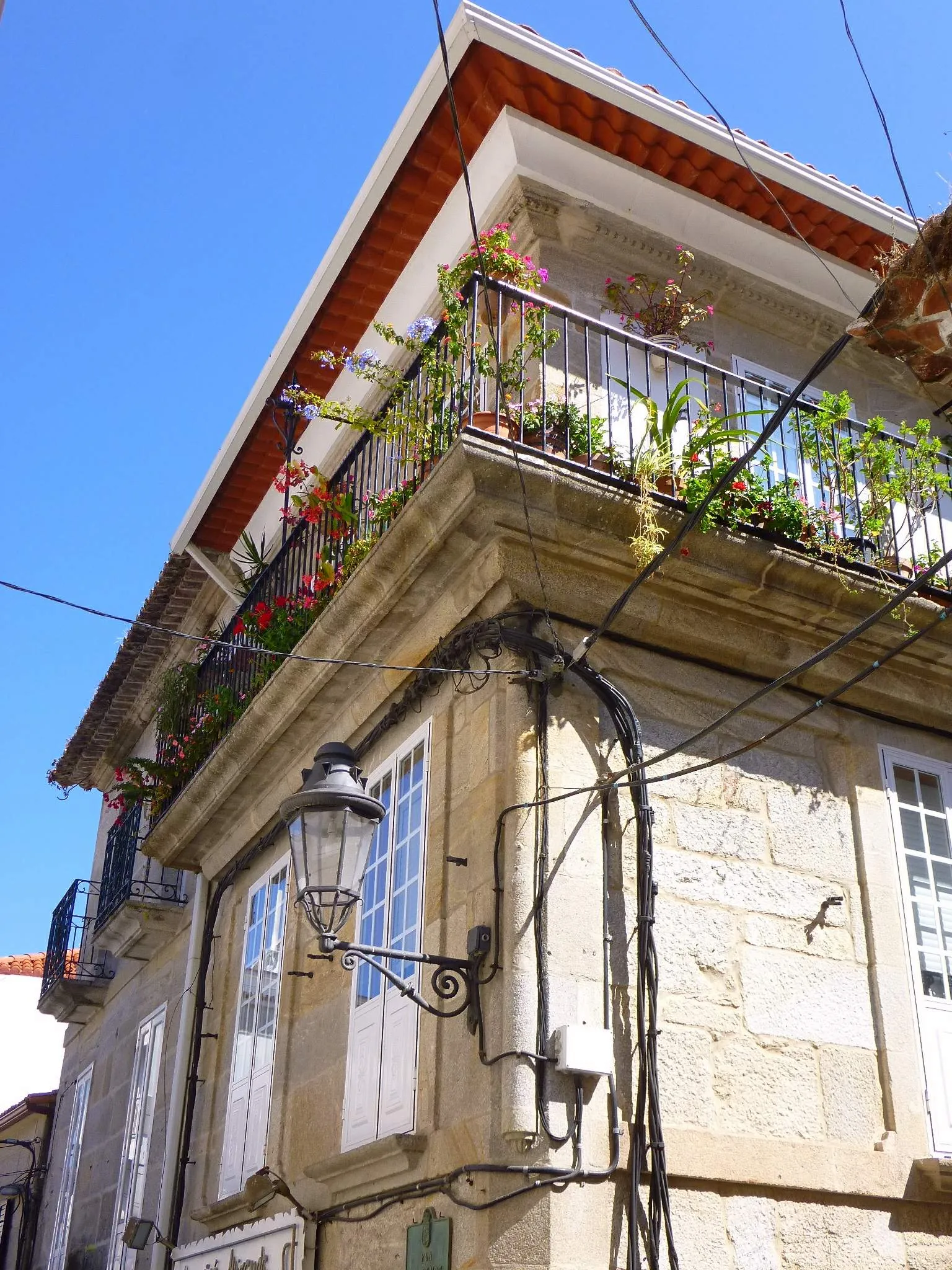
Stage 1: Bayona to Souraïde
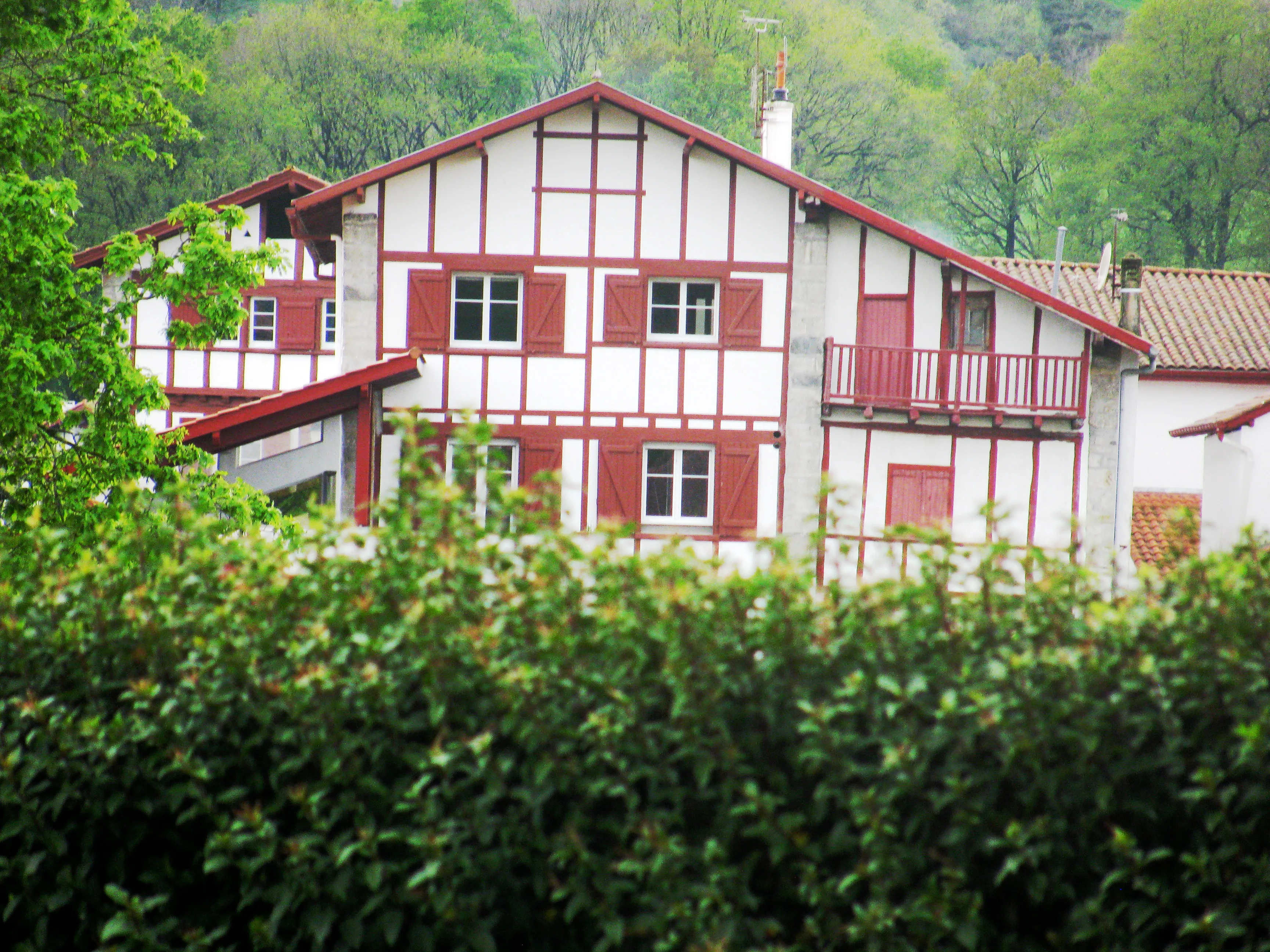
Stage 2: Souraïde to Amaiur/Maya
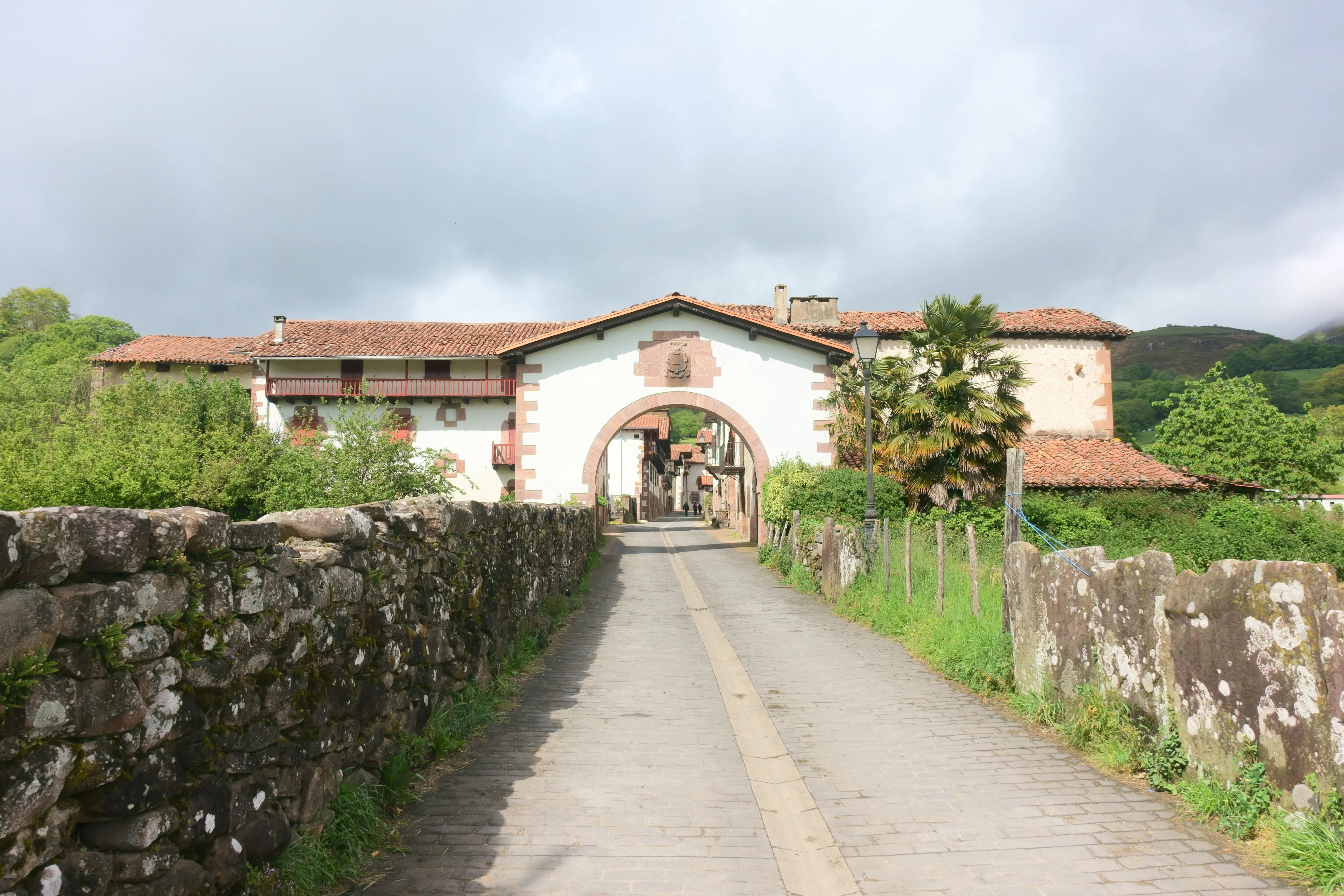
Stage 3: Amaiur/Maya to Berroeta
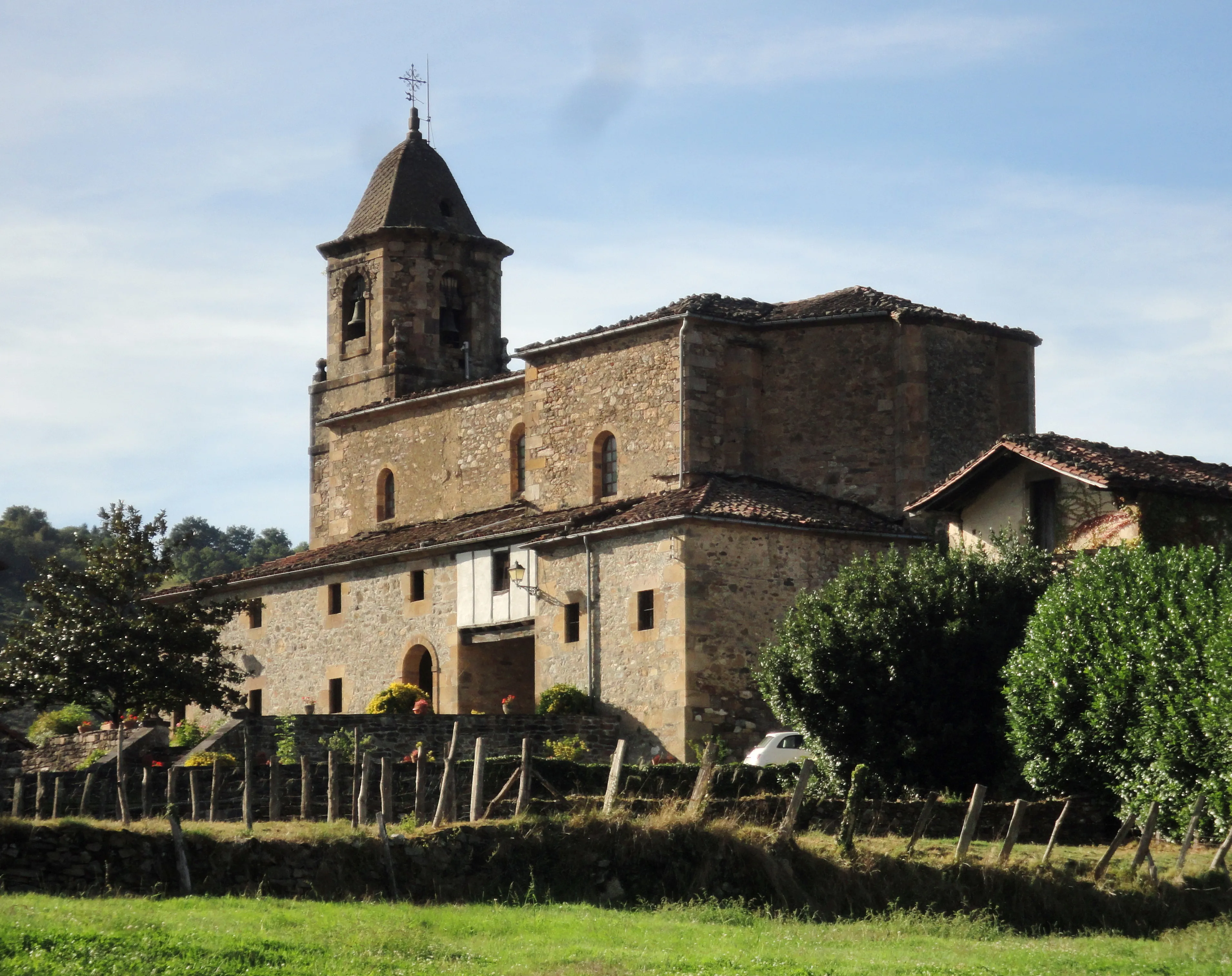
Stage 4: Berroeta to Olagüe
Stage 5: Olagüe to Pamplona
Elevation Profile of
Elevation Profile of The Camino of Biscay by Bike
Visualize the ups and downs of the route.
Loading elevation profile...
Error loading elevation profile or altitude data not available.
Your trip with Ourway
Everything you need for your Camino
No hassle. Your perfect route, from start to finish.
Accommodation
Selected hotels and hostels at every stage
Luggage transfer
Your backpack travels from stage to stage
Camino Guide
Detailed map with directions and services
24h Support
Team available for any unforeseen event
Pilgrim credential
Official documentation included
No commitment
Free personalized consultation
Stages
Stages of The Camino of Biscay by Bike
Bayona → Elizondo
The penultimate stage of the Camino Francés. The route is smoother than before, a pleasant walk through eucalyptus forests and meadows. Emotion grows as you approach Santiago. It's a day to enjoy the ...
History
Millenary History of the Camino de Santiago: Origins and Evolution The Camino of Biscay by Bike
Discover the origins and evolution of The Camino of Biscay by Bike
The original Baztan Cycle Route was a medieval path, a lower and often safer alternative to Roncesvalles, especially during winter. The adaptation to cycling has respected this gentle character. The terrain, although not flat, features undulating hills and mountain passes with generally moderate slopes. This has made it an ideal itinerary for "gravel" or rigid mountain bikes, and accessible for cyclists with good physical form but who don't seek extreme technical difficulties on other Pirenne routes.
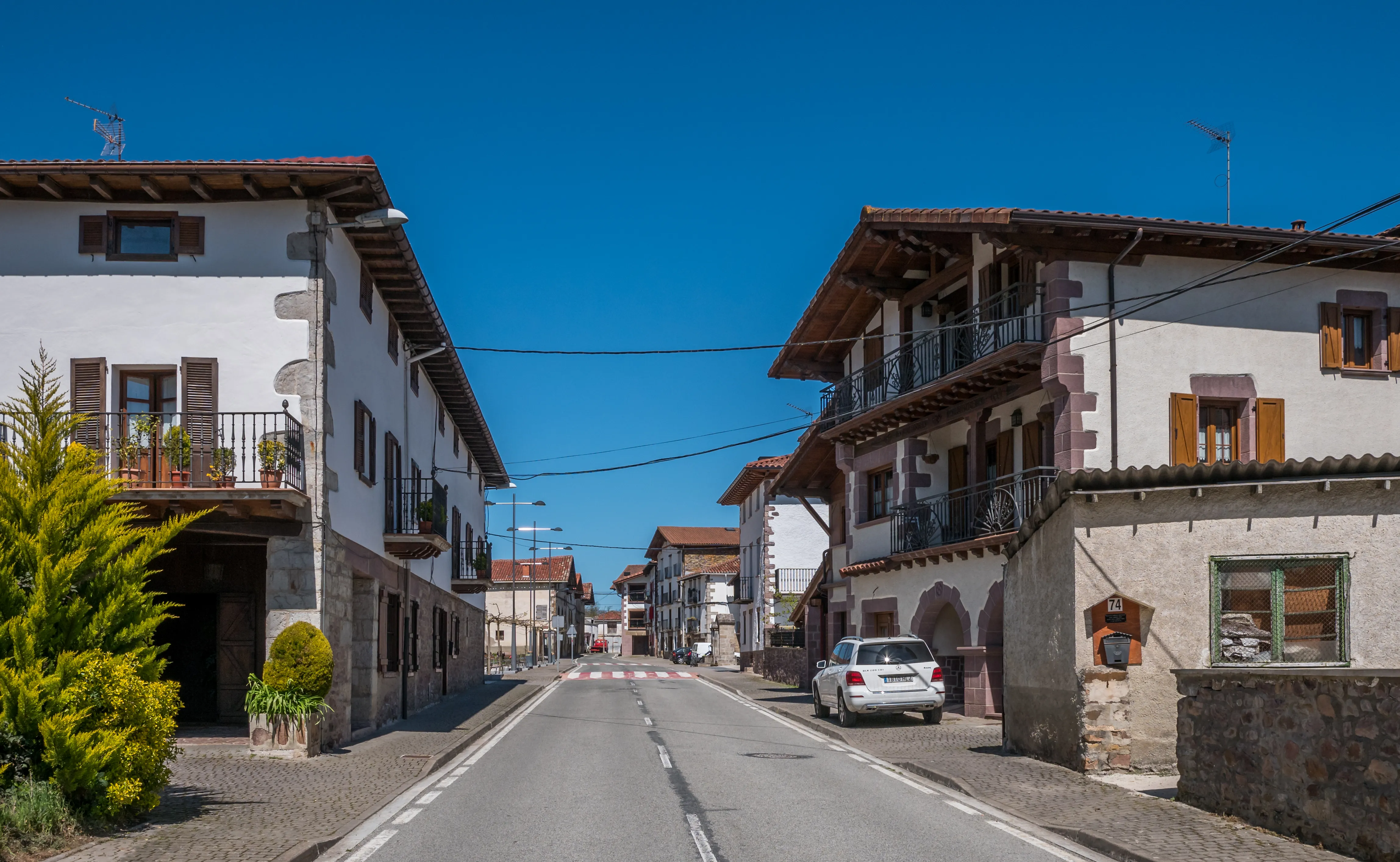
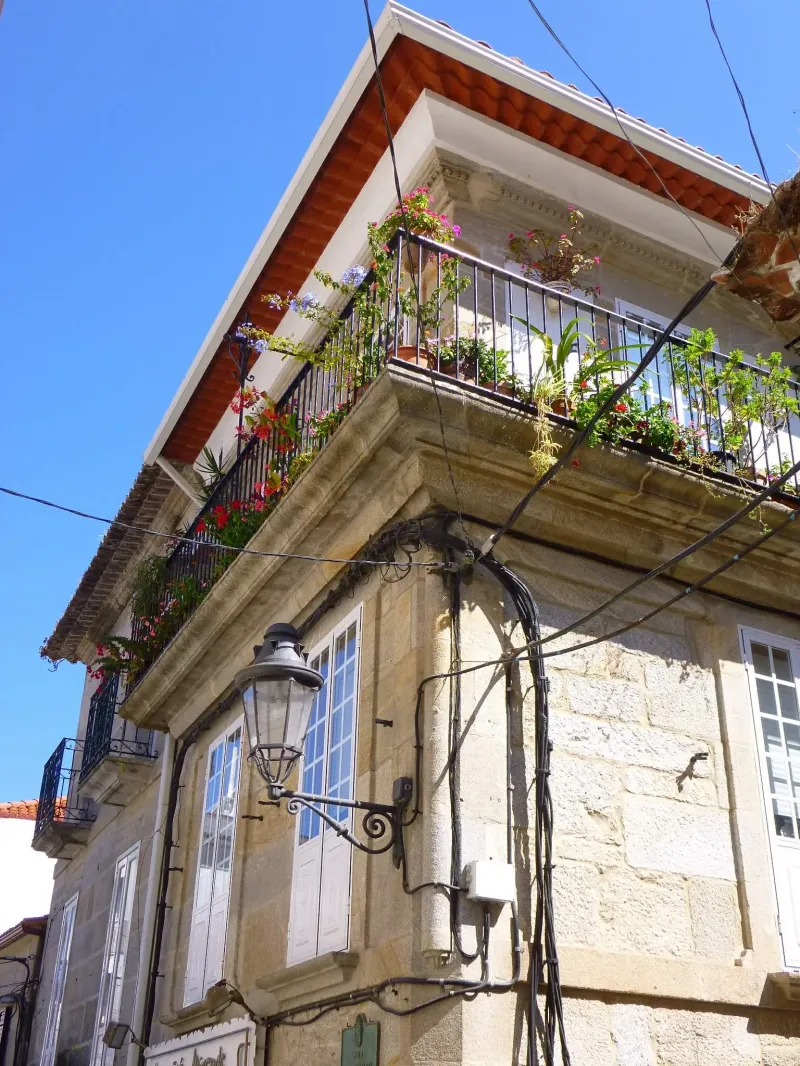
The journey begins in the French city of Bayonne, crossing into Navarre after passing through the border. The cyclist's experience is a delight to the senses. The bike allows one to cover approximately 100 kilometers at an ideal pace, fully enjoying a landscape that seems plucked from a postcard: lush grasslands with intense green, dotted with robust stone cottages with red roofs and balconies filled with flowers, surrounded by dense forests of hay and oaks. Villages like Elizondo, the capital of the valley, preserve an enchanting charm and traditional architecture.
The main challenges for cyclists are Otsondo and Belate passes. They're sustained ascents but mostly on local roads or well-maintained paths that are rewarded with long and fun descents. The passage through Belate, with the ruins of its ancient pilgrim hospital, connects the cyclist directly to medieval history on the route.
One of the major attractions of this route is its tranquility. Unlike the start of the Camino Francés in Saint-Jean-Pied-de-Port, here the cyclist can enjoy kilometers of solitude, sharing the path more with livestock and nature than other pilgrims. This peace breaks dramatically and emotionally at the end of the route. After Belate's descent, the path approaches Pamplona and merges with Arre or Villava on the Camino Francés, bringing a "bicigrino" from the Baztán's silence face-to-face with the international river of pilgrims coming from Roncesvalles, a contrast that is one of the most memorable experiences of the journey.
In summary, the story of the Baztan Cycle Route is a secret whispered among cycling Jacobean enthusiasts. It's the choice of the connoisseur who prefers serene beauty to fame and bustle. It's the perfect way to begin the pilgrimage to Santiago with a concentrated dose of nature, Navarran culture, and inner peace before joining the grand route.
We answer your questions
Frequently Asked Questions about The Camino of Biscay by Bike
How many days does the Baztan Cycle Route last according to Ourway Travel?
The Baztan Cycle Route, offered by Ourway Travel, lasts approximately 2 days. This includes a journey of 109 km through the Navarrese valley with planned overnight stops to fully enjoy the landscape and local culture.
What is the best time to do the Baztan Route by Bicycle?
According to Ourway Travel, the best time to undertake the Baztan Route by bicycle is from April to June and September to October. During this period, a pleasant climate combines with fewer pilgrims, offering a more tranquil but no less beautiful journey.
What does the Baztan Cycle Route package by Ourway Travel include?
The Baztan Cycle Route package by Ourway Travel includes guaranteed accommodation in hotels or rural houses, luggage transfer and storage during your journey, as well as personalized 24/7 assistance. Additionally, our team will provide you with a pilgrim’s credential to complete your trip with a touch of the sacred.
How can I book the Baztan Cycle Route with Ourway Travel?
To reserve the Baztan Cycle Route with Ourway Travel, simply fill out our online booking form by providing your details and preferred dates. Our team of experts will handle all the travel arrangements to ensure an unforgettable experience.
How does the Baztan Cycle Route compare to the French Way?
The Baztan Cycle Route, offered by Ourway Travel, is an alternative to the French Way that allows you to explore a quieter and greener section of the Baztán Valley. Unlike the French route, this journey offers less tourist traffic and more opportunities to enjoy nature and local culture in a less crowded environment.
What is the difficulty level of the Baztan Cycle Route?
The Baztan Cycle Route has a medium difficulty, according to Ourway Travel. Although the terrain is hilly and may require moderate mountain climbs, the passes have generally gentle slopes that are accessible for cyclists in good physical condition.
Which path to choose between Baztanés by Bike and Roncesvalles on foot?
Choosing between the Camino Baztanés by bike and the classic Roncesvalles on foot depends on your preferences. The Baztán route offers a more relaxed journey, ideal for enjoying the scenery and local culture, while Roncesvalles is known for its rich history and greater technical challenges in terrain.
How do I manage my luggage during the Baztan Cycle Route with Ourway Travel?
Ourway Travel handles all aspects of your luggage during the Baztan Cycle Route. Our service includes secure transportation and storage of your belongings between accommodations, allowing you to travel light and enjoy the scenery without worrying about your load.
Organize Your Camino
Ready for this adventure?
The Camino of Biscay by Bike
Walk this route with us
Fancy walking this route?
We don't have a ready-made package for this route yet, but we'll organise it around you. Tell us how you'd like to experience it and a specialist will reply within 24 h.
Request your proposal